The United States is Being Left in the Dust on Amphibian Disease Prevention


For a short time, the U.S. was the world leader in regulating to prevent introduction of a foreign amphibian disease that has caused a deadly epidemic in Northern Europe – and could cause the same outbreaks here. Unfortunately, we have since surrendered our leadership. But, we still can and must act. Here is the story as I have seen it unfold (having begun my advocacy on this particular threat in late 2014).

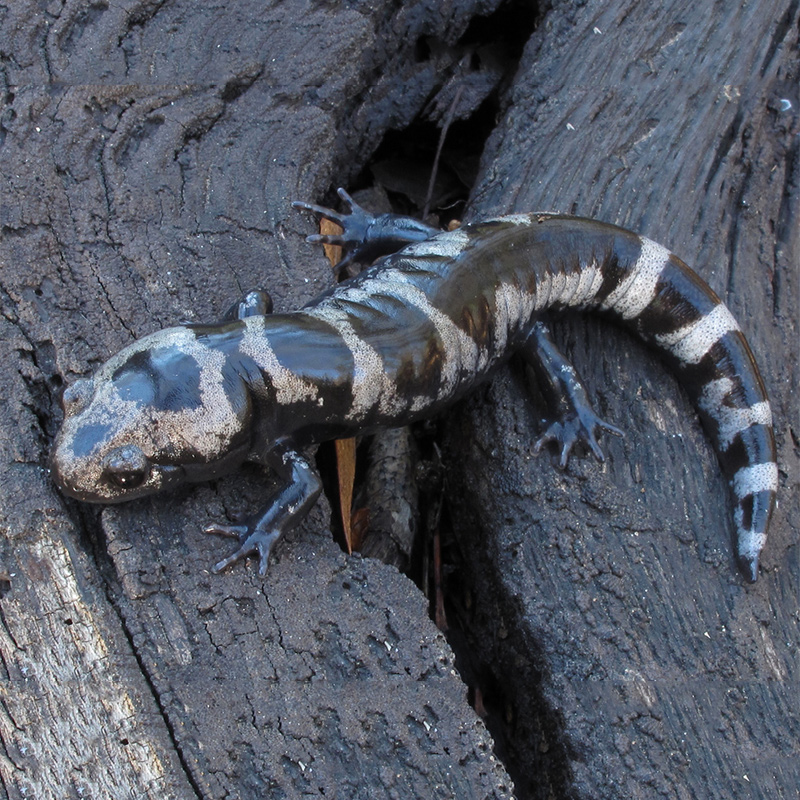
The fungus Batrachochytrium salamandrivorans (“Bsal”) is carried on the skin of a large number of salamander species; it was first described in 2014. To help prevent Bsal from arriving and killing native salamanders, the U.S. Fish and Wildlife Service (FWS) published its “Interim Rule” in January of 2016 to list 201 salamander species as “injurious wildlife” under the Lacey Act (available here; the list of blocked species is here). The FWS had determined that Bsal caused major die-offs of salamanders in Europe and posed an imminent threat to our U.S. native populations. The fungus, which had very likely been carried from Asia to Europe via the pet trade, is not known to exist in the U.S., which is a very fortunate thing because we are the global “hotspot” for salamander diversity. An array of beautiful and popular species are found across the nation, especially in the Appalachian and south-eastern States and the Pacific Coast States.

That 2016 regulation was an important advance fought for by many amphibian conservation advocates and experts. We were proud that ours was the first government to take proactive steps. Unfortunately, the FWS regulation’s focus on just 201 salamander species — out of more than 650 named species worldwide — meant that the regulation was not protective enough to reliably keep Bsal out (as scientists had stressed to the FWS back in 2015). However, we took hope from the fact that it was an “Interim” regulation responding to the urgency of this new risk and the agency had repeatedly announced it intended to revise it into a Final Rule, which process could toughen it up.  However, two and a half years have gone by with no action.

In the fall of 2017 the new Bsal science was showing even greater risk than was understood before. This was gathered into a comprehensive Scientists’ Statement of Reasons for a Class-wide Moratorium of Amphibians in USA Import Trade to Prevent Entry of Bsal, signed by 12 leading amphibian health experts (available here). Further driving home the need for toughening the Interim Rule, in February of 2018 a crucial paper came out, the Yuan et al. salamander study, Widespread occurrence of an emerging fungal pathogen in heavily traded Chinese urodelan species. (Conserv Lett. 2018;e12436). Reviewing Table 1 therein reveals that​ of ​​8 species that tested positive for Bsal infection in China​, when​ compared to the 201 species regulated under the FWS Interim Rule​, ​at least 3 species were ​positive for ​the infection that are ​​not prohibited from import: Andrius davidianusPachytriton wuguanfui and Paramesotriton aurantius.

To reiterate: the Interim Rule allows unregulated Bsal-infected species from China to be imported. Further, we know the list of native U.S. species regulated under the list of 201 species is underprotective. Knowledgeable scientists say that Bsal can infect and harm at least 5 additional native species beyond those the FWS listed, while many more unlisted species can act as carriers of the pathogen. (That research likely will be published over the course of this and next year.)  In short, the 2016 Interim Rule now looks like Swiss cheese.

Meanwhile, we have given up our Bsal leadership position to Canada, the European Union and the United Kingdom. After first adopting a 1-year import moratorium, Canada now (effective May 12, 2018) prohibits imports of all species of the order Caudata (salamanders, newts and mudpuppies) except via a special permit (available here).  Taking a different approach, at the end of February the European Union recommended a sweeping “Clean Trade” program relying on pre-shipment certifications, applicable to both imports into the EU and trade between member nations (available here).  The EU animal health authorities recommended that members allow no commercial salamander shipments without risk mitigations, such as detailed quarantines and testing of shipments.

Just recently the United Kingdom followed the EU recommendation and adopted a strict health certificate and quarantine approach for salamander and newt imports targeted to prevent Bsal (available here). It involves three, alternative, detailed quarantine options, while allowing importers to propose a different quarantine approach if it is based on peer-reviewed published science.

To make matters look worse for the U.S. by comparison, this Administration has for no clear reason disengaged from the previously-announced FWS plan to finalize the underprotective Interim Rule. There was a public comment period that ended in March of 2016. Because of that now two-year old closed comment period, the FWS officials in charge just this past April flatly refused to meet with a group of salamander experts to discuss the implications of the new science mentioned above. Then, we found out that the FWS actually officially has delayed finalizing the Interim Bsal Rule indefinitely; the agency now classifies it as a “Long-term Action” with no planned date for completion. (Per White House, Office of Management and Budget, Unified Regulatory Agenda, here).

This administrative slow-down is remarkably unfortunate. Rather than reflecting the new realities and proposing a state-of-the-science “Clean Trade” approach like the EU and UK, or mandating a permit for all salamander imports like Canada, or at least adding the other known unlisted Bsal-carrying and Bsal-vulnerable species to the list of 201 prohibited species adopted back in 2016, the FWS now appears content to expose the country to the risk of this devastating wildlife epidemic via unregulated imports.

It would be one thing if there was some overwhelming economic value to salamander imports, but that is not so. Salamander imports make up a tiny part of the pet trade – their total dollar value is paltry compared to other imported animals. Neither the organized pet industry nor anyone else is actively trying to block progressive protections. Indeed, the pet industry will itself benefit greatly from not having Bsal here infecting its own commercial pet supply. And the industry will benefit from not being blamed if or when released pet salamanders spread Bsal into the wild, which is an all-too-likely scenario based on past species and pathogen incursions.

As called for in the 2017 Scientists’ Statement mentioned above, in order to protect our priceless North American salamander fauna we need a “class-wide ban” – at least. This can and should still allow for appropriate exceptions under FWS permits for education, research, display and other important uses as are already provided for under the Lacey Act.

If you would like to get involved in the informal “Bsal Discussion Group” that is engaged in advocacy to improve the FWS regulation, please contact me at: jenkinsbiopolicy@gmail.com.


//////////////////////////

PART II, coming soon, will delve into the new science about the “old” emerging amphibian epidemic, Bd, which has devastated frogs and toads across the planet.


Posted by Peter Jenkins

We welcome comments that supplement or correct factual information, suggest new approaches, or promote thoughtful consideration. We post comments that disagree with us — but not those we judge to be not civil or inflammatory.
 

Appropriations Update – Give A Big Round of Applause to the House Appropriations Committee


In mid-May, the House Committee on Appropriations adopted two bills crucial to funding efforts to counter tree-killing non-native insects and diseases. Please let them know you are grateful.


APHIS funding

The Agriculture appropriations bill funds APHIS (and other USDA agencies) for Fiscal Year 2019 (which begins on October 1). The new bill provides a total of $998,353,000 to APHIS, an increase of $16.4 million above the FY18 level and $259 million above the Administration’s request. ( I blogged about the Administration’s alarming request here.) You can find the bill here; the more informative report is posted here.  Use search words to find specific APHIS programs.

The pest-related funding is apportioned among several areas:

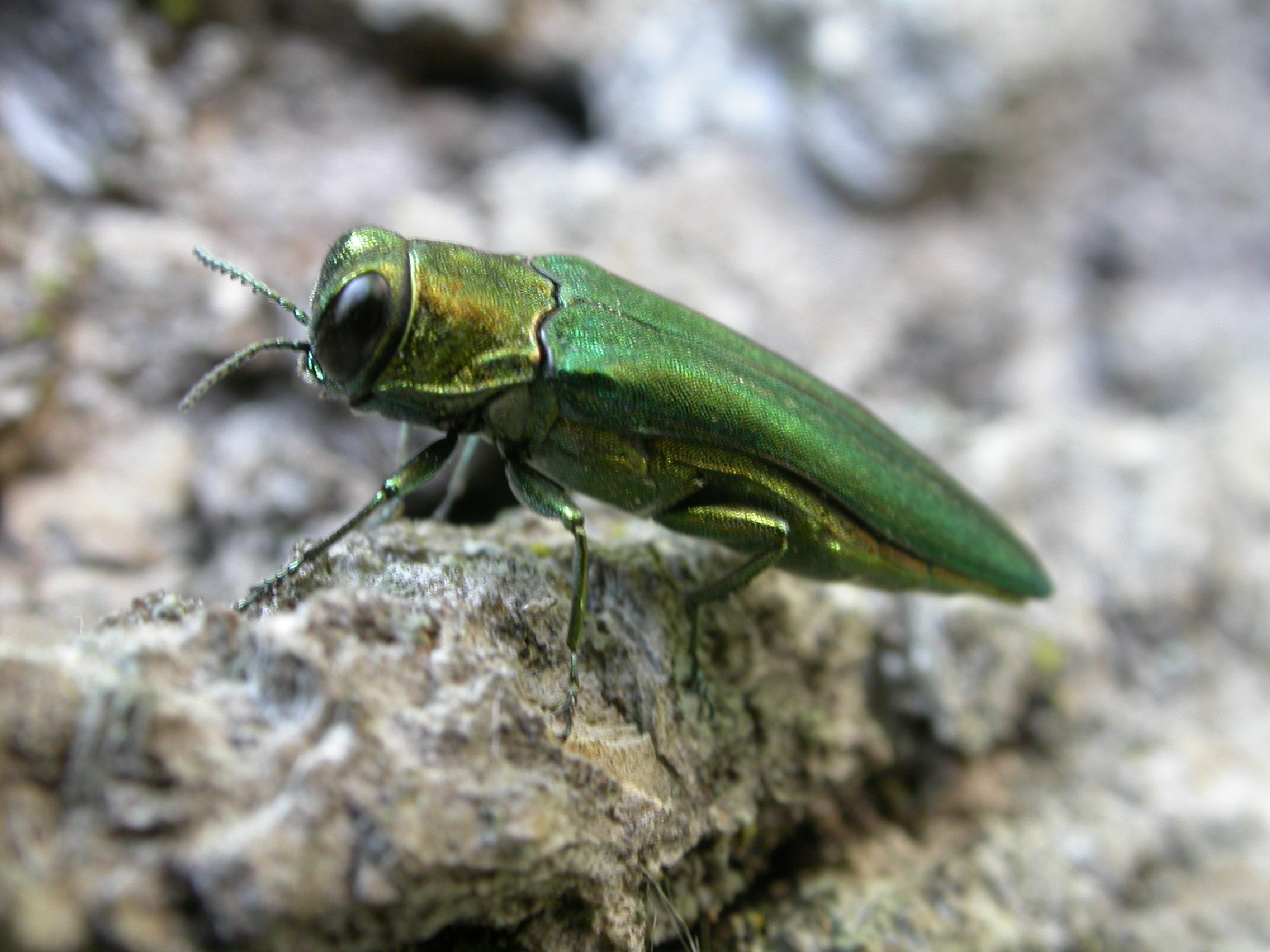
Tree and Wood Pest Program. Unlike in previous years, the House bill does not cut funds for this program – which funds efforts to eradicate or contain the Asian longhorned beetle, emerald ash borer, and European gypsy moth. Instead, it maintains funding at the FY18 level of $54 million. Under the circumstances, this is good news. Thank you for your efforts to educate members of the House subcommittee on agricultural appropriations about this crucial program! (In past years, we relied on the Senate to restore funding for the Tree and Wood Pest Program.)

Specialty Crop Pests Program. The House increased funding by $10.8 million here, and specified that $15 million target the spotted lanternfly. This recently detected Asian leafhopper is spreading in southeastern Pennsylvania and was recently confirmed in Virginia’s Shenandoah Valley.  It is a pest of native hardwood trees as well as of orchard and other crops.

Also, the Committee used its report to stress several concerns:

Access to emergency funding. In the report, the House Appropriations Committee reiterates its longstanding instruction that the USDA Secretary continue to use his authority to transfer funds from the Commodity Credit Corporation. They support using these funds  –  above and beyond appropriated funds –  for the arrest and eradication of animal and plant pests and diseases that threaten American agriculture.


Brown Apple Moth vs. Emerald Ash Borer. Interestingly, the House Appropriations Committee encourages APHIS to engage state and international regulatory bodies as it moves to deregulate the light brown apple moth. The Committee expresses concern that if APHIS simply withdraws federal regulation without the necessary work with other officials, it will shift, not reduce, the regulatory burden. Then growers would carry the burden of preventing spread of the pest. I wish the Committee had made the same statement vis a vis the emerald ash borer!  APHIS also plans to stop regulating this insect which continues to threaten still-uninvaded portions of the United States and Mexico.


Micornesia and Hawai’i. The Committee also instructs the Secretary of Agriculture to report to both the House and Senate Committees on Appropriations its progress implementing the Regional Biosecurity Plan for Micronesia and Hawai`i. This plan combines efforts by the U.S. Department of Defense, Department of the Navy, and the island governments to prevent transport of invasive species as a consequence of relocating military personnel from a base in Okinawa, Japan. More information is available here.


Forest Service funding

The Interior appropriations bill funds the US Forest Service (as well as Interior Department and Environmental Protection Agency).


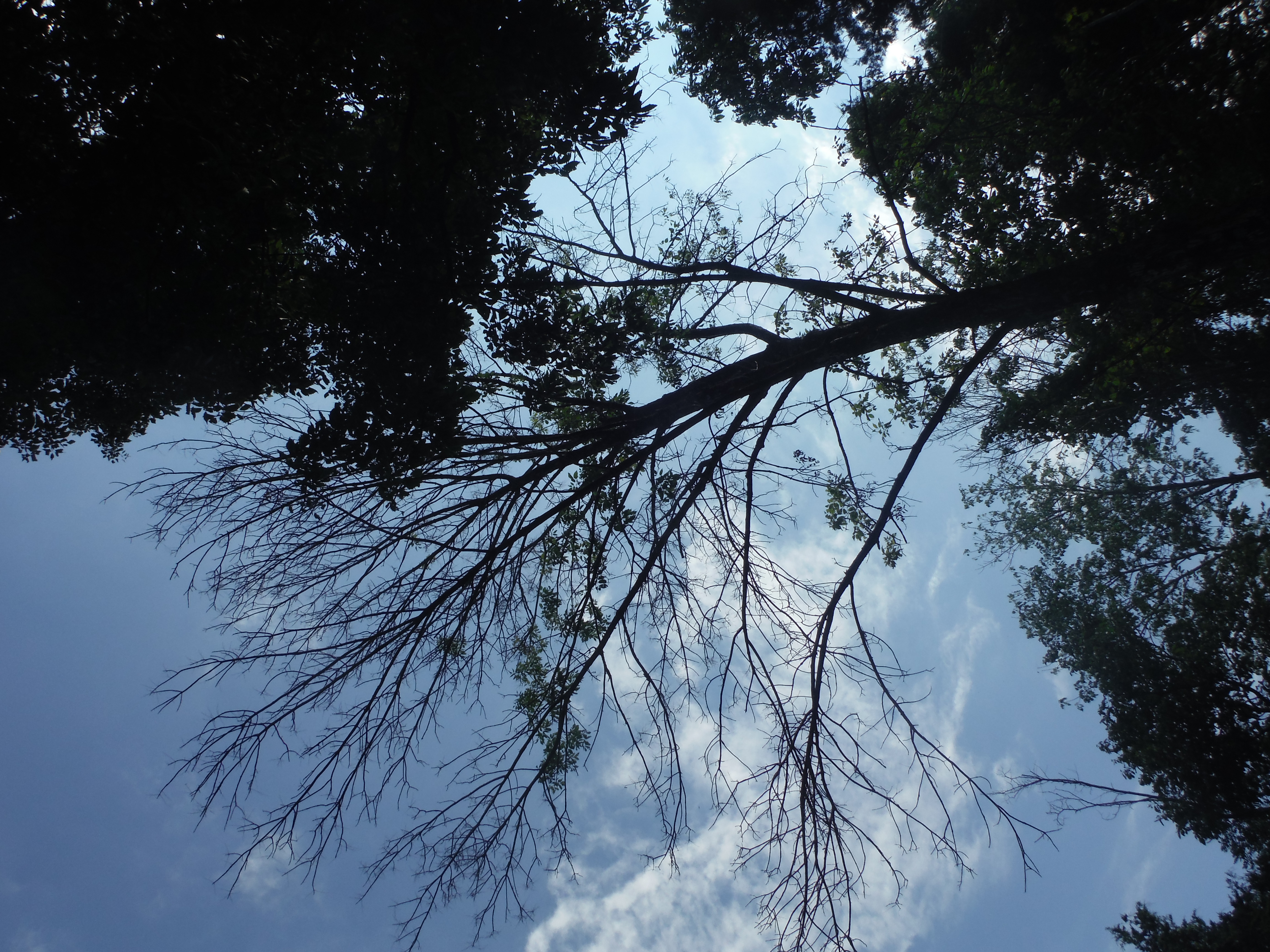
Forest Health Management Program. The bill provides an increase of $19.5 million above FY18 levels for the forest health management program ($30 million above the Administration’s request). The Committee instructs the Forest Service to “work in concert with Federal agencies, States, and other entities to prioritize the allocation of these funds to address the greatest threats.” The emerald ash borer, “bark beetle” (which ones?) and cogon grass are expressly mentioned. The report is posted here.  (It is unclear what actions the Forest Service is expected to take on the EAB, since regulations intended to curtail people from moving infested wood will soon be dropped by APHIS. The Forest Service could support breeding of ash trees resistant to the beetle.)


Forest Service Research. The Interior appropriations bill also maintained funding for Forest Service research at the FY18 level of $297 million – rather than cutting it to $259 million as advocated by the Administration. The Committee has called for the USFS to act within one year to “strengthen” its research program. The Committee expressly avoids endorsing several priorities advocated by Members of Congress while waiting for the Forest Service to implement this instruction.


If your representative is a member of the House Appropriations Committee (members listed here), please thank them for supporting APHIS’ and USFS’ programs. These funding increases shift several years of decline and are a true win for protecting our forests from non-native insects and pathogens!


Posted by Faith Campbell


We welcome comments that supplement or correct factual information, suggest new approaches, or promote thoughtful consideration. We post comments that disagree with us — but not those we judge to be not civil or inflammatory.
 

The 2018 Farm Bill – It’s Complicated!

As you might remember, the Center for Invasive Species Prevention and the Vermont Woodland Owners Association last year proposed several amendments to the Farm Bill that we hoped would strengthen the U.S. Department of Agriculture’s programs on non-native insects, plant pathogens, and invasive plants. These proposed amendments are here and here.

Two of our amendments sought to strengthen funding for long-term strategies to counterpests and restore pest-depleted tree species to the forest. We intended these proposals to be implemented together.  They were put forward as two proposals only because they fell into different sections, called “titles”, of the Farm Bill.

Our first proposal would create a grant program managed by the National Institute of Food and Agriculture (NIFA) to fund research focused on biocontrol and genetic manipulation of the pests; enhancement of host-resistance mechanisms for tree species; and development of other strategies for restoration. U.S. government agencies, state cooperative institutions, academic institutions with a college of agriculture or wildlife and fisheries, and non-profit organizations would all be eligible for funding.

Our second proposal would provide long-term funding to a similar array of organizations to support research into and deployment of strategies for restoring pest-resistant genotypes of native tree species to the forest. We suggested funds be drawn from the McIntyre-Stennis program. Successful grant applicants would be required to integrate several components into a cohesive forest restoration strategy:

  • Collection and conservation of native tree genetic material;
  • Production of sufficient numbers of  propagules of pest-resistant native trees to support landscape scale restoration;
  • Site preparation in native trees’ former habitat;
  • Planting of native tree seedlings; and
  • Post-planting maintenance of the trees.

Furthermore, priorities for competitive grants issued by this second fund would be based on the level of risk to forests in the state where the activity would take place, as determined by the following criteria:

  • Level of risk posed to forests of that state by non-native pests, as measured by such factors as the number of such pests present there;
  • Proportion of the state’s forest composed of species vulnerable to non-native pests present in the United States; and
  • Pests’ rate of spread via natural or human-assisted means.


Several coalitions presented these two proposals – in various forms – to the House and Senate Agriculture committees earlier this year.


ACTION IN THE HOUSE OF REPRESENTATIVES

The Stefanik Amendment

In the House, Representative Elise Stefanik (R-NY21) inserted a modified version of CISP’s proposed amendments into the Farm Bill (H.R. 2) . Ms. Stefanik’s speech on the House floor introducing her amendment, and support of that amendment by Rep. Glenn Thompson of Pennsylvania and Agriculture Committee Chairman K. Michael Conaway (R-TX) can be heard here; scroll to time 25.16

The Stefanik amendment includes some of the key provisions advocated by CISP but it also differs in significant ways. That is, it relies on an existing grant-making program, the Competitive Forestry, Natural Resources, and Environmental Grants program. This program funds proposals pursuing numerous purposes, including pest management and genetic tree improvement. Rep. Stefanik’s amendment adds a new purpose, restoring forest tree species native to American forests that have suffered severe levels of mortality caused by non-native pests. It is unclear whether this approach will significantly increase resources available for breeding trees resistant to non-native pests.

Another difference is that institutions receiving funds would have to demonstrate that their activity is part of a broader strategy that includes at least one of the following components:

1) Collection and conservation of genetic material;

2) Production of sufficient numbers of propagules to support the tree’s restoration to the landscape;

3) Site preparation of former native tree habitat;

4) Planting; and

5) Post planting maintenance

The original CISP proposal required any funded program to incorporate all of these components.

The Stefanik amendment would award grants based on the same three criteria proposed by CISP.

While we are disappointed that research underlying tree restoration has merely been added to an already-long list of purposes under the Competitive Forestry, Natural Resources, and Environmental Grants program, this approach might be the best we can hope for. There had been considerable opposition to our proposal because it would have changed the formula under which McIntire-Stennis funds are apportioned to the states. Adopted in 1962, the existing formula is based on each state’s

1) area of non-Federal commercial forest land;

2) volume of timber cut annually;

3) total expenditures for forestry research from non-Federal sources;

4) base amount distributed equally among the States.


The Faso Amendment

The House also accepted an amendment sponsored by Rep. John Faso (R-NY19) that would require APHIS and the US Forest Service to collaborate on surveillance to detect newly introduced tree-killing pests. The agencies would also report to Congress by 2021 on which pests are being detected on imports of wood packaging and living plants (APHIS’ so-called “plants for planting”) and the geographic origins of those pests. Rep. Faso’s speech introducing the amendment and supportive statements by Reps. Thompson and Conaway can be heard here; scroll to time 32 (immediately after the Stefanik amendment).


The Welch Bill

Meanwhile, as I blogged earlier, Rep. Peter Welch (D-VT) has introduced a separate bill (H.R. 5519) that contains modified versions of several CISP proposals.

Rep. Welch’s bill would do two things: strengthen APHIS’ access to “emergency” funds to respond to invasive pests, and create a competitive grant program to support research on biological control of plant pests or noxious weeds, enhancing host pest-resistance mechanisms, and other strategies for restoring tree species. These studies must be part of comprehensive forest restoration research. Eligible institutions would include federal and state agencies, academic institutions, and nonprofit organizations. Funding  would come from a USDA corporation, the Commodity Credit Corporation so they would not be subject to annual appropriations.

The House has taken no action on Rep. Welch’s bill.


THE CURRENT STATUS OF THE FARM BILL – AND CISP’s BOTTOM LINE

On 17 May,  the House of Representatives failed to pass the Farm Bill. No Democrats voted for the bill. About 30 Republicans also voted against the bill – not because they objected to its contents, but because they wanted to force a vote on an immigration bill. House leaders now promise a new vote on the Farm Bill on June 22nd.

Is this good news? As I said, it is complicated! The House bill contains several provisions to which there is significant opposition. The most controversial is a requirement that recipients of food stamps prove that they are working. Other provisions – which have not received much attention in the media, would:

  • Allow the U.S. Forest Service and the Interior Department’s Bureau of Land Management to decide for themselves whether an activity might “jeopardize” an endangered species (eliminating the need to consult with the U.S. Fish and Wildlife Service or National Marine Fisheries Service) (Section 8303);
  • Allow the U.S. Forest Service and Bureau of Land Management to avoid preparing an environmental assessment under the National Environmental Policy Act (NEPA) for a long list of actions which currently must be assessed. That is, they could claim a “categorical exclusion” when taking a wide variety of “critical” actions aimed at addressing several goals. These include countering insect and disease infestations, reducing hazardous fuel loads, protecting municipal water sources, improving or enhancing critical habitat, increasing water yield, expediting salvage of dead trees following a catastrophic event, or achieving goals to maintain early successional forest. These “categorical exclusions” would apply to projects on up to 6,000 acres. (Sections 8311 – 8320); and
  • Require the EPA Administrator to register a pesticide if the Administrator determines that the pesticide, when used in accordance with widespread and commonly recognized practices, is not likely to jeopardize the survival of a species listed under the Endangered Species Act or to alter critical habitat. Unlike under current law, the Administrator would not be required to consult with the U.S. Fish and Wildlife Service or National Marine Fisheries Service when making such determinations (Section 9111).

The Endangered Species Act, adopted almost unanimously in 1973, requires such “consultations” because experience had shown that agencies proposing projects tended to underestimate the damage that they might cause to imperiled species.  NEPA is one of the foundational statutes of U.S. environment protection; it was adopted in 1970. Finally, the EPA Administrator is supposed to decide whether to allow pesticide use based on science, per a much weaker but still important environmental protection statute, the Federal Insecticide, Fungicide, and Rodenticide Act (originally adopted in 1910; significantly amended in 1972).

Is getting an imperfect and partial program that might stimulate breeding of tree species resistant to invasive pests worth accepting this level of damage to fundamental environmental programs?

I don’t think so.

We don’t yet know what the Senate will do. We hope the Senate bill will support strong conservation programs – including strengthening APHIS and research into and application of long-term strategies such as resistance breeding – while not undermining the foundations of our Nation’s conservation and environmental programs.

Meanwhile, the House should rewrite the Farm Bill to remove the objectionable provisions.


Posted by Faith Campbell

We welcome comments that supplement or correct factual information, suggest new approaches, or promote thoughtful consideration. We post comments that disagree with us — but not those we judge to be not civil or inflammatory.
 

Update on Beech Leaf Disease – a Threat Lacking Adequate Funding and Official Action

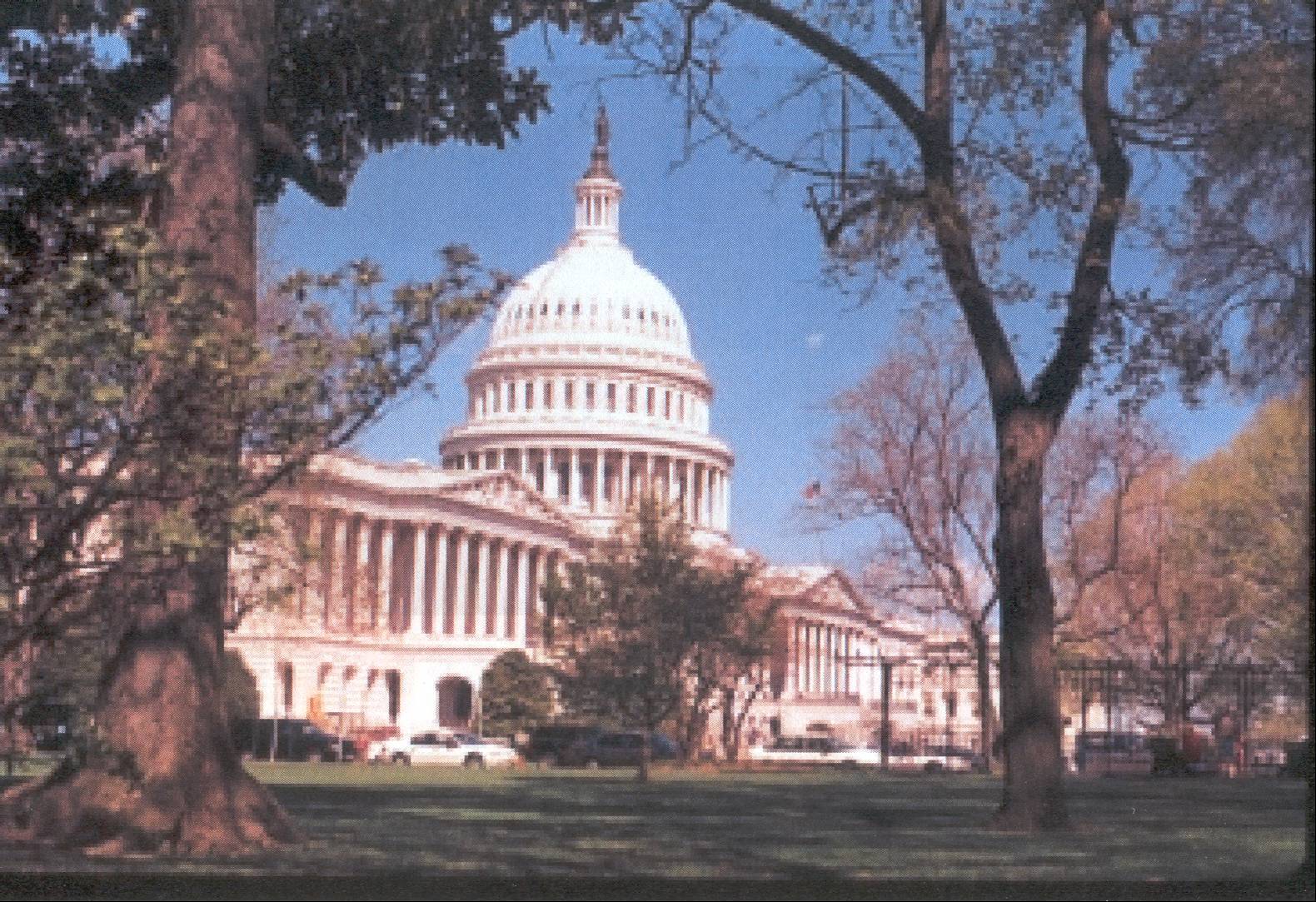
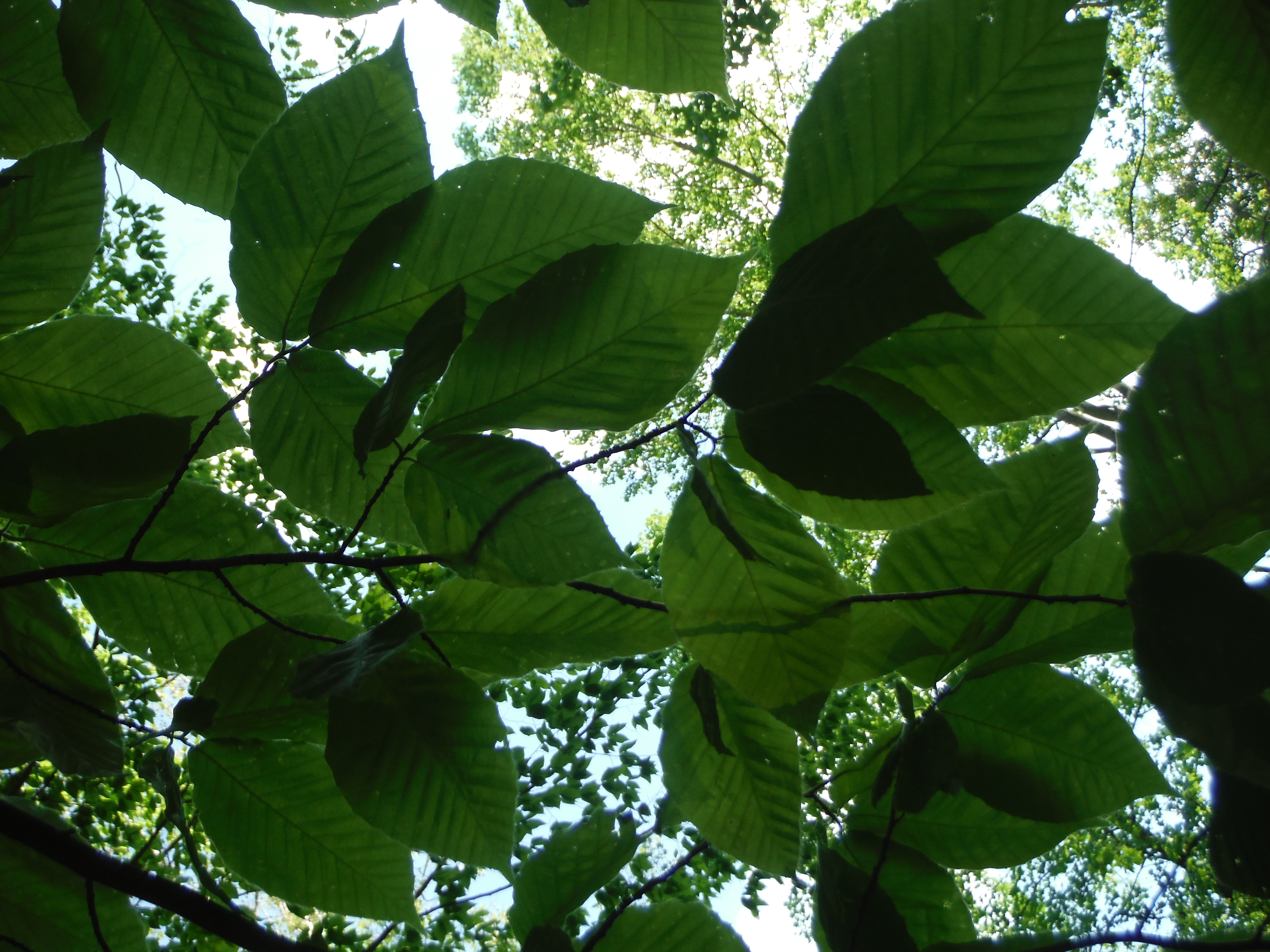
last year’s leaves showing symptomatic striping (F.T. Campbell)


Back in December I blogged about beech leaf disease, a disease affecting American beech in northeastern Ohio and neighboring parts of Pennsylvania and New York, as well as across Lake Erie in Ontario.

[For more information and photos of symptoms, visit

http://forestry.ohiodnr.gov/portals/forestry/pdfs/BLDAlert.pdf    or

https://www.cleveland.com/metro/index.ssf/2017/12/beech_leaf_disease_discovered.html]

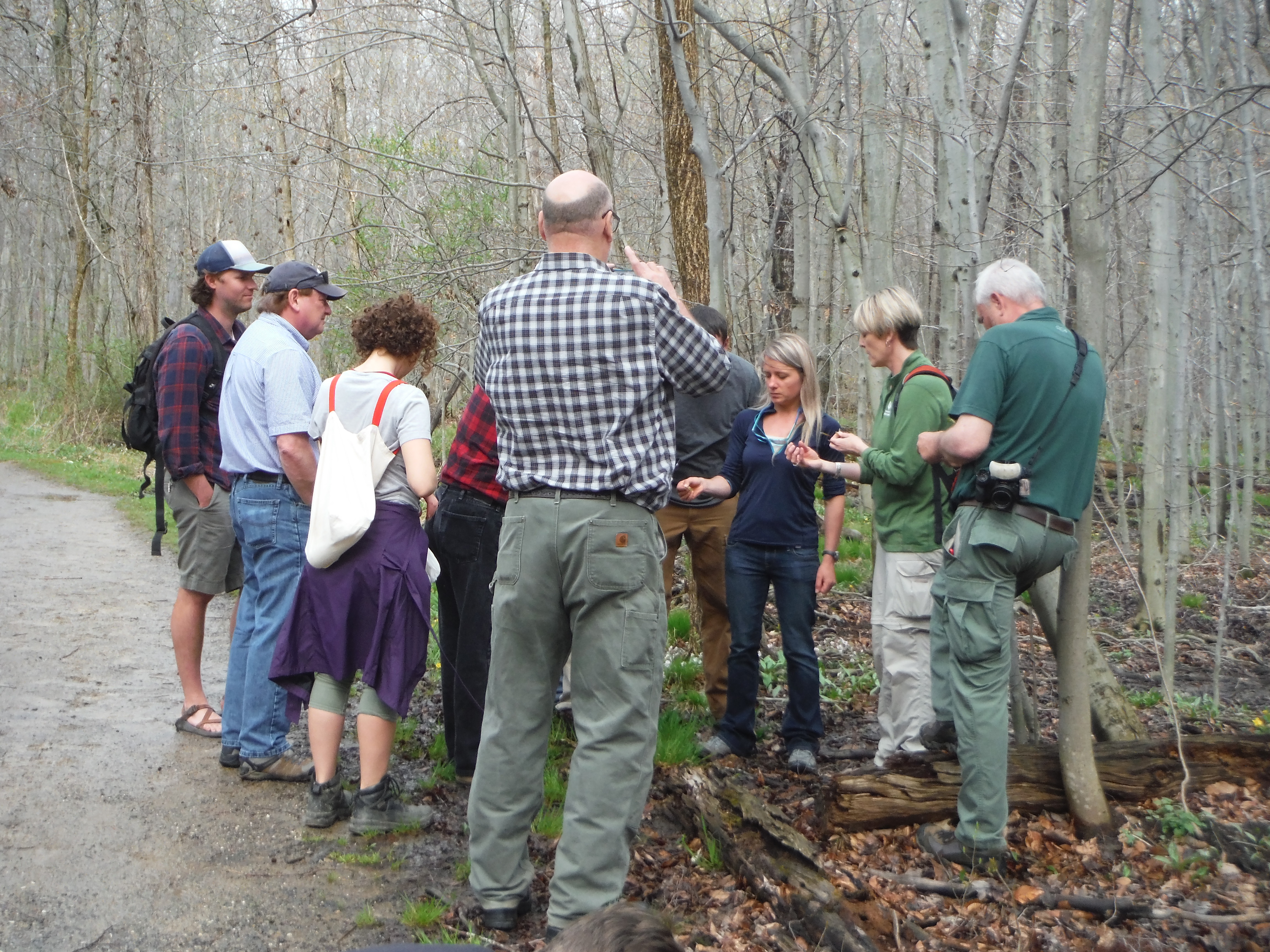
Scientists do not know what is causing the disease. So far it’s only clear that it appears to have been  introduced to a single site and is spreading. At the beginning of May I participated in a workshop providing the most recent information on beech leaf disease.

workshop participants (budbreak was later than usual, so we could not observe deformed leaves) (F.T. Campbell)


Over the past three or four years, scientists have tried hard to understand the disease, its causes, and its likely prognosis. For example, scientists from the U.S. Department of Agriculture and the State of Ohio have looked for insects, fungal pathogens, bacteria, viruses, nematodes, phytoplasmas – all  without finding a causative agent. Attention is currently focused on a previously undescribed nematode in the Litylenchus genus. The only other species in this genus is a foliar feeder found in New Zealand. Studies continue, with most scientists tackling the problem without special funding.

Beech is a very important component of the forests of northeastern Ohio. Beech ranks third in number of stems per acre; second for “shrubs”. Consequently, scientists working for Lake Metroparks and Cleveland Metroparks continue to monitor spread of the disease and its impacts. Symptoms – deformed leaves  – were first detected in 2012. In 2017, the results of a long-term vegetation monitoring project revealed that of 307 plots with beech present, 154 had symptomatic trees.  Of the symptomatic plots, 49% of beech stems were affected. While initially only small trees had been killed, more recently some larger ones have died and others bear only very few leaves. Leaves with light, medium, or heavy symptoms of infection – as well as asymptomatic leaves – can occur on the same branch of an individual tree.

The disease seems to spread faster between stems along the interlocking roots of beech clone clusters.

Weather does not appear to be a factor, as the disease has spread every year despite great variations in heat and cold as well as levels of moisture.

Preliminary versions of a mathematical model of the disease’ spread indicates that approximately 90% of monitoring plots deployed across the full 24,000 acres of Cleveland Metropark system will be infected within 10 years.

Cleveland Metroparks has initiated intensive monitoring of a subset of 13 plots in order to clarify the disease’s impact. Monitoring revealed a 4% mortality rate from 2015 to 2017. More than half of these plots now have dead beech that had previously been symptomatic.  Most are small trees less than 4.9 cm dbh.  Efforts to obtain funding from the USFS Forest Health program have so far failed.

The disease – whatever its cause! – appears to be moved by trade in nursery plants. An Ontario retailer received – and rejected – a shipment of diseased beech from an Ohio nursery. Lake County, Ohio, has many nurseries that grow and ship European beech (which can also be infected by beech leaf disease). These nurseries are reported to be cooperating with Ohio authorities. No official entity has imposed regulatory restrictions – not any of the states or provinces with the disease present or threatened by it; nor USDA APHIS or the Canadian Food Inspection Agency (CFIA).

Another threat to beech also not under regulation

CFIA has also not imposed a federal quarantine on another non-native pest killing beech, the European leaf-mining weevil, Orchestes fagi. First discovered in Halifax in 2012 – probably 5 years after its introduction – it has since spread throughout Nova Scotia. The weevil kills beech over 3 – 5 years.

New information added in June: according to Meurisse et al. (2018), the weevil overwinters under the bark of beech and trees that are not hosts, so it can be transported by movement of firewood and other forms of unprocessed logs and branches. [Meurisse, N. D. Rassaati, B.P. Hurley, E.G. Brockerhoff, R.A. Haack. 2018. Common Pathways by which NIS forest insects move internationally and domestically. Journal of Pest Science. https://doi.org/10.1007/s10340-018-0990-0]

The Importance of American Beech – and Protecting It

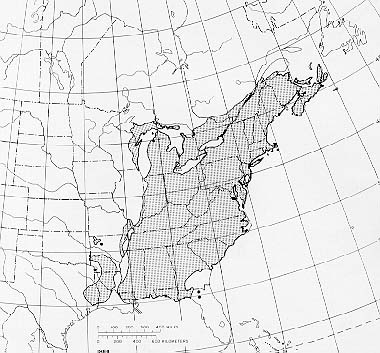
Beech is an extremely important tree in northern parts of the United States and Canada east of the Great Plains.  It is co-dominant (with sugar maple) in the Northern Hardwood Forest [see two maps].  A summary of the species’ ecological importance can be found in Lovett et al. 2006. Forest Ecosystem Responses to Exotic Pests and Pathogens in Eastern North America. BioScience Vol. 56 No. 5.

native range of American beech; USFS map

Consequently, I am most distressed by the lack of attention to these new threats to the species. It is true that regulating an unknown disease agent (as would be the case with beech leaf disease) stretches traditional policy practice and possibly legal authorities. Furthermore, it has not yet been demonstrated that the disease can kill mature beech. However, neither of these caveats applies to the weevil, which is an identified species that has been documented to kill mature trees.


U.S. phytosanitary officials (the National Plant Board) will meet in Cleveland (!!) in August. Will the several state officials and their APHIS colleagues discuss how to address this new threat? Will any funds be made available to expand efforts to understand the disease, its spread, and possible measures to curtail it?


healthy beech, northern Virgina (F.T. Campbell)


Posted by Faith Campbell

We welcome comments that supplement or correct factual information, suggest new approaches, or promote thoughtful consideration. We post comments that disagree with us — but not those we judge to be not civil or inflammatory.

 

National Park Service Experts Urge Improvements to Invasive Species Efforts


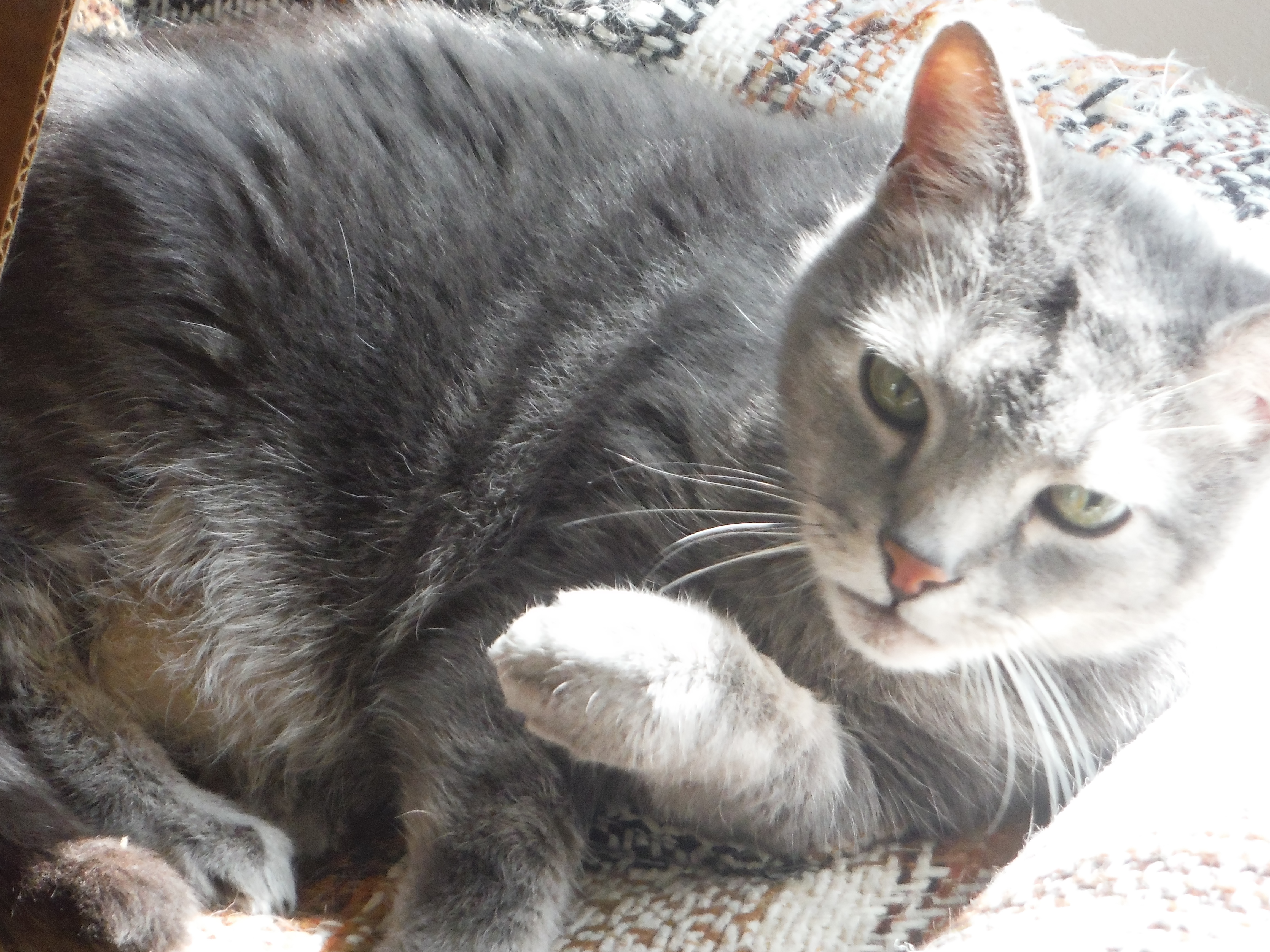
cats – reported to be the most widespread invasive animal in National parks

In two recent evaluations and resulting reports, National Park Service experts admit the agency has fallen short on managing the invasive species threat and suggest ways to improve. One report – that on invasive animals (see below) identifies the principal problem to be lack of support for invasive species programs from NPS leadership.

They’re not alone: I have previously criticized the NPS here and here


Invasive Animals

The bolder of the two reports addresses invasive animals – “Invasive Animals in U.S. National Parks – By a Science Panel” https://irma.nps.gov/DataStore/DownloadFile/594922 commissioned by the NPS Chief of Biological Resources Division. The report was released in December 2017.

The report is blunt – which I welcome.


Key Message

The NPS’ mission of preserving America’s natural and cultural resources unimpaired for future generations is “under a deep and immediate threat as a consequence of invasive animal species, yet the National Park Service does not have a comprehensive understanding of the costs and impacts of invasive animals or a coordinated strategy for their management.”  The result: “The consequence is a general record of failure to control invasive species across the system.”

The report says there are opportunities for the NPS to take a lead in addressing the threat – including to help counter invasive species denialism. It suggests ways to provide the needed capacity and to change the agency culture that hampers efforts to realize this ambition.


Current Picture

More than half of all National Park units reporting to the report’s authors (245 out of 326 parks) reported the presence of invasive animals – ranging from freshwater mussels to feral cats. In the process of compiling the report, the authors received reports of 1,409 invasive animal populations – comprising 331 species — probably an underestimate. Only a small percentage can be considered under some form of management. The most widely reported species:

Domestic cat                69 parks

Common starling         66 parks

Common pigeon          47 parks

House sparrow             40 parks

Red imported fire ant   40 parks

Feral hog                      39 parks

Rainbow trout              36 parks (often introduced deliberately)


The report mentions several tree-killing insects or pathogens among the damaging animal invaders in National parks: emerald ash borer, hemlock woolly adelgid, and rapid ohia death (a pathogen). (Background on all three is here.)


This new report acknowledges management efforts. They reviewed 80 NPS projects in the pipeline from 2000 through 2023. Most projects target a limited number of species: feral hogs, cats, and horses/burros; fire ants; hemlock woolly adelgid; and emerald ash borer.

EAB-killed ash tree in Shenandoah NP  (F.T. Campbell)

Eradication has reportedly been attempted for 21 invasive animal populations; 17 of those populations remained under some control efforts (e.g., monitoring to detect any re-invasion) in 2016. Nine of the eradicated populations were in the Pacific West region – especially Channel Islands National Park. Another eight were in the Southeast. Three other regions — Intermountain, Northeast, and National Capital regions — each reported one invasive animal population eradicated and under control. Another 150 invasive animal populations were reportedly “controlled”.


What’s the Problem?

The report’s authors note numerous (and well-known) difficulties in managing invasive animals. These include difficulty detecting invaders at early stages of invasion; paucity of effective management tools; and social constraints such as perceived benefits associated with some (e.g., trout and other sport fishes) and ethical and humane objections to killing vertebrates.

However, the report identifies the principal problem to be lack of support for invasive species programs from NPS leadership. Constraints that hamper park managers’ efforts within the agency include Service-wide coordination, lack of capacity, park culture, “social license” (i.e., public approval), and cross-boundary coordination.

The authors suggest that to correct these deficiencies, the Service should formally acknowledge that invasive animals represent a crisis on par with each of the three major crises that drove Service-wide change in the past:

1) over-abundance of ungulates due to predator control (leading to the “Leopold Report” in the 1960s);

2) Yellowstone fire crisis (which led to new wildfire awareness in the country); and

3) recognition of the importance of climate change (which resulted in the report “Leopold Revisited: Resource Stewardship in the National Parks”).

To achieve true success in such a major undertaking, all levels of NPS management must be engaged. Further NPS’ current culture and capacity must be changed. The report suggests providing incentives for (1) efforts to address long-term threats (not just “urgent” ones) and (2) putting time and effort into coordinating with potential partners, including other park units, agencies at all levels of government, non-governmental organizations, private landowners, and economic entities.

An additional step to realizing a comprehensive invasive animal program would be to integrate invasive animal threats and management into long-range planning goals for natural and cultural landscapes and day-to-day operations of parks and relevant technical programs (e.g., Biological Resources Division, Water Resources Division, and Inventory and Monitoring Division).

The report notes the need for increased funding. Such funding would need a flexible timeline (unlike existing Service-wide funding for more general purposes), allowing parks to be responsive to time-sensitive management issues. It would also have to be available consistently over the long term – since eradication can take a long time. Several approaches are proposed, including incorporating some invasive species control programs (e.g., weeds, wood borers) into infrastructure maintenance budgets; adopting invasive species as fundraising challenges for “Friends of Park” and the National Park Foundation; and adopting invasive species as a priority threat.

The authors would like NPS to become a leader on the invasive species issue – specifically by testing emerging best management practices and by better educating visitors on the ecological values of parks and the serious threat that invasive species pose to the their biodiversity. The authors suggest that the NPS also take the lead in countering invasive species denialism.

While officially-approved deliberate introductions of non-native species are probably unlikely to continue, the report expects that the numbers of invasive animals and species in national parks will increase due to continuing spread of invaders from neighboring areas. Therefore, NPS’ current piecemeal approach needs to be replaced with a much stronger, strategic approach in which parks engage in collaboration with conservation partners on adjacent lands or waters and across the greater landscape.


Invasive Plants

The NPS launched a coordinated effort targetting invasive plants years ago — in 2000. The most obvious component of which was the Exotic Plant Management Teams (EPMTs). The broader program was officially named the Invasive Plant Program (IPP) only in 2014. The IPP provides leadership to individual parks, regions, and the park system on invasive plant management, restoration, and landscape level protection. The IPP released its strategic plan in December 2016. (Ok! More than a year ago. I am tardy.)

Despite the large size of the program – 15 EMPTs across the country – and the clear and recognized threat that invasive plants pose to NPS values, I got the impression that the program struggles to gain  support from the Service. In that way, the situation is similar to the challenges to efforts on animal invasives described above.

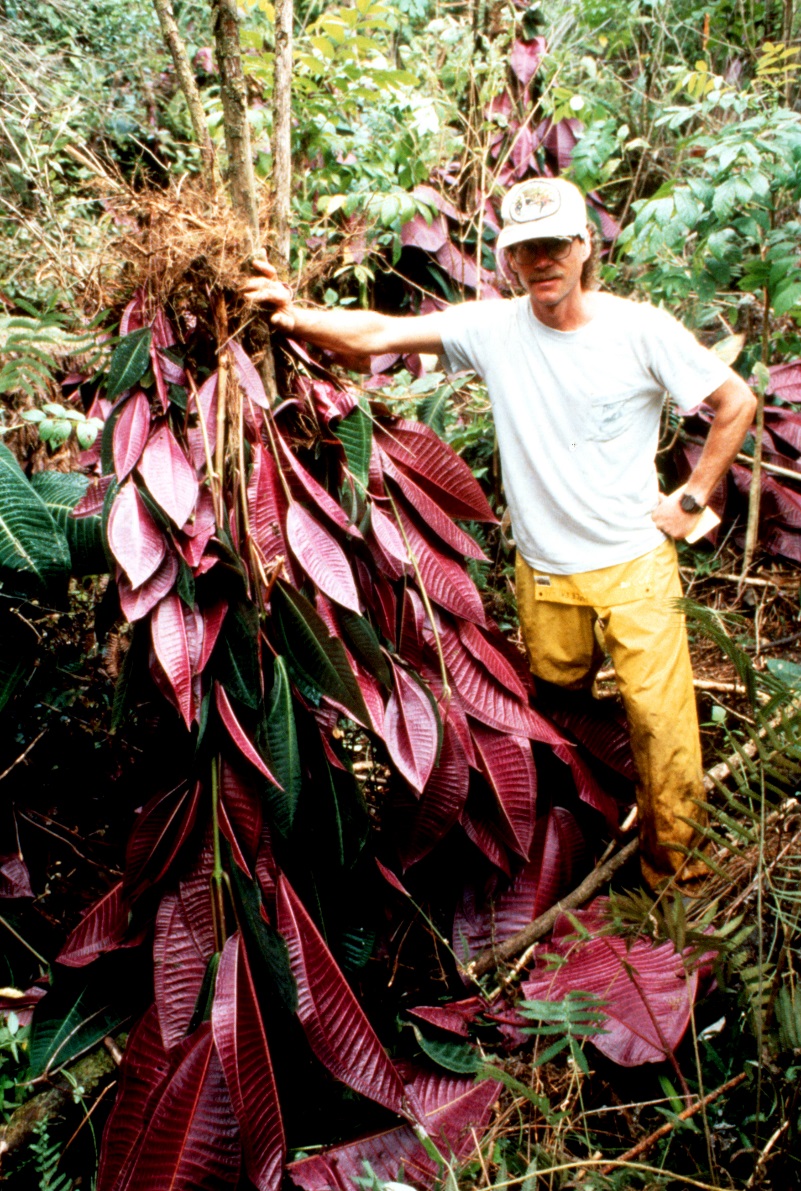
   removing Miconia to protect Haleakala National Park

The Strategic Plan identifies goals and actions to optimize the program’s effectiveness, while increasing program and park capacity and leveraging human and fiscal resources with state, federal, and private entities.

The plan articulates a mission, a vision, five broad goals, and actions for the next 10 years. It’s intended to guide annual planning and major projects, as well as to identify and help prioritize funding needs and initiatives.

The overall vision is for the Invasive Plant Program to guide park service efforts to enhance landscape level stewardship of resources by applying “technically sound, holistic, collaborative, adaptive, and innovative approaches.” The hope is that other NPS units will increasingly rely on the IPP’s expertise in implementing their programs and building partnerships.

The strategic plan lays out five broad goals, each supplemented by a list of detailed activities. Priority actions have been identified for the first 5 years (2017-2021) with the expectation that actions will be re-prioritized during annual reviews. These five goals are:

  1. Develop program standards

Clarify and standardize administrative and operational roles and tasks. Improve data management and train colleagues in those standards. Incorporate science-informed procedures to support park management of invasive plants.

Interestingly, the Plan calls for IPP staff to quantify the invasive plant threat and effort needed to manage it and then to communicate the gap between effort needed and resources available to decision makers.

2. Promote the Invasive Plant Program by highlighting the services it provides and the significance of the invasive plant issue both internally and with stakeholders. Assure that IPP efforts parallel those in the Department of Interior Action Plan for invasive species.

  1. Build capacity of individual parks and the Service to prevent the arrival of invasive plants and manage infestations that are already present

Enhance resource and information sharing and field-based training. Find ways to encourage parks to continue managing the invaders after the EMPT completes the initial eradication. Also find ways to increase the EPMT Program’s efficiency. Possibly develop an NPS pesticide applicators’ certification course (the Bureau of Land Management and Department of Defense already have one).

Increase partnerships to deal with actions that are outside parks’ control. Specifically, participate in regional and state invasive plant councils, and collaborate with a full range of external partners to identify successful techniques, conduct control and restoration campaigns, improve and implement efficient plant management across park boundaries, and recruit and manage youth and volunteers.

  1. Promote holistic and integrated invasive plant management

Work with other NPS programs and parks (across all divisions) to establish resource stewardship and landscape preservation / restoration goals. Integrate integrated pest management strategies in management actions. Continue close collaboration with Climate Change Response Program (if it still exists!). Identify research needs and get the research done.

  1. Collaborate on invasive plant management

Foster and encourage internal and external collaboration and coordination to leverage available resources, expertise, and knowledge.

Identify parks, NPS programs, partner agencies, organizations, and related initiatives with similar objectives to increase efficiency and effectiveness. Coordinate with NPS monitoring programs (although the invasive animal study authors thought the monitoring program is not structured to serve invasive species needs). Partner with BLM and US Fish and Wildlife Service and non-federal partners to cooperatively manage invasive plants on the landscape. Coordinate compliance with National Environmental Policy Act (NEPA) and National Historic Preservation Act.


Each IPP unit is expected to develop an annual work plan that aligns with an annual financial plan. Priorities will be reviewed annually. Each IPP unit will also submit an annual accomplishment report. IPP might develop a tracking system to be applied to each assigned action.

Plus the IPP strategic plan will be reviewed annually and actions will be re-prioritized as needed. The annual status reports will be made available to stakeholders and partners on the Web.


Posted by Faith Campbell

We welcome comments that supplement or correct factual information, suggest new approaches, or promote thoughtful consideration. We post comments that disagree with us — but not those we judge to be not civil or inflammatory.

 

Restoring Devastated Tree Species: Let’s Get Behind H.R. 5519

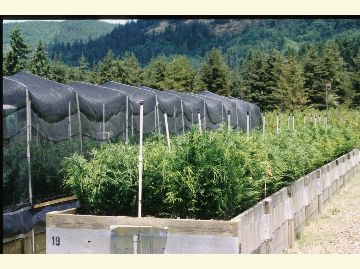
Port-Orford cedar resistance trials

USFS Dorena Genetic Resource Center


In January I wrote about possible changes to the 2018 Farm Bill aimed at restoring tree species devastated by non-native insects and diseases. (Earlier, in July 2017, I had blogged about these and other proposed amendments to the Farm Bill. Here’s an update.


The House Committee on Agriculture has completed action on its version of the Farm Bill; it now awaits action by the full House. The House bill (H.R. 2) does not contain any of the proposals put forward by the Center for Invasive Species Prevention to improve both “rapid response” to introduced forest pests or long-term efforts to restore species devastated by such pests. It does contain very controversial provisions weakening the Endangered Species Act, National Environmental Protection Act, and Federal Insecticide, Fungicide and Rodenticide Act. The bill also makes major changes to the food stamp program. Most political analysists do not think the bill will become law in its current form.


We do not yet know what provisions will be in the Senate’s version of the Farm Bill. I am still hopeful that our proposals might be included in some form.


Rep. Peter Welch

Meanwhile, Representative Peter Welch from Vermont has introduced a separate House bill:  H.R. 5519. It would amend the Plant Protection Act in order to increase funding for both APHIS-led programs to eradicate or contain invasive species and for competitive grants to research specific questions related to the recovery of pest-decimated native tree species.


Specifically, Mr. Welch’s Invasive Species Prevention and Forest Restoration Act would:

  • Strengthen the USDA Secretary’s authority to access Commodity Credit Corporation funds to supplement appropriations to counter non-native insects and pathogens and noxious weeds that threaten agricultural production (including forest resources).
  • Create a competitive grant program to address the critical threat to numerous tree species posed by non-native plant pests and noxious weeds. The grants would provide up to $100,000 per year, over two to five years, to support research that promotes the restoration of affected tree species, including research on—

(A) biological control of plant pests or noxious weeds;

(B) exploration of genetic manipulation of plant pests or noxious weeds;

(C) enhancement of host-resistance mechanisms; and

(D) development of other strategies for restoring tree species.

These studies must be part of comprehensive forest restoration research.

The research institutions are to disseminate to the public tools and information based on the research conducted under this program.


Institutions eligible for funding under this program include:

(1) An agency of the Federal Government.

(2) A State cooperative institution.

(3) A college or university offering a baccalaureate or higher degree in the study of food, forestry, and agricultural sciences.

(4) A nonprofit entity described in § 501(c)(3) of IRS Code.


A committee of government experts would advise the Secretary of Agriculture on applying the funding criteria for the grant program. This committee would be composed of representatives of the USDA Forest Service, APHIS, and Agriculture Research Service; and State forestry agencies. This committee of experts would receive advice from a separate advisory committee composed of representatives of land-grant colleges and universities, affiliated State agriculture experiment stations, the forest products industry, recreationists, and conservation organizations.


Funds from the Commodity Credit Corporation (not subject to annual appropriations) are made available, beginning at $3 million in Fiscal Year 2019 and rising to $10 million in FY 2022.


Please ask your Representative to co-sponsor this bill. Also, ask your Senators to consider sponsoring a similar bill in the Senate (assuming that no such provisions are included in the Senate Farm Bill).

If these proposals are not included in the version of the Farm Bill that is adopted this year, there might be new opportunities to advance resistance breeding and similar programs in the future.  As I noted in the March blog, a growing number of scientists and concerned stakeholders have developed proposals to expand resistance breeding programs. I hope that the several groups can coordinate their efforts and recruit supporters for a lobbying effort that will create a coordinated program to restore native trees devastated by non-native insects and diseases.


Posted by Faith Campbell

We welcome comments that supplement or correct factual information, suggest new approaches, or promote thoughtful consideration. We post comments that disagree with us — but not those we judge to be not civil or inflammatory.
 

Mixed News on Pest Dangers

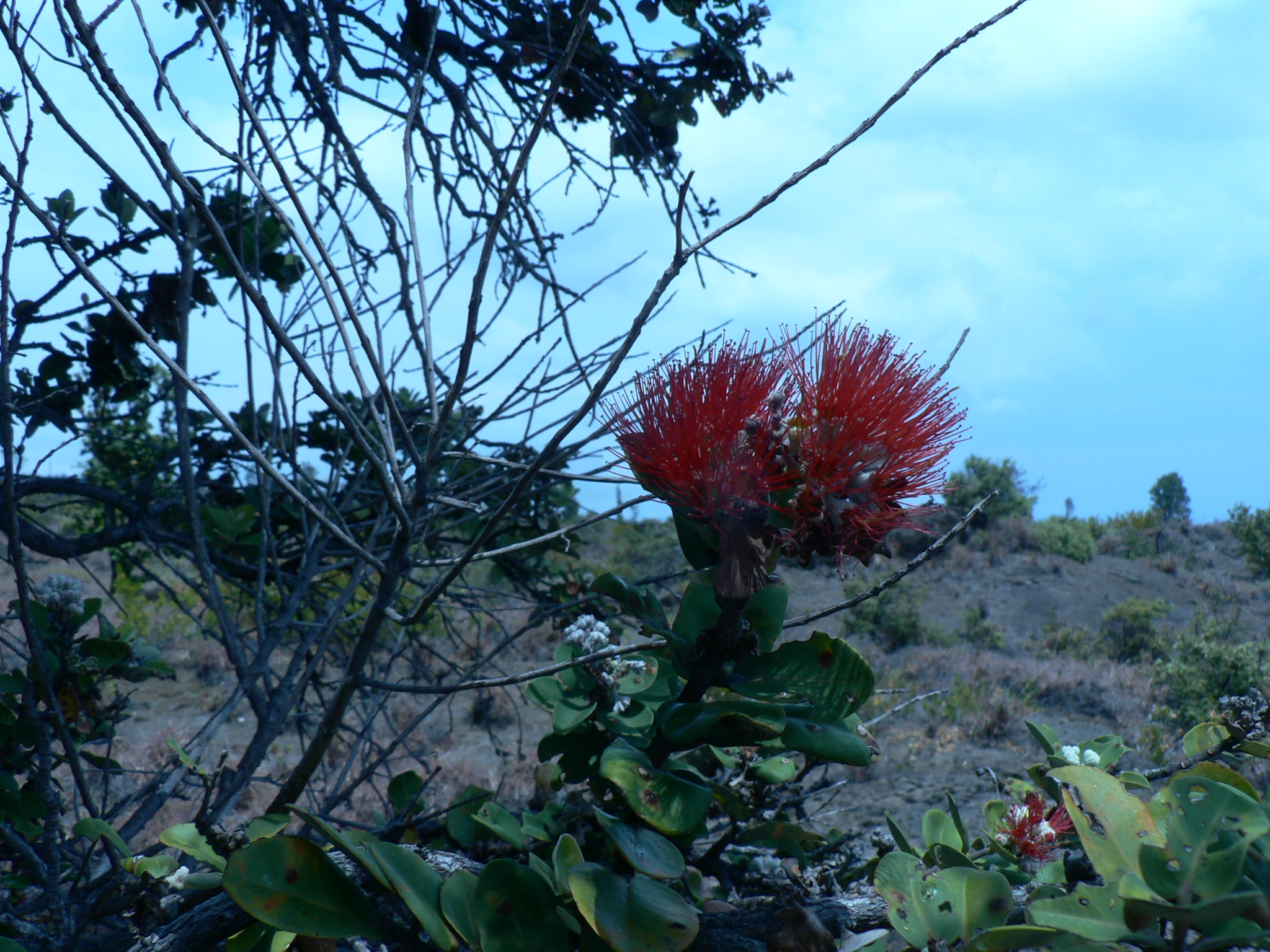
‘ōhi‘a tree in flower

 Worsening Threats to Hawaii’s Rich – and Rare — Native Forests 

As I have written in previous blogs (October 2015; October 2016), the beautiful ‘ōhi‘a lehua (Metrosideros polymorpha) tree is ecologically and culturally the most important tree n the Hawaiian Islands. ‘Ōhi‘a trees dominate approximately 80% of Hawai`i’s remaining native forest.  Loss of the species could result in significant changes to the structure, composition, and, potentially, the function, of forests on a landscape level. ‘Ōhi‘a forests are home to the Islands’ one native terrestrial mammal (Hawaiian hoary bat) as well as about 100 plant species listed as endangered by the U.S.  Fish and Wildlife Service. Also 30 species of forest birds – in particular, the unique endemic honeycreeper subfamily — depend on ‘ōhi‘a. Eighteen of 19 extant Hawaiian honeycreepers in the main Hawaiian islands, including 12 of 13 bird species listed as endangered by the U.S.  Fish and Wildlife Service, depend on ‘ōhi‘a for critical habitat.

Unfortunately, the threat to ‘ōhi‘a trees from three fungi appears to be rising.

“Rapid ‘ōhi‘a death” is caused by two fungi, Ceratocystis lukuohia and C. huliohia (formerly considered to be strains of Ceratocystis fimbriata).  Rapid ‘ōhi‘a death has spread since 2010 to most districts of one island: Hawai`i or the “Big” Island. The total area affected is 135,000 acres. Still, most ʻōhiʻa forest on Hawai`i is still healthy, and the disease has not yet been found on any of the other islands. Scientists have begun exploring trees’ varying susceptibility and the possibility of breeding more resistant trees to be used for restoration. For more information, read the recently updated description here.

Ōhi‘a trees are also under attack by a third introduced fungus, called ‘ōhi‘a rust, guava rust, or myrtle rust. This is caused by Austropuccinia psidii (formerly named Puccinia psidii). Ōhi‘a rust has been established on all the Hawaiian islands since 2005. Until recently, it had caused little damage to ‘ōhi‘a – although it attacks several additional native plant species and has devastated the endangered endemic plant Eugenia koolauensis. This shrub can reproduce now only in nurseries where it can be treated for the fungus. In late 2017, an outbreak of the disease caused widespread defoliation and mortality of ‘ōhi‘a across hundreds of acres in at least four locations on windward portions of two islands, O‘ahu and Moloka‘i. It is not yet known whether this new damage resulted from introduction of a new, more virulent strain or from a period of unusually wet weather creating more favorable conditions for the fungus. For more information, read the recently updated description here.  (Myrtle rust threatens plants in the Myrtaceae family across the Pacific; more than 450 species have been identified as hosts. Some species in Australia have been severely affected.)

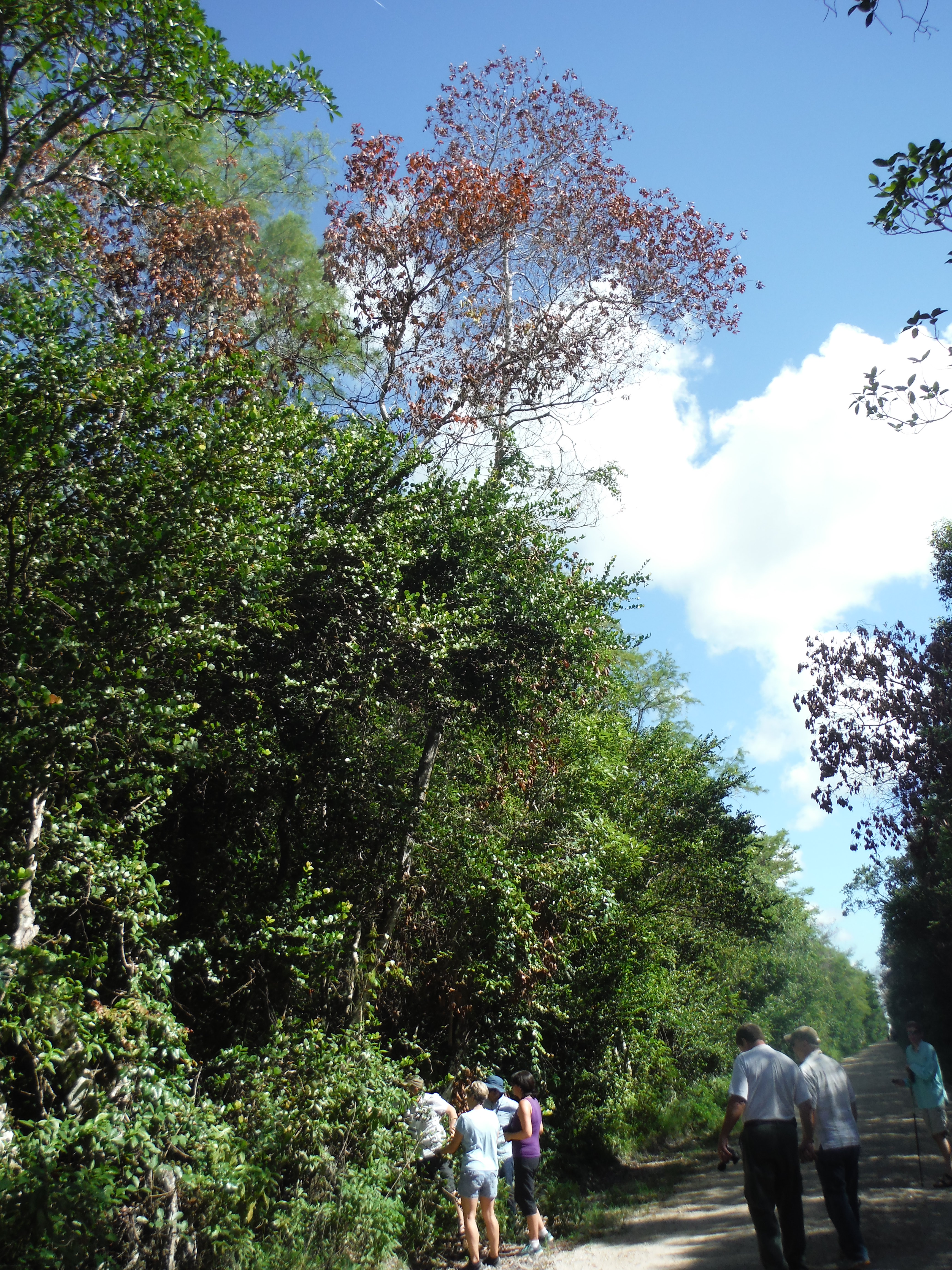
laurel-wilt killed swamp bay in the Everglades

Severe Attacks on Redbay and other Laurels in the Southeast.

Since the turn of the century, redbay trees (Persea borbonia) in coastal regions of the Southeast have been dying because of laurel wilt disease. This is caused by the fungus Raffaelea lauricola, which in turn is vectored by the redbay ambrosia beetle (Xyleborus glabratus). Both the beetle and disease have spread rapidly since there were  detected in 2002 near Savannah, Georgia. The disease now is found in eight states, reaching from eastern North Carolina south along most of the Florida peninsula; across the Gulf states with several locations in Alabama and Mississippi; and to isolated outbreaks in Louisiana and Texas. Already an estimated 320 million trees – nearly one-third of all redbays – have been killed. Mortality is highest where the disease first became established: Georgia (two-thirds of redbays killed), South Carolina (42% of redbays killed), and Florida (36% of redbays killed).  In contrast, redbay mortality appears to be quite low in Alabama and Mississippi although mortality caused by disease might have been masked by application of fire or other silvicultural practices.

Other forest trees and shrubs in the Lauraceae family are also at risk. These include swamp bay (Persea palustris), which contribute greatly to the biological diversity of the “tree islands” scattered through the Everglades; sassafras (Sassafras albidum), which occupies a large range reaching into Michigan and southern New England;  and two rare species – pondspice (Litsea aestivalis) and the federally listed pondberry (Lindera melissifolia). Northern spicebush (Lindera benzoin), another shrub in the Lauraceae family, does not attract the beetle so it is unlikely to sustain disease. In the West, California bay laurel has been determined by laboratory studies to be vulnerable.

Redbay is important to wildlife and has some use in horticulture. However, most attention has focused on the threat to avocados (Persea americana); the disease was detected in commercial orchards in 2012.

Concerned about loss of this ecologically important tree, scientists have begun efforts to breed redbays that are resistant to, or tolerant of, the disease. In addition to efforts by university scientists, the newly formed consortium Forest.Health (https://forest.health/) has listed redbay as a high priority for resistance breeding. For more information, read the updated description here.


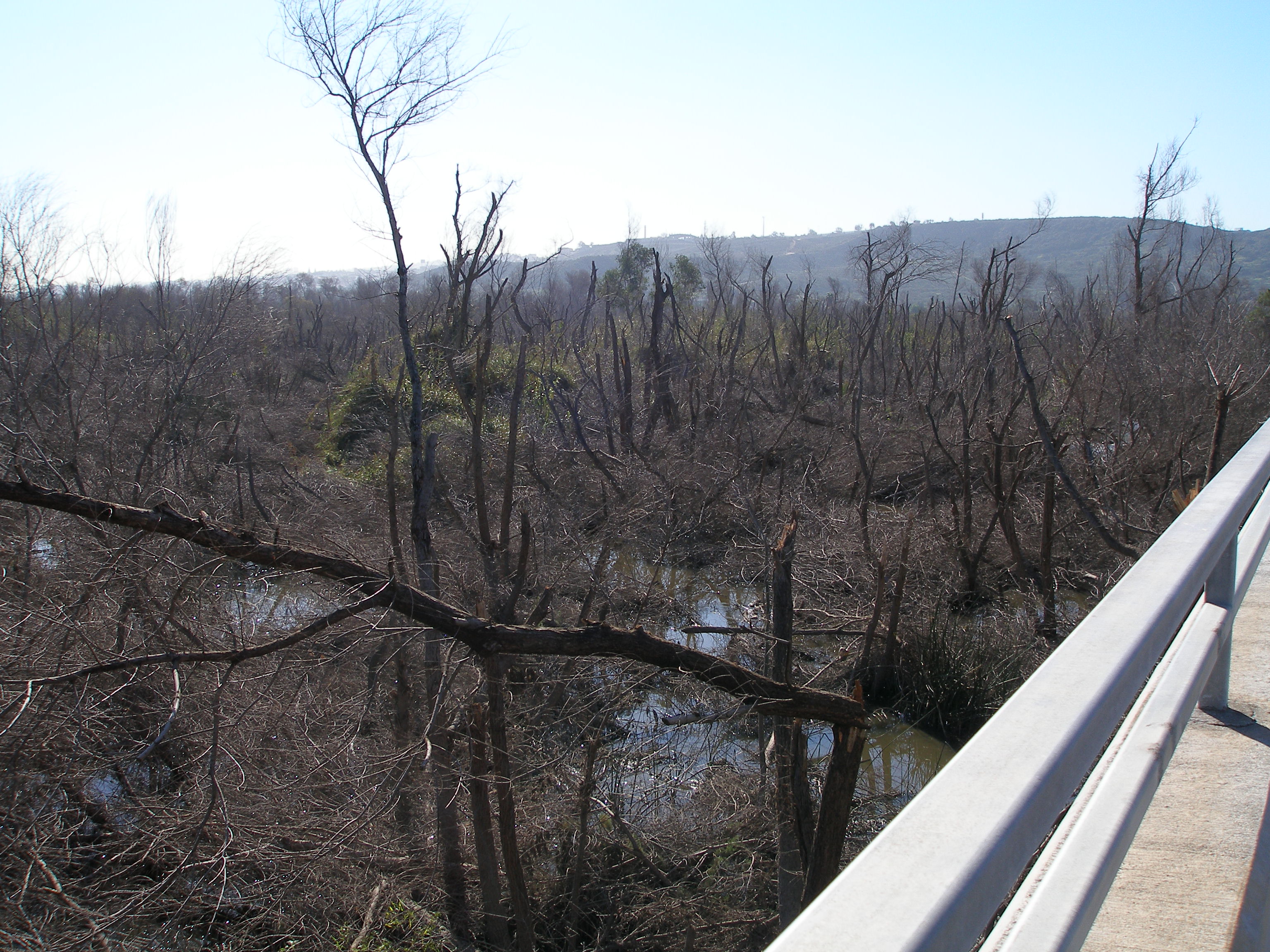
initial damage caused by Kuroshio shot hole borer in Tijuana River Valley; I lack access to photos of recovery. Photo by John Boland

Hope in southern California – possible ecological limits to shot hole borer / fungal disease

John Boland, an ecologist who has studied southern California riparian wetlands for decades, reports that willows in the Tijuana River are recovering from attack by the Kuroshio shot hole borer and the fungi it vectors. After two years, the beetle-vectored disease had infested 88% of the willows in the valley (a total of 355,510 trees). An estimated 24% of the willows had been killed (95,791 trees). Nearly all of the infested and killed trees grew in the wettest parts of the riparian forests. (Photo above illustrates damage at this stage of the invasion.)

However, 71,280 of the willow trees have resprouted.  By late 2017, these resprouts had created a new forest canopy that was about 5 meters tall. (Previously, the canopy had been about 20 meters tall). The median rate of infestation of these resprouting willows was 6% in 2017, down from 97% in 2015-2016.  Some insect boring holes have healed.

In contrast, willows growing in drier parts of the valley were rarely attacked initially, but are now increasingly infested. In 2017, the median infestation rate was 78%, up from 9% in 2015-16. However, few trees have been killed.

Dr. Boland believes that the severity of the initial attack reflected the vulnerability of “soft trees”. Trees growing in the wetter parts of the Tijuana River Valley are inundated by sewage from the Mexican city. As a result of this artificial fertilization, they grow quickly and their wood is less dense.

For more information about the Kuroshio and phytophagous shot hole borers and their associated fungi, read the description here.. Dr. Boland’s study has been made available to participants in the southern California emerging forest pest groups but I cannot find a publicly available source on the Web.


We welcome comments that supplement or correct factual information, suggest new approaches, or promote thoughtful consideration. We post comments that disagree with us — but not those we judge to be not civil or inflammatory.
Posted by Faith Campbell

Spring! the good & the ugly

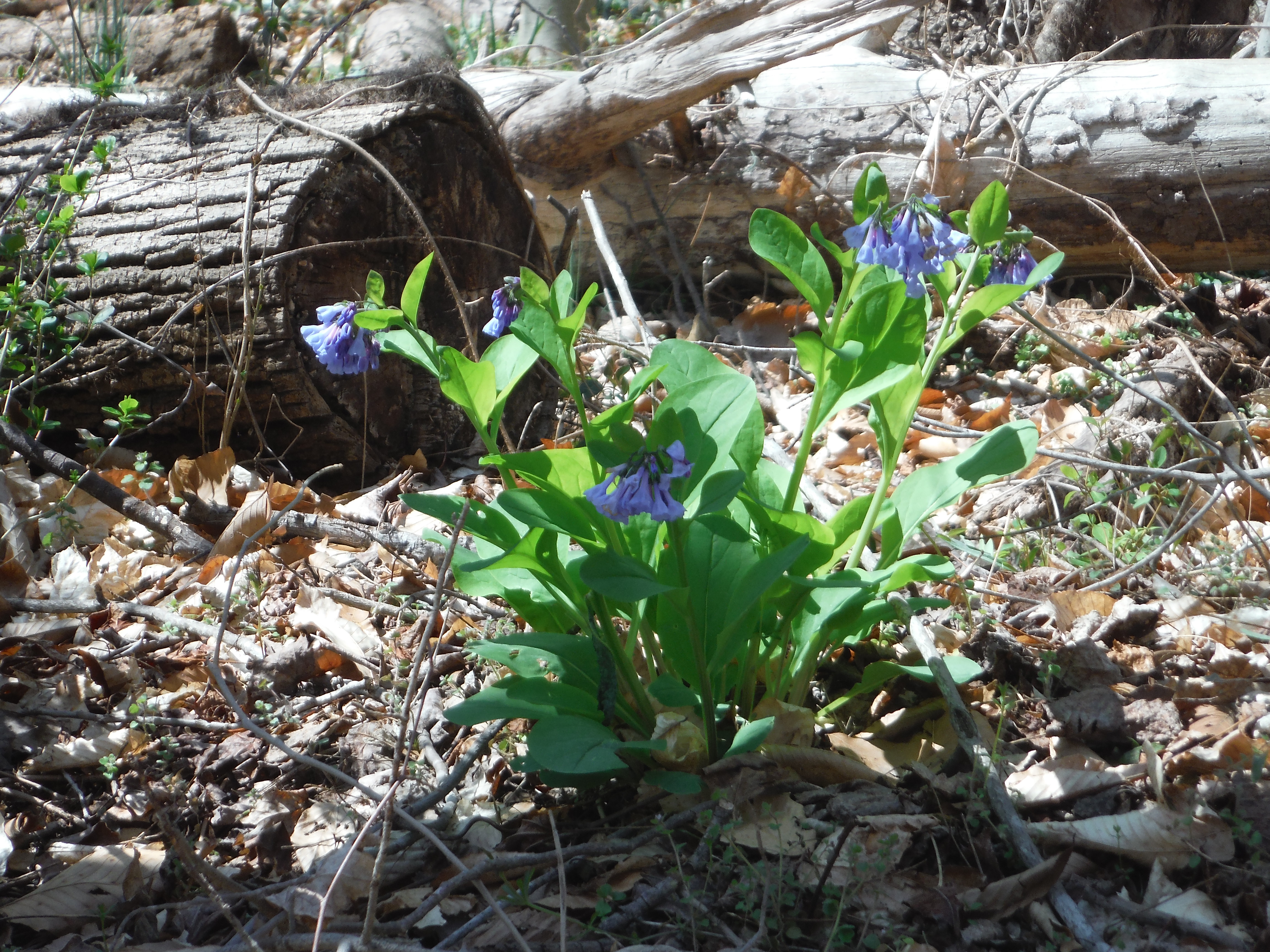
Virginia bluebells


It’s spring in the Mid-Atlantic!

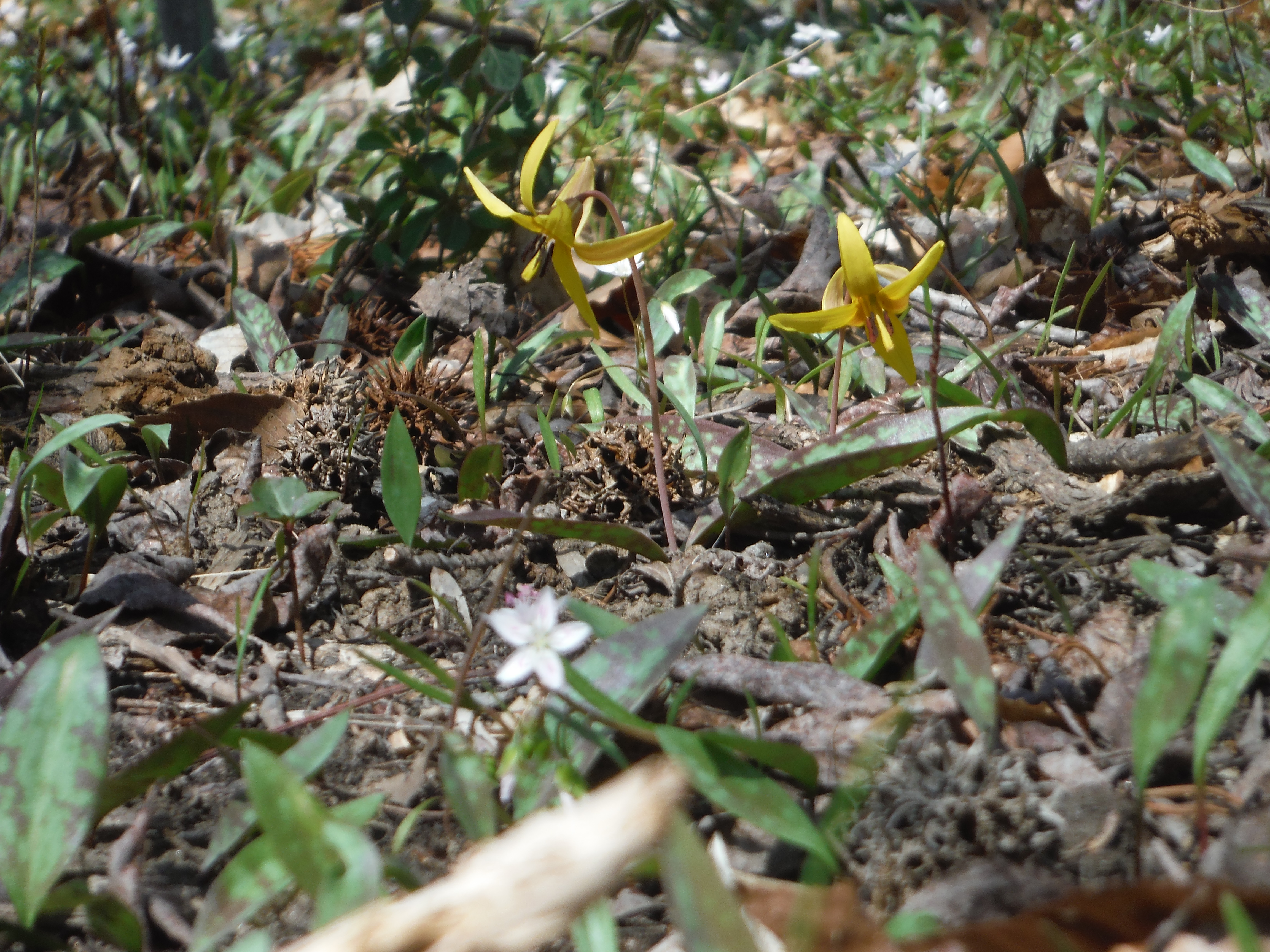
Spring prompts many memories for me. I first committed to environmental causes 48 (!) years ago when I discovered the glories of spring in the woods owned by the Institute for Advanced Studies in Princeton, NJ.  I would rise at 5 AM or earlier to greet the sunrise in the woods. There were wonderful birds, deer, even weasels … and carpets of spring ephemerals. The floodplain was covered by spring beauties, violets of every hue, trout lilies, occasional toothwarts … for reasons no one has never been able to explain, very few bluebells (other floodplains I have visited in the Mid-Atlantic — e.g., Brandywine & Bull Run —  have lots of bluebells). Within weeks, there were mayapples and some trilliums and even some pink ladyslippers.

trout lilies & spring beauty

(My studies at Princeton had nothing to do with nature or conservation … )

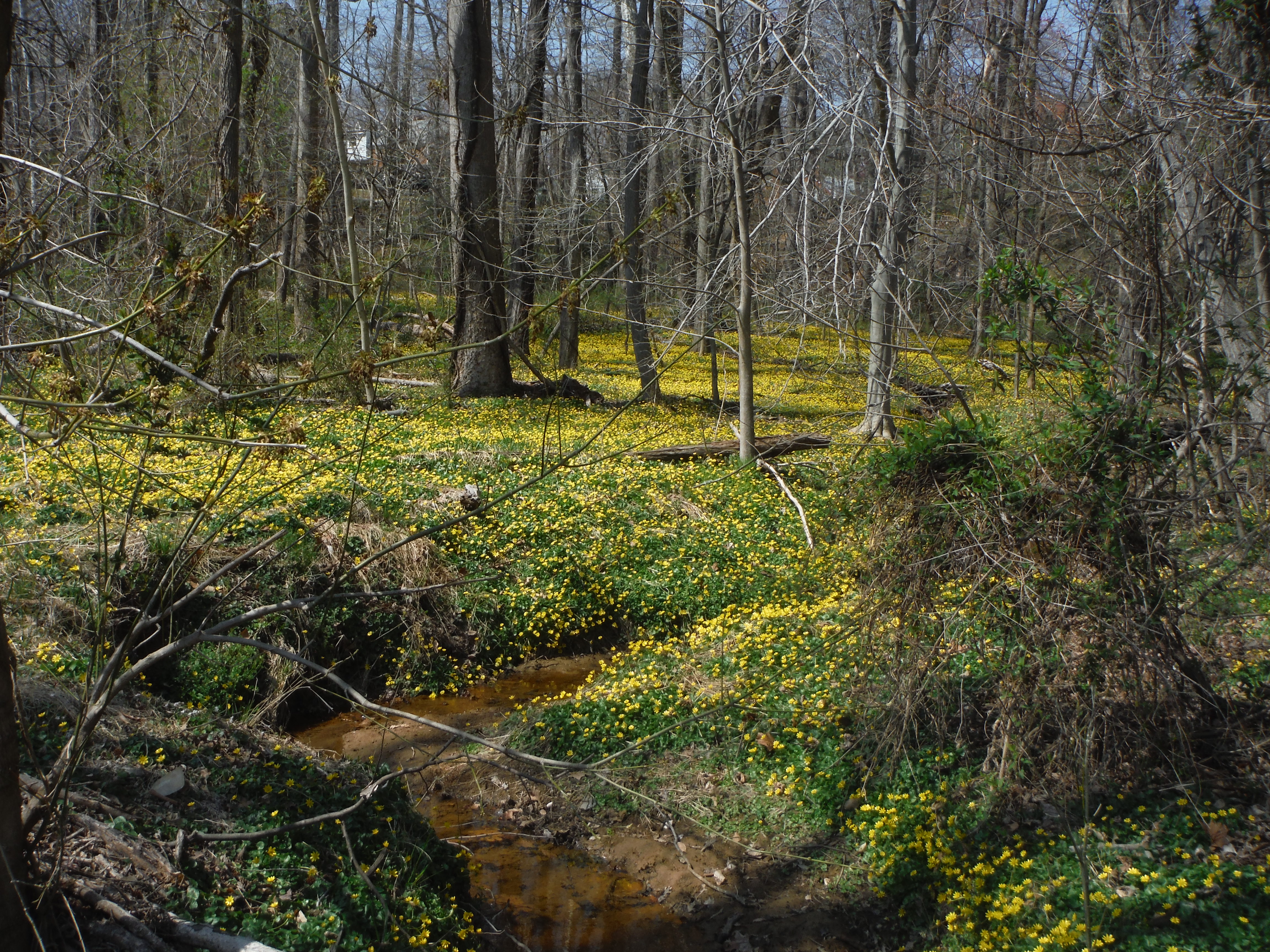
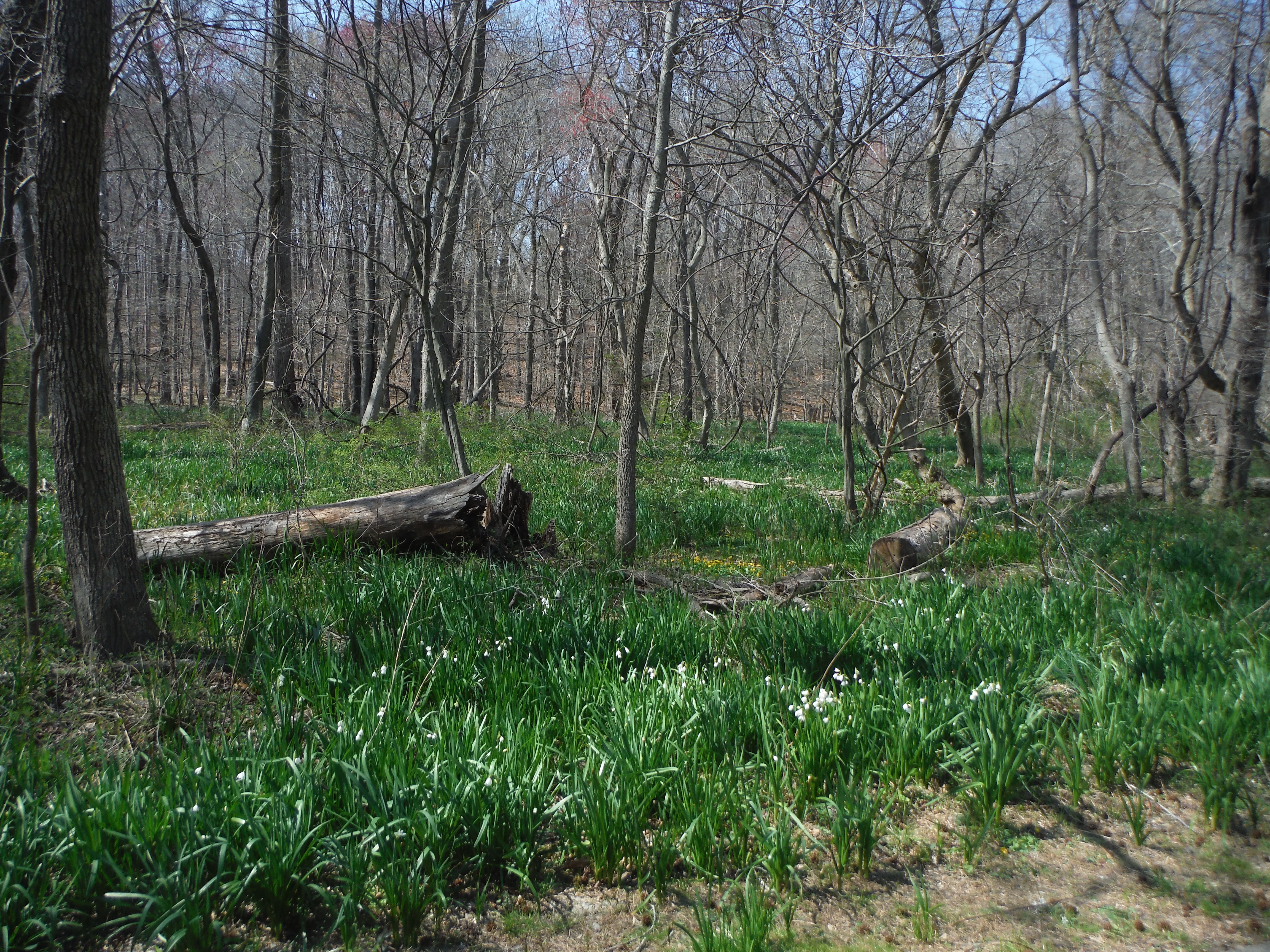
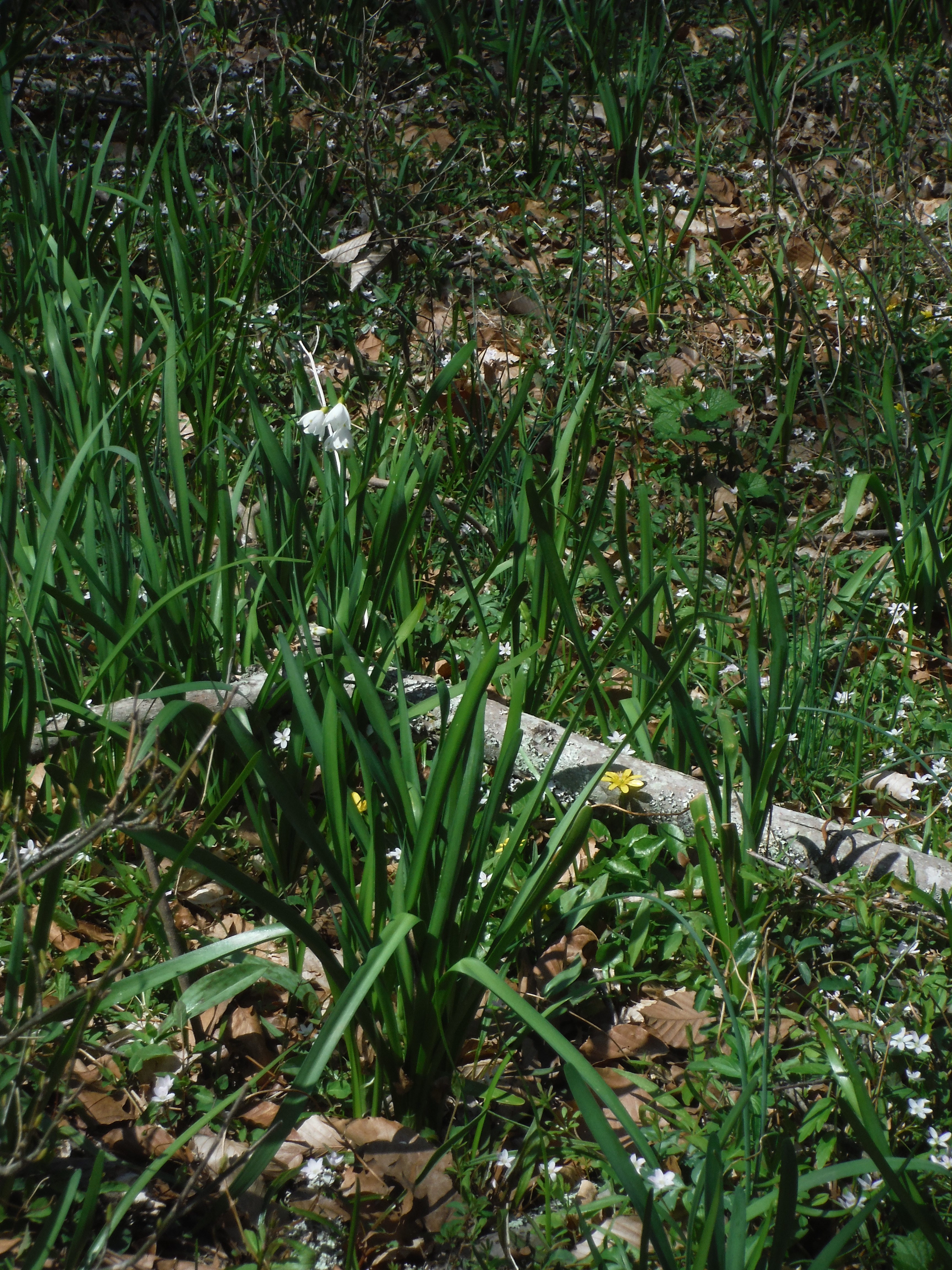
Yesterday I visited a floodplain near my home in Northern Virginia (Accotink Creek downstream from the dam; Fairfax County). I found those same wildflowers – but they are struggling to find space under a tsunami of invasive herbaceous plants – especially European buttercup and Leucojum. (Garlic mustard is much less common – I think volunteers might be pulling it.)

European buttercups


Leucojum  

The shrub layer is dominated by multiflora rose, honeysuckles (shrub & vine), and privet .

Makes me sad … makes me mad! Let’s redouble our efforts.

What is invading your favorite bottomland hardwood forest? Send me your comments!

Faith

We welcome comments that supplement or correct factual information, suggest new approaches, or promote thoughtful consideration. We post comments that disagree with us — but not those we judge to be not civil or inflammatory.
APHIS Nursery Stock Regulations (Q-37) – Modernization Finally Completed!

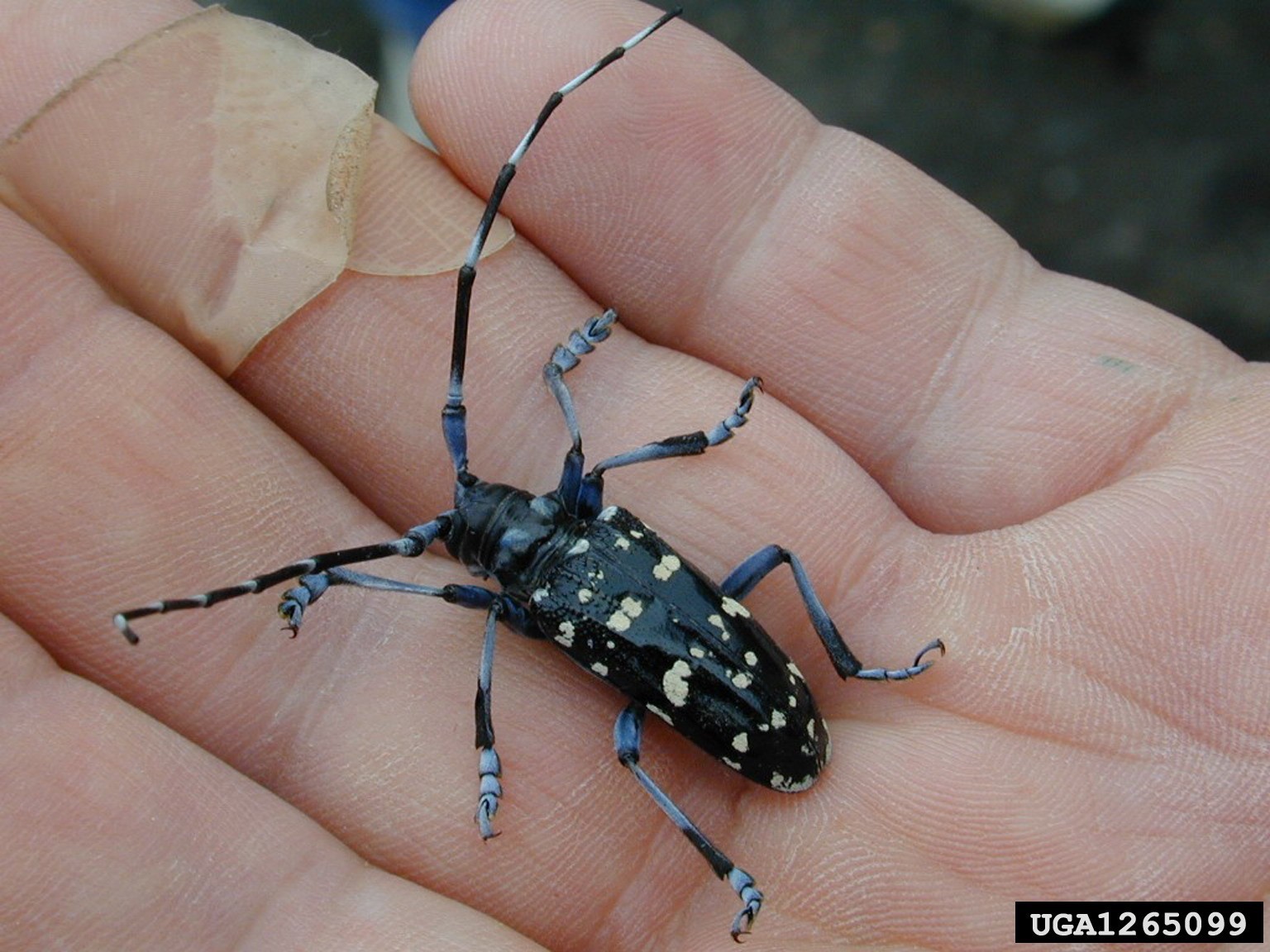
citrus longhorned beetle – entered country several times in imported bonzai plants

After about 20 years, APHIS has finalized important changes to the regulations which govern imports of living plants (what they call “plants for planting”; the regulation is sometimes called “the Quarantine 37” rule).  The new regulation takes effect on April, 18, 2018.

I congratulate APHIS on this important achievement!

[Twenty years is a long time – so changes happen. When APHIS released its Advance Notice of Proposed Rulemaking (ANPR) in December 2004 and its proposed rule in April 2013, I was employed by The Nature Conservancy and submitted comments for that organization. I will refer to those earlier comments in this blog. However, I now represent the Center for Invasive Species Prevention, so my comments here on the final regulations reflect the position of CISP, not the Conservancy.]

APHIS’ 2004 ANPR came after years of preparation. Then, more than eight years passed until the formal proposal was published on April 25, 2013. Comments were accepted from the public until January 30, 2014. During this nine-month period, 17 entities commented, including producers’ organizations, state departments of agriculture, a foreign phytosanitary agency (The Netherlands), private citizens, and The Nature Conservancy. [You can view the ANPR and proposal, comments on these documents, and APHIS’ response here — although you need to click on “Restructuring of Regulations on the Importation of Plants for Planting” and then “Open Docket Folder” to pursue the older documents.]

In the beginning, APHIS had a few goals it hoped to achieve: to allow the agency to respond more quickly to new pest threats, to apply practices that are more effective at detecting pests than visual inspection at points of import, and to shift much of the burden of preventing pest introductions from the importer and APHIS to the exporter.

Progress has been made toward some of these goals outside this rule-making. APHIS instituted a process to temporarily prohibit importation of plants deemed to pose an identifiable risk until a pest risk assessment has been completed (the NAPPRA process). APHIS has further enhanced its ability to act quickly when a pest risk is perceived by relying increasingly on “Federal Orders”.

At the same time, APHIS participated actively in efforts by international phytosanitary professionals to adopt new “standards.” These define a new approach to ensure that plants in international trade are (nearly) pest-free. Both the North American Plant Protection Organization’s regional standard (RSPM#24)  and the International Plant Protection Organization’s global standard (ISPM#36)  envision a system under which countries would no longer rely primarily on inspections at ports-of-entry. Instead, they would negotiate with the supplier or exporting country to develop programs to certify that growers’ pest management programs are effective. Both standards detailed: 1)  how the place of production might manage pest risk and ensure traceability of plants; 2) how the importing and exporting countries might collaborate to administer the program; 3) how audits (including site visits) would ensure the program’s efficacy; and 4) what actions  various parties might take in cases of noncompliance.

It was hoped that these international standards would lead to widespread adoption of “integrated pest management programs” composed of similar requirements – similar to the impact of ISPM#15 for wood packaging.  However, living plants are more complex pest vectors than the wooden boards of crates and pallets, so each country was expected to negotiate its own specific programs – something not  encouraged for wood packaging.

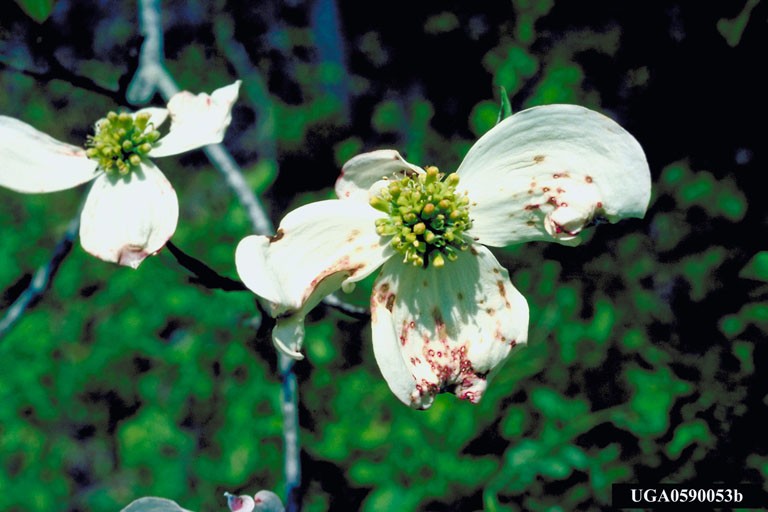
APHIS’ decades-long effort to amend its regulations is warranted because of the high risk of non-native insects and – especially – pathogens being introduced via international trade in living plants. U.S. examples include white pine blister rust, chestnut blight, dogwood anthracnose, and sudden oak death (all described briefly here )

dogwood anthracnose

According to Liebhold et al. 2012 (full reference at end of blog), 12% of incoming plant shipments in 2009 were infested by a quarantine pest. This is an approach rate that is 100 times greater than the 0.1% rate documented for wood packaging (Haack et al. 2014). I have discussed the living plant introductory pathway and efforts up to 2014 to get it under control in my report, Fading Forests III.


Shortcomings of the Final Q 37 Rule

So – how well does this final rule  meet APHIS’ objectives?

First, will it shift much of the burden of preventing new pest introductions from the importer and APHIS to the exporter, while ensuring the system’s efficacy? In my view, on behalf of CISP, it falls short.

The new rule sets up a process under which APHIS might require that some types of imported plants be produced and shipped under specified conditions intended to reduce pest risk. However, non-American entities have little incentive to protect America’s natural and agricultural resources and from invasive species. So any new process needs severe penalties for violators.

We have seen how widespread and persistent compliance failures are for wood packaging under ISPM#15. http://nivemnic.us/wood-packaging-again-11-years-after-ispm15-problems-persist/ For this reason, I (on behalf of the Conservancy) had suggested that APHIS formally adopt a specific goal of “no new introductions”. I recognized that this goal was unachievable per se, but suggested that it should stand as a challenge and be the basis for adopting stringent restrictions on plant imports. I suggested  limiting plant imports to those either a) produced under integrated pest management measures systems (verified by third-party certification) or b) plants brought into facilities operating under post-entry quarantine conditions — and following other best management practices that had been developed and supervised by independent, scientifically-based bodies.

In my current view, APHIS’ regulation falls far short of either this goal of shifting burdens or setting a truly stringent requirement. In fact, APHIS has explicitly backed away from its own original goals and procedures.

The new regulation does authorize APHIS to choose to set up import programs under which the exporting country agrees to produce plants for the U.S. market under a system of integrated pest risk management measures (IPRMM) approved by APHIS. In accordance with the international standards, the programs established under this new power will address how the place of production will manage pest risk and ensure traceability of plants; how APHIS and the exporting country will administer the program; how plant brokers will ensure plants remain pest-free while in their custody; how audits will be performed to ensure program efficacy; and what actions various parties will take in cases of noncompliance.

How efficacious this new approach will be in preventing new introductions will depend on how aggressive APHIS is in both choosing the plant taxa and places of-origin to be managed under such IPRMM programs and in negotiating the specific terms of the program with the exporting country.

It is discouraging that APHIS has ratcheted down how frequently it expects to rely on the IPRMM approach. In the explanatory material accompanying the final regulation, APHIS clarifies that did not intend that IPRMM would be used for all imports of living plants. The IPRMM framework is described as only one of several means to achieve the goal of preventing introduction of quarantine pests. APHIS will choose the “least restrictive measures” needed to prevent introduction of quarantine pests. To clarify its position, APHIS changed the introductory text to indicate that IPRMM will be applied when such measures are necessary to mitigate risk – that is, “when the pest risk associated with the importation of a type of plants for planting can only be addressed through use of integrated measures.” [Emphases added]

The final rule is also discouraging in some of its specifics.

  • Whereas the draft regulation specified steps that places of production must take to ensure traceability of the plants they produce, in the final regulation the traceability elements specified in each IPRMM agreement will depend on the nature of the quarantine pests to be managed. Again, APHIS seeks to ensure that its requirements are not unnecessarily restrictive.
  • Although the international standard had specified severe penalties when a grower or broker violated the terms of the IPRMM agreement, APHIS proposed to base the regulatory responses to program failures on existing bilateral agreements with the exporting country. Despite the Conservancy’s plea that APHIS follow ISPM#36 in adopting more specific and severe penalties, APHIS has not done so. The one bright spot is that APHIS may verify the efficacy of any remedial measures imposed by the phytosanitary agency of the exporting country to correct problems at the non-compliant place of production. [Emphasis added]
  • APHIS is relaxing the detailed requirements for state post-entry quarantine agreements – despite the Conservancy’s concern that such agreements’ provisions could be influenced by political pressure and other nonscientific factors.


Two Improvements

I am pleased that APHIS has retained requirements applied to plant brokers, despite one commenter’s objections. Brokers handling international shipments of plants grown under an IPRMM program must both handle the plants themselves in ways that prevent infestation during shipment and maintain the integrity of documentation certifying the origin of the plants. A weakness, in my current view, is that APHIS will allow brokers to mix consignments of plants from more than one producer operating under the IPRMM program.  APHIS does warn that if non-compliant (infested) plants are detected at import, all the producers whose plants were in the shipment would be subject to destruction, treatment, or re-export.

A major improvement under the new regulation is that APHIS will now operate under streamlined procedures when it wishes to amend the requirements for importing particular plants (whether a taxon, a “type”, or a country of origin). Until now, APHIS has been able to make such changes only through the cumbersome rulemaking process, Instead, APHIS will now issue a public notice, accept public comments, and then specify the new requirements through amendment of the “Plants for Planting Manual” [  https://www.aphis.usda.gov/import_export/plants/Manuals/ports/downloads/plants_for_planting.pdf ] APHIS estimates that such changes can be finalized four months faster under the new procedure.


A Final Caveat

Finally, APHIS needs to be able to measure what effect the new procedures have on preventing pest introductions.  Such measurement depends on a statistically sound monitoring scheme. APHIS has stated in some documents that the current Agriculture Quarantine Inspection Monitoring (AQIM) system doesn’t serve this purpose. APHIS needs to develop a valid monitoring program.


References


Haack RA, Britton KO, Brockerhoff  EG, Cavey JF, Garrett LJ, et al. (2014) Effectiveness of the International Phytosanitary Standard ISPM No. 15 on Reducing Wood Borer Infestation Rates in Wood Packaging Material Entering the United States. PLoS ONE 9(5): e96611. doi:10.1371/journal.pone.0096611

Liebhold, A.M., E.G. Brockerhoff, L.J. Garrett, J.L. Parke, and K.O. Britton. 2012. Live Plant Imports: the Major Pathway for Forest Insect and Pathogen Invasions of the US. www.frontiersinecology.org


Posted by Faith Campbell


We welcome comments that supplement or correct factual information, suggest new approaches, or promote thoughtful consideration. We post comments that disagree with us — but not those we judge to be not civil or inflammatory.
 

Action on the Threat from Phytophthoras in Restoration Plantings

In July 2016 I blogged about the risk that native plant nurseries in California might spread various Phytophthoras to natural areas through use of infected plants used in restoration plantings.

In response to this threat, the California Oak Mortality Task Force has formed a Phytophthoras in Native Habitats Work Group to protect wildlands and assist the restoration industry in adopting practices to ensure they are producing “clean” plants.

The California Native Plant society (CNPS) adopted a policy to promote propagation practices that help prevent plant diseases. CNPS also established its own Ad Hoc Committee on Phytophthoras to address the same threat.

Numerous resources, including guidelines for nursery management, restoration plantings, summaries of committee meetings, photographs, etc., are posted at this website.

As I described in the July 2016 blog, Phytophthora pathogens have been detected in nurseries in other states, including Maryland, Minnesota, North Carolina, Oregon, and Tennessee. Doubtless nurseries in additional states also harbor damaging pathogens.

I’m not aware of action by regulatory officials, nursery owners, or conservation practitioners in these other states to evaluate and address this threat? Are you?


We welcome comments that supplement or correct factual information, suggest new approaches, or promote thoughtful consideration. We post comments that disagree with us — but not those we judge to be not civil or inflammatory.
Posted by Faith Campbell