Actions USDA Could Take to Better Protect Our Forests

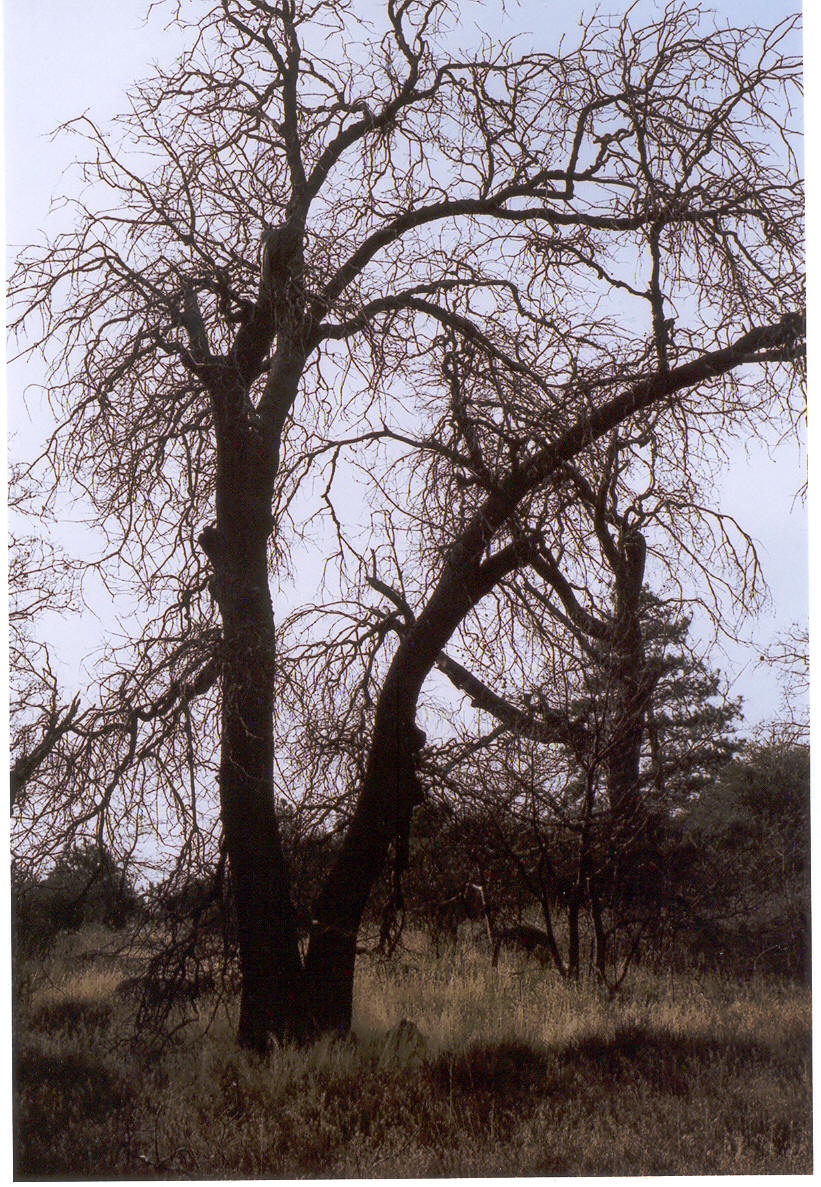
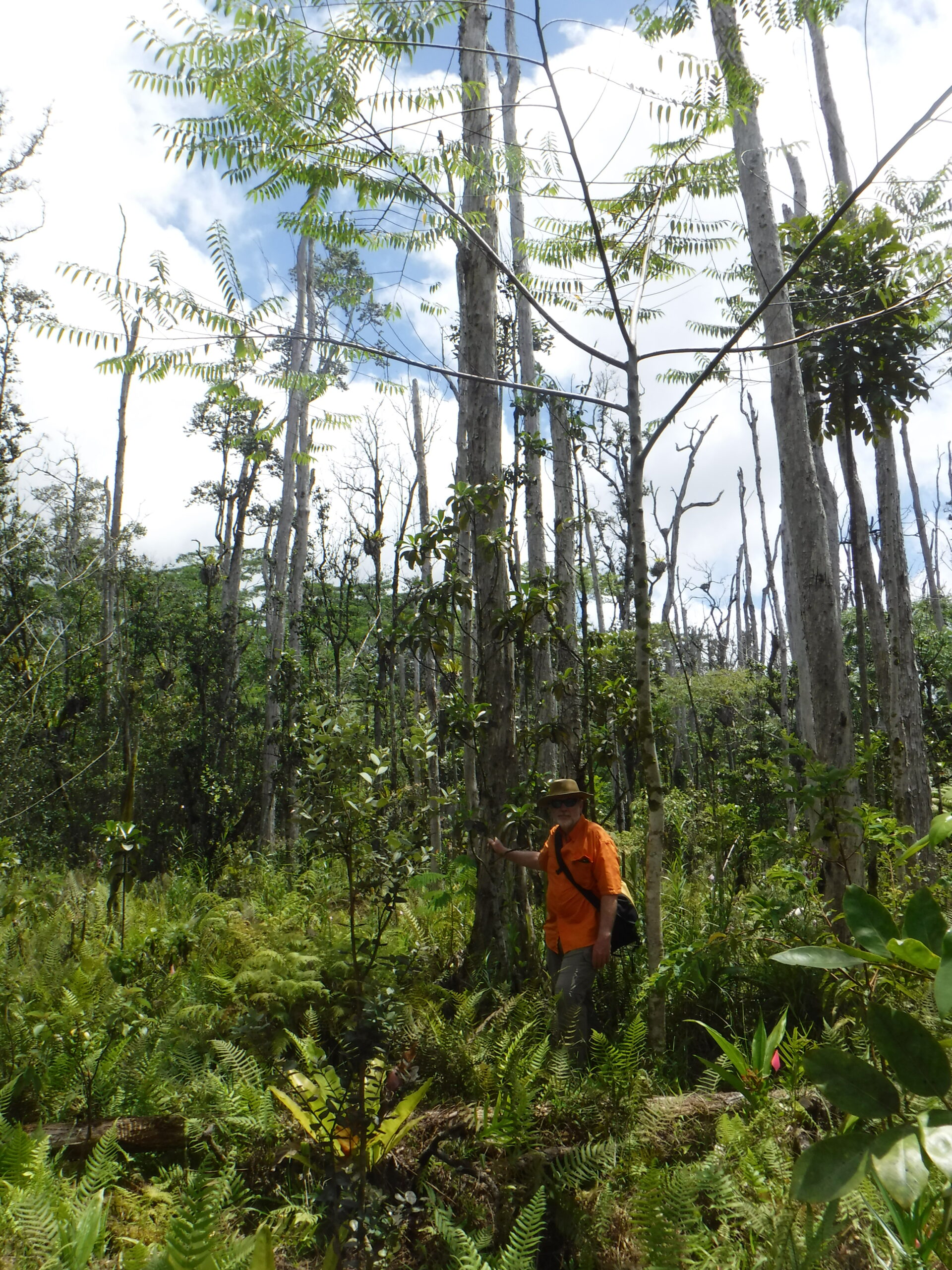
ohia trees killed by ROD near Pahoa, Hawai`i; with JB Friday; photo by F.T Campbell … APHIS has not applied NAPPRA to this pathogen

As I have documented numerous times in these blogs, [see here, here, here, here, here, here, here and here] forests throughout the world are being reshaped by rising numbers of introduced, non-native pathogens. Once established, these diseases are nearly impossible to contain, much less eradicate.

While the worst effect of such bioinvasions is widespread mortality of host species, even “lesser” results produce significant changes in the impacted ecosystems.

I believe that the international phytosanitary “system” adopted by the World Trade Organization (WTO) and amended by the International Plant Protection Convention (IPPC) in the mid-1990s impedes efforts to prevent introductions of pathogens. These rules require unattainable levels of certainty about an organism’s impacts before it can be restricted. Scientists such as Haoran Wu and Kenneth Raffa have called for phytosanitary approaches that will be more effective because they are realistic, reflect the true level of  threat, and the limits of current science. I agree and have repeated their calls.

How Well Is This “System” Keeping Pathogens At Bay?

  • If the world’s phytosanitary system worked well, we should be seeing fewer high-risk forest pathogens being introduced to new countries. Instead, examples abound of pests invading new ecosystems in the post-WTO/IPPC era: Austropuccinia psdii — detected in Hawai`i in 2005, Japan in 2009, Australia in 2010, China in 2011, New Caledonia and South Africa in 2013, Indonesia and Singapore in 2016, and New Zealand in 2017.
  • Phytophthora ramorum 8 to 14 additional introductions to California after its initial detection.
  • Fusarium disease vectored by beetles in the Euwallaceae genus:
    • Euwallacea fornicatus s.s.— detected in southern California in 2003, Hawai`i in 2007, Israel in 2009, in South Africa in 2012, in Australia in 2021, and in Argentina and Uruguay in 2023 and 2024 . The haplotype detected in South America and several European greenhouses differs from that established elsewhere.
    • E. kuroshio detected in southern California in 2013; has spread to nearby Mexico  
    • E. interjectus detected in central California in 2024.
  • Boxwood blight fungus Calonectria pseudonaviculata — first detected in the Caucuses in 2010 and the US in 2011. Now established in at least 24 countries in three geographic areas: Europe and western Asia; New Zealand; and North America.  Boxwood blight has caused rapid and intensive defoliation of native stands of Buxus sempervirens. Although disease was detected in United Kingdom in the mid-1990s, the causal agent was not determined until 2002.
  • Beech leaf disease caused by the nematode Litylenchus crenatae subsp. mccannii — detected near Cleveland, Ohio, in 2012. Has since spread east to the Atlantic Ocean, south to Virginia, north into Ottawa.
  • Phytophthora austrocedrii — detected in nurseries in Ohio and Oregon in 2024. Previously known from Argentina and in England and Scotland. At the latter location it is causing mortality of native Juniperus and introduced Cupressaceae. See here and here.

Most of these pathogens were unknown at the time they were discovered – because they were causing disease in the invaded ecosystems.
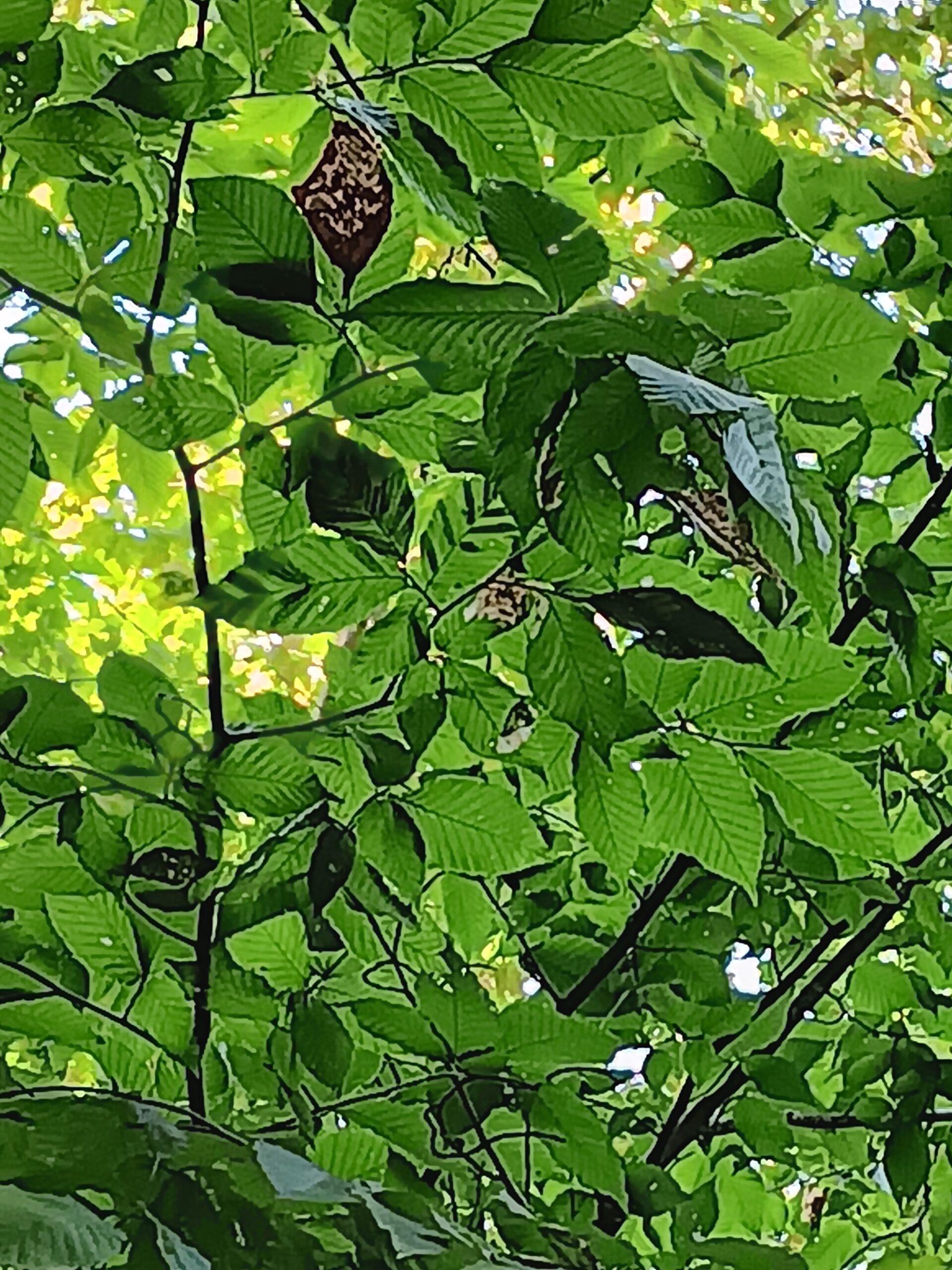
beech leaf disease symptoms in northern Virginia; photo by F.T. Campbell

In the Face of International Failures, How Can USDA’s APHIS Succeed?

When countries choose to prioritize preventing bioinvasions, they can impose more restrictive controls than those implemented by the WTO/IPPC system.  

I urge USDA to more proactively use its authority to protect America’s plant resources. In particular, I urge USDA leaders to use the NAPPRA authority more effectively and quickly. This allows the agency to temporarily prohibit importation of plants that host potentially damaging pathogens. ). https://www.aphis.usda.gov/plant-imports/nappra

We Americans can’t protect our forests from pathogens without APHIS responding more promptly to recent detections of pathogens in North America and on Pacific islands. Recent events are not encouraging.

The agency did undertake an analysis of Phytophthora austrocedrii after it was detected in nurseries in two states. Unfortunately, in my view, APHIS and the states decided the pathogen was too widespread so they dropped any idea of regulating it. This was despite the apparent threat to junipers across the country. See here and here. P. austrocedri also attacks cypress trees, including Port-Orford cedar, Chamaecyparis lawsoniana. USFS scientists recently announced success in breeding POC trees resistant to a different pathogen.    

There are no indications that APHIS will respond to detection of a new pathogen causing wilt disease in elms (Plenodomus tracheiphilus) recently discovered in Alberta, Canada. The pathogen is spread primarily through movement of infected plant material, including on asymptomatic material. Current U.S. regulations do not prohibit importation of plants or cut greenery in the Ulmus genus from Canada. Beyond the risk associated with elm material, I think it is probable that this pathogen also survives on plants in additional taxa, since it was formerly known for causing disease on citrus trees.

Although APHIS has classified Leptosillia pistaciae as a federal quarantine pest, I have learned of no response to detection of the pathogen on the native California shrub, lemonade berry (Rhus integrifolia), in 2019.
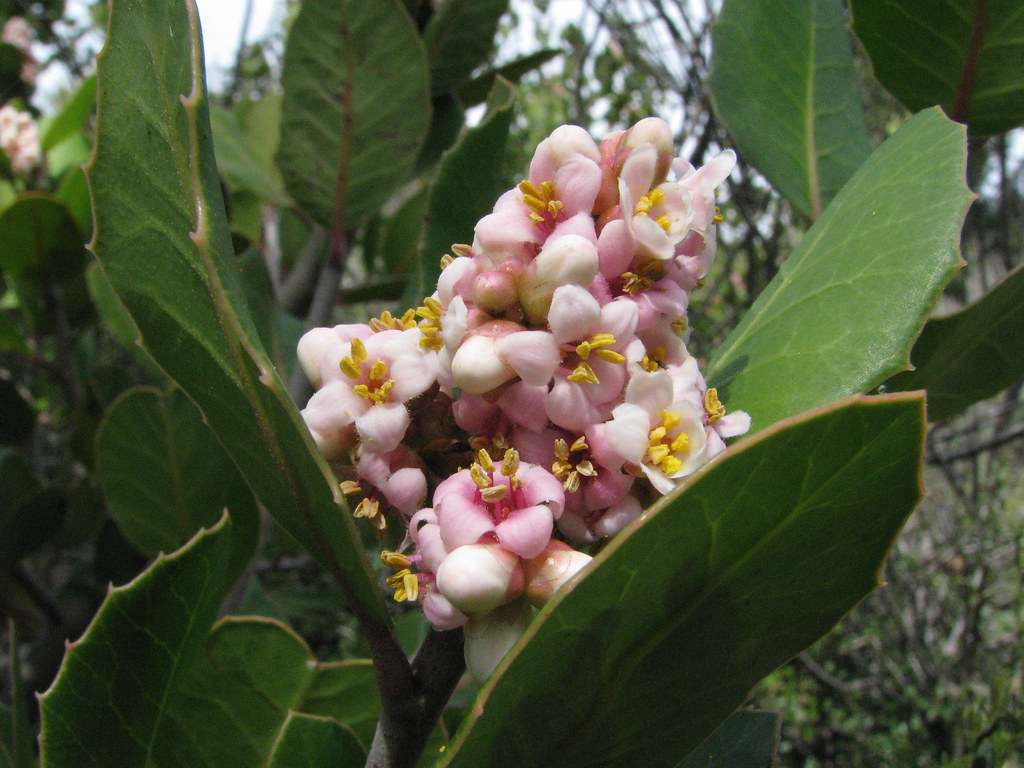
Rhus integrifolia – host of Leptosillia pistaciae

Has APHIS Changed its Practices in Response to Recent Detections?

We’ve known about gaps and weaknesses in APHIS’ approach for a long time. Here are specifics.

Has APHIS upgraded its attention to nematodes – as should have been prompted by detection of the beech leaf disease nematode (above)  and as recommended by Kantor et al.?

Has APHIS changed any of its practices or policies in response to detection of plant and human pathogens associated with wooden handicrafts from countries other than China? Or wood pieces used for unanticipated purposes, e.g., to decorate aquaria? All 31 fungal taxa detected by one of these studies were viable despite having been subjected to various phytosanitary requirements.   

USDA has no authority to regulate organisms that pose a risk to non-plant hosts, like us humans! Has APHIS contacted officials at the relevant agency?

Does APHIS respond to detections abroad when pests attack congeners of North American trees? I have blogged about several — see here, here, here and here — detected in Europe or Asia that attack cypress, magnolia, dogwood, Persea, and oaks. PestLens — an alert system created by APHIS — reported these.             

How has APHIS incorporated the findings at various “sentinel garden” projects? And the wider implications of findings by Eliana Torres Bedoya and Enrico Bonello regarding findings on asymptomatic plants?  

How is APHIS applying the impact assessment tools developed (for insects) by Ashley Schulz and Angela Mech? Has APHIS incorporated Kenneth Raffa’s advice about the strengths and weaknesses of various prediction tools?

I wonder whether APHIS has responded in any way to the rash of woodborer introductions on the west coast, including three species in the invasive shot hole borer complex and the Mediterranean oak borer. Has the agency explored the threat that the spotted poplar borer (Agrilus fleischeri) – another wood-boring beetle native to northern Asia – might pose to North American Populus species? Canada has twice intercepted the species on solid wood packaging material .  

USDA APHIS is explicitly not a research agency. However, it claims that its decisions are science-based. In my view, this means APHIS has a responsibility to respond to scientific findings (such as those  above) and to bring about research aimed at answering pertinent questions, e.g., those related to risks of pest introduction and establishment, effective detection and management technologies, etc.

APHIS has occasionally done this:

  • It established the NORS-DUC research facility to study what aspects of nursery management facilitate establishment of Phytophthora ramorum.
  • It enabled and participated in several studies of wood-borer introduction via wood packaging, including those by Robert Haack and colleagues (see blogs on this website under the category “wood packaging”).
  • It enabled and participated in a study of introduction pathways that included plants-for-planting – relying on 2009 data. (Liebhold et al. 2012)  
  • Did APHIS support the study by Li et al. to evaluate the vulnerability of two oak and two pine species to 111 fungi associated with Old World bark and ambrosia beetles?

APHIS could do much more to determine whether North American trees are vulnerable to pathogens and arthropods detected on the congeners in trade partner countries. Opportunities include:

  • studying which North American species might be vulnerable to the growing number of the 38 new Phytophthora species detected overseas. This would be a monumental task:  216 species have been recognized in the genus. I have focused specifically on the 38 species detected by Jung, Brasier, and others in Vietnam and now the 18 Phytophthora species detected in the Alps.  (I have already noted that APHIS and the states dropped any idea of regulating one of those species, P. austrocedrii).
  • Regarding P. ramorum specifically, scientists now recognize 12 genetic strains; 8 are in Southeast Asia, a ninth (EU2) in Europe. How likely is it that some of these will be introduced to the U.S.? Three strains are known to be established in western North American forests – NA1, NA2, and EU1.

In addition, new hosts continue to be identified. APHIS has pledged to update the host list annually. In the past I have criticized APHIS for not accepting hosts identified in the United Kingdom.

While APHIS is not well-funded, it has largely escaped budget slashing by “DOGE,” other Trump Administration cuts, and congressional decreases. Scientific expertise at the USDA Forest Service has been shrinking for decades (see Chapter 6). Now, loss of expertise has reached crisis levels. The result will be less capacity to assist APHIS in evaluating pest risks and research needs.

Earlier, I noted the importance of APHIS using its full NAPPRA authority.  Unfortunately, the record is not encouraging here, either.

Since the agency gained this authority in 2011, it has adopted lists of species temporarily prohibited for importation only three times – in 2013, 2017, and 2021. I complained that the last action was tardy and provided insufficient protection to Hawai’i’s unique flora arising from multiple strains of the ‘ōhi‘a rust pathogen Austropuccinia psidii and here. Even worse, four years after promising to close the loophole that allowed continued imports of cut flowers and foliage – the most likely pathway by which the rust was introduced to Hawai`i, APHIS has not proposed the necessary rule.

Pathogens are more difficult to detect and manage than invasive insects. The “disease triangle” is complex! Numerous pathways are involved! But they also get less attention – and this reflects unwise decisions by agency leaders. I suggest that they should respond to this complexity by adding resources. Voglmayr et al. (full reference at the end of this blog) also called for more attention to pathogens. Kantor et al. noted that nematodes are also neglected.

Of course, I have repeatedly urged APHIS leadership to enhance enforcement of regulations governing imports of wood packaging. One suggestion is that it prohibit importation of Chinese wood packaging  because of its 25-year record of not complying with – first – U.S. and Canadian regulations and – later – the international regulation known as ISPM#15.

Information Gaps Impede APHIS’ Domestic Program

I have criticized APHIS’ failure to find answers to several questions important to managing the sudden oak death pathogen, Phytophthora ramorum. Like the many questions listed earlier, these also need priority attention.

APHIS has regulated interstate movement of nursery stock to contain P. ramorum for over 20 years. I appreciate its creation of NORS-DUC. But it is also responsible for protecting natural systems in regions not yet invaded, e.g, in the East. APHIS should have studied these issues years ago, given the frequency with which pests spread nationwide via the nursery trade.

Other pathogen systems also have genetic variation that might be important in determining pest-host relationships. As of 2022, scientists had identified 43 haplotypes (genetic variants) of E. fornicatus s.s. worldwide, with the greatest diversity in several Asian countries (P. Rugman-Jones, pers. comm). Other species of plant pathogens also have several haplotypes. 

Forests At Risk Outside of North America

North American forests are not alone in being besieged by non-native pathogens. Their numbers have been rising also in Europe and Oceania. The record is less clear in Africa, South America, and Asia.

Reports of tree pathogens in Europe began rising suddenly after the 1980s – admittedly 15 years before the WTO took effect. By 2012, more than half of infectious plant diseases in Europe were caused by introduction of previously unknown pathogens  https://www.nivemnic.us/?p=5164

Antonelli et al. (full citation at the end of this blog) report that three previously undetected species of Phytophthora have been detected in European nurseries since 2016. Voglmayr et al. reported that the number of alien fungi in Austria increased 4.6-fold over 20 years. Eighty percent were plant pathogens. The introductory pathway was unclear for the vast majority. They note that differences in research efforts probably explain some discrepancies.

The ash decline pathogen, Hymenoscyphus fraxineus, has apparently been present in eastern Europe since the 1980s, so its spread has probably not been facilitated by the downsides of the WTO/IPPC system.

Other sources report recent introductions of insects to Europe. Musolin et al. reported that 192 species of phytophagous non-native insects had been documented in European Russia as of 2011. They included the emerald ash borer detected in Moscow in 2003. Some of these insects were probably introduced to Europe (outside Russia) before the WTO/IPPC system came into effect. Examples are two insects from North America that were detected in 1999 and 2000, respectively –  the western coniferous seed bug, Leptoglossus occidentalis, which vectors a pathogenic fungus Sphaeropsis sapinea (=Diplodia pinea); and the oak lace bug, Corythucha arcuata.

Australia was slow to respond to detection of myrtle rust, Austropuccina psidii. Few federal resources were made available to study its impacts – although the Australian flora includes at least 1,500 species in the vulnerable plant family. Carnegie and Pegg said this experience demonstrated the need to integrate the work of agencies responsible for conservation of natural ecosystems with those determining and implementing phytosanitary policy. New Zealand initially responded more assertively, but also found little funding to support resistance breeding or even to track the rust’s spread. 

The record is less clear regarding Africa, South America, and Asia.

Africa

Sitzia et al. expressed concern that bark and ambrosia beetles threaten to cause significant damage to tropical forests. Several factors contribute to these threats: the long history of plant movement between tropical regions; conversion of tropical forests that disturbs canopies, understory plant communities, and soils; and, generally, regions with fewer resources to prevent or respond to invasions.

In Africa, Graziosi et al. reported on the cumulative economic impact of invasive species and the continent’s limited capacity to prevent or respond to introductions. They don’t discuss whether pests attacking plantations of non-native trees followed those trees from their point of origin. They found that some introduced insects pose significant threats to native tree species. They mentioned the Cypress aphid, Cinara cupressi, which was attacking both native African cedar, Juniperus procera, and exotic cypress plantations. All the examples appear to have been introduced before the WTO/IPPC system took effect. All the examples appear to have been introduced before the WTO/IPPC system took effect.
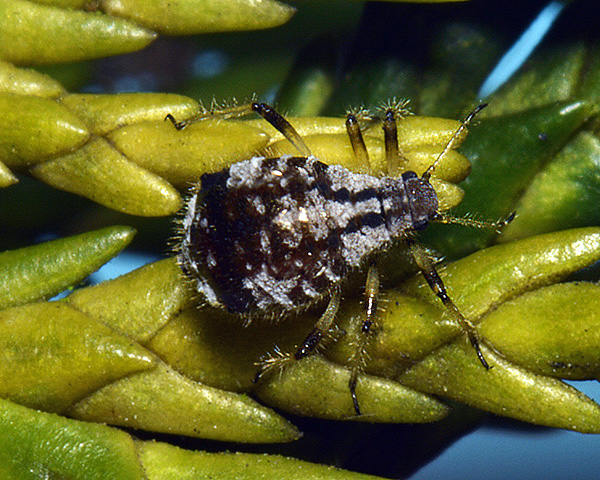
Cinara cupressi; photo by Blackman & Eastop via Wikimedia

Graziosi et al. point out that South Africa plays a central role because it imports significant volumes of goods that can transport pests. At most immediate risk is South Africa’s highly diverse and endemic flora. For example Phytophthora cinnamomi is attacking native Proteaceae, which are important components of the unique Cape Floral Kingdom.  Other pathogens are attacking native conifers in the Podocarpus genus, Ekebergia capensis (Meliaceae), and Syzygium trees. However, pests first introduced to South Africa often spread. Graziosi et al. name several insects and pathogens of Eucalyptus and the wood-boring pest of pine Sirex noctilio.

Pests in Asia

Available information about China is not definitive. The FAO reports that half of the most damaging forest pests are non-indigenous. They were estimated to occur over an area of 1.3 million ha and to kill over 10 million trees per year. However, the three tree-killing pests which receive the most attention are the pinewood nematode (Bursaphelenchus xylophilus), red turpentine beetle (Dendroctonus valens), and fall webworm (Hyphantria cunea). These were all introduced before the World Trade Organization was founded.

The FAO notes several non-native insects that attack native trees in India, but all were introduced decades before the World Trade Organization began. There is no discussion of tree pathogens.

Thu et al. report a growing number of pest outbreaks damaging plantations of non-indigenous trees in Vietnam. In most cases the pests are indigenous to the country. They report that almost nothing is known about pests that attack species in the highly diverse native forests.

The September 2025 meeting of the International Forest Quarantine Research Group (IFQRG) had a session devoted to the topic “Risk of international trade in plants for planting”. The specific presentations are titled

  • “Using molecular tools to elucidate the pathways of cryptic pests on plants for planting”
  • “Risk-based approach to the movement of germplasm into Australia: the luxury afforded to an affluent continent” (note my earlier blog criticizing Australian efforts re forest pests)
  • “Challenges in the validation of methods for detection of quarantine pathogen – P. ramorum”
  • “Challenges in surveillance and detection of quarantine fungal tree pathogens in European Union”
  • “Pathogens in trade and the risk of establishment – update”

I hope that some of these discussions begin to tackle the crucial questions I raised in this blog and earlier. Also, I hope IFQRG continues to explore these important questions.

As Wu and Raffa et al. have said, Earth’s forests cannot afford delay in finding solutions to the challenges posed by introductions of novel pathogens to naïve systems.

SOURCES

Antonelli, C.; Biscontri, M.; Tabet, D.; Vettraino, A.M. 2023. The Never-Ending Presence of

Phytoph Spp in Italian Nurseries. Pathogens 2023, 12, 15. https://doi.org/10.3390/pathogens12010015

Voglmayr, H., A. Schertler, F. Essl, I. Krisai-Greilhuber. 2023. Alien and cryptogenic fungi and oomycetes in Austria: an annotated checklist (2nd edition). Biol Invasions (2023) 25:27–38 https://doi.org/10.1007/s10530-022-02896-2 

Posted by Faith Campbell

We welcome comments that supplement or correct factual information, suggest new approaches, or promote thoughtful consideration. We post comments that disagree with us — but not those we judge to be not civil or inflammatory.

For a detailed discussion of the policies and practices that have allowed these pests to enter and spread – and that do not promote effective restoration strategies – review the Fading Forests report at http://treeimprovement.utk.edu/FadingForests.htm

Or
https://fadingforests.org

The Neglected Agrilus

I, and many others, have given much attention to the emerald ash borer (EAB), a species in the Agrilus genus. This attention is deserved. In 30 years EAB has spread from then-localized infestations in Michigan and Ontario to natural and urban ash ecosystems across North America. The EAB is spreading in Europe, too.

coast live oak killed by GSOB at Heisey State Park, San Diego County, California; photo by F.T. Campbell

We have paid far less attention to a second Agrilus, the goldspotted oak borer (GSOB), Agrilus auroguttatus. In roughly 30 years, the GSOB infestation has become the primary agent of oak mortality across much of southern California, an area of roughly 37 million square miles. This is bigger than the combined land areas of West Virginia, Maryland, and Delaware.

While the number of trees killed has generally expanded slowly, there have been periods of explosive growth. For example, annual mortality was estimated to have reached 40,000 trees in 2017. The officially documented cumulative total is over 142,000. At least one scientist, Joelene Tamm, considers this number to be a significant underestimate; she estimates the true number of trees killed as probably close to 200,000. As she explains (see here), the USFS’ Aerial Detection Surveys is not very effective at capturing mortality within fragmented urban landscapes, narrow riparian corridors, or when the target species have sprawling canopies (as oaks do).

Ravaged oak forests grow on five mountain ranges. People losing valuable resources and paying to manage the invasion include

  • U.S. taxpayers — three National forests have lost oaks; a fourth Forest is on the brink;
  • Residents of California – trees killed in at least four State parks, 10 County parks, and two major private reserves;
  • Native Americans on at least five reservations
  • City dwellers and property owners: up to 300,000 coast live oak trees live in built-up sections of just one heavily infested city, Los Angeles.
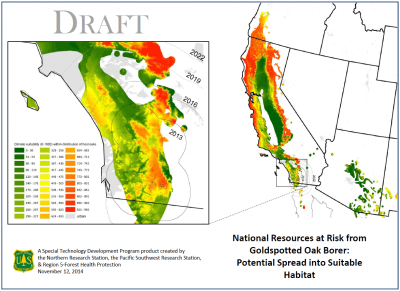
areas vulnerable to GSOB

This damage is almost guaranteed to spread in the future. Three oak species host GSOB: coast live oak (Quercus agrifolia), California black oak (Q. kelloggii), and canyon live oak (Q. chrysolepis). The ranges of black and canyon live oak stretch north along the Coastal Mountain Range and the foothills of the Sierra Nevada Mountain Range into southwest Oregon. The range of coast live oak reaches Mendocino County. A risk assessment concluded that GSOB could invade all these regions. Among urban areas, Santa Barbara faces the highest risk because of the large number of oaks in its urban forest. While this county has not yet been invaded by GSOB, the beetle is now in adjacent Ventura County – although at the other end of the county.

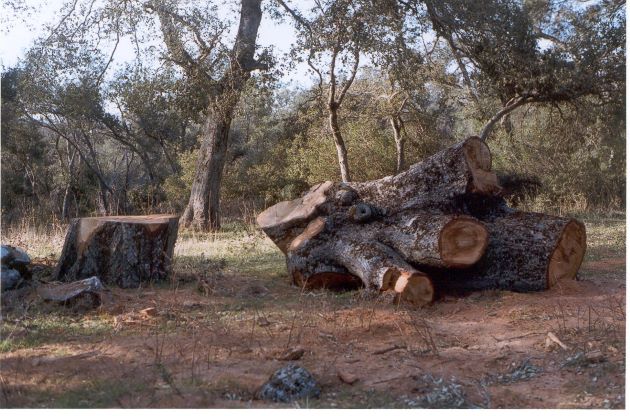
GSOB is transported to new locations primarily by the movement of firewood. This means of human-assisted spread almost certainly explains its initial introduction to from southeastern Arizona to California – in eastern San Diego County – in the 1990s. (See here for the explanation why it is unlikely that the beetle would have spread to California through natural dispersal.) It is blamed for the establishment of numerous disjunct populations that propelled its spread. These outbreaks led to recognition of invasions in additional counties in new counties in 2012, 2014, 2015, 2018, and 2024.

Death of these trees causes numerous ecological impacts. Oaks provide food, habitat, and climate control for hundreds of species. Oak mortality also increases the probability and severity of wildfire. The few natural enemies, including woodpeckers and some parasitoids, are not keeping GSOB populations in check. Urban trees provide important ecological services, including shade which reduces energy use and expense associated with air conditioning; they also reduce storm water runoff. Larger trees – those preferred by GSOB – provide more of these services. Dead oaks not only deny people of these services; they also demand prompt removal to prevent them falling on people or structures; this is done at considerable expense.

GSOB invasions are now known to be present in six counties: San Diego, Orange, Los Angeles, Riverside, San Bernardino, and Ventura. Since the state has opted out of leading management of the beetle (see below), coordination of these many players presents significant challenges on top of the usual difficulties that hinder most U.S. efforts to reduce threats from non-native forest insects and pathogens:

  • Detection of outbreaks occurs years after the pest’s actual introduction. Locations of disjunct outbreaks are difficult to predict. They fuel more rapid dispersal.
  • The host species are not important commercial timber sources, so key forest stakeholders do not act – despite the tree species’ great ecological importance.
  • USDA APHIS does not engage because GSOB has become a non-native tree-killing organism in a single state (although it was introduced from a separate state – Arizona).

Problems more specific to GSOB are:

  • Some authorities dismiss this invasion because the beetle is native in one U.S. state.
  • California State agencies and the National Park Service have not taken effective action to control movement of the principal vector – in this case, firewood.

Fortunately, a broadening alliance of locals is trying to fill the gaps. These efforts are truly encouraging. Concerned individuals and organizations in Southern California have put together a broad coalition that works to ensure an outbreak-wide response. Participants include staffers in the USDA’s Forest Service and Natural Resources Conservation Service; the U.S. Bureau of Indian Affairs; CalFire; California Department of Conservation; State parks; agencies of four counties; community Fire Safe councils; regional conservation agencies; several Resource Conservation districts; various Tribes and Tribal Nations; and University of California extension. In some counties, there are also geographically-focused coordinating bodies.

Money is scarce, but somehow they manage to carry out detection and monitoring, vigorous outreach and education projects, and — at some sites — treatment of vulnerable trees and removal of “amplifier” trees. Teams working under the umbrella of this coalition have developed GSOB-killing treatments for logs (firewood); search for tools to increase survey efficacy; investigate the area-wide impact of the beetle, and its interaction with drought. Scientists have also explored possible biocontrol agents in the species’ native habitat in Arizona. However, the two parasitic wasps found there are already present in California, where their parasitism rates are much lower.

Some of the participants have been willing to “go political” in search of resources and official actions.

Might this coalition be a model for addressing other pests?

As if GSOB were not a sufficient threat to California’s oaks, several other non-native pests are already established in the state. These include at least seven pests and pathogens:

  • sudden oak death pathogen;
  • three shot hole borers — polyphagousKuroshio, and Euwallaceae interjectus; they attack at least  Coast live oak (Quercus agrifolia), Engelmann oak (Quercus engelmannii), Valley oak (Quercus lobata), Canyon live oak (Quercus chrysolepis)
  • Mediterranean oak borer; attacks valley oak (Quercus lobata); blue oak (Q. douglasii); and Oregon oak (Q. garryana).
  • acute oak decline (bacterium Rahnellav victoriana);
  • foamy bark canker (caused by Geosmithia pallida); and
  • possibly two Diplodia fungi.

At least GSOB, SOD, and two of the shot hole borers have received official “zone of infestation” (ZOI) designation by the California Board of Forestry. This designation enables

  • the Board to specify required pest mitigation measures for any timber harvest;
  • the Board & the CalFire authority to enter private properties to abate pest problems if necessary.
  • calls attention to the presence of the pest within the Zone and provides the Department with a talking point to motivate landowners & land managers to address problems caused by the pest in question.

The southern California coalition includes these other bioinvaders in its efforts.

Lobbying by members of the coalition – especially John Kabashima – resulted in the state legislature providing funds to address the invasive shot hole borers (see here and here.)  

Summary of information in the brief  

Tardy detections

Although oak decline was observed in eastern San Diego County as early as 2002, and a GSOB was caught in a survey trap in 2004, the beetle’s role in killing these oaks was identified only in 2008. This detection was followed by the discovery of disjunct infestations were detected in towns surrounded by National forests first in Riverside County (2012), then in Orange County (2014) and Los Angeles County (2015). Outbreaks in San Bernardino County were detected in 2018 – although the beetle had probably been present since 2013. The LA County populations continued to spread, despite management efforts. The obvious danger prompted neighboring Ventura County to initiate surveillance trapping in 2023.  Sure enough, this sixth county found its first outbreaks in 2024. Most of the initial outbreaks have been on private land bordering or surrounded by National forests.

black oak in Cleveland National Forest killed by GSOB; photo by F.T. Campbell

Responses: State, County, and Federal

The California Department of Food and Agriculture (CDFA) classifies GSOB as a level “B” pest. Pests in this category are known to cause economic or environmental harm; however, their distribution is considered to be “limited”. Efforts to eradicate, contain, suppress, or control the species are at the discretion of individual county agricultural commissioners.

There is some outside support – usually because of the link to increased fire danger. Grants from the National Forest Foundation have enabled local Fire Safe councils, CalFire, and the Inland Empire Resource Conservation District (IERCD) to conduct surveys and in some cases removal of amplifier trees in Riverside and San Bernardino counties. However, the funds no longer support the earlier practice of spraying at-risk trees.

County-by-County

In Orange County, a coalition of academics from the University of California and scientists with CalFire and USFS are testing various pesticide applications and efficacy of removing heavily infested trees. The county has adopted an Early Detection Rapid Response Plan.

Since the first detection of GSOB in Los Angeles County in 2015, authorities have removed nearly 10,000 “amplifier” trees. Because the Santa Monica Mountains are home to 151,000 oaks, LA County Agricultural Commissioner of Weights and Measures, the Santa Monica Mountain Resource Conservation District (RCD), Los Angeles National Forest and UC Cooperative Extension established a joint “Bad Beetle Watch” program with Ventura County. The program is training agency personnel, tree professionals, and recreationists to detect GSOB. A state agency – Mountains Recreation and Conservation Authority – is managing two outbreaks in the Santa Monica Mountains. The Los Angeles County Fire / Forestry Division is surveying the oak-dense San Fernando Valley and Santa Susana Mountains after GSOB was found nearby. The Los Angeles County Regional Planning agency will target oak-dense communities with advocacy for oak woodland health and warnings not to move firewood.

Most encouraging, the Los Angeles County Board of Supervisors is considering declaring a local or state emergency related to the risk of the spread of GSOB in the County and to the Santa Monica Mountains.

Ventura County began trapping at green waste facilities and campgrounds in 2023. Now that GSOB has been detected, several agencies — CalFire, Ventura County Fire, Ventura County Resource Conservation District, California Coastal Conservancy, Rivers and Mountains Conservancy, Santa Monica Mountains Conservancy, Mountains Recreation and Conservation Authority, Ojai Valley Land Conservancy, Ventura Fire Safe Council, Ojai Valley Fire Safe Council  as well as the state lands commission and Los Padres National Forest – are gearing up educational programs focused on the risk of GSOB spread to additional areas. The non-governmental organization Tree People helped to spark this effort. Efforts are under way to fund and formalize a regional coalition, with collaboration from California Department of Conservation, CAL FIRE, and UC Agriculture and Natural Resources.

Despite the damage to state parks and the clear nexus with firewood, the California State Park agency encourages – but does not require – campers and picnickers to purchase certified clean firewood on site from camp hosts.

Affected Tribal Lands

Among affected Native American reservations, the La Jolla Band of Luiseño Indians has already removed almost one thousand large coast live oak trees in the Tribe’s campground; another thousand trees must be removed in coming years. Since 2019, the Tribe has been applying contact insecticides annually on 200 to 300 trees. In addition, the Tribe is planting seedlings and conducting research in partnership with UC Riverside, San Diego State University, and UC Irvine. Obtaining funds to develop management capacity is a constant challenge.

A second tribe, the Pala Band of Mission Indians, began a systematic survey of its lands in 2022. At that time, they found a light infestation in coast live oaks and some dispersal. Hundreds of dead trees are visible from highways bordering the Mesa Grande, Santa Ysabel, and Los Coyotes reservations. Even reservations that have no oaks on their land are affected because tribal members harvest acorns as a culturally important food.

Private Reserves

Two private reserves in Orange County responded aggressively to arrival of GSOB. The Irvine Ranch Conservancy started active management immediately after detection of GSOB in 2014. Their efforts –  annual surveys, treating lightly infested trees, and removing heavily infested or “amplifier” trees – have paid off: by 2023, only 21 of 187 coast live oaks surveyed had new exit holes – and in most cases only one or two. Weir Canyon is considered a successful control program.

Managers of the California Audubon Starr Ranch Sanctuary began monitoring for GSOB by 2016. No GSOB were detected until 2023. Difficult terrain impedes survey and response. Orange County Fire Authority hired contractors to remove amplifier trees and treat others. Monitoring continues.

Responses by Federal Agencies

The Angeles, Cleveland, and San Bernardino National forests all have extensive and evolving management plans for GSOB. Actions include annual surveys, tree removal and/or treatment, regulating concessionaires’ sources of firewood, and restricting wood harvest permits. Each forest has also partnered with appropriate counties, NGOs, FireSafe councils, and Resource Conservation districts to expand outreach, monitoring, and management. Many of the efforts are centered around communities within and adjacent to National Forest boundaries and recreation sites, since they are the main source of GSOB ingress. Success is not guaranteed. Six years of applying contact insecticides to high-visit recreation sites did not prevent establishment of at least two new infestations on private inholdings in Trabuco Canyon (Cleveland National Forest).

The fourth National Forest in southern California, Los Padres NF – which lies partially in Ventura and Los Angeles counties – has not yet found any GSOB but it is preparing. The Forest conducted a forest health training with heavy emphasis on GSOB in spring 2024 and is in the process of creating its own monitoring and management plan to include preemptive evaluation of environmental concerns under the National Environmental Protection Act (NEPA) and planning.

GSOB management is an important facet of the National Forest Wildfire Crisis Strategy implemented by all four National Forests in southern California. Challenges include steep and inaccessible terrain; wilderness designations; designation of sensitive habitat for wildlife, ecological, or heritage sites; and the sheer amount of land managed. Despite this, the forests have expanded their efforts each year. At the National Plant Board meeting in July, Sky Stevens reported that GSOB is one of the priority pests being addressed by the Forest Health Protection program. However, this program has been severely downsized by the Trump Administration, so its ability to assist is unclear. Budgets for individual National forests are also in limbo.

The Issue of Firewood

Several National parks located in California contain important oak forests and woodlands that are also at risk, especially given the importance of firewood in spreading the pest. Yosemite and Kings Canyon-Sequoia National parks and other campgrounds in the Sierra Nevada receive large numbers of campers from the Los Angeles area.

A 2014 National Park Service resource guide for firewood management summarized federal plant pest regulations at the time. These have since changed because emerald ash borer is no longer federally regulated. The guidance advised Park staff to define their park’s forest resources, keep abreast of present and potential forest pest species, and act to manage risks from potentially infested firewood. Park concessioners are required to purchase and sell only locally grown and harvested firewood in accordance with state quarantines. However, California does not have relevant quarantines for either firewood as a commodity or for oak pests specifically. The websites of Yosemite and Kings Canyon-Sequoia National parks ask people not to bring firewood obtained from a source more than 50 miles from the parks.

California does participate in the Firewood Scout program, Firewoodscout.org  which advises campers on local sources from which to purchase their wood. Statewide, a consortium of several agencies, academia, and non-government agencies operates a “Buy It Where You Burn It” campaign that promotes this message with the public and firewood vendors.

Funding is a perpetual problem. No agency, not even CalFire, is funded to remove amplifier trees. The agency does use its crews to remove GSOB infested trees when they can. Most funding for treating infested trees comes from competitive grants awarded by CalFire or National Forest Foundation.

In 2012 the California Board of Forestry and Fire Protection (which is appointed by the Governor) officially designated a Zone of Infestation (ZOI) for GSOB. The Zone has been expanded as the infestation spread. The Zone of Infestation formally recognizes GSOB as a threat to California’s woodland resources and seeks to raise awareness among the governor, legislature, and public. The action was also intended to foster collaborative efforts to manage the beetle.

Joelene Tamm, Vice Chair of the California Forest Pest Council Southern California Committee (CFPC), is leading an initiative to address wildfire risks from invasive pests, including GSOB, South American Palm Weevil, and the invasive shothole borers. She presented a pest update with potential solutions to the California Board of Forestry (BOF) and followed up with a presentation to the BOF Resource Protection Committee, which is now identifying responsive actions. The Governor’s Wildfire Task Force is considering incorporating the topic into future meetings. The initiative’s core message is that the state must address the root cause of pest proliferation, as treating the symptom of wildfire alone is an unsustainable strategy (Tamm, pers. comm. August 2025).

For more details and sources, visit the GSOB brief here.

[I could find no recent updates about a third Agrilus, the soapberry borer (Agrilus prionurus), which is established in Texas from Mexico and was earlier said to kill the western soapberry (Sapindus saponaria var drummondii). It is established in at least 42 counties, reaching from the Dallas-Ft. Worth area to the Rio Grande valley.

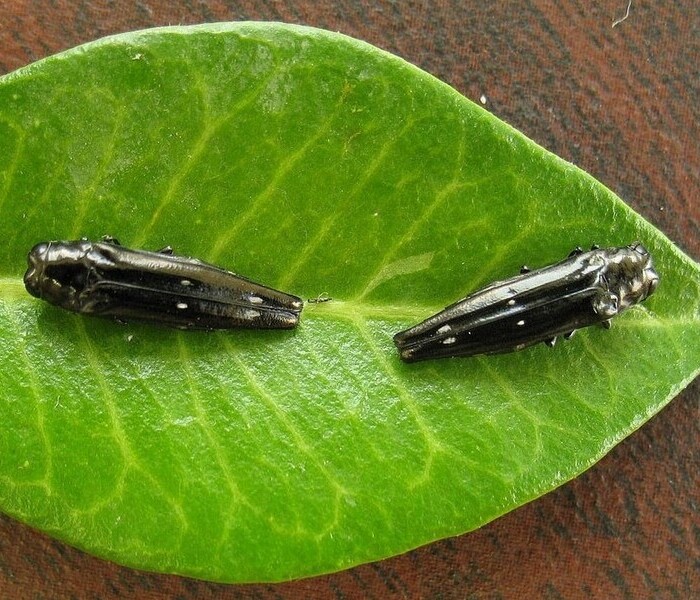
soapberry borer; photo by Texas A&M Forest Service

Posted by Faith Campbell

We welcome comments that supplement or correct factual information, suggest new approaches, or promote thoughtful consideration. We post comments that disagree with us — but not those we judge to be not civil or inflammatory.

For a detailed discussion of the policies and practices that have allowed these pests to enter and spread – and that do not promote effective restoration strategies – review the Fading Forests report at http://treeimprovement.utk.edu/FadingForests.htm

Or
https://fadingforests.org

Wood Packaging Pest Risk: changing trade patterns might reduce it

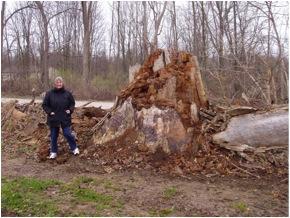
Michigan’s champion green ash – killed by emerald ash borer

As readers of this blog know, I worry when volumes of imports rise (scroll down the webpage to “categories”, then scroll down to the “wood packaging” category), especially when the rise is rapid and supply chains are in chaos – as they are now. As I reported a month ago,  U.S. imports from China landing at U.S. west coast ports grew by significant amounts during January through April 2025 as importers sought to get their goods before a threatened strike by longshoremen and high tariffs mandated by President Trump. The blog provides specific proportional increases for the ports of Los Angeles, Long Beach, Oakland, Seattle, and Tacoma. After a dip in May and June [as reported in both the Washington Post article and that by M. Angell] – in response to President Trump announcing a 145% tariff on goods from China – imports surged again in July when this tax was postponed (see below).

These spurts in imports worried me because wood packaging from China has a nearly 30-year history of higher-than-average failure to comply with phytosanitary regulations (see Haack et al. 2022; full citation at the end of this blog; and earlier blogs). I fret that when importers are in a rush neither exporters nor importers pays much attention to whether the crates and pallets have been treated in accordance with ISPM#15 to prevent insect infestation.

The surge in imports was across the board. Indeed, other countries saw even higher growth in exports to the United States than did China. According to the Journal of Commerce (JOC), www.joc.com  containerized imports from all exporters reached an all-time high in July 2025 — 2.6 million TEUs  Over the six-month period January through June, 12.53 million TEUs [Robb] (otherwise measured as approximately 6.3 million 40-ft containers). JOC also recorded single-digit declines in import volumes from all regions in May and June. 

In a blog in March 2025 I noted that the Department of Homeland Security’s Bureau of Customs and Border Protection (CBP) had processed 36.6 million shipping containers holding imports in Fiscal Year 2023 – which ended in September 2023. Together, Mexico and Canada provided 30% of U.S. imports in 2022. So probably ~25 million shipping containers arrived via ship from Asia, Europe, and other overseas trading partners.

Note that the CBP reports containers, while the JOC reports TEUs [TEU = twenty-foot equivalent unit; standardized measure of container]. Most sea-borne containers are actually 40 feet long; CBP numbers probably refer predominantly to 40-feet containers. The numbers reported by the two sources are not equivalent. The trends do match, however.

container ship at Hai Phong container port; photo by Nathan.cima via Wikimedia

Origins

Despite the spurts in volumes of incoming containers, total imports from China have declined from previous years. According to Angell, the 1.228 million TEU imported from China in July was 8% lower than the number of TEUs from China in July 2024. Importers have shifted to suppliers in Southeast Asia. Containerized imports from that region rose 24% over the previous July, reaching records of 542,414 TEUs in June and 581,803 in July. In fact, the U.S. imported more goods from Southeast Asia in the months March – June than from China (Wallis 2025).

The second greatest increase was in imports from countries on the Indian subcontinent. They also reached a record in July of 152,630 TEUs – 21% above July 2024.

Vietnam and India have much better records of compliance with ISPM#15 than does China: only one of 257 consignments from Vietnam and three of 1,549 consignments from India inspected over the period 2010 – 2020 harbored pests. Thus, from the perspective of introduction of non-native tree-killing insects, the shift to Southeast Asia and India is a plus. However, this improvement might not last. I expect that the 50% tariff on most goods from India that came into effect in late August 2025 will result in a steep fall-off in imports from that country.  

Imports from Southern Europe also rose 7% from a year earlier to 155,587 TEUs. Imports from Northern Europe were essentially flat over the July 2024 – July 2025 period.

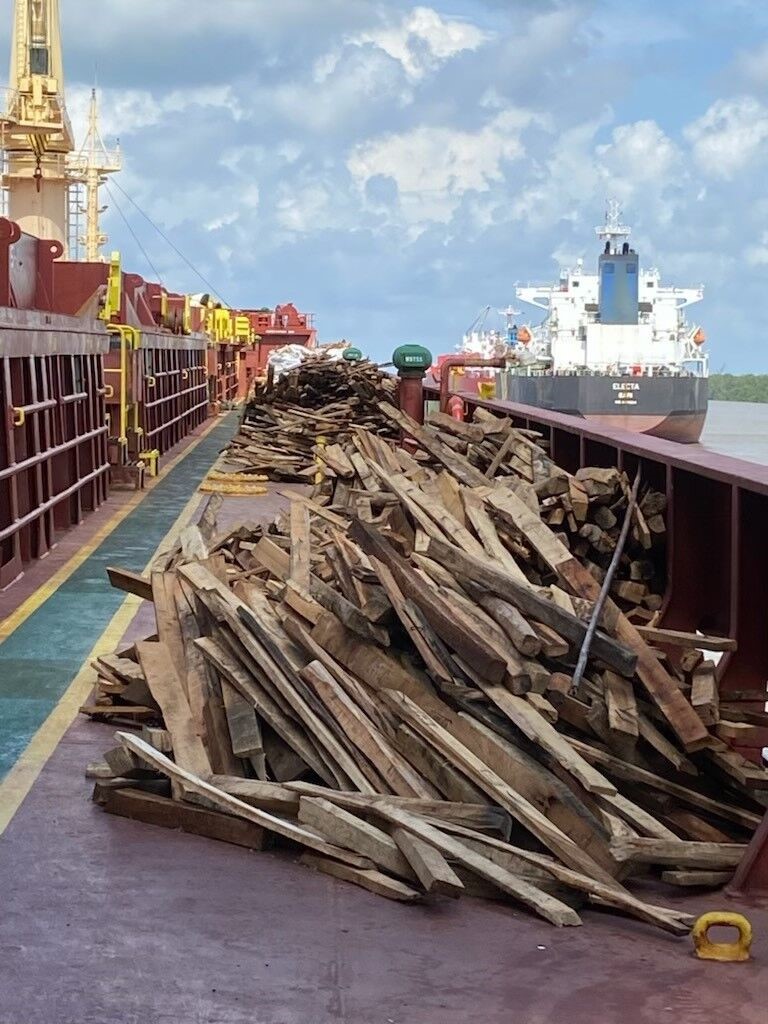
discarded dunnage in Houston

Ports

Shifts in trade patterns also appear in port data. The Port of Los Angeles received 542,940 TEUs in July, a 10% increase from a year earlier and the highest monthly total for the port since August 2024. However, it was Houston that saw the strongest year-over-year import growth; the 184,418 TEUs entering in July 2025 volume were 18.5% higher than the number imported in July 2024. Imports from Southeast Asia saw a 63% increase; those from China rose by 9.8% [Angell].

As you might remember, pest detections by CBP have risen at ports in America’s southeast: at the National Plant Board meeting in July, representatives of APHIS and state phytosanitary agencies expressed surprise about this finding. I reminded the group that ports in that region had been receiving higher import volumes in recent years, including from Asia through the widened Panama Canal. I added that there had been problems with dunnage in the port of Houston.   

De Minimis packages

As of 29 August 2025, the United States is imposing tariffs on small-value imports that previously could enter the country tax-free. In 2016, the U.S. raised the threshold from $200 to $800. Importers of these packages not only avoided paying taxes on this newly expanded list of items. They also were subjected to minimal processing, including inspections (Chapell). This change coincided with on-line shopping becoming the norm. De minimis shipments started to dominate cargo entering the U.S. According to a press release from the Bureau of Customs and Border Protection, cited by NPR, the number of de minimis shipments grew from 140 million in 2014 to 1.36 billion in 2024.

Not coincidentally, phytosanitary officials have expressed growing concern about on-line sales of plant species considered invasive in one or more states, and exacerbated appearance of items infested by plant pests. These concerns have been voiced at National Plant Board meetings since at least 2021. At that meeting, then APHIS Deputy Administrator Osama el-Lissy said that managing

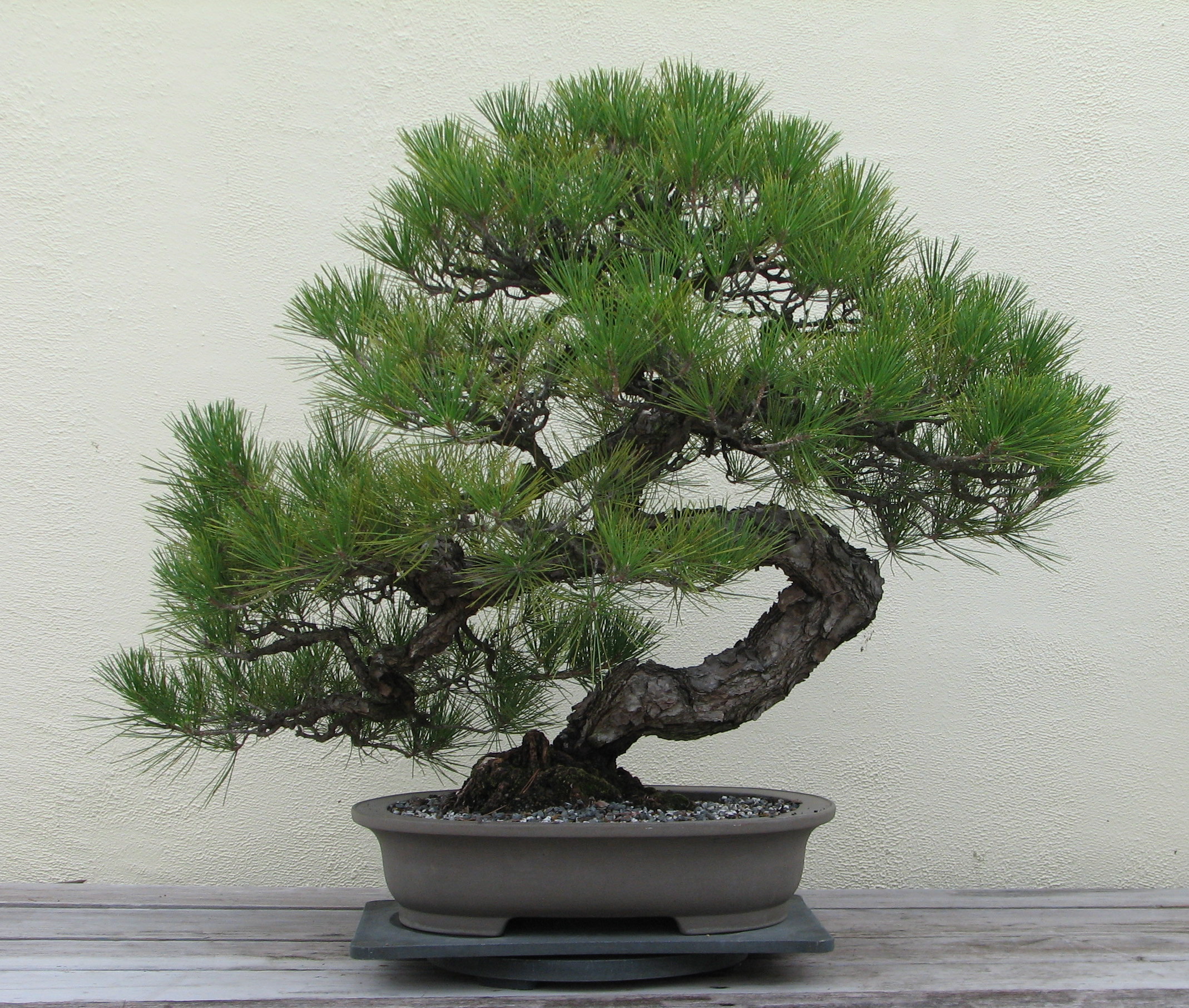
e-commerce was a priority of the new Biden Administration. The topic has been on the NPB agenda since then. Two kinds of shipments raise concern: those by North American suppliers that send plants or other items that violate regulations of the destination state, and those from abroad. All recognize that persuading foreign suppliers to comply with U.S. regulations is nearly impossible. At this year’s meeting, Acting Deputy Administrator Matt Rhoads conceded that APHIS has not yet figured out how to curtail this risk. The volume of illegal imports can be huge: an illegal shipment of tens of thousands of black pine (Pinus thunbergii) seedlings was sent to Georgia. State officials found out about the importation and stopped sale of the plants. Although the Trump Administration’s decision to end the de minimis exemption was not prompted by the plant health risks, it will probably help reduce it.

Japanese black pine bonsai at National Arboretum; photo by Ragesoss via Wikimedia

Imports during the Pandemic: will we soon see a jump in new detections?

We already know that import volumes first fell dramatically during the COVID-19 pandemic, then rebounded to record levels. According to David Lynch (citation below), in 2021 the Port of Los Angeles handled more than 535,000 incoming shipping containers in May 2021. During that month and three others in 2021, the number of arriving containers exceeded the single busiest month in 2019 (476,000) [p. 257]. Other ports also saw increased volume. Lynch discusses how this import surge stressed capacity of ports, warehouses, and transportation systems (truckers and railroads). He does not examine how this surge might have affected traders’ compliance with wood packaging treatment requirements or phytosanitary agencies’ ability to enforce those rules. Those agencies’ funding had decreased during the pandemic drought.

Five years have passed since this disruptive swing from low numbers to record-breaking quantities. Will we begin to see evidence — trees stressed by newly introduced insects or pathogens?

SOURCES

Angell, M. Journal of Commerce. Whipsaw from Trump’s tariffs drove US container import record in July. August 13, 2025. https://www.joc.com/article/whipsaw-from-trumps-tariffs-drove-us-container-import-record-in-july-6062634

Chappell, B. 2025. This rule made many online purchases dirt cheap for U.S. consumers. Now it’s ending. National Public Radio All Things Considered August 28, 2025. https://www.npr.org/2025/08/28/nx-s1-5519361/de-minimis-rule-tariffs-consumers-imports-trump

Lynch, D.J. 2025. The World’s Worst Bet: How the Globalization Gamble Went Wrong (and what would make it right) Public Affairs, New York

Robb, L. Journal of Commerce. US retailers project big year-over-year import declines to close out 2025. August 8, 2025. https://www.joc.com/article/us-retailers-project-big-year-over-year-import-declines-to-close-out-2025-6060323

Wallis, K. Surging Southeast Asia volumes strain Intra-Asia Capacity. https://www.joc.com/article/surging-southeast-volues-strain-intra-asia-capacity-6078465


Posted by Faith Campbell

We welcome comments that supplement or correct factual information, suggest new approaches, or promote thoughtful consideration. We post comments that disagree with us — but not those we judge to be not civil or inflammatory.

For a detailed discussion of the policies and practices that have allowed these pests to enter and spread – and that do not promote effective restoration strategies – review the Fading Forests report at http://treeimprovement.utk.edu/FadingForests.htm

Or
https://fadingforests.org