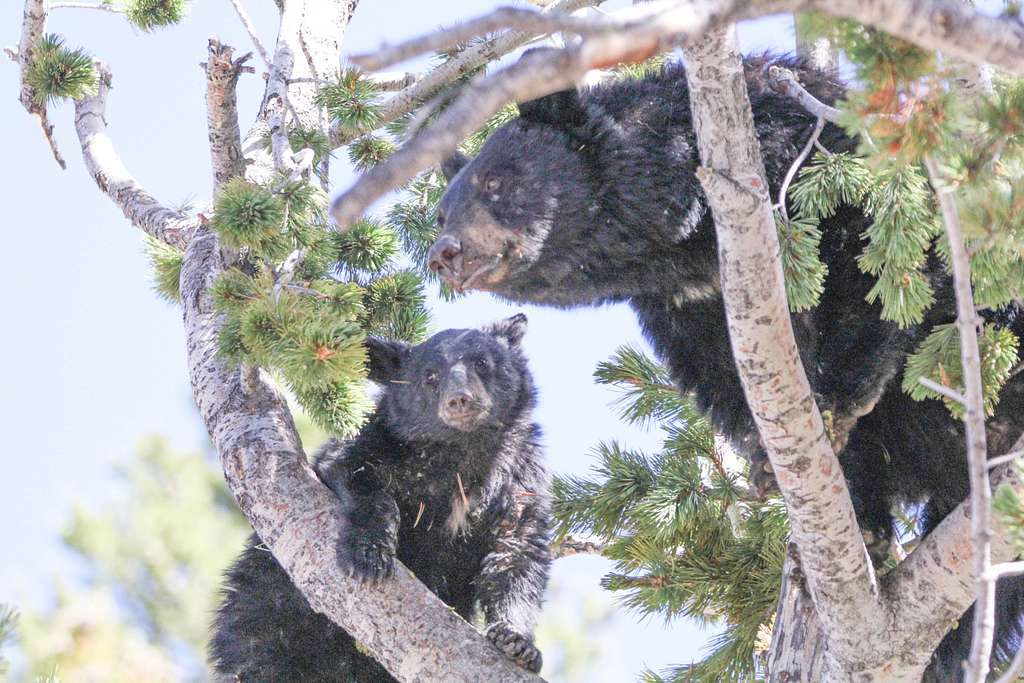
America’s national parks protect some of Earth’s most unique and valued species, ecosystems, geologic features, and cultural sites. These values are under threat from multiple interacting climatic changes. Over the last 100 years, national park units have experienced a disproportionate degree of warming and precipitation change relative to the United States in general. These changes are projected to continue.
The types of change are not limited to temperature and precipitation. These alterations bring multiple cascading impacts such as extreme weather events, forest insect outbreaks, more frequent and severe wildfires, and other novel disturbance regimes. Furthermore, the new events occur both individually and simultaneously. Michalak et al. (2026) fear that these disturbances and stressors might trigger irreversible ecological transformations in our national parks. The authors hope to prompt park managers to evaluate park-specific threats and plan how to respond.
Michalak et al. (2026) analyzed threats from the multiple interacting forces to determine which parks are greatest at risk. They limited their analysis to 259 parks in the continental states (including Alaska) and to parks recognized by the agency as possessing natural resource values. Some historic or cultural sites are included; I am somewhat confused about the criteria applied. I regret that they lacked sufficient data to include parks on the Hawaiian and Caribbean islands.
Their analysis defined potentially transformative impacts as heightened risk of fire, drought, sea-level rise, and forest insects and pathogens (not limited to non-native species). An example of such impacts is a prediction that a significant proportion of the park’s area would be inundated during storm surge.
Michalak et al. (2026) identified 174 parks (67% of the units analyzed) as most exposed to one or more of these potentially transformative impacts. The number of parks facing cumulative vulnerability across multiple dimensions was highest in the Midwest and East. Their peril is due to high physical exposure to the transformational change, exacerbation of existing stressors, and high surrounding land-use intensity. Parks in the West were partially protected by less intense human land-use and the varied topography, which might provide climate refugia. However, those western parks tended to be the most exposed to multiple transformative impacts (as defined above).
At the national level (excluding the islands), 28% of the parks have a high fire hazard now; this rises to 38% of parks by an unspecified future time. They provided no estimate of the proportion of parks facing a risk in the future from the other factors. Current levels of risk are 25% at risk to summer drought; 36% (92 parks) at risk to forest pests; and 11% to sea-level rise. Again, across all parks analyzed, 174 – or 67% of the total – face one or more of these threats.
The authors conclude that the 60-old goal of conserving National parks as a “vignette of primitive America” – as stated by Leopold et al. (1963) – is no longer possible. Instead, park managers should now seek to steward resources “for continuous change that is not yet fully understood” as advocated by Colwell et al. (2014).
Michalak et al. (2026) found that the National parks are not prepared. Only 10% have had park-specific assessments; 37% had no assessment at any level. For individual National parks, likelihood of climate impacts and potential transformational changes remains uncertain. Determining where more in-depth, park- specific assessments are warranted is essential for allocating resources.
Michalak et al. (2026) define climate change vulnerability as the combined effects of exposure, sensitivity, and adaptive capacity. Exposure is the intensity of changes a location might experience. This includes changes in the climate itself (e.g., temperature or precipitation) plus changes in climate-exacerbated disturbances (e.g., fire, drought, and sea-level rise). Sensitivity is the extent to which a location or resource is affected – or existing stressors are amplified – by the changing climate, which can be either adversely or beneficially. For example, imperiled species might be further threatened if new conditions are more conducive to bioinvasion. Adaptive capacity is the ability of a system to adapt to the climate change impacts. For example, does human development impede species’ dispersal to new regions that support more suitable climate regimes. I appreciate that the authors note the importance of ensuring continuation of evolutionary processes.
A Subset of Threats: Invasive Species and Forest Pests
According to Michalak et al. (2026), National parks with the highest cumulative vulnerability scores were in the Midwest, Washington, DC, and along the Gulf Coast. The threats were high levels of human development, poor air quality, high proportions of non-native species, and low environmental diversity.
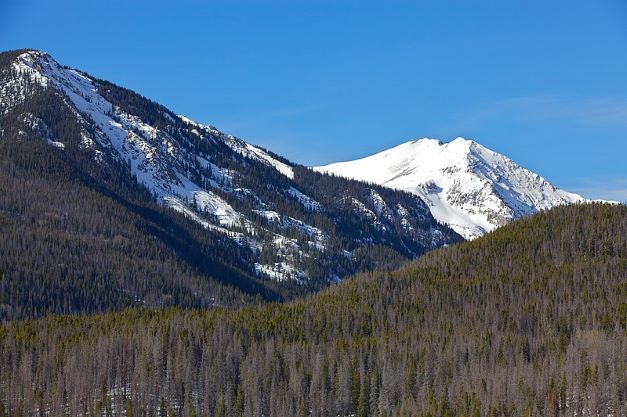
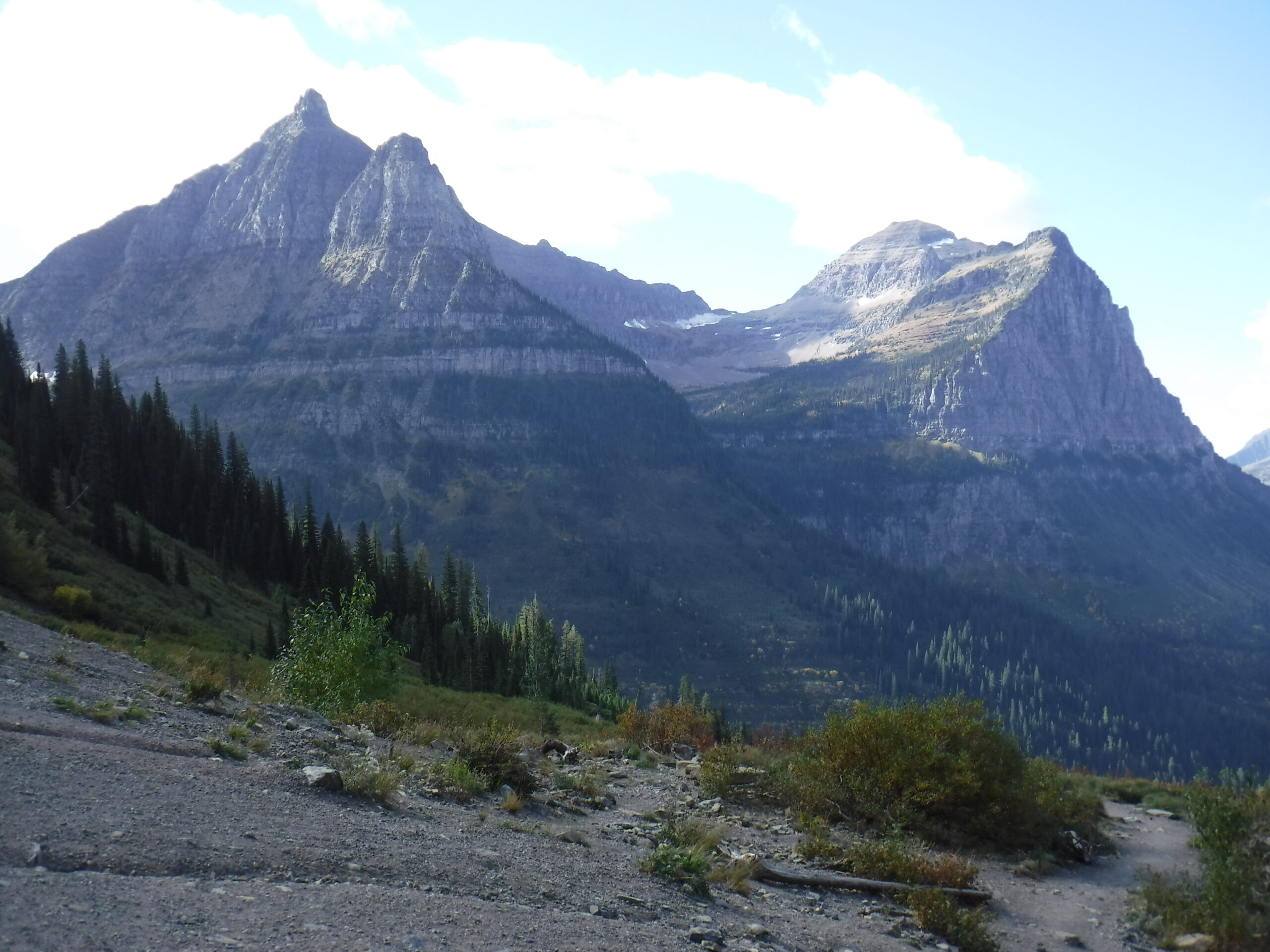
National parks that scored high for forest pest risks are concentrated in the mountainous West and Northeast. While Michalak et al. (2026) do not say so, I assume this refers to widespread mortality of pines due to outbreaks of the native mountain pine beetle (Dendroctonus ponderosae). Thirteen parks in the West scored high for a “trifecta” of fire, drought, and forest pests. The consequences for these parks’ natural resources might be rapid, dramatic, and irreversible transformation of ecosystems. Michalak et al. (2026) mention specifically Rocky Mountain and Yellowstone National parks. Other parks facing a threat from forest insects or pathogens include all the crown jewels of the West: Grand Teton National Park, Crater Lake National Park, Glacier National Park, Great Basin National Park, Kings Canyon-Sequoia National Park, Yosemite National Park, and Mount Rushmore National Memorial.
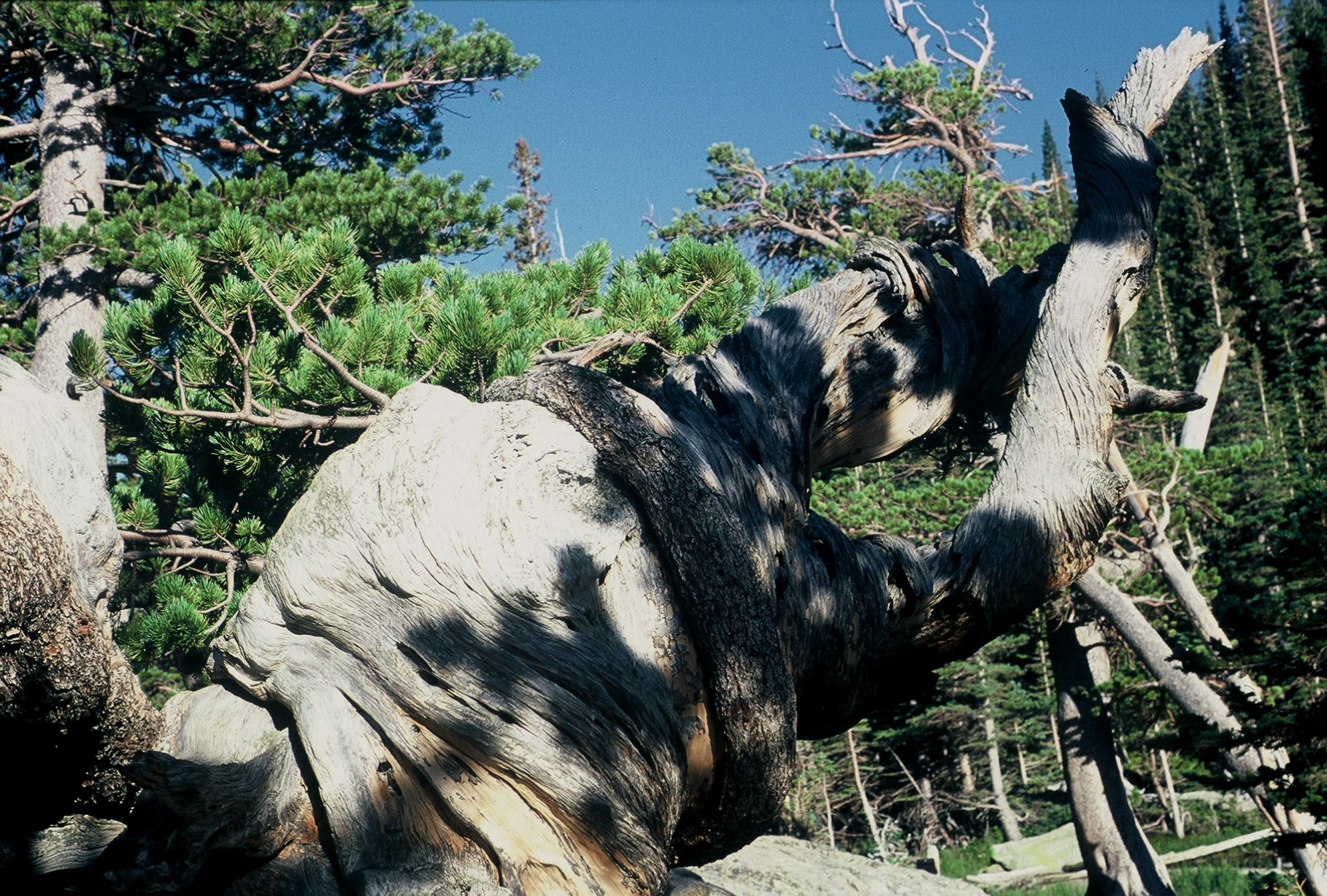
Another example is Mojave National Preserve, which has experienced increased fire risk linked to the presence of invasive annual grasses.
I know that in the Northeast, more than a dozen species of introduced insects and pathogens threaten forest resources in the parks, including hemlock woolly adelgid, emerald ash borer, spongy moth, and – most recently – beech leaf disease. Parks mentioned in supplementary material provided by Michalak etal. (2026) include Delaware Water Gap National Recreation Area, New River Gorge National River, Harpers’ Ferry National Historical Park, and the homes of Eleanor and Franklyn Roosevelt. See blog 356a and underlying article by Miller et al. (2023).
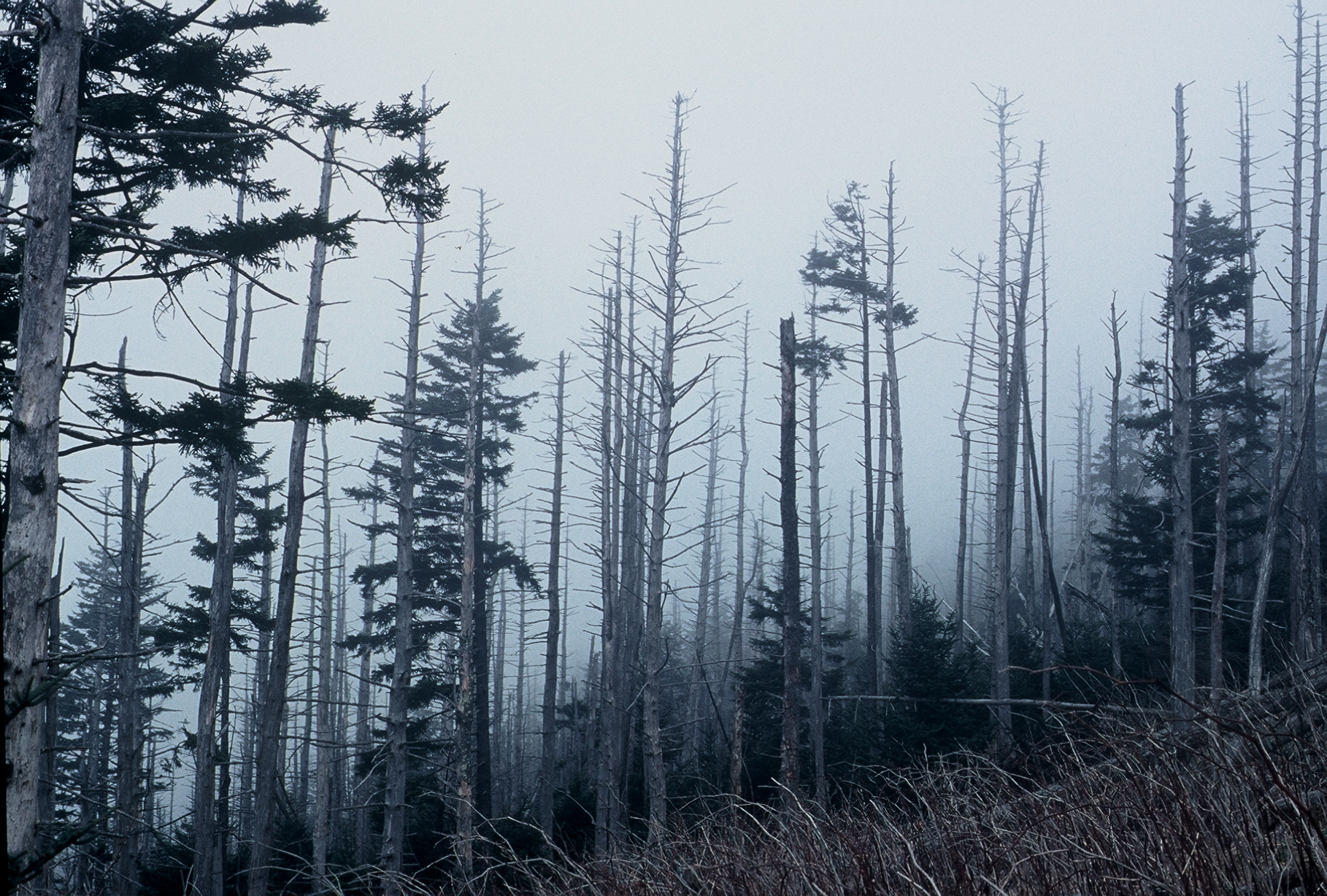
Many other National parks in the East and Midwest also are reported to be impacted by introduced forest pests, among them Great Smoky Mountains National Park, Blue Ridge Parkway, Shenandoah National Park, Appalachian National Scenic Trail, Prince William Forest Park, Cumberland Gap National Historical Park, Gauley River National Recreation Area, Mammoth Cave National Park, Ozark National Scenic Riverways, Pictured Rocks National Lakeshore, Sleeping Bear Dunes, St Croix National Scenic Riverway, and Big Thicket National Preserve.
There are some odd omissions. The supplementary data list the Chesapeake and Ohio Canal National Historical Park as facing a threat from tree pests, but does not so list Rock Creek Park. The two parks are a few miles apart and share the same invasive forest pests! The supplementary data do not mention Gettysburg National Military Park, although Miller et al. (2023) say that more than half of the seedlings and a quarter of the saplings in the park are ashes. These trees are likely to be killed by the emerald ash borer. Perhaps the explanation is that canopy trees threatened by pests in these parks do not occupy more than 80% of the parks’ cover.
I appreciate the effort to compile a nationwide analysis of threats to our national treasures. By focusing on one of those threats, I do not intend to downplay the others. Specific to climate changes, the Trump Administration has told the National Park Service to remove educational signs describing the impact of climate change on, for example, the glaciers at Glacier National Park. An earlier Executive Order https://climate.law.columbia.edu/content/trump-issues-executive-order-climate-change-0 reversed President Obama’s 2015 memorandum that required Interior and other departments to “avoid and then minimize harmful effects to land, water, wildlife, and other ecological resources (natural resources) caused by land- or water-disturbing activities, and to ensure that any remaining harmful effects are effectively addressed, consistent with existing mission and legal authorities.” In February 2026, the Environmental Protection Agency revoked the “endangerment finding” for greenhouse gases, which is the foundation for all regulations governing emissions of those substances. Clearly we cannot hope for federal efforts to address these threats to the National parks during this Administration’s tenure.
I hope, nevertheless, that this study gets wide attention and stimulates renewed campaigns to counter all threats to our natural heritage.
SOURCES
Colwell, R. S. Avery, J. Berger, G.E. Davis, H. Hamilton, T. Lovejoy, S. Malcom, A. McMullen, M. Novacek, R.J. Roberts, R. Tapia, and G. Machlis. Revisiting Leopold: Resource Stewardship in the National Parks. Parks 2014 Volume 20.2
Leopold, A. et al. 1963. Wildlife Management in the National Parks. available here: chrome-extension://efaidnbmnnnibpcajpcglclefindmkaj/https://static-gcs.edit.site/users-files/30eb6df2212095e14d89a611f0f8f0f1/leopold-report-wildlife_management_in_the_national_park-1963.pdf?dl=1
Michalak, J.L., C.E. Littlefield, J.E. Gross, T.G. Mozelewski, J.J. Lawler. 2026. Relative Vulnerability of US National Parks to Cumulative and Transformational Climate Impacts. Conservation Letters, 2026 Vol 19, Issue 1; 19:e70020
Miller, K.M., S.J. Perles, J.P. Schmit, E.R. Matthews, M.R. Marshall. 2023. Overabundant deer and invasive plants drive widespread regeneration debt in eastern United States national parks. Ecological Applications. 2023; 33:e2837. https://onlinelibrary.wiley.com/r/eap
Posted by Faith Campbell
We welcome comments that supplement or correct factual information, suggest new approaches, or promote thoughtful consideration. We post comments that disagree with us — but not those we judge to be not civil or inflammatory.
For a detailed discussion of the policies and practices that have allowed these pests to enter and spread – and that do not promote effective restoration strategies – review the Fading Forests report at http://treeimprovement.utk.edu/FadingForests.htm
Or