A Case Study Documents Forest Losses due to White Pine Blister Rust

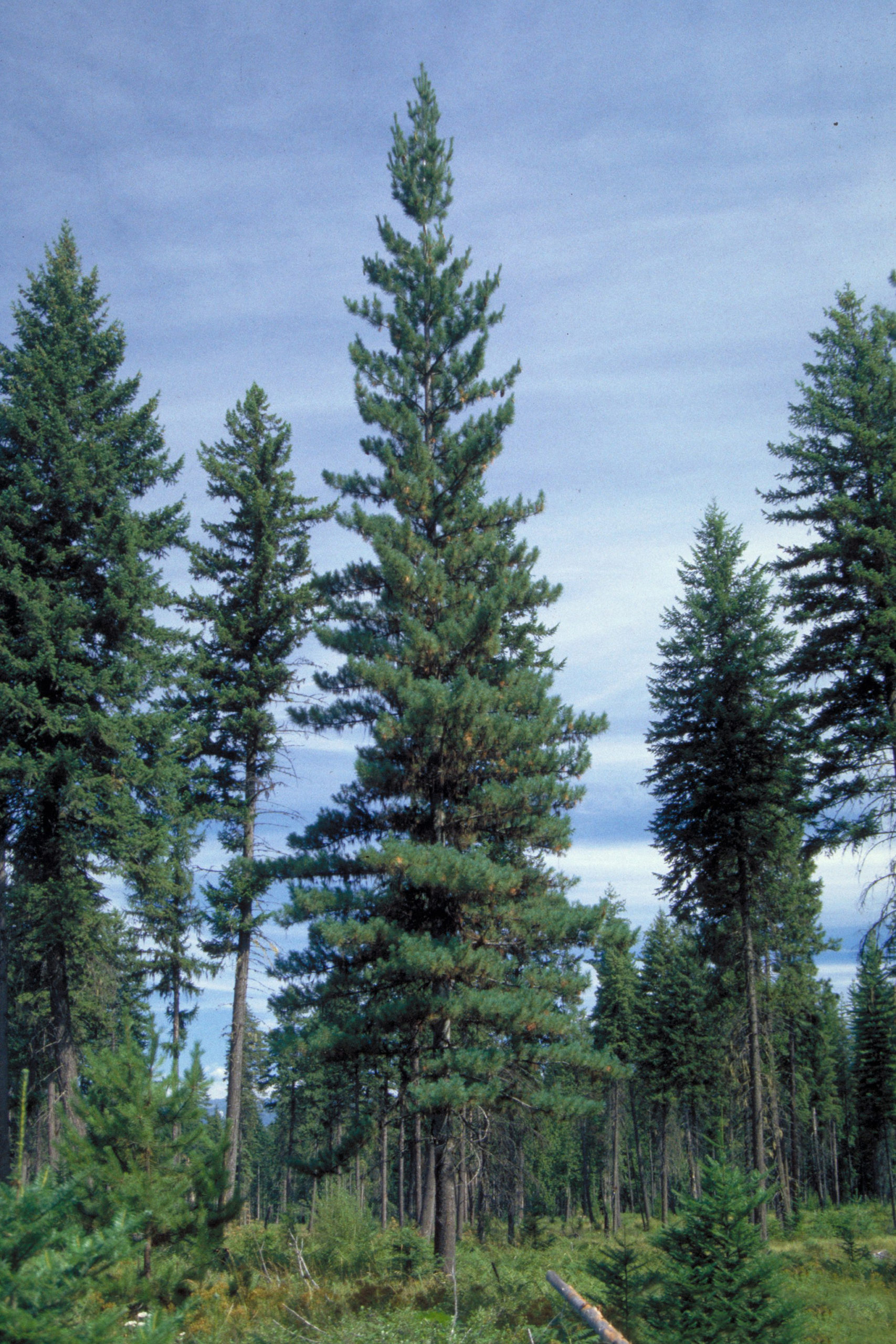
western white pine in Idaho; photo by Chris Schnepf, #1171053 Bugwood

In this blog I will use one site-specific study to demonstrate what forest resources we are losing as a result of non-native pest introductions – in this case, the pathogen causing white pine blister rust.

The study was carried out nearly a decade ago by two eminent USFS pathologists working in the forests of southwest Oregon (Coos, Curry, Douglas, Jackson, Josephine, and Lane counties). Ellen and Don Goheen analyzed the current and past presence of two giants of western forests, sugar pine (Pinus lambertiana) and western white pine (P. monticola), changes in their status, and causes of mortality.

Southwest Oregon is a region of high climatic, geologic, and floristic diversity. Its forests contain 26 species of conifers including three species of five-needle pines: sugar pine, western white pine, and whitebark pine (P. albicaulis). Of these, sugar pine is widely distributed in mixed conifer forests on a variety of sites but primarily at lower elevations or otherwise with warmer climates. Western white pine is more widely distributed, including at higher elevations and on ultramafic soils (defined here) in the Siskiyou Mountains. Whitebark pine is limited to the highest elevations on the Cascade crest and in scattered island populations in the Siskiyou Mountains.

Sugar and western white pines have great aesthetic, ecological, and economic value. They are large: 50% of the live sugar pines and 18% of the western white pines sampled in the study are 30 inches dbh or greater. They can reach heights for 200 feet. In the study area, sugar pines constituted just 5% of the live trees, but 17% of the basal area. These large trees provide important nesting cavities for wildlife.

All three five-needle pines are vulnerable to white pine blister rust (WPBR), which is caused by the introduced pathogen Cronartium ribicola. They are also vulnerable to lethal levels of infestation by the native mountain pine beetle (MPB; Dendroctonus ponderosae). What have been the combined impacts of these major pests?

As of the first decade of the 21st Century, WPBR and MPB are causing substantial mortality in all size classes, from saplings to large trees. Half of the total basal area of western white pine, 30% of the total basal area of sugar pines is comprised dead trees. The impact of MPB has been exacerbated by substantial increases in tree densities arising from decades of fire exclusion.

sugar pine in the Sierra Nevada; photo by S. Rae, via Flickr

Status Now

Looking at all forests in Oregon and Washington, sugar, western white, and whitebark pines, combined, were reported on 14% of  plots (a total of 2,128 plots) included in the Forest Inventory and Analysis (FIA) monitoring program. On these plots, western white was found on a little more than half (58%); sugar pine on one-third; and whitebark pine on only 16%.

Dead pines were found on a quarter of these 2,128 plots. Three quarters of the dead pines showed symptoms of WPBR, while 86% showed evidence of mountain pine beetle infestation. Among living pines, 32% were infected with WPBR, 10% had bark beetle attacks.

The intensive study of five-needle pines in southwest Oregon was based on both the FIA plots and other plots laid out as part of a separate Continuous Vegetation Survey. (See the methods section of the source.) Thus, the total for this study was 2,749 plots. In this study area, five-needle pines were more common than in the wider region. The three species grew on 31% of the 2,749 permanent plots examined — twice as high as the average for all of Oregon and Washington. Sugar pine grew on 64% of the five-needle pine plots; western white pine on 53%; whitebark on only 0.5%.

Agents of Mortality in Southwest Oregon

WPBR was ubiquitous – in more than 93% of pine stands surveyed. Already, 13% of the sugar pines and 17% of western white pines were dead. This proportion is far higher than the 5% of trees of all tree species in the same stands that were dead. In both hosts, 80 – 90% of dead seedlings and saplings had been killed by WPBR. Additional losses are probable: most of the surviving pole-sized and smaller trees had cankers near their boles, so the scientists thought they would probably soon succumb.

The mountain pine beetle’s impact is even worse, especially on larger trees. Trees killed by MPB attacks were encountered in 84% of surveyed stands. MPB had infested 73% of dead large sugar pines (> 20 cm (8 in) dbh), 69% of dead large western white pines.

Other agents, including root diseases, dwarf mistletoes, and pine engraver beetles influence five-needle pine health in southwest Oregon to a much lesser extent than WPBR or MPB. The exception is the Siskiyou Mountains, where the ultramafic soils provide suboptimal growing conditions. These agents might weaken trees to some extent, thus predisposing them to MPB infestation. WPBR infections might have similar effects by killing tops and numerous branches of large trees.

Specifics

1. Mountain pine beetle is native to southwest Oregon. Levels of infestation have varied over the decades since measurements began in the 1950s. Infestations have probably increased substantially in recent decades, linked to the cooler, shaded conditions found in dense stands that have resulted from fire suppression. In addition to the infestations on western white and sugar pines described above, MPBs have caused significant mortality in mature whitebark pines. There is evidence of infestation on 31% of all dead whitebark pines.

In southwest Oregon, MPB have killed five-needle pines in most years; here, they are less closely tied to drought than in other parts of the West.

2. White pine blister rust probably reached southwest Oregon in the 1920s. Its presence and intensity is greatly influenced by climate and environmental conditions. Southwest Oregon has a Mediterranean climate that is less favorable to rust spread — yet, the disease is widespread and devastating. The combination of microsites supporting cooler and moister conditions – perhaps especially where fogs linger – mean that disease is most prevalent on flat or gently sloping areas and northern aspects, at higher elevations.

Blister rust requires an alternate host, usually gooseberry (Ribes spp), to complete its life cycle. Perhaps surprisingly, in southwest Oregon it is not necessary for Ribes to be close to the pines for the trees to become infected. One reason is probably the presence of other alternate hosts in the Castilleja (paintbrushes) and Pedicularis (louseworts) genera. The other likely explanation is transport by fog banks of spores from Ribes in canyons and valleys to the higher-elevation slopes.

Despite the high levels of mortality caused by WPBR and MPB, there is substantial regeneration of both western white and sugar pines. However, the numerous seedlings are unlikely to grow into dominant trees unless released from the competition found in overstocked, dense stands. Therefore, even in the absence of WPBR, the Goheens consider the seedlings’ futures to be tenuous if they are not eventually exposed to more sunlight through management or natural disturbance.

These Threats Have Been Present for Decades

The Goheens compared their findings to those of several past studies; the results confirm that five-needle pines have suffered high levels of mortality since the 1950s due to WPBR and other factors. All the western white pines had disappeared from two of four sites. Significant declines were observed at the two other sites in the Umpqua and Rogue River National forests.

Forest stands in 10 “Areas of Special Interest” that in 1825 were open, park-like stands with widely spaced trees had become dense dominated by Douglas-fir, true firs, and incense-cedar.

Sugar pines, which in 1825 had made up as much as a third of the trees in the low elevation stands had been reduced to very low numbers.

The Goheens note that all these threats are directly caused or greatly influenced by human activities. Noting that sugar and western white pines provide many values in the forests of southwest Oregon, they called for management using appropriate, integrated, silvicultural prescriptions to ensure the future of western white and sugar pines in southwest Oregon.

SOURCE

Goheen, E.M. and D.J. Goheen. 2014. Status of Sugar and Western White Pines on Federal Forest Lands in SW OR: Inventory Query and Natural Stand Survey Results. USDA Forest Service Pacific Northwest Region. SWOFIDSC-14-01 January 2014

Posted by Faith Campbell

We welcome comments that supplement or correct factual information, suggest new approaches, or promote thoughtful consideration. We post comments that disagree with us — but not those we judge to be not civil or inflammatory.

For a detailed discussion of the policies and practices that have allowed these pests to enter and spread – and that do not promote effective restoration strategies – review the Fading Forests report at http://treeimprovement.utk.edu/FadingForests.htm

New Asian Defoliator – a Threat to Elms?

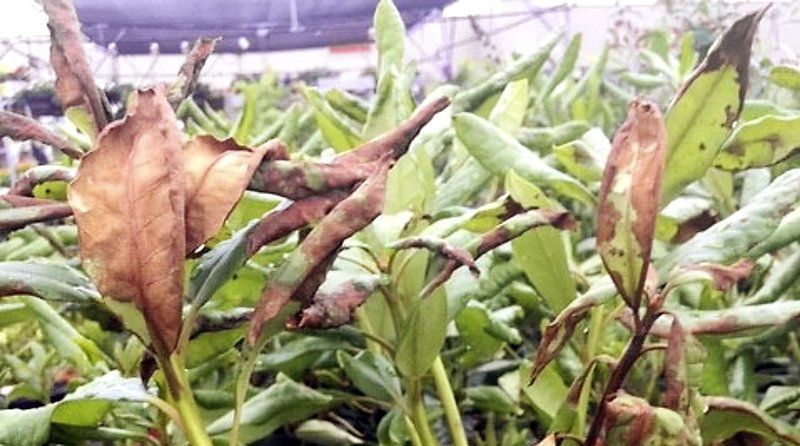
symptomatic feeding by EZM larva; photo by Gyorgy Csoka via Bugwood

The elm zigzag sawfly (EZM; Aproceros leucopoda) was reported in the Western Hemisphere for the first time in Quebec in July 2020.

In 2021, only a year later, the sawfly was confirmed in northern Virginia [David Gianino, State Plant Regulatory Official (SPRO) of Virginia, pers. comm.]  

There is 700 miles between Quebec and Virginia.

In September 2022, the sawfly was detected in St. Lawrence County, New York — just across the St. Lawrence River from Canada, where the insect has been known for two years. There is no information yet on impacts. [Brynda, S. “New pest affecting elm trees in St. Lawrence County.” October 3, 2022.

Impact in Europe

Elm zigzag sawfly is native to Eastern Asia — Japan and China for certain and, possibly Far Eastern Russia. There it is considered a minor pest. Serious localized defoliation, though, has been reported at least once, on the island of Hokkaido (Blank et al. 2021).

The sawfly was first detected outside its native range in Hungary and Poland in 2003. By 2010, the outbreak was revealed to be present over an area of 1,700 km, from eastern Ukraine to Austria. Other countries reporting the sawfly were Hungary, Poland, Romania, and Slovakia (Blank et al. 2010). Spread continued. By 2013 or 2014 elm zigzag sawfly was also reported in Belgium, Netherlands, and Germany — apparently the result of separate instances of human-assisted transport. German scientists calculated a natural spread rate of 45–90 km/yr. By 2018 the insect had reached the United Kingdom.

Severe localized defoliation by the species has been recorded on elms in a variety of situations across Europe. In some countries, defoliation has reached 74% or higher, even 100%. However, in other countries, such as Bulgaria, defoliation rates appear to be much lower (1-2%). Aproceros leucopoda showed no preference for host trees of a particular age. Heavily defoliated trees in Hungary did not seem to be dying (Blank et al. 2010).

The fear – in Europe and North America – is that elms already severely depleted by Dutch elm disease will be unable to sustain any decline in vigor caused by defoliation (Blank et al. 2010)

Probable Hosts

On the European continent, the sawfly has fed on several elms, including Ulmus minor, U. pumila and U. pumila var. arborea, U. glabra, and possibly. U. laevis (Blank et al. 2010). In the United Kingdom, it has fed on English elm (Ulmus procera), wych elm (U. glabra) and field elm (U. minor).

In Japan, collaborators in the Blank et al. (2010) study collected sawfly larvae on U. japonica and U. pumila.

In Virginia, larvae were collected from Chinese elm (U. parvifola).   However, all species of elm trees native to North America are considered at risk. Also threatened are the native elm-browsing insects which might be out-competed by elm zigzag sawfly.

How the Sawfly Is Moved

Some have suggested that the EZS is transported on plants for planting, but they have not reported observations.  Because elms are usually moved while dormant, it is more likely that the cryptic wintering cocoons are transported in leaf litter accompanying the trees rather than on the trees themselves.

American elms in Arlington County, Va; photo by F.T. Campbell

Worrying Traits

The elm zigzag sawfly matures very rapidly. The total time from oviposition to emergence of mature individuals is 24–29 days (Blank et al. 2010). They can produce up to six or seven generations per year. The sawfly is also parthenogenic, so it can reproduce in the absence of males. As a result, populations can build up rapidly. No specific predators are known. The impact of generalist native parasitoids in Europe has not yet been studied.

Also, EZS tolerates a wide range of climates. Conditions on Hokkaido are similar to those in Central Europe. However, Hokkaido’s winters are usually colder, summers warmer, and annual precipitation higher. Blank et al. (2010) did not know limiting temperature and humidity but thought it probable that this species could spread into northern and south-western Europe wherever elms grow. In North America, the Canadian Food Inspection Agency expressed concern that EZS would be able to withstand temperatures as low as –30 °C which includes much of Canada.

While the elm zigzag sawfly was on the Alert List on the European and Mediterranean Plant Protection Organization (EPPO), in 2015 it was removed since no EPPO member country had requested international action (Blank et al. 2010).

SOURCES

Blank, S.M., H. Hara, J. Mikulas, G. Csoka, C. Ciornei, R. constantineanu, I. Constantineanu, L. Roller, E. Altemhofer, T. Huflejt, G. Vetek. 2010. Aproceros leucopoda (Hymenoptera: Argidae): An East Asian pest of elms (Ulmus spp.) invading Europe. European Journal of Entomology · March 2010

DOI: 10.14411/eje.2010.045

Blank, S.M., T. Köhler, T. Pfannenstill, N. Neuenfeldt, B. Zimmer, E. Jansen, A. Taeger, A.D. Liston. Zig-zagging across Central Europe: recent range extension, dispersal speed and larval hosts of Aproceros leucopoda (Hymenoptera, Argidae) in Germany. https://jhr.pensoft.net/articles.php?id=4395

Sinon, S.  First confirmed sighting of a new invasive in North America: elm zigzag sawfly – Invasive Species Centre. https://www.invasivespeciescentre.ca/first-confirmed-sighting-of-a-new-invasive-in-north-america-elm-zigzag-sawfly/

(United Kingdom) Forest Research Elm zigzag sawfly (Aproceros leucopoda) https://www.forestresearch.gov.uk/tools-and-resources/fthr/pest-and-disease-resources/elm-zigzag-sawfly/

Posted by Faith Campbell

We welcome comments that supplement or correct factual information, suggest new approaches, or promote thoughtful consideration. We post comments that disagree with us — but not those we judge to be not civil or inflammatory.

For a detailed discussion of the policies and practices that have allowed these pests to enter and spread – and that do not promote effective restoration strategies – review the Fading Forests report at http://treeimprovement.utk.edu/FadingForests.htm

In the News: Big, Colorful Joro Spider

Joro spider; photo by Dorothy Kozlowski, University of Georgia

Lately there has been lots of media attention to an introduced spider which has attracted attention because it is large and showy – and very numerous in 2021. The Joro spider, (Trichonephila (formerly Nephila) clavata) is — like so many introduced organisms — from East Asia (Japan, China, Korea, and Taiwan) (Hoebeke, Huffmaster and Freeman 2015; full citation at the end of the blog).

The spider was originally found in 2013 at several locations in three counties of northeast Georgia. All were near warehouses and other facilities associated with Interstate-85, a major transport corridor (Hoebeke, Huffmaster and Freeman 2015).

The Joro spider is one of about 60 species of non-indigenous spiders (Araneae) that have been detected in North America. The majority originated in Europe and Asia (species list posted here; see Araneae).

The Joro spider is one of the golden orb-web spiders, a group with conspicuously large and colorful females that weave exceptionally large, impressive webs. One species of the genus, N. clavipes (L.), occurs in the Western Hemisphere. It is found throughout Florida, the West Indies, as far north as North Carolina, across the Gulf States, through Central America, and into South America as far south as Argentina. It is also known as the “banana spider” or “golden silk spider.” (Hoebeke, Huffmaster and Freeman 2015)

Hoebeke, Huffmaster and Freeman (2015) describe both the spider’s discovery in Georgia (by Huffmaster) and how to distinguish it from other large spiders in the southeastern U.S. South Carolina has posted a fact sheet here.

In Asia and northeast Georgia, the spider apparently overwinters as eggs. Spiderlings emerge from the egg cocoons in the spring. Males reach maturity by late August. Females become sexually mature in September and early October. Oviposition occurs from mid-October to November resulting in the production of only a single egg sac. Large, mature females were first observed beginning in late September and persisted until mid-November when temperatures began to cool significantly. Most spiders were found in large webs attached to the exterior of homes near porch lights, on wooden decks, or among shrubs and flowering bushes near homes (Hoebeke, Huffmaster and Freeman 2015). By 2021 the webs were so numerous as to be consider major nuisances.

Probable Introduction Pathways

Hoebeke, Huffmaster and Freeman (2015) think the spiders are frequently transported (as adults or egg masses) in cargo containers, on plant nursery stock, and on crates and pallets. If accidental transport were to occur in late August to early October from East Asia, then the spiders’ reproduction would be at its height and there would be a greater likelihood that egg masses might be deposited on structures or plant material being exported.

This thought is supported by an email sent to Hoebeke in 2016 that a Joro spider had been seen on the outside of a freight container in Tacoma, Washington.  There has been no report of additional sightings in Washington State (Hoebeke pers. comm.)

Spread within the United States

By 2021, the Joro spider had been detected in at least 30 counties in north and central Georgia, adjacent South Carolina; Hamilton and Bradley counties in Tennessee; and Rutherford and Jackson counties in North Carolina (Hoebeke pers. comm.).  See the map here.

Spread in the United States is probably associated with major transport routes. The original detections were 64 km northeast of Atlanta near a thriving business location on the I-85 business corridor,

It is also possible that spiderlings balloon, that is, ride air currents to move some distance. This distance can be miles, depends on the spider’s mass and posture, air currents, and on the drag of the silk parachute (Hoebeke, Huffmaster and Freeman 2015). The 2014 Madison County detection in northeast Georgia was not near transport corridors but in a rural mixed farm landscape, downwind from the other sites. Males also use ballooning to find females for mating (Gavriles 2020).

How might the Joro spider affect the local ecosystem?

Many questions exist about the Joro spiders’ impact. Will they outcompete other orb weaving spiders – either native or nonnative? Will they reduce other insect populations through predation? Scientists do not yet see  indication of displacement of native spiders or depletion of prey species (Gavriles 2020; Hoebeke pers. comm.) 

Potential Range – update

In March 2022, two University of Georgia scientists (Andy Davis and Benjamin Frick) published a study that evaluated the Joro spider’s cold tolerance by studying the spider’s physiology and survival during a brief (2 minute) freeze. They found that the Joro spider’s more rapid metabolic and heart rates means it could probably survive throughout most of the Eastern Seaboard. The scientists reiterate earlier information that the Joro spider does not appear to have much of an effect on local food webs or ecosystems.

SOURCES

Cannon, J. Palm-sized, invasive spiders are spinning golden webs across Georgia in ‘extreme numbers’ https://www.usatoday.com/story/news/nation/2021/09/29/scientists-say-invasive-joro-spiders-here-stay-georgia/5917913001/  accessed 21-11/5

Gavrilles, B. Like it or not, Joro spiders are here to stay. October 26, 2020 https://news.uga.edu/joro-spiders-are-here-to-stay/

Hoebeke, E. Richard. University of Georgia Department of Entomology

Hoebeke, E.R., W. Huffmaster, and B.J. Freeman. 2015 Nephila clavata L. Koch, the Joro Spider of East Asia, newly recorded from North America (Araneae: Nephilidae) PeerJ https://peerj.com/articles/763/#

Posted by Faith Campbell

We welcome comments that supplement or correct factual information, suggest new approaches, or promote thoughtful consideration. We post comments that disagree with us — but not those we judge to be not civil or inflammatory.

For a detailed discussion of the policies and practices that have allowed these pests to enter and spread – and that do not promote effective restoration strategies – review the Fading Forests report at http://treeimprovement.utk.edu/FadingForests.htm

Asian giant hornet in Washington State: Update

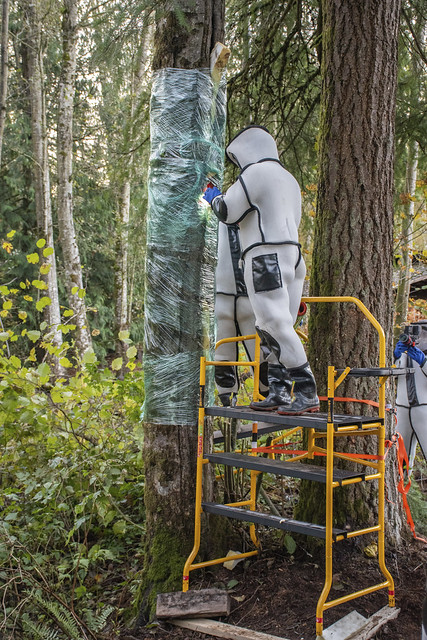
Asian giant hornet; photo by Yasunori Koide; Wikimedia commons

They’re still here … and perhaps more widespread than thought last year. What officials have learned is that colonies are often high up in trees, not in the ground, as expected based on behavior in Asia. This makes detection and control especially difficult.

In June a citizen found a dead Asian giant hornet (AGH) male in Snohomish County. This county in the Seattle metropolitan area is separated from Whatcom County (site of last year’s detections) by a third county, Skagit County. The Washington State Department of Agriculture (WSDA) responded by setting up traps in Snohomish and King counties, and urging citizens to be alert and report any hornet sightings.

Equally worrying, the dead wasp was determined by appearance and genetics to be unrelated to the colonies detected in 2019 and 2020 in Washington and British Columbia. Trapping in the areas found no additional specimens (S. Spichiger pers. comm.)

In July, WSDA designated the hornet genus Vespa as a quarantine pest; this action confirms WSDA authority to control access to nest sites.

nest eradication; WSDA photo

Nests Found and Destroyed

Starting in late summer, citizens began reporting sightings and officials succeeded in tracking hornets to their nests. However, it was not easy! Eradicating Asian giant hornets demands lots of resources and commitment. While all these nests were in Whatcom County – site of last year’s detections — it is clear that several colonies had been established. It seems to me highly unlikely that they have all been detected.

Detection of the first nest in 2021 came in August, following several visual detections of the hornets attacking nests of paper wasps. WSDA staff captured and tagged three hornets over a couple of days. They succeeded in tracking the third hornet when it reappeared a week later. The nest was destroyed (after removal of all hornets) on August 25th. This nest held nine layers of comb with 292 eggs, 422 larvae, and 563 prepuae. Nearly 200 adult hornets were killed. One queen was found. [Hornet Herald 21.07 Sept. 8 2021]  The nest was at the base of a dead alder tree in rural Whatcom County, east of Blaine, just 400 metres south of the Canadian border.

The second and third nests were detected on September 8 and 10, 2021. In these cases, tagging and tracking the hornets was easier than in August. Nest eradication was not easy, however. Both nests were high inside dead alder trees, making access difficult. Both nests held multiple combs with hundreds of larvae, eggs, and pupae. Fortunately, only one queen was found in each. [Hornet Herald 21.08; October 5, 2021]

No detections have occurred since these.

WSDA also collected data on foraging behaviors of wasps in the third nest. Data include information on periods during the day when the wasps are active, and what materials they bring back to the nest – which includes wood pulp for nest comb construction and insect thoraces for feeding the pupae. [Hornet Herald 21.08; October 5, 2021]

It is encouraging that only one queen was found in each nest; in 2020, the single nest officials destroyed held 200 queens!

Trapping in British Columbia

Although British Columbia officials increased the number of traps in 2021, and urged citizens to also set out traps, no confirmed AGH finds were made in British Columbia until early November, when one was caught in a trap set for Japanese beetles. This hornet was on the border with Washington, so officials are trying to determine whether it came from one of the nests already discovered there.

There were a couple of unconfirmed sightings. On October 22 a single, aged specimen was found in a Japanese beetle trap about 1.2 km north of the first hornet nest extracted this year in Washington. The beetle trap had been serviced one month earlier. Canadian government entomologists are analyzing the DNA of this specimen to see if it was related to the Washington State nests.

At least one citizen said he had seen an Asian giant hornet in July, but officials said they could not investigate until they had either a picture or a specimen.

Asian giant hornet with radio tag developed by USDA APHIS scientists

Intriguing wrinkle

Mattila et al. (2021) describe an “impressive array of strategies” Asian honey bees use to protect nests from attacks by hornets in the genus Vespa, including a previously unknown use of auditory and perhaps chemical signals to warn nest mates.  The authors suggest that this diverse alarm repertoire is similar to alarms issued by socially complex vertebrates such as primates and birds.

SOURCES OF INFORMATION

USDA Agriculture Research Service:  https://scientificdiscoveries.ars.usda.gov/highlights/asian-giant-hornet/

Washington State Department of Agriculture https://agr.wa.gov/hornets

Mattila, H.R., H.G. Kernen, G.W. Otis, L.T.P. Nguyen, H.E. Pham, O.M. Knight, N.T. Phan. 2021.

Giant hornet (Vespa soror) attacks trigger frenetic antipredator signalling in honeybee (Apis cerana) colonies. R. Soc. Open Sci. 8: 211215. https://doi.org/10.1098/rsos.211215

Posted by Faith Campbell

We welcome comments that supplement or correct factual information, suggest new approaches, or promote thoughtful consideration. We post comments that disagree with us — but not those we judge to be not civil or inflammatory.

For a detailed discussion of the policies and practices that have allowed tree-killing pests to enter and spread – and that do not promote effective restoration strategies – review the Fading Forests report at http://treeimprovement.utk.edu/FadingForests.htm
The Lacey Act – Can It Protect US from Invasive Species?

Sean Connery as Hotspur, Shakespeare Henry IV Part I (BBC, “Age of Kings”)

[Starlings – one of the agricultural pests that prompted adoption of the Lacey Act – were introduced to the U.S. because they were mentioned by Shakespeare: Hotspur says “Nay, I’ll have a starling shall be taught to speak nothing but ‘Mortimer,’ and give it him, to keep his anger still in motion.”]

Americans are increasingly aware of the damage caused by invasive species. The law that ostensibly protects our environment from most potentially invasive animals is the Lacey Act – more specifically, the “injurious wildlife” sections of the law, now known as 18 U.S.C. 42 or title 18.

When it was adopted 120 years ago, the Lacey Act was not intended to protect the environment from the full range of possible animal bioinvaders. While Congress amended it several times in the first 60 years of its existence, the law still has many gaps that impede its usefulness for that purpose.

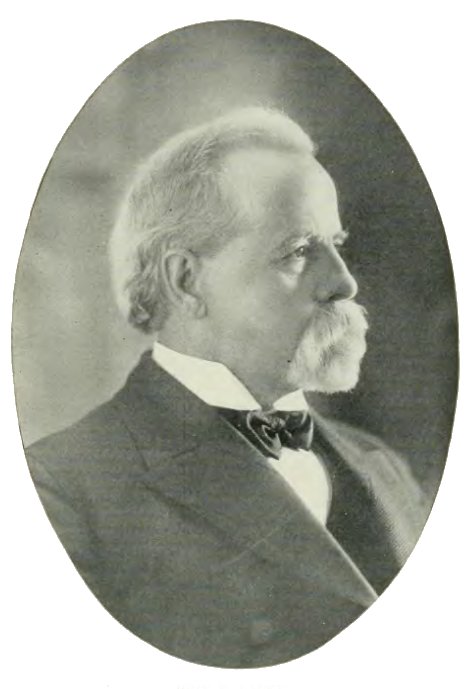
Rep. John F. Lacey via Wikimedia Commons

When first adopted in 1900, the injurious wildlife provisions of the Lacey Act prohibited importation only of wild mammals and birds that posed a threat to agriculture and horticulture. The statute was quite broad in that it prohibited importation of any wild bird or mammal without a permit; there was no requirement that a species be designated as “injurious” to be regulated. The Act was then administered by the U.S. Department of Agriculture. [For a detailed discussion of the Lacey Act’s changing provisions, see Jewell 2020; full reference at the end of this blog.]

In 1960 the Act was amended to expand the list of taxa eligible for designation as “injurious” to include fishes, mollusks, crustaceans, reptiles, and amphibians. Congress also expanded the justifications for listing a species as injurious. It added harm to people, to forestry, or to wildlife or US wildlife resources to the law’s original concerns for agriculture and horticulture. This second change brought the purposes of the Lacey Act closer to the mandate of the U.S. Fish and Wildlife Service (USFWS) – which had assumed responsibility for implementing the Act in 1939.

Unfortunately, Congress simultaneously took other action that greatly weakened USFWS’ ability to use the Act to protect the environment from introduced animals. First, it dropped the requirement that the Secretary approve, with a permit, any importation of a wild bird or mammal.

Second, the 1960 amendment clouded the originally clear prohibition of movement of listed species across state lines. The new language prohibits “any shipment between the continental United States, the District of Columbia, Hawaii, the Commonwealth of Puerto Rico, or any possession of the United States …”

For the next 57 years, the USFWS and Congress sometimes interpreted that language as continuing to prohibit transport between the states within the continental United States. However, this situation could not last. In 2017, acting in a case that had challenged the 2012 listing of several nonnative constrictor snakes as “injurious,” the D.C. Circuit court found that the plain language of §18 U.S.C. 42(a)(1) does not prohibit the transportation of injurious wildlife between states within the continental United States. So now, transportation of injurious wildlife among the continental states is not prohibited by the statute in most circumstances.

Burmese python; photo by R. Cammauf, Everglades National Park via Flickr

The Law’s Strengths

Some aspects of the law have been strengths. Since the term “injurious” has never been defined, the USFWS has been able to use its discretion to list species that are not necessarily invasive themselves but that might cause harm in some other way. For example, the salmon family and 20 genera of salamanders have been listed because they are vectors of harmful wildlife pathogens.

In addition, USFWS has listed entire genera or families of organisms – as long as each species within the taxon has been shown to possess the “injurious” trait(s). This flexibility has probably helped listings aimed at precluding importers from switching from the species that initially raised concerns to related species.

The Law’s Inherent Weaknesses

1) Legal shortfalls

Due to the confusion created by the 1960 amendment, the USFWS now lacks authority to prohibit interstate transport of species listed as “injurious”. This gap undermines the law’s efficacy in controlling spread of listed species once they are established within the U.S.

Also, the law does not prohibit other human actions that pertain to the presence and spread of species listed as “injurious,” e.g., sale, possession, or intra-state transport. Addressing these other aspects of invasive species policy was left to other players, such as states or resource managers.

2) Funding shortfall

Neither the Executive Branch nor Congress has ever provided specific funding for implementation of the Lacey Act. Only one USFWS staffer has the job of listing species under the Act. This situation might change now, since the American Rescue Plan Act adopted in spring 2021 does provide funding over the next five years for listing species that can vector pathogens harmful to people.

Staff’s Evaluation of Its Implementation of the Lacey Act

Since USFWS took over implementation of the Lacey Act in 1939, 36 taxonomic groups have been added to the “injurious wildlife” list. Seven of these listings comprise multiple species – either as genera or families. 

Two mammals have been listed since the late 1960s – brushtail possum in 2002 and raccoon dog in 1983. Recent listings have strongly focused on aquatic organisms. This is because the staff is housed in the Fish and Aquatic Conservation program and their expertise is in these species.

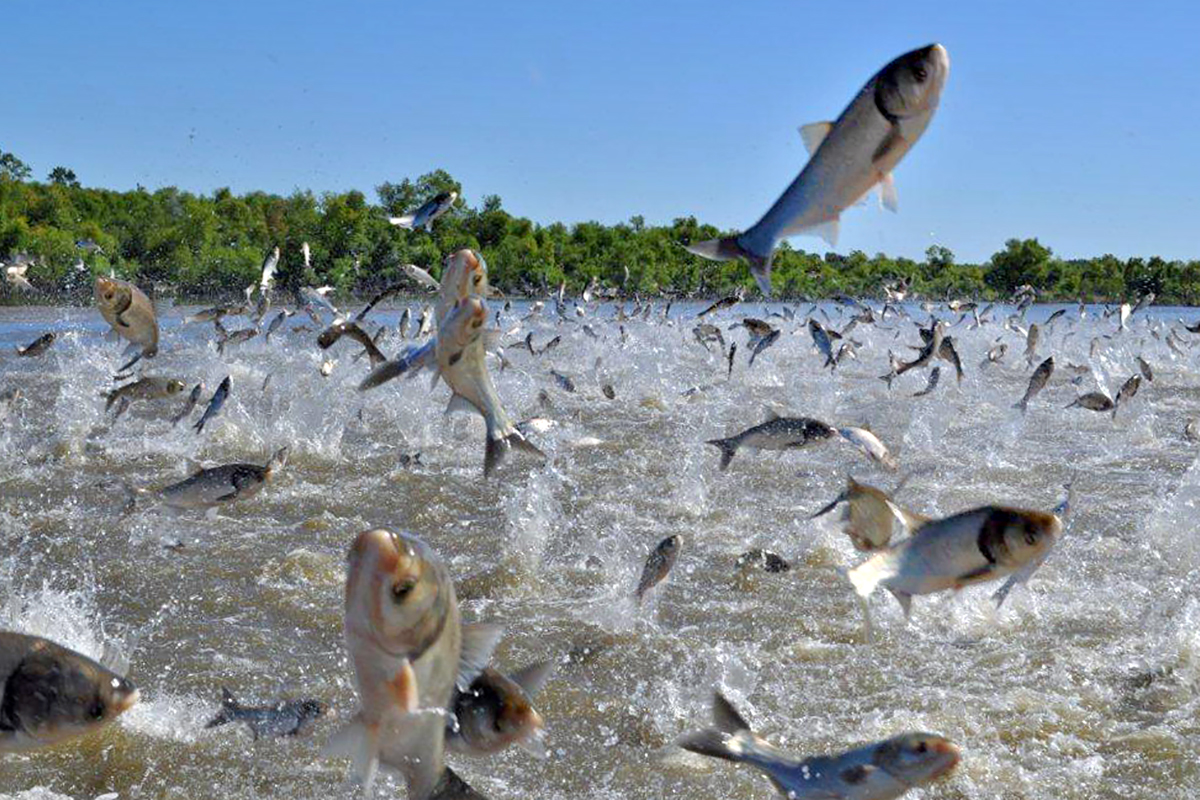
silver carp; photo by University of Illinois

Listing activity appeared to be building in the second decade of the 21st Century, with multi-species listings of fish, snakes, and salamanders between 2012 and 2016. However, there has been only one listing action since 2016 – and that was by an act of Congress (listing of the quagga mussel).

In two peer reviewed papers, the USFWS’ Jewell and Fuller provide a history of the Lacey Act’s injurious wildlife title and analyze the effects of listing of 307 species (those listed since 1952). They conclude that 98% of the species listings were “effective” because the listed species either had not been introduced subsequent to listing [288 species; 94% of the total number of listed species] or had not spread to additional states [12 species, 4% of the total]. Another way to calculate the latter figure is to say that 63% of all established species have remained within the state(s) where they were established at the time of listing. Only three species have been spread to additional states by human actions. In these cases, Jewell and Fuller considered the Lacey Act measures to be “ineffective”. For further details on the Jewell and Fuller evaluations of listing efficacy, see their article – full citation given at the end of this blog.

Jewell and Fuller do not evaluate the impacts of animal species introduced to the U.S. after 1960 that have never been listed under the Lacey Act, or speculate about whether listing those species might have minimized the risk of their introduction.

Jewell and Fuller consider listing of species not yet established in the U.S. to be most effective for two reasons. First, listing minimizes the probability that the species will be imported intentionally or unintentionally. Second, listing provides states with risk analyses and other information on which to rely in adopting their own restrictions, including possible prohibitions on sale or possession.

Jewell and Fuller also argue that even in the absence of legal authority to regulate interstate transport of listed species among the continental states, it is still worthwhile to list species that are already established in the U.S. They give six reasons. I summarize those reasons (placing them in my order, not Jewell and Fuller’s):

1) Listing can protect the islands of Hawai`i, Puerto Rico, and the Caribbean and Pacific territories. All are extremely vulnerable to invasive species.

2) If a species shares the traits of injuriousness with other species, particularly those in the same genus or family, then including the already-invasive species demonstrates why the related species should also be listed.

3) Many imported animals carry parasites and pathogens harmful to native species, and stopping the continued importation can reduce those threats that cause disease.

4) Prohibiting further importation of the invasive species can prevent individuals from being introduced to new areas where the species would not otherwise have arrived and can reduce propagule pressure that could introduce hardier individuals.

5) Listing can provide states and other jurisdictions with the technical information they need to pursue additional restrictions not federally authorized under 18 U.S.C. 42, such as transport into a state, possession, and sale.

6) Listing reduces propagule pressure and might enhance the efficacy of any eradication or control measures.

How to Improve the Lacey Act

1) Amend the Lacey Act to restore authority to regulate interstate movement of listed species – including among the continental states and emergency listing authority. Also establish a more streamlined listing process.

2) Strengthen implementation of the law by providing a specific, adequate appropriation to hire additional staff. Utilize the enhanced resources to assess species proactively using risk assessment tools.

It is not yet clear whether the Biden Administration will initiate a more active listing process, especially beyond the zoonotic disease vectors that are the subject of the American Rescue Plan Act.

Note: The “injurious wildlife” section of the Lacey Act (18 U.S.C. 42, or title 18) is separate from another part of the Lacey Act (16 U.S.C. 3371-3378) that is has always been more widely known. This provision regulates wildlife trafficking across State lines. It was later broadened to include plants and trafficking of wildlife and plants from foreign countries.

SOURCES

Jewell S.D. (2020) A century of injurious wildlife listing under the Lacey Act: a history. Management of Biological Invasions. Volume 11, Issue 3: 356–371, https://doi.org/10. 3391/mbi.2020.11.3.01 https://www.reabic.net/journals/mbi/2020/3/MBI_2020_Jewell.pdf

Jewell S.D., P.L. Fuller (2021) The unsung success of injurious wildlife listing under the Lacey Act. Management of Biological Invasions. Volume 12, Issue 3:527-545 https://www.reabic.net/journals/mbi/2021/3/MBI_2021_Jewell_Fuller.pdf

Alternative view – that Lacey Act implementation has failed to protect the U.S. – presented by the following authors:

Fowler, A.J., D.M. Lodge and J. Hsia. 2007. Failure of the Lacey Act to protect US ecosystems against animal invasions. Frontiers in Ecology and the Environment.

Springborn, M. C.M. Romagosa and R.P. Keller. 2011. The value of nonindigenous species risk assessment in international trade. Ecological Economics

Jenkins, P.T. 2012. Invasive animals and wildlife pathogens in the United States: the economic case for more risk assessments and regulation. Biological Invasions

Posted by Faith Campbell

We welcome comments that supplement or correct factual information, suggest new approaches, or promote thoughtful consideration. We post comments that disagree with us — but not those we judge to be not civil or inflammatory.

Two More Key Studies: Forest Pests and Carbon

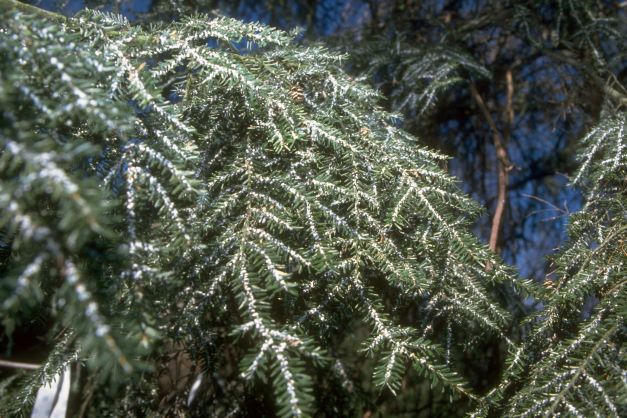
hemlock woolly adelgid – a pest that has spread north as result of warmer winters; photo from bugwood.org

I recently posted a blog reviewing impacts of insects and pathogens on efforts to sequester atmospheric carbon in forests. I want to add two other studies. The first, by Weed, Ayers, and Hicke (2013; full citation at end of this blog), delved more deeply into three mechanisms by which climate and atmospheric changes associated with increasing greenhouse gases influence biotic disturbances: (1) effects on the physiology of insects and pathogens that cause changes in their abundance and distribution; (2) effects on tree defenses and tolerance; and (3) effects on interactions between disturbance agents and their own enemies, competitors, and mutualists. They also looked at interaction of tree-killing pests with other sources of forest disturbances – e.g., wildfires, drought, bioinvasions by organisms other than insects and pathogens, and human conversion of forested land to other uses. Tree-killing pests can promote destabilizing positive feedbacks with these other sources of forest disturbances. Weed, Ayers, and Hicke (2013) express the concern that recurrent forest disturbances caused by insects and pathogens might counteract carbon mitigation strategies. [This concern is similar to findings by Quirion et al. (2021) cited in the previous blog and by USDA Forest Service scientists studying disturbance agents in western forests (Barrett et al. 2021).  

A second study by Clark and D’Amato (2021) looks intensively at forest growth and change in four types of secondary forests in New England to discover climate change dynamics and their resulting relative ability to sequester atmospheric carbon.

A 2013 Study by Weed, Ayers, and Hicke

Weed, Ayers, and Hicke (2013) begin from the premise that epidemics of forest insects and diseases (native and introduced) are the dominant sources of disturbance to North American forests. They note that, on a global scale, bioinvasions might be at least as important as climate change as threats to the sustainability of forest ecosystems. As agreed by most authorities, they find that the underlying cause of bioinvasions is propagule pressure from global transport, not climate change. However, climate change is strongly connected to management of continuing invasions.

Weed, Ayers, and Hicke (2013) review 79 studies published 1950 – 2012 which addressed a total of 27 insects and 22 diseases. Despite their opening focus on introduced pests, and the fact that six of the insects and nine of the diseases are nonindigenous, most of the research they were able to review has been on native organisms, principally on two species: the mountain pine beetle and southern pine beetle. Less is known about pathogens’ interaction with changes to climate than about insects’. A further complicating factor is the need to study both the insect and the pathogen when considering diseases vectored by insects (e.g., beech bark disease, oak wilt, Dutch elm disease, black stain root diseases, laurel wilt, thousand cankers disease, and pitch canker). [Profiles of most of these diseases are posted here; click on “invasive species”.] It is no surprise, then, that Weed, Ayers, and Hicke (2013) identify several areas where there is insufficient research. They state that despite scientists’ broad knowledge of climate effects on insect and pathogen demography, we still lack capacity to predict pest outbreaks under climate change.

Changing climatic conditions can exacerbate pest-caused disturbances by reducing winter mortality of insects and by increasing the development rate of insects and pathogens during the growing season. The changing conditions can also alter leaf maturation (which affects insect feeding) or synchrony of the life cycles of bark beetles. Contrary to the authors’ expectations, drought does not appear to cause a universal reduction in trees’ creation of defensive chemicals.

Due to pests’ host preferences, these disturbance agents typically alter the composition of tree species within stands – which can change forest types. For example, Weed, Ayers, and Hicke (2013) mention how mountain pine beetles shifted western forests from five needle pines toward subalpine firs. They do not mention balsam woolly adelgid or other fir pests.

The authors expect warming and increases in atmospheric CO2 to promote faster forest maturation in many US regions. Drought, however, will probably slow maturation rates in arid areas such as the southwest and intermountain regions. Climate change increases the likelihood that forest stands will be exposed to different and less suitable climates than those under which the current stands matured, making more stands susceptible to pests.  (The USFS report on western forests said the same — Barrett et al. 2021).  These changes tend to reduce the extent of mature forests and can adversely affect ecosystem services. They note the need for increased capacity to predict future patterns of biotic disturbances and integrate this knowledge with forest ecosystem science and the socioeconomics of human land use.

Weed, Ayers, and Hicke (2013) raise an interesting point regarding the impact of disturbance factors on trees’ ages and sizes. They mention specifically reduction in numbers of large-diameter beech trees due to beech bark disease and elms due to Dutch elm disease. Several large-growing trees, e.g., American chestnut and white pines, have been virtually eliminated from much of their historical ranges. They express the fear that emerald ash borer, sudden oak death, butternut canker, and laurel wilt are in the early stages of having a similar effect on their hosts. [Profiles of most of these pests are posted here; click on “invasive species”.] Weed, Ayers, and Hicke (2013) note the importance to wildlife of this shift – the loss of mature forest habitat changes availability of food supplies, nest cavities, etc. The authors do not relate these specific pest-mediated changes to the climate change-caused alterations. However, they do note that pest impacts exacerbate a situation already arising from loss of mature forests due to human land use patterns.

Weed, Ayers, and Hicke (2013) mention changes in elemental cycling and hydrologic processes resulting from pest-caused mortality; they refer to several studies by Lovett, especially Lovett et al. (2006). These changes can have long-lasting effects on productivity, biodiversity, and elemental cycling. Among them are effects on water transpiration and increased soil moisture and runoff. I had blogged earlier about these impacts as they pertain to black ash swamps. At high elevations, snow accumulates more deeply on the ground while snowmelt is more rapid because loss of canopy will decrease interception of snow by the canopy (leading to reduced sublimation and redistribution of snow) and increase solar radiation to the forest floor.

Weed, Ayers, and Hicke (2013) anticipate that pest outbreaks under climate change will commonly produce persistent changes in the feedbacks that connect biotic communities and elemental cycling.  

Weed, Ayers, and Hicke (2013) summarize their findings as follows:

1) Epidemics of forest pests (native and introduced) exceed other sources of disturbance to North American forests.

2) Insect populations are highly responsive to climate change due to their physiological sensitivity to temperature, high mobility, short generation times, and explosive reproductive potential. Pathogens and declines are also strongly influenced by climate change due to their sensitivity to temperature and moisture. These effects have proven to be more dramatic than expected in the case of pine bark beetles. There is no discussion of whether other insect-host relationships might differ substantially.

3) Changes in biotic disturbance regimes have broad consequences for forest ecosystems and the services they provide to society.

4) Climatic effects on forest pest outbreaks might beget further changes in climate by influencing the exchange of carbon, water, and energy between forests and the atmosphere.

5) In some areas, climate-induced changes might result in increased or decreased disturbance risk.   

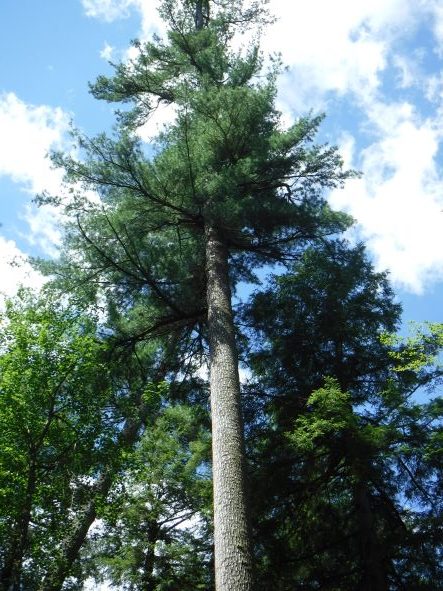
eastern white pine; photo by F.T. Campbell

A 2021 Study by Clark and D’Amato

Clark and D’Amato (2021) focused on a research site in New England which provided 69 years of data on succession dynamics. The site has four types of secondary forests. Clark and D’Amato (2021) found that mixed hardwood (oak)-pine systems dominated by large diameter eastern white pine (Pinus strobus) exhibited the greatest increase in biomass over the 69-year period and thus performed best as carbon sinks. These forests also had the greatest structural complexity.

However, these “mixedwood” systems are largely an artifact of past clearing for agriculture and are naturally trending toward greater domination by hardwoods. In fact, new trees growing in all four forest types were predominantly shade-tolerant beech (Fagus grandifolia) and hemlock (Tsuga canadensis). Clark and D’Amato (2021) note that these species are both less compatible with predicted future climatic conditions and are under attack by non-native pests — beech bark disease and hemlock woolly adelgid, respectively. The article makes no mention of possible complications from two other pests of beech, beech leaf disease and beech leaf weevil. [All three pests have profiles here.]

They conclude that if the goal is to maximize carbon sequestration in forests – while maintaining structural complexity – managers must adopt silvicultural strategies intended to maintain the pine component. This strategy is not without risk. Mature white pine constitutes 68% of the biomass in the mixedwood stands. Clark and D’Amato (2021) note that a strategy relying so heavily on one species exposes that strategy to a high risk of catastrophic losses due to stochastic disturbance-related mortality, emerging forest health issues, and/or selective timber harvests targeting the largest trees.  Of course, eastern white pine has already survived one pest, white pine blister rust.

SOURCES

Barrett, T.M. and G.C. Robertson, Editors. 2021. Disturbance and Sustainability in Forests of the Western United States. USDA Forest Service Pacific Northwest Research Station. General Technical Report PNW-GTR-992. March 2021

Clark, P.W. and A.W. D’Amato. 2021. Long-term development of transition hardwood and Pinus strobus – Quercus mixedwood forests with implications for future adaptation and mitigation potential. Forest Ecology and Management 501 (2021) 119654

Lovett, G.M., C.D. Canham, M.A. Arthur, K.C. Weathers, and R.D. Fitzhugh. 2006. Forest Ecosystem Responses to Exotic Pests and Pathogens in Eastern North America. BioScience Vol. 56 No. 5 May 2006)

Lovett, G.M., M. Weiss, A.M. Liebhold, T.P. Holmes, B. Leung, K.F. Lambert, D.A. Orwig, F.T. Campbell, J. Rosenthal, D.G. Mclimate changeullough, R. Wildova, M.P. Ayres, C.D. Canham, D.R. Foster, S.L. Ladeau, and T. Weldy. 2016.  Nonnative forest insects and pathogens in the United States: Impacts and policy options.  Ecological Applications, 26(5), 2016, pp. 1437-1455

Poland, T.M., Patel-Weynand, T., Finch, D., Miniat, C. F., and Lopez, V. (Eds) (2019), Invasive Species in Forests and Grasslands of the United States: A Comprehensive Science Synthesis for the United States Forest Sector.  Springer Verlag.

Weed, A.S., M.P. Ayers, J.A. Hicke. 2013. Consequences of climate change for biotic disturbances in North American forests. Ecological Monographs, 83(4), 2013, pp. 441–470

Posted by Faith Campbell

We welcome comments that supplement or correct factual information, suggest new approaches, or promote thoughtful consideration. We post comments that disagree with us — but not those we judge to be not civil or inflammatory.

For a detailed discussion of the policies and practices that have allowed these pests to enter and spread – and that do not promote effective restoration strategies – review the Fading Forests report at http://treeimprovement.utk.edu/FadingForests.htm

New Study on Forest Carbon and Pests: The Picture is Ugly

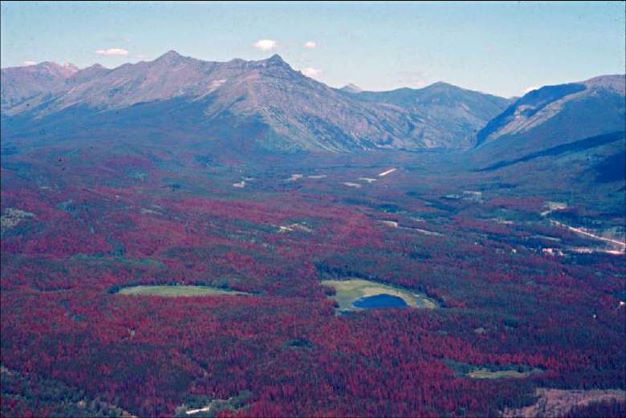
lodgepole pines killed by mountain pine beetle in British Columbia; photo courtesy of Wikipedia

Natural systems, especially forests, could provide as much as 37% of the near-term mitigation necessary to meet Paris global climate goals. In the US, conservation, restoration, and improved land management could provide carbon sequestration equivalent to an estimated 21% of current net annual emissions.

However, the current U.S. forest carbon sink, which includes soils and standing and downed wood as well as live trees, might be in jeopardy due to increasing levels of disturbance, conversion, and/or declining sequestration rates in old growth stands.

Insects and plant diseases are one such disturbance agent. Acting alone or in combination with other forest stressors, they can damage or kill large numbers of trees in short periods of time, thereby reducing carbon sequestration and increasing emissions of stored carbon through decomposition of wood in dead or injured trees.

Historically, native and introduced insects and diseases have impacted an estimated 15% of the total U.S. forest cover annually. This impact is likely to increase. One study (Fei et al., 2019) found that an estimated 41% of the live forest biomass in the contiguous U.S. could be impacted by the 15 most damaging introduced pests already established in the U.S. Continuing introductions of new pests and exacerbated effects of native pests associated with climate change portend worsening losses of live trees. These rising impact of pests, combined with more frequent and severe fires and other forest disturbances, are likely to negate efforts to improve forests’ carbon sequestration capacity.

Sources of information about introduced pests’ impacts is available from, inter alia Campbell and Schlarbaum Fading Forests  II and III, Lovett et al 2016, Poland et al. 2021, many  blogs on this site, and pests’ profiles posed here under “invasive species” tab. Chapter 4 of Poland et al. (2021) provides a summary of what is known about interactions between invasive species and climate change – both climate impacts on bioinvaders and bioinvaders’ effect on carbon sequestration.

The United States and other major polluting countries have certain advantages. Their strong economies have the scientific and financial resources needed to implement effective invasive species prevention and forest management strategies. At the same time, many of them receive the most new forest pests – because they are major importers. These introduced pests pose the most serious and urgent near-term ecological threat to their forests and all the ecosystem services forests provide.

So, reducing insect and disease impacts to forests can simultaneously serve several goals—carbon sequestration, biodiversity conservation, and protecting the myriad economic and societal benefits of forests. See the recent IUCN report on threatened tree species.

A Major New Study

A new study by Quirion et al. (2021) takes another step in quantifying the threat to U.S. forests’ ability to sequester carbon by analyzing data from National Forest Inventory plots. Unfortunately, the re-measurement data for the period 2001 – 2019 are not available in the NFI for the Rocky Mountain states, which represents a critical data gap in the NFI program. This gap might not have had a significant impact on the national findings, however, because while the insect damage level (measured by an earlier inventory round) was quite severe in the Rocky Mountain States, the relatively slow growth of trees in that region means carbon sequestration rates are low.

Forest stand productivity – and carbon sequestration — will typically decline immediately after pest outbreaks, then recover or even increase beyond pre-outbreak levels depending on the productivity and maximum achieved biomass of replacement plant species and related soil characteristics. However, when prevalence of the disturbance increases, by, for example, more frequent pest outbreaks, carbon stocks in standing trees and sequestration rates can be reduced for extended periods.

Findings

  • Nationally, insects and diseases have decreased carbon sequestration by live trees on forest land by 12.83 teragrams carbon per year. This equals ~ 9% of the contiguous states’ total annual forest carbon sequestration and equivalent to the CO2 emissions from over 10 million passenger vehicles driven for one year.
  • This estimate includes the impacts of both native and introduced insects and diseases, because the NFI database does not distinguish between them.
  • Insect-caused mortality had a larger impact than disease-caused mortality (see below). Forest plots recently impacted by insect disturbance sequestered on average 69% less carbon in live trees than plots with no recent disturbance. Plots recently impacted by disease disturbance sequestered on average 28% less carbon in live trees than plots with no recent disturbance.
  • Ecoprovinces in which the greatest annual reductions in live tree carbon sequestration due to pests were the Southern Rocky Mountain Steppe, Cascade Mixed Forest, Midwest Broadleaf Forest, and Laurentian Mixed Forest. (Ecoprovinces are outlined – but not named – in Quirion et al. 2021; more complete information is provided in the supplementary material.)

If this study had been carried out in the 1920’s, when chestnut blight and white pine blister rust were spreading across vast areas and killing large trees, the impact of diseases would have been much higher. Today, the most widespread impacts of diseases are on either small trees (e.g., redbay succumbing to laurel wilt) or slow-growing, high-elevation trees (e.g., whitebark and limber pine to white pine blister rust). As long as no equivalents of those earlier diseases are introduced, insects will probably continue to have the larger impacts.

western white pine killed by blister rust; photo from National Archives

Quirion et al. 2021 note that their estimates should be considered conservative. The USFS’s inventory records only major disturbances. That is, when mortality or damage is equal to or exceeds 25% of trees or 50% of an individual tree species’ count on an area of at least 0.4 ha. This criterion largely excludes less severe pest disturbances, including those from which trees recover but which might have temporary negative effects on carbon sequestration.

The study’s authors note that their work has important limitations. The dearth of data from the Rocky Mountain states is one. Other factors not considered include transfers of carbon from live biomass to dead organic matter, soils, and salvaged or preemptively harvested wood products.  As trees die from pests or diseases, their carbon becomes dead wood and decays slowly, producing a lag in the carbon emissions to the atmosphere.  A small fraction of the carbon in dead wood might be incorporated into soil organic matter, further delaying the emissions.  A full accounting of the carbon consequences of pests and diseases would require assessment of these lags, probably through a modeling study.

affects of mountan pine beetle on lodgepole pine in Rocky Mountain National Park, Colorado photo from Wikimedia

Actions to Maintain Carbon Sequestration

Quirion et al. (2021) outline several actions that would help protect the ability of America’s forests to sequester carbon. These suggestions address both native and introduced pests, since both contribute to the threatened reduction in capacity.

Concerning native pests, the authors call for improved forest management, but warn that measures must be tailored to species and environmental context.

Concerning introduced insects and pathogens, Quirion et al. (2021) call for strengthening international trade policies and phytosanitary standards, as well as their enforcement. The focus should be on the principal pathways: wood packaging (click on “wood packaging” category for on this blog site) and imported plants (click on “plants as vectors” category for on this blog site). Specific steps to reduce the rate of introduction of wood-boring insects include enforcement to increase compliance with the international treatment standard (ISPM#15), requiring trade partners – especially those which have repeatedly shipped infested packaging – to switch to packaging made from alternative materials. Introductions via the plant trade could be reduced by requiring foreign shippers to employ integrated management and critical control point systems (per criteria set by the U.S.) and using emergency powers (e.g., NAPPRA) to further restrict imports of the plants associated with the highest pest risk, especially plant species that are congeneric with native woody plants in North America. See Lovett et al 2016; Fading Forests II & III

As backup, since even the most stringent prevention and enforcement will not eliminate all risk, the authors urge increased funding for and research into improved inspection, early detection of new outbreaks, and strategic rapid response to newly detected incursions.

To reduce impacts of pests established on the continent – both recently and years ago – they recommend increasing and stabilizing dedicated funding for classical biocontrol, research into technologies such as sterile-insect release and gene drive, and host resistance breeding.

Thinning is useful in reducing damage by native bark beetles to conifers. However, it has not been successful in controlling introduced pests for which trees do not have an evolved resistance. Indeed, preemptive harvesting of susceptible species can harm forest ecosystems directly through impacts of the harvesting operation and indirectly as individual trees that may exhibit resistance are removed, reducing the species’ ability to develop resistance over time.

Further research is needed to clarify several more issues, including whether introduced pests’ impacts are additive to, or interact with, those of native species and/or other forest stressors.

SOURCE

Quirion BR, Domke GM, Walters BF, Lovett GM, Fargione JE, Greenwood L, Serbesoff-King K, Randall JM & Fei S (2021) P&P Disturbances Correlate With Reduced Carbon Sequestration in Forests of the Contiguous US. Front. For. Glob. Change 4:716582.  [Volume 4 | Article 716582] doi: 10.3389/ffgc.2021.716582

SOURCES of additional information

Campbell, F.T. and S.E. Schlarbaum. Fading Forest reports at http://treeimprovement.utk.edu/FadingForests.htm

Lovett, G.M., M. Weiss, A.M. Liebhold, T.P. Holmes, B. Leung, K.F. Lambert, D.A. Orwig, F.T. Campbell, J. Rosenthal, D.G. McCullough, R. Wildova, M.P. Ayres, C.D. Canham, D.R. Foster, S.L. Ladeau, and T. Weldy. 2016.  Nonnative forest insects and pathogens in the United States: Impacts and policy options.  Ecological Applications, 26(5), 2016, pp. 1437-1455

Poland, T.M., Patel-Weynand, T., Finch, D., Miniat, C. F., and Lopez, V. (Eds) (2019), Invasive Species in Forests and Grasslands of the United States: A Comprehensive Science Synthesis for the United States Forest Sector.  Springer Verlag. Available for download at no cost at https://www.fs.usda.gov/treesearch/pubs/61982

Posted by Faith Campbell

We welcome comments that supplement or correct factual information, suggest new approaches, or promote thoughtful consideration. We post comments that disagree with us — but not those we judge to be not civil or inflammatory.

For a detailed discussion of the policies and practices that have allowed these pests to enter and spread – and that do not promote effective restoration strategies – review the Fading Forests report at http://treeimprovement.utk.edu/FadingForests.htm

Eight Hawaiian birds: gone forever

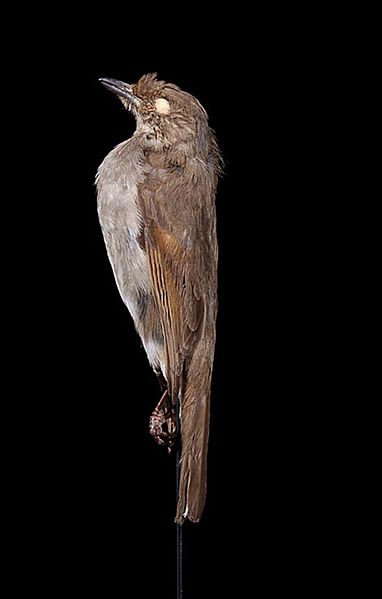
large Kaua’i thrush; specimen photographed by Huub Veldhuizen van Zanten / Naturalis Biodiversity Center; via Wikimedia commons

I usually blog about tree pests but the bioinvasion disasters in Hawai`i and Guam also attract my attention. I have blogged in the past about insect or pathogen threats to Hawaiʻi’s ‘ōhi‘a trees and other native plants of Hawaiʻi and Guam.

Some of the most difficult and tragic of the invasive species threats in Hawaiʻi are avian diseases vectored by introduced mosquitos. Avian pox and especially avian malaria have already caused extinction of numerous bird species, and continue to threaten many of the remaining endemic species.

I regret that it takes extinction to bring overdue attention to the threats to Hawaiian birds. The USFWS has proposed to remove eight species of Hawaiian birds and one from Guam from the list of endangered species because they are extinct.  

[If you prefer to see living birds, visit here.]

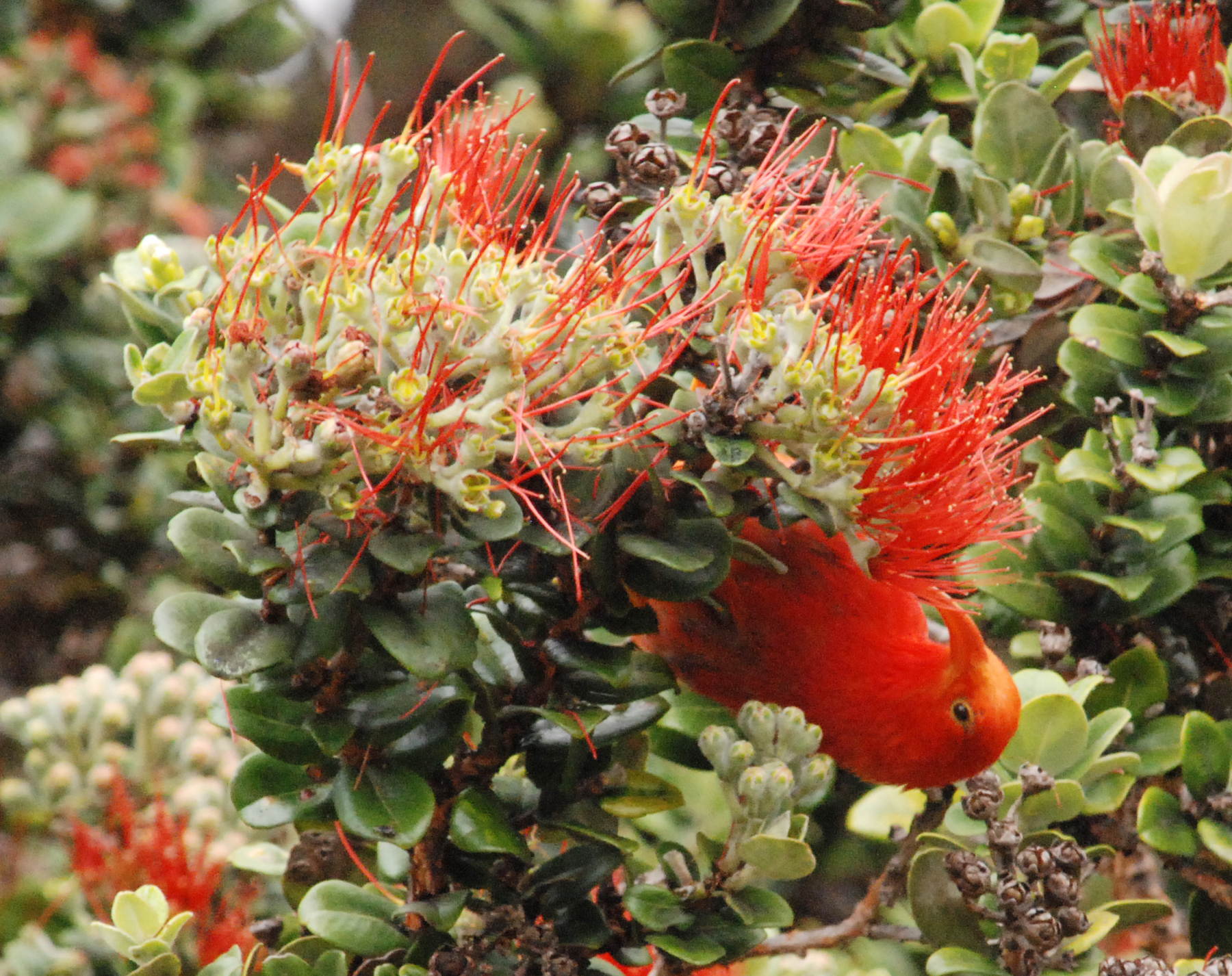
Distressing as is the current determination of extinctions, it is just the tip of iceberg. Since people colonized the Hawaiian Islands 1,500 years ago, 71 bird species have become extinct, 48 before the arrival of Europeans and 23 since Captain James Cook’s arrival in 1778. Historically, more than 50 different honeycreepers lived in Hawaiʻi; today, only 17 species remain. Eight of these have been federally listed as endangered or threatened under the Endangered Species Act. A ninth bird species – a flycatcher – also has been listed. Another honeycreeper, i`iwi (Drepanis (Vestiaria) coccinea) is listed as threatened on Kauaʻi. As noted, the USFWS now says eight of these species (six honeycreepers, an ʻĀkepa, and one thrush) are actually extinct.

FWS will accept comments received or postmarked on or before November 29, 2021. To have an impact, comments must be substantive, not just a statement of support or opposition. The USFWS action includes 14 other species, among them the ivory-billed woodpecker, Bachman’s warbler, a bat, fish, and freshwater mussels.

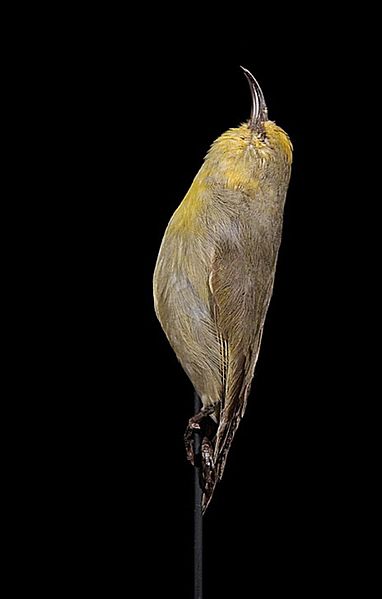
Maui nakupu’u specimen photographed by Huub Veldhuizen van Zanten / Naturalis Biodiversity Center; via Wikimedia Commons

In describing the threats to the Pacific Island birds, the USFWS proposal focuses on non-native diseases, specifically avian pox and avian malaria. USFWS also mentions introduced vertebrates – especially predators such as cats, rats, and mongoose; and invasive plants. Because it does not deal with those bird species that continue to exist, the notice does not mention prospective threats. For example, constant vigilance is needed against possible introduction (from Guam) of the brown tree snake. Also needed is a strategy to counter rapid ‘ōhi‘a death, which threatens widespread mortality of the ‘ōhi‘a lehua tree (Metrosideros polymorpha).

I`iwi feeding on ohi’a in Hakalau Forest NWR, Hawai’i; photo by Daniel J. Lebbin, American Bird Conservancy

The USFWS proposal describes significant efforts over the past 50 years to restore bird species, including implementation of two recovery plans and numerous surveys trying to find remnant populations. However, none of these projects could counter the effects of the mosquito-vectored pox virus (Avipoxvirus) and avian malaria (Plasmodium relictum). The primary vector, Culex quinquefasciatus, was introduced to the islands in 1826. It has already reached the 6000 feet elevation level. Two other mosquitoes, Aedes albopictus and A. aegypti, may also spread avian pox.  The former has been present in Hawai`i since 1896. The Aedes mosquitoes are – so far – at elevations of ~4,000 feet. However, they are expected to spread higher as the climate warms. The Hawaiian honeycreepers (subfamily Drepanidinae) are highly susceptible to these diseases. As a result, many of these bird species have disappeared from areas below ~ 4,500 feet (1,372 meters) over the last century.

One result of climate change is that mosquitoes are now able to penetrate even higher, up to 6000 feet. Only the islands of Hawai`i (the Big Island) and Maui have forests above this higher elevation.

The descriptions of the eight species purported to be extinct demonstrates the impact of many threats, but especially the diseases. Of the eight species, four are found on the island of Kauaʻi. Three were listed as endangered in 1967, when the U.S.’ first endangered species law came into force. The fourth was listed just a few years later, in 1970. The highest elevation on Kauaiʻ is 5,100 feet.

  • Kauaʻi ʻakialoa (Akialoa stejnegeri) listed (as Hemignathus stejnegeri) in 1967, about the time of the last confirmed observations. The species used to be widespread on Kauaʻi and occupied all forest types above 656 feet (200 meters).
  • Kauaʻi nukupuʻu (Hemignathus hanapepe) listed as endangered in 1967. At the time of listing, only two individuals had been reported during the 20th Century. The original extent of its geographic range is unknown.
  • Kauaʻi ‘o‘o (Moho braccatus) listed as endangered in 1967. At the time of listing, the population size was estimated at 36 individuals. The last plausible record was a vocal response to a recording in 1987. Its last known habitat was the dense ‘ōhi‘a lehua forest in the valleys of Alakaʻi Wilderness Preserve. It reportedly fed on various invertebrates and the fruits and nectar from ‘ōhi‘a lehua, lobelia, and other flowering plants. The original extent of its geographic range is unknown. 
  • Large Kauaʻi thrush (Myadestes myadestinus) listed as endangered in 1970. At the time of listing, the population size was estimated at 337 individuals. The last unconfirmed and confirmed sightings occurred in the late 1980s.

Three of the putatively extinct species are found on the island of Maui. Maui’s highest point, Haleakalā, reaches 10,000 feet. Two of these species were listed in 1970. The third was discovered in 1973! This demonstrates how difficult it is to survey dense forests on steep, highly uneven volcanic slopes – especially when the substrate is a’a lava!

  • Maui ʻĀkepa (Loxops coccineus ochraceus) listed (as Loxops ochraceus) in 1970. At the time of listing, its population was estimated at 230 individuals. The Maui ʻĀkepa preys on various insects and drinks the nectar of ‘ōhi‘a lehua flowers and uses the tree for nesting. The original extent of the geographical range is unknown, but thought probably to include Molokai and Lānaʻi. By the late 19th century all reports were from mid- to high-elevation forests; possibly the birds had already succumbed to the mosquito-vectored diseases. However, even recent surveys have been at too low intensity to definitively demonstrate that the species is extinct.
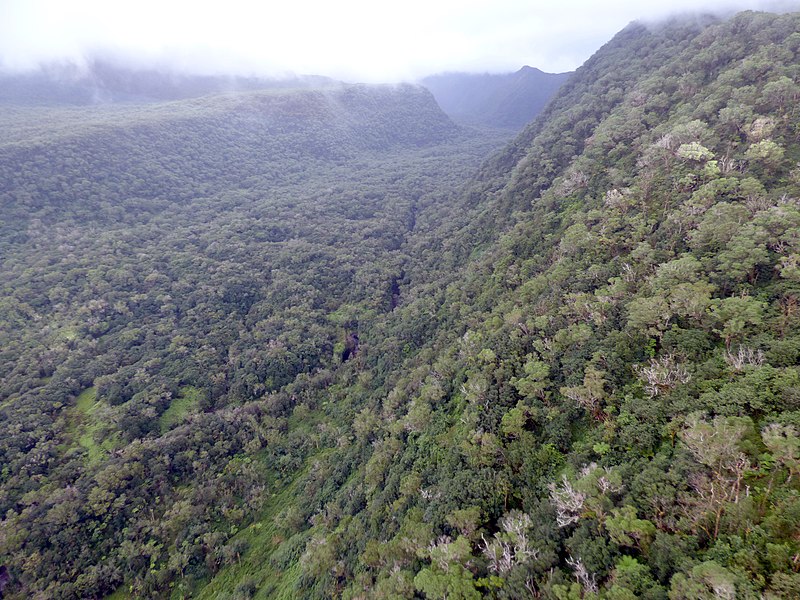
  • Maui Nukupuʻu (Hemignathus lucidus affinis) listed (as Hemignathus affinis) in 1970. It probably formerly inhabited Molokai. Even in the late 19th century observers noted the restricted distribution and low population density of Maui nukupuʻu. The species was rediscovered in 1967 in the upper reaches of Kīpahulu Valley in Haleakalā National Park, East Maui. The last confirmed sighting was in 1996, from the nearby Hanawī Natural Area Reserve
  • Po‘ouli (Melamprosops phaeosoma) listed as endangered in 1975, two years after its discovery. At the time of listing, its population was estimated at 140. Fossil evidence indicated it once had a much broader geographic and habitat range. It foraged on tree branches, preferring several native shrubs and trees, including ‘ōhi‘a lehua. Attempts were made to breed the species in captivity in the early 2000s, but these failed. The last two birds known to exist were last seen in December 2003 and January 2004.
Kipahulu Valley on Maui; photo by Kim and Forrest Starr

The eighth species is from Molokai, which has no elevation higher than 4900 feet.

  • Molokai Creeper (Paroeomyza flammea) listed in 1970.  At the time of listing, the Molokai creeper was considered extremely rare. It gleaned insects from vegetation and bark in wet ‘ōhi‘a lehua, forests. Molokai creeper was common in 1907, but by the 1930s, it was considered in danger of extinction. It was last detected in 1963.

Time is running out for Hawaiʻi’s native birds. In 2016 the USFWS listed yet another Hawaiian honeycreeper, the formerly ubiquitous ʻiʻiwi. (Drepanis (Vestiaria) coccinea), as threatened on Kauaʻi. Conservationists recognize the need to combat the mosquitoes.

While I mourn the recent extinction of several Hawaiian forest birds, I celebrate the decision by Hawaiian-based conservation entities to adopt innovative strategies to counter the invasive species threat.

An Innovative and Bold Initiative

The delisting proposal mentions a hopeful development: creation of a multi-agency consortium called “Birds, Not Mosquitoes”. Participating agencies include the Hawaiʻi Department of Land and Natural Resources, Hawaiʻi Department of Health, U.S. Fish and Wildlife Service, University of Hawaiʻi, U.S. Geological Survey, National Park Service, American Bird Conservancy, The Nature Conservancy of Hawaiʻi, Coordinating Group on Alien Pest Species, Island Conservation, and Pacific Rim Conservation. Also involved are the Kauaʻi Forest Bird Recovery Project, Maui Forest Bird Recovery Project, University of Kentucky, and Michigan State University.

Culex quinquefasciatus PIXNIO

The partnership is exploring methods to suppress the mosquito populations. The current focus is on using a common, naturally-occurring bacteria as a “mosquito birth control”. Many insects, including some mosquitoes, carry a naturally-occurring bacterium, Wolbachia. If male and female mosquitoes of the same species carry different, “incompatible” strains of Wolbachia, the eggs wonʻt hatch. The Incompatible Insect Technique (IIT) currently under consideration would intentionally infect male mosquitoes with a specific strain of Wolbachia. These males would then be released to mate with the wild females – and produce infertile eggs. Male mosquitoes donʻt bite humans or birds; the female needs the blood meal to produce eggs.

This method has been successfully used around the globe to reduce populations of mosquitoes that carry human diseases such as dengue fever and malaria. Because of the conservation crisis, the “Birds, Not Mosquitoes” program is seeking permits to moves the project forward as quickly as possible while also ensuring full compliance with all state and federal requirements. Small trial releases would need to happen first to validate success in the field, with larger landscape-scale releases to follow.

Research in Hawaiʻi that is not part of the multi-agency “Birds not Mosquitoes” project is exploring genetic techniques to control mosquitoes. Any such strategy must meet careful safety standards and be registered with federal agencies and within Hawai‘i before use. Because any genetic technique to control mosquitoes is assumed to be more than a decade away and could face considerable public opposition, it likely would not be available in time to prevent additional extinctions of Hawaiʻi’s endemic forest birds.

The “Birds, Not Mosquitoes program” is a multi-year effort to develop the tool, establish the best approach for deploying the tool, and then sustain the effort to keep invasive mosquito populations suppressed. Success can save at least 12 bird species in Hawai`i from extinction, and benefit many more. Funding needs over the next five years are:

* FY2022 – $3 Million

* FY2023 – $5 Million

* FY2024 – 2026 – $7 Million per year

Please contact your Representative and Senators and urge them to support funding for this effort in the Interior Appropriations bills for the coming years.

SOURCE

DEPARTMENT OF THE INTERIOR Fish and Wildlife Service Endangered and Threatened Wildlife and Plants; Removal of 23 Extinct Species From the Lists of Endangered and Threatened Wildlife and Plants ACTION: Proposed rule. 50 CFR Part 17 Federal Register / Vol. 86, No. 187 / Thursday, September 30, 2021

Posted by Faith Campbell

We welcome comments that supplement or correct factual information, suggest new approaches, or promote thoughtful consideration. We post comments that disagree with us — but not those we judge to be not civil or inflammatory.

For a detailed discussion of the policies and practices that have allowed these pests to enter and spread – and that do not promote effective restoration strategies – review the Fading Forests report at http://treeimprovement.utk.edu/FadingForests.htm
Burgeoning Imports = backlogs … & higher pest risk?

container ship at Savannah; photo by F.T. Campbell

I have blogged for a year about record-breaking volumes of imports reaching our ports from Asia … so now the media & politicians are aware of these issues! Oh, well …

The traffic jam continues … ports are being pressured to expand their hours of operation … I hope DHS Bureau of Customs and Border Protection (CBP) is keeping up & doing its best to detect & penalize shipments in which the wood packaging violates ISPM#15. I hope CBP is not under pressure from inside the Administration to “expedite” inspections.

Remember, Asia is the origin of many of the most damaging forest pests – e.g., Asian longhorned beetle, emerald ash borer, redbay ambrosia beetle, phytophagous and Kuroshia shot hole borers (for profiles of each visit here). Indeed, 15 of 16 non-native Xyleborini detected in the United States since 2000 are from Asia (Bob Rabaglia, USFS Forest Health Protection, presentation at IUFRO meeting in Prague, September 2021).

Reports of continuing backups:

US containerized imports from Asia totaled almost 1.6 million TEU in September, meaning every month this year has seen imports average almost 20% higher than the historical monthly average of about 1.3 million TEU. Asian imports in September were 13.8% higher than in pre-COVID September 2019. Before imports from Asia surged in the second half of 2020, imports exceeded 1.59 million TEU only once, in October 2018. Now that is the average monthly volume. Shipping and logistics experts expect port-related congestion problems they have experienced all year will continue well into 2022 (Mongelluzzo, October 13, 2021).

Major ports — Los Angeles-Long Beach, Oakland, the Northwest Seaport Alliance of Seattle and Tacoma, Savannah, and New York-New Jersey — have experienced vessel bunching, congested marine terminals, intermodal rail logjams that backed up to the ports from inland rail hubs, and shortages of chassis and labor throughout the transportation supply chain. Vessels at anchor of LA-LB peaked in mid-September at 73 and have remained in the range of 58 to 70 since then (Mongelluzzo, October 13, 2021).

off-loading a container at Port of Savannah; photo by F.T. Campbell

On the other side of the country, at Savannah, imports of cargo-laden containers were 27% higher than in September 2019. Congestion meant that 22 to 27 vessels have been anchored per day awaiting a berth since the first of September. At one point, dwell times for import containers in the port rose to 12 days; this figure has since fallen to 8.4 days. The number of containers sitting at the terminal for more than 21 days has also fallen, from more than 4,000 containers in September to 2,200 now. This congestion results from the rising import volumes from Asia; some shippers are avoiding the California ports. Import volumes from Europe have been flat compared to 2019 – at 1.6 million TEU in the first seven months of 2021. One result is that carriers are now switching to Charleston (Knowler and Ashe, October 14, 2021).

I expect that the rising volume of imports from Asia presents rising opportunities for forest pests (and other invaders) to reach our shores. I hope Department of Agriculture researchers are tracking whether inspectors are now detecting higher numbers of pests in incoming wood packaging and plants. I hope they are also preparing to track detections of pest outbreaks over the next decade to see whether more Asian insects and pathogens become established as a result of the presumably higher propagule pressure.

SOURCES

Knowler, G. and A. Ashe. October 14, 2021. Trans-Atlantic carriers diverting from congested Savannah to Charleston.

https://www.joc.com/port-news/us-ports/port-savannah/trans-atlantic-carriers-diverting-congested-savannah-charleston_20211014.html?utm_source=Eloqua&utm_medium=email&utm_campaign=CL_JOC%20Daily%2010%2F15%2F21_PC00000_e-production_E-116222_KB_1015_0617

Mongelluzzo, B. September impors shod no relief for stressed US ports. October 13, 2021

https://www.joc.com/port-news/us-ports/september-imports-show-no-relief-stressed-us-ports_20211013.html?utm_source=Eloqua&utm_medium=email&utm_campaign=CL_JOC%20Daily%2010%2F14%2F21_PC00000_e-production_E-116084_KB_1014_0617

Posted by Faith Campbell

We welcome comments that supplement or correct factual information, suggest new approaches, or promote thoughtful consideration. We post comments that disagree with us — but not those we judge to be not civil or inflammatory.

For a detailed discussion of the policies and practices that have allowed these pests to enter and spread – and that do not promote effective restoration strategies – review the Fading Forests report at http://treeimprovement.utk.edu/FadingForests.htm
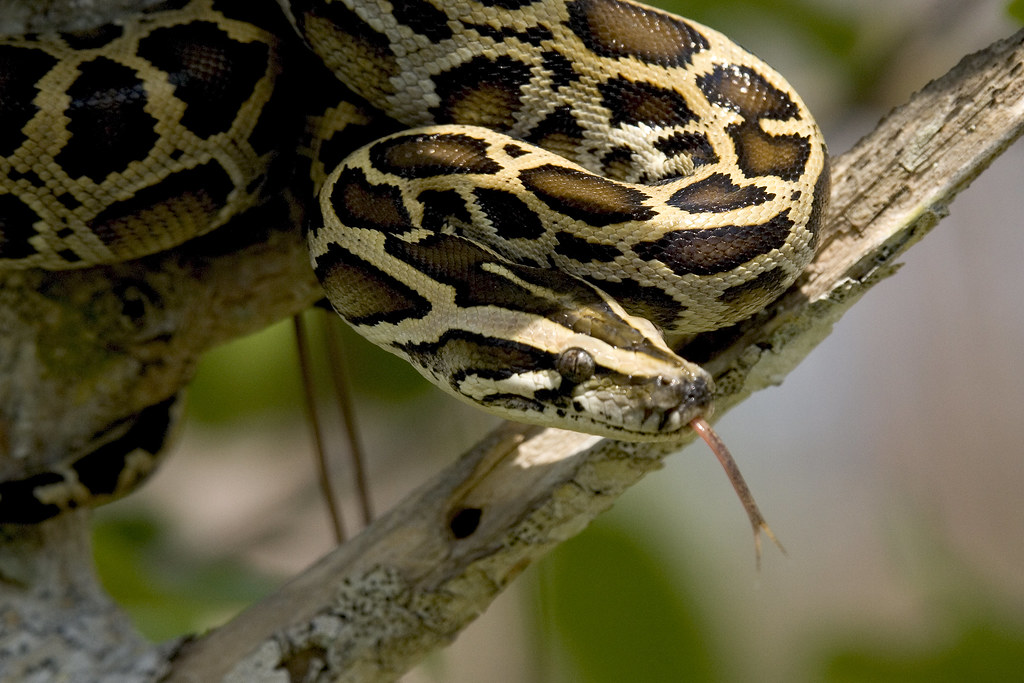
Updates on 4 major invaders + APHIS annual report

As of September 2021, a number of new publications or presentations focus on four major forest pests: the Asian longhorned beetle, emerald ash borer, sudden oak death, and the Asian gypsy moth. Here’s a summary.

Asian longhorned beetle (ALB)  

In many ways, the ALB is the poster child for wood-borers introduced in wood packaging (SWPM). ALB has been transported multiple times in the 30 or more years since the world opened to goods from China. Outbreaks have been detected in ~50 locations in North America, Europe, the Middle East (Trotter 2021, full citation at end of the blog), even in Asia – it was detected in Japan in 2002 (eradicated) and 2020 (Shoda-Kagaya 2021). Put another way, 33 countries recorded outbreaks as of July 2021 (Porth 2021). About half of the 50 outbreaks have been eradicated; the remaining are under active management, including four of the largest populations in the U.S. (Trotter 2021)

A Canadian genetic study (Porth 2021) of five U.S. outbreaks (New York/New Jersey, Massachusetts, Illinois, and Ohio) and the two outbreaks in Toronto indicated two major sources of ALB: the North China plain and Korea (source of the Massachusetts populations). The second Toronto outbreak probably began with survivors of the first that escaped eradication. I note that shortly after the New York and Chicago outbreaks were detected, scientists said the most likely source was the northern plains of China, where China had planted large stands of poplars which quickly were attacked by ALB. These trees were made into crates and pallets to support to booming exports.

In Japan, ALB attacks elms, birches, and willows, not maples. Longer study will provide additional information about hosts (Shoda-Kagaya 2021).

A Swiss study (Augustinus 2021) confirms others’ finding that imports of stone are particularly likely to be associated with ALB-infested SWPM.

As I noted in an earlier blog, the latest U.S. outbreak in South Carolina presents several challenges. There are indications that the beetle completes its life cycle much faster in the subtropical climate – possibly within eight months (compared to two years in Massachusetts and Ohio). Also, APHIS is exploring new methods to destroy infested or vulnerable trees because workers can’t use heavy chipping equipment in swamps (Trotter 2021)

swamp in South Carolina where ALB is established; blue arrows indicate red maples photo by David Coyle

Emerald ash borer (EAB)

The EAB has been transported much less frequently in SWPM but once introduced it has proved much more difficult to eradicate or even contain. As a result it has caused much greater destruction. In North America, EAB is established in 35 states and five provinces. In the U.S. alone, an estimated 8.7 billion ash trees are under threat; this represents 2.5% of all U.S. aboveground biomass (de Andrade 2021).

In Europe, EAB is currently established in one province of Ukraine and 18 provinces of Russia. These include areas in St. Petersburg and in the Lower Volga basin that are separated from the core invasion range (Moscow) by 470 and 370 km, respectively. In Moscow EAB has caused mass mortality of European ash (F. excelsior); initial damage had been to the introduced North American species, green ash (Fraxinus pennsylvanica) (Volkovitsh, Bienkowski and Orlova-Bienkowskaja 2021).

In January 2021, USDA APHIS ended its 19-year domestic quarantine and regulation of movement of EAB-infested wood (e.g., firewood). Blogs objecting to this APHIS is now focused on applying classical biocontrol. As of September 2020, PPQ and its partners had released ~ 8 million parasitoid wasps in 350 counties in 30 states and Washington, DC (APHIS report; Duan 2021). APHIS reports successful recovery of wasp offspring in 22 states. The agency claims those recoveries demonstrate that the wasps are reproducing, becoming established in the areas where they were released, and most important, attacking and killing the beetles.

Duan (2021) says long-term study sites in Maryland, Michigan, Connecticut, Massachusetts and New York indicate that two of the four introduced biocontrol agents, the larval parasitoids Testrastichus planipennisi and Spathius galinae, have established co-existing populations via niche partitioning on different ash tree size classes. T. planipennis dominates on saplings and small ash trees while S. galinae predominates in pole- and sawtimber-sized trees. Duan says both parasitoids appear to have played a significant role in suppressing EAB populations, although he admits that it is too early to tell if we will see significant improvement in ash recovery and regeneration.

De Andrade (2021) has begun what he hopes will be a range-wide analysis of the impact of the biocontrol effort. He notes that Spathius galinae – although first releases began as recently as 2015 – is showing the best results, possibly because it does attack EAB larvae in larger trees. It will be some years before the efficacy of the program can be determined.

Sudden oak death (SOD)

In its FY2020 annual report (citation at end of blog), APHIS notes that the disease sudden oak death was confirmed as present in a 16th California county (Del Norte) that year. This detection thus connects quarantined areas from south of San Francisco to the one county in southwest Oregon (Curry County) where the disease is wreaking havoc.

The report notes that the causal pathogen, Phytophthora ramorum, can be moved through nursery stock. APHIS took its most important recent action regarding nursery transmission in FY2019, when it relaxed regulatory requirements. In May 2019 – during FY 2020 — a large “spill” of the pathogen on nursery stock from West Coast nurseries resulted in possibly infected plants being shipped to 18 states. The FY2020 report says nothing about this event. Instead, APHIS reports that in FY 2020, 25 nurseries participated in the interstate regulatory program and the agency released two from strict post-infection regulation. PPQ also supports annual surveys, with 23 states participating.

rhododendron seized in 2019 because it was infected by SOD; photo by Indiana Department of Natural Resources

In 2021 there was an even larger incident of infected plants being shipped to nurseries. We’ll see if APHIS includes this failure in next year’s Annual Report.

Asian gypsy moth (AGM)

The several species of Lymatria native to Asia are considered to pose a serious threat to North American forests. Tussock moths in East Asia have a much wider host range than the European Lymantria dispar dispar established in eastern North America. In many cases, the females fly – a behavior which would undermine the control measures applied in the East. Finally, beginning in the early 1990s, new trade patterns created opportunities for these moths to reach North America.

Several leaders of the U.S. and Canadian efforts to prevent their establishment have just published a fascinating history of how the prevention program targetting East Asian tussock moths was adopted (Mastro et al. 2021). The history notes that the first detections of AGM in the Pacific Northwest and British Columbia in the early 1990s posed several challenges to the phytosanitary agencies. These challenges were:

  1. how to justify under international trade rules regulating insects belonging to what was then thought  to be the broad species Lymatria dispar. That species had been established (ever more widely) in eastern North America since 1869. While this crisis arose before adoption of the World Trade Organization, its Agreement on the Application of Sanitary and Phytosanitary Standards, and the new language of the International Plant Protection Organization, the U.S. negotiating position was that it should be “against the rules” to regulate new introductions of established pests. For a thorough discussion of these issues, go to Fading Forests II.
  2. how to manage introductions via ships rather than the plant-origin commodities that they usually regulate.

The threat prodded the agencies to overcome these obstacles – a welcome exercise of initiative! Within a few years, APHIS and its Canadian counterpart (Canadian Food Inspection Service) developed a multi-layered monitoring and inspection program that was applied first to Russia and later to Japan, Korea, and China. Adoption of regulations was assisted by a simultaneous determination by scientists that the tussock moths of Asia actually belong to several species, including but not limited to L. dispar asiatica and L. dispar japonica. I blogged about recent successes and failures of this program and about a recent analysis of additional related species that also should probably be regulated.

Asian gypsy moths on a ship in Nakhodka harbor; USDA photo

Mastro et al. (2021) report that AGM incursions in the U.S. have been discovered on 62 occasions between 1991 and 2019. These have resulted in expensive projects which have – so far – prevented establishment of AGM. These efforts are expensive for both APHIS and the states. APHIS has also funded intensive surveillance efforts, including under the Plant Pest and Disease Management and Disaster Prevention Program (Section 7721). In Fiscal Years 2018 through 2020, APHIS funded surveillance of “Asian defoliators” at more than $1 million each year.

APHIS ANNUAL REPORT FOR FY2020

In its most recent annual report (Helping U.S. Agriculture Thrive— Across the Country and Around the World Plant Protection and Quarantine: Fiscal Year 2020), APHIS provides some of the data on pests cited above. In addition, it reports the number of inspections conducted; pests intercepted and identified; and other agency activities.

Notably, APHIS claims credit for negotiating the agricultural components of the U.S.-China Phase One Economic and Trade Agreement (adopted in May 2020). APHIS says this agreement was the culmination of 20 years effort — and helped open the Chinese market to almost $1 billion annually in sales of U.S. agricultural commodities. When the agreement was announced, I blogged about my frustration that APHIS did not use take this opportunity to press the Chinese to ensure that their wood packaging is pest-free. Chinese wood packaging violates U.S. import rules more often than any other country and U.S. forests need not pay the price. [or something like that.]

As I noted above, the APHIS report makes no mention of the huge “spill” of the sudden oak death pathogen through the nursery trade in 2019 (FY2020). How can APHIS justify this omission? 

SOURCES

Augustinus, B. Optimizing surveillance for priority and other quarantine forest pests in Switzerland. IUFRO Prague September 20 – 24, 2021

De Andrade, R. Emerald Ash Borer biocontrol in US IUFRO Prague September 20 – 24, 2021/

Duan, J. USDA Agriculture Research Service, Newark, DE in USDA document substituting for the 2022 USDA Forest Pest conference (“Annapolis”)”

Mastro, V.C., A.S. Munson, B. Wang, T. Freyman, & L.M. Humble. 2021. History of the Asian Lymantria species Program: A Unique Pathway Risk Mitigation Strategy. Journal of Integrated Pest Management, (2021) 12(1): 31; 1–10

Porth, Ilga. Universite Laval. Next-generation-sequencing-based biosurveillance for Anoplophora glabripennis IUFRO Prague September 20 – 24, 2021

Shoda-Kagaya, E. Current status of three invasive cerambycid pests in Japan. IUFRO Prague September 20 – 24, 2021

Trotter, R.T. USDA Forest Service, Hamden, CT in USDA document substituting for the 2022 USDA Forest Pest conference (“Annapolis”)

USDA APHIS PPQ Annual Report FY2020 Helping U.S. Ag Thrive— Across the Country and Around the World. Plant Protection and Quarantine: Fiscal Year 2020

Volkovitsh, M.G.; Bienkowski, A.O.; Orlova-Bienkowskaja, M.J. 2021. Emerald Ash Borer Approaches the Borders of the European Union and Kazakhstan and Is Confirmed to Infest European Ash. Forests

2021, 12, 691. https:// doi.org/10.3390/f12060691

Posted by Faith Campbell

We welcome comments that supplement or correct factual information, suggest new approaches, or promote thoughtful consideration. We post comments that disagree with us — but not those we judge to be not civil or inflammatory.

For a detailed discussion of the policies and practices that have allowed these pests to enter and spread – and that do not promote effective restoration strategies – review the Fading Forests report at http://treeimprovement.utk.edu/FadingForests.htm