Another New Pest Detected in California; Possible Threat to Native Shrubs

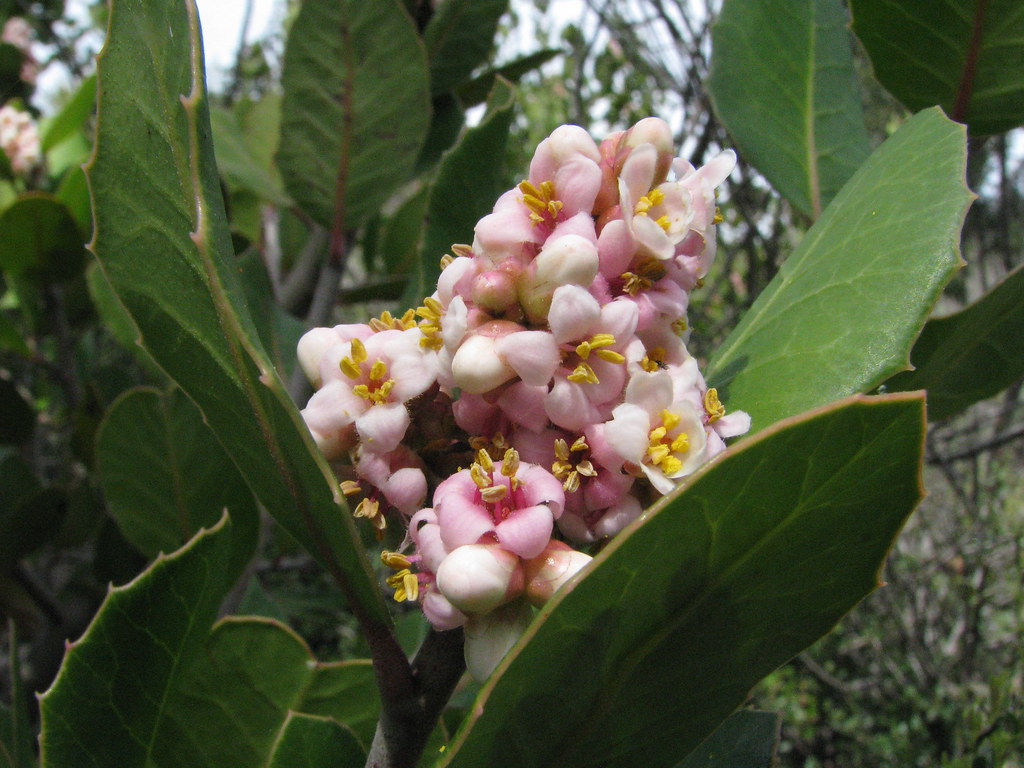
Rhus integrifolia

The California Department of Food and Agriculture (CDFA) is seeking comments  on the appropriate pest rating for Leptosillia pistaciae, a recently discovered fungus that causes pistachio canker.

The Department’s draft pest ranking assigns the highest Economic Impact score – three. It assigns a medium Environmental Impact – two. This is because the pathogen can kill an important native shrub, with possible follow-on consequences of reduced biodiversity, disrupted natural communities, or changed ecosystem processes.

CDFA states that there is no uncertainty in its evaluation, but I see, and describe here, numerous questions about the possible true extent of the invasion and possible host range.  

Comments are due on April 4, 2020.

The pathogen was detected in June 2019, when a habitat manager from an ecological reserve in San Diego County noticed multiple dead lemonade berry shrubs (Rhus integrifolia) in one of the parks. This is the first known detection of Leptosillia pistaciae in the United States and on this host. USDA APHIS has classified Leptosillia pistaciae as a federal quarantine pest. Rhus and Pistacia are in the same family, Anacardiaceae (cashews and sumacs).

According to the CDFA, Leptosillia pistaciae is the only member of this fungal genus known to be associated with disease symptoms on plants. Other species are endophytes or found in dead plant tissues. [It is not at all unusual for fungal species to be endophytes on some plant hosts but pathogenic on others. A California example is Gibberella circinata (anamorph Fusarium circinatum), which causes pitch canker on Monterey pine (Pinus radiata) but is an endophyte on various grass species (Holcus lanatus and Festuca arundinacea).]

(Reminder: this is the second new pest of native species detected in California state in 2019; I blogged about an ambrosia beetle in Napa County here. )

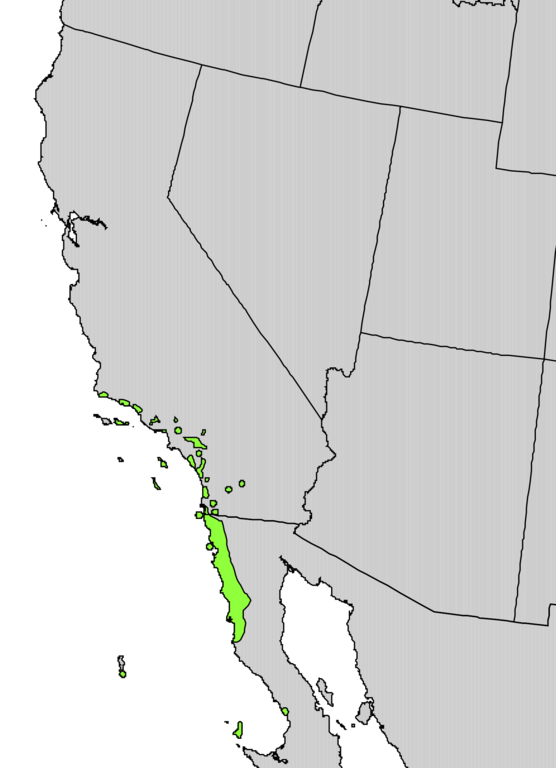
Rhus integrifolia (lemonade berry or lemonade sumac) is native to California. It grows primarily in the south, along the coast – from San Diego to San Luis Obispo. However, some populations are also found in the San Francisco Bay area. This and other sumacs are also sold in the nursery trade.

On pistachio trees in Italy, symptoms are observed in the winter and late spring. During the winter dormant season, trees had gum exudation and cracking and peeling of bark on trunks and branches. On trunks and large branches, cankers appeared first as light, dead circular areas in the bark; subsequently they became darker and sunken. Under the bark, cankers were discolored with necrotic tissues; in some cases, these extended to the vascular tissues and pith. During the active growing season, the symptomatic plants also showed canopy decline. Inflorescences and shoots, originating from infected branches or twigs, wilted and died. When the trunk was girdled by a canker, a collapse of the entire tree occurred.

range map for Rhus integrifolia

On lemonade berry, large clumps of dead adult shrubs were observed on the edge of hiking trails. Some shrubs that had completely dead foliage were re-sprouting from their bases. Trunks of shrubs that were not completely dead were copiously weeping sap and fluids and showed foliage browning and die back with symptoms of stress.

It is thought that spores could be spread by wind, rain splashing, and the movement of dead or dying trees, greenwaste, and infected nursery stock. Contaminated pruning tools might also transport the spores. The possibility of a latent phase – or perhaps asymptomatic hosts – adds to the probability of anthropomorphically assisted spread.

I question how much effort has been put into detection surveys, especially in natural systems with native Rhus species. California has three other native sumacs: R. ovata, R. aromatica, and Malosma laurina (CNPS; full citation at the end of the blog). In addition, there are numerous other species in the family, including poison oaks (Toxicodendron spp.) and the widespread invasive plant genus Schinus.

Furthermore, some plants in the family (other than pistachios) are grown for fruit or in ornamental horticulture, including two of the native sumacs and two non-native species, Rhus glabra and R. lanceolata, cashew, mango, and smoke trees (Cotinus spp.).

Yet CDFA confidently states that there are only two hosts and that it has been detected in only one population – that in San Diego. This is because CDFA considers only official records identified by a taxonomic expert and supported by voucher specimens.

CDFA states that the pathogen is likely to survive in all parts of the state where pistachios are grown – primarily in the Central Valley. California supplies 98% of the pistachios grown in the United States; the remainder is raised in Arizona and New Mexico. California production occurred on 178,000 acres in 2012. A map is included in a flyer on production available at the url listed at the end of this blog.

In discussing spread potential, no mention is made of possible human-assisted spread.

The CDFA document includes instructions for submitting comments; the deadline is April 4.

Sources:

Rhus and related species native to California: California Native Plant Society

https://calscape.org/loc-california/Rhus(all)/vw-list/np-1?

Rhus species used in horticultural plantings in California: CalFlora https://www.calflora.org//cgi-bin/specieslist.cgi?where-genus=Rhus 

Pistachio production information: https://apps1.cdfa.ca.gov/FertilizerResearch/docs/Pistachio_Production_CA.pdf

Posted by Faith Campbell.

We welcome comments that supplement or correct factual information, suggest new approaches, or promote thoughtful consideration. We post comments that disagree with us — but not those we judge to be not civil or inflammatory.

Update on Beech Leaf Disease – a Threat Lacking Adequate Funding and Official Action

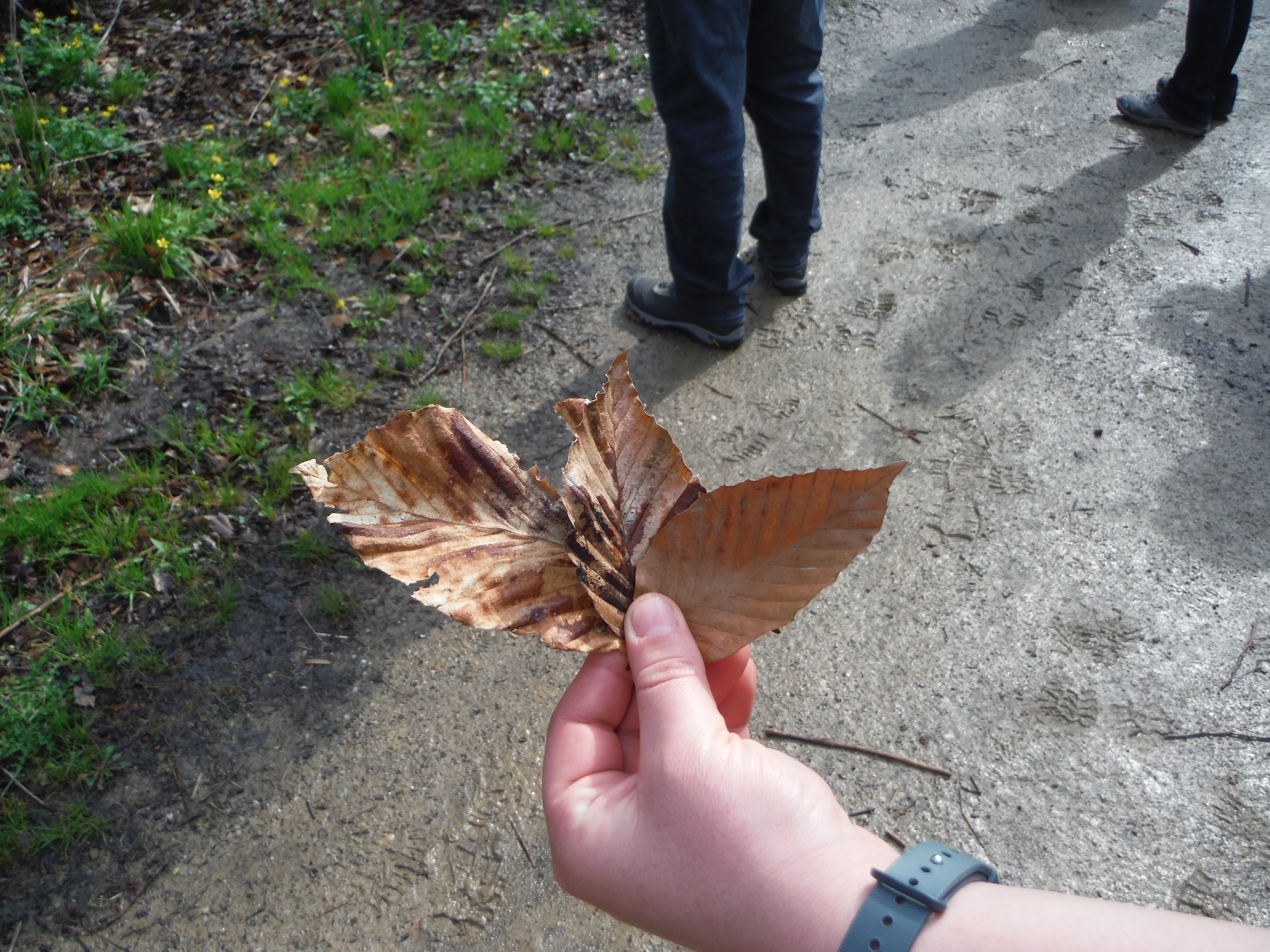
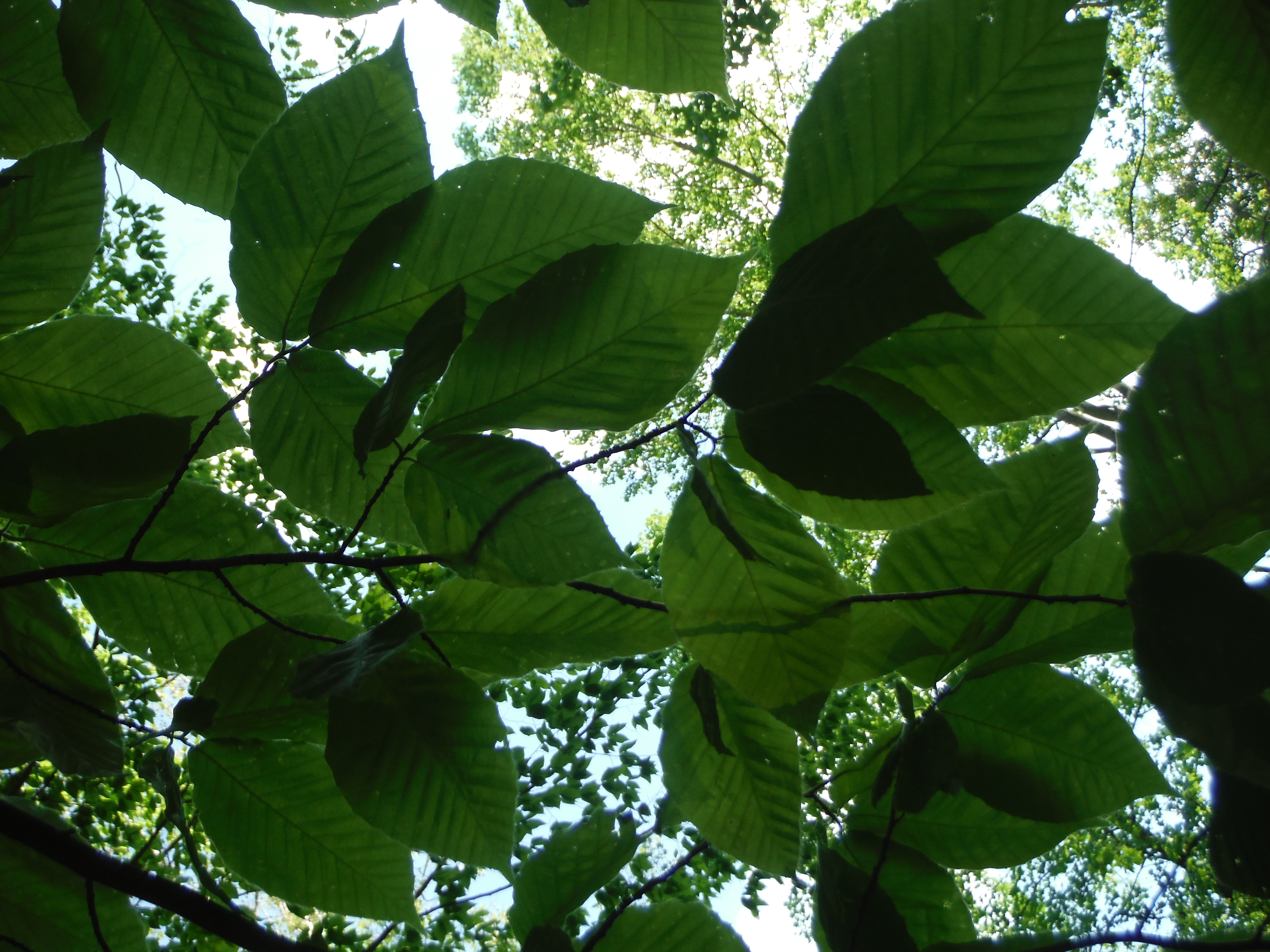
last year’s leaves showing symptomatic striping (F.T. Campbell)


Back in December I blogged about beech leaf disease, a disease affecting American beech in northeastern Ohio and neighboring parts of Pennsylvania and New York, as well as across Lake Erie in Ontario.

[For more information and photos of symptoms, visit

http://forestry.ohiodnr.gov/portals/forestry/pdfs/BLDAlert.pdf    or

https://www.cleveland.com/metro/index.ssf/2017/12/beech_leaf_disease_discovered.html]

Scientists do not know what is causing the disease. So far it’s only clear that it appears to have been  introduced to a single site and is spreading. At the beginning of May I participated in a workshop providing the most recent information on beech leaf disease.

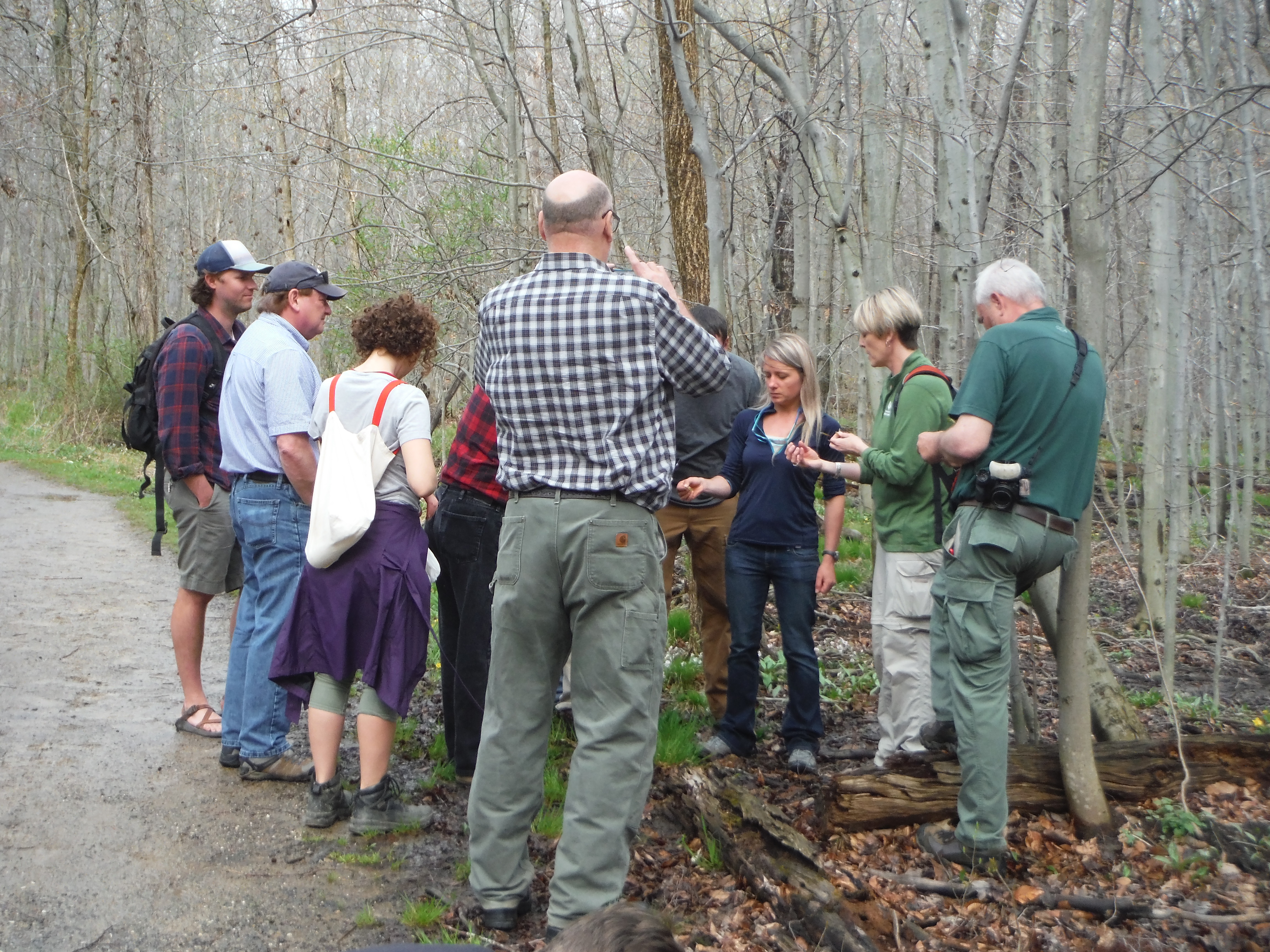
workshop participants (budbreak was later than usual, so we could not observe deformed leaves) (F.T. Campbell)


Over the past three or four years, scientists have tried hard to understand the disease, its causes, and its likely prognosis. For example, scientists from the U.S. Department of Agriculture and the State of Ohio have looked for insects, fungal pathogens, bacteria, viruses, nematodes, phytoplasmas – all  without finding a causative agent. Attention is currently focused on a previously undescribed nematode in the Litylenchus genus. The only other species in this genus is a foliar feeder found in New Zealand. Studies continue, with most scientists tackling the problem without special funding.

Beech is a very important component of the forests of northeastern Ohio. Beech ranks third in number of stems per acre; second for “shrubs”. Consequently, scientists working for Lake Metroparks and Cleveland Metroparks continue to monitor spread of the disease and its impacts. Symptoms – deformed leaves  – were first detected in 2012. In 2017, the results of a long-term vegetation monitoring project revealed that of 307 plots with beech present, 154 had symptomatic trees.  Of the symptomatic plots, 49% of beech stems were affected. While initially only small trees had been killed, more recently some larger ones have died and others bear only very few leaves. Leaves with light, medium, or heavy symptoms of infection – as well as asymptomatic leaves – can occur on the same branch of an individual tree.

The disease seems to spread faster between stems along the interlocking roots of beech clone clusters.

Weather does not appear to be a factor, as the disease has spread every year despite great variations in heat and cold as well as levels of moisture.

Preliminary versions of a mathematical model of the disease’ spread indicates that approximately 90% of monitoring plots deployed across the full 24,000 acres of Cleveland Metropark system will be infected within 10 years.

Cleveland Metroparks has initiated intensive monitoring of a subset of 13 plots in order to clarify the disease’s impact. Monitoring revealed a 4% mortality rate from 2015 to 2017. More than half of these plots now have dead beech that had previously been symptomatic.  Most are small trees less than 4.9 cm dbh.  Efforts to obtain funding from the USFS Forest Health program have so far failed.

The disease – whatever its cause! – appears to be moved by trade in nursery plants. An Ontario retailer received – and rejected – a shipment of diseased beech from an Ohio nursery. Lake County, Ohio, has many nurseries that grow and ship European beech (which can also be infected by beech leaf disease). These nurseries are reported to be cooperating with Ohio authorities. No official entity has imposed regulatory restrictions – not any of the states or provinces with the disease present or threatened by it; nor USDA APHIS or the Canadian Food Inspection Agency (CFIA).

Another threat to beech also not under regulation

CFIA has also not imposed a federal quarantine on another non-native pest killing beech, the European leaf-mining weevil, Orchestes fagi. First discovered in Halifax in 2012 – probably 5 years after its introduction – it has since spread throughout Nova Scotia. The weevil kills beech over 3 – 5 years.

New information added in June: according to Meurisse et al. (2018), the weevil overwinters under the bark of beech and trees that are not hosts, so it can be transported by movement of firewood and other forms of unprocessed logs and branches. [Meurisse, N. D. Rassaati, B.P. Hurley, E.G. Brockerhoff, R.A. Haack. 2018. Common Pathways by which NIS forest insects move internationally and domestically. Journal of Pest Science. https://doi.org/10.1007/s10340-018-0990-0]

The Importance of American Beech – and Protecting It

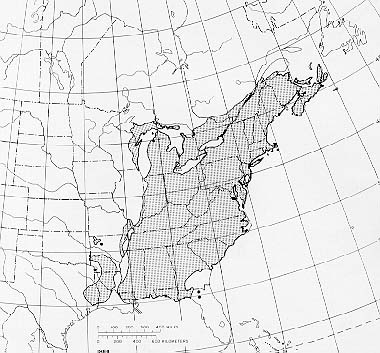
Beech is an extremely important tree in northern parts of the United States and Canada east of the Great Plains.  It is co-dominant (with sugar maple) in the Northern Hardwood Forest [see two maps].  A summary of the species’ ecological importance can be found in Lovett et al. 2006. Forest Ecosystem Responses to Exotic Pests and Pathogens in Eastern North America. BioScience Vol. 56 No. 5.

native range of American beech; USFS map

Consequently, I am most distressed by the lack of attention to these new threats to the species. It is true that regulating an unknown disease agent (as would be the case with beech leaf disease) stretches traditional policy practice and possibly legal authorities. Furthermore, it has not yet been demonstrated that the disease can kill mature beech. However, neither of these caveats applies to the weevil, which is an identified species that has been documented to kill mature trees.


U.S. phytosanitary officials (the National Plant Board) will meet in Cleveland (!!) in August. Will the several state officials and their APHIS colleagues discuss how to address this new threat? Will any funds be made available to expand efforts to understand the disease, its spread, and possible measures to curtail it?


healthy beech, northern Virgina (F.T. Campbell)


Posted by Faith Campbell

We welcome comments that supplement or correct factual information, suggest new approaches, or promote thoughtful consideration. We post comments that disagree with us — but not those we judge to be not civil or inflammatory.


Polyphagous shot hole borer attacks almond trees

I have written numerous times about the risk posed to urban and rural forests posed by the polyphagous and Kuroshio shot hole borers and their associated fungi. (Blog exploring risk to urban forests; discussion of need for regulation.)

Yet neither California authorities nor USDA APHIS has put significant effort into containing these insects – which continue to spread north in the state. Perhaps this will change in response to the U.S. Senate’s Agriculture appropriations report, which on p. 39 instructs the Secretary of Agriculture to report on steps being taken to “to minimize the spread of other pests such as the polyphagous and Kuroshio shot hole borers.”

Another possible spur to action is that scientists have now proved that the Fusarium euwallaceae fungus – the primary fungus transported by these beetles – can infect almond trees  — a major economic crop in the San Joaquin Valley of California. The polyphagous shot hole borer is known to be in Santa Barbara and San Luis Obispo counties – ever closer to the agricultural areas. California produces 82% of total global production of almonds. In 2015, the state’s almond production was valued at $5.33 billion. $5.14 billion (96%) of this production was exported (California Agricultural Production Statistics).

Already, the polyphagous shot hole borer threatens a wide range of native and horticultural trees in the region. (Damage to avocado trees is less than originally believed.) Together, the polyphagous and Kuroshio shot hole borers and their associated fungi threaten more than a third of trees in the urban forests in southern California, with a cost for the trees’ removal and replacement estimated at $36 billion.

Hosts native in southern California:

  • Box elder (Acer negundo)
  • Big leaf maple (Acer macrophyllum)
  • California Sycamore (Platanus racemosa)
  • Red Willow (Salix laevigata)
  • Arroyo willow (Salix lasiolepsis)
  • Goodding’s black willow (Salix gooddingii)
  • Coast live oak (Quercus agrifolia)
  • Engelmann Oak (Quercus engelmannii)
  • Valley oak (Quercus lobata)
  • Canyon live oak (Quercus chrysolepis)
  • Fremont Cottonwood  (Populus fremontii)
  • Black cottonwood (Populus trichocarpa) *
  • White alder (Alnus rhombifolia)
  • Blue palo verde (Cercidium floridum)
  • Palo verde (Parkinsonia aculeata)
  •  Mesquite (Prosopis articulata)
  • Mule Fat (Baccharis salicifolia)
  • California buckeye (Aesculus californica)

Hosts that are exotics but widespread in southern California:

  • Avocado (Persea americana)
  • Castor bean (Ricinus communis)
  • English Oak (Quercus robur)
  • London plane (Platanus x acerifolia)
  • Coral tree (Erythrina corallodendon)*
  • Brea (Cercidium sonorae)
  • Weeping willow (Salix babylonica)
  • Red  Flowering Gum  (Eucalyptus ficifolia)
  • Tree of heaven (Ailanthus altissima)
  • Kurrajong (Brachychiton populneus)
  • Black mission fig (Ficus carica)
  • Japanese beech (Fagus crenata)
  • Dense logwood/Shiny xylosma (Xylosma congestum)
  • Black Poplar (Populus nigra)
  • Carrotwood (Cupaniopsis anacardioides)
  • Kentia Palm (Howea forsteriana)
  • King Palm (Archontophoenix cunninghamiana)
  • Tamarix (Tamarix ramosissima)

Hosts that are native or widespread exotics in the Southeastern states:

  • Box elder (Acer negundo) (repeated from above)
  • Liquidambar (Liquidambar styraciflua)
  • Japanese wisteria (Wisteria floribunda)
  • Tree of heaven (Alianthus altissima)

Hosts that are sold interstate in the nursery trade (note that PSHB, at least, has attacked branches as small as 2.5 cm – Coleman, 2016):

  • Japanese maple (Acer palmatum)
  • Camelia (Camellia semiserrata)
  • Chinese holly (Ilex cornuta)


See also the writeup at www.dontmovefirewood.org


Source:

Moreno, K., J.D. Carrillo, F. Trouillas, A. Eskalen. 9/24/2017 Almond (Prunus dulcis) is susceptible to Fusarium euwallaceae, a fungal pathogen vectored by the Polyphagous Shot Hole Borer in Calif | Plant Disease. http://apsjournals.apsnet.org/doi/abs/10.1094/PDIS-07-17-1110-PDN 1/2

We welcome comments that supplement or correct factual information, suggest new approaches, or promote thoughtful consideration. We post comments that disagree with us — but not those we judge to be not civil or inflammatory.


Posted by Faith T. Campbell

Lack of Regulation and Funding Shortfalls Raise Probability of Pests’ Spread

OLYMPUS DIGITAL CAMERA
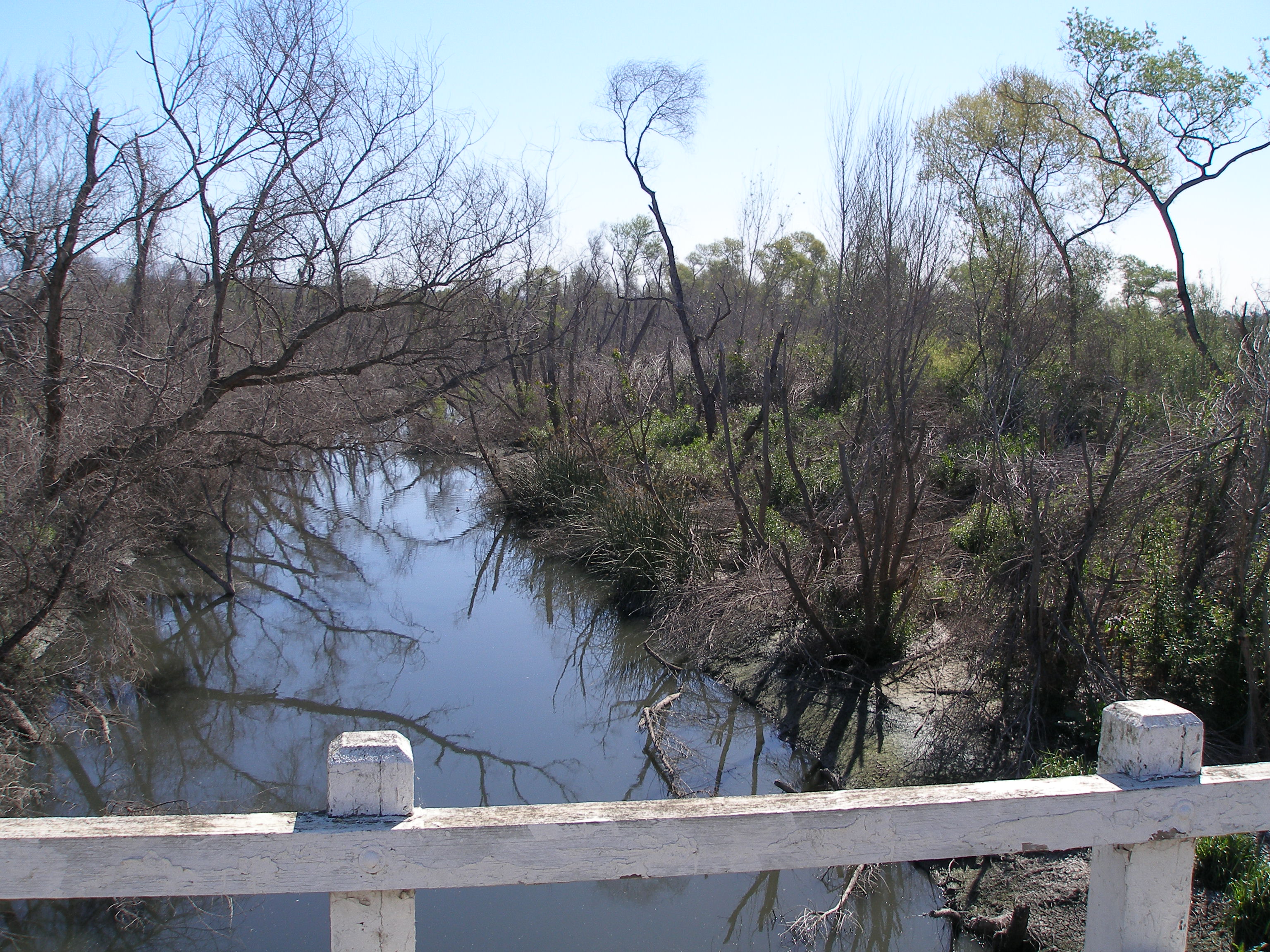
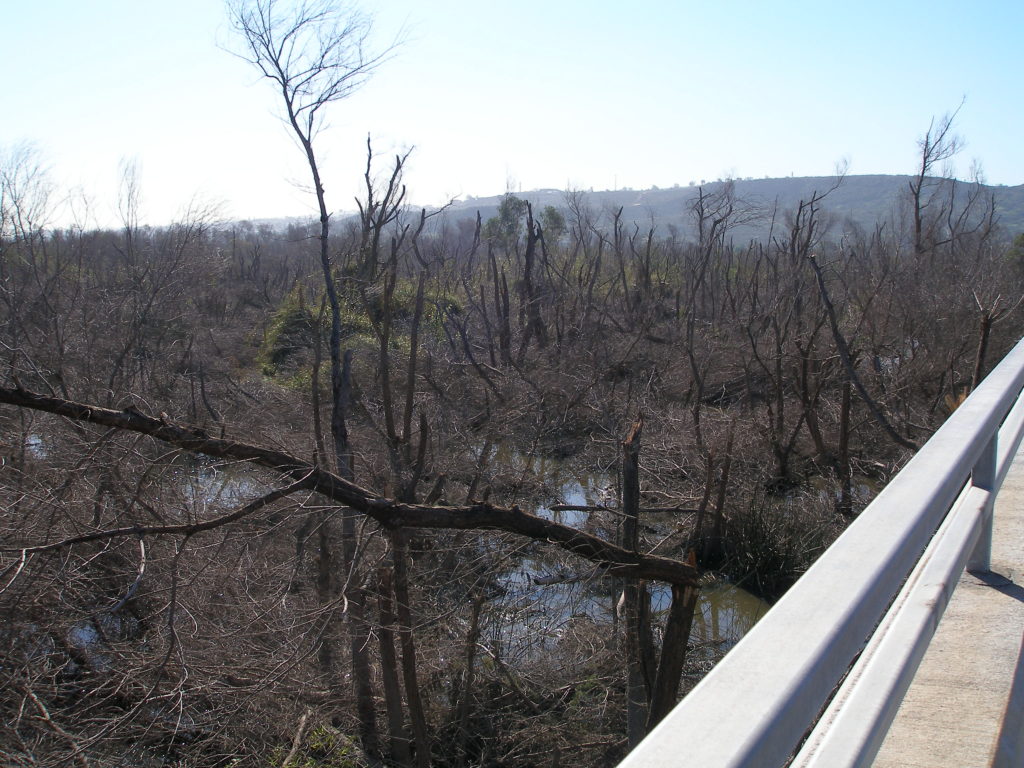
Photo by John Boland – willows killed by Kuroshio shot hole borer, Tijuana River, California


The polyphagous (PSHB) and Kuroshio (KSHB) shot hole borers are causing havoc in riparian and planted landscapes in four counties in southern California and are spreading north. (For current information go here or here .

As I described in a blog last July, the two insects are known to attack hundreds of tree species; at least 40 are reproductive hosts. Trees known to support PSHB include box elder, big leaf maple, California sycamore, willows, cottonwoods, and several California oaks. The insect-fungi combinations threaten more than a third of trees in the urban forests in southern California, with a cost for the trees’ removal and replacement estimated at $36 billion. Costs and hosts are discussed more fully in the July blog linked to above.


The High Cost of Management

 Already, UC Irvine has spent close to $2 million to manage trees on campus that have been attacked.

Orange County has both polyphygous and Kuroshio shot hole borers. One agency – Orange County parks – has spent $1.7 million on shot hole borer surveys, tree inventory, public outreach materials, staff training, and some research. The parks agency is trying to engage other county agencies, such as Public Works and Waste & Recycling to get their help. For example, Public Works is putting together a tree ordinance with enforceable provisions.


While scientists have not yet published their analysis of the vulnerability of forest areas in other parts of the country, we do know that some reproductive hosts are widespread across the country — box elder, sweet gum, Japanese wisteria, and tree of heaven. Less is known about the hosts for Kuroshio shot hole borer. For a full list of known hosts, visit the two sources linked to in the first paragraph.


How Agencies Should Respond to this Threat

The shot hole borers and associated fungi clearly represent serious threats to urban, rural, and wildland forests across California and probably much of the rest of the country. Clearly it is important that we:

  • Increase our understanding of these insects and their associated fungi – including their possible geographic and host ranges;
  • Use this evolving understanding to develop detection tools; and
  • Use this evolving understanding to develop methods to slow their spread or to protect trees.


So what is being done? Individuals – academics; staff of local, state, and federal agencies; and concerned conservationists – are working hard. But they get little support from state or federal phytosanitary agencies.


The Need for New State and Federal Regulations

I have written earlier about the refusal of California Department of Food and Agriculture to either designate the polyphagous and Kuroshio shot hole borers as quarantine pests [] or to regulate movement of firewood – one of the major pathways for spread of the insects.


Nor has USDA APHIS designated the insects and their fungi as quarantine pests. The apparent explanation for the agency’s inaction is the considerable taxonomic confusion about the beetles and the possibility that the insects are already established elsewhere in the U.S. In addition, since the two shot hole borers are currently known only from California, APHIS is unlikely to take action unless California does.  However, there is no legal requirement that APHIS defer to the state on this matter.


The Results of Funding and Regulatory Shortfalls

 Both CDFA and APHIS are providing some funds to support research and development. Research on  detection, spread, and possible biocontrols — for the insects or fungi — have received a total of $385,000 in FY16 and $419,549 in FY17 from a grant program operated under the USDA Plant Pest and Disease Management and Disaster Prevention Program (Farm Bill Sec. 10007). Still, the principal investigators and affected county, state, and federal agencies are scrambling to fill funding gaps – projects that will improve our understanding and put forward practical advice.

The San Diego Association of Governments (SANDAG) and Natural Communities Coalition (NCC) of Orange County are supporting research by Akif Eskalen and Shannon Lynch of UC Riverside on both (a) biocontrol using endophytes naturally occurring in various host tree species and (b) models to predict the disease’ behavior in native vegetation. Dr. Eskalen and Dr. John Kabashima of Orange County Cooperative Extension are seeking funds to support additional work on outreach and extension for advisors, land managers, master gardeners and homeowners.

Santa Barbara County officials – where at least one of the shot hole borer species was recently detected – are struggling to fund an expanded trap program to detect the insects. The CDFA does have traps deployed but UC Santa Barbara is considering launching a trapping program in riparian areas (where many of the host trees play especially important ecological roles). Officials are still not certain which species of insect is present (they think it is KSHB) and whether the beetles are carrying the typical fungal complex or something novel.

In the past, some of the work on the shot hole borers has been funded by associations of avocado growers. However, it is now clear that the beetle attacks only avocado tree branches, so it does not kill the tree. No longer facing a dire threat to their industry, the avocado commission is no longer funding research work on this pest-disease complex.

The experts – Dr. Eskalen for the fungi and his colleague Dr. Richard Stouthamer for the insects – have no funds to process samples sent to their laboratories for the confirmation of the beetles and fungi. They might soon have to charge fees for each sample – thereby discouraging collections that track each species’ spread and find new introductions.

In the absence of CDFA designation of the shot hole borers as regulated pests, neither state nor county agencies have a firm foundation on which to base regulations to curtail movement of firewood, green waste, or other pathways by which these pests can be spread to new areas.


Conservation Agencies are Cobbling Together Responses As Best They Can

Southern California staff of the California Department of Fish and Wildlife agency, responding to the damage caused by the Kuroshio shot hole borer in the Tijuana River estuary (described here and here), have formed a coalition to develop strategies for natural resource and urban forestry settings and ensure coordination. Natural resource agencies have access to some funding sources, such as Natural Communities Coalition (NCC) grants and funding for management of invasive species in protected habitats.

Southern California staff of the U.S. Fish and Wildlife Service are seeking grants from internal agency sources – citing the threat to riparian-dependent wildlife, especially the endangered Least Bell’s vireo.

Santa Monica National Recreation Area and the three National forests in the vicinity – the Angeles, Cleveland, and San Bernardino National forests – have taken actions that should help prevent the shot hole borers’ introduction via firewood.  Santa Monica Recreation Area does not allow wood fires, only charcoal (this action probably is in response to the high fire danger in the area rather than the pests specifically). The National forests’ webpages on camping include a graphic with the statements “Buy It Where You Burn It” and “Be aware that firewood can harbor insects and diseases; transporting it can move these pests to new locations.”  (See my earlier blog about firewood alerts on National forests, parks, etc. here).


What You Can Do


Many Californians are pushing for action … they need our help! If you live in California, contact your state legislators. If you live elsewhere, your forests are also at risk from California’s failure to act. So, if you know someone who lives there, ask that person to contact his/her legislators. Ask the legislators to (a) demand state designation of PSHB, KSHB, and GSOB as quarantine pests and adoption of state firewood regulations and (b) support funding for these programs.

Capitol

The U.S. Congress has a role in convincing APHIS to play a bigger role. Contact your federal Senators and Member of Congress and urge them to ask USDA APHIS to regulate movement of firewood, green waste, and nursery stock from areas infested by the polyphagous or Kuroshio shot hole borers and goldspotted oak borer.

President Trump will soon propose funding levels for government programs, including APHIS’ “tree and wood pest” program. Please keep informed about these proposals – and contact your Congressional representative to express support for adequate funding. Contact me using the “Contact us” button on our website if you wish to receive informative alerts about the upcoming appropriations process.


Posted by Faith Campbell


We welcome comments that supplement or correct factual information, suggest new approaches, or promote thoughtful consideration. We post comments that disagree with us — but not those we judge to be not civil or inflammatory.

Why doesn’t state government take action to contain pests that threaten to cost 20 million Californians $1,800 apiece?

(The total cost will exceed $36 billion – which will be borne largely by homeowners and municipalities – meaning their taxpayers.  The state will bear little of this cost.)

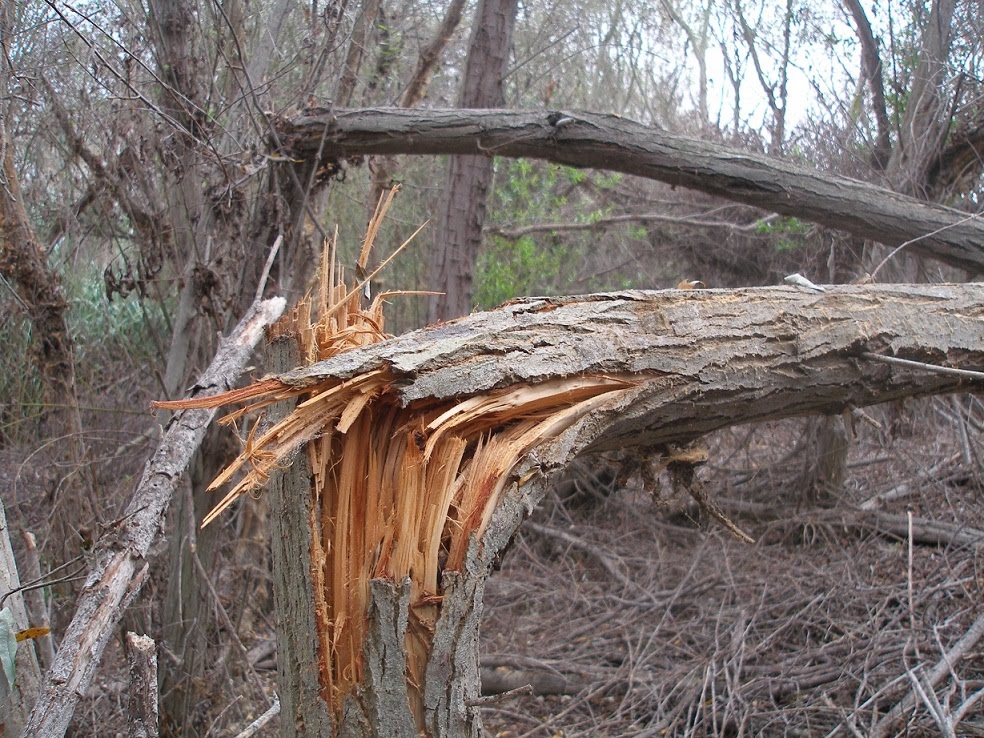
PB036597 fate-sm smwillow tree in Tijuana River riparian area felled by KSHB.  Photo by John Boland; used by permission
(To see more scary photos of the damage along the Tijuana River taken by John Boland, go here.

The polyphagous (PSHB) and Kuroshio (KSHB) shot hole borers pose a great threat to many tree species in California – native species in natural and urban settings; non-native species used in plantings; and agricultural crops. Yet the state government is frozen in inaction.

These two shot hole borers attack hundreds of tree species; at least 40 are reproductive hosts. For details, view the write-up here or visit the UC Riverside website here.

Some of the important reproductive hosts for PSHB are listed here; those that are also known to support reproduction of the Kuroshio shot hole borer are marked by an asterisk.

  • Box elder (Acer negundo)
  • Big leaf maple (Acer macrophyllum) *
  • California sycamore (Platanus racemosa)
  • Several willows (Salix spp.)
  • Cottonwoods  (Populus fremontii & P. trichocarpa)
  • Several  oaks (Quercus agrifolia, Q. engelmannii, Q. lobata)

Several widespread exotic species also support PSHB reproduction: they include the invasive castor bean (Ricinus communis) and widely-planted London plane tree (Platanus x acerifolia).

US Forest Service scientist Greg McPherson has analyzed the vulnerability to PSHB of urban forests in cities in three regions of southern California: the Inland Empire, Coastal Southern California, and Southwest Desert. Together, these comprise 4,244 sq. miles and have 20.5 million residents. Dr. McPherson found that:

1) Approximately 26.8 million trees – 37.8% of the region’s 70.8 million trees – are at risk. Trees at risk include

  • 5 million coast live oaks,
  • 4 million ash,
  • 3 million sycamores and plane trees,
  • 9 million stone fruit or flowering Prunus species,
  • 5 million avocadoes, and
  • 8 million citrus trees.

2) The cost for removing and replacing the 26.8 million trees would be approximately $36.2 billion. This amount averages to $1,768 per capita.

3) The value of ecosystem services forgone each year due to the loss of these trees is $1.4 billion.

4) These estimates are conservative because they:

  • do not include costs associated with damage to people and property from tree failures, as well as increased risk of fire and other hazards
  • may undervalue benefits of trees to human health and well-being; and
  • do not include newly detected host species or the shot borers’ spread.

These disasters are highly likely to occur given the extent of current infestations and difficulty in curtailing spread of the beetle/fungus complex.


Natural areas – especially riparian areas – are also at risk.  John Boland reports that 70% of willows studied in the Tijuana River riparian area on the California/Mexico border were infested by KSHB.  Tree branches and boles weakened by beetle attack broke in the first winter storms in early 2016.  In some sections, “native riparian forest … went from a dense stand of tall willows to a jumble of broken limbs in just a few months.”  Trees growing in the wettest parts of the riparian area were most heavily attacked and damaged.  Three highly invasive plant species – castor bean, salt cedar, and giant reed – are barely or not attacked by KSHB.  The result of the damage to native willows and likely proliferation of the invasive plants is likely to be significant alteration of the entire biological system.

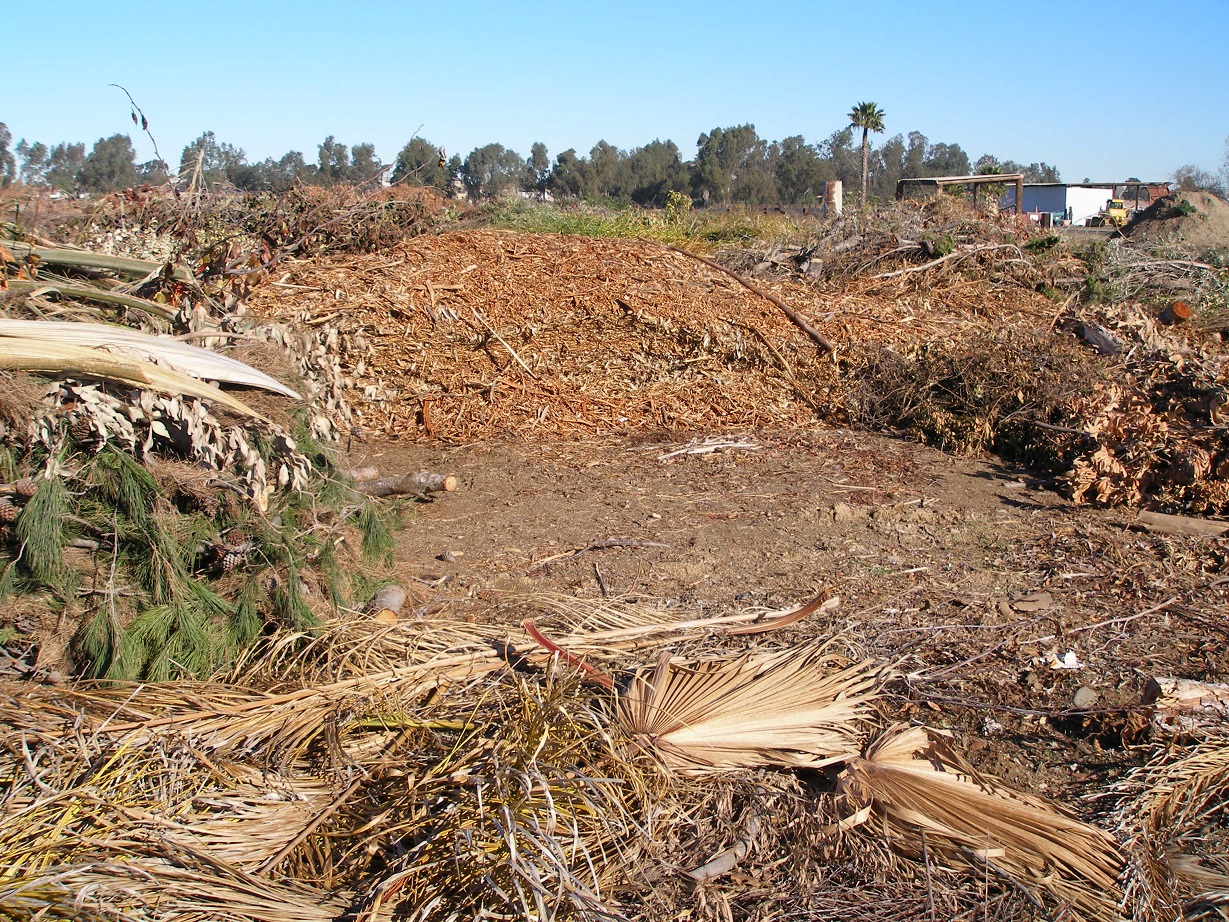
(While no one knows how KSHB reached the Tijuana River, John Boland says there is a greenwaste “recycling” center in the valley. See picture below, taken by John Boland.)

OLYMPUS DIGITAL CAMERA

Regulatory action could help protect wildland, rural, and urban forests in the rest of the state – and possibly beyond. Scientists’ analysis of climate indicates that most of the urban and agricultural areas in California are at risk. The scientists have also begun analyzing the potential risk to other parts of country.


Why is the California government so unwilling to tackle a threat of this magnitude?

I have written about this inaction several times as it applies to the goldspotted oak borer. See my blogs on 1) California’s inaction on firewood in July 2015; 2) GSOB and firewood in September 2015;  3) contrasting states’ action on mussels with inaction on firewood posted in December 2015;  and 4) the threats to oaks, posted in April 2016.

In October CISP joined an eminent forest entomologist, Dr. David Wood of the Department of Natural Resources at the University of California, Berkeley.  We petitioned the California Department of Food and Agriculture to regulate movement of firewood within the state. CDFA refused, saying that the absence of control points through which firewood could be funneled made efforts to regulate its movements impractical. (For copies of our letter and CDFA’s reply, contact me through the “contact” button on the CISP website.)

While there are many questions about practical aspects of implementing and enforcing such regulations, I do not believe they are insurmountable.

I concede that CDFA has provided significant funds for firewood outreach campaigns. But people care about the threat posed by these pests and want CDFA to act. In the meantime, concerned people have formed formal partnerships linking local, county, state, and federal officials and academics to coordinate efforts to manage both GSOB and the PSHB and KSHB.  Groups’ efforts can be viewed here and here. CalFire and the California Fire Wood Task Force are active participants.

During a recent conference call sponsored by the California Agricultural Commissioners and Sealers Association’ Pest Prevention Committee, participants reinforced the damaging consequences of CDFA’s  inaction:

  • While scientists are developing new tools for detection of the polyphagous and Kuroshio beetles and the fungi, there are no funds to support their use in a more intensive detection trapping effort!!!!! Call participants discussed various potential funding sources (e.g., from competitive grant programs operated by various agencies).  Some survey efforts have been funded – by USDA APHIS:
    1. UC Riverside Professor Richard Stouthamer received Farm Bill §10007 funds for two years to develop traps and lures for PSHB.
    2. CDFA participates in a national woodborer survey which is funded by APHIS.
  • In the absence of CDFA designation of PSHB, KSHB, or GSOB as regulated pests, neither state nor county agencies have a firm foundation on which to base regulations to curtail movement of firewood, greenwaste, or other pathways by which these pests can be spread to new areas.

It is clear from the discussion during the call that many people understand the need for regulations to ban movement of firewood out of southern California. But so far they have not succeeded in building sufficient political support to bring this about.


Meanwhile, other federal agencies are beginning to perceive the risk posed by these pests – and are struggling to develop responses. The US Fish and Wildlife Service (USFWS) is trying to develop strategies to protect the forested wetlands, which are habitats for the endangered least Bell’s vireo (a bird) and other endangered species. However, the USFWS lacks funds to carry forward desired detection and other programs. The USFWS offices in California are trying to engage agency leadership on this threat. So far, Endangered Species Act §7 requirements have not restricted removal of infested trees in wetlands already invaded by PSHB or KSHB.


Santa Monica National Recreation Area is the first National Park Service unit to pay attention. I have written in the past that the National Park Service should adopt a nation-wide policy banning visitors from bringing their own firewood to campgrounds (see my blogs from August and October 2015). In the absence of a nation-wide policy, action by individual units is important.


The USDA Forest Service is already engaged, especially with detection and outreach. However, the USFS also does not have nation-wide policy restricting campers from taking their own firewood to campgrounds on National forests.


Many Californians are pushing for action … they need our help! If you live in California, contact your state legislators. If you live elsewhere, your forests are also at risk from the state’s failure to act.  So, if you know someone who lives there, ask that person to contact his/her legislators. Ask the legislators to demand state designation of PSHB, KSHB, and GSOB as quarantine pests and adoption of state firewood regulations.


SOURCE:

Memorandum from Greg McPherson, USDA Forest Service, to John Kabashima Re: Potential Impact of PSHB and FD on Urban Trees in Southern California, April 26, 2016


Posted by Faith Campbell

Firewood – some states & federal agencies still have not acted to contain the threat

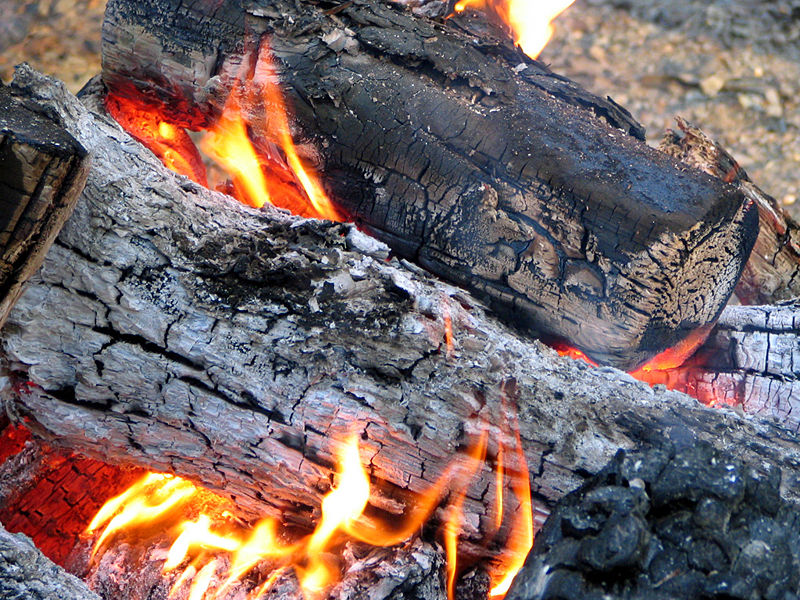
49862752Examples abound of pest spread by this means:
• Emerald ash borer: outbreaks near campgrounds in West Virginia, Missouri, New Hampshire, and many other states.
• Goldspotted oak borer: initial outbreak at campgrounds in Cleveland National Forest in San Diego County. Subsequently, outbreaks distant from the original site have been detected in Idyllwild in Riverside County, Weir Canyon in Orange County, and in Green Valley in Los Angeles County.
• Redbay ambrosia beetle and associated laurel wilt disease: outbreaks in Everglades National Park and in Texas.
It is widely believed that many other geographically distant outbreaks of damaging pests have been caused by movement of firewood.
About half the states have adopted regulations governing movement of firewood in order to reduce the risk that moving firewood can spread non-native, tree-killing insects far from existing outbreaks to new, vulnerable forests. Among states at greatest risk are states of the central South – Texas, Arkansas, Missouri; and California. All these states are at high risk due to numbers of campers visiting sites on their territories & growing presence of wood-boring pests.

A study by USDA Forest Service researcher Frank Koch and others found that the highest level of camper travel in the U.S. was to lakes and reservoirs in National forests in an area reaching from eastern Texas to Missouri. Arkansas and Missouri regulate hardwood firewood entering the state because of risk of transporting thousand cankers disease of walnut. Both also have internal state quarantines for emerald ash borer; movement of hardwood firewood from within those quarantine zones is prohibited. Firewood from the southern portion of Arkansas is also subject to quarantines intended to prevent movement of the red imported fire ant.
Texas also regulates firewood stored outside in red imported fire ant quarantine; this quarantine applies to all of the forested areas of the state, so presumably movement of firewood within this large area is allowed. The absence of regulations does not address the threat from one firewood-associated pest – the soapberry borer – already widespread in Texas; nor the increasing risk from EAB, which is established in several neighboring states (see link above).  Texas ash is an important component of forest in hill country. Texas ash is a key food for prey fed to nestlings of the endangered golden-cheeked warbler.
If Texas becomes a bridge by which EAB reaches Mexico, another dozen species of ash will be at risk.
California also does not regulate movement of firewood either generally or by visitors to state parks (see my blog of September 27). California does regulate movement of firewood into the state. And the California Department of Food and Agriculture and CalFire do invest significant resources in outreach and education efforts asking Californians not to move firewood.
In October, Dr. David Wood, emeritus professor of forest insects at UC Berkeley, and I submitted a petition to the California Department of Food and Agriculture asking that it regulate movement of firewood in the state. We cited specifically the recent detection of a new outbreak of the goldspotted oak borer at Green Valley in Los Angeles County.

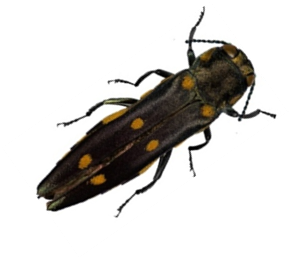
goldspotted oak borer

In our petition, we acknowledged that CDFA has been active in outreach programs urging Californians not to move firewood. We said that we feared that the educational effort could not succeed in the absence of regulations. First, the lack of regulation allows firewood vendors to ignore the educational message, since there is no sanction. At a deeper level, failure to regulate also conveys an impression that the risk associated with firewood is not considered sufficiently serious to warrant an official response.
In November, CDFA denied our petition. The agency cited the fact that the GSOB detection did not occur until perhaps 20 years after its initial introduction; the absence of pests in firewood from Arizona and Mexico inspected at California border stations; the failure of the federal quarantines targeting EAB to slow that insect’s spread; the insect’s own flight capacity; and – especially – the large number of people moving firewood and other possible vectors of the insect around the state. CDFA re-iterated its belief that the most effective response combines research to develop better detection and management tools public outreach and education.
Of course, numerous other pests are transported in firewood, not just GSOB. These include Polyphagous and Kushiro shot hole borers, pitch canker of pines, sudden oak death, as well as such native insects as the mountain pine beetle.

All these states urge campers to obtain firewood near where they will burn it.
However, I think all are ignoring the lesson from Wisconsin – regulations restricting movement of firewood back up education by providing “teachable moments” and penalizing those who willfully disregard the warnings. To learn about Wisconsin’s successful application of a combination of regulations and outreach, watch the webinar presented by Andrea Diss-Torrance at http://dontmovefirewood.org/blog/webinar-changing-movement-firewood-campers-october-21st.html
Federal agencies also are not doing all they should – as I noted in my blog of August 10. USDA APHIS has enacted quarantines targeting particular species, such as the Asian longhorned beetle and emerald ash borer. APHIS also helps to fund significant outreach efforts, both through the Don’t Move Firewood website and associated programs and working with NASCAR and other sponsors of big events attended by lots of campers. However, APHIS’ plan to control movement of pests in firewood sold in bulk by large suppliers to large retail outlets by developing an industry certification program has been in the works for 5 years and is still not operational.
Some National parks have adopted firewood regulations, but neither the National Park Service nor the USDA Forest Service has adopted nation-wide regulations (see my blog of August 10 and Leigh Greenwood’s blog at http://www.dontmovefirewood.org/blog/nine-national-park-firewood-policies.htm). In the states discussed here, The Ozark National Scenic River (operated by the National Park Service) requires campers to obtain wood within 50 miles of the Park, or to collected dead and down wood at the site. Big Bend National Park has forests in the Chisos Mountains and along the Rio Grande, but it does not restrict visitors’ sources of firewood. Guadalupe Mountains National Park on the Texas border with New Mexico is home to a mixed forest. No fires are allowed in the Park’s two primitive campgrounds. Big Thicket National Preserve allows only hike- or boat-in backcountry camping; I saw no restrictions on firewood.
As I said in August and in an earlier blog of July 15, Yosemite National Park is at great risk to oak-killing insects such as GSOB that could be brought from the ever-larger areas of GSOB infestation in the San Diego and Los Angeles areas. Polyphagous and Kushiro polyphagous shot hole borers might also pose a threat. Yet neither Yosemite nor other National parks in the state have adopted regulations – and their messages urging visitors not to bring firewood are buried in the reservation process.

These states’ failure to adopt firewood regulations contrasts with their willingness to require boaters to clean their boats and trailers to prevent spread of zebra and quagga mussels. Why the different approaches? Do the aquatic organisms have a more compelling story? Are the agencies responsible for aquatic resources more aggressive than agricultural agencies? The threat from mussels was apparent earlier – have states just lost the willingness to act in more recent years? Can we understand the factors and use that knowledge to reverse this discrepancy?
The Continental Dialogue on Non-Native Insects and Diseases pays considerable attention to firewood. See the presentations given at its meeting in mid-November at http://continentalforestdialogue.org/continental-dialogue-meeting-november-2015/
Posted by Faith Campbell

Californians – regulate firewood! Protect your trees!

A new outbreak of the goldspotted oak borer raises again the question of why California does not outlaw the movement of untreated firewood.

goldspotted oak borer

This beetle – which has already killed more than 80,000 oak trees! – has been detected in the town of Green Valley, a small town in Los Angeles County north of the city, and inside the boundaries of the Los Padres National Forest. The first surveys found 27 coast live oak trees with symptoms of beetle attack.
The beetles in Green Valley are genetically identical to those in San Diego County – strongly indicating that the outbreak was started by people moving firewood out of the infested area.
As I noted in my blog dated July 15, the California Department of Food and Agriculture (CDFA) has so far refused to adopt regulations governing movement of firewood. While CDFA and other entities have sponsored billboards, flyers, and other outreach materials to educate people about the risk associated with firewood, the failure to ban firewood movement puts oaks throughout the state at risk.


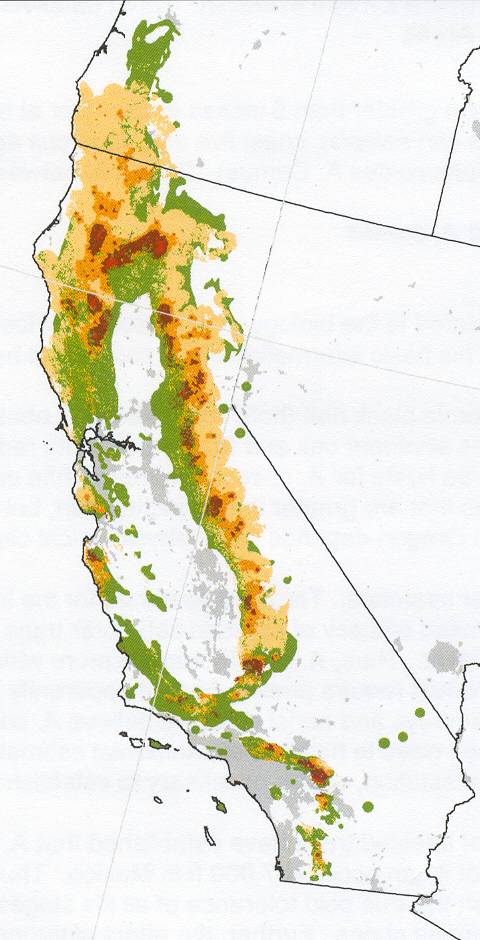
areas of California in which oaks are at risk to GSOB
areas of California in which oaks are at risk to GSOB (redder areas at greatest risk)

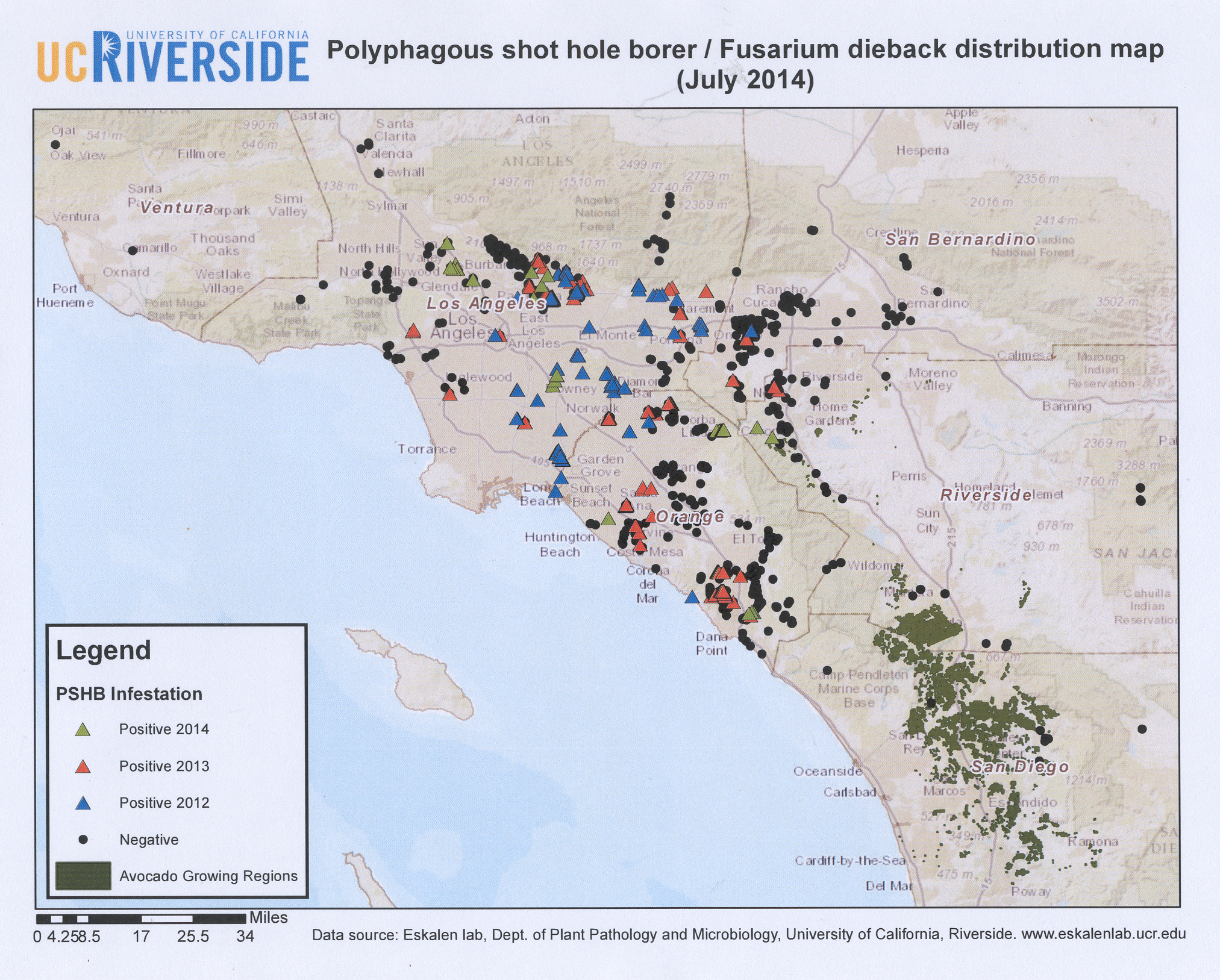
A second pest – the polyphagous shot hole borer and its associated Fusarium fungi – threatens a much wider range of trees. It is currently established in Los Angeles, Orange, San Bernardino, Riverside, and San Diego counties. It is known to attack Coast live oak, valley oak, Engelmann oak, California sycamore, big leaf maple and box elder, cottonwood, alder, and ash. This beetle, too, can be moved in firewood.
Californians should ask Governor Brown to adopt regulations restricting movement of untreated firewood. Act now! to protect your trees from goldspotted oak borer, polyphagous shot hole borer, and other non-native insects.
Posted by Faith Campbell

California Government Ignores Threats to State’s Hardwood Trees

CDFA Fails to Regulate Movement of Firewood

Many of California’s hardwood trees are threatened by two introduced insects – the goldspotted oak borer (or here) and the polyphagous shot hole borer  or here. Both are established in southern California, but threaten trees throughout the state.

GSOB profileOne of the most likely pathways by which these insects can be moved to vulnerable areas is by the transport of firewood. Yet the California Department of Food & Agriculture (CDFA) has not regulated firewood movement.

goldspotted oak borer

Two Tree-Killers

California’s oaks – including California black oak, canyon live oak, coast live oak, Engelmann oak, Shreve’s oak, and valley oak – are threatened by one of both of these insects. The goldspotted oak borer (GSOB) is established in San Diego County with additional outbreaks in Riverside and Orange counties. In less than 20 years, GSOB has killed nearly 100,000 black oaks in these counties. GSOB also kills coast live and canyon oaks. These oaks growing throughout the state are at risk to GSOB.

GSOB FHTET Calif only    areas of California at risk to goldspotted oak borer

The polyphagous shot hole borer (PSHB) carries a fungus. The beetle-disease complex has been found in areas of Los Angeles, Orange, San Bernardino, Riverside, and San Diego counties. The insect attacks more than 300 species of trees, shrubs, and vines; the fungus survives in more than 100 of these.

Trees attacked by PSHB include: 11 species native to southern California; 13 agriculturally important trees, such as avocado; and 53 species that, cumulatively, constitute more than half of all trees planted in urban areas of southern California. While PSHB might not be able to reproduce in all these hosts, it is known to reproduce in five types of maples, five types of oaks, a couple of willows, as well as a poplar, a sycamore, and an alder.

PSHB 14-7 rt way 

areas of southern California where polyphagous shot hole borer is established

Many of the vulnerable tree species are important components of riparian communities in southern California. PSHB apparently attacks only trees that receive enough water to support the fungus – hence the threat to riparian areas. Since PSHB comes from tropical Southeast Asia, its spread to the north and upslope would probably be limited by winter cold. Nevertheless, a wide variety of trees in large parts of the state appear to be at risk.

Among the natural areas at risk to one or both of these pests is Yosemite National Park. The oak trees growing in Yosemite Valley are black oaks, vulnerable to GSOB.

 Both State & National Park Service have Failed to Act

 Despite the threat to natural and even agricultural resources throughout the state, CDFA has not adopted regulations governing the movement of firewood – the pathway most likely to spread these pests. CDFA has funded outreach efforts, including flyers, posters at campgrounds, and highway billboards. Broad coalitions – made up of academics; county agriculture and parks officials; federal forestry and public lands staff; and others –are educating the public and firewood vendors about the risk and asking them not to move firewood. But when people ask whether there is a law against moving firewood, these volunteers must answer, “no”. This undermines their message!

Yosemite and the other National parks in the region also have not adopted regulations prohibiting visitors from bringing in firewood obtained outside the park. While the National Park Service discourages people from bringing firewood into the Park from farther than 50 miles away, this request is buried in the detailed description of camping regulations or here.

The other National parks in California also do not regulate visitors’ movement of firewood.

It is past time for state and federal agencies to accept their responsibility to protect priceless natural and agricultural resources by adopting regulations to control the movement of firewood.