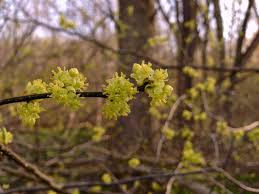
Scientists in Ohio and other states are trying to determine what is causing dieback of the native shrub northern or common spicebush (Lindera benzoin). The shrub occurs throughout much of the eastern United States and neighboring parts of Ontario, Canada.
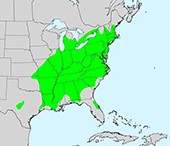
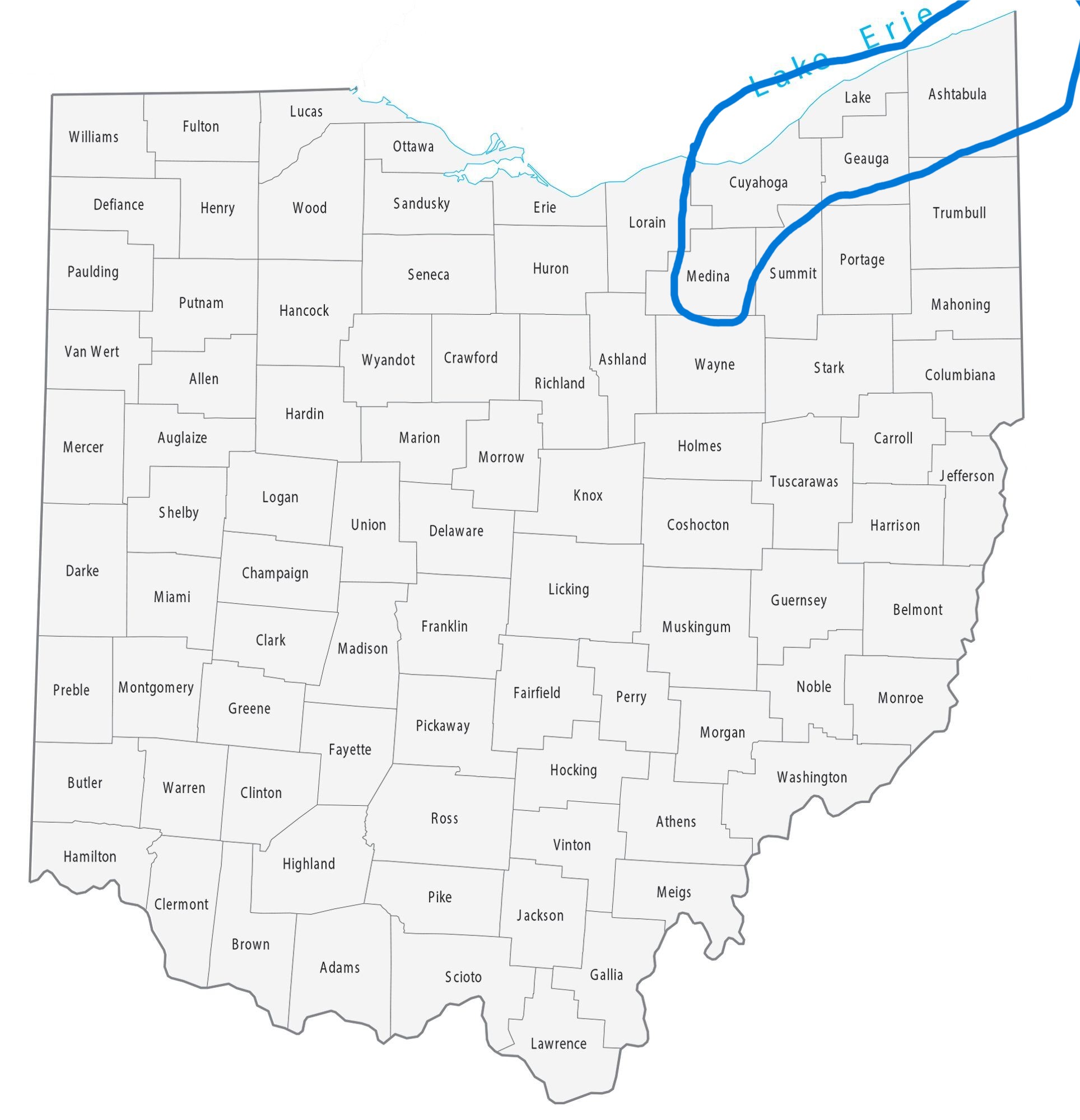
In May 2024, Ohio State forest entomologist Kayla Perry and Cleveland Metroparks Natural Resources Area Manager Josh Philipps observed red thrips and dieback symptoms on spicebush in the reserve. The website includes many photographs of the damage. [Interesting note: beech leaf disease was also first detected in Cleveland Metroparks.] Later in the season similar symptoms were detected at Holden Arboretum and in other units of Cleveland Metroparks properties across three Ohio counties, Cuyahoga, Lake, and Medina. Constance Hausman, Senior Conservation Science Manager with Cleveland Metroparks, reported seeing dieback on spicebush at other reserves in Lake, Ashtabula, and Geauga Counties, suggesting the problem is likely more widespread.
At some locations, large populations of thrips were found on a few plants where they were congregating on the underside of the leaves. While some of the plants show twig dieback, other plants wilt. Some had chlorotic leaves with a mottled pattern. Other symptoms included black necrosis of the petioles and some vein spotting. Similar dieback and viral symptoms observed at other parks within the region. At an arboretum in Wooster, symptoms were seen but no thrips were observed on those plants. As of December 2024, there was no evidence of a connection between the dieback symptoms and the presence of the thrips.
Ohio State entomologists identified the thips as nymphs belonging to the suborder Tubilifera or tube-tailed thrips. National Identification Services (NIS) confirmed the identification as Pseudophilothrips in the family Phlaeothripidae. However, a species determination could not be made due to the limited genetic database of Thysanoptera in GenBank or BOLD.
Some of the symptoms are often associated with a viral infection. Examination of a few twigs found no signs or symptoms of black twig borer (Xylosandrus compactus). Culture plates showed the growth of Colletotrichum sp., a well-known pathogen capable of infecting a wide range of host plants and causing various host-specific symptoms — often referred as anthracnose. The C. Wayne Ellett Plant Pest Diagnostic Clinic did not observe the characteristic vascular streaking associated with vascular streak dieback, a fungal disease caused by Ceratobasidium theobromae. (Spicebush with these symptoms were detected on 30 years ago at two locations in southwestern Ohio, but the cause was not determined.)
Scientists at USDA-ARS were testing symptomatic samples for another possible agent, the recently discovered Emaravirus. The December 2024 article said results were pending. However, at the February 2026 USDA Annapolis, participants reported no breakthroughs.
As of late 2024, symptomatic plants had been detected in Kentucky, Missouri, and Virginia, as well as Northeast Ohio. I believe Maryland has also found symptomatic spicebushes.
Lindera species are also threatened by laurel wilt disease, which is spreading north.
The three spicebush species are hosts for several native swallowtail butterfly species and other pollinators, including spicebush swallowtail (Papilio troilus), eastern tiger swallowtail (Papilio glaucus), and promethea silkmoth / spicebush moth (Callosamia promethea). I believe the shrubs support largely the larvae of these species. The grubs of the sassafras borer (Oberea ruficollis) will bore into the shrub’s branches and roots.
Spicebush is one of the first shrubs to bloom in Pennsylvania forests. I have found no information concerning the plants’ importance to early season pollinators other than the butterflies.
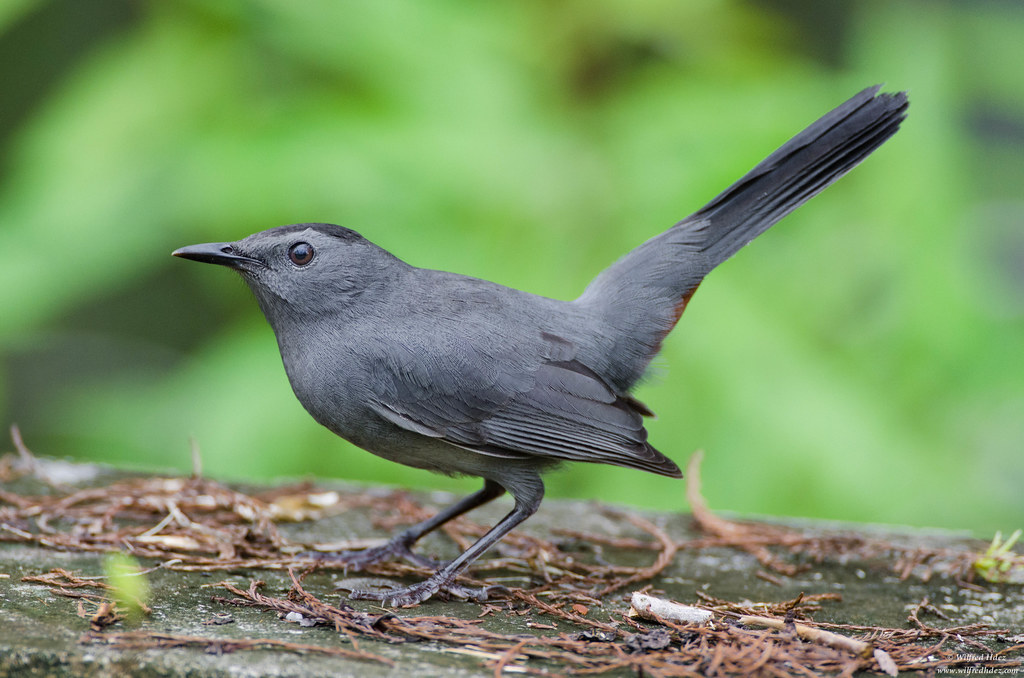
The red, shiny, elliptical fruits with a single seed (drupes) are nearly 50% fat. They become ripe in the fall, so a great fuel source for fall migrants and over-wintering resident birds, including wood thrush (Hylocichla mustelina), veery (Catharus fuscescens), northern bobwhite (Colinus virginianus), and gray catbird (Dumetella carolinensis). Eastern cottontail (Sylvilagus floridanus) and other small mammals might feed on the leaves, twigs, and berries. Other sources also mention deer. However, the spicy, sweet scent produced by the stems and foliage might deter some animals.
Spicebush leaves and berries can be used as a spice when cooking. Native Americans protected these plants used the plants to treat colds, coughs, and dermatological and respiratory ills.
Posted by Faith Campbell
We welcome comments that supplement or correct factual information, suggest new approaches, or promote thoughtful consideration. We post comments that disagree with us — but not those we judge to be not civil or inflammatory.
For a detailed discussion of the policies and practices that have allowed these pests to enter and spread – and that do not promote effective restoration strategies – review the Fading Forests report at http://treeimprovement.utk.edu/FadingForests.htm
Or