Invasive shot hole borers: global threat; will international phytosanitary system prevent further spread?

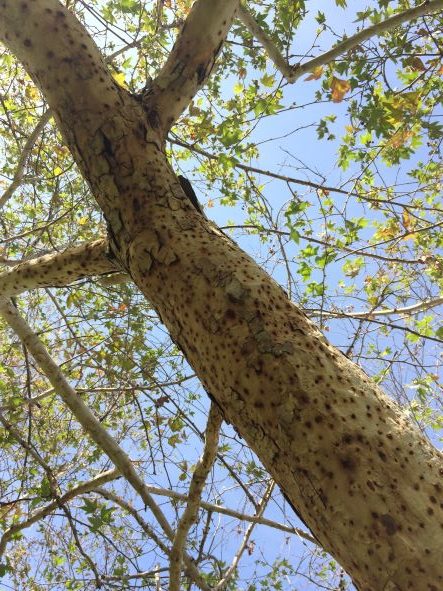
ISHB-infested California sycamore; photo by Beatriz Nobua-Behrmann, University of California Cooperative Extension

Numerous ambrosia beetles have become introduced species. Their invasions are facilitated by their cryptic habits and ecologies, wide host ranges, and specialized breeding systems – all of which allow extremely low populations to start an infestation. The way they breed often results in low genetic diversity in their introduced ranges, but this has not hampered their success. [Bierman et al. 2022]

Also, ambrosia beetles carry fungi, which provide food needed by their larvae. While most of these fungi don’t harm living trees, some do. The United States has been invaded by three damaging ambrosia beetle-fungal complexes: laurel wilt in the Southeast, and Fusarium dieback disease, carried to southern California with polyphagous and Kuroshio shot hole borers.

These shot hole borers and their fungi represent an especially high risk to our forests because they can be transported in both living and dead wood. So not only massive U.S. imports of live plants but also the global movement of goods enclosed in solid wood packaging offer ready pathways for them to arrive and spread here. Neither pathway is regulated effectively enough to prevent either pest imports or interstate spread.

Invasive ambrosia beetles in California and Hawai’i

The invasive ambrosia beetles introduced to California are in the genus Euwallacea. This genus has undergone several taxonomic revisions. Now, the Euwallacea are divided into four species (Stouthammer 2017), of which three are in the U.S.:

  • Euwallacea fornicatus s.s. – common name polyphagous shot hole borer; first came to attention in southern California in 2012; formerly known as E. whitfordiodendrus.
  • E. perbrevis – common name tea shot hole borer; formerly known as E. fornicatus s.l.
  •  E. kuroshio – unchanged nomenclature since detected in California in 2013;
  • E. fornicatior — apparently has not invaded outside of its native range in Asia.

Those now in the U.S. have been introduced to naïve habitats here and elsewhere, often with dire consequences. E. perbrevis, and possibly other species in the complex, are established on the Hawaiian islands.

For an extensive discussion of their introduction history go here  

The Fungi: U.S. and Worldwide

Several fungal associates are vectored by the polyphagous shot hole borer (PSHB) and Kuroshio shot hole borer (KSHB). The most important are Fusarium euwallacea and Fusarium kuroshium, respectively. These fungi were only described after they appeared in California in the 2010s. They cause Fusarium dieback disease.

Because the two beetle species are difficult to distinguish and the associated diseases cause very similar impacts, Californians studying them and educating stakeholders now speak of the two beetle-fungus complexes as one unit, “invasive shot hole borers”.  

Both PSHB and KSHB have numerous genetic strains, or haplotypes. For PSHB, the greatest haplotype diversity is in Asia – Thailand, Vietnam and China. Remember that these same regions are also a center of diversity for the huge genus Phytophthora, blog a genus widely recognized as containing many plant pathogens. https://www.dontmovefirewood.org/pest_pathogen/sudden-oak-death-syndrome-html/ One of the PSHB haplotypes, H33, has invaded many more regions than the others, including Israel, California, and South Africa. It has also been detected in several tropical plant greenhouses in Europe (where it has been eradicated). H33apparently is native to Vietnam – near Hanoi and Ho Chi Minh City – the country’s major ports (Rugman-Jones et al 2020 and pers. comm.). Does this haplotype’s spread to three continents reflect circumstances, such as the proximity of its native range to major ports and a “bridgehead effect” from its multiple introductions (the insects can be introduced to new regions on shipments from invaded regions established earlier)? Or does it point to an unknown genetic superiority (Bierman et al. 2022). This issue seems worth exploring.

I have blogged about the rising volume of imports from Vietnam, including to ports on the Gulf Coast –a region that has climatic similarities to Vietnam and known host species, so it seems quite vulnerable to invasion by either PSHB or KSHB.

A second species in the genus, KSHB, was detected in southern California in 2012; it has now spread to Mexico. So far, only one haplotype of this species has been detected in North America; this haplotype is widespread in Taiwan.

Finally, E. perbrevis (formerly known as E. fornicatus s.l.) has been detected in Florida, Hawai`i (island of Maui), and West Australia (to which it is probably native). This species has also been detected in nurseries in the Netherlands, where authorities report that it has been eradicated (Rugman-Jones et al. 2020).

Akacia koa – native tree in Hawai“i attacked by Euwallaceae; photo by David Eckhoff, via Flickr

Some species or haplotypes have been detected in only one introduced location: E. fornicatus H35 and E. kuroshio (H20) in California; H38 in South Africa; H43 on Oahu and the Big Island of Hawai`i; and an unnamed haplotype in West Australia (Rugman-Jones et al. 2020).

This is a brief guide to worldwide invasions by one or more Euwallacea-fungus complexes (Rugman-Jones et al. 2020):

  • Southern California — two haplotypes of E. fornicatus s.s. (H33 & H35) and E. kuroshio (one  haplotype).
  • Hawai`i – a unique haplotype of E. fornicatus s.s. (H43) on Oahu, the Big Island, and possibly other islands; E. perbrevis on Maui and possibly other islands.
  • Israel — E. fornicatus s.s. haplotype H33 only.
  • South Africa — E. fornicatus s.s. haplotype H33 and a unique haplotype (H38).
  • Western Australia — a unique haplotype of E. fornicatus s.s. and E. perbrevis (which is probably native in northern Queensland).
  • Greenhouses in Europe – both E. fornicatus s.s. (haplotype not specified) and – in the Netherlands — E. perbrevis; both reported eradicated.

When a location has been invaded by two or more species or haplotypes, this is probably an indication of separate introductions. Multiple introductions thus are suspected in California (Stouthamer et al. 2017; Bierman et al. 2022); South Africa (Bierman et al. 2022); and Hawai`i (Bierman et al. 2022).

As is true of other pathogens, e.g., Phytophthoras, there appears to have been a spurt of introductions in recent decades, to, e.g., California, South Africa, and the second species in Hawai`i. Bierman et al 2022 note the constantly growing number of locations with introductions.

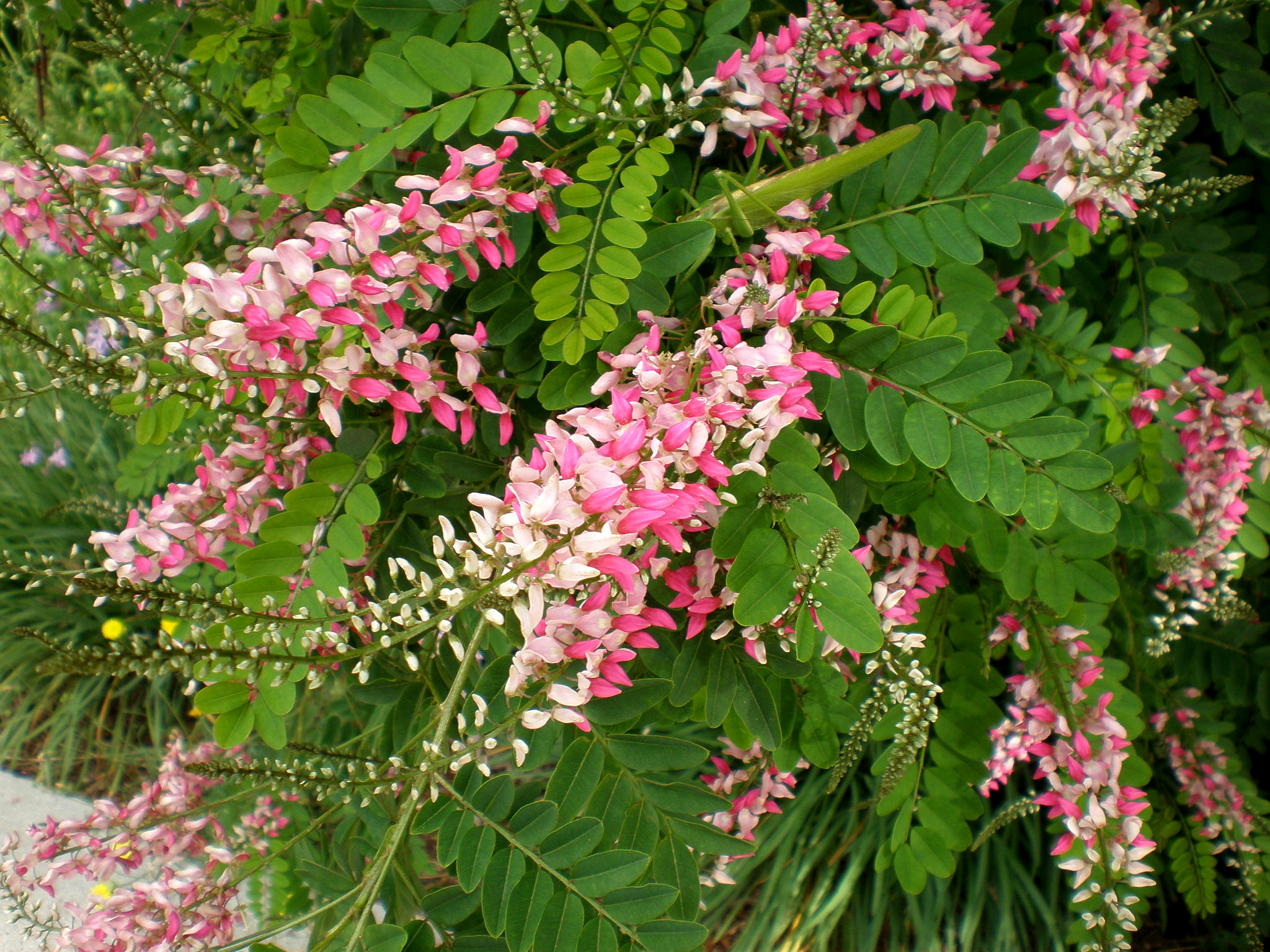
Indigofera jucuna – reproductive host of PSHB in South Africa; photo by Giardano de Barcelona

Impact and Spread

As is common in the case of forest pests, especially pathogens, detection occurred only years after the initial introduction. In South Africa this delay was five years – from 2012 to 2017 or 2018. In California, identification of the species as PSHB in 2012 was nine years after the organism was first detected in the state (2003).

Over the decade since 2012, PHSB, KSHB, and the pathogens they transmit have spread through large portions of southern California. KSHB has spread through “jumps” to distant locations in Orange, Los Angeles, and as far as Santa Barbara and Ventura counties. There have also been detections in even more distant San Luis Obispo and Santa Clara. These latter apparently have not become established.

A likely explanation for this pattern is the movement of firewood. (Rugman-Jones et al 2020 and pers. comm.) See the map here The two beetles and the plant pathogens they carry are expected to spread throughout much of California wherever their many host plants occur.

On Hawai`i, PSHB is attacking several endemic species including one of the largest forest trees, Acacia koa, as well as Pipturus albidus and Planchonella sandwicensis. Numerous non-native species growing on the Islandsare also attacked, including crops (Macadamia and Mangifera) and invasive species

In South Africa, PSHB has spread faster and farther. It has been present since at least 2012 (Stouthamer et al. 2017), although it was not identified until 2018. In about a decade it has spread to every province except Limpopo – PSHB’s largest geographical outbreak of this beetle [Bierman et al. 2022]

Hosts and Areas at Greatest Risk

Hundreds of plant species in at least 33 plant families support successful reproduction of both beetle and fungus. These include many species widespread in southern California, other parts of the U.S., and South Africa. Some California ecosystems are at particular risk because they are dominated by susceptible tree or shrub species. These vulnerable ecosystems are mixed evergreen forests, oak woodlands, foothill woodlands, and riparian habitats. In San Diego County alone, more than 58,000 acres of riparian woodlands are at risk (California Forest Pest Council).

Experience with the Kuroshio shot hole borer (KSHB) in the Tijuana River valley along the California-Mexico border demonstrates the importance of ecological factors in determining disease outcomes. Following introduction, the KSHB killed a high proportion of the willows near the main river channel. However, beginning in 2016, these trees have regrown to almost pre-infestation sizes. Lead researcher John Boland is not certain why these new, fast-growing trees have not been attacked by the KSHB which remains in the area. See links to the Boland studies below.

riparian forest in Tijuana River Valley after recovery from KSHB attack; photo by John Bolton

Urban forests are at particular risk. For example, in South Africa, conservative estimates were that 25% of urban trees would be lost (Bierman et al. 2022). In California, a model developed by Shannon Lynch found the cities at greatest jeopardy are San Diego, Los Angeles, the San Francisco Bay area, and Sacramento. In other areas in the state that lack data on city tree composition, Lynch applied climate models; this approach extended the list of threatened areas to the eastern half of southern California and other parts of the Central Valley. (Lynch presentation to ISHB webinar April 2022; 2nd day.) In my view, this model should also be applied to cities in Arizona and Nevada with similar climates.

Management

Symptoms of PSHB attack and fungus infection differ among tree species. For illustrations of the symptoms on various species, visit here.

Most important, prevent the beetles’ spread through movement of dead or cut wood, e.g., green waste, firewood, and even large wood chips or mulch. Websites provide information on managing these sources.

Where the beetles have already established, California scientists recommend focusing management on heavily infested “amplifier trees”. On these trees, dead limbs should be pruned; dying trees and those with beetles infesting the main trunk should be removed. The wood must be disposed of properly.

Sources

Bierman, A., F. Roets, J.S. Terblanche. 2022.  Population structure of the invasive ambrosia beetle, Euwallacea fornicatus, indicates multiple introductions into South Africa. Biol Invasions (2022) 24:2301–2312 https://doi.org/10.1007/s10530-022-02801-x

Boland, J.M. — all of Boland’s reports and articles on the KSHB are available at: The Ecology and Management of the Kuroshio Shot Hole Borer in the Tijuana River Valley — Tijuana Estuary : TRNERR]

California Forest Pest Council. 2015. 2015 California Forest Pest Conditions. http://bofdata.fire.ca.gov/hot_topics_resources/2015_california_forest_pest_conditions_report.pdf

Eskalen, A., Stouthamer, R., Lynch, S. C., Twizeyimana, M., Gonzalez, A., and Thibault, T. 2013. Host range of Fusarium dieback and its ambrosia beetle (Coleoptera: Scolytinae) vector in southern California. Plant Dis. 97:938-951.

Stouthamer, R., P. Rugman-Jones, P.Q. Thu, et al. 2017. Tracing the origin of a cryptic invader: phylogeography of the Euwallacea fornicatus (Coleoptera: Curculionidae: Scolytinae) species complex. Agric For Entomol 19:366-375. https://doi.org/10.1111/afe.12215

recordings of April 2022 webinar posted at https://youtu.be/RyqJYyLkshk  day 1; and https://youtu.be/kWmtcbjTczw day 2

Posted by Faith Campbell

We welcome comments that supplement or correct factual information, suggest new approaches, or promote thoughtful consideration. We post comments that disagree with us — but not those we judge to be not civil or inflammatory.

For a detailed discussion of the policies and practices that have allowed these pests to enter and spread – and that do not promote effective restoration strategies – review the Fading Forests report at http://treeimprovement.utk.edu/FadingForests.htm

or
www.fadingforests.org

More & bigger ships, deeper ports = more pests?

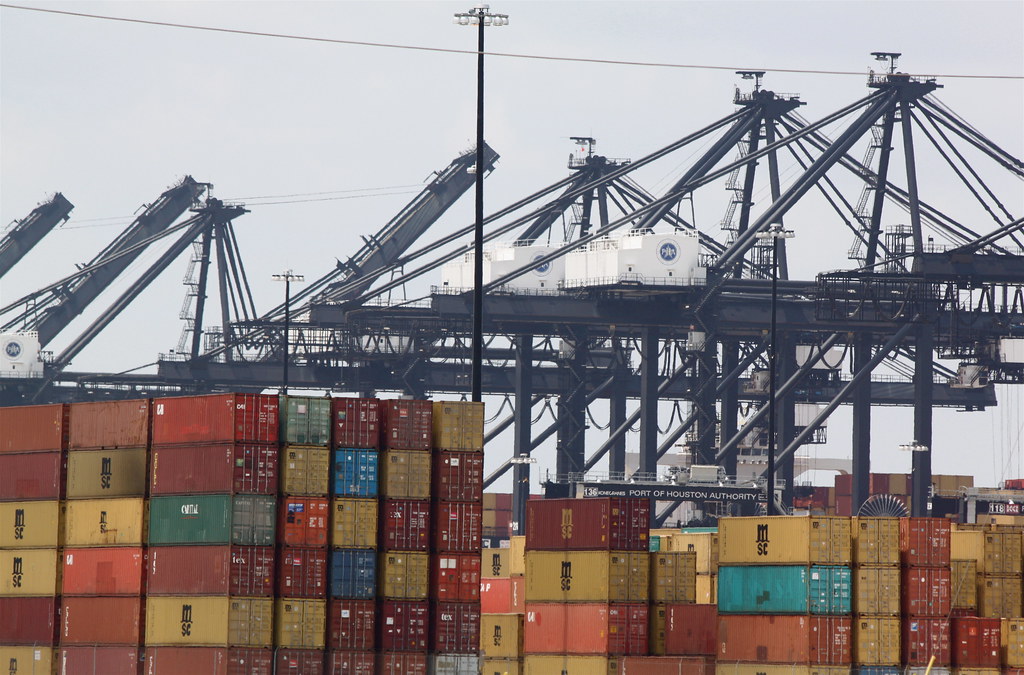
Port of Houston – Bayport Container Terminal; photo by Ray Luck via Flickr

The U.S. continued to import large amounts of goods from Asia in the first three months of 2022. During this period, total volume imported from Asia increased to 1.62 million TEU — 31.1% higher than in the same period in pre-pandemic 2019 (Mogelluzzo, B. April 22, 2022).

Due to congestion in West Coast ports, the proportion of Asian goods entering the country through East Coast and Gulf Coast ports also rose in the first quarter of 2022 compared to the same period in 2021: by about 33% along the Atlantic and 6% along the Gulf (Mogelluzzo, B. April 22, 2022). Increases were particularly steep in the south: 9.2% at Savannah; 12.5% at Norfolk; 26% at Charleston; and an astonishing 52.1% through Houston.

Due to Covid-19-related port and factory shutdowns in China, a rising share of imports to the U.S. in 2022 came from other countries in Asia. Imports grew especially from Vietnam but also Thailand, Malaysia, Indonesia, and South Korea (Wallis, K. May 11, 2022).

Port of Long Beach Pier G – ITS – MOL vessel; photo by port authority

Starting in May 2022, West Coast ports began to recover their dominant role – probably because East Coast and Gulf Coast ports were now suffering their own congestion-related delays. Virtually all the restored traffic entered through the Los Angeles-Long Beach port complex; these ports imported a monthly record of 851,956 TEU from Asia in May. Imports through Seattle and Tacoma actually declined from the previous month, while Oakland’s imports from Asia remained steady (Mongelluzzo, June 15, 2022).

Thus, the “baseline” for US imports from Asia each month is now 20 to 30% higher than it was before COVID-19 disrupted supply chains (Mongelluzzo, June 15, 2022).

East Coast Ports Deepening and Expanding to Accept Larger Ships

Meanwhile, East Coast ports continue efforts to deepen their channels and expand their infrastructure so that they can service the larger container ships.

In late June 2022 the US Army Corps of Engineers approved the plan by the Port of New York-New Jersey (PANYNJ) to dredge channels to accommodate more post-Panamax ships. The largest ship that has called at NY-NJ was 16,000 TEU; port officials hope to accommodate ships up to 21,000 TEU, apparently using current capacity (Angell, June 23, 2022; Angell, May 27, 2022). PANYNJ Port Director Bethann Rooney says the port expects to see annual volumes rise to 17 million TEU by 2050, almost double its throughput in 2021 (Angell, May 27, 2022).

The Corps found the PANYNJ plan to be both environmentally and economically sound. The Corps will now seek Congressional funding for the project in the 2024 Water Resources Development Act; the Port Authority will also contribute to the project (Angell, June 23, 2022).  We need to be more active in commenting on these port expansion environmental assessments!

The Port of NY-NJ is also seeking to expand storage facilities for incoming shipping containers. Several sites are at various stages of consideration and development; one – part of the “Port Ivory” site on Staten Island – includes a tidal wetland.  A November 2021 application by PANYNJ a change-in-use permit is under review by New York State Department of Environmental Conservation (NYSDEC) (Angell, May 27, 2022). Can those interested in environmental protection express their opposition?

The Port of Charleston is expected to finish dredging its inner harbor and channel this year. Last year, the Port of Virginia has received initial funding for a dredging project that should be completed by 2024 (Angell, May 27, 2022).

As we know, numerous tree-killing insects have been introduced from Asia to the ecologically similar forests of eastern North America – often in wood packaging. ALB in Charleston These include Asian longhorned beetle, emerald ash borer, redbay ambrosia beetle, phytophagous and Kuroshia shot hole borers (for profiles of each visit here). Indeed, 15 of 16 non-native bark beetles in the Xyleborini (a tribe of ambrosia beetles) detected in the United States since 2000 are from Asia (Bob Rabaglia, USFS Forest Health Protection, presentation at IUFRO meeting in Prague, September 2021).

Growing numbers of containers entering Atlantic and Gulf Coast ports raises the risk of additional introductions. Insects associated with imports from semi-tropical ports in Vietnam entering the U.S. through Gulf or southern Atlantic ports might well find these regions hospitable. I worry, for example, about the polyphagous and Kuroshio shot hole borers – surely the Gulf Coast provides a more suitable environment for insects from Vietnam and Taiwan than does southern California? And known hosts are present – box elder, willows, sweetgum, mimosa, tree of heaven …

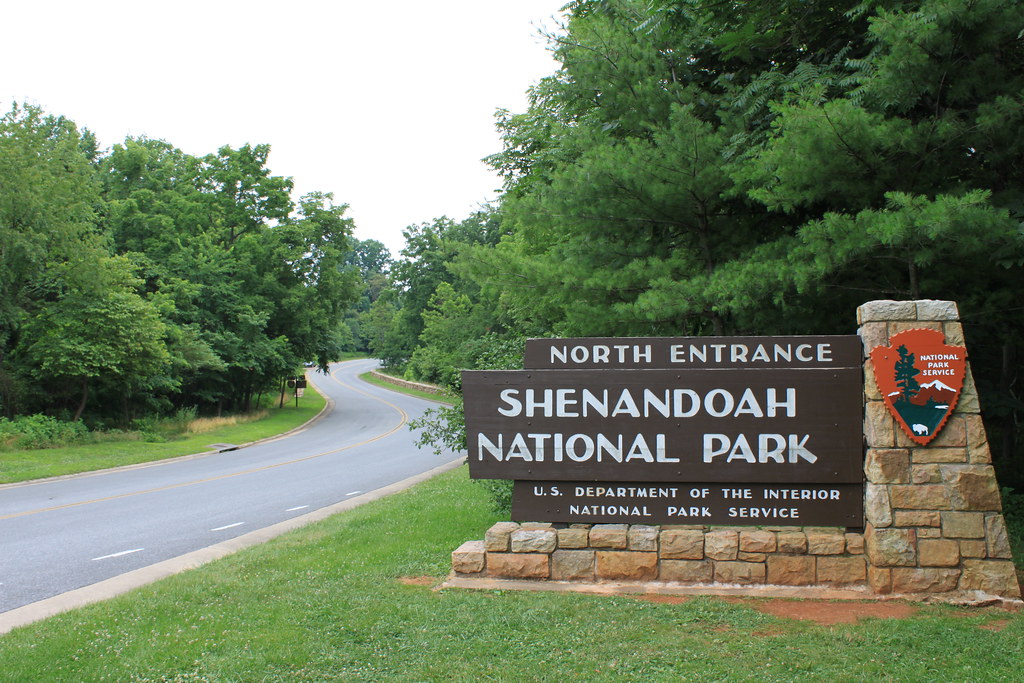
Of course, containers are then sent on from the ports to distribution centers – presenting opportunities for pest introductions in inland areas. New or expanded distribution centers include Atlanta and Appalachian Regional Port and Statesboro Airport in Georgia, Rocky Mount, North Carolina; Huntsville, Alabama; Portsmouth and Front Royal, Virginia (Ashe and Angell July 5, 2022). Front Royal is at the northern end of Shenandoah National Park!

photo by Daveylin via Flickr

European Trade

Meanwhile, U.S. imports from Europe continued at high levels – although they were not breaking records. In the first half of 2022, the U.S. imported just under 1.77 million TEU from Europe. The largest category of commodity from Northern Europe was foodstuffs — 410,930 TEU. Machinery and mechanical products imports – the type of good often associated with infested wood packaging – numbered 228,521 TEU. Vehicles, aircraft, and vessels imports were 107,526 TEU. “Miscellaneous manufactured articles” that include furniture, bedding, mattresses, and light fittings were 132,979 TEU. I expect – although the source does not so state – that this last category includes decorative stone and tile – again, a category often associated with infested wood packaging.

 While fewer damaging pests have been introduced from Europe in recent decades, the risk remains.

Updated Haack Analysis

As has been documented repeatedly (e.g., my blogs, including 248), the current approach to curtailing pest introductions associated with wood packaging is not sufficiently effective. Customs officials continue to detect live quarantine pests in wood packaging as it enters the country. However, the exact level of this threat is unclear since the only assessment was based on data from 2009 (Haack et al., 2014).  I eagerly await the results of Bob Haack’s updated analysis, which I hope will be published soon.

SOURCES

Angell, M. NY-NJ port lays groundwork for larger ships ahead of dredging. May 27, 2022.  https://www.joc.com/port-news/us-ports/port-new-york-and-new-jersey/ny-nj-port-lays-groundwork-larger-ships-ahead-dredging_20220527.html

Angell, M. NY-NJ deepening study gets US Army Corps blessing. June 23, 2022. https://www.joc.com/port-news/us-ports/port-new-york-and-new-jersey/ny-nj-deepening-study-gets-us-army-corps-blessing_20220623.html?utm_campaign=CL_JOC%20Ports%206%2F29%2F22%20%20%20REDO_PC00000_e-production_E-140850_SA_0629_0900&utm_medium=email&utm_source=Eloqua

Ashe, A. and Angell, M. Rising volumes slowing port flow on East, Gulf coasts. July 5, 2022. https://www.joc.com/port-news/us-ports/rising-volumes-slowing-port-flow-east-gulf-coasts_20220705.html?utm_source=Eloqua&utm_medium=email&utm_campaign=CL_JOC%20Daily%207%2F6%2F22%20NONSUBSCRIBER_PC015255_e-production_E-141183_KB_0706_0617

Knowler, G. Rising US imports keep pressure on trans-Atlantic. July 18, 2022.  https://www.joc.com/port-news/international-ports/rising-us-imports-keep-pressure-trans-atlantic_20220718.html?utm_source=Eloqua&utm_medium=email&utm_campaign=CL_JOC%20Daily%207%2F19%2F22%20NONSUBSCRIBER_PC015255_e-production_E-141796_KB_0719_0617

Mongelluzzo, B. Q1 US imports from Asia show no slowing in consumer demand. Apr 22, 2022. https://www.joc.com/maritime-news/container-lines/q1-us-imports-asia-show-no-slowing-consumer-demand_20220422.html

Mongelluzzo, B. U.S. imports from Asia surge to unexpected record in May. June 15, 2022. https://www.joc.com/port-news/us-ports/us-imports-asia-surge-unexpected-record-may_20220615.html?utm_source=Eloqua&utm_medium=email&utm_campaign=CL_JOC%20Daily%206%2F16%2F22%20NONSUBSCRIBER_PC015255_e-production_E-140076_KB_0616_0617

Wallis, K. Asia shippers plug trans-Pacific export gap from China COVID-19 disruption. May 11, 2022.

https://www.joc.com/maritime-news/trade-lanes/asia-shippers-plug-trans-pacific-export-gap-china-covid-19-disruption_20220511.html?utm_source=Eloqua&utm_medium=email&utm_campaign=CL_JOC%20Daily%205%2F12%2F22%20NONSUBSCRIBER_PC015255_e-production_E-137446_KB_0512_0617

Posted by Faith Campbell

We welcome comments that supplement or correct factual information, suggest new approaches, or promote thoughtful consideration. We post comments that disagree with us — but not those we judge to be not civil or inflammatory.

For a detailed discussion of the policies and practices that have allowed these pests to enter and spread – and that do not promote effective restoration strategies – review the Fading Forests report at http://treeimprovement.utk.edu/FadingForests.htm

or
www.fadingforests.org

Search for Asian giant hornet

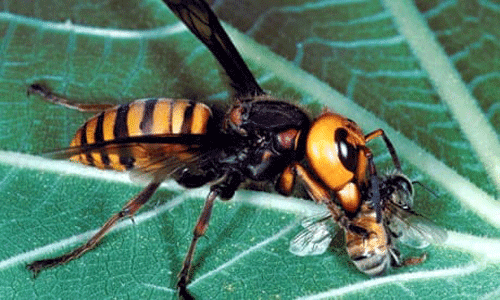
Asian giant hornet (Vespa mandarinia); photo by University of Florida Dept. of Entomology

Washington State’s “Giant Hornet – Hornet Herald” for June asks people to help with detecting this pest by monitoring paper wasp nests (hornets attack them). Hornet visits last 5 – 10 minutes while the hornet removes paper wasp larvae.  How to help:

  • Locate paper wasp nests that you have access to and can monitor through October. Then log the nest locations using the form here
  • Visit the nests each week, observe them, and then log your nest activity on a different form – here. Please monitor the nests for at least 5 minutes during the day once per week, but you can check the nests for as long and as often as you would like.

If you would like guidance on how to become a citizen-science monitor or trapper of Asian giant hornets – or presumably other bioinvaders – go here

Meanwhile, Washington State Department of Agriculture entomologists are in South Korea testing several hornet attractants and studying hornet foraging behavior. The goal  is to improve Washington’s trapping and tracking techniques.

Of course, 2022 is only half over, but so far neither Washington nor British Columbia has confirmed any detections.

Posted by Faith Campbell

We welcome comments that supplement or correct factual information, suggest new approaches, or promote thoughtful consideration. We post comments that disagree with us — but not those we judge to be not civil or inflammatory.

For a detailed discussion of the policies and practices that have allowed these pests to enter and spread – and that do not promote effective restoration strategies – review the Fading Forests report at http://treeimprovement.utk.edu/FadingForests.htm

or

www.fadingforests.org

Boxwood Blight – Another Failure of the Global Phytosanitary System

boxwood garden at Gunston Hall – home of founding father George Mason; Virginia; photo by Roger 4336 via Wikimedia

Boxwood blight is a disease caused by a group of fungal pathogens. While boxwoods are horticultural plants in the U.S. – important ones! – they are keystone forest species in several regions of the tropics and subtropics.

The situation with boxwood blight is yet another example of a too-frequent pattern for plant pathogens. This pattern applies even to plant taxa that are important to the ornamental horticulture industry – not only plants that are important in natural ecosystems. [See other blogs posted here under the category “plants as pest vectors”, e.g., here. The boxwood blight pathogens:  

  • are of unknown origin;
  • have a wide range of known hosts; additional hosts probable;
  • have been introduced to many new sites over about 30 years;
  • have caused considerable economic, aesthetic, and ecological harm;
  • are a threat to centers of endemism;
  • have no known methods to treat plants in forests;
  • are spread by international plant trade;
  • complicate detection by having hosts that sometimes are asymptomatic; or symptoms can be suppressed by fungicides;
  • apparently few efforts to apply phytosanitary measures to prevent further spread.

Also typical: concerned scientists are trying to promote adoption of phytosanitary measures. This takes the form of a study by Barke, Coop and Hong (full citation at the end of the blog; unless otherwise stated, information in this blog is from this source). They use several models based largely on climatic factors to predict additional geographic areas where else boxwood blight might establish.

I think it is most unfortunate that the U.S. horticultural industry prefers to avoid federal regulation despite the significant costs to its members. Instead, it has advocated for a primarily voluntary response (see below). This undermines efforts to restructure regulatory programs to improve phytosanitary agencies’ management of pathogens. Since the U.S. is such a powerful player on this issue, reducing pressure on APHIS to find more effective measures has global implications. I recognize that preventing transmission of unknown and cryptic pathogens is an intrinsically difficult task. However, tackling this problem should be a top priority for people concerned about retaining healthy floral communities.

Specifics About Boxwood Blight

Boxwood blight is caused by two ascomycete fungi, Calonectria pseudonaviculata [synonym Cylindrocladium buxicola] and Calonectria henricotiae. Both can infect and blight boxwood foliage, resulting in rapid plant death. C. henricotiae is known from only five countries in Europe; C. pseudonaviculata is currently established in 24 countries in three geographic areas: Europe and western Asia; New Zealand; and North America (30 US states and British Columbia). The disease caused by C. pseudonaviculata could spread well beyond its currently invaded range in these regions.

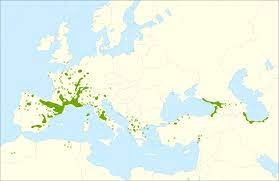
range of Buxus sempervirens; via Wikimedia

Native plants in the family Buxaceae grow in tropical or subtropical areas around the world. Plants in the genera Buxus, Didymeles, Haptanthus, Pachysandra, Sarcococca, and Styloceras are found in some areas of western and southern Europe; Turkey and the Caucuses into Iran; several countries in southeast and east Asia (China, Japan, South Korea, Vietnam, Indonesia); coastal Australia; high elevation areas of Africa, including Madagascar; parts of South America (southern Brazil, Uruguay, northern Argentina, and southern Chile, and foothills of the Andes); parts of Central America and the Caribbean. Asia is home to about 40 species of Buxus, four species of Pachysandra, and 11 species of Sarcococca.  In the Andes region, all five species of Styloceras are endemic. Central America and the Caribbean are home to about 50 species of Buxus; there are 37 species endemic to Cuba! Madagascar has nine endemic Buxus species.

Many Buxus species occur in small and isolated distributions resulting from both natural causes (e.g., island endemism) and anthropogenic disturbances (including deforestation and invasions of by other non-native pests, such as the box tree moth Cydalima perspectalis in Europe and western Asia).

In native stands of Buxus sempervirens in Georgia and northern Iran, where C. pseudonaviculata was detected in 2010, the disease has caused rapid and intensive defoliation of boxwood plants of different ages. [See also Lehtijarvi, Dogmus-Lehtijarvi and Oskay. Boxwood Blight in Turkey: Impact on Natural Boxwood Populations and Management Challenges. Baltic Forestry 2017, vol. 23(1)] Infected plants are also vulnerable to attacks by secondary opportunistic pathogens that can lead to eventual death. Damage to these forests could lead to reductions in soil stability and subsequent declines in water quality and flood protection, changes in forest structure and composition, and declines in Buxus-associated biodiversity (at least 63 species of lichens, fungi, chromista and invertebrates might be obligate).

Barke, Coop and Hong expect excessive heat and seasonal dryness at one extreme and excessive cold at the other to limit areas in North America and Europe/central Asia where the disease can establish. Areas with oceanic rather than continental climates are probably more vulnerable. However, heat and aridity barriers could be overcome by artificial irrigation of horticultural plantings.

Indeed, the conditions favoring C. pseudonaviculata establishment – warm temperatures and high humidity or water on the leaves – are commonly found in production nurseries. Overhead irrigation exacerbates the risk. Production nurseries also have large numbers of host plants in close proximity – so it is easy for disease to spread (Douglas). 

I am reminded that the causal agent of sudden oak death, Phytophthora ramorum,  has been spread from production nurseries located in hot, dry areas that were considered unsuitable to the pathogen – because conditions inside the nursery were suitable.

wild Buxus on island of Corsica; photo by Sten Porse via Wikimedia

As I noted, the origin of C. pseudonaviculata is unknown. Barke, Coop and Hong think it is most likely in eastern Asia, which is thought to be the likely native region of box tree moth. However, they cannot rule out some other center of diversity for Buxaceae species e.g., the Caribbean or Madagascar.

Barke, Coop and Hong call for additional studies to

  1. Explore potential effects of climate change on establishment risk, especially higher latitude areas expected to see increasing humidity, precipitation, and rising temperatures.
  2. Determine ability of C. pseudonaviculata microsclerotia to survive higher temperatures, e.g. in parts of the U.S. Deep South that may have ideal growing conditions during cool seasons.
  3. Modify the CLIMEX model developed for this study to predict the potential distribution of C. henricotiae, a closely related but genetically distinct species with greater tolerance of higher temperatures.

They call for a strict phytosanitary protocol for risk mitigation of accidental intro, with effective surveillance for early detection, and development of a recovery plan.

Regulatory (non) Response

Boxwood blight was first detected in the United Kingdom in mid-1990s; then in New Zealand in 2002. Only then was the causal agent determined. It was first detected in the U.S. in October 2011 (in Connecticut). It was quickly determined to be established in the mid-Atlantic region. Apparently the British, other European countries, and APHIS all decided the pathogen was too widespread to regulate (Douglas).

The U.S. is relying on a voluntary program. The nursery industry, through its Horticultural Research Institute (HRI), and the National Plant Board developed guidance for best management practices – updated as recently as 2020. 

boxwood blight symptoms; Oregon State University; via Flickr

In contrast, APHIS has acted to regulate the boxwood tree moth, Cydalima perspectalis. The moth was first detected in North America near Toronto in 2018. U.S. nurseries in six states received infected plants in spring 2021. On May 26, 2021, APHIS prohibited importation of host plants from Canada, including boxwood (Buxus spp), Euonymus (Euonymus spp), and holly (Ilex spp).

In July 2021, the moth was detected in Niagara County, New York. It was thought that the moths had flown or been blown into the area from Canada.  New York adopted an intrastate quarantine of three counties (Erie, Niagara, and Orleans) in December 10, 2021. APHIS followed with an interstate quarantine on March 23, 2022.

SOURCES

Barke, B.S., L. Coop and C. Hong. 2022.  Potential Distribution of Invasive Boxwood Blight Pathogen (Calonectria pseudonaviculata) as Predicted by Process-Based and Correlative Models. Biology 2022, 11, 849. https://doi.org/10.3390/biology11060849 www.mdpi.com/journal/biology

Douglas, S.M. Fact sheet; Connecticut Agricultural Experiment Station https://portal.ct.gov/-/media/CAES/DOCUMENTS/Publications/Fact_Sheets/Plant_Pathology_and_Ecology/2020/Boxwood-Blight-(1).pdf?la=en&hash=A4C6AF39765F27FDDEB5B4DC3FD3B6F3

Posted by Faith Campbell

We welcome comments that supplement or correct factual information, suggest new approaches, or promote thoughtful consideration. We post comments that disagree with us — but not those we judge to be not civil or inflammatory.

For a detailed discussion of the policies and practices that have allowed these pests to enter and spread – and that do not promote effective restoration strategies – review the Fading Forests report at http://treeimprovement.utk.edu/FadingForests.htm

or
www.fadingforests.org

Invasions cost protected areas more than $22 billion in 35 years

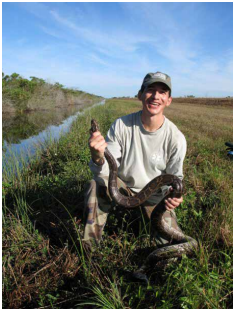
Burmese python in Everglades National Park; photo by Bob Reed, US FWS

Scientists continue to apply data collected in an international database (InvaCost; see “methods” section of Cuthbert et al.; full citation at end of this blog) to estimate the economic costs associated with invasive alien species (IAS). These sources reported $22.24 billion in economic costs of bioinvasion in protected areas over the 35-year period 1975 – 2020. Because the data has significant gaps, no doubt invasions really cost much more.

Moodley et al. 2022 (full citation at end of this blog) attempt to apply these data to analyze economic costs in protected areas. As they note, protected areas are a pillar of global biodiversity conservation. So it is important to understand the extent to which bioinvasion threatens this purpose. 

Unfortunately, the data are still too scant to support any conclusions. Such distortions are acknowledged by Moodley et al. I will discuss the data gaps below a summary of the study’s findings.

The Details

Of the estimated $22.24 billion, only 4% were observed costs; 96% were “potential” costs (= extrapolated or predicted based on models). Both had generally increased in more recent years, especially “potential” costs after 1995. As is true in other analyses of InvaCost data, the great majority (73%) of observed costs covered management efforts rather than losses due to impacts. The 24% of total costs ascribed to losses, or damage, exceeded the authors’ expectation. They had thought that the minimal presence of human infrastructure inside protected areas would result in low records of “economic” damages.

The great majority (83%) of reported management costs were reactive, that is, undertaken after the invasion had occurred. In terrestrial environments, there were significantly higher bioinvasion costs inside protected areas than outside (although this varied by continent). However, when considering predicted or modelled costs, the importance was reversed: expected management costs represented only 5% while these “potential” damages were 94%.

Higher expenditures were reported in more developed countries – which have more resources to allocate and are better able to carry out research documenting both damage and effort. 

More than 80% of management costs were shouldered by governmental services and/or official organizations (e.g. conservation agencies, forest services, or associations). The “agriculture” and “public and social welfare” sectors sustained 60% of observed “damage” and 89% of “mixed damage and management” costs respectively. The “environmental” and “public and social welfare” sectors together accounted for 94% of all the “potential” costs (predicted based on models) generated by invasive species in protected areas; 99% of damage costs. With the partial exception of the agricultural sector, the economic sectors that contribute the most to movement to invasive species are spared from carrying the resulting costs.

Lord Howe Island, Australia; threatened by myrtle rust; photo by Robert Whyte, via Flickr

Invasive plants dominated by numbers of published reports – 64% of reports of observed costs, 79% of reports of “potential”. However, both actual and “potential” costs allotted to plant invasions were much lower than for vertebrates and invertebrates. Mammals and insects dominated observed animal costs.

It is often asserted that protected areas are less vulnerable to bioinvasion because of the relative absence of human activity. Moodley et al. suggest the contrary: that protected areas might be more vulnerable to bioinvasion because they often host a larger proportion of native, endemic and threatened species less adapted to anthropogenic disturbances. Of course, no place on Earth is free of anthropogenic influences; this was true even before climate change became an overriding threat. Plenty of U.S. National parks and wilderness areas have suffered invasion by species that are causing significant change (see, for example, here, here, and here).

Despite Best Efforts, Data are Scant and Skewed

Economic data on invasive species in protected areas were available for only a tiny proportion of these sites — 55 out of 266,561 protected areas.

As Moodley et al. state, their study was hampered by several data gaps:

  1. Taxonomic bias – plants are both more frequently studied and managed in protected areas, but their reported observed costs are substantially lower than those of either mammals or insects.
  2. The data relate to economic rather than ecological effects. The costliest species economically might not cause the greatest ecological harm.
  3. Geographical bias – studies are more plentiful in the Americas and Pacific Islands. However, studies from Europe, Africa and South America more often report observed costs. The South African attention to invasive species (see blogs here, here, and here), and economic importance of tourism to the Galápagos Islands exacerbate these data biases.
  4. Methodological bias – although reporting bioinvasion costs has steadily increased, it is still erratic and dominated by “potential” costs = predictions, models or simulations.

I note that, in addition, individual examples of high-cost invasive species are not representative. The highest costs reported pertained to one agricultural pest (mango beetle) and one human health threat (mosquitoes).

Great Smokey Mountains National Park; threatened by mammals (pigs), forest pests, worms, invasive plants … Photo by Domenico Convertini via Flickr

As these weaknesses demonstrate, a significant need remains for increased attention to the economic aspects of bioinvasion – especially since political leaders pay so much greater attention to economics than to other metrics. However, the reported costs – $22.24 billion over 35 years, and growing! – are sufficient in the view of Moodley et al. to support advocating investment of more resources in invasive species management in protected areas, including – or especially – it is not quite clear — preventative measures.

SOURCES

Cuthbert, R.N., C Diagne, E.J. Hudgins, A. Turbelin, D.A. Ahmed, C. Albert, T.W. Bodey, E. Briski, F. Essl, P.J. Haubrock, R.E. Gozlan, N. Kirichenko, M. Kourantidou, A.M. Kramer, F. Courchamp. 2022. Bioinvasion cost reveals insufficient proactive management worldwide. Science of The Total Environment Volume 819, 1 May, 2022, 153404

Moodley, D., E. Angulo, R.N. Cuthbert, B. Leung, A. Turbelin, A. Novoa, M. Kourantidou, G. Heringer, P.J. Haubrock, D. Renault, M. Robuchon, J. Fantle-Lepczyk, F. Courchamp, C. Diagne. 2022.  Surprisingly high economic costs of bioinvasions in protected areas. Biol Invasions. https://doi.org/10.1007/s10530-022-02732-7

Posted by Faith Campbell

We welcome comments that supplement or correct factual information, suggest new approaches, or promote thoughtful consideration. We post comments that disagree with us — but not those we judge to be not civil or inflammatory.

For a detailed discussion of the policies and practices that have allowed these pests to enter and spread – and that do not promote effective restoration strategies – review the Fading Forests report at http://treeimprovement.utk.edu/FadingForests.htm

or www.fadingforests.org
Comment to APHIS on its Strategic Plan

APHIS is seeking stakeholder input to its new strategic plan to guide the agency’s work over the next 5 years.

The strategic plan framework is a summary of the draft plan; it provides highlights including the mission and vision statements, core values, strategic goals and objectives, and trends or signals of change we expect to influence the agency’s work in the future. APHIS is seeking input on the following questions:

  • Are your interests represented in the plan?
  • Are there opportunities for APHIS to partner with others to achieve the goals and objectives?
  • Are there other trends for which the agency should be preparing?
  • Are there additional items APHIS should consider for the plan?

range of American beech – should APHIS be doing more to protect it from 3 non-native pests?

The strategic plan framework is available at https://www.regulations.gov/document/APHIS-2022-0035-0001

To comment, please visit: https://www.regulations.gov/docket/APHIS-2022-0035

Comments must be received by July 1, 2022, 11:59pm (EST).

Posted by Faith Campbell

We welcome comments that supplement or correct factual information, suggest new approaches, or promote thoughtful consideration. We post comments that disagree with us — but not those we judge to be not civil or inflammatory.

For a detailed discussion of the policies and practices that have allowed these pests to enter and spread – and that do not promote effective restoration strategies – review the Fading Forests report at http://treeimprovement.utk.edu/FadingForests.htm

or www.fadingforests.org
APHIS – 50 years + plant pest detection month

beech leaf disease – Not one of the plant pests that APHIS is regulating! Photo by Jennifer Koch, USFS

APHIS has reminded us that 2022 is the agency’s 50th year. In its press release, APHIS claims several accomplishments over this period:

  • Eradicating plant pests like European grapevine moth and plum pox from the country, while reducing the impact of others plant diseases, including boll weevil and Mediterranean and Mexican fruit flies;
  • Eradicating serious animal diseases, including highly pathogenic avian influenza, virulent Newcastle disease, and pseudorabies, from the country’s herds and flocks, while reducing the prevalence of other animal diseases like bovine tuberculosis and brucellosis;
  • Improving care for laboratory animals, exhibited animals and other animals;
  • Ensuring genetically engineered plants do not pose a risk to plant health, while keeping up with the ever-changing technology in this field;
  • Reducing the impact of wildlife damage on agriculture and natural resources; and
  • Ensuring safe trade of agriculture commodities across the globe

APHIS also launched a new page on its website to share a series of visual timelines of its history and important milestones.

APHIS also states that USDA) has declared April 2022 to be Invasive Plant Pest and Disease Awareness Month (IPPDAM). The link Invasive Plant Pest and Disease Awareness Month connects you to APHIS’ webpage. Secretary Vilsack asks people to be alert. He noted particularly the risk that pests will hitch a ride on untreated firewood, outdoor gear and vehicles, and soil, seeds, homegrown produce, and plants.

The notice urges people to:

  • Familiarize yourself with the invasive pests that are in your area, and their symptoms. [Faith says – also look for pests not “here” yet – early detection!]
  • Look for signs of new invasive plant pests and diseases and report them to your local Extension officeState department of agriculture or your USDA State Plant Health Director’s office.
  • When returning from travel overseas, declare all agricultural items to U.S. Customs and Border Protection so they can ensure your items won’t harm U.S. agriculture or the environment.
  • Don’t move untreated firewood. Buy local or use certified heat-treated firewood, or responsibly gather it on site where permitted.
  • Source your plants and seeds responsibly. When ordering online, don’t assume items available from foreign retailers are legal to import into the United States. Learn how to safely and legally order plants and seeds online.
  • Don’t mail homegrown plants, fruits and vegetables. You may live in an area under quarantine for a harmful invasive plant pest. You could inadvertently mail a pest.
  • When in doubt, contact your local USDA State Plant Health Director’s office to find out what you need to do before buying seeds or plants online from an international vendor or before mailing your homegrown agricultural goods.

Integrating Invasion & Phytosanitary Sciences & Practice

vegetation killed by Phytophthora cinnamomi in West Australia

Some invasive species practitioners have been trying to develop a standardized framework for describing bioinvasions. Their goal is to overcome disparities in approaches developed by scientists working with various taxonomic groups in hopes of improving understanding of, and communication about, bioinvasions. Prominent among these efforts is the “Unified Framework for Bioinvasion” published by Blackburn et al. in 2011 (full citation at end of blog).  

Now several forest pathologists (Paap et al; full citation at end of blog) say that this framework does not adequately integrate forest pathogens. This omission is particularly unfortunate given the prominence of forest pathogens as damaging invaders – e.g., chestnut blight in Europe and North America; white pine blister rust in North America; sudden oak death in North America and Great Britain; myrtle rust and Phytophthora cinnamomi in Australia. (See profiles of all these pathogens here; I note additional examples in North America, such as laurel wilt disease.)

Paap et al think that this omission impedes understanding of both forest pests and invasive species in general. Also, they say that integrating microorganisms into the broader Blackburn framework would help forest pathologists better understand how and why invasions occur, where they occur, and how they can be stopped or mitigated. 

Furthermore, they note the importance of integrating the diverging terminologies used by invasive species practitioners and plant pathologists and their separate regulatory bodies – the Convention on the Conservation of Biological Diversity (CBD) and the International Plant Protection Convention (IPPC). I concur, since nations’ programs regulating plant diseases and their vectors operate under the IPPC rubric.

Figure 2 and Table 1 lay out Paap et al.’s proposed modification of Blackburn’s framework, and detail strategies linked to management goals appropriate for the stages of plant disease development.

Tanoak mortality in southern Oregon caused by P. ramorum – a pathogen completely unknown until it was introduced to North America and Europe; photo by Oregon Department of Forestry

However, such integration will be impeded by many difficulties (I have re-ordered these points): 

1) The first – which underlies all others — is the paucity of data on microbial taxa, which undermines the pest risk analyses and other systems developed for assessing and managing other types of invasive species. That is,

  • Many of the vast number of microbial taxa have not yet been described.
  • Even species that have been describe often cannot be ascribed to a specific geographic origin. This information gap undercuts efforts to determine whether a disease outbreak is caused by an “introduced” organism.

2) Microbial species are usually detected only when disease impacts become obvious. However, an outbreak might not signal a new or spreading “introduction”. While invasive species must—by definition—cross a geographic boundary (through the assistance of human actions), pathogens can cause disease outbreaks through breaching a wider range of boundaries, including ecological and evolutionary ones. Thus, the disease outbreak doesn’t always fit the definition of “invasive species”.  

3)  Substantial differences exist in training and goals between fields. Forest pathologists are usually trained in plant pathology (often focused on crops) rather than in forestry or ecology. Their goal is to manage the pathogen. Invasion scientists tend to focus on natural ecosystems, study animal and plant invasions, and seek understanding of the invasion process.

4)  A related issue is that the two fields operate under separate regulatory bodies that have different emphases and aims. Paap et al. note that while the IPPC ostensibly includes impacts on natural environments, its members’ priority is plants of economic importance. The World Trade Organization’s Agreement on the Application of Sanitary and Phytosanitary Measures (WTO SPS) seeks primarily to minimize disruption of trade resulting from plant health regulation. On the other hand, the CBD explicitly considers invasive species’ impact to the natural environment (Aichi Biodiversity Target 9). [To read my critique of the WTO SPS and IPPC, read the Fading Forests reports (link at end of this blog), especially FF II.]

Rome – home to the IPPC

They note that in 2004, the IPPC and CBD secretariats established a Memorandum of Cooperation to promote synergy and to avoid duplication. Paap et al. appear disappointed that despite development of joint work plans, phytosanitary programs are still focused largely on crop pathogens.

Disease development – a complex set of circumstances that makes risk assessment less reliable

Since I am not a pathologist (or even a biologist), I learned a lot about the complexities of plant pathology from Paap et al.

While I am certainly familiar with the “disease triangle” concept, I had not thought about certain implications. For example, pathogens can cause severe disease outbreaks by evading any one of three types of barriers: geographic, environmental, or evolutionary. Transport of the micro-organism to a new ecosystem (leaping the geographic barrier and meeting the definition of an “introduction” in invasive species terminology) certainly can facilitate disease outbreaks. However, evolutionary and environmental barriers might also be overcome in other ways.

The result is that a plant disease can develop under multiple scenarios following the introduction of an alien pathogen. These scenarios are:

  • disease on a coevolved host growing as an alien species in the new environment, for example plantations of trees grown for timber (pathogen reunion);
  • disease on a naïve host that is itself alien to the geographic region in question (host jump);
  • disease on an alien host (naïve or coevolved) which supports disease on a host native to the new geographic area that could not be sustained in the absence of the alien host;
  • disease on alien and native hosts; and
  • disease on a host native to the new geographic area but not on an alien host.

Countries’ efforts to conduct pest risk analyses are unlikely to be straightforward – or even possible – with so many disease scenarios

Paap et al. proceed to compare introductory pathways under the CBD categorization and plant pathology. In doing so they point out several aspects of introduction, establishment, and spread that are specific to pathogens. For example, trees’ long life spans and inability to adapt as rapidly as the micro-organism increase their vulnerability to devastating disease outbreaks following the arrival of a novel pathogen.

Participants in the Montesclaros meeting that drafted an early critique of international phytosanitary procedures

Paap et al. reinforce points made by other critics of current phytosanitary programs. (See my earlier blogs under the category “plants as pest vectors”.) In particular, they point out the weakness of visual inspection and note that new molecular assays can detect only known microorganisms. An additional complication is that DNA can persist in soil and plant tissue after death of the organism, leading to false positives. RNA is cannot yet be used as a viability marker.

Paap et al. provide three case studies to illustrate in greater depth several major challenges encountered when managing invasive forest pathogens. Most of these weaknesses are well known to forest pathologists.

1. The inconspicuous nature of microorganisms

As noted by Paap et al. and other authors, the difficulty detecting microbes is exacerbated by the huge volumes of goods, especially live plants, in international trade; the small proportion of those plants that can be inspected; the weakness of visual examination; application of fungicides and fertilizers before export that suppress symptoms. The chosen example is the oomycete genus Phytophthora, specifically P. ramorum.

2. Cryptic status of many species

Current biosecurity programs rely on naming the organism and its place of origin. This is actually impossible for many microorganisms. The tardy response to ash dieback (Hymenoscyphus fraxineus) in Europe illustrates the delay in determining the causal agent and its geographic origin. During this nearly two-decade period the possibility of preventing spread was lost.

3. Rapid evolution

Rapid evolution of the introduced pathogen can overcome resistance in a host. The example described is Cronartium ribicola (causal agent of white pine blister rust) on Western white pine (Pinus monticola) and sugar pine (P. lambertiana). They also mention the threat from hybridization between previously isolated populations, specifically Phytophthora x alni causing a devastating decline of black alder in Europe.

Sugar pine in Sequoia National Park; photo by S. Rae via Flickr

Paap et al. call for increased research to increase our knowledge of microbial diversity, especially in taxonomically rich and poorly studied ecosystems. They praise sentinel plantings as a powerful tool for early warning of pathogen threats.

SOURCES

Blackburn, T.M., P. Pysek, S. Bacher, J.T. Carlton, R.P. Duncan, V. Jarosik, et al. A proposed unified framework for biological invasions. Trends Ecol Evol. 2011; 26(7):333-9.  

Paap, T., M.J. Wingfield, T.I. Burgess, J.R.U. Wilson, D.M. Richardson, A. Santini. 2022. Invasion Frameworks: a Forest Pathogen Perspective.  FOREST PATHOLOGY https://doi.org/10.1007/s40725-021-00157-4

Posted by Faith Campbell

We welcome comments that supplement or correct factual information, suggest new approaches, or promote thoughtful consideration. We post comments that disagree with us — but not those we judge to be not civil or inflammatory.

For a detailed discussion of the policies and practices that have allowed these pests to enter and spread – and that do not promote effective restoration strategies – review the Fading Forests report at http://treeimprovement.utk.edu/FadingForests.htm

Forest Pest Threat to Africa

Eucalyptus plantation in Kwa-Zulu-Natal, South Africa; Kwa-Zulu-Natal Dept. of Transportation

Graziosi et al. (full citation at the end of the blog) point out that trees are crucial for Africa’s future. Eight hundred of the 4,500–6,000 indigenous tree species provide significant food. As elsewhere, trees provide wood and other extractive resources essential for economic growth. They also support biodiversity and mitigate current and impending climatic variations. Africa– especially the Sub-Saharan countries – is already considered highly vulnerable to climate change.

According to Graziosi et al., the cumulative economic impact of all invasive species in Africa is expected to exceed $1.2 billion per year. The total invasion cost as a proportion of GDP for many African countries is among the highest in the world. This raises the stakes for developing locally appropriate management strategies across the continent.

Responding effectively to this threat is hampered by gaps in data as well as some countries’ limited capacity for biosecurity. Graziosi et al. say that improved knowledge of taxonomy, distribution, and damage caused by these organisms is essential. Such knoledge will be crucial to develop continent-wide strategies to manage this emergency and to enhance capacity for country-level interventions.

Native and alien pests. Indigenous and plantation trees

Africa’s trees and their services are threatened by both native pests and accelerating introductions of pests and diseases from elsewhere. Long-established and new invaders increasingly affect planted forests of exotic eucalypts, pines, and Australian acacias, as well as important indigenous trees. Graziosi et al. note that the U.N. Food and Agriculture Organization (FAO) in an annex to a report issued in 2009 recorded about100 species of forest pests affecting trees in planted and natural forests across Africa. Half are native insects and pathogens, a third are alien; about 15% are of unknown origin. Considering all pests, broadleaf trees (predominantly native) are most affected.

The result is damage from the local – e.g., to rural livelihoods – to the continental – e.g., to economic development and biological diversity across Africa. Moreover, pests exacerbate widespread loss of forest cover. Overall, African forests are shrinking at the rate of almost 0.5% annually. This deforestation is affecting particularly natural forests; planted forests are actually growing 1.3% annually.  

Exotic plantation trees face severe threats. More than 47 native and 19 non-indigenous defoliators, sap-feeders, wood- and shoot-borers attack plantations of Acacia spp., Eucalyptus spp., Pinus spp., and teak (Tectona grandis). About 90% of pathogens of plantation forestry are either non-indigenous or of uncertain origin. Eucalyptus alone are severely damaged by 15 species of pathogens. These organisms are listed in Tables 1 and 2.

Numerous native insect species, known as pests of indigenous trees, have reportedly widened their host range and now damage exotic trees too. Some introduced insects appear to pose significant threats to native tree species. One example is the Cypress aphid Cinara cupressi, which is attacking both exotic cypress plantations and the native African cedar Juniperus procera. Some fungi in the family Botryosphaeriaceae are latent pathogens infecting a wide range of hosts including indigenous Acacia. Dieback of large baobab trees was recently reported from southern Africa. While various microorganisms are associated with these symptoms, the specific cause is still uncertain.

A baobab tree in Limpopo region of South Africa; Wikimedia

The risk currently appears to be particularly high in South Africa. The country’s flora is highly diverse and has a high level of endemism. In fact, South Africa is home to the Earth’s smallest floral kingdom, the Cape Floral Kingdom. It is also the apparent hot spot for pest introductions from overseas (see below). Phytophthora cinnamomi is attacking native Proteaceae in South Africa. According to Graziosi et al., an “incredible diversity” of Phytophthora taxa is present, portending threats to additional plant species. Other pathogens are attacking native conifers in the Podocarpus genus, Ekebergia capensis (Meliaceae), and Syzygium trees.

Protea repens and fynbos vegetation near Table Mountain; photo by Mike Wingfield

There is a clear pattern to further spread: pests first introduced to South Africa often spread. Examples include several insects and pathogens on Eucalyptus and the wood-boring pest of pine Sirex noctilio. This pattern is explained by two main factors. South Africa has a high capacity to detect introduced species. Also, there is an active plantation forestry sector that imports propagules. This offers opportunities for contaminating organisms to be introduced simultaneously.

Furthermore, as Graziosi et al. note, determining the geographic origin of significant proportion of pathogens is extremely difficult – an issue I will discuss in a separate blog based on a publication by primarily South African scientists. Some non-indigenous pathogens have been on the African continent for a long time. The Armillaria root rot pathogen apparently was introduced to South Africa with potted plants from Europe in the 1600s! They note also that many non-indigenous pathogens are probably already established on the continent but not yet detected due to the organisms’ cryptic nature and lagging detection abilities.

The future of African forests

African countries expect economic growth with associated increased trade with countries off-continent. The probable result will be to accelerate the rate of species introductions and spread. However, as climate change worsens, managers will find it increasingly difficult both to predict introduced species’ impact and to implement management programs.

This led Graziosi et al. to call for urgent improvements in plant biosecurity across the continent. They advocate improved coordination at regional and international levels. The list of needed actions is a familiar one: development and application of improved diagnostic tools, updated plant exchange regulations, and revised trade policies.

Graziosi et al. also call for development of effective control and management options. They suggest biocontrol, innovative silviculture practices, and selection of resistant trees. The good news is that African countries have already initiated programs to conserve tree germplasm and domesticate indigenous species, including establishment of field gene banks of high-priority indigenous trees. I have previously praised South African efforts, specifically reports here and here.

Mudada, Mapope, and Ngezimana (2022) describe the risk from introduced species to agriculture and human well-being in southern Africa beyond forestry. The region is already ravaged by food insecurities and hidden hunger. It would be devastated if the global average of crop loss due to plant diseases (10-16%) occurs there. They say these losses can be avoided with improved biosecurity mechanisms focused primarily on pest exclusion and plant quarantine regulations.

SOURCES

Graziosi, I. M. Tembo, J. Kuate, A. Muchugi. 2020 Pests and diseases of trees in Africa: A growing continental emergency. Plants People Planet DOI: 10.1002/ppp3.31 

Mudada, N. Mapope, N., and Ngezimana, W. 2022 – The threat of transboundary plant pathogens to agricultural trade in Southern Africa: a perspective on Zimbabwe’s plant biosecurity – A review. Plant Pathology & Quarantine 12(1), 1–33, Doi 10.5943/ppq/12/1/1

Posted by Faith Campbell

We welcome comments that supplement or correct factual information, suggest new approaches, or promote thoughtful consideration. We post comments that disagree with us — but not those we judge to be not civil or inflammatory.

For a detailed discussion of the policies and practices that have allowed these pests to enter the United States and spread – and that do not promote effective restoration strategies – review the Fading Forests report at http://treeimprovement.utk.edu/FadingForests.htm

Imports from Asia Continue to Surge; Awaiting Better Analysis

port of Long Beach

The surge in US imports from Asia that began in the second half of 2020 continued through 2021 and into January 2022.  As of September 2021, import volumes from Asia averaged almost 20% higher than the historical monthly average for every month of 2021 (Mongelluzzo, October 13, 2021). The surge continued into 2022. In January 2022, US containerized imports from Asia hit the highest monthly total ever recorded — 1.7 million TEU. This was a 14.6% increase over December 2021 – and a 4.5% increase from a year earlier (January 2021). [Mongelluzzo Feb 23]

The 2022 increase in import volumes was on top of the record-breaking levels seen in 2021. For example, average monthly import volumes during 2021 at the principal ports for receipt of goods from Asia — Los Angeles-Long Beach — were 23% over the 2019 average (Mongeluzzo April 2021). 

Increases in volume from December 2021 occurred at ports across the country. Pacific coast ports saw increases – 25.8% at the LA/LB complex (which handles ~50% of US imports from Asia); 39.1% at Northwest Seaport Alliance (Seattle and Tacoma); 19.7% at Oakland. So did ports in the Southeast – 12.7% in Savannah and 14.1% in Charleston. However, New York/New Jersey saw a decrease of 2.2% and Norfolk saw a decrease of 10.6%. [Mongelluzzo Feb 23] New York had seen a steep increase in mid-2021 (Angell Dec. 22, 2021), but apparently this did not hold up through the year.

The southern California ports report that ships leaving China in early March will – as expected – increase import volumes before the end of the month. Long Beach projected that numbers of arriving shipping containers will rise 34% in the week beginning March 20, compared with the week of March 7; Los Angeles projected an increase of 63% [Mongelluzzo March 10].  

port of Mobile

Volumes Will Probably Continue to Rise Along the Gulf 

Containerized imports from Asia through US Gulf ports had risen 27.2% to 1.14 million TEU in 2021. At the port of Mobile, specifically, imports from Asia last year rose 25% from 2020 to 230,347 TEU in 2021. Imports from Asia through Houston jumped 34 % to 807,376 TEU in 2021 [Mongelluzzo Feb 2 2022]

Increasing manufacturing and distribution industries in the Gulf region are probably an important factor in rising import volumes there. Mongelluzzo Feb 2 2022 notes the presence of a Hyundai factory in Alabama, a Tesla factory and Amazon fulfillment center near Austin, as well as several retail chains’ distribution centers near Houston. Many of these facilities opened in 2021.

Import volumes entering via Gulf and Southeastern ports are expected to continue growing in coming months and years. Several carriers have announced new direct Asia-to-US-east coast transport services. These include South Korea’s HMM (to Houston); CMA CGM; and Maersk (Vietnam and China to Houston and Norfolk; China and Indonesia to Charleston and Newark)

Those who follow shipping expect import volumes to drop in February because many factories in Asia were closed for two weeks or more for the Lunar New Year holidays, which began on Febrary 1. Imports should surge again in March. [Mongelluzzo Feb 23]

The Risk

Remember, Asia is the origin of many of the most damaging forest pests. These include Asian longhorned beetle, emerald ash borer, redbay ambrosia beetle, phytophagous and Kuroshia shot hole borers (for profiles of each visit here). Indeed, 15 of 16 non-native bark beetles in the Xyleborini (a tribe of ambrosia beetles) detected in the United States since 2000 are from Asia (Bob Rabaglia, USFS Forest Health Protection, presentation at IUFRO meeting in Prague, September 2021).

It seems to me that the beetles native to southeast Asia, e.g., the phytophagous and Kuroshio shot hole borers, are likely to find the climate along the Gulf of Mexico to their liking.  Indeed, the redbay ambrosia beetle profile already has!

dead redbay in Georgia killed by laurel wilt disease

Li et al. (2021) assessed fungi associated with Eurasian bark and ambrosia beetles and their potential to impact North American trees. They assessed 111 fungal associates of 55 beetle species. They found that none was “highly virulent” on four important pines or oaks of the Southeast. However, I note two caveats.  First, they tested only four host species – two pines (Pinus taeda and P. elliottii var. elliottii) and two oaks (Quercus shumardii and Q. virginiana). They did not test against the many other tree species that comprise important components of forests of the region. Second, their bar for concern was extremely high: to qualify as “highly virulent,” the pathogens had to be as damaging as laurel wilt disease or Dutch elm disease! Both have had extremely damaging impacts on their hosts across North America.

Updated Haack Analysis

As has been documented repeatedly (e.g., my blogs), the current approach to curtailing pest introductions associated with wood packaging is not sufficiently effective. Customs officials continue to detect live quarantine pests in wood packaging as it enters the country. However, the exact level of this threat is unclear since the only assessment was based on data from 2009 (Haack et al., 2014).  I eagerly await the results of Bob Haack’s updated analysis, which I hope will be published by mid-year.

SOURCES

Angell, M. NY-NJ vessel backlog creeps back up amid bigger ship calls. Journal of Commerce. Dec. 22, 2021 https://www.joc.com/maritime-news/ny-nj-vessel-backlog-creeps-back-amid-bigger-ship-calls_20211222.html?utm_source=Eloqua&utm_medium=email&utm_campaign=CL_JOC%20Daily%2012/23/21%20SUBSCRIBER%20%28Copy%29_PC00000_e-production_E-122936_KB_1223_0617

Angell, M. Maersk to debut new Houston, Norfolk trans-Pac service in March. Journal of Commerce. Feb. 10, 2022 https://www.joc.com/maritime-news/container-lines/maersk-line/maersk-debut-new-houston-norfolk-trans-pac-service-march_20220210.html?utm_campaign=CL_JOC%20Ports%202%2F16%2F22%20_PC00000_e-production_E-127385_TF_0216_0900&utm_medium=email&utm_source=Eloqua

Haack, R.A., K.O. Britton, E.G. Brockerhoff, J.F. Cavey, L.J. Garrett. 2014. Effectiveness of the International Phytosanitary Standard ISPM No. 15 on Reducing Wood Borer Infestation Rates in Wood Packaging Material Entering the United States. PLoS ONE 9(5): e96611. doi:10.1371/journal.pone.0096611

Li, Y., C. Bateman, J. Skelton, B. Wang, A. Black, Y-T. Huang, A. Gonzalez, M.A. Jusino, Z.J. Nolen, S. Freeman, Z. Mendel, C-Y. Chen, H-F. Li, M. Kolařík, M. Knížek, J-H. Park, W. Sittichaya, P. H. Thai, S. Ito, M. Torii, L. Gao, A.J. Johnson, M. Lu, J. Sun, Z. Zhang, D.C. Adams, J. Hulcr. 2021. Pre-invasion assessment of exotic bark beetle-vectored fungi to detect tree-killing pathogens. Phytopathology. https://doi.org/10.1094/PHYTO-01-21-0041-R

Mongeluzzo, B. Additional port capacity alone can’t solve congestion issues: LA-LB. Journal of Commerce. April 2021 https://www.joc.com/port-news/us-ports/additional-port-capacity-alone-can%E2%80%99t-solve-congestion-issues-la-lb_20210407.html?utm_source=Eloqua&utm_medium=email&utm_campaign=CL_JOC%20Daily%204%2F8%2F21_PC00000_e-production_E-95420_KB_0408_0837

Mongelluzzo, B. September imports show no relief for stressed US ports. Journal of Commerce. Oct. 12, 2021. https://www.joc.com/port-news/us-ports/september-imports-show-no-relief-stressed-us-ports_20211013.html?utm_source=Eloqua&utm_medium=email&utm_campaign=CL_JOC%20Daily%2010%2F14%2F21_PC00000_e-production_E-116084_KB_1014_0617

Mongelluzzo, B. Gulf Coast import growth propels regional warehousing boom. Journal of Commerce. Feb. 2, 2022. https://www.joc.com/port-news/us-ports/port-mobile/gulf-coast-import-growth-propels-regional-warehousing-boom_20220202.html?utm_campaign=CL_JOC%20Ports%202%2F9%2F22%20%20_PC00000_e-production_E-126647_TF_0209_0900&utm_medium=email&utm_source=Eloqua

Mongelluzzo, B. Asian imports to US surged to new record in January. Journal of Commerce.  Feb 23, 2022 

https://www.joc.com/maritime-news/container-lines/asian-imports-us-surged-new-record-january_20220223.html?utm_source=Eloqua&utm_medium=email&utm_campaign=CL_JOC%20Daily%202%2F24%2F22%20NONSUBSCRIBER_PC015255_e-production_E-128466_KB_0224_0617

Mongelluzzo, B. Coming LA-LB cargo surge to rebuild vessel backlog, say terminals. Journal of Commerce. March 10, 2022. https://www.joc.com/port-news/us-ports/coming-la-lb-cargo-surge-rebuild-vessel-backlog-say-terminals_20220310.html?utm_source=Eloqua&utm_medium=email&utm_campaign=CL_JOC%20Daily%203/11/22%20NONSUBSCRIBER_PC015255_e-production_E-130350_KB_0311_0617