Timely reminder: Don’t Move Invasive Species!

USDA’s Animal and Plant Health Inspection Service (APHIS) has teamed up with the North American Invasive Species Management Association and The Nature Conservancy to sponsor the first-ever national PlayCleanGo Awareness Week beginning Saturday – June 1-8. The program’s goal is to help outdoor enthusiasts understand how they can help stop the spread of invasive plants and pests—while still enjoying the great outdoors.

APHIS’ announcement suggests some helpful steps people going outdoors can take:   

  • Before moving from one location to another, clean your shoes with a brush to remove any soil, plants or seeds that might be trapped in your treads. This action will help prevent your accidentally spreading damaging microscopic organisms or invasive weeds to new areas.  
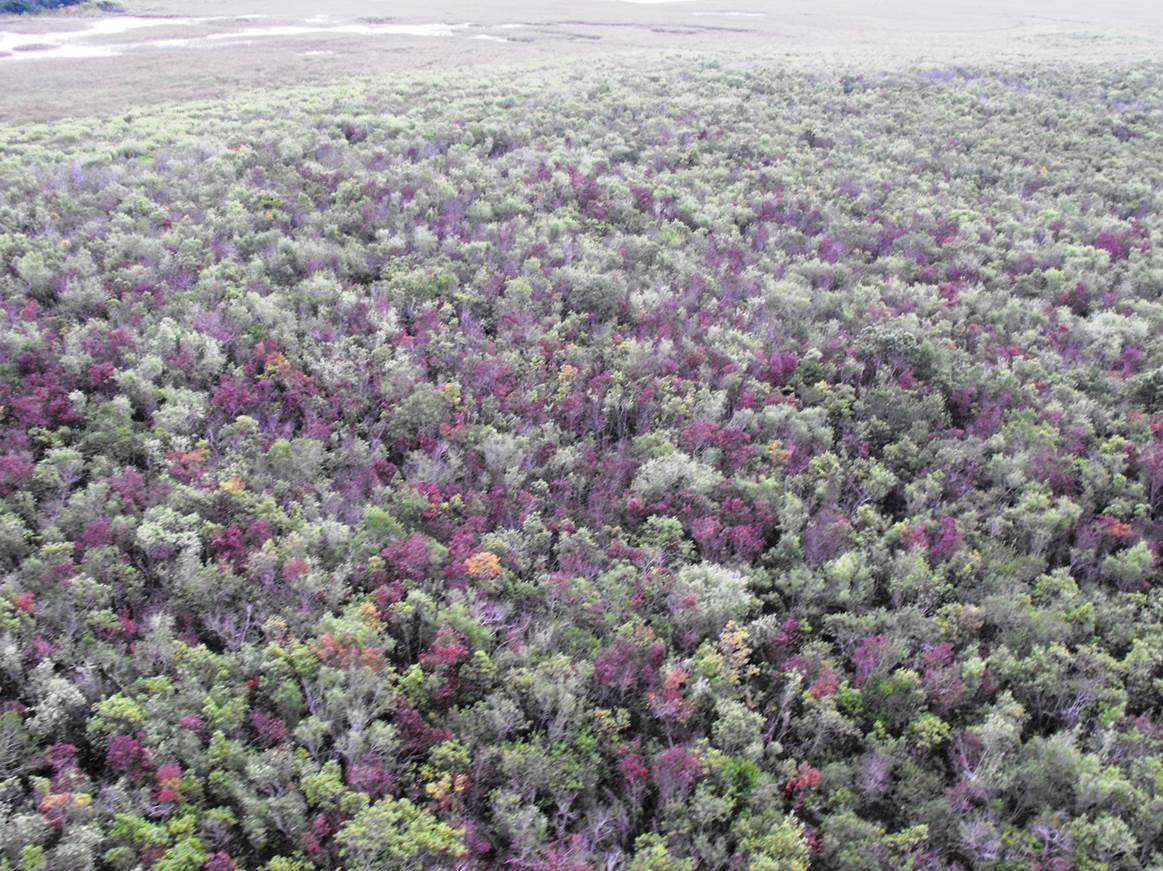
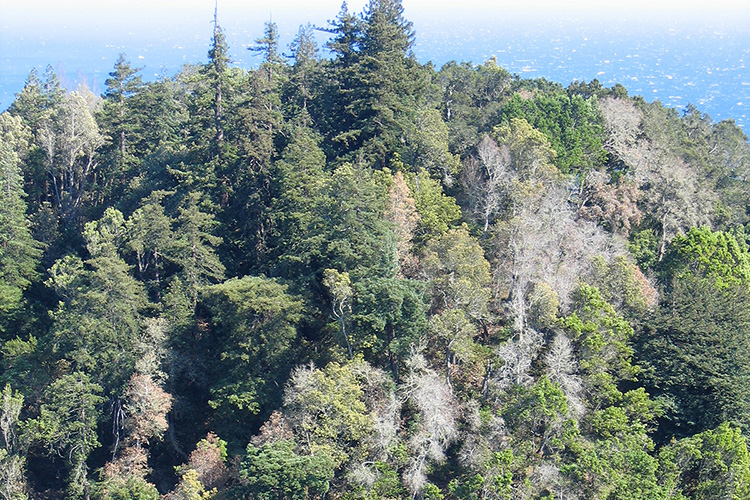
tanoaks killed by Phytophtora ramorum (sudden oak death) Big Sur, California
  • Avoid giving hitchhiking pests a free ride in your firewood by purchasing your firewood where you plan to burn it or taking only heat-treated firewood with you. Careless movement of wood can spread tree-killing beetles and other pests that can harm our forests. 
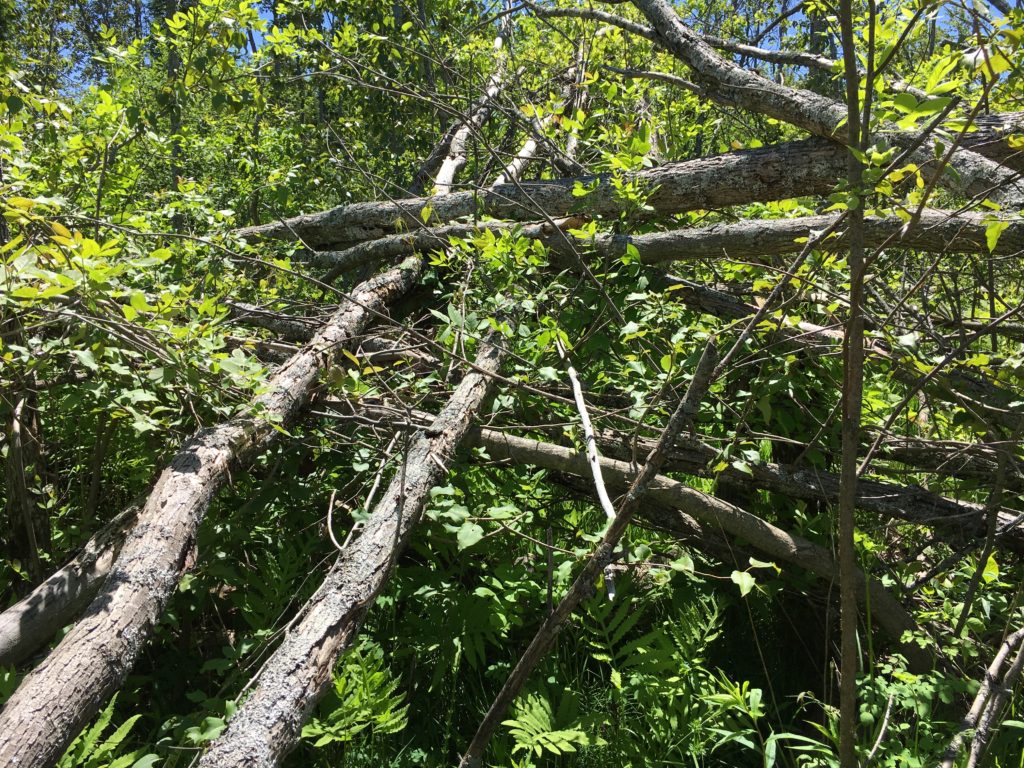
tangle of dead ash in Michigan killed by emerald ash borer
photo by Ned Siegert, USDA Forest Service
  • If you are driving, remove any visible pests, plants, soil, or egg masses from your vehicle, RV or camper. It only takes a few minutes to stop tree-killing insects and other potentially harmful plant pests from traveling with you to your next destination.  
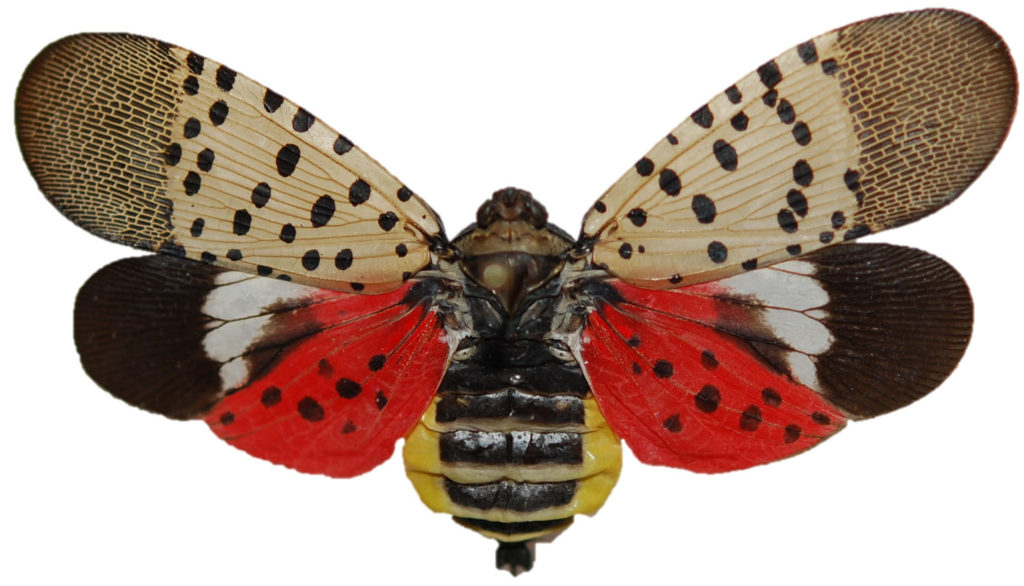
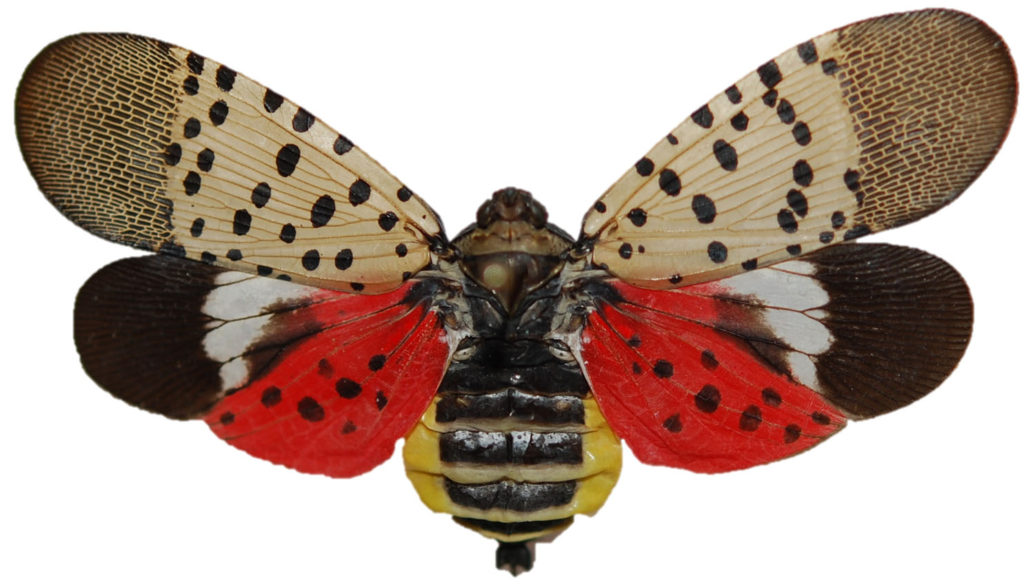
spotted lanternfly
photo by Holly Raguza, Pennsylvania Department of Agriculture

  The website hprovides educational materials as well as such tools for interaction as pledges and hashtags!

Help spread the word while doing your part.

Posted by Faith Campbell

We welcome comments that supplement or correct factual information, suggest new approaches, or promote thoughtful consideration. We post comments that disagree with us — but not those we judge to be not civil or inflammatory.

Progress in Combatting Invasives – with Caveats

Missouri Makes Progress in Eradicating Feral Hogs – Despite Sabotage

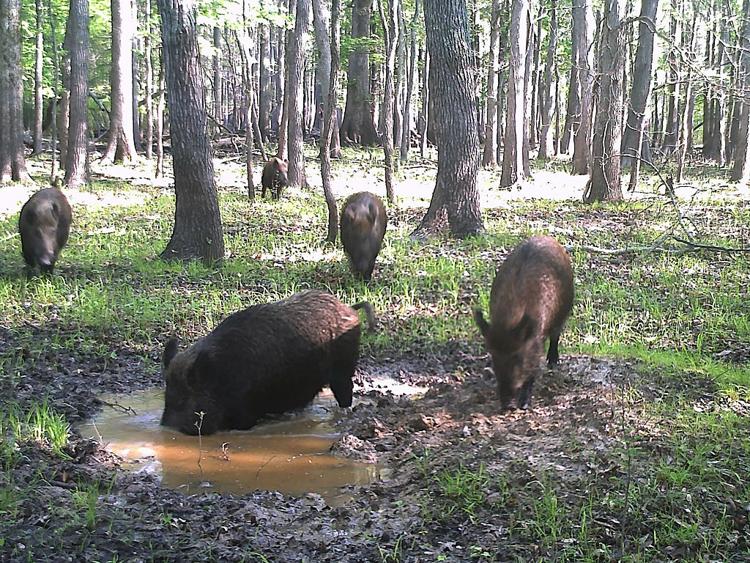
Feral hogs have expanded their range in the U.S. from 17 to 38 states over the past 30 years. Their populations grow rapidly because feral hogs can breed any time of the year and produce two litters of one to seven piglets every 12 to 15 months. [See MDC Press Release, January 25, 2019]

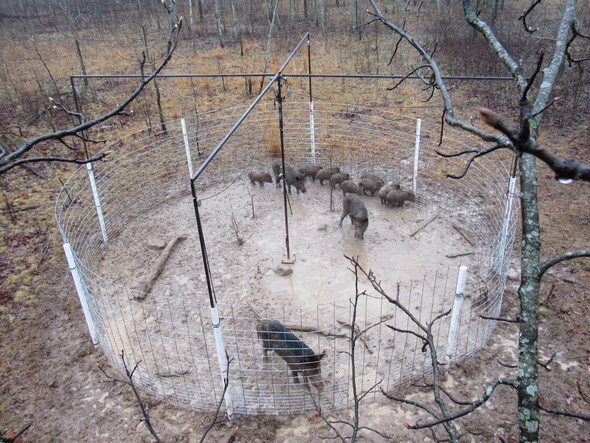
hog “sounder” in a trap in Missouri
Missouri Department of Conservation

Missouri’s program is increasingly successful: the numbers of hogs removed has risen from 5,358 in 2016, to 6,561 in 2017, to 9.365 in 2018. [See MDC Press Release, January 25, 2019] I have previously praised Missouri’s scientifically-based program to eradicate feral hogs – here and here (Missouri has extensive material on feral hogs posted here)  

According to the Missouri Department of Conservation’s feral hog elimination team leader, Mark McLain, said “This strategic approach is important because if we leave even a few feral hogs behind in an area, they can reproduce quickly and put us back where we started.”

According to McLain, hunting is not an effective method for eliminating feral hog populations. “For over 20 years, unregulated hunting of feral hogs was allowed in Missouri, during which time our feral hog population expanded from a few counties to over 30 counties,” he said.

In 2017, MDC, the Corps of Engineers, and the LAD Foundation established regulations against feral hog hunting on lands owned and managed by these three organizations. Other agencies have passed regulations similar to MDC’s to eliminate hog hunting on land they own.

However, illegal releases of feral hogs continue. The February 2019 press release (referenced below) describes several examples of the problems such releases cause. McLain said that those who release feral hogs face hefty fines. Hunting, especially with dogs, pushes the hogs onto neighboring property, which causes problems for neighbors. The hogs travel back and forth between the properties, escaping and causing more damage. Trapping with no hunting interference is the best method to eliminate them.

MDC advises landowners to seek help from the Department and USDA APHIS. These agencies providetechnical advice and training; conduct on-site visits; and loan equipment.

Are feral hog programs in other states using the same methods? Are they as successful?

SOURCES

Missouri Department of Conservation. More than 9,300 Feral Hogs Eliminated from Missouri in 2018. Press Release. January 25, 2019.

Missouri Department of Conservation. Interference with feral hog trapping sites costs trappers time, taxpayers money. Press Release. February 21, 2019.

Florida Looks to Biocontrol to Makes Progress Against Some of its Worst Invasive Plants

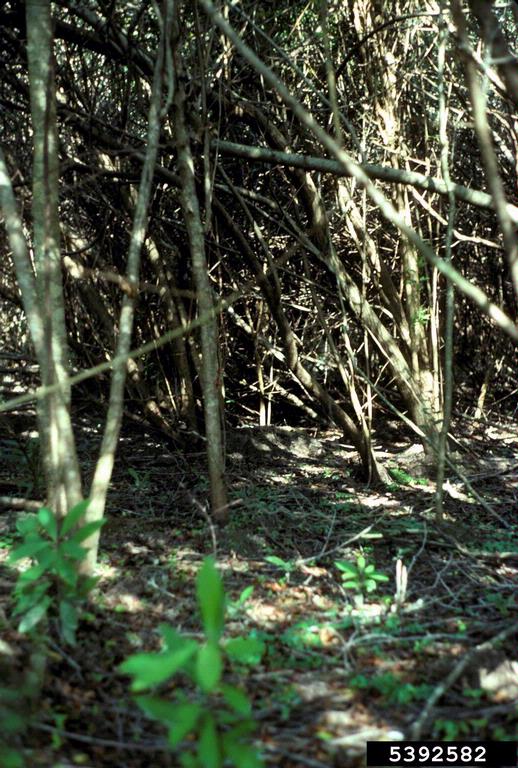
Brazilian peppertree tangle
John Randall, The Nature Conservancy
www.bugwood.org

Until recently, melaleuca (Melaleuca quinquenervia) was considered the worst invasive tree or shrub in Florida. It threatened to convert the everglades “sea of grass” into a thicket of exotic trees which could not support native wildlife. Thanks to the biocontrol agent Oxyops vitiosa, melaleuca is considered to be under maintenance control on public conservation land in the state. Still, melaleuca control demands about $2 million per year because of the huge area previously (and still) affected by the tree.

Now Florida is about to release biocontrol agents to attack Brazilian pepper (Schinus terebinthifolius). In Florida, Brazilian peppertree is found from Monroe County in the south to St. Johns, Levy, and Nassau counties in the north plus Franklin County in the Panhandle. An estimated 283,000 hectares of south and central Florida are invaded. The South Florida Water Management District alone is spending approximately $1.7 million per year (as of 2011) to control it.

Brazilian peppertree invades disturbed sites such as canal banks and fallow farmlands. Of greater concern to me are the many natural communities invaded – Brazilian peppertree infests more natural areas in Florida than any other invasive plant species. Invaded ecosystems include pinelands, hardwood hammocks, and critically important mangrove forests. The coastal mangroves are valued because of their high productivity, wildlife habitat, and shoreline protection and stabilization.

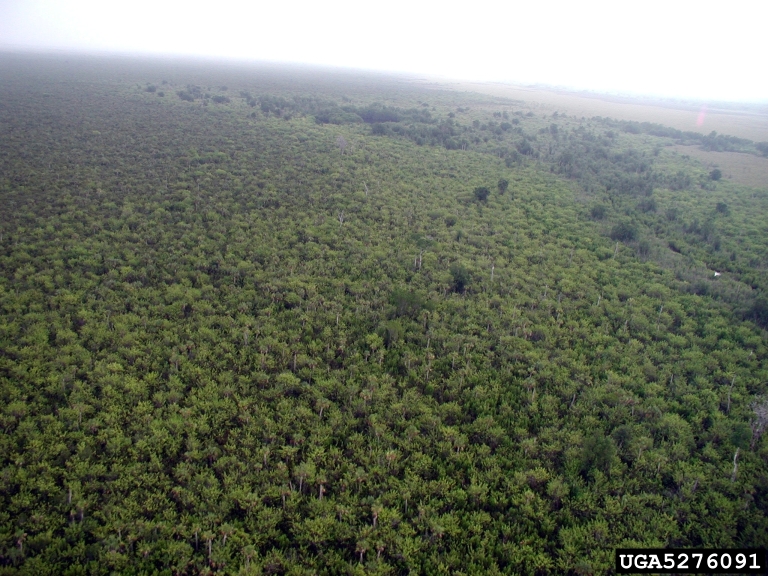
Brazilian peppertree infestation in the Everglades
Tony Pernas, USDI National Park Service
www.bugwood.org

Dense stands of Brazilian peppertree shade out and may kill food plants used by white-tailed deer – key prey for the endangered Florida panther. Other mammals and birds might be poisoned by toxic resins in the bark, leaves and fruits — although some birds feed extensively on the fruits – and thereby contribute to spread of the invasive plant.

Existing options for management of Brazilian peppertree, including chemical, mechanical, and physical control measures, have been used with some success against this weed. However, applying these strategies repeatedly to prevent regrowth is costly and labor intensive. Furthermore, such practices can be detrimental to native vegetation. For example, mangroves are particularly sensitive to both herbicides and the soil disturbances associated with mechanical control

After more than 20 years of searching, Florida hopes it has identified useful biocontrol agents. USDA APHIS is seeking public comment on the proposed release of two insect species, Calophya latiforceps  (a leaf galling psyllid) and Pseudophilothrips ichini (a thrips) as biological control agents targetting Brazilian pepper.

Much as I sympathize – Brazilian peppertree is a highly damaging invasive plant and there are no other effective control measures – I have questions. First, the psyllid is sedentary; dispersal would be by wind. Would this limit its efficacy?

More troubling is host specificity. The Environmental Assessment (available here) reveals that the thrips can reproduce in low numbers on several non-target plant species, including the Hawaiian sumac Rhus sandwicensis. True, the proposal is to release the biocontrol agents on the continent, not on Hawai`i. But insects have often been transported inadvertently to Hawai`i – and the islands’ plant species have often proved highly vulnerable to attack by non-native species (I confess that the most recent examples are pathogens, e.g., ‘ōhi‘a rust and rapid ‘ōhi‘a death.)

APHIS is accepting comments on the Environmental Assessment until March 29. Please consider providing your views. Again, the document is available here.

RESULTS

In June 2019, APHIS announced that it would issue permits for release of the two biocontrol agents on the continent – starting in Florida – without any restrictions. APHIS dismissed my concerns about the potential threat to native Hawaiian plants — Rhus sandwicensis and Dodonaea viscosa. See the agency’s responses in Appendix 7.

As regards the potential threat to the two Hawaiian species from the thrips Pseudophilothrips ichini APHIS chose to ignore my two greatest concerns:

1) that insects are introduced accidentally to Hawai`i frequently – so the threat from this thrips must be considered.

2)  if introduced to Hawai`i, P. ichini would have ample resources to maintain high population levels and so could put constant pressure on Rhus sandwicensis and Dodonaea viscosa even ‘though neither plant itself supports more than one generation of the thrips.

In response to my query as to who in Texas would be consulted re: possible release of the biocontrol agents in that state, APHIS replied the chief state plant regulatory official (head of plant pest issues in the state Department of Agriculture) and the APHIS representative in the state. No conservation authorities are designated. Nor would APHIS prepare a new environmental assessment – although the current one cites data almost exclusively for Florida.

One good response: in response to my concerns that the psyllid Calophya latiforceps is too sedentary to spread through the hundreds of thousands of acres invaded by Brazilian pepper, APHIS clarifies that a mass rearing and release program is under development.

Posted by Faith Campbell

We welcome comments that supplement or correct factual information, suggest new approaches, or promote thoughtful consideration. We post comments that disagree with us — but not those we judge to be not civil or inflammatory.

South African report: Rigorous, Honest, and a Model for U.S. and Others

Density of invasive plants in South Africa

map available here


Last month, in my blog about the US Geological Survey’s report on invasive species  I announced release of a report by South Africa on its invasive species management programs – available here.  Because this report is unusual in both its rigor and its honesty, I’m returning to it here. I think it is a model for our country and others.

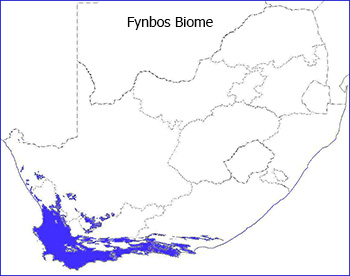
The report provides the basics. That is, it analyzes pathways of introduction and spread; number, distribution and impact of individual species; species richness and abundance of alien species in defined areas; and the effectiveness of interventions. Of the 775 invasive species identified to date, 556, or about 72%, are listed under some national regulatory program. Terrestrial and freshwater plants number 574 species; terrestrial invertebrates number 107 species. A different set of 107 species, or about 14%, are considered by experts to be having major or severe impacts on biodiversity and/or human wellbeing. The highest numbers of alien species are in the savanna, grassland, Indian Ocean coastal belt, and fynbos biomes. South Africans are particularly focused on the reductions in surface water resulting from plant invasions. Much of the control effort is under the egis of the decades-old “Working for Water” program.

Also, the report has features that are all-too-rare in work of its kind. First is the authors’ focus on rigor – of data sources and interpretation of those data using standardized criteria. Second – and even more important – is their call for analyzing the efficacy of the components of invasive species program. They insist on the need to measure outcomes (that is, results), not just inputs (resources committed) and outputs (“acres treated”, etc.). Inputs are far easier to measure and are, unfortunately, the mainstay of how most U.S. efforts are tracked – if they are tracked at all.

As they note, measure of inputs and outputs are not useful because they provide no guidance on the purpose of the action or treatment or of its effectiveness in achieving that purpose.

(For earlier CISP advocacy of measuring outcomes, visit the National Environmental Coalition on Invasive Species and read the bullet points under “Recommendations for a Comprehensive National Response”.)

The report has been praised by international conservationists, including Piero Genovesi – chair of the IUCN’s Invasive Species Specialist Group. British ecologist Helen Roy says that, to her knowledge, it is “the first comprehensive synthesis of the state of invasive species by any country.”


How well are programs working?

The authors’ focus on rigor includes being scrupulously honest in their assessments of current program components. They note deficiencies and disappointments, even when the conclusions might be politically inconvenient. To be fair, all countries struggle to achieve success in managing bioinvasions. And South Africa is, in many ways, a developing country with a myriad of economic and social challenges.

So it is probably not surprising that, for most factors analyzed, the authors say data are insufficient to determine the program’s impact. Where data are adequate, they often show that programs fall short. For example, they conclude that control measures have been effective in reducing populations of established invasive species, usually plants, in some localized areas but not in others. While the situation would arguably have been worse had there been no control, current control efforts have not been effective in preventing the ongoing spread of IAS when viewed at a national scale. Only one of South Africa’s 72 international ports of entry has consistent inspection of incoming air passengers and cargo – and even those inspections are not carried out outside of regular working hours (e.g., nights and weekends).

The authors are even critical of the “Working for Water” program – which is the basis for most control efforts in South Africa and enjoys wide political support. WfW has two goals: providing employment and development opportunities to disadvantaged individuals in rural areas, and managing invasive alien plants. Despite substantial funding, the WfW program has supported control teams that have reached only 2% – 5% of the estimated extent of the most important invasive plants. Furthermore, programs structured to provide employment have not ensured use of the most efficient control strategies.


What’s needed in South Africa — and around the world

The authors conclude that South Africa needs new processes to monitor and report on bioinvasions in order to achieve evidence-based policy and management decisions. They call for (1) more research to determine and assess invasive species impacts; (2) better monitoring of the effectiveness of current control measures; and (3) the development of methods to look at the impact of bioinvasions and their management on society as a whole.

The authors say it is important for South Africa to improve its management of invasive species because their impacts are already large and are likely to increase significantly. They note that improving management efficiency will require difficult choices and trade-offs. They recommend a focus on priority pathways, species, and areas. They also stress return on investment.


I don’t know how this report has been received in South Africa. I hope government officials, media observers, landowners, political parties, and other stakeholders appreciate the honesty and expertise involved. I hope they take the analyses and recommendations seriously and act on them.

(Preparation of the report was was overseen by a team of editors and contributing authors employed by the South African National Biological Diversity Institute (SANBI) and the DST-NRF Centre of Excellence for Invasion Biology at (C.I.B). Drafts were widely circulated to contributing authors and other stakeholders for comments. An independent review editor will be appointed to assess the review process and recommend any ways to strengthen the process for future reports.)


Meanwhile, how do we Americans apply the same rigor to analyzing our own efforts?


Posted by Faith Campbell


We welcome comments that supplement or correct factual information, suggest new approaches, or promote thoughtful consideration. We post comments that disagree with us — but not those we judge to be not civil or inflammatory.


Report Lists Non-Native Species in the U.S.

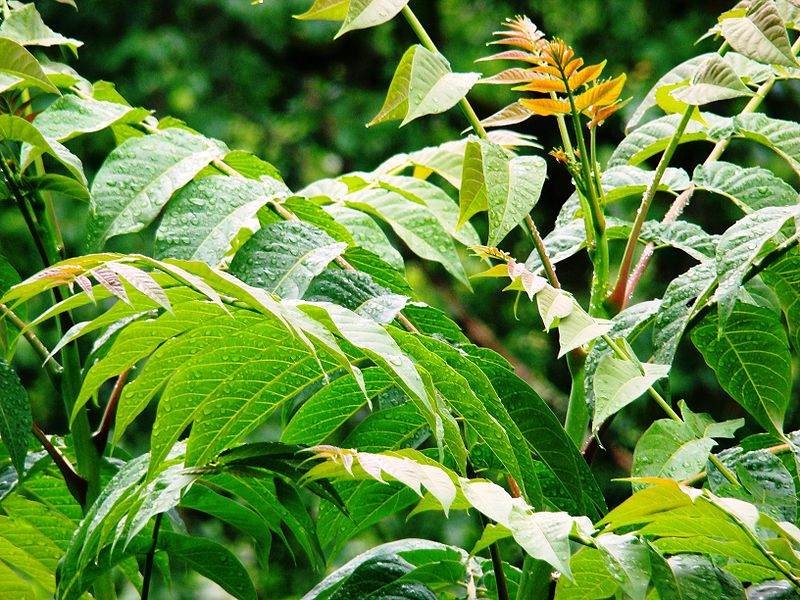
Ailanthus altissima

Several scientists at the United States Geological Service (USGS) have published a report and accompanying datasets that attempts to provide a publicly accessible and comprehensive list of non-native species established in United States.

Led by Annie Simpson and Meghan C. Eyler, a team of six scientists worked six years (2013–2018). They reviewed 1,166 authoritative sources to develop a list of 11,344 unique names – most of them binomials (genus and species), a few genera, plus some viruses.

This was a Herculean effort that produced very valuable products. We are all in their dept!

Simpson and Eyler point out that knowing which species are non-native to a region is a first step to managing invasive species. Lists compiled in the past were developed to serve a variety of purposes, including watch lists for preventing invasions, inventory and monitoring lists for research and modeling, regulatory lists for species control, and non-regulatory lists for raising awareness. As a result, they are not comprehensive.

Among the sources these authors consulted in preparing the list were peer-reviewed journal articles, books, brochures, circulars, databases, environmental assessments, technical reports, graduate theses, and websites.

Data – by Region

The report also notes which non-native species were established in each of three regions: the “lower 48” states, Alaska, and Hawai`i. Not surprisingly, more than half the non-native taxa are established in the vast area (nearly 7.9 million km2) comprising the “lower 48” states – 6,675 taxa. Almost half of the total number of non-native taxa have established in the tiny geographic region (only 28,311 km2) of Hawai`i – 5,848 taxa.  One-tenth as many non-native taxa – 598 – are reported as established in Alaska (1.7 million km2).

This report includes taxa that are not native to any part of the specific region, but established (naturalized) somewhere in the region. An “established” species must have at least one population that is  successfully reproducing or breeding in natural systems. The list includes domesticated animals and plants introduced for crops or horticulture when the taxon has escaped cultivation or captivity and become established in the wild. Species listed range from feral hogs (Sus scrofa) to plum pox virus and citrus canker to ohia rust (Puccinia psidii).

Of the total 11,344 taxa, 157 are established in all three regions. These included 125 vascular plants (especially grasses and asters); 13 arthropods, 11 mammals; 6 birds; 3 mollusks; 1 bryozoan. One of the ubiquitous plant species is tree of heaven (Ailanthus altissima). I find it entirely appropriate that the cover photo shows this tree – the photo was taken 8 miles from my home in Fairfax County, Virginia.

Nearly three-quarters (71.4%) of the non-native species in Alaska are plant species. More than half (59.7%) of the non-native species in the “lower 48” region are also plants. Nearly all the remainder of the non-native species in both regions are some kind of animal. Fungi constitute only 1.8% of the non-native species in the “lower 48” region; all the rest of the groups (Bacteria, Chromista, Protozoa, Virus) constitute less than 1% of the non-native species recorded in either region.

By contrast, in Hawai`i, animals make up 69.7% of the listed non-native species; most are invertebrates. Plants constitute 29.8% of the Hawaiian list.

Gaps, by Taxon

The authors recognize that invertebrates and microbes are under-represented because species are still being discovered; non-charismatic and difficult-to-identify species tend to be overlooked; and the species composition of any nation in this era of globalization is constantly subject to change.

I have noted some gaps among the pathogens: the absence of some of the Phytophthora that have been detected infecting shrubs and herbaceous plants in California,  e.g., Phytophthora cambivora, siskiyouensis, tentaculata;  and the “rapid ohia death” pathogens, Ceratocystis huliohia and C. lukuohia. Dr. Simpson is aware of these gaps and is soliciting sources to help add these organisms – especially the various Phytophthora species – to the next version of the list.

Simpson and Eyler note that the relative geographic distribution of the list at its current state seems to reinforce three well established premises: that tropical island systems are particularly vulnerable; that higher latitudes host fewer but are not invulnerable; and that species diversity in general decreases with increasing latitude.

 Comparisons to Other Databases

After standardizing the names in the list by comparing them to the Integrated Taxonomic Information System (ITIS), Simpson and Eyler also reviewed the USGS BISON database, which has more than 381 million occurrence records for native and non-native species in the U.S. and Canada, covering 427,123 different taxa. (The BISON database contains significantly more species occurrences for the U.S. than the largest invasive species database, EDDMapS, which contained 4.4 million species occurrences as of June 2018.) Simpson and Eyler had to evaluate which of these taxa met their definition of non-native, since most species occurrence records in the USGS BISON are not labeled as non-native in the original records.

Comparing the BISON and non-native lists, Simpson and Eyler found that the BISON list contained a larger number of occurrence records for non-native taxa: a total of 13,450,515.However, the BISON list does not provide complete coverage of non-native species: it includes records for 77% of list of non-native species Simpson and Eyler found in Alaska, 75% of the “lower 48” sublist, but only 37% of the Hawaiian sublist.

Simpson and Eyler state their intention to continue updating the list of non-native species, they welcome contributions to it from area experts, and they urge integration of new occurrence data into invasive species database such as EDDMapS.

Indicators of Non-Native Species Richness

Figure 3 in the report (above) maps the number of non-native taxa in BISON at the county level. Figure 4 displays the proportion of non-native to native species in BISON. Higher percentages are generally evident in coastal areas and other regional hotspots. For example, the proportion in Hawaiian counties is greater than 33%. Additional data are needed to perform a more in-depth analysis of non-native species richness and abundance.

UPDATE! New Report in the Works

In June 2021, USGS announced that it was updating its Comprehensive List of Non-Native Species Established in 3 Major Regions of the U.S. so that the document more closely aligns with the parameters of the Global Register of Introduced and Invasive Species. The new USGS dataset is to be called the US Register of Introduced and Invasive Species. The list in the current draft includes 15,364 records. About 500 of these records are in Alaska, 6,000 in Hawai`i, and 8,700 in the conterminous 48 States.

One of the lead authors, Annie Simpson, contacted invasive species experts seeking feedback and suggested additions – based on authoritative resources such as peer reviewed journal articles, pest alerts, databases, books, and technical bulletins. She sought input by 25 July, 2021.

The published version of this dataset will be made freely available on USGS’ ScienceBase (https://www.sciencebase.gov), and all reviewers will be acknowledged in the dataset’s abstract.

SOURCE

Simpson, A., and Eyler, M.C., 2018, First comprehensive list of non-native species established in three major regions of the United States: U.S. Geological Survey Open-File Report 2018-1156, 15 p.

The report and accompanying data tables are available here.

South African report

In an unrelated but similar development, South Africa has issued a report on its invasive species — 2017 The Status of Biological Invasions and Their Management in South Africa. The report analyzes pathways of introduction and spread; number, distribution and impact of individual species; species richness and abundance of alien species in defined areas; and the effectiveness of interventions. The report notes that 775 invasive species have been identified to date, of which 556 are listed under some national regulatory program. Terrestrial and freshwater plants number 574 species; terrestrial invertebrates number 107 species. (This total does not include the polyphagous shot hole borer, which was detected too recently.) 107 species are considered by experts to be having either major or severe impacts on biodiversity and/or human wellbeing. Alien species richness is highest in the savanna, grassland, Indian Ocean coastal belt and fynbos biomes, lower in the more arid Karoo and desert biomes. South Africans are particularly focused on the reductions in surface water resulting from plant invasions. The decades-old “Working for Water” program has two goals: providing employment and development opportunities to disadvantaged individuals in rural areas, and managing invasive alien plants.

The Status of Biological Invasions and Their Management in South Africa is available here.

Posted by Faith Campbell

We welcome comments that supplement or correct factual information, suggest new approaches, or promote thoughtful consideration. We post comments that disagree with us — but not those we judge to be not civil or inflammatory.

National Park Service Experts Urge Improvements to Invasive Species Efforts


cats – reported to be the most widespread invasive animal in National parks

In two recent evaluations and resulting reports, National Park Service experts admit the agency has fallen short on managing the invasive species threat and suggest ways to improve. One report – that on invasive animals (see below) identifies the principal problem to be lack of support for invasive species programs from NPS leadership.

They’re not alone: I have previously criticized the NPS here and here


Invasive Animals

The bolder of the two reports addresses invasive animals – “Invasive Animals in U.S. National Parks – By a Science Panel” https://irma.nps.gov/DataStore/DownloadFile/594922 commissioned by the NPS Chief of Biological Resources Division. The report was released in December 2017.

The report is blunt – which I welcome.


Key Message

The NPS’ mission of preserving America’s natural and cultural resources unimpaired for future generations is “under a deep and immediate threat as a consequence of invasive animal species, yet the National Park Service does not have a comprehensive understanding of the costs and impacts of invasive animals or a coordinated strategy for their management.”  The result: “The consequence is a general record of failure to control invasive species across the system.”

The report says there are opportunities for the NPS to take a lead in addressing the threat – including to help counter invasive species denialism. It suggests ways to provide the needed capacity and to change the agency culture that hampers efforts to realize this ambition.


Current Picture

More than half of all National Park units reporting to the report’s authors (245 out of 326 parks) reported the presence of invasive animals – ranging from freshwater mussels to feral cats. In the process of compiling the report, the authors received reports of 1,409 invasive animal populations – comprising 331 species — probably an underestimate. Only a small percentage can be considered under some form of management. The most widely reported species:

Domestic cat                69 parks

Common starling         66 parks

Common pigeon          47 parks

House sparrow             40 parks

Red imported fire ant   40 parks

Feral hog                      39 parks

Rainbow trout              36 parks (often introduced deliberately)


The report mentions several tree-killing insects or pathogens among the damaging animal invaders in National parks: emerald ash borer, hemlock woolly adelgid, and rapid ohia death (a pathogen). (Background on all three is here.)


This new report acknowledges management efforts. They reviewed 80 NPS projects in the pipeline from 2000 through 2023. Most projects target a limited number of species: feral hogs, cats, and horses/burros; fire ants; hemlock woolly adelgid; and emerald ash borer.

EAB-killed ash tree in Shenandoah NP  (F.T. Campbell)

Eradication has reportedly been attempted for 21 invasive animal populations; 17 of those populations remained under some control efforts (e.g., monitoring to detect any re-invasion) in 2016. Nine of the eradicated populations were in the Pacific West region – especially Channel Islands National Park. Another eight were in the Southeast. Three other regions — Intermountain, Northeast, and National Capital regions — each reported one invasive animal population eradicated and under control. Another 150 invasive animal populations were reportedly “controlled”.


What’s the Problem?

The report’s authors note numerous (and well-known) difficulties in managing invasive animals. These include difficulty detecting invaders at early stages of invasion; paucity of effective management tools; and social constraints such as perceived benefits associated with some (e.g., trout and other sport fishes) and ethical and humane objections to killing vertebrates.

However, the report identifies the principal problem to be lack of support for invasive species programs from NPS leadership. Constraints that hamper park managers’ efforts within the agency include Service-wide coordination, lack of capacity, park culture, “social license” (i.e., public approval), and cross-boundary coordination.

The authors suggest that to correct these deficiencies, the Service should formally acknowledge that invasive animals represent a crisis on par with each of the three major crises that drove Service-wide change in the past:

1) over-abundance of ungulates due to predator control (leading to the “Leopold Report” in the 1960s);

2) Yellowstone fire crisis (which led to new wildfire awareness in the country); and

3) recognition of the importance of climate change (which resulted in the report “Leopold Revisited: Resource Stewardship in the National Parks”).

To achieve true success in such a major undertaking, all levels of NPS management must be engaged. Further NPS’ current culture and capacity must be changed. The report suggests providing incentives for (1) efforts to address long-term threats (not just “urgent” ones) and (2) putting time and effort into coordinating with potential partners, including other park units, agencies at all levels of government, non-governmental organizations, private landowners, and economic entities.

An additional step to realizing a comprehensive invasive animal program would be to integrate invasive animal threats and management into long-range planning goals for natural and cultural landscapes and day-to-day operations of parks and relevant technical programs (e.g., Biological Resources Division, Water Resources Division, and Inventory and Monitoring Division).

The report notes the need for increased funding. Such funding would need a flexible timeline (unlike existing Service-wide funding for more general purposes), allowing parks to be responsive to time-sensitive management issues. It would also have to be available consistently over the long term – since eradication can take a long time. Several approaches are proposed, including incorporating some invasive species control programs (e.g., weeds, wood borers) into infrastructure maintenance budgets; adopting invasive species as fundraising challenges for “Friends of Park” and the National Park Foundation; and adopting invasive species as a priority threat.

The authors would like NPS to become a leader on the invasive species issue – specifically by testing emerging best management practices and by better educating visitors on the ecological values of parks and the serious threat that invasive species pose to the their biodiversity. The authors suggest that the NPS also take the lead in countering invasive species denialism.

While officially-approved deliberate introductions of non-native species are probably unlikely to continue, the report expects that the numbers of invasive animals and species in national parks will increase due to continuing spread of invaders from neighboring areas. Therefore, NPS’ current piecemeal approach needs to be replaced with a much stronger, strategic approach in which parks engage in collaboration with conservation partners on adjacent lands or waters and across the greater landscape.


Invasive Plants

The NPS launched a coordinated effort targetting invasive plants years ago — in 2000. The most obvious component of which was the Exotic Plant Management Teams (EPMTs). The broader program was officially named the Invasive Plant Program (IPP) only in 2014. The IPP provides leadership to individual parks, regions, and the park system on invasive plant management, restoration, and landscape level protection. The IPP released its strategic plan in December 2016. (Ok! More than a year ago. I am tardy.)

Despite the large size of the program – 15 EMPTs across the country – and the clear and recognized threat that invasive plants pose to NPS values, I got the impression that the program struggles to gain  support from the Service. In that way, the situation is similar to the challenges to efforts on animal invasives described above.

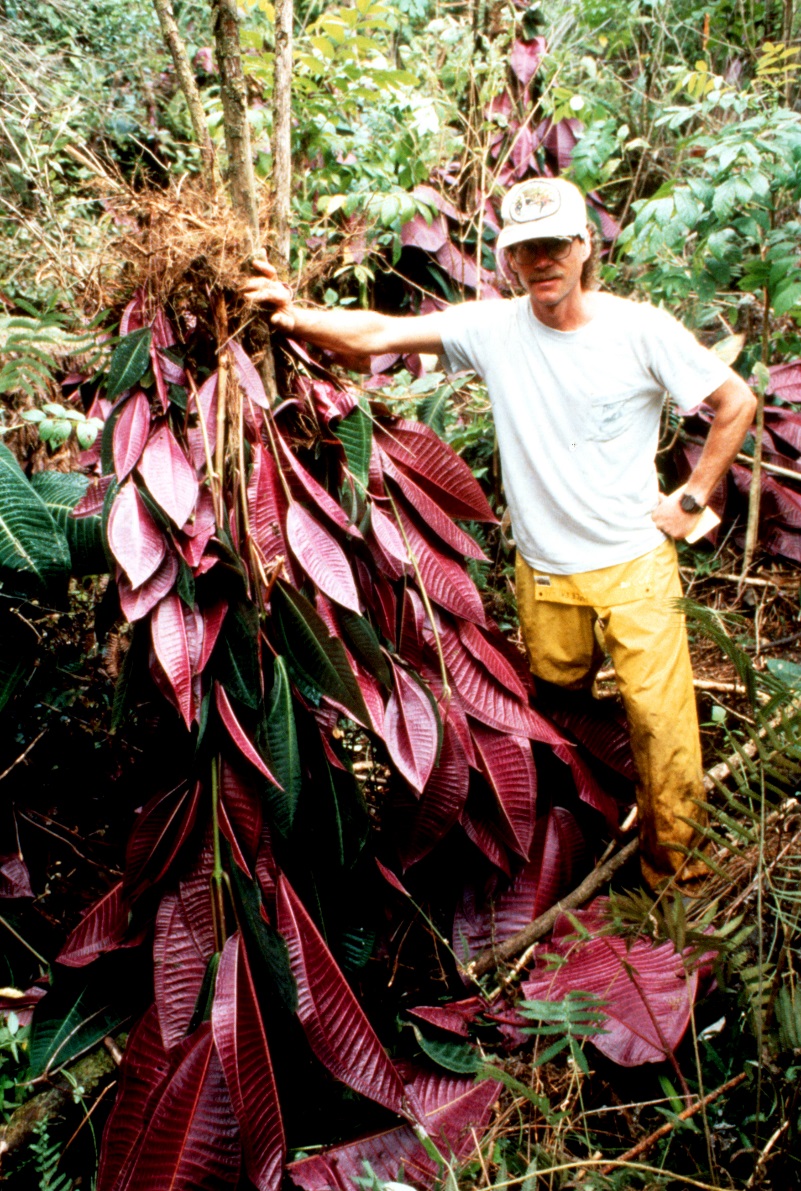
   removing Miconia to protect Haleakala National Park

The Strategic Plan identifies goals and actions to optimize the program’s effectiveness, while increasing program and park capacity and leveraging human and fiscal resources with state, federal, and private entities.

The plan articulates a mission, a vision, five broad goals, and actions for the next 10 years. It’s intended to guide annual planning and major projects, as well as to identify and help prioritize funding needs and initiatives.

The overall vision is for the Invasive Plant Program to guide park service efforts to enhance landscape level stewardship of resources by applying “technically sound, holistic, collaborative, adaptive, and innovative approaches.” The hope is that other NPS units will increasingly rely on the IPP’s expertise in implementing their programs and building partnerships.

The strategic plan lays out five broad goals, each supplemented by a list of detailed activities. Priority actions have been identified for the first 5 years (2017-2021) with the expectation that actions will be re-prioritized during annual reviews. These five goals are:

  1. Develop program standards

Clarify and standardize administrative and operational roles and tasks. Improve data management and train colleagues in those standards. Incorporate science-informed procedures to support park management of invasive plants.

Interestingly, the Plan calls for IPP staff to quantify the invasive plant threat and effort needed to manage it and then to communicate the gap between effort needed and resources available to decision makers.

2. Promote the Invasive Plant Program by highlighting the services it provides and the significance of the invasive plant issue both internally and with stakeholders. Assure that IPP efforts parallel those in the Department of Interior Action Plan for invasive species.

  1. Build capacity of individual parks and the Service to prevent the arrival of invasive plants and manage infestations that are already present

Enhance resource and information sharing and field-based training. Find ways to encourage parks to continue managing the invaders after the EMPT completes the initial eradication. Also find ways to increase the EPMT Program’s efficiency. Possibly develop an NPS pesticide applicators’ certification course (the Bureau of Land Management and Department of Defense already have one).

Increase partnerships to deal with actions that are outside parks’ control. Specifically, participate in regional and state invasive plant councils, and collaborate with a full range of external partners to identify successful techniques, conduct control and restoration campaigns, improve and implement efficient plant management across park boundaries, and recruit and manage youth and volunteers.

  1. Promote holistic and integrated invasive plant management

Work with other NPS programs and parks (across all divisions) to establish resource stewardship and landscape preservation / restoration goals. Integrate integrated pest management strategies in management actions. Continue close collaboration with Climate Change Response Program (if it still exists!). Identify research needs and get the research done.

  1. Collaborate on invasive plant management

Foster and encourage internal and external collaboration and coordination to leverage available resources, expertise, and knowledge.

Identify parks, NPS programs, partner agencies, organizations, and related initiatives with similar objectives to increase efficiency and effectiveness. Coordinate with NPS monitoring programs (although the invasive animal study authors thought the monitoring program is not structured to serve invasive species needs). Partner with BLM and US Fish and Wildlife Service and non-federal partners to cooperatively manage invasive plants on the landscape. Coordinate compliance with National Environmental Policy Act (NEPA) and National Historic Preservation Act.


Each IPP unit is expected to develop an annual work plan that aligns with an annual financial plan. Priorities will be reviewed annually. Each IPP unit will also submit an annual accomplishment report. IPP might develop a tracking system to be applied to each assigned action.

Plus the IPP strategic plan will be reviewed annually and actions will be re-prioritized as needed. The annual status reports will be made available to stakeholders and partners on the Web.


Posted by Faith Campbell

We welcome comments that supplement or correct factual information, suggest new approaches, or promote thoughtful consideration. We post comments that disagree with us — but not those we judge to be not civil or inflammatory.


New study evaluates “candidate pool” from which invasive species might come

Campanula latifolia – one of the species detected as an “emerging” invasive species in the database relied upon by the authors of the study

The authors of a new study note that officials managing invasive species programs rely largely on knowledge of a species’ previous invasion history to predict its level of threat in the geographic area under their responsibility. This approach does not work with the many introduced species that have no history of a previous detected invasion. Hanno Seebens and 49 coauthors – including tree-pest experts Eckehard G. Brockerhoff, Marc Kenis, Andrew M. Liebhold, and Alain Roques — have sought to figure out how great a handicap that lack of data is. See “Global rise in emerging alien species results from increased accessibility of new source.” The study is available for $10 here. Figures, tables, and references are available without charge.

The study used a database of 45,984 first records of establishment of 16,019 species belonging to the following major taxonomic groups: vascular plants, mammals, birds, fishes, insects, crustaceans, mollusks, and other invertebrates.

Last year, many of the same scientists, relying on the same database, found that the rate of new introductions of alien species has risen rapidly since about 1800 – and shows no sign of slowing down. The adoption of national and international biosecurity measures during the 20th century have slowed introductions – but they are not sufficiently effective, especially regarding those plants and animals that are introduced primarily accidentally as stowaways on transport vectors or contaminants of commodities (e.g., algae, insects, crustaceans, mollusks and other invertebrates). The 2017 study found a strong correlation between these “accidental” alien species’ spread and the market value of goods imported into the region of interest. For that study, go here.  I blogged about the findings on 1 March 2017 – here.

In the new 2018 article, the scientists found that even after many centuries of invasions the rate of emerging alien species is still high. Across all taxonomic groups, one out of four detections during 2000 – 2005 was of a species that had not been previously recorded anywhere as alien. Detections of “new” or “emerging” aliens is occurring at an even higher rate for some taxonomic groups. But new detections of insects fit the average – every fourth detection during 2000 – 2005 was of a species not previously recorded outside its native range.

The authors conclude that the continuing high proportion of “emerging” alien species is best explained by the interplay of 1) the incorporation into the pool of potential alien species of species native to regions formerly not accessible to traders; 2) increases in introduction rates due to higher import volumes; and 3) probably rising establishment rates as a consequence of land degradation that facilitates establishment in recipient regions. This process compensates for the decrease of new invaders from historically important source regions – from which potentially invasive species have presumably already taken advantage of pathways and been recorded as introduced somewhere.

emerald ash borer Agrilus planipennis – one of the species in the database of “emerging” invasive species


The number of insect species in the database candidate species pool is 20,611 species – an admittedly small fraction of all insects (for example, there are more than 350,000 beetle species worldwide). Twenty-four percent of these insect species have already been established somewhere outside their native ranges. However, the authors note that data gaps – which are larger for some taxonomic groups and geographic regions – mean that the number of actual “first” introductions is probably larger than records indicate, and consequently the estimated size of the candidate species pools may also be higher. Indeed, the paper does not attempt to estimate the actual size of the invasive species “pool” for insects.

The authors analyzed the importance of eight factors – temperature, relative humidity, import values, three land-use categories, number of botanical gardens, and human population size – in explaining the continued high number of “emerging” invaders detected in recent years. While these factors were explanatory for some taxonomic groups, they had a very low predictive value for insects.

For vascular plants, every third record of an introduction in 2000 – 2005 was of an “emerging” alien  species. Interestingly, the number of botanical gardens in a country was a significant predictor for emerging alien vascular plants. However, as the authors of the article point out, reliance on this factor ignores the probable importance of other contributors such as the number of species planted in the receiving country; similarities between source and receiving environments; and introductions by acclimatization societies, European explorers or settlers, and plant hunters.

Acer ginnala –one of the species detected as an “emerging” invasive species in the database; photo by J. Weisenhorn, University of Minnesota extension

In any case, lots of previously undetected alien species are detected each year. In this database, 58% of the species had a single record; 86% of all species have no more than two first records in countries on the same continent. The large number of species with only one or two records led the authors to conclude that most species will not spread widely. I question that conclusion because species often require some time to spread to new locations – either local or distant. The authors do admit that they are unable to determine which species have a high potential for spread.

ash trees at the St. Louis arch – before arrival of emerald ash borer


The continued high rate of introduction of new species leads the authors to estimate that between 1% and 16% of all species on Earth – depending on the taxonomic group – qualify as potential invasive alien species. The authors did not attempt to estimate the true candidate pool or percentage of invasive species for insects. For vascular plants, the authors estimated the candidate pool at 47,000 species (out of a total of 368,000 species on Earth), or 13%.

Like its predecessor, this study’s importance arises from its broad perspective – covering the entire globe and a wide range of taxonomic groups. Its major conclusion that invasions will continue on a large scale serves as a warning to all stakeholders. These include officials charged with protecting agriculture and the broader economy, or the natural environment; conservationists; and those engaged in the economic activities that promote invasion.

However, the authors found that the data did not support more specific advice. First, as noted above, they were unable to determine which of the “emerging” invasive species in all taxonomic groups have a high potential to spread.

For those of us focused on invasive species that threaten native plants, data gaps limit the predictive value of the study the most. The database is too scant even to estimate the invasive species “pool” of potential insect pests. Plant pathogens are not included in the analysis.


Posted by Faith Campbell and Phyllis Windle


We welcome comments that supplement or correct factual information, suggest new approaches, or promote thoughtful consideration. We post comments that disagree with us — but not those we judge to be not civil or inflammatory.


You Might Be Surprised By Who is Authorized to Manage Wildlife on Federal Lands

mountain goats – introduced onto USFS-managed lands in the Columbia River Gorge at state initiative; in Utah, the state introduced mountain goats on lands adjacent to a USFS Research Natural Area


The journal Environmental Law has just published a 135-page article that debunks a common myth of wildlife management – a piece that the U.S. Forest Service tried to quash. The authors’ analysis could affect the introduction of potentially invasive non-native species – and the reintroduction of native ones – on federal lands.

Nie, M., C. Barns, J. Haber, J. Joly, K. Pitt & S. Zellmer. 2017. Fish and Wildlife Management on Federal Lands; debunking state supremacy. Environmental Law, Vol. 47, no. 4 (2017).

The article reviews the legal authority of federal and state governments to manage wildlife on federal lands.  The authors examined wildlife-related provisions within the National Park System, National Wildlife Refuge System, National Forest System, Bureau of Land Management, the special case of Alaska, the National Wilderness Preservation System, and the Endangered Species Act. They also reviewed cases where federal and state agencies came into conflict over wildlife management on federal lands.

Citing the U.S. Constitution, federal land laws, and relevant case law, the authors assert that federal agencies have an obligation, not just the discretion, to manage and conserve fish and wildlife on lands and waters under their management. They say that the often-cited statement that “the states manage wildlife and federal land agencies only manage wildlife habitat” is wrong from a legal standpoint. This is the myth that the article debunks.

Furthermore, the authors find that federal agencies frequently apply their powers in an inconsistent and sometimes even unlawful fashion. Due to political pressures, they may back down when confronted by states wanting to manage wildlife to achieve their own goals – even when the state’s goals conflict with the legally-mandated purposes of the federal land under question. Such goals might include ensuring maximum populations of “game” animals or introduction of species to new habitats – regardless of the potential impact on native plants and animals.

The authors note that federal land and wildlife laws provide ample opportunities for constructive intergovernmental cooperation in wildlife management. They call for truly mutual collaboration by federal, state, and tribal authorities in managing wildlife. However, such cooperation is blocked in part by states choosing to challenge the constitutional powers, federal land laws, and U.S. government supremacy. In addition, the authors contend, most states have not put together programs that address their own conservation obligations. These obligations are inherent in the widely recognized doctrine of wildlife being a public trust to be managed for the present and future benefit of the people, not the government or private individuals.

According to the website of the Forest Service Employees for Environmental Ethics,  posting of a draft of this article on the University of Montana website (where lead author Martin Nie teaches) led the U.S. Forest Service to pressure the university to withdraw the article. The university refused, and the Forest Service ended its contract with Nie and his research center.

The paper can be downloaded here. We welcome comments that supplement or correct factual information, suggest new approaches, or promote thoughtful consideration. We post comments that disagree with us — but not those we judge to be not civil or inflammatory.

Posted by Faith Campbell

Feral hog eradication – making progress by doing it the right way

large_hog_damage (MO)

feral hogs in Missouri

As I wrote in my blog of March 2016, introduced wild hogs (Sus scrofa) threaten ecosystems across the continent and on islands ranging from Hawai`i to the Caribbean.

According to an environment impact statement prepared by APHIS (see reference below), these highly adaptable, prolific, large and powerful animals cause immense damage by rooting for plant parts and invertebrates in the soil, and by wallowing to cool themselves and fend off biting insects. Pigs may root to depths of three feet below the surface. Wallows are commonly located in or adjacent to riparian or bottomland habitats. Feral hogs out-compete other animals for hard mast and also consume algae, fungi, soil invertebrates, worms, crustaceans, and bird and reptile eggs. They even feed on small vertebrate animals.

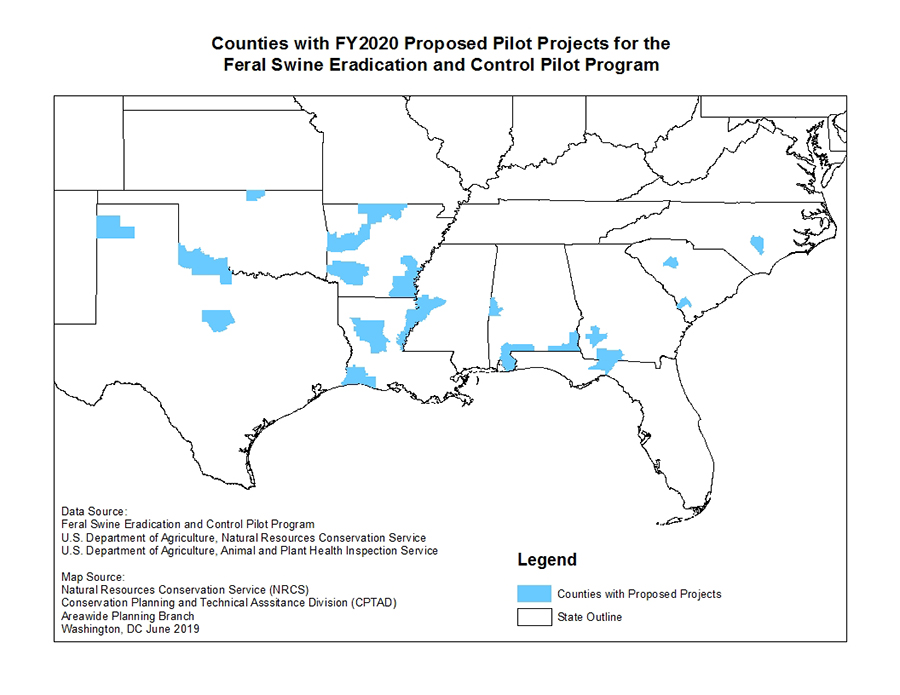
Rising feral hog populations and spread to new areas has raised concern. insert map  According to John J. Mayer (reference below), the number of states with established wild boar populations is now 37. They might number as many as 11.3 million. Texas has the largest numbers, 30 to 41% of the U.S. total. Other states with high numbers are Alabama, Arkansas, California, Florida, Georgia, Louisiana, Mississippi, Oklahoma, and South Carolina.


Poison them?

One proposed response was to poison the hogs using the anticoagulant drug Warfarin – which is widely used as a rodent poison. The U.S. Environmental Protection Agency (EPA) approved the use of warfarin as a bait – Kaput® Feral Hog Bait – in January 2017 after only 16 months of review – an unprecedented brief period for a toxin. Many expressed concern, especially about possible poisoning of non-target wildlife. The National Environmental Coalition on Invasive Species was one of several groups to ask EPA to reconsider.  Principal concerns raised: black bears and other wildlife could open the bait dispenser; spilled bait could be eaten by a wide variety of wildlife; scavengers could be exposed when they feed on the carcasses of poisoned pigs; hunters could also be exposed to contaminated meat. Several states considering use of the bait – including Louisiana and Texas – decided to reconsider. The Arkansas Game and Fish Commission also asked the state Plant Board to take care pending additional study of the secondary effects.

Missouri Program Expands

Meanwhile, Missouri is finding success with its aggressive and scientifically-based program, which began  years ago in response to growing public concern about hog damage. As I noted in my earlier blog, in 2016, the Missouri Conservation Commission prohibited hunting of feral hogs on lands owned, leased, or managed by the Missouri Department of Conservation. Missouri took this action because hunting does not significantly reduce feral hog populations. Instead, it causes the animals to disperse – making them even more difficult to control. (Missouri has extensive material on feral hogs posted here  .

The Missouri Department of Conservation is working with several partners – including other government agencies, non-government organizations, agricultural organizations and many landowners. The program has included private lands since the 1990s. However, there is an increased effort to engage more private landowners so as to place traps on more lands in the state. The outreach includes landowner workshops and presentations to various groups, as well as information provided at fairs and similar events. MDC relies largely on landowners contacting the agency when they have feral hog problems and visits to individuals.

The outreach is working; the number of landowners asking for assistance is rising.

The numbers of hogs removed has also risen. During 2016, 5,358  were removed as part of the program. During the first seven months of 2017, From January 1 through July 31, 2017 MDC and its partners removed 4,703 feral hogs.  This is more than a thousand more than had been removed during the same period in 2016.

The program is not cheap; the Conservation Commission approved $1.8 million for fiscal year 2018. These funds cover primarily trapping and killing activities. Costs for MDC staff time and fuel are not included. Most of the MDC staff assisting the program do so as an additional duty. Recently, MDC has hired Mark McLain as the Feral Hog Elimination Team Leader to coordinate MDC feral hog elimination efforts statewide.

Information for this blog came in part from an MDC press release here  and Alan Leary and Mark McLain of the Missouri Department of Conservation. However, the views presented here are those of the Center for Invasive Species Prevention, not the Missouri Department of Conservation.

Update:

The Missouri program removed a total of 6,561 feral hogs in 2017. From January through July 2018, the program removed 7,339 hogs (MDC press release November 2018).

Mark McLain, the MDC lead on hog eradication, said “We’ve been very strategic in our efforts, focusing on removal of whole groups of feral hogs at a time, before moving onto another area. This strategic approach is important because if we leave even a few feral hogs behind in an area, they can reproduce quickly and put us back where we started.”

McLain noted that over the 20 years when hunting feral hogs was unregulated, they spread from a few counties to over 30 counties.  He warned people who continue to release feral hogs are acting illegally and will be fined.

SOURCES

Mayer, J.J. 2014. Estimation of the Number of Wild Pigs Found in the Unted States. August 2014 SRNL-STI-2014-00292, Revision 0.

Missouri Department of Conservation. 2018. Press Release: MDC and partners eliminate more than 7,300 feral hogs from Missouri’s landscape in 2018 so far. https://mdc.mo.gov/newsroom/mdc-and-partners-eliminate-more-7300-feral-hogs-missouri%E2%80%99s-landscape-2018-so-far

U.S. Department of Agriculture Animal and Plant Health Inspection Service Final Environmental Impact Statement. Feral Swine Damage Management: a National Approach May 27, 2015 https://www.aphis.usda.gov/regulations/pdfs/nepa/2015%20Final%20EIS%20Feral%20Swine%20Damage%20Management%20-%20A%20National%20Approach.pdf


We welcome comments that supplement or correct factual information, suggest new approaches, or promote thoughtful consideration. We post comments that disagree with us — but not those we judge to be not civil or inflammatory.


Posted by Faith Campbell

Invasive “hot spot” study confirms vulnerable places, causes of introductions

removing Miconia from Hawaiian forest; courtesy of the Nature Conservancy of Hawai`i

A recent article by Wayne Dawson and 24 coauthors (see reference at the end of this blog) provides the first-ever global analysis of established alien species. They studied the diversity of established alien species belonging go eight taxonomic groups – amphibians, ants, birds, freshwater fish, mammals, reptiles, spiders and vascular plants – across 609 regions (186 islands or archipelagos, and 423 mainland regions).

The analysis found that the highest numbers of established alien species in these taxonomic groups were in the Hawaiian Islands, New Zealand’s North Island and the Lesser Sunda Islands of Indonesia. The Hawaiian Islands have high numbers of invasive species in all of the eight groups studied. In New Zealand, the highest numbers were invasive plants and introduced mammals that prey on the native birds.

Florida is the top hotspot among mainland regions. Florida is followed by the California coast and northern Australia.

Burmese python in the Florida Everglades; photo by U.S. Fish & Wildlife Service

Patterns

 Invasive species hotspots were found mainly on islands and in coastal regions of mainland areas. The lead author, Dr. Wayne Dawson, a researcher at Durham University’s Department of Biosciences, suggested that the greater invasive species richness in coastal regions probably results from higher rates of species introductions to port areas compared to interior regions.

Island regions have, on average, higher cross-taxon invasive species richness. This cross-taxon richness on islands tends to be higher for those islands further from continental landmasses. The authors suggest that such oceanic islands might be more likely to import large quantities of goods from foreign sources than islands close to continents, thus experiencing higher propagule pressure.


Associations

Regions with greater wealth (measured as per capita GNP), human population density, and area have higher established alien richness. These effects were strongest on islands. The authors suggest that wealth and human population density might correlate with higher numbers of species being brought to the region through trade and transport.

On mainlands, cooler regions have higher richness. I think this might reflect history – centuries of colonial powers importing plants and animals. However, colonial powers also introduced species to tropical regions.  In contrast, on islands warmer and wetter regions have higher richness of invasive species.


Drivers

The authors conclude that cumulative numbers of invasive species at a particular location are driven to a greater extent by differences in area and propagule pressure than by climate. The model that best explains cross-taxon invasive species richness combines per capita GDP, population density and sampling effort. Other important factors are area of the region, mean annual precipitation, and whether a region is on a mainland or island(s).

The study results show that, per unit increase in area, per capita GDP, and population density, invasive species richness increases at a faster rate on islands than on mainlands. This might be confirmation of the longstanding belief that islands are more readily invaded than mainlands, although the authors caution that a rigorous test of this explanation would require data on failed introductions.

The authors call for additional research to understand whether these effects arise because more species are introduced to hotspot regions, or because human disturbance in these regions makes it easier for the newcomers to find vacant spaces and opportunities to thrive.


I think it would be helpful to compare the findings on invasive species richness in specific regions to data on historic patterns of trade and colonization to strengthen our understanding of the importance of propagule pressure in determining invasion patterns.


Increasing Confirmation of Significance and Breadth of Invasive Species Threat

The Dawson et al. study is the latest in a series of analyses of global or regional patterns in invasive species. I have blogged previously about several of these:

  • Bradshaw et al. 2016 concluded that invasive insects alone cause at least $77 billion in damage every year, a figure they described as a “gross underestimate”.
  • A study by Hanno Seebens and 44 coauthors showed that the rate of new introductions of alien species has risen rapidly since about 1800 – and shows no sign of slowing down. Adoption of national and international biosecurity measures have been only partially effective, failing to slow deliberate introductions of vascular plant species, birds, and reptiles, and accidentally introduced invertebrates and pathogens. Like Dawson et al, Seebens et al. found a strong correlation between the spread of bioinvaders introduced primarily accidentally as stowaways on transport vectors or contaminants of commodities (e.g., algae, insects, crustaceans, molluscs and other invertebrates) and the market value of goods imported into the region of interest.
  • Liebhold et al. 2016(see reference below) studied insect assemblages in 20 regions around the world. They found that an insect taxon’s ability to take advantage of particular invasion pathways better explained the insect’s invasion history than the insects’ life-history traits. (The latter affect the insect’s ability to establish in a new ecosystem.)
  • Maartje J. Klapwijk and several colleagues note that growing trade in living plants and wood products has brought a rise in non-native tree pests becoming established in Europe. The number of alien invertebrate species has increased two-fold since 1950; the number of fungal species has increased four-fold since 1900.
  • Jung et al. (2015) studied the presence of Phytophthora pathogens in nurseries in Europe. They found 59 putatively alien Phytophthora taxa in the nurseries. Two-thirds were unknown to science before 1990. None had been intercepted at European ports of entry when they were introduced. Nor have strict quarantine regulations halted spread of the quarantine organism ramorum.
  • A report by The World Conservation Union (IUCN) on World Heritage sites globally found that invasive species were second to poaching as a threat to the sites’ natural values. Of 229 natural World Heritage sites examined, 104 were affected by invasive species. Island sites – especially in the tropics – were most heavily impacted.
  • Another report by IUCN found that invasive species were the second most common cause of species extinctions – especially for vertebrates.

Conclusions

These studies demonstrate that

  • Invasive species have become a significant threat to biological diversity and ecosystem services around the world – one that continues to grow.
  • The recent spate of studies originating in Europe probably reflects recent recognition of the continent’s vulnerability – as seen, inter alia, in the proliferation of tree-killing Phytophthoras.
  • Human movement of species – propagule pressure – whether deliberately or due to inadequate efforts to manage trade-related pathways – explain the bulk of “successful” introductions.
  • Economic activity drives introductions, so areas at highest immediate risk are urban areas and other centers receiving high volumes of imports and visitors. Among troubling trends in the future is rapid global urbanization – along with rising economic interdependency.
  • Efforts to curb these movements – at the national, regional, and international levels – have failed so far to counter the threat posed by invasive species of nearly all taxonomic groups.

In my view, the requirements that phytosanitary measures “balance” pest prevention against trade facilitation results in half measures being applied – and half measures achieve halfway results. For example, the U.S. does not require that packaging be made from materials that cannot transport tree-killing pests. The USDA has moved far too slowly to limit imports of plant taxa that pose a risk of either being invasive themselves or of transporting pests known to be damaging.


Conservationists should focus on building political pressure to strengthen regulations and other programs intended to curtail this movement. No other approach will succeed.


Sources

Bradshaw, C.J.A. et al. Massive yet grossly underestimated global costs of invasive insects. Nat. Commun. 7, 12986 doi: 10.1038/ncomms12986 (2016). (Open access)

Dawson, W., D. Moser, M. van Kleunen, H. Kreft, J. Perg, P. Pyšek, P. Weigelt, M. Winter, B. Lenzner, T.M. Blackburn, E.E. Dyer, P. Cassey, S.L. Scrivens, E.P. Economo, B. Guénard, C. Capinha, H. Seebens, P. García-Díaz, W. Nentwig, E. García-Berthou, C. Casal, N.E. Mandrak, P. Fuller, C. Meyer and F. Ess. 2017. Global hotspots and correlates of IAS richness across taxon groups. Nature Ecology and Evolution Vol. 1, Article 0186. DOI: 10.1038/s41559-017-0186 | www.nature.com/natecolevol


Jung,T., L. Orlikowski, B. Henricot, P. Abad-Campos, A.G. Aday, O. Aguin Casa, J. Bakonyi, S.O. Cacciola, T. Cech, D. Chavarriaga, T. Corcobado, A. Cravador, T. Decourcelle, G. Denton, S. Diamandis, H.T. Doggmus-Lehtijarvi, A. Franceschini, B. Ginetti, M. Glavendekic, J. Hantula, G. Hartmann, M. Herrero, D. Ivic, M. Horta Jung, A. Lilja, N. Keca, V. Kramarets, A. Lyubenova, H. Machado, G. Magnano di San Lio, P.J. Mansilla Vazquez, B. Marais, I. Matsiakh, I. Milenkovic, S. Moricca, Z.A. Nagy, J. Nechwatal, C. Olsson, T. Oszako, A. Pane, E.J. Paplomatas, C. Pintos Varela, S. Prospero, C. Rial Martinez, D. Rigling, C. Robin, A. Rytkonen, M.E. Sanchez, B. Scanu, A. Schlenzig, J. Schumacher, S. Slavov, A. Solla, E. Sousa, J. Stenlid, V. Talgø, Z. Tomic, P. Tsopelas, A. Vannini, A.M. Vettraino, M. Wenneker, S. Woodward and A. Perez-Sierra. 2015. Widespread Phytophthora infestations in European nurseries put forest, semi-natural and horticultural ecosystems at high risk of Phytophthora disease. Forest Pathology.


Klapwijk, M.J., A.J.M. Hopkins, L. Eriksson, M. Pettersson, M. Schroeder, A. Lindelo¨w, J. Ro¨nnberg, E.C.H. Keskitalo, M. Kenis. 2016. Reducing the risk of invasive forest pests and pathogens: Combining legislation, targeted management and public awareness. Ambio 2016, 45(Suppl. 2):S223–S234  DOI 10.1007/s13280-015-0748-3  [http://www.nature.com/articles/ncomms14435 ]


Liebhold, A.M., T. Yamanaka, A. Roques, S. Augustin, S.L. Chown, E.G. Brockerhoff, P. Pysek. 2016. Global compositional variation among native and nonindigenous regional insect assemblages emphasizes the importance of pathways. Biological Invasions (2016) 18:893–905


Seebens, H. et al., 2017. No saturation in the accumulation of alien species worldwide. Nature Communications. January 2017. [http://www.nature.com/articles/ncomms14435 ]


We welcome comments that supplement or correct factual information, suggest new approaches, or promote thoughtful consideration. We post comments that disagree with us — but not those we judge to be not civil or inflammatory.


Posted by Faith Campbell


Bill aimed at controlling invasive species on the ground advances

whitebark pine in Crater Lake National Park killed by white pine blister rust; photo by F.T. Campbell

In the first days of April, the Senate Environment and Public Works Committee  adopted the Wildlife Innovation and Longevity Driver Act (S. 826) (the WILD Act).

Title II of this legislation would amend the Fish and Wildlife Coordination Act by inserting language very similar to the Federal Land Invasive Species Control, Prevention, and Management Act (S. 509).  I blogged last year about that  bill and a hearing about it here.

Our concerns at the time focused on:

  • The provision allowing invasive control projects to proceed without first being evaluated by an environmental impact statement or environmental assessment. Lack of careful analysis could expose the environment to additional damage. For example, use of herbicides or grazing to control invasive plants can lead to suppression of native forbs. Suppressing invasion by one set of plants – whatever the strategy used – often facilitates a secondary invasion.
  • The mandatory funding allocations – which severely limit funds available to support research, outreach, and strategic planning and coordination – could undercut activities crucial to development and implementation of effective strategies and management tools.
  • The mandatory goal of reducing invasive species populations by 5% per year is unrealistic.
  • New requirements on reporting and coordination might divert already-thin resources and delay needed action.
  • Priority-setting. Managing invasive species on national lands should reflect national goals and perspectives, not be set by states’ governors.

Caroline Murphy of The Wildlife Society and I have reviewed Title II of the new WILD Act and find that it differs from last year’s invasive species control bill in several important ways:

  • The bill now applies to a wider range of agencies. The Secretary of the Army (who supervises the Corps of Engineers) is included explicitly; he joins the secretaries of Interior and Agriculture (as supervisor of the Forest Service). In addition, the bill also applies to the head of “any federal agency” having duties related to planning or treatment of invasive species “for the purpose of protecting water and wildlife on land and in water.”
  • Most important, projects are no longer granted a “Categorical Exclusion” from preparing environmental impact analyses. Instead, under an “Expedited Action” provision, the Secretaries are instructed to use all existing legal tools and flexibilities to expedite projects and activities.
  • The bill still requires that 75% of invasive species funds be allocated to “on-the-ground control and management of invasive species.” But such activity now may include “the use of appropriate methods to remove invasive species from a vehicle or vessel capable of conveyance.” I wish the language also included efforts to prevent invasive species from being present in or on the vehicle or vessel.
  • The bill has dropped the requirement that invasive species’ populations be reduced by 5% annually. The bill now requires the Secretaries to develop a strategic plan “to achieve, to the maximum extent practicable, a substantive annual net reduction of invasive species populations or infested acreage on land or water” that the Secretary manages. It is still not clear whether that reduction should apply to some or all of the invasive species there.

I am still concerned that

  • Projects are to use least-cost methods. This requirement is likely to favor reliance on chemical controls, which could have significant non-target impacts and might not provide lasting control. This incentive might be counter-balanced by the requirement that the methods be effective, based on sound scientific data. However, the bill’s focus on measuring annual results rather than long-term efficacy will add to pressures to rely on short-term approaches that could undermine long-term effectiveness.
  • Leadership of the projects – especially setting priorities – will be in hands of state governments, not the federal agencies which have the responsibility under federal law to manage the lands and waters that are to be protected. A partial counter-balance is the requirement that the appropriate federal agency Secretary determine which lands or waters need immediate action to address the invasive species risk.  Furthermore, the expedited actions are to be carried out in accordance with agency procedures, including any applicable land or resource management plan

I welcome the requirement that the Secretaries, in developing their strategic plans, must take into consideration the ecological as well as the economic costs of acting or not acting.

As before, the projects are to be carried out through collaboration with wide range of partners, including private individuals and entities – apparently including non-governmental organizations such as state or local invasive plant coalitions.

The rest of the WILD Act would reauthorize the Partners for Fish and Wildlife Program, some Multinational Species Conservation Fund Programs, and create several conservation-related competitive grant programs to be managed by the National Fish and Wildlife Foundation, one of which is for the management of invasive species.

Now that these provisions are incorporated into a wider bill, and Senator Barasso is chairman of the full committee, adoption of some version of this legislation now seems more likely than I thought last year.  Apparently there is still no action in House on the parallel bill.

While I am heartened by some of the changes in the bill since last year, I continue to think that America’s public lands would be better protected by a more comprehensive approach that includes prevention, mapping, early detection, research, prioritization, coordination and outreach aimed at engaging key stakeholders.  Such an approach was outlined in a document developed a couple of years ago by the National Environmental Coalition on Invasive Species (NECIS) – available here.

Posted by Faith Campbell

We welcome comments that supplement or correct factual information, suggest new approaches, or promote thoughtful consideration. We post comments that disagree with us — but not those we judge to be not civil or inflammatory.