New Publication on Threats to World’s Forests – including Invasives

­

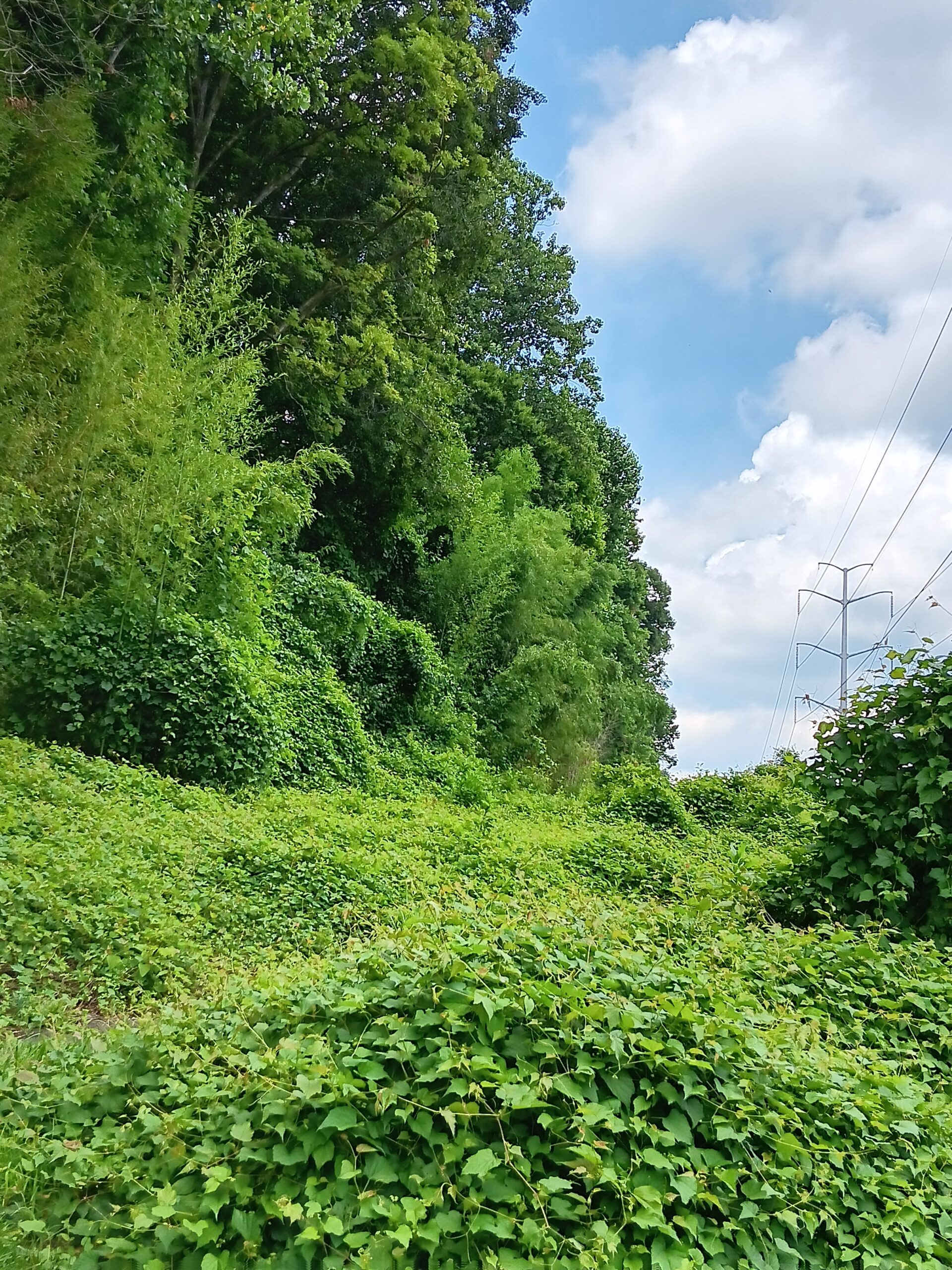
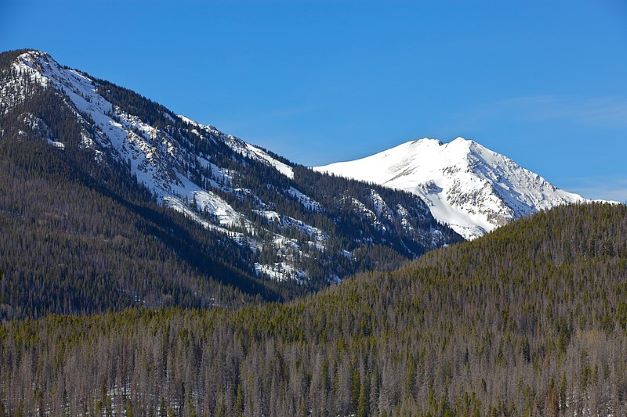
Russian Taiga forest

In a new paper, “Forest Resources of the World: Present Status and Future Prospects,” Singh et al. affirm the importance of forests for terrestrial biodiversity, provision of multiple ecosystem services, and supporting the economic well-being of approximately 1.6 billion people directly. This equals about a quarter of Earth’s population. The authors conclude that achieving global Sustainable Development Goals (SDGs), including poverty reduction, food security, and mitigating and adapting to climate change — all depend on sustaining forests.

According to the 2020 Global Forest Resource Assessment, Earth’s forested area comprises ~4.06 billion hectares, or 31% of the total land surface.More than half (54%) of all global forest area is found in five countries: the Russian Federation, Brazil, Canada, the United States, and China. Tropical forests constitute 45% of this total; boreal forests, 27%; temperate forests, 16%; and subtropical forests, 11%. An estimated 93% (3.75 billion ha) regenerate through natural processes; 7% (290 million ha) is planted forest.

The extent of global forest area has been declining for decades but the rate of loss slowed significantly between 1990 and 2020. This reflects decreased deforestation in some countries and an increase in forest area in others. The latter is due to both afforestation and also natural forest growth. However, conversion of tropical forests to agriculture continues apace. From 2010 to 2020, the net loss of forest area was highest in Africa (3.9 million ha) and South America (2.6 million ha). Increases in net forest area occurred in Asia, Oceania and Europe. The status of the top 10 countries or territories in global forest resources as of 2020 is given in Table 1.2 of the chapter. [News sources document that rapid deforestation continues in Brazil, at least.]

Several trends are concerning to those of us who value primary or undisturbed forests. First, the area of naturally regenerating forest has decreased, while the area of planted forest has expanded – but only by 123 million ha. In the last decade, the rate of increase in the area of planted forests has also slowed.

Second, total carbon stock in forests declined from 668 gigatons to 662 gt in 1990–2020. This is only 6%, but it is trending in the wrong direction. As we know, forest conservation counters climate change in two ways: conserved forests are a carbon sink, while degraded or destroyed forests are a significant source of atmospheric CO2. In fact, forests are the 2nd largest storehouses of carbon, after oceans. Global forests sequester about one-third of total CO2 emission from the combustion of fossil fuels. Almost all forest carbon is found in living biomass (44%) and soil organic matter (45%).

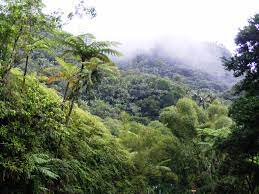
Costa Rican rainforest; photo by eflon via Flickr

Third, primary forests are already severely reduced and continue to shrink. Primary forests are those composed of native species, and supporting relatively undisturbed ecological processes. They are irreplaceable for sustaining biological diversity. These forests are already severely reduced – they cover only ~ 1 billion ha. Since 1990, the extent of primary forest has decreased by 81 million ha. More than half are in Brazil, Canada, and Russia.

Singh et al. report that only about 10% of the world’s forests are set aside for biodiversity conservation. Again, trends are in the wrong direction. The rate of increase in the area of forest designated largely for biodiversity conservation has slowed. On the other hand, forest areas designated for other non-extractive purposes have increased: soil and water conservation, recreation, tourism, education, research, and the protection of cultural and spiritual sites.

Singh et al. are cheered by the fact that more than 2 billion hectares are under management with well-defined management plans. The extent of forests under management plans has increased by 233 million ha since 2000.

Singh et al. say that continuously increasing anthropogenic pressure is the main cause of deforestation and forest degradation in unmanaged forests. Citing projections that the world’s population will reach almost 10 billion by 2050, they say this growth will make reconciling the need for forest conservation with the basic requirements of humans for food, shelter, and fuel more difficult than ever.

I appreciate this honesty. Too many experts interviewed on the day that the global population was estimated at 8 billion made optimistic statements about the consequences. They mentioned Earth’s carrying capacity only in reference to First World people demanding excessive resources. There was minimal discussion of humanity’s carbon footprint and no reference to ever-increasing threats to biological diversity. Nor to the fact that people in developing countries want to raise their standards of living – which entails higher demand for resources, including energy. For an example, see The Washington Post editorial, here.

On the other hand, Ruby Mellen in the Post on 15 November mentioned that, according to the World Wildlife Fund, 75% of Earth’s ice-free land has been significantly altered by people, and two-thirds of mammal, fish, reptile, and amphibian species have become endangered in the last ~50 years. Unfortunately, the on-line version of the paper doesn’t have this specific article!

fires in Siberian forest in 2016; European Space Agency

Threats to Forests: Fire

Singh et al. rank fire as the most disastrous threat, affecting biodiversity and carbon sequestration potential.   According to the U.N. Food and Agriculture Organization, about 29% of the total geographical area in the world was affected by forest fires during 2001–2018; more than two-thirds of these fires occurred in Africa. U.S. media, however, focused on fires in the Amazon, temperate areas (U.S., Europe), and, sometimes, boreal forests or Australia. Singh et al. say that areas that are frequently affected by fire are prone to other types of disturbances like drought and outbreaks of insect pests.

tanoaks killed by Phytophthora ramorum in Oregon; photo by Oregon Department of Forestry

Threats to Forests: Diseases and Pests

I am glad that Singh et al. recognize the damage to forest productivity caused by disease and pest infestations. In doing so, they cite familiar sources – Clive Brasier, Peter Vitousek, Juliann Aukema, Gary Lovett, Sandy Liebhold, Kerry Britton, Bitty Roy, Hanno Seebens – regarding surges in pest attacks; the growing diversity of damaging pests; resulting changes in forest species composition and structure that impede ecosystem functions and productivity. Singh et al. follow these sources in calling for improved hygiene in nurseries, adoption of scientific silvicultural practices reducing physical damage to the vegetation, selection of genotypes that are resistant, and reinforcing national and international policies on quarantine and biosecurity measures to minimize pest impacts in the future. They also mention adoption of remote sensing technologies to detect the trees under stress and use of sentinel plantings. They list the 10 most important international agreements dealing with invasive species issues as the International Plant Protection Convention, Ramsar Convention, Convention on International Trade in Endangered Species of Wild Fauna and Flora, Convention on Migratory Species, Convention on Biological Diversity and its Cartagena Protocol on Biosafety,  IUCN Invasive Species Specialist Group, World Trade Organization Agreement on Sanitary and Phytosanitary Measures, Global Invasive Species Program, and International Civil Aviation Organization, and Cartagena.

slash and burn agriculture in Bolivia; photo Neil Palmer

Threats to forests: Development Projects

Singh et al. consider development projects to be the third threat to forest conservation.  Their roads, powerlines, and other linear developments cause habitat loss and fragment landscapes. In their view, environmental impact assessments and other similar requirements are not yet sufficient to safeguard sustainable use of forest resources.

Policy Responses

Singh et al. call for more inclusive forest management structures to respond to the threat climate change poses to forests, industries, and forest-dependent communities. They all for partnerships that bring together researchers from several disciplines with forest managers and local stakeholders. Geoffrey M. Williams and others (including me) advocate for similar conservation approaches. (See pre-print here.)

In this context, Singh et al. mention several reports, plans, and agreements aimed at global forest conservation.  Participants in global fora have recognized the importance of forests in contributing to food security and sustainable development. Among agreements mentioned are the UN’s Strategic Plan for Forests 2030 and recommendations of the International Institute for Sustainable Development (IISD) published in 1994. The former tries to generate greater coherence, collaboration, and synergy across UN programs aimed at encouraging volunteer forest conservation by countries, international, regional, and local organizations, partners, and stakeholders. Unfortunately, they do not discuss the extent to which the 30-year old IISD recommendations have – or have not – been implemented.

They also describe Forest Landscape Restoration as an effective strategy to restore the functionality of forests.Again, the focus is on a collaborative approach aimed at integrating efforts by all forestry-related stakeholders, e.g., scientific and academic organizations, local communities, indigenous peoples, and private sectors, including forest-based enterprises and NGOs.

Also praised is rising attention to trees outside forest. This includes fostering use of trees in agroforestry systems ranging from home gardens to farm forestry systems, shelterbelts, and woodlots. This approach helps to sustain the livelihoods of rural communities and maintain a stable and secure food supply. Meanwhile, it reduces dependence on natural forests

Singh et al. say community forest management and decentralized governance have gained acceptance. They describe examples from Gambia and Rwanda. They concede that such decentralization has its own risks and challenges. For example, e the most marginalized sections of the community must be ensured adequate capacity for robust conflict resolution.

Singh et al. advocate that all nations seek to increase their forest cover; affluent countries that are hampered by physical and climatic conditions should aid poorer nations in increasing and upgrading their forest cover. They suggest “recognition” and encouragement of countries that maintain forest cover above 30% of territory.

See also about loss of floral diversity and blog about IUCN’s global forest assessment.

SOURCE

Singh, M., N.N. Shahina, S. Das, A. Arshad, S. Siril, D. Barman, U. Mog, P. Panwar, G. Shukla, and S. Chakravarty. 2022. Forest Resources of the World: Present Status and Future Prospects. In Panwar, P., G. Shukla, J.­A. ­Bhat, S. ­Chakravarty­. 2022. Editors. Land Degradation Neutrality: Achieving SDG 15 by ­Forest Management; ISBN 978-981-19-5477-1 ISBN 978-981-19-5478-8 (eBook)

https://doi.org/10.1007/978-981-19-5478-8

Posted by Faith Campbell

We welcome comments that supplement or correct factual information, suggest new approaches, or promote thoughtful consideration. We post comments that disagree with us — but not those we judge to be not civil or inflammatory.

For a detailed discussion of the policies and practices that have allowed these pests to enter and spread – and that do not promote effective restoration strategies – review the Fading Forests report at http://treeimprovement.utk.edu/FadingForests.htm

or

www.fadingforests.org

Australia Builds Capacity to Address Forest Pests

Australian Eucalypts; photo by John Turnbull via Flickr

I congratulate Australian scientists for bringing about substantial improvements of their country’s biosecurity program for forest pests. While it is too early to know how effective the changes will be in preventing new introductions, they are promising. What can we Americans learn from the Australian efforts? [I have previously praised South Africa’s efforts – there is much to learn there, too.]

Australia has a reputation of being very active in managing the invasive species threat. However, until recently biosecurity programs targetting forest pests were minimal and ad hoc. Scientists spent 30 years trying to close those gaps (Carnegie et al. 2022). Their efforts included publishing several reports or publications (listed at the end of the blog) and an international webinar on myrtle rust. Scientists are hopeful that the new early detection program (described below) will greatly enhance forest protection. However, thorough pest risk assessments are still not routinely conducted for forest pests. (Nahrung and Carnegie 2022).

The native flora of Australia is unique. That uniqueness has provided protection because fewer of the non-native insects and pathogens familiar to us in the Northern Hemisphere have found suitable hosts (Nahrung and Carnegie 2020). Also – I would argue – the uniqueness of this flora imposes a special responsibility to protect it from threats that do arise.

Only 17% of Australia’s landmass is covered by forests. Australia is large, however; consequently, these forests cover 134 million hectares (Nahrung and Carnegie 2020). This is the 7th largest forest estate in the world (Carnegie et al. 2022).

Australia’s forests are dominated by eucalypts (Eucalyptus, Corymbia and Angophora). These cover 101 million ha; or 75% of the forest). Acacia (11 million ha; 8%); and Melaleuca (6 million ha) are also significant. The forest also includes one million ha of plantations dominated by Pinus species native to North America (Carnegie et al. 2022). A wide range of native and exotic genera have been planted as amenity trees in urban and peri-urban areas, including pines, sycamores, poplars, oaks, and elms (Carnegie et al. 2022). These urban trees are highly valued for their ecosystem services as well as social, cultural, and property values (Nahrung and Carnegie 2020). Of course, these exotic trees can support establishment and spread of the forest pest species familiar to us in the Northern Hemisphere. On the positive side, they can also be used as sentinel plantings for early detection of non-native species (Carnegie et al. 2022 and Nahrung and Carnegie 2020).

Despite Australia’s geographic isolation, its unique native flora, and what is widely considered to be one of the world’s most robust biosecurity system, at least 260 non-native arthropods and pathogens of forests have established in Australia since 1885 (Nahrung and Carnegie 2020). [(This number is about half the number of non-native forest insects and pathogens that have established in the United States over a period just 25 years longer (Aukema et al. 2010).] As I noted, forest scientists have cited these introductions as a reason to strengthen Australia’s biosecurity system specifically as it applies to forest pests.

What steps have been taken to address this onslaught? For which pests? With what impacts? What gaps have been identified?

Which Pests?

Nahrung and Carnegie (2020) compiled the first comprehensive database of tree and forest pests established in Australia. The 260 species of non-native forest insect pests and pathogens comprise 143 arthropods, 117 pathogens. Nineteen of them (17 insects and 2 fungal species) had been detected before 1900. These species have accumulated at an overall rate of 1.9 species per year; the rate of accumulation after 1955 is slightly higher than during the earlier period, but it has not grown at the exponential rate of import volumes.

While over the entire period insects and pathogens were detected at an almost equal rate (insects at 1.1/year; pathogens at 0.9/year), this disguises an interesting disparity: half of the arthropods were detected before 1940; half of the pathogens after 1960 (Nahrung and Carnegie (2020). By 2022, Nahrung and Carnegie (2022) said that, on average, one new forest insect is introduced each year. Some of these recently detected organisms have probably been established for years. More robust surveillance has  just detected them recently. I have blogged often about an apparent explosion of pathogens being transported globally in recent decades.

In a more recent article (Nahrung and Carnegie, 2022), gave 135 as the number of non-native forest insect pests. The authors don’t explain why this differs from the 143 arthropods listed before.

damage to pine plantations caused by Sirex noctilio; photo courtesy of Helen Nahrung

Eighty-seven percent of the established alien arthropods are associated with non-native hosts (e.g., Pinus, Platanus, Populus, Quercus, Ulmus) (Carnegie et al. 2022). Some of these have escaped eradication attempts and caused financial impact to commercial plantations (e.g., sirex wood wasp, Sirex noctilio) and amenity forests (e.g., elm leaf beetle, Xanthogaleruca luteola) (Carnegie and Nahrung 2019).

About 40% of the alien arthropods were largely cosmopolitan at the time of their introduction in Australia (Carnegie et al. 2022). Only six insects and six fungal species are not recorded as invasive elsewhere (Nahrung and Carnegie 2020). Of the species not yet established, 91% of interceptions from 2003 to- 2016 were known to be invasive elsewhere. There is strong evidence of the bridgehead effect: 95% of interceptions of three species were from their invaded range (Nahrung and Carnegie 2022). These included most of the insects detected in shipments from North America, Europe and New Zealand. These ubiquitous “superinvaders” have been circulating in trade for decades and continue to be intercepted at Australia’s borders. This situation suggests that higher interception rates of these species reflect their invasion success rather than predict it (Nahrung and Carnegie 2021).  

I find it alarming that most species detected in shipments from Africa, South America, and New Zealand were of species not even recorded as established in those regions (Nahrung and Carnegie 2021; Nahrung and Carnegie 2022).

Arhopalus ferus, a Eurasian pine insect often detected in wood from New Zealand; photo by Jon Sullivan – in New Zealand; via Flickr

Half of the alien forest pests established in Australia are highly polyphagous. This includes 73% of Asian-origin pests but only 15% of those from Europe (Nahrung and Carnegie 2021). Nahrung and Carnegie (2022) confirm that polyphagous species are more likely to be detected during border inspections.

PATHWAYS

As in North America and Europe, introductions of Hemiptera are overwhelmingly (98%) associated with fresh plant material (e.g. nursery stock, fruit, foliage). Coleoptera introductions are predominantly (64%) associated with wood (e.g. packaging, timber, furniture, and artefacts). Both pathways are subject to strict regulations by Australia (Nahrung and Carnegie 2021).

Eradication of High-Priority Pests

Eight-five percent of all new detections were not considered high-priority risks. Of the four that were, two had not previously been recognized as threats (Carnegie and Nahrung 2019). One high-priority pest – expected to pose a severe threat to at least some of Australia’s endemic plant species – is myrtle rust, Austropuccinia psidii. Despite this designation, when the rust appeared in Australia in 2010, the response was confused and ended in an early decision that eradication was impossible.  Myrtle rust has now spread along the continent’s east coast, with localized distribution in Victoria, Tasmania, the Northern Territory, and – in 2022, Western Australia.   `

Melaleuca quinquenervia forest; photo by Doug Beckers via Wikimedia

There have been significant impacts to native plant communities. Several reviews of the emergency response criticized the haste with which the initial decision was made to end eradication (Carnegie and Nahrung 2019). (A review of these impacts is here; unfortunately, it is behind a paywall.)

A second newly introduced species has been recognized as a significant threat, but only after its introduction to offshore islands. This is Erythina gall wasp Quadrastichus erythrinae (Carnegie and Nahrung 2019). DMF Although Australia is home to at least one native species in the Erythrina genus, E. vespertilio,, the gall wasp is not included on the environmental pest watch list.

Four of the recently detected species were considered to be high impact. Therefore eradication was attempted. Unfortunately, these attempts failed in three cases. The single success involved a pinewood nematode, Bursaphelenchus hunanesis. See Nahrung and Carnegie (2021) for a discussion of the reasons. This means three species recognized as high-impact pests have established in Australia over 15 years (Nahrung and Carnegie (2021). In fact, Australia’s record of successful forest pest eradications is only half the global average (Carnegie and Nahrung (2019).

Carnegie and Nahrung (2019) conclude that improving early detection strategies is key to increasing the likelihood of eradication. They discuss the strengths and weaknesses of various strategies. Non-officials (citizen scientists) reported 59% of the 260 forest pests detected (Carnegie and Nahrung 2019). Few alien pests have been detected by official surveillance (Carnegie et al 2022). However, managing citizen scientists’ reports involves a significant workload. Futhermore, surveillance by industry, while appreciated, is likely to detect only established species (Carnegie and Nahrung 2019).

Interception Frequency Is Not an Indicator of Likelihood of Establishment

Nahrung & Carnegie (2021) document that taxonomic groups already established in Australia are rarely detected at the border. Furthermore, only two species were intercepted before they were discovered to be established in Australia.

Indeed, 76% of species established in Australia were either never or rarely intercepted at the border. While more Hemiptera species are established in Australia, significantly more species of Coleoptera are intercepted at the border. Among beetles, the most-intercepted family is Bostrichid borers (powderpost beetles). Over the period 2003 – 2016, Bostrichid beetles made up 82% of interceptions in wood packaging and 44% in wood products (Nahrung and Carnegie 2022). This beetle family is not considered a quarantine concern by either Australian or American phytosanitary officials. I believe USDA APHIS does not even bother recording detections of powderpost beetles. Nahrung and Carnegie (2021) think the high proportion of Bostrichids might be partially explained by intense inspection of baggage, mail, and personal effects. While Australia actively instructs travelers not to bring in fruits and vegetables because of the pest risk, there are fewer warnings about risks associated with wood products. 

Nahrung & Carnegie (2021) concluded that interception frequencies did not provide a good overall indicator of likelihood of risk of contemporaneous establishment.

Do Programs Focus on the Right Species?

Although Hemiptera comprise about a third of recent detections and establishments, and four of eight established species are causing medium-to-high impact, no Hemiptera are currently listed as high priority forestry pests by Australian phytosanitary agencies (Nahrung & Carnegie (2021). On the other hand, Lepidoptera make up about a third of the high-priority species, yet only two have established in Australia over 130 years. Similarly, Cerambycidae are the most frequently intercepted forest pests and several are listed as high risk. But only three forest-related species have established (Nahrung and Carnegie 2020). (Note discussion of Bostrichidae above.).

Unlike the transcontinental exchanges under way in the Northern Hemisphere, none of the established beetles is from Asia; all are native to Europe. This is especially striking since interceptions from Asia-Pacific areas account for more than half of all interceptions Nahrung and Carnegie (2021).

Interestingly, 32 Australian Lepidopteran and eight Cerambycid species are considered pests in New Zealand. However, no forest pests native to New Zealand have established in Australia despite high levels of trade, geographic proximity, and the high number of shared exotic tree forest species (Nahrung and Carnegie 2020).

STRUCTURE OF PROGRAM

The structure of Australia’s plant biosecurity system is described in detail in Carnegie et al. (2022). These authors call the program “comprehensive” but to me it looks highly fragmented. The federal Department of Agriculture and Water Resources (DAWR,[recently renamed the Department of Agriculture, Fisheries, and Forestry, or DAFF) is responsible for pre-border (e.g., off-shore compliance) and border (e.g., import inspection) activities. The seven state governments, along with DAFF, are responsible for surveillance within the country, management of pest incursions, and regulation of pests. Once an alien pest has become established, its management becomes the responsibility of the land manager. In Australia, then, biosecurity is considered to be a responsibility shared between governments, industry and individuals.

Even this fragmented approach was developed more recently than one might expect given Australia’s reputation for having a stringent biosecurity system. Perhaps this reflects the earlier worldwide neglect of the Plant Kingdom? Carnegie and Nahrung (2019) describe recent improvements. Until the year 2000, Australia’s response to the detection of exotic plant pests was primarily case-by-case. In that year Plant Health Australia (PHA) was incorporated. Its purpose was to facilitate preparedness and response arrangements between governments and industry for plant pests. In 2005, the Emergency Plant Pest Response Deed (EPPRD) was created. It is a legally-binding agreement between the federal, state, and territorial governments and plant industry bodies. As of 2022, 38 were engaged. It sets up a process to implement management and funding of agreed responses to the detection of exotic plant pests – including cost-sharing and owner reimbursement. A national response plan (PLANTPLAN) provides management guidelines and outlines procedures, roles and responsibilities for all parties. A national committee (Consultative Committee on Emergency Plant Pests (CCEPP) works with surveys to determine invaded areas (delimitation surveys) and other data to determine whether eradicating the pest is technically feasible and has higher economic benefits than costs..

Austropuccinia psidii on Melaleuca quinquenervia; photo by John Tann via Flickr

Even after creation of EPPRD in 2005, studies revealed significant gaps in Australia’s post-border forest biosecurity systems regarding forest pests (Carnegie et al. 2022; Carnegie and Nahrung 2019). These studies – and the disappointing response to the arrival of myrtle rust – led to development of the National Forest Biosecurity Surveillance Strategy (NFBSS) – published in 2018; accompanied by an Implementation Plan. A National Forest Biosecurity Coordinator was appointed.

The forest sector is funding a significant proportion of the proposed activities for the next five years; extension is probable. Drs. Carnegie and Nahrung are pleased that the national surveillance program has been established. It includes specific surveillance at high-risk sites and training of stakeholders who can be additional eyes on the ground. The Australian Forest Products Association has appointed a biosecurity manager (pers. comm.)

This mechanism is expected to ensure that current and future needs of the plant biosecurity system can be mutually agreed on, issues identified, and solutions found. Plant Health Australia’s independence and impartiality allow the company to put the interests of the plant biosecurity system first. It also supports a longer-term perspective (Carnegie et al. (2022). Leading natural resource management organizations are also engaged (Carnegie, pers. comm.).

Presumably the forest surveillance strategy (NFBSS) structure is intended to address the following problems (Carnegie and Nahrung 2019):

  • Alien forest pests are monitored offshore and at the border, but post-border surveillance is less structured and poorly resourced. Australia still lacks a surveillance strategy for environmental pests.
  • Several plant industries have developed their own biosecurity programs, co-funded by the government. These include the National Forest Biosecurity Surveillance Strategy (NFBSS).

Some pilot projects targetting high risk sites were initiated in the early 2000s. By 2019, only one surveillance program remained — trapping for Asian spongy (gypsy) moth.

  • The states of Victoria and New South Wales have set up sentinel site programs. Victoria’s uses local council tree databases. It is apparently focused on urban trees and is primarily pest-specific – e.g., Dutch elm disease. The New South Wales program monitors more than 1,500 sentinel trees and traps insects near ports. This program is funded by a single forest grower through 2022.  

Dr. Carnegie states: “With the start of the national forest biosecurity surveillance program in December 2022, the issues and gaps identified by Carnegie et al. 2022 are starting to be addressed. The program will conduct biosecurity surveillance specifically for forest pests and pathogens and be integrated with national and state biosecurity activities. While biosecurity in Australia is still agri-centric, a concerted and sustained effort from technical experts from the forest industry is changing this. And finally, the new Biosecurity Levy should ensure sustained funding for biosecurity surveillance.”

There is a separate National Environmental Biosecurity Response Agreement (NEBRA), adopted in 2012. It is intended to provide guidelines for responding, cost-sharing arrangements, etc. when the alien pest threatens predominantly the environment or public amenity assets (Carnegie et al. (2022). However, when the polyphagous shot hole borer was detected, the system didn’t work as might have been expected. While PSHB had previously been identified as an environmental priority pest, specifically to Acacia, the decision whether to engage was made under auspices of the the Emergency Plant Pest Response Deed (EPPRD) rather than the environmental agreement (NEBRA). As a result, stakeholders focused on environmental, amenity and indigenous concerns had no formal representation in decision-making processes; instead, industries that had assessed the species as a low priority (e.g., avocado and plantation forestry) did (Nahrung, pers.comm.).

Additional Issues Needing Attention

Some needs are not addressed by the National Forest Pest Strategic Plan (Carnegie et al. 2022) (Nahrung, pers. comm.):

1) The long-term strategic investment from the commercial forestry sector and government needed to maintain surveillance and diagnostic expertise;

2) Studies to assess social acceptance of response and eradication activities such as tree removal; 

3) Studies to improve pest risk prioritization and assessment methods; and

4) Resolving the biosecurity responsibilities for pests of timber that has been cut and used in construction.

In 2019, Carnegie and Nahrung (2019) called for developing more effective methods of detection, especially of Hemiptera and pathogens. They also promoted national standardization of data collection. Finally, they advocated inclusion of technical experts from state governments, research organizations and industry in developing and implementing responses to pest incursions. They note that surveillance and management programs must be prepared to expect and respond to the unexpected since 85% of the pests detected over the last 20 years—and 75% of subsequently mid-to high-impact species established—were not on high-priority pest list. See Nahrung and Carnegie 2022 for a thorough discussion of the usefulness and weaknesses of predictive pest listing.

SOURCES

Aukema, J.E., D.G. McCullough, B. Von Holle, A.M. Liebhold, K. Britton, & S.J. Frankel. 2010. Historical Accumulation of Nonindigenous Forest Pests in the Continental United States. Bioscience. December 2010 / Vol. 60 No. 11

Carnegie A.J. and H.F. Nahrung. 2019. Post-Border Forest Biosecurity in AU: Response to Recent Exotic Detections, Current Surveillance and Ongoing Needs. Forests 2019, 10, 336; doi:10.3390/f10040336 www.mdpi.com/journal/forests

Carnegie A.J., F. Tovar, S. Collins, S.A. Lawson, and H.F. Nahrung. 2022. A Coordinated, Risk-Based, National Forest Biosecurity Surveillance Program for AU Forests. Front. For. Glob. Change 4:756885. doi: 10.3389/ffgc.2021.756885

Nahrung H.F. and A.J. Carnegie. 2020. NIS Forest Insects and Pathogens in Australia: Establishmebt, Spread, and Impact. Frontiers in Forests and Global Change 3:37. doi: 10.3389/ffgc.2020.00037 March 2020 | Volume 3 | Article 37

Nahrung, H.F. and A.J. Carnegie. 2021. Border interceps of forest insects estab in AU: intercepted invaders travel early and often. NeoBiota 64: 69–86. https://doi.org/10.3897/neobiota.64.60424

Nahrung, H.F. & A.J. Carnegie. 2022. Predicting Forest Pest Threats in Australia: Are Risk Lists Worth the Paper they’re Written on? Global Biosecurity, 2022; 4(1).

Posted by Faith Campbell

We welcome comments that supplement or correct factual information, suggest new approaches, or promote thoughtful consideration. We post comments that disagree with us — but not those we judge to be not civil or inflammatory.

For a detailed discussion of the policies and practices that have allowed these pests to enter and spread – and that do not promote effective restoration strategies – review the Fading Forests report at http://treeimprovement.utk.edu/FadingForests.htm

or
www.fadingforests.org

Plants for Planting – Major Pathway, Too Little Attention

Phytopthora cinnamomi on manzanita in California; photo courtesy of Ted Swiecki/Phytosphere

While I blog often about wood packaging the fact is that imports of live plant [= “plants for planting” in USDA’s terms] have historically posed a higher risk of introducing tree-killing pests. In 2012, Liebhold et al. found that nearly 70% of 455 damaging pests introduced to the continental U.S. as of 2006 had probably been introduced via plant imports. These included 95% of sap feeding and 89% of foliage feeding insects and about half of the pathogens. Imported plants not only carry a greater variety of pests than wood packaging; they also carry many more.

Introductions on imported plants for planting is not a rare event. An analysis of data in the Agriculture Quarantine Inspection Monitoring (AQIM) during 2009 found that the approach rate of pests on imported plants was apparently 12% (Liebhold et al. 2012) — more than 100 times higher than the 0.1% approach rate found by Haack et al. (2014) for wood packaging. This alarming statistic receives less attention than warranted because APHIS objected to the accuracy of other aspects of the study.

APHIS has adopted changes to its phytosanitary system for plants for planting in the decade since 2009. The question is, have these changes reduced the known risks associate with live plant imports – especially given skyrocketing imports? Are more measures necessary? Current data and analyses cannot provide a scientifically valid answer.

ohia rust on endangered Hawaiian native plant Eugenia koolauensis

First, most studies focus on insects – they even exclude pathogens. Among pathogens introduced in recent decades, probably by the plant trade, are several Phytophthoras, rapid ‘ōhi‘a death, beech leaf disease, boxwood blight. (I am assuming that the Fusarium dieback disease vectored by Euwallacea beetles was introduced via wood packaging.) There have been repeated detections of the Ralstonia solanacearum Race 3 biovar 2, a bacterium that attacks a range of herbaceous plants, despite APHIS requiring specific integrated pest management programs in producing nurseries located in Central America. Examples of recently introduced leaf feeders include the European beech leaf-mining weevil and elm zigzag sawfly.

I concede that it is difficult to study introduced pathogens. It is nearly impossible to compile a complete list of introduced fungi and related organisms since only the most damaging are typically detected and their native ranges are frequently undeterminable. However, European forest pathologists are much more active on these questions. Why? What can we do to focus Americans on the threats these organism pose?

Second, most studies analyzing the pest risk associated with plant imports use port inspection data. However, port inspection data are not reliable indicators of the pest approach rate – as explained by  Liebhold et al. 2012 and Haack et al. 2014 (as it pertains to wood packaging). Thus, most of the analyses carried out by Liebhold et al. and MachLachlan et al. (2022) are based on the pests found by APHIS inspectors: actionable pests were detected on only 2.6% of the incoming plants that they inspected.

Here I discuss two recent discussions of the risk associated with imported plant for planting. One is an analysis of establishments of one order of insects in the United States over 200 years (MacLachlan et al. 2022; full citation at the end of the blog). Again, the focus is on insects! The other is a discussion of the pathway during the recent annual meeting of the Continental Dialogue on Non-Native Forest Insects and Diseases. link to posting of presentations This discussion raised some of the key questions, although no answers were provided.

U.S. imports of plants have increased by more than 400% since the 1960s; 35% in just the last 15 years (in 2007 the U.S. imported approximately 3.7 billion plants [Liebhold et al. 2012]; in 2021 it was about 5 billion [MacLachlan et al. 2022]. Yet establishments of new non-native insects associated with this pathway have not risen commensurately. MacLachlan et al. (2022) attempt to answer why this is so. However, pests are often not detected for several years or a decade after their introduction. Furthermore, I doubt that an analysis based on inspection data, not the more reliable AQIM data, can provide an accurate assessment.

To clarify the pest risk associated with plant imports, studies of some insect types, excluding pathogens, is not sufficient. Again, APHIS should update the Liebhold et al. study to determine the approach rate for all types of organisms that threaten North American tree species. Any such study should include trees on Hawai`i, Guam, Puerto Rico, and other U.S possessions and territories. These islands are usually excluded from analyses of imported pests, including Liebhold et al. 2012. I concede that there are probably scientific and data-management challenges but these islands are immensely important from a biodiversity point of view, and they are parts of the United States!

Cycas micronesica endemic to Guam; threatened by cycad scale & cycad blue butterfly; photo courtesy A. Gawel

MacLachlan et al. (2022) focused their analysis on the insect order Hemiptera, including the so-called true bugs, including cicadas, aphids, planthoppers, and leafhoppers. This is the insect order most frequently transported with imported plants. In addition, establishments of Hemiptera can be attributed to plant imports rather than to wood or other vectors. Of the 3,500 species of non-native insects established in North America (including the contiguous U.S. states, Alaska, and Canada), about 27% are Hemiptera. Many are serious pests, e.g., hemlock woolly adelgid and balsam woolly adelgid). Complicating the analysis, however, is the fact that some Hemiptera are inconspicuous so they are difficult to detect. In fact, MacLaughlan et al. 2022 estimate the median delay between introduction and detection to be 80 years! They believe that many introduced species remain undiscovered, ranging from 21% for Eurasian regions to 38% for the Neotropics and 52% for Australasia.

eastern hemlocks killed by hemlock woolly adelgied; Linville Gorge, NC; photo by Steven Norman, USFS

MacLachlan et al. (2022) compare the relationship between plant imports and discoveries of Hemiptera from 1800 to the present in an attempt to answer the puzzle of why new Hemiptera establishments have remained relatively steady despite quadrupled plant imports. Perhaps the pool of novel insect species in the source region has been depleted. Or other factors might have changed, such as

  • the commodities imported (plant species or types; or geographic source)
  • phytosanitary measures applied by the U.S.

MacLachlan et al. (2022) tracked plant imports since 1854 from seven ecological regions: Afrotropic, Asian Palearctic, Australasia, European Palearctic, Indomalaya, Nearctic, Neotropic. In the early decades, both imported plants and introduced Hemiptera detected in the U.S., came predominantly from European and Asian Palearctic regions. Now, however, almost no new Hemiptera species are being introduced on plants imported from the European and Asian Palearctic regions. Since the 1950s, estimated establishments from the Indomalaya region have remained relatively stable. Establishments from the Neotropic and Afrotropic regions rose following World War II and have remained relatively high. After also declining in the first half of the 20th century, establishments of new species from Australasia have recently increased.

Generally, the regions associated with declining establishments of new species (Eurasia) are experiencing relatively gradual increases in their exports to the U.S. Those regions which contribute relatively steady or increasing establishments (Neotropics, Indomalaya, Australasia, and Afrotropic) have each undergone rapid increases in exports to the U.S.

Establishment Risk Among Regions

Source regions vary in the type of plants they export (e.g., rootless cuttings v. whole plants) and in the volume of exports. They also differ in the composition of their indigenous and introduced insect populations. Imports from areas with an abundance of species capable of establishing and adapted to environmental conditions in North America pose greater establishment risk, although it is challenging to determine the risk associated with individual species.

Establishment risk of shipments from a particular region also changes over time. The number of potential new species of invaders might shrink as more and more arrive in North America. (This situation has no effect on the continued introduction of insect species already established in North America. These reintroductions might arrive in new areas – so expanding the area at risk; or their increasing number contributes to propagule pressure at establishment sites.) Another factor might be phytosanitary policies. Strengthening of phytosanitary measures might suppress the number of organisms that travel with the plant shipment, enter North America, and establish. The opposite might happen if phytosanitary measures are relaxed or if the sourcing or type of imports diversifies in ways that connect additional species in source regions with trade pathways.

Considering all regional plant sources, MacLachlan et al. (2022) estimate that establishments per unit of additional imports – of Hemipterans – have shrunk because of a combination of increased imports, accumulated introductions associated with past imports, and the passage of time. These decreases are substantial – between 75.2% and 99.8% for the various regions from 1962 to 2012. For the Asian Palearctic and Neotropic regions, MacLachlan et al. (2022) determined that depletion of species pools is a contributing factor. Other factors are thought to explain the substantial decline in establishment likelihood for the other regions.  However, note the caveats above re: lag times in detecting introductions.

However, despite that significant decrease in risk per unit of imports, the number of establishments has remained relatively constant over the past century. MacLachlan et al. (2022) attribute this pattern to the decreases in marginal risk from additional imports being offset by substantial increases in overall import levels and diversification of the origins of imports across regions, which exposed the U.S. to new source species pools.

MacLachlan et al. (2022) suggest that APHIS should target biosecurity resources to the specific commodity-country pairs associated with a demonstrated higher relative risk of introducing additional insect species.

MacLachlan et al. (2022) are unable to evaluate the efficacy of APHIS’ most important policy change: creation of the “Not Authorized for Importation Pending Pest Risk Assessment” (NAPPRA) program because it was adopted in 2011 and they analyzed data only through 2012. A decade later this policy restricts imports of about 250 taxa (Regelbrugge to Continental Dialogue). It is certainly time to evaluate its efficacy through a new study of pest approach rates in the “plants for planting” trade.

I do not think that U.S. phytosanitary policy should be based on an analysis of just one of at least three types of pests that travel via the pathway. We need analysis of the risk from pathogens, nematodes, viruses … and other orders of arthropods.

The Continental Dialogue on Non-Native Forest Insets and Pathogens

The Continental Dialogue on Non-Native Forest Insects and Pathogens hosted a discussion of the risk of pest introduction via the plant trade during its recent annual meeting. Participants asked: How can the international phytosanitary system curtail introductions of unknown organisms when it is based on risk assessments that address only species that are fully known and – usually – have proven to be invasive elsewhere.

Rhodomyrtos psidioides in eastern Australia killed by myrtle rust; photo by Peter Entwistle

In recent decades, tens of species of Phytophthora have been introduced to countries around the world. Myrtle rust (Austropuccinia psidii) has been introduced to 27 countries from the U.S. to Australia and South Africa. The two causal agents of boxwood blight has been introduced to at least 24 countries in three geographic areas: Europe and western Asia; New Zealand; and North America. The ash decline fungus has been introduced across Europe. Most of these species were unknown to science at the time of their introduction. Other species were known – but not believed to pose a threat because, in their native regions, their co-evolved hosts are not harmed. 

For more than a decade, scientists have noted that the international phytosanitary system has failed to prevent this rapid worldwide spread of significant pathogens via the international nursery trade. Examples include Brasier 2008; Liebhold el. al. 2012; Santini et al. 2013; Roy et al. 2014; Eschen et al. 2015; Jung et al. 2015; Meurisse et al. 2019; O’Hanlon et al. 2021.

During the Continental Dialogue discussion, Craig Regebrugge, Vice President of AmericanHort (the principal nursery trade association) noted the economic importance of greenhouse and nursery production and the importance of offering novel plants to their customers. Also, he noted that U.S. retail nurseries import primarily unrooted plant cuttings. In so doing, they have a strong incentive to ensure that they are pest-free in order to avoid delays arising during inspections. Those delays would probably kill these highly perishable products. Most U.S. imports of “finished” plants come from Canada. There have been pest problems; one of the most recent examples is a moth that attacks boxwoods (Buxus), which is the top-selling shrub crop in the U.S. Earlier there was confusion over whether plants shipped from British Columbia had been infected by the sudden oak death pathogen.

Regelbrugge noted that the industry’s voluntary integrated pest management program – Systems Approach to Nursery Certification (SANC) – currently has about two dozen participating nurseries. Hoped-for adoption by more of the hundreds of production nurseries in the country has been delayed by COVID-related travel restrictions, but he hopes to restore momentum. The industry is looking for opportunities to strengthen the program through marketing messages.

Regelbrugge and a second speaker, Rebecca Epanchin-Niell of the University of Maryland, warned that prohibitions on imports will stimulate smuggling. Both raised concerns about direct-to-consumer sales by e-commerce vendors and sought ideas on how to change the behavior of both exporters and consumers.

Later Sarah Green of British Forest Research asked the APHIS representative whether the agency’s import procedures are working to prevent introductions. She pointed to the issues raised by the scientific sources I cited above: pest risk analyses address only known organisms, so this process cannot protect importers from unknown organisms. She noted that the United Kingdom is struggling to contain a number of introductions of previously unknown pathogens. Gary Lovett of the Cary Institute noted that this weakness of pest risk assessments also hampers U.S. attempts to prevent introductions – especially of pathogens. He called on the Dialogue to focus on the resource at risk – native and urban forests – and change our phytosanitary programs on this basis. He has advocated halting imports of plants that are congenerics of important North American tree species, in order to minimize the risk that pests that damage those genera will be introduced.

an American elm that has survived DED – at Longwood Gardens; photo by F.T. Campbell

Jiri Hulcr of the University of Florida tried to reassure Dialogue participants by stating that recent research has substantially reduced the threat from “unknown unkowns”. I applaud Dr. Hulcr’s efforts to reduce scientific uncertainty about the invasive potential of pathogens native to regions other than North America. His study might be the largest attempted by U.S.-based scientists. However, I note that his study assessed the threat posed by 55 insect-vectored fungi to two species of oak and two species of pines. The forests of the southeastern U.S. comprise many other tree genera! He also set a very high bar for defining a threat as serious: the damage to the host must be equivalent to that caused by Dutch elm disease or laurel wilt. Both have devastated their respective hosts. I believe U.S. phytosanitary policy must aim at protecting the full range of native species. Furthermore, levels of damage that affect the host’s role in the ecosystem – not just rapid mortality — should not be acceptable.

SOURCES

Epanchin-Niell, R., M. Springborn, an A. Lindsay.  2016. Resources No. 193 Fall 2016.  http://www.rff.org/files/document/file/RFF_Resources_193_Web.pdf

Li, Y. C. Bateman, J. Skelton, B. Want, A. Black, Y-T. Huang, A. Gonzalez, M.A. Jusino, Z.J. Nolen, S. Freemen, Z. Mendel, C-Y. Chen, H-F. Li, M. Kolarik, M. Knizek, J-H. Park, W. Sittichaya, P.H. Thai, S-I. Ito, M. Torii, L. Gao, A.J. Johnson, M. Lu, J. Sun, Z. Zhang, D.C. Adams, J. Hulcr. 2021. Pre-invasion assessment of exotic bark beetle-vectored fungi to detect tree-killing pathogen. Phytopathology. https://doi.org/10.1094/PHYTO-01-21-0041-R

Liebhold, A.M., E.G. Brockerhoff, L.J. Garrett, J.L. Parke, and K.O. Britton. 2012. Live Plant Imports: the Major Pathway for Forest Insect and Pathogen Invasions of the US. www.frontiersinecology.org

MacLachlan, M.J., A. M. Liebhold, T. Yamanaka, M. R. Springborn. 2022. Hidden patterns of insect establishment risk revealed from two centuries of alien species discoveries. Sci. Adv. 7, eabj1012 (2021).

Posted by Faith Campbell

We welcome comments that supplement or correct factual information, suggest new approaches, or promote thoughtful consideration. We post comments that disagree with us — but not those we judge to be not civil or inflammatory.

For a detailed discussion of the policies and practices that have allowed these pests to enter and spread – and that do not promote effective restoration strategies – review the Fading Forests report at http://treeimprovement.utk.edu/FadingForests.htm

or
www.fadingforests.org

West Coast Steps Up Efforts to Protect Ash

Oregon-ash dominated swamp in the Ankeny National Wildlife Refuge, Willamette Valley, Oregon; photo by Wyatt Williams, Oregon Department of Forestry

In April 2022 I blogged about efforts on the West Coast to prepare for arrival of the emerald ash borer (EAB).

That blog focused on Oregon ash (Fraxinus latifolia), which is an important component of riparian forests. I alerted you to the availability of ODA/ODF EAB 2018 Response Plan.

I also mentioned Oregon’s active participation in “don’t move firewood” campaigns.

California has long inspected incoming firewood. In 2021 it establishment of a state quarantine in response to APHIS ending the federal quarantine. Washington State operates a statewide trapping program for invasive insects but does not regulate firewood.

Contributions from the Tualatin Soil and Water Conservation District enabled the USDA Forest Service Dorena Genetic Resource Center to begin testing Oregon ash for resistance to EAB and related genetics work. Other funding came from the USFS Forest Health Protection program.

EAB has now been detected in Oregon — in the Willamette Valley! (See photo above, by Wyatt Williams) Concerned stakeholders have established a new newsletter to keep people informed and promote cooperative efforts.

The newsletter is “Ash across the West”.

The first issue of the newsletter provides the following information:

  • there are eight ash species in the West; all are vulnerable to the emerald ash borer (EAB)

Single-leaf ash (Fraxinus anomala)     CA, NV, AZ, UT, NM, CO, WY

Fragrant ash (Fraxinus cuspidata)       NV, AZ, NM, UT

Calif ash (Fraxinus dipetala)               CA, NV, AZ, UT

Fresnillo (Fraxinus gooddingii)               AZ

Gregg’s ash (Fraxinus greggii)                        AZ

OR ash (Fraxinus latifolia)                  WA, OR, CA

Chihuahuan ash (Fraxinus papillosa)    AZ, NM, TX

Velvet ash (Fraxinus velutina)                         CA, NV, AZ, UT, NM, TX

  • EAB Risk Map for OR: based upon known occurrences of ash & corresponding human activities associated with known pathways of EAB introduction and establishment.
  • 2022 status of the two field trials
    • the Dorena Genetic Resource Center (DGRC): planted 600 seedlings from 27 families; 85% survival in 2022; controlling competing vegetation
    • Washington State University Puyallup Research Center: planted seedlings from 26 of these families; 95% survival rate. Possible complication from a foliar disease.  
  • Seedlings from 17 Oregon ash families (including 14 of those in the DGRC field trial) sent to Dr. Jennifer Koch (USFS) in Ohio) for EAB resistance/susceptibility testing.
  • Seed collections began in 2019; interrupted by COVID-19 in 2020 but resumed in 2021 and continue in 2022. Several consortia are involved in Oregon and Washington. In California and the other states, The Huntington Botanical Gardens will lead the collecting effort. Funding is from USFS Forest Health Protection. Seeds are stored for gene conservation; some are used for the field trials in Oregon and Washington and the initial EAB-resistance studies going on in Ohio.
  • Penn State Ash Genomic Project: Dr. Jill Hamilton is trying to create a ‘genomic passport’ for Oregon ash populations for use in establishing genotype-environment associations to inform seed transfer guidelines. If you would like to help Dr. Hamilton collect leaves for sampling, contact: Dr. Jill Hamilton at jvh6349@psu.edu

To help with seed collection, ash monitoring, documenting the importance of ash to various communities, and other activities; or to get on the mailing list for the newsletter, contact Richard Sniezko at Richard.sniezko@usda.gov

A video explaining the campaign to save Oregon ash is at https://youtu.be/uZmfLrxEA7g

Posted by Faith Campbell

We welcome comments that supplement or correct factual information, suggest new approaches, or promote thoughtful consideration. We post comments that disagree with us — but not those we judge to be not civil or inflammatory.

For a detailed discussion of the policies and practices that have allowed these pests to enter and spread – and that do not promote effective restoration strategies – review the Fading Forests report at http://treeimprovement.utk.edu/FadingForests.htm

or
www.fadingforests.org

Invasive shot hole borers: global threat; will international phytosanitary system prevent further spread?

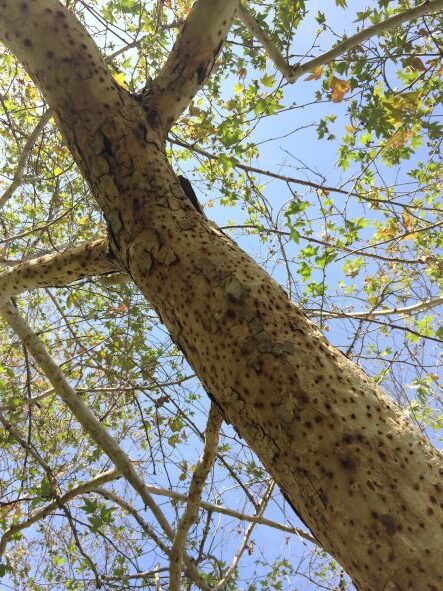
ISHB-infested California sycamore; photo by Beatriz Nobua-Behrmann, University of California Cooperative Extension

Numerous ambrosia beetles have become introduced species. Their invasions are facilitated by their cryptic habits and ecologies, wide host ranges, and specialized breeding systems – all of which allow extremely low populations to start an infestation. The way they breed often results in low genetic diversity in their introduced ranges, but this has not hampered their success. [Bierman et al. 2022]

Also, ambrosia beetles carry fungi, which provide food needed by their larvae. While most of these fungi don’t harm living trees, some do. The United States has been invaded by three damaging ambrosia beetle-fungal complexes: laurel wilt in the Southeast, and Fusarium dieback disease, carried to southern California with polyphagous and Kuroshio shot hole borers.

These shot hole borers and their fungi represent an especially high risk to our forests because they can be transported in both living and dead wood. So not only massive U.S. imports of live plants but also the global movement of goods enclosed in solid wood packaging offer ready pathways for them to arrive and spread here. Neither pathway is regulated effectively enough to prevent either pest imports or interstate spread.

Invasive ambrosia beetles in California and Hawai’i

The invasive ambrosia beetles introduced to California are in the genus Euwallacea. This genus has undergone several taxonomic revisions. Now, the Euwallacea are divided into four species (Stouthammer 2017), of which three are in the U.S.:

  • Euwallacea fornicatus s.s. – common name polyphagous shot hole borer; first came to attention in southern California in 2012; formerly known as E. whitfordiodendrus.
  • E. perbrevis – common name tea shot hole borer; formerly known as E. fornicatus s.l.
  •  E. kuroshio – unchanged nomenclature since detected in California in 2013;
  • E. fornicatior — apparently has not invaded outside of its native range in Asia.

Those now in the U.S. have been introduced to naïve habitats here and elsewhere, often with dire consequences. E. perbrevis, and possibly other species in the complex, are established on the Hawaiian islands.

For an extensive discussion of their introduction history go here  

The Fungi: U.S. and Worldwide

Several fungal associates are vectored by the polyphagous shot hole borer (PSHB) and Kuroshio shot hole borer (KSHB). The most important are Fusarium euwallacea and Fusarium kuroshium, respectively. These fungi were only described after they appeared in California in the 2010s. They cause Fusarium dieback disease.

Because the two beetle species are difficult to distinguish and the associated diseases cause very similar impacts, Californians studying them and educating stakeholders now speak of the two beetle-fungus complexes as one unit, “invasive shot hole borers”.  

Both PSHB and KSHB have numerous genetic strains, or haplotypes. For PSHB, the greatest haplotype diversity is in Asia – Thailand, Vietnam and China. Remember that these same regions are also a center of diversity for the huge genus Phytophthora, blog a genus widely recognized as containing many plant pathogens. https://www.dontmovefirewood.org/pest_pathogen/sudden-oak-death-syndrome-html/ One of the PSHB haplotypes, H33, has invaded many more regions than the others, including Israel, California, and South Africa. It has also been detected in several tropical plant greenhouses in Europe (where it has been eradicated). H33apparently is native to Vietnam – near Hanoi and Ho Chi Minh City – the country’s major ports (Rugman-Jones et al 2020 and pers. comm.). Does this haplotype’s spread to three continents reflect circumstances, such as the proximity of its native range to major ports and a “bridgehead effect” from its multiple introductions (the insects can be introduced to new regions on shipments from invaded regions established earlier)? Or does it point to an unknown genetic superiority (Bierman et al. 2022). This issue seems worth exploring.

I have blogged about the rising volume of imports from Vietnam, including to ports on the Gulf Coast –a region that has climatic similarities to Vietnam and known host species, so it seems quite vulnerable to invasion by either PSHB or KSHB.

A second species in the genus, KSHB, was detected in southern California in 2012; it has now spread to Mexico. So far, only one haplotype of this species has been detected in North America; this haplotype is widespread in Taiwan.

Finally, E. perbrevis (formerly known as E. fornicatus s.l.) has been detected in Florida, Hawai`i (island of Maui), and West Australia (to which it is probably native). This species has also been detected in nurseries in the Netherlands, where authorities report that it has been eradicated (Rugman-Jones et al. 2020).

Akacia koa – native tree in Hawai“i attacked by Euwallaceae; photo by David Eckhoff, via Flickr

Some species or haplotypes have been detected in only one introduced location: E. fornicatus H35 and E. kuroshio (H20) in California; H38 in South Africa; H43 on Oahu and the Big Island of Hawai`i; and an unnamed haplotype in West Australia (Rugman-Jones et al. 2020).

This is a brief guide to worldwide invasions by one or more Euwallacea-fungus complexes (Rugman-Jones et al. 2020):

  • Southern California — two haplotypes of E. fornicatus s.s. (H33 & H35) and E. kuroshio (one  haplotype).
  • Hawai`i – a unique haplotype of E. fornicatus s.s. (H43) on Oahu, the Big Island, and possibly other islands; E. perbrevis on Maui and possibly other islands.
  • Israel — E. fornicatus s.s. haplotype H33 only.
  • South Africa — E. fornicatus s.s. haplotype H33 and a unique haplotype (H38).
  • Western Australia — a unique haplotype of E. fornicatus s.s. and E. perbrevis (which is probably native in northern Queensland).
  • Greenhouses in Europe – both E. fornicatus s.s. (haplotype not specified) and – in the Netherlands — E. perbrevis; both reported eradicated.

When a location has been invaded by two or more species or haplotypes, this is probably an indication of separate introductions. Multiple introductions thus are suspected in California (Stouthamer et al. 2017; Bierman et al. 2022); South Africa (Bierman et al. 2022); and Hawai`i (Bierman et al. 2022).

As is true of other pathogens, e.g., Phytophthoras, there appears to have been a spurt of introductions in recent decades, to, e.g., California, South Africa, and the second species in Hawai`i. Bierman et al 2022 note the constantly growing number of locations with introductions.

Indigofera jucuna – reproductive host of PSHB in South Africa; photo by Giardano de Barcelona

Impact and Spread

As is common in the case of forest pests, especially pathogens, detection occurred only years after the initial introduction. In South Africa this delay was five years – from 2012 to 2017 or 2018. In California, identification of the species as PSHB in 2012 was nine years after the organism was first detected in the state (2003).

Over the decade since 2012, PHSB, KSHB, and the pathogens they transmit have spread through large portions of southern California. KSHB has spread through “jumps” to distant locations in Orange, Los Angeles, and as far as Santa Barbara and Ventura counties. There have also been detections in even more distant San Luis Obispo and Santa Clara. These latter apparently have not become established.

A likely explanation for this pattern is the movement of firewood. (Rugman-Jones et al 2020 and pers. comm.) See the map here The two beetles and the plant pathogens they carry are expected to spread throughout much of California wherever their many host plants occur.

On Hawai`i, PSHB is attacking several endemic species including one of the largest forest trees, Acacia koa, as well as Pipturus albidus and Planchonella sandwicensis. Numerous non-native species growing on the Islandsare also attacked, including crops (Macadamia and Mangifera) and invasive species

In South Africa, PSHB has spread faster and farther. It has been present since at least 2012 (Stouthamer et al. 2017), although it was not identified until 2018. In about a decade it has spread to every province except Limpopo – PSHB’s largest geographical outbreak of this beetle [Bierman et al. 2022]

Hosts and Areas at Greatest Risk

Hundreds of plant species in at least 33 plant families support successful reproduction of both beetle and fungus. These include many species widespread in southern California, other parts of the U.S., and South Africa. Some California ecosystems are at particular risk because they are dominated by susceptible tree or shrub species. These vulnerable ecosystems are mixed evergreen forests, oak woodlands, foothill woodlands, and riparian habitats. In San Diego County alone, more than 58,000 acres of riparian woodlands are at risk (California Forest Pest Council).

Experience with the Kuroshio shot hole borer (KSHB) in the Tijuana River valley along the California-Mexico border demonstrates the importance of ecological factors in determining disease outcomes. Following introduction, the KSHB killed a high proportion of the willows near the main river channel. However, beginning in 2016, these trees have regrown to almost pre-infestation sizes. Lead researcher John Boland is not certain why these new, fast-growing trees have not been attacked by the KSHB which remains in the area. See links to the Boland studies below.

riparian forest in Tijuana River Valley after recovery from KSHB attack; photo by John Bolton

Urban forests are at particular risk. For example, in South Africa, conservative estimates were that 25% of urban trees would be lost (Bierman et al. 2022). In California, a model developed by Shannon Lynch found the cities at greatest jeopardy are San Diego, Los Angeles, the San Francisco Bay area, and Sacramento. In other areas in the state that lack data on city tree composition, Lynch applied climate models; this approach extended the list of threatened areas to the eastern half of southern California and other parts of the Central Valley. (Lynch presentation to ISHB webinar April 2022; 2nd day.) In my view, this model should also be applied to cities in Arizona and Nevada with similar climates.

Management

Symptoms of PSHB attack and fungus infection differ among tree species. For illustrations of the symptoms on various species, visit here.

Most important, prevent the beetles’ spread through movement of dead or cut wood, e.g., green waste, firewood, and even large wood chips or mulch. Websites provide information on managing these sources.

Where the beetles have already established, California scientists recommend focusing management on heavily infested “amplifier trees”. On these trees, dead limbs should be pruned; dying trees and those with beetles infesting the main trunk should be removed. The wood must be disposed of properly.

Sources

Bierman, A., F. Roets, J.S. Terblanche. 2022.  Population structure of the invasive ambrosia beetle, Euwallacea fornicatus, indicates multiple introductions into South Africa. Biol Invasions (2022) 24:2301–2312 https://doi.org/10.1007/s10530-022-02801-x

Boland, J.M. — all of Boland’s reports and articles on the KSHB are available at: The Ecology and Management of the Kuroshio Shot Hole Borer in the Tijuana River Valley — Tijuana Estuary : TRNERR]

California Forest Pest Council. 2015. 2015 California Forest Pest Conditions. http://bofdata.fire.ca.gov/hot_topics_resources/2015_california_forest_pest_conditions_report.pdf

Eskalen, A., Stouthamer, R., Lynch, S. C., Twizeyimana, M., Gonzalez, A., and Thibault, T. 2013. Host range of Fusarium dieback and its ambrosia beetle (Coleoptera: Scolytinae) vector in southern California. Plant Dis. 97:938-951.

Stouthamer, R., P. Rugman-Jones, P.Q. Thu, et al. 2017. Tracing the origin of a cryptic invader: phylogeography of the Euwallacea fornicatus (Coleoptera: Curculionidae: Scolytinae) species complex. Agric For Entomol 19:366-375. https://doi.org/10.1111/afe.12215

recordings of April 2022 webinar posted at https://youtu.be/RyqJYyLkshk  day 1; and https://youtu.be/kWmtcbjTczw day 2

Posted by Faith Campbell

We welcome comments that supplement or correct factual information, suggest new approaches, or promote thoughtful consideration. We post comments that disagree with us — but not those we judge to be not civil or inflammatory.

For a detailed discussion of the policies and practices that have allowed these pests to enter and spread – and that do not promote effective restoration strategies – review the Fading Forests report at http://treeimprovement.utk.edu/FadingForests.htm

or
www.fadingforests.org

Hundreds of U.S. Tree Species Endangered, Most due to Non-Native Pests

Horton House on Jekyll Island, Georgia before laurel wilt killed the giant redbay trees; photo by F.T. Campbell

Close to four hundred tree species native to the United States are at risk of extinction. The threats come mainly from non-native insects and diseases – a threat we know gets far too little funding, policy attention, and research.

As Murphy Westwood, Vice President of Science and Conservation at the Morton Arboretum, which led the U.S. portion of a major new study, said to Gabriel Popkin, writing for Science: “We have the technology and resources to shift the needle,” she says. “We can make a difference. We have to try.”

Staggering Numbers

More than 100 tree species native to the “lower 48” states are endangered (Carrero et al. 2022; full citation at the end of this blog). These data come from a global effort to evaluate tree species’ conservation status around the world. I reported on the global project and its U.S. component in September 2021. This month Christina Carrero and colleagues (full citation at the end of this blog) published a summary of the overall picture for the 881 “tree” species (including palms and some cacti and yuccas) native to the contiguous U.S. (the “lower 48”).

This study did not address tree species in Hawai`i or the U.S. Pacific and Caribbean territories. However, we know that another 241 Hawaiian tree species are imperiled (Megan Barstow, cited here).

Assessing Threats: IUCN, NatureServe, and CAPTURE

Carrero and colleagues assessed trees’ status by applying methods developed by IUCN and NatureServe. (See the article for descriptions of these methods.) These two systems consider all types of threats. Meanwhile, three years ago Forest Service scientists assessed the specific impacts of non-native insects and pathogens on tree species in the “lower 48” states and Alaska in “Project CAPTURE” (Conservation Assessment and Prioritization of Forest Trees Under Risk of Extirpation). All three systems propose priorities for conservation efforts. For CAPTURE’s, go here.

Analyses carried out under all three systems (IUCN, NatureServe, and CAPTURE) concur that large numbers of tree species are imperiled. Both IUCN and CAPTURE agree that non-native insects and pathogens are a major cause of that endangerment. While the overall number of threatened species remained about the same for all three systems, NatureServe rated threats much lower for many of the tree species that IUCN and CAPTURE considered most imperiled.

This difference arises from the criteria used to rate a species as at risk. IUCN’s Criterion A is reduction in population size. Under this criterion, even extremely widespread and abundant species can qualify as threatened if the population declines by at least 30% over three generations in the past, present, and/or projected future. NatureServe’s assessment takes into account rapid population decline, but also considers other factors, for example, range size, number of occurrences, and total population size. As a result, widespread taxa are less likely to be placed in “at risk” categories in NatureServe’s system.

In my view, the IUCN criteria better reflect our experience with expanding threats from introduced pests. Chestnut blight, white pine blister rust, dogwood anthracnose, emerald ash borer, laurel wilt disease, beech leaf disease, and other examples all show how rapidly introduced pathogens and insects can spread throughout their hosts’ ranges. (All these pests are profiled here . ) They can change a species’ conservation status within decades whether that host is widespread or not.  

Which Species Are at Risk: IUCN

Carrero and colleagues found that under both IUCN and NatureServe criteria, 11% to 16% of the 881 species native to the “lower 48” states are endangered. Another five species are possibly extinct in the wild. Four of the extinct species are hawthorns (Crataegus); the fifth is the Franklin tree (Franklinia alatamaha) from Georgia. A single specimen of a sixth species, an oak native to Texas (Quercus tardifolia),was recently re-discovered in Big Bend National Park.

Franklinia (with Bachman’s warbler); both are extinct in the wild; painting by John Jacob Audubon

The oak and hawthorn genera each has more than 80 species. Relying on the IUCN process, Carrero and colleagues found that a significant number of these are at risk: 17 oaks (20% of all species in the genus); 29 hawthorns (34.5% percent). A similar proportion of species in the fir (Abies), birch (Betula), and walnut (Juglans) genera are also threatened.

Other genera have an even higher proportion of their species under threat, per the IUCN process:

  • all species in five tree genera, including Persea (redbay, swampbay) and Torreya (yews);
  • two-thirds of chestnuts and chinkapins (Castanea), and cypress (Cupressus);
  • almost half (46.7%) of ash trees (Fraxinus).                                                    

Pines are less threatened as a group, with 15% of species under threat. However, some of these pines are keystone species in their ecosystems, for example the whitebark pine of high western mountains.

Carrero et al. conclude that the principal threats to these tree species are problematic and invasive species; climate change and severe weather; modifications of natural systems; and overharvest (especially logging). Non-native insects and pathogens threaten about 40 species already ranked by the IUCN criteria as being at risk and another 100 species that are not so ranked. Climate change is threatening about 90 species overall.

range of black ash

Considering the invasive species threat, Carrero and colleagues cite specifically ash trees and the bays (Persea spp.). In only 30 years, the emerald ash borer has put five of 14 ash species at risk. All these species are widespread, so they are unlikely to be threatened by other, more localized, causes. In about 20 years, laurel wilt disease threatens to cause extinction of all U.S. tree species in the Persea genus.

Carrero and colleagues note that conservation and restoration of a country’s trees and native forests are extremely important in achieving other conservation goals, including mitigating climate change, regulating water cycles, removing pollutants from the air, and supporting human well-being. They note also forests’ economic importance.

As I noted above, USFS scientists’ “Project CAPTURE” also identified species that deserve immediate conservation efforts.

Where Risk Assessments Diverge

All three systems for assessing risks agree about the severe threat to narrowly endemic Florida torreya and Carolina hemlock.

With three risk ranking systems, all can agree (as above), all can disagree, or pairs can agree in four different ways. Groups of trees fall into each pair, with various degrees of divergence.  Generally, only two of the three systems agree on more widespread species:

  • black ash: IUCN and Project CAPTURE prioritize this species. NatureServe ranked it as “secure” (G5) as recently as 2016.
  • whitebark pine: considered endangered by IUCN, “vulnerable” (G3) by NatureServe. The US Fish and Wildlife Service has proposed listing the species as “threatened” under the Endangered Species Act. https://www.fws.gov/species-publication-action/endangered-and-threatened-wildlife-and-plants-threatened-species-18 However, Project CAPTURE does not include it among its highest priorities for conservation. Perhaps this is because there are significant resistance breeding and restoration projects already under way.
  • tanoak: considered secure by both IUCN and NatureServe, but prioritized by Project CAPTURE for protection.
dead tanoak in Curry County, Oregon; photo by Oregon Department of Forestry

Carrero notes the divergence between IUCN and NatureServe regarding ashes. Four species ranked “apparently secure” (G4) by NatureServe (Carolina, pumpkin, white, and green ash) are all considered vulnerable by IUCN. They are also prioritized by Project CAPTURE. I have described the impact of the emerald ash borer on black ash. Deborah McCullough, noted expert on ash status after invasion by the emerald ash borer, also objects to designating this species as “secure” (pers. comm.).

This same divergence appears for eastern hemlock.

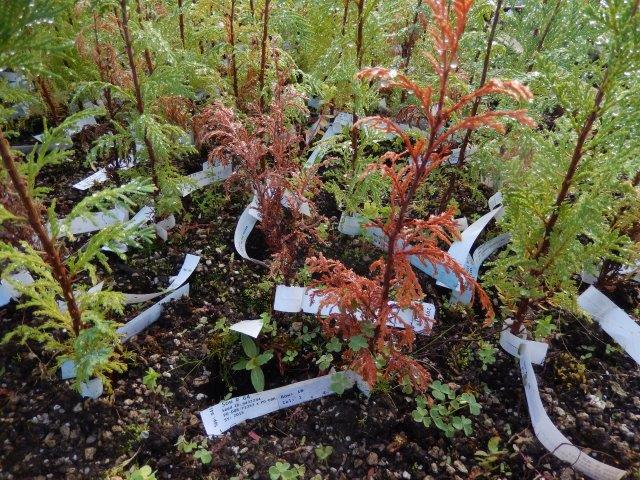
Port-Orford cedar is currently ranked as at risk by IUCN and Project CAPTURE, but not NatureServe. Growing success of the restoration breeding project has prompted IUCN to change the species’ rank from “vulnerable” to “near threatened”. IUCN is expected to reclassify it as of “least concern” in about a decade if breeding efforts continue to be successful (Sniezko presentation to POC restoration webinar February 2022).

While these differing detailed assessments are puzzling, the main points are clear: several hundred of America’s tree species (including many in Hawai`i, which – after all – is our 50th state!) are endangered and current conservation and restoration efforts are inadequate.

Furthermore, a tree species loses its function in the ecosystem long before it becomes extinct. It might still be quite numerous throughout its range – but if each individual has shrunken in size it cannot provide the same ecosystem services. Think of thickets of beech root sprouts – they cannot provide the bounteous nut crops and nesting cavities so important to wildlife. Extinction is the extreme. We should act to conserve species much earlier.

YOU CAN HELP!

Congress is considering the next Farm Bill – which is due to be adopted in 2023. Despite its title, this legislation has often provided authorization and funding for forest conservation (for example, the US Forest Service’ Landscape Scale Restoration Program).

There is already a bill in the House of Representatives aimed at improving the US Department of Agriculture’s prevention and early detection/rapid response programs for invasive pests. Also, it would greatly enhance efforts to restore decimated tree species via resistance breeding, biocontrol, and other strategies. This bill is H.R. 1389.

The bill was introduced by Rep. Peter Welch of Vermont, who has been a solid ally and led on this issue for several years. As of August 2022, the bill has seven cosponsors, most from the Northeast: Rep. Mike Thompson [CA], Rep. Chellie Pingree [ME], Reps. Ann M. Kuster and Chris Pappas [NH], Rep. Elise Stefanik [NY], Rep. Deborah K. Ross [NC], Rep. Brian Fitzpatrick [PA].

Please write your Representative and Senators. Urge them to seek incorporation of H.R. 1389 in the 2023 Farm Bill. Also, ask them to become co-sponsors for the House or Senate bills. (Members of the key House and Senate Committees are listed below, along with supporting organizations and other details.)

Details of the Proposed Legislation

The Invasive Species Prevention and Forest Restoration Act [H.R. 1389]

  • Expands USDA APHIS’ access to emergency funding to combat invasive species when existing federal funds are insufficient and broadens the range of actives that these funds can support.
  • Establishes a grant program to support research on resistance breeding, biocontrol, and other methods to counter tree-killing introduced insects and pathogens.
  • Establishes a second grant program to support application of promising research findings from the first grant program, that is, entities that will grow large numbers of pest-resistant propagules, plant them in forests – and care for them so they survive and thrive.
  • [A successful restoration program requires both early-stage research to identify strategies and other scientists and institutions who can apply that learning; see how the fit together here.]
  • Mandates a study to identify actions needed to overcome the lack of centralization and prioritization of non-native insect and pathogen research and response within the federal government, and develop national strategies for saving tree species.

Incorporating the provisions of H.R. 1389 into the 2023 Farm Bill would boost USDA’s efforts to counter bioinvasion. As Carrera and colleagues and the Morton Arboretum study on which their paper is based demonstrate, our tree species desperately need stronger policies and more generous funding. Federal and state measures to prevent more non-native pathogen and insect pest introductions – and the funding to support this work – have been insufficient for years. New tree-killing pests continue to enter the country and make that deficit larger –see beech leaf disease here. Those here, spread – see emerald ash borer to Oregon.

For example, funding for the USDA Forest Service Forest Health Protection program has been cut by about 50%; funding for USFS Research projects that target 10 high-profile non-native pests has been cut by about 70%.

H.R. 1389 is endorsed by several organizations in the Northeast: Audubon Vermont, the Maine Woodland Owners Association, Massachusetts Forest Alliance, The Nature Conservancy Vermont, the New Hampshire Timberland Owners Association, Vermont Woodlands Association, and the Pennsylvania Forestry Association.

Also, major forest-related national organizations support the bill: The American Chestnut Foundation (TACF), American Forest Foundation, The Association of Consulting Foresters (ACF), Center for Invasive Species Prevention, Ecological Society of America, Entomological Society of America, National Alliance of Forest Owners (NAFO), National Association of State Foresters (NASF), National Woodland Owners Association (NWOA), North American Invasive Species Management Association (NAISMA), Reduce Risk from Invasive Species Coalition, The Society of American Foresters (SAF).

HOUSE AND SENATE AGRICULTURE COMMITTEE MEMBERS – BY STATE

STATEMember, House CommitteeMember, Senate CommitteeKey members * committee leadership # forestry subcommittee leadership @ cosponsor of H.R. 1389
AlabamaBarry Moore  
ArizonaTom O’Halleran  
ArkansasRick CrawfordJohn Boozman* 
CaliforniaJim Costa Salud Carbajal Ro Khanna Lou Correa Josh Harder Jimmie Panetta Doug LaMalfa  
Colorado Michael Bennet # 
ConnecticutJahana Hayes  
FloridaAl Lawson Kat Cammack  
GeorgiaDavid Scott * Sanford Bishop Austin Scott Rick AllenRaphael Warnock Tommy Tuberville 
IllinoisBobby Rush Cheri Bustos Rodney Davis Mary MillerRichard DurbinNote that the report was led by scientists at the Morton Arboretum – in Illinois!
IndianaJim BairdMike Braun 
IowaCindy Axne Randy FeenstraJoni Ernst Charles Grassley 
KansasSharice Davids Tracey MannRoger Marshall# 
Kentucky Mitch McConnell 
MaineChellie Pingree @  
MassachusettsJim McGovern  
Michigan Debbie Stabenow * 
MinnesotaAngie Craig Michelle FischbachAmy Klobuchar Tina Smith 
MississippiTrent KellyCindy Hyde-Smith 
MissouriVicky Hartzler  
NebraskaDon BaconDeb Fischer 
New HampshireAnn McLane Kuster @  
New Jersey Cory Booker 
New Mexico Ben Ray Lujan 
New YorkSean Patrick Maloney Chris JacobsKristen Gillibrand 
North CarolinaAlma Adams David Rouzer  
North Dakota John Hoeven 
OhioShontel Brown Marcy Kaptur Troy BaldersonSherrod Brown 
PennsylvaniaGlenn Thompson  
South DakotaDusty JohnsonJohn Thune 
TennesseeScott DesJarlais  
TexasMichael Cloud Mayra Flores  
Vermont Patrick Leahy 
VirginiaAbigail Spanberger #  
WashingtonKim Schreir  

SOURCES

Christina Carrero, et al. Data sharing for conservation: A standardized checklist of US native tree species and threat assessments to prioritize and coordinate action. Plants People Planet. 2022;1–17. wileyonlinelibrary.com/journal/ppp3

Washington Post: Sarah Kaplan, “As many as one in six U.S. tree species is threatened with extinction” https://www.washingtonpost.com/climate-environment/2022/08/23/extinct-tree-species-sequoias/

Popkin, G. “Up to 135 tree species face extinction—and just eight enjoy federal protection”, Science August 25, 2022. https://www.science.org/content/article/135-u-s-tree-species-face-extinction-and-just-eight-enjoy-federal-protection

Posted by Faith Campbell

We welcome comments that supplement or correct factual information, suggest new approaches, or promote thoughtful consideration. We post comments that disagree with us — but not those we judge to be not civil or inflammatory.

For a detailed discussion of the policies and practices that have allowed these pests to enter and spread – and that do not promote effective restoration strategies – review the Fading Forests report at http://treeimprovement.utk.edu/FadingForests.htm

or
www.fadingforests.org

Posted by Faith Campbell

We welcome comments that supplement or correct factual information, suggest new approaches, or promote thoughtful consideration. We post comments that disagree with us — but not those we judge to be not civil or inflammatory.

For a detailed discussion of the policies and practices that have allowed these pests to enter and spread – and that do not promote effective restoration strategies – review the Fading Forests report at http://treeimprovement.utk.edu/FadingForests.htm

or
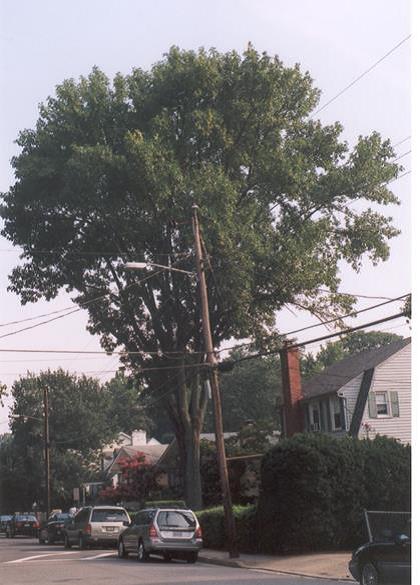
www.fadingforests.org

Plant Invasions’ Impacts on Wildlife

spotted knapweed (Centaurea maculosa); photo by Alan Vernon via Wikipedia

Litt and Pearson (full citation at the end of the blog) are trying to improve scientists’ ability to predict the impact of biological invasions. Their goal is to predict which organisms will be winners, which losers, in the face of anthropogenic ecosystem change.

They focus on exotic plant invasions, because they are ubiquitous. Furthermore, plant invasions affect ecosystems by reassembling the plant community in ways that affect the niches used by native animals and hence the animals’ success under the new conditions. After determining the differences between the traits exhibited by invasive plants vs. the native plants they are displacing, scientists can then identify which native animals are most likely to be affected, as well as how and why they might respond to exotic plant invasion. [Note that Doug Tallamy is looking at similar issues.]

Litt and Pearson have developed a framework to assess how plants’ traits might affect associated wildlife. Applying the framework requires certain baseline information about the ecosystem in question.

This knowledge is applied in stepwise fashion:

1) Identify the fauna of interest and their linkage to the native plant community. This association might be food or habitat values such as shelter. Then the researcher determines the relevant plant traits of importance to that animal and approximates the strength of the animal’s dependence on these traits. Note that the focus is on plant traits relevant to the animal users, rather than specific plant species.

2) Determine overall importance of the plant traits for the area under study by (a) averaging dependence of a representative subsample of individuals to obtain a community-level value for each plant species or functional group and (b) quantifying the relative abundance of the plant functional group in the community (e.g., cover or biomass).

3) Plot the way the animal species’ abundance changes with resource abundance.

4) Understand how the invasive plants will alter the distributions of the native plants’ traits and potentially introducing novel traits that might alter the faunal community.

Litt and Pearson reviewed earlier studies to test how well this framework explained the responses of three groups of fauna to plant invasions in different ecosystems.

searching for spotted knapweed; photo by Oregon Department of Agriculture

Spiders in invaded grasslands

Intermountain grasslands of western Montana are heavily invaded; non-native plants already comprise 25–60% of average total plant cover.

One group of native spiders construct their irregular webs entirely within a single plant. A second group – orb weavers – suspend their larger webs from multiple plants. The former depend on the architectural complexity of individual plants; they can build larger webs in plant species possessing greater branching and/or longer branches of the flowering stalks. Orb spiders depend more on the complexity of the overall plant community.

Plant architecture is closely tied to the plant’s functional groups, that is, whether they are grasses or forbs.

These grasslands are generally dominated by perennial grasses. The irregular-web spiders can use grasses, but strongly favor forbs, particularly those with the most complex flowering structures. Orb weavers are generalists, incorporating multiple plant species; but they also tend to favor forbs, presumably because they are more robust.

Invasive plants in the Western Montana grasslands are of two types: an annual grass, cheatgrass (Bromus tectorum), and numerous perennial and annual forbs. Cheatgrass largely replaces the dominant native grasses with a similar architecture – although cheat is shorter. The exotic forbs, which can collectively invade at levels comparable to cheatgrass, tend to be taller and more complex structurally than the native forbs. Thus, invasion by exotic forbs strongly shifts the community-level distribution of the key trait toward greater structural complexity by replacing the dominant, but structurally simplistic, native grasses, and the more diminutive native forbs. These changes increased the abundance of both spider groups, but especially the specialist irregular web weavers. They find the new conditions meet their needs. Both spider groups appeared to expand their realized niches in response to invasion, i.e., they are able to use a broader range of plant architectures than was available in the native system.

Chaetodipus sp. photo by J.N. Stuart

Rodents in semi-desert grasslands invaded by Lehmann lovegrass

In the semi-desert grasslands of the American southwest, native grasses and forbs provide food and habitat for a variety of rodents. This vegetation influences which species of rodents are present in two ways: the size of the plants’ seeds and the density of vegetative cover. Litt and Steidl examined both. They divided the rodents into separate guilds based on diet and preferred vegetative cover. The two sets of guilds did not overlap for all species.

In southern Arizona, the native plant community is dominated by several grass species and herbaceous forbs; most species produce relatively large seeds. Vegetative cover is generally low, but varies in a patchy fashion. The rodent communities in uninvaded native grasslands are dominated by seed-eaters that prefer sparse cover.

Invasion of these grasslands by Lehmann lovegrass (Eragrostis lehmanniana) results in increased vegetative cover but the grass produces very small seeds that probably provide little to no food for  rodents. Another result is a decrease in overall abundance of arthropods. The new conditions favor different rodent species from those most common in uninvaded habitat.

Two more specialized seed-eating rodent species, which seek both lower cover and larger seeds, decreased in abundance. A rodent species which favors lower vegetative cover and feeds on larger invertebrates also declined. In contrast, abundance increased for two other rodent species that prefer more dense cover and are more opportunistic in their feeding. One species surprised the scientists: Dipodomys merriami increased in abundance, despite the fact that this species favors more open environments. Perhaps other functional traits or biotic interactions are important to this species? There was no apparent change in abundance for three other species, suggesting either a lack of statistical power (2 were less abundant) or that these rodents were able to persist through a balance of positive and negative changes in food and habitat characteristics.

Lucy’s warbler [nest in saguaro, not cottonwood); photo by Dominic Sherony

Warblers in Riparian Habitats in the Southwest

Riparian habitats in the same desert region have been aggressively invaded by the exotic shrub saltcedar (Tamarix spp.). Litt and Pearson consider the findings of Mahoney et al. of this invasion’s impact on two ecologically similar warbler species. One, the yellow warbler (Setophaga petechia), is very widely distributed across North America; it is considered a generalist. The other, Lucy’s warbler (Oreothlypis luciae), is endemic to a small region of the southwest United States and northern Mexico.

The two species have similar feeding behaviors but differ in their nesting requirements. The yellow warbler constructs open cup nests in the branches of shrubs and trees. Lucy’s warbler nests in cavities in larger trees excavated by others. Hence, these species were expected to respond similarly to changes in food resources and foraging habitat, but differ in their responses to changes in nesting substrate.

Native vegetation in the region consists primarily of willows and cottonwoods in the riparian corridors, with oak and mesquite woodlands in the adjacent uplands. Saltcedar invasion rapidly displaces the willows; it takes much longer to displace cottonwoods since are large and long-lived. Upland vegetation is uninvaded and unaffected. While saltcedar is structurally similar to native willows, its leaf architecture allows more light to penetrate in saltcedar stands. This can exacerbate heat stress on nestlings in these hot, arid environments, as well as expose the nestlings to nest predation. These effects are exacerbated by the presence of a biocontrol leaf beetle (Diorhabda spp.), which cause widespread defoliation of saltcedar during nesting season. Meantime, the cavity nests used by Lucy’s warbler are barely affected.

The study by Mahoney et al. showed that in low-invasion riparian sites, the two warblers occur at comparable abundances. When saltcedar invasion replaces willows, yellow warblers decline by ~50% while there is no apparent change in abundance of Lucy’s warblers.

Litt and Pearson point out that their framework is based on two key assumptions that establish the context for its efficacy.

The first is that bottom-up forces fuel ecological processes. Plants are key to making the sun’s energy available to consumer animals and – thence to predators. Consumers’ and predators’ top-down effects are secondary. The authors’ framework thus provides better predictions of community outcomes when systems are predominantly structured by bottom-up forces. As top-down forces increase or when invasive plants differentially affect multiple dimensions of the consumer niche space, it will be more challenging to track and predict outcomes, as our rodent example demonstrates.

The second assumption is that exotic plant invasions will most strongly influence bottom-up processes. Invasive plants displace native plants and their plant traits, thus directly affecting consumers by altering the quality and quantity of food and habitat resources. However, plant community changes caused by plant invasions can also affect predators directly and indirectly via several interactions. These changes in predators’ abundance and/or their per capita effects on prey might create feedbacks that can complicate interpreting and predicting invasion outcomes.

Litt and Pearson concluded that their approach is promising but has inherent limitations linked to the dynamic nature of ecological systems.

[Ecologists continue to evaluate the impacts of saltcedar eradication efforts on another bird species, the federally endangered southwestern willow flycatcher (Empidonax extimus trailii). See, for example, Goetz, A., I. Moffit and A.A. Sher. 2022. Recovery of a native tree following removal of an invasive competitor with implications for endangered bird habitat. Biological Invasions Vol. 24, pp. 2769-2793.]

SOURCE

Litt, A.R. and D.E. Pearson. 2022. A functional ecology framework for understanding and predicting animal responses to plant invasion. Biol Invasions   https://doi.org/10.1007/s10530-022-02813-7 

& Supporting Information [warblers in riparian ecosystems invaded by tamarisk]

Posted by Faith Campbell

We welcome comments that supplement or correct factual information, suggest new approaches, or promote thoughtful consideration. We post comments that disagree with us — but not those we judge to be not civil or inflammatory.

For a detailed discussion of the policies and practices that have allowed these pests to enter and spread – and that do not promote effective restoration strategies – review the Fading Forests report at http://treeimprovement.utk.edu/FadingForests.htm

or
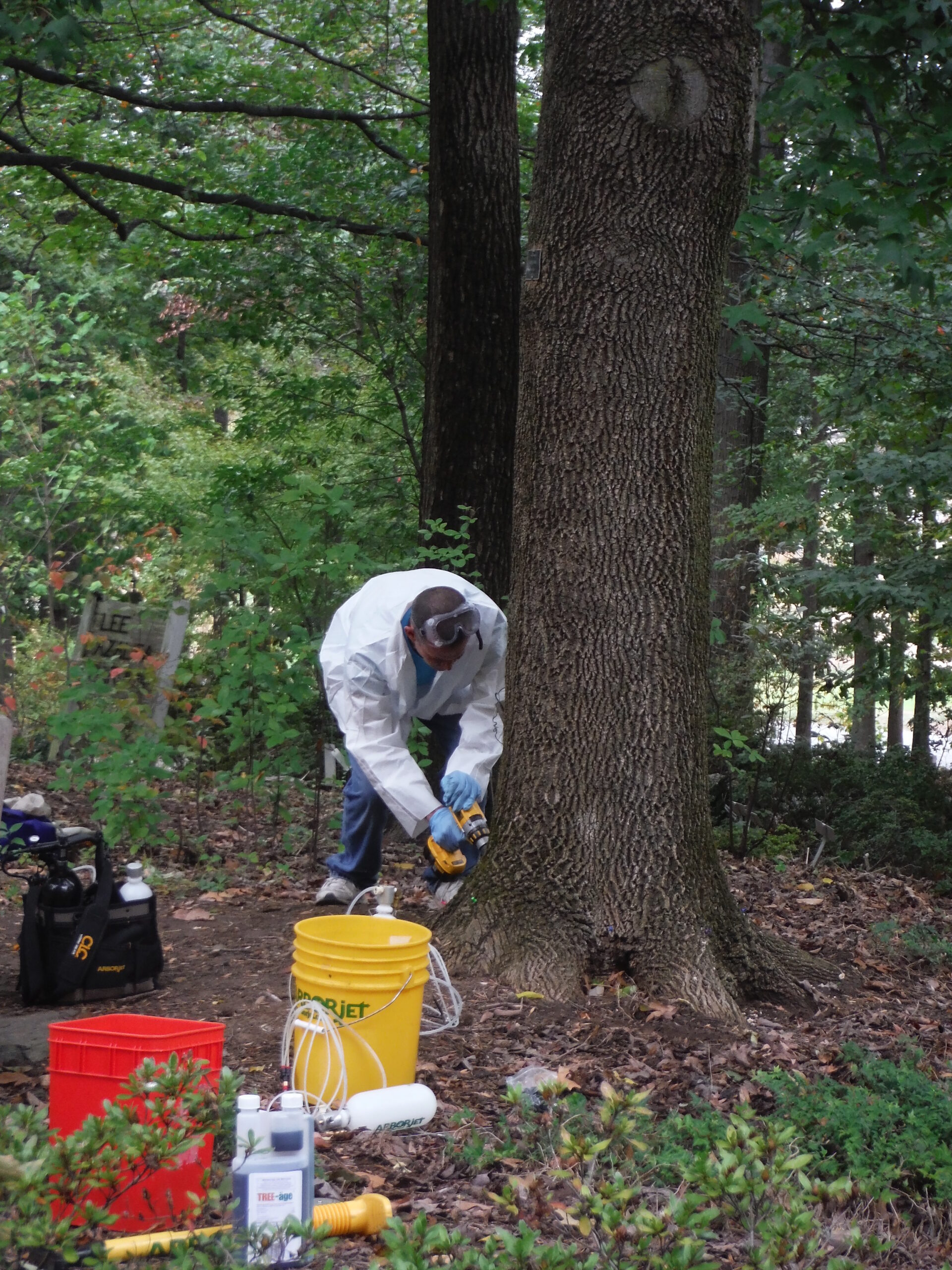
www.fadingforests.org

Tree Planting – Warning from New Zealand

Pinus radiata plantation in New Zealand; photo by Jon Sullivan

As countries and conservation organizations ramp up tree planting as one solution to climate change, I worry that many of the plantings will use species not native to the region – with the risk of promoting more bioinvasions. My second fear is that inadequate attention will be paid to ensuring that the propagules thrive.

Warning from New Zealand

New Zealand has adopted a major afforestation initiative (“One Billion Trees”). This program is ostensibly governed by a policy of “right tree, right place, right purpose”. However, Bellingham et al. (2022) [full citation at end of blog] say the program will probably increase the already extensive area of radiata pine plantations and thus the likelihood of exacerbated invasion. They say the species’ potential invasiveness and its effects in natural ecosystems have not been considered.

Bellingham et al. set out to raise the alarm by evaluating the current status of radiata, or Monterrey, pine  (Pinus radiata) in the country. They note that the species already occupies ~1.6 M ha; the species makes up 90% of the country’s planted forests. Despite the species having been detected as spreading outside plantations in 1904, it is generally thought not to have invaded widely.

The authors contend that, to the contrary, radiata pine has already invaded several grasslands and shrublands, including three classes of ecosystems that are naturally uncommon. These are geothermal ecosystems, gumlands (infertile soils that formerly supported forests dominated by the endemic and threatened kauri tree Agathis australis), and inland cliffs. Invasions by pines – including radiata pine – are also affecting primary succession on volcanic substrates, landslides on New Zealand’s steep, erosion-prone terrain, and coastal sand dunes. Finally, pine invasions are overtopping native Myrtaceae shrubs during secondary succession. Bellingham et al. describe the situation as a pervasive and ongoing invasion resulting primarily from spread from plantations to relatively nearby areas.

kauri; photo by Natalia Volna, iTravelNZ

The New Zealanders cite data from South America and South Africa on the damaging effects of invasions by various pine species, especially with respect to fire regimes.

Furthermore, their modelling indicates that up to 76% of New Zealand’s land area is climatically capable of supporting radiata pine — most of the country except areas above 1000 m in elevation or receiving more than 2000 mm of rainfall per year. That is, all but the center and west of the South Island. This model is based on current climate; a warmer/drier climate would probably increase the area suitable to radiata pine.

These invasions by radiata pine have probably been overlooked because the focus has been on montane grasslands (which are invaded by other species of North American conifers). [See below — surveys of knowledge of invasive plants’ impacts.]

Bellingham et al. recognize the economic importance of radiata pine. They believe that early detection of spread from plantations and rapid deployment of containment programs would be the most effective management strategy. They therefore recommend

1) taxing new plantations of non-indigenous conifers to offset the costs of managing invasions, and

2) regulating these plantations more strictly to protect vulnerable ecosystems.

They also note several areas where additional research on the species’ invasiveness, dispersal, and impacts is needed.

Survey of Awareness of Invasive Plants

A few months later a separate group of New Zealand scientists published a study examining tourists’ understanding of invasive plant impacts and willingness to support eradication programs (Lovelock et al.; full citation at end of the blog). One of the invasive plant groups included in the study are conifers introduced from North America and Europe. These conifers are invading montane grasslands, so they are not the specific topic of the earlier article. The other is a beautiful flowering plant, Russell lupine.  These authors say that both plant groups have profound ecological, economic, and environmental impacts. However, the conifers and lupines are also highly visible at places valued by tourists. Lovelock et al. explored whether the plants’ familiarity – and beauty – might affect how people reacted to descriptions of their ecosystem impacts.

Visitors from elsewhere in New Zealand were more aware of invasive plants’ impacts and more willing to support eradication programs for these species specifically. Asian visitors had lower awareness and willingness to support eradication of the invasives than tourists from the United Kingdom, Europe, or North America. This pattern remained after the tourists were informed about the plants’ ecological impacts. All groups were less willing to support eradication of the attractive Russell lupine than the conifers.

Conifers invading montane grasslands are perhaps the most publicized invasive plants in New Zealand [as noted above]. Lovelock et al. report that New Zealand authorities have spent an estimated $NZ166 million to eradicate non-native conifers over large tracts of land on the South Island. Still, only about half the New Zealand visitors surveyed were aware of the ecological problems caused by wild conifers.

invasive lupines in New Zealand; photo by Michael Button via Flickr

Russell lupine (Lupinus × russellii) is invading braided river systems, modifying river flows, reducing nesting site availability for several endangered birds, and provides cover for invasive predators. While initially planted in gardens, the lupines were soon being deliberately spread along the roads to ‘beautify’ the landscape. Foreign tourists often specifically seek river valley invaded by the lupine because pictures of the floral display appear in both official tourism promotional material & tourist-related social media. It is not surprising, then, that even among New Zealanders, only a third were aware of the lupines’ environmental impacts.

The oldest participants (those over 60) had the lowest acceptance of wild conifers. Participants 50–59 years old were most aware of ecological problems caused by wild conifers. Participants 30–39 years old showed the highest acceptance of wild conifers and lowest awareness of ecological issues.

Female participants showed a higher preference for the landscape with wild conifers (45.90%) than males (36.89%). Female participants were also half as aware of ecological problems (25.62% v. 46.12% among male participants).

Nearly all survey participants (96.1%) preferred the landscape with flowering lupine; only 19.4% were aware of associated ecological problems. New Zealand domestic visitors were more aware. After the impacts of lupines were explained, half decided to support eradication. However, the same proportion of all survey participants (42.5%) still wanted to see lupines in the landscape.

Once again, participants older than 50 were more aware of ecological problems arising from lupine invasions.  Both men and women greatly preferred the landscape with Russell lupins.

While the authors do not explore the ramifications of the finding that younger people are less aware of invasive species impacts, I think they bode ill for future protection of the country’s unique flora and fauna. They did note that respondents had a high level of acceptance overall for these species on the New Zealand landscapes.

While the study supported use of simple environmental messaging to influence attitudes about invasive species, also showed that need to consider such social attributes as nationality and ethnicity. So Lovelock et al. call for investigation of how and why place of origin and ethnicity are important in shaping attitudes towards invasives. Conveying conservation messages will be more difficult because tourist materials often contain photographs of the lupines. Much of this information comes from informal media such as social media, which are beyond the control of invasive species managers.

SOURCES

Bellingham, P.J., E.A. Arnst, B.D. Clarkson, T.R. Etherington, L.J. Forester, W.B. Shaw,  R. Sprague, S.K. Wiser, and D.A. Peltzer. 2022. The right tree in the right place? A major economic tree species poses major ecological threats. Biol Invasions Vol.: (0123456789) https://doi.org/10.1007/s10530-022-02892-6  

Lovelock B., Y. Ji, A. Carr, and C-J. Blye. 2022.  Should tourists care more about invasive species? International and domestic visitors’ perceptions of invasive plants and their control in New Zealand.  Biological Invasions (2022) 24:3905–3918 https://doi.org/10.1007/s10530-022-02890-8

Posted by Faith Campbell

We welcome comments that supplement or correct factual information, suggest new approaches, or promote thoughtful consideration. We post comments that disagree with us — but not those we judge to be not civil or inflammatory.

For a detailed discussion of the policies and practices that have allowed these pests to enter and spread – and that do not promote effective restoration strategies – review the Fading Forests report at http://treeimprovement.utk.edu/FadingForests.htm

or
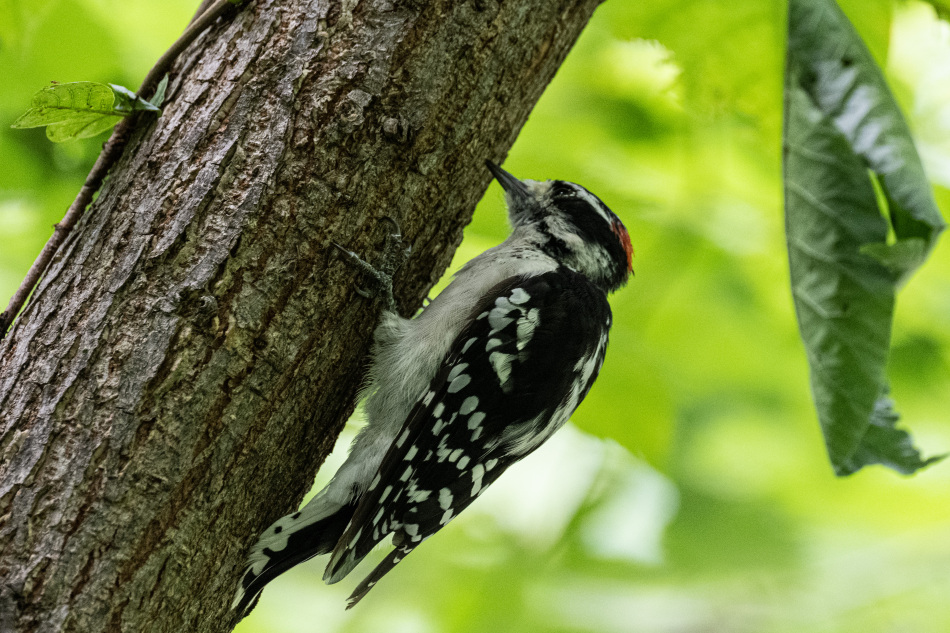
www.fadingforests.org

Invasive Species Costs Point to Inadequate Effort – especially Prevention

EAB-killed ash tree falls before it can be taken down; photo courtesy of former Ann Arbor mayor John Hieftje

Concerned by growing impacts of bioinvasion and inadequate responses by national governments worldwide and by international bodies, a group of experts have attempted to determine how much invasive species are costing. They’ve built the global database – InvaCost. See Daigne et al. 2020 here.

Several studies have been based on these data. In two earlier blogs, I summarized two of these articles, e.g., Cuthbert et al. on bioinvasion costs, generally, and Moodley et al. on invasive species costs in protected areas, specifically. Here, I look at two additional studies. Ahmed et al. focusses on the “worst” 100 invasives affecting conservation — as determined by the International Union of Conservation and Nature (IUCN). The second, by Turbelin et al., examines pathways of introduction. Full citations of all sources appear at the end of this blog.

It is clear from all of these papers that the authors (and I!) are frustrated by the laxity with which virtually all governments respond to bioinvasions. Thus more robust actions are needed. The authors and I also agree that data on economic costs influence political decision-makers more than ecological concerns. However, InvaCost – while the best source in existence — is not yet comprehensive enough to generate the thoroughly-documented economic data about specific aspects of bioinvasion that would be most useful in supporting proposed strategies.

Scientists working with InvaCost recognize that the data are patchy. At the top level, these data demonstrate high losses and management costs imposed by bioinvasion. The global total – including both realized damage and management costs – is estimated at about $1.5 trillion since 1960. In fact, these overall costs are probably substantially underestimates (Cathbert et al.). [For a summary of data gaps, go to the end of the blog.] Furthermore, they recognize that species imposing the highest economic costs might not cause the greatest ecological harm (Moodley et al).

citrus longhorned beetle exit hole in bonsai tree; USDA APHIS photo

Comparing estimated management costs to estimated damage, the authors conclude that countries invest too little in bioinvasion management efforts and — furthermore — that expenditures are squandered on the wrong “end” of bioinvasion – after introduction and even establishment, rather than in preventive efforts or rapid response upon initial detection of an invader. While I think this is true, these findings might be skewed by the fact that fewer than a third of countries reporting invasive species costs included data on specifically preventive actions. Cuthbert et al. notes that failing to try to prevent introductions imposes an avoidable burden on resource management agencies. Ahmed et al. developed a model they hope will overcome the perverse   incentives that lead decision-makers to either do nothing or delay.

  1. Why Decision-Makers Delay

Citing the InvaCost data, the participating experts reiterate the long-standing call for prioritizing investments at the earliest possible invasion stage. Ahmed et al. found that this was the most effective practice even when costs accrue slowly. They ask, then, why decision-makers often delay initiating management. I welcome this attention because we need to find ways to rectify this situation.

They conclude, first, that invasive species threats compete for resources with other threats to agriculture and natural systems. Second, Cuthbert et al. and Ahmed et al. both note that decision-makers find it difficult to justify expenditures before impacts are obvious and/or stakeholders demand action. By that time, of course, management of invasions are extremely difficult and expensive – if possible at all. I appreciate the wording in Ahmed et al.: bioinvasion costs can be deceitfully slow to accrue, so policy makers don’t appreciate the urgency of taking action.

Cuthbert et al. also note that impacts are often imposed on other sectors, or in different regions, than those focused on by the decision-makers. Stakeholders’ perceptions of whether an introduced species is causing a “detrimental” impact also vary. Finally, when efficient proactive management succeeds – prevents any impact – it paradoxically undermines evidence of the value of this action!

Ahmed et al. point out that in many cases, biosecurity measures and other proactive approaches are even more cost effective when several species are managed simultaneously. They cite as examples airport quarantine and interception programs; Check Clean Dry campaigns encouraging boaters to avoid moving mussels and weeds; ballast water treatment systems; and transport legislation e.g., the international standard for wood packaging (ISPM#15) [I have often discussed the weaknesses in ISPM#15 implementation; go to “wood packaging” under “Categories” (below the archive list)].

pallet “graveyard”; photo by Anand Prasad
  • Pathways of Species’ Introduction

Tuberlin et al. focus on pathways of introduction, which they say influence the numbers of invaders, the frequency of their arrival, and the geography of their eventual distribution. This study found sufficient data to analyze arrival pathways of 478 species – just 0.03% of the ~14,000 species in the full database. They found that intentional pathways – especially what they categorized as “Escape” – were responsible for the largest number of invasive species (>40% of total). On the other hand, the two unintentional pathways called “Stowaway” and “Contaminant” introduced the species causing the highest economic costs.

Tuberlin et al. therefore emphasize the importance of managing these unintentional pathways. Also, climate change and emerging shipping technologies will increase potential invaders’ survivability during transit. Management strategies thus must be adapted to countering these additive trends. They suggest specifically:

  • eDNA detection techniques;
  • Stricter enforcement of ISPM#15 and exploring use of recyclable plastic pallets (e.g., IKEA’s OptiLedge); [see my blog re: plastic pallets, here]
  • Application of fouling-resistant paints to ship hulls;
  • Prompt adoption of international agreements addressing pathways (they cite the Ballast Water Management Treaty as entered into force only in 2017 — 13 years after adoption);
  • Ensuring ‘pest free status’ (per ISPM#10) before allowing export of goods—especially goods in the “Agriculture”, “Horticulture”, and “Ornamental” trades; and
  • Increasing training of interception staff at ports.

What InvaCost Data say re: Taxa of greatest concern to me

Two-thirds of reported expenditures are spent on terrestrial species (Cuthbert et al.). Insects as a Class constitute the highest number of species introduced as ‘Contaminants’ (n = 74) and ‘Stowaways’ (n = 43). They also impose the highest costs among species using these pathways. Forest insects and pathogens account for less than 1% of the records in the InvaCost database, but constitute 25% of total annual costs ($43.4 billion) (Williams et al., in prep.). Indeed, one of 10 species for which reported spending on post-invasion management is highest is the infamous Asian longhorned beetle (Tuberlin et al.)

ALB pupa in wood packaging; Pennsylvania Dept. of Natural Resources via Bugwood

Mammals and plants are often introduced deliberately – either as intentional releases or as escapes. Plant invasions are reported as numerous but impose lower costs.

Tuberlin et al. state that intentional releases and escapes should in theory be more straightforward to monitor and control, so less costly. They propose two theories: 1) Eradication campaigns are more likely to succeed for plants introduced for cultivation and subsequently escaped, than for plants introduced through unintentional pathways in semi-natural environments. 2) Species introduced unintentionally may be able to spread undetected for longer; they expect that better measures already exist to control invasions by deliberate introductions. I question both. Their theories ignore that constituencies probably like the introduced plants … and the near absence of attention to the possible need to control their spread. This is odd because elsewhere they recognize conflicts over whether to control or eradicate “charismatic” species.

Geographies of greatest concern to me

  • North America reported spending 54% of the total expenditure in InvaCost. Oceania spent 30%. The remaining regions each spent less than $5 billion. (Cuthbert et al.)
  • North America funded preventative actions most generously than other regions. Cuthbert suggests this was because David Pimentel published an early estimate of invasive species costs. I doubt it. The Lacey Act was adopted in 1905. USDA APHIS was formed in 1972 – based on predecessor agencies — because officials recognized the damage by non-native pests to agriculture. APHIS began addressing natural area pests with discovery of the Asian longhorned beetle in 1996. Of course, most of APHIS’ budget is still allocated to agricultural pests. I conclude that North America’s lead in this area has not resulted in adequate prevention programs.
Oregon ash swamp before attack by EAB (photo by Wyatt Williams, Oregon Dept. of Forestry)

Equity Issues

Tuberlin et al and Moodley et al. address equity issues of who causes introductions vs. who is impacted. This is long overdue.

  • More than 80% of bioinvasion management costs in protected areas fell on governmental services and/or official organizations (e.g. conservation agencies, forest services, or associations). With the partial exception of the agricultural sector, the economic sectors that contribute the most to movement of invasive species are spared from carrying the resulting costs (Moodley et al.)
  • A lack of willingness to invest might represent a moral problem when the invader’s impacts are incurred by regions, sectors, or generations other than those that on whom management action falls (Ahmed et al.)
  • People are perhaps more inclined to spend money to mitigate impacts that cause economic losses than those that damage ecosystems (Tuberlin et al.)

Data deficiencies

  • Only 41% of countries (83 out of 204) reported management costs; of those, only 24 reported costs specifically associated with pre-invasion (prevention) efforts (Cuthbert et al.).
  • Reliable economic cost estimates were available for only 60% of the “worst” invasive species (Cuthbert et al.)
  • Only 55 out of 266,561 protected areas reported losses or management costs (Moodley et al.).
  • Information on pathways of introduction was available for only three species out of 10,000 (Turbelin et al).
  • Taxonomic and geographic biases in reporting skew examples and possibly conclusions (Cuthbert et al.).

SOURCES

Ahmed, D.A., E.J. Hudgins, R.N. Cuthbert, .M. Kourantidou, C. Diagne, P.J. Haubrock, B. Leung, C. Liu, B. Leroy, S. Petrovskii, A. Beidas, F. Courchamp. 2022. Managing biological invasions: the cost of inaction. Biol Invasions (2022) 24:1927–1946 https://doi.org/10.1007/s10530-022-02755-0

Cuthbert, R.N., C. Diagne, E.J. Hudgins, A. Turbelin, D.A. Ahmed, C. Albert, T.W. Bodey, E. Briski, F. Essl, P. J. Haubrock, R.E. Gozlan, N. Kirichenko, M. Kourantidou, A.M. Kramer, F. Courchamp. 2022. Bioinvasion costs reveal insufficient proactive management worldwide. Science of The Total Environment Volume 819, 1 May 2022, 153404

Moodley, D., E. Angulo, R.N. Cuthbert, B. Leung, A. Turbelin, A. Novoa, M. Kourantidou, G. Heringer, P.J. Haubrock, D. Renault, M. Robuchon, J. Fantle-Lepczyk, F. Courchamp, C. Diagne. 2022. Surprisingly high economic costs of bioinvasions in protected areas. Biol Invasions. https://doi.org/10.1007/s10530-022-02732-7

Turbelin, A.J., C. Diagne, E.J. Hudgins, D. Moodley, M. Kourantidou, A. Novoa, P.J. Haubrock, C. Bernery, R.E. Gozlan, R.A. Francis, F. Courchamp. 2022. Introduction pathways of economically costly invasive alien species. Biol Invasions (2022) 24:2061–2079 https://doi.org/10.1007/s10530-022-02796-5

Williams, G.M., M.D. Ginzel, Z. Ma, D.C. Adams, F.T. Campbell, G.M. Lovett, M. Belén Pildain, K.F. Raffa, K.J.K. Gandhi, A. Santini, R.A. Sniezko, M.J. Wingfield, and P. Bonello 2022. The Global Forest Health Crisis: A Public Good Social Dilemma in Need of International Collective Action. Submitted

Posted by Faith Campbell

We welcome comments that supplement or correct factual information, suggest new approaches, or promote thoughtful consideration. We post comments that disagree with us — but not those we judge to be not civil or inflammatory.

For a detailed discussion of the policies and practices that have allowed these pests to enter and spread – and that do not promote effective restoration strategies – review the Fading Forests report at http://treeimprovement.utk.edu/FadingForests.htm

or
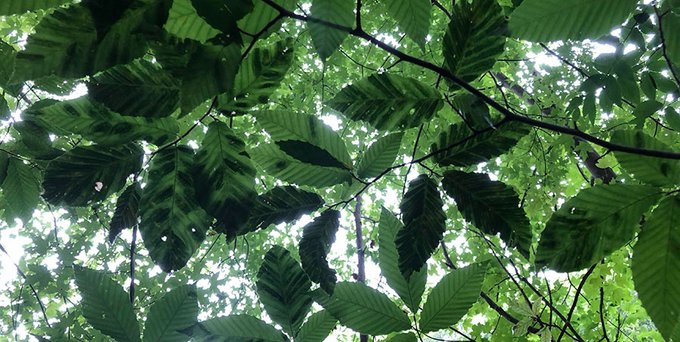
www.fadingforests.org

Urgent Update on Beech Leaf Disease

banding symptoms of beech leaf disease; photo by Dr. Chagas de Freitas, Ohio State

Experts on beech leaf disease (BLD) hold conference calls every two months. I reported on the May meeting earlier in July. The July conference call of the experts emphasized not only the alarming spread of the disease but also the dilemmas frustrating efforts to slow its spread and protect beech.

Jerry Carlson, chief of forest health protection for the New York Department of Environmental Conservation called beech leaf disease “the next chestnut blight.

Yet forestry, plant health, and conservation entities have been slow to support research needed to develop protective measures.

As was noted by participants, 10 years after scientists from Lake MetroParks (in Cleveland) first detected disease symptoms, scientists still are unsure about all aspects of BLD and how it spreads. Experts agree that the nematode (Litylenchus crenatae ssp mccannii) must be present to initiate the disease. Other possible factors, especially fungi in the genus Colletotrichum, appear to play important roles in causing the symptoms.

The lack of clarity about the causal agent means that USDA APHIS has not recognized the disease as a priority species for tracking. APHIS has provided some funds. However, scientists seeking to obtain funding through the Plant Pest and Disease Management and Disaster Prevention Program [laid out in the Plant Protection Act’s Section 7721] can’t get traction. Other funding sources also don’t quite fit. For example, the National Science Foundation funds basic, hypothesis-driven, research – not the more applied science needed to address BLD. Some participants wondered whether funding might be sought from wildlife-oriented sources, since beech are so important in providing hard mast, den and nest sites, etc., for a variety of wildlife.

Participants discussed ways to raise awareness – and alarm – in order to build a broader coalition. This effort should include Europe. Although the disease has not yet been detected in Europe, the native beech is vulnerable.

European beech in Rhode Island infected by BLD; photo by Dr. Nathaniel A. Mitkowski, University of Rhode Island

Data indicate that the disease is now significantly more widespread than was known last year. That is, BLD is more widespread from New York to Maine, with New Hampshire reporting its first detection. To the west, BLD has been detected in Michigan and in a forest fragment in western Ohio (near Toledo). Disease severity has also intensified. Of course, the disease is present at least a year before it is detected because leaf symptoms appear in the spring following infection. Therefore its presence is probably wider.

map of BLD presence as of early July 2022 (some states have not yet reported); note the many counties in fuschia – 2022 detections

While mortality of mature beech is still rarely documented, this might be related to difficulties determining the cause of mortality during standard forest health surveys. Participants discussed how to rectify this situation.

Meanwhile, concern is rising – as reflected in Dr. Carlson’s statement.

You can help by asking your state and national officials and conservation organizations to support applied research aimed at clarifying how the disease spreads, what ecological conditions are conducive to disease, improved detection and prediction tools, and possible containment strategies. Let’s overcome the roadblocks impeding protection of this magnificent and ecologically vital tree species.

Is this not worth protecting?

Posted by Faith Campbell

We welcome comments that supplement or correct factual information, suggest new approaches, or promote thoughtful consideration. We post comments that disagree with us — but not those we judge to be not civil or inflammatory.

For a detailed discussion of the policies and practices that have allowed these pests to enter and spread – and that do not promote effective restoration strategies – review the Fading Forests report at http://treeimprovement.utk.edu/FadingForests.htm

or
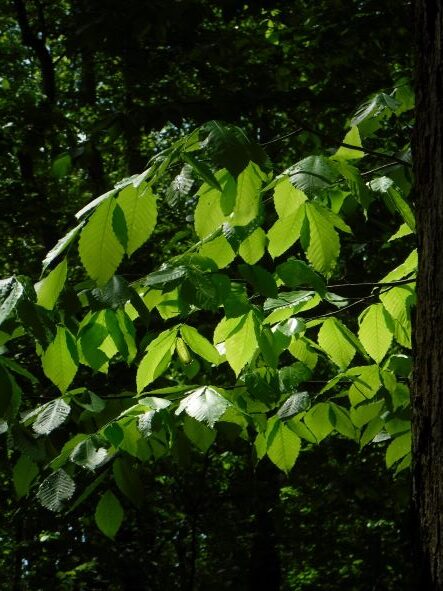
www.fadingforests.org