“Global Tree Assessment”: #s at Risk, Threats, & Carbon Sequestration Planting

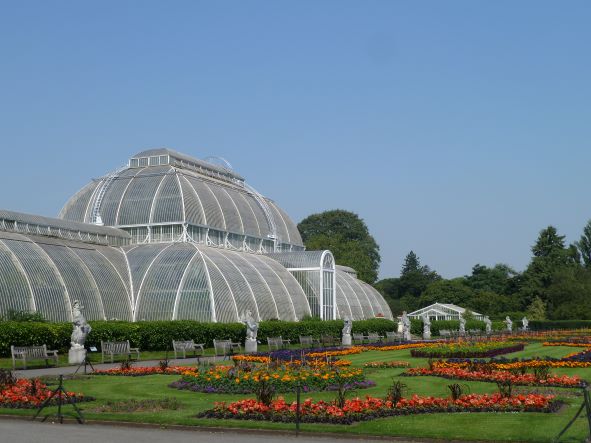
Kew Gardens U.K., home to Botanic Gardens Conservation International; Wikipedia

A massive international effort has completed a “Global Tree Assessment: State of Earth’s Trees”. This is the result of five years’ effort; it aims at a comprehensive assessment of the conservation status of all the Earth’s trees. As a result of their work, the authors issue a call to action and include specific recommendations. 

The leads were the Botanic Gardens Conservation International (BGCI) and International Union for Conservation of Nature’s (IUCN) Species Survival Commission (SSC) Global Tree Specialist Group. They were assisted by about 60 cooperating institutions and more than 500 individual experts. The Morton Arboretum was a major U.S. contributor. Here, my focus is on the global assessment. An accompanying blog contains my analysis of reports on the Morton Arboretum report for the U.S.

The Global Tree Assessment is the largest initiative in the history of the IUCN Red List process.  (This process is described in Box 3 of the report, on p. 12; and on p. 40.) As of the end of 2020, IUCN Red List assessments evaluated 28,463 tree species, representing half of all known tree species. Organizers hope to complete comprehensive conservation assessments of all tree species for inclusion on the IUCN Red List by 2023. Other sources utilized included draft Red List profiles and national-level assessments of those species that are found in only one country.

SUMMARY OF FINDINGS

Using these sources, the Global Tree Assessment evaluated 58,497 tree species worldwide. The study determined that 30% are threatened with extinction. This number could change significantly if a large proportion of the 7,700 species (13.2%) recorded as “Data Deficient” turn out to be at risk. At least 142 species are recorded as already extinct in the wild. Two-fifths (41.5%) are considered to be not at risk. Detailed species’ evaluations are provided at GlobalTreeSearch or GlobalTree Portal.

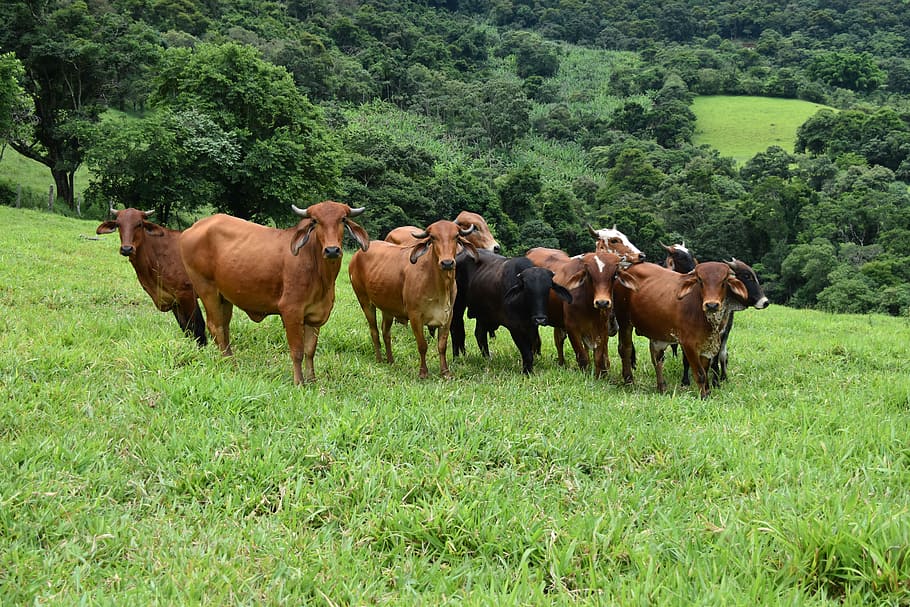
Brazilian forest converted to cattle pasture

The principal threats to trees globally are forest clearance and other forms of habitat loss (at least 65% of species) and direct exploitation for timber and other products (27% or more). The spread of non-native pests is said to affect 5% of the species. Climate change is having a measurable impact on 4% of the species and is expected to increase. (The situation in the United States differs significantly. Overexploitation plays almost no role and on-going habitat loss is important for only a few of the at-risk species.)

The authors decry the lack of attention, historically, to tree endangerment given trees’ ecological, cultural and economic importance. They hope that increased attention to the biodiversity crisis — an estimated 1 million animal and plant species threatened with extinction — and trees’ importance as carbon sinks will lead to increased conservation of trees and forests.  They warn, however, that tree-planting programs must put the right species in the right place, including utilizing species that are under threat. In other words, tree planting practices need to change. They note that a community of botanists and conservationists is ready to assist.

Centers of tree species diversity – and of species under threat – are in Central and South America, followed by the other tropical regions of Southeast Asia and Africa. Fifty-eight percent of tree species are single country endemics. The highest proportion of endemism is found in New Zealand, Madagascar and New Caledonia. The region with the highest proportion of native tree species under threat is tropical Africa, especially Madagascar. The highest numbers of species “Not Evaluated” or “Data Deficient” are in IndoMalaya (tropical Asia) and Oceania. In those regions, about a third of species fall in one of those categories.

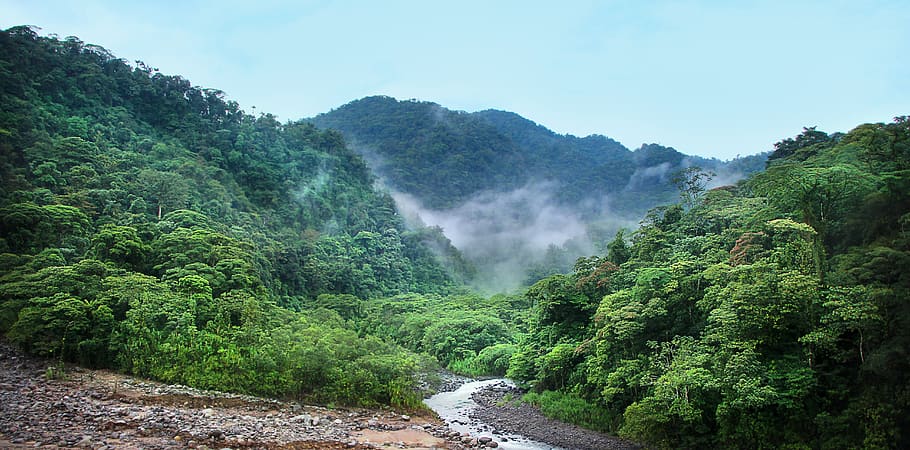
forest in Central America

The assessment authors fear ecosystem collapse caused by major, large-scale disturbance events. Examples are recent unprecedented fires in California, southern Australia, Indonesia, and the Amazon (although they don’t mention Siberia). They also note mass mortality events over large areas of forest caused by other factors, including drought and heat stress and the increased incidence of pests. These events have led to a worrying decline of dominant tree species currently evaluated as “Least Concern.” Citing a 2010 report, they list as examples spruce in Alaska, lodgepole pine in British Columbia, aspen in Saskatchewan and Alberta, and Colorado pinon pine (Pinus edulis) in the American southwest.

The authors emphasize the importance of preventing extinction of monotypic tree families. Such events would represent a disproportionate loss of unique evolutionary history, biological diversity, and potential for future evolution. Of the 257 plant families that include trees, 12 are monotypic. They are scattered around the tropics and former Gondwanaland; none is found in the Neo- or Paleoarctic regions. While extinctions to date have rarely affected plants above the rank of genus, the global assessment authors worry that the on-going sixth extinction wave might result in extinctions at the genus or family level.

In this context, the assessment made a particular effort to evaluate the status of species representing the survival of Gondwanian Rainforest lineages. They found that 29% of these tree species are threatened with extinction. Two case studies focus on Australia. They mention habitat conversion but not two non-native pathogens widespread in Australia, Phytophthora cinnamomi and Austropuccinia psidii.  

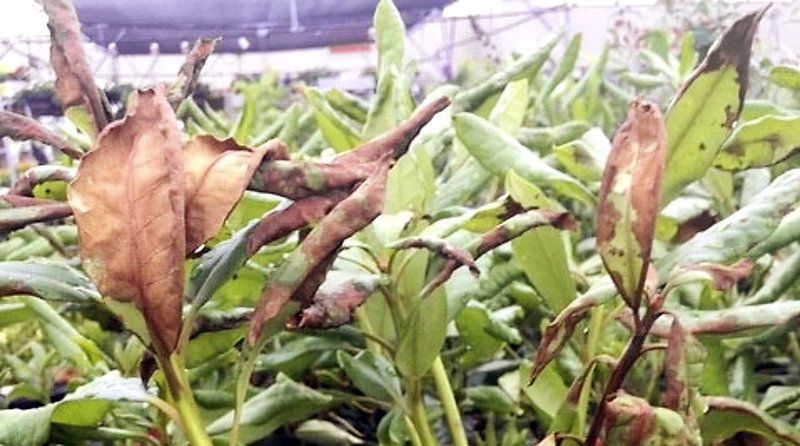
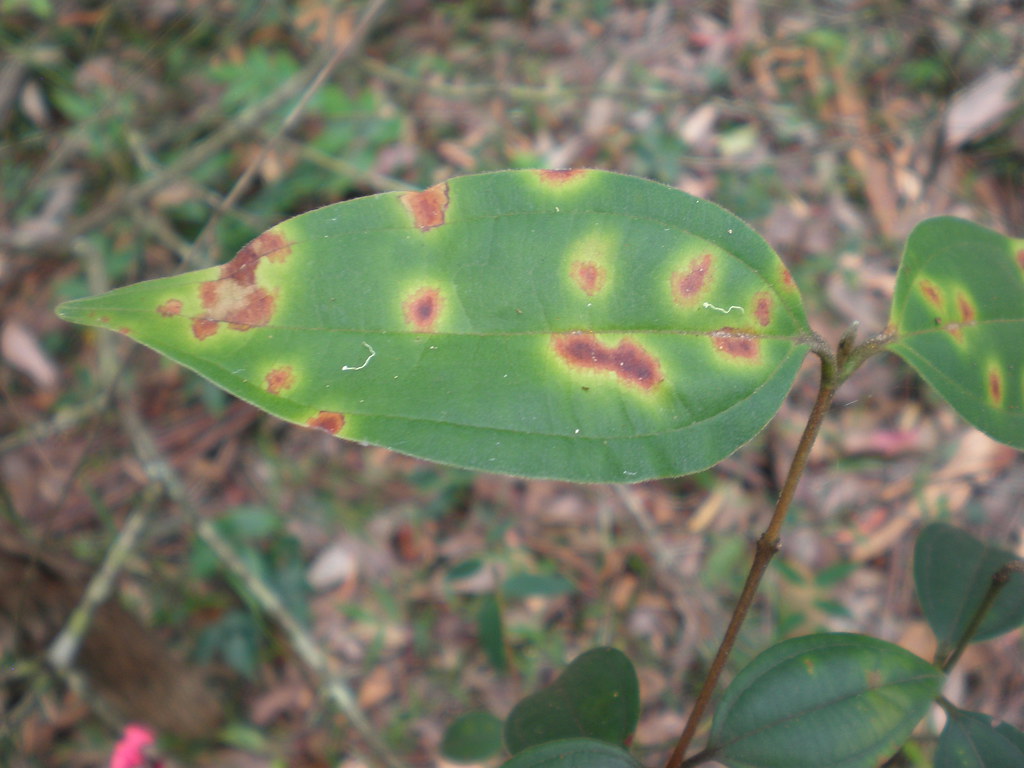
formerly common, now endangered, Australian tree Rhodamnia rubescens, infected by Austropuccinia psidii; photo courtesy of Flickr

The proportion of total tree diversity designated as threatened is highest on island nations, e.g., 69% of the trees on St. Helena, 59% of the trees on Madagascar, 57% of the trees on Mauritius. Hawai`i is not treated separately from the United States as a whole. According to Megan Barstow of BGCI (pers. comm.), the just updated IUCN Red List includes 214 threatened tree species in Hawai`i.

[For the U.S. overall, the IUCN reports 1,424 tree species, of which 342 (24%) are considered threatened. In the companion U.S. assessment, the Morton Arboretum and collaborators found that 11% of 841 continental U.S. tree species are threatened.]

MAIN THREATS TO TREES

Habitat loss

Over the past 300 years, global forest area has decreased by about 40%. Conversion of land for crops and pasture continues to threaten more tree species than any other known threat. Additional losses are caused by conversion for urban and industrial development and transport corridors, and by changes in fire regimes. In total, these factors cumulatively threaten 78% of all tree species, 84% if one includes conversion to wood plantations.

Caribbean mahogany (Swietenia mahogani); photo by Miguel Vieria

Forest Exploitation

Exploitation, especially for timber, is the second greatest threat globally, affecting 27% of tree species (more than 7,400 tree species). The report focuses on centuries of harvest of valuable tropical timbers and exploitation for fuelwood, with an emphasis on Madagascar, where nearly half of all tree species (117 out of 244 tree species) are threatened.

Pests and diseases

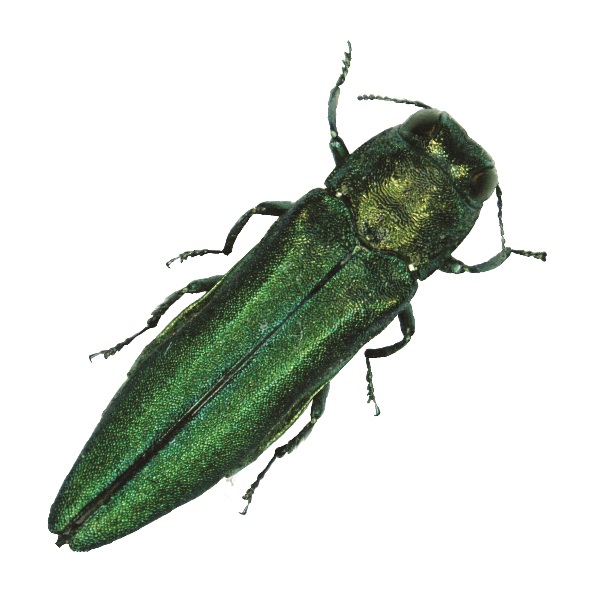
Tree species are impacted by a wide range of pests and diseases that are spread by natural and artificial causes. Invasive and other problematic species are recorded as threats for 1,356 tree species (5%) recorded on the IUCN Red List. This figure might be low because some of the information is outdated (see my discussion of American beech in the companion blog about the North American report, here.)  Also, climate change is altering the survival opportunities for many pests and diseases in new environments. The example given is the ash genus (Fraxinus), under attack by not only the emerald ash borer in North America and now Russia and Eastern Europe but also the disease Ash Dieback across Europe.  The report refers readers to the International Plant Sentinel Network for early warning system of new and emerging pest and pathogen risks, as well as help in coordinating responses.

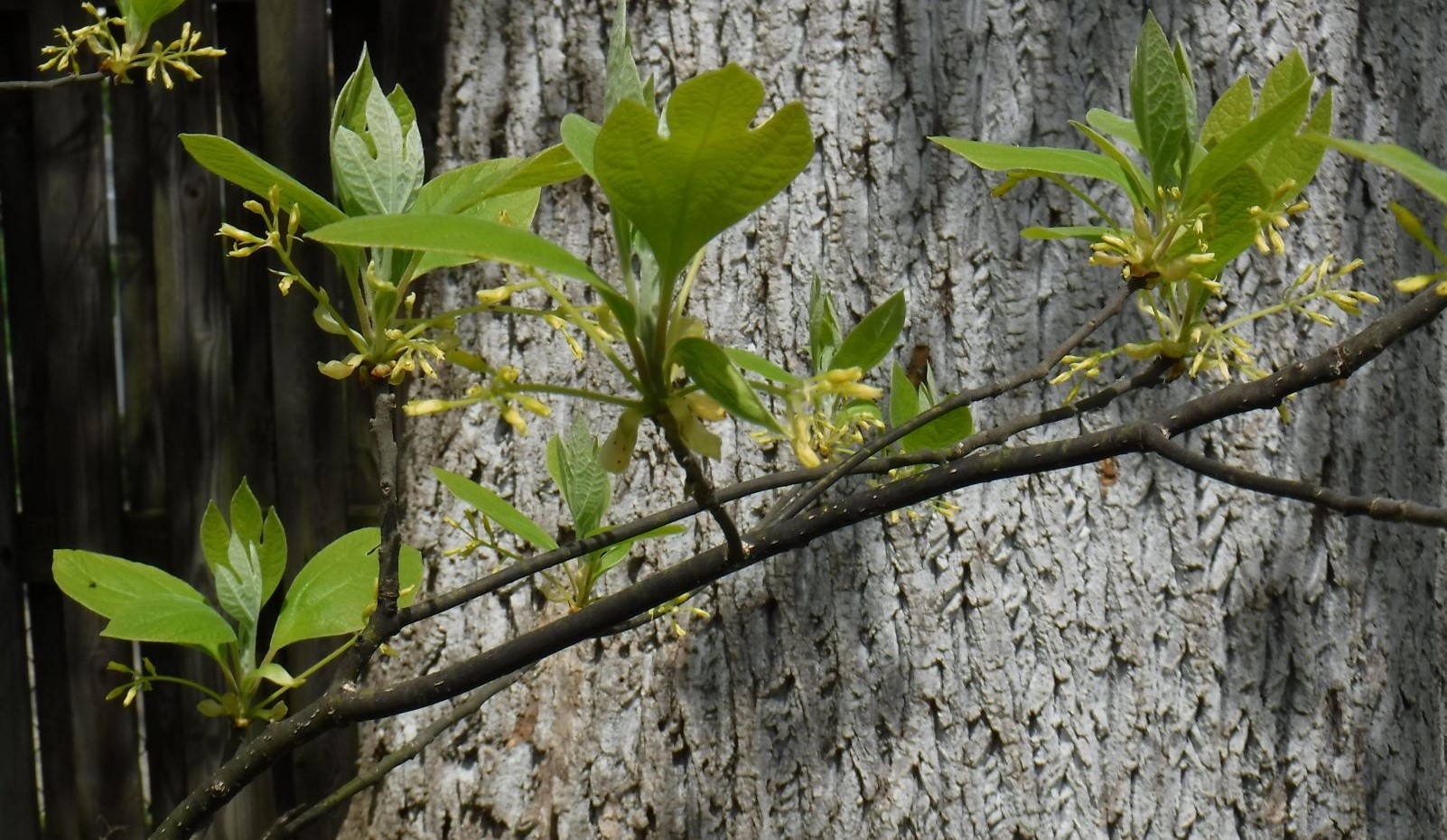
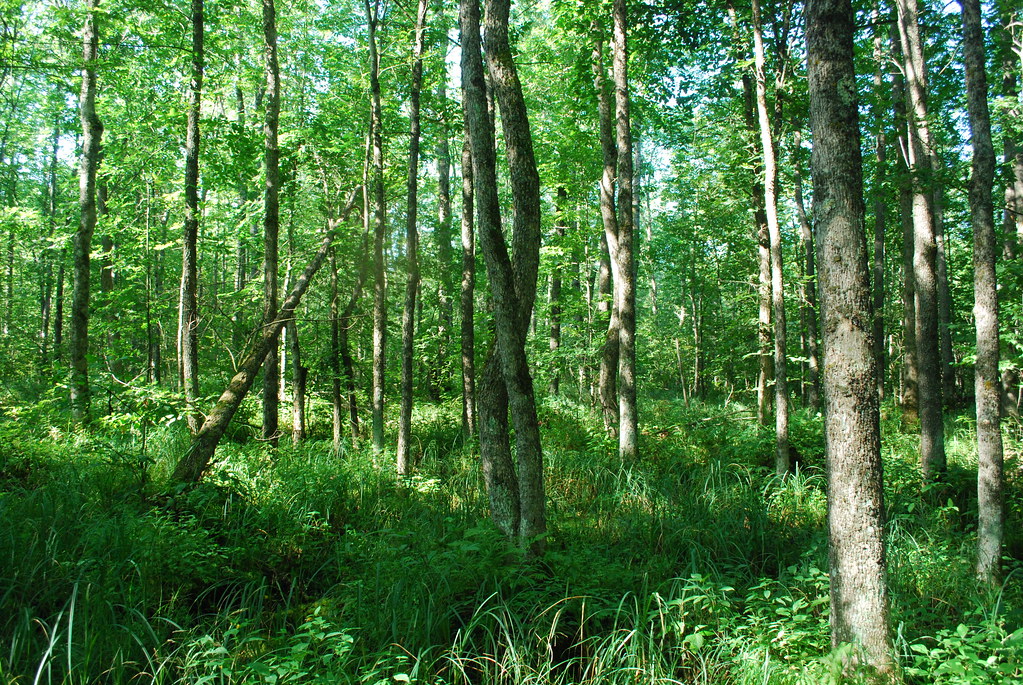
black ash (Fraxinus nigra) swamp; Flickr

Climate Change

Climate change is impacting all forest ecosystems and is emerging as a significant recorded threat to individual tree species. In the IUCN Red List assessments, climate change and severe weather is recorded as a threat in 1,080 (4%) cases. Trees of coastal, boreal and montane ecosystems are disproportionately impacted. The authors note that the actual impact of climate change is probably more widespread, as it is also impacting fire regimes and the survival, spread, and virulence of pests.

CURRENT CONSERVATION EFFORTS

In Protected areas

Currently, 15.4% of the global terrestrial surface has formal protection status. The IUCN study authors recognize in situ conservation of trees through protection of existing natural habitats as the best method for conserving tree diversity. It is therefore encouraging that at least 64% of all tree species are included in at least one protected area. However, representation is higher for species that are not threatened – 85% are represented in a conservation area while only 56% of threatened trees species are. Nor does the report assess the effectiveness of protection afforded by the various in situ sites. The authors express hope that the parallel IUCN Red List of Ecosystems will contribute to understanding of the efficacy of conservation efforts targetting forests.

The Global Trees Campaign is a joint initiative of Fauna & Flora International (FFI) and BGCI. Since 1999 the campaign has worked to conserve more than 400 threatened tree species in more than 50 countries. The current focus is on six priority taxa = Acer, Dipterocarps, Magnolia, Nothofagus, Oak, and Rhododendron.

Rhododendron in Cook Forest State Park, PA; photo by F.T. Campbell

In Botanic gardens and seed banks

Especially for species under threat, conservation outside their native habitat – ex situ conservation – is an essential additional component. Currently 30% of tree species are recorded as present in at least one botanic garden or seed bank. Again, representation is higher for species that are not threatened – 45% are represented compared to only 21% of threatened tree species. For 41 species, ex situ conservation provides the only hope of survival, since they are extinct in the wild.

AN URGENT CALL FOR ACTION

The authors and collaborators who prepared the Global Tree Assessment hope that this report will help prompt action and better coordination of priorities and resources to better ensure that all tree species are supported by in situ conservation sites and by appropriate management plans. They state several times the importance of restoration plantings relying on native species. The purpose of plantings needs to include conservation of biological diversity, not just accumulation of carbon credits. The Ecological Restoration Alliance of Botanic Gardens (https://www.erabg.org/) is demonstrating that forest restoration can benefit biodiversity conservation. In many cases, propagation methods need to be developed. Also, projects must include aftercare and monitoring to ensure the survival of planted seedlings.

The IUCN assessment notes that ex situ conservation is an important backup. Education, capacity-building and awareness-raising are needed to equip, support, and empower local communities and other partners with the knowledge and skills to help conserve threatened trees.

Policy

The report say it does not address policy and legislation – a gap that fortunately is not quite true. The report both summarizes pertinent international agreements but also provides specific recommendations.

The international agreements that pertain to tree and forest conservation include:

  • Convention on Biological Diversity (CBD) and several specific programs: the Forestry Programme, Protected Area Programme and Sustainable Use Programme.
  • Global Strategy for Plant Conservation (GSPC), which is now developing post-2020 targets.
  • United Nations Framework Convention on Climate Change (UNFCCC) and countries’ implementing pledges to conserve carbon sinks, e.g., REDD+ (Reducing Emissions from Deforestation and Forest Degradation)
  • United Nations Strategic Plan for Forests 2017-2030
  • Global Plan of Action for the Conservation and Sustainable Use of Forest Genetic Resources
  • Convention on International Trade in Endangered Species, which currently protects 560 tree species, including 308 of the most threatened timbers

The report also mentions the voluntary New York Declaration on Forests, under which more than 200 entities – including governments, businesses, and Indigenous communities — have committed to eliminating deforestation from their supply chains. The supply chains touched on include those for major agricultural commodities, production of which is one of the greatest threat to trees.

SPECIFIC RECOMMENDATIONS

1. Strengthen tree conservation action globally through the formation of a new coalition that brings together existing resources and expertise, and applies lessons from the Global Trees Campaign to radically scale up tree conservation.

2. Use information in the GlobalTree Portal on the conservation status of individual tree species and current conservation action to plan additional action at local, national, and international levels, and for priority taxonomic groups. Build on the Portal by strengthening research on “Data Deficient” tree species, and collating additional information threatened species to avoid duplication of efforts and ensure conservation action is directed where it is needed most.

3. Ensure effective conservation of threatened trees within the protected area network by strengthening local knowledge, monitoring populations of threatened species and, where necessary, increasing enforcement of controls on illegal or non-sustainable harvesting of valuable species. Extend protected area coverage for threatened tree species and species assemblages that are currently not well-represented in protected areas.

4. Ensure that all globally threatened tree species are conserved in well-managed and genetically representative ex situ living and seed bank collections, with associated education and restoration programs.

5. Align work with the UN Decade on Ecosystem Restoration 2021–2030, engaging local communities, government forestry agencies, the business community, and other interested parties to ensure that the most appropriate tree species, including those that are threatened, are used in tree planting and restoration programs.

6. Improve data collection for national inventory and monitoring systems and use this information to reduce deforestation in areas of high tree diversity in association with REDD+ and Nationally Determined Contributions (NDCs).

7. Increase the availability of government, private and corporate funding for threatened tree species, and ensure that funding is directed to species and sites that are in greatest need of conservation.

SOURCE

Global Tree Assessment State of Earth’s Trees September 2021 Botanic Gardens Conservation International available here

Posted by Faith Campbell

We welcome comments that supplement or correct factual information, suggest new approaches, or promote thoughtful consideration. We post comments that disagree with us — but not those we judge to be not civil or inflammatory.

For a detailed discussion of the policies and practices that have allowed these pests to enter and spread – and that do not promote effective restoration strategies – review the Fading Forests report at http://treeimprovement.utk.edu/FadingForests.htm
Resistance Breeding – a Useful Strategy

Port-Orford cedar resistance trials at Dorena Center; photo courtesy of Richard Sniezko, USFS

I have written several times about the importance of the United States adopting a comprehensive program to address all aspects of introduced forest pests including breeding of trees resistant to the introduced pests. See Fading Forests III from seven years ago; an earlier blog; and Bonello et al. 2020 (full citation at end of blog), in which we proposed the creation of a federal Center for Forest Pest Control and Prevention to implement end-to-end integrated responses to forest pest invasions. A similar view is being voiced internationally; see, e.g., Buggs et al. 2020.

I have seen efforts to restore pest-decimated tree species to the forest lagging. I complained in a recent blog link that the recent USDA Forest Service report on invasive species (Poland et al. 2021) gave a misleading impression that significant effort was being made on resistance breeding to address several pests.

The USFS does support breeding trees resistant to pests, but in my view this support has been inadequate – including in the USFS report. Others think so, too — see Sniezko and Koch 2017. This insufficiency only grows, despite USDA claims to recognize that promoting resistance to introduced forest pests is an essential component of achieving its strategic goals of maintaining or enhancing productivity while ensuring responsible stewardship of resilient natural resources (Federman and Zankowski 2019).

Work at the Dorena Genetic Research Center

The principal and most notable and successful resistance breeding effort has been the Dorena Genetic Resource Center. The Center was established by, and is funded through the USFS Region 6 Genetic Resource (part of the National Forest System) and Forest Health Management programs. The Center has a solid foundation in the expertise and facilities needed to carry out breeding efforts. Also, it has a 50-plus-year track record.

Dorena has supported breeding of white (five-needle) pines and Port-Orford cedar. Dorena also now provides expertise and some facilities to partners exploring a) breeding Oregon ash to resist the emerald ash borer and b) two Hawaiian trees (koa and ‘ōhi‘a) to resist introduced pathogens (see below). Dorena staff is assisting low-budget, shoe-leather efforts to explore breeding of other trees at risk to non-native pests. These programs are described briefly in Box 8 of Poland et al. 2021. Despite this valuable effort with proven success funding to continue Dorena’s work is tenuous.

White Pine Blister Rust — Efforts to develop resistance to white pine blister rust (WPBR) DMF in five-needle pine species (nine grow across the country) began more than 50 years ago. Currently Dorena focuses on whitebark pine (Pinus albicaulis), denizen of high elevations in the West, along with western white pine (P. monticola), sugar pine (P. lambertiana) , limber pine (P. flexilis), southwestern white pine (P. strobiformis), and foxtail pine (P. balfouriana). Testing whitebark for resistance to WPBR began in 2002. Seedling families from >1,300 parent trees are in various stages of testing. The discovery that some whitebark populations have much higher levels and frequency of partial resistance has allowed rapid distribution of seed. The first restoration plantings in the Pacific Northwest were in 2009.

3-year old seedlings of whitebark pine at Crater Lake National Park; photo by Richard Sniezko, USFS

There are many collaborators – especially the National Park Service, Washington State’s Department of Natural Resources, several Tribes, the Whitebark Pine Ecosystem Foundation, and American Forests. However, planting has been hampered by the high cost of restoration in these high elevation ecosystems, lack of frequent good seed crops on the resistant parent trees, and lack of approval to plant in designated wilderness areas. In the areas with the highest levels of resistant parents, management activities that encourage natural regeneration might be successful. In late 2020 the U.S. Fish and Wildlife Service proposed to list whitebark pine as a Threatened species

Oregon ash (F. latifolia) has not yet been attacked by the emerald ash borer, but all expect EAB to spread to the West coast. Dorena and cooperators have already collected seed from ash trees in Oregon and obtained funding for additional collections, to include Washington and California. The seeds are being stored at both Dorena and the USDA Agriculture Research Service facility at Ft. Collins, Colorado. Seedlings from two dozen families have also been planted at Dorena and a center operated by Washington State University, plus at a USFS Northern Research Station research center in Ohio, where EAB is established and they can be tested for resistance to the insect’s attack.

Koa and ‘ōhi‘a in Hawaii — Regeneration of the koa tree (Acacia koa) has been undercut by the koa wilt pathogen, Fusarium oxysporum f. sp. koae. Dorena initiated efforts with the Hawaii Agricultural Research Center (HARC) to respond in 2003. There has been rapid progress screening seedlings to identify resistant parent trees establishing seed orchards, delineating seed zones, and releasing seed with confirmed levels of resistance for reforestation and restoration (Sniezko and Koch 2017; see also Dudley et al. 2020).

‘ōhi‘a trees killed by rapid ‘ōhi‘a death; photo courtesy of J.R. Friday

When the threat to Hawaii`s most widespread tree ‘ōhi‘a (Metrosideros polymorpha) from rapid ‘ōhi‘a death (ROD) pathogens became apparent, the Dorena staff provided advice on breeding strategies. Its Center Geneticist is part of an ad hoc resistance team. Scientists have identified surviving trees in stands affected by ROD on the Big Island using a variety of methods. These include aerial surveys by drones and fixed-wing aircraft. They then began collecting seeds and cuttings. As of spring 2021, they have collected cuttings or seeds from more than 300 ‘ōhi‘a trees belonging to five varieties. The effort is low-cost, using Americorps volunteers coordinated by a single full-time person, a USFS employee. The program is still in its infancy. It will have to find funding to expand its scope to an operational resistance program once more information on resistance is has been obtained.

Other Efforts

Most other breeding programs are small and poorly funded. In fact, they have been described by one USFS scientist as “hobby projects” of a few scientists determined to try this strategy. Not only are efforts minimal; but also retirement of those few scientists can bring an end to the individual project.

There were greater efforts in the past. I have a document (of unknown origin) from 2011 that describes breeding efforts funded by both the National Forest System and USFS Research and Development. Table 1 listed 16 projects for western conifers; Table 2 listed 32 projects funded by R&D. During this period, the USFS provided start-up funds for the Healthy Forests Initiative, a consortium that sought to prove the concept that genetic engineering could quickly produce an American chestnut able to live and reproduce in its native range. This support was in addition to support for The American Chestnut Foundation backcross hybridization program link.

Part of the problem is the longstanding decline in funding and staffing of USFS research program. A graph in Chapter 6 of FFIII shows the decline in numbers of forest entomologists and pathologists over the 20-year period 1985–2007. Wheeler et al. 2015 discuss the parallel decline in tree breeders and geneticists (citation at end of this blog).

Cuts continue. Funding for research conducted by the USFS Research stations on ten non-native pests decreased from $10 million in Fiscal Year 2010 to just $2.5 million in Fiscal Year 2020 – a cut of more than 70%. I have lobbied for increased appropriations for decades.

The need for new approaches and increased effort is more widely asserted. One example is the group I am working with that promotes a new Center for Forest Pest Control and Prevention. Link A second example is the University of Florida’s recent conference of forest health researchers, representatives of the forest products industry, non-governmental organizations, and leaders of universities with forest-resource programs. This group suggested forming a united organization to increase capacity to improve forest health research. An article outlining the proposal is available here.

The Role of Biotechnology in Breeding Resistant Trees

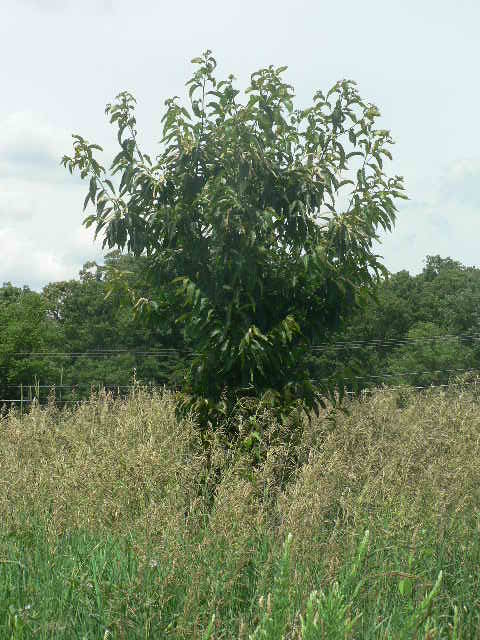
what happened? same tree a few years apart — a TACF hybrid chestnut

Part of the discussion on forest research explores the proper role of biotechnology in tree species’ restoration. Purdue University hosted a related workshop in April 2021, in which I took part. (“Society and Policy Influences on Biotechnology Risk Assessment for Restoration of Threatened Forest Tree Species”). I hope participants will soon publish a paper based on our discussions.

Meanwhile, Revive & Restore, a wildlife conservation organization promoting the incorporation of biotechnologies into standard conservation practice, sponsored a workshop in June 2020. The 57 conservationists, wildlife biologists, restoration specialists, conservation geneticists, ethicists, and social scientists who participated agreed on an appropriate structure for using biotechnology. These included:

  • A broader definition of risk and application of new risk assessment tools;
  • Consideration of the risks of not taking action, as well as going ahead with a proposal;
  • Transparency about social and cultural values and engaging stakeholders
  • Monitoring results to ensure actions have been successful, manage uncertainty, and codify lessons learned.

In the literature I read, the workshops I participate in (e.g., National Academy of Sciences 2019; Purdue’s), biotechnology is seen as a potentially helpful set of tools that must be integrated into broader programs, all having research, tree improvement, restoration, and reforestation components. Such programs must have sustained management and resources stemming from public support. (For more complete descriptions of components of a resistance breeding program, see Sniezko and Koch 2017 (full reference below); or Chapter 6 of FFIII). Activities that must be incorporated include:

  • Germplasm collection and storage (applying the varied strategies that are appropriate);
  • Research to detect and test potential resistance or tolerance;
  • Research to identify techniques for producing propagules;
  • Planting sites that will be secure for decades;
  • Site preparation & planting;
  • Post-planting maintenance; and
  • Monitoring to determine success or problems

During the Purdue workshop, and in my writing, I have emphasized the principal hindrance to progress is the lack of resources being allocated to resistance breeding. USFS and academic scientists determined to pursue breeding approach must scrounge for funds. I describe some of their efforts below.

Collaborations on Breeding for Specific Species

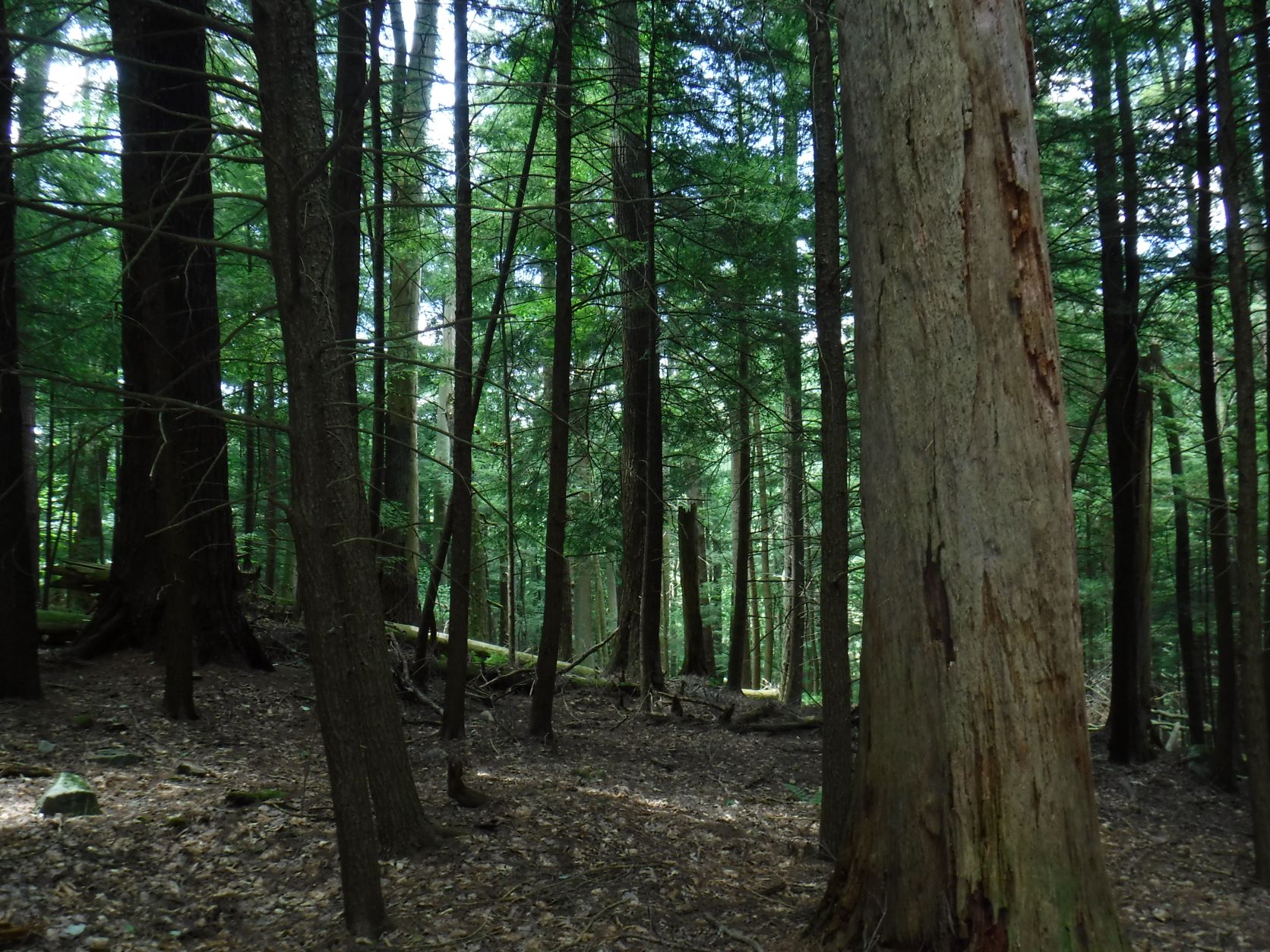
(still) healthy hemlocks in Cook Forest State Park, Pennsylania; photo by F.T. Campbell

USFS Hemlock Woolly Adelgid (HWA) Initiative [apparently no website]

This initiative was developed under the leadership and direction of FHP staff. The list of cooperators includes dozens of state, federal, university and private organizations. The annual budget has averaged between $2.5 and $3.5 million. Most resources are apparently allocated to biocontrol, but some funding has been provided for breeding activities, including:

  • Seed collection and storage for both Carolina and eastern hemlocks. Two seed orchards have been established in western North Carolina. I believe they are protected from the hemlock woolly adelgid (HWA) by application of pesticides.
  • Research on these tree species’ silviculture and ecology, including manipulation of sunlight levels to protect seedlings from the adelgid and promote growth

The 2021-2025 Program – currently under review – foresees more integrated pest management applying biocontrol, chemical control, and silviculture. It aims to maintain the health of hemlocks being used in breeding programs and “explore” hemlock replacement options, such as hybrids or HWA-tolerant hemlocks (Mayfield et al. 2021). This effort is encouraging, but I have heard complaints from academics that they can’t get funding to pursue what they regard as promising breeding strategies.

Other small programs to breed resistant hemlocks are under way. The Forest Restoration Alliance (formerly the Alliance to Save Threatened Forests) asks citizens to identify surviving hemlocks and balsam firs. The Alliance has collected and propagated both cuttings and seeds and is testing their resistance.

Ash and Other Trees of the Upper Midwest

To date, few resources have been allocated to resistance breeding of ash. Between 2003 and 2017, only about 7% of research funds allocated to ash and emerald ash borer DMF have been devoted to host resistance. Of the host resistance research, 61% applied to identifying mechanisms, 14% to use of transgenics to develop resistance, only 7% (0.5% of the total research) has supported actual breeding for resistance (Sniezko and Koch 2017).

In May 2021 the USFS announced it was seeking funds from the water-focused Great Lakes Restoration Initiative. The USFS expects to receive up to $5.4 million for reforestation, ecosystem restoration. and forest health improvements on non-federal lands in the Great Lakes basin. (This includes parts of the states of Illinois, Indiana, Michigan, Minnesota, New York, Ohio, Pennsylvania and Wisconsin). The announcement doesn’t mention resistance breeding for ash, beech, hemlock, or other trees in the region. I hope some of the new funds will be allocated to this strategy.

“lingering” ash; photos courtesy of Jennifer Koch, USFS

In an encouraging show of entrepreneurship, USFS scientists and others have formed the Great Lakes Basin Forest Health Collaborative – a partnership with Holden Forests and Gardens, American Forests, and USFS (Kappler et al. 2021). The purpose of the Collaborative is to advance resistance breeding for these important tree species. The initial focus is on the five ash species in the region, especially black ash (Fraxinus nigra) link to blog The Collaborative is recruiting a network of partners, and will provide training and technology transfer. The partners will provide volunteers and other resources. Partners do not have to be within the region if their work helps the Great Lakes Basin, but plantings have to be there.

Partners will help identify survivor trees with potential resistance (e.g., “lingering” ash); establish clone banks and/or seed orchards; and manage seed collections. Each partner will operate independently, but in collaboration with the others. The initial focus is on obtaining representative seed collections of ash and hemlock. Then cloning, testing resistance, and crosses can begin. Eventually select lines will be chosen for bulking up and reintroduction.

In future the Collaboration hopes to engage in breeding hemlocks and identifying beech trees that remain healthy in areas heavily impacted by beech leaf disease (BLD).

Other efforts under way include the Monitoring and Managing Ash (MaMA) Program, based in the Ecological Research Institute in New York State.

Beech trees with resistance to beech bark disease (BBD) were identified as early as the 1980s, but a breeding program was begun only in 2002. A collaborative, multi-agency effort has resulted in the establishment of five regional American beech seed orchards with four others in progress as of 2017. Partners provide a cost-effective process for identifying resistant parent trees. State and National Forest personnel surveyed natural forests for candidate trees and then tested each tree and identified markers associated with resistance (Sniezko and Koch 2017).

Challenges Beyond Breeding

Large-scale restoration of tree species across much of their ranges will require significant inputs of funds, over long time periods, as well as resolving daunting logistical issues.

Some think the most likely scenario will be to plant focal areas, or islands, that can aid future natural regeneration (Sniezko and Koch 2017). The American Chestnut Foundation (TACF) anticipates it will take 1,000 years to re-establish American chestnut DMF across its range through a process of three phases: long-term research and demonstration plantings; a relatively small-scale public horticultural program using trees and/or pollen made available by TACF; and a larger-scale public restoration program using progeny from years of outcrossing and production. (This assumes APHIS approves release of the transgenic “Darling 58” tree, plus – I believe – progress in developing resistance to root disease caused by Phytophthora cinnamomi). Already good progress using focal areas has started with several white pine species, and a national plan is in the works for whitebark pine.

Such efforts will require access to land that can be protected from other uses, e.g., development for decades or centuries. Also it will require management of sites to protect propagules from browsing wildlife (deer, rabbits!), provide adequate water and light, and probably give plantings a competitive advantage in relation to other plants growing there …

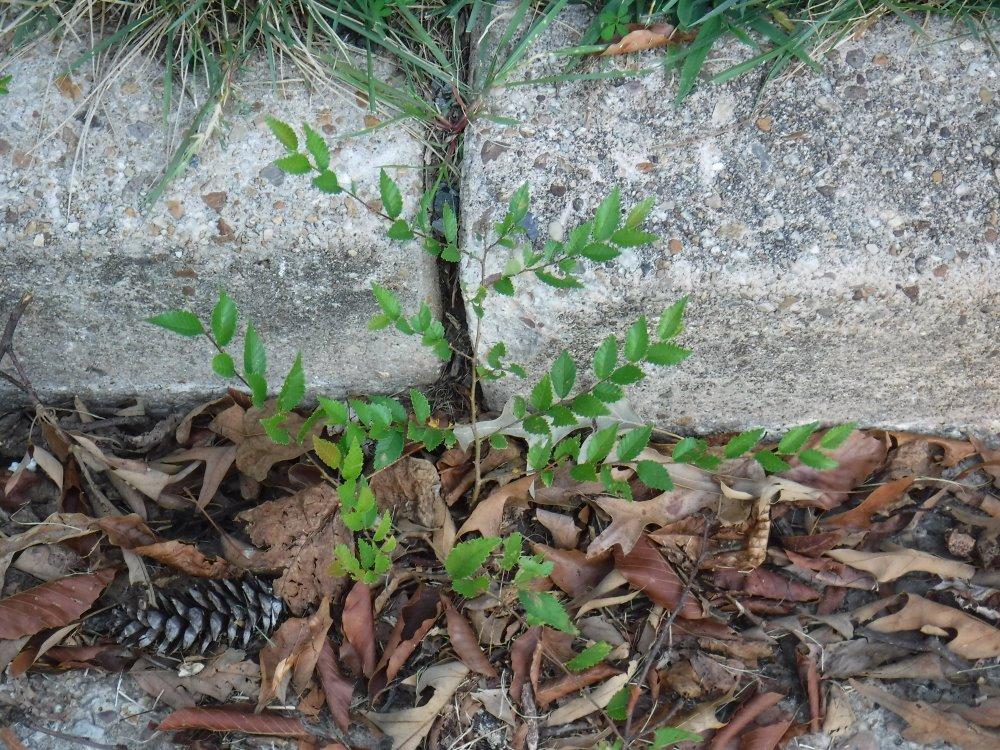
non-resistant elms will grow anywhere! photo by F.T. Campbell

And there is the issue of how a relatively small number of resistant propagules will succeed in spreading their improved genetics in areas where non-improved elm, ash, beech and hemlock are reproducing naturally. Is reproduction of unimproved trees likely to continue in the face of new and old pests’ spread? If biocontrol agents succeed in reducing a pest’s impact on a host tree species, will that enhance the competitive ability of unimproved trees to the disadvantage of genetically improved conspecifics? What are realistic expectation for programs, and for their success?

Criteria for Success

Woodcock, Marzano, and Quine (2019) analyzed five breeding programs to identify aspects that contribute to success. Four of the programs were in North America; they targetted chestnut, western white pines, and Sitka spruce & white pine weevil. They concluded that 

  • Success is influenced by the level of resistance present in individual trees, the frequency of resistance in the population, and the heritability of resistance.
  • It is important to consider current and potential future risks to the species in addition to the target pest or pathogen— the benefits of trees resistant to a specific threat are negated if it is susceptible to other threats.
  •  Demand [for a resistant tree to plant] should be evaluated, and the priorities of potential supporters and end users should inform the methods used to produce resistant trees.
  •  Operational deployment should balance the urgency of the threat with the consequences if resistant material does not perform as hoped. Urgency might differ for an emerging pest or pathogen.
  • Deployment strategies should be informed by the risks of imposing a strong selection pressure on the pest or pathogen to evolve to overcome host resistance, and by potential impacts on partially resistant trees.
  • Continued monitoring of field performance is important for evaluation, and can help to identify and mitigate emerging threats (e.g. new pathogen strains).

SOURCES

Bonello, P., F.T. Campbell, D. Cipollini, A.O. Conrad, C. Farinas, K.J.K. Gandhi, F.P. Hain, D. Parry, D.N. Showalter, C. Villari, and K.F. Wallin. 2020. Invasive tree pests devastate ecosystems – A proposed new response framework. Frontiers in Forests and Global Change. January 2020. Volume 3, Article 2 

Buggs, R.J.A. 2020 Changing perceptions of tree resistance research. Plants, People, Planet. 2020; 2: 2– 4. https://doi.org/10.1002/ppp3.10089

Dudley, N.; Jones, T.; Gerber, K.; Ross-Davis, A.L.; Sniezko, R.A.; Cannon, P.; Dobbs, J. 2020. Establishment of a Genetically Diverse, Disease-Resistant Acacia koa A. Gray Seed Orchard in Kokee, Kauai: Early Growth, Form, and Survival. Forests 2020, 11, 1276

Federman, S. and P. Zankowski. 2019. Strategic science planning for responsible stewardship and plant protection at the U.S. Department of Agriculture. Plants, People, Planet © New Phytologist Trust 2019;00:1–4. https://doi.org/10.1002/ ppp3.10075

Kappler, R., C. Blashka, D. burke, E. Hall, C. Pike, J. Koch. 2021. Great Lakes Basin Forest Health Collaborative: What it’s all about. North American Forest Insect Work Conference 28 May 2021

Mayfield, A.E. III, Salom, S., Jetton, R., Havill, N., Rhea, R., and Mausel, D. 2021. North American Forest Insect Work Conference 28 May 2021. Spread, impact and management of HWA in eastern North America

National Academies of Sciences, Engineering, and Medicine. 2019. Forest Health and Biotechnology: Possibilities and Considerations. Washington, DC: The National Academies Press. https://doi.org/10.17226/25221.

Poland, T.M., P. Patel-Weynand, D.M Finch, C.F. Miniat, D.C. Hayes, V.M Lopez, editors. 2021. Invasive Species in Forests and Rangelands of the United States. A Comprehensive Science Synthesis for the US Forest Sector. Springer

Sniezko, R.A. and J. Koch. 2017. Breeding trees resistant to insects & diseases: putting theory into application. Biol Invasions. 2017. 19:3377-3400. DOI 10.1007/s10530-017-1482-5

Wheeler, N.C., K.C. Steiner, S.E. Schlarbaum, D.B. Neale. 2015. The Evolution of Forest Genetics and Tree Improvement Research in the United States, Journal of Forestry, Volume 113, Issue 5, September 2015, Pages 500–510, https://doi.org/10.5849/jof.14-120

Woodcock, P., M. Marzano, C.P. Quine. 2019. Key lessons from resistant tree breeding programmes in the Northern Hemisphere. Annals of Forest Science (2019)76:51 https://doi.org/10.1007/s13595-019-0826-y

Posted by Faith Campbell

We welcome comments that supplement or correct factual information, suggest new approaches, or promote thoughtful consideration. We post comments that disagree with us — but not those we judge to be not civil or inflammatory.

For a detailed discussion of the policies and practices that have allowed these pests to enter and spread – and that do not promote effective restoration strategies – review the Fading Forests report at http://treeimprovement.utk.edu/FadingForests.htm
USFS report: treatment of introduced forest pests

still-healthy hemlocks in Cook Forest State Park, PA; photo by F.T. Campbell

In February the USFS published a lengthy analysis of invasive species: Invasive Species in Forests and Rangelands of the United States. A Comprehensive Science Synthesis for the US Forest Sector (Poland et al. 2021; full citation at the end of the blog). The book is available for download at no cost here.

In a separate blog, I evaluated several aspects of the report as they apply to invasive species generally. Here I focus on invasive insects and pathogens that attack North American tree species (that is, forest pests).

As I said in the separate blog, I doubt that the book will stimulate policy-makers to increase Forest Service resources allocated to invasive species research, much less management. Sections 14.5 and 16.5 of the report state that the continued absence of a comprehensive investigation of the impacts of invasive species, especially the full value of ecosystem services lost, is a barrier to policymakers seeking to develop priorities and realistic management strategies.

I think the book’s editors tried to provide as much information about impacts as possible given existing knowledge. But the book’s length, comprehensive inclusion of all bioinvaders, organizational structure, and the detailed discussions of theories and models reduce the contribution the book might make to management decisions. I did not find “lessons learned” that could be applied in the policy realm. 

Chapters address impacts in terrestrial and aquatic systems; impacts on ecosystem processes; impacts on various sectors of the economy and cultural resources; interactions with climate change and other disturbances; management strategies for species and landscapes; tools for inventory and management. Each chapter evaluates the current status of knowledge about the topic and suggests research needs. There are also summaries of the invasive species situation in eight regions.

The choice to organize the book around the chapters listed above means that some information one might expect to find in a book about invasive species is scattered or even absent. This is not a good resource for concise descriptions of individual invasive species and their impacts. That information is scattered among the chapters depending on whether some aspect of the species was chosen to illustrate a scientific challenge or success. The regional summaries partially remedy this problem – but they do not provide perspective on organisms that have invaded more than one region, e.g., emerald ash borer or white pine blister rust. To some extent, information about individual species is provided in the several subchapters on forest insects and pathogens. Or the reader of the PDF version can use the word search function!

Of course, information on several individual high-profile bioinvaders can be found in other publications; see the species write-ups and references posted at www.dontmovefirewood.org. Under these circumstances, a description of invasive species impacts from the ecosystem perspective is a welcome addition. I have long wished for a “crown to root zone” description of invasive species’ impacts.

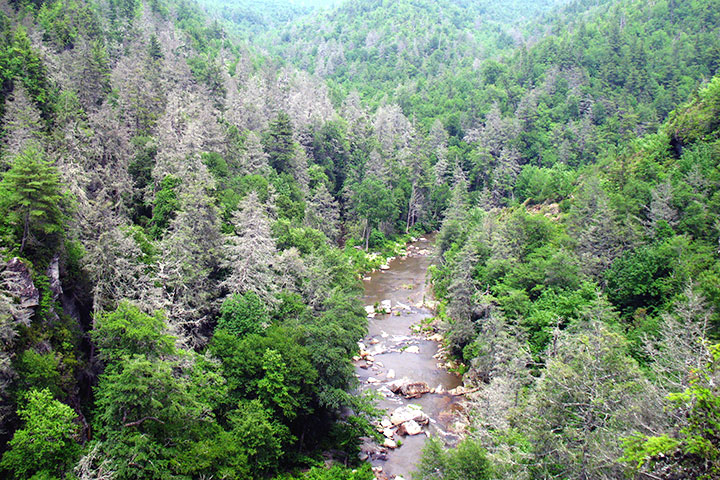
HWA-killed hemlocks in Linville Gorge, NC; photo by Steven Norman, USFS

In this blog, I will focus on issues that the report raises that I found most interesting.

Information in the Report on Invasive Insects & Pathogens that Attack North American Trees

At several places the report states that non-native pests that have the potential to threaten the survival of an entire tree genus should be a high priority (p. 136) (what actions should be prioritized are not specified). They name the emerald ash borer (EAB) and Dutch elm disease. Elsewhere, EAB and hemlock woolly adelgid (HWA) are described as among the most significant threats to forests in the Eastern U.S. While EAB and HWA have certainly received considerable attention from the Forest Service, threats to elm have not. (I regret that the timing of the report precluded reference to Kevin Potter’s priority-setting publication. Potter is not listed as a co-author of the book.)

Hemlock woolly adelgid, emerald ash borer, chestnut blight, white pine blister rust (WPBR), and laurel wilt are cited as examples of highly virulent, host-specific agents that kill dominant, abundant, and ecologically unique hosts (p.18), resulting in exceptionally severe long-term impacts. WPBR and HWA specifically can have profound and far-reaching negative effects on ecosystem structure and function. These can rise to the level of an irreversible change of ecological state (p. 97). Of this list, no federal agency has allocated many resources to efforts to slow the spread of laurel wilt. The Forest Service is certainly tracking its spread and impacts.

Exaggerations or Errors

I think the report exaggerates the level of resources allocated to host resistance breeding. The report mentions programs targetting Dutch elm disease, beech bark disease, EAB, HWA and laurel wilt. It describes programs for white pines and Port-Orford cedar as examples of success. However, I would say that all the programs, except American chestnut, are starved for funds and other resources. The report’s authors concede this on p. 195.

TACF American chestnut in field trial; photo by F.T. Campbell

I think the report is too optimistic about the efficacy – so far – of biocontrol agents targeting HWA & EAB. On the other hand, I appreciate the report’s recognition that application of augmentative biocontrol of the Sirex woodwasp is more complicated in North America than in Southern Hemisphere countries (p. 162).

I am concerned about the statement that many plant pathogens are transported, but few have major impact. Examples in the U.S. are said to be WPBR, chestnut blight, and Phytophthora ramorum (p. 97). However, the report does not mention laurel wilt – which has a broad host range; nor rapid ‘ōhi‘a death — which threatens the most widespread tree species on the Hawaiian Islands. Nor does it mention several pathogens attacking single tree species, including beech bark disease, Port-Orford cedar root disease, and butternut canker. The report was written before recognition of beech leaf disease. The report notes that the three diseases it did mention have huge impacts. I am greatly disappointed that the report does not address how scientists and managers should deal with this “black swan” problem other than long discussions of data gaps, and ways to improve models of introduction and spread.

In addition, I am concerned that the discussion of economic factors that influence trade flows and accompanying invasive species (p. 308) focusses too narrowly on inspection alone, rather than other strategies for curtailing introduction. This section also shortens a description of the point made in Lovett et al. (2016). The report notes that Lovett et al. (2016) say that rates of introduction of wood-boring species decreased after ISPM#15 was implemented. However, the report leaves out the major caveat in that paper and the studies by Haack et al. (2014) and Leung et al. (2014) on which it is based: the reduction was insufficient to protect America from damaging introductions! [A further error has crept in: the Haack study explicitly excluded imports from China from their calculations. The Lovett paraphrase is not really clear on this matter.]

Curiosities/Concerns Re: Regional Write-Ups

I wish the sections on the Northwest and Southwest region discussed why areas with so many characteristics favoring introduction of plant pests – major ports, extensive transportation networks, major horticultural industry, extensive agriculture, and abundant urban and native forests – have so few damaging forest pests. (Admittedly, those present are highly damaging: white pine blister rust, sudden oak death, Port-Orford cedar root disease, pitch canker, balsam woolly adelgid, larch casebearer, polyphagous shot hole borer (I add Kuroshio shot hole borer), and banded elm bark beetle). The report does mention the constant threat of introduction of the European and Asian gypsy moths. (The Entomological Society of America has decided to coin a new common name for these insects; they currently to be called by the Latin binomial Lymatria dispar). The report notes that 22 species of non-native bark and ambrosia beetles have recently been introduced in the Southwest.

The report cites a decade-old estimate by Aukema et al. (2010) in saying that a small proportion of introduced pest species has killed millions of trees or pushed ecologically foundational species toward functional extinction. The figure was 14% of the more than 450 non-native forest insect species. I greatly regret that overlapping preparation and publication periods precluded inclusion of data from studies by Potter, Guo, and Fei.  http://nivemnic.us/what-fia-data-tell-us-about-non-native-pests-of-americas-forests/

Section 7.3 of the report discusses frameworks for setting priorities. It identifies five factors: 1) pest species having the greatest negative impacts; 2) uniqueness of the affected ecosystem or community; 3) state of the invasion in space and time; 4) management goals; 5) availability of effective tools. Examples of species meeting these criteria include EAB and Dutch elm disease (pest threatens entire host genus); white pine blister rust on whitebark pine (key species in a system with low arboreal diversity).

The report notes increasing understanding of critical aspects of several important pests’ biology and host interactions – but it does not sufficiently acknowledge the decades of effort required to achieve this knowledge. The time required for additional scientific advances will probably be equal or greater, given falling number of “ologists” in government and academia.

I appreciate inclusion of a discussion (Sections 8.3.1 and 8.3.2) on breeding trees resistant to introduced pests

dead Port-Orford cedar in Redwoods National Park; photo by Richard Sniezko, USFS

This section states that host resistance, forest genetics, and tree improvement might be the most effective approaches to managing many established pests. The section says such breeding does not require the use of genetically modified organisms, although transgenic or gene editing technologies can provide useful tools. I appreciate the report conceding that necessary infrastructure and expertise has been declining for two decades (p. 195).

In discussing international cooperation to reduce transport of invasive species, the report refers to increasing availability of data allowing identification of potentially damaging species in their regions of origin. Again, since this chapter was written, the Forest Service has increased its engagement on this approach: the USFS International Program is supporting sentinel plantings managed by the International Plant Sentinel Network (http://www.plantsentinel.org) … see my recent blog here.

SOURCE

Poland, T.M., P. Patel-Weynand, D.M Finch, C.F. Miniat, D.C. Hayes, V.M Lopez, editors. 2021. Invasive Species in Forests and Rangelands of the United States. A Comprehensive Science Synthesis for the US Forest Sector. Springer

Posted by Faith Campbell

We welcome comments that supplement or correct factual information, suggest new approaches, or promote thoughtful consideration. We post comments that disagree with us — but not those we judge to be not civil or inflammatory.

For a detailed discussion of the policies and practices that have allowed these pests to enter and spread – and that do not promote effective restoration strategies – review the Fading Forests report at http://treeimprovement.utk.edu/FadingForests.htm
USFS invasive species report: Herculean effort that could have had greater impact

In February the USFS published a lengthy analysis of invasive species: Invasive Species in Forests and Rangelands of the United States. A Comprehensive Science Synthesis for the US Forest Sector (Poland et al. 2021; full citation at the end of the blog). More than 100 people contributed to the book; I helped write the chapters on legislation and regulations and international cooperation. The book is available for download at no cost here.

Chapters address impacts in terrestrial and aquatic systems; impacts on ecosystem processes; impacts on various sectors of the economy and cultural resources; interactions with climate change and other disturbances; management strategies for species and landscapes; tools for inventory and management. Each chapter evaluates the current status of knowledge about the topic and suggests research needs. There are also summaries of the invasive species situation in eight regions.

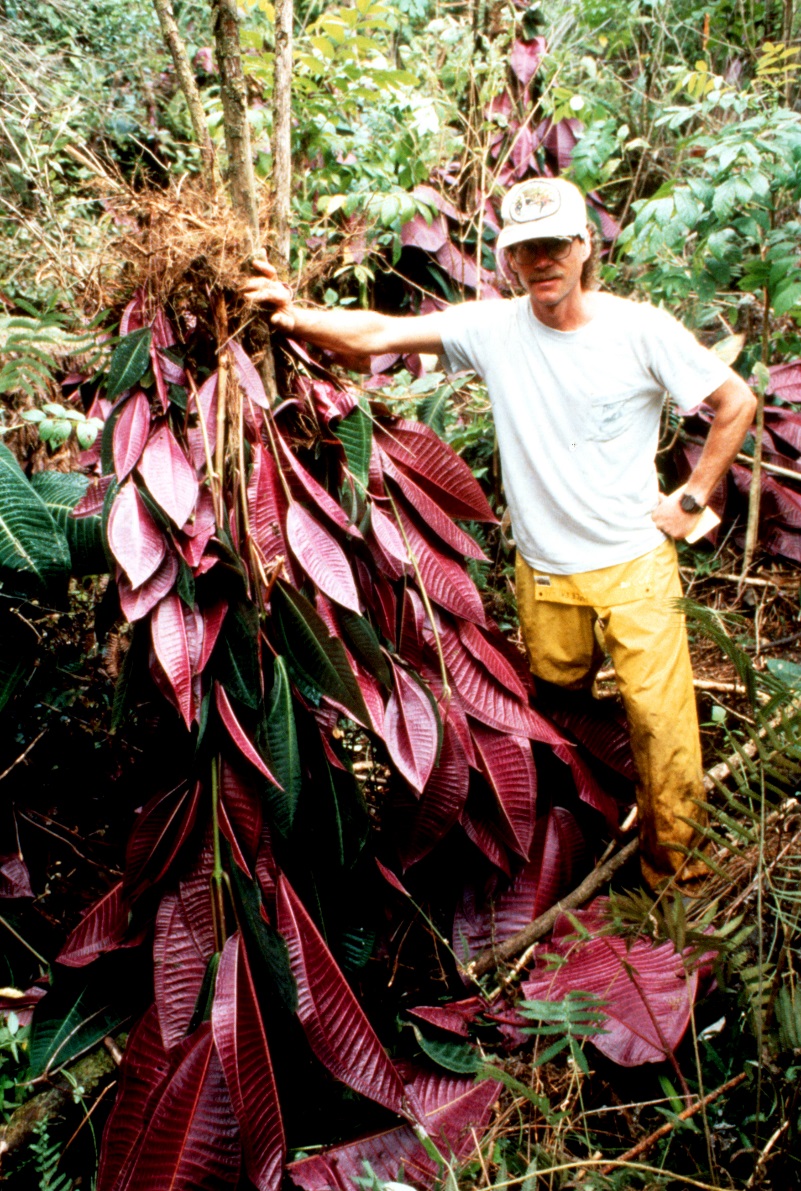
Miconia – one of many invasive plants damaging ecosystems in Hawai`i

I greatly appreciate the effort. Authors first met in 2015, and most chapters were essentially written in 2016. The long delay in its appearance came largely from negotiations with the publisher. The delay means some of the information is out of date. I am particularly aware that several experts – e.g., Potter, Guo, and Fei – have published about forest pests since the Aukema source cited. I wonder whether inclusion of their findings might change some of the conclusions about the proportion of introduced pests that cause noticeable impacts.

Since the report’s publication in February I have struggled with how to describe and evaluate this book. What is its purpose? Who is its audience? The Executive Summary says the report is a sector-wide scientific assessment of the current state of invasive species science and research in the U.S.

However, the Introduction states a somewhat different purpose. It says the report documents invasive species impacts that affect ecosystem processes and a wide range of economic sectors. This would imply an intention to enhance efforts to counter such effects– not just to shape research but also to change management. Indeed, the Conclusion of the Executive Summary (pp. xvi-xvii) is titled “An Imperative for Action”.

Tom Vilsack, Secretary of Agriculture

I am not the author to evaluate how effectively the book sets out research agendas. Regarding its usefulness in prompting policy-makers to do more, I regretfully conclude that it falls short.

Getting the balance right between an issue’s status and what needs to be done is difficult, perhaps impossible. I appreciate that the report makes clear how complex bioinvasion and ecosystem management and restoration are. Its length and density highlight the difficulty of making progress. This daunting complexity might well discourage agency leadership from prioritizing invasive species management.

On the other hand, summary sections sometimes oversimplify or bury important subtleties and caveats. The question of whether some key questions can ever be resolved by science is hinted at – but in detailed sections that few will read. The same is true regarding the restrictions imposed by funding shortfalls.

The Report Would Have Benefitted from Another Round of Editing

Editing this tome was a Herculean task. I feel like a curmudgeon suggesting that the editors do more! Nevertheless, I think the report would have been improved by the effort. One more round of editing – perhaps involving a wider range of authors – could have pulled together the most vital points to make them more accessible to policymakers. It could also have tightened the ecosystem-based descriptions of impacts, which are currently overwhelmed by too much information.

A precis for policymakers

A precis focused on information pertinent to policymakers (which the current Executive Summary does not) should contain the statement that the continued absence of a comprehensive investigation of invasive species’ impacts hampers research, management, and policy (mentioned only in §16.5, on p. 332). It should note situations in which insufficient funding is blocking recommended action. I note three examples: programs aimed at breeding trees resistant to non-native pests (resource issues discussed only in §§8.3.1 and 8.3.2, p. 195); sustaining “rapid response” programs (§6.4.3, p. 125); costs of ecosystem restoration, especially for landscape-level restoration (§16.4). I am sure there are additional under-funded activities that should be included!

cross-bred ash seedlings being tested for vulnerability to EAB; photo courtesy of Jennifer Koch

 Other important information that should be highlighted in such a precis includes the statement that many ecosystems have already reached a point where healthy functions are in a more tenuous balance due to invasive species (p. 51). Effective carbon storage and maintaining sustainable nutrient and water balance are at risk. Second, costs and losses caused by invasive forest pests generally fall disproportionately on a few economic sectors and households. They cannot be equated to governmental expenditures alone (p. 305).  Third, even a brief estimate of overall numbers of invasive species appears only in §7.4. Information about individual species is scattered because it is used as example of particular topic (e.g., impacts on forest or grassland ecosystems, or on ecosystem services, or on cultural values).

Ecosystem Impacts Overwhelmed

As noted above, the report laments the absence of a comprehensive investigation of invasive species’ impacts. Perhaps the editors intended this report to partially fill this gap. To be fair, I have long wished for a “crown to root zone” description of invasive species’ impacts at a site or in a biome. Concise descriptions of individual invasive species and their impacts are not provided by this report, but they can be found elsewhere. (The regional summaries partially address the problem of too much information – but they do not provide perspective on organisms that have invaded more than one region, e.g., emerald ash borer or white pine blister rust.) Another round of editing might have resulted in a more focused presentation that would be more easily applied by policymakers.

Welcome Straightforward Discussion of Conceptual Difficulties

I applaud the report’s openness about some important overarching concepts that science cannot yet formulate.  If supportable theories could be conceived, they would assist in the development of policies:

  • Despite decades of effort, scientists have not established a clear paradigm to explain an ecosystem’s susceptibility to invasion (p. 85). Invasibility is complex: it results from a dynamic interplay between ecosystem condition and ecological properties of the potential invader, especially local propagule pressure.
  • Scientists cannot predict how climate warming will change distributions of invasive species [see Chapter 4] and alter pathways. This inability hampers efforts to develop effective prevention, control, and restoration strategies (p. xi). Climate change and invasive species need to be studied together as interactive drivers of global environmental change with evolutionary consequences.

The Report’s Recommendations

Policy-oriented recommendations are scattered throughout the report. I note here some I find particularly important:

  • Measures of progress should be based on the degree to which people, cultures, and natural resources are protected from the harmful effects of invasive species.
  • Managers should assess the efficacy of all prevention, control, and management activities and their effect upon the environment. Such an evaluation should be based on a clear statement of the goals of the policy or action. [I wish the report explicitly recognized that both setting goals and measuring efficacy are difficult when contemplating action against a new invader that is new to science or when the impacts are poorly understood. Early detection / rapid response efforts are already undermined by an insistence on gathering information on possible impacts before acting; that delay can doom prospects for success.]
    • Risk assessment should both better incorporate uncertainty and evaluate the interactions among multiple taxa. Risk assessment tools should be used to evaluate and prioritize management efforts and strategies beyond prevention and early detection/rapid response.
    • Economic analyses aimed at exploring tradeoffs need better tools for measuring returns on invasive species management investments (§16.5).
  • Actions that might be understood as “restoration” aim at a range of goals along the gradient between being restored to a known historic state and being rehabilitated to a defined desired state. The report stresses building ecosystem resilience to create resistance to future invasions, but I am skeptical that this will work re: forest insects and disease pathogens.
  • Propagule pressure is a key determinant of invasion success. Devising methods to reduce propagule pressure is the most promising to approach to prevent future invasions (p. 115). This includes investing in quarantine capacity building in other countries can contribute significantly to preventing new invasions to the US.
  • Resource managers need additional studies of how invasive species spread through domestic trade, and how policies may differ between foreign and domestic sources of risk.

I appreciate the report’s attention to such often-ignored aspects as non-native earthworms and soil chemistry. I also praise the report’s emphasis on social aspects of bioinvasion and the essential role of engaging the public. However, I think the authors could have made greater use of surveys conducted by the Wisconsin Department of Natural Resources and The Nature Conservancy’s Don’t Move Firewood program.

Lost Opportunities

I am glad that the report makes reference to the “rule of 25” rather than “rule of 10s”. I would have appreciated a discussion of this topic, which is a current issue in bioinvasion theory. As noted at the beginning of this blog, the long time between when the report was written and when it was published might have hampered such a discussion

Also, I wish the report had explored how scientists and managers should deal with the “black swan” problem of infrequent introductions that have extremely high impacts. The report addresses this issue only through long discussions of data gaps, and ways to improve models of introduction and spread.

I wish the section on the Northwest Region included a discussion of why an area with so many characteristics favoring bioinvasion has so few damaging forest pests. Admittedly, those present are highly damaging: white pine blister rust, sudden oak death, Port-Orford cedar root disease, balsam woolly adelgid, and larch casebearer. The report also notes the constant threat that Asian and European gypsy moths will be introduced. (The Entomological Society of America has decided to coin a new common name for these insects; they currently to be called by the Latin binomial Lymatria dispar).

And I wish the section on the Southeast and Caribbean discussed introduced forest pests on the Caribbean islands. I suspect this reflects a dearth of research effort rather than the biological situation. I indulge my disagreement with the conclusion that introduced tree species have “enriched” the islands’ flora.

SOURCE

Poland, T.M., P. Patel-Weynand, D.M Finch, C.F. Miniat, D.C. Hayes, V.M Lopez, editors. 2021. Invasive species in Forests and Rangelands of the United States. A Comprehensive Science Synthesis for the US Forest Sector. Springer

Posted by Faith Campbell

We welcome comments that supplement or correct factual information, suggest new approaches, or promote thoughtful consideration. We post comments that disagree with us — but not those we judge to be not civil or inflammatory.

For a detailed discussion of the policies and practices that have allowed these pests to enter and spread – and that do not promote effective restoration strategies – review the Fading Forests report at http://treeimprovement.utk.edu/FadingForests.htm
Federal Funding for Forest Pest Programs — Act Now! to Help Congress Decide

If you have not communicated to your Representative and senators your support for adequate funding of U.S. government programs to address non-native insects and pathogens threatening our forests, please do so now!

If political leaders do not hear from us that expanding these programs is important, these programs will continue to languish. It is easiest – and most direct – to inform your representative and Senators of your support. Please do so!  If you do not agree that these programs should be expanded & strengthened, I ask that you send a comment outlining what approach you think would be more effective in curtailing introductions, minimizing impacts, and restoring affected tree species. I can then initiate a discussion to explore these suggestions. [I already have endorsed the suggestion to create a CDC-like body to oversee management of non-native forest pests.] You can find your member of Congress here. Your Senators here.

Last week the Biden Administration sent to Congress its proposed budget for the fiscal year beginning October 1, 2021. I find it falls short in key areas. Next, the House and Senate will pass a package of appropriations bills to set actual funding levels. This is the moment to press for boosted funding. In an earlier blog I explained my reasons for seeking specific funding levels.

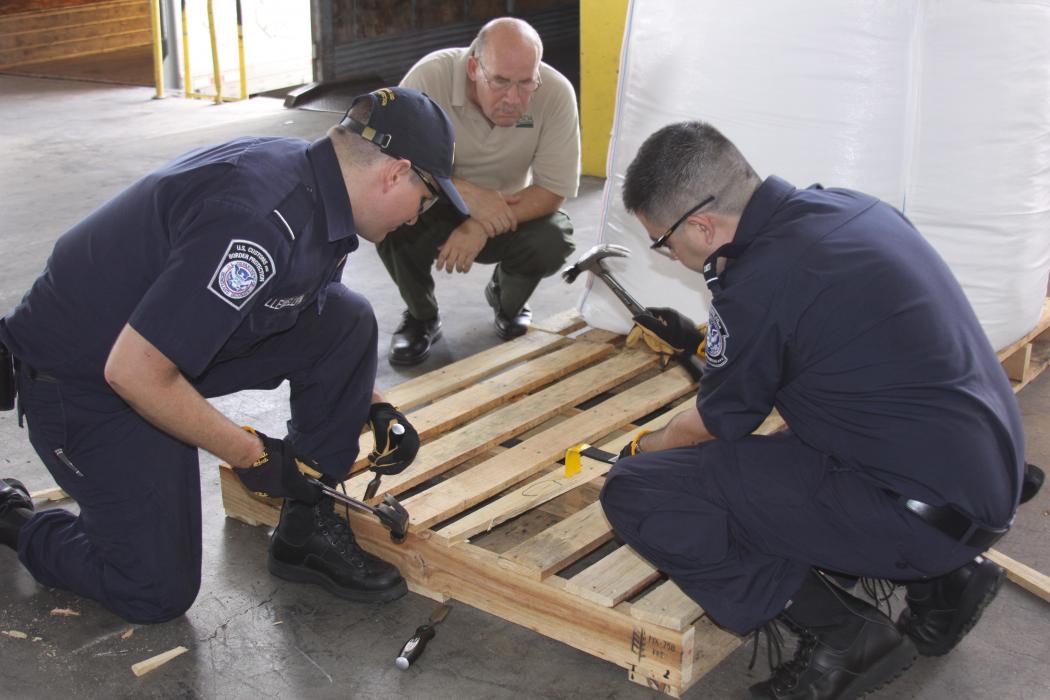
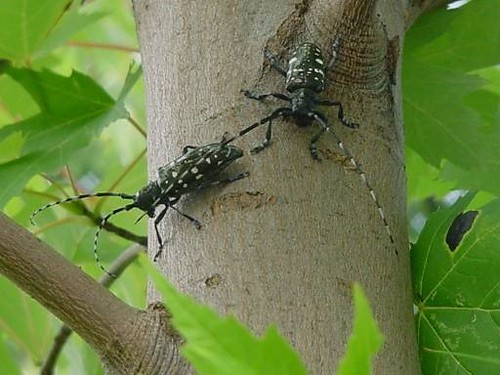
Asian longhorned beetles – introduced in wood packaging (USDA photo)

Two USDA agencies lead efforts to protect U.S. wildland, rural, and urban forests from non-native insects and pathogens. Their funding is set by two separate – and critical — appropriations bills:

  • USDA’s Animal and Plant Health Inspection Service (APHIS) has legal responsibility for preventing introduction of tree-killing pests; detecting newly introduced pests; and initiating eradication and containment programs intended to minimize their damage.  Funding for APHIS is contained in the Agriculture Appropriations bill.
  • USDA Forest Service (USFS)
    • The Forest Health Management (FHM) program provides funding and applied science to help partners manage pests. The program has two sides: the Cooperative component helps states and private forest managers, so it can address pests where they are first found – usually near cities – and when they spread. The federal lands component helps the USFS, National Park Service, and other federal agencies counter pests that have spread to the more rural/wildland areas that they manage.
    • The Research and Development (R&D) program supports research into pest-host relationships; pathways of introduction and spread;; management strategies (including biocontrol); and host resistance breeding

Forest Service funds are appropriated through the Interior Appropriations bill.

APHIS – the Administration’s official budget proposal, and justification, is here.

The Administration proposes a small increase for three of four APHIS programs that are particularly important for preventing introductions of forest pests or eradicating or containing those that do enter. The Administration proposed significant funding for a fourth program that plays a small but important role in managing two specific forest pests.

APHIS ProgramCurrent (FY 2021)FY22 Administration proposedFY 2022 Campbell recommended
Tree & Wood Pest$60.456 million$61 million$70 million
Specialty Crops$196.553 million209 million$200 million
Pest Detection$27.733 millionNo change$30 million
Methods Development$20.844 millionNo change$25 million

Tree and Wood Pests: It will be a major challenge for APHIS to eradicate the current outbreak of Asian longhorned beetles (ALB) in the swamps of South Carolina. APHIS should also address other pests. Even after cutting spending on the emerald ash borer (EAB), I think APHIS needs significantly more money in this account.

The Specialty Crops program is supported by such traditional USDA constituencies as the nursery and orchard industries, which probably explains the proposed increase. APHIS’ program to curtail spread of the sudden oak death (SOD) pathogen through interstate nursery trade receives funding from this program – about $5 million. I believe this program also now funds the agency’s efforts to slow spread of the spotted lanternfly.

SOD-infected rhododendrons in Indiana nursery in 2019

I would like the Pest Detection program to receive a small increase so the agency and its cooperators can better deal with rising trade volumes and associated pest risk. Similarly, Methods Development should receive a boost because of the need for improved detection and management tools.

USDA Forest Service – the Administration’s official budget proposal is here.  

While the Forest Health Management (FHM) and Research and Development (R&D) programs are the principal USFS programs that address introduced forest pests, neither has non-native pests as the principle focus. Non-native forest pests constitute only a portion of the programs’ activities. In the case of Research, this is a very small portion indeed.

President Biden’s budget proposes to spend $59.2 million on the Forest Health Management program and $313.5 million for Research. Both represent significant increases over spending during the current fiscal year. However, the FHM level is still below spending in recent years, although both the number of introduced pests and the geographic areas affected have been rising for decades.

In my earlier blog I suggested the funding levels:

USFS PROGRAMCurrent (FY21) FY22 Administration FY22  my recommendation
FHP Coop Lands$30.747 million$36.747 million$51 million (to cover both program work & personnel costs)
FHP Federal lands$15.485 million22.485 million$25 million (ditto)
    
Research & Develop$258.7 million; of which about $3.6 million allocated to invasive species$313.560 million$320 million; I seek report language instructing the USFS to spend more on invasive species

Under the FHM program, a table on pp. 46-47 of the budget justification lists existing and proposed spending on 14 pest taxa (plus invasive plants and subterranean termites). Spending on these 14 species is proposed to total $30.3 million. Of this amount, less than half – $14.9 million – is allocated to such high-profile invasive species of forests as the emerald ash borer (EAB), hemlock woolly adelgid (HWA),  sudden oak death (SOD), and threats to whitebark pine (recently listed as a threatened species under the Endangered Species Act). (The USFS does not engage in efforts to eradicate Asian longhorned beetle (ALB) outbreaks; it leaves that task to APHIS.) And of the nearly $15 million allocated to invasive non-native pests, more than half – $8 million – is allocated to European gypsy moths. While I agree that the gypsy moth program has been highly successful, I decry this imbalance. Other non-native pests cause much higher levels of mortality among hosts than does the gypsy moth.

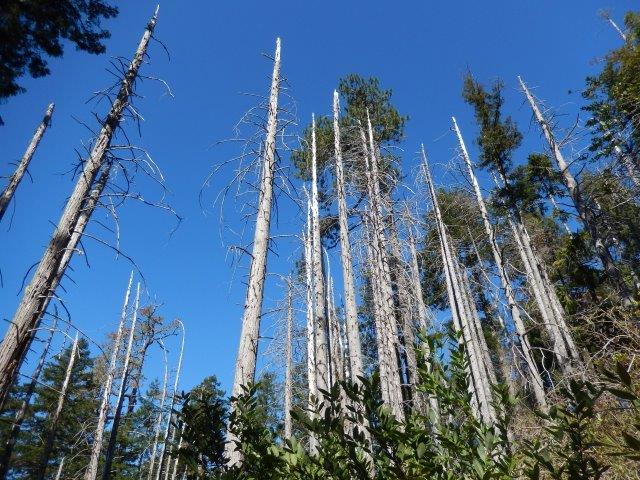
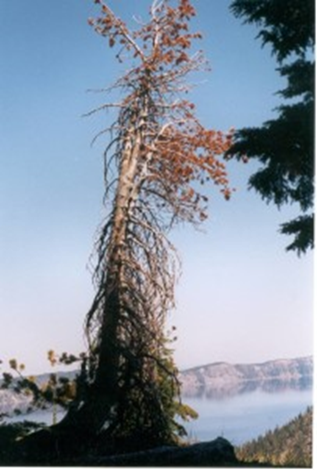
dead whitebark pine at Crater Lake National Park; photo by FT Campbell

I applaud the modest increases in the Administration’s budget for other non-native forest pests. These range from tens to a few hundred thousand dollars per pest. FHM also supports smaller programs targetting rapid ohia death, beech leaf disease, the invasive shot hole borers in southern California, Mediterranean oak beetle, etc. Budget documents don’t report on these efforts.

The imbalance of funding allocated to damaging non-native pests compared to other forest management concerns is even worse in the Research program.  Of the $313.5 million proposed in the budget for the full research program, only $9.2 million is allocated to the 14 pest taxa (plus invasive plants and subterranean termites) specified in the table on pp. 46-47. Of this amount, less than half — $4.5 million – is allocated to the high-profile invasive species, e.g., ALB, EAB, HWA, SOD, and threats to whitebark pine. The budget does provide extremely modest increases for several of these species, ranging from $12,000 for ALB to $114,000 for EAB. Again, some smaller programs managed at the USFS regional level might address other pests. Still – the budget proposes that USFS R&D allocate only 1.4% of its total budget to addressing these threats to America’s forests! This despite plenty of documentation – including by USFS scientists – that non-native species “have caused, and will continue to cause, enormous ecological and economic damage.” (Poland et al. 2021; full citation at the end of the blog). Poland et al. go on to say:

Invasive insects and plant pathogens (or complexes involving both) cause tree mortality, resulting in canopy gaps, stand thinning, or overstory removals that, in turn, alter microenvironments and hydrologic or biogeochemical cycling regimes. These changes can shift the overall species composition and structure of the plant community, with associated effects on terrestrial and aquatic fauna. In the short term, invasive insects and diseases can generally reduce productivity of desired species in forests. Tree mortality or defoliation can affect leaf-level transpiration rates, affecting watershed hydrology. Tree mortality … also leads to enormously high costs for tree removal, other management responses, and reduced property values in urban and residential landscapes.

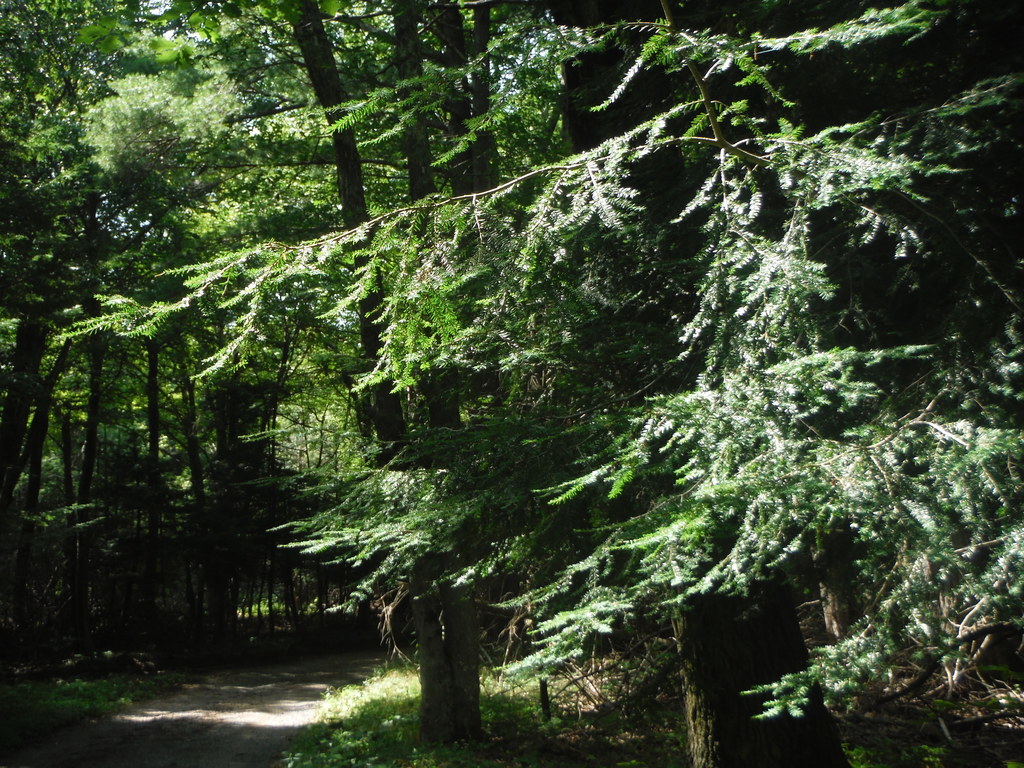
eastern hemlock in Shenandoah National Park; photo by FT Campbell

I seek report language specifying that at least 5% of research funding should be devoted to research in pathways of invasive species’ introduction and spread; their impacts; and management and restoration strategies, including breeding of resistant trees. Several coalitions of which the Center for Invasive Species is a member have agreed to less specific language, not the 5% goal.

Two other USFS programs contribute to invasive species management. The Urban and Community Forest program provided $2.5 million for a competitive grant program to help communities address threats to urban forest health and resilience. Of 23 projects funded in FY2020, 11 are helping communities recover from the loss of ash trees to EAB. (On average, each program received $109,000.)

The Forest Service’ International Program is helping academic and other partners establish “sentinel gardens” in China and Europe. North American trees are planted and monitored so researchers can identify insects or pathogens that attack them. This provides advance notice of organisms that could be damaging pests if introduced to the United States.

REFERENCE:

Invasive Species in Forests and Rangelands of the United States. Editors T.M. Poland, T. Patel-Weynand, D.M. Finch, C.F. Miniat, D.C. Hayes, V.M. Lopez  Open access!

Posted by Faith Campbell

We welcome comments that supplement or correct factual information, suggest new approaches, or promote thoughtful consideration. We post comments that disagree with us — but not those we judge to be not civil or inflammatory.

For a detailed discussion of the policies and practices that have allowed these pests to enter and spread – and that do not promote effective restoration strategies – review the Fading Forests report at http://treeimprovement.utk.edu/FadingForests.htm
Congressional Action to Protect Trees from Non-Native Pests

Representative Peter Welch (D-VT)

Rep. Peter Welch of Vermont has reintroduced his bill to improve programs intended to prevent introduction of non-native forest pests and enhance efforts to reduce their impacts. The latter provisions include support for breeding trees resistant (or tolerant) to the pest. I hope H.R. 1389 will be adopted – then spur new efforts to conserve and restore forest trees! Please follow my suggestion below.

The Invasive Species Prevention and Forest Restoration Act H.R. 1389 is co-sponsored by Reps. Brian Fitzpatrick (PA), Annie Kuster & Chris Pappas (NH), and Elise Stefanik (NY).

For updates, visit https://www.congress.gov/search?q={%22congress%22:[%22117%22],%22source%22:%22all%22,%22search%22:%22HR%201389%22}&searchResultViewType=expande

When he introduced the bill, Rep. Welch said 

“Invasive species are devastating to forests which are a central part of Vermont’s economy and our way of life. This bill will fund efforts to revitalize damaged forests and highlight the need for making this a priority within the federal government.”

Major provisions of H.R. 1389:

  • Expands USDA APHIS’ access to emergency funding to combat invasive species when existing federal funds are insufficient and broadens the range of actives that these funds can support.
  • Establishes a grant program to support institutions focused on researching methods to restore native tree species that have been severely damaged by invasive pests.
  • Authorizes funding to implement promising research findings on how to protect native tree species.
  • Mandates a study to identify actions needed to overcome the lack of centralization and prioritization of non-native insect and pathogen research and response within the federal government, and develop national strategies for saving tree species.

As I have described in earlier blogs, the measures adopted by federal and state governments to prevent non-native pathogen and insect pest introductions – and the funding to support this work – have been insufficient to meet the growing challenges. In just the past decade, several new tree-killing pests have been detected: polyphagous and Kuroshio shot hole borers, spotted lanternfly, two rapid ʻōhiʻa death pathogens, Mediterranean oak beetle, velvet longhorned beetle. Over the same period, the Asian longhorned beetle has been detected in Ohio and South Carolina; the emerald ash borer expanded its range from 14 to 35 states; the redbay ambrosia beetle and its associated fungus spread from five states to 11; a second strain of the sudden oak death fungus appeared in Oregon forests; and whitebark pine has been proposed by the US Fish and Wildlife Service for listing as Threatened under the Endangered Species Act.

During this same period, funding for the USDA Forest Service Forest Health Protection program has been cut by about 50%; funding for USFS Research projects targetting 10 high-profile non-native pests has been cut by about 70%.

One reason for this disconnect between need and resources is that the non-native tree pest problem is largely out of sight and therefore does not lend itself to the long-term public attention needed to remediate the threats. It is up to us to raise the political profile of these issues.

On the positive side, the passage of time has brought forth new solutions, a deeper understanding of the genetics of plants and animals, new measures for igniting public awareness and invasive identification, new technologies and strategies for helping trees adapt, and a recognition of what resources and organization it will take to mount a proper solution to the problem.

“Project CAPTURE” (Conservation Assessment and Prioritization of Forest Trees Under Risk of Extirpation) has proposed priority species for enhanced conservation efforts. Top priorities in the continental states are listed below. A separate study is under way for forests in Hawai`i, Puerto Rico, and U.S. Virgin Islands.

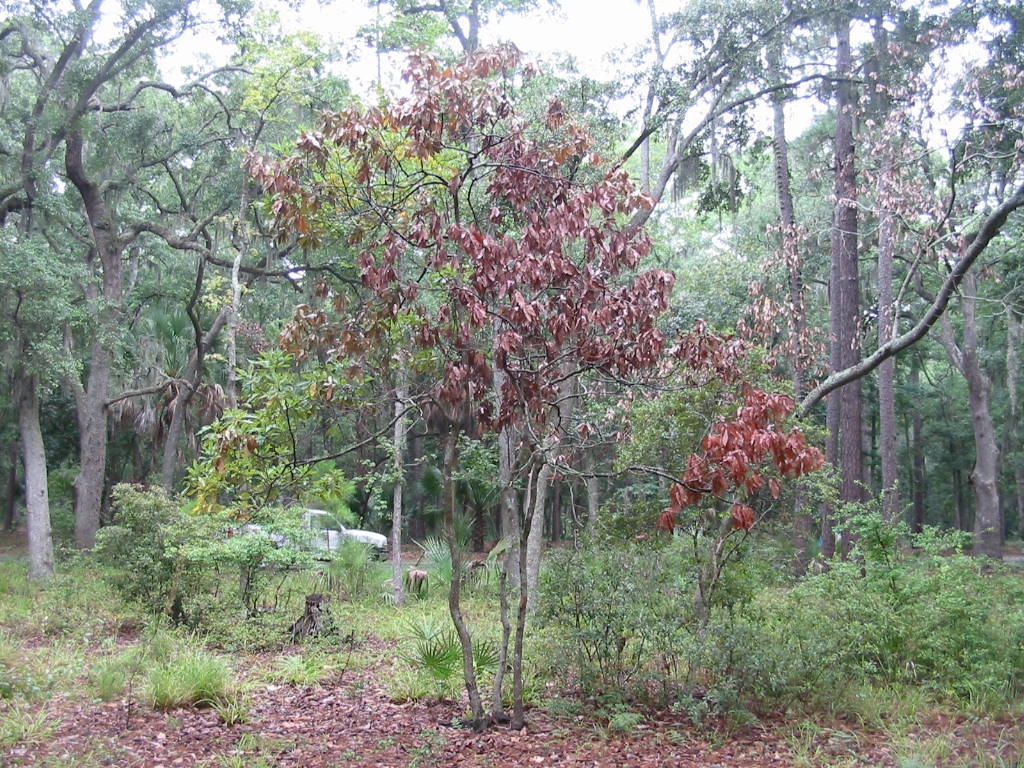
dead redbay on Jekyll Island, Georgia
  • Florida torreya (Torreya taxifolia)
  • American chestnut (Castanea dentata
  • Allegheny chinquapin (C. pumila)
  • Ozark chinquapin (C. pumila var. ozarkensis)
  • redbay (Persea borbonia)  
  • Carolina ash (Fraxinus caroliniana)
  • pumpkin ash (F. profunda)
  • Carolina hemlock (Tsuga caroliniana)
  • Port-Orford cedar (Chamaecyparis lawsoniana)
  • tanoak (Notholithocarpus densiflorus)
  • butternut (Juglans cinerea
  • eastern hemlock (Tsuga canadensis)
  • white ash (Fraxinus americana)
  • black ash (F. nigra)
  • green ash (F. pennsylvanica).

For a brief explanation of Project CAPTURE, see my earlier blog here. For an in-depth description of the Project CAPTURE process and criteria for setting priorities, read Potter, K.M., M.E. Escanferla, R.M. Jetton, and G. Man. 2019. Important Insect and Disease Threats to United States Tree Species and Geographic Patterns of Their Potential Impacts. Forests 2019, 10. https://www.fs.usda.gov/treesearch/pubs/58290

Please ask your representative to co-sponsor H.R. 1389. Please ask your senators to sponsor a companion bill. For more information, contact Alex Piper at Alex.Piper@mail.house.gov or 202-306-6569 .

H.R. 1389 is endorsed by Vermont Woodlands Association, American Forest Foundation, Center for Invasive Species Prevention, the Reduce Risk from Invasive Species Coalition,, Entomological Society of America, and North American Invasive Species Management Association.

Posted by Faith Campbell

We welcome comments that supplement or correct factual information, suggest new approaches, or promote thoughtful consideration. We post comments that disagree with us — but not those we judge to be not civil or inflammatory.

For a detailed discussion of the policies and practices that have allowed these pests to enter and spread – and that do not promote effective restoration strategies – review the Fading Forests report at http://treeimprovement.utk.edu/FadingForests.htm
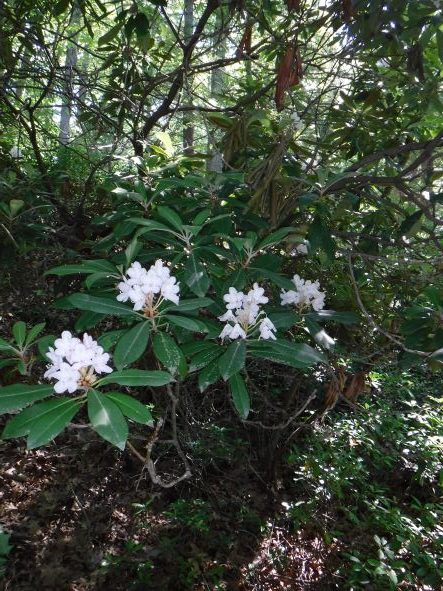
Ambrosia Beetles: Not All the Same (laurel wilt v. shot hole borers)

Horton House on Jekyll Island, Georgia – when the redbays were still alive!
photo by Faith Campbell

A recent USFS book on invasive species reports that at least 58 species of bark and ambrosia beetles have been established in the US.  Recent studies highlight very different situations due to two invasive ambrosia beetles. Here are summaries of each.

1. Laurel Wilt: Unmitigated Disaster in Atlantic and Gulf Coastal Plains – and Possibly More Widely

The disease laurel wilt, caused by the pathogen Raffaelea lauricola and vectored primarily by the redbay ambrosia beetle (Xyleborus glabratus) presents a dire contrast. (For this section, see Olatinwo, Fraedrich & Mayfield. 2021; full reference at end of the blog.) In the nearly 20 years since its first detection near Savannah, Georgia in 2002, laurel wilt has spread across more than 100 counties and parishes in 11 states from North Carolina south through Florida, west to eastern Texas, and as far northward as Kentucky.

Laurel wilt has killed hundreds of millions of trees in the plant family Lauraceae. Approximately 13 Lauraceae species in eight genera (depending on taxonomic proclivities!) are indigenous to the U.S. Individual species’ vulnerability appears to depend largely on size; the beetle is attracted to vertical stems of a certain diameter. As a result, the native tree species redbay (Persea borbonia), swampbay (Persea borbonia var. pubescens or P. palustris), and more recently sassafras (Sassafras albidum) have experienced the most damaging attacks. Also heavily attacked has been the commercial avocado (Persea americana)  which is native to Central America.

sassafras photo by David Moynihan

While redbay is widespread in a defined geographic area – a long the Atlantic and Gulf Coastal Plain from North Carolina to Texas, sassafras is subcontinental: it is found in 28 states, 53 ecoregions, and 69 forest types. Approximately 80% of sassafras in affected areas have been killed. In recent years, spread has proceeded by many “jumps” to disjunct areas where sassafras occurs in isolation from other hosts. At present, approximately 52% of the range of sassafras might experience winter temperatures sufficiently cold to cause significant mortality of the redbay ambrosia beetle. However, this temperature protection is likely to decline to about10% of sassafras’ range as a result of even modest climate change (a 1.4 °C increase in winter minimum temperatures).

The ecological impact of loss of redbay and sassafrass are not clear. Both are sources of wildlife food. The principal specialist on redbay is the Palamedes swallowtail butterfly (Papilio palamedes), which is also the primary pollinator of a rare plant, yellow-fringed orchid. The rapid loss of swampbay on tree islands in the Everglades could facilitate establishment of even more individuals of the already widespread invasive plant species Brazilian pepper (Schinus terebinthifolius) or Melaleuca quinquenervia.

Other U.S. native plant species in the Lauracea family are apparently partially protected by the small diameter of their stems, which the beetle doesn’t find acceptable. These include – in the Southeast — the federally listed pondberry (Lindera melissifolia), “species of interest” pondspice (Litsea aestivalis), bog spicebush (Lindera subcoriacea), pepperleaf sweetwood (Licaria trianda), lancewood (Ocotea coriacea), and love-vine (Cassytha filiformis). The common shrub spicebush (Lindera benzoin) might be protected by its possession oflower quantities of the primary host volatile attractant. On the other hand, the widespread Pacific state shrub California laurel or Oregon myrtle (Umbellularia californica) is considered highly vulnerable, should laurel wilt be moved there in wood, mulch, or nursery plants.

Laurel wilt poses an unknown threat to the many plant species in the Lauraceae in Central and South America (750 species), Australia (125 species), Madagascar (135 species), and the Macaronesian Islands off the coasts of Europe and Africa – the Azores, Canary Islands, and Madeira. The commercial spice bay laurel (Laurus nobilis) is native to the Mediterranean region (and planted elsewhere, including in the US). However, its small size, discontinuous distribution and isolation from other lauraceous host species might prevent development of a widespread epidemic.

The authors note the absence of effective measures to manage laurel wilt 20 years after its detection. They recommend restricting long-distance movement of infested wood, associated public awareness efforts, development and deployment of resistant hosts, silviculture (sanitation), targeted application of preventive chemical treatments for protecting high-value trees, and severing root grafts in avocado orchards and sassafras clones. They note that success will be dependent on sustained funding and a commitment to long-term area-wide implementation.

[As I noted in past blogs about APHIS deregulating the emerald ash borer, it is now up to the states to regulate movement of firewood. The lead will continue to be the non-governmental “Don‘t Move Firewood” campaign. The message will continue to encourage the public to buy firewood where they burn it and to refrain from moving firewood from areas that are under Federal quarantine for other pests of firewood (e.g., Asian longhorned beetle). This campaign and the new National Plant Board guidelines stress that firewood is a high-risk pathway for many pests of national or regional concern; they do not focus on any particular species. Leigh Greenwood, director of Don’t Move Firewood, thinks this is a good approach.]

Mayfield adds that the spread northwards on sassafras means that state diagnostic pathology labs should familiarize themselves with protocols for isolating the laurel wilt pathogen.

As to developing resistant varieties of redbay, I note that Potter et al. 2019 ranked redbay as fifth species highest in priority for genetic conservation and restoration breeding efforts. However, it is my impression that few federal resources have been allocated to such an effort on behalf of redbay.

2. Ambrosia beetles in California

At least 22 of the recently-established ambrosia and bark beetles are in California. Heavily urbanized southern California appears to be particularly vulnerable to such introductions. The proximity of ship traffic and associated cargo, as well as the great diversity of potential hosts in the area’s urban forests, are likely to blame.

Two such pests are the polyphagous (PSHB) and Kuroshio (KSHB) shot hole borers [collectively, invasive shot hole borers (ISHB)]. John Boland has studied the KSHB outbreak in the Tijuana River estuary intensively since 2015. Two recent studies – 2019 and 2021– demonstrate the importance of ecological and tree-related factors in determining the severity of attack by this ambrosia beetle. See references at the end of the blog.

The most susceptible site is wet and nutrient enriched (in the case of the Tijuana River, due to pollution).

The most susceptible trees are young, fast growing, and have thin bark (allowing KSHB access) and wood of low density and high moisture content (providing ideal conditions for KSHB and associated fungi).

willows killed by KSHB in Tijuana River estuary; photo by John Boland

As Boland has noted, all of these conditions occurred in the “wet” forests close to perpetual streams in the Tijuana River delta in 2015. These factors led to dramatic levels of mortality, which have not been equaled in other southern California deltas. In the five years from 2015 to 2020, the beetle/fungus complex infested an estimate 350,000 willows and killed an estimated 123,000 in a boom-and-bust cycle. Since 2016, the trees in the Tijuana River estuary have regrown to almost pre-infestation dimensions.  (Boland is not certain why these new, fast-growing trees have not been attacked by the KSHB that remain in the area. He suggests that a local pathogen, parasite, parasitoid or predator is keeping the KSHB in check – although this has not been verified.)

Willows near the main river channel (“Wet Forest” units) cumulatively had a fatality rate of 39%. Strikingly, more distant Dry Forest” units had a combined fatality rate of only 9%.

The 2019 study linked the higher rates of infestation, damage, and mortality that occurred in trees near the main river channel to the presence of year-round water that was often enriched by a heavy load of sewage. The trees respond by growing rapidly, resulting in thinner bark and less dense wood. The KSHB attacked in much higher numbers, impeding water transport and weakening the trees’ structure so that they were more easily broken during windstorms.

The 2021 study provided further detail. By comparing bark samples cut from 27 infested trees at the height of the infestation, in 2016 – 17, Boland and Woodward demonstrated thicker bark on the “Dry Forest” trees protected the trees by limiting the density of KSHB entry points. The fewer holes reduced internal structural damage to the trees, which allowed them to survive. Boland notes that the protection might arise from either the bark thickness itself, or higher quantities of protective chemicals.

Repercussions

  • The results suggest that a KSHB individual actively searches for a suitable tree and then searches for the thinnest bark on that tree in which to drill its hole. 
  • Trees can recover from KSHB attack, indicating that the fungal symbionts are only moderately pathogenic at worst.
  • The ISHB are likely to cause much less damage than indicated by the one early model developed before these factors were understood. We need new models for ISHB spread and impact that incorporate these factors of site characteristics and host tree condition.

SOURCES

Boland, J.M. 2019. The Ecology and Management of the Kuroshio Shot Hole Borer in the Tijuana River Valley Final Report. (Year 5) https://trnerr.org/wp-content/uploads/2020/05/KSHB-TRValley2020.pdf

Boland J.M. and D.L. Woodward. 2021. Thick bark can protect trees from a severe ambrosia beetle attack. PeerJ 9:e10755 https://peerj.com/articles/10755/

[all of Boland’s reports and articles on the KSHB are available at: The Ecology and Management of the Kuroshio Shot Hole Borer in the Tijuana River Valley — Tijuana Estuary : TRNERR]

Olatinwo, R.O., S.W. Fraedrich & A.E. Mayfield III. 2021. Forests 2021, 12, 181.  Laurel Wilt: Current and Potential Impacts and Possibilities for Prevention and Management

Potter, K.M., Escanferla, M.E., Jetton, R.M., Man, G., Crane, B.S.  2019. Prioritizing the conservation needs of US tree spp: Evaluating vulnerability to forest P&P threats, Global Ecology and Conservation (2019), doi: https://doi.org/10.1016/ j.gecco.2019.e00622.

Posted by Faith Campbell

We welcome comments that supplement or correct factual information, suggest new approaches, or promote thoughtful consideration. We post comments that disagree with us — but not those we judge to be not civil or inflammatory.

For a detailed discussion of the policies and practices that have allowed these pests to enter and spread – and that do not promote effective restoration strategies – review the Fading Forests report at http://treeimprovement.utk.edu/FadingForests.htm
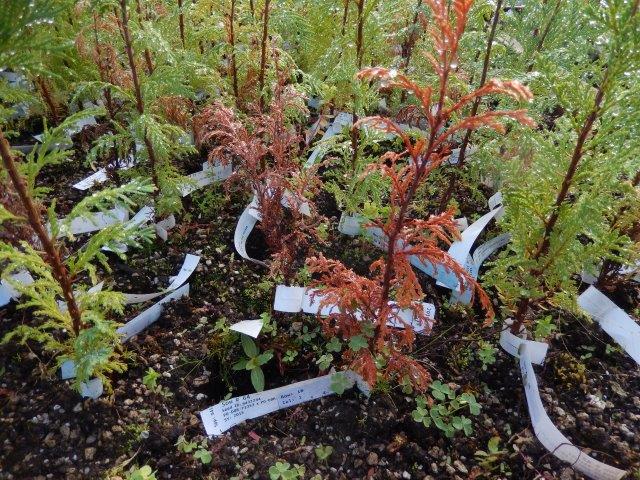
APHIS Deregulates Emerald Ash Borer – Now it is up to the States

APHIS formally proposed to stop regulating movement of firewood, nursery stock, and other articles that can transport the emerald ash borer (EAB) in 2018; I blogged in opposition to this proposal at the time.  Now APHIS has evaluated the 2018 comments on its proposal and has decided to proceed with its plans.

I recently blogged about the current and probable future status of ash. A study confirmed that robust regeneration of ash seedlings and saplings seen in various invaded areas will not result in recovery of mature ashes that can perform their ecological role. 

APHIS received 146 comments on the proposal. Twenty-five supported the proposal as written; 121 raised concerns. Many of the latter were a few sentences without supporting information. These comments and the final rulemaking can be read here.

How has APHIS responded to the serious questions raised? Dismissively.

I certainly concede that EAB has been difficult to manage and has spread rapidly. However, I continue tobelieve that maintaining the quarantine serves important purposes and the analysis APHIS provides does not justify terminating of the regulatory program. I remain concerned.

Neither the proposal nor the final regulation tells us how much money and staff resources have been dedicated to detection or enforcement of the regulations in recent years. Therefore we don’t know how many resources are now available for supporting other activities that the agency thinks are more effective. APHIS also refuses to provide specific information on how it will allocate the freed-up resources among its (minimal) continuing efforts. For example, APHIS has supported resistance-breeding programs. Will it help them expand to additional species, e.g., black and Oregon ash?

How Does APHIS Propose to Curtail EAB Spread?

APHIS states in the final rule that it is ending the domestic quarantine regulation so that it can allocate resources to more effective strategies for managing and containing EAB. The agency wants to reallocate funds “to activities of greater long-term benefit to slowing the spread of EAB … These activities include further development and deployment of EAB biocontrol organisms; further research into integrated pest management of EAB that can be used at the local level to protect an ash population of significant importance to a community; and further research, in tandem with other Federal agencies, into the phenomenon of “lingering ash … ”

However, APHIS has not funded detection efforts since 2019. (Detection methods were only partially effective, but they gave us some information on where EAB had established.) APHIS is now ending regulation of the movement of vectors. APHIS concedes that biocontrol agents cannot be effective in preventing pest spread. So – what efforts – other than continued support for the “Don’t Move Firewood” campaign – will APHIS make to slow the spread of EAB?

Environmental and Economic Impacts: Not Adequately Assessed

Second, APHIS still has not analyzed the economic or environmental impact of the more rapid spread of EAB to the large areas of the country that are not yet infested – especially the West Coast – that are likely to result from deregulation. As even APHIS concedes, the EAB is currently known to occupy only 27% of the range of native Fraxinus species within conterminous US. There are additional large ash populations in Canada and Mexico – although neither country commented on the proposal — unfortunately!

Instead, APHIS largely restates its position from the proposal that it is too difficult to calculate such impacts. Furthermore, that it is APHIS’ “experience that widely prevalent plant pests tend, over time, to spread throughout the geographical range of their hosts …” In other words, APHIS denies the value of delaying invasions – yet that has always been a premise underlying any quarantine program.

The final regulation refers to an updated economic analysis, but no such document is posted on the official website. The rule does not mention costs to homeowners, property owners, municipal governments, etc. I believe it would not be so difficult to estimate costs to these entities by applying costs of tree removal in the Midwest to tree census data from major West Coast cities. Also, it might have been possible to provide some estimate of the ecological values in riparian forests by analogy to data from the Midwest developed by Deborah McCullough and others.

Biological Control: Effective – or Not

In the final regulation, APHIS concedes that the biocontrol agents currently being released have geographic and other limitations. However, APHIS does not address concerns raised by me and others about their efficacy. APHIS does say explicitly that it has not [yet?] begun efforts to find biocontrol agents that might be more effective in warmer parts of the ash range, especially the Pacific Northwest and  riparian areas of the desert Southwest. However, APHIS has conceded that these areas are almost certain to be invaded – so should it not take precautionary action?  

APHIS states several times that it cannot promise specific funding allocations among program components or strategies – such as resistance breeding – that might be pursued in the future. The agency stresses the value of flexibility.

U.S. Forest Service biologists have higher expectations; see their podcast here.

I wish to clarify that I do not oppose use of biocontrol; I strongly supported then APHIS Deputy Administrator Ric Dunkle’s decision to initiate biocontrol efforts for EAB early in the infestation. My objections are to overly optimistic descriptions of the program’s efficacy.

Firewood: Outreach Only, No National Regulation

As noted, APHIS has promised to continue support for public outreach activities, especially the “Don ‘t Move Firewood” campaign. The program’s message will continue to encourage the public to buy firewood where they burn it and to refrain from moving firewood from areas that are under Federal quarantine for other pests of firewood (e.g., Asian longhorned beetle). This campaign and the new National Plant Board guidelines link stress that firewood is a high-risk pathway for many pests of national or regional concern; they do not focus on any particular species. Leigh Greenwood, director of Don’t Move Firewood, thinks this is a good approach.

In 2010, the National Firewood Task Force recommended that APHIS regulate firewood at the national level. APHIS does explain why the agency did not do so. The agency says national regulations would be overly restrictive for some states and that requiring heat treatment would not be feasible in the winter for producers in Northern states. Finally, a Federal regulation would not address a significant non-commercial pathway – campers. [I have serious questions about APHIS’ assertion that it can regulate only commercial movement of vectors across state lines. Contact me directly for details on this.]

Perhaps APHIS is not required to analyze the probable overarching efficacy of the several efforts of 50 states. Given the states’ many perspectives and obvious difficulty in coordinating their actions on phytosanitary and other policies, I fear a scattered approach that will result in faster spread of EAB. I hope the National Plant Board guidelines on firewood regulation and outreach can overcome the history.

Most federally-managed recreation areas adopted an education campaign on firewood in autumn 2016; I blogged about it then.

Imported Wood Will be Minimally Regulated

APHIS clarifies that it will take enforcement actions against imports of ash wood only if inspectors detect larvae but can identify them just to family level and not below. APHIS will allow the importation if the larvae can be identified as EAB specifically. This policy reflects international standards, which do not allow a country to erect restrictions targetting a pest from abroad if that pest is also present inside the country and is not under an official control program. (See my discussion of the WTO Agreement on Sanitary and Phytosanitary Standards in Chapter 3 and Appendix 3 of Fading Forests II, available here.) 

APHIS does not discuss how it will react to pests identified to the genus – several other Agrilus also pose pest risks. (See here and here.)

APHIS recommends that states leery of accepting yet more EAB-infested wood from abroad petition the agency under the Federally Recognized State Managed Phytosanitary Program (FRSMP) program, under which APHIS would take action to prevent movement of infested material to that particular state.

Lessons Learned

Finally, one commenter asked whether APHIS would analyze the program to learn what could have improved results. APHIS replies that the agency “tend[s] to reserve such evaluations for particular procedures or policies in order to limit their scope …” I hope APHIS is serious about “considering” doing a “lessons learned” evaluation. It is important to understand what could have been done better to protect America’s plant resources.

My take: the EAB experience proves, once again, that quarantine zones must extent to probable locations – beyond the known locations. The pest is almost always more widely distributed than documented. This has been true for EAB, sudden oak death, ALB, citrus canker … Failure to regulate “ahead” of the pest guarantees failure. I recognize that adopting this stance probably requires a change in the law (or at least understanding of it) and of current international standards adopted by the International Plant Protection Convention (IPPC). However, absent a more aggressive approach, programs are doomed to be constantly chasing the pest’s posterior.

Finally, let us mourn the loss of ash so far, the future losses … and opportunities missed.

Posted by Faith Campbell

We welcome comments that supplement or correct factual information, suggest new approaches, or promote thoughtful consideration. We post comments that disagree with us — but not those we judge to be not civil or inflammatory.

For a detailed discussion of the policies and practices that have allowed these pests to enter and spread – and that do not promote effective restoration strategies – review the Fading Forests report at http://treeimprovement.utk.edu/FadingForests.htm
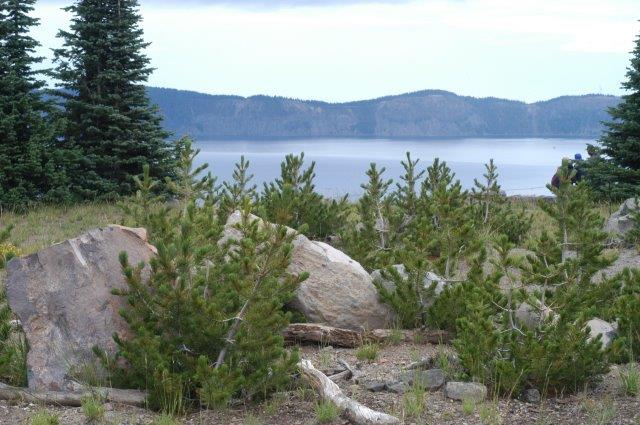
Let’s shape the Biden Administration’s & New Congress’ Policies on Non-Native Forest Pests!

We have a great opportunity to shape future efforts to counter non-native forest pests and diseases. Administration officials are most open to new ideas when they first take office. The same is true of new Congressional leadership.

So now is the time to suggest needed changes!

The USDA Secretary-designate is Tom Vilsack. Of course, he was USDA Secretary during the Obama Administration … so he is not entirely “new” to the issues. However, perspectives and priorities have changed, so now is a good time to urge him to consider new approaches.  Furthermore, the Senate Agriculture Committee will hold confirmation hearings for him; we can ask the Senators to advocate for our views during this proceeding.

The House Agriculture Committee has a new Chair, David Scott – from the suburbs of Atlanta, Georgia. Again, this provides an opportunity to suggest new approaches and topics for hearings. 

I assume you all are knowledgeable about the numbers and impacts of non-native forest insects and pathogens in the United States, and of the pathways by which they are introduced and spread. If you are not, peruse my blogs about wood packaging or plants as vectors (click on the appropriate “categories” listed at the bottom of the archive of blogs). Or read Fading Forests III (see the link at the end of this blog) and the article I coauthored early this year on improving forest pest management programs.

On the basis of my long experience, I suggest that you encourage USDA Secretary-designate Vilsack, Senators on the Agriculture Committee, and House Agriculture Committee Chair David Scott to consider the following recommendations:

Actions Congress could take

  1. Congress could amend the Plant Protection Act [7 U.S.C. §7701, et seq. (2000)] to prioritize the protection of natural and agricultural resources over the facilitation of trade.  This might be done by amending the “findings” section of the statute to give higher priority to pest prevention.
  2. The Agriculture Committees of both the House and Senate could hold hearings on the importation of forest pests. They could determine if the USDA is doing an adequate job protecting the country from insect pests and diseases, and how our defenses could be strengthened. One component of the hearings could focus on whether current funding levels and mechanisms are adequate to support vigorous responses to new pest incursions.
  3. Congress could commission a study of the feasibility, costs and benefits of establishing a “Center for Forest Pest Control and Prevention” to coordinate research and policy on this issue.
  4. Congress could increase funding for the appropriate USDA APHIS and Forest Service programs and activities to enable vigorous containment and eradication responses targeting introduced forest pests and diseases.    
  5. Congress could increase funding for USDA research on detection of insects and pathogens in shipping; insect and disease monitoring/surveillance; biological control; alternatives to packaging made from wooden boards; management of established pests; and resistance breeding to enable restoration of impacted tree species.

Actions Secretary-designate Vilsack could initiate without legislative action (once he is confirmed)

Introductions of pests in the wooden crates, pallets, etc., goods come in

  1. APHIS could take emergency action to prohibit use of wood packaging by importers of goods from countries with a record of poor compliance with ISPM#15. This action is allowed under authority of the Plant Protection Act [7 U.S.C. §7701, et seq. (2000)] and Article 5.7 of the World Trade Organization’s Agreement on the Application of Sanitary and Phytosanitary Measures.
  2. APHIS could strengthen enforcement of current regulations by aggressively prosecuting repeat offenders.  For instance, APHIS could begin imposing administrative financial penalties on importers each time their wood packaging is non-compliant with ISPM#15.
  3. APHIS could work with Department of Homeland Security Bureau of Customs and Border Protection (CBP) to improve information available to U.S. importers about which foreign suppliers of SWPM and shippers have good vs. bad records of compliance with ISPM#15.
  4. DHS CBP could release information on country of origin and treatment facility for ISPM#15-stamped SWPM that is found to be infested with pests.
  5. USDA APHIS could begin a phased transition from solid wood packaging to alternative materials that cannot carry wood-boring pests. APHIS could initiate a pest risk assessment to justify making such an action permanent. Imports could be packaged in alternative materials, e.g., manufactured wood products (e.g. plywood), metal, or plastic.

Nursery Plant (“Plants for Planting”) Pathway

  1. APHIS could apply authorities under NAPPRA and other existing authorities to curtail imports of plants that pose a high risk of introducing insects and pathogens that would threaten tree species that are important in natural and urban forests in the U.S. At a minimum, APHIS should restrict imports of live plants that are in the same genus as native woody plants of the U.S.
  2. APHIS could work with the Agriculture Research Service and National Institute of Food and Agriculture to determine which taxa of woody vegetation native to the U.S. are vulnerable to pathogens present in natural systems of trade partners. Particularly important would be the many Phytophthora species found by Jung and colleagues in Vietnam, Taiwan, Chile, and other countries. Once the studies are sufficiently complete, APHIS could utilize authority under NAPPRA to prohibit importation of plants from those source countries until effective phytosanitary measures can be identified and adopted.

Other Actions

  1. APHIS could develop procedures to ensure the periodic evaluation of pest approach rates associated with wood packaging and imports of “plants for planting” and highlight areas of program strengths and weaknesses. A good place to start would be to update the study by Haack et al. (2014), which estimated the approach rate in wood packaging a decade ago.
  2. The USDA could expand early detection systems for forest pests, such as the APHIS CAPS program and the Forest Service EDRR program. These programs should be better coordinated with each other and should make better use of citizen observations collected through smartphone apps, professional tree workers such as arborists and utility crews, and university expertise in pest identification and public outreach.  An effective program would survey for a broad range of pests as well as for suspicious tree damage, and would be focused on high-risk areas such as forests around seaports, airports, plant nurseries, and facilities such as warehouses that engage in international trade.
  3. The USDA could initiate a “Sentinel Plantings“ network of US tree species planted in gardens abroad and monitored for potential pests and diseases. 

Posted by Faith Campbell

We welcome comments that supplement or correct factual information, suggest new approaches, or promote thoughtful consideration. We post comments that disagree with us — but not those we judge to be not civil or inflammatory.

For a detailed discussion of the policies and practices that have allowed these pests to enter and spread – and that do not promote effective restoration strategies – review the Fading Forests report at http://treeimprovement.utk.edu/FadingForests.htm
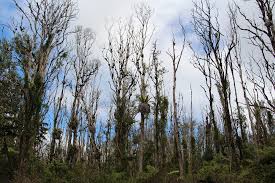
Ash Mortality Accelerates – Population Regeneration Will Not Reverse Collapse

dead ash along Accotink Creek, Fairfax County, Virginia photo by F.T. Campbell

As we all know, the emerald ash borer (EAB) has killed millions of ash trees in its invaded range across eastern North America. However, field studies have detected robust regeneration of ash seedlings and saplings in various invaded areas. Ward et al. 2021 (full citation at end of blog) set out to determine whether this regeneration will result in recovery of mature ashes that can perform their ecological role. They conclude that it will not. Instead, they say, the EAB invasion will probably alter successional patterns and composition of large areas of naturally regenerating forests, causing a cascade of ecological impacts in ash-containing ecosystems

Ward and colleagues used USDA Forest Service Forest Inventory and Analysis (FIA data) to quantify ash recruitment and regeneration across the entire eastern United States. Theirs is the first study to evaluate trends across the region, rather than specific locations or stands. They related the FIA recruitment data to EAB spread, as measured by USDA Animal and Plant Health Inspection Service’ (APHIS) record of the first EAB detection in each county.

FIA inventories in 2002-2007 and 2013-2018 show large numbers of ash seedlings and saplings in counties invaded in the first wave of invasion, 2002–2006. These areas had higher densities of both seedlings and saplings than plots in other counties. The earliest-invaded counties were in areas that had extraordinarily high densities of ash before the EAB invasion, so the numbers of seedlings and saplings probably reflected that abundant seed source.

However, by the 2013-2018 inventory ash trees in the smallest overstory class (12.7 cm dbh) were dying at faster rates than they were recruited from seedlings or saplings in all 362 counties recorded by APHIS as EAB-infested before 2013. Ward and colleagues found these negative population trajectories on plots that have been invaded for more than about 10 years. This trend suggests that ash will continue to decline in abundance and may become functionally extinct across the invaded range.

Some U.S. Forest Service biologists are more optimistic about ash recovery in response to biocontrol of the EAB. See their podcast here.

In the risk of functional extinction, ash trees are unfortunately not unique. The authors note similar impacts from the invasion of the hemlock woolly adelgid and beech bark disease.

Data Reveal History of Invasion (spread)

Ward and colleagues focused on the risk of mortality for young ashes as they developed from seedlings to saplings, and, eventually, to overstory trees. The youngest “overstory” trees are 12.7 to 17 cm dbh. FIA data show that even the largest trees in this class are 3 cm smaller than trees that produce seeds.

Mortality was initially uniformly low – less than 2.1% — as measured by the first FIA inventory (2002–2007). This is not surprising because EAB was detected only in 2002, and then in only few counties. (EAB had probably been present for a decade before it was detected.)

By the 2013-2018 FIA inventory, mortality had quadrupled to 8–11% in counties invaded during the 2002–2006 period. In the counties invaded during the 2007–2012 period, morality also rose to 3-5%. Both measurements included all diameter classes. Annual mortality rates in the FIA 2013-2018 inventory were still highest for the counties invaded during 2002–2006 except for the largest trees (those greater than 40 cm dbh). By the time of the 2013-2018 FIA survey, overstory ash densities near the epicenter had since declined substantially. They had been nearly eliminated in some counties in southeastern Michigan. There were still sufficient numbers of smaller trees in the region to exhibit an elevated mortality rate – more than 10% per year in several counties in Michigan, Indian, and Ohio. By contrast, in the most recently invaded areas – those counties recorded by APHIS as infested after 2013 – there was very little change in ash densities compared to the 2002-2007 period. This is hardly surprising since it takes years for mortality to reach levels observable by the FIA process.

dead ash on edge of Pohick Bay, Fairfax County, Virginia photo by F.T. Campbell

Considering trees just entering the overstory category (those with diameters of 12.7 cm dbh), annual mortality increased substantially across the region. Between the first FIA inventory (conducted in 2002-2007) and the second inventory (conducted in 2013-2018), their average annual mortality rose more than four-fold, from 0.08 trees per ha to 0.37 trees per ha. By 2013-2018, recruitment in the 2002–2006 invasion cohort was about 50% less than tree mortality levels; recruitment and mortality were about equivalent for the counties invaded in the 2007–2012 period. Recruitment was [still] significantly higher than mortality for the counties recorded as invaded in 2013–2018. However, Ward and colleagues expect mortality rates of this cohort to accelerate over the next five to 10 years – even in areas with lower ash densities.

Ward and colleagues note that many of the young ash trees were dying before they could reach reproductive age – which they estimated to be about 20 years with a dbh of about 20 cm.

As the invasion progresses and hosts are depleted, mortality rates could slow, but, for ash to persist, it is critical that sufficient numbers of trees reach reproductive age before succumbing to residual EAB populations.

Other factors that might influence ash include competition with trees in other genera. The biocontrol agents now becoming established in young ash forests might increase the likelihood of ash persistence. Still, seed production and seedling survival will need to be frequent and widespread if they are to offset expected mortality. Resilience might also vary depending on individual species’ vulnerability to changes in the climate and to EAB (green and black ash are more vulnerable than white ash).

SOURCE

Ward, S.F., A.M. Liebhold, R.S. Morin, S. Fei. 2021. Population dynamics of ash across the eastern USA following invasion by emerald ash borer. Forest Ecology and Management 479 (2021) 118574

Posted by Faith Campbell

We welcome comments that supplement or correct factual information, suggest new approaches, or promote thoughtful consideration. We post comments that disagree with us — but not those we judge to be not civil or inflammatory.

For a detailed discussion of the policies and practices that have allowed these pests to enter and spread – and that do not promote effective restoration strategies – review the Fading Forests report at http://treeimprovement.utk.edu/FadingForests.htm