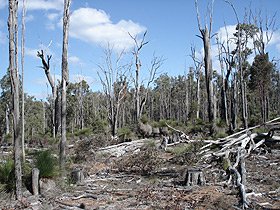
vegetation killed by Phytophthora cinnamomi in West Australia
Some invasive species practitioners have been trying to develop a standardized framework for describing bioinvasions. Their goal is to overcome disparities in approaches developed by scientists working with various taxonomic groups in hopes of improving understanding of, and communication about, bioinvasions. Prominent among these efforts is the “Unified Framework for Bioinvasion” published by Blackburn et al. in 2011 (full citation at end of blog).
Now several forest pathologists (Paap et al; full citation at end of blog) say that this framework does not adequately integrate forest pathogens. This omission is particularly unfortunate given the prominence of forest pathogens as damaging invaders – e.g., chestnut blight in Europe and North America; white pine blister rust in North America; sudden oak death in North America and Great Britain; myrtle rust and Phytophthora cinnamomi in Australia. (See profiles of all these pathogens here; I note additional examples in North America, such as laurel wilt disease.)
Paap et al think that this omission impedes understanding of both forest pests and invasive species in general. Also, they say that integrating microorganisms into the broader Blackburn framework would help forest pathologists better understand how and why invasions occur, where they occur, and how they can be stopped or mitigated.
Furthermore, they note the importance of integrating the diverging terminologies used by invasive species practitioners and plant pathologists and their separate regulatory bodies – the Convention on the Conservation of Biological Diversity (CBD) and the International Plant Protection Convention (IPPC). I concur, since nations’ programs regulating plant diseases and their vectors operate under the IPPC rubric.
Figure 2 and Table 1 lay out Paap et al.’s proposed modification of Blackburn’s framework, and detail strategies linked to management goals appropriate for the stages of plant disease development.
Tanoak mortality in southern Oregon caused by P. ramorum – a pathogen completely unknown until it was introduced to North America and Europe; photo by Oregon Department of Forestry
However, such integration will be impeded by many difficulties (I have re-ordered these points):
1) The first – which underlies all others — is the paucity of data on microbial taxa, which undermines the pest risk analyses and other systems developed for assessing and managing other types of invasive species. That is,
Many of the vast number of microbial taxa have not yet been described.
Even species that have been describe often cannot be ascribed to a specific geographic origin. This information gap undercuts efforts to determine whether a disease outbreak is caused by an “introduced” organism.
2) Microbial species are usually detected only when disease impacts become obvious. However, an outbreak might not signal a new or spreading “introduction”. While invasive species must—by definition—cross a geographic boundary (through the assistance of human actions), pathogens can cause disease outbreaks through breaching a wider range of boundaries, including ecological and evolutionary ones. Thus, the disease outbreak doesn’t always fit the definition of “invasive species”.
3) Substantial differences exist in training and goals between fields. Forest pathologists are usually trained in plant pathology (often focused on crops) rather than in forestry or ecology. Their goal is to manage the pathogen. Invasion scientists tend to focus on natural ecosystems, study animal and plant invasions, and seek understanding of the invasion process.
4) A related issue is that the two fields operate under separate regulatory bodies that have different emphases and aims. Paap et al. note that while the IPPC ostensibly includes impacts on natural environments, its members’ priority is plants of economic importance. The World Trade Organization’s Agreement on the Application of Sanitary and Phytosanitary Measures (WTO SPS) seeks primarily to minimize disruption of trade resulting from plant health regulation. On the other hand, the CBD explicitly considers invasive species’ impact to the natural environment (Aichi Biodiversity Target 9). [To read my critique of the WTO SPS and IPPC, read the Fading Forests reports (link at end of this blog), especially FF II.]
Rome – home to the IPPC
They note that in 2004, the IPPC and CBD secretariats established a Memorandum of Cooperation to promote synergy and to avoid duplication. Paap et al. appear disappointed that despite development of joint work plans, phytosanitary programs are still focused largely on crop pathogens.
Disease development – a complex set of circumstances that makes risk assessment less reliable
Since I am not a pathologist (or even a biologist), I learned a lot about the complexities of plant pathology from Paap et al.
While I am certainly familiar with the “disease triangle” concept, I had not thought about certain implications. For example, pathogens can cause severe disease outbreaks by evading any one of three types of barriers: geographic, environmental, or evolutionary. Transport of the micro-organism to a new ecosystem (leaping the geographic barrier and meeting the definition of an “introduction” in invasive species terminology) certainly can facilitate disease outbreaks. However, evolutionary and environmental barriers might also be overcome in other ways.
The result is that a plant disease can develop under multiple scenarios following the introduction of an alien pathogen. These scenarios are:
disease on a coevolved host growing as an alien species in the new environment, for example plantations of trees grown for timber (pathogen reunion);
disease on a naïve host that is itself alien to the geographic region in question (host jump);
disease on an alien host (naïve or coevolved) which supports disease on a host native to the new geographic area that could not be sustained in the absence of the alien host;
disease on alien and native hosts; and
disease on a host native to the new geographic area but not on an alien host.
Countries’ efforts to conduct pest risk analyses are unlikely to be straightforward – or even possible – with so many disease scenarios
Paap et al. proceed to compare introductory pathways under the CBD categorization and plant pathology. In doing so they point out several aspects of introduction, establishment, and spread that are specific to pathogens. For example, trees’ long life spans and inability to adapt as rapidly as the micro-organism increase their vulnerability to devastating disease outbreaks following the arrival of a novel pathogen.
Participants in the Montesclaros meeting that drafted an early critique of international phytosanitary procedures
Paap et al. reinforce points made by other critics of current phytosanitary programs. (See my earlier blogs under the category “plants as pest vectors”.) In particular, they point out the weakness of visual inspection and note that new molecular assays can detect only known microorganisms. An additional complication is that DNA can persist in soil and plant tissue after death of the organism, leading to false positives. RNA is cannot yet be used as a viability marker.
Paap et al. provide three case studies to illustrate in greater depth several major challenges encountered when managing invasive forest pathogens. Most of these weaknesses are well known to forest pathologists.
1. The inconspicuous nature of microorganisms
As noted by Paap et al. and other authors, the difficulty detecting microbes is exacerbated by the huge volumes of goods, especially live plants, in international trade; the small proportion of those plants that can be inspected; the weakness of visual examination; application of fungicides and fertilizers before export that suppress symptoms. The chosen example is the oomycete genus Phytophthora, specifically P. ramorum.
2. Cryptic status of many species
Current biosecurity programs rely on naming the organism and its place of origin. This is actually impossible for many microorganisms. The tardy response to ash dieback (Hymenoscyphus fraxineus) in Europe illustrates the delay in determining the causal agent and its geographic origin. During this nearly two-decade period the possibility of preventing spread was lost.
3. Rapid evolution
Rapid evolution of the introduced pathogen can overcome resistance in a host. The example described is Cronartium ribicola (causal agent of white pine blister rust) on Western white pine (Pinus monticola) and sugar pine (P. lambertiana). They also mention the threat from hybridization between previously isolated populations, specifically Phytophthora x alni causing a devastating decline of black alder in Europe.
Sugar pine in Sequoia National Park; photo by S. Rae via Flickr
Paap et al. call for increased research to increase our knowledge of microbial diversity, especially in taxonomically rich and poorly studied ecosystems. They praise sentinel plantings as a powerful tool for early warning of pathogen threats.
SOURCES
Blackburn, T.M., P. Pysek, S. Bacher, J.T. Carlton, R.P. Duncan, V. Jarosik, et al. A proposed unified framework for biological invasions. Trends Ecol Evol. 2011; 26(7):333-9.
Paap, T., M.J. Wingfield, T.I. Burgess, J.R.U. Wilson, D.M. Richardson, A. Santini. 2022. Invasion Frameworks: a Forest Pathogen Perspective. FOREST PATHOLOGY https://doi.org/10.1007/s40725-021-00157-4
Posted by Faith Campbell
We welcome comments that supplement or correct factual information, suggest new approaches, or promote thoughtful consideration. We post comments that disagree with us — but not those we judge to be not civil or inflammatory.
For a detailed discussion of the policies and practices that have allowed these pests to enter and spread – and that do not promote effective restoration strategies – review the Fading Forests report at http://treeimprovement.utk.edu/FadingForests.htm
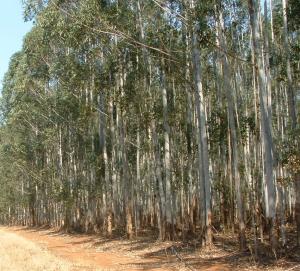
Eucalyptus plantation in Kwa-Zulu-Natal, South Africa; Kwa-Zulu-Natal Dept. of Transportation
Graziosi et al. (full citation at the end of the blog) point out that trees are crucial for Africa’s future. Eight hundred of the 4,500–6,000 indigenous tree species provide significant food. As elsewhere, trees provide wood and other extractive resources essential for economic growth. They also support biodiversity and mitigate current and impending climatic variations. Africa– especially the Sub-Saharan countries – is already considered highly vulnerable to climate change.
According to Graziosi et al., the cumulative economic impact of all invasive species in Africa is expected to exceed $1.2 billion per year. The total invasion cost as a proportion of GDP for many African countries is among the highest in the world. This raises the stakes for developing locally appropriate management strategies across the continent.
Responding effectively to this threat is hampered by gaps in data as well as some countries’ limited capacity for biosecurity. Graziosi et al. say that improved knowledge of taxonomy, distribution, and damage caused by these organisms is essential. Such knoledge will be crucial to develop continent-wide strategies to manage this emergency and to enhance capacity for country-level interventions.
Native and alien pests. Indigenous and plantation trees
Africa’s trees and their services are threatened by both native pests and accelerating introductions of pests and diseases from elsewhere. Long-established and new invaders increasingly affect planted forests of exotic eucalypts, pines, and Australian acacias, as well as important indigenous trees. Graziosi et al. note that the U.N. Food and Agriculture Organization (FAO) in an annex to a report issued in 2009 recorded about100 species of forest pests affecting trees in planted and natural forests across Africa. Half are native insects and pathogens, a third are alien; about 15% are of unknown origin. Considering all pests, broadleaf trees (predominantly native) are most affected.
The result is damage from the local – e.g., to rural livelihoods – to the continental – e.g., to economic development and biological diversity across Africa. Moreover, pests exacerbate widespread loss of forest cover. Overall, African forests are shrinking at the rate of almost 0.5% annually. This deforestation is affecting particularly natural forests; planted forests are actually growing 1.3% annually.
Exotic plantation trees face severe threats. More than 47 native and 19 non-indigenous defoliators, sap-feeders, wood- and shoot-borers attack plantations of Acacia spp., Eucalyptus spp., Pinus spp., and teak (Tectona grandis). About 90% of pathogens of plantation forestry are either non-indigenous or of uncertain origin. Eucalyptus alone are severely damaged by 15 species of pathogens. These organisms are listed in Tables 1 and 2.
Numerous native insect species, known as pests of indigenous trees, have reportedly widened their host range and now damage exotic trees too. Some introduced insects appear to pose significant threats to native tree species. One example is the Cypress aphid Cinara cupressi, which is attacking both exotic cypress plantations and the native African cedar Juniperus procera. Some fungi in the family Botryosphaeriaceae are latent pathogens infecting a wide range of hosts including indigenous Acacia. Dieback of large baobab trees was recently reported from southern Africa. While various microorganisms are associated with these symptoms, the specific cause is still uncertain.
A baobab tree in Limpopo region of South Africa; Wikimedia
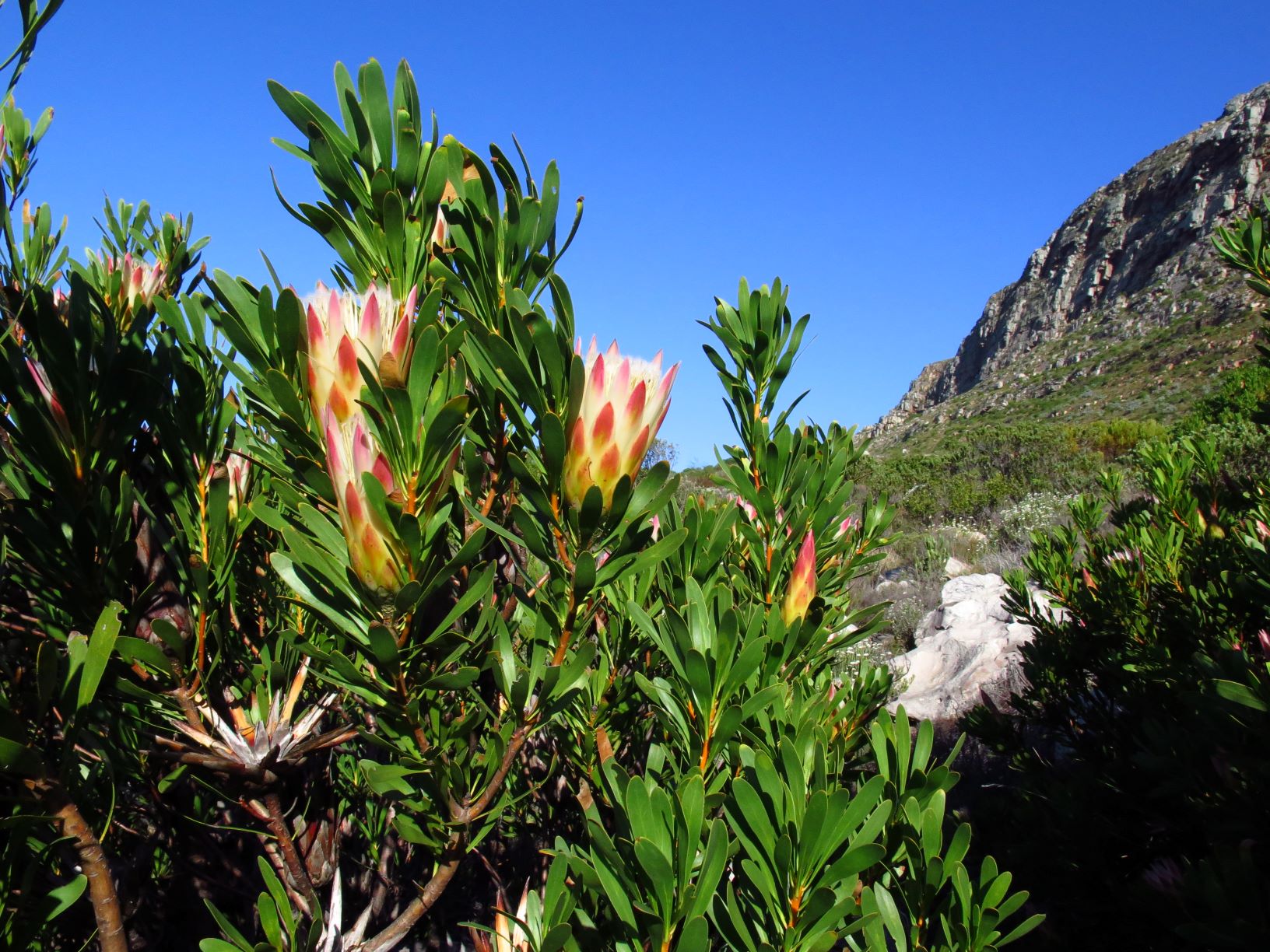
The risk currently appears to be particularly high in South Africa. The country’s flora is highly diverse and has a high level of endemism. In fact, South Africa is home to the Earth’s smallest floral kingdom, the Cape Floral Kingdom. It is also the apparent hot spot for pest introductions from overseas (see below). Phytophthora cinnamomi is attacking native Proteaceae in South Africa. According to Graziosi et al., an “incredible diversity” of Phytophthora taxa is present, portending threats to additional plant species. Other pathogens are attacking native conifers in the Podocarpus genus, Ekebergia capensis (Meliaceae), and Syzygium trees.
Protea repens and fynbos vegetation near Table Mountain; photo by Mike Wingfield
There is a clear pattern to further spread: pests first introduced to South Africa often spread. Examples include several insects and pathogens on Eucalyptus and the wood-boring pest of pine Sirex noctilio. This pattern is explained by two main factors. South Africa has a high capacity to detect introduced species. Also, there is an active plantation forestry sector that imports propagules. This offers opportunities for contaminating organisms to be introduced simultaneously.
Furthermore, as Graziosi et al. note, determining the geographic origin of significant proportion of pathogens is extremely difficult – an issue I will discuss in a separate blog based on a publication by primarily South African scientists. Some non-indigenous pathogens have been on the African continent for a long time. The Armillaria root rot pathogen apparently was introduced to South Africa with potted plants from Europe in the 1600s! They note also that many non-indigenous pathogens are probably already established on the continent but not yet detected due to the organisms’ cryptic nature and lagging detection abilities.
The future of African forests
African countries expect economic growth with associated increased trade with countries off-continent. The probable result will be to accelerate the rate of species introductions and spread. However, as climate change worsens, managers will find it increasingly difficult both to predict introduced species’ impact and to implement management programs.
This led Graziosi et al. to call for urgent improvements in plant biosecurity across the continent. They advocate improved coordination at regional and international levels. The list of needed actions is a familiar one: development and application of improved diagnostic tools, updated plant exchange regulations, and revised trade policies.
Graziosi et al. also call for development of effective control and management options. They suggest biocontrol, innovative silviculture practices, and selection of resistant trees. The good news is that African countries have already initiated programs to conserve tree germplasm and domesticate indigenous species, including establishment of field gene banks of high-priority indigenous trees. I have previously praised South African efforts, specifically reports here and here.
Mudada, Mapope, and Ngezimana (2022) describe the risk from introduced species to agriculture and human well-being in southern Africa beyond forestry. The region is already ravaged by food insecurities and hidden hunger. It would be devastated if the global average of crop loss due to plant diseases (10-16%) occurs there. They say these losses can be avoided with improved biosecurity mechanisms focused primarily on pest exclusion and plant quarantine regulations.
SOURCES
Graziosi, I. M. Tembo, J. Kuate, A. Muchugi. 2020 Pests and diseases of trees in Africa: A growing continental emergency. Plants People Planet DOI: 10.1002/ppp3.31
Mudada, N. Mapope, N., and Ngezimana, W. 2022 – The threat of transboundary plant pathogens to agricultural trade in Southern Africa: a perspective on Zimbabwe’s plant biosecurity – A review. Plant Pathology & Quarantine 12(1), 1–33, Doi 10.5943/ppq/12/1/1
Posted by Faith Campbell
We welcome comments that supplement or correct factual information, suggest new approaches, or promote thoughtful consideration. We post comments that disagree with us — but not those we judge to be not civil or inflammatory.
For a detailed discussion of the policies and practices that have allowed these pests to enter the United States and spread – and that do not promote effective restoration strategies – review the Fading Forests report at http://treeimprovement.utk.edu/FadingForests.htm
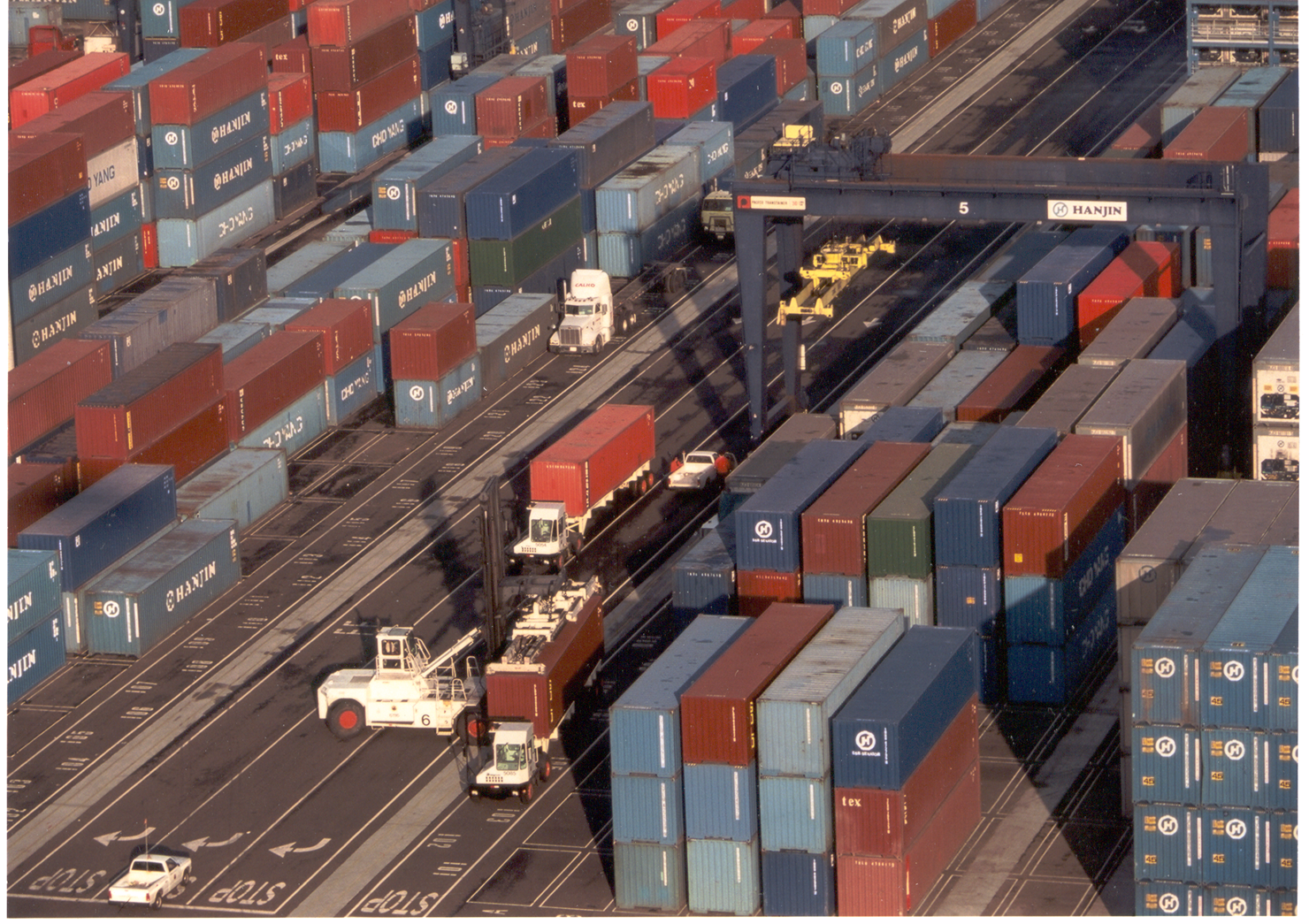
The surge in US imports from Asia that began in the second half of 2020 continued through 2021 and into January 2022. As of September 2021, import volumes from Asia averaged almost 20% higher than the historical monthly average for every month of 2021 (Mongelluzzo, October 13, 2021). The surge continued into 2022. In January 2022, US containerized imports from Asia hit the highest monthly total ever recorded — 1.7 million TEU. This was a 14.6% increase over December 2021 – and a 4.5% increase from a year earlier (January 2021). [Mongelluzzo Feb 23]
The 2022 increase in import volumes was on top of the record-breaking levels seen in 2021. For example, average monthly import volumes during 2021 at the principal ports for receipt of goods from Asia — Los Angeles-Long Beach — were 23% over the 2019 average (Mongeluzzo April 2021).
Increases in volume from December 2021 occurred at ports across the country. Pacific coast ports saw increases – 25.8% at the LA/LB complex (which handles ~50% of US imports from Asia); 39.1% at Northwest Seaport Alliance (Seattle and Tacoma); 19.7% at Oakland. So did ports in the Southeast – 12.7% in Savannah and 14.1% in Charleston. However, New York/New Jersey saw a decrease of 2.2% and Norfolk saw a decrease of 10.6%. [Mongelluzzo Feb 23] New York had seen a steep increase in mid-2021 (Angell Dec. 22, 2021), but apparently this did not hold up through the year.
The southern California ports report that ships leaving China in early March will – as expected – increase import volumes before the end of the month. Long Beach projected that numbers of arriving shipping containers will rise 34% in the week beginning March 20, compared with the week of March 7; Los Angeles projected an increase of 63% [Mongelluzzo March 10].
port of Mobile
Volumes Will Probably Continue to Rise Along the Gulf
Containerized imports from Asia through US Gulf ports had risen 27.2% to 1.14 million TEU in 2021. At the port of Mobile, specifically, imports from Asia last year rose 25% from 2020 to 230,347 TEU in 2021. Imports from Asia through Houston jumped 34 % to 807,376 TEU in 2021 [Mongelluzzo Feb 2 2022]
Increasing manufacturing and distribution industries in the Gulf region are probably an important factor in rising import volumes there. Mongelluzzo Feb 2 2022 notes the presence of a Hyundai factory in Alabama, a Tesla factory and Amazon fulfillment center near Austin, as well as several retail chains’ distribution centers near Houston. Many of these facilities opened in 2021.
Import volumes entering via Gulf and Southeastern ports are expected to continue growing in coming months and years. Several carriers have announced new direct Asia-to-US-east coast transport services. These include South Korea’s HMM (to Houston); CMA CGM; and Maersk (Vietnam and China to Houston and Norfolk; China and Indonesia to Charleston and Newark)
Those who follow shipping expect import volumes to drop in February because many factories in Asia were closed for two weeks or more for the Lunar New Year holidays, which began on Febrary 1. Imports should surge again in March. [Mongelluzzo Feb 23]
The Risk
Remember, Asia is the origin of many of the most damaging forest pests. These include Asian longhorned beetle, emerald ash borer, redbay ambrosia beetle, phytophagous and Kuroshia shot hole borers (for profiles of each visit here). Indeed, 15 of 16 non-native bark beetles in the Xyleborini (a tribe of ambrosia beetles) detected in the United States since 2000 are from Asia (Bob Rabaglia, USFS Forest Health Protection, presentation at IUFRO meeting in Prague, September 2021).
It seems to me that the beetles native to southeast Asia, e.g., the phytophagous and Kuroshio shot hole borers, are likely to find the climate along the Gulf of Mexico to their liking. Indeed, the redbay ambrosia beetle profile already has!
dead redbay in Georgia killed by laurel wilt disease
Li et al. (2021) assessed fungi associated with Eurasian bark and ambrosia beetles and their potential to impact North American trees. They assessed 111 fungal associates of 55 beetle species. They found that none was “highly virulent” on four important pines or oaks of the Southeast. However, I note two caveats. First, they tested only four host species – two pines (Pinus taeda and P. elliottii var. elliottii) and two oaks (Quercus shumardii and Q. virginiana). They did not test against the many other tree species that comprise important components of forests of the region. Second, their bar for concern was extremely high: to qualify as “highly virulent,” the pathogens had to be as damaging as laurel wilt disease or Dutch elm disease! Both have had extremely damaging impacts on their hosts across North America.
Updated Haack Analysis
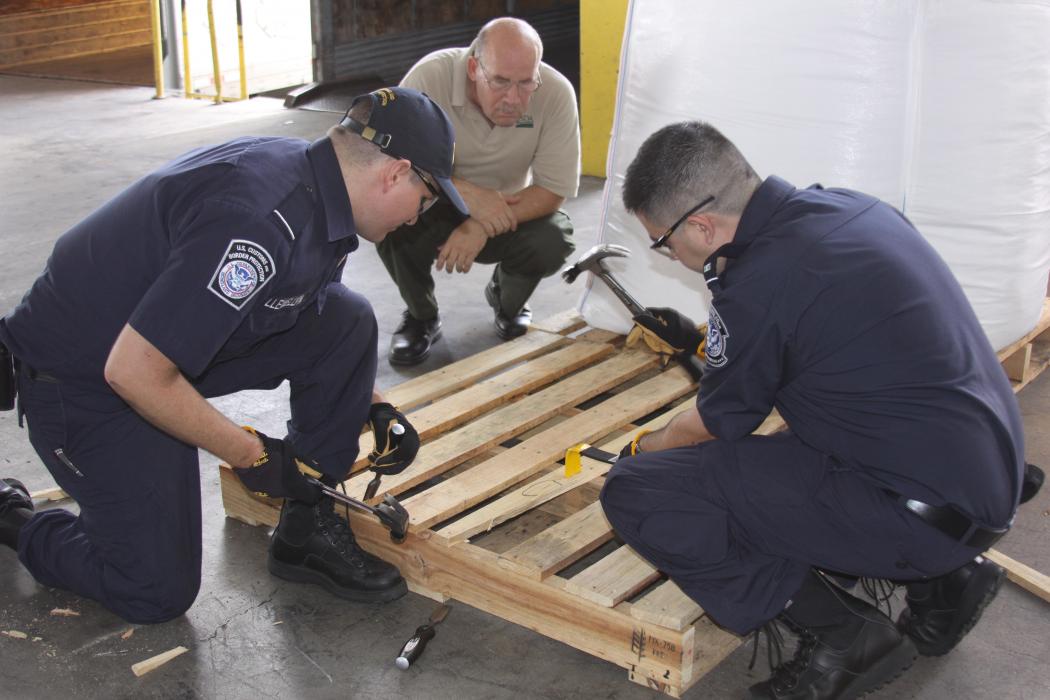
As has been documented repeatedly (e.g., my blogs), the current approach to curtailing pest introductions associated with wood packaging is not sufficiently effective. Customs officials continue to detect live quarantine pests in wood packaging as it enters the country. However, the exact level of this threat is unclear since the only assessment was based on data from 2009 (Haack et al., 2014). I eagerly await the results of Bob Haack’s updated analysis, which I hope will be published by mid-year.
Haack, R.A., K.O. Britton, E.G. Brockerhoff, J.F. Cavey, L.J. Garrett. 2014. Effectiveness of the International Phytosanitary Standard ISPM No. 15 on Reducing Wood Borer Infestation Rates in Wood Packaging Material Entering the United States. PLoS ONE 9(5): e96611. doi:10.1371/journal.pone.0096611
Li, Y., C. Bateman, J. Skelton, B. Wang, A. Black, Y-T. Huang, A. Gonzalez, M.A. Jusino, Z.J. Nolen, S. Freeman, Z. Mendel, C-Y. Chen, H-F. Li, M. Kolařík, M. Knížek, J-H. Park, W. Sittichaya, P. H. Thai, S. Ito, M. Torii, L. Gao, A.J. Johnson, M. Lu, J. Sun, Z. Zhang, D.C. Adams, J. Hulcr. 2021. Pre-invasion assessment of exotic bark beetle-vectored fungi to detect tree-killing pathogens. Phytopathology. https://doi.org/10.1094/PHYTO-01-21-0041-R
Mongelluzzo, B. September imports show no relief for stressed US ports. Journal of Commerce. Oct. 12, 2021. https://www.joc.com/port-news/us-ports/september-imports-show-no-relief-stressed-us-ports_20211013.html?utm_source=Eloqua&utm_medium=email&utm_campaign=CL_JOC%20Daily%2010%2F14%2F21_PC00000_e-production_E-116084_KB_1014_0617
This February marks 16 years since APHIS began full implementation of ISPM#15. I have blogged often about the failure of ISPM#15 to curtail the risk associated with wood packaging; scroll below the chronological list of blogs to the “categories”, click on “wood packaging”. The best summary of the issues is found in a blog posted in September 2017.
As I have reported in many previous blogs, U.S. imports – especially those from Asia – have been rising since August 2020. Thus, January through October 2021, U.S. imports from Asia are 10.5% higher than the same period in 2020 (Mongelluzzo Dec. 9, 2021). Port officials expect import volumes from Asia to remain high in the first half of 2022, with perhaps a pause in February linked to Asian New Year celebrations (Mongelluzzo Dec. 15 2021). Shipping tonnage devoted to carrying goods from Asia to North America rose by 17% when one compares 2020 to 2021 (Lynch and Wadekar 2021).
These increases are important because of the history of pest introductions in wood packaging from Asia.
This increase is seen most acutely at the ports of Los Angeles and Long Beach, which handle about 50% of all U.S. imports from Asia. Such imports during January – November 2021 were 19.4% higher than the same period in 2020; 21.2% higher than during the same period in 2019 (Mongelluzzo Dec. 15 2021).
The rise in imports – and associated pest risk — is not limited to southern California. At the largest port on the East coast – New York/New Jersey – import volumes through October were 20% higher than the same period a year ago. The port is also receiving a higher number of large ships – those carrying 9,000 or more containers (Angell Dec. 22, 2021).
We do not know how many of these containers hold the heaviest commodities most often associated with wood packaging infested by insects — machinery (including electronics); metals; tile and decorative stone (such as marble or granite counter tops). I see many potential links to the COVID-prompted “home improvement” boom. I wonder whether furniture should be included here …
wood packaging associated with stone; photo courtesy of Canadian Food Inspection Agency
1. 2021 Data on Violations
A recent webinar sponsored by The Nature Conservancy’s Continental Dialogue on Non-Native Forest Insects and Diseases and the Entomological Society of America revealed important new information on the pest risk associated with these imports. (Presentations have been posted on the Dialogue’s website). Several of the presentation have particularly significant implications for protecting the US from pests.
Jared Franklin, acting director for agriculture enforcement for DHS’s Customs and Border Protection (CBP), reported that pest detections and shipper violations in Fiscal Year (FY) 2021 follow patterns set earlier. There is, however, an interesting decline in numbers of violations despite enhanced inspection intensity. When the number of incoming air passengers crashed because of COVID-19, CBP assigned inspectors to cargo instead.
Type of violation
FY2018
FY2019
FY2020
FY2021
Lack ISPM#15 mark
1,662
1,825
1,662
1,459
Live quarantine pest found
756
747
509
548
TOTAL VIOLATIONS
2,418
2,572
2,171
2,007
Unfortunately, in FY2016 CBP stopped recording whether pests were detected on marked or unmarked SWPM.
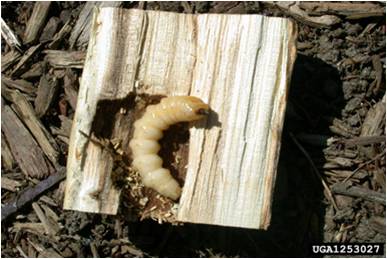
As usual, most of the pests were detected in wood packaging accompanying miscellaneous cargo. Also, as usual, the most commonly detected pests are Cerambycid beetles. During a discussion of why Cerambycids outnumber Scolytids, Bob Haack pointed out that most bark beetles are eliminated by the debarking required by ISPM#15.
2. Updating a Key Study of the Wood Packaging Pathway
Bob Haack revealed that he has received permission to update his earlier landmark study aimed at determining the arrival rate of pests in wood packaging (see Haack et al., 2014). I have long advocated for an update. All my comment about the wood packaging risk have – perforce – relied on this now outdated report. Bob hopes to have results in a few months.
This time, he will work with Toby Petrice (USFS) and Jesse Hardin and Barney Caton (APHIS). While the 2014 study focused on changes in approach rates resulting from U.S.’ implementation of ISPM#15, the new study will presumably uncover current levels of compliance. The authors will use more than 73,000 new port inspection records to detect trends from 2010 through 2020, as well as the original database of about 35,000 inspections made during 2004-2009.
Bob notes that there have been significant changes in ISPM#15 since 2009. These include: a) a requirement that wood be debarked before treatment; b) approval of new treatments (dielectric heat in 2013 and sulphuryl fluoride in 2018); and c) new official definitions of “reuse,” “repair,” and “remanufacturer”.
Besides discovering overall levels of compliance, Bob and colleagues will probably select some aspects of the wood packaging pathway for specific analysis. For example, Dialogue participants want to know whether dunnage has a higher interception rate than pallets. Also, the earlier study included only wood packaging that bore the ISPM mark. This new research might compare live pest interception rates on marked versus unmarked wood.
3) A Study to Improve ISPM#15
Erin Cadwaladerreported on the Entomological Society’s Grand Challenge, particularly the request from APHIS that the Society provide guidance on improving ISPM#15. This request was made in 2019; subsequent efforts to conduct a broad scoping process have been complicated and delayed by COVID-19. The goal is to determine what area of effort would lead to either 1) the highest reduction in pest incidence; or 2) the best ISPM#15 compliance.
ESA’s preliminary proposal aims to evaluate the risk associated with various types of wood packaging by analyzing data from five ports over a period of five years. Webinar participants discussed the proposal, especially trying to determine why data already collected by APHIS and CBP – specifically via Agriculture Quarantine Inspection Monitoring (AQIM) – are not adequate to support the study. Another question is whether it is useful for ESA investigators to attempt to rear insects from wood packaging rather than rely on APHIS’ identifications using molecular techniques. Erin noted that some insects – probably particularly small wood borers – might escape detection by inspectors but show up when the wood is placed in rearing chambers.
There will be further discussion of the study’s scope and methodology at the Society’s annual meeting in Autumn 2023 near Washington, D.C. (The 2022 meeting will be in Vancouver; USDA officials rarely get permission to travel to meetings outside the U.S.) ESA estimates that the study will take five years and be completed in 2028.
I am concerned that APHIS might not act on the basis of Bob Haack’s findings as soon as they are available. If they wait for completion of the ESA study, it could be at least six years from now before action is even proposed. I hope that if Haack and colleagues uncover persistent inadequacies in ISPM#15 implementation, APHIS will act unilaterally to address the problem – at least as regards the threat to the U.S. The ESA study might then become the foundation for revising the overall standard per se, that is, the entire world trading system.
Also, APHIS has already carried out a focused study of pests in wood packaging. How can their findings be incorporated into APHIS’ decisions so as to expedite action?
Wu et al. (2017) proved the efficacy of DNA identification tools and that serious pest species continued (at that time) to be present in wood packaging. Krishnankutty et al. (2020) found that 84% of interceptions occurred in wood belonging to only three families: pine, spruce, and poplar. Shipments with coniferous wood came about equally from Europe, Asia, and Mexico. Wood packaging made from poplars came primarily from China. Most of the pests in hardwood were polyphagous, and were considered to pose a higher risk. Pests in softwood samples were mostly oligophagous (feed on two or more genera in the same family). I presume that these findings prompted the studies by Mechet al. and Schulzet al.
As has been true in most studies, pest detections were often associated with shipments of heavy items, such as stone, ceramics, and terracotta; vehicles and vehicle parts; machinery, tools, and hardware; and metal. A high proportion (87%) of the wood packaging bore the ISPM15 mark, also as usual. (Data provided by CBP in past Dialogue meetings showed an even higher proportion of pest-infested wood to be marked.)
Conclusion
Clearly, programs aimed at curtaining the pest risk associated with wood packaging have not been sufficiently effective. I hope APHIS’ approval of Bob Haack’s study and agreement with the Entomological Society indicates a new willingness to understand why and take actions to fix the problems.
SOURCES
Haack, R.A., K.O. Britton, E.G. Brockerhoff, J.F. Cavey, L.J. Garrett. 2014. Effectiveness of the International Phytosanitary Standard ISPM No. 15 on Reducing Wood Borer Infestation Rates in Wood Packaging Material Entering the United States. PLoS ONE 9(5): e96611. doi:10.1371/journal.pone.0096611
Krishnankutty, S., H. Nadel, A.M. Taylor, M.C. Wiemann, Y. Wu, S.W. Lingafelter, S.W. Myers, and A.M. Ray. 2020. Identification of Tree Genera Used in the Construction of Solid Wood-Packaging Materials That Arrived at U.S. Ports Infested With Live Wood-Boring Insects. Journal of Economic Entomology 2020, 1 – 12
Lynch, D.J. and N. Wadekar. 2021. “Africa left with fallout of US supply chain crisis”. The Washington Post. December 17, 2021.
Wu,Y., N.F. Trepanowski, J.J. Molongoski, P.F. Reagel, S.W. Lingafelter, H. Nadel1, S.W. Myers & A.M. Ray. 2017. Identification of wood-boring beetles (Cerambycidae and Buprestidae) intercepted in trade-associated solid wood packaging material using DNA barcoding and morphology. Scientific Reports 7:40316
Posted by Faith Campbell
We welcome comments that supplement or correct factual information, suggest new approaches, or promote thoughtful consideration. We post comments that disagree with us — but not those we judge to be not civil or inflammatory.
For a detailed discussion of the policies and practices that have allowed these pests to enter and spread – and that do not promote effective restoration strategies – review the Fading Forests report at http://treeimprovement.utk.edu/FadingForests.htm
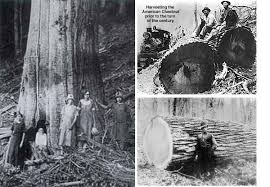
American chestnut – nearly eradicated by a disease introduced on imported plants
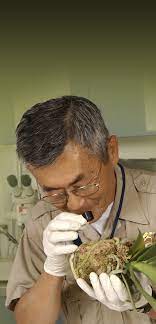
Shipments of living plants (called by phytosanitary agencies “plants for planting”) have long been recognized as the most “effective” pathway for transporting pests. To those of us concerned about forest ecosystems, the focus is on woody plants. I have no reason to think herbaceous plant imports are any less risky.
International Rules Impede Prevention Efforts
Efforts to prevent pest introductions via shipments of plants for planting suffered a severe setback when the World Trade Organization Agreement on the Application of Sanitary and Phytosanitary Standards (SPS Agreement) came into force in 1995. Two years later the International Plant Protection Convention (IPPC) was amended to conform to those new trade rules.
David McNamara, then Assistant Director of the European and Mediterranean Plant Protection Organization, identified the ramifications of the new regime: phytosanitary agency officials “have come to realize that our work has changed from ‘preventing introduction of pests while not interfering unduly with trade’ to ‘facilitating trade while doing our utmost to prevent pest introduction.’” [See Chapter 3 of Fading Forests II (2003), available here where I detail how the SPS Agreement and IPPC rules changed phytosanitary policy.]
Rome – IPPC headquarters
I was not alone in raising the alarm about the ramifications of the new regime: that phytosanitary regulations target only pests known to cause damage; that commodities from all sources be treated as if they posed equal pest risks, which is not true; that phytosanitary rules impose the lowest level of restriction on trade required to achieve the chosen level of protection.
Scientists Try to Reverse the Damaging Requirements
Clive Brasier
For example, world-renowned UK pathologist Clive Brasier (2008; full reference at end of the blog) criticized the requirement that pests be identified before they can be regulated. Dr. Brasier estimated that 90% of plant pathogens might be unknown to science, and thus not eligible for regulation under the WTO/IPPC regime. This means that damaging pests are frequently regulated only after they have been introduced and initiated the essentially permanent alteration of the receiving (naïve) environment. He called for an approach based on Darwinian evolutionary theory: maintenance of the geographic barriers that separate species.
A growing number of scientists have reiterated the criticisms in hopes of persuading regulators to reverse the flaws identified in the international trade rules. More than 70 scientists affiliated with the International Union of Forest Research Organizations signed the Montesclaros Declaration in 2011. Circa 2015 – 20 years after the SPS Agreement came into force – several publications reiterated these criticisms and provided scientific support for changing the rules: Roy et al. 2014; Eschen, Roques and Santini 2015; Jung et al. 2015; Klapwijk et al. 2016; and now Barwell et al. 2021. Summaries follow.
Roy et al. (2014) said the WTO SPS rules have been largely ineffective at protecting forests and other ecosystems (natural or managed) for two main reasons: (1) their primary aim is to promote international trade rather than protect the environment and (2) they require that a species be identified as a pest before it can be regulated, even though invading organisms are often either “new” (i.e. scientifically unknown) species or not troublesome within their native ranges.
Eschen, Roques and Santini (2015) found that regulators’ focus on known pests meant that 90% of the exotic insect pests detected in Europe 1995–2004 had not been designated for regulation before they became established on the continent.
Klapwijk et al. (2016) concluded that the European Union phytosanitary rules have provided insufficient protection because often harmful organisms that enter the EU were unknown, and therefore unregulated, before establishment. A pending amendment would still not provide for precautionary assessments of high-risk commodities or provide for restrictions on the highest-risk commodities, such as imports of large plants or plants in soil. Green et al. (2021) call the international system “fallible” in the face of huge volumes of imports, including large, semi-mature trees. As Jung et al. 2018 point out, the scientific community has repeatedly urged regulators to require the use of preventative system approaches for producing Phytophthora-free nursery stock.
Scott Schlarbaum, University of Tennessee, and I reiterated these issues and cited additional examples in Chapter 7 of Fading Forests III. Since 2015 I have blogged numerous times about the risks associated with imported plants for planting and detection of numerous previously unknown Phytophthora species in Vietnam. [On the website, scroll to the bottom of the monthly listing of blogs, find the “categories” section, click on “plants as pest vectors”.]
Billions of Plant on the Move
Shipment of plants among America, Europe and Asia put all three continents at risk. First, North America, Europe and Asia share more than 100 genera of tree species (USDA 2000), so introduced insects and microbes are likely to find suitable hosts in their new home.
Second, North America and Europe import high volumes of plants. The U.S. imported an estimated 3.2 billion plant “units” (cuttings, rooted plants, tissue culture, etc.) in 2007 (Liebhold et al. 2012). By 2020, imports had declined to 1.8 B plant units plus nearly 723,000 kilograms of woody plant seeds (USDA 2021). Epanchin-Niell (pers. comm.) found that in the period FY2010-FY2012, the U.S. imported an average of about 300 million woody plant units per year (in 16,700 shipments). The plants included representatives of 175 woody plant genera. Europe imports even more plants; just 10 continental countries imported 4.3 billion living plants from overseas in 2010; 20.8% were woody plants (Jung 2015). The United Kingdom, home to famously enthusiastic gardeners, imported £1.3 billion worth of plants in 2018 (Green et al. 2021). Eschen, Roques and Santini (2015) document the rising number of invertebrate pests and pathogens associated with these imports. Green et al. (2021) note the risk to social values, especially tree plantings to sequester carbon, posed by rising introductions of tree-killing pathogens.
In response to the obvious failings of the international phytosanitary system, non-governmental experts have sought strict limits on imports of plant taxa and types posing the highest risk. Campbell and Schlarbaum (2003 and 2014) and Roy et al. (2014) advocate allowing entry of woody plants only in the form of seed and tissue cultures. Lovett et al. (2016) calls for applying APHIS’ NAPPRA authority to prohibit imports of woody plants in the 150 genera that North America shares with Europe and Asia. (I have criticized how NAPPRA is applied in earlier blogs – here and here.) Eschen, Roques and Santini (2015) suggest requiring that most imported plants be subjected to post-entry quarantine.
illustration of poor management practices that facilitate infection by Phytopthora ramorum; from nursery education material circulated by Washington State University
Yet, I see no evidence that either American or European governments are willing to consider substantial alteration of the international system – even in order to curb the highest risk. The current WTO/IPPC system at least contemplates another solution: requiring that imported plants be produced under clean stock or critical control point production programs. See ISPM#36 and RSPM#24 and USDA APHIS’ revision of the Q-37 regulation. Use of critical control point approaches has been suggested by Campbell and Schlarbaum (2014). It is also part of the comprehensive program called for by Jung et al. (2015). Jung et al. (2015) note the need for rigorous enforcement as well as campaigns to develop consumer awareness, creating an incentive for the nursery industry to distribute only clean stock. However, the non-governmental authors advocate application of critical control point programs to far more plant taxa than the phytosanitary officials have envisioned, so apparent agreement between advocates and officials is illusory. Attempts to create such a program are more advance domestically, for example see Swiecki, et al, 2021.
New Ways to Fix the System?
Unwilling to challenge the WTO/IPPC system directly, national phytosanitary officials are instead adopting approaches and technologies aimed at reducing the number of species that remain “unknown”. New molecular identification techniques are facilitating rapid identification of difficult-to-distinguish microbes at ports or as part of screening or monitoring programs. This advance is cheered by scientists [e.g., Eschen, Roques and Santini (2015); Jung et al. (2015)] as well as phytosanitary officials.
Authorities are also attempting to improve inspection at the border by targetting shipments thought to be of high risk.
Both these actions have limited efficacy, however. Eschen, Roques and Santini (2015) still say that given the difficulty of reliably identifying fungi and fungal-like organisms, authorities should reject any consignment with disease symptoms. Furthermore, greater certainty in identifying organisms does not overcome information gaps about their invasibility or possible virulence.
Targetting based on past interceptions, a mainstay of inspection programs, is increasingly considered unreliable – scientists warn about the “bridgehead effect”. That is, when non-native pests establish in new countries and then are transported from there [see Bertelsmeier and Ollier (2021); although this article concerns ants].
Others are exploring strategies to improve authorities’ ability to evaluate poorly known species’ possible impacts. There is enthusiastic endorsement of the concept of “sentinel” plantings. These are a tool to detect pests that attack tree species growing outside the host tree’s natural range. Others are trying to identify species traits or other factors that can be used to predict impacts, as explored below.
Scientists’ Efforts in North America
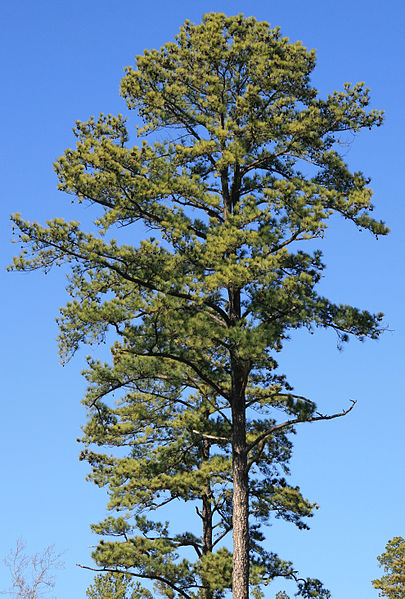
loblolly pine (Pinus taeda) — one of the pines tested by Li et al. photo by Dcrjsr, via Wikimedia
One team assessed 111 fungi associated with 55 Asian and European scolytine beetle species. None was found to be virulent pathogens on two pine species and two oak species native to the Southeastern U.S. (defined as having an impact similar to Dutch elm disease or laurel wilt). Twenty-two fungal species were minor pathogens (Li et al. 2021).
Mech et al. (2019) are trying to rank threats by non-native insects pose to North American tree species. (They did not evaluate pathogens). They evaluated the probability of a non-native insect causing high impact on a novel North American host as a function of the following: (a) evolutionary divergence time between native and novel hosts; (b) life history traits of the novel host; (c) evolutionary relationship of the non-native insect to native insects that have coevolved with the shared North American host; and (d) the life history traits of the non-native insect. The team has published its analyses of insects that specialize on conifers and hardwoods; they will publish on generalist insect pests in the near future. The insects evaluated were those identified in studies by Aukema et al. (2010) and Yamanaka et al. (2015).
Regarding conifers, the factors driving impacts were found to be:
1) The time (in millions of years) since a North American host tree species diverged from a coevolved host of the insect in its native range.
2) The tree host species’ shade and drought tolerance.
3) The presence or absence of a closely related native herbivore in North America.
None of the insect life history traits examined, singly or in combination, had predictive value.
There are interesting differences when considering hardwoods. Schultz et al. (2021) find that the most important predictive factor is an insect trait: being a scolytine beetle. Two tree-related factors are moderately predictive: moderate density of the wood, and divergence time between native and novel hardwood hosts.While this last factor is shared with the analysis of insects on conifers, the divergence period itself differs. For hardwood trees there is no predictive value tied to whether a related native insect attacks the North American host.
[For details, see also the blogs posted here and here.]
In a report issued earlier this year, in response to §10110 of the Agriculture Improvement Act (Farm Bill) of 2018 (USDA 2021), APHIS claims that recent changes to managing plant imports has cut interceptions via the plants for planting pathway to 2% of total forest pest interceptions during the period 2013 – 2018. The contributing agency actions are listed as
• Developing an offshore greenhouse certification program that gives U.S. producers a more reliable supply chain of healthy plant cuttings;
• Implementing risk-based sampling to focus port inspections on higher-risk shipments [but note questions about this approach raised by Eschen, Roques and Santini (2015)].
• Began using of molecular diagnostics at ports to detect high-risk pests that physical inspection would miss;
• Restricting imports of some plants under authority of the NAPPRA program; and
• Increasingly applying standardized systems approaches.
APHIS says its preclearance programs span 23 countries and cover 68 different types of commodities. In addition, APHIS has certified 25 offshore facilities in 12 countries. However, the report does not say how many of these agreements cover production of woody plants – those most likely to transport forest pests.
APHIS has had a greenhouse certification program with Canada since 1996. A high proportion of U.S. woody plant imports comes from Canada. The recent report (USDA 2021) lists source countries for the highest numbers of pest interceptions for plants for planting – although not in order of detections. Canada is listed – in bold type. The meaning of this highlight is not explained. (China is also listed in bold.) More disturbing, the report makes no mention of the suspicion that at least some of the plants infested by Phytophthora ramorum that were shipped to 18 states in spring 2019 originated in a British Columbia nursery.
Scientists’ Efforts in Europe
The focus in Europe appears to be on pathogens, specifically the Phytophthora genus. Europeans are responding to several recently-introduced highly damaging diseases caused by species in the genus that were unknown to science before introduction. Barwell and colleagues (full reference at end of the blog) sought to explain the species’ impact as measured by traits such as number of countries invaded, latitudinal limits, and host range. They evaluated factors they thought would be easily discerned, such as species’ traits, phylogeny and time since description (as a proxy for extent of scientific understanding of the species’ behavior). The most predictive traits were thermal minima, oospore wall index and growth rate at optimum temperature. They found that root-attacking species of Phytophthora were reported in more countries and on more host families than foliar-attacking species.
Japanese larch plantation in Britain killed by Phytophthora ramorum; photo from UK Forest Research
Progress – but Still Incomplete Solution to the SPS/IPPC Conundrum
Perhaps these efforts to close information gaps earlier in the invasion process will be accepted by the phytosanitary agencies and the findings will be incorporated into their decision-making. If this happens, scientists’ efforts might contribute substantially to overcoming the challenges created by the SPS/IPPC system. Presumably acting on scientific findings is more acceptable than the more radical approach that I and others have suggested. Still, there remain the “unknown unknowns” – and the SPS/IPPC system continues to hinder measures that might be effective in preventing their introduction.
Meanwhile, the British are pursuing both a nursery certification/accreditation program and a coordinated strategy for early detection of Phytophthora pathogens in the nursery trade. Green et al. (2021) found that nursery owners could not justify the cost of adopting best management practices if they were aimed at preventing the presence of Phytophthora alone. They could if the program sought to curtail the presence and spread of numerous plant pathogens. A decade ago in the U.S., The Nature Conservancy explored a possible structure combining a clean stock system with insurance. The latter would reimburse participating nurseries for inventory lost to pests as long as the nursery used prescribed pest-avoidance strategies. The SANC program attempts to incentivize adoption of clean stock systems by the American nursery industry. However, it does not include the insurance concept.
Another helpful step would be to change the pest risk assessment process by assessing the risks more broadly. Perhaps the analysis could evaluate the risks associated with – and determine effective measures to counter – certain organisms, i.e.:
(a) pests associated with any bare-root woody plants from a particular region, for example East Asia; (b) pests associated with roots or stems, without limiting the study to particular kinds of plants or geographic regions of origin; or
(c) single types of pests, such as a fungal pathogen without regard to its species, on any imported plant (regardless of taxon or country of origin), especially learning how to prevent their presence.
SOURCES
Aukema, J.E., D.G. McCullough, B. Von Holle, A.M. Liebhold, K. Britton, & S.J. Frankel. 2010. Historical Accumulation of Nonindigenous Forest Pests in the Continental United States. Bioscience. December 2010 / Vol. 60 No. 11
Barwell, L.J., A. Perez-Sierra, B. Henricot, A. Harris, T.I. Burgess, G. Hardy, P. Scott, N. Williams, D.E. L. Cooke, S. Green, D.S. Chapman, B.V. Purse. 2021. Evolutionary trait-based approaches for predicting future global impacts of plant pathogens in the genus Phytophthora. Journal of Applied Ecology 2021; 58:718-730
Brasier C.M. 2008. The biosecurity threat to the UK and global environment from international trade in plants. Plant Pathology 57: 792–808.
Eschen, R., A. Roques and A. Santini. 2015. Taxonomic dissimilarity in patterns of interception and establishment of alien arthropods, nematodes and pathogens affecting woody plants in Europe. Journal of Conservation Biogeography Diversity and Distributions (Diversity Distrib.) (2015) 21, 36–45
Green, S., D.E.L. Cooke, M. Dunn, L. Barwell, B. Purse, D.S. Chapman, G. Valatin, A. Schlenzig, J. Barbrook, T. Pettitt, C. Price, A. Pérez-Sierra, D. Frederickson-Matika, L. Pritchard, P. Thorpe, P.J.A. Cock, E. Randall, B. Keillor and M. Marzano. 2021. PHYTO-THREATS: Addressing Threats to UK Forests and Woodlands from Phytophthora; Identifying Risks of Spread in Trade and Methods for Mitigation. Forests 2021, 12, 1617 https://doi.org/10.3390/f12121617ý
Jung, T., et al. 2015. Widespread Phytophthora infestations in European nurseries put forest, semi-natural and horticultural ecosystems at high risk of Phytophthora diseases. Forest Pathology. November 2015.
Jung, T., A. Pérez-Sierra, A. Durán, M. Horta Jung, Y. Balci, B. Scanu. 2018. Canker and decline diseases caused by soil- and airborne Phytophthora species in forests and woodlands. Persoonia 40, 2018: 182–220
Klapwijk, M.J., A.J. M. Hopkins, L. Eriksson, M. Pettersson, M. Schroeder, A. Lindelo¨w, J. Ro¨nnberg, E.C.H. Keskitalo, M. Kenis. 2016. Reducing the risk of invasive forest pests and pathogens: Combining legislation, targeted management and public awareness. Ambio 2016, 45(Suppl. 2):S223–S234 DOI 10.1007/s13280-015-0748-3
Li, Y., C. Bateman, J. Skelton, B. Wang, A. Black, Y. Huang, A. Gonzalez, M.A. Jusino, Z.J. Nolen, S. Freeman, Z. Mendel, C. Chen, H. Li, M. Kolařík, M. Knížek, J. Park, W. Sittichaya, P.H. Thai, S. Ito, M. Torii, L. Gao, A.J. Johnson, M. Lu, J. Sun, Z. Zhang, D.C. Adams, J. Hulcr. 2021. Pre-invasion assessment of exotic bark beetle-vectored fungi to detect tree-killing pathogens. Phytopathology. https://doi.org/10.1094/PHYTO-01-21-0041-R
Liebhold, A.M., E.G. Brockerhoff, L.J. Garrett, J.L. Parke, and K.O. Britton. 2012. Live plant imports: the major pathway for forest insect and pathogen invasions of the US. Front. Ecol. Environ. 2012; 10(3):135-143
Mech, A.M., K.A. Thomas, T.D. Marsico, D.A. Herms, C.R. Allen, M.P. Ayres, K.J. K. Gandhi, J. Gurevitch, N.P. Havill, R.A. Hufbauer, A.M. Liebhold, K.F. Raffa, A.N. Schulz, D.R. Uden, & P.C. Tobin. 2019. Evolutionary history predicts high-impact invasions by herbivorous insects. Ecol Evol. 2019 Nov; 9(21): 12216–12230.
Roy, B.A., H.M Alexander, J. Davidson, F.T. Campbell, J.J. Burdon, R. Sniezko, and C. Brasier. 2014. Increasing forest loss worldwide from invasive pests requires new trade regulations. Frontiers in Ecology and the Environment 12(8), 457-465
Schulz, A.N., A.M. Mech, M.P. Ayres, K. J. K. Gandhi, N.P. Havill, D.A. Herms, A.M. Hoover, R.A. Hufbauer, A.M. Liebhold, T.D. Marsico, K.F. Raffa, P.C. Tobin, D.R. Uden, K.A. Thomas. 2021. Predicting non-native insect impact: focusing on the trees to see the forest. Biological Invasions.
Swiecki, T. J., Bernhardt, E. A., Frankel, S. J., Benner, D., & Hillman, J. (2021). An accreditation program to produce native plant nursery stock free of Phytophthora for use in habitat restoration. Plant Health Progress, PHP-02. https://apsjournals.apsnet.org/doi/abs/10.1094/PHP-02-21-0025-FI
United States Department of Agriculture Animal and Plant Health Inspection Service and Forest Service. 2000. Pest Risk assessment for Importation of Solid Wood Packing Materials into the United States.
Yamanaka, T., Morimoto, N., Nishida, G. M., Kiritani, K. , Moriya, S. , & Liebhold, A. M. (2015). Comparison of insect invasions in North America, Japan and their Islands. Biological Invasions, 17, 3049–3061. 10.1007/s10530-015-0935-y
Posted by Faith Campbell
We welcome comments that supplement or correct factual information, suggest new approaches, or promote thoughtful consideration. We post comments that disagree with us — but not those we judge to be not civil or inflammatory.
For a detailed discussion of the policies and practices that have allowed these pests to enter and spread – and that do not promote effective restoration strategies – review the Fading Forests report at http://treeimprovement.utk.edu/FadingForests.htm
Joro spider; photo by Dorothy Kozlowski, University of Georgia
Lately there has been lots of media attention to an introduced spider which has attracted attention because it is large and showy – and very numerous in 2021. The Joro spider, (Trichonephila (formerly Nephila) clavata) is — like so many introduced organisms — from East Asia (Japan, China, Korea, and Taiwan) (Hoebeke, Huffmaster and Freeman 2015; full citation at the end of the blog).
The spider was originally found in 2013 at several locations in three counties of northeast Georgia. All were near warehouses and other facilities associated with Interstate-85, a major transport corridor (Hoebeke, Huffmaster and Freeman 2015).
The Joro spider is one of about 60 species of non-indigenous spiders (Araneae) that have been detected in North America. The majority originated in Europe and Asia (species list posted here; see Araneae).
The Joro spider is one of the golden orb-web spiders, a group with conspicuously large and colorful females that weave exceptionally large, impressive webs. One species of the genus, N. clavipes (L.), occurs in the Western Hemisphere. It is found throughout Florida, the West Indies, as far north as North Carolina, across the Gulf States, through Central America, and into South America as far south as Argentina. It is also known as the “banana spider” or “golden silk spider.” (Hoebeke, Huffmaster and Freeman 2015)
Hoebeke, Huffmaster and Freeman (2015) describe both the spider’s discovery in Georgia (by Huffmaster) and how to distinguish it from other large spiders in the southeastern U.S. South Carolina has posted a fact sheet here.
In Asia and northeast Georgia, the spider apparently overwinters as eggs. Spiderlings emerge from the egg cocoons in the spring. Males reach maturity by late August. Females become sexually mature in September and early October. Oviposition occurs from mid-October to November resulting in the production of only a single egg sac. Large, mature females were first observed beginning in late September and persisted until mid-November when temperatures began to cool significantly. Most spiders were found in large webs attached to the exterior of homes near porch lights, on wooden decks, or among shrubs and flowering bushes near homes (Hoebeke, Huffmaster and Freeman 2015). By 2021 the webs were so numerous as to be consider major nuisances.
Probable Introduction Pathways
Hoebeke, Huffmaster and Freeman (2015) think the spiders are frequently transported (as adults or egg masses) in cargo containers, on plant nursery stock, and on crates and pallets. If accidental transport were to occur in late August to early October from East Asia, then the spiders’ reproduction would be at its height and there would be a greater likelihood that egg masses might be deposited on structures or plant material being exported.
This thought is supported by an email sent to Hoebeke in 2016 that a Joro spider had been seen on the outside of a freight container in Tacoma, Washington. There has been no report of additional sightings in Washington State (Hoebeke pers. comm.)
Spread within the United States
By 2021, the Joro spider had been detected in at least 30 counties in north and central Georgia, adjacent South Carolina; Hamilton and Bradley counties in Tennessee; and Rutherford and Jackson counties in North Carolina (Hoebeke pers. comm.). See the map here.
Spread in the United States is probably associated with major transport routes. The original detections were 64 km northeast of Atlanta near a thriving business location on the I-85 business corridor,
It is also possible that spiderlings balloon, that is, ride air currents to move some distance. This distance can be miles, depends on the spider’s mass and posture, air currents, and on the drag of the silk parachute (Hoebeke, Huffmaster and Freeman 2015). The 2014 Madison County detection in northeast Georgia was not near transport corridors but in a rural mixed farm landscape, downwind from the other sites. Males also use ballooning to find females for mating (Gavriles 2020).
How might the Joro spider affect the local ecosystem?
Many questions exist about the Joro spiders’ impact. Will they outcompete other orb weaving spiders – either native or nonnative? Will they reduce other insect populations through predation? Scientists do not yet see indication of displacement of native spiders or depletion of prey species (Gavriles 2020; Hoebeke pers. comm.)
Potential Range – update
In March 2022, two University of Georgia scientists (Andy Davis and Benjamin Frick) published a study that evaluated the Joro spider’s cold tolerance by studying the spider’s physiology and survival during a brief (2 minute) freeze. They found that the Joro spider’s more rapid metabolic and heart rates means it could probably survive throughout most of the Eastern Seaboard. The scientists reiterate earlier information that the Joro spider does not appear to have much of an effect on local food webs or ecosystems.
Hoebeke, E. Richard. University of Georgia Department of Entomology
Hoebeke, E.R., W. Huffmaster, and B.J. Freeman. 2015 Nephila clavata L. Koch, the Joro Spider of East Asia, newly recorded from North America (Araneae: Nephilidae) PeerJ https://peerj.com/articles/763/#
Posted by Faith Campbell
We welcome comments that supplement or correct factual information, suggest new approaches, or promote thoughtful consideration. We post comments that disagree with us — but not those we judge to be not civil or inflammatory.
For a detailed discussion of the policies and practices that have allowed these pests to enter and spread – and that do not promote effective restoration strategies – review the Fading Forests report at http://treeimprovement.utk.edu/FadingForests.htm
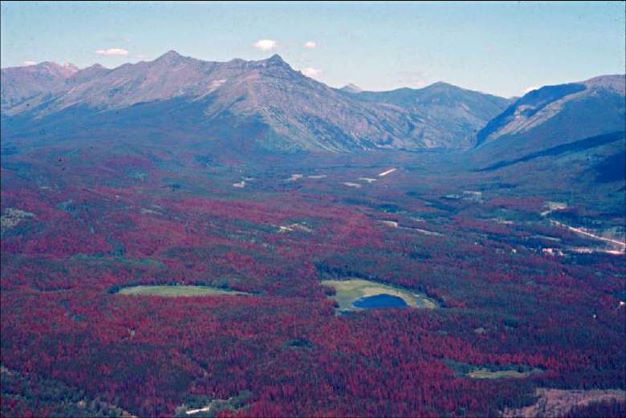
lodgepole pines killed by mountain pine beetle in British Columbia; photo courtesy of Wikipedia
Natural systems, especially forests, could provide as much as 37% of the near-term mitigation necessary to meet Paris global climate goals. In the US, conservation, restoration, and improved land management could provide carbon sequestration equivalent to an estimated 21% of current net annual emissions.
However, the current U.S. forest carbon sink, which includes soils and standing and downed wood as well as live trees, might be in jeopardy due to increasing levels of disturbance, conversion, and/or declining sequestration rates in old growth stands.
Insects and plant diseases are one such disturbance agent. Acting alone or in combination with other forest stressors, they can damage or kill large numbers of trees in short periods of time, thereby reducing carbon sequestration and increasing emissions of stored carbon through decomposition of wood in dead or injured trees.
Historically, native and introduced insects and diseases have impacted an estimated 15% of the total U.S. forest cover annually. This impact is likely to increase. One study (Feiet al., 2019) found that an estimated 41% of the live forest biomass in the contiguous U.S. could be impacted by the 15 most damaging introduced pests already established in the U.S. Continuing introductions of new pests and exacerbated effects of native pests associated with climate change portend worsening losses of live trees. These rising impact of pests, combined with more frequent and severe fires and other forest disturbances, are likely to negate efforts to improve forests’ carbon sequestration capacity.
Sources of information about introduced pests’ impacts is available from, inter alia Campbell and Schlarbaum Fading Forests II and III, Lovett et al 2016, Poland et al. 2021, many blogs on this site, and pests’ profiles posed here under “invasive species” tab. Chapter 4 of Poland et al. (2021) provides a summary of what is known about interactions between invasive species and climate change – both climate impacts on bioinvaders and bioinvaders’ effect on carbon sequestration.
The United States and other major polluting countries have certain advantages. Their strong economies have the scientific and financial resources needed to implement effective invasive species prevention and forest management strategies. At the same time, many of them receive the most new forest pests – because they are major importers. These introduced pests pose the most serious and urgent near-term ecological threat to their forests and all the ecosystem services forests provide.
So, reducing insect and disease impacts to forests can simultaneously serve several goals—carbon sequestration, biodiversity conservation, and protecting the myriad economic and societal benefits of forests. See the recent IUCN report on threatened tree species.
A Major New Study
A new study by Quirion et al. (2021) takes another step in quantifying the threat to U.S. forests’ ability to sequester carbon by analyzing data from National Forest Inventory plots. Unfortunately, the re-measurement data for the period 2001 – 2019 are not available in the NFI for the Rocky Mountain states, which represents a critical data gap in the NFI program. This gap might not have had a significant impact on the national findings, however, because while the insect damage level (measured by an earlier inventory round) was quite severe in the Rocky Mountain States, the relatively slow growth of trees in that region means carbon sequestration rates are low.
Forest stand productivity – and carbon sequestration — will typically decline immediately after pest outbreaks, then recover or even increase beyond pre-outbreak levels depending on the productivity and maximum achieved biomass of replacement plant species and related soil characteristics. However, when prevalence of the disturbance increases, by, for example, more frequent pest outbreaks, carbon stocks in standing trees and sequestration rates can be reduced for extended periods.
Findings
Nationally, insects and diseases have decreased carbon sequestration by live trees on forest land by 12.83 teragrams carbon per year. This equals ~ 9% of the contiguous states’ total annual forest carbon sequestration and equivalent to the CO2 emissions from over 10 million passenger vehicles driven for one year.
This estimate includes the impacts of both native and introduced insects and diseases, because the NFI database does not distinguish between them.
Insect-caused mortality had a larger impact than disease-caused mortality (see below). Forest plots recently impacted by insect disturbance sequestered on average 69% less carbon in live trees than plots with no recent disturbance. Plots recently impacted by disease disturbance sequestered on average 28% less carbon in live trees than plots with no recent disturbance.
Ecoprovinces in which the greatest annual reductions in live tree carbon sequestration due to pests were the Southern Rocky Mountain Steppe, Cascade Mixed Forest, Midwest Broadleaf Forest, and Laurentian Mixed Forest. (Ecoprovinces are outlined – but not named – in Quirion et al. 2021; more complete information is provided in the supplementary material.)
If this study had been carried out in the 1920’s, when chestnut blight and white pine blister rust were spreading across vast areas and killing large trees, the impact of diseases would have been much higher. Today, the most widespread impacts of diseases are on either small trees (e.g., redbay succumbing to laurel wilt) or slow-growing, high-elevation trees (e.g., whitebark and limber pine to white pine blister rust). As long as no equivalents of those earlier diseases are introduced, insects will probably continue to have the larger impacts.
western white pine killed by blister rust; photo from National Archives
Quirion et al. 2021 note that their estimates should be considered conservative. The USFS’s inventory records only major disturbances. That is, when mortality or damage is equal to or exceeds 25% of trees or 50% of an individual tree species’ count on an area of at least 0.4 ha. This criterion largely excludes less severe pest disturbances, including those from which trees recover but which might have temporary negative effects on carbon sequestration.
The study’s authors note that their work has important limitations. The dearth of data from the Rocky Mountain states is one. Other factors not considered include transfers of carbon from live biomass to dead organic matter, soils, and salvaged or preemptively harvested wood products. As trees die from pests or diseases, their carbon becomes dead wood and decays slowly, producing a lag in the carbon emissions to the atmosphere. A small fraction of the carbon in dead wood might be incorporated into soil organic matter, further delaying the emissions. A full accounting of the carbon consequences of pests and diseases would require assessment of these lags, probably through a modeling study.
affects of mountan pine beetle on lodgepole pine in Rocky Mountain National Park, Colorado photo from Wikimedia
Actions to Maintain Carbon Sequestration
Quirion et al. (2021) outline several actions that would help protect the ability of America’s forests to sequester carbon. These suggestions address both native and introduced pests, since both contribute to the threatened reduction in capacity.
Concerning native pests, the authors call for improved forest management, but warn that measures must be tailored to species and environmental context.
Concerning introduced insects and pathogens, Quirion et al. (2021) call for strengthening international trade policies and phytosanitary standards, as well as their enforcement. The focus should be on the principal pathways: wood packaging (click on “wood packaging” category for on this blog site) and imported plants (click on “plants as vectors” category for on this blog site). Specific steps to reduce the rate of introduction of wood-boring insects include enforcement to increase compliance with the international treatment standard (ISPM#15), requiring trade partners – especially those which have repeatedly shipped infested packaging – to switch to packaging made from alternative materials. Introductions via the plant trade could be reduced by requiring foreign shippers to employ integrated management and critical control point systems (per criteria set by the U.S.) and using emergency powers (e.g., NAPPRA) to further restrict imports of the plants associated with the highest pest risk, especially plant species that are congeneric with native woody plants in North America. See Lovett et al 2016; Fading Forests II & III
As backup, since even the most stringent prevention and enforcement will not eliminate all risk, the authors urge increased funding for and research into improved inspection, early detection of new outbreaks, and strategic rapid response to newly detected incursions.
To reduce impacts of pests established on the continent – both recently and years ago – they recommend increasing and stabilizing dedicated funding for classical biocontrol, research into technologies such as sterile-insect release and gene drive, and host resistance breeding.
Thinning is useful in reducing damage by native bark beetles to conifers. However, it has not been successful in controlling introduced pests for which trees do not have an evolved resistance. Indeed, preemptive harvesting of susceptible species can harm forest ecosystems directly through impacts of the harvesting operation and indirectly as individual trees that may exhibit resistance are removed, reducing the species’ ability to develop resistance over time.
Further research is needed to clarify several more issues, including whether introduced pests’ impacts are additive to, or interact with, those of native species and/or other forest stressors.
SOURCE
Quirion BR, Domke GM, Walters BF, Lovett GM, Fargione JE, Greenwood L, Serbesoff-King K, Randall JM & Fei S (2021) P&P Disturbances Correlate With Reduced Carbon Sequestration in Forests of the Contiguous US. Front. For. Glob. Change 4:716582. [Volume 4 | Article 716582] doi: 10.3389/ffgc.2021.716582
SOURCES of additional information
Campbell, F.T. and S.E. Schlarbaum. Fading Forest reports at http://treeimprovement.utk.edu/FadingForests.htm
Lovett, G.M., M. Weiss, A.M. Liebhold, T.P. Holmes, B. Leung, K.F. Lambert, D.A. Orwig, F.T. Campbell, J. Rosenthal, D.G. McCullough, R. Wildova, M.P. Ayres, C.D. Canham, D.R. Foster, S.L. Ladeau, and T. Weldy. 2016. Nonnative forest insects and pathogens in the United States: Impacts and policy options. Ecological Applications, 26(5), 2016, pp. 1437-1455
Poland, T.M., Patel-Weynand, T., Finch, D., Miniat, C. F., and Lopez, V. (Eds) (2019), Invasive Species in Forests and Grasslands of the United States: A Comprehensive Science Synthesis for the United States Forest Sector. Springer Verlag. Available for download at no cost at https://www.fs.usda.gov/treesearch/pubs/61982
Posted by Faith Campbell
We welcome comments that supplement or correct factual information, suggest new approaches, or promote thoughtful consideration. We post comments that disagree with us — but not those we judge to be not civil or inflammatory.
For a detailed discussion of the policies and practices that have allowed these pests to enter and spread – and that do not promote effective restoration strategies – review the Fading Forests report at http://treeimprovement.utk.edu/FadingForests.htm
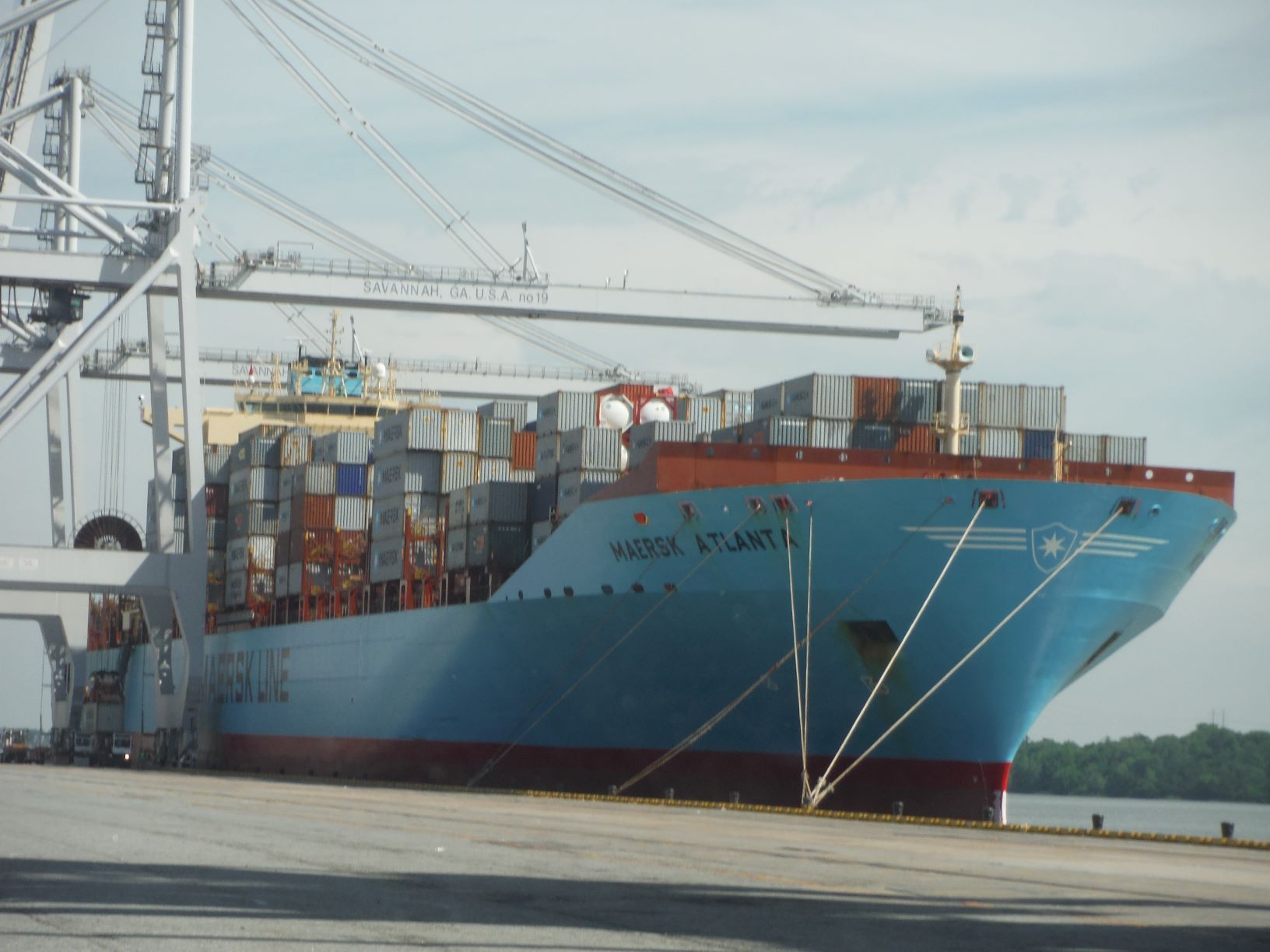
container ship at Savannah; photo by F.T. Campbell
I have blogged for a year about record-breaking volumes of imports reaching our ports from Asia … so now the media & politicians are aware of these issues! Oh, well …
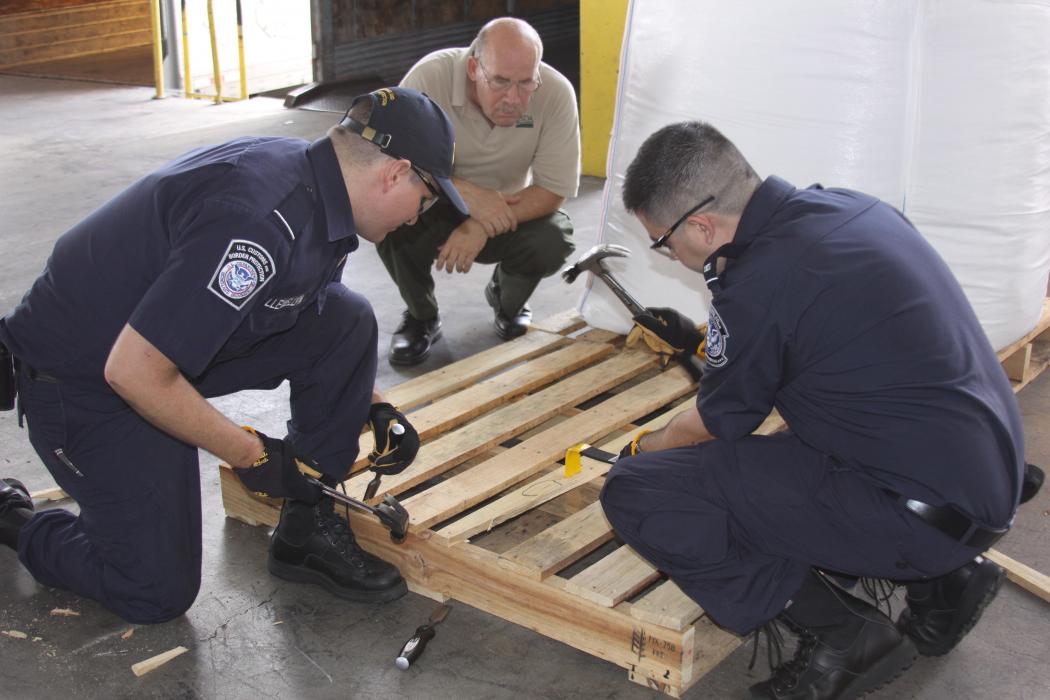
The traffic jam continues … ports are being pressured to expand their hours of operation … I hope DHS Bureau of Customs and Border Protection (CBP) is keeping up & doing its best to detect & penalize shipments in which the wood packaging violates ISPM#15. I hope CBP is not under pressure from inside the Administration to “expedite” inspections.
Remember, Asia is the origin of many of the most damaging forest pests – e.g., Asian longhorned beetle, emerald ash borer, redbay ambrosia beetle, phytophagous and Kuroshia shot hole borers (for profiles of each visit here). Indeed, 15 of 16 non-native Xyleborini detected in the United States since 2000 are from Asia (Bob Rabaglia, USFS Forest Health Protection, presentation at IUFRO meeting in Prague, September 2021).
Reports of continuing backups:
US containerized imports from Asia totaled almost 1.6 million TEU in September, meaning every month this year has seen imports average almost 20% higher than the historical monthly average of about 1.3 million TEU. Asian imports in September were 13.8% higher than in pre-COVID September 2019. Before imports from Asia surged in the second half of 2020, imports exceeded 1.59 million TEU only once, in October 2018. Now that is the average monthly volume. Shipping and logistics experts expect port-related congestion problems they have experienced all year will continue well into 2022 (Mongelluzzo, October 13, 2021).
Major ports — Los Angeles-Long Beach, Oakland, the Northwest Seaport Alliance of Seattle and Tacoma, Savannah, and New York-New Jersey — have experienced vessel bunching, congested marine terminals, intermodal rail logjams that backed up to the ports from inland rail hubs, and shortages of chassis and labor throughout the transportation supply chain. Vessels at anchor of LA-LB peaked in mid-September at 73 and have remained in the range of 58 to 70 since then (Mongelluzzo, October 13, 2021).
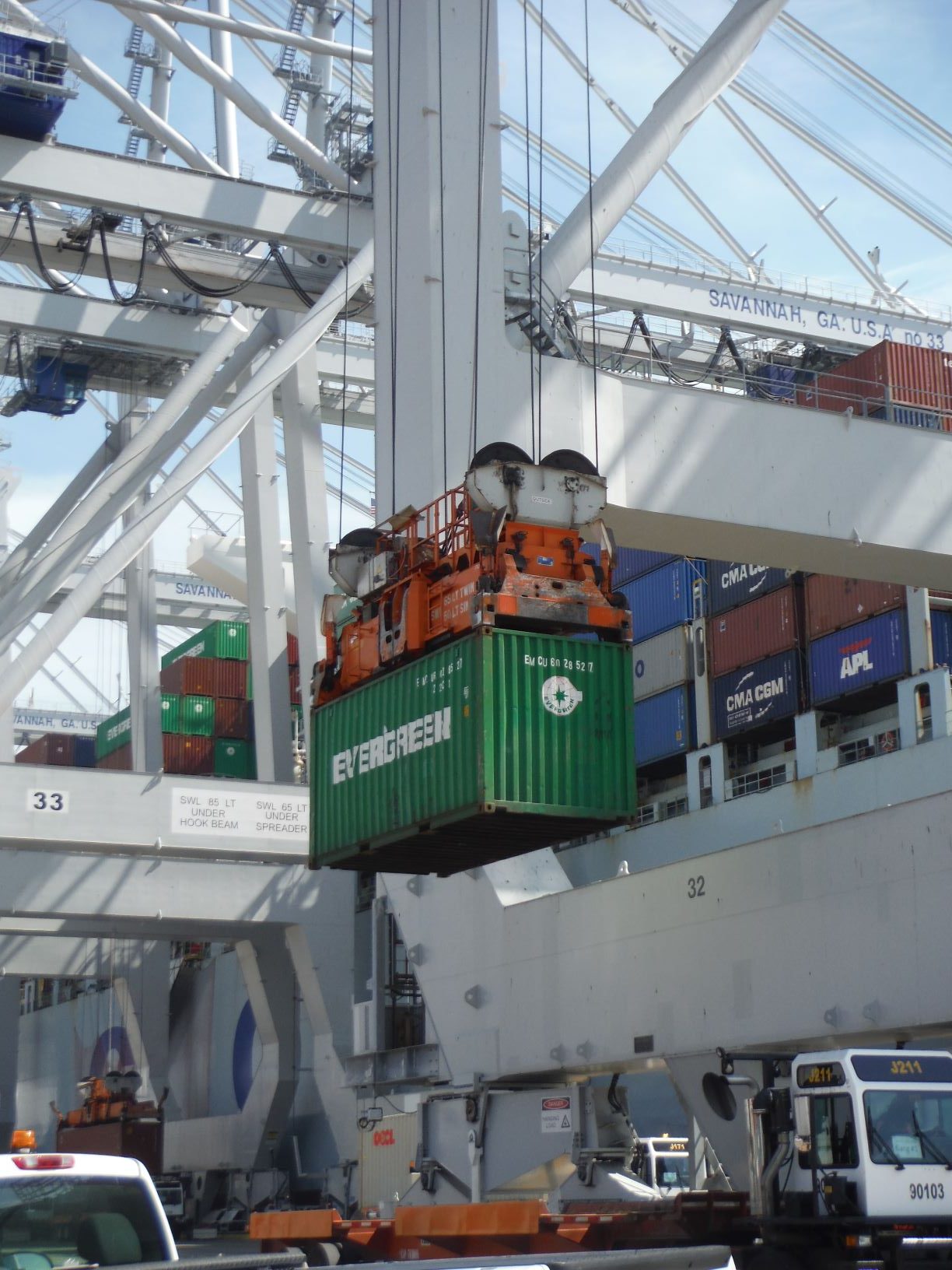
off-loading a container at Port of Savannah; photo by F.T. Campbell
On the other side of the country, at Savannah, imports of cargo-laden containers were 27% higher than in September 2019. Congestion meant that 22 to 27 vessels have been anchored per day awaiting a berth since the first of September. At one point, dwell times for import containers in the port rose to 12 days; this figure has since fallen to 8.4 days. The number of containers sitting at the terminal for more than 21 days has also fallen, from more than 4,000 containers in September to 2,200 now. This congestion results from the rising import volumes from Asia; some shippers are avoiding the California ports. Import volumes from Europe have been flat compared to 2019 – at 1.6 million TEU in the first seven months of 2021. One result is that carriers are now switching to Charleston (Knowler and Ashe, October 14, 2021).
I expect that the rising volume of imports from Asia presents rising opportunities for forest pests (and other invaders) to reach our shores. I hope Department of Agriculture researchers are tracking whether inspectors are now detecting higher numbers of pests in incoming wood packaging and plants. I hope they are also preparing to track detections of pest outbreaks over the next decade to see whether more Asian insects and pathogens become established as a result of the presumably higher propagule pressure.
SOURCES
Knowler, G. and A. Ashe. October 14, 2021. Trans-Atlantic carriers diverting from congested Savannah to Charleston.
We welcome comments that supplement or correct factual information, suggest new approaches, or promote thoughtful consideration. We post comments that disagree with us — but not those we judge to be not civil or inflammatory.
For a detailed discussion of the policies and practices that have allowed these pests to enter and spread – and that do not promote effective restoration strategies – review the Fading Forests report at http://treeimprovement.utk.edu/FadingForests.htm
Volumes of imports continue to rise and enter the U.S. at a wider range of ports. Also, imports continue to arrive with insects in their wood packaging. The international policy intended to fix this problem is not working. It is vital to resolve this issue.
Insects in Wood Packaging
Over the ten-month period October 2020 through June 2021, Customs and Border Protection (CBP) interceptions were typical, according to Kevin Harriger, of the Department of Homeland Security, CBP. In a good sign, the number of infested shipments is 4.5% lower than the same period of the previous year. CBP inspectors found 1,563 shipments with non-compliant wood packaging. Three quarters, or1,148 shipments, lacked the required ISPM#15 stamp. A pest was found in 415 shipments (26%). Nearly three-quarters of the shipments (72% or 1,119 shipments) were carrying miscellaneous cargo. The leading pest family was Cerambycids. There were fewer Buprestids than in previous years, but more Siricids. (Reference at the end of the blog.)
Government View vs. Industry View
CBP assessed liquidated damages (a penalty related to the value of the cargo associated with the wood packaging; legal process explained here) on 654 cases (42% of the violations). These penalties totaled about $541,000 (Harriger). In response to industry objections, Harriger suggests that importers “know before you go” and work with the National Plant Protection Organization (NPPO; phytosanitary agency) of exporting countries so as to avoid interception-related delays.
At a separate webinar sponsored by IHS Markit (Journal of Commerce), an APHIS representative (Tyrone Jones, Trade Director-Forestry Products) said that in his view, ISPM#15 is working because less than 1% of wood packaging was non-compliant. Jones conceded that given the huge quantities of wood packaging in use, even a small infestation rate can result in a non-trivial amount of non-compliant wood. Jones also noted that APHIS has co-hosted workshops with Asian and Central/South American phytosanitary officials to improve their implementation of ISPM#15. The official process calls for the U.S. National Plant Protection Organization (NPPO; APHIS) to inform the foreign NPPO of problems and ask that agency to investigate and bring about a solution. Jones said the U.S. has received feedback from the exporting countries. In one case – apparently in China – APHIS got more directly involved –although how it did so is unclear. You may listen to the webinar by going here. Listening is without cost, but you must register at the site.
dunnage on a dock
However, as the previous guest blog by Gary Lovett and Diana Davila makes clear, importers are frustrated. They insist that even when they exercise great care in obtaining dunnage, the system is not working. I have blogged previously about the need for government to help importers obtain information that would facilitate compliance (go to “wood packaging” category on this blog site). Jones said APHIS could not provide lists of dunnage suppliers with records of non-compliance.
America needs to ensure that pests are not introduced while trade continues. Furthermore, it is a matter of fairness. U.S. importers are trying but are stymied by the process. For these reasons, the Center for Invasive Species Prevention applauds the initiative of Houston importers to engage players in the supply chain in new approaches. We wish them success!
Issue is International
Concern about the impact of these pest detections – and resulting disruption of cargo shipments – is international. According to an article in the Maritime Executive, five international freight transport organizations under auspices of the World Shipping Counsel in the Cargo Integrity Group are pushing the International Plant Protection Convention (IPPC) to work with them to focus mandatory measures on known high-risk areas and cargoes.
Import Volumes Rising
Meanwhile, volumes of imports continue to rise substantially to meet booming consumer demand – with concomitant risk. Also, imports enter at a wider range of ports. The following data refer to containerized cargo, which is associated with crates and pallets. While the form of wood packaging differs from the dunnage used for the break-bulk cargo which has been the problem in Houston, the issues are the same.
The Southern California port complex (Los Angeles/Long Beach) expects a 10% growth in container volumes this year – to more than 19 million TEU [a standardized measurement equivalent to a 20-foot long container] (Angell 5 August 2021). A few weeks later, this figure was raised to 20 million TEU (Mongelluzo, September 3, 2021). The Seattle-Takoma port complex has received 12.9% more containers from Asia this year than during the same period in 2019. Oakland has received 17.8% more (Mongelluzo August 24, 2021).
In the East, the port of Savannah moved 5.3 million TEU in the fiscal year ended June 30, an 18% increase over the same period in 2018–19 (before the COVID-19 pandemic upset import volumes). In expectation of further growth in volume, the Port of Savannah is creating additional container storage capacity; it aims to reach 7.5 million TEU by mid-2023 (Ashe 26 July 2021). The Port Authority of Virginia has voted to dredge its main channel which would make the port the deepest on the East Coast (surpassing Charleston) and allow greater access to larger ships coming from Southeast Asia. Virginia’s four container terminals currently handle 4.8 million TEU, collectively. We – federal taxpayers – are paying for these port expansions and associated risks of introduction of wood-boring pests, Asian tussock moths, and aquatic invaders.
Congress Paying to Expand Ports
The bipartisan infrastructure bill now pending in Congress contains $11.8 billion in new federal funding over the next five years to expand and improve ports and inland waterways (Szakonyi August 3, 2021). For example, funding for a portion of the dredging planned by the Port Authority of Virginia is included in this bill.
If adopted, the bill [§40804(b)(6)] also would provide $200 million for invasive species detection, prevention, and eradication, including conducting research and providing resources to facilitate detection of invasive species at points of entry. The funding is divided equally between the departments of Interior and Agriculture. Agencies will need these funds to address the plant pests (to say nothing of aquatic invaders) that arrive at these expanded ports!
Lymantria monacha 1 Novlinder, Saxafraga -Ab H Bass
Asian Gypsy Tussock Moths – Improved Detection Rates Result from Better Targetting
Another threat to America’s forests is the arrival of tussock moths from Asia. Kevin Harriger told the National Plant Board that CBP has improved its targetting of ships coming from Asia, based on flight dates, proximity of specific loading docks to forested areas, and other factors. Since 2018, CBP has detected moth egg masses on 177 ships. This equals an approach rate of 12.5% – much higher than the historical moth approach rate of 1%. Ships detected to be transporting moths must leave U.S. or Canadian waters and be cleaned. CBP is now searching vessels more intensely during re-inspection– and finding additional egg masses that had been missed. Thanks to the better targetting data, APHIS, CBP and state officials are aware of the approach of suspect vessels before they arrive.
Haack, R.A., Britton, K.O., Brockerhoff, E.G., Cavey, J.F., Garrett, L.J., et al. 2014. Effectiveness of the International Phytosanitary Standard ISPM No. 15 on Reducing Wood Borer Infestation Rates in Wood Packaging Material Entering the United States. PLoS ONE 9(5): e96611. doi:10.1371/journal.pone.0096611
Jones, J.T, USDA APHIS during JOC webinar, 19 August, 2021
We welcome comments that supplement or correct factual information, suggest new approaches, or promote thoughtful consideration. We post comments that disagree with us — but not those we judge to be not civil or inflammatory.
For a detailed discussion of the policies and practices that have allowed these pests to enter and spread – and that do not promote effective restoration strategies – review the Fading Forests report at http://treeimprovement.utk.edu/FadingForests.htm
A guest blog written by Gary Lovett, Cary Institute of Ecosystem Studies; and Diana Davila, UTC Overseas, Inc.
Gary Lovett died suddenly in December 2022. The future of this initiative is unclear.
Importers are learning that relying on the ISPM#15 mark to ensure that solid wood packaging material is pest-free can be a costly mistake. We propose a private sector solution for keeping insect pests out of wood packaging material and dunnage used in international trade. This voluntary program will supplement ISPM#15 procedures, and implementing it will require cooperation from U.S. government agencies.
dunnage left on the deck of Pan Jasmine after earlier off-loading of cargo; intercepted by CBP at Port of New Orleans; CBP photo
Readers of this series of blogs are well aware that international trade using solid wood packaging material (WPM) such as pallets, crates and dunnage can transport wood-boring insects into the U.S., and that these pests are one of the biggest threats to forest health in this country. The international regulation known as ISPM#15 (International Sanitary and Phytosanitary Measures #15), adopted by the U.S. in 2006, was supposed to solve this problem by mandating treatment of WPM to kill embedded insects through heat, fumigation, or other approved treatments. Treated wood is marked with an official stamp. Research has shown that this has only been partially effective, and the U.S. regularly receives WPM that is marked as having been treated, but is nonetheless infested with insects. This can occur either because the treatments are not 100% effective, or because they were improperly applied- or not applied at all, and the wood is fraudulently marked- by our trading partners.
This is a big problem not only for our forests, but for shippers and importers as well. Importers purchase wood and dunnage marked with the ISPM#15 stamp expecting it to be pest-free, but Customs and Border Protection (CBP) inspectors at ports often find insects in the wood. In an average year, CBP finds insect infestations in WPM in about 700 incoming shipments. Depending on the type of insect, this can result in a large fine for the importer or shipper (up to the value of the cargo) and they could also be required to re-export the infested cargo immediately. The re-exportation can be especially costly if an entire ship needs to be turned around and sent elsewhere because of infested WPM on board. In a recent example (see photo above), the Pan Jasmine, a 590-foot, Panamanian-flagged vessel, was found by CBP on July 17, 2021 to have infested dunnage on board and was turned around before it could dock at the Port of New Orleans (see photo above). These episodes often cost importers hundreds of thousands of dollars each time they happen, and in some cases the total cost for a single incident can be in the millions of dollars.
Cerambycid larva found in dunnage from Pan Jasmine; photo by A. Cunningham, USDA APHIS
Importers are learning that relying on the ISPM#15 mark to ensure that WPM is pest-free can be a costly mistake. To try to address this problem, a coalition of shippers that use the Port of Houston established a committee to investigate the issue and try to come up with solutions. The committee, called the Houston WPM and Dunnage Coalition, includes a core group that includes the two of us plus Peter Svensson of Clipper Americas and Richard Brazzale of Lake Shore Associates. The full group includes representatives of several other shipping companies, and we also work with staff from the USDA Animal and Plant Health Inspection Service (APHIS) and CBP.
We suggest a new approach by which importers can help prevent insect infestations of their WPM. Importers routinely use international inspection companies to check merchandise before it is shipped. Working at the loading port, these companies make sure that the cargo is what was ordered and that it is in good condition. There are several large international inspection companies that provide this service to importers for a fee. If the inspectors could be trained to also check for signs of insect infestation in the WPM, the problem could be addressed prior to shipment, reducing the risk of fines and re-exportation when the cargo reaches the U.S. We have spoken with several inspection companies that are eager to provide this service, and we believe that many shippers and importers will conclude that these pre-loading inspections can save them money by avoiding the high risk of fines and re-exportation.
To move forward with this program, inspection companies need to have their personnel trained to spot pest infestations in WPM. CBP has the most experience in this, and we hope they will agree to offer training sessions, or at least provide training material. We also believe that importers and shippers would benefit from creating an organization to oversee the program, certify inspectors and collect information on reliable producers of pest-free WPM. We hope a pilot program can be started within the next year, and that a full program can be ramped up after that. While we are proposing this for cargo bound for the U.S., the system is in concept applicable to cargo moving anywhere in the world. And while we focus on insects in WPM, the same approach could be used to inspect for other invasive species; for instance, seeds on the floor of a shipping container or insect egg masses on containers or cargo.
evidence of insect damage to dunnage on Pan Jasmine; CBP photo
This program offers a private-sector solution to the problem of infested WPM, and represents the first step being sought within the industry to mitigate the risk of pests arriving to the U.S., and the loss of confidence in the ISPM#15 certification being provided by WPM manufacturers. Other possible measures will be discussed in a subsequent blog post. The program would supplement, not replace, ISPM#15 regulations, and importers would still be required to use ISPM#15 compliant WPM. However, this program would reduce companies’ reliance on the ISPM#15 system, which has proven undependable. Developing this system for international shipments of WPM would provide a win-win—good for shippers and importers, and good for forests around the world.
[For Faith Campbell’s blogs on this topic, click on the category “wood packaging,” which is found below the monthly list of blogs on this site.]