Scientists Document Alarming Declines in Insects

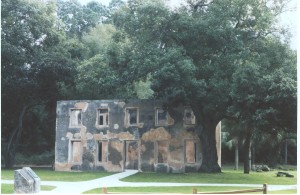
Luquillo Forest in Puerto Rico

While I usually blog about insects (and plant pathogens) that have invaded new ecosystems and are killing native plant species, I am aware that insects are numerous and vitally important components of the ecosystems in which they evolved. I join others in noting with concern evidence that insect populations in wide-apart areas have declined at very high rates. Insects appear to be affected by the Sixth Extinction Event (concept described here and here) as much as or possibly more than various vertebrate and plant taxonomic groups.

The Zoological Society of London and World Wildlife Fund published this week the 2016 version of the Living Planet report. Based on an analysis of 3,700 vertebrate species (birds, fish, mammals, amphibians and reptiles), the authors concluded that global wildlife populations have fallen by 58% since 1970 (Morelle; see references at the end of the blog).

Dirzo et al. in 2014 provided a very interesting discussion of the impacts of species’ declines in numbers and local extinctions – short of complete extinction. They asserted that “declines in numbers of individuals in local populations and changes in the composition of species in a community will generally cause greater impacts on ecosystem function than global extinctions. Dirzo et al. noted the importance of invertebrates, especially insects, in ecosystem functioning. They stated that the smaller fauna – including insects – “arguably are more functionally important” than charismatic megafauna and called for improved monitoring and study of such taxa, particularly invertebrates,

In their study, Dirzo et al. estimated that, since 1970, Lepidoptera – an order containing many important pollinators – had declined 35% in abundance globally over 40 years. Declines of other insect orders were considerably more. One study they cited found an overall 45% decline for all invertebrate populations over 35 years. More recent studies find decline rates that considerably exceed the estimated decline of 58% in global abundance of wild vertebrates over a 42-year period (Morelle; Hallmann et al.)

A year ago, Hallmann et al. reported a 76% decline in the biomass of flying insects over a 27-year period in Germany. There were seasonal variations; in midsummer, when insect biomass is highest, the decline was 82%. The study was carried out in nature protection areas – that is, places set aside and protected to conserve biological diversity. Hallmann et al. predict cascading effects on food webs and jeopardy to ecosystem services, including pollination, herbivory and breakdown of detritus, nutrient cycling and providing a food source for higher trophic levels such as birds, mammals and amphibians.

Hallmann et al. said that changes in weather, land use, and habitat characteristics could not explain this overall decline. Declines occurred in both nutrient-poor habitat types (e.g., heathlands, sandy grasslands, and dunes) and nutrient-rich habitats (grasslands, margins and wasteland), as well as in pioneer and shrub communities.

Another of the few studies looking at insects broadly, a study of flying insect biomass in the United Kingdom, found a biomass decline at only one of the four sites. Hallmann et al. note that the British researchers used considerably different sampling methods that targetted primarily high-flying insects (and caught mostly members of one fly family) whereas their own Malaise traps caught  insects flying close to the ground and a much wider diversity of taxa.

Taxon-specific studies have also found severe declines in insect populations.

Hallmann et al. concluded that the scale of decline in insect biomass – throughout the growing season, and irrespective of habitat type or landscape configuration – suggest that large-scale factors must be involved. As noted, their data did not support either landscape changes or climate change as explanatory factors – although they admit that they did not exhaustively analyze the full range of climatic variables that could potentially impact insect biomass. Hallmann et al. did think that agricultural intensification (e.g. pesticide usage, year-round tillage, increased use of fertilizers and frequency of agronomic measures) was a plausible cause of insect biomass decline given the reserves’ limited size in typically fragmented western-European landscapes. The noted that the protected areas might serve as insect sources which might be counterbalanced by the surrounding agricultural fields, which might act as sinks or ecological traps.

While Hallman et al. did not specify the types of pesticides being used by the German farmers operating near their study areas, in recent years there has been growing concern about widespread use of neonicotenoids, which appear to pose a threat to bees and possibly other insects. Three sources of information are the European Food Safety Agency; Xerxes Society; and petition pertaining to regulation of seeds treated by neonicotenoids submitted by the Center for Food Safety.

This month, Bradford Lister and Andrés García published a study that compared numbers of the insects and insectivores (birds, frogs, lizards) in Puerto Rico’s tropical rainforest in 2012 to results of Lister’s studies there in 1976 and 1977. Overall arthropod biomass in Puerto Rico’s Luquillo rainforest fell 10 to 60 times since 1970s (Lister and Garcia). Numbers of insects in the vegetation collected by sweep nets decreased to a fourth or an eighth of what they had been. The catch rate of ground-dwelling arthropods caught in sticky traps fell 60-fold (Guarino).

Lister and Garcia attribute the crash in arthropod numbers to climate change, especially rising maximum temperatures. They note that over the same 40-year period, the average high temperature in the rainforest increased by 4 degrees Fahrenheit (2oC). Lister and Garcia cite several studies indicating that tropical invertebrates are adapted to a narrow band of temperatures.

Lister and Garcia also measured declines among insect-feeding vertebrates. The biomass of anole lizards dropped by more than 30%. Some anole species disappeared from the interior forest (Guarino). Declines in number of coqui frogs (Eleutherodactylus spp) began in the 1970s. Currently, three of 16 species are extinct, and the remaining 13 species are classified in some category of endangered or threatened. Disease caused by the fungus Batrachochytrium dendrobatidis is not a factor at the elevations where study done.

Anolis gundlachi; photo by Joe King

Citing data from other researchers, Lister and Garcia report that numbers of insectivorous birds captured in mist nets fell 53% between 1990 and 2005.

Lister and Garcia sought to explain why there were simultaneous, long-term declines in arthropods, lizards, frogs, and birds over the past four decades in the relatively undisturbed rainforests of northeastern Puerto Rico. They concluded that climate warming has been a major factor driving reductions in arthropod abundance, and that these declines have in turn precipitated decreases in forest insectivores in a classic bottom-up cascade.

As supporting evidence, Lister and Garcia cite

(1) Declines across varied species and communities that occurred in parallel with rising temperatures.

(2) Simultaneous declines of all arthropod taxa in their own and others’ studies – pointing to an overriding environmental factor that has had ubiquitous, adverse effects on forest arthropods regardless of taxonomic affiliation, stratum occupied, or type of niche exploited.

(3) Declines in arthropod abundance that occurred despite major decreases in their predators – and, presumably, reduced predatory pressure..

Lister and Garcia note that there have been almost no significant human perturbations in the Luquillo forest since the 1930s, and that pesticide use in Puerto Rico fell nearly 80% over the past 40 years with the decrease in agricultural activity on the island. Some of the insect trend data came from studies carried out in the Luquillo Long Term Ecological Study site.

Lister and Garcia say that major weather perturbations have also had an impact. Over the 36-year time span, there have been five major hurricanes and eight severe droughts. They note that the island’s vegetation regenerated rapidly after hurricanes Hugo and Maria; insect populations regenerated rapidly after Hurricane Georges.  La Niña episodes led to an immediate increase in the abundance of canopy invertebrates, whereas El Niño episodes caused declines.

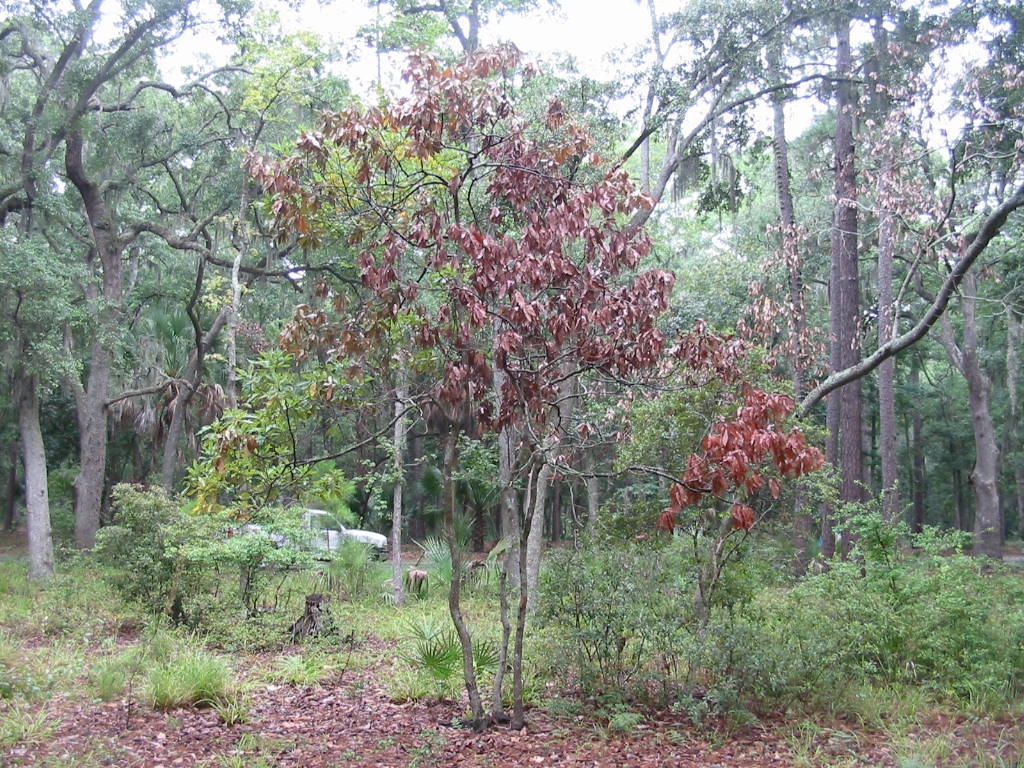
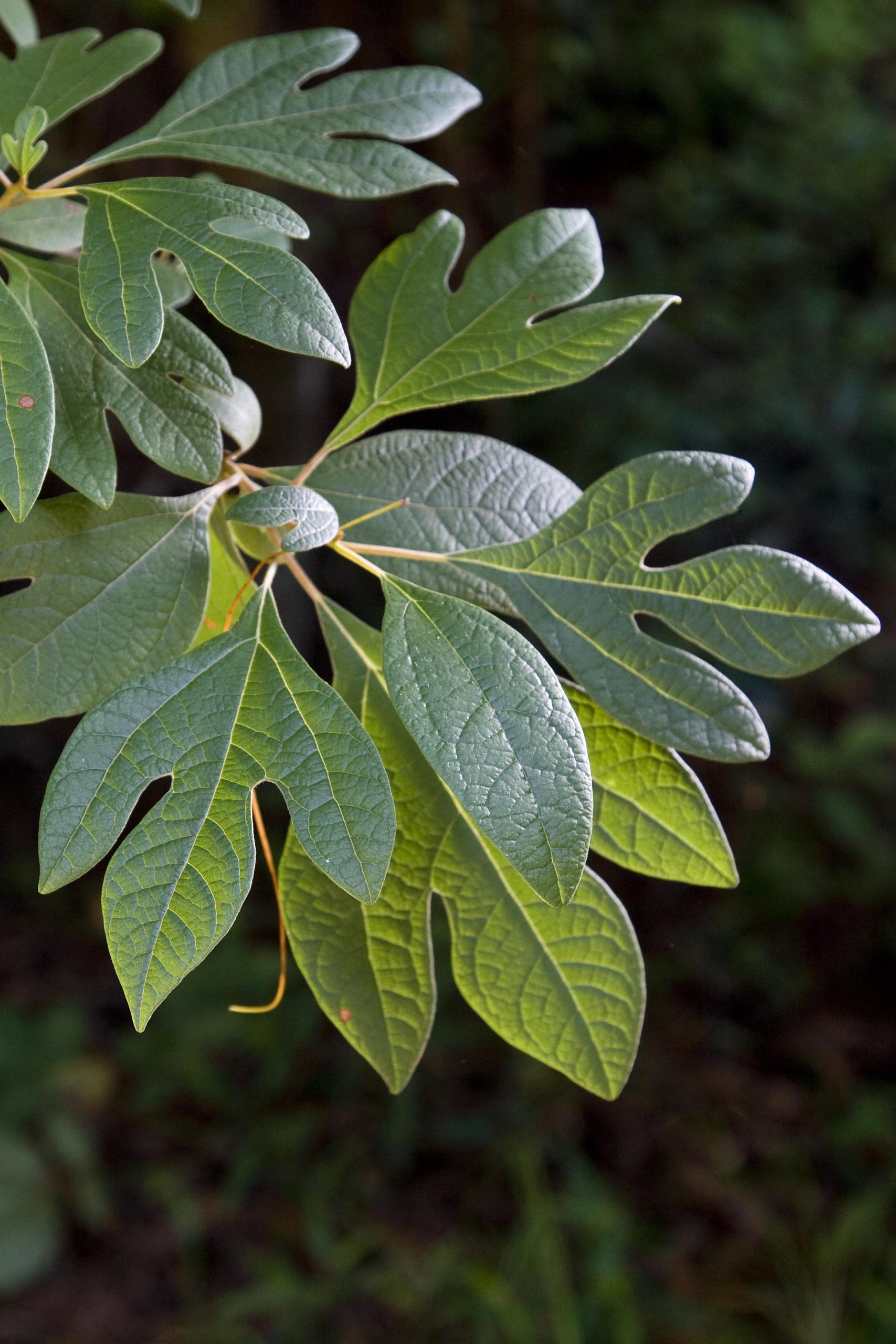
Of course, some insects are under threat from loss of their primary food plants to invasive species.  I note particularly the Palamedes swallowtail butterfly (Papilio palamedes), which depends on redbay and swamp bay, and an estimated 21 species of North American butterflies and moths believed to specialists or largely dependent on ash.

Palamedes swallowtail; photo by Vincent P. Lucas


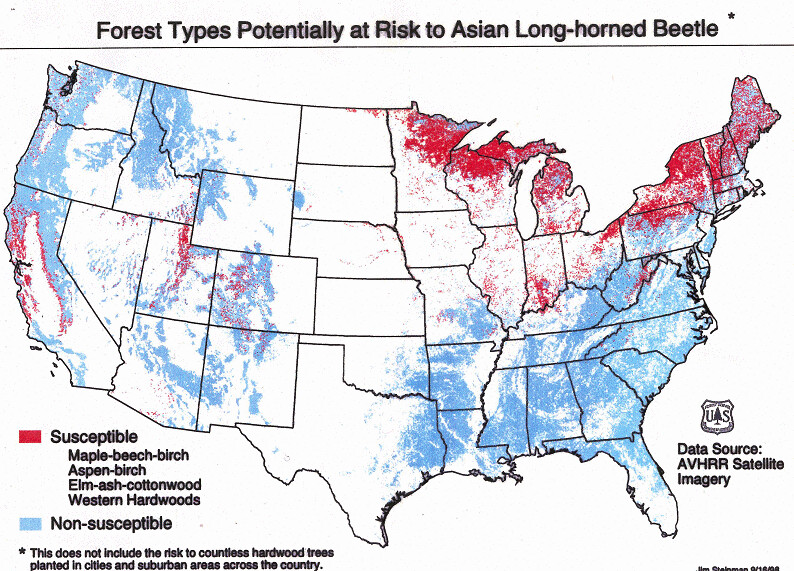
In some cases, e.g., hemlock woolly adelgid and Asian longhorned beetle, neonicotenoids, specifically imidacloprid, is an essential tool to controlling a tree-killing invasive insect.


We welcome comments that supplement or correct factual information, suggest new approaches, or promote thoughtful consideration. We post comments that disagree with us — but not those we judge to be not civil or inflammatory.

SOURCES

Dirzo, R., H.S. Young, M. Galetti, G. Ceballos, N.J. B. Isaac, B. Collen. 2014. Defaunation in the Anthropocene. Science 345, 401

Guarino, B. 2018. ‘Hyperalarming’ study shows massive insect loss. 2018. The Washington Post October 15 2018

Hallmann CA, Sorg M, Jongejans E, Siepel H, Hofland N, Schwan H, et al. 2017. More than 75 percent decline over 27 years in total flying insect biomass in protected areas. PLoS ONE 12 (10): e0185809. https://doi.org/10.1371/journal. pone.0185809

Lister, B.C. and A. Garcia. 2018. Climate-driven declines in arthropod abundance restructure a rainforest food web. Proceedings of the National Academy of Sciences. http://www.pnas.org/content/early/2018/10/09/1722477115

Morelle, R. Science Correspondent, BBC News. 2018. World wildlife ‘falls by 58% in 40 years’ https://www.bbc.com/news/science-environment-37775622


South Africa’s unique flora put at risk by polyphagous shot hole borer

The polyphagous shothole borer (PSHB) and its fungal symbiont Fusarium euwallaceae are killing trees in South Africa as well as in California.

File:Erythrina humeana, blomme, Manie vd Schijff BT, b.jpg

Erythrina humeana in the Manie van der Schijff Botanical Garden, Pretoria

The pest complex’s presence was detected in August 2017 through an international sentinel tree program – the first detection of a tree pest under the program. Under the ‘sentinel plantings’ program, staff at botanical gardens and arboreta monitor their holdings – often exotic species growing outside of their natural range – and alert program partners when they detect damage caused by insects or pathogen not previously known to pose a risk. The International Plant Sentinel Network (IPSN) was launched in 2013. Botanical gardens and arboreta in South Africa joined the international effort in 2016 (Paap et al. 2918 – see list of sources at the end of this blog).

PSHB-caused tree mortality was initially detected in the KwaZulu-Natal National Botanical Gardens in Pietermaritzburg in August 2017. Affected trees were London Plane (Platanus x acerifolia) (Paap et al. 2018).

A beetle collected in 2012 in Durban, 50 km away from Pietermaritzburg, has now been determined to belong to the Euwallacea fornicatus species complex – indicating that the invasive insect and fungal species have been established in South Africa for several years (Paap et al. 2018). [Interestingly, 2012 is also the year that Dr. Akif Eskalen detected PSHB in a backyard avocado in southern California – setting off the detection, research, and slow-the-spread efforts now under way there.]


2018-10-01 PSHB - South Africa

locations of PSHB detections in South Africa; map from http://polyphagous-shot-hole-borer.co.za/

South African authorities were immediately concerned because the beetle-fungus complex attacks such a broad range of trees (species in 58 plant families).  Hosts include several species native to southern Africa – including cabbage tree (Cussonia spicata), common calpurnia (Calpurnia aurea), monkey plum (Diospyros lycioides),  two species of coraltree (Erythrina humeana and E. lysistemon), huilboerboon (Schotia brachypetala), honey flower (Melianthus major), two alders (Cunonia capensis and Nuxia floribunda), and red orchid bush (Bauhinia galpinii). Also at risk are several commercial crop trees such as avocado (Persea americana), macadamia nut (Macadamia integrifolia), pecan (Carya illinoinensis), peach (Prunus persica), orange (Citrus sinensis) and grapevine (Vitis vinifera) and several ornamentals, including maple, holly, wisteria, oak and Camellia (Paap et al. 2018).

South Africa is home to a highly unique flora. Indeed, the “Cape Floral Kingdom” is the smallest of the six floral regions on Earth. For more about South Africa’s botanical importance, go here or here.

Rapid spread of the beetle-fungus complex appears likely because one of the most important reproductive hosts, castor bean (Ricinus communis) is a widespread woody weed in the KwaZulu-Natal region (Paap et al. 2018).

By July 2018, it was clear that PSHB was established in several parts of the country (see map). In George — a city along the southern coast, due east of Capetown, the beetle and fungus are affecting a wide range of indigenous and exotic trees in the botanical garden and the region‚ including box elder‚ Chinese and Japanese maple‚ oak‚ plane trees‚ Kapok trees‚ paper bark acacia‚ wild plum‚ dwarf corral and common corral (Chambers 2018).

In Johannesburg, a concerned citizen tracking the pest complex’ spread thinks that the beetle-fungus combination has already infested well over 100,000 of Johannesburg’s trees and is on track to damage or kill millions more (there are an estimated 6 – 10 million trees in Johannesburg, nearly all exotic) (Weltz 2018).

We welcome comments that supplement or correct factual information, suggest new approaches, or promote thoughtful consideration. We post comments that disagree with us — but not those we judge to be not civil or inflammatory.

SOURCES

Chambers, D.  “A 2mm beetle is laying waste to George’s trees” Sunday Times. 30 May 2018 https://www.timeslive.co.za/news/sci-tech/2018-05-30-a-2mm-beetle-is-laying-waste-to-georges-trees/

Johannesburg Urban Forest Alliance. The Shot Hole Borer Beetle is destroying our Urban Forest http://www.jufa.org.za/pshb.html

Paap, T., Z.W. de Beer, D. Migliorini, W.J. Nel,  M.J. Wingfield. 2018. Australasian Plant Pathology https://doi.org/10.1007/s13313-018-0545-0 https://link.springer.com/article/10.1007/s13313-018-0545-0

Weltz, A. Beetle Mania The Nasty Insect that is Killing the Trees of Johannesburg. Yale Environment 360; Published at the Yale School of Forestry and Environmental Studies. https://e360.yale.edu/features/beetle-mania-the-nasty-insect-that-is-killing-the-trees-of-johannesburg

Is EAB deregulation necessary? Is it helpful? What is at risk?

EAB risk to Oregon & Washington

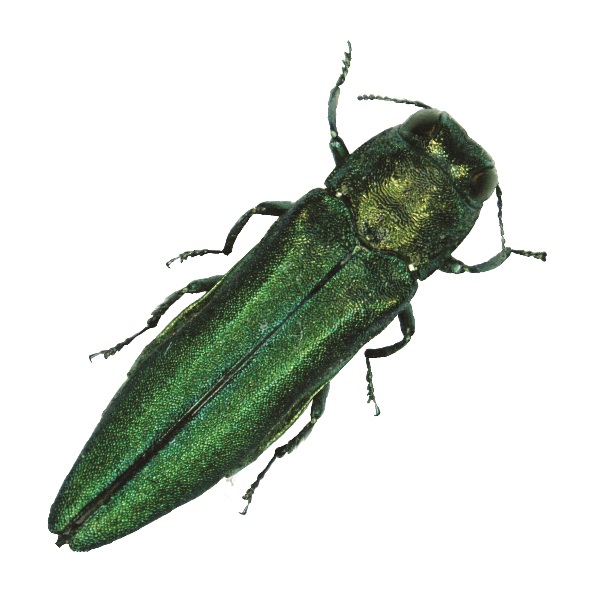
USDA APHIS has formally proposed to end its regulatory program aimed at slowing the spread of the emerald ash borer (EAB) within the United States.  APHIS proposes to rely on biological control to reduce impacts and – possibly – slow EAB’s spread.  The proposal and accompanying “regulatory flexibility analysis” are posted here.

Public comments on this proposed change are due 19 November, 2018.

I will blog more fully about this issue in coming weeks. At present, I am on the fence regarding this change.

On the one hand, I recognize that APHIS has spent considerable effort and resources over 16 years trying to prevent spread of EAB – with less success than most would consider satisfactory. (EAB is known to be in 31 states and the District of Columbia now). While APHIS received tens of millions of dollars in emergency funding in the beginning, in recent years funding has shrunk. Over the past couple of years, APHIS has spent $6 – $7 million on EAB out of a total of about $54 million for addressing “tree and wood pests.” (See my blogs on appropriations by visiting www.cisp.us, scrolling down to “topics,” then scrolling down to “funding”). Funding has not risen to reflect the rising number of introduced pests. Presumably partly in response, APHIS has avoided initiating programs targetting additional tree-killing pests. For example, see my blogs on the shot hole borers in southern California and the velvet longhorned beetle by visiting www.cisp.us, scrolling down to “categories,” then scrolling down to “forest pest insects”. I see a strong need for new programs on new pests and money now allocated to EAB might help fund such programs.


On the other hand, APHIS says EAB currently occupies a quarter of the range of ash trees in the U.S. Abandoning slow-the-spread efforts put at risk trees occupying three quarters of the range of the genus in the country. (See APHIS’ map of infested areas here.) Additional ashes in Canada and Mexico are also at risk. Mexico is home to 13 species of ash – and the most likely pathway by which they will be put at risk to EAB is by spread from the U.S. However, APHIS makes no mention of these species’ presence nor USDA’s role in determining their fate.

I am concerned by the absence of information on several key aspects of the proposal.

  • APHIS makes no attempt to analyze the costs to states, municipalities, homeowners, etc. if EAB spreads to parts of the country where it is not yet established – primarily the West coast. As a result, the “economic analysis” covers only the reduced costs to entities within the quarantined areas which would be freed from requirements of compliance agreements to which they are subject under the current regulations. APHIS estimates that the more than 800 sawmills, logging/lumber producers, firewood producers, and pallet manufacturers now operating under compliance agreements would save between $9.8 M and $27.8 million annually. This appears to be a significant benefit – but it loses any meaning absent any estimate of the costs that will be absorbed by governments and private entities now outside the EAB-infested area.
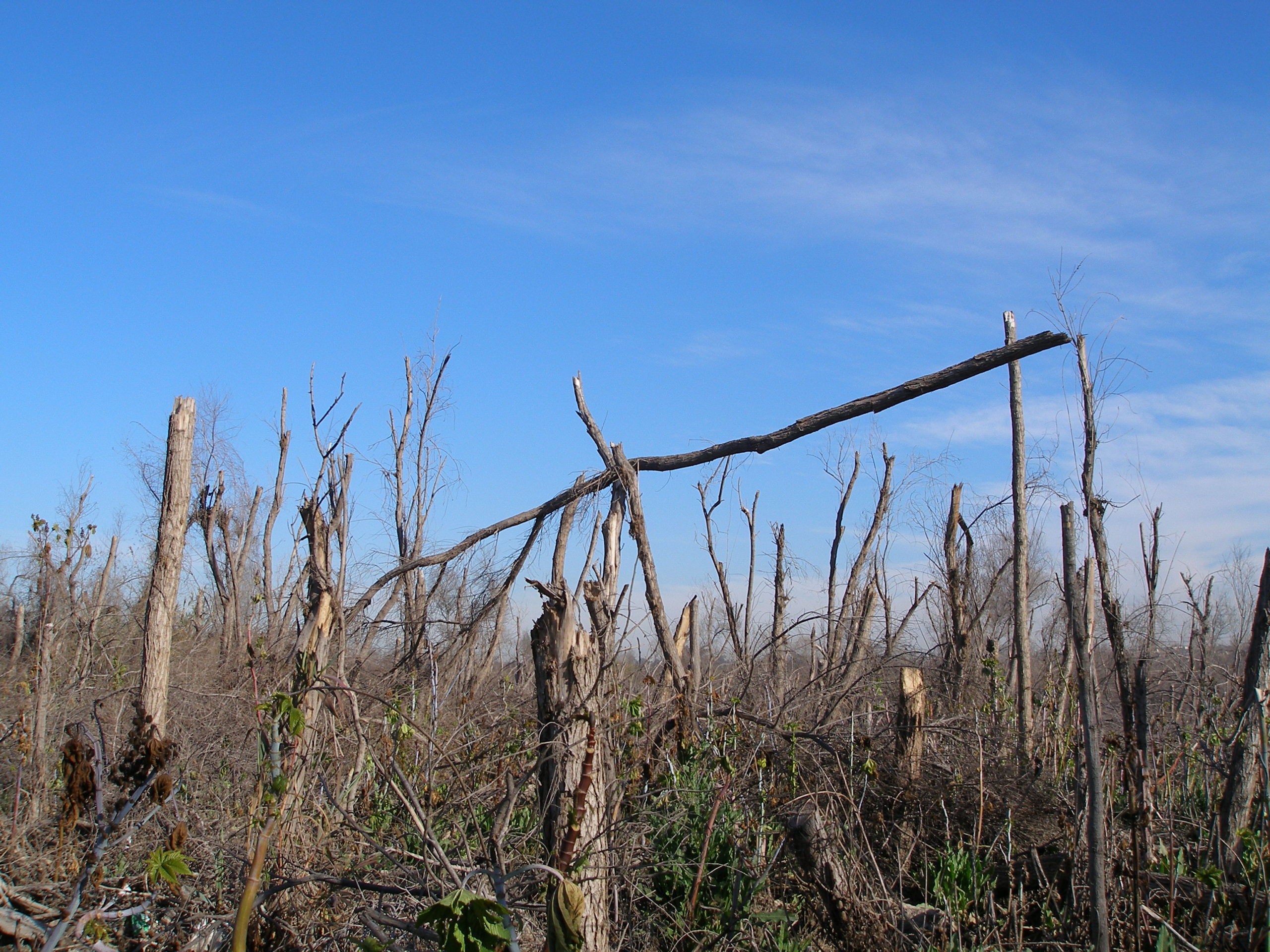
ash tree killed by EAB; Ann Arbor, MI; courtesy of former mayor of Ann Arbor, MI John Hieftje
  • APHIS does not discuss how it would reallocate the $6 – 7 million it spends on EAB.  Would it all go to EAB biocontrol? Would some be allocated to other tree-killing pests that APHIS currently ignores?


  • APHIS provides no analysis of the efficacy of biocontrol in controlling EAB. It does not even summarize studies that have addressed past and current releases of EAB-specific biocontrol agents. (I will report on my reading of biocontrol studies in a future blog.)


  • APHIS says efforts are under way to develop programs to reduce the risk of pest spread via firewood movement. APHIS does not explain what those efforts are or why they are likely to be more effective than efforts undertaken in response to recommendations from the Firewood Task Force issued in 2010.


  • APHIS makes no attempt to analyze environmental impacts.

champion green ash in Michigan killed by EAB

  • APHIS says nothing about possibly supporting efforts to breed ash trees resistant to EAB.


I welcome your input on these issues.

I will inform you of my evolving thinking, information obtained in efforts to fill in these gaps, etc. in future blogs.


Posted by Faith Campbell


We welcome comments that supplement or correct factual information, suggest new approaches, or promote thoughtful consideration. We post comments that disagree with us — but not those we judge to be not civil or inflammatory.


Challenges to Phytosanitary Programs are International, Not Just in the U.S. How Should We Join Efforts to Defend Them?


dead ash killed by emerald ash borer; photo by Dan Herms, The Ohio State University; courtesy of Bugwood.com

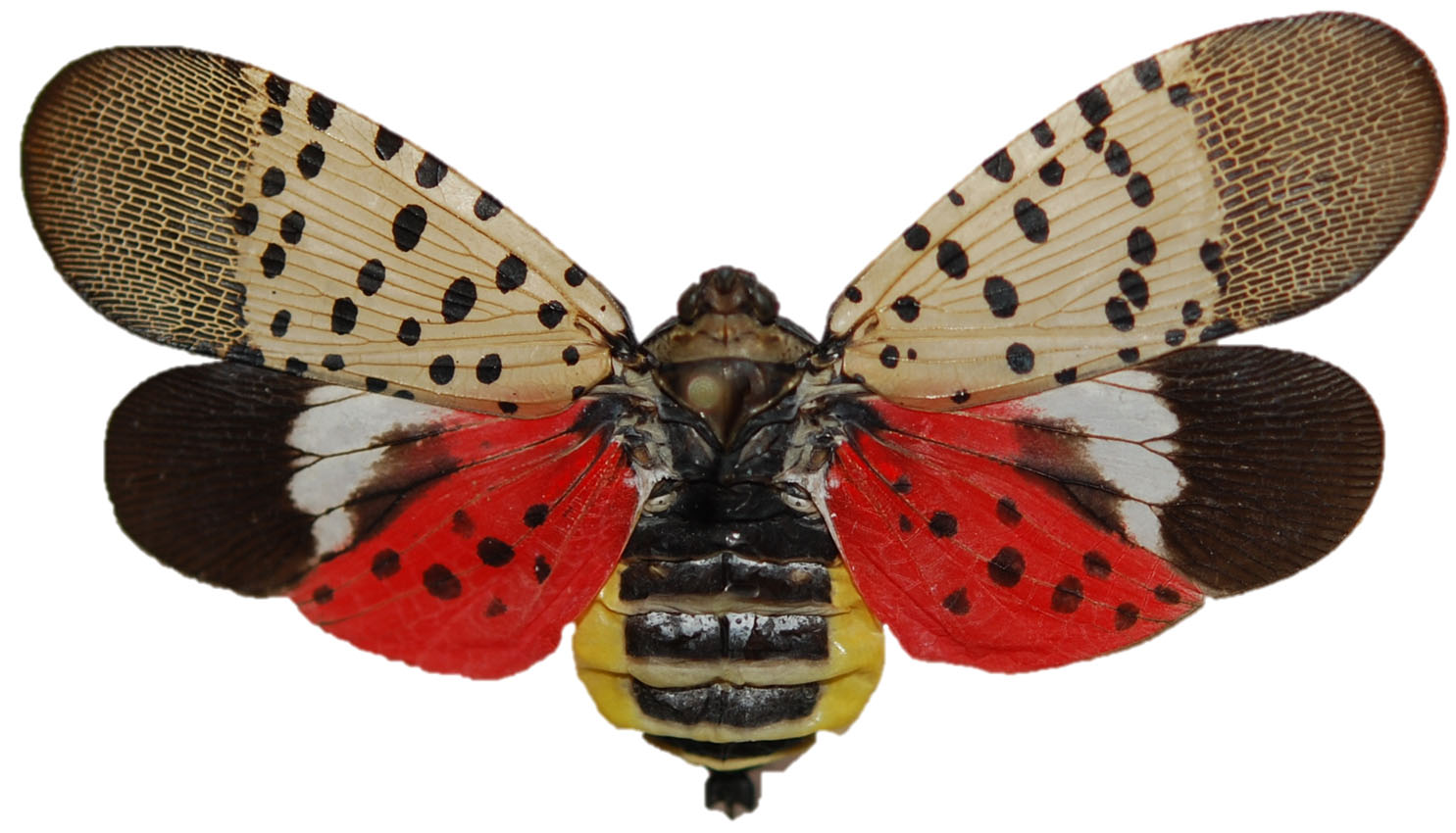
I have blogged often about the funding crisis hampering APHIS’ efforts to protect our forests from damaging insects and pathogens (visit www.cisp.us, scroll down to “categories”, then scroll down to “funding”). Apparent results of this funding crisis include APHIS’ failure to adopt official programs to address several tree-killing pests (e.g., polyphagous and Kuroshio shot hole borers, goldspotted oak borer, spotted lanternfly …) and its proposal this month to end the regulatory program intended to slow the spread of the emerald ash borer (available here.)  (All these tree-killing pests are described here.)

The lack of adequate resources plagues phytosanitary programs in many countries as well as at the international and regional level. As we know, the threat of introduction and spread of plant pests is growing as a result of increasing trade volume and transportation speed; increasing variety of goods being traded; and the use of containers. All countries and international bodies should be expanding efforts to address this threat, not cutting back.

Assuming you agree with me that preventing and responding to damaging plant pests is important – a task which falls within the jurisdiction of phytosanitary institutions – what more can we do to raise decision-makers’ and opinion leaders’ understanding and support? Should we join phytosanitary officials’ efforts – e.g., the International Year of Plant Health – or act separately?

How do we encourage greater engagement by such entities as professional and scientific associations, the wood products industry, state departments of agriculture, state phytosanitary officials, state forestry officials, forest landowners, environmental organizations and their funders, urban tree advocacy and support organizations. (The Entomological Society of America has engaged on invasive species although it remains unclear to me whether ESA will advocate for stronger policies and higher funding levels.)

There is one group making serious, multi-year efforts to respond. Here, I describe efforts by the International Plant Protection Convention’s (IPPC) governing body, the Commission on Phytosanitary Measures. The Commission has recognized the crisis and is attempting to reverse the situation through a coordinated strategy. I invite you to consider how we all might take part in, and support, its efforts.

Efforts of the IPPC Commission on Phytosanitary Measures

The Commission’s goal is to ensure that strong and effective phytosanitary programs “become a national and global priority that justifies and receives appropriate and sustainable support.”  It seeks to achieve this by convincing decision-makers that protecting plant health from pest threats is an essential component of efforts to meet other, more broadly accepted goals, specifically the United Nations’ 2030 Sustainable Development Agenda and the Food and Agriculture Organization’s (FAO) related goals (described here).

The IPPC Commission also sees that, to succeed, it must more effectively support member countries in improving their programs to curtail pests’ spread and impacts. IPPC plans to streamline operations and integrate more closely with other FAO work in order to save money.

The following are among Commission efforts, although all are hampered by the lack of funding:

  • Working with member countries, the Commission has persuaded the United Nations to declare 2020 the International Year of Plant Health. (I blogged about this campaign in December 2016.
  • Describing links between plant health and other policy goals. The Commission is mid-way through a multi-year program. One outcome has been presentations to member states’ phytosanitary officials attending the Commission’s annual meetings, each focusing on one specific aspect. In 2018, presentations focus on links between plant health and environmental protection (presentations from April 2018 are available here). (Did you know 2018 was the year of plant health and the environment?  I didn’t!) In 2016, the topic was plant health’s link to food security; in 2017, plant health and trade facilitation; in 2019, capacity development for ensuring plant health.)
  • Adopting a Communications Strategy. It has four broad objectives (available here).
  • increase global awareness of the importance of the IPPC and of the vital importance to the world of protecting plants from pests;
  • highlight the IPPC’s role as the sole international plant health standard setting organization aimed at improving safety of trade of plants and plant products and improving market access;
  • improve implementation of IPPC’s international standards (ISPMs); and
  • support the activities of the IPPC Resource Mobilization program.
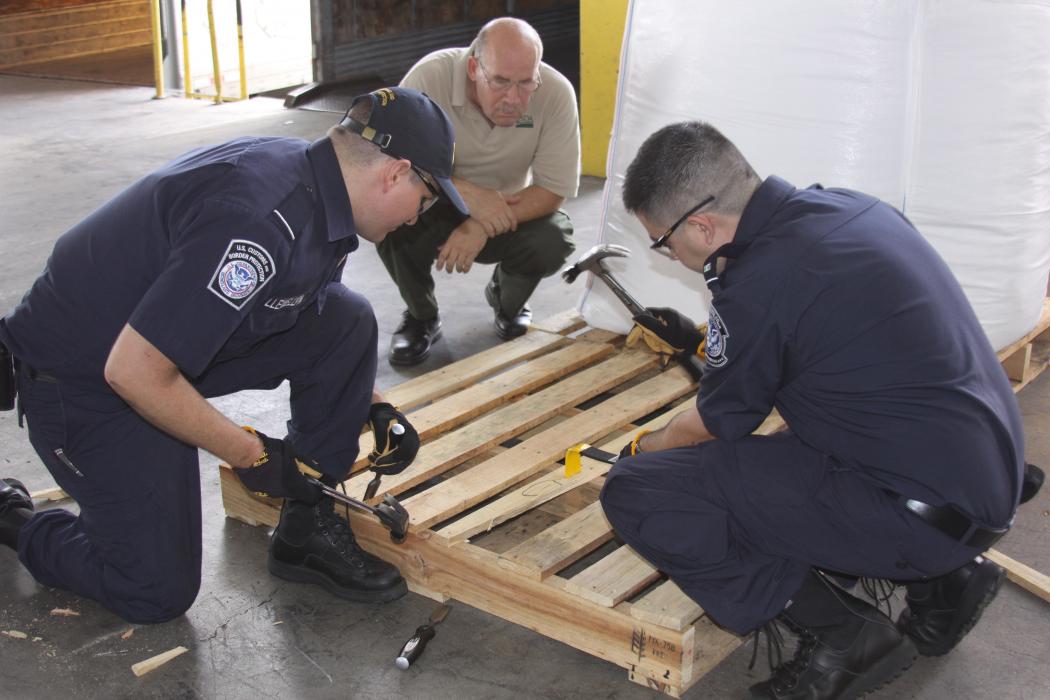
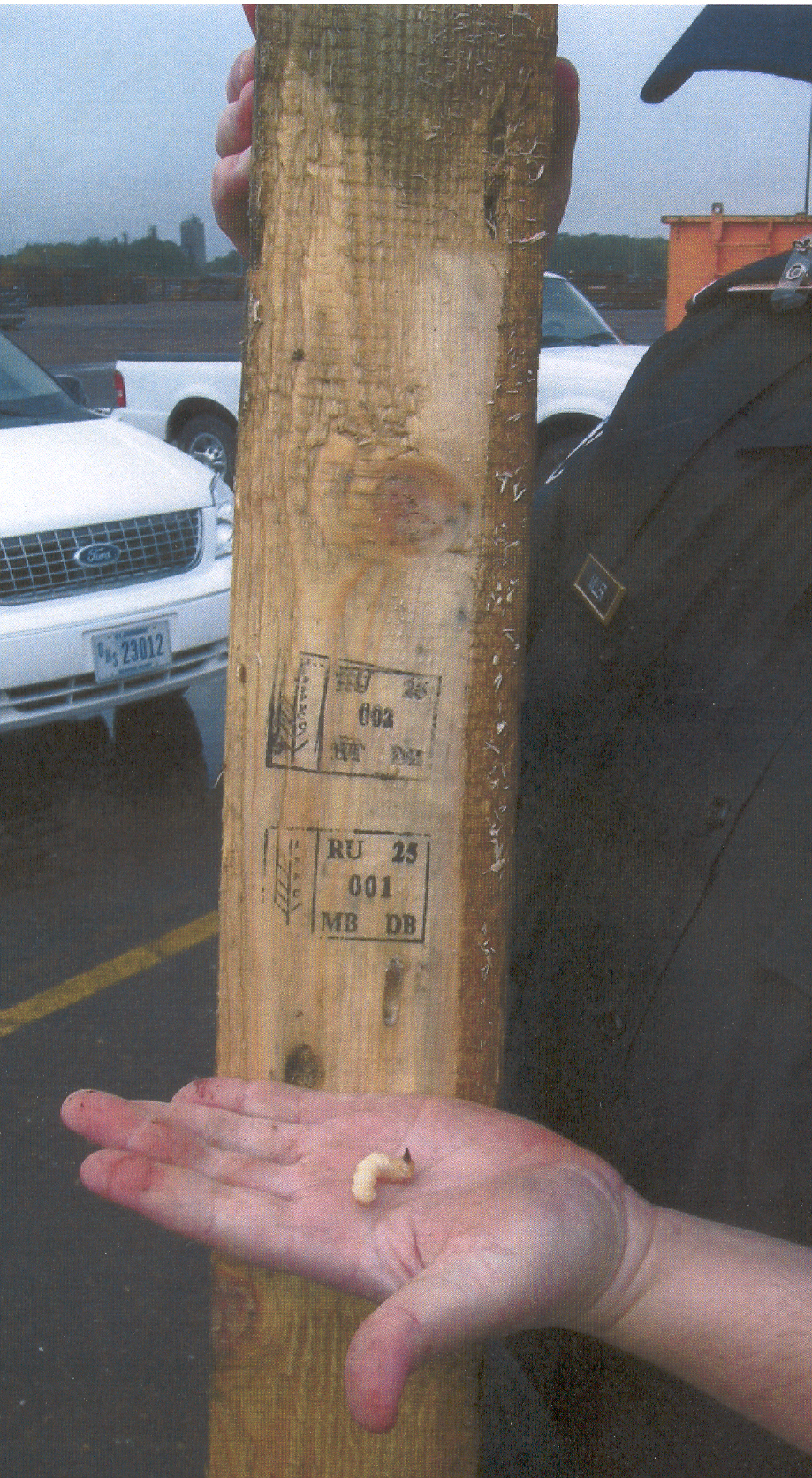
  • Ramping up efforts to support implementation of its international standards. Since this 2014 decision, the Commission has conducted some pilot projects, restructured the Secretariat, and formed the Implementation and Capacity Development Committee. (I have blogged frequently about issues undermining one of those standards, the one on wood packaging material – ISPM#15. Visit www.cisp.us, scroll down to “categories”, then scroll down to “wood packaging”.)

Framework 2020-2030: the IPPC Strategic Plan

The IPPC is now finalizing its strategic plan (Framework 2020-2030), which is available here. APHIS circulated this plan in July for comment; I admit did not take the opportunity to comment because I could think of nothing to add. But now I want to link the international and domestic U.S. funding crises.

The plan describes how plant pests threaten

  • food production at a time rising human population and demand;
  • sustainable environments and ecosystem services at a time when recognition is growing of their importance for managing climate change and meeting food production goals;
  • free trade and associated economic development;

The plan notes that interactions between climate change and pests’ geographic ranges and impacts complicate efforts to address both threats. Also, it outlines the need for, and barriers hindering, collaborative research on plant pest. It suggests creation of an international network of diagnostic laboratories to support reliable and timely pest identifications.

The plan states several times that the IPPC is “the global international treaty for protecting plant resources (including forests, aquatic plants, non-cultivated plants and biodiversity) from plant pests …” (emphasis added). The Commission is attempting to improve its efforts to protect the environment through expanding its collaboration with the Convention on Biological Diversity, Global Environmental Facility and the Green Climate Fund. Much of the attention to environmental concerns is focused on interactions with climate change, followed by concerns about pesticide use. Indeed, the strategic plan states that “Political weight and subsequent funding for phytosanitary needs on national, regional and international level will only be available when phytosanitary issues are recognized as an important component of the climate change debate.”

The Plan describes other ways that the Commission and regional plant protection organizations might help countries overcome the major problems arising from their lack of capacity and resources. Another area of hoped-for activity is promoting collaborative research. All these proposals depend on finding funding.

However, the Strategic Plan does not reveal the extent to which its 2013 Communications Strategy has been implemented. Nor does it reveal the extent to which the effort to improve ISPM implementation has resulted in concrete progress.


Posted by Faith Campbell

We welcome comments that supplement or correct factual information, suggest new approaches, or promote thoughtful consideration. We post comments that disagree with us — but not those we judge to be not civil or inflammatory.


New Efforts to Counter the Invasive Shot Hole Borers (ISHB) in California

willow tree killed by Kuroshio shot hole borer in Tijuana River estuary (John Boland photo)


I have blogged several times about damage caused to riparian trees in southern California by polyphagous (PSHB) and Kuroshio Shot Hole Borers (KSHB) (collectively known as invasive shot hole borers, or ISHB). The most recent blog – in July – reported the rising intensity of ISHB infestation in Orange County parks. The polyphagous shot hole borer and its associated Fusarium fungus have been found throughout Los Angeles, Orange, Riverside, San Bernardino, and Ventura Counties. The genetically distinct but morphologically indistinguishable Kuroshio shot hole borer occurs in San Diego, Orange, Santa Barbara, and San Luis Obispo Counties. New outbreaks continue to be detected – for example, one near San Juan de Capistrano.

The threat to wildland, rural, and urban hardwood forests in southern California is obvious (see the write-up here, but this is not the full extent of the peril. Preliminary research indicates that the ISHB can survive as far north as Tehama County (at the northern end of the Central Valley, south of Redding), and possibly in other parts of the country (see Greer et al., referenced below). The two beetles reproduce in more than five dozen tree and shrub species – both native and ornamental trees – that grow not just in California but across the country.

It is agreed that the ISHB do best in well-watered trees – e.g., trees in parks or other urban areas, and in riparian zones. Some fear that when the southern California drought ends, large areas of hardwood forests will become newly vulnerable. The role of water also raises the potential threat to the many species of reproductive host trees growing in the Gulf Coast and other warm and humid regions of the country.

What can people and agencies do now to counter these damaging pests? Several experts who have been working with ISHB in southern California have developed a management strategy for guiding and prioritizing actions and implementing control mechanisms targetting the beetles and their fungal symbionts that together cause the plant disease Fusarium dieback (FD). See Greer et al. Southern Calif Shot Hole Borers/Fusarium Dieback Management Strategy – full reference and link provided at the end of the blog.

This strategy attempted to advise managers on addressing outbreaks in both natural and urban landscapes at a period of rapid spread of the pests. It includes sections on establishing a leadership and coordination entity, inventory and monitoring, short-term management options, public outreach, and research to identify long-term management strategies. I don’t believe the plan’s proponents have secured funding to implement it.

Meanwhile, the California Department of Food and Agriculture and other state agencies have been officially charged by the state legislature with developing a management strategy and coordinating efforts (see another of my blogs from July). I have been told that the state agencies are working with the southern California experts in developing the state’s strategy.

The USDA Animal and Plant Health Inspection Service (APHIS) has been instructed by the Congress (in the report accompanying appropriation of funds for the Department of Agriculture) to enhance its engagement with ISHB – beyond funding provided in the past under Section 10007 of the Farm Bill. APHIS has created a Federal Task Force which is focused on three shot hole borers – in addition to the Kuroshio and polyphagous shot hole borers, also the tea shot hole borer. Several USDA agencies in addition to APHIS — Forest Service, Agriculture Research Service – as well as the U.S. Fish and Wildlife Service are developing an outline of federal agencies’ roles and responsibilities in light of state actions. The work is at an early stage.

I look forward to learning more about how each of these players plans to proceed.

Certainly, managing ISHB infestation and spread is extremely difficult. Current options in production agriculture (avocados are damaged by the pest/disease complex) and urban forests focus on the use of pesticides and removal of infested material. Then the wood and bark must be safeguarded against insects’ escape until the wood can be chipped and the insect larvae killed, for example, by using heat from solar radiation (solarization). Management options in the natural setting are limited to removal, chipping, and solarization of infested material. In any habitat, there are many logistical challenges when managing large amounts of wood.

The pest-derived difficulties have been magnified by the absence until recently of the official agencies with responsibility for managing “plant pests” (as I have complained in many blogs over the years). I hope the state and federal agencies now becoming involved will coordinate their efforts – among themselves and with the many academics, locally based agency staffs, and volunteers who have been working so hard over the past several years to counter these invaders. [To learn about these efforts, visit here.]

You have an opportunity to learn more about the shot hole borers by participating in the upcoming annual meeting of the Continental Dialogue on Non-Native Forest Insects and Diseases in November. Our meeting this year is in Irvine, California – in the infestation zone. The meeting will follow the general schedule below:

  • Nov 5th: Travel day with informal evening social for those arriving early
  • Nov 6th: Dialogue Meeting all day (8am – 5pm)
  • Nov 7th: Joint CFD / Arbor Day Meeting and Field Trips (including one focused on ISHB) (8am- 5pm), Networking Reception (6-8pm).

Here are the quick links of interest:

Some of you might also participate in the periodic workshops about the several tree-killing pests invading southern California. UC Cooperative Extension San Diego will host an Invasive Tree Pests Workshop on Friday, October 19, 2018 in Mission Beach San Diego from 9:00am-2:45pm. This workshop will focus on Goldspotted Oak Borer, Invasive Shot Hole Borers, South American Palm Weevil, and pesticide law & regulation. CEU’s have been requested from the California Department of Pesticide Regulation and Western Chapter International Society of Arboriculture. Registration is $30/person and lunch will be provided. Go to GSOB.org.

Reference

Greer, K., K. Rice, S.C. Lynch. Southern Calif Shot Hole Borers/Fusarium Dieback Management Strategy for Natural and Urban Landscapes. July 2018

http://www.southcoastsurvey.org/static_mapper/fieldguide/Southern%20California%20Shot%20Hole%20Borers-Fusarium%20Dieback%20Management%20Strategy%20for%20Natural%20and%20Urban%20Landscapes%20-%20updated%20July%202018.pdf

P.S. The polyphagous shot hole borer has been detected at numerous sites in South Africa. One of several web-based sources of information is here

Posted by Faith Campbell


We welcome comments that supplement or correct factual information, suggest new approaches, or promote thoughtful consideration. We post comments that disagree with us — but not those we judge to be not civil or inflammatory.


APHIS’ Proposed Sudden Oak Death Rule – Ignored by Too Many Stakeholders!

P. ramorum-infected seedlings in a nursery; photo by USDA APHIS

As I blogged on 2 August, the USDA Animal and Plant Health Inspection Service (APHIS) is proposing to update its regulations intended to prevent spread of the sudden oak death (SOD) pathogen (Phytophthora ramorum) via movement of nursery stock. The proposal is to incorporate into formal regulations several changes made through temporary “Federal Orders” issued in 2014 and 2015. This might sound boring – but it was actually an important opportunity to press APHIS to correct weaknesses in its current regulatory system. Whether APHIS’ ultimate program is weak or strong will affect how well we protect our forests against every kind of pest, not just SOD.

Unfortunately, few organizations seized this opportunity. Comments were submitted by only five organizations and three individuals. The organizations were the Center for Invasive Species Prevention, California Oak Mortality Task Force, several nursery industry associations in a joint comment, and the state departments of agriculture from Florida and Pennsylvania. It is most unfortunate that the other states appear to have given up on influencing APHIS’ decisions and did not comment. (Given the long history of APHIS failure to support states trying to adopt protective regulations – as described in Chapter 3 of my report Fading Forests III, available here – perhaps this is understandable.)

The Pennsylvania Department of Agriculture (DoA) was quite critical of the proposal in its comments. It complained that APHIS is not consistent in the way it regulates various quarantine pests and the vectors on which they might be transported. Allowing shipping nurseries to submit fewer samples for testing and providing less regulatory oversight does not help protect receiving states such as Pennsylvania.

The Pennsylvania DoA noted that the Plant Protection Act has a preemption clause which prevents states from adopting regulations more stringent than those instituted by APHIS. While the law allows for exceptions if the state can demonstrate a special need, none of the five applications for an exemption pertaining to P. ramorum has been approved. (The Environmental Law Institute addressed this issue in 2011; see source at end of the blog.)

Copies of all comments can be viewed here.  Their main critiques of APHIS’ proposal include:

1) APHIS should mandate sampling at all nurseries selling SOD host or associated host plant species.

While any nursery that contains or sells host or associated host plant species can become infected, APHIS does not have any system for detecting P. ramorum in such nurseries which have been infection-free for three years. This point was made by CISP and the California Oak Mortality Task force (COMTF).

1(a) Risk associated with Nurseries in the Quarantine Zone

The Florida Department of Agriculture (FDACS) objected to allowing interstate shipment of any plants – both host and non-host species – from nurseries in the quarantine zones of California and Oregon. FDACS notes that where P. ramorum is in the natural environment, it is essentially impossible to be certain that available inoculum is not in the water column or soil and thus potentially to being shipped with containerized plants.

2) Level of risk.

APHIS says that the current regulations have reduced the risk of spread of P. ramorum via the nursery trade to a low risk. APHIS cites the fact that over a nine-year period (2004 – 2013), P. ramorum was detected at a “very small percentage—usually no more than 3 percent annually” of nurseries inspected under the current program. To the contrary, I (on behalf of CISP) argue that an annual level of risk of three percent is not a low level of risk, the nursery industry’s comments accept this level of risk as “low”.

3) Inspection, Sampling, and Certification Protocols

The Pennsylvania Department of Agriculture objects that while APHIS admits the pathogen might be transmitted in media, soil, water, potted material and containers, the proposed rule does nothing to assist states in protecting themselves from pathogen transport via these vectors. Pennsylvania DoA asked APHIS to provide greater oversight so as to ensure consistency in inspection and certification procedures.

I, on behalf of CISP, said all decisions should be based on sampling and testing of water, soil, growing media, pots, and plants (leaves, stems, roots). They should not rely only on visual inspection of plants.

The Florida Department of Agriculture did not address the certification procedure directly, but objected to allowing shipment of lots of plant material determined to be free of P. ramorum from a nursery in which infected plants have been detected. FDACS pointed out that infected plants could slip through because they were asymptomatic at the time of inspection or because leaves dropped from nearby infected plants contaminated the soil.


4) Updates to the List of Hosts Should Be Comprehensive

As I noted in my previous blog, APHIS’ proposed update does not include more than a dozen species growing in the wild or in gardens in the Pacific Northwest that scientists have identified as hosts of P. ramorum; and would designate Japanese larch (Larix kaempferi) as only an “associated” host.

The California Oak Mortality Task Force raised similar issues and warned that unexplained gaps in the host list cause unnecessary confusion and undermine the scientific foundation of regulations.


Source

Porter, R.D. and N.C. Robertson. 2011. Tracking Implementation of the Special Need Request Process Under the Plant Protection Act. Environmental Law Reporter. 41.


Posted by Faith Campbell

We welcome comments that supplement or correct factual information, suggest new approaches, or promote thoughtful consideration. We post comments that disagree with us — but not those we judge to be not civil or inflammatory.


Farm Bill Update – Please Thank Your Senators Right Away!

U.S. Senate

In May I blogged about adoption by the House of Representatives of its version of the Farm Bill, which will govern a wide range of policies for the next five years. I reported that the bill included weakened versions of a provision CISP has been seeking to establish programs to support long-term strategies to counter non-native, tree-killing insects and pathogens, e.g., biocontrol and breeding of trees resistant to pests.

I also reported that the House Farm bill contains provisions to which there is significant opposition from the larger environmental community. Several would gut some of our country’s fundamental environmental laws which have protected our health and natural resources since the early to mid-1970s. These provisions would:

  • Allow the U.S. Forest Service and the Interior Department’s Bureau of Land Management to decide for themselves whether an activity might “jeopardize” an endangered species (eliminating the need to consult with the U.S. Fish and Wildlife Service or National Marine Fisheries Service) (Section 8303 of the House Bill);
  • Allow the U.S. Forest Service and Bureau of Land Management to avoid preparing an environmental assessment under the National Environmental Policy Act (NEPA) for a long list of actions which currently must be assessed. That is, they could claim a “categorical exclusion” when taking a wide variety of “critical” actions aimed at addressing several goals. These include countering insect and disease infestations, reducing hazardous fuel loads, protecting municipal water sources, improving or enhancing critical habitat, increasing water yield, expediting salvage of dead trees following a catastrophic event, or achieving goals to maintain early successional forest. These “categorical exclusions” would apply to projects on up to 6,000 acres. (Sections 8311 – 8320); and
  • Require the EPA Administrator to register a pesticide if the Administrator determines that the pesticide, when used in accordance with widespread and commonly recognized practices, is not likely to jeopardize the survival of a species listed under the Endangered Species Act or to alter critical habitat. That is, the Administrator would not be required to consult with the U.S. Fish and Wildlife Service or National Marine Fisheries Service when making such determinations unlike under current law. (Section 9111).

The Senate passed its version of the Farm Bill in late June. Unfortunately, the Senate bill does not include the long-term restoration program CISP seeks. However, it doesn’t include the above attacks on environmental laws, either.

With the current Farm Bill set to expire on September 30th, there is considerable pressure to adopt a final version soon.  House and Senate staffers have been meeting to find common ground. Representatives and Senators who are on the joint Conference Committee – charged with working out the final bill – will hold their first meeting next week, on September 5th.

In preparation for the meetings of the Conference Committee, 38 Senators have written to their two colleagues who will lead the Senate conferees. Their letter voices strong opposition to changing long-standing environmental law:

“These harmful riders, spread throughout the Forestry, Horticulture, and Miscellaneous titles of the House bill, subjected the legislation to unnecessary opposition on the House floor and now complicates [sic] the bipartisan cooperation needed to pass a final conference report.

Again, we write to express our strong opposition to gutting bedrock U.S. environmental and public health protections with provisions that threaten our air, water, lands, and wildlife.”

Senators signing the letter are:

California: Feinstein & Harris;    Colorado: Bennet;    Connecticut: Murphy & Blumenthal;    Delaware: Carper & Coons;    Florida: Nelson;    Hawai`i: Hirono & Schatz;    Illinois: Durbin & Duckworth;    Maryland: Cardin & Van Hollen;    Massachusetts: Warren & Markey;    Minnesota: Klobuchar &  Smith;    Michigan: Peters;    Nevada: Cortez Masto;    New Hampshire: Shaheen & Hassan;    New Jersey: Menendez & Booker;    New Mexico: Udall & Heinrich;    New York: Gillibrand;    Oregon: Wyden & Merkley;    Pennsylvania: Casey; Rhode Island:    Reed & Whitehouse;    Vermont: Sanders;    Virginia: Warner & Kaine;    Washington: Murray & Cantwell;    Wisconsin: Baldwin.

If your Senators signed the letter, please email, call, or write to thank them immediately. If your Senators didn’t  – please urge them to express their support for its content.

Posted by Faith Campbell

We welcome comments that supplement or correct factual information, suggest new approaches, or promote thoughtful consideration. We post comments that disagree with us — but not those we judge to be not civil or inflammatory.


APHIS’ New Sudden Oak Death Rule – Input from Experts Critically Needed

P. ramorum-infected rhododendron

Jennifer Parke, Oregon State University

The USDA Animal and Plant Health Inspection Service (APHIS) is proposing to update its regulations intended to prevent spread of the sudden oak death (SOD) pathogen (Phytophthora ramorum) via movement of nursery stock. The proposal would incorporate into formal regulations several changes made through temporary “Federal Orders” issued in 2014 and 2015. The deadline for comments is August 24. Copies of the proposal and the on-line instructions to comment are located here.

[Federal Orders are issued by APHIS without going through the usual regulatory process. Federal Orders  take effect immediately. Federal Orders are issued by the APHIS Deputy Administrator under the authority of the Plant Protection Act  Section 412(a), 7 U.S.C. 7712(a).  The Act authorizes the Secretary of Agriculture to prohibit or restrict the movement in interstate commerce of any plant, plant part, or article if the Secretary determines the prohibition or restriction is necessary to prevent the dissemination of a plant pest within the United States. Federal Orders also apparently modify existing regulations promulgated under the PPA and found in the Code of Federal Regulations.]

[I stated my objections to the relaxed approach under the Federal orders back in 2015; see my blog here .]

While I applaud APHIS’ decision to focus on nurseries, I have serious concerns about several aspects of the existing program that APHIS now proposes to formalize in the new regulation. I will ask that the following changes be made before the rules are made final. Please consider doing the same.

The Problems

1) APHIS should use this regulatory action to mandate sampling at all nurseries selling SOD host or “associated host” plant taxa

APHIS does not have any system for detecting P. ramorum in nurseries not previously suspected to harbor the pathogen. Instead, APHIS and its state cooperators inspect only those nurseries at which infected plants have been detected in recent years. This is a major weakness in the existing regulation and in the proposal. APHIS cannot limit the spread of SOD without periodically surveying nurseries outside the quarantine zone that contain or sell host or associated host taxa but where P. ramorum has not already been found.

History shows that unexpected nurseries can become infected. In 2012, half of the infected nurseries identified by regulators were infected for the first time. (These nursery infections were detected as a result of “trace-forwards” of infected plants shipped by wholesale nurseries.) Detection of all infected nurseries is vital to identifying the nurseries that were the original source of infection through trace-back. Also, finding infections early provides the best chance to protect the environment in which the infected nursery operates and in which its plants are used.

1(a) It is particularly important to survey nurseries within climate zones that support the pathogen.

It is well established that environmental conditions along parts of the Pacific coast of California, Oregon, and probably Washington are especially conducive to persistence and spread of P. ramorum. Certain regions of eastern states also appear to have climatic conditions conducive to survival of the pathogen – as documented in the several risk maps prepared over the past two decades. Such areas would be smaller than the old “regulated areas” (see below), and more closely tied to climate zones – but larger than the actual quarantine zone.

[Under the pre-2014federal regulations, certain geographic regions were designated as “regulated areas”. These areas were defined as those in which P. ramorum has been found on nursery stock in commercial nurseries, but not found in the natural environment. These “regulated areas” included those parts of California and Oregon that are not inside quarantined areas, as well as the entire State of Washington. Under the 2014 and 2015 Federal Orders, APHIS has already dropped this geographic designation, and now focuses regulations only on nurseries at which infected plants have been detected in recent years.]

2) APHIS needs to set a more protective level of risk.

APHIS tries to persuade us that the current regulations have reduced the risk of spread of P. ramorum via the nursery trade to a low risk. As proof, APHIS says that over a nine-year period (2004 – 2013), APHIS and the state plant protection authorities detected P. ramorum at a “very small percentage—usually no more than 3 percent annually” of nurseries inspected under the current program. However, an annual level of risk of three percent is not a low level of risk. According to Daniel Botkin, the risk of death arising from certain activities recognized as high risk are all well below three percent. For example, the risk of dying from smoking cigarettes or driving racing cars is less than 0.5% (1/2 of a percent). For this reason, I am not convinced that the risk of SOD spread via the nursery trade has been suppressed to the extent necessary to protect our native flora or the financial health of nurseries.

3) All inspection protocols should be based on sampling and testing of water, soil, growing media, pots, plants as well as plants (leaves, stems, roots). They should not rely only on visual inspection of plants.

The APHIS proposal continues to rely too much on visual inspection of plants for symptoms – despite decades of experience demonstrating the inadequacies of that approach. It is essential that surveys, inspections, compliance reviews, etc., rely on sampling and testing of water, soil, growing media, pots, etc.

4) Updates to the list of hosts should be Comprehensive

In the proposed regulation, APHIS states its intention to update the lists of hosts and “associated hosts”. However, the proposal does not include more than a dozen species growing in the wild or in gardens in the Pacific Northwest that scientists have identified as hosts of P. ramorum. These include several species of manzanita, Pacific dogwood, huckleberries, a Trillium, and the common garden groundcover Vinca.

A particularly puzzling gap is APHIS’ intention to name Japanese larch (Larix kaempferi) as only an “associated” host. It appears that APHIS has not accepted the peer-reviewed work of British scientists and the well-documented severe damage caused to this species in the United Kingdom.

Larch killed by P. ramorum in Wales; Wales Natural Resources

Less important, probably, but still annoying is APHIS’ failure to complete Koch’s postulates to clarify the host status of 89 species now listed as “associated hosts”.   Since APHIS regulates “associated hosts” in the nursery trade in the same way as it regulates recognized hosts, the failure to act does not affect the regulatory regime. However, it does cause unnecessary confusion and undermines the scientific foundation of regulations.

Please Comment

I strongly suggest that readers submit comments on the proposed rule. At a minimum, ask that the new regulation incorporate the most current science regarding detection and management of Phytophthora ramorum. Simply codifying the years-oldFederal Orders without recognizing more recent information and developments would not serve anyone. I suggest objecting particularly to continued reliance on visual inspection of plants rather than the sampling and testing protocols developed through 20 years of experience in managing this difficult pathogen.

Posted by Faith Campbell

We welcome comments that supplement or correct factual information, suggest new approaches, or promote thoughtful consideration. We post comments that disagree with us — but not those we judge to be not civil or inflammatory.

Update on Several Pests in Southern California

The native hardwood trees of southern California are under threat from several non-native insects and insect/pathogen complexes. I provided some recent information on one of these, the Kuroshio shot hole borer, in April; and a description of Californians’ efforts to counter the threat in August of last year. I think it is time to provide a more comprehensive update on the species.

Invasive Shot Hole Borers

I have blogged several times about the damage being caused to riparian trees in southern California by the polyphagous and Kuroshio shot hole borers – collectively referred to as the “invasive shot hole borers” or ISHB.

One of the most interesting sources of information about the shot hole borers are the series of visual surveys carried out by Orange County Parks under the leadership of Cathy Nowak (who has now retired). The most recent surveys were conducted in spring 2018 while deciduous trees were still dormant, so those estimates are based on the number of beetle gallery holes detected. An estimated 52,000 trees in the County’s parks are infested by either PSHB or KSHB. Eight regional parks and one historic house were surveyed. Only one large park remains uninfested. Comparing the results in 2018 to those of earlier surveys showed that percentages of host trees (in which the beetle can reproduce) that are infested rose over 2 years or less in seven of the parks – from a 9% increase in one park to a five-fold increase at another park with very low numbers of trees and low overall infestation rate earlier. The second highest increase is 89%.

The most heavily hit hosts are species long recognized as hosts See writeup on the borers here.  Those with infestation rates exceeding 70% in one or more parks were

Acacia sp

Alnus rhobifolia (white alder)

Baccharis salicifolia (mule fat)

Erythrina caffra (coral tree)

Koelreuteria bipinnata (Chinese Flame tree*)

Koelreuteria paniculata (golden raintree)

Liquidambar styrachiflua (sweetgum)            

Parkinsonia aculeate (palo verde)

Platanus occidentalis (American Sycamore)

Platanus racemose  (California sycamore)

Platanus x hispanica (London plane)

Populus fremontii (Fremont cottonwood)

Populus trichocarpa  (black cottonwood)

Quercus robur (English oak)

Salix spp. (willow)

* Chinese flame trees support ISHB only within cankered wood – other parts of the tree excrete thick gumming sap that protects.


Current information supports the vulnerability of California sycamore, and guidance that those seeking to learn whether the beetles have established should focus their surveys on sycamores.

As I have noted numerous times, several reproductive hosts are widespread in other parts of the country and could presumably support infestations there. These include box elder (not included in the Orange County surveys), sweetgum, and two magnolias – southern magnolia (M. grandiflora) and sweet bay (M. virginiana). Thirty-eight percent of the Magnolia grandiflora in one park were infested, although none was in three other parks. Koelreuteria spp. are a widely planted exotic across the country  – although their role in spreading the disease appears to be limited by fact that they support ISHB development only in cankered wood. Birches have not been determined to be reproductive hosts, although one birch tree in one park had insect exit holes. Casuarina cunnninghamiana is also not known to be a reproductive host; trees in this genus are widespread invaders in Florida.

The good news is that none of a total of 12 southern live oaks (Quercus virginiana) growing in three parks had been attacked.

goldspotted oak borer

Goldspotted oak borer

The goldspotted oak borer attacks California black oak, coast live oak, and canyon live oak. It is now widespread and continuing to spread in San Diego County. Officials report that is now established in more than 10 parks in the County.

There is a heavy GSOB infestation in Idyllwild, on the eastern edge of Riverside County. This outbreak is clearly linked to importation of infested firewood. Due to the heavy 2017 fire season, planned removal of “amplifying” trees (heavily infested trees that support large numbers of reproducing beetles) did not occur – and the outbreak is growing. Trees in the San Bernardino National Forest are at risk; 13 were removed in 2017.

In Los Angeles County, so far only one site has been infested – Green Valley (which includes both private land and nearby portions of the Angeles National Forest). An estimated 50,000 oaks are in the area. Officials are removing the “amplifier” trees; they expect they might have to remove close to 3,000 trees at a cost of $6 million. Officials are also treating some trees.

A newly detected heavy infestation has been detected at campgrounds in the Trabuco Ranger District in the Cleveland National Forest. Forest Service officials are debating management options, with an eye to protecting as many coast live oaks as possible. They have had success in the past by treating some trees with chemicals.

Meanwhile, scientists will be trying to evaluate the effect of fire since the 2017 fires burned several infested areas, e.g., Weir Canyon in Orange County.

The principal management strategy is to identify and remove heavily infested “amplifier” trees. The wood and bark must be disposed of properly and quickly – if the wood is left on the ground over night, people take it – thereby spreading the insects. High-value trees that are not heavily infested can be protected by application of the topical contact insecticide Carbaryl on the lower trunk. Officials are also experimenting with oak restoration using either planting of acorns or promoting root sprouting of trees that have had to be cut down.


Thousand Cankers Disease

Thousand cankers disease of walnuts is very widespread throughout California, but it is not causing widespread rapid tree deaths. Juglans californica has multiple stems. If one is killed, the others usually survive. The impact on J. hindsii is greater because it has a single stem and is grown as a street tree. California officials last conducted a survey of walnuts in the state in 2015, at the height of the drought. They appear to be confident that the age of this survey has not affected their assessment of the risk.

Posted by Faith Campbell

We welcome comments that supplement or correct factual information, suggest new approaches, or promote thoughtful consideration. We post comments that disagree with us — but not those we judge to be not civil or inflammatory.


In Absence of Federal Action, States take Initiative

As the federal government continues to dawdle in responding to invasive species challenges, some states are ramping up their efforts in significant ways.


California: New Legislation Creates a Program – but Only for One Year

The California state legislature has created a new invasive species program that focuses on those bioinvaders that threaten native ecosystems and the urban environment. It thus addresses some of the criticisms that I have previously levelled at the California Department of Food and Agriculture (CDFA) [see my  earlier blogs here and here]

The new program has been established for one year; it will have to be renewed by the legislature next year.

The program results from adoption of legislation that combines what were initially two bills:

  • Assemblyman Timothy Grayson introduced AB 2470. This bill provided a legal foundation for the California Invasive Species Council and its Invasive Species Advisory Committee. It also provided funding for early detection and control projects targetting high-priority species, including weed management areas; and for supportive research and diagnostics work by the University of California.
  • Assemblywomen Lorena Gonzalez-Fletcher introduced AB 2054 focused specifically on the invasive shot hole borers [see descriptions of the polyphagous and Kuroshio shot hole borer here https://www.dontmovefirewood.org/ ]. The “Protect California Trees with Shot Hole Borer Beetle Prevention” (1) established a framework for a coordinated statewide effort; (2) instructed the Invasive Species Council of California and the California Invasive Species Advisory Committee to coordinate with state and local agencies and stakeholder groups to develop a plan to suppress the disease spread by this beetle.

The final legislation provided the full $5 million for addressing the shot hole borer but cut funding for the other components of the combined programs to just $2 million (so, a total of $7 million).

State officials have begun developing a shot hole borer management plan; they are expected to get input from a subcommittee by the Invasive Species Advisory Committee. The Advisory Committee held a meeting in mid-July to begin carrying out its coordinating functions.

Congratulations and thanks go to John Kabashima, who retired from his position as extension horticultural advisor with the University of California’s Division of Agriculture and Natural Resources. John has devoted two years to building the alliances needed to make this happen.


Minnesota: New Funding for Research

In 2014, the Minnesota legislature created the Minnesota Invasive Terrestrial Plants and Pests Center at the University of Minnesota. The Center applies science-based solutions to protect the state’s terrestrial ecosystems and agricultural resources. It utilizes an allocation from the Environment and Natural Resources Trust Fund to support a competitive research grant program. The current funding level is $3.5 million. Recently funded projects include evaluating the role of fungi in protecting ash trees from emerald ash borer and disease, genetic control of invasive insects, and use of goats in invasive plant control

The Center’s draft list of priority insects, plant pathogens, and invasive plants includes numerous forest pests. Among the 40 insect species listed, 19 are forest pests. Those in the top ten include mountain pine beetle, emerald ash borer, European and Asian gypsy moths, two elm beetles, and Asian longhorned beetle. Nineteen of 39 plant pathogens are tree-killers. Among the top ten are Dutch elm disease, oak wilt, Japanese oak wilt, Annosum root rot, sudden oak death, thousand cankers disease, and white pine blister rust.

In both cases, the lists include species that are already present and those not yet in the state (or even on the continent).


Western Governors’ Association: Initiative on Biosecurity

Incoming chairman, Hawaiian Gov. David Ige, has announced a Biosecurity and Invasive Species Initiative. The Initiative will focus on the impacts that invasive species have on ecosystems, forests, rangelands, watersheds, and infrastructure in the West, and examine the role that biosecurity plays in addressing these risks. Governor Ige hosted a webinar on 12 July [not yet posted on the WGA website] on which he was joined by such experts as Chuck Bargeron,  Center for Invasive Species & Ecosystem Health, University of Georgia; Pam Fuller, Program Leader, Nonindigenous Aquatic Species Database, USGS; Stinger Guala, Director of Biodiversity Information Serving Our Nation (BISON), USGS; Jamie Reaser, Executive Director, National Invasive Species Council; and Lori Scott, Interim President & CEO, and Chief Information Officer, NatureServe. The Association is sponsoring regional workshops on various components of the invasive species response on the following dates

  • Lake Tahoe, NV Sept 17-18 – prevention, control, management of established species
  • Cheyenne, WY Oct 11 -12 – restoration
  • Helena, MT Nov 14 – early detection and rapid response
  • Hawai`i Dec 9 & 10 – biosecurity and agriculture


Posted by Faith Campbell

We welcome comments that supplement or correct factual information, suggest new approaches, or promote thoughtful consideration. We post comments that disagree with us — but not those we judge to be not civil or inflammatory.