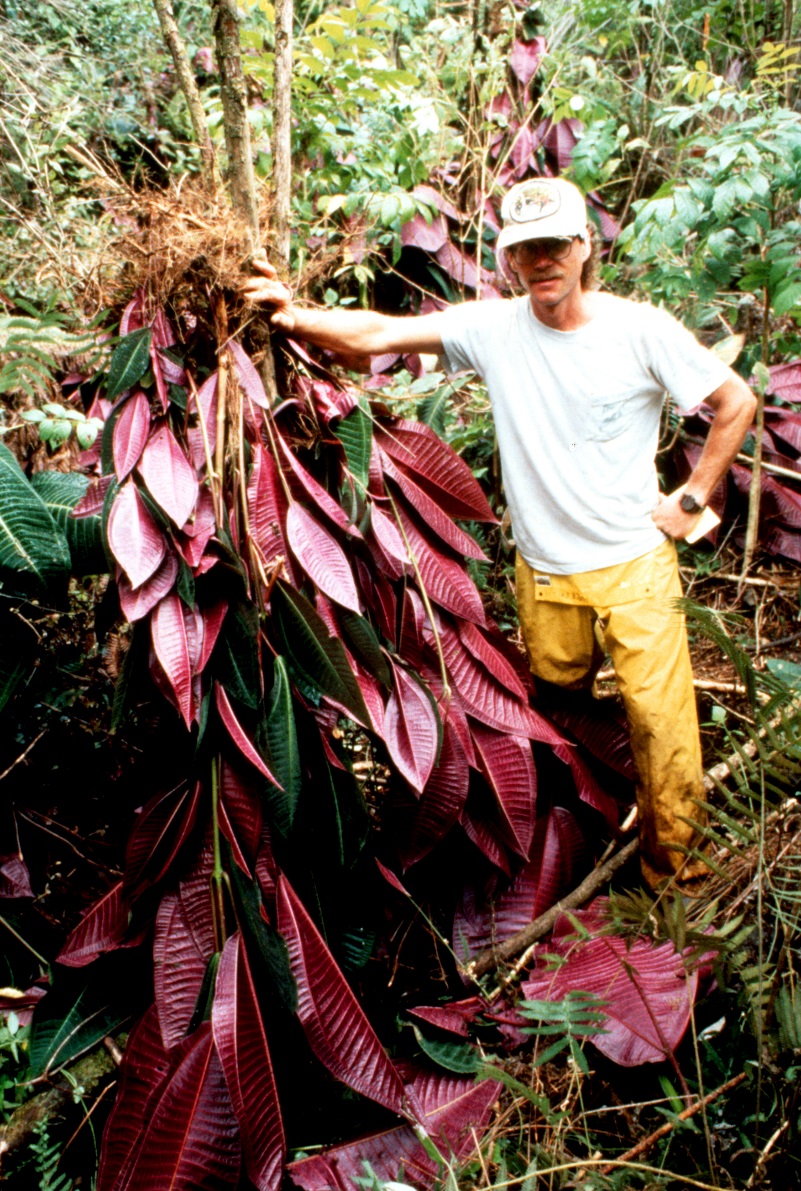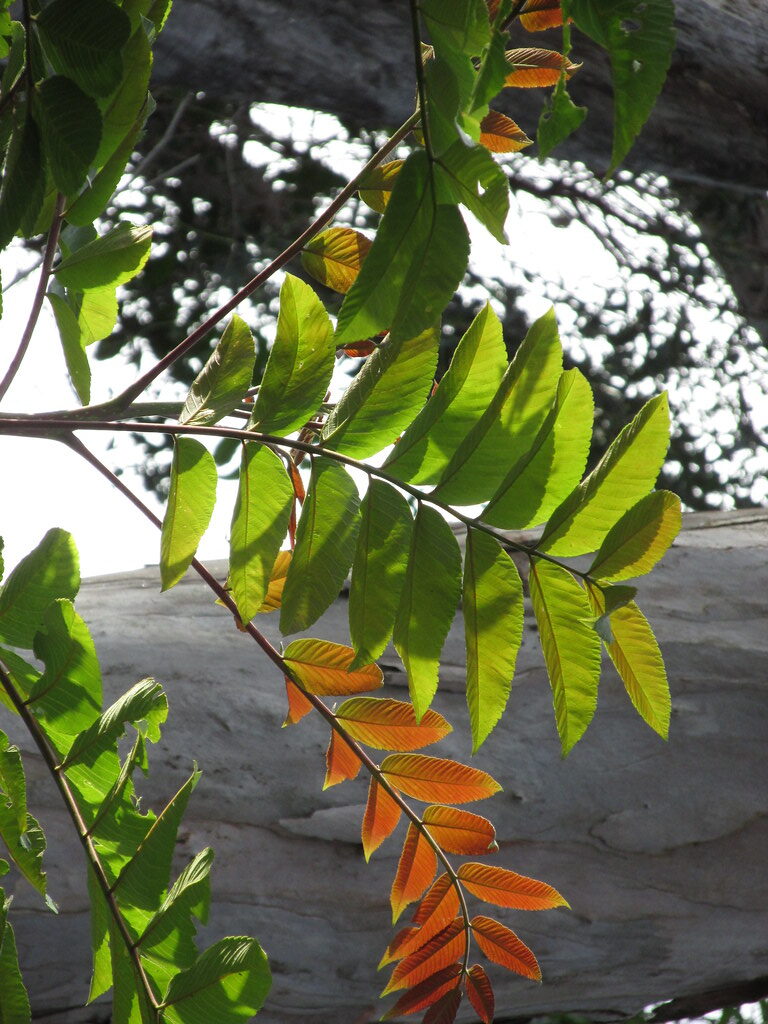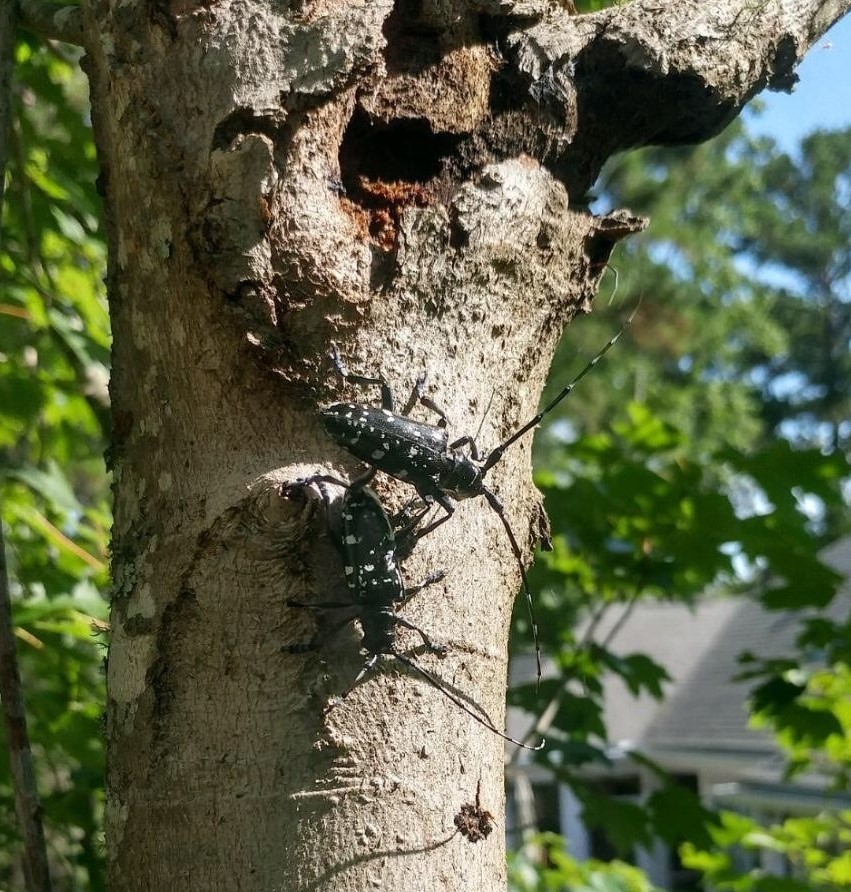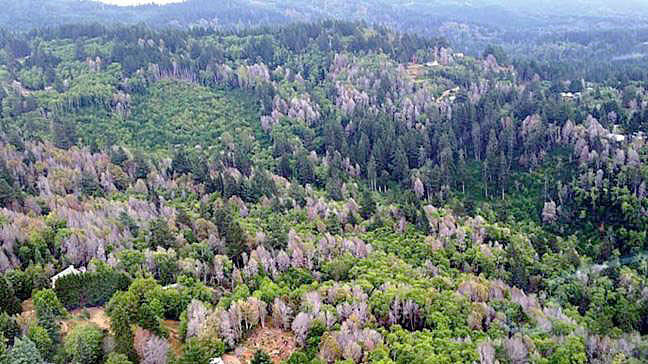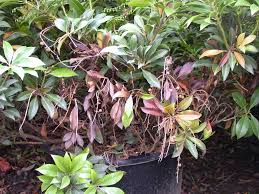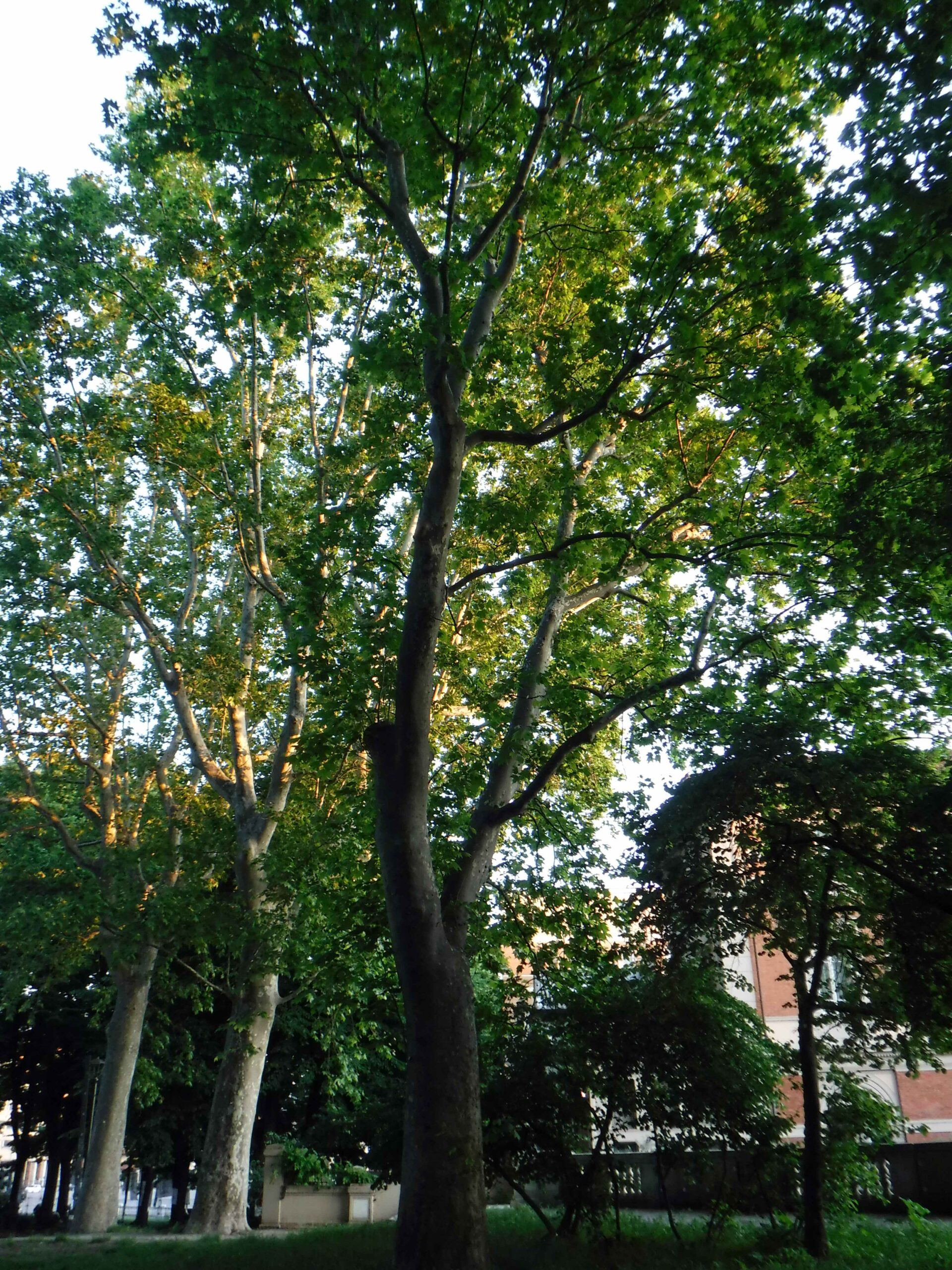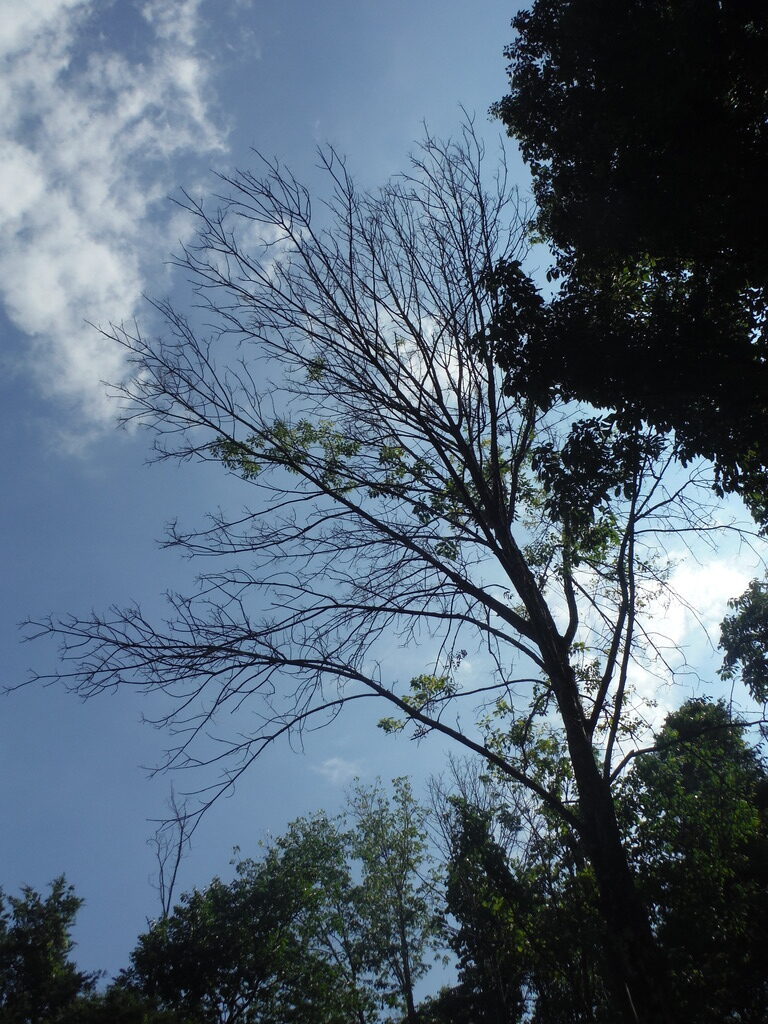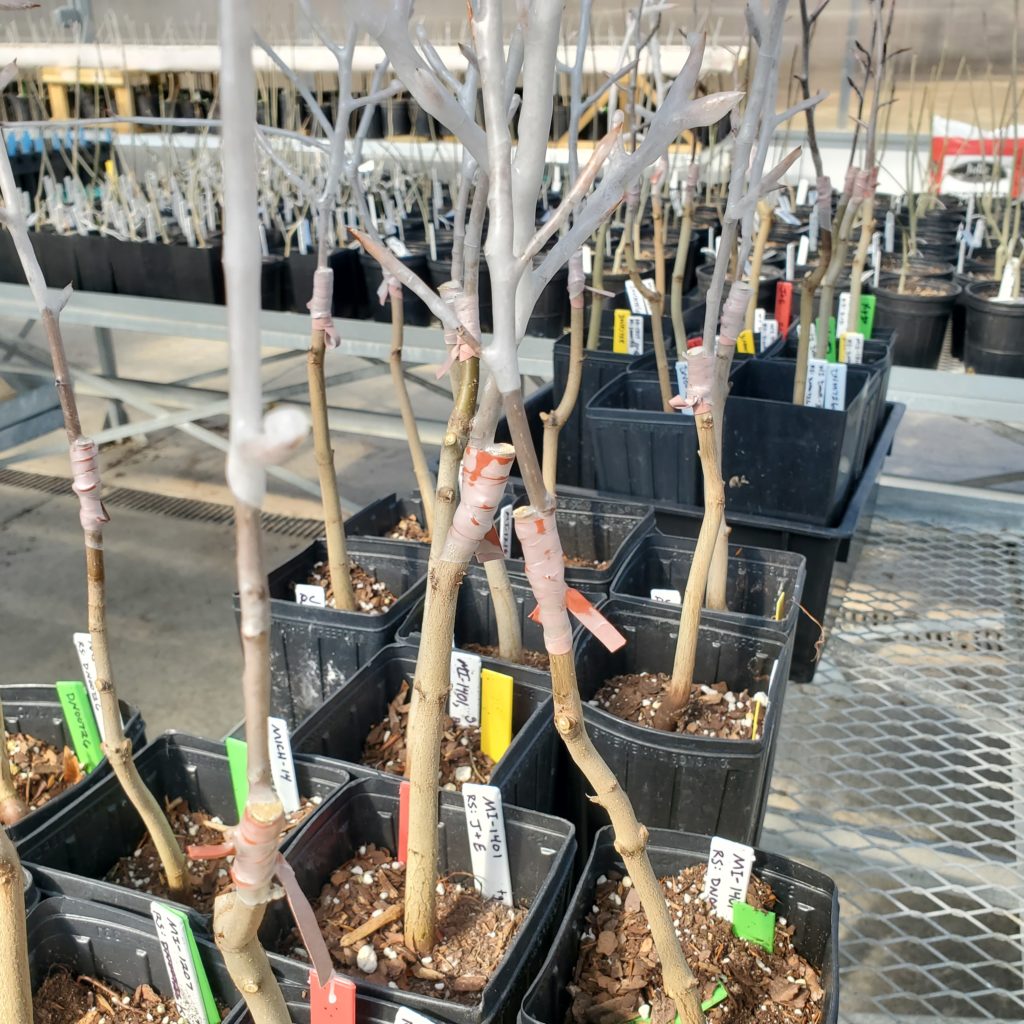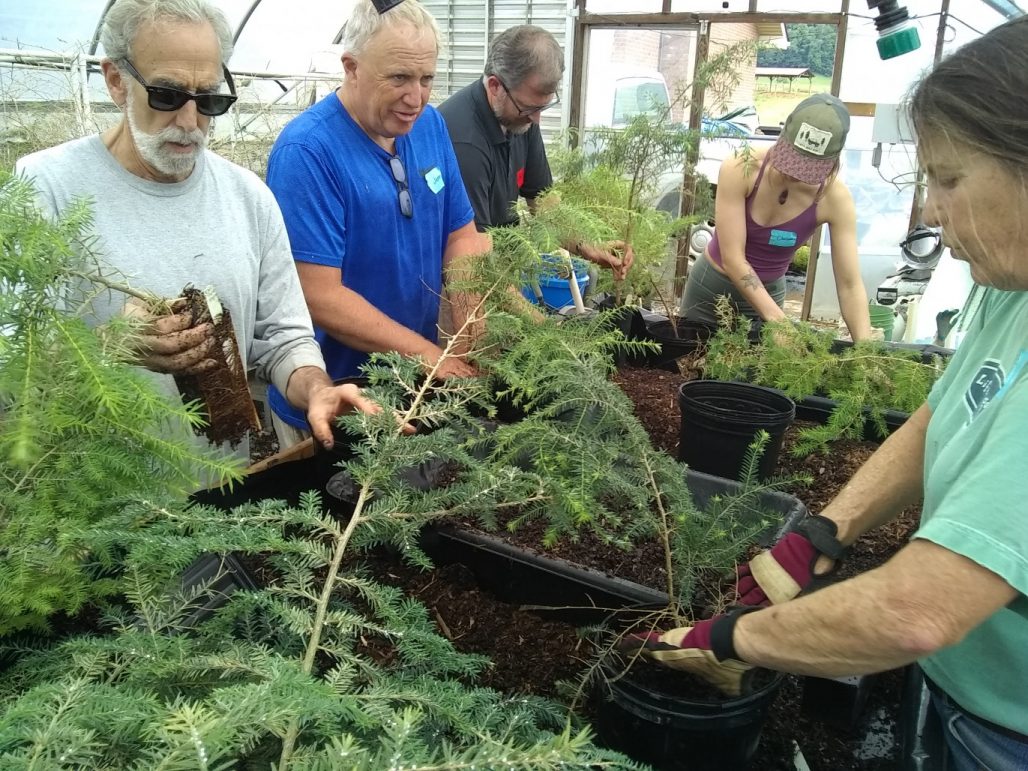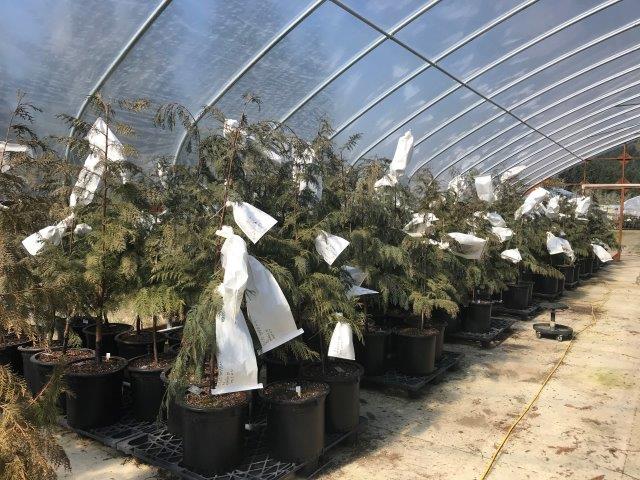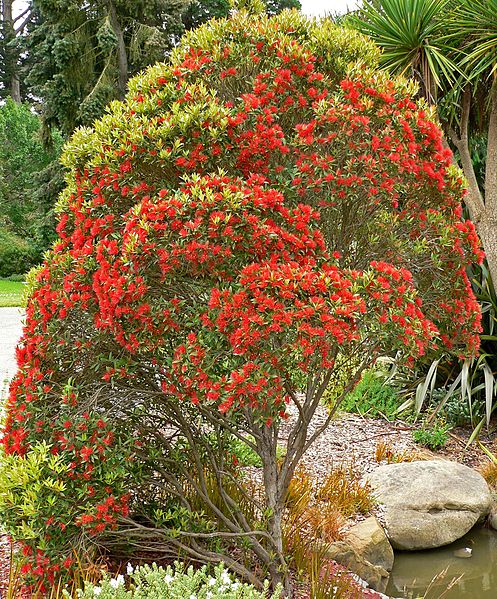
Phytopthora ramorum-infected potted plants; photo by Washington State University
At this year’s USDA Invasive Species Forum I will be seeking to promote a discussion of what American and other stakeholders can do to suppress spread of forest pathogens. I have raised this issue many times before. To see my blogs about the P4P pathway, scroll down below the archives to the “categories”. See especially here and here.
I note that:
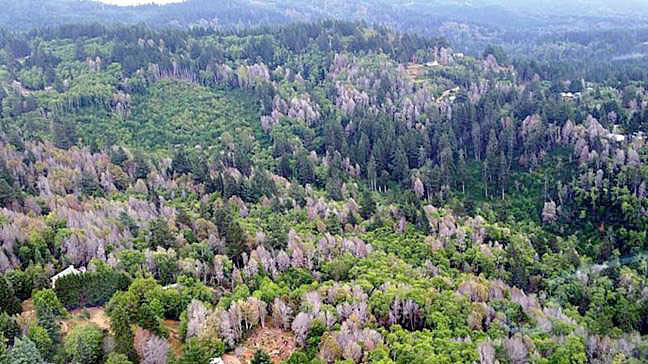
Non-native invasive pathogens and pests are decimating forests worldwide, threatening biodiversity & limiting efforts to rely on forests to alleviate impacts of climate change.
Many of the most damaging non-native organisms are pathogens that are especially difficult to detect at borders or to contain or eradicate once introduced.
A principal pathway by which pathogens are introduced is the international trade in living plants, or “plants for planting” (P4P).
Forest pathologists have long advocated a more pro-active approach – but national and international plant health officials have not taken up the challenge. [think Clive Brasier, Bitty Roy, Thomas Jung, Michael Winfield …]
Austropuccinia psidii on Melalecua in Australia; John Tann via Flickr
At the global level I suggest that we need:
National agricultural agencies, stakeholders, FAO & International Plant Protection Convention (IPPC) to consider amending IPPC requirement that scientists identify a disease’s causal agents before regulating it. I think experience shows that this policy virtually guarantees that pathogens will continue to enter, establish, & damage natural and agricultural environments.
National governments & FAO / IPPC to fund greatly expanded research to identify microbes resident in regions that are important sources of origin for traded plants, vulnerability of hosts in importing countries, and new technologies for detecting pathogens (e.g., molecular tools, volatile organic compounds [VOCs]).
Researchers & agencies to expand international “sentinel plants” networks; incorporate data from forestry plantations, urban plantings, etc. of non-native trees.
Application of ISPM#36 to promote use of HACCP programs for plants in trade. (See also my discussion in Fading Forests III – link at end of this blog.)
‘ohi‘a trees killed by rapid ‘ohi‘a death; photo by Richard Sniezko, USFS
We Americans need to
Evaluate efficacy of current regulations – incorporating NAPPRA & Q-37 revision. Rely on AQIM data. Include arthropods, fungal pathogens, oomycetes, bacteria, viruses, nematodes. Include threats to U.S. tropical islands (Hawai`i, Puerto Rico, Guam, etc.) which are centers of plant endemism.
Apply existing programs (e.g., NAPPRA, Clean Stock Network, post-entry quarantine) to strictly regulate trade in plant taxa most likely to transport pests that threaten our native plants; e.g., plants belonging to genera shared between North American trees & plants on other continents.
Recognize that plant nurseries are incubators for microbial growth, hybridization, and evolution; require nurseries to adopt sanitary operation procedures regardless of whether they sell in inter-state or intra-state commerce
I will explain my sense of urgency by noting the many recent introductions of pathogens – most probably via P4P or cut vegetation:
13 outbreaks of Phytophthora-caused disease in forests and natural ecosystems of Europe, Australia and the Americas. Three of four known strains of P. ramorum are established in U.S. forests.
Myrtle rust (Austropuccinia psidii) has been introduced to 27 countries, including the U.S., Australia, and South Africa.
Two new species of Ceratocystis (C. lukohia & C. huliohia)—causal agents of rapid ‘ohi‘a death (ROD) – spreading on the Hawaiian Islands. The former species appears to have originated in the Caribbean; the latter in Asia.
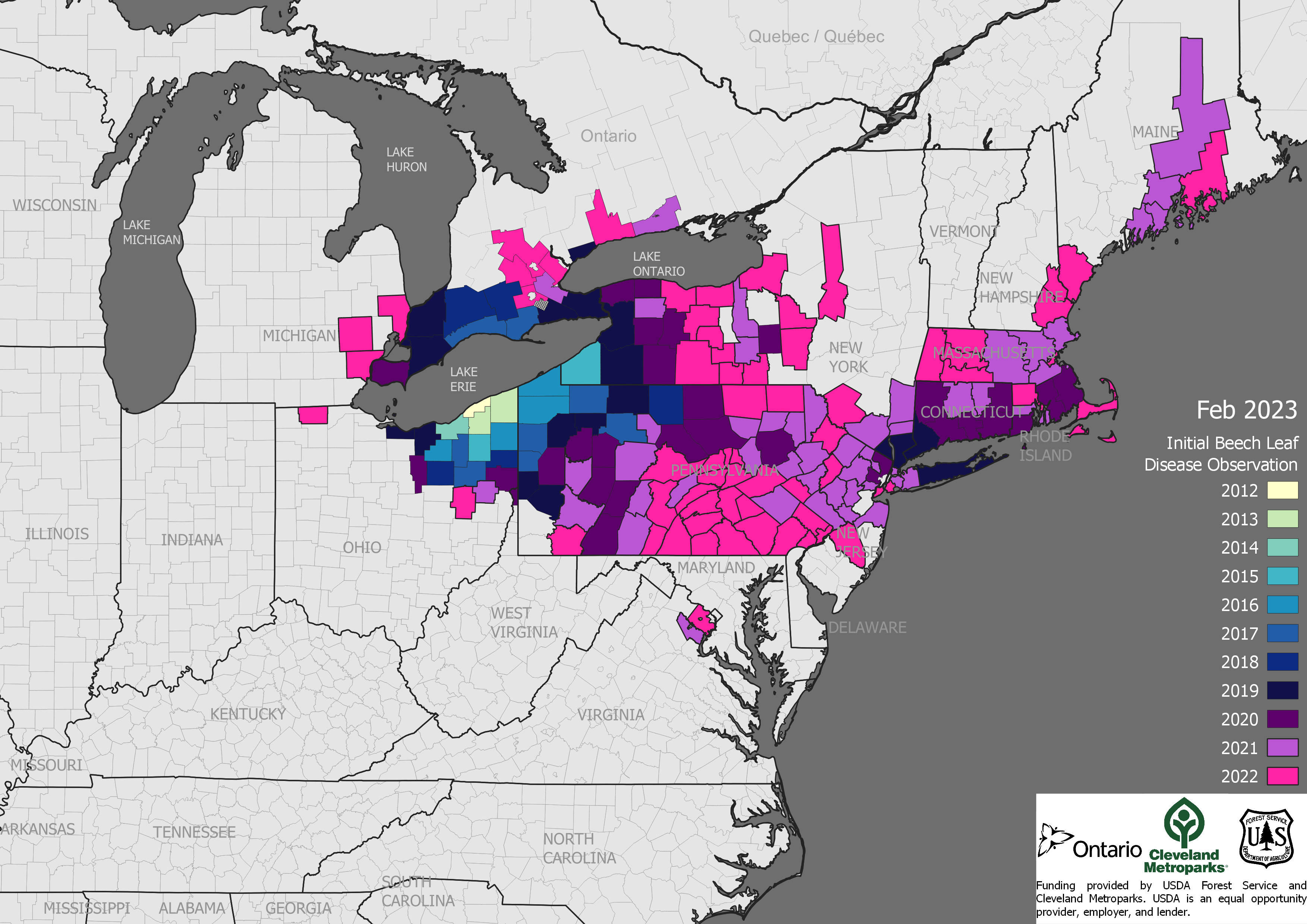
Since 2012, beech leaf disease has spread from northeastern Ohio to Maine.
Boxwood blight (caused by 2 ascomycete fungi, Calonectria pseudonaviculata & C. henricotiae) introduced to at least 24 countries in 3 geographic areas: Europe / western Asia; New Zealand, North America.
ash dieback fungus (Hymenoscyphus fraxineus) has spread across Europe after introduction from Asia.
What do you think? Can we find more effective methods to curtail introductions?
beech leaf disease
Posted by Faith Campbell
We welcome comments that supplement or correct factual information, suggest new approaches, or promote thoughtful consideration. We post comments that disagree with us — but not those we judge to be not civil or inflammatory.
For a detailed discussion of the policies and practices that have allowed these pests to enter and spread – and that do not promote effective restoration strategies – review the Fading Forests report at http://treeimprovement.utk.edu/FadingForests.htm
Platanus orientalis in Turkey; photo by Zeynek Zebeci
A current issue of the journal Forests (2022 Vol. 13) is a special issue focused on forest pests. This topic was chosen because of increased pest incursions. Choi and Park (full citations at the end of the blog) link this to climate change and increased international trade, as well as difficulties of predicting which pests will cause damage where.
The journal issue contains 15 papers. Several patterns appear throughout. First is the important role of international trade in living plants – “plants for planting” – in introductions. This is hardly news! A second pattern is that at least two North American species were introduced to Europe during the 1940s, probably in wood packaging used to transport military supplies during World War II.
This compilation provides the opportunity to review which organisms of North American origin have become damaging invaders in Eurasia — and sometimes other continents. For example, the journal carries four articles discussing pine wilt disease (PWD). It is caused by the North American nematode Bursaphelenchus xylophilus, and is vectored by wood-boring insects in the genus Monochamus. Beetles introduced from North America and those native to the invaded area are both involved. This disease is considered a severe threat to forest health globally. No apparent association with WWII exists for PWD.
Two fungal pathogens from North America cause serious damage in urban and natural forests of Europe and central Asia. Neither is discussed in the special issue:
Ceratocystis platani has devastated urban trees in the Platanus genus, especially the “London plane” hybrid, and the native European tree, Platanus orientalis. This fungus was accidentally introduced to southern Europe during WWII – as were the two insects described by Musolin et al. It was first reported in northern Italy and Mediterranean France in the early 1970s, but disease symptoms had been observed years earlier. C. platani is established across the northern rim of the Mediterranean and to the east in Armenia and Iran. The worst damage has been in Greece, especially in natural forest stands in riparian areas. Spread of the pathogen there is facilitated by root grafts and by tree wounds caused by floating wooden debris during floods (Tsopelas et al. 2017.)
Platanus orientalis along Voidomatis River in Greece; photo by Onno Zweers, via Wikimedia
Heterobasidion irregulare infects conifers. It has spread and killed large numbers of Italian stone pine (Pinus pinea). The disease was inadvertently introduced to central Italy in the 1940s. H. irregulare has greater sporulation potential and decays wood more quickly than the native congener H. annosum. H. irregulare appears to be replacing the European species; scientists fear it will exacerbate tree infection and mortality rates (Garbelotto, Leone, and Martiniuc. date?)
A third North American pathogen, sooty bark disease (Cryptostroma corticale) has been introduced to Europe. This disease, found on sugar maple in eastern North America, was detected in Great Britain in 1945; it is now throughout Europe (Tanney 2022). EPPO reports that it is widespread in western Europe and in some Balkan countries. The website provides no information on its impact in Europe.
Pests in Russia
A paper authored by Musolin, et al. discusses 14 species of invasive or emerging tree pests found in Russian forest and urban ecosystems. Of these, two are native to North America. Another eight pose a threat to North America if they are introduced here.
As Musolin et al. point out, Russia covers a huge territory across Europe and Asia – stretching 10,500 km, or 6,500 miles. These encompass a great variety of ecological zones. Russia is also actively involved in international trade. It is not surprising, then, numerous non-native organisms have been introduced.
As of 2011, 192 species of phytophagous non-native insects from 48 families and eight orders were documented in the European part of Russia. This number does not include the vast areas in Asian Russia. Additional introductions have probably occurred in the most recent decade. Some of these introduced species have cause significant economic losses. Still, Russia appears to rarely mount a serious control effort.
Of course, the opposite is also true: pests native to some part of Russia can be transported to new regions of Russia or beyond its borders. We North Americans have focused on various species of tussock moths (Lymantria spp., etc.). There are many others. Musolin et al. describe eight in detail. All the information in this blog are from that article unless otherwise indicated.
Two North American Species’ Damage in Eurasia
Both these introductions were detected around the year 2000. Was there some event – other than simply expanding trade – that might explain these introductions?
Leptoglossus occidentalis; photo by nutmeg66 via Flickr
Western Coniferous Seed Bug, Leptoglossus occidentalis
This insect from western North America has invaded Eurasia, North Africa, and Central America. The first detection in Europe was in 1999 in Italy. It spread quickly and is present now from Morocco to Japan, as well as in South Africa and South America. The seed bug is spreading northward in European Russia, including into the forest-steppe zone. Its ability to spread to the East is uncertain.
L. occidentalis attacks a wide range of Pinaceae and Cupressaceae. In the Mediterranean region it has had serious impacts on the pine nut supply (Ana Farinha, IUFRO, Prague, September 2021). In southern parts of Russia it has caused “significant damage”. L. occidentalis also vectors a pathogenic fungus Sphaeropsis sapinea (=Diplodia pinea), which causes diplodia tip blight. The cumulative damage of insect and pathogen to pines can be significant.
The introduction pathway to Russia is unknown. It might have flown from established populations in Europe, or it might have been transported on plants for planting or Christmas decorations.
Oak Lace Bug, Corythucha arcuata
This insect is widespread in the United States and southern Canada. It was first detected in Europe – again, Italy – in 2000. Twenty years later it has spread to almost 20 countries.
Russia was invaded relatively recently; the first outbreak was detected in 2015 in the subtropical zone along the Black Sea coast and Caucasus. Musolin et al. expect the lace bug to spread to natural forests of Central Asia and other countries of the Caucasus. Its spread will be assisted by air currents and movement of plants for planting. The insect is causing considerable aesthetic damage, but other impacts have not been estimated.
Hosts include many species of oak (Quercus spp.), European and American chestnuts (Castanea spp.) plus trees from other botanical families: willows and maples (Salicaceae), redbay (Fagaceae), and alder (Betulaceae).
Pests in Russia that Could Damage North America if Introduced Here
Malus sierversii; photo by Lukacz Szczurowski via Wikimedia
Threat to Apples — Apple Buprestid, Agrilus mali
This Asian beetle has caused extensive mortality of wild apple (Malus sieversii) forests in Xinjiang, China. Wild apple trees are important components of deciduous forests in the Central Asian mountains. The species is also an ancestor of the domestic apple tree. Consequently, the borer is considered a potential threat to cultivated apple trees – presumably everywhere. A. mali might also attack other fruit trees in the Rose family, i.e., Prunus (plums, cherries, peaches, apricots, almonds) and Pyrus (pears).
Unlike most of the other species described here, A. mali is a quarantine pest in Russia and across Europe and the Mediterranean regions – the region where phytosanitary policies are coordinated by the European and Mediterranean Plant Protection Organization (EPPO). Russia bans imports of apple seedlings from infested areas.
China is reported to be experimenting with a possible biocontrol agent, Sclerodermus pupariae (a parasitoid of emerald ash borer).
Threat to Pines and Firs, Already Under Invasive Species Threats
Small Spruce Bark Beetle, Ips amitinus
This European beetle has been considered a secondary pest of dying conifers. Over the last 100 years, it has moved farther North. The first Russian record was 100 years ago, in the region where Russia, Belarus, and Ukraine meet. (Did military action during World War I play a role? This is not discussed by the authors.) By 2022, the beetle occupies 31 million ha. It is probably spread through transport of logs by rail.
In Western Siberia, the spruce beetle has attacked a new host, Siberian pine (Pinus sibirica).
The danger to North America arises from this beetle’s preference for five-needle pines (genus Pinus section Quinquefoliae). North America’s five-needle pines are already under severe pressure from the introduced pathogen white pine blister rust (Cornartium ribicola) and the native mountain pine beetle (Dendroctonus ponderosae).
Four-Eyed Fir Bark Beetle, Polygraphus proximus
This East Asian beetle feeds on firs (Abies spp.). Less commonly, it feeds on other genera in the Pinaceae: spruce (Picea ), pines (Pinus), larch (Larix), hemlock (Tsuga).
This beetle has been spreading west; the first substantiated record in European Russia was 2006 in Moscow. The beetle was probably present in western Siberia in the 1960s, although it was not detected until 2008. Again, the probable pathway of spread is movement of lumber by railroad.
P. proximus vectors an obligate symbiotic fungus, which can rapidly weaken the host. Musolin et al. comment on the beetle’s impacts – which they rarely do in this article. (Does this signify more damaging impacts, or availability of past studies?) They note significant changes in the forests’ ecosystem structure and microclimate, vegetation cover, and local insect fauna.
The danger to North America arises from this beetle’s preference for firs from the sections Balsamea and Grandis. Many North American firs are in these sections, including Fraser fir (Abies fraseri), balsam fir (A. balsamea), subalpine fir (A. lasiocarpa), grand fir (A. grandis), white fir (A. concolor), and others. Several of these firs already are challenged by the introduced balsam woolly adelgid. Firs in central and western Europe are less vulnerable since they are in the section Abies, which the beetle prefers less.
Threats to Poplars
Spotted Poplar Borer,Agrilus fleischeri
This boring beetle is native to northern Asia. It has caused significant mortality in native and exotic Populus plantations in China. Although there have been no reports of this beetle moving beyond its native range, many other Agrilus species have. Canada has twice intercepted adult spotted poplar borers on wood packaging. Musolin et al. fear that the adoption of non-native hosts might trigger an outbreak that would facilitate spread.
Poplar Leafminer, Phyllonorycter populifoliella
balsam poplar; photo by Matt Lavin via Flickr
This micromoth is widely distributed across the Palearctic. It was recently detected on introduced poplars growing in India.
The danger to North America arises from the beetle’s preference for black and balsam poplars. Several species in these taxonomic groups are common in North America, including Populus balsamifera, P. trichocarpa, P. deltoides, and Populus × Canadensis.
Threat to Oaks — Leaf Blotch Miner Moth, Acrocercops brongniardella
This micromoth is widely distributed in Europe and expanding to the north. The pest mines the leaves of several oak species (Quercus spp.), especially English oak, Q. robur; and sometimes European chestnut (Castanea sativa). Leaf blotch miner is considered one of the most important folivore insect pests of oaks in Russia. Damage has been greater in Omsk Oblast (Siberia), where both English oak and the micromoth are introduced species, than in St. Petersburg, which is on the northern limit of their natural range. Musolin et al. fear that the warming climate will lead to the pest causing greater damage in the northern portions of its range.
Threat to Basswood — Lime Leaf Miner, Phyllonorycter issikii
This Asian moth has been moving west since the mid-1980s. It now occupies most of European Russia with some outbreaks in Siberia. In Europe, it is a conspicuous pest of Tilia species.
In these invaded regions, the leaf miner has shifted to novel hosts, including American basswood (T. americana). Basswood is a common plant in the eastern deciduous forest of North America.
Threat to Horse Chestnuts & Urban Trees — Horse-Chestnut Leaf Miner, Cameraria ohridella
This tiny moth was unknown to science before the first recorded outbreak in the late 1980s. Over the next three decades it spread to most of Europe, where horse chestnut (Aesculus hippocastanum)has been widely planted for three centuries. It has caused significant damage.
The first Russian detection was in Kaliningrad, on the shores of the Baltic Sea, in 2003. The leaf miner now occupies 69% of administrative units of European Russia. It is considered one of the Top 100 most dangerous invasive species in Russia.
In North America, the moth might attack native horse chestnuts, Ae. octandra (=flava) and Ae. glabra. Urban plantings are at particular risk because the leaf miner might attack both European horse chestnuts and two non-native maples that have been planted widely, sycamore maple (Acer pseudoplatanus) and Norway maple (A. platanoides). Data cited by Musolin et al. are contradictory regarding larval development on the maples. Once introduced, the leaf miner is difficult to contain because it spreads through natural flight of adults, wind-blown leaves, hitchhiking on vehicles, and movement of infected plants.
Shared Pests
Russia has been invaded by two species that have been introduced in many countries (beyond pine wilt nematode). These two entered the country on plants for planting being imported to landscape venues for the XXII Winter Olympic Games – held in Sochi in 2014.
First to arrive was the Box Tree Moth, Cydalima perspectalis. This East Asian species was first detected outside its native range in Germany in 2006. By 2011 it was widespread in European and Mediterranean countries. In 2021, the boxwood moth was found in North America (first Canada, then the United States). [I discuss the boxwood moth briefly here.]
boxtree moth; photographer unknown
In Russia, box tree moth larvae were first recorded in 2012 on the planting stock of its principal host, Buxus sempervirens. The moth quickly spread around the Black Sea region and to the North Caucasus. It spread farther, too: it reached the Kaliningrad Oblast (southeast coast of the Baltic Sea) in 2020. The main pathway of C. perspectalis invasion was the introduction of infested box-wood planting material.
Further spread of C. perspectalis is likely from Russia into the natural forests across the Caucasus (Transcaucasia) and to countries located further south. This is most distressing because the region has extensive natural forests of Buxus sempervirens. In 2015–2017, C. perspectalis almost completely destroyed the natural boxwood populationsin these regions of Russia and further eastwards in Abkhazia. Boxwood stands in Georgia and northern Iran are already suffering intensive defoliation as the result of infection by two non-native pathogens, Calonectria pseudonaviculata [synonym Cylindrocladium buxicola] and Calonectria henricotiae. Damage to these forests could lead to reductions in soil stability and subsequent declines in water quality and flood protection, changes in forest structure and composition, and declines in Buxus-associated biodiversity (at least 63 species of lichens, fungi, chromista and invertebrates might be obligate). (In December 2022, Iryna Matsiakh presented a compelling overview of threats to these forests in a webinar sponsored by the Horticulture Research Initiative; apparently no recording is available.)
The second global invader to appear was the Brown Marmorated Stink Bug, Halyomorpha halys.
This insect from southeast and east Asia invaded the United States in 1996. The first detection in Europe was in Liechtenstein in 2004. In both cases, it spread quickly across these continents.
Russia’s first detection of stinkbug was in 2014 in parks in Sochi and elsewhere along the Black Sea coast. The spread in Russia appears to have been limited to the Black Sea – Caucasus area.
The brown marmorated stinkbug is highly polyphagous, feeding on more than 300 species of plants. In southern Russia, 107 species have been documented as hosts. At times, stinkbug feeding has caused severe losses in yields of fruit and vegetable crops.
Patterns
Musolin et al. stress the importance of the pest shifting to new hosts–usually from the same or a closely related genus. They cite several examples of these shifts occurring in the pest’s native range, including Agrilus planipennis (from local Asian ash species to introduced North American ash species); Phyllonorycter populifoliella and Agrilus fleischeri (from local poplars to widely cultivated introduced North American poplars and hybrids); Agrilus mali (from cultivated to wild apples).
As I noted above, the introduction and spread pathways are the usual ones: plants for planting (three species) and shipments of logs. There is one indication of wood packaging – Spotted Poplar Borer, Agrilus fleischeri at the Canadian border.
Garbelotto, M., G. Lione, and A.V. Martiniuc. date? The alien invasive forest pathogen Heterobasidion irregulare is replacing the native Heterobasidion annosum. Biological Invasions https://doi.org/10.1007/s10530-022-02775-w
Musolin, D.L.; Kirichenko, N.I.; Karpun, N.N.; Aksenenko, E.V.; Golub, V.B.; Kerchev, I.A.; Mandelshtam, M.Y.; Vasaitis, R.; Volkovitsh, M.G.; Zhuravleva, E.N.; et al. Invasive insect pests of forests and urban trees in Russia: Origin, pathways, damage, and management. Forests 2022, 13, 521.
Tanney, J. Forest Health Challenges Exacerbated by a Changing Climate: Swiss Needle Cast and Sooty Bark Disease in B.C. 65th ANNUAL FOREST PEST MANAGEMENT FORUM (Canada). December 7, 2022.
Tsopelas, P., A. Santini, M.J. Wingfield, and Z.W. de Beer. Canker Stain: A Lethal Disease Destroying Iconic Plane Trees. Plant Disease 2017. 101-645-658 American Phytopathological Society
The U.S. Geological Survey (USGS) has published an updated register of introduced species in the United States. The master list contains 14,700 records, of which 12,571 are unique scientific names. The database is divided into three sub-lists: Alaska, with 545 records; Hawai`i, with 5,628 records; and conterminous (lower 48) United States, with 8,527 records.
The project tracks all introduced (non-native) species that become established, because they might eventually become invasive. The list includes all taxa that are non-native everywhere in the locality (Alaska, Hawai`i, or 48 conterminous states) and established (reproducing) anywhere in that locality.
Each record has information on taxonomy, a vernacular name, establishment means (e.g., unintentionally, or assisted colonization), degree of establishment (established, invasive, or widespread invasive), hybrid status, pathway of introduction (if known), habitat (if known), whether a biocontrol species, dates of introduction (if known; currently 47% of the records), associated taxa (where applicable), native and introduced distributions (when known), and citations for the authoritative source(s) from which this information is drawn.
The 2022 version is more complete re: plant pathogens than earlier iterations; I thank the hard-working compilers for their efforts!
Hawai`i
wiliwili tree (Erythrina sandwicensis); photo by Forest and Kim Starr
Among the non-native species listed as being in Hawai`i are 3,603 Arthropods, including the following about which I have blogged:
eight species of mosquito in the Hawaiian islands, including the Culex and Aedes species that vector the diseases that have caused extinction of numerous endemic bird species on the Islands.
Also listed are 95 mollusk species and 20 earthworm species. I wonder who is studying the worms’ impacts? I doubt any is native to the Islands.
The Hawaiian list contains 1,557 non-native plant species. Families with largest representation are Poaceae (grass) – 223 species; Fabaceae (beans) – 156 species; and Asteraceae – 116 species. About a third of the plant species – 529 species – are designated as “widespread invaders”. This number is fifteen times higher than the numbers in lists maintained by either the Hawaiian Ecosystems At Risk project (106 species) [HEAR unfortunately had to shut down a decade ago due to lack of funds]; or Hawaiian Invasive Species Council (80 species). Furthermore, some of the species listed by HEAR and HISC are not yet widespread; the lists are intended to facilitate rapid responses to new detections. We always knew Hawai`i was being overrun by invasive species!
Among the 529 most “widespread invaders” are the following from the most introduced families:
Other families have fewer introduced species overall, but notable numbers of the most widespread invaders:
Euphorbiaceae – 8 spp. of Euphorbia
Cyperaceae – 6 spp. of Cyperus
Myrtaceae – Melaleuca quinquenervia, 2 Psidium, Rhodomyrtus tomentosa rose myrtle, 3 Syzygium [rose myrtle has been hard-hit by the introduced myrtle rust fungus]
Zingiberaceae – 3spp. Hedychium (ginger)
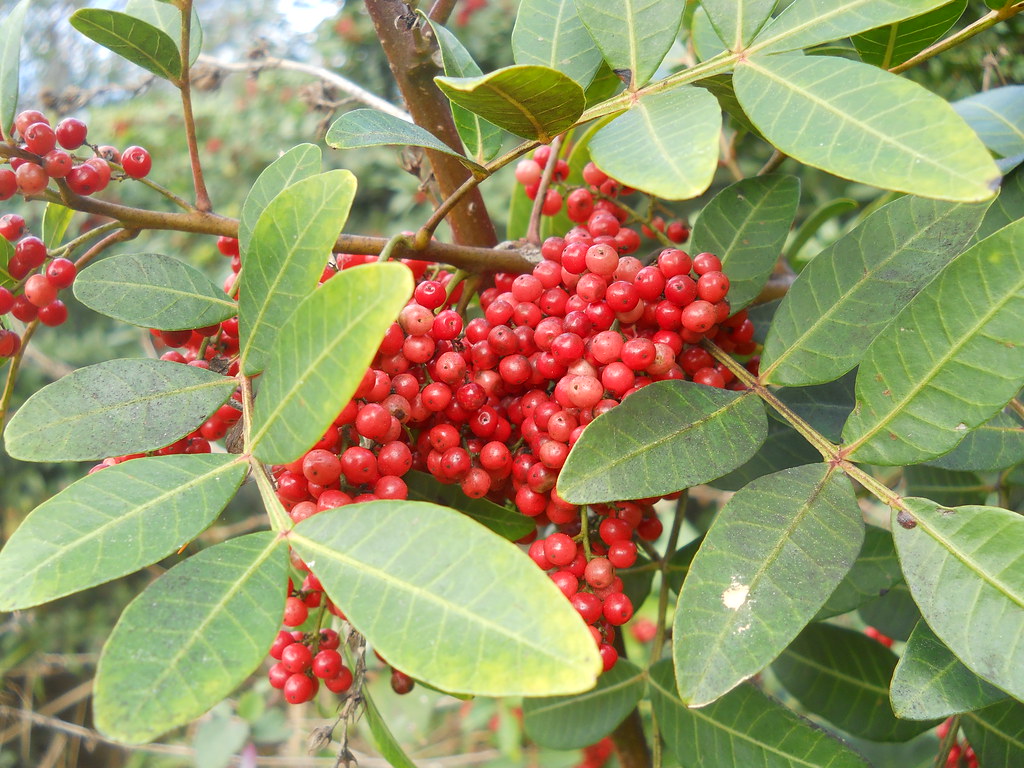
Anacardiaceae — Schinus molle (Peruvian peppertree); USGS considers congeneric S. terebinthifolia to be somewhat less widespread.
Plus many plant taxa familiar to those of us on the continent: English ivy, privet, castor bean, butterfly bush, Ipomoea vines … and in more limited regions, Japanese climbing fern Lygodium japonicum.
Rhus sandwicensis; photo by Forest and Kim Starr
I learned something alarming from the species profiles posted on the HISC website: the Hawaiʻi Division of Forestry and Wildlife and Hawaiʻi Department of Agriculture are considering introduction of a species of thrips, Pseudophilothrips ichini, as a biocontrol agent targetting S. terebinthifolia. I learned in early 2019, when preparing comments on Florida’s proposed release of this thrips, that Pseudophilothrips ichini can reproduce in low numbers on several non-target plant species, including two native Hawaiian plants that play important roles in revegetating disturbed areas. These are Hawaiian sumac Rhus sandwicensis and Dodonea viscosa. The latter in particular is being propagated and outplanted in large numbers to restore upland and dryland native ecosystems. While the environmental assessment prepared by the USDA Animal and Plant Service says the thrips causes minimal damage to D. viscosa, I am concerned because of the plant species’ ecological importance. Of course, the two Schinus species are very damaging invasive species in Hawai`i … but I think introducing this thrips is too risky. [To obtain a copy of CISP’s comments, put a request in comments section. Be sure to include your email address in your comment; the section algorithm does not include email addresses (how inconvenient!).]
Continental (lower 48) states
Among the 8,500 species listed in the USGS Register for the 48 continental states are 4,369 animals, among them 3,800 arthropods; 3,999 plants; and just 89 fungi. Among the arthropods, there are 1,045 beetles and 308 lepidopterans. The beetles listed include 12 Agrilus (the genus which includes emerald ash borer and goldspotted oak borer.) It does not include the elm zig-zag sawfly USGS staff have not found any publications documenting its U.S. occurrences. Among the microbes are six Phytophthora (P. cinnamomi, P. lateralis, P. pseudocryptogea, P. quercina, P. ramorum, P. tentaculata). Profiles of several of these species are posted at www.dontmovefirewood.org; click on “invasive species”, then scroll using either Latin or common name.
elm zig-zag sawfly; photo by Gyorgy Czoka via Bugwood
Citation:
Simpson, Annie, Pam Fuller, Kevin Faccenda, Neal Evenhuis, Janis Matsunaga, and Matt Bowser, 2022, United States Register of Introduced and Invasive Species (US-RIIS) (ver. 2.0, November 2022): U.S. Geological Survey data release, https://doi.org/10.5066/P9KFFTOD
United States Register of Introduced and Invasive Species;US-RIIS ver. 2.0, 2022
If you would like to contribute to future versions of the US-RIIS, please email the project leaders at us-riis@usgs.gov.
Posted by Faith Campbell
We welcome comments that supplement or correct factual information, suggest new approaches, or promote thoughtful consideration. We post comments that disagree with us — but not those we judge to be not civil or inflammatory.
For a detailed discussion of the policies and practices that have allowed these pests to enter and spread – and that do not promote effective restoration strategies – review the Fading Forests report at http://treeimprovement.utk.edu/FadingForests.htm
In an earlier blog about tree extinctions, I commented that less drastic impacts by pests can also be important. I mentioned specifically that clumps of beech root sprouts cannot duplicate the quantities of nuts and cavities provided by mature beech trees.
This thought prompted me to search for information about use of tree cavities by wildlife. The articles I have found are decades old and largely focus on implications for management of forests for timber. Timber production conflicts with a goal of ensuring the presence of large (“overmature”), trees, especially those with dead branches, and completely dead trees (“snags”). These articles were written too long ago to address the possible impacts of non-native insects and pathogens – although there is some discussion of widespread mortality of pines caused by the mountain pine beetle.
These sources make clear that species that make cavities are keystone species. Many other wildlife species depend on them — birds, bats and terrestrial animals – mammals and herps. Furthermore, these cavity-associated species require forests with significant numbers of large, old, declining trees. When non-native insects or pathogens kill those trees, there might be a short-term bonanza of dying trees – suitable for nesting and foraging; and wood-feeding insects to provide food. But afterwards – for decades or longer – there will probably be small-diameter trees, and different species. Can the cavity-dependent species find habitat or food under these circumstances?
[By coincidence, the PBS program “Nature” broadcast an episode on woodpeckers on the 2nd of November! The title is “The Hole Story”. ]
Cavities provide a variety of habitats for many species – including some not usually thought of as “forest” species. Among the 85 North American bird species identified by Scott et al. as associated with cavities are seven species of ducks, two vultures, three falcons, 12 owls, two swifts, six flycatchers, two swallows, purple martin, seven chickadees, three titmice, four nuthatches, brown creeper, five wrens, three bluebirds, and two warblers. They point out that the majority of these birds are insectivores. Woodpeckers are especially important predators of tree-killing bark beetles.
Goodburn and Lorimer found that more than 40 species of birds and mammals in hardwood forests of Wisconsin and Michigan use cavities in snags and dead portions of live trees for nest sites, dens, escape cover, and winter shelter. Bunnell reported that 67 vertebrate species commonly use cavities in the Pacific Northwest. Chepps et al., Daily et al., and Wiggins focus on specific species in the Rocky Mountains. (Full citations for all sources are at the end of the blog.)
While Scott et al. (published in 1977) do not address the impact of non-native pests, their profiles of individual bird species sometimes name specific types of trees favored. Several of these tree taxa have been decimated by such non-native pests, or face such attack in the near future. Thus, concern appears warranted for:
pileated woodpecker; photo by Jo Zimni via Flickr
birds nesting in American elm, including two that are quite large so they require large trees to accommodate their nests: common goldeneye (a duck) and pileated woodpecker (larger than a crow).
the pileated woodpecker also nests in ash and beech and here
How many species depended on American chestnut, which – before the blight — grew to diameters up to 5 feet, heights of 70 to 100 feet, and had hollow centers (USDA 2022)?
In the West, some nesting tree species are under imminent threat from invasive shot hole borers, goldspotted oak borer, or sudden oak death. Detection of the emerald ash borer in Oregon portends a longer-term threat. Birds likely to feel these impacts include the acorn woodpecker, ash-throated flycatcher, and purple martin. The golden-fronted woodpecker is associated with oaks in parts of Texas where oak wilt is severely affecting live oaks.
ash-throated flycatcher; photo by Mick Thompson via Flickr
At the beginning of the 21st Century – before widespread mortality caused by the emerald ash borer — densities of snags in the managed forests in the Lake States were apparently already insufficient to sustain population densities of cavity nesting birds. Pileated woodpeckers and chimney swifts both prefer snags greater than 50 cm dbh, which are significantly less abundant in harvested stands. For six of eight bird species studied, the number of breeding pairs was significantly higher in old-growth northern hardwood stands than in those under management (Goodburn and Lorimer).
Strong Primary Excavators are Keystone Species
Cavity nesters are commonly divided into:
1) primary excavators that excavate their own cavities. These are further divided into strong excavators – those species that forage by drilling, boring, or hammering into wood or soil; and weak excavators – those species that probe or glean bark, branches, and leaves to acquire prey.
2) secondary cavity users, that use holes made by primary cavity excavators (Bunnell).
Strong primary excavators tend to be large, e.g., most woodpeckers, sapsuckers, and the northern flicker. Weak excavators are mostly smaller species, such as chickadees and nuthatches; plus those woodpeckers that forage primarily by probing and gleaning, extracting seeds, or capturing insects in flight [e.g., acorn woodpecker (Melanerpes formicivorus), downy woodpecker (Picoides pubescens)] (Bunnell).
Bunnell considers strong excavators to be keystone species because so many other cavity users depend on them. Their loss would seriously disrupt forest ecosystems. For example, in the Pacific Northwest, only nine of 22 avian primary excavators are strong excavators. Another 45 species are secondary cavity users. These include waterfowl, tree swallows, and some mammals such as flying squirrels. Some cavity nesters support an even wider group of species: in the Pacific Northwest, at least 23 bird species, six mammal species, and numerous arthropods (nine orders and 22 families) feed on sap and insects collected at holes drilled by sapsuckers (Bunnell). [I discuss sapsuckers’ ecosystem role in greater detail later.]
Tree Characteristics
There is general agreement that animals dependent on tree cavities “prefer” (actually, require) trees that are large – tall, of large circumference, and sturdy – while having decayed interiors.
Size:
As Bunnell notes, larger snags provide more room and tend to stand longer without breaking, so they provide greater opportunities for cavity use. They also tend to be taller, so they offer higher nest sites that provide better protection from ground-dwelling predators. While larger-diameter trees remain standing longer regardless of the cause of mortality, snags created by fire usually fall sooner than do other snags. Beetle-killed trees are more attractive to cavity nesters that tend to excavate nest sites in trees on which they have foraged.
In the upper Midwest, cavity trees were a scare resource, even in unmanaged forests. Mean diameters for live cavity trees were twice as large as the mean diameter of the live trees in stands under a management regime. Such larger-diameter snags were more numerous in old-growth than in managed stands, especially in mixed hemlock-hardwood stands (Goodburn and Lorimer).
The Importance of Decay
Excavating a cavity demands considerable energy, so birds seek sites where a fungal infection has softened the interior wood. The exterior wood must remain strong to prevent collapse of the nest. These rots take time to develop, so they appear more often in older, even dying, trees. Bunnell, Scott et al., Chepps et al., and Goodburn and Lorimer all emphasize the role of decay in providing suitable cavity sites. Chepps et al. compared the aspen trees used by four species of cavity-nesting birds in central Arizona. Not only were nest trees softer than neighboring trees; they were softer at the spot where the nests were excavated than at other heights. [Spring (1965) provides a fun discussion of different species’ adaptations to the energy demands of hard pecking and climbing vertical trunks.]
Live v. Dead Trees
However, the need for decay does not necessarily mean birds prefer dead trees. Goodburn and Lorimer found that in Wisconsin and Michigan, a large percentage of all cavities found were in live trees.
Bunnell found that strong excavators select trees with less visible signs of decay. Where possible, secondary users will also use live trees. However, intense competition often forces them to use dead trees.
Hardwoods v. Conifers
Bunnell states that deciduous trees more often contain internal rot surrounded by a sound outer shell than do conifers (at least this is true in the Pacific Northwest). He found that cavity nesters chose hardwoods for 80–95% of their nest sites even where hardwoods comprised only 5–15% of the available tree stems. He concluded that availability of living hardwoods had a significant influence on strong excavators in the West, although probably was less important in hardwood stands in the East.
Taxa Dependent on Other Types of Cavity
Some species depend on cavities created by forces other than bird excavations, such as decay or fire. These include most of the mammals, especially the larger ones e.g., American martens, fishers, porcupines, and black bears. These natural cavities are often uncommon. Vaux’s swifts nest and roost in hollow snags large enough that they can fly in a spiral formation to enter and leave (Bunnell).
little brown bat Myotis sp. photo by S.M. Bishop via Wikimedia Commons
Bats are a special case. Bats are unique among mammals of their size in having long lives, low reproductive rates, and relatively long periods of infant dependency. They also play a key ecological role as the major predators of nocturnal flying insects (van den Driesche 1999). Also many species are in perilous conservation status: half of the 16 bat species in British Columbia were listed as threatened or endangered as of 1998 (van den Driesche). This was before the deadly disease whitenose syndrome had been detected in North America.
Bats require larger trees. In the Pacific Northwest at least, that choice often means conifers (Bunnell). Roosts are difficult to find, so samples are small. A study on the west coast of Vancouver Island (van den Driessche), located only nine roosts despite searching during three summers. Five roosts were in large-diameter (old) western red cedar, with dead tops and extensive cracks.
Brown creepers and some amphibians and reptiles nest or seek cover under slabs of loose bark, which are typically found on dead or dying trees. The same large, mature and old-growth conifer trees also provide preferred foraging habitat, since there is a higher density of arthropod prey on their deeply furrowed bark. While Wiggins (2005) studied bird populations in the Rocky Mountains, he cited studies in the eastern United States, specifically in the Blue Ridge and Allegheny mountains, that have found similar results. Goodburn and Lorimer found that in National forests in Wisconsin and Michigan, only 15% of trees consisted of the necessary snags with loose bark plates. Suitable trees were most frequent old-growth hemlock-hardwood stands, and on larger-diameter snags. A high proportion of the snags with loose bark were yellow birch (Betula alleghaniensis).
Importance of foraging sites
As Bunnell points out, a bird must feed itself before it can nest. Foraging trees and snags are usually smaller than nesting trees. Furthermore, birds need many more foraging sites than nesting sites. The situation perhaps most pertinent to our usual focus on invasive pests concerns bird species’ response to mountain pine beetle outbreaks. Red-breasted nuthatches and mountain chickadees increasing dramatically in apparent response to the beetle epidemic. When most of the conifers had been killed, and numbers of beetles diminished, numbers of these bird species also declined–despite the increased availability of conifer snags for nesting. Indeed, the birds continued to nest primarily in aspen during the epidemic.
Bunnell reiterates that snags of all sizes are needed; they provide perching, foraging, and hawking sites for bird species beyond cavity nesters as well as sustenance for bryophytes, insects, and terrestrial breeding salamanders. He says more than 200 studies reported harvesting of standing dead trees in beetle-killed forests had negative effects on bird, mammal, and fish species.
Other Dependencies – Food Sources
yellow-bellied flycather; photo by Dennis Church via Flickr
A few studies looked at the role of cavity-creating birds in providing food sources. The focus was on sapsuckers. They drill sapwells into trees’ phloem; sap flowing into these wells attracts many other species. In Michigan, Rissler determined that yellow-bellied sapsuckers’ sapwells attracted insects in seven orders and 20 families, especially Coleoptera, Diptera (other than Tephritidae), bald-faced hornets, and Lepidoptera. Daily et al. (1993) cites other studies showing that ruby throat and rufous hummingbirds have extended their breeding ranges by relying on these sapwells for nutrition in early spring before flowers open. [The “Nature” program covers this behavior.]
In a subalpine ecosystem in Colorado, Daily et al. found that red-naped sapsuckers support other species in two ways. First, they excavate nest cavities in fungus-infected aspens that are utilized by at least seven secondary cavity nesting bird species. When they feed, they drill sapwells that nourish more than 40 species – including hummingbirds, warblers, and chipmunks. Daily et al. called this a keystone species complex comprised of sapsuckers, willows, aspens, and a heartwood fungus. Disappearance of any element of the complex could cause an unanticipated unraveling of the community.
Goodburn and Lorimer looked at the availability of downed wood but did not discuss the implications of the presence of only small-diameter coarse woody debris.
Efforts to Accommodate Biodiversity Needs
Scott et al. reported in 1977 that the USDA Forest Service had required staff at regional and National Forest levels to develop snag retention policies. Twenty years later, Goodburn and Lorimer noted that Forest Service management guidelines for some Wisconsin and Michigan National forests since the early 1980s have called for the retention of all active cavity trees and 5-10 snags (larger than 30 cm dbh)/ha. However, as I noted above, they fear that these recommended snag retention levels might still be too limited to support cavity nesters. They found that two species that prefer snags greater than 50 cm dbh, pileated woodpeckers and chimney swifts, were significantly more abundant in old-growth than in selection stands. Furthermore, the number of breeding pairs of six species was at least 30% higher in old-growth northern hardwood than in selection stands and more than 85% higher in selection cuts than even-aged.
Goodburn and Lorimer cited others’ findings that removal of some live timber and snags in an Arizona ponderosa pine forest reduced cavity-nesting bird populations by 50%. Species affected were primarily violet-green swallows, pygmy nuthatches, and northern three-toed woodpeckers.
Female mountain bluebird by Jacob W. Frank. Original public domain image from Flickr
As I noted, none of these experts has addressed the impacts of wide-spread pest-caused tree mortality. If I may speculate, it seems likely that when the first wave of mortality sweeps through a forest, the result might be an expansion of both nesting opportunities (in dead or dying trees) and food availability for those that feed on wood borers. These would probably be more plentiful even in trees killed by pathogens or nematodes. Sapsuckers and those that depend on them might experience an immediate decline in sap sources. Over the longer term it seems likely that all cavity-dependent species will confront a much lower supply of large mature trees. I note that many deciduous/hardwood tree species are being affected by introduced pests.
Are there current studies in Michigan, where so many ash have died?
SOURCES
Bunnell, F.L. 2013. Sustaining Cavity-Using Species: Patterns of Cavity Use and Implications to Forest Management. Hindawi Publishing Corporation. ISRN Forestry. Volume 2013, Article ID 457698
Chepps, J., S. Lohr, and T.E. Martin. 1999. Does Tree Hardness Influence Nest-Tree Selection by Primary Cavity Nesters? The Auk 116(3):658-665, 1999
Daily, G.C., P.R. Ehrlich, and N.M. Haddad. 1993. Double keystone bird in a keystone species complex. Proc. Natl. Acad. Sci. USA Vol. 90, pp. 592-594, January 1993 Ecology
Goodburn, J.M. and C.G. Lorimer. 1998. Cavity trees and coarse woody debris in old-growth and managed northern hardwood forests in Wisconsin and Michigan. Can. For. Res. 28: 427.438 (1998)
Rissler, L.J., D.N. Karowe, F. Cuthbert, B. Scholtens. 1995. Wilson Bull., 107(4), 1995, pp. 746-752
Spring, L.W. 1965. Climbing and Pecking Adaptations in Some North American Woodpeckers.
United States Department of Agriculture, Animal and Plant Health Inspection Service. Draft Enviromental Impact Statement. 2022. State University of New York College of Enviromental Science and Forestry Petition (19-309-01p) for Determination of Nonregulated Status for Blight-Tolerant Darling 58 c’nut (Castanea dentata)
van den Driessche, R., M. Mather, T. Chatwin. 1999. Habitat use by bats in temperate old-growth forests, Clayoquot Sound, British Columbia
Wiggins, D.A. (2005, January 27). Brown Creeper (Certhia americana): a technical conservation assessment. [Online]. USDA Forest Service, Rocky Mountain Region. Available: http://www.fs.fed.us/r2/projects/scp/assessments/browncreeper.pdf [date of access].
Posted by Faith Campbell
We welcome comments that supplement or correct factual information, suggest new approaches, or promote thoughtful consideration. We post comments that disagree with us — but not those we judge to be not civil or inflammatory.
For a detailed discussion of the policies and practices that have allowed these pests to enter and spread – and that do not promote effective restoration strategies – review the Fading Forests report at http://treeimprovement.utk.edu/FadingForests.htm
plants for sale in UK; Evelyn Grimak via Geograph what pests could be here?
There has recently been a series of studies trying to use port detection data to determine which types of insects are most likely to arrive and possibly establish in the country. These studies – and related sources – are listed at the end of this blog. Some of the studies focus on the U.S. experience, but not all. Their – and my – conclusions are meant to be relevant around the globe.
I agree with Nahrung et al. (2022) as a correct definition of the problem:
“… despite decades of research on and implementation of [biosecurity] measures, insect invasions continue to occur with no evidence of saturation, and are even predicted to accelerate.”
I also think the issue they raise applies more broadly. As these experts point out, forest pests have received considerable attention, are the subject of a specific international regulation (ISPM#15), and the pest risks to a range of forests is relatively well understood and appreciated. So what does failing to control this group of pests – as I say the international phytosanitary system is – imply for other pests and pathways?
I appreciate these experts’ efforts to improve the many elements of excluding pests: prediction, pest risk analysis, targeted phytosanitary measures, enforcement actions, and early detection. However, we have a long way to go before we can confidently apply port data to determine pest approach rates as well as the efficacy of phytosanitary measures.
Problems with the Quality of the Port Detection Data
inspection by APHIS
There is general agreement that detection data are not a reliable indicator of the true pest approach / arrival rate. Even Turner et al. (2022) – who titled their article “Worldwide border interceptions provide a window …” — concede this, although they try to find ways to apply the detection data anyway. According to pages 2 and 15 of Turner et al., true arrival rates of potentially invading species are usually difficult to estimate and probably exceed the number reported in the article. Allison et al. (2021) agree.
Turner et al. and Nahrung & Carnegie both note that many insect species established in the destination country are never or rarely detected. Turner et al. cite as an example spotted lanternfly, Lycorma delicatula, which appeared only once out of almost 1.9 million interceptions recorded in the combined global data. Nahrung & Carnegie note that 76% of species established in Australia were either never or rarely intercepted at the border.
Turner et al. explain that interception frequencies are a function of both the true arrival rates and the probability of (1) being detected during inspections (which depends on how these are carried out) and (2) being recorded. They say the data are more reliable when they report detections at the family-level. . The authors call on countries to base port inspections on a statistically based sampling program that would better reflect pest approach rates than do data biased by inspection priorities.
The issue of data quality might be broader. Certain kinds of pests travelling in certain types of imports might be sufficiently cryptic as to be rarely detected by even the best border inspections. Liebhold et al. (2012) found that APHIS inspectors detected actionable pests in only 2.6% of incoming shipments of plants, whereas a statistically valid audit determined that the actual approach rate was 12%. It is probable that many pests are never or rarely reported in official port detection data.
See a thorough discussion of the issues undermining use of interception data in Nahrung and Carnegie 2022, cited at the end of this blog.
Problems Due to Narrow Taxonomic Range of Pests Studied
Protection of our forests requires preventing introductions of many taxonomic groups, e.g., nematodes, fungal and other pathogens, viruses, and arthropods other than ambrosia beetles and Hemiptera.
I recognize that it is much more difficult to study and manage organisms other than common beetles. But the impacts of some introduced organisms in other categories have been devastating. I list some of the pathogens that have been introduced to the United States in recent decades, probably on imported plants: several Phytophthoras, ohia rust (Austropuccinia psidii), rapid ohia death (Ceratocystis lukuohia and C. huliohia), beech leaf disease, and the boxwood blight fungi. See Garbelotto and Gonthier (2022) for a thorough discussion of impacts of introduced forest pathogens.
boxwood hedge at Longwood Gardens; photo by F.T. Campbell
Points of Agreement
I agree with Nahrung et al. that:
Biosecurity successes are probably under-recognized because they are difficult to see whereas failures are more evident. They call this the “Biosecurity Paradox”: the more successful biosecurity is, the fewer new species establish so the less important it appears.
Uncertainty regarding the costs and benefits of forest border biosecurity measures appears to have led to under-regulation and wait-and-see approaches. Some recent reviews (Cuthbert et al.) show that delay substantially increases the costs associated with bioinvasion. 297https://www.nivemnic.us/?p=3209
Helping “weakest links” improve their performance is crucial. (see Geoff Williams et al.
We need to revise international and national biosecurity practices. However, my proposals differ from those cited on page 221 of Nahrung et al.; see my “Fading Forests” reports [links at end of this blog] and earlier blogs here and here. A new complication is that pathologists complain that proposed systems proposed by various invasive species experts don’t reflect realities of managing plant pathogens (Paap et al. 2022).
I wish Nahrung et al. had suggested bolder interim steps that go beyond data management and research.
I appreciate that the Canadian report on forest biosecurity (Allison et al.) notes that claiming most introduced forest pests are reported to cause no measurable impact probably reflects our ignorance. I wish others who repeat this assertion, e.g., Nahrung et al. 2022, would explore this claim’s truth more carefully.
Points of Disagreement
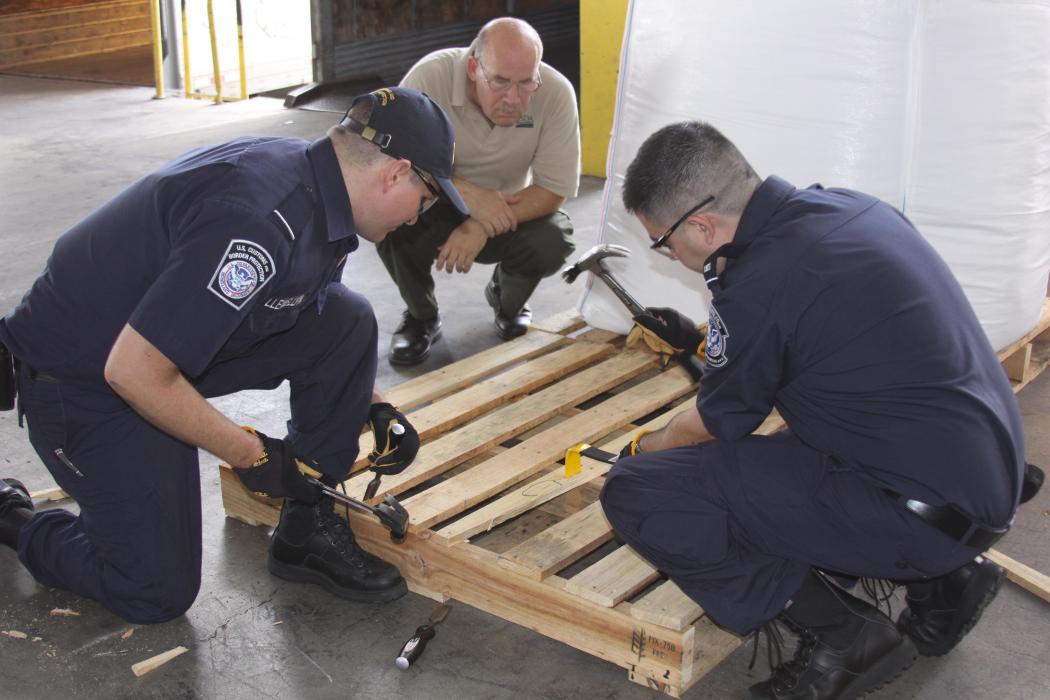
Customs and Border Protection officers inspecting infested pallet
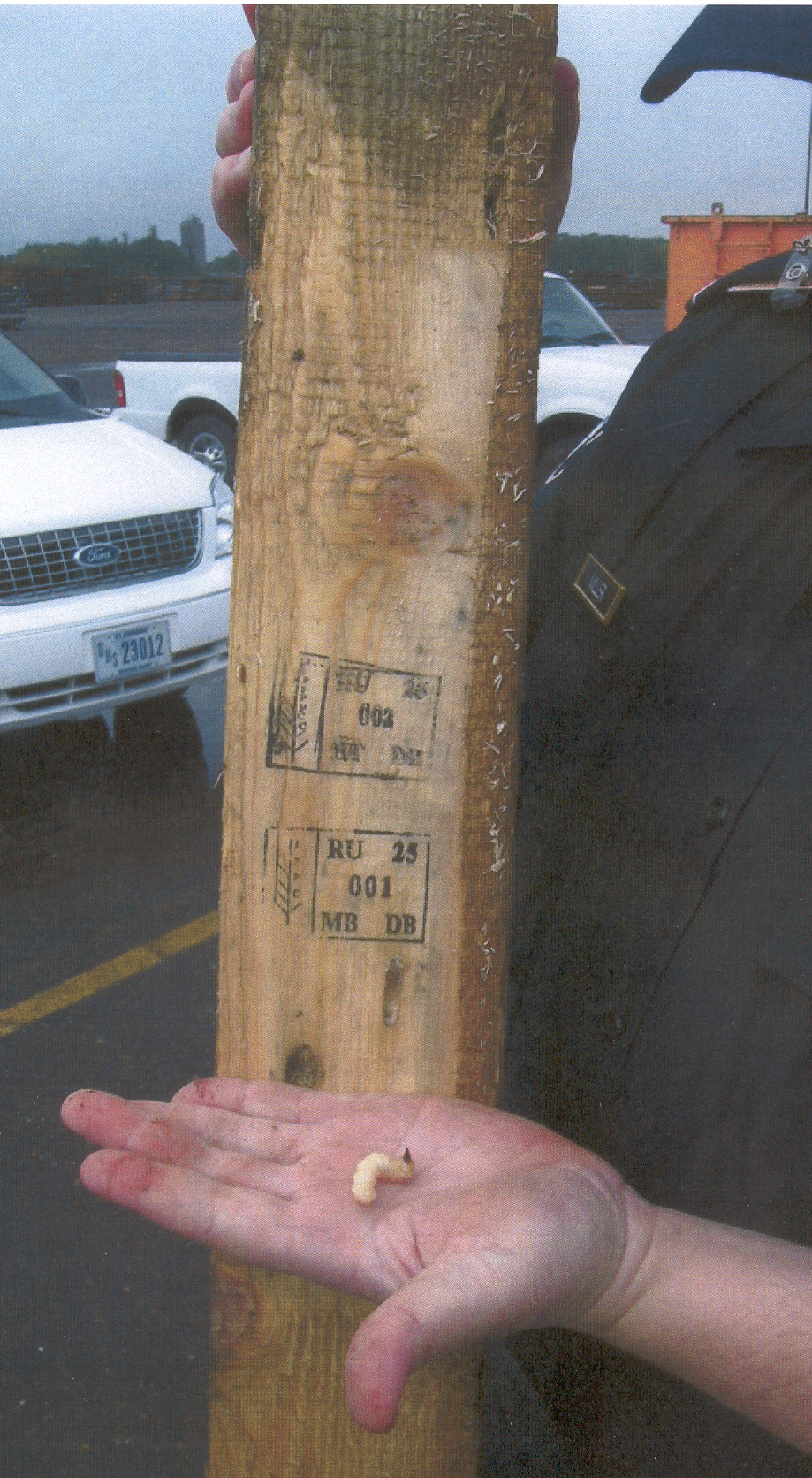
I also found other statements about the efficacy of existing efforts to be too uncritical. So yes, ISPM#15 has resulted in decreased arrivals of bark- and wood-boring insects, as stated by Nahrung et al. 2022. However, the 36-52% decrease documented by Haack et al. (2014) is not sufficient to protect forests, in my view. Many publications have documented continuing introductions of damaging pests via the wood packaging pathway. For example, there have been 16 outbreaks of the Asian longhorned beetle (ALB) detected around the globe between 2012 and 2015 (Wang). Before we conclude that ISPM#15 has been a success, let’s see what the just-completed new study by Haack and colleagues shows. In addition, there has been controversy for a decade or more about what causes continuing introductions, that is, whether they result from treatment inadequacy v. sloppy application of treatments v. fraud. Why have scientists and regulators not collaborated to clarify this issue during this time?
I note – again – that many pathogens have been introduced widely over the last couple of decades. This is a global problem. My recent blogs have discussed introductions of tens of species of Phytophthora to countries around the world. Other examples include myrtle rust (Austropuccinia psidii) to 27 countries and the two causal agents of boxwood blight to at least 24 countries in Eurasia, New Zealand, and North America. Most of these species were unknown to science at the time of their introduction. Other species were known – but not believed to pose a threat because, in their native regions, their co-evolved hosts are not harmed.
Rhodomyrtus psidioidis in Australia killed by myrtle rust; photo by Peter Entwistle
I think Helen Nahrung (Nahrung et al.) exaggerates when she says that Australia has one of the strictest biosecurity systems in world. Several publications – some coauthored by her! – cite numerous shortfalls in applying the country’s phytosanitary programs to forest pests (Carnegie et al 2022). This latter group’s efforts have determined that at least 260 non-native arthropods and pathogens of forest hosts have established in Australia since 1885 (Nahrung and Carnegie 2020). True, this number is about half the number of non-native forest insects and pathogens that have established in the United States over a period just 25 years longer (Aukema et al. 2010). However, it is enough – and they have had sufficient impact – to prod these scientists to spend 30 years pushing for improvements.
Lessons Learned
Still, we can learn from these studies. Turner et al. compared insect interception data from nine regions over a 25-year period (1995 to 2019) – at ports in New Zealand, Australia, South Korea, Japan, Canada, mainland United States, Hawai`i, United Kingdom, and the region united under European Plant Protection Organization (EPPO) – Europe and the Mediterranean region.
They found that 174 species (2% of the total) were “superinvaders.” They were intercepted more than 100 times, and constituted 81% of all interceptions across all regions. Most of the same types of insects – even the same species – are arriving at ports around the world. The three species most frequently intercepted are all sap-feeding insects commonly associated with widely traded plants. In a separate study, Australian scientists found the same: about 40% of the alien pests detected at Australian borders were already widely introduced at the time of their introduction in Australia (Carnegie et al. 2022). The Australians report strong evidence of the bridgehead effect [that is, species being spread from locations to which they have been introduced] (Nahrung and Carnegie 2021). In fact, they conclude that higher interception rates might confirm invasion success rather than predict it.
Most of the species, however, are intercepted rarely. Turner et al. found that 75% of species reported in their nine regions were intercepted in only a single region. In fact, 44% of all species were intercepted only once (= “singletons”). Such singletons made up about half of individual species in five insect orders; the exception was Thysanoptera – 29% of those species were intercepted only once.
The 75% of all species that were intercepted in only one region included both species rarely intercepted anywhere and species intercepted numerous times – but only in that one region. The authors note that several possible factors might explain these differences. Some species are less likely to be intercepted, so it is not odd that they are detected infrequently, especially if all the regions have the same blind spots. Countries also have their unique approaches to data collection and inspection prioritization that could introduce biases in the data. Finally, countries vary in the sources of goods they import. Unfortunately, some of the data sets Turner at al. analyzed said nothing about the source country, pathway, or commodity. Consequently, they were unable to evaluate the influence of these factors.
Improving Our Understanding of the Current Risk to the U.S.
Dendrobium officinale via Wikipedia; Fusarium stilboides has been detected on this orchid in China; F. stilboides is reported to attack pine trees
As I noted in a previous blog, U.S. imports of plants have increased by more than 400% since the 1960s; 35% in just the last 15 years (MacLachlan et al. 2022). In 2011, APHIS adopted an important new policy: temporary prohibition of plant taxa determined to be “Not Authorized for Importation Pending Pest Risk Assessment” (NAPPRA). Now we have a decade of experience with NAPPRA. Given that, and because the “plants for planting” pathway is among the most risky, APHIS should update the Liebhold et al. 2012 study to determine the current approach rate for all types of organisms that threaten North American tree species. Unlike the previous study, the update should include trees on Hawai`i, Guam, Puerto Rico and the other U.S possessions and territories. Finally, the study should try to evaluate the difference in risks associated with various types of plants and – possibly – also source regions.
Hawaiian native plant naio; photo by Forrest and Kim Starr
Unknown Unknowns
As I noted above, problems curtailing introduction of tree-killing pests are not limited to the U.S. For more than a decade, scientists have noted that the international phytosanitary system has failed to prevent the rapid worldwide spread of significant pathogens via the international nursery trade. Examples include Brasier 2008; Liebhold el. al. 2012; Santini et al. 2013; Roy et al. 2014; Eschen et al. 2015; Jung et al. 2015; Meurisse et al. 2019; O’Hanlon et al. 2021. One of the principal concerns is the fact that most species of microorganisms have not been named by science, much less evaluated for their potential impacts on naïve hosts. This issue was raised by Sarah Green of British Forest Research at the annual meeting of the Continental Dialogue on Non-Native Forest Insects and Pathogens. She asked the APHIS representative whether the agency’s phytosanitary procedures (described here) are working to prevent introductions. She pointed to the issues raised by numerous scientific experts: pest risk analyses address only known organisms, so they cannot protect importers from unknown organisms.
U.S. scientists are beginning to address the issue of “unknown unknowns”. Some studies have taken a stab at evaluating traits of insects that are more likely to damage conifers (Mech et al.) and hardwoods (Schultz et al.). Jiri Hulcr – of the University of Florida — assessed the threat posed by 55 insect-vectored fungi to two species of oak and two species of pines. However, the forests of the southeastern U.S. comprise many other tree genera! He also set a very high bar for defining a threat as serious: the damage to the host must be equivalent to that caused by Dutch elm disease or laurel wilt. We urgently need APHIS, USDA/Forest Service, and academia to sponsor more similar studies to evaluate the full range of risks more thoroughly.
SOURCES
Allison J.D., M. Marcotte, M. Noseworthy and T. Ramsfield. 2021. Forest Biosecurity in Canada – An Integrated Multi-Agency Approach. Front. For. Glob. Change 4:700825. doi: 10.3389/ffgc. 2021.700825 Frontiers in Forests and Global Change July 2021 | Volume 4 | Article 700825
Carnegie A.J. and H.F. Nahrung. 2019. Post-Border Forest Biosecurity in AU: Response to Recent Exotic Detections, Current Surveillance and Ongoing Needs. Forests 2019, 10, 336; doi:10.3390/f10040336 www.mdpi.com/journal/forests
Carnegie A.J., F. Tovar, S. Collins, S.A. Lawson, and H.F. Nahrung. 2022. A Coordinated, Risk-Based, National Forest Biosecurity Surveillance Program for AU Forests. Front. For. Glob. Change 4:756885. doi: 10.3389/ffgc.2021.756885
Garbelotto M. and P. Gonthier. 2022. Ecological, evolutionary, and societal impacts of invasions by emergent forest pathogens. Chapter 7, Forest Microbiology. Elsevier 2022.
Li, Y. C. Bateman, J. Skilton, B. Wang, A. Black, Y-T. Huang, A. Gonzalez, M.A. Jusino, Z.J. Nolen, S. Freemen, Z. Mendel, C-Y. Chen, H-F. Li, M. Kolarik, M. Knizek, J-H. Park, W. Sittichaya, P.H. Thai, S-I. Ito, M. Torii, L. Gao, A.J. Johnson, M. Lu, J. Sun, Z. Zhang, D.C. Adams, J. Hulcr. 2021. Pre-invasion assessment of exotic bark beetle-vectored fungi to detect tree-killing pathogens. Phytopathology. https://doi.org/10.1094/PHYTO-01-21-0041-R
Liebhold, A.M., E.G. Brockerhoff, L.J. Garrett, J.L. Parke, and K.O. Britton. 2012. Live Plant Imports: the Major Pathway for Forest Insect and Pathogen Invasions of the US. www.frontiersinecology.org
MacLachlan, M.J., A. M. Liebhold, T. Yamanaka, M. R. Springborn. 2022. Hidden patterns of insect establishment risk revealed from two centuries of alien species discoveries. Sci. Adv. 7, eabj1012 (2021).
Mech, A.M., K.A. Thomas, T.D. Marsico, D.A. Herms, C.R. Allen, M.P. Ayres, K.J. K. Gandhi, J. Gurevitch, N.P. Havill, R.A. Hufbauer, A.M. Liebhold, K.F. Raffa, A.N. Schulz, D.R. Uden, & P.C. Tobin. 2019. Evolutionary history predicts high-impact invasions by herbivorous insects. Ecol Evol. 2019 Nov; 9(21): 12216–12230.
Nahrung, H.F. and A.J. Carnegie. 2020. NIS Forest Insects and Pathogens in Australia: Establishment, Spread, and Impact. Front. For. Glob. Change 3:37. doi: 10.3389/ffgc.2020.00037 Frontiers in Forests and Global Change | www.frontiersin.org 2 March 2020 | Volume 3 | Article 37
Nahrung, H.F. and A.J. Carnegie. 2021. Border interceptions of forest insects established in Australia: intercepted invaders travel early and often. NeoBiota 64: 69–86. https://doi.org/10.3897/neobiota.64.604
Nahrung, H.F. & A.J. Carnegie. 2022. Predicting Forest Pest Threats in Australia: Are Risk Lists Worth the Paper they’re Written on? Global Biosecurity, 2022; 4(1).
Nahrung, H.F., A.M. Liebhold, E.G. Brockerhoff, and D. Rassati. 2022. Forest Insect Biosecurity: Processes, Patterns, Predictions, Pitfalls. Annu. Rev. Entomol. 2023.68.
Paap, T., M.J. Wingfield, T.I. Burgess, J.R.U. Wilson, D.M. Richardson, A. Santini. 2022. Invasion Frameworks: a Forest Pathogen Perspective. FOREST PATHOLOGY https://doi.org/10.1007/s40725-021-00157-4
Schulz, A.N., A.M. Mech, M.P. Ayres, K. J. K. Gandhi, N.P. Havill, D.A. Herms, A.M. Hoover, R.A. Hufbauer, A.M. Liebhold, T.D. Marsico, K.F. Raffa, P.C. Tobin, D.R. Uden, K.A. Thomas. 2021. Predicting non-native insect impact: focusing on the trees to see the forest. Biological Invasions.
Turner, R. M., E. G. Brockerhoff, C. Bertelsmeier, R. E. Blake, B. Caton, A. James, A. MacLeod, H. F. Nahrung, S. M. Pawson, M. J. Plank, D. S. Pureswaran, H. Seebens, T. Yamanaka, and A. M. Liebhold. 2021. Worldwide border interceptions provide a window into human-mediated global insect movement. Ecological Applications 31(7):e02412. 10.1002/eap.2412
Wang, Q. (Ed.). 2017. Cerambycidae of the world: biology and pest management. Boca Raton, FL: CRC Press
Posted by Faith Campbell
We welcome comments that supplement or correct factual information, suggest new approaches, or promote thoughtful consideration. We post comments that disagree with us — but not those we judge to be not civil or inflammatory.
For a detailed discussion of the policies and practices that have allowed these pests to enter and spread – and that do not promote effective restoration strategies – review the Fading Forests report at http://treeimprovement.utk.edu/FadingForests.htm
TACF back-crossed chestnut growing in southern Fairfax County, Virginia
same chestnut, dying in 2021; probably from Phytopthora root rot
In the first half of the 20th Century, American chestnut (Castanea dentata) was functionally extirpated from US forests east of the Mississippi River by chestnut blight, caused by a fungus from Asia, Cryphonectria parasitica. Today, only 10% of the pre-blight chestnut population remains, most as root sprouts less than 2.5 cm dbh (Dalgleish et al. 2015; full citation at the end of the blog).
Volunteer organizations — with recent help from federal and state agencies – have worked for more than a century to develop chestnut trees resistant to the blight. Their aim is to restore the species to the forest. Their decades of hybridization efforts now appear unlikely to produce a highly blight-resistant chestnut with a genome that is predominantly American, so TACF now plans to incorporate the use of transgenic techniques to enhance resistance to the blight fungus.
However, restoration of chestnut requires addressing a second Asian pathogen: Phytophthora cinnamomi, which causes a fatal root disease. Several studies indicate that up to 80% of seedlings are killed. The pathogen is widespread in soils south of 40o North Latitude, which falls just north of the Maryland-Pennsylvania line. Thus, P. cinnamomi occupies the southern half of American chestnut’s former range. Scientists expect this pathogen to move north in response to the warming climate; indeed, some project that the root disease could reach throughout the entire current chestnut rangeby 2080.
historic range of American chestnut
Gustafson et al. 2022 modelled chestnut’s vulnerability to P. cinnamomi to current and expected environmental conditions in two state forests in the Appalachians of western Maryland to evaluate the probable impact of the root disease on efforts to restore the tree species.
They found that root rot greatly reduced chestnut biomass on the landscape, even when resistance to root rot was at the target level for selection of root rot-resistant chestnut families using traditional breeding methods.
Gustafson et al. 2022 recommend that chestnut restoration apply the following strategies:
Locate restoration plantings at latitudes, elevations, and sites where root rot is not expected to be present well into the future. This probably means sites in the Northeastern US and Canada (Burgess et al. 2017)
Enhance the planting stock’s resistance to P. cinnamomi through breeding.
Identify soil conditions, including soil microbes, that suppress the pathogen or protect tree roots.
Since planting stock – both bareroot and containerized – can transmit P. cinnamomi, either raise seedlings in nurseries located outside the pathogen’s current range or rely on direct seeding. These strategies have their own downsides. Restricting locations of nurseries might complicate efforts to ensure seedlings are adapted to local conditions in the restoration area and seeds would need to be protected from seed predators.
The authors specify these additional important conditions:
Planting locations: while Canada is currently outside the range of American chestnut, the same climatic warming that will facilitate northward spread of P. cinnamomi will probably allow the tree to thrive farther north (Barnes and Delborne 2019). Perhaps the tree’s range will shift farther north than the pathogen’s.
Breeding: some resistance to Phytophthora root rot has been found in families providing blight resistance used in The American Chestnut Foundation (TACF) breeding program. TACF now plans to cross individuals from those families with transgenic blight-resistant chestnut to combine both resistances.
Soils: P. cinnamomi is favored by compacted soils with poor aeration or that tend to remain saturated. These include heavy clay soils and those highly disturbed by agriculture or mining. Restoration sites should be non-disturbed, well-drained sites. (This recommendation contradicts others’ proposals that chestnuts be planted on reclaimed mining sites.) Silvicultural management should also minimize environmental stresses.
that dying chestnut trying to reproduce!
Restoring chestnut will be challenging in any case: successful restoration requires chestnut trees that can compete successfully in the forest and adapt to conditions which are now quite different from those a century ago when the species was dominant. These include abiotic factors, e.g., climate and atmospheric CO2 levels; and biotic factors, e.g., different forest pests and invasive plant species.
In an earlier publication, Gustafson and colleagues (Gustafson et al. 2018) modelled the effects of warmer temperature and elevated atmospheric CO2 levels on chestnut’s growth and competition and the tree’s adaptation to natural and anthropogenic disturbances. They concluded that aggressive restoration programs – involving clearcutting, then planting chestnuts – could restore chestnut as an important component of forested ecosystems in the Appalachian Mountains.
However, this earlier study did not consider the effects of Phytophthora root rot. The 2022 study demonstrates that these recommendations are probably applicable only to the northernmost portion of former chestnut range, outside the areas infested by Phytophthora root rot, unless breeding is successful in substantially increasing resistance to root rot.
Several studies indicate American chestnut is highly susceptible to P. cinnamomi; rates of root rot induce mortality of 80% or higher have been documented. TACF has found that hybrid chestnut families selected for root rot resistance have a mortality rate of about 45%. Even with this level of tolerance, the model shows that chestnut could not regain anything approaching its former abundance on the landscape. Since the threat of P. cinnamomi to chestnut restoration has become evident, TACF is assessing how to integrate increased tolerance to root rot into their larger blight resistance breeding program (Westbrook et al. 2019).
Soil properties – texture, land use, drainage, waterlogging, drought, temperature, and water-holding capacity – influence infection. So does weather: a single heavy rain event might saturate soil sufficiently to facilitate a P. cinnamomi infection. For these reasons, climate change is expected to exacerbate its geographic spread and pathogenicity.
The sites used in both studies are at the center of chestnut’s former range, which is also at the northern edge of the root rot pathogen’s range. However, the two sites differ in important ways, especially in rainfall and soils. The researchers considered one a mesic site and the other, xeric.
Their 2022 model showed that root rot caused a dramatic reduction in chestnut biomass on both the mesic and xeric sites. Apparently temperature and wetness levels offset each other. That is, higher soil temperatures intensified P. cinnamomi virulence at the xeric site sufficiently to overcome its relative soil dryness. At the mesic site, soil temperature sometimes dropped to levels that are lethal to Phytophthora. On the whole, then, climate change is expected to intensify P. cinnamomi infection rates on both sites and reduce the number of sites where the pathogen is absent.
Gustafson et al. (2022) discuss several assumptions and data gaps that require further study.
SOURCES
Barnes, J.C. and Delborne, J.A., 2019. Rethinking restoration targets for American chestnut using species distribution modeling. Biodiversity and Conservation, 28(12), pp.3199-3220.
Burgess, T.I., Scott, J.K., Mcdougall, K.L., Stukely, M.J., Crane, C., Dunstan, W.A., Brigg, F., Andjic, V., White, D., Rudman, T. and Arentz, F., 2017. Current and projected global distribution of Phytophthora cinnamomi, one of the world’s worst plant pathogens. Global Change Biology, 23(4), pp.1661-1674.
Dalgleish, H.J., Nelson, C.D., Scrivani, J.A. and Jacobs, D.F., 2015. Consequences of shifts in abundance and distribution of American chestnut for restoration of a foundation forest tree. Forests, 7(1), p.4.
Gustafson, E.J., B.R. Miranda, T.J. Dreaden, C.C. Pinchot, D.F. Jacobs. 2022. Beyond blight: Phytophthora root rot under climate change limits populations of reintro Am chestnut Ecosphere. 2022;13:e3917.
Gustafson, E.J., A.M.G. De Bruijn, N. Lichti, D.F. Jacobs, B.R. Sturtevant, D.M. Kashian, B.R. Miranda, and P.A. Townsend. 2018. “Forecasting Effects of Tree Species Reintroduction Strategies on Carbon Stocks in a Future without Historical Analog.” Global Change Biology 24: 5500–17. https://doi.org/10.1111/gcb.14397
Westbrook, Jared W., et al. “Resistance to Phytophthora cinnamomi in American chestnut (Castanea dentata) backcross populations that descended from two Chinese chestnut (Castanea mollissima) sources of resistance.” Plant disease 103.7 (2019): 1631-1641.
Posted by Faith Campbell
[An earlier version of this blog has now been corrected, with additional sources added. I think Cornelia Pinchot, USFS, for the corrections.]
We welcome comments that supplement or correct factual information, suggest new approaches, or promote thoughtful consideration. We post comments that disagree with us — but not those we judge to be not civil or inflammatory.
For a detailed discussion of the policies and practices that have allowed these pests to enter and spread – and that do not promote effective restoration strategies – review the Fading Forests report at http://treeimprovement.utk.edu/FadingForests.htm
Phytopthora cinnamomi on manzanita in California; photo courtesy of Ted Swiecki/Phytosphere
While I blog often about wood packaging the fact is that imports of live plant [= “plants for planting” in USDA’s terms] have historically posed a higher risk of introducing tree-killing pests. In 2012, Liebhold et al. found that nearly 70% of 455 damaging pests introduced to the continental U.S. as of 2006 had probably been introduced via plant imports. These included 95% of sap feeding and 89% of foliage feeding insects and about half of the pathogens. Imported plants not only carry a greater variety of pests than wood packaging; they also carry many more.
Introductions on imported plants for planting is not a rare event. An analysis of data in the Agriculture Quarantine Inspection Monitoring (AQIM) during 2009 found that the approach rate of pests on imported plants was apparently 12% (Liebhold et al. 2012) — more than 100 times higher than the 0.1% approach rate found by Haack et al. (2014) for wood packaging. This alarming statistic receives less attention than warranted because APHIS objected to the accuracy of other aspects of the study.
APHIS has adopted changes to its phytosanitary system for plants for planting in the decade since 2009. The question is, have these changes reduced the known risks associate with live plant imports – especially given skyrocketing imports? Are more measures necessary? Current data and analyses cannot provide a scientifically valid answer.
ohia rust on endangered Hawaiian native plant Eugenia koolauensis
First, most studies focus on insects – they even exclude pathogens. Among pathogens introduced in recent decades, probably by the plant trade, are several Phytophthoras, rapid ‘ōhi‘a death, beech leaf disease, boxwood blight. (I am assuming that the Fusarium dieback disease vectored by Euwallacea beetles was introduced via wood packaging.) There have been repeated detections of the Ralstonia solanacearum Race 3 biovar 2, a bacterium that attacks a range of herbaceous plants, despite APHIS requiring specific integrated pest management programs in producing nurseries located in Central America. Examples of recently introduced leaf feeders include the European beech leaf-mining weevil and elm zigzag sawfly.
I concede that it is difficult to study introduced pathogens. It is nearly impossible to compile a complete list of introduced fungi and related organisms since only the most damaging are typically detected and their native ranges are frequently undeterminable. However, European forest pathologists are much more active on these questions. Why? What can we do to focus Americans on the threats these organism pose?
Second, most studies analyzing the pest risk associated with plant imports use port inspection data. However, port inspection data are not reliable indicators of the pest approach rate – as explained by Liebhold et al. 2012 and Haack et al. 2014 (as it pertains to wood packaging). Thus, most of the analyses carried out by Liebhold et al. and MachLachlan et al. (2022) are based on the pests found by APHIS inspectors: actionable pests were detected on only 2.6% of the incoming plants that they inspected.
Here I discuss two recent discussions of the risk associated with imported plant for planting. One is an analysis of establishments of one order of insects in the United States over 200 years (MacLachlan et al. 2022; full citation at the end of the blog). Again, the focus is on insects! The other is a discussion of the pathway during the recent annual meeting of the Continental Dialogue on Non-Native Forest Insects and Diseases. link to posting of presentations This discussion raised some of the key questions, although no answers were provided.
U.S. imports of plants have increased by more than 400% since the 1960s; 35% in just the last 15 years (in 2007 the U.S. imported approximately 3.7 billion plants [Liebhold et al. 2012]; in 2021 it was about 5 billion [MacLachlan et al. 2022]. Yet establishments of new non-native insects associated with this pathway have not risen commensurately. MacLachlan et al. (2022) attempt to answer why this is so. However, pests are often not detected for several years or a decade after their introduction. Furthermore, I doubt that an analysis based on inspection data, not the more reliable AQIM data, can provide an accurate assessment.
To clarify the pest risk associated with plant imports, studies of some insect types, excluding pathogens, is not sufficient. Again, APHIS should update the Liebhold et al. study to determine the approach rate for all types of organisms that threaten North American tree species. Any such study should include trees on Hawai`i, Guam, Puerto Rico, and other U.S possessions and territories. These islands are usually excluded from analyses of imported pests, including Liebhold et al. 2012. I concede that there are probably scientific and data-management challenges but these islands are immensely important from a biodiversity point of view, and they are parts of the United States!
Cycas micronesica endemic to Guam; threatened by cycad scale & cycad blue butterfly; photo courtesy A. Gawel
MacLachlan et al. (2022) focused their analysis on the insect order Hemiptera, including the so-called true bugs, including cicadas, aphids, planthoppers, and leafhoppers. This is the insect order most frequently transported with imported plants. In addition, establishments of Hemiptera can be attributed to plant imports rather than to wood or other vectors. Of the 3,500 species of non-native insects established in North America (including the contiguous U.S. states, Alaska, and Canada), about 27% are Hemiptera. Many are serious pests, e.g., hemlock woolly adelgid and balsam woolly adelgid). Complicating the analysis, however, is the fact that some Hemiptera are inconspicuous so they are difficult to detect. In fact, MacLaughlan et al. 2022 estimate the median delay between introduction and detection to be 80 years! They believe that many introduced species remain undiscovered, ranging from 21% for Eurasian regions to 38% for the Neotropics and 52% for Australasia.
eastern hemlocks killed by hemlock woolly adelgied; Linville Gorge, NC; photo by Steven Norman, USFS
MacLachlan et al. (2022) compare the relationship between plant imports and discoveries of Hemiptera from 1800 to the present in an attempt to answer the puzzle of why new Hemiptera establishments have remained relatively steady despite quadrupled plant imports. Perhaps the pool of novel insect species in the source region has been depleted. Or other factors might have changed, such as
the commodities imported (plant species or types; or geographic source)
phytosanitary measures applied by the U.S.
MacLachlan et al. (2022) tracked plant imports since 1854 from seven ecological regions: Afrotropic, Asian Palearctic, Australasia, European Palearctic, Indomalaya, Nearctic, Neotropic. In the early decades, both imported plants and introduced Hemiptera detected in the U.S., came predominantly from European and Asian Palearctic regions. Now, however, almost no new Hemiptera species are being introduced on plants imported from the European and Asian Palearctic regions. Since the 1950s, estimated establishments from the Indomalaya region have remained relatively stable. Establishments from the Neotropic and Afrotropic regions rose following World War II and have remained relatively high. After also declining in the first half of the 20th century, establishments of new species from Australasia have recently increased.
Generally, the regions associated with declining establishments of new species (Eurasia) are experiencing relatively gradual increases in their exports to the U.S. Those regions which contribute relatively steady or increasing establishments (Neotropics, Indomalaya, Australasia, and Afrotropic) have each undergone rapid increases in exports to the U.S.
Establishment Risk Among Regions
Source regions vary in the type of plants they export (e.g., rootless cuttings v. whole plants) and in the volume of exports. They also differ in the composition of their indigenous and introduced insect populations. Imports from areas with an abundance of species capable of establishing and adapted to environmental conditions in North America pose greater establishment risk, although it is challenging to determine the risk associated with individual species.
Establishment risk of shipments from a particular region also changes over time. The number of potential new species of invaders might shrink as more and more arrive in North America. (This situation has no effect on the continued introduction of insect species already established in North America. These reintroductions might arrive in new areas – so expanding the area at risk; or their increasing number contributes to propagule pressure at establishment sites.) Another factor might be phytosanitary policies. Strengthening of phytosanitary measures might suppress the number of organisms that travel with the plant shipment, enter North America, and establish. The opposite might happen if phytosanitary measures are relaxed or if the sourcing or type of imports diversifies in ways that connect additional species in source regions with trade pathways.
Considering all regional plant sources, MacLachlan et al. (2022) estimate that establishments per unit of additional imports – of Hemipterans – have shrunk because of a combination of increased imports, accumulated introductions associated with past imports, and the passage of time. These decreases are substantial – between 75.2% and 99.8% for the various regions from 1962 to 2012. For the Asian Palearctic and Neotropic regions, MacLachlan et al. (2022) determined that depletion of species pools is a contributing factor. Other factors are thought to explain the substantial decline in establishment likelihood for the other regions. However, note the caveats above re: lag times in detecting introductions.
However, despite that significant decrease in risk per unit of imports, the number of establishments has remained relatively constant over the past century. MacLachlan et al. (2022) attribute this pattern to the decreases in marginal risk from additional imports being offset by substantial increases in overall import levels and diversification of the origins of imports across regions, which exposed the U.S. to new source species pools.
MacLachlan et al. (2022) suggest that APHIS should target biosecurity resources to the specific commodity-country pairs associated with a demonstrated higher relative risk of introducing additional insect species.
MacLachlan et al. (2022) are unable to evaluate the efficacy of APHIS’ most important policy change: creation of the “Not Authorized for Importation Pending Pest Risk Assessment” (NAPPRA) program because it was adopted in 2011 and they analyzed data only through 2012. A decade later this policy restricts imports of about 250 taxa (Regelbrugge to Continental Dialogue). It is certainly time to evaluate its efficacy through a new study of pest approach rates in the “plants for planting” trade.
I do not think that U.S. phytosanitary policy should be based on an analysis of just one of at least three types of pests that travel via the pathway. We need analysis of the risk from pathogens, nematodes, viruses … and other orders of arthropods.
The Continental Dialogue on Non-Native Forest Insets and Pathogens
The Continental Dialogue on Non-Native Forest Insects and Pathogens hosted a discussion of the risk of pest introduction via the plant trade during its recent annual meeting. Participants asked: How can the international phytosanitary system curtail introductions of unknown organisms when it is based on risk assessments that address only species that are fully known and – usually – have proven to be invasive elsewhere.
Rhodomyrtos psidioides in eastern Australia killed by myrtle rust; photo by Peter Entwistle
In recent decades, tens of species of Phytophthora have been introduced to countries around the world. Myrtle rust (Austropuccinia psidii) has been introduced to 27 countries from the U.S. to Australia and South Africa. The two causal agents of boxwood blight has been introduced to at least 24 countries in three geographic areas: Europe and western Asia; New Zealand; and North America. The ash decline fungus has been introduced across Europe. Most of these species were unknown to science at the time of their introduction. Other species were known – but not believed to pose a threat because, in their native regions, their co-evolved hosts are not harmed.
For more than a decade, scientists have noted that the international phytosanitary system has failed to prevent this rapid worldwide spread of significant pathogens via the international nursery trade. Examples include Brasier 2008; Liebhold el. al. 2012; Santini et al. 2013; Roy et al. 2014; Eschen et al. 2015; Jung et al. 2015; Meurisse et al. 2019; O’Hanlon et al. 2021.
During the Continental Dialogue discussion, Craig Regebrugge, Vice President of AmericanHort (the principal nursery trade association) noted the economic importance of greenhouse and nursery production and the importance of offering novel plants to their customers. Also, he noted that U.S. retail nurseries import primarily unrooted plant cuttings. In so doing, they have a strong incentive to ensure that they are pest-free in order to avoid delays arising during inspections. Those delays would probably kill these highly perishable products. Most U.S. imports of “finished” plants come from Canada. There have been pest problems; one of the most recent examples is a moth that attacks boxwoods (Buxus), which is the top-selling shrub crop in the U.S. Earlier there was confusion over whether plants shipped from British Columbia had been infected by the sudden oak death pathogen.
Regelbrugge noted that the industry’s voluntary integrated pest management program – Systems Approach to Nursery Certification (SANC) – currently has about two dozen participating nurseries. Hoped-for adoption by more of the hundreds of production nurseries in the country has been delayed by COVID-related travel restrictions, but he hopes to restore momentum. The industry is looking for opportunities to strengthen the program through marketing messages.
Regelbrugge and a second speaker, Rebecca Epanchin-Niell of the University of Maryland, warned that prohibitions on imports will stimulate smuggling. Both raised concerns about direct-to-consumer sales by e-commerce vendors and sought ideas on how to change the behavior of both exporters and consumers.
Later Sarah Green of British Forest Research asked the APHIS representativewhether the agency’s import procedures are working to prevent introductions. She pointed to the issues raised by the scientific sources I cited above: pest risk analyses address only known organisms, so this process cannot protect importers from unknown organisms. She noted that the United Kingdom is struggling to contain a number of introductions of previously unknown pathogens. Gary Lovett of the Cary Institute noted that this weakness of pest risk assessments also hampers U.S. attempts to prevent introductions – especially of pathogens. He called on the Dialogue to focus on the resource at risk – native and urban forests – and change our phytosanitary programs on this basis. He has advocated halting imports of plants that are congenerics of important North American tree species, in order to minimize the risk that pests that damage those genera will be introduced.
an American elm that has survived DED – at Longwood Gardens; photo by F.T. Campbell
Jiri Hulcr of the University of Florida tried to reassure Dialogue participants by stating that recent research has substantially reduced the threat from “unknown unkowns”. I applaud Dr. Hulcr’s efforts to reduce scientific uncertainty about the invasive potential of pathogens native to regions other than North America. His study might be the largest attempted by U.S.-based scientists. However, I note that his study assessed the threat posed by 55 insect-vectored fungi to two species of oak and two species of pines. The forests of the southeastern U.S. comprise many other tree genera! He also set a very high bar for defining a threat as serious: the damage to the host must be equivalent to that caused by Dutch elm disease or laurel wilt. Both have devastated their respective hosts. I believe U.S. phytosanitary policy must aim at protecting the full range of native species. Furthermore, levels of damage that affect the host’s role in the ecosystem – not just rapid mortality — should not be acceptable.
Li, Y. C. Bateman, J. Skelton, B. Want, A. Black, Y-T. Huang, A. Gonzalez, M.A. Jusino, Z.J. Nolen, S. Freemen, Z. Mendel, C-Y. Chen, H-F. Li, M. Kolarik, M. Knizek, J-H. Park, W. Sittichaya, P.H. Thai, S-I. Ito, M. Torii, L. Gao, A.J. Johnson, M. Lu, J. Sun, Z. Zhang, D.C. Adams, J. Hulcr. 2021. Pre-invasion assessment of exotic bark beetle-vectored fungi to detect tree-killing pathogen. Phytopathology. https://doi.org/10.1094/PHYTO-01-21-0041-R
Liebhold, A.M., E.G. Brockerhoff, L.J. Garrett, J.L. Parke, and K.O. Britton. 2012. Live Plant Imports: the Major Pathway for Forest Insect and Pathogen Invasions of the US. www.frontiersinecology.org
MacLachlan, M.J., A. M. Liebhold, T. Yamanaka, M. R. Springborn. 2022. Hidden patterns of insect establishment risk revealed from two centuries of alien species discoveries. Sci. Adv. 7, eabj1012 (2021).
Posted by Faith Campbell
We welcome comments that supplement or correct factual information, suggest new approaches, or promote thoughtful consideration. We post comments that disagree with us — but not those we judge to be not civil or inflammatory.
For a detailed discussion of the policies and practices that have allowed these pests to enter and spread – and that do not promote effective restoration strategies – review the Fading Forests report at http://treeimprovement.utk.edu/FadingForests.htm
I have posted nearly 40 blogs about wood packaging (SWPM) since 2015. [You can view these by scrolling below archives to find category “wood packaging”.]
I first raised the need for APHIS to authorize Robert Haack to update his study analyzing pest “approach rates” in wood packaging in July 2018.
Why?
SWPM has delivered our worst forest pests.
SWPM has been recognized as a major pathway of introduction of wood-boring insects for 30 years. Examples include the Asian longhorned beetle, emerald ash borer, redbay ambrosia beetle, and, possibly, the invasive shot hole borers.
For decades, pest-infested wood packaging has come primarily from the same countries: Mexico, Italy, China, and, more recently, Turkey. Many of our most damaging invaders have come from Asia so growing import volumes from Vietnam and other Asian countries also raise concern.
2) The U.S. and Canada have required that wood be treated to kill pests for at least 16 years.
The U.S. and Canada fully implemented the international standard on wood packaging (ISPM#15) in early 2006 – nearly 17 years ago. They had earlier (1999) required treatment of SWPM from China – nearly 24 years ago.
3) Even old analyses concluded that more than 11,000 incoming containers harbored wood pests each year.
The U.S., Canada, and Mexico import more than 31 million shipping containers per year (see “Background” below). Applying decade-old estimates to this number, we conclude that 11,600 of these containers are probably transporting a quarantine wood-boring pest. About 80% of the containers – and probably the pests! – come to U.S. ports. This pest risk is not limited to the West Coast; expansion of the Panama Canal and congestion at West Coast ports mean that an increasing number of ships are travelling directly to ports on the East and Gulf coasts. These region have already been demonstrated to be highly vulnerable to pests from Asia (ranging from Dutch elm disease and Asian longhorned beetle to laurel wilt and beech leaf disease.)
dead redbay trees – killed by redbay ambrosia beetle + laurel wilt fungus – introduced from Asia to Savannah, Georgia
4) Efforts to reduce the pest “approach rate” have not worked yet.
Meantime, administrative efforts to reduce the numbers of containers carrying pests have not been successful. The Bureau of Customs and Border Protection (CBP) has tried. CBP began penalizing individual shipments that are not in compliance with ISPM#15 in 2017 — 5 years ago.
As of the first three-quarters of Fiscal Year 2022 (John Sagle pers. comm. and Crenshaw-Nolan of CBD to Continental Dialogue on Non-Native Forest Insects and Diseases, September 2022), CBP has issued 510 Emergency Action Notifications (EAN) for noncompliant SWPM. About 38% (194) were issued because actionable pests had been discovered. The rest were issued because the ISPM#15 stamp (attesting to the wood having been treated) was either missing or fraudulent. The full-year interception rate will probably be comparable to interceptions in recent years: in FY2021, 548 EANs; in FY2020, 509; in FY2019, 746. CBP staff are disappointed that interceptions have not declined.
CBP agents inspecting SWPM
5) APHIS has avoided stricter enforcement.
APHIS has not adopted an enforcement stance. It has not stiffened penalties. The agency did not raise these phytosanitary issues when it negotiated a major agriculture trade agreement with China in 2020. The agency continued to insist that ISPM#15 is working – but agreed to work with Robert Haack to re-evaluate the approach rate only in 2021.
Correction: I became alarmed when the study had not been released four months after the analysis was completed (in May). I have since learned that the findings had not yet been completely written up and that internal reviews were proceeding. I apologize for the criticism in the original version of this blog. I impatiently await the study’s release, which I hope will be in a few weeks or months.
In the meantime, APHIS has also hired the Entomological Society to carry out an extensive study that includes analysis of interception data from five ports over a period of five years and rearing insects extracted from incoming wood packaging. I don’t want to postpone action aimed at curtailing introductions via this pathway for another five years!
APHIS has instead tried to improve foreign suppliers’ and phytosanitary agencies’ compliance with ISPM#15 through education. In partnership with Canada and Mexico, APHIS has supported two regional education workshops sponsored by the North American Plant Protection Organization (NAPPO). APHIS is now expanding its outreach to smaller companies, industry associations, and foreign suppliers. APHIS and CBP are now collaborating with an industry initiative to train inspectors that insure other aspects of foreign purchases. In addition, the International Plant Protection Convention (IPPC) is developing a “guidance document”. These educational efforts are supported by the U.S. pallet trade association, National Wooden Pallet and Container Association.
For all of these reasons we urgently need the updated data on the pest approach rate in the analysis by Haack and colleagues. Until we see these results, we can’t know the current level of risk associated with growing volumes of imports or assess the effectiveness of new policies. For example, CBP incorporated compliance with ISPM#15 into its government-importer partnership aimed at ensuring cleanliness of supply chains (C-TPAT) in February 2021. Only by comparing the results of the “approach rate” study with future data collected using the same techniques will it be possible to know how effective this action has been. I greatly appreciate CBP’s efforts.
There is still the issue of untrustworthy stamps.
Past data indicate a high proportion – 87% – 95% — of the SWPM found to be infested bore the ISPM#15 stamp. The same proportion was found in a narrower study in Europe (Eyre et al. 2018). Nor are all problems associated with Asia – importers in Houston have complained that stamps on dunnage from Europe also cannot be trusted.
While there are questions about whether this breakdown results from treatment inadequacy (i.e., 56oC for 30 minutes does not kill the larvae), failure of application, or of fraud –
What matters is that neither regulators nor importers can rely on the stamp to identify pest-free wood packaging.
infested wood packaging bearing ISPM#15 mark; photo courtesy of Oregon Department of Agriculture
(True: ISPM#15 was never intended to prevent pest introductions, only to “reduce the risk of introduction and spread of quarantine pests associated with the movement in international trade of wood packaging material made from raw wood.” Still, we should be trying to minimize pest introductions which threaten our wildland, rural, and urban forests.)
CPB’s experience indicates that cracking down on individual shipments will not be sufficient.
Immediate actions to hold foreign suppliers responsible
U.S. and Canada refuse to accept wood packaging from foreign suppliers that have a record of repeated violations – whatever the apparent cause of the non-compliance. Institute severe penalties to deter foreign suppliers from taking devious steps to escape being associated with their violation record.
APHIS and CBP and their Canadian counterparts provide guidance to importers on which foreign treatment facilities have a record of poor compliance or suspected fraud – so they can avoid purchasing SWPM from them. I am hopeful that the voluntary industry program described here will help importers avoid using wood packaging from unreliable suppliers in the exporting country.
Encourage rapid switch to materials that won’t transport wood-borers. Plastic is one such material. While no one wants to encourage production of more plastic, the Earth is drowning under discarded plastic. Some firms are recycling plastic waste into pallets.
APHIS and CFIA have the authority to take these actions under the “emergency action” provision (Sec. 5.7) of the World Trade Organization’s Agreement on the Application of Sanitary and Phytosanitary Standards (WTO SPS Agreement). (For a discussion of the SPS Agreement, go to Fading Forests II, here.)
APHIS should also release the findings of the 2021-2022 study of approach rates by Haack and colleagues. Then the agency should invite stakeholders to discuss the implications, then develop and implement protective strategy reflecting its findings.
Longer-term Actions
APHIS and CFIA should cite their need for setting a higher “level of protection” to minimize introductions of pest that threaten our forests (described inter alia here.) They should then prepare a risk assessment to justify adopting more restrictive regulations that would prohibit use of packaging made from solid wood – at least from the countries with records of high levels of non-compliance.
Michigan champion green ash killed by emerald ash borer
APHIS and CFIA should also undertake the studies needed to determine the cause of the continuing issue of the wood treatment mark’s unreliability, then act to resolve it. Preferably, this work should be conducted with other countries and such international entities as the IPPC & International Forest Quarantine Research Group (IFQRG). However, if attempting such collaboration causes delays, they should begin unilaterally. Upcoming opportunities to address this issue include:
FAO International Day of Forests in 2023
FAO global assessment of forests & health – pest & disease outbreaks
Of course, these steps should be based on the findings of Haack and colleagues.
Meanwhile, what can we do?
Urge Congress to conduct oversight on APHIS’ failure to protect America’s natural resources from continuing introductions of nonnative insects and diseases.
These hearings should be in the context of drafting the 2023 Farm Bill.
Raise the issue with local, state, and federal candidates for office;
Urge Congress to include provisions of H.R. 1389 in the 2023 Farm Bill;
Ask any associations of which we are members to join in communicating these concerns to Congressional representatives and senators. These include:
if you work for a federal or state agency – raise to leadership; they can act directly or through National Plant Board, National Association of State Departments of Agriculture, National Association of State Foresters, National Governors Association, National Association of Counties
scientific membership societies – e.g., Society of American Foresters, Entomological Society of America, American Phytopathological Society;
individual conservation organizations, either with state chapters or at the national level;
woodland owners’ organizations, e.g., National Woodland Owners Association, National Alliance of Forest Owners (NAFO) and their state chapters
urban tree advocates
International Forest Quarantine Research Group
Write letters to the editors of your local newspaper or TV news station.
BACKGROUND: Calculation of the Number of Infested Containers Entering U.S.
As of 2020 (when trade was greatly depressed by the COVID-19 pandemic), nearly 31 million TEUs [a standardized measure for containerized shipment; defined as the equivalent of a 20-foot long container] entered North America. Ports in the U.S. received 80% (24.5 million); Canada 11.5% (3.5 million); Mexico ~9% (2.7 million). U.S. imports have grown substantially since 2020; during the first quarter of 2022 U.S. imports from Asia each month were 20 to 30% higher than in 2019 before COVID-19 disrupted supply chains (blog #292). The U.S. is projected to handle ~26 million TEUs in 2022 [sources here and here.
A “TEU” equals a 20-feet container. Most containers now are twice as large – 40-feet. Several steps are involved in applying findings of Haack et al. 2014 and Meissner 2009 estimates:
divide estimated number of containers (26 million) in half = 13 million.
Assume that three-quarters of that number (13 million) contain wood packaging (based on Meissner) = 9.75 million.
If 1 out of each thousand of these containers with wood packaging is transporting a pest = 9,750 containers / year.
I performed the same calculation for North America-wide estimate of 31 million TEUs discussed at the beginning of the blog.
container being offloaded at Savannah harbor; photo by F.T. Campbell
A separate study (Hudgins et al. 2022) projected that introduction of a new woodboring insect pest that attacks maples or oaks it could kill 6.1 million trees and cost American cities $4.9 billion over 30 years. The risk would be highest if this pest were introduced via a port in the South. I have blogged often about the rising rate of shipments coming directly from Asia to the American South.
An analysis of fungi associated with Eurasian bark and ambrosia beetles reached a conclusion that the authors consider to be more optimistic. Li et al. (2021) found that none of the 111 fungi was sufficiently virulent to trigger tree mortality after a single-point inoculation. This level of lethality was considered analagous to Dutch elm disease DMF or laurel wilt DMF. Thirty-eight percent of the fungi were considered to be weak or localized pathogens that could kill trees under certain conditions. However, they tested the fungi against only two oak and two pine species. They did not evaluate fungi that might be lethal when the vector beetle engages in mass attacks. Finally, I think phytosanitary agencies should act promptly when a pathogen threatens levels of mortality somewhat below Dutch elm disease and laurel wilt!
SOURCES
Hudgins, E.J., F.H. Koch, M.J. Ambrose, B. Leung. 2022. Hotspots of pest-induced US urban tree death, 2020–2050. Journal of Applied Ecology 59(5): 1302-1312.
We welcome comments that supplement or correct factual information, suggest new approaches, or promote thoughtful consideration. We post comments that disagree with us — but not those we judge to be not civil or inflammatory.
For a detailed discussion of the policies and practices that have allowed these pests to enter and spread – and that do not promote effective restoration strategies – review the Fading Forests report at http://treeimprovement.utk.edu/FadingForests.htm
ISHB-infested California sycamore; photo by Beatriz Nobua-Behrmann, University of California Cooperative Extension
Numerous ambrosia beetles have become introduced species. Their invasions are facilitated by their cryptic habits and ecologies, wide host ranges, and specialized breeding systems – all of which allow extremely low populations to start an infestation. The way they breed often results in low genetic diversity in their introduced ranges, but this has not hampered their success. [Bierman et al. 2022]
Also, ambrosia beetles carry fungi, which provide food needed by their larvae. While most of these fungi don’t harm living trees, some do. The United States has been invaded by three damaging ambrosia beetle-fungal complexes: laurel wilt in the Southeast, and Fusarium dieback disease, carried to southern California with polyphagous and Kuroshio shot hole borers.
These shot hole borers and their fungi represent an especially high risk to our forests because they can be transported in both living and dead wood. So not only massive U.S. imports of live plants but also the global movement of goods enclosed in solid wood packaging offer ready pathways for them to arrive and spread here. Neither pathway is regulated effectively enough to prevent either pest imports or interstate spread.
Invasive ambrosia beetles in California and Hawai’i
The invasive ambrosia beetles introduced to California are in the genus Euwallacea. This genus has undergone several taxonomic revisions. Now, the Euwallacea are divided into four species (Stouthammer 2017), of which three are in the U.S.:
Euwallacea fornicatus s.s. – common name polyphagous shot hole borer; first came to attention in southern California in 2012; formerly known as E. whitfordiodendrus.
E. perbrevis – common name tea shot hole borer; formerly known as E. fornicatus s.l.
E. kuroshio – unchanged nomenclature since detected in California in 2013;
E. fornicatior — apparently has not invaded outside of its native range in Asia.
Those now in the U.S. have been introduced to naïve habitats here and elsewhere, often with dire consequences. E. perbrevis, and possibly other species in the complex, are established on the Hawaiian islands.
For an extensive discussion of their introduction history go here
The Fungi: U.S. and Worldwide
Several fungal associates are vectored by the polyphagous shot hole borer (PSHB) and Kuroshio shot hole borer (KSHB). The most important are Fusariumeuwallacea and Fusarium kuroshium, respectively. These fungi were only described after they appeared in California in the 2010s. They cause Fusarium dieback disease.
Because the two beetle species are difficult to distinguish and the associated diseases cause very similar impacts, Californians studying them and educating stakeholders now speak of the two beetle-fungus complexes as one unit, “invasive shot hole borers”.
Both PSHB and KSHB have numerous genetic strains, or haplotypes. For PSHB, the greatest haplotype diversity is in Asia – Thailand, Vietnam and China. Remember that these same regions are also a center of diversity for the huge genus Phytophthora, blog a genus widely recognized as containing many plant pathogens. https://www.dontmovefirewood.org/pest_pathogen/sudden-oak-death-syndrome-html/ One of the PSHB haplotypes, H33, has invaded many more regions than the others, including Israel, California, and South Africa. It has also been detected in several tropical plant greenhouses in Europe (where it has been eradicated). H33apparently is native to Vietnam – near Hanoi and Ho Chi Minh City – the country’s major ports (Rugman-Jones et al 2020 and pers. comm.). Does this haplotype’s spread to three continents reflect circumstances, such as the proximity of its native range to major ports and a “bridgehead effect” from its multiple introductions (the insects can be introduced to new regions on shipments from invaded regions established earlier)? Or does it point to an unknown genetic superiority (Bierman et al. 2022). This issue seems worth exploring.
I have blogged about the rising volume of imports from Vietnam, including to ports on the Gulf Coast –a region that has climatic similarities to Vietnam and known host species, so it seems quite vulnerable to invasion by either PSHB or KSHB.
A second species in the genus, KSHB, was detected in southern California in 2012; it has now spread to Mexico. So far, only one haplotype of this species has been detected in North America; this haplotype is widespread in Taiwan.
Finally, E. perbrevis (formerly known as E. fornicatus s.l.) has been detected in Florida, Hawai`i (island of Maui), and West Australia (to which it is probably native). This species has also been detected in nurseries in the Netherlands, where authorities report that it has been eradicated (Rugman-Jones et al. 2020).
Akacia koa – native tree in Hawai“i attacked by Euwallaceae; photo by David Eckhoff, via Flickr
Some species or haplotypes have been detected in only one introduced location: E. fornicatus H35 and E. kuroshio (H20) in California; H38 in South Africa; H43 on Oahu and the Big Island of Hawai`i; and an unnamed haplotype in West Australia (Rugman-Jones et al. 2020).
This is a brief guide to worldwide invasions by one or more Euwallacea-fungus complexes (Rugman-Jones et al. 2020):
Southern California — two haplotypes of E. fornicatuss.s. (H33 & H35) and E. kuroshio (one haplotype).
Hawai`i – a unique haplotype of E. fornicatuss.s. (H43) on Oahu, the Big Island, and possibly other islands; E. perbrevis on Maui and possibly other islands.
Israel — E. fornicatuss.s. haplotype H33 only.
South Africa — E. fornicatuss.s. haplotype H33 and a unique haplotype (H38).
Western Australia — a unique haplotype of E. fornicatuss.s. and E. perbrevis (which is probably native in northern Queensland).
Greenhouses in Europe – both E. fornicatuss.s. (haplotype not specified) and – in the Netherlands — E. perbrevis; both reported eradicated.
When a location has been invaded by two or more species or haplotypes, this is probably an indication of separate introductions. Multiple introductions thus are suspected in California (Stouthamer et al. 2017; Bierman et al. 2022); South Africa (Bierman et al. 2022); and Hawai`i (Bierman et al. 2022).
As is true of other pathogens, e.g., Phytophthoras, there appears to have been a spurt of introductions in recent decades, to, e.g., California, South Africa, and the second species in Hawai`i. Bierman et al 2022 note the constantly growing number of locations with introductions.
Indigofera jucuna – reproductive host of PSHB in South Africa; photo by Giardano de Barcelona
Impact and Spread
As is common in the case of forest pests, especially pathogens, detection occurred only years after the initial introduction. In South Africa this delay was five years – from 2012 to 2017 or 2018. In California, identification of the species as PSHB in 2012 was nine years after the organism was first detected in the state (2003).
Over the decade since 2012, PHSB, KSHB, and the pathogens they transmit have spread through large portions of southern California. KSHB has spread through “jumps” to distant locations in Orange, Los Angeles, and as far as Santa Barbara and Ventura counties. There have also been detections in even more distant San Luis Obispo and Santa Clara. These latter apparently have not become established.
A likely explanation for this pattern is the movement of firewood. (Rugman-Jones et al 2020 and pers. comm.) See the map here The two beetles and the plant pathogens they carry are expected to spread throughout much of California wherever their many host plants occur.
On Hawai`i, PSHB is attacking several endemic species including one of the largest forest trees, Acacia koa, as well as Pipturus albidus and Planchonella sandwicensis. Numerous non-native species growing on the Islandsare also attacked, including crops (Macadamia and Mangifera) and invasive species
In South Africa, PSHB has spread faster and farther. It has been present since at least 2012 (Stouthamer et al. 2017), although it was not identified until 2018. In about a decade it has spread to every province except Limpopo – PSHB’s largest geographical outbreak of this beetle [Bierman et al. 2022]
Hosts and Areas at Greatest Risk
Hundreds of plant species in at least 33 plant families support successful reproduction of both beetle and fungus. These include many species widespread in southern California, other parts of the U.S., and South Africa. Some California ecosystems are at particular risk because they are dominated by susceptible tree or shrub species. These vulnerable ecosystems are mixed evergreen forests, oak woodlands, foothill woodlands, and riparian habitats. In San Diego County alone, more than 58,000 acres of riparian woodlands are at risk (California Forest Pest Council).
Experience with the Kuroshio shot hole borer (KSHB) in the Tijuana River valley along the California-Mexico border demonstrates the importance of ecological factors in determining disease outcomes. Following introduction, the KSHB killed a high proportion of the willows near the main river channel. However, beginning in 2016, these trees have regrown to almost pre-infestation sizes. Lead researcher John Boland is not certain why these new, fast-growing trees have not been attacked by the KSHB which remains in the area. See links to the Boland studies below.
riparian forest in Tijuana River Valley after recovery from KSHB attack; photo by John Bolton
Urban forests are at particular risk. For example, in South Africa, conservative estimates were that 25% of urban trees would be lost (Bierman et al. 2022). In California, a model developed by Shannon Lynch found the cities at greatest jeopardy are San Diego, Los Angeles, the San Francisco Bay area, and Sacramento. In other areas in the state that lack data on city tree composition, Lynch applied climate models; this approach extended the list of threatened areas to the eastern half of southern California and other parts of the Central Valley. (Lynch presentation to ISHB webinar April 2022; 2nd day.) In my view, this model should also be applied to cities in Arizona and Nevada with similar climates.
Management
Symptoms of PSHB attack and fungus infection differ among tree species. For illustrations of the symptoms on various species, visit here.
Most important, prevent the beetles’ spread through movement of dead or cut wood, e.g., green waste, firewood, and even large wood chips or mulch. Websites provide information on managing these sources.
Where the beetles have already established, California scientists recommend focusing management on heavily infested “amplifier trees”. On these trees, dead limbs should be pruned; dying trees and those with beetles infesting the main trunk should be removed. The wood must be disposed of properly.
Sources
Bierman, A., F. Roets, J.S. Terblanche. 2022. Population structure of the invasive ambrosia beetle, Euwallacea fornicatus, indicates multiple introductions into South Africa. Biol Invasions (2022) 24:2301–2312 https://doi.org/10.1007/s10530-022-02801-x
Eskalen, A., Stouthamer, R., Lynch, S. C., Twizeyimana, M., Gonzalez, A., and Thibault, T. 2013. Host range of Fusarium dieback and its ambrosia beetle (Coleoptera: Scolytinae) vector in southern California. Plant Dis. 97:938-951.
Stouthamer, R., P. Rugman-Jones, P.Q. Thu, et al. 2017. Tracing the origin of a cryptic invader: phylogeography of the Euwallacea fornicatus (Coleoptera: Curculionidae: Scolytinae) species complex. Agric For Entomol 19:366-375. https://doi.org/10.1111/afe.12215
We welcome comments that supplement or correct factual information, suggest new approaches, or promote thoughtful consideration. We post comments that disagree with us — but not those we judge to be not civil or inflammatory.
For a detailed discussion of the policies and practices that have allowed these pests to enter and spread – and that do not promote effective restoration strategies – review the Fading Forests report at http://treeimprovement.utk.edu/FadingForests.htm
Horton House on Jekyll Island, Georgia before laurel wilt killed the giant redbay trees; photo by F.T. Campbell
Close to four hundred tree species native to the United States are at risk of extinction. The threats come mainly from non-native insects and diseases – a threat we know gets far too little funding, policy attention, and research.
As Murphy Westwood, Vice President of Science and Conservation at the Morton Arboretum, which led the U.S. portion of a major new study, said to Gabriel Popkin, writing for Science: “We have the technology and resources to shift the needle,” she says. “We can make a difference. We have to try.”
Staggering Numbers
More than 100 tree species native to the “lower 48” states are endangered (Carrero et al. 2022; full citation at the end of this blog). These data come from a global effort to evaluate tree species’ conservation status around the world. I reported on the global project and its U.S. component in September 2021. This month Christina Carrero and colleagues (full citation at the end of this blog) published a summary of the overall picture for the 881 “tree” species (including palms and some cacti and yuccas) native to the contiguous U.S. (the “lower 48”).
This study did not address tree species in Hawai`i or the U.S. Pacific and Caribbean territories. However, we know that another 241 Hawaiian tree species are imperiled (Megan Barstow, cited here).
Assessing Threats: IUCN, NatureServe, and CAPTURE
Carrero and colleagues assessed trees’ status by applying methods developed by IUCN and NatureServe. (See the article for descriptions of these methods.) These two systems consider all types of threats. Meanwhile, three years ago Forest Service scientists assessed the specific impacts of non-native insects and pathogens on tree species in the “lower 48” states and Alaska in “Project CAPTURE” (Conservation Assessment and Prioritization of Forest Trees Under Risk of Extirpation). All three systems propose priorities for conservation efforts. For CAPTURE’s, go here.
Analyses carried out under all three systems (IUCN, NatureServe, and CAPTURE) concur that large numbers of tree species are imperiled. Both IUCN and CAPTURE agree that non-native insects and pathogens are a major cause of that endangerment. While the overall number of threatened species remained about the same for all three systems, NatureServe rated threats much lower for many of the tree species that IUCN and CAPTURE considered most imperiled.
This difference arises from the criteria used to rate a species as at risk. IUCN’s Criterion A is reduction in population size. Under this criterion, even extremely widespread and abundant species can qualify as threatened if the population declines by at least 30% over three generations in the past, present, and/or projected future. NatureServe’s assessment takes into account rapid population decline, but also considers other factors, for example, range size, number of occurrences, and total population size. As a result, widespread taxa are less likely to be placed in “at risk” categories in NatureServe’s system.
In my view, the IUCN criteria better reflect our experience with expanding threats from introduced pests. Chestnut blight, white pine blister rust, dogwood anthracnose, emerald ash borer, laurel wilt disease, beech leaf disease, and other examples all show how rapidly introduced pathogens and insects can spread throughout their hosts’ ranges. (All these pests are profiled here . ) They can change a species’ conservation status within decades whether that host is widespread or not.
Which Species Are at Risk: IUCN
Carrero and colleagues found that under both IUCN and NatureServe criteria, 11% to 16% of the 881 species native to the “lower 48” states are endangered. Another five species are possibly extinct in the wild. Four of the extinct species are hawthorns (Crataegus); the fifth is the Franklin tree (Franklinia alatamaha) from Georgia. A single specimen of a sixth species, an oak native to Texas (Quercus tardifolia),was recently re-discovered in Big Bend National Park.
Franklinia (with Bachman’s warbler); both are extinct in the wild; painting by John Jacob Audubon
The oak and hawthorn genera each has more than 80 species. Relying on the IUCN process, Carrero and colleagues found that a significant number of these are at risk: 17 oaks (20% of all species in the genus); 29 hawthorns (34.5% percent). A similar proportion of species in the fir (Abies), birch (Betula), and walnut (Juglans) genera are also threatened.
Other genera have an even higher proportion of their species under threat, per the IUCN process:
all species in five tree genera, including Persea (redbay, swampbay) and Torreya (yews);
two-thirds of chestnuts and chinkapins (Castanea), and cypress (Cupressus);
almost half (46.7%) of ash trees (Fraxinus).
Pines are less threatened as a group, with 15% of species under threat. However, some of these pines are keystone species in their ecosystems, for example the whitebark pine of high western mountains.
Carrero et al. conclude that the principal threats to these tree species are problematic and invasive species; climate change and severe weather; modifications of natural systems; and overharvest (especially logging). Non-native insects and pathogens threaten about 40 species already ranked by the IUCN criteria as being at risk and another 100 species that are not so ranked. Climate change is threatening about 90 species overall.
range of black ash
Considering the invasive species threat, Carrero and colleagues cite specifically ash trees and the bays (Persea spp.). In only 30 years, the emerald ash borer has put five of 14 ash species at risk. All these species are widespread, so they are unlikely to be threatened by other, more localized, causes. In about 20 years, laurel wilt disease threatens to cause extinction of all U.S. tree species in the Persea genus.
Carrero and colleagues note that conservation and restoration of a country’s trees and native forests are extremely important in achieving other conservation goals, including mitigating climate change, regulating water cycles, removing pollutants from the air, and supporting human well-being. They note also forests’ economic importance.
As I noted above, USFS scientists’ “Project CAPTURE” also identified species that deserve immediate conservation efforts.
Where Risk Assessments Diverge
All three systems for assessing risks agree about the severe threat to narrowly endemic Florida torreya and Carolina hemlock.
With three risk ranking systems, all can agree (as above), all can disagree, or pairs can agree in four different ways. Groups of trees fall into each pair, with various degrees of divergence. Generally, only two of the three systems agree on more widespread species:
black ash: IUCN and Project CAPTURE prioritize this species. NatureServe ranked it as “secure” (G5) as recently as 2016.
whitebark pine: considered endangered by IUCN, “vulnerable” (G3) by NatureServe. The US Fish and Wildlife Service has proposed listing the species as “threatened” under the Endangered Species Act. https://www.fws.gov/species-publication-action/endangered-and-threatened-wildlife-and-plants-threatened-species-18 However, Project CAPTURE does not include it among its highest priorities for conservation. Perhaps this is because there are significant resistance breeding and restoration projects already under way.
tanoak: considered secure by both IUCN and NatureServe, but prioritized by Project CAPTURE for protection.
dead tanoak in Curry County, Oregon; photo by Oregon Department of Forestry
Carrero notes the divergence between IUCN and NatureServe regarding ashes. Four species ranked “apparently secure” (G4) by NatureServe (Carolina, pumpkin, white, and green ash) are all considered vulnerable by IUCN. They are also prioritized by Project CAPTURE. I have described the impact of the emerald ash borer on black ash. Deborah McCullough, noted expert on ash status after invasion by the emerald ash borer, also objects to designating this species as “secure” (pers. comm.).
Port-Orford cedar is currently ranked as at risk by IUCN and Project CAPTURE, but not NatureServe. Growing success of the restoration breeding project has prompted IUCN to change the species’ rank from “vulnerable” to “near threatened”. IUCN is expected to reclassify it as of “least concern” in about a decade if breeding efforts continue to be successful (Sniezko presentation to POC restoration webinar February 2022).
While these differing detailed assessments are puzzling, the main points are clear: several hundred of America’s tree species (including many in Hawai`i, which – after all – is our 50th state!) are endangered and current conservation and restoration efforts are inadequate.
Furthermore, a tree species loses its function in the ecosystem long before it becomes extinct. It might still be quite numerous throughout its range – but if each individual has shrunken in size it cannot provide the same ecosystem services. Think of thickets of beech root sprouts – they cannot provide the bounteous nut crops and nesting cavities so important to wildlife. Extinction is the extreme. We should act to conserve species much earlier.
YOU CAN HELP!
Congress is considering the next Farm Bill – which is due to be adopted in 2023. Despite its title, this legislation has often provided authorization and funding for forest conservation (for example, the US Forest Service’ Landscape Scale Restoration Program).
There is already a bill in the House of Representatives aimed at improving the US Department of Agriculture’s prevention and early detection/rapid response programs for invasive pests. Also, it would greatly enhance efforts to restore decimated tree species via resistance breeding, biocontrol, and other strategies. This bill is H.R. 1389.
The bill was introduced by Rep. Peter Welch of Vermont, who has been a solid ally and led on this issue for several years. As of August 2022, the bill has seven cosponsors, most from the Northeast: Rep. Mike Thompson [CA], Rep. Chellie Pingree [ME], Reps. Ann M. Kuster and Chris Pappas [NH], Rep. Elise Stefanik [NY], Rep. Deborah K. Ross [NC], Rep. Brian Fitzpatrick [PA].
Please write your Representative and Senators. Urge them to seek incorporation of H.R. 1389 in the 2023 Farm Bill. Also, ask them to become co-sponsors for the House or Senate bills. (Members of the key House and Senate Committees are listed below, along with supporting organizations and other details.)
Details of the Proposed Legislation
The Invasive Species Prevention and Forest Restoration Act [H.R. 1389]
Expands USDA APHIS’ access to emergency funding to combat invasive species when existing federal funds are insufficient and broadens the range of actives that these funds can support.
Establishes a grant program to support research on resistance breeding, biocontrol, and other methods to counter tree-killing introduced insects and pathogens.
Establishes a second grant program to support application of promising research findings from the first grant program, that is, entities that will grow large numbers of pest-resistant propagules, plant them in forests – and care for them so they survive and thrive.
[A successful restoration program requires both early-stage research to identify strategies and other scientists and institutions who can apply that learning; see how the fit together here.]
Mandates a study to identify actions needed to overcome the lack of centralization and prioritization of non-native insect and pathogen research and response within the federal government, and develop national strategies for saving tree species.
Incorporating the provisions of H.R. 1389 into the 2023 Farm Bill would boost USDA’s efforts to counter bioinvasion. As Carrera and colleagues and the Morton Arboretum study on which their paper is based demonstrate, our tree species desperately need stronger policies and more generous funding. Federal and state measures to prevent more non-native pathogen and insect pest introductions – and the funding to support this work – have been insufficient for years. New tree-killing pests continue to enter the country and make that deficit larger –see beech leaf disease here. Those here, spread – see emerald ash borer to Oregon.
For example, funding for the USDA Forest Service Forest Health Protection program has been cut by about 50%; funding for USFS Research projects that target 10 high-profile non-native pests has been cut by about 70%.
H.R. 1389 is endorsed by several organizations in the Northeast: Audubon Vermont, the Maine Woodland Owners Association, Massachusetts Forest Alliance, The Nature Conservancy Vermont, the New Hampshire Timberland Owners Association, Vermont Woodlands Association, and the Pennsylvania Forestry Association.
Also, major forest-related national organizations support the bill: The American Chestnut Foundation (TACF), American Forest Foundation, The Association of Consulting Foresters (ACF), Center for Invasive Species Prevention, Ecological Society of America, Entomological Society of America, National Alliance of Forest Owners (NAFO), National Association of State Foresters (NASF), National Woodland Owners Association (NWOA), North American Invasive Species Management Association (NAISMA), Reduce Risk from Invasive Species Coalition, The Society of American Foresters (SAF).
HOUSE AND SENATE AGRICULTURE COMMITTEE MEMBERS – BY STATE
STATE
Member, House Committee
Member, Senate Committee
Key members * committee leadership # forestry subcommittee leadership @ cosponsor of H.R. 1389
Alabama
Barry Moore
Arizona
Tom O’Halleran
Arkansas
Rick Crawford
John Boozman*
California
Jim Costa Salud Carbajal Ro Khanna Lou Correa Josh Harder Jimmie Panetta Doug LaMalfa
Colorado
Michael Bennet #
Connecticut
Jahana Hayes
Florida
Al Lawson Kat Cammack
Georgia
David Scott * Sanford Bishop Austin Scott Rick Allen
Raphael Warnock Tommy Tuberville
Illinois
Bobby Rush Cheri Bustos Rodney Davis Mary Miller
Richard Durbin
Note that the report was led by scientists at the Morton Arboretum – in Illinois!
Indiana
Jim Baird
Mike Braun
Iowa
Cindy Axne Randy Feenstra
Joni Ernst Charles Grassley
Kansas
Sharice Davids Tracey Mann
Roger Marshall#
Kentucky
Mitch McConnell
Maine
Chellie Pingree @
Massachusetts
Jim McGovern
Michigan
Debbie Stabenow *
Minnesota
Angie Craig Michelle Fischbach
Amy Klobuchar Tina Smith
Mississippi
Trent Kelly
Cindy Hyde-Smith
Missouri
Vicky Hartzler
Nebraska
Don Bacon
Deb Fischer
New Hampshire
Ann McLane Kuster @
New Jersey
Cory Booker
New Mexico
Ben Ray Lujan
New York
Sean Patrick Maloney Chris Jacobs
Kristen Gillibrand
North Carolina
Alma Adams David Rouzer
North Dakota
John Hoeven
Ohio
Shontel Brown Marcy Kaptur Troy Balderson
Sherrod Brown
Pennsylvania
Glenn Thompson
South Dakota
Dusty Johnson
John Thune
Tennessee
Scott DesJarlais
Texas
Michael Cloud Mayra Flores
Vermont
Patrick Leahy
Virginia
Abigail Spanberger #
Washington
Kim Schreir
SOURCES
Christina Carrero, et al. Data sharing for conservation: A standardized checklist of US native tree species and threat assessments to prioritize and coordinate action. Plants People Planet. 2022;1–17. wileyonlinelibrary.com/journal/ppp3
We welcome comments that supplement or correct factual information, suggest new approaches, or promote thoughtful consideration. We post comments that disagree with us — but not those we judge to be not civil or inflammatory.
For a detailed discussion of the policies and practices that have allowed these pests to enter and spread – and that do not promote effective restoration strategies – review the Fading Forests report at http://treeimprovement.utk.edu/FadingForests.htm
We welcome comments that supplement or correct factual information, suggest new approaches, or promote thoughtful consideration. We post comments that disagree with us — but not those we judge to be not civil or inflammatory.
For a detailed discussion of the policies and practices that have allowed these pests to enter and spread – and that do not promote effective restoration strategies – review the Fading Forests report at http://treeimprovement.utk.edu/FadingForests.htm