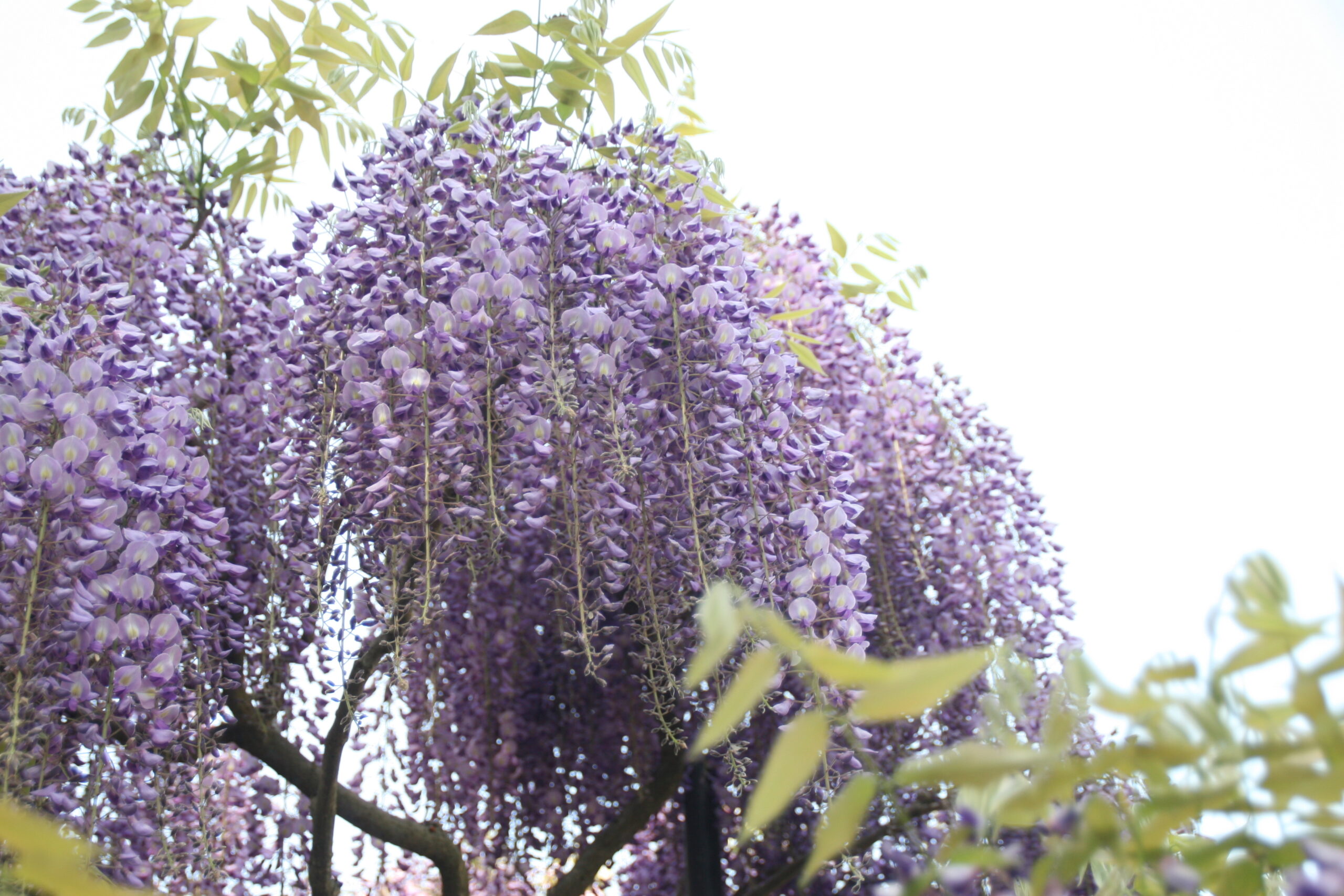
For decades, it has been clear that deliberate introduction of plant species for cultivation plays a central role in the early stages of bioinvasion by plants (and associated insects, plant pathogens, earthworms … even vertebrates. Viz. coqui frogs in Hawai`i.)
Repeatedly over the two plus decades since Sarah Reichard demonstrated this role of ornamental horticulture (see Reichard and White 2001 and Mack 2000), new studies have provided corroborative details. Publications during the past two years show the risks we are still accepting in the United States. Will we act to protect our environment?
Fertakos and Bradley (2024) found that species were likely to establish if they were introduced to as few as eight locations. However, introduction history was not a strong predictor of an established species’ ultimate invasive success. They suggest that other characteristics, like plant traits and local-scale processes (e.g., interspecific interactions), may better predict whether a plant becomes invasive.
Kinlock et al. (2025) also found that plant species that were cultivated longer or were sold by more catalogs were more likely to have “naturalized”. This conclusion was based on analysis of the behavior of nearly 4,000 species sold in nursery and seed catalogs in the continental United States over 200 years. Nearly 41% of these species naturalized somewhere in the “lower 48” states. Unfortunately, they do not discuss what proportion of these species are truly damaging invaders.
Neither Fertakos and Bradley (2024) nor Kinlock et al. (2025) mention the concept of a lag between a species’ establishment and recognized symptoms of invasiveness. Has this concept been repudiated?
Evans et al. (2024) were focused on analyzing which regions of the eastern United States are likely to suffer the worst plant invasions under climate change. In this context, they worry that people will assist non-native plant species’ movement to newly suitable habitats. Evans et al. urge prioritizing for state regulation species in the ornamental trade that are projected to remain or become abundant under the new climate conditions. They say we Americans are poorly prepared to take this action, however, because plant sales are so poorly regulated and only 10% of land managers in eastern North America monitor for new invasive taxa. They say this is because the managing agencies lack of funding and personnel. After 2025’s losses of programs, appropriations, grants, and staff, this deficit is probably worse – not just for federal agencies but also the many state, local, and volunteer programs that have been supported by federal funding.
Beaury et al. (2024) investigated whether plant species recognized as invasive are sold in the same locations as where they are invasive. They found that half of the 89 species named as invasive were sold by a nursery within 21km of an observed record of invasion. The authors say that data gaps mean that these findings underestimate the number of species sold near locations of documented invasions. They warn that at least 25 species are sold by one or more nurseries located in an area that is currently unsuitable for those species, but that will become more suitable for invasion as temperatures warm. Like Evans et al. (2024), they urge proactive regulation to limit these species’ spread.
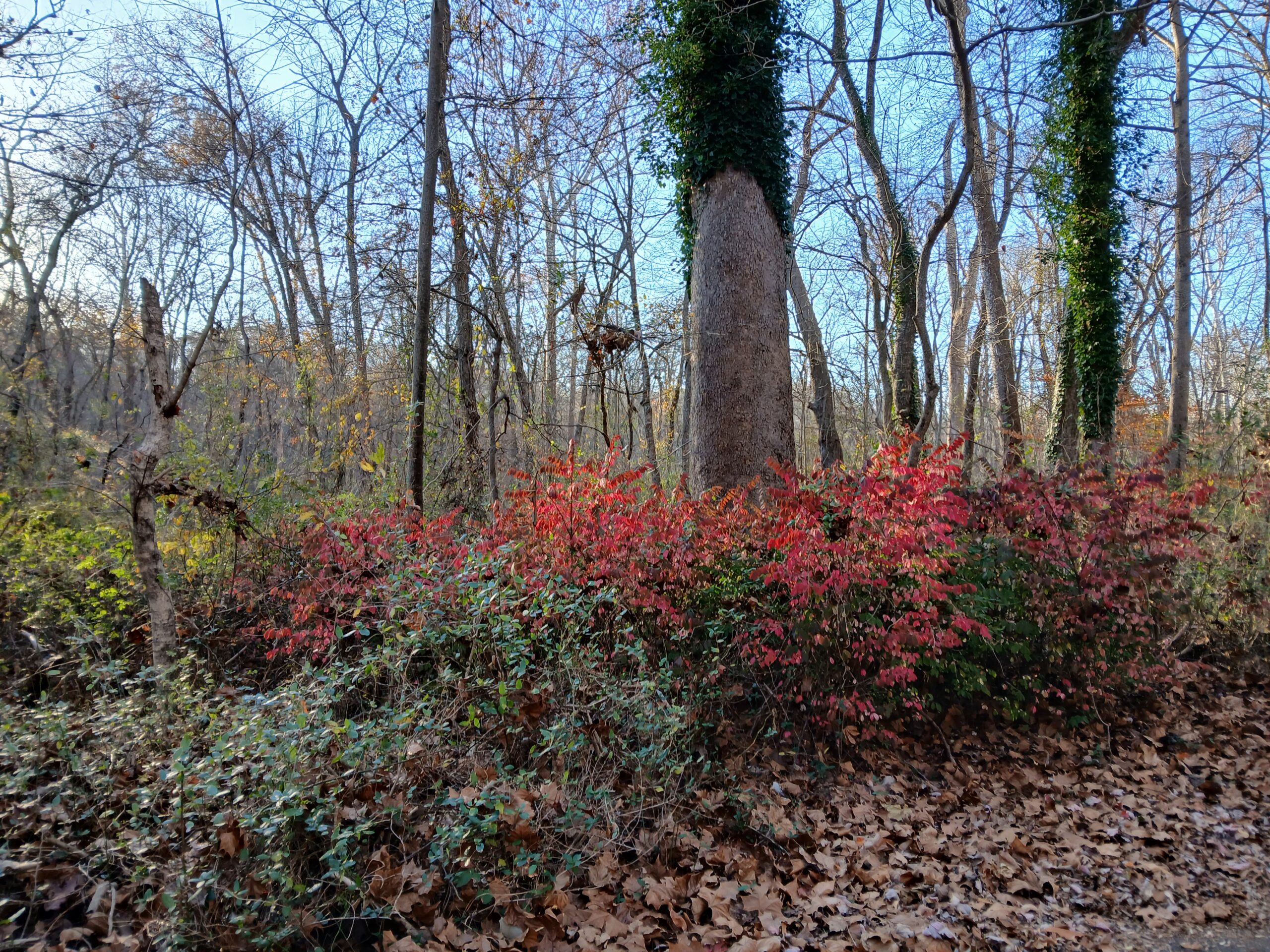
U.S. Regulatory response is completely inadequate
Beaury et al. (2023) call for regulating the nursery trade in a manner consistent with the scope of the horticultural trade – sales by both e-commerce and brick and mortar stores go to customers far outside a specific state’s jurisdiction. Despite the interstate nature of the trade, sales of horticultural plants are regulated primarily by state governments. Even when a state does restrict the sale of a specified list of invasive plants, the regulations are outdated, tend to include only a few weeds that plague agriculture rather than those that invade natural systems, or are irregularly enforced. The result is a checkerboard of places where a species may legally be offered for sale next to places where that sale is prohibited. Finally, the regulations are reactive; they rarely include plants in anticipation of their spread to new areas. Beaury et al. (2023) call this as a missed opportunity to reduce the likelihood of ornamental escapes.
Evans et al. (2024) also note that online plant sales are relatively unregulated, and state regulations are inconsistent.
Under the Constitution, the appropriate entity for regulating interstate commerce is the federal government. The U.S. Department of Agriculture’s Animal and Plant Health Inspection Service is responsible for populating and managing the federal noxious weed list. Unfortunately, APHIS lists only those taxa that qualify as quarantine pests under the definition of that term in the International Plant Protection Convention (IPPC) Glossary of Phytosanitary Terms. This means that the taxon is either not yet present in the United States or, if present, is not widely distributed and is being officially controlled. Under these criteria, the federal noxious weed list is required to exclude nearly all the invasive plant species sold by the nursery trade.
To counter this enormous regulatory failure, many associations – native plant societies, regional or state invasive plant councils, etc. – publish their own lists of invasive plants. They often encourage their members and the public to either avoid planting these species voluntarily or to plant predominantly native plants. Also, these stakeholders urge nurseries to halt sales of invasive species voluntarily. Dr. Douglas Tallamy points out that even non-invasive, non-native plants disrupt food webs.
These voluntary efforts have yielded some success. But they have not resulted in adequate protection for our ecosystems.
Will Americans choose to invigorate the regulatory system? At a minimum, can we urge neighboring states to adopt a regional approach? More difficult, but also more effective, would be to persuade Congress to strengthen APHIS’ invasive plant regulations to outlaw interstate sales of at least those species documented to be invasive.
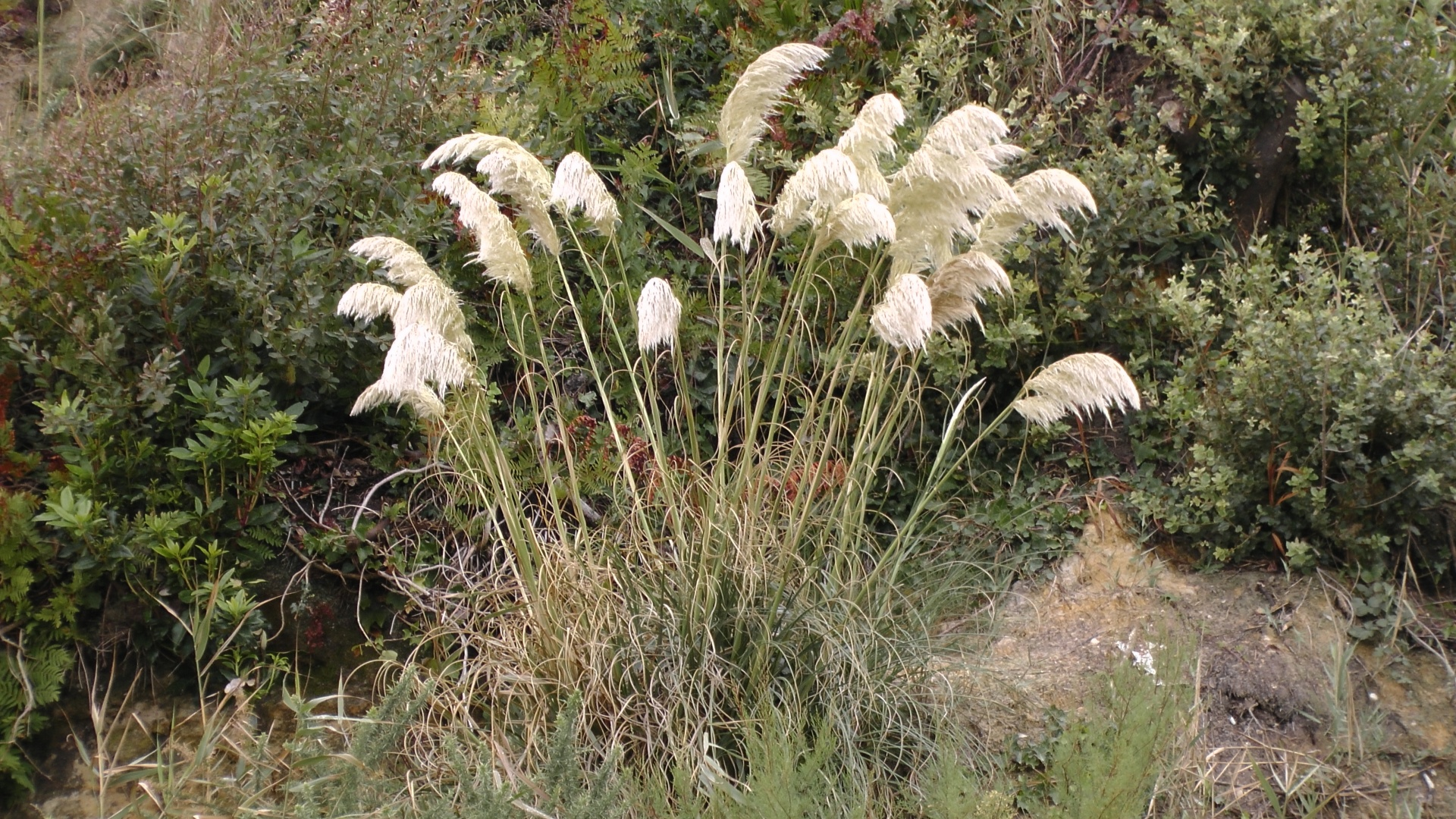
Do you have other suggestions?
SOURCES
Beaury, E.M., J.M. Allen, A.E. Evans, M.E. Fertakos, W.G. Pfadenhauer, B.A. Bradley. 2023. Horticulture could facilitate invasive plant range infilling and range expansion with climate change. BioScience 2023 0 1-8 https://doi.org/10.1093/biosci/biad069
Evans, A.E., C.S. Jarnevich, E.M. Beaury, P.S. Engelstad, N.B. Teich, J.M. LaRoe, B.A. Bradley. 2024. Shifting hotspots: Climate change projected to drive contractions and expansions of invasive plant abundance habitats. Diversity and Distributions 2024;30:4154
Fertakos, M.E. and B.A. Bradley. 2024. Propagule pressure from historic U.S. plant sales explains establishment but not invasion. Public? doi: 10.1111/ele.14494.
Fridley, J.D., P.J. Bellingham, D. Closset-Kopp, C.C. Daehler, M.S. Dechoum, P.H. Martin, H.T. Murphy, J. Rojas- Sandoval, D. Tng. 2025. A general hypothesis of forest invasions by woody plants based on whole-plant carbon economics.
Kinlock, N.L., D.W. Adams, W. Dawson, F. Essl, J. Kartesz, H. Kreft, M. Nishino, Jan Pergl, P. Pyšek, P. Weigelt and M. van Kleunen. 2025. Naturalization of ornamental plants in the United States depends on cultivation and historical land cover context. Ecography 2025: e07748 doi: 10.1002/ecog.07748
Posted by Faith Campbell
We welcome comments that supplement or correct factual information, suggest new approaches, or promote thoughtful consideration. We post comments that disagree with us — but not those we judge to be not civil or inflammatory.
For a detailed discussion of the policies and practices that have allowed these pests to enter and spread – and that do not promote effective restoration strategies – review the Fading Forests report at http://treeimprovement.utk.edu/FadingForests.htm
Or