Global Overview of Bioinvasion in Forests

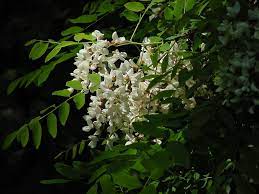
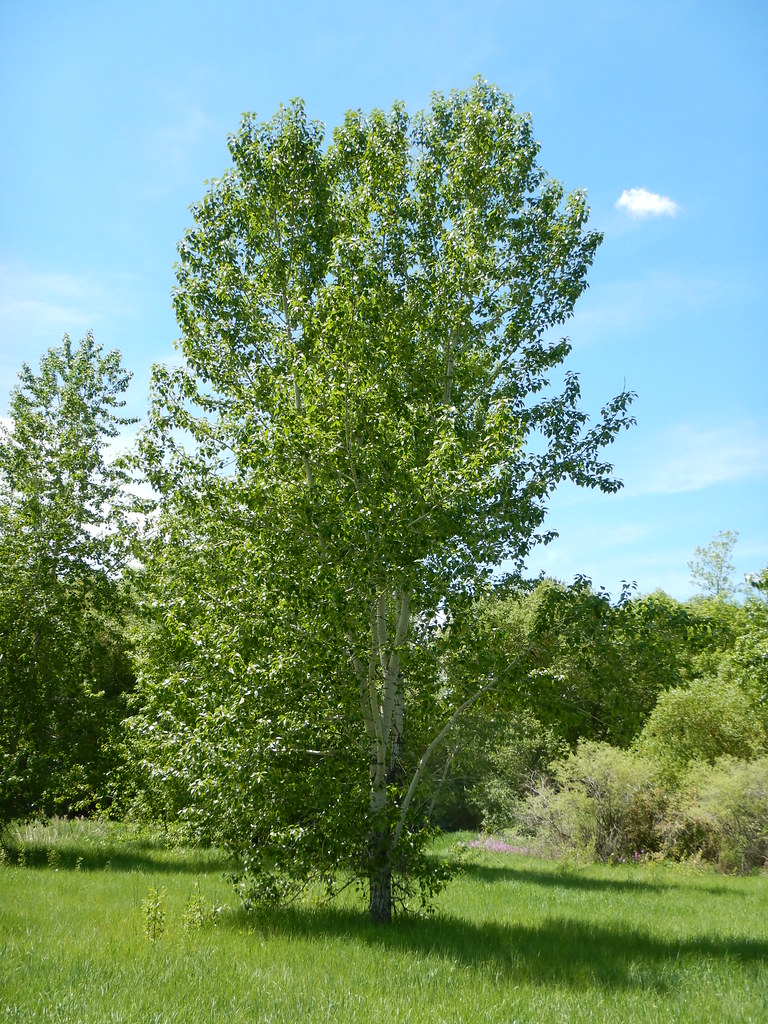
black locust – one of the most widespread invasive tree species on Earth; photo via Flickr

In recent years there has been an encouraging effort to examine bioinvasions writ large see earlier blogs re: costs of invasive species – here and here. One of these products is the Routledge Handbook of Biosecurity and Invasive Species (full citation at end of this blog). I have seen only the chapter on bioinvasion in forest ecosystems written by Sitzia et al. While they describe this situation around the globe, their examples are mostly from Europe.

Similar to other overviews, this article re-states the widely-accepted attribution of rising numbers of species introductions to globalization, especially trade. In so doing, Sitzia et al. assert that the solution is not to curtail trade and movement of people, but to improve scientific knowledge with the goal of strengthening biosecurity and control programs. As readers of this blog know, I have long advocated more aggressive application of stronger restrictions on the most high-risk pathways. Still, I applaud efforts to apply science to risk assessment.

Sitzia et al. attempt to provide a global perspective. They remind readers that all major forest ecosystems of Earth are undergoing significant change as a result of conversion to different land-uses; invasion by a wide range of non-native introduced species—including plants, insects, and mammals; and climate change. These change agents act individually and synergistically. Sitzia et al. give greater emphasis than other writers to managing the tree component of forests. They explain this focus by asserting that forest management could be either the major disturbance favoring spread of non-native species or, conversely, the only way to prevent further invasions. They explore these relationships with the goal of improving conservation of forest habitats.

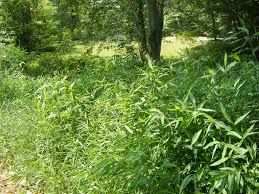
Japanese stiltgrass invasion; photo by mightyjoepye via Flickr

Sitzia et al. focus first on plant invasions. They contend that – contrary to some expectations – plants can invade even dense forests despite competition for resources. They cite a recent assessment by Rejmánek & Richardson that identified 434 tree species that are invasive around Earth. Many of these species are from Asia, South America, Europe, and Australia. These non-native trees can drive not only changes in composition but also in conservation trajectories in natural forests. However, the example they cite, Japanese stilt grass (Microstegium vimineum) in the United States, is not a tree! Sitzia et al. note that in other cases it is difficult to separate the impacts of management decisions, native competitive species, and non-native species.

Sitzia et al. note that plant invasions might have a wide array of ecological impacts on forests. They attempt to distinguish between

  • “drivers” of environmental change – including those with such powerful effects that they call them “transformers”;  
  • “passengers” whose invasions are facilitated by other changes in ecosystem properties; and
  • “backseat drivers” that benefit from changes to ecosystem processes or properties and cause additional changes to native plant communities.

An example of the last is black locust (Robinia pseudoacacia). This North American tree has naturalized on all continents. It is a good example of the management complexities raised by conflicting views of an invasive species’ value, since it is used for timber, firewood, and honey production.

Sitzia et al. then consider invasions by plant pathogens. They say that these invasions are one of the main causes of decline or extirpations in tree populations. I applaud their explicit recognition that even when a host is not driven to extinction, the strong and sudden reduction in tree numbers produces significant changes in the impacted ecosystems.

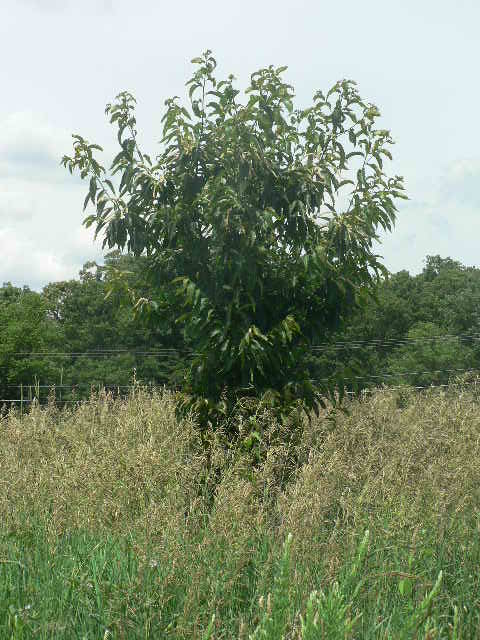
American chestnut – not extinct but ecological role gone; photo by F.T. Campbell

Sitzia et al. contend that social and economic factors determine the likelihood of a species’ transportation and introduction. Specifically, global trade in plants for planting is widely recognized as being responsible for the majority of introductions. Introductions via this pathway are difficult to regulate because of the economic importance (and political clout) of the ornamental plants industry, large volumes of plants traded, rapid changes in varieties available, and multiple origins of trade. As noted above, the authors seek to resolve these challenges by improving the scientific knowledge guiding biosecurity and control programs. In the case of plant pathogens, they suggest adopting innovative molecular techniques to improve interception efficiency, esp. in the case of latent fungi in asymptomatic plants.

The likelihood that a pathogen transported to a new region will establish is determined by biogeographic and ecological factors. Like other recent studies, Sitzia et al. attempt to identify important factors. They name a large and confusing combination of pathogen- and host-specific traits and ecosystem conditions. These include the fungus’ virulence, host specificity, and modes of action, reproduction, and dispersal, as well as the host’s abundance, demography, and phytosociology. A key attribute is the non-native fungus’ ability to exploit micro-organism-insect interactions in the introduced range. (A separate study by Raffa et al. listed Dutch elm disease as an example of this phenomenon.)  I find it interesting that they also say that pathogens that attack both ornamental and forest trees spread faster. They do not discuss why this might be so. I suggest a possible explanation: the ornamental hosts are probably shipped over wide areas by the plant trade.

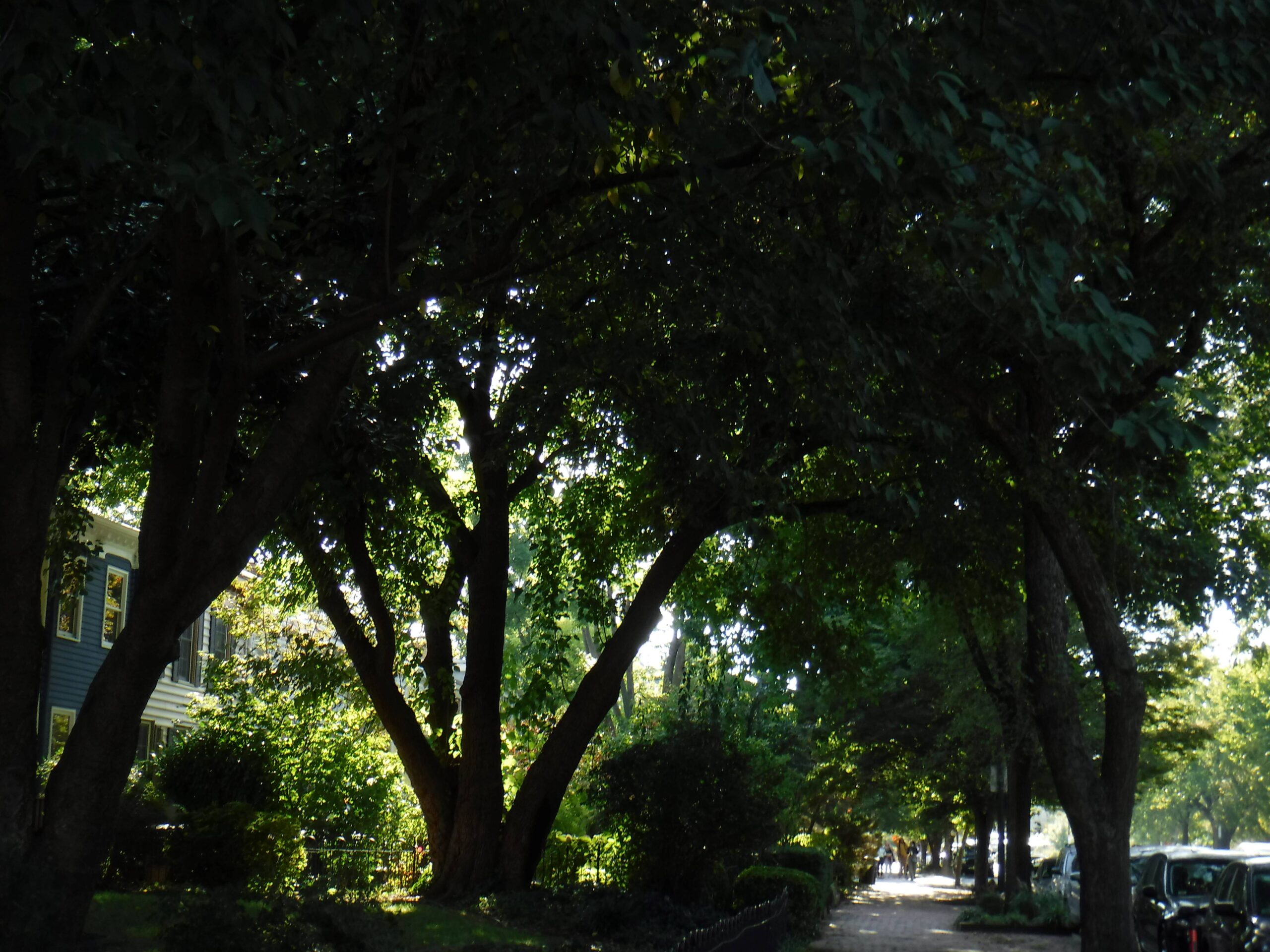
surviving elms in an urban environment; photo by F.T. Campbell

Sitzia et al. devote considerable attention to bioinvasions that involve symbiotic relationships between bark and ambrosia beetles and their associated fungi. These beetles are highly invasive and present high ecological risk in forest ecosystems. Since ambrosia beetle larvae feed on symbiotic fungi carried on and farmed by the adults inside the host trees, they are often polyphagous. Bark beetles feed on the tree host’s tissues directly, so they tend to develop in a more restricted number of hosts. Both can be transported in almost all kinds of wood products, where they are protected from environmental extremes and detection by inspectors. Sitzia et al. specify the usual suspects: wood packaging and plants for planting, as ideal pathways. These invasions threaten indigenous species by shifting the distribution and abundance of certain plants, altering habitats, and changing food supplies. The resulting damage to native forests induces severe alterations of the landscape and causes economic losses in tree plantations and managed forests. The latter losses are primarily in the high costs of eradication efforts – and their frequent failure.

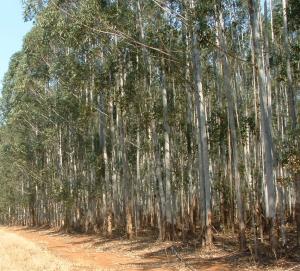
Eucalyptus plantation in Kwa-Zulu-Natal, South Africa; photo by Kwa-Zulu-Natal Department of Transportation

Perhaps their greatest contribution is their warning about probable damage caused by invasive forest pests in tropical forests. (See an earlier blog about invasive pests in Africa.) Sitzia et al. believe that bark and ambrosia beetles introduced to tropical forests threaten to cause damage of the same magnitude as climate change and clear cutting, but there is little information about such introductions. Tropical forests are exposed to invading beetles in several ways:  

1) A long history of plant movement has occurred between tropical regions. Sitzia et al. contend that the same traits sought for commercial production contribute to risk of invasion.

2) Logging and conversion of tropical forests into plantation forestry and agriculture entails movement of potentially invasive plants to new areas. Canopies, understory plant communities, and soils are all disturbed. Seeds, insects, and pathogens can be introduced via contaminated equipment.

3) Less developed nations are often at a disadvantage in managing potential invasion. Resources may be fewer, competing priorities more compelling, or potential threats less obvious.

Sitzia et al. call for development of invasive species management strategies that are relevant to and realistic for less developed countries. These strategies must account for interactions between non-native species and other aspects of global environmental change. Professional foresters have a role here. One clear need is to set out practices for dealing with conflicts between actors driven by contrasting forestry and conservation interests. These approaches should incorporate the goals of shielding protected areas, habitat types and species from bioinvasion risk. Sitzia et al. also discuss how to address the fact that many widely used forestry trees are invasive. (See my earlier blog about pines planted in New Zealand.)

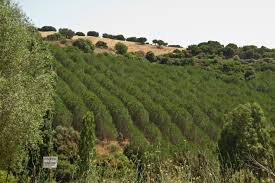
planted forest in Sardinia, Italy; photo by Torvlag via Flickr

In Europe, bark beetle invasions have damaged an estimated ~124 M m2 between 1958 and 2001. Sitzia et al. report that the introduction rate of non-native scolytins has increased sharply. As in the US, many are from Asia. They expect this trend to increase in the future, following rising global trade and climate change. Southern – Mediterranean – Europe is especially vulnerable. The region has great habitat diversity; a large number of potential host trees; and the climate is dry and warm with mild winters. The region has a legacy of widespread planting of non-native trees which are now important components of the region’s economy, history and culture. These include a significant number of tree species that are controversial because they are – or appear to be – invasive. Thus, new problems related to invasive plants are likely to emerge.

Noting that different species and invasion stages require different action, Sitzia et al. point to forest planning as an important tool. Again the discussion centers on Europe. Individual states set forest policies. Two complications are the facts that nearly half of European forests are privately owned; and stakeholders differ in their understanding of the concept of “sustainability”. Does it mean ‘sustainable yield’ of timber? Or providing multiple goods and services? Or sustaining evolution of forest ecosystems with restrictions on the use of non-native species? Resolving these issues requires engagement of all the stakeholders.

Sitzia et al. say there has recently been progress. The Council of Europe issued a voluntary Code of Conduct on Invasive Alien Trees in 2017 that provides guidelines on key pathways. A workshop in 2019 elaborated global guidelines for the sustainable use of non-native tree species, based on the Bern Convention Code of Conduct on Invasive Alien Trees. The workshop issued eight recommendations:

  • Use native trees, or non-invasive non-native trees;
  • Comply with international, national, and regional regulations concerning non-native trees;
  • Be aware of the risk of bioinvasion and consider global change trends;
  • Design and adopt tailored practices for plantation site selection and silvicultural management;
  • Promote and implement early detection and rapid response programs;
  • Design and adopt practices for invasive non-native tree control, habitat restoration, and for dealing with highly modified ecosystems;
  • Engage with stakeholders on the risks posed by invasive NIS trees, the impacts caused, and the options for management; and
  • Develop and support global networks, collaborative research, and information sharing on native and non-native trees.

SOURCE

Sitzia, T., T. Campagnaro, G. Brundu, M. Faccoli, A. Santini and B.L. Webber. 2021 Forest Ecosystems. in Barker, K. and R.A. Francis. Routledge Handbook of Biosecurity and Invasive Species. ISBN 9780367763213

Posted by Faith Campbell

We welcome comments that supplement or correct factual information, suggest new approaches, or promote thoughtful consideration. We post comments that disagree with us — but not those we judge to be not civil or inflammatory.

For a detailed discussion of the policies and practices that have allowed these pests to enter and spread – and that do not promote effective restoration strategies – review the Fading Forests report at http://treeimprovement.utk.edu/FadingForests.htm

or
www.fadingforests.org

Analysis of Methods to Predict a New Pest’s Invasiveness: Which Work Best Under What Conditions?

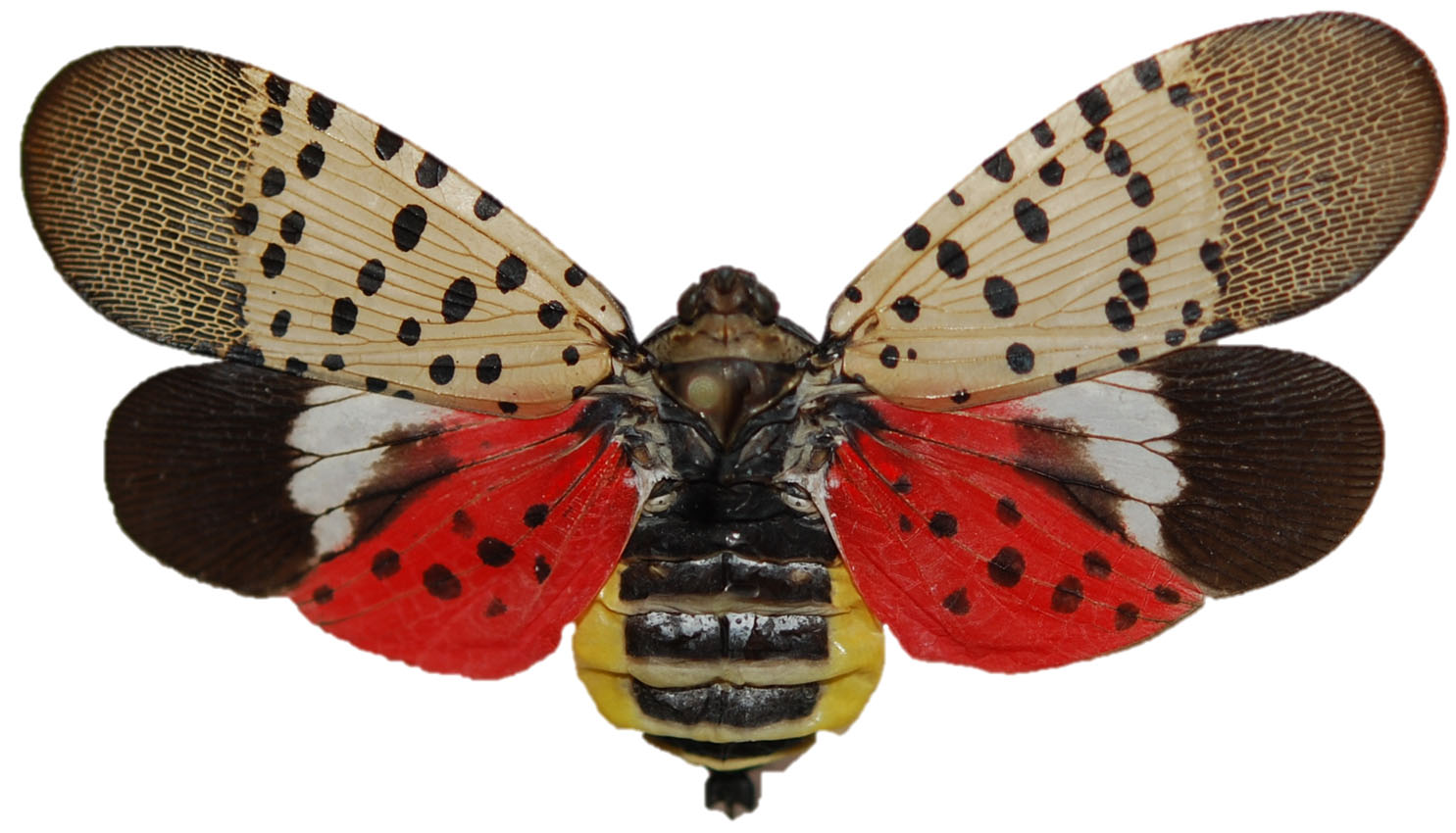
spotted lanternfly – could we have predicted its arrival? Its Impacts? Photo by Holly Ragusa, Pennsylvania Department of Agriculture

As readers of my blogs know, I wish to prevent introduction and spread of tree-killing insects and pathogens and advocate tighter and more pro-active regulation as the most promising approach. I cannot claim to have had great success.

Of course, international trade agreements have powerful defenders and the benefit of inertia. And in any case, prevention will be enhanced by improving the accuracy of predictions as to which specific pests are likely to cause significant damage, which are likely to have little impact in a naïve ecosystem. This knowledge would allow countries to can then focus their prevention, containment, and eradication efforts on this smaller number of organisms.

I applaud a group of eminent forest entomologists and pathologists’ recent analysis of widely-used predictive methods’ efficacy [see Raffa et al.; full citation at the end of this blog]. I am particularly glad that they have included pathogens, not just insects. See earlier blogs here, here, here, and here.

I review their findings in some detail in order to demonstrate their importance. National and international phytosanitary agencies need to incorporate this information and adopt new strategies to carry out their duty to protect Earth’s forests from devastation by introduced pests.

Raffa et al. note the usual challenges to plant health officials:

  • the high volumes of international trade that can transport tree-killing pests;
  • the high diversity of possible pest taxa, exacerbated by the lack of knowledge about many of them, especially pathogens;
  • the restrictions on precautionary approaches imposed by the World Trade Organization’s Sanitary and Phytosanitary Agreement (the international phytosanitary system) – here, here, and here.   
  • the high cost and frequent failure of  control efforts.
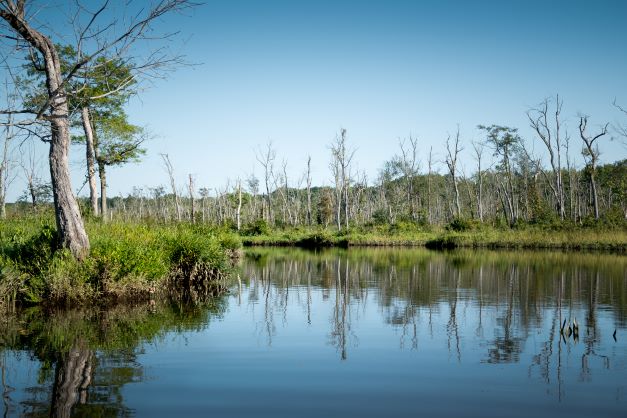
ash trees killed by emerald ash borer; Mattawoman Creek, Maryland; photo by Leslie A. Brice

The Four Approaches to Predicting Damaging Invaders

At present, four approaches are widely used to predict behavior of a species introduced to a naïve environment:

(1) pest status of the organism in its native or previously invaded regions;

(2) statistical patterns of traits and gene sequences associated with high-impact pests;

(3) sentinel plantings to expose trees to novel pests; and

(4) laboratory tests of detached plant parts or seedlings under controlled conditions.

Raffa et al. first identify each method’s underlying assumptions, then discuss the strengths and weaknesses of each approach for addressing three categories of biological factors that they believe explain why some organisms that are relatively benign, sparse, or unknown in their native region become highly damaging in naïve regions:

(1) the lack of effective natural enemies in the new region compared with the community of predators, parasites, pathogens, and competitors in the historical region (i.e., the loss of top-down control);

(2) the lack of evolutionary adaptation by naïve trees in the new region compared with long-term native interactions that select for effective defenses or tolerance (i.e., the loss of bottom-up control); and

(3) novel insect–microbe associations formed in invaded regions in which one or both members of the complex are non-native, resulting in increased vectoring of or infection courts for disease-causing pathogens (i.e., novel symbioses). I summarize these findings in some detail later in this blog.

Most important, Raffa et al. say none of these four predictive approaches can, by itself, provide a sufficiently high level of combined precision and generality to be useful in predictions. Therefore, Raffa et al. outline a framework for applying the strengths of the several approaches (see Figure 4). The framework can also be updated to address the challenges posed by global climate change.

Raffa et al. repeatedly note that lack of information about pests undercuts evaluation efforts. This is especially true for pathogens and the processes determine which microbes that are innocuous symbionts in co-evolved hosts become damaging pathogens when introduced to naïve hosts in new ecosystems.

Findings in Brief

Raffa et al. found that:

  1. Previous pest history in invaded environments provides greater predictive power than population dynamics in the organism’s native regions.
  2. Models comparing pest–host interactions across taxa are more predictive when they incorporate phylogenies of both pest and host. Traits better predict a pest’s likelihood of transport and establishment than its impact.
  3. Sentinel plantings are most applicable for pests that are not primarily limited to older trees. Ex patria sentinel plantations are more likely to detect pest species liberated by loss of bottom-up controls than top-down controls, i.e., most fungi and woodborers but not insect defoliators.
  4. Laboratory tests are most promising for pest species whose performance on seedlings and detached parts (e.g., leaves) accurately reflects their performance on live mature trees. They are thus better at predicting impacts of insect folivores and sap feeders than woodborers or vascular wilt pathogens.

Raffa et al. also ask some fundamental questions:

  • How realistic is it to expect reliable predictions, given the uniqueness of each biotic system?
  • When should negative data – lack of data showing a species is invasive – justify decisions not to act? Especially when there are so many data gaps?  
  • Who should make decisions about whether to act? How should the varying values of different social sectors be incorporated into decisions?

Raffa et al. identify critical areas for improved understanding:

1) Statistical tools and estimates of sample size needed for reliable forecasts by the various approaches.

2) Reliability, breadth, and efficiency of bioassays.

3) Processes by which some microorganisms transition from saprophytic to pathogenic lifestyles.

4) Procedures for scaling up results from bioassays and plantings to ecosystem- and landscape-level dynamics.

5) Targetting and synergizing predictive approaches and methods for more rapid and complete information transfer across jurisdictional boundaries.

I am struck by two generalizations:

  1. While most introduced forest insects are first detected in urban areas, introduced pathogens are more commonly detected in forests. I suggest that more intensive surveys of urban trees and “sentinel gardens” might result in detection of pathogens before they reach the forest.
  2. Enemy release is rarely documented as the primary basis for pathogens that cause little or no impact in their native region but become damaging in an introduced region. Enemy release appears generally more important with folivores and sap feeders than with woodborers.

Detailed Evaluation of Predictive Methodologies

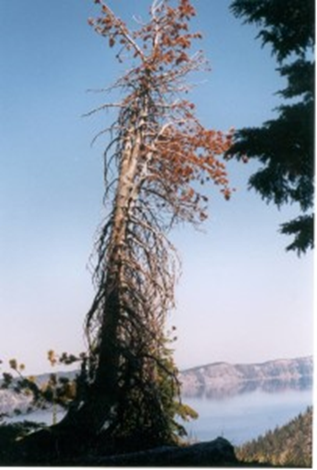
white pine blister rust-killed whitebark pine at Crater Lake National Park; photo by F.T. Campbell
  1. Empirical assessment of pest status in previously occupied habitats

This is the most commonly applied method now, partly because it seems to follow logically from the World Trade Organization’s requirement that national governments provide scientific evidence of risk to justify adopting phytosanitary measures. The underlying assumption is that species that have caused damage in either their native or previously invaded ranges are those most likely to cause damage if introduced elsewhere. The corollary is that species that have not previously caused damage are unlikely to cause significant harm in a new ecosystem.

As noted above, Raffa et al. found that a species’ damaging activity in a previously invaded area can help indicate likely pest status in other regions. However, its status — pest or not — in its native range is not predictive. See Table 1 for numerous examples of both pests and non-pests. For example, Lymantria dispar has proved damaging in both native and introduced ranges. Ips typographus has not invaded new territories despite being damaging in its nature range and frequently being transported in wood. White pine blister rust is not an important mortality source on native species in its native range but is extremely damaging in North America.

Raffa et al. also note the importance of whether effective detection and management strategies exist in determining a pest’s impact ranking. Insects are more easily detected than pathogens; some respond to long distance attractants such as pheromones or plant volatiles. These methods can include insect vectors of damaging pathogens.

Re: the difficulty of assessing insect–microbe associations, they name several examples of symbionts which have caused widespread damage to naïve hosts: laurel wilt in North America; Sirex noctilio and Amylosterum areolatum around the Southern Hemisphere; Monochamus spp. and Bursaphelenchus xylophilus in Asian and European pines. Dutch elm disease illustrates a widespread epidemic caused by replacement of a nonaggressive native microorganism in an existing association with a non-native pathogen. Beech bark disease resulted from independent co-occurrence of an otherwise harmless fungus and harmless insect.

In sum, “watch” lists are disappointingly poor at identifying species that are largely benign in their native region but become pests when transported to naive ecosystems. Many of our most damaging pests are in this group. Raffa et al. note that this is not surprising because naïve systems lack the very powerful top-down, bottom-up, and lateral forces that suppress pests’ populations in co-adapted system. Countries often try to overcome this uncertainty by shifting to pathway mitigation and other “horizontal measures” – as I have often advocated. Raffa et al. emphasize that such approaches are costly to implement and constrain free trade.

  • Predictive models based on traits of pests and hosts

Predictive models provide the most all-encompassing and logistically adaptable of the forecasting approaches. Typically, models consider various components of risk, e.g. probability of transport, probability of establishment, anticipated level of damage.

The overriding assumption is that patterns emerging from either previous invasions or basic biological relationships can provide reliable predictions of impacts that might result from future invasions. However, Raffa et al. note that the models’ reliability and specificity are hampered by small sample sizes and data gaps.

They found that specific life history traits have proved to be more predictive of insect — and to a lesser extent fungal – establishment than of impact. Earlier studies [Mech et al. (2019) and Schulz et al. (2021)] found no association between life history traits and impacts for either conifer-feeding or angiosperm-feeding insects.   

Some traits of pathogens have been linked to invasion success, e.g., dispersal distance, type of reproduction, spore characteristics, and some temperature characteristics for growth and parasitic specialization. Raffa et al. say that root-infecting oomycete pathogens have a broader host range and invasive range than those that attack aboveground parts. Oomycetes that grow faster and produce thick-walled resting structures have broader host ranges. Phenotypic plasticity is also important. Raffa et al. say that those organisms that require alternate hosts can be limited in their ability to establish. However, they don’t mention that – once introduced — they can have huge impacts, as the example of white pine blister rust illustrates.

Raffa et al. say that phylogenetic distance of native and introduced hosts is more predictive for foliar ascomycetes than for basidiomycete and oomycete pathogens with broad host ranges. They suggest predictive ability can be improved by incorporating other factors, e.g., feeding guild. They note that the findings of Mech et al. and Schulz et al. (see links above) show the importance of both host associations with pests and phylogenetic relationships between native and naïve hosts for predicting impacts.

Geography is important: while there is a greater chance of Northern Hemisphere pests invading in the same hemisphere, this is not universal, as shown by Sirex (of course, the woodwasp is attacking hosts native to the Northern Hemisphere – pines).

Genomic analyses have been used more often with pathogens. There are two general approaches:

trees killed by chestnut blight; USDA Forest Service photo

1) Comparing the genomes of different species to identify the determinants associated with certain traits or lifestyles. For example, a post hoc analysis of the genus Cryphonectria could distinguish nonpathogenic species from the chestnut blight fungus C. parasitica.

2) Using genomic variation within a single species to identify markers associated with traits. Genome sequencing of a worldwide collection of the pathogens that cause Dutch elm disease revealed that some genome regions that originated from hybridization between fungal species contained genes involved in host–pathogen interactions and reproduction, such as enhanced pathogenicity and growth rate.

Raffa et al. point out that the growth of databases will facilitate genomic approaches to identify important invasiveness and impact traits, such as sporulation, sexual reproduction, and host specificity.

At present, Raffa et al. believe that models based on traits, phylogeny, and genomics offer potential for a rapid first pass to predicting levels of pest damage. However, assessors must first have a list of candidate pest species and detailed information about each. Plus there is still too much uncertainty to rely exclusively on the models.

  • Sentinel trees

Raffa et al. say that sentinel trees can potentially provide the most direct tests of tree susceptibility and the putative impact of introduced pests. Three types of plantations offer different types of information:

  1. In patria sentinels [= sentinel nurseries] = native trees strategically located in an exporting country and exposed to native pests. The intention is to detect problematic hitchhikers before they are transported to a new region. These plantings are useful for commodity risk assessment.  However, all the taxa associated with the sentinel trees must be identified to ascertain whether they can become a threat to plants in the new ecosystem.
  • Ex patria plantings [= sentinel plantations] = trees from an importing country are planted in an exporting country with the aim of assessing new pest–host associations. These plantings are most useful for identifying threats that arise primarily from lack of coevolved host tree resistance (i.e., loss of bottom-up control). They cannot predict the effects of lack of co-adapted natural enemies in the importing region (i.e., loss of top-down control). Plantings are thus more helpful in predicting impacts by pathogens and woodborers than folivores and sap feeders. However, ex patria plantings cannot predict pest problems that arise from novel microbial associations, or increased susceptibility to native pests.
  • Trees in botanic gardens, arboreta, large-scale plantations, and urban parks and yards can provide information on both existing native-to-native associations and new pest–host associations. Analyzing these plantings can be useful for studying host-shift events and novel pest–host associations. Again, all the taxa associated with the sentinel trees must be identified to ascertain whether they can become a threat to plants in the new ecosystem. Monitoring these planting have detected previously unknown plant–host associations (such as polyphagous shot hole borer and tree species in California and South Africa), and entirely unknown taxa. Pest surveillance in urban areas can also facilitate early detection, thereby strengthening the possibility of eradication.
PSHB attack on Erythrina caffri; photo by Paap

Sentinel tree programs are limited by 1) small sample sizes; 2) immature trees; and 3) the fact that trees planted outside their native range might not be accurate surrogates for the same species in native conditions. Some of these issues can be reduced by establishing reciprocal international agreements among trading partners; the International Plant Sentinel Network helps to coordinate these collaborations.

Botanic gardens and arboreta have the advantage of containing adult trees; this is important because pest impacts can vary between sapling to mature trees. However, they probably contain only a few individuals per plant species, usually composed of narrow genetic base.

Large-scale plantations of exotic tree species, e.g., exotic commercial plantations, comprise large numbers of trees planted over large areas with varied environmental conditions, and they stand for longer times. Still, they commonly have a narrow genetic base that might not be representative of wild native plants. Also, only a few species are represented in commercial plantations.

Raffa et al. report that experience in commercial Eucalyptus plantations in Brazil alerted Australia to the threat from myrtle rust (Austropuccinia psidii). However, in an earlier blog I showed that Australia did not act quickly based on this knowledge.

  • Laboratory assays using plant parts or seedlings

Laboratory tests artificially challenge seedlings, plant parts (e.g., leaves, branches, logs), or other forms of germplasm of potential hosts to determine their vulnerability. These tests are potentially powerful because they are amenable to experimental control, standardized challenge, and replication. They also avoid many of the logistical constraints of sentinel plantings. Finally, they can be performed relatively rapidly.

The key underlying assumption is that results can be extrapolated to predict injury to live, mature trees under natural conditions. The validity of this assumption depends on the degree to which exogenous biotic and abiotic stressors affect the outcomes. Raffa et al. report that environmental stressors tend to more strongly influence tree interactions with woodborers than folivores.

These assumption are more likely to be met by pathogens that infect shoots or young tissues, such as the myrtle rust pathogen Austropuccinia psidii, ash dieback pathogen Hymenoscyphus fraxineus, and the sudden oak death pathogen Phytophthora ramorum

The host range of and relative susceptibilities to insects is usually tested on twigs bearing foliage for defoliators and sap suckers; bark disks, logs, or branches for bark beetles, ambrosia beetles, and wood borers. These methods do not work as well for bark beetle species that attack mature trees in which active induced responses and transport of resins through established ducts are critically important.

The major advantages of laboratory tests is that they readily incorporate both positive (known hosts) and negative (known nonhosts) controls, can provide a range of environmental conditions, can be performed relatively rapidly, are statistically replicable at relatively low costs, and can test multiple host species and genotypes simultaneously. The ability to statistically replicate a multiplicity of environmental combinations and species is particularly valuable for evaluating relationships under anticipated future climatic conditions.

However, there are several important limitations. In testing pathogens, environmental conditions required for infection are often unknown. Choice of non-conducive conditions might result in false negatives; choice of too-conducive conditions might result in exaggerating the likelihood of infection. Results of tests of insect pests can vary depending on whether the insects are allowed to choose among potential host plants. Other complications arise when the pest being evaluated requires alternate hosts. In addition, seedlings are not always good surrogates for mature trees – especially as regards pathogens and bark, wood-boring and root collar insects. Folivores are less affected by conditions. Plus, the costs can be significant since they involve maintaining a relatively large number of viable and virulent pathogen cultures, insects, and candidate trees in quarantine.

Finally, although lab assays are well suited for identifying new host associations, results might not be amenable to scaling up to predict a pest’s population-level performance in a new ecosystem. Scaling up is especially problematic for those insect species whose dynamics are strongly affected by trophic interactions.

SOURCE

Raffa, K.F., E.G. Brockerhoff, J-C Gregoire, R.C. Hamelin, A.M. Liebhold, A. Santini, R.C. Venette, and M.J. Wingfield. 2023. Approaches to Forecasting Damage by Invasive Forest P&P: A Cross-Assessment.  BioScience Vol. 73 No. 2: 85–111    https://doi.org/10.1093/biosci/biac108  

Posted by Faith Campbell

We welcome comments that supplement or correct factual information, suggest new approaches, or promote thoughtful consideration. We post comments that disagree with us — but not those we judge to be not civil or inflammatory.

For a detailed discussion of the policies and practices that have allowed these pests to enter and spread – and that do not promote effective restoration strategies – review the Fading Forests report at http://treeimprovement.utk.edu/FadingForests.htm

or
www.fadingforests.org

Imports from China down slightly, but high pest risk continues

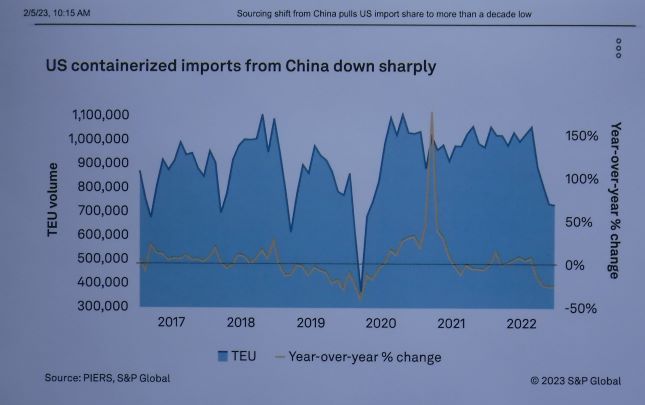
I have blogged often about the pest risk of wood packaging associated with imports from Asia – especially China – and the shift in that risk arising from import volumes and ports at which they are arriving (increasing volumes entering country at ports along Atlantic and Gulf coasts). [See blogs posted on this site, under the “wood packaging” category (listed below the archives by date).] As noted, U.S. imports from Asia are at all-time highs: in the first three months of 2022, they reached 1.62 million TEU (shipping containers measured as twenty-foot equivalents). This was 31.1% higher than in the same period in pre-pandemic 2019 (Mogelluzzo, B. April 22, 2022).

The most recent information (Szakonyi, M. 2023) confirms that U.S. importers are shifting suppliers to countries other than China, primarily because of lengthy shutdowns in Chinese factories linked to the “0 COVID” policy and some U.S. restrictions and tariffs. Over 2022 (full year), China – including Hong Kong – supplied 40.7% of U.S. imports. This is still a huge proportion, but lower than in 2021, when it was 42.4%. The Journal of Commerce calculates that the number of containers coming from China fell by 435,000. At the current rate of infestation in wood packaging from China calculated by Haack et al. 2022, that might mean about 1,200 fewer containers from China with infested wood packaging entering the U.S.

[Explanation of calculations: I divided 435,000 by 2 to convert 20-ft TEU into 40-ft containers that CBP encounters at the ports; multiplied the result by 0.75 – based on the decade-old Meissner estimate of % of containers that have SWPM; then multiplied the result by .0073 because that is infestation rate for China during 2010-2020 period]

This might be progress. China continues to have a terrible record of non-compliant wood packaging 23 years after U.S. and Canada instituted phytosanitary requirements. According to Haack et al. (2022), packaging from China made up 4.6% of all shipments inspected under the terms of their analysis, but 22% of the 180 consignments with infested wood packaging. Thus the proportion of Chinese consignments with infested wood is five times greater than expected based on their proportion of the dataset. The rate of wood packaging from China that is infested has remained relatively steady = 1.26% during 2003–2004, 0.73% during 2010 – 2020. And the insects present belong to the group that causes the greatest damage: longhorned beetles (Cerambycids). Indeed, 78% of beetles in this family that were detected were from China.

There is some good news: some types of goods likely to be enclosed in crates have decreased notably. The proportion of furniture and other home items imported from China has declined from 71.6% of all U.S. imports in 2010 to 52.6% in 2022. As Haack et al. (2022) found, crates are the type of wood packaging where wood pests are most commonly found. While crates constituted only 7.5% of the wood packaging inspected, they made up 29.4% of the infested packaging – or four times greater than their proportion of the dataset.

The pest risk might not be changing significantly, however, because some of the new suppliers are also in Asia. Vietnam’s share of U.S. imports rose from 8.2% to 8.7%. The types of goods most often imported from Vietnam included electronics, shoes, and apparel. The U.S. has already been invaded by insect-pathogen complexes native to Vietnam, Taiwan, and other parts of southeast Asia – e.g., redbay ambrosia beetle and laurel wilt; invasive shot hole borers and Fusarium disease.

U.S. imports from South Korea, mostly electronics and autoparts, climbed from 3.8% to 4.1%. Imports from India also saw a tiny increase – from 3.8% to 3.9%. These shipments were primarily apparel and iron and steel components. These goods prompt concern because wood packaging associated with heavy materials are often infested by insects (Eyre et al. 2018). The Haack et al. (2022) analysis found two interceptions of wood packaging from Vietnam, one from Korea, and three from India.

Besides, the Journal of Commerce notes that shifts in suppliers cannot go far. These countries’ manufacturing capacity and transportation infrastructure are far below those of China (Szakonyi, M. 2023).

In February 2023, U.S. imports from Asia continued to decline from record levels in 2021 and 2022 to 1.09 million TEU. This level still exceeds by 25% the 869,091 TEU recorded in March 2020, at the beginning of the COVID-19 shutdown (Mongelluzzo, March 17, 2023).

[Reminder: higher shares of imports from Asia are going to ports along the Atlantic and Gulf coasts – spreading the risk. See earlier blogs. In early March the Port of Savannah posted an advertisement to the on-line Journal of Commerce, crowing that by July it will complete straightening the river at the Garden City Terminal (the container terminal). This fix will enable Savannah to raise its annual container processing capacity by 1.5 million TEU, to 7.5 million.]

The most hopeful finding is that imports from Mexico jumped 19.2% in the first 11 months of 2022 compared to the same period in 2021. Importers have their reasons: a desire to buy from producers closer to the U.S. market. These motivations have nothing to do with the risk of forest pest introductions. However, we can rejoice because Mexico has greatly improved the pest-infestation rates of its exports since 2009. The rate fell from 0.29% in 2003-2004 to 0.04% in 2010-2020 (Haack et al. (2022).  

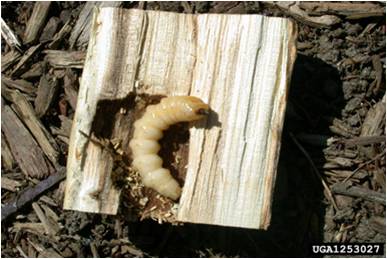
larval Asian longhorned beetle; Thomas Denholm, NJ Department of Agriculture; Bugwood

I remain outraged that U.S. agencies have not taken effective steps to deal with the nearly 25-year-long problem of Chinese noncompliance with our phytosanitary requirements. As I noted in my previous blog, link to blog 303 Customs and Border Protection officials are disappointed that their enhanced enforcement in 2017 and 2021 has not yet resulted in improved compliance.

I suggested that the U.S. and Canadian government agencies should penalize trade partners with high records of not complying with ISPM#15. Among steps they should consider are

  • U.S. and Canada should refuse to accept wood packaging from foreign suppliers that have a record of repeated violations – whatever the apparent cause of the non-compliance. Institute severe penalties to deter foreign suppliers from taking devious steps to escape being associated with their violation record.
  • APHIS and CBP and their Canadian counterparts should provide guidance to importers on which foreign treatment facilities have a record of poor compliance or suspected fraud – so they can avoid purchasing SWPM from them. I greatly regret that the death of Gary Lovett might put an end to the voluntary industry program he had been developing, described here.
  • Encourage a rapid switch to materials that don’t transport wood-borers. Plastic is one such material. While no one wants to encourage production of more plastic, the Earth is drowning under discarded plastic. Some firms are recycling plastic waste into pallets.

Haack et al. 2022 fully describes the methodology used, the structure of USDA’s Agriculture Quarantine Inspection Monitoring (AQIM) program, detailed requirements of ISPM#15, the phases of U.S. implementation, etc.  Also see the supplemental data sheet in Haack et al. (2022) that compares the methods used in each analysis.

SOURCES

Eyre, D., Macarthur, R., Haack, R.A., Lu, Y. and Krehan, H., 2018. Variation in inspection efficacy by member states of wood packaging material entering the European Union. Journal of Economic Entomology, 111(2), pp.707-715.

Haack RA, Hardin JA, Caton BP and Petrice TR (2022) Wood borer detection rates on wood packaging materials entering the United States during different phases of ISPM#15 implementation and regulatory changes. Frontiers in Forests and Global Change 5:1069117. doi: 10.3389/ffgc.2022.1069117

Meissner, H., A. Lemay, C. Bertone, K. Schwartzburg, L. Ferguson, L. Newton. 2009. Evaluation of Pathways for Exotic Plant Pest Movement into and within the Greater Caribbean Region. A slightly different version of this report is posted at 45th Annual Meeting of the Caribbean Food Crops Society https://econpapers.repec.org/paper/agscfcs09/256354.htm

Mongelluzzo, B. Q1 US imports from Asia show no slowing in consumer demand. Apr 22, 2022. https://www.joc.com/maritime-news/container-lines/q1-us-imports-asia-show-no-slowing-consumer-demand_20220422.html

Mongelluzzo, B. US imports from Asia hit three-year low in February: data. https://www.joc.com/article/us-imports-asia-hit-three-year-low-february-data_20230317.html

Szakonyi, M. 2023. Sourcing shift from China pulls US import share to more than a decade low. https://www.joc.com/article/sourcing-shift-china-pulls-us-import-share-more-decade-low_20230201.html

Posted by Faith Campbell

We welcome comments that supplement or correct factual information, suggest new approaches, or promote thoughtful consideration. We post comments that disagree with us — but not those we judge to be not civil or inflammatory.

For a detailed discussion of the policies and practices that have allowed these pests to enter and spread – and that do not promote effective restoration strategies – review the Fading Forests report at http://treeimprovement.utk.edu/FadingForests.htm

or
www.fadingforests.org

Can we work together to curtail introductions of new diseases?

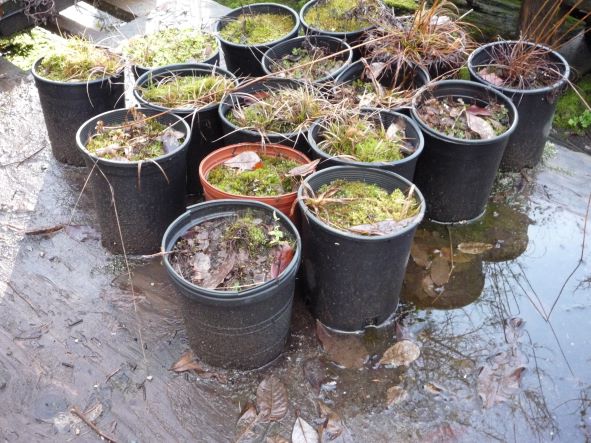
Phytopthora ramorum-infected potted plants; photo by Washington State University

At this year’s USDA Invasive Species Forum I will be seeking to promote a discussion of what American and other stakeholders can do to suppress spread of forest pathogens. I have raised this issue many times before.  To see my blogs about the P4P pathway, scroll down below the archives to the “categories”.  See especially here  and here

I note that:

  • Non-native invasive pathogens and pests are decimating forests worldwide, threatening biodiversity & limiting efforts to rely on forests to alleviate impacts of climate change.
  • Many of the most damaging non-native organisms are pathogens that are especially difficult to detect at borders or to contain or eradicate once introduced.
  • A principal pathway by which pathogens are introduced is the international trade in living plants, or “plants for planting” (P4P).
  • Forest pathologists have long advocated a more pro-active approach – but national and international plant health officials have not taken up the challenge. [think Clive Brasier, Bitty Roy, Thomas Jung, Michael Winfield …]
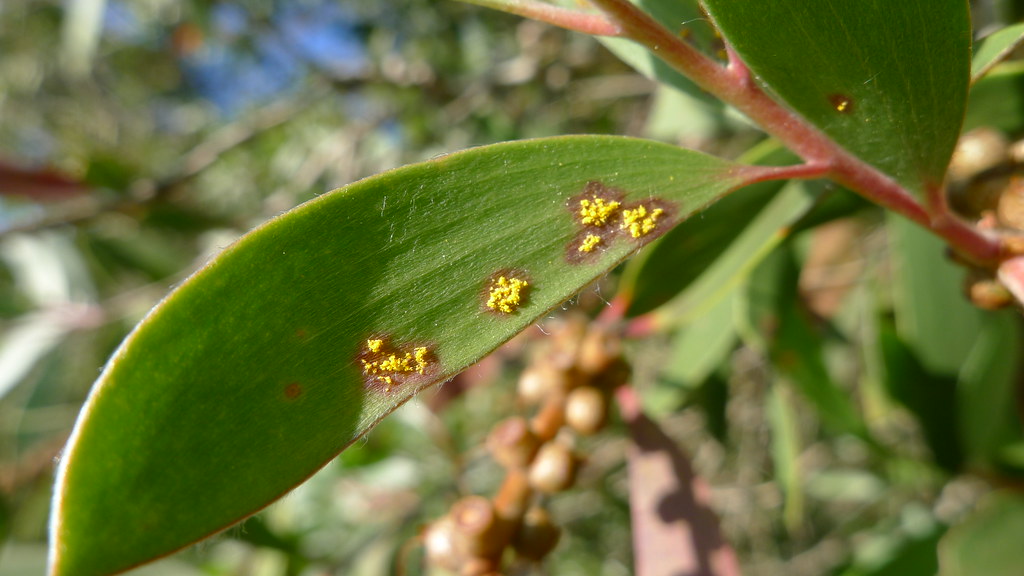
Austropuccinia psidii on Melalecua in Australia; John Tann via Flickr

At the global level I suggest that we need:

  1. National agricultural agencies, stakeholders, FAO & International Plant Protection Convention (IPPC) to consider amending IPPC requirement that scientists identify a disease’s causal agents before regulating it. I think experience shows that this policy virtually guarantees that pathogens will continue to enter, establish, & damage natural and agricultural environments.
  2. National governments & FAO / IPPC to fund greatly expanded research to identify microbes resident in regions that are important sources of origin for traded plants, vulnerability of hosts in importing countries, and new technologies for detecting pathogens (e.g., molecular tools, volatile organic compounds [VOCs]).
  3. Researchers & agencies to expand international “sentinel plants” networks; incorporate data from forestry plantations, urban plantings, etc. of non-native trees.
  4. Application of ISPM#36 to promote use of HACCP programs for plants in trade. (See also my discussion in Fading Forests III – link at end of this blog.)
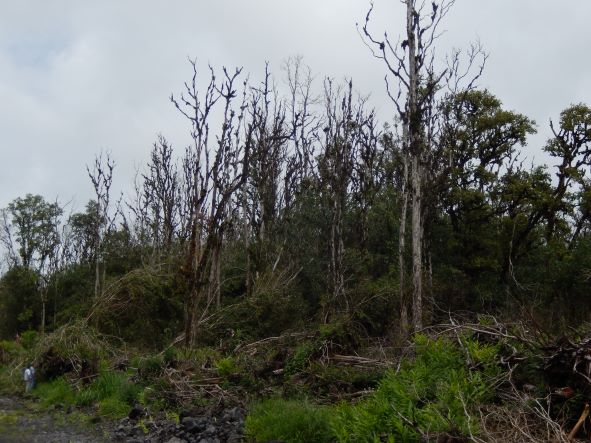
‘ohi‘a trees killed by rapid ‘ohi‘a death; photo by Richard Sniezko, USFS

We Americans need to

  1. Evaluate efficacy of current regulations – incorporating NAPPRA & Q-37 revision.  Rely on AQIM data. Include arthropods, fungal pathogens, oomycetes, bacteria, viruses, nematodes. Include threats to U.S. tropical islands (Hawai`i,  Puerto Rico, Guam, etc.) which are centers of plant endemism.
  2. Apply existing programs (e.g., NAPPRA, Clean Stock Network, post-entry quarantine) to strictly regulate trade in plant taxa most likely to transport pests that threaten our native plants; e.g., plants belonging to genera shared between North American trees & plants on other continents.
  3. Recognize that plant nurseries are incubators for microbial growth, hybridization, and evolution; require nurseries to adopt sanitary operation procedures regardless of whether they sell in inter-state or intra-state commerce

I will explain my sense of urgency by noting the many recent introductions of pathogens – most probably via P4P or cut vegetation:

  • 13 outbreaks of Phytophthora-caused disease in forests and natural ecosystems of Europe, Australia and the Americas. Three of four known strains of P. ramorum are established in U.S. forests.
  • Myrtle rust (Austropuccinia psidii) has been introduced to 27 countries, including the U.S., Australia, and South Africa.
  • Two new species of Ceratocystis (C. lukohia & C. huliohia)—causal agents of rapid ‘ohi‘a death (ROD) – spreading on the Hawaiian Islands. The former species appears to have originated in the Caribbean; the latter in Asia.
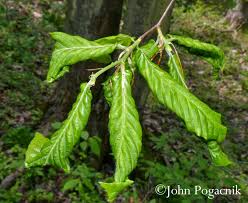
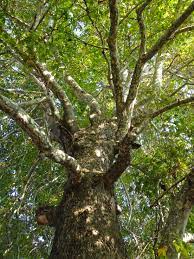
  • Since 2012, beech leaf disease has spread from northeastern Ohio to Maine.   
  • Boxwood blight (caused by 2 ascomycete fungi, Calonectria pseudonaviculata & C. henricotiae) introduced to at least 24 countries in 3 geographic areas: Europe / western Asia; New Zealand, North America.
  • ash dieback fungus (Hymenoscyphus fraxineus) has spread across Europe after introduction from Asia.

What do you think? Can we find more effective methods to curtail introductions?

beech leaf disease

Posted by Faith Campbell

We welcome comments that supplement or correct factual information, suggest new approaches, or promote thoughtful consideration. We post comments that disagree with us — but not those we judge to be not civil or inflammatory.

For a detailed discussion of the policies and practices that have allowed these pests to enter and spread – and that do not promote effective restoration strategies – review the Fading Forests report at http://treeimprovement.utk.edu/FadingForests.htm

or
www.fadingforests.org

America & Russia – Sharing the Pests

Platanus orientalis in Turkey; photo by Zeynek Zebeci

A current issue of the journal Forests (2022 Vol. 13) is a special issue focused on forest pests. This topic was chosen because of increased pest incursions. Choi and Park (full citations at the end of the blog) link this to climate change and increased international trade, as well as difficulties of predicting which pests will cause damage where.

The journal issue contains 15 papers. Several patterns appear throughout. First is the important role of international trade in living plants – “plants for planting” – in introductions. This is hardly news! A second pattern is that at least two North American species were introduced to Europe during the 1940s, probably in wood packaging used to transport military supplies during World War II.

This compilation provides the opportunity to review which organisms of North American origin have become damaging invaders in Eurasia — and sometimes other continents. For example, the journal carries four articles discussing pine wilt disease (PWD). It is caused by the North American nematode Bursaphelenchus xylophilus, and is vectored by wood-boring insects in the genus Monochamus. Beetles introduced from North America and those native to the invaded area are both involved. This disease is considered a severe threat to forest health globally. No apparent association with WWII exists for PWD.

Two fungal pathogens from North America cause serious damage in urban and natural forests of Europe and central Asia. Neither is discussed in the special issue:

  • Ceratocystis platani has devastated urban trees in the Platanus genus, especially the “London plane” hybrid, and the native European tree, Platanus orientalis. This fungus was accidentally introduced to southern Europe during WWII – as were the two insects described by Musolin et al. It was first reported in northern Italy and Mediterranean France in the early 1970s, but disease symptoms had been observed years earlier. C. platani is established across the northern rim of the Mediterranean and to the east in Armenia and Iran. The worst damage has been in Greece, especially in natural forest stands in riparian areas. Spread of the pathogen there is facilitated by root grafts and by tree wounds caused by floating wooden debris during floods (Tsopelas et al. 2017.)
Platanus orientalis along Voidomatis River in Greece; photo by Onno Zweers, via Wikimedia
  • Heterobasidion irregulare infects conifers. It has spread and killed large numbers of Italian stone pine (Pinus pinea). The disease was inadvertently introduced to central Italy in the 1940s. H. irregulare has greater sporulation potential and decays wood more quickly than the native congener H. annosum. H. irregulare appears to be replacing the European species; scientists fear it will exacerbate tree infection and mortality rates (Garbelotto, Leone, and Martiniuc. date?)

A third North American pathogen, sooty bark disease (Cryptostroma corticale) has been introduced to Europe. This disease, found on sugar maple in eastern North America, was detected in Great Britain in 1945; it is now throughout Europe (Tanney 2022). EPPO reports that it is widespread in western Europe and in some Balkan countries. The website provides no information on its impact in Europe.

Pests in Russia

A paper authored by Musolin, et al. discusses 14 species of invasive or emerging tree pests found in Russian forest and urban ecosystems. Of these, two are native to North America. Another eight pose a threat to North America if they are introduced here.

As Musolin et al. point out, Russia covers a huge territory across Europe and Asia – stretching 10,500 km, or 6,500 miles. These encompass a great variety of ecological zones. Russia is also actively involved in international trade. It is not surprising, then, numerous non-native organisms have been introduced.

As of 2011, 192 species of phytophagous non-native insects from 48 families and eight orders were documented in the European part of Russia. This number does not include the vast areas in Asian Russia. Additional introductions have probably occurred in the most recent decade. Some of these introduced species have cause significant economic losses. Still, Russia appears to rarely mount a serious control effort.

Of course, the opposite is also true: pests native to some part of Russia can be transported to new regions of Russia or beyond its borders. We North Americans have focused on various species of tussock moths (Lymantria spp., etc.). There are many others. Musolin et al. describe eight in detail. All the information in this blog are from that article unless otherwise indicated.

Two North American Species’ Damage in Eurasia

Both these introductions were detected around the year 2000. Was there some event – other than simply expanding trade – that might explain these introductions?

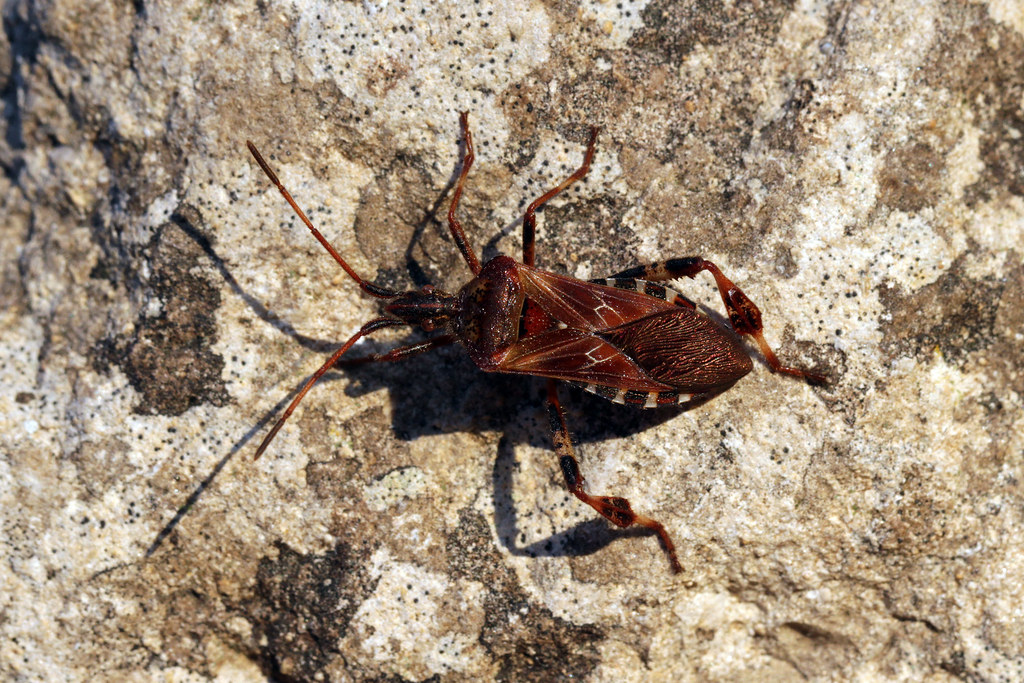
Leptoglossus occidentalis; photo by nutmeg66 via Flickr
  • Western Coniferous Seed Bug, Leptoglossus occidentalis

This insect from western North America has invaded Eurasia, North Africa, and Central America. The first detection in Europe was in 1999 in Italy. It spread quickly and is present now from Morocco to Japan, as well as in South Africa and South America. The seed bug is spreading northward in European Russia, including into the forest-steppe zone. Its ability to spread to the East is uncertain.

L. occidentalis attacks a wide range of Pinaceae and Cupressaceae. In the Mediterranean region it has had serious impacts on the pine nut supply (Ana Farinha, IUFRO, Prague, September 2021). In southern parts of Russia it has caused “significant damage”. L. occidentalis also vectors a pathogenic fungus Sphaeropsis sapinea (=Diplodia pinea), which causes diplodia tip blight. The cumulative damage of insect and pathogen to pines can be significant.

The introduction pathway to Russia is unknown. It might have flown from established populations in Europe, or it might have been transported on plants for planting or Christmas decorations.

  • Oak Lace Bug, Corythucha arcuata  

This insect is widespread in the United States and southern Canada. It was first detected in Europe – again, Italy – in 2000. Twenty years later it has spread to almost 20 countries.

Russia was invaded relatively recently; the first outbreak was detected in 2015 in the subtropical zone along the Black Sea coast and Caucasus. Musolin et al. expect the lace bug to spread to natural forests of Central Asia and other countries of the Caucasus. Its spread will be assisted by air currents and movement of plants for planting. The insect is causing considerable aesthetic damage, but other impacts have not been estimated.

Hosts include many species of oak (Quercus spp.), European and American chestnuts (Castanea spp.) plus trees from other botanical families: willows and maples (Salicaceae), redbay (Fagaceae), and alder (Betulaceae).  

Pests in Russia that Could Damage North America if Introduced Here

Malus sierversii; photo by Lukacz Szczurowski via Wikimedia

Threat to Apples — Apple Buprestid, Agrilus mali

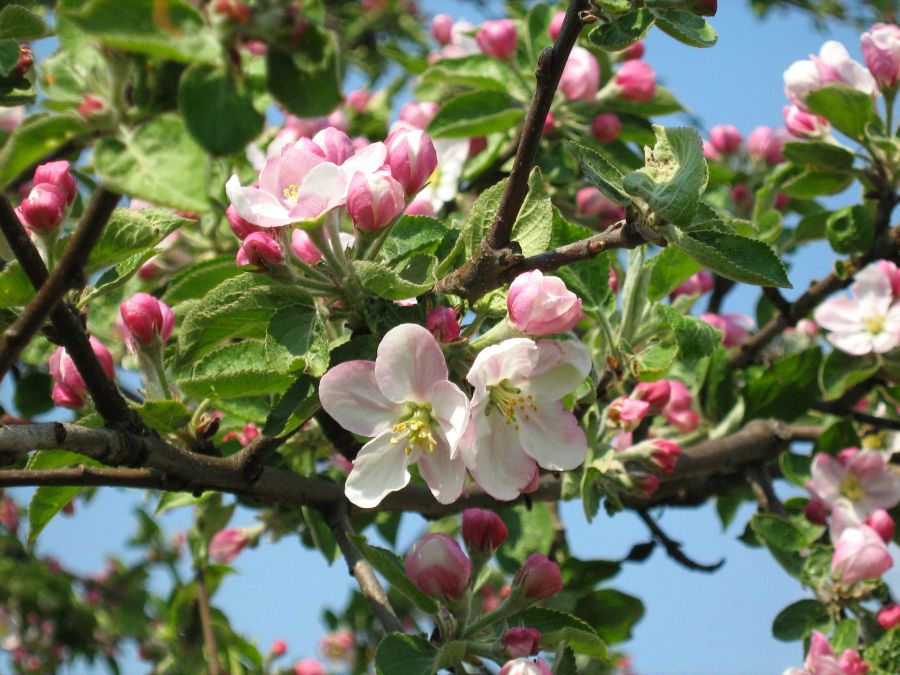
This Asian beetle has caused extensive mortality of wild apple (Malus sieversii) forests in Xinjiang, China. Wild apple trees are important components of deciduous forests in the Central Asian mountains. The species is also an ancestor of the domestic apple tree. Consequently, the borer is considered a potential threat to cultivated apple trees – presumably everywhere. A. mali might also attack other fruit trees in the Rose family, i.e., Prunus (plums, cherries, peaches, apricots, almonds) and Pyrus (pears).

Unlike most of the other species described here, A. mali is a quarantine pest in Russia and across Europe and the Mediterranean regions – the region where phytosanitary policies are coordinated by the European and Mediterranean Plant Protection Organization (EPPO). Russia bans imports of apple seedlings from infested areas.

China is reported to be experimenting with a possible biocontrol agent, Sclerodermus pupariae (a parasitoid of emerald ash borer).

Threat to Pines and Firs, Already Under Invasive Species Threats

  • Small Spruce Bark Beetle, Ips amitinus

This European beetle has been considered a secondary pest of dying conifers. Over the last 100 years, it has moved farther North. The first Russian record was 100 years ago, in the region where Russia, Belarus, and Ukraine meet. (Did military action during World War I play a role? This is not discussed by the authors.) By 2022, the beetle occupies 31 million ha. It is probably spread through transport of logs by rail.

In Western Siberia, the spruce beetle has attacked a new host, Siberian pine (Pinus sibirica).

The danger to North America arises from this beetle’s preference for five-needle pines (genus Pinus section Quinquefoliae). North America’s five-needle pines are already under severe pressure from the introduced pathogen white pine blister rust (Cornartium ribicola) and the native mountain pine beetle (Dendroctonus ponderosae). 

  • Four-Eyed Fir Bark Beetle, Polygraphus proximus

This East Asian beetle feeds on firs (Abies spp.). Less commonly, it feeds on other genera in the Pinaceae: spruce (Picea ), pines (Pinus), larch (Larix), hemlock (Tsuga).

This beetle has been spreading west; the first substantiated record in European Russia was 2006 in Moscow. The beetle was probably present in western Siberia in the 1960s, although it was not detected until 2008. Again, the probable pathway of spread is movement of lumber by railroad.

P. proximus vectors an obligate symbiotic fungus, which can rapidly weaken the host. Musolin et al. comment on the beetle’s impacts – which they rarely do in this article. (Does this signify more damaging impacts, or availability of past studies?) They note significant changes in the forests’ ecosystem structure and microclimate, vegetation cover, and local insect fauna.

The danger to North America arises from this beetle’s preference for firs from the sections Balsamea and Grandis. Many North American firs are in these sections, including Fraser fir (Abies fraseri), balsam fir (A. balsamea), subalpine fir (A. lasiocarpa), grand fir (A. grandis), white fir (A. concolor), and others. Several of these firs already are challenged by the introduced balsam woolly adelgid. Firs in central and western Europe are less vulnerable since they are in the section Abies, which the beetle prefers less.

Threats to Poplars

  • Spotted Poplar Borer, Agrilus fleischeri

This boring beetle is native to northern Asia. It has caused significant mortality in native and exotic Populus plantations in China. Although there have been no reports of this beetle moving beyond its native range, many other Agrilus species have. Canada has twice intercepted adult spotted poplar borers on wood packaging. Musolin et al. fear that the adoption of non-native hosts might trigger an outbreak that would facilitate spread.

  • Poplar Leafminer, Phyllonorycter populifoliella
balsam poplar; photo by Matt Lavin via Flickr

This micromoth is widely distributed across the Palearctic. It was recently detected on introduced poplars growing in India.  

The danger to North America arises from the beetle’s preference for black and balsam poplars. Several species in these taxonomic groups are common in North America, including Populus balsamifera, P. trichocarpa, P. deltoides, and Populus × Canadensis.

Threat to Oaks — Leaf Blotch Miner Moth, Acrocercops brongniardella

This micromoth is widely distributed in Europe and expanding to the north. The pest mines the leaves of several oak species (Quercus spp.), especially English oak, Q. robur; and sometimes European chestnut (Castanea sativa). Leaf blotch miner is considered one of the most important folivore insect pests of oaks in Russia. Damage has been greater in Omsk Oblast (Siberia), where both English oak and the micromoth are introduced species, than in St. Petersburg, which is on the northern limit of their natural range. Musolin et al. fear that the warming climate will lead to the pest causing greater damage in the northern portions of its range.

Threat to Basswood — Lime Leaf Miner, Phyllonorycter issikii

This Asian moth has been moving west since the mid-1980s. It now occupies most of European Russia with some outbreaks in Siberia. In Europe, it is a conspicuous pest of Tilia species.

In these invaded regions, the leaf miner has shifted to novel hosts, including American basswood (T. americana). Basswood is a common plant in the eastern deciduous forest of North America.

Threat to Horse Chestnuts & Urban Trees — Horse-Chestnut Leaf Miner, Cameraria ohridella

This tiny moth was unknown to science before the first recorded outbreak in the late 1980s. Over the next three decades it spread to most of Europe, where horse chestnut (Aesculus hippocastanum)has been widely planted for three centuries. It has caused significant damage.

The first Russian detection was in Kaliningrad, on the shores of the Baltic Sea, in 2003. The leaf miner now occupies 69% of administrative units of European Russia. It is considered one of the Top 100 most dangerous invasive species in Russia.

In North America, the moth might attack native horse chestnuts, Ae. octandra (=flava) and Ae. glabra. Urban plantings are at particular risk because the leaf miner might attack both European horse chestnuts and two non-native maples that have been planted widely, sycamore maple (Acer pseudoplatanus) and Norway maple (A. platanoides). Data cited by Musolin et al. are contradictory regarding larval development on the maples. Once introduced, the leaf miner is difficult to contain because it spreads through natural flight of adults, wind-blown leaves, hitchhiking on vehicles, and movement of infected plants. 

Shared Pests

Russia has been invaded by two species that have been introduced in many countries (beyond pine wilt nematode). These two entered the country on plants for planting being imported to landscape venues for the XXII Winter Olympic Games – held in Sochi in 2014.

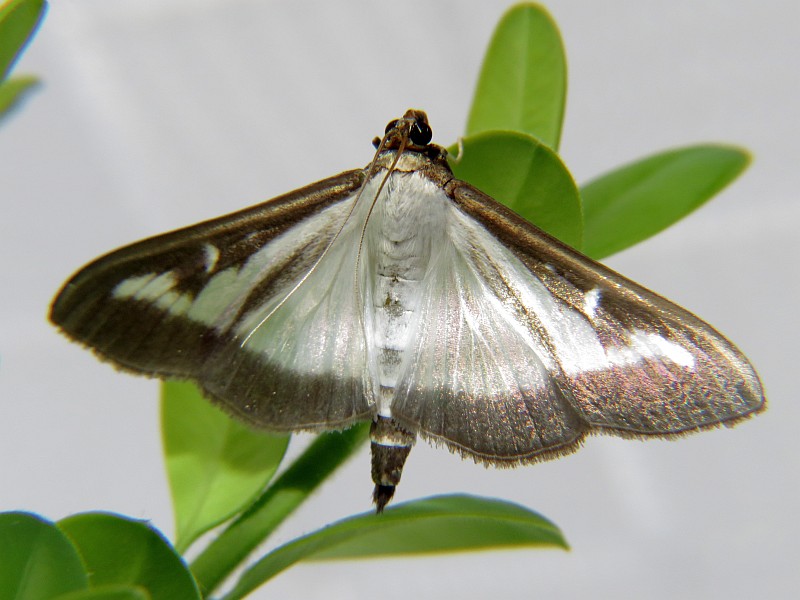
First to arrive was the Box Tree Moth, Cydalima perspectalis. This East Asian species was first detected outside its native range in Germany in 2006. By 2011 it was widespread in European and Mediterranean countries. In 2021, the boxwood moth was found in North America (first Canada, then the United States).  [I discuss the boxwood moth briefly here.]

boxtree moth; photographer unknown

In Russia, box tree moth larvae were first recorded in 2012 on the planting stock of its principal host, Buxus sempervirens. The moth quickly spread around the Black Sea region and to the North Caucasus. It spread farther, too: it reached the Kaliningrad Oblast (southeast coast of the Baltic Sea) in 2020. The main pathway of C. perspectalis invasion was the introduction of infested box-wood planting material.

Further spread of C. perspectalis is likely from Russia into the natural forests across the Caucasus (Transcaucasia) and to countries located further south. This is most distressing because the region has extensive natural forests of Buxus sempervirens. In 2015–2017, C. perspectalis almost completely destroyed the natural boxwood populationsin these regions of Russia and further eastwards in Abkhazia. Boxwood stands in Georgia and northern Iran are already suffering intensive defoliation as the result of infection by two non-native pathogens, Calonectria pseudonaviculata [synonym Cylindrocladium buxicola] and Calonectria henricotiae. Damage to these forests could lead to reductions in soil stability and subsequent declines in water quality and flood protection, changes in forest structure and composition, and declines in Buxus-associated biodiversity (at least 63 species of lichens, fungi, chromista and invertebrates might be obligate). (In December 2022, Iryna Matsiakh presented a compelling overview of threats to these forests in a webinar sponsored by the Horticulture Research Initiative; apparently no recording is available.)

The second global invader to appear was the Brown Marmorated Stink Bug, Halyomorpha halys.

This insect from southeast and east Asia invaded the United States in 1996. The first detection in Europe was in Liechtenstein in 2004. In both cases, it spread quickly across these continents.

Russia’s first detection of stinkbug was in 2014 in parks in Sochi and elsewhere along the Black Sea coast. The spread in Russia appears to have been limited to the Black Sea – Caucasus area.

The brown marmorated stinkbug is highly polyphagous, feeding on more than 300 species of plants.  In southern Russia, 107 species have been documented as hosts. At times, stinkbug feeding has caused severe losses in yields of fruit and vegetable crops.

Patterns

Musolin et al. stress the importance of the pest shifting to new hosts–usually from the same or a closely related genus. They cite several examples of these shifts occurring in the pest’s native range, including Agrilus planipennis (from local Asian ash species to introduced North American ash species); Phyllonorycter populifoliella and Agrilus fleischeri (from local poplars to widely cultivated introduced North American poplars and hybrids); Agrilus mali (from cultivated to wild apples).

As I noted above, the introduction and spread pathways are the usual ones: plants for planting (three species) and shipments of logs. There is one indication of wood packaging – Spotted Poplar Borer, Agrilus fleischeri at the Canadian border.

SOURCES

Choi, W.I.; Park, Y.-S. Management of Forest Pests and Diseases. Forests 2022, 13, 1765. https://doi.org/10.3390/f13111765

Garbelotto, M., G. Lione, and A.V. Martiniuc. date?  The alien invasive forest pathogen Heterobasidion irregulare is replacing the native Heterobasidion annosum. Biological Invasions https://doi.org/10.1007/s10530-022-02775-w

Musolin, D.L.; Kirichenko, N.I.; Karpun, N.N.; Aksenenko, E.V.; Golub, V.B.; Kerchev, I.A.; Mandelshtam, M.Y.; Vasaitis, R.; Volkovitsh, M.G.; Zhuravleva, E.N.; et al. Invasive insect pests of forests and urban trees in Russia: Origin, pathways, damage, and management. Forests 2022, 13, 521.

Tanney, J. Forest Health Challenges Exacerbated by a Changing Climate: Swiss Needle Cast and Sooty Bark Disease in B.C. 65th ANNUAL FOREST PEST MANAGEMENT FORUM (Canada). December 7, 2022.

Tsopelas, P., A. Santini, M.J. Wingfield, and Z.W. de Beer. Canker Stain: A Lethal Disease Destroying Iconic Plane Trees. Plant Disease 2017. 101-645-658 American Phytopathological Society

Wood Packaging: Pests Still Coming, USDA Not Taking Action

photo courtesy of Oregon Department of Agriculture

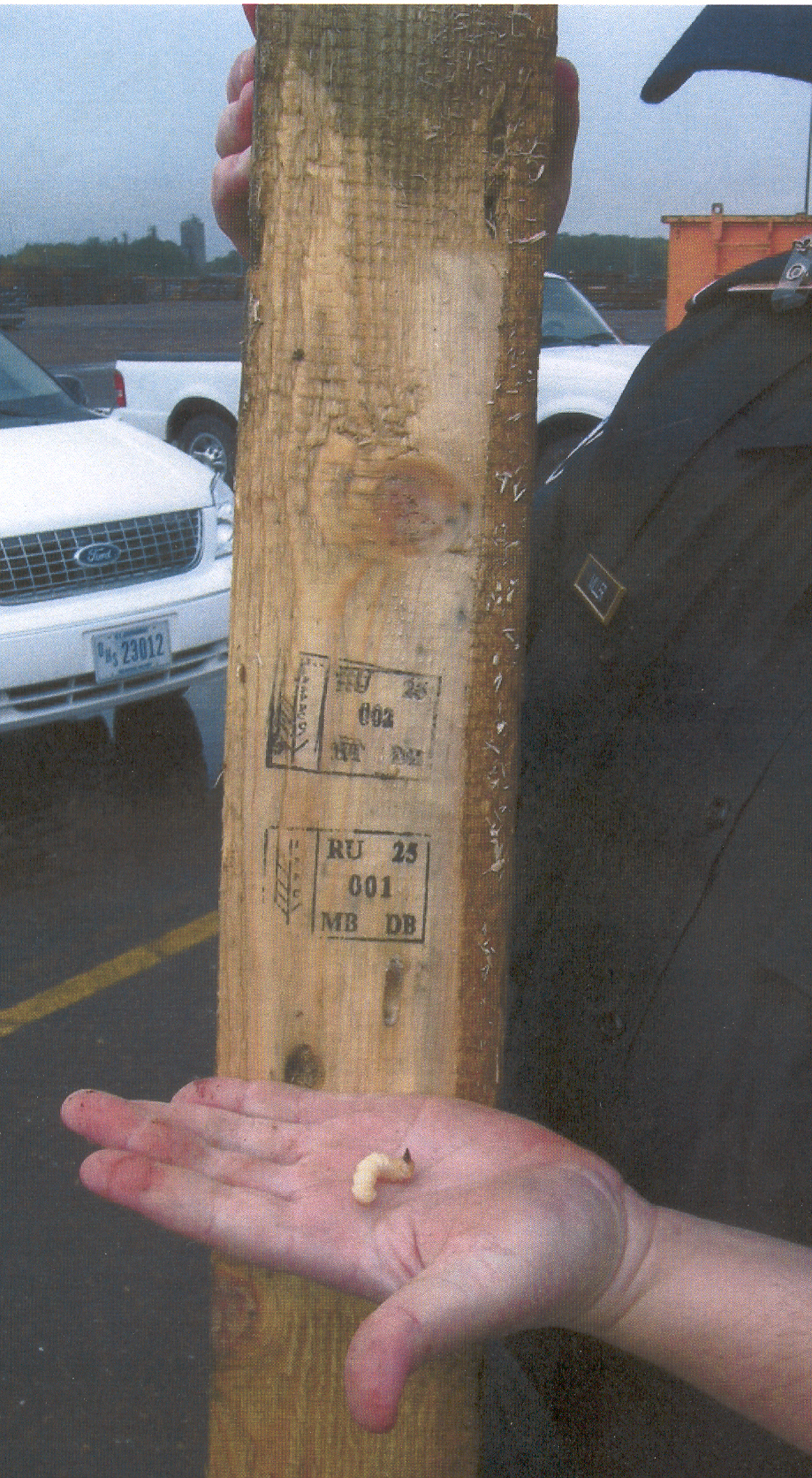
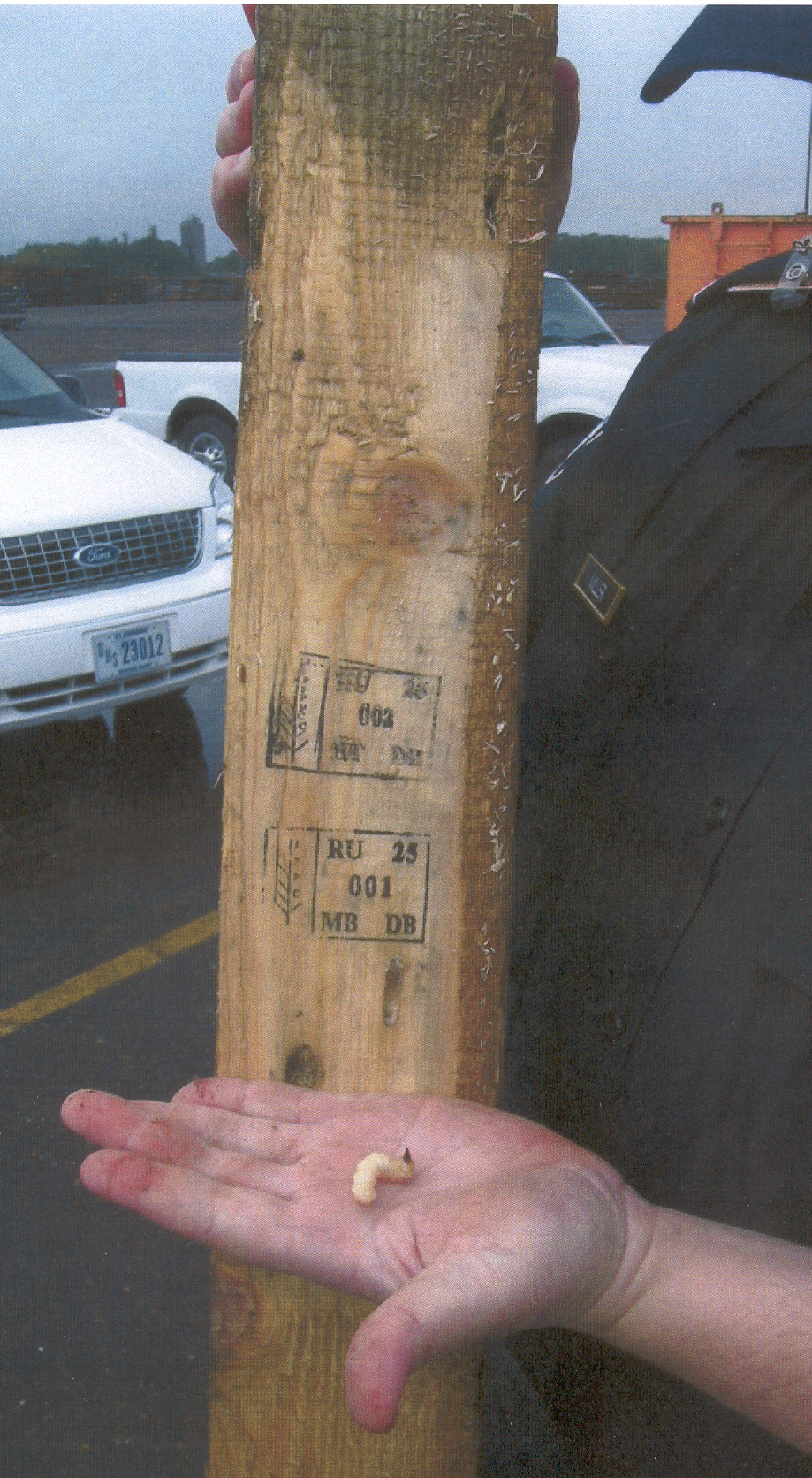
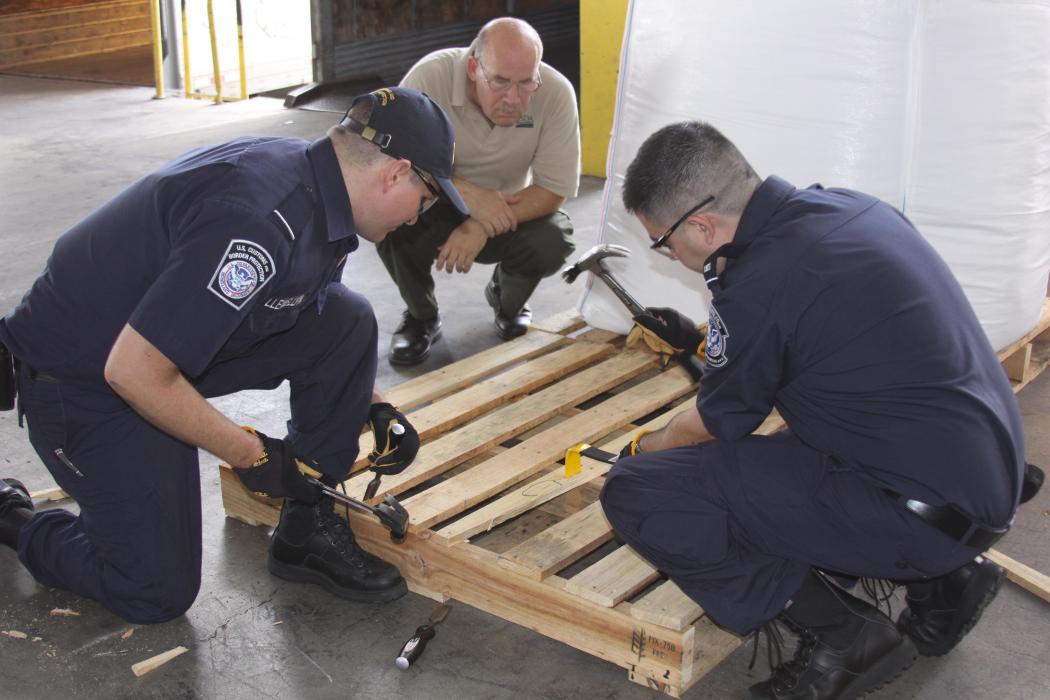
As we know, wood packaging (SWPM; crates, pallets, spools, etc.) is a high-risk pathway for introduction of bark- and wood-infesting insects (borers). (To see my 40 earlier blogs about wood packaging material, scroll down below archives to “Categories,” click on “wood packaging”.) Examples of highly damaging pests introduced to North America include Asian longhorned beetle; emerald ash borer; redbay ambrosia beetle; sirex woodwasp; possibly the polyphagous and Kuroshio shot hole borers; Mediterranean oak borer; and dozens of others. (As of 2014, 58 new species of non-native wood- or bark-boring insects had been detected in the past 30 years [Leung et al. 2014]).

The Asian longhorned beetle and emerald ash borer were probably introduced before the World Trade Organization (WTO) came into effect in 1994; many of the others were detected – if not introduced – after that date. This global trade agreement not only facilitated rapid growth in trade volumes; it also imposed stringent conditions for adoption of plant health (= phytosanitary) measures aimed at preventing pest introductions. (For a review of the WTO restrictions, see my Fading Forests II report, here).

While the risk of pests travelling in raw wood was well known, U.S. and international phytosanitary agencies became aware that wood packaging fit into that category with detection of the ALB in New York and other wood-borer introductions. They acted remarkably rapidly to reduce this risk by negotiating and adopting International Standard for Phytosanitary Measures (ISPM) #15 in 2002.

The goal of ISPM#15 is to “significantly reduce” [not eliminate] the risk of pests associated with solid wood used for constructing packaging (e.g., crates, pallets), from being introduced to other countries through international trade.

This first international standard addressing a pathway of introductions was adopted 20 years ago. (The U.S. fully implemented ISPM#15 in 2006; see either article by Haack for a description of the phase-in period.) So – how great is the risk of pest introduction in wood packaging now? What proportion of these incoming containers are likely to be harboring tree-killing insects? Since it is impossible to reduce that risk to 0 while continuing trade using wood packaging, what is an acceptable level of risk? In determining that level, we must keep in mind the huge volumes of wood packaging being used in international trade, and the serious damage these wood-borers can cause. (See the pest profiles in the links provided above.)

I applaud the international phytosanitary community for acting fast and for choosing a pathway standard rather than try to differentiate the level of risk associated with any particular transaction – given that wood packaging could be made from dozens or hundreds of tree taxa, there are thousands of species of wood-boring insects, and the likelihood of an introduction depends in part on the exporting and importing countries. Plus, international trade involves huge volumes of goods. According to Haack et al. (2022), ~ 55 million TEU (shipping containers measured as twenty-foot equivalents) entered the U.S. in 2020. This is a 68% increase over the volume in 2003. Imports in the first half of 2020 were down because of the COVID epidemic. They then grew rapidly through the first half of 2022; imports from Asia in the first 10 months of 2022 were 21% higher than in the same period in 2019 (Mongelluzzo 2022). Haack et al. (2022) note that the number of countries from which SWPM originated more than doubled from 2003–2004 to 2010–2020, although it dropped after 2018.

In 2014, Haack et al. published an estimate of the pest approach rate in wood packaging as of 2009. Depending on which countries were included and how the time periods were selected to separate pre- and post-adoption of ISPM#15, they reported a 36–52% reduction in the SWPM infestation rate following ISPM#15 implementation. This resulted in an estimated infestation rate of 0.1% (1/10th of 1%). In a recent blog, I applied this estimated approach rate to find that probably 11,000 containers per year transported pests to North America in 2021; 80% of these shipments came to the United States.

Since 2009, traders have gained 13 more years of experience. More important, in 2009 the standard was changed to require that wood packaging be constructed from wood that had been debarked before treatment. There is a tolerance limit for small patches of residual bark. Given that bark provides shelter both for insects already there, and facilitates any new infestation after the treatment was performed, it was expected that this change would further reduce the pest risk.

Since more than a decade has passed since the original analysis, and wood-borers continue to be found in wood packaging – in the U.S. and elsewhere – Haack and colleagues have re-analyzed the pest approach rates (see Haack et al. 2022). Their objectives were to

(1) compare pre-and post-ISPM#15 borer-infestation rates;

(2) compare the borer detection rates individually for three kinds of imports and key US trading partners;

(3) see whether wood borer presence varies by season; and

(4) assess the diversity of borer taxa detected overall, and by cargo category and country of origin.

Over the entire 17-year period 2003 – 2020, 87,571 consignments met the conditions for the study: they contained wood packaging that bore the ISPM#15 mark (from 2006 and onwards) indicating it had been treated as required; and the shipment was not from Canada (the U.S. does not require wood packaging from Canada to comply with ISPM#15).

They analyzed the data for the entire 17-year period and separately for four phases:

1) before the U.S. implemented ISPM#15 (2003-2004);

2) phasing-in of U.S. implementation (2005 – 2006);

3) full implementation – but without any restriction on THE presence of bark (2007-2009); and

4) full implementation with restrictions on bark (2010 – 2021).

Over the period 2003– 2020, wood borers were detected in 180 of the 87,571 consignments, or 0.21%. This was 38% less than the 0.34% infestation rate in 2003-2004, before the U.S. implemented ISPM#15. Still, the US had required China to treat its wood packaging as of December 1998 because of introduction of ALB. However, the reduction was greatest in the first phase (2005-2006); in subsequent periods the pest approach rate inched back up. Detection rates have been relatively constant since 2005 despite the requirement in 2009 that bark be removed and a resulting reduction in the presence of bark (it fell from 40% or more of inspected consignments before 2009 to 15% after 2010). 

Unfortunately, the data used in the study do not indicate if borers detected on wood were located under any bark that was present. There might be some indication from the species detected: 100% of Scolytinae identified to genus or species detected before 2007 were true bark beetles (which develop primarily under bark), but only 23% in 2010–2020 period.

The data revealed no strong seasonal pattern.  

Types of Wood Packaging

The study findings indicate that crates are the type of wood packaging most likely to be infested by insects. While crates constituted only 7.5% of the wood packaging inspected, they made up 29.4% of the infested packaging – or four times greater than their proportion of the dataset. Pallets constituted 88.6% of the inspected wood packaging, but only 67.2% of the infested shipments. Dunnage and “other” wood packaging made up insignificant proportions of both total wood packaging inspected and wood packaging found to be infested. (Of course, dunnage can still pose a threat; see my blog about issues in Houston with dunnage bracing breakbulk cargo.) The Haack et al. (2022) study did not examine dunnage accompanying breakbulk shipments.  

Records of Various countries

The 180 infested consignments originated from 30 countries. For two of these countries, the percentage of wood packaging found to be infested was higher than the proportion of all wood packaging from that country that was inspected. Packaging from China made up 4.6% of all shipments inspected, but 22% of the 180 consignments with infested wood packaging. Thus the proportion Chinese consignments with infested wood is five times greater than expected based on their proportion of the dataset. The rate of wood packaging from China that is infested has remained relatively steady – as I noted above. The Chinese infestation rate was 1.26% during 2003–2004, and ranged from 0.58 to 1.11% during the next three periods.

I remind you, again, that the U.S. has required treatment of wood packaging from China since December 1998. Why does this country continue to ship pest-infested wood packaging to the United States? Why are the responsible agencies in the United States not taking action to correct this problem? (DHS Bureau of Customs and Border Protection enhanced its enforcement in 2017; see my blogs.)

A second country with a record of non-compliant wood packaging – Italy – has done better. The level of pest detection still exceeded their expected proportional level – that is, Italy constituted 12.7% of all inspected shipments, but had 15% of infested consignments. Still, Italy has reduced detection rates by almost two-thirds over the 17 years of the study. The Italian statistics would have been even better if there had not been a spike of infested wood in 2015 – 2018 – for unknown reasons.

The data indicate that a third country, Mexico, has improved the pest-free quality of wood packaging accompanying it exports.

Wood from Costa Rica and Turkey has deteriorated as regards pest infestation rates.The borer detection rate on Costa Rican shipments rose from 0.072% during all of 2003–2009 to 0.665% during 2010–2020. Pest-detection rates for Turkey were actually 0 during 2003–2004 (only 59 consignments) but rose to 1.05% during 2010– 2020.

Disturbing Trends

The data reveal other trends that I find disturbing:

  • While the pest approach rate has fallen since U.S. implementation of ISPM#15, the extent of the decline has progressively decreased during each period studied: the reduction during 2005–2006 was 61%; during 2007–2009, 47%; during 2010-2020 only 36%.
  • The 2010 – 2020 pest approach rate was calculated at 0.22%. This is more than double the rate based on 2009 data (0.1%, as stated in the 2014 paper). However, we should be cautious in making this comparison because the 2014 and 2022 studies used different methods (see below). The bottom line, however, is that the approach rate remains too high, in my view. Our forests continue to be exposed to the risk of introduction of highly damaging wood-boring pests. Furthermore, since the number of countries sending us infested wood packaging has increased, those potential pests include insects from a greater variety of countries (biomes).
  • Given the higher number of countries involved and rising proportion of wood that is infested, it is not surprising that the diversity of wood borers found in wood packaging increased. Cerambycidae were consistently the most commonly intercepted borers – making up just under half of the total for the 17 years. Scolytinae were consistently second, at 39%. Still, all major families of borers had been intercepted throughout the period.

Explanation

From the perspective of protecting our forests, what matters is whether the “current” infestation rate is significantly below the rate before ISPM#15 was implemented. As noted, the infestation rate in the 2010-2020 period (0.22%) is, on first glance, more than twice as high as the 2009 approach rate as calculated in the 2014 paper (0.1%). However, the earlier calculation excluded reports of wood packaging from China and Mexico for reasons given in the 2014 paper. Since these countries are among the top three sources of imports to the U.S., and all have had relatively high levels of infested wood packaging, this difference must have had a significant impact on the final finding.

Indeed, the supplementary materials in Haack et al. (2022) show just such a big impact. When records from China and Mexico are excluded from the calculation, the 2010-2020 approach rate appears to have been even higher — 0.272%. This is a reduction from the pre-ISPM#15 approach rate (0.299%) of only 9% — a quarter of the reduction found when data from China and Mexico were included (note the 36% reduction noted above). This difference in approach rate estimates reflects Mexico’s success in cleaning up its wood packaging (as noted above). Since China had “steady” infestation rates throughout, adding or dropping China had less of an impact.

The data do not show a significant drop in pest approach rates during the period 2010-2020 compared to pre-ISPM#15 levels, which is disappointing.  Scientists do not know why this happened. It could reflect many of the reasons discussed in the 2022 paper. Perhaps the most important factor is that reporting data on a consignment basis does not allow us to detect whether the numbers of a pest species present have decreased. [See point 5 below.]

The fact is that a pallet or crate bearing the ISPM#15 mark has not proved to be reliable as to whether the wood is pest-free. (This might be because the wood had not been treated, or that it was, but the treatment failed). All the pests detected in study (after 2006) were in wood packaging bearing the ISPM#15 mark. I have noted in past blogs [click on the “wood packaging” category to bring up blogs about wood packaging and enforcement] that Customs and Border Protection also reported that nearly all the wood packaging in which that they detected insect pests bore the mark.

Conclusions: Haack et al. (2022)

Haack et al. (2022) note that U.S. imports have risen 68% by volume from 2003 to 2020 (with additional growth since; see above); however, borer detection rates have remained rather steady. This, plus the apparently lower number of woodborers established in recent years, suggest that ISPM#15 is helping to mitigate risks. However, the reduction in detection rates is less than hoped. They discuss ten possible explanations. Six of these factors were discussed in the original analysis (Haack et al. 2014); four others are new.

(1) Pest Thermotolerance. Can pests tolerate the heat treatment schedule mandated by ISPM#15? Haack et al. (2022) note that this schedule was based on one intended to kill the pinewood nematode and that it was recognized that some pests might be able to tolerate those conditions (Haack et al. 2014).  The authors review the literature and conclude that some of the live borers found in heat-treated wood packaging in the study probably did survive the heat treatment. They note that studies are now under way to test temperatures that are lethal to various borers. I have raised the issue that standards must be based on lethal temperatures that can be achieved in practice; otherwise, they won’t protect forests from introduced pests.

(2) Unintentional non-compliance. The authors concluded that accidental treatment failures are likely. They note that the International Plant Protection Convention (IPPC) has issued guidance on handling and testing during heat treatment and fumigation.

(3) Fraud. The authors conclude that fraud is possible, but that the incidence at the global scale is unknown. Each country is responsible for their own compliance. Unfortunately, there is no effective means for independently testing whether treatments have been applied. Still, we note that all live insects evaluated in this paper were in wood package that bore the required stamp and was apparently compliant.

(4) Post-treatment colonization. Haack et al. (2022) note that adoption of the bark requirements in 2009 was intended to reduce re-infestation risk. They note that fewer true bark beetles (that develop under bark) have been detected in recent years compared w/ ambrosia beetles (that develop in wood).  As I noted above, the survey data do not reveal whether insects detected by inspectors were under any remaining bark.

(5) AQIM data collection protocols. The authors note that reporting of wood borer detections by consignment conceals the per-piece infestation rate. There might be many fewer individuals of a pest in a container now – and this is important because fewer individuals pose a lower establishment risk (lower propagule pressure).

(6) Pre-ISPM actions.  Some countries had begun requiring treatment of wood packaging before 2003, when data collection for the study began. Thus the approach rate might have already been reduced before ISPM#15 was implemented in the U.S., leading to a smaller apparent change.

(7) Level of detection. All the analyses assumed that the detection abilities of port inspectors remained the same over the 17 years of the study. However, inspectors might have improved their efficacy through improvements in training, inspection techniques, or technology. If so, the apparent impact of ISPM#15 would be lessened in recent years. Haack et al. (2022) say estimating the effectiveness of inspections is not possible in the absence of a “leakage survey” conducted on inspected goods to see how often target pests are missed.

(8) Changing trade partners. Countries have varying levels of effort and efficacy in enforcing ISPM#15.

(9) Varying trees and their associated borers. Countries and global regions are home to different tree species and associated insects. Therefore, changes in trading partners – or forest pest conditions within a country – can affect the number and species of potential pests harbored in the wood packaging approaching our borders.

(10) Practical limits on compliance. Reducing infestation levels to near zero through reliance on application of the ISPM#15 standard would require nearly universal compliance by industry, using highly effective treatments. Haack et al. (2022) note that such compliance levels might be difficult to achieve without either very strong incentives or intensive oversight and significant penalties for noncompliant exporters. I note that I have urged the U.S. to enhance both; link to blogs at least CBP has taken action to step up enforcement.

Haack et al. (2022) call for improved education and outreach by the IPPC, plus greater cooperation and information sharing among trading countries. I note that the Cary Institute is pursuing opening data on treatment facilities’ records so importers can hire the best.

Haack et al. (2022) conclude that ISPM#15 has resulted in marked decreases in rates of borer detection in wood packaging. However, problem areas remain re: some types of commercial goods and exporting countries. Given the enormous and growing volume of international trade, the relatively low risk associated with individual crates or pallets still poses a real risk for pest intro.

Still, they consider that the near global acceptance of ISPM#15 indicates a strong commitment by the world community to minimize movement of wood pests in SWPM through international trade.

Haack et al. (2022) call for several improvements. Some concern data to support analysis of the risk level. First, recording the numbers of infested pieces instead of reporting only consignments would help determine the numbers of insects reaching our borders. They also wish to learn whether when bark is present if it exceeds the current tolerance limits; and the type of treatment applied to each infested piece of wood packaging.

They also note opportunities to improve ISPM#15 implementation and enforcement through training on applying treatments, marking and repairing wood packaging, compiling the required records, and inspecting treatment facilities.

Oregon ash swamp; photo by Wyatt Williams, Oregon Department of Forestr

Faith’s Conclusions

In my view, it is less important whether the current approach rate is exactly 0.22% or somewhat less or more. What is important:

  • the pest approach rate is not acceptable given the huge and rising volume of imports, potential for introductions from new trading partners (with different insect faunas), and the great damage caused by wood-boring insects. 
  •  long-standing enforcement problems have not been resolved (i.e., Chinese wood packaging). Perhaps DHS CBP’s enhanced enforcement will bring improvements. CBP staff expressed disappointment in August 2022.

American government agencies must take more effective action to ensure that trade partners comply with ISPM#15. They should also look more aggressively at other actions to curtail introductions via this pathway, e.g.,

  • U.S. and Canada refuse to accept wood packaging from foreign suppliers that have a record of repeated violations – whatever the apparent cause of the non-compliance. Institute severe penalties to deter foreign suppliers from taking devious steps to escape being associated with their violation record.
  • APHIS and CBP and their Canadian counterparts provide guidance to importers on which foreign treatment facilities have a record of poor compliance or suspected fraud – so they can avoid purchasing SWPM from them. I am hopeful that the voluntary industry program described here will help importers avoid using wood packaging from unreliable suppliers in the exporting country.
  • Encourage a rapid switch to materials that won’t transport wood-borers. Plastic is one such material. While no one wants to encourage production of more plastic, the Earth is drowning under discarded plastic. Some firms are recycling plastic waste into pallets.

The two articles by Haack et al. – 2014 and 2022 – fully describe the methodology used, the structure of USDA’s Agriculture Quarantine Inspection Monitoring (AQIM) program, detailed requirements of ISPM#15, the phases of U.S. implementation, etc.  Also see the supplemental data sheet in Haack et al. (2022) that compares the methods used in each analysis.

SOURCES

Haack RA, Britton KO, Brockerhoff EG, Cavey JF, Garrett LJ, et al. (2014) Effectiveness of the International Phytosanitary Standard ISPM No. 15 on Reducing Wood Borer Infestation Rates in Wood Packaging Material Entering the United States. PLoS ONE 9(5): e96611. doi:10.1371/journal.pone.0096611

Haack RA, Hardin JA, Caton BP and Petrice TR (2022) Wood borer detection rates on wood packaging materials entering the United States during different phases of ISPM#15 implementation and regulatory changes. Frontiers in Forests and Global Change 5:1069117. doi: 10.3389/ffgc.2022.1069117

Leung, B., M.R. Springborn, J.A. Turner, and E.G. Brockerhoff. 2014. Pathway-level risk analysis: the net present value of an invasive species policy in the US. Front Ecol Environ. 2014. doi:10.1890/130311

Mongelluzzo, B. Trans-Pacific volume decline picks up pace in October. JOC. November 17, 2022. https://www.joc.com/maritime-news/container-lines/trans-pacific-volume-decline-picks-pace-october_20221117.html?utm_source=Eloqua&utm_medium=email&utm_campaign=CL_JOC%20Daily%2011%2F18%2F22%20NONSUBSCRIBER_PC015255_e-production_E-148476_KB_1118_0617

Posted by Faith Campbell

We welcome comments that supplement or correct factual information, suggest new approaches, or promote thoughtful consideration. We post comments that disagree with us — but not those we judge to be not civil or inflammatory.

For a detailed discussion of the policies and practices that have allowed these pests to enter and spread – and that do not promote effective restoration strategies – review the Fading Forests report at http://treeimprovement.utk.edu/FadingForests.htm

or
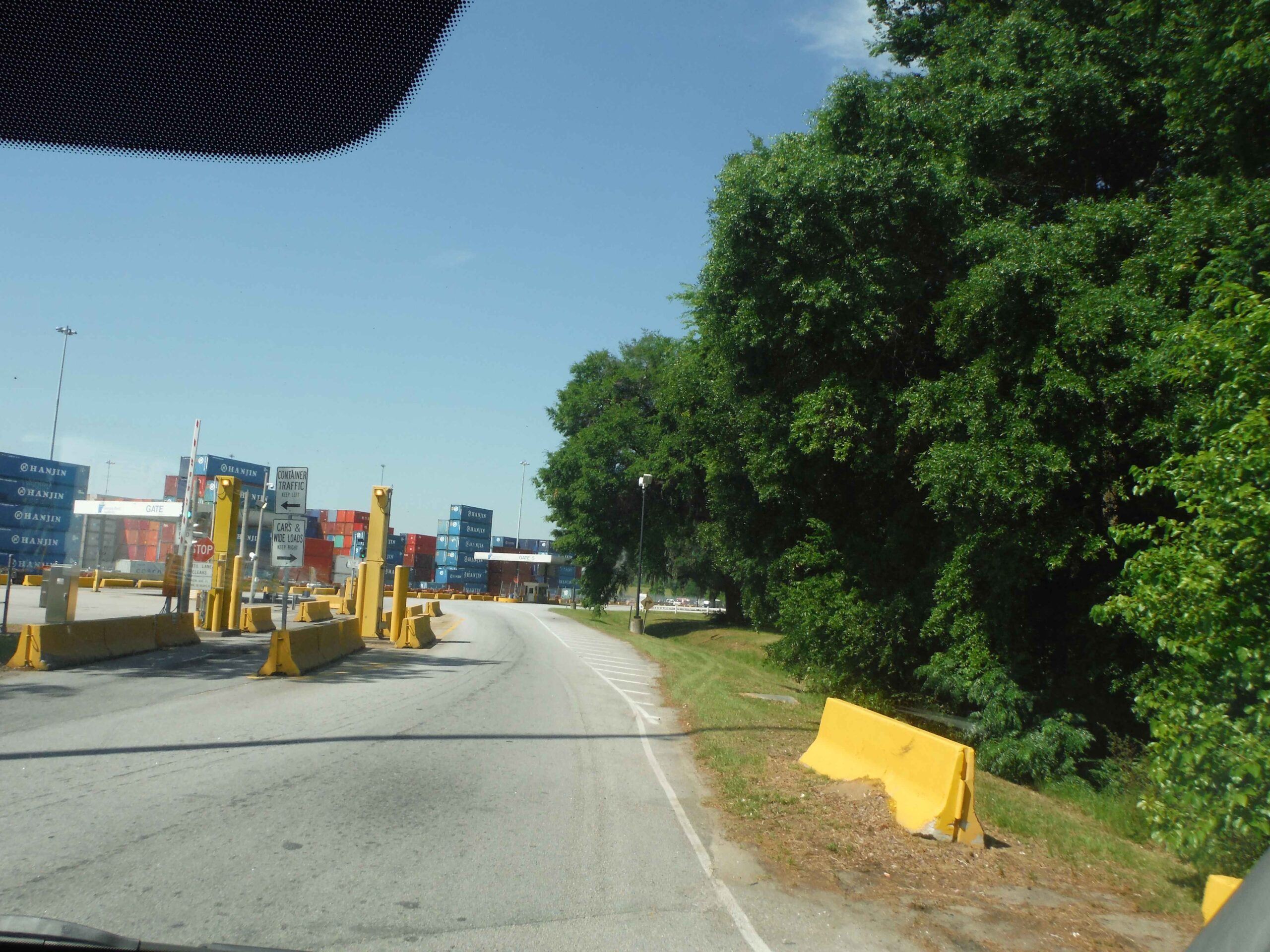
www.fadingforests.org

Plants Sold – Increasing % of Exotics

carnation (Dianthus caryophyllus) photo by Noordzee23 via Wikimedia; carnations have been big sellers for 250 years

Plants sold in nurseries directly influence urban landscapes by providing gardens and other habitats that support humans and birds, insects, and other organisms. Doug Tallamy, though, has described ways that non-native plants fall short in providing habitat for native wildlife. Of course, non-native plants also indirectly influence natural landscapes by acting as a major source of invasive species. [see blog – includes links to regional invasive plant lists; and here] Imported plants also can carry non-native insects and pathogens – about which I blog frequently! To review these blogs, scroll down below the archives to the “categories” section and click on “plants as pest vectors”.

Now Kinlock, Adams, and van Kleunen (full citation at the end of this blog) have published a new paper that sheds more light on these issues. They analyzed the ornamental plants sold in US nurseries over 225 years (from 1719 to 1946). Their database, drawn from an earlier publication by Adams (see Sources at end of blog), included records of 5,098 ornamental vascular plant species offered for sale by 319 US nursery catalogs published over this period.

They note that present-day urban yards in the continental United States are planted in a diverse array of plants and the plants are predominately non-native species. Also, there is relatively little variation in species planted from one region to another, especially when compared to regional variation in natural areas). These patterns reflect the history of US horticulture.

Seventy percent (3,587) of the 5,098 ornamental vascular plant species offered by the 319 nurseries over those 200 years were non-native to the continental United States. They believe that the number of non-native species offered for sale has probably continued to increase in the 70 years since their study ended. They cite a study showing that 91% of tree species sold by nurseries in southern California during the 20th and early 21st centuries were not native to that state. A similar figure comes from a study of cultivated plants grown in Minneapolis–Saint Paul. There 66% of plants were non-native. (Kinlock, Adams, and van Kleunen note that 70% of species cultivated in yards of five British cities are non-native. In contrast, only 23% of cultivated plants in 18 Chinese cities were non-native.)

Kinlock, Adams, and van Kleunen note that two examples of non-native plants that have become invasive were among most common species available from nurseries beginning in the mid-19th Century: Japanese honeysuckle (Lonicera japonica) was available in 78 nurseries, and Japanese barberry (Berberis thunbergia) in 46 nurseries.

Japanese honeysuckle; photo by Chuck Bargeron, Bugwood

 Historical Trends

The earliest commercial horticulture in colonies that became the United States was in the mid-17th Century. It involved imports of Eurasian fruit trees to establish orchards to provide familiar foods. Ornamental horticulture became popular earlier than I expected. Prince Nurseries was established in 1732 in Flushing, NY. It was followed by additional nurseries in New York, Philadelphia, and Massachusetts. Originally these businesses imported Old World nursery stock and seeds – again to provide familiar foods and take advantage of relationships with European contacts.

Nurseries proliferated in the 1820s in the population centers of the Atlantic coast. As people of European ancestry moved west, so did nurseries. Kinlock, Adams, and van Kleunen point out an interesting aspect of these changes: proliferation of both was aided by technology: steamboats, canals, highways, and improved mail service. Before 1800, nearly all nurseries were in the Mid-Atlantic, New England, and South. Nurseries appeared in the Great Lakes region by the 1830s. Expansion of rail lines connected nurseries from coast to coast by the 1870s. By 1890, there were more than 4,500 nurseries across the continent.

California, Florida, and Oregon are now the states with the most horticultural operations and sales (as of 2019).

The types of plants offered for sale proliferated throughout the 19th Century.  The species richness of US nursery flora peaked in the early 20th Century. It decreased in the 1925 – 1946 period, possibly attributable to some combination of war-related interruptions to trade and a shift in gardeners’ focus away from ornamentals to vegetables. Another factor was adoption of international and interstate phytosanitary regulations in the early 20th Century. The post-World War II economic boom led to a new diversification of US nursery flora. In one study, a Los Angeles nursery experienced the largest increase in species richness during 1990–2011. They believe this increase was probably matched across the country. Global plant collection and importation mediated by US botanical gardens and nurseries remain active.

planting of Eucalyptus seedlings in California during 1980s; National Archives photo

Over time, nursery floras in the various regions became more similar to each other. The floras of Mid-Atlantic and New England nurseries differed before 1775, then became similar. Nurseries in the Great Lakes region also shifted toward offerings in neighboring regions. Later, nurseries in the South and West also began offering a higher proportion of species commonly sold across the continent. The nursery floras of Great Lakes and Great Plains regions were consistently similar. Still, the flora in Western nurseries still retain some unique aspects. California is the only state with a Mediterranean climate. Nurseries there sought adapted plant species, especially from an entirely new source — Australasia. (The authors note that Acacia and Eucalyptus genera, while important in California horticulture, are invaders in Mediterranean zones worldwide.) One might expect the need for plants in the Southwest to be drought-tolerant would prompt a unique nursery flora. However, the ubiquity of irrigation since the late 19th Century has blunted this necessity. Still, nursery flora in the desert biome had the most phylogenetic uniformity. The article does not discuss pressure to choose xeriscapes or otherwise adjust to current water shortages.

Pinus mogu – sought for xerescapes; photo by Krysztof Ziamk Kenraiz via Wikimedia

Growing Importance of Non-Native Species – Especially from Asia

Kinlock, Adams, and van Kleunen define “native” species as those native to the state in which it is sold; “adventive” species as native to the continental United States but not the specific state; and non-native or alien species as not native to the continental United States.

Applying these definitions, the proportion of native species in nursery flora has been consistently around 30-40% — except during the American Revolution. It rose to 70% in catalogs or advertisements published from 1775 to 1799. The authors do not speculate whether this reflected jingoism or interruptions in trade. The proportion of plant species that were adventive was 4% in the earliest period, then rose to 13% with improved transportation.  

A large proportion of the native species offered in the late 18th and early 19th centuries were grown for export to Europe (think John Bartram).

Rhodendron maximum; sent to Europe by John Bartram (& invasive in Great Britain and Ireland!); photo from Pl@ntNet.identify

Throughout the 19th and 20th centuries, plants from new regions of the world with unique genetic lineages became increasingly available. Until the mid-19th Century, most non-native plants came from Europe and Eurasia. Beginning in 1850, plants native to temperate Asia composed an increasing percentage of non-native nursery flora. In the period 1900 – 1924, 19% of the ornamental nursery flora originated from temperate Asia. By the next period, 1925 – 1946, this percentage rose to 20.8%.At the same time, North American species (including some from Mexico, Canada, or Alaska) composed 21.9% of the nursery flora. (see graph).

% of species from various origins; North America – medium blue; temperate Asia – dark pink; Europe – tan; Eurasia – fuscia; Southern America – blue-green; Africa – yellow-green; Americas – olive

Plants from East Asia were particularly desirable for both biological and social reasons. First, because of climatic similarities between the two regions, East Asian plants thrived in the eastern United States. Second, popular ornamental genera had higher species richness in East Asia. Important social or cultural factors were a growing fascination with Japanese and Chinese-style gardens: forced “opening” of access to those countries in the 1840s and 1850s; and plant collecting expeditions sponsored by British and American institutions and private collectors. In 1898, the US Department of Agriculture established the Section of Seed & Plant Introduction; its purpose was to collect and cultivate economically useful non-native plants from throughout South America and Asia.

As I noted above, diversity of species in nursery offerings reached a peak in the first years of the 20th Century, concurrent with the first wave of US-sponsored plant collections; indeed, 70 species that were first listed after 1911 in their dataset were introduced by the USDA introduction program between 1912 -1942.

Commodore Perry in Japan; Library of Congress

Counter-pressures and Counter-measures

There were counter pressures during this period that – as mentioned above—probably contributed to a decline in plant introductions in later years. In the 1890s, several US states began requiring inspection of imported plant materials (spurred by plant disease outbreaks caused by spread of San Jose scale from California).

Congress adopted the Plant Quarantine Act in 1912; USDA implemented it through stringent regulations issued in 1919 (Quarantine-37). I have already noted interruption of trade associated with WWI and WWII. Kinlock et al. don’t mention the Great Depression that intervened, but I think it played a role, too. On the other hand, Q-37 was relaxed to target particular species or regions based on pest risk analysis. The article says the relaxation began in the 1930s, but I believe it actually was during the 1970s; see Liebhold et al. 2012. I have blogged several times about how well the current regulations – including the “NAPPRA” program – prevent introductions of invasive plants or damaging plant pests. To review these blogs, scroll down below the archives to the “categories” section and click on “plants as pest vectors”.

dogwood anthracnose; photo by Robert Anderson, USFS; via Bugwood

SOURCES

Adams, D.W. 2004. Restoring American Gardens: An encyclopedia of heirloom ornamental plants. Timber Press

Kinlock, N.L., D.W. Adams, M. van Kleunen. 2022. An ecological and evolutionary perspective of the historical US nursery flora. Plants People Planet. 2022;1–14. wileyonlinelibrary.com/journal/ppp3

Liebhold, A.M., E.G. Brockerhoff, L.J. Garrett, J.L. Parke, and K.O. Britton. 2012. Live Plant Imports: the Major Pathway for Forest Insect and Pathogen Invasions of the US. www.frontiersinecology.org

Posted by Faith Campbell

We welcome comments that supplement or correct factual information, suggest new approaches, or promote thoughtful consideration. We post comments that disagree with us — but not those we judge to be not civil or inflammatory.

For a detailed discussion of the policies and practices that have allowed these pests to enter and spread – and that do not promote effective restoration strategies – review the Fading Forests report at http://treeimprovement.utk.edu/FadingForests.htm

or
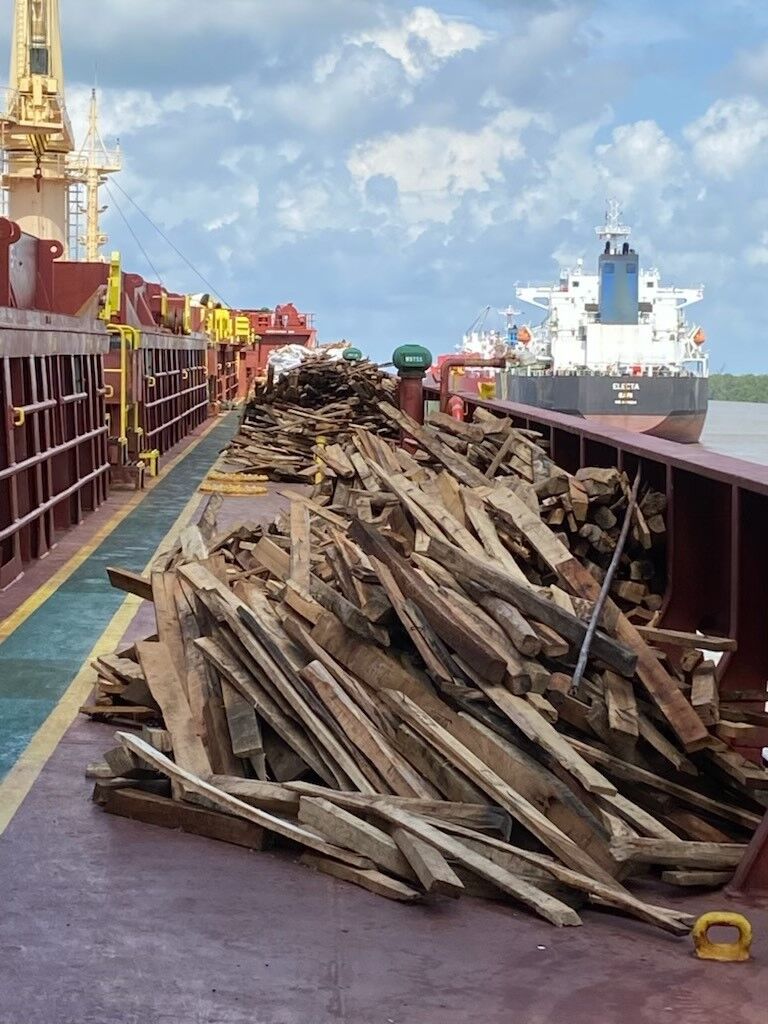
www.fadingforests.org

Australia Builds Capacity to Address Forest Pests

Australian Eucalypts; photo by John Turnbull via Flickr

I congratulate Australian scientists for bringing about substantial improvements of their country’s biosecurity program for forest pests. While it is too early to know how effective the changes will be in preventing new introductions, they are promising. What can we Americans learn from the Australian efforts? [I have previously praised South Africa’s efforts – there is much to learn there, too.]

Australia has a reputation of being very active in managing the invasive species threat. However, until recently biosecurity programs targetting forest pests were minimal and ad hoc. Scientists spent 30 years trying to close those gaps (Carnegie et al. 2022). Their efforts included publishing several reports or publications (listed at the end of the blog) and an international webinar on myrtle rust. Scientists are hopeful that the new early detection program (described below) will greatly enhance forest protection. However, thorough pest risk assessments are still not routinely conducted for forest pests. (Nahrung and Carnegie 2022).

The native flora of Australia is unique. That uniqueness has provided protection because fewer of the non-native insects and pathogens familiar to us in the Northern Hemisphere have found suitable hosts (Nahrung and Carnegie 2020). Also – I would argue – the uniqueness of this flora imposes a special responsibility to protect it from threats that do arise.

Only 17% of Australia’s landmass is covered by forests. Australia is large, however; consequently, these forests cover 134 million hectares (Nahrung and Carnegie 2020). This is the 7th largest forest estate in the world (Carnegie et al. 2022).

Australia’s forests are dominated by eucalypts (Eucalyptus, Corymbia and Angophora). These cover 101 million ha; or 75% of the forest). Acacia (11 million ha; 8%); and Melaleuca (6 million ha) are also significant. The forest also includes one million ha of plantations dominated by Pinus species native to North America (Carnegie et al. 2022). A wide range of native and exotic genera have been planted as amenity trees in urban and peri-urban areas, including pines, sycamores, poplars, oaks, and elms (Carnegie et al. 2022). These urban trees are highly valued for their ecosystem services as well as social, cultural, and property values (Nahrung and Carnegie 2020). Of course, these exotic trees can support establishment and spread of the forest pest species familiar to us in the Northern Hemisphere. On the positive side, they can also be used as sentinel plantings for early detection of non-native species (Carnegie et al. 2022 and Nahrung and Carnegie 2020).

Despite Australia’s geographic isolation, its unique native flora, and what is widely considered to be one of the world’s most robust biosecurity system, at least 260 non-native arthropods and pathogens of forests have established in Australia since 1885 (Nahrung and Carnegie 2020). [(This number is about half the number of non-native forest insects and pathogens that have established in the United States over a period just 25 years longer (Aukema et al. 2010).] As I noted, forest scientists have cited these introductions as a reason to strengthen Australia’s biosecurity system specifically as it applies to forest pests.

What steps have been taken to address this onslaught? For which pests? With what impacts? What gaps have been identified?

Which Pests?

Nahrung and Carnegie (2020) compiled the first comprehensive database of tree and forest pests established in Australia. The 260 species of non-native forest insect pests and pathogens comprise 143 arthropods, 117 pathogens. Nineteen of them (17 insects and 2 fungal species) had been detected before 1900. These species have accumulated at an overall rate of 1.9 species per year; the rate of accumulation after 1955 is slightly higher than during the earlier period, but it has not grown at the exponential rate of import volumes.

While over the entire period insects and pathogens were detected at an almost equal rate (insects at 1.1/year; pathogens at 0.9/year), this disguises an interesting disparity: half of the arthropods were detected before 1940; half of the pathogens after 1960 (Nahrung and Carnegie (2020). By 2022, Nahrung and Carnegie (2022) said that, on average, one new forest insect is introduced each year. Some of these recently detected organisms have probably been established for years. More robust surveillance has  just detected them recently. I have blogged often about an apparent explosion of pathogens being transported globally in recent decades.

In a more recent article (Nahrung and Carnegie, 2022), gave 135 as the number of non-native forest insect pests. The authors don’t explain why this differs from the 143 arthropods listed before.

damage to pine plantations caused by Sirex noctilio; photo courtesy of Helen Nahrung

Eighty-seven percent of the established alien arthropods are associated with non-native hosts (e.g., Pinus, Platanus, Populus, Quercus, Ulmus) (Carnegie et al. 2022). Some of these have escaped eradication attempts and caused financial impact to commercial plantations (e.g., sirex wood wasp, Sirex noctilio) and amenity forests (e.g., elm leaf beetle, Xanthogaleruca luteola) (Carnegie and Nahrung 2019).

About 40% of the alien arthropods were largely cosmopolitan at the time of their introduction in Australia (Carnegie et al. 2022). Only six insects and six fungal species are not recorded as invasive elsewhere (Nahrung and Carnegie 2020). Of the species not yet established, 91% of interceptions from 2003 to- 2016 were known to be invasive elsewhere. There is strong evidence of the bridgehead effect: 95% of interceptions of three species were from their invaded range (Nahrung and Carnegie 2022). These included most of the insects detected in shipments from North America, Europe and New Zealand. These ubiquitous “superinvaders” have been circulating in trade for decades and continue to be intercepted at Australia’s borders. This situation suggests that higher interception rates of these species reflect their invasion success rather than predict it (Nahrung and Carnegie 2021).  

I find it alarming that most species detected in shipments from Africa, South America, and New Zealand were of species not even recorded as established in those regions (Nahrung and Carnegie 2021; Nahrung and Carnegie 2022).

Arhopalus ferus, a Eurasian pine insect often detected in wood from New Zealand; photo by Jon Sullivan – in New Zealand; via Flickr

Half of the alien forest pests established in Australia are highly polyphagous. This includes 73% of Asian-origin pests but only 15% of those from Europe (Nahrung and Carnegie 2021). Nahrung and Carnegie (2022) confirm that polyphagous species are more likely to be detected during border inspections.

PATHWAYS

As in North America and Europe, introductions of Hemiptera are overwhelmingly (98%) associated with fresh plant material (e.g. nursery stock, fruit, foliage). Coleoptera introductions are predominantly (64%) associated with wood (e.g. packaging, timber, furniture, and artefacts). Both pathways are subject to strict regulations by Australia (Nahrung and Carnegie 2021).

Eradication of High-Priority Pests

Eight-five percent of all new detections were not considered high-priority risks. Of the four that were, two had not previously been recognized as threats (Carnegie and Nahrung 2019). One high-priority pest – expected to pose a severe threat to at least some of Australia’s endemic plant species – is myrtle rust, Austropuccinia psidii. Despite this designation, when the rust appeared in Australia in 2010, the response was confused and ended in an early decision that eradication was impossible.  Myrtle rust has now spread along the continent’s east coast, with localized distribution in Victoria, Tasmania, the Northern Territory, and – in 2022, Western Australia.   `

Melaleuca quinquenervia forest; photo by Doug Beckers via Wikimedia

There have been significant impacts to native plant communities. Several reviews of the emergency response criticized the haste with which the initial decision was made to end eradication (Carnegie and Nahrung 2019). (A review of these impacts is here; unfortunately, it is behind a paywall.)

A second newly introduced species has been recognized as a significant threat, but only after its introduction to offshore islands. This is Erythina gall wasp Quadrastichus erythrinae (Carnegie and Nahrung 2019). DMF Although Australia is home to at least one native species in the Erythrina genus, E. vespertilio,, the gall wasp is not included on the environmental pest watch list.

Four of the recently detected species were considered to be high impact. Therefore eradication was attempted. Unfortunately, these attempts failed in three cases. The single success involved a pinewood nematode, Bursaphelenchus hunanesis. See Nahrung and Carnegie (2021) for a discussion of the reasons. This means three species recognized as high-impact pests have established in Australia over 15 years (Nahrung and Carnegie (2021). In fact, Australia’s record of successful forest pest eradications is only half the global average (Carnegie and Nahrung (2019).

Carnegie and Nahrung (2019) conclude that improving early detection strategies is key to increasing the likelihood of eradication. They discuss the strengths and weaknesses of various strategies. Non-officials (citizen scientists) reported 59% of the 260 forest pests detected (Carnegie and Nahrung 2019). Few alien pests have been detected by official surveillance (Carnegie et al 2022). However, managing citizen scientists’ reports involves a significant workload. Futhermore, surveillance by industry, while appreciated, is likely to detect only established species (Carnegie and Nahrung 2019).

Interception Frequency Is Not an Indicator of Likelihood of Establishment

Nahrung & Carnegie (2021) document that taxonomic groups already established in Australia are rarely detected at the border. Furthermore, only two species were intercepted before they were discovered to be established in Australia.

Indeed, 76% of species established in Australia were either never or rarely intercepted at the border. While more Hemiptera species are established in Australia, significantly more species of Coleoptera are intercepted at the border. Among beetles, the most-intercepted family is Bostrichid borers (powderpost beetles). Over the period 2003 – 2016, Bostrichid beetles made up 82% of interceptions in wood packaging and 44% in wood products (Nahrung and Carnegie 2022). This beetle family is not considered a quarantine concern by either Australian or American phytosanitary officials. I believe USDA APHIS does not even bother recording detections of powderpost beetles. Nahrung and Carnegie (2021) think the high proportion of Bostrichids might be partially explained by intense inspection of baggage, mail, and personal effects. While Australia actively instructs travelers not to bring in fruits and vegetables because of the pest risk, there are fewer warnings about risks associated with wood products. 

Nahrung & Carnegie (2021) concluded that interception frequencies did not provide a good overall indicator of likelihood of risk of contemporaneous establishment.

Do Programs Focus on the Right Species?

Although Hemiptera comprise about a third of recent detections and establishments, and four of eight established species are causing medium-to-high impact, no Hemiptera are currently listed as high priority forestry pests by Australian phytosanitary agencies (Nahrung & Carnegie (2021). On the other hand, Lepidoptera make up about a third of the high-priority species, yet only two have established in Australia over 130 years. Similarly, Cerambycidae are the most frequently intercepted forest pests and several are listed as high risk. But only three forest-related species have established (Nahrung and Carnegie 2020). (Note discussion of Bostrichidae above.).

Unlike the transcontinental exchanges under way in the Northern Hemisphere, none of the established beetles is from Asia; all are native to Europe. This is especially striking since interceptions from Asia-Pacific areas account for more than half of all interceptions Nahrung and Carnegie (2021).

Interestingly, 32 Australian Lepidopteran and eight Cerambycid species are considered pests in New Zealand. However, no forest pests native to New Zealand have established in Australia despite high levels of trade, geographic proximity, and the high number of shared exotic tree forest species (Nahrung and Carnegie 2020).

STRUCTURE OF PROGRAM

The structure of Australia’s plant biosecurity system is described in detail in Carnegie et al. (2022). These authors call the program “comprehensive” but to me it looks highly fragmented. The federal Department of Agriculture and Water Resources (DAWR,[recently renamed the Department of Agriculture, Fisheries, and Forestry, or DAFF) is responsible for pre-border (e.g., off-shore compliance) and border (e.g., import inspection) activities. The seven state governments, along with DAFF, are responsible for surveillance within the country, management of pest incursions, and regulation of pests. Once an alien pest has become established, its management becomes the responsibility of the land manager. In Australia, then, biosecurity is considered to be a responsibility shared between governments, industry and individuals.

Even this fragmented approach was developed more recently than one might expect given Australia’s reputation for having a stringent biosecurity system. Perhaps this reflects the earlier worldwide neglect of the Plant Kingdom? Carnegie and Nahrung (2019) describe recent improvements. Until the year 2000, Australia’s response to the detection of exotic plant pests was primarily case-by-case. In that year Plant Health Australia (PHA) was incorporated. Its purpose was to facilitate preparedness and response arrangements between governments and industry for plant pests. In 2005, the Emergency Plant Pest Response Deed (EPPRD) was created. It is a legally-binding agreement between the federal, state, and territorial governments and plant industry bodies. As of 2022, 38 were engaged. It sets up a process to implement management and funding of agreed responses to the detection of exotic plant pests – including cost-sharing and owner reimbursement. A national response plan (PLANTPLAN) provides management guidelines and outlines procedures, roles and responsibilities for all parties. A national committee (Consultative Committee on Emergency Plant Pests (CCEPP) works with surveys to determine invaded areas (delimitation surveys) and other data to determine whether eradicating the pest is technically feasible and has higher economic benefits than costs..

Austropuccinia psidii on Melaleuca quinquenervia; photo by John Tann via Flickr

Even after creation of EPPRD in 2005, studies revealed significant gaps in Australia’s post-border forest biosecurity systems regarding forest pests (Carnegie et al. 2022; Carnegie and Nahrung 2019). These studies – and the disappointing response to the arrival of myrtle rust – led to development of the National Forest Biosecurity Surveillance Strategy (NFBSS) – published in 2018; accompanied by an Implementation Plan. A National Forest Biosecurity Coordinator was appointed.

The forest sector is funding a significant proportion of the proposed activities for the next five years; extension is probable. Drs. Carnegie and Nahrung are pleased that the national surveillance program has been established. It includes specific surveillance at high-risk sites and training of stakeholders who can be additional eyes on the ground. The Australian Forest Products Association has appointed a biosecurity manager (pers. comm.)

This mechanism is expected to ensure that current and future needs of the plant biosecurity system can be mutually agreed on, issues identified, and solutions found. Plant Health Australia’s independence and impartiality allow the company to put the interests of the plant biosecurity system first. It also supports a longer-term perspective (Carnegie et al. (2022). Leading natural resource management organizations are also engaged (Carnegie, pers. comm.).

Presumably the forest surveillance strategy (NFBSS) structure is intended to address the following problems (Carnegie and Nahrung 2019):

  • Alien forest pests are monitored offshore and at the border, but post-border surveillance is less structured and poorly resourced. Australia still lacks a surveillance strategy for environmental pests.
  • Several plant industries have developed their own biosecurity programs, co-funded by the government. These include the National Forest Biosecurity Surveillance Strategy (NFBSS).

Some pilot projects targetting high risk sites were initiated in the early 2000s. By 2019, only one surveillance program remained — trapping for Asian spongy (gypsy) moth.

  • The states of Victoria and New South Wales have set up sentinel site programs. Victoria’s uses local council tree databases. It is apparently focused on urban trees and is primarily pest-specific – e.g., Dutch elm disease. The New South Wales program monitors more than 1,500 sentinel trees and traps insects near ports. This program is funded by a single forest grower through 2022.  

Dr. Carnegie states: “With the start of the national forest biosecurity surveillance program in December 2022, the issues and gaps identified by Carnegie et al. 2022 are starting to be addressed. The program will conduct biosecurity surveillance specifically for forest pests and pathogens and be integrated with national and state biosecurity activities. While biosecurity in Australia is still agri-centric, a concerted and sustained effort from technical experts from the forest industry is changing this. And finally, the new Biosecurity Levy should ensure sustained funding for biosecurity surveillance.”

There is a separate National Environmental Biosecurity Response Agreement (NEBRA), adopted in 2012. It is intended to provide guidelines for responding, cost-sharing arrangements, etc. when the alien pest threatens predominantly the environment or public amenity assets (Carnegie et al. (2022). However, when the polyphagous shot hole borer was detected, the system didn’t work as might have been expected. While PSHB had previously been identified as an environmental priority pest, specifically to Acacia, the decision whether to engage was made under auspices of the the Emergency Plant Pest Response Deed (EPPRD) rather than the environmental agreement (NEBRA). As a result, stakeholders focused on environmental, amenity and indigenous concerns had no formal representation in decision-making processes; instead, industries that had assessed the species as a low priority (e.g., avocado and plantation forestry) did (Nahrung, pers.comm.).

Additional Issues Needing Attention

Some needs are not addressed by the National Forest Pest Strategic Plan (Carnegie et al. 2022) (Nahrung, pers. comm.):

1) The long-term strategic investment from the commercial forestry sector and government needed to maintain surveillance and diagnostic expertise;

2) Studies to assess social acceptance of response and eradication activities such as tree removal; 

3) Studies to improve pest risk prioritization and assessment methods; and

4) Resolving the biosecurity responsibilities for pests of timber that has been cut and used in construction.

In 2019, Carnegie and Nahrung (2019) called for developing more effective methods of detection, especially of Hemiptera and pathogens. They also promoted national standardization of data collection. Finally, they advocated inclusion of technical experts from state governments, research organizations and industry in developing and implementing responses to pest incursions. They note that surveillance and management programs must be prepared to expect and respond to the unexpected since 85% of the pests detected over the last 20 years—and 75% of subsequently mid-to high-impact species established—were not on high-priority pest list. See Nahrung and Carnegie 2022 for a thorough discussion of the usefulness and weaknesses of predictive pest listing.

SOURCES

Aukema, J.E., D.G. McCullough, B. Von Holle, A.M. Liebhold, K. Britton, & S.J. Frankel. 2010. Historical Accumulation of Nonindigenous Forest Pests in the Continental United States. Bioscience. December 2010 / Vol. 60 No. 11

Carnegie A.J. and H.F. Nahrung. 2019. Post-Border Forest Biosecurity in AU: Response to Recent Exotic Detections, Current Surveillance and Ongoing Needs. Forests 2019, 10, 336; doi:10.3390/f10040336 www.mdpi.com/journal/forests

Carnegie A.J., F. Tovar, S. Collins, S.A. Lawson, and H.F. Nahrung. 2022. A Coordinated, Risk-Based, National Forest Biosecurity Surveillance Program for AU Forests. Front. For. Glob. Change 4:756885. doi: 10.3389/ffgc.2021.756885

Nahrung H.F. and A.J. Carnegie. 2020. NIS Forest Insects and Pathogens in Australia: Establishmebt, Spread, and Impact. Frontiers in Forests and Global Change 3:37. doi: 10.3389/ffgc.2020.00037 March 2020 | Volume 3 | Article 37

Nahrung, H.F. and A.J. Carnegie. 2021. Border interceps of forest insects estab in AU: intercepted invaders travel early and often. NeoBiota 64: 69–86. https://doi.org/10.3897/neobiota.64.60424

Nahrung, H.F. & A.J. Carnegie. 2022. Predicting Forest Pest Threats in Australia: Are Risk Lists Worth the Paper they’re Written on? Global Biosecurity, 2022; 4(1).

Posted by Faith Campbell

We welcome comments that supplement or correct factual information, suggest new approaches, or promote thoughtful consideration. We post comments that disagree with us — but not those we judge to be not civil or inflammatory.

For a detailed discussion of the policies and practices that have allowed these pests to enter and spread – and that do not promote effective restoration strategies – review the Fading Forests report at http://treeimprovement.utk.edu/FadingForests.htm

or
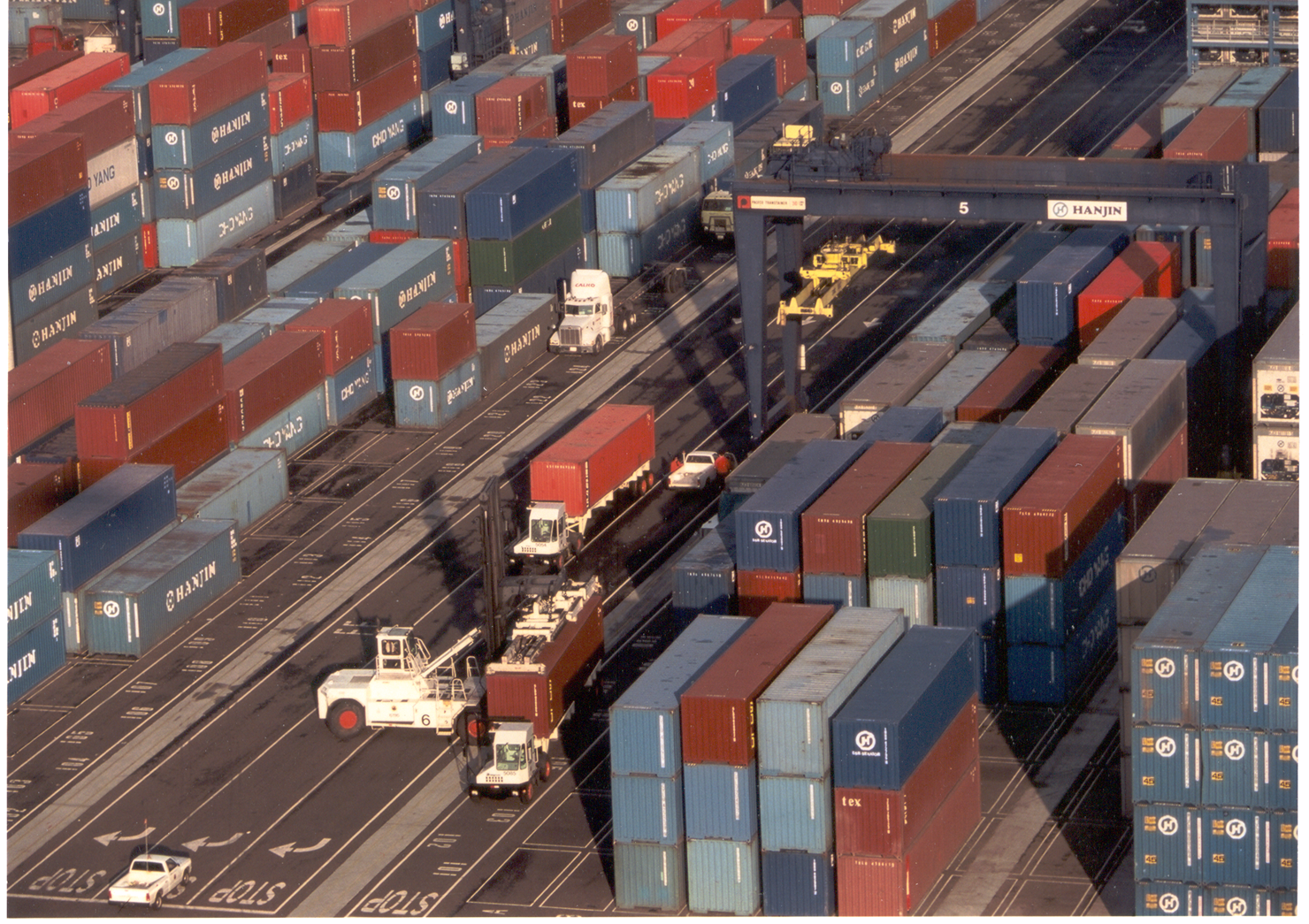
www.fadingforests.org

We Need Analyses of Pest Approach Rates, but Detection Data Are Not Adequate Basis

plants for sale in UK; Evelyn Grimak via Geograph what pests could be here?

There has recently been a series of studies trying to use port detection data to determine which types of insects are most likely to arrive and possibly establish in the country. These studies – and related sources – are listed at the end of this blog. Some of the studies focus on the U.S. experience, but not all. Their – and my – conclusions are meant to be relevant around the globe.

I agree with Nahrung et al. (2022) as a correct definition of the problem:

“… despite decades of research on and implementation of [biosecurity] measures, insect invasions continue to occur with no evidence of saturation, and are even predicted to accelerate.” 

I also think the issue they raise applies more broadly. As these experts point out, forest pests have received considerable attention, are the subject of a specific international regulation (ISPM#15), and the pest risks to a range of forests is relatively well understood and appreciated. So what does failing to control this group of pests – as I say the international phytosanitary system is – imply for other pests and pathways?

I appreciate these experts’ efforts to improve the many elements of excluding pests: prediction, pest risk analysis, targeted phytosanitary measures, enforcement actions, and early detection. However, we have a long way to go before we can confidently apply port data to determine pest approach rates as well as the efficacy of phytosanitary measures.

Problems with the Quality of the Port Detection Data

inspection by APHIS

There is general agreement that detection data are not a reliable indicator of the true pest approach / arrival rate. Even Turner et al. (2022) – who titled their article “Worldwide border interceptions provide a window …” — concede this, although they try to find ways to apply the detection data anyway. According to pages 2 and 15 of Turner et al., true arrival rates of potentially invading species are usually difficult to estimate and probably exceed the number reported in the article. Allison et al. (2021) agree.

Turner et al. and Nahrung & Carnegie both note that many insect species established in the destination country are never or rarely detected. Turner et al. cite as an example spotted lanternfly, Lycorma delicatula, which appeared only once out of almost 1.9 million interceptions recorded in the combined global data. Nahrung & Carnegie note that 76% of species established in Australia were either never or rarely intercepted at the border.

Turner et al. explain that interception frequencies are a function of both the true arrival rates and the probability of (1) being detected during inspections (which depends on how these are carried out) and (2) being recorded. They say the data are more reliable when they report detections at the family-level. . The authors call on countries to base port inspections on a statistically based sampling program that would better reflect pest approach rates than do data biased by inspection priorities.

The issue of data quality might be broader. Certain kinds of pests travelling in certain types of imports might be sufficiently cryptic as to be rarely detected by even the best border inspections. Liebhold et al. (2012) found that APHIS inspectors detected actionable pests in only 2.6% of incoming shipments of plants, whereas a statistically valid audit determined that the actual approach rate was 12%. It is probable that many pests are never or rarely reported in official port detection data.

See a thorough discussion of the issues undermining use of interception data in Nahrung and Carnegie 2022, cited at the end of this blog.

Problems Due to Narrow Taxonomic Range of Pests Studied

Protection of our forests requires preventing introductions of many taxonomic groups, e.g., nematodes, fungal and other pathogens, viruses, and arthropods other than ambrosia beetles and Hemiptera.

I recognize that it is much more difficult to study and manage organisms other than common beetles. But the impacts of some introduced organisms in other categories have been devastating. I list some of the pathogens that have been introduced to the United States in recent decades, probably on imported plants: several Phytophthoras, ohia rust (Austropuccinia psidii), rapid ohia death (Ceratocystis lukuohia and C. huliohia), beech leaf disease, and the boxwood blight fungi. See Garbelotto and Gonthier (2022) for a thorough discussion of impacts of introduced forest pathogens.

boxwood hedge at Longwood Gardens; photo by F.T. Campbell

Points of Agreement

I agree with Nahrung et al. that:

  1. Biosecurity successes are probably under-recognized because they are difficult to see whereas failures are more evident. They call this the “Biosecurity Paradox”: the more successful biosecurity is, the fewer new species establish so the less important it appears.
  2. Uncertainty regarding the costs and benefits of forest border biosecurity measures appears to have led to under-regulation and wait-and-see approaches. Some recent reviews (Cuthbert et al.) show that delay substantially increases the costs associated with bioinvasion. 297https://www.nivemnic.us/?p=3209
  3. Helping “weakest links” improve their performance is crucial. (see Geoff Williams et al.  
  4. We need to revise international and national biosecurity practices. However, my proposals differ from those cited on page 221 of Nahrung et al.; see my “Fading Forests” reports [links at end of this blog] and earlier blogs here and here. A new complication is that pathologists complain that proposed systems proposed by various invasive species experts don’t reflect realities of managing plant pathogens (Paap et al. 2022).

I wish Nahrung et al. had suggested bolder interim steps that go beyond data management and research.

I appreciate that the Canadian report on forest biosecurity (Allison et al.) notes that claiming most introduced forest pests are reported to cause no measurable impact probably reflects our ignorance. I wish others who repeat this assertion, e.g., Nahrung et al. 2022, would explore this claim’s truth more carefully.

Points of Disagreement

Customs and Border Protection officers inspecting infested pallet

I also found other statements about the efficacy of existing efforts to be too uncritical. So yes, ISPM#15 has resulted in decreased arrivals of bark- and wood-boring insects, as stated by Nahrung et al. 2022. However, the 36-52% decrease documented by Haack et al. (2014) is not sufficient to protect forests, in my view. Many publications have documented continuing introductions of damaging pests via the wood packaging pathway. For example, there have been 16 outbreaks of the Asian longhorned beetle (ALB) detected around the globe between 2012 and 2015 (Wang). Before we conclude that ISPM#15 has been a success, let’s see what the just-completed new study by Haack and colleagues shows. In addition, there has been controversy for a decade or more about what causes continuing introductions, that is, whether they result from treatment inadequacy v. sloppy application of treatments v. fraud. Why have scientists and regulators not collaborated to clarify this issue during this time?

I note – again – that many pathogens have been introduced widely over the last couple of decades. This is a global problem. My recent blogs have discussed introductions of tens of species of Phytophthora to countries around the world. Other examples include myrtle rust (Austropuccinia psidii) to 27 countries and the two causal agents of boxwood blight to at least 24 countries in Eurasia, New Zealand, and North America. Most of these species were unknown to science at the time of their introduction. Other species were known – but not believed to pose a threat because, in their native regions, their co-evolved hosts are not harmed. 

Rhodomyrtus psidioidis in Australia killed by myrtle rust; photo by Peter Entwistle

I think Helen Nahrung (Nahrung et al.) exaggerates when she says that Australia has one of the strictest biosecurity systems in world. Several publications – some coauthored by her! – cite numerous shortfalls in applying the country’s phytosanitary programs to forest pests (Carnegie et al 2022). This latter group’s efforts have determined that at least 260 non-native arthropods and pathogens of forest hosts have established in Australia since 1885 (Nahrung and Carnegie 2020). True, this number is about half the number of non-native forest insects and pathogens that have established in the United States over a period just 25 years longer (Aukema et al. 2010). However, it is enough – and they have had sufficient impact – to prod these scientists to spend 30 years pushing for improvements.

Lessons Learned

Still, we can learn from these studies. Turner et al. compared insect interception data from nine regions over a 25-year period (1995 to 2019)at ports in New Zealand, Australia, South Korea, Japan, Canada, mainland United States, Hawai`i, United Kingdom, and the region united under European Plant Protection Organization (EPPO) – Europe and the Mediterranean region.

They found that 174 species (2% of the total) were “superinvaders.” They were intercepted more than 100 times, and constituted 81% of all interceptions across all regions. Most of the same types of insects – even the same species – are arriving at ports around the world. The three species most frequently intercepted are all sap-feeding insects commonly associated with widely traded plants. In a separate study, Australian scientists found the same: about 40% of the alien pests detected at Australian borders were already widely introduced at the time of their introduction in Australia (Carnegie et al. 2022). The Australians report strong evidence of the bridgehead effect [that is, species being spread from locations to which they have been introduced] (Nahrung and Carnegie 2021). In fact, they conclude that higher interception rates might confirm invasion success rather than predict it.

Most of the species, however, are intercepted rarely. Turner et al. found that 75% of species reported in their nine regions were intercepted in only a single region. In fact, 44% of all species were intercepted only once (= “singletons”). Such singletons made up about half of individual species in five insect orders; the exception was Thysanoptera – 29% of those species were intercepted only once.

The 75% of all species that were intercepted in only one region included both species rarely intercepted anywhere and species intercepted numerous times – but only in that one region. The authors note that several possible factors might explain these differences. Some species are less likely to be intercepted, so it is not odd that they are detected infrequently, especially if all the regions have the same blind spots. Countries also have their unique approaches to data collection and inspection prioritization that could introduce biases in the data. Finally, countries vary in the sources of goods they import. Unfortunately, some of the data sets Turner at al. analyzed said nothing about the source country, pathway, or commodity. Consequently, they were unable to evaluate the influence of these factors.

Improving Our Understanding of the Current Risk to the U.S.

Dendrobium officinale via Wikipedia; Fusarium stilboides has been detected on this orchid in China; F. stilboides is reported to attack pine trees

As I noted in a previous blog, U.S. imports of plants have increased by more than 400% since the 1960s; 35% in just the last 15 years (MacLachlan et al. 2022). In 2011, APHIS adopted an important new policy: temporary prohibition of plant taxa determined to be “Not Authorized for Importation Pending Pest Risk Assessment” (NAPPRA). Now we have a decade of experience with NAPPRA. Given that, and because the “plants for planting” pathway is among the most risky, APHIS should update the Liebhold et al. 2012 study to determine the current approach rate for all types of organisms that threaten North American tree species. Unlike the previous study, the update should include trees on Hawai`i, Guam, Puerto Rico and the other U.S possessions and territories. Finally, the study should try to evaluate the difference in risks associated with various types of plants and – possibly – also source regions.

Hawaiian native plant naio; photo by Forrest and Kim Starr

Unknown Unknowns

As I noted above, problems curtailing introduction of tree-killing pests are not limited to the U.S. For more than a decade, scientists have noted that the international phytosanitary system has failed to prevent the rapid worldwide spread of significant pathogens via the international nursery trade. Examples include Brasier 2008; Liebhold el. al. 2012; Santini et al. 2013; Roy et al. 2014; Eschen et al. 2015; Jung et al. 2015; Meurisse et al. 2019; O’Hanlon et al. 2021. One of the principal concerns is the fact that most species of microorganisms have not been named by science, much less evaluated for their potential impacts on naïve hosts. This issue was raised by Sarah Green of British Forest Research at the annual meeting of the Continental Dialogue on Non-Native Forest Insects and Pathogens. She asked the APHIS representative whether the agency’s phytosanitary procedures (described here) are working to prevent introductions. She pointed to the issues raised by numerous scientific experts: pest risk analyses address only known organisms, so they cannot protect importers from unknown organisms.

U.S. scientists are beginning to address the issue of “unknown unknowns”. Some studies have taken a stab at evaluating traits of insects that are more likely to damage conifers (Mech et al.) and hardwoods (Schultz et al.).  Jiri Hulcr – of the University of Florida — assessed the threat posed by 55 insect-vectored fungi to two species of oak and two species of pines. However, the forests of the southeastern U.S. comprise many other tree genera! He also set a very high bar for defining a threat as serious: the damage to the host must be equivalent to that caused by Dutch elm disease or laurel wilt. We urgently need APHIS, USDA/Forest Service, and academia to sponsor more similar studies to evaluate the full range of risks more thoroughly.

SOURCES

Allison J.D., M. Marcotte, M. Noseworthy and T. Ramsfield. 2021. Forest Biosecurity in Canada – An Integrated Multi-Agency Approach. Front. For. Glob. Change 4:700825. doi: 10.3389/ffgc. 2021.700825 Frontiers in Forests and Global Change July 2021 | Volume 4 | Article 700825

Carnegie A.J. and H.F. Nahrung. 2019. Post-Border Forest Biosecurity in AU: Response to Recent Exotic Detections, Current Surveillance and Ongoing Needs. Forests 2019, 10, 336; doi:10.3390/f10040336 www.mdpi.com/journal/forests

Carnegie A.J., F. Tovar, S. Collins, S.A. Lawson, and H.F. Nahrung. 2022. A Coordinated, Risk-Based, National Forest Biosecurity Surveillance Program for AU Forests. Front. For. Glob. Change 4:756885. doi: 10.3389/ffgc.2021.756885

Cuthbert, R.N., C. Diagne, E.J. Hudgins, A. Turbelin, D.A. Ahmed, C. Albert, T.W. Bodey, E. Briski, F. Essl, P. J. Haubrock, R.E. Gozlan, N. Kirichenko, M. Kourantidou, A.M. Kramer, F. Courchamp. 2022. Bioinvasion costs reveal insufficient proactive management worldwide. Science of The Total Environment Volume 819, 1 May 2022, 153404

Garbelotto M. and P. Gonthier. 2022.  Ecological, evolutionary, and societal impacts of invasions by emergent forest pathogens. Chapter 7, Forest Microbiology. Elsevier 2022.

Li, Y. C. Bateman, J. Skilton, B. Wang, A. Black, Y-T. Huang, A. Gonzalez, M.A. Jusino, Z.J. Nolen, S. Freemen, Z. Mendel, C-Y. Chen, H-F. Li, M. Kolarik, M. Knizek, J-H. Park, W. Sittichaya, P.H. Thai, S-I. Ito, M. Torii, L. Gao, A.J. Johnson, M. Lu, J. Sun, Z. Zhang, D.C. Adams, J. Hulcr. 2021. Pre-invasion assessment of exotic bark beetle-vectored fungi to detect tree-killing pathogens. Phytopathology. https://doi.org/10.1094/PHYTO-01-21-0041-R

Liebhold, A.M., E.G. Brockerhoff, L.J. Garrett, J.L. Parke, and K.O. Britton. 2012. Live Plant Imports: the Major Pathway for Forest Insect and Pathogen Invasions of the US. www.frontiersinecology.org

MacLachlan, M.J., A. M. Liebhold, T. Yamanaka, M. R. Springborn. 2022. Hidden patterns of insect establishment risk revealed from two centuries of alien species discoveries. Sci. Adv. 7, eabj1012 (2021).

Mech,  A.M., K.A. Thomas, T.D. Marsico, D.A. Herms, C.R. Allen, M.P. Ayres, K.J. K. Gandhi, J. Gurevitch, N.P. Havill, R.A. Hufbauer, A.M. Liebhold, K.F. Raffa, A.N. Schulz, D.R. Uden, & P.C. Tobin. 2019. Evolutionary history predicts high-impact invasions by herbivorous insects. Ecol Evol. 2019 Nov; 9(21): 12216–12230.

Nahrung, H.F. and A.J. Carnegie. 2020. NIS Forest Insects and Pathogens in Australia: Establishment, Spread, and Impact. Front. For. Glob. Change 3:37. doi: 10.3389/ffgc.2020.00037 Frontiers in Forests and Global Change | www.frontiersin.org 2 March 2020 | Volume 3 | Article 37

Nahrung, H.F. and A.J. Carnegie. 2021. Border interceptions of forest insects established in Australia: intercepted invaders travel early and often. NeoBiota 64: 69–86. https://doi.org/10.3897/neobiota.64.604

Nahrung, H.F. & A.J. Carnegie. 2022. Predicting Forest Pest Threats in Australia: Are Risk Lists Worth the Paper they’re Written on? Global Biosecurity, 2022; 4(1).

Nahrung, H.F., A.M. Liebhold, E.G. Brockerhoff, and D. Rassati. 2022. Forest Insect Biosecurity: Processes, Patterns, Predictions, Pitfalls. Annu. Rev. Entomol. 2023.68.

Paap, T., M.J. Wingfield, T.I. Burgess, J.R.U. Wilson, D.M. Richardson, A. Santini. 2022. Invasion Frameworks: a Forest Pathogen Perspective.  FOREST PATHOLOGY https://doi.org/10.1007/s40725-021-00157-4

Schulz, A.N.,  A.M. Mech, M.P. Ayres, K. J. K. Gandhi, N.P. Havill, D.A. Herms, A.M. Hoover, R.A. Hufbauer, A.M. Liebhold, T.D. Marsico, K.F. Raffa, P.C. Tobin, D.R. Uden, K.A. Thomas. 2021. Predicting non-native insect impact: focusing on the trees to see the forest. Biological Invasions.

Turner, R. M., E. G. Brockerhoff, C. Bertelsmeier, R. E. Blake, B. Caton, A. James, A. MacLeod, H. F. Nahrung, S. M. Pawson, M. J. Plank, D. S. Pureswaran, H. Seebens, T. Yamanaka, and A. M. Liebhold. 2021. Worldwide border interceptions provide a window into human-mediated global insect movement. Ecological Applications 31(7):e02412. 10.1002/eap.2412

Wang, Q. (Ed.). 2017. Cerambycidae of the world: biology and pest management.  Boca Raton, FL: CRC Press

Posted by Faith Campbell

We welcome comments that supplement or correct factual information, suggest new approaches, or promote thoughtful consideration. We post comments that disagree with us — but not those we judge to be not civil or inflammatory.

For a detailed discussion of the policies and practices that have allowed these pests to enter and spread – and that do not promote effective restoration strategies – review the Fading Forests report at http://treeimprovement.utk.edu/FadingForests.htm

or
www.fadingforests.org

Plants for Planting – Major Pathway, Too Little Attention

Phytopthora cinnamomi on manzanita in California; photo courtesy of Ted Swiecki/Phytosphere

While I blog often about wood packaging the fact is that imports of live plant [= “plants for planting” in USDA’s terms] have historically posed a higher risk of introducing tree-killing pests. In 2012, Liebhold et al. found that nearly 70% of 455 damaging pests introduced to the continental U.S. as of 2006 had probably been introduced via plant imports. These included 95% of sap feeding and 89% of foliage feeding insects and about half of the pathogens. Imported plants not only carry a greater variety of pests than wood packaging; they also carry many more.

Introductions on imported plants for planting is not a rare event. An analysis of data in the Agriculture Quarantine Inspection Monitoring (AQIM) during 2009 found that the approach rate of pests on imported plants was apparently 12% (Liebhold et al. 2012) — more than 100 times higher than the 0.1% approach rate found by Haack et al. (2014) for wood packaging. This alarming statistic receives less attention than warranted because APHIS objected to the accuracy of other aspects of the study.

APHIS has adopted changes to its phytosanitary system for plants for planting in the decade since 2009. The question is, have these changes reduced the known risks associate with live plant imports – especially given skyrocketing imports? Are more measures necessary? Current data and analyses cannot provide a scientifically valid answer.

ohia rust on endangered Hawaiian native plant Eugenia koolauensis

First, most studies focus on insects – they even exclude pathogens. Among pathogens introduced in recent decades, probably by the plant trade, are several Phytophthoras, rapid ‘ōhi‘a death, beech leaf disease, boxwood blight. (I am assuming that the Fusarium dieback disease vectored by Euwallacea beetles was introduced via wood packaging.) There have been repeated detections of the Ralstonia solanacearum Race 3 biovar 2, a bacterium that attacks a range of herbaceous plants, despite APHIS requiring specific integrated pest management programs in producing nurseries located in Central America. Examples of recently introduced leaf feeders include the European beech leaf-mining weevil and elm zigzag sawfly.

I concede that it is difficult to study introduced pathogens. It is nearly impossible to compile a complete list of introduced fungi and related organisms since only the most damaging are typically detected and their native ranges are frequently undeterminable. However, European forest pathologists are much more active on these questions. Why? What can we do to focus Americans on the threats these organism pose?

Second, most studies analyzing the pest risk associated with plant imports use port inspection data. However, port inspection data are not reliable indicators of the pest approach rate – as explained by  Liebhold et al. 2012 and Haack et al. 2014 (as it pertains to wood packaging). Thus, most of the analyses carried out by Liebhold et al. and MachLachlan et al. (2022) are based on the pests found by APHIS inspectors: actionable pests were detected on only 2.6% of the incoming plants that they inspected.

Here I discuss two recent discussions of the risk associated with imported plant for planting. One is an analysis of establishments of one order of insects in the United States over 200 years (MacLachlan et al. 2022; full citation at the end of the blog). Again, the focus is on insects! The other is a discussion of the pathway during the recent annual meeting of the Continental Dialogue on Non-Native Forest Insects and Diseases. link to posting of presentations This discussion raised some of the key questions, although no answers were provided.

U.S. imports of plants have increased by more than 400% since the 1960s; 35% in just the last 15 years (in 2007 the U.S. imported approximately 3.7 billion plants [Liebhold et al. 2012]; in 2021 it was about 5 billion [MacLachlan et al. 2022]. Yet establishments of new non-native insects associated with this pathway have not risen commensurately. MacLachlan et al. (2022) attempt to answer why this is so. However, pests are often not detected for several years or a decade after their introduction. Furthermore, I doubt that an analysis based on inspection data, not the more reliable AQIM data, can provide an accurate assessment.

To clarify the pest risk associated with plant imports, studies of some insect types, excluding pathogens, is not sufficient. Again, APHIS should update the Liebhold et al. study to determine the approach rate for all types of organisms that threaten North American tree species. Any such study should include trees on Hawai`i, Guam, Puerto Rico, and other U.S possessions and territories. These islands are usually excluded from analyses of imported pests, including Liebhold et al. 2012. I concede that there are probably scientific and data-management challenges but these islands are immensely important from a biodiversity point of view, and they are parts of the United States!

Cycas micronesica endemic to Guam; threatened by cycad scale & cycad blue butterfly; photo courtesy A. Gawel

MacLachlan et al. (2022) focused their analysis on the insect order Hemiptera, including the so-called true bugs, including cicadas, aphids, planthoppers, and leafhoppers. This is the insect order most frequently transported with imported plants. In addition, establishments of Hemiptera can be attributed to plant imports rather than to wood or other vectors. Of the 3,500 species of non-native insects established in North America (including the contiguous U.S. states, Alaska, and Canada), about 27% are Hemiptera. Many are serious pests, e.g., hemlock woolly adelgid and balsam woolly adelgid). Complicating the analysis, however, is the fact that some Hemiptera are inconspicuous so they are difficult to detect. In fact, MacLaughlan et al. 2022 estimate the median delay between introduction and detection to be 80 years! They believe that many introduced species remain undiscovered, ranging from 21% for Eurasian regions to 38% for the Neotropics and 52% for Australasia.

eastern hemlocks killed by hemlock woolly adelgied; Linville Gorge, NC; photo by Steven Norman, USFS

MacLachlan et al. (2022) compare the relationship between plant imports and discoveries of Hemiptera from 1800 to the present in an attempt to answer the puzzle of why new Hemiptera establishments have remained relatively steady despite quadrupled plant imports. Perhaps the pool of novel insect species in the source region has been depleted. Or other factors might have changed, such as

  • the commodities imported (plant species or types; or geographic source)
  • phytosanitary measures applied by the U.S.

MacLachlan et al. (2022) tracked plant imports since 1854 from seven ecological regions: Afrotropic, Asian Palearctic, Australasia, European Palearctic, Indomalaya, Nearctic, Neotropic. In the early decades, both imported plants and introduced Hemiptera detected in the U.S., came predominantly from European and Asian Palearctic regions. Now, however, almost no new Hemiptera species are being introduced on plants imported from the European and Asian Palearctic regions. Since the 1950s, estimated establishments from the Indomalaya region have remained relatively stable. Establishments from the Neotropic and Afrotropic regions rose following World War II and have remained relatively high. After also declining in the first half of the 20th century, establishments of new species from Australasia have recently increased.

Generally, the regions associated with declining establishments of new species (Eurasia) are experiencing relatively gradual increases in their exports to the U.S. Those regions which contribute relatively steady or increasing establishments (Neotropics, Indomalaya, Australasia, and Afrotropic) have each undergone rapid increases in exports to the U.S.

Establishment Risk Among Regions

Source regions vary in the type of plants they export (e.g., rootless cuttings v. whole plants) and in the volume of exports. They also differ in the composition of their indigenous and introduced insect populations. Imports from areas with an abundance of species capable of establishing and adapted to environmental conditions in North America pose greater establishment risk, although it is challenging to determine the risk associated with individual species.

Establishment risk of shipments from a particular region also changes over time. The number of potential new species of invaders might shrink as more and more arrive in North America. (This situation has no effect on the continued introduction of insect species already established in North America. These reintroductions might arrive in new areas – so expanding the area at risk; or their increasing number contributes to propagule pressure at establishment sites.) Another factor might be phytosanitary policies. Strengthening of phytosanitary measures might suppress the number of organisms that travel with the plant shipment, enter North America, and establish. The opposite might happen if phytosanitary measures are relaxed or if the sourcing or type of imports diversifies in ways that connect additional species in source regions with trade pathways.

Considering all regional plant sources, MacLachlan et al. (2022) estimate that establishments per unit of additional imports – of Hemipterans – have shrunk because of a combination of increased imports, accumulated introductions associated with past imports, and the passage of time. These decreases are substantial – between 75.2% and 99.8% for the various regions from 1962 to 2012. For the Asian Palearctic and Neotropic regions, MacLachlan et al. (2022) determined that depletion of species pools is a contributing factor. Other factors are thought to explain the substantial decline in establishment likelihood for the other regions.  However, note the caveats above re: lag times in detecting introductions.

However, despite that significant decrease in risk per unit of imports, the number of establishments has remained relatively constant over the past century. MacLachlan et al. (2022) attribute this pattern to the decreases in marginal risk from additional imports being offset by substantial increases in overall import levels and diversification of the origins of imports across regions, which exposed the U.S. to new source species pools.

MacLachlan et al. (2022) suggest that APHIS should target biosecurity resources to the specific commodity-country pairs associated with a demonstrated higher relative risk of introducing additional insect species.

MacLachlan et al. (2022) are unable to evaluate the efficacy of APHIS’ most important policy change: creation of the “Not Authorized for Importation Pending Pest Risk Assessment” (NAPPRA) program because it was adopted in 2011 and they analyzed data only through 2012. A decade later this policy restricts imports of about 250 taxa (Regelbrugge to Continental Dialogue). It is certainly time to evaluate its efficacy through a new study of pest approach rates in the “plants for planting” trade.

I do not think that U.S. phytosanitary policy should be based on an analysis of just one of at least three types of pests that travel via the pathway. We need analysis of the risk from pathogens, nematodes, viruses … and other orders of arthropods.

The Continental Dialogue on Non-Native Forest Insets and Pathogens

The Continental Dialogue on Non-Native Forest Insects and Pathogens hosted a discussion of the risk of pest introduction via the plant trade during its recent annual meeting. Participants asked: How can the international phytosanitary system curtail introductions of unknown organisms when it is based on risk assessments that address only species that are fully known and – usually – have proven to be invasive elsewhere.

Rhodomyrtos psidioides in eastern Australia killed by myrtle rust; photo by Peter Entwistle

In recent decades, tens of species of Phytophthora have been introduced to countries around the world. Myrtle rust (Austropuccinia psidii) has been introduced to 27 countries from the U.S. to Australia and South Africa. The two causal agents of boxwood blight has been introduced to at least 24 countries in three geographic areas: Europe and western Asia; New Zealand; and North America. The ash decline fungus has been introduced across Europe. Most of these species were unknown to science at the time of their introduction. Other species were known – but not believed to pose a threat because, in their native regions, their co-evolved hosts are not harmed. 

For more than a decade, scientists have noted that the international phytosanitary system has failed to prevent this rapid worldwide spread of significant pathogens via the international nursery trade. Examples include Brasier 2008; Liebhold el. al. 2012; Santini et al. 2013; Roy et al. 2014; Eschen et al. 2015; Jung et al. 2015; Meurisse et al. 2019; O’Hanlon et al. 2021.

During the Continental Dialogue discussion, Craig Regebrugge, Vice President of AmericanHort (the principal nursery trade association) noted the economic importance of greenhouse and nursery production and the importance of offering novel plants to their customers. Also, he noted that U.S. retail nurseries import primarily unrooted plant cuttings. In so doing, they have a strong incentive to ensure that they are pest-free in order to avoid delays arising during inspections. Those delays would probably kill these highly perishable products. Most U.S. imports of “finished” plants come from Canada. There have been pest problems; one of the most recent examples is a moth that attacks boxwoods (Buxus), which is the top-selling shrub crop in the U.S. Earlier there was confusion over whether plants shipped from British Columbia had been infected by the sudden oak death pathogen.

Regelbrugge noted that the industry’s voluntary integrated pest management program – Systems Approach to Nursery Certification (SANC) – currently has about two dozen participating nurseries. Hoped-for adoption by more of the hundreds of production nurseries in the country has been delayed by COVID-related travel restrictions, but he hopes to restore momentum. The industry is looking for opportunities to strengthen the program through marketing messages.

Regelbrugge and a second speaker, Rebecca Epanchin-Niell of the University of Maryland, warned that prohibitions on imports will stimulate smuggling. Both raised concerns about direct-to-consumer sales by e-commerce vendors and sought ideas on how to change the behavior of both exporters and consumers.

Later Sarah Green of British Forest Research asked the APHIS representative whether the agency’s import procedures are working to prevent introductions. She pointed to the issues raised by the scientific sources I cited above: pest risk analyses address only known organisms, so this process cannot protect importers from unknown organisms. She noted that the United Kingdom is struggling to contain a number of introductions of previously unknown pathogens. Gary Lovett of the Cary Institute noted that this weakness of pest risk assessments also hampers U.S. attempts to prevent introductions – especially of pathogens. He called on the Dialogue to focus on the resource at risk – native and urban forests – and change our phytosanitary programs on this basis. He has advocated halting imports of plants that are congenerics of important North American tree species, in order to minimize the risk that pests that damage those genera will be introduced.

an American elm that has survived DED – at Longwood Gardens; photo by F.T. Campbell

Jiri Hulcr of the University of Florida tried to reassure Dialogue participants by stating that recent research has substantially reduced the threat from “unknown unkowns”. I applaud Dr. Hulcr’s efforts to reduce scientific uncertainty about the invasive potential of pathogens native to regions other than North America. His study might be the largest attempted by U.S.-based scientists. However, I note that his study assessed the threat posed by 55 insect-vectored fungi to two species of oak and two species of pines. The forests of the southeastern U.S. comprise many other tree genera! He also set a very high bar for defining a threat as serious: the damage to the host must be equivalent to that caused by Dutch elm disease or laurel wilt. Both have devastated their respective hosts. I believe U.S. phytosanitary policy must aim at protecting the full range of native species. Furthermore, levels of damage that affect the host’s role in the ecosystem – not just rapid mortality — should not be acceptable.

SOURCES

Epanchin-Niell, R., M. Springborn, an A. Lindsay.  2016. Resources No. 193 Fall 2016.  http://www.rff.org/files/document/file/RFF_Resources_193_Web.pdf

Li, Y. C. Bateman, J. Skelton, B. Want, A. Black, Y-T. Huang, A. Gonzalez, M.A. Jusino, Z.J. Nolen, S. Freemen, Z. Mendel, C-Y. Chen, H-F. Li, M. Kolarik, M. Knizek, J-H. Park, W. Sittichaya, P.H. Thai, S-I. Ito, M. Torii, L. Gao, A.J. Johnson, M. Lu, J. Sun, Z. Zhang, D.C. Adams, J. Hulcr. 2021. Pre-invasion assessment of exotic bark beetle-vectored fungi to detect tree-killing pathogen. Phytopathology. https://doi.org/10.1094/PHYTO-01-21-0041-R

Liebhold, A.M., E.G. Brockerhoff, L.J. Garrett, J.L. Parke, and K.O. Britton. 2012. Live Plant Imports: the Major Pathway for Forest Insect and Pathogen Invasions of the US. www.frontiersinecology.org

MacLachlan, M.J., A. M. Liebhold, T. Yamanaka, M. R. Springborn. 2022. Hidden patterns of insect establishment risk revealed from two centuries of alien species discoveries. Sci. Adv. 7, eabj1012 (2021).

Posted by Faith Campbell

We welcome comments that supplement or correct factual information, suggest new approaches, or promote thoughtful consideration. We post comments that disagree with us — but not those we judge to be not civil or inflammatory.

For a detailed discussion of the policies and practices that have allowed these pests to enter and spread – and that do not promote effective restoration strategies – review the Fading Forests report at http://treeimprovement.utk.edu/FadingForests.htm

or

www.fadingforests.org