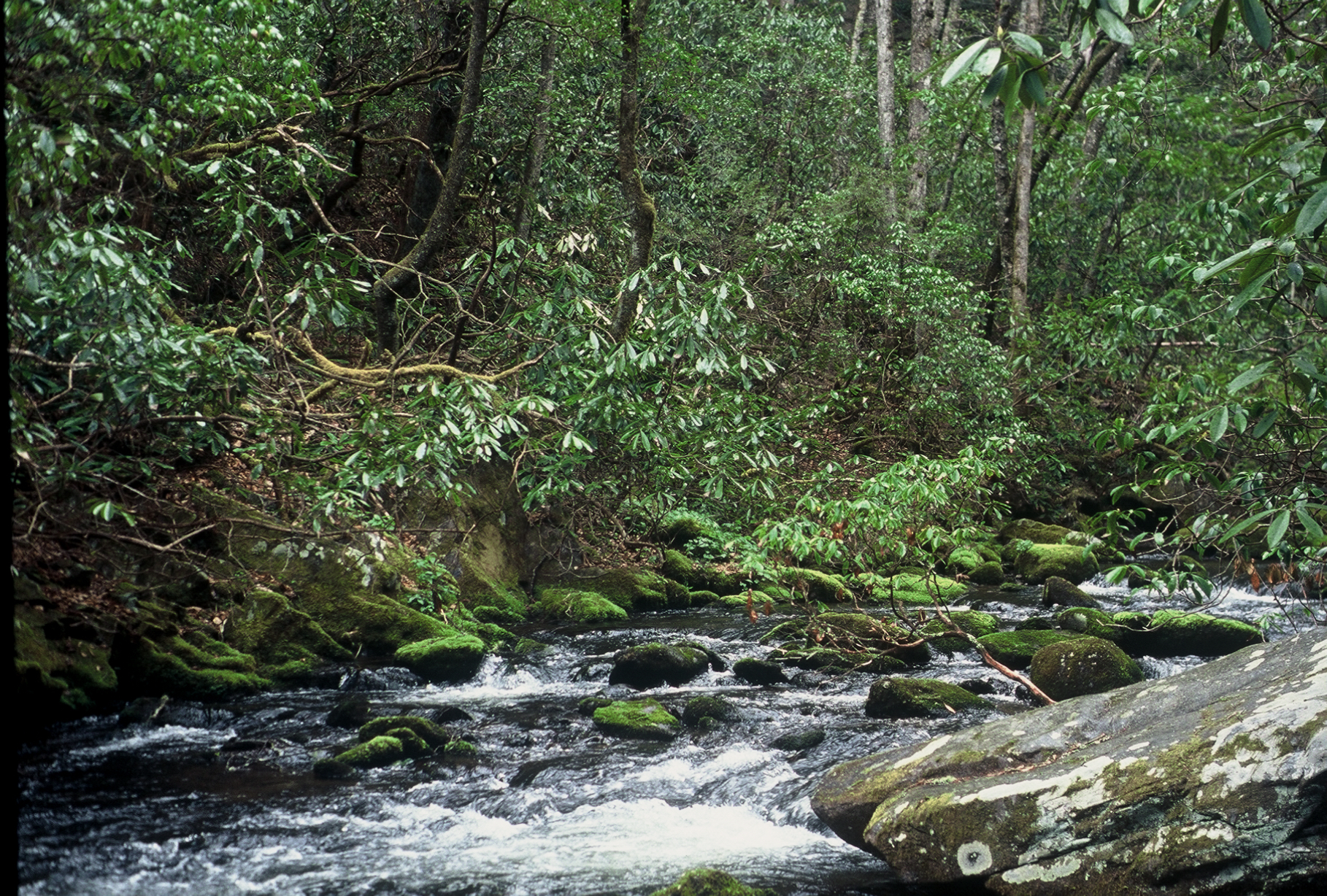
Organizers of the American Forest Congress claim the meeting has influenced the direction of forest conservation and management in America since 1882. As examples they cite creation of the U.S. Forest Service, the establishment of the eastern National Forests, new community-based and collaborative approaches to forestry, and efforts to advance the leadership of women within the forest community.
During its meeting in Washington, D.C. in July 2025, the Ninth Forest Congress adopted a resolution re: threat from forest pests and pathogens:
Resolved: to recognize and address the urgent risk posed by exotic and native pests and pathogens and invasive species to long-term health, productivity and sustainability of America’s forests.
Provide adequate and sustained resources for a cooperative stewardship program to monitor and address these risks across landscapes and ownerships.
Convene regional partnerships with participation of state, federal and tribal authorities, private landowners, NGOs, universities and other interested stakeholders to identify key forest health risks, develop regional approaches and attract needed resources to implement and sustain them.
Brian Milakovsky, senior forester at the New England Forestry Foundation helped gather an ad hoc group of forest health experts and foresters from across the eastern seaboard to draft the resolution
The Committee now plans to organize a follow-up event sometime in 2025 to discuss what is needed to build a more diverse and robust funding pipeline for pest and pathogen work. Their concern was elevated by the Trump Administration’s proposal to stop funding for the USFS’ State, Private and Tribal Forestry program.
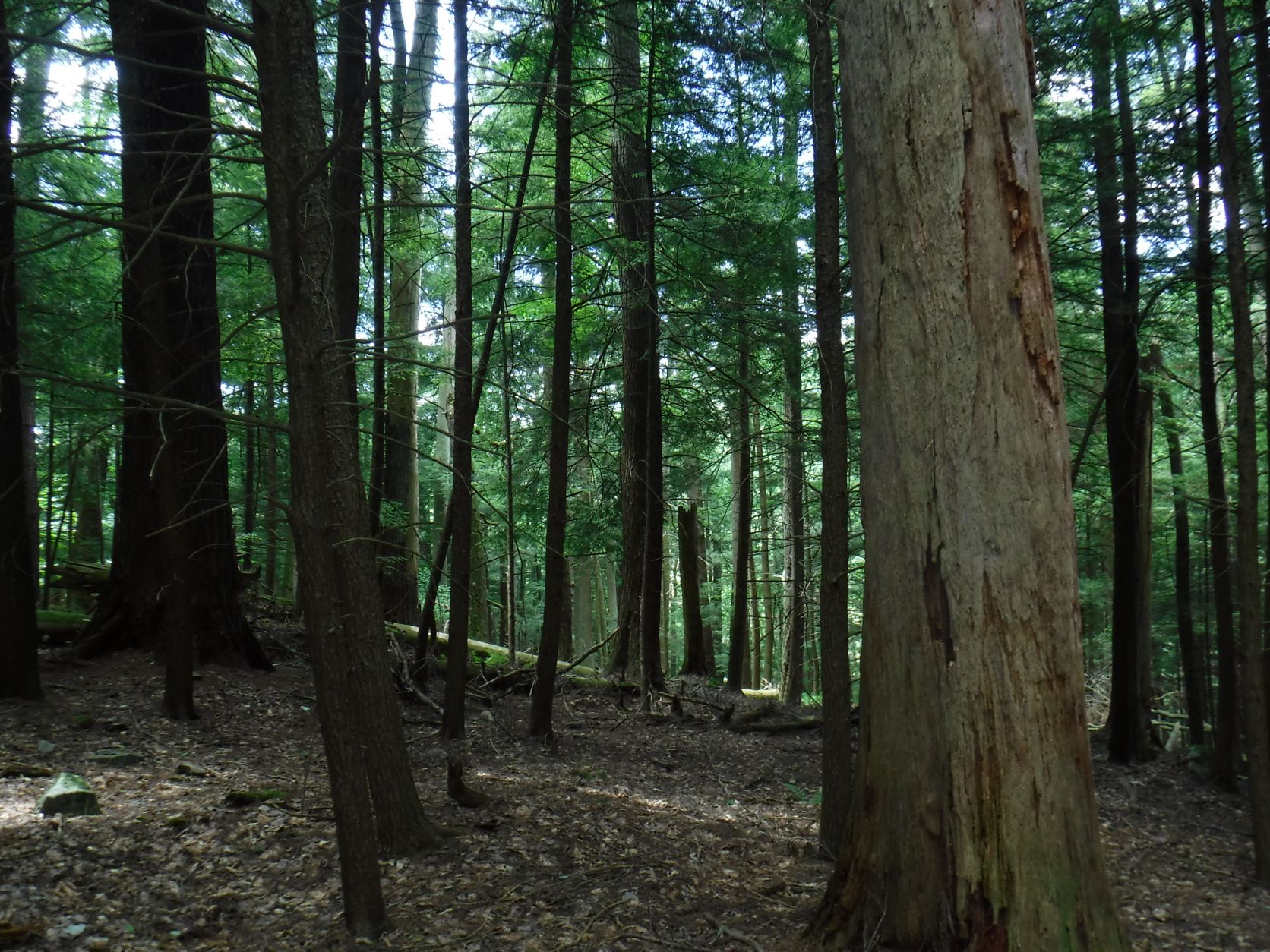
The New England Forestry Foundation has a direct stake in these programs. The Foundation manages 41,000 acres of land in five New England states and works with diverse landowners in the region to improve forest management. The Foundation hopes to expand both on-the-ground work and advocacy in response to the threats from non-native insects and pathogens. While they are focusing on developing an IPM program on their own lands, they recognize that they must address the pest and pathogen levels of the surrounding landscape – that is, they wish to support the federal and state forest health experts who are trying to address these issues at the largest scale.
In Maine the Foundations is trying to manage destruction by the hemlock woolly adelgid (HWA), beech bark disease, beech leaf disease, winter moth, red pine scale, and browntail moth. The emerald ash borer is arriving – and threatens to decimate green ash forests covering entire hillsides – with repercussions for water supplies, flooding, etc.
This resolution presents a great opportunity to revive discussions about the non-native forest pest issue with federal and state government officials, fellow conservationists, and the foundations that fund conservation work. Let’s work individually and together to put real muscle into these programs.
One of the possible ways is to persuade Congress to adopt the bill under development by Sen. Peter Welch of Vermont. The bill as introduced in the previous session is available here. Please ask your senators to sponsor it in this session – perhaps as a component of the (overdue) 2024 Farm Bill.
Posted by Faith Campbell
We welcome comments that supplement or correct factual information, suggest new approaches, or promote thoughtful consideration. We post comments that disagree with us — but not those we judge to be not civil or inflammatory.
For a detailed discussion of the policies and practices that have allowed these pests to enter and spread – and that do not promote effective restoration strategies – review the Fading Forests report at http://treeimprovement.utk.edu/FadingForests.htm
Or