
The Senate Appropriations Committee has adopted its bill appropriating funding for the USDA Forest Service for Fiscal Year 2026, which begins on 1 October. Once the bill passes the full Senate, negotiators for the Senate and House committees must agree on a compromise.
The Senate bill provides a total of $8.6 billion for the Forest Service. This includes $308,497,000 for the Research and Development program. This is an increase of $8.5 million above funding for the current year. The Senate bill specifically supports retaining the five regional offices and experimental forests. Remember, the Trump Administration had proposed to eliminate the Research program – other than Forest Inventory and Analysis. The Committee’s report link specifies that the USFS should prioritize projects requested by or benefitting the agency’s mission, not requests by external entities. The benefit to the agency and public should be stated before a project is initiated. The report specifies funding for several issues, including
- $3 million to continue collaborative research to determine distribution & movement of the pathogens that cause needle blight on loblolly pine.
- Funding to maintain Experimental Forests in the Northeast. These are described as important for assessing the long-term response of eastern white pine & northern hardwoods to various forest management prescriptions, controlled burning & natural factors, such as insects, disease, weather events and climate change. While the wording is somewhat confusing, I believe this is funded at $6 million.
- $1 million to support Outbreak Timber Salvage Research related to drought & needle tip blight & Ips beetle outbreaks in the West.
- $3 million to support Needle Blight Mitigation collaborative research.
- Several program areas related to fire, including understanding the risk in the wildland-urban interface.
Finally, the bill would fund Forest Inventory and Analysis at $32 million.
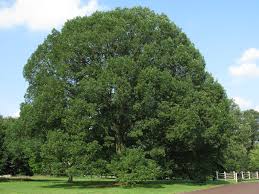
There is particular attention to white oaks (Quercus alba). The report notes that this species occupies 103 million acres in E U.S. The species is critical for wildlife, biodiversity, & forest products. The Committee instructs the USFS to report on its efforts, including monitoring & research, to regenerate white oak on National forests as well as state, tribal, and private lands. The Committee recognizes importance of seed stock & tree nurseries in these efforts.
The bill also restores funding for the State, Private, and Tribal Forestry program. It provides $319.5 million for this, an increase of $16 million above the current level. Again, the Trump Administration had proposed to eliminate funding for the SPT program. The Senate report specifies that the Cooperative lands forest health management program should be funded at $42 million. However, the Committee also allocated significant proportions of this total to specific projects:
- $10 million (nearly a quarter of the total) to support mitigation efforts targeting the spruce budworm outbreak in the eastern US.
- $3 million for a Cogongrass Management Pilot Program
- $2 million for management of the sudden oak death pathogen in the forests of Oregon and California
- Prioritizing – but without specifying funding levels – of the Western Bark Beetle Initiative and helping urban areas restore and improve their forests and combat exotic invasive woody plant species.
There is also $19.6 million to support Congressionally-directed components of Forest Resource Information and Analysis – which is apparently separate from the FIA program.
The Senate bill also continues support for the USFS International Programs.
Under the National Forest System, the Committee instructs the USFS to spend at least $2 million per year on recovery of species of plants and animals listed under the Endangered Species Act. This category includes whitebark pines but not other tree species decimated by non-native pests.
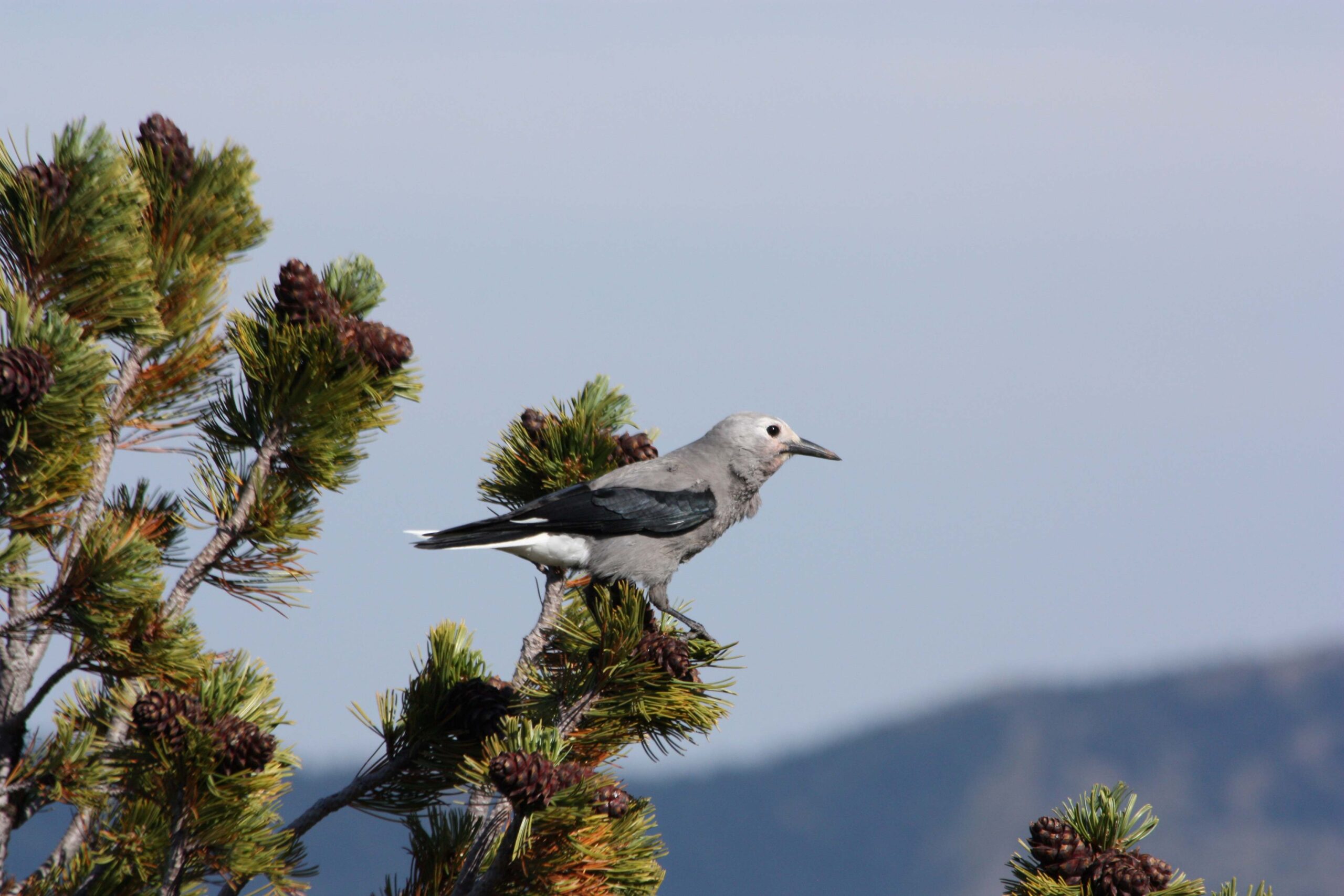
While I am disappointed that the Senate report makes few reference to non-native pests other than the loblolly needle blight, I rejoice that the Committee explicitly endorses the importance of USFS programs to sustain forest health across all landscapes – not just in National forests – and the Research program’s status as the premier such entity around the world.
Reminder: the House Appropriations bill provides $301,706,000 for the research account – almost $7 million less than the Senate. The House’ allocation for the Forest Inventory and Analysis (FIA) program is $34 million. Thus, there is a $9 million difference in funding levels – a significant challenge to reconcile. How will funding for the already-underfunded invasive species programs fare?
The House bill provides $280,960,000 for the State, Private, and Tribal forestry program. This is $38 million less than the Senate bill. The available report did not specify funding levels for the Forest Health Management program – either the “cooperative lands” or “federal lands” subprograms. As I note above, the Senate bill increases funding for the cooperative lands account, but then earmarks all the increase.
Posted by Faith Campbell
We welcome comments that supplement or correct factual information, suggest new approaches, or promote thoughtful consideration. We post comments that disagree with us — but not those we judge to be not civil or inflammatory.
For a detailed discussion of the policies and practices that have allowed these pests to enter and spread – and that do not promote effective restoration strategies – review the Fading Forests report at http://treeimprovement.utk.edu/FadingForests.htm
Or