PestLens reports newly detected insects and pathogens that seem to pose a threat to North American forests.
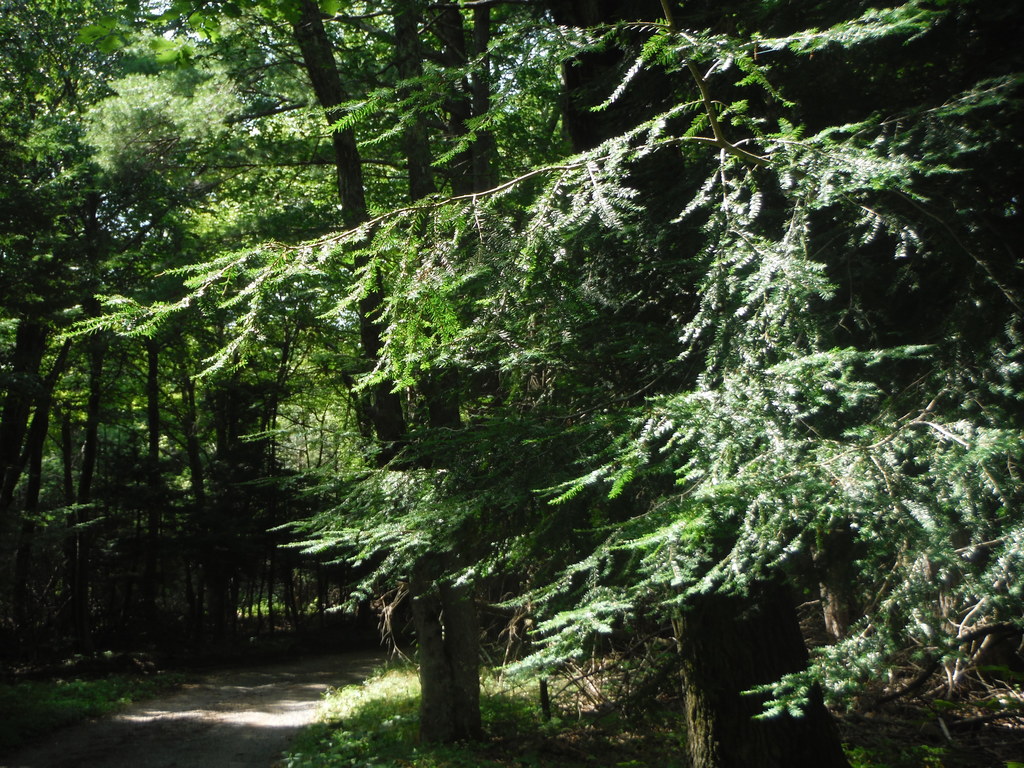
- Insects on hemlock – Tsuga spp
a) Adelges lepsimon (Hemiptera: Adelgidae) – found infesting Tsuga dumosa (Himalayan hemlock) trees in Bhutan.
b) bark beetle Pityokteines spinidens (Coleoptera: Curculionidae) – infesting Tsuga canadensis trees in an arboretum in the Czech Republic. Affected trees showed branch dieback, entry holes, and internal galleries.
Eastern hemlock has already been greatly reduced by hemlock woolly adelgid.
2. Several fungi infesting loblolly pine – Pinus taeda
needle chlorosis and drying, canopy dieback, and root necrosis on loblolly pines in Brazil is caused by the fungi Ilyonectria leucospermi, I. protearum, I. robusta, and I. vredehoekensis (Sordariomycetes: Hypocreales).
PestLens is supposed to alert APHIS to threats; I hope the agency is paying attention!
The USFS Southern Research Station reports that it is investigating brown spot needle blight, caused by the fungal pathogen called Lecanosticta acicola. The report says the pathogen has been present in the U.S. for more than 100 years, but does not indicate an origin. Other sources show it as widespread in both North America and Europe. The USFS notes two recent significant outbreaks, one affecting more than a million acres of loblolly pine in the Southeast, the second on eastern white pine in the Northeast. The pathogen also infects other species. .
You can subscribe to PestLens and receive weekly alerts – go to the website.
Posted by Faith Campbell