30 years of Analyzing Forest Pest Issues

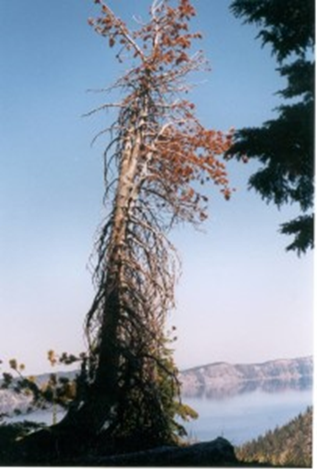
dead whitebark pine in Crater Lake National Park
photo by F.T. Campbell

I began studying and writing about the threat to North America’s forests from non-native insects and pathogens in the early 1990s – nearly 30 years ago. I reported my analyses of the evolving threat in the three “Fading Forests” reports – coauthored by Scott Schlarbaum – in 1994, 2003, and 2014. These reports are available here.

So what has changed over those 30 years? What remains the same? Why have both the changes and the stasis occurred? What can we do to fix the gaps, close unaddressed pathways, strengthen flabby policies? I will address these issues in this and following blogs.
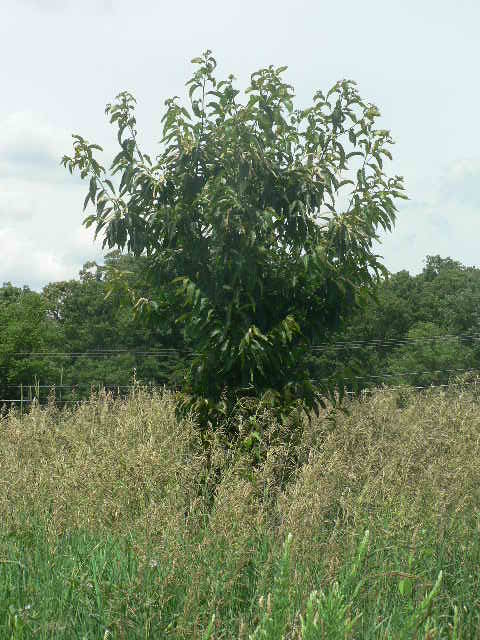
experimental American chestnut planted in Fairfax County, VA
photo by F.T. Campbell

What has changed since the early 1990s:

  • Adoption and implementation of significant new international and national regulations and programs aimed at preventing introductions of non-native invasive species.
  • Despite the welter of new regulations, an alarming increase in numbers of highly damaging forest pests established in the country.  (By my count, about 50 new species have established on the continent, six on Pacific islands; see details below.)
  • Alarming spread of established pests to new geographic regions and new hosts (e.g., emerald ash borer in 35 states and 5 provinces; laurel wilt disease across the range of redbay and swamp bay; rapid ‘ōhi‘a death on three of the main Hawaiian islands).
  • Introductions via unexpected pathways and vectors far removed from phytosanitary agencies’ usual targets, e.g., ship superstructures, imported steel and stone …

What has remained the same since the early 1990s:

  • Inadequate resources provided to response and recovery efforts.
  • Available funding focused on only a few of the more than 90 species causing damage.
  • Adoption of insufficiently protective regulations that have failed to prevent introduction and spread of tree-killing pests.
  • Lengthy delays in implementing programs that tighten controls – another factor in continuing introductions and spread.
  • Continued importance of expected pathways – nursery stock and raw wood, especially crates, pallets, and other forms of wood packaging.
  • Federal and state agencies still choose not to take action on pests e.g., goldspotted oak borer, polyphagous and Kuroshio shothole borers, beech leaf disease.
  • Inadequate coordination despite several efforts to set priorities.
  • Spurts of attention by media and political decision-makers, contrasted by lengthy periods of inattention.
  • Failure of most stakeholders to support efforts to prevent and respond to introductions of tree-killing pests. 

Details: The Situations Then and Now

(Many of the individual species mentioned here are described more fully here.  Full citations of sources are at the end of blog.)
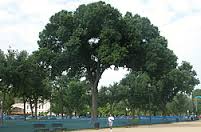
American elm on the National Mall, Washington, D.C.

photo by USDA Agricultural Research Service

In 1993:

  • The number of non-native forest pest species established in the U.S. was estimated at between 300 (Millers et al. 1993) and 380 (Mattson et al., 1994; Liebhold et al., 1995) .
  • The area suffering the greatest numbers and impacts was the Northeast.
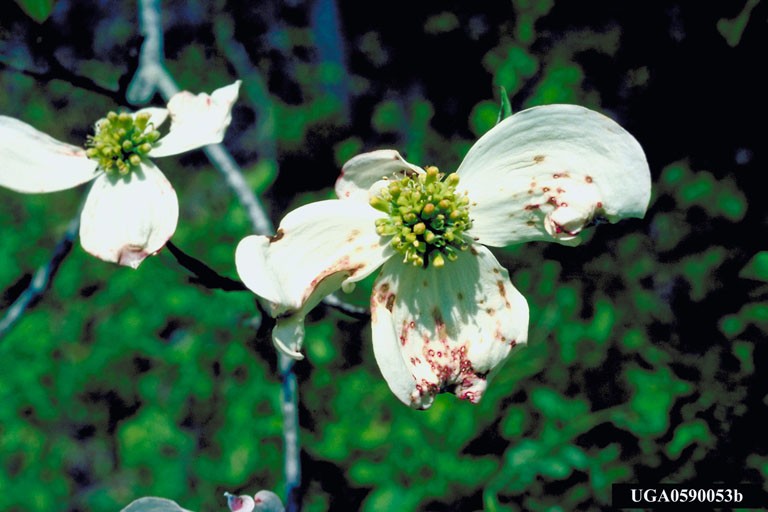
  • Several highly damaging pests that had been established for decades, including chestnut blight, white pine blister rust, Port-Orford-cedar root disease, Dutch elm disease, hemlock woolly adelgid, butternut canker, and dogwood anthracnose were receiving some attention but continued to spread.
  • USDA Forest Service funding for management of exotic pest infestations was crisis-oriented, with “… priorities … set under political pressures for immediate answers, with too much regard for short-term problems and too little consideration for broader management objectives.” (NAS 1975)
  • Since few high-profile pests had been introduced in recent years, APHIS was not actively engaged. In FY92, APHIS spent $20 million on efforts to eradicate the Asian gypsy moth. The narrow focus is illustrated by the fact that in FY93, more than two-thirds of all USDA tree pest control funds were devoted to efforts to suppress or eradicate the European gypsy moth (See FFI).
  • Concern about possible new introductions had grown; it focused on proposals to import unprocessed wood from Siberia, New Zealand, and Chile. The USDA Forest Service, academic scientists, and therefore APHIS emphasized the risks of known Asian pests, e.g., Asian gypsy moth, to western coniferous forests (See FFI). While individual scientists had expressed concern about wood packaging material, there was little public discussion of this threat.
  • We would learn later that several of the most damaging pests were already present in the country but not yet recognized – Asian longhorned beetle, sudden oak death pathogen, probably emerald ash borer.
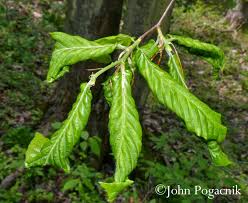
beech leaf disease

photo by John Pogacnik

In 2019:

  • Numbers of non-native insects and pathogens attacking trees in North America approach 500 species.  (In Fading Forests III, I calculated that by the first decade of the 21st Century, the number had risen to at least 475. Several more have been detected since 2014. More than 181 exotic insects that feed on woody plants had established in Canada. (Source: USDA APHIS. 2000. Wood packaging risk assessment.)
  • Of these, 91 are considered “serious” threats (Guo et al. 2019). This estimate excludes pests native to portions of North America that are causing severe damage in naïve hosts – e.g., goldspotted oak borer; pests of palms; and pests attacking trees on U.S. Pacific and Caribbean islands.
  • Introductions had continued.
    • Between 1980 and 2016, at least 30 non-native species of wood- or bark-boring insects (Scolytinae / Scolytidae) were newly detected in the U.S. (Haack and Rabaglia 2013; Rabaglia et al.  2019). A few of these are highly damaging, e.g. redbay ambrosia beetle, polyphagous and Kuroshio shothole borers.
    • In addition to these 30 new pests, other highly damaging tree-killing pests probably introduced since the 1980s include (on the continent):
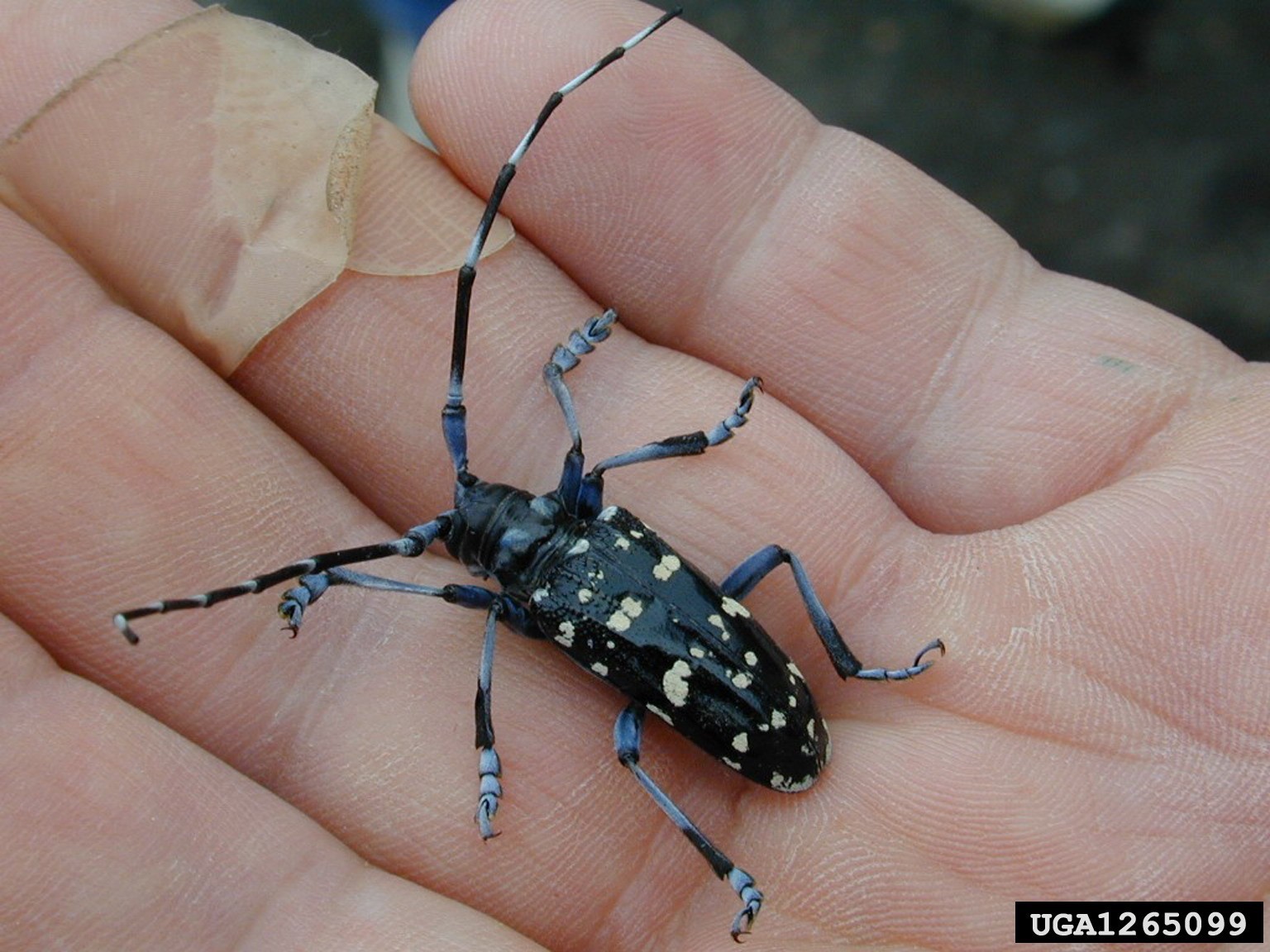
      • Eight Cerambycids such as Asian longhorned beetle (Wu et al. 2017)
      • 7 Agrilus, including emerald ash borer and soapberry borer; plus goldspotted oak borer transported from Arizona to California (Digirolomo et al. 2019; R. Haack, pers. comm.)
      • Sirex woodwasp
      • Pests of palm trees, e.g., red palm mite, red palm weevil, South American palm weevil
      • Spotted lanternfly
      • Beech leaf disease
    • Also not included in the above estimate and lists are tree-killing pests on America’s Pacific Islands :
      • ‘ōhi‘a rust
      • Cycad scale
      • Cycad blue betterfly
      • Erythrina gall wasp
      • two Ceratocystis pathogens that cause rapid ‘ōhi‘a death
      • Coconut rhinoceros beetle
    • Authorities also carried out approximately 25 eradication programs targetting introductions of the Asian gypsy moth (USDA Pest Alert Asian Gypsy Moth plus additional outbreaks since 2014).
  • Impacts of exacerbated tree mortality rates linked to these introduced pests are seen across wide swaths of the country, and affect widespread species, genera, and families. 
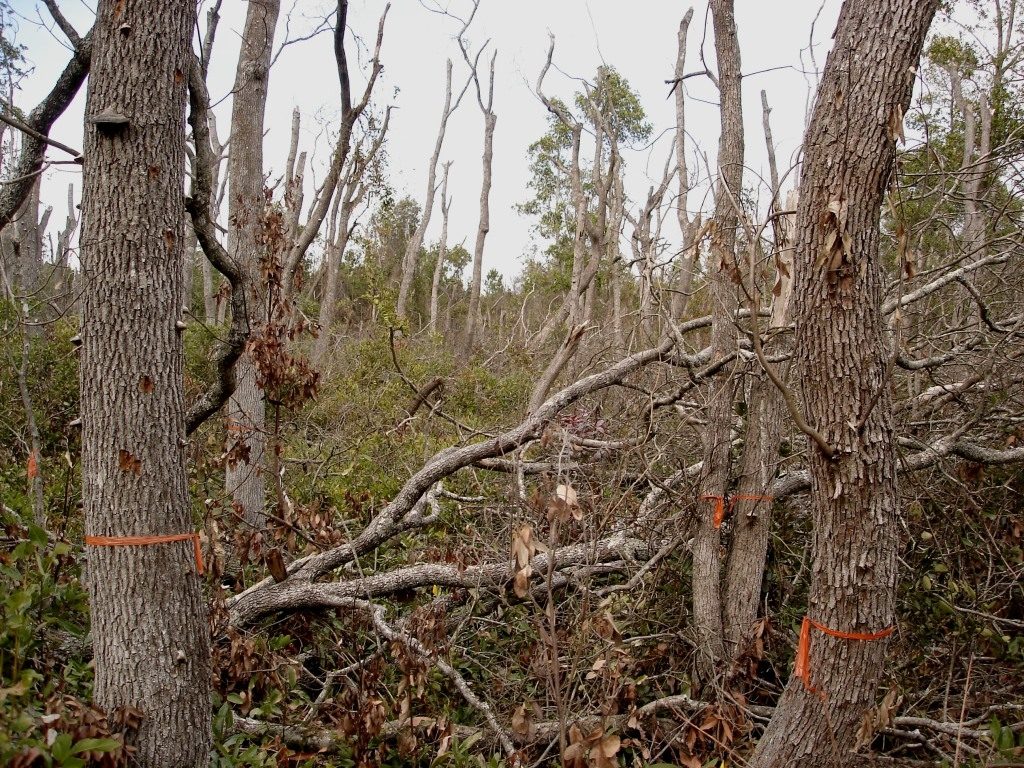
dead redbay in Claxton, Georgia
photo by Scott Cameron

I will discuss the risk of continuing new introductions in a separate blog.

Trying to Develop the Big Picture and Set Priorities

In recent years, USDA Forest Service scientists have made several attempts to provide nation-wide assessments of the impact of these pests and criteria for establishing priorities.

The National Insect and Disease Forest Risk Assessment predicted the loss of basal area to various pests over the 15-year time period 2012 – 2027. The assessment predicted the following losses for specific species: 90% for redbay; 60% for whitebark pine; more than 40% for limber pine; 24% for tanoak; 11% for coast live oak; 6% for eastern and Carolina hemlock; 27% for eight species of ash; 20% for American elm; 19% for red oak; 18% for American beech (Krist et al. 2014).

A separate group of scientists found that, nation-wide, non-native forest pests are causing an approximate 5% increase in total mortality by tree volume (Randy Morin at NEFPC). For details on Dr. Morin’s findings, see my blog here.

A third approach to developing a nation-wide picture, Project CAPTURE, (and my blog here) utilized FIA data to develop priorities for conservation action. Fifteen species were placed in the highest priority category, including Florida torreya (Torreya taxifolia), American chestnut and Allegheny and Ozark chinquapins, redbay, five species of ash, two species of hemlock, Port-Orford cedar, tanoak, and butternut (Potter et al. 2019(b).

According to Project CAPTURE, the non-native pests affecting the largest number of hosts are the European gypsy moth, which attacks 65 hosts; and oak wilt (Bretziella fagacearum), which infects 61 hosts. The Asian longhorned beetle attacks 43 hosts (Potter et al. 2019(b).

I note that several other non-native pests also have high numbers of host species. In the Project CAPTURE study, these pests are ranked lower because the project limited its evaluation to the five agents with the greatest effect on any particular host. Thus, of the 18 native tree species that host one or both of the invasive shothole borers and associated Fusarium disease complex (PSHB website), the project included only six. Of the 22 tree species listed by APHIS as hosts of Phytophtora ramorum, the project included 12 (K. Potter, pers. comm. April 17, 2019).
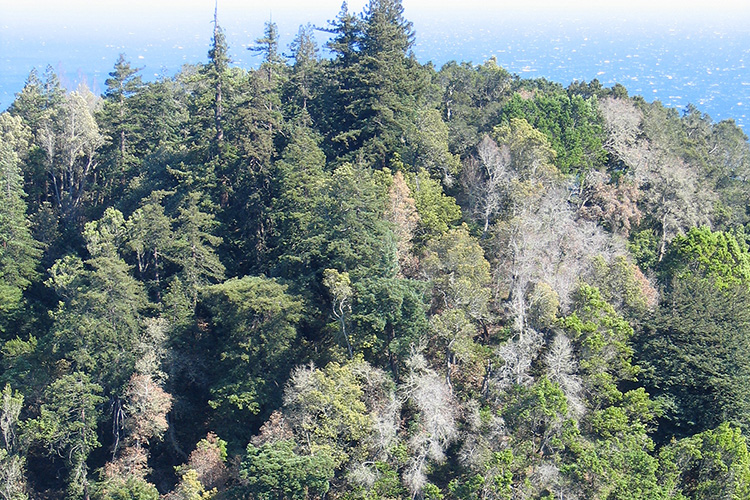
SOD-killed tanoak on the Big Sur peninsula, California
photo by Matteo Garbelotto, University of California Berkeley

More extensive discussions of non-native pests’ impacts are provided in Lovett et al. 2006, Lovett et al. 2016, and Potter et al. 2019. A book-length discussion of invasive species impacts – ranging from feral hogs to invasive plants, is expected in December; look for Poland et al. (in press).

SOURCES

Aukema, J.E., D.G. McCullough, B. Von Holle, A.M. Liebhold, K. Britton, & S.J. Frankel. 2010. Historical Accumulation of Nonindigenous Forest Pests in the Continental United States. Bioscience. December 2010 / Vol. 60 No. 11

Digirolomo, M.F., E. Jendek, V.V. Grebennikov, O. Nakladal. 2019. First North American record of an unnamed West Palaearctic Agrilus (Coleoptera: Buprestidae) infesting European beech (Fagus sylvatica) in New York City, USA. European Journal of Entomology. Eur. J. Entomol. 116: 244-252, 2019

Guo, Q., S. Fei, K.M. Potter, A.M. Liebhold, and J. Wenf. 2019. Tree diversity regulates forest pest invasion. Proceedings of the National Academy of Sciences of the United States of America. www.pnas.org/cgi/doi/10.1073/pnas.1821039116

Haack, R.A. and R.J. Rabaglia. 2013. Exotic Bark and Ambrosia Beetles in the USA: Potential and Current Invaders. CAB International 2013. Potential Invasive Pests of Agricultural Crops (ed. J. Peña) 

Krist, F.J. Jr., J.R. Ellenwood, M.E. Woods, A. J. McMahan, J.P. Cowardin, D.E. Ryerson, F.J. Sapio, M.O. Zweifler, S.A. Romero 2014. National Insect and Disease Forest Risk Assessment. United States Department of Agriculture Forest Service Forest Health Technology Enterprise Team FHTET-14-01

Leung, B., M.R. Springborn, J.A. Turner, E.G. Brockerhoff. 2014. Pathway-level risk analysis: the net present value of an invasive species policy in the US. The Ecological Society of America. Frontiers of Ecology.org

Liebhold, A. M., W. L. MacDonald, D. Bergdahl, and V. C. Mastro.  1995.  Invasion by exotic forest pests:  a threat to forest ecosystems.  Forest Sci., Monograph 30. 49 pp.

Lovett, G.M., C.D. Canham, M.A. Arthur, K.C. Weathers, and R.D. Fitzhugh. Forest Ecosystem Responses to Exotic Pests and Pathogens in Eastern North America. BioScience Vol. 56 No. 5 (May 2006)

Lovett, G.M., M. Weiss, A.M. Liebhold, T.P. Holmes,  B. Leung, K.F. Lambert, D.A. Orwig, F.T. Campbell, J. Rosenthal, D.G. McCullough, R. Wildova, M.P. Ayres, C.D. Canham, D.R. Foster, SL. Ladeau, and T. Weldy. 2016. NIS forest insects and pathogens in the US: Impacts and policy options. Ecological Applications, 26(5), 2016, pp. 1437–1455

Mattson, W. J., P. Niemela, I. Millers, and Y. Ingauazo.  1994. Immigrant phytophagous insects on woody plants in the United States and Canada: an annotated list.  USDA For. Ser. Gen. Tech. Rep. NC-169, 27 pp.

Millers, I. United States Department of Agriculture, Forest Service Entomologist, Forest Health Protection Northeastern Area State and Private Forestry. Durham, NH. Personal communication to F.T. Campbell, 1993.

Morin, R. presentation at Northeastern Forest Pest Council 81st Annual Meeting, March 12 – 14, 2019,  West Chester, Pennsylvania

National Academy of Sciences. 1975. Forest Pest Control. Washington, D.C.

Poland, T.M., Patel-Weynand, T., Finch, D., Miniat, C. F., and Lopez, V. (Eds) (2019), Invasive Species in Forests and Grasslands of the United States: A Comprehensive Science Synthesis for the United States Forest Sector.  Springer Verlag. (in press).

Polyphagous shothole borer website https://ucanr.edu/sites/pshb/overview/About_PSHB/

Potter, K.M., M.E. Escanferla, R.M. Jetton, and G. Man. 2019. Important Insect and Disease Threats to US Tree Species and Geographic Patterns of Their Potential Impacts. Forests 2019, 10, 304.

Potter, K.M., Escanferla, M.E., Jetton, R.M., Man, G., Crane, B.S. 2019. Prioritizing the conservation needs of US tree spp: Evaluating vulnerability to forest insect and disease threats, Global Ecology and Conservation (2019), doi: https://doi.org/10.1016/

Rabaglia, R.J., A.I. Cognato, E. R. Hoebeke, C.W. Johnson, J.R. LaBonte, M.E. Carter, and J.J. Vlach. 2019. Early Detection and Rapid Response. A Ten-Year Summary of the USDA Forest Service Program of Surveillance for Non-Native Bark and Ambrosia Beetles. American Entomologist Volume 65, Number 1 

USDA, Animal and Plant Health Inspection Service. 2014. Asian gypsy moth pest alert https://www.aphis.usda.gov/publications/plant_health/content/printable_version/fs_phasiangm.pdf and pers. comm.

U.S. Department of Agriculture, Animal and Plant Health Inspection Service.  2009.  Risk analysis for the movement of wood packaging material (WPM) from Canada into the US.

Wu,Y., N.F. Trepanowski, J.J. Molongoski, P.F. Reagel, S.W. Lingafelter, H. Nadel1, S.W. Myers & A.M. Ray. 2017. Identification of wood-boring beetles (Cerambycidae and Buprestidae) intercepted in trade-associated solid wood packaging material using DNA barcoding and morphology  Scientific Reports 7:40316
Where is APHIS going?

As indicated by Strategic Plans and Annual Reports

APHIS HQ in Riverside Maryland

In recent months, APHIS has released its 2019–2023 Strategic Plan and its 2018 annual report – which outlines how well the agency is doing in achieving goals from the 2015-2018 Strategic Plan. There is lots of information in these documents – but it is often presented in ways that make understanding it difficult. Still, I will attempt to compare the APHIS’ 2015 Strategic Plan and the 2019 Plan as well as review recent annual reports to see what priorities APHIS has set and how well it is realizing them.

APHIS’ Mission

According to the APHIS website, the agency’s mission is to safeguard U.S. agricultural and natural resources against the entry, establishment, and spread of economically and environmentally significant pests and to facilitate the safe trade of agricultural products.

The 2019 Plan shortened this Mission: To safeguard the health, welfare, and value of American agriculture and natural resources.

The 2019 Plan links the Mission tightly to U.S. Department of Agriculture priorities, e.g., honesty and integrity, commitment, accountability, reliability, and responsible stewardship of taxpayer resources. There follow promises to deliver services with a customer focus, efficiency and responsiveness, and ensuring that phytosanitary protection is at a reasonable cost. There is great emphasis in the 2019 plan on understanding how agricultural businesses operate, collaborating with partners, and seeking alternatives to regulation.

USDA Secretary Sonny Perdue

Goals

The 2019 Strategic Plan also amends the agency’s goals – they are much more general, less specific. The new goals emphasize program efficiency, collaborative approaches, and empowering employees. Perhaps these changes were made because the 2019 Plan covers the entire agency while the earlier (2015) Plan guided only Plant Protection and Quarantine (PPQ. However, I fear that the new goals reflect a much greater emphasis on non-regulatory approaches.

Contrasting Goals

The 2015 Strategic Plan’s three goals are:

1. Strengthen APHIS Plant Protection and Quarantine’s (PPQ) pest exclusion system;

2. Optimize domestic pest management and eradication programs; and

3. Increase the safety of agricultural trade to expand economic opportunities in the global marketplace.

The 2019 Strategic Plan goals:

1. Deliver efficient, effective, and responsive programs.

2. Safeguard American agriculture.

3. Facilitate safe U.S. agricultural exports.

I excluded from my analysis generalized goals and objectives pertaining to employee training, empowerment, etc.

Each of the plans’ goals is supported by several objectives, and in the 2019 Plan by tactics. These are the specific actions that are to be taken – and progress measured. All the objectives and actions in the 2015 Strategic Plan are relevant to APHIS’ Plant Protection and Quarantine program, whereas only a few of the 2019 Plan are.

Will this mean that we will lose track of what is happening in important areas?

For now, I provide a summary of events and progress as reported in the annual reports from 2015 to 2018.

2015 Strategic Plan Goal 1. Strengthen PPQ’s pest exclusion system. The objectives called for addressing pest risks at the first opportunity – preferably at the point of origine; and making better use of the information the agency collects to target and reduce pest threats.

Strategic Plan Goal 2. Optimizing pest management and eradication. The objectives called for closer coordination with partners to focus combined resources on obtaining the greatest results.

Strategic Plan Goal 3: Increase the safety of agricultural trade to expand economic opportunities in the global marketplace. These objectives integrated APHIS into collaborating with foreign counterparts to promote the development and use of internationally and regionally harmonized, science-based phytosanitary measures. The purpose is to reduce barriers to trade, especially U.S. agricultural exports.

APHIS also promised to use the best available science, data, and technologies to strengthen the agency’s effectiveness and deliver results for the industries it serves.

Assessing Progress

Unfortunately, APHIS did not stick to standardized metrics in the annual reports. This lapse undermines efforts to use the reports to evaluate progress. Use of different metrics are apparent in reporting on a) numbers of pre-clearance programs, b) Asian gypsy moth detections; c) volumes of seed imported; d) amounts of illegal imports seized.

Progress on Goal 1, Objective 1: Address Risks Early

The first opportunity to counter a pest risk is offshore – before the product or crate or container even starts its journey to the U.S.

APHIS has expanded its off-shore pre-clearance programs under which shipments of fruit, vegetables, bulbs and plants are inspected overseas – so as to catch pests before the products even begin their journey. Between 2015 and 2018, the number of programs grew from 30 programs in an unspecified number of countries to programs covering 72 different types of commodities in 22 countries.

APHIS is concerned about the pest risks associated with the huge volume of ornamental plant cuttings shipped to the US. As pointed out in the 2017 report, more than half of the bedding plants sold at retail started from a cutting produced in a greenhouse located offshore – usually in a tropical or subtropical country. The high-volume imports impose a heavy burden on inspectors at APHIS’ 16 Plant Inspection Stations. APHIS already had a small program encouraging producers to follow “clean” procedures in growing plants; in 2016 it involved 17 facilities. That same year, APHIS began framing a larger program that would provide incentives to encourage production facilities voluntarily to adopt integrated pest management measures. However, a six-month test in 2017 did not demonstrate that the program brought about a statistically significant reduction in risk. So PPQ and its partners in the U.S. nursery industry agreed to repeat the pilot during the 2018–2019 shipping season and refine the voluntary certification program (2018 report).

Post-Entry Safeguards

A second line of defense is quarantine within the United States after plants are imported – so-called “post-entry quarantine”. This program allows importers to bring in small numbers of plants that pose a particularly high risk of transporting pests so that they can be incorporated into U.S. agricultural (including horticultural) production. These plants are placed in a certified quarantine facility for close observation – usually for a two-year period. Program requirements are described here. Over the years covered by these annual reports, the number of plants released from PEQ varied considerably – as high as 898 in 2017, half as many (425) in 2018, with intermediate numbers in the earlier years. The number of species has varied less – between 10 and 14, with the highest in 2017. I was unable to detect a pattern.

Results of these efforts – Numbers of pests detected

1. Detections at the Ports

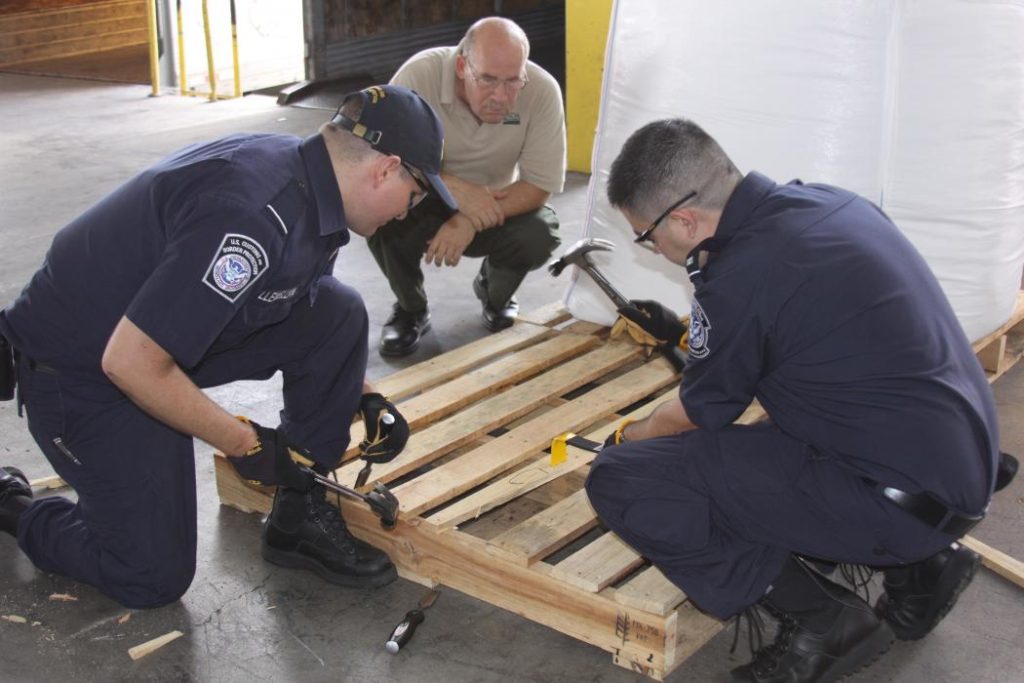
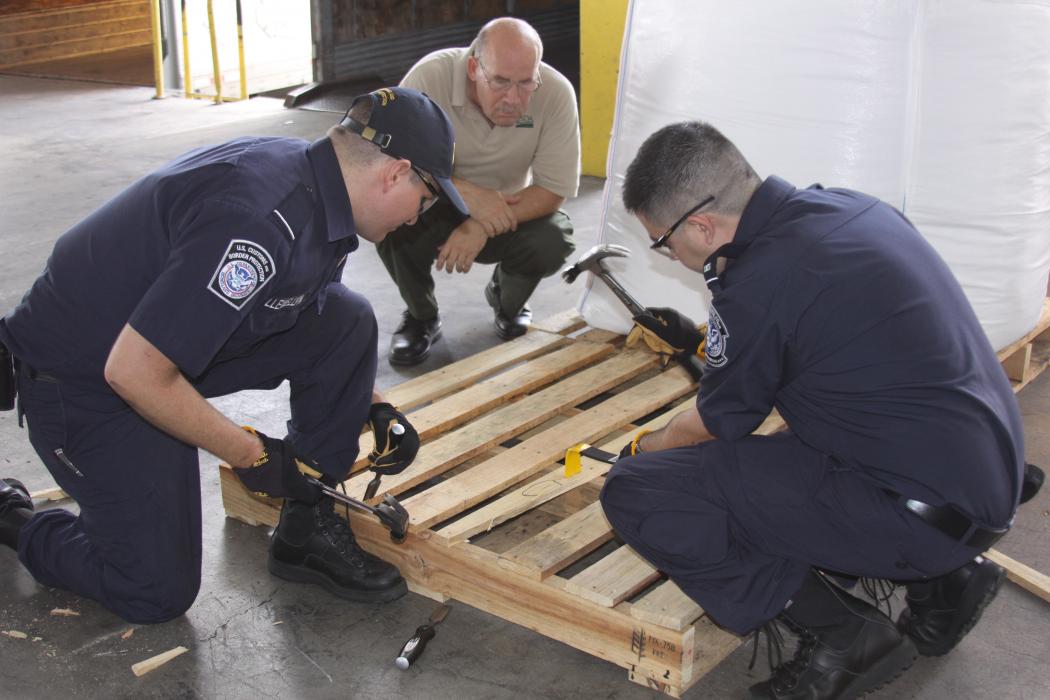
CBP inspectors examining wood packaging material

The 2015 report stated that the agency had detected more new pest detections and saw higher numbers of pest outbreaks than in previous years (but it did not provide specific numbers). Subsequent reports show declines in pests detected (although we cannot evaluate the “pest approach rate” because key information is not collected) [see Appendix II of Fading Forests III, available here] In 2016, APHIS identified 162,000 pests in imported shipments; of this total, 73,700 were quarantine pests. The 2017 report said APHIS identified 143,411 pests in imported shipments; of this total, 71,158 were quarantine pests. In 2018, APHIS identified 140,822 pests; nearly half of this total were quarantine pests.

A particularly dangerous pest: Asian Gypsy Moth 

Among the detections reported are those of the Asian gypsy moth egg masses on ships from Asia.

Phytosanitary officials and conservationists have been concerned about this threat since the early 1990s. APHIS and its Canadian counterpart (Canadian Food Inspection Agency) and the two countries’ customs agencies have worked together since then to minimize the likelihood that AGM egg masses will be transported on ships or hard cargo (containers, automobiles, etc.). The most important step was the adoption by the North American Plant Protection Organization link of Regional Standard of Phytosanitary Measures (RSPM) No. 33 in 2009; it was revised in 2015 and 2017.

While the standard has apparently resulted in significant declines in arrivals of ships contaminated by egg masses, the lack of consistent reporting measures make it difficult to compare detection results from year to year. In the various reports, APHIS reports varying types of data – e.g., sometimes percentage of ships, sometimes number of ships, sometimes percentage decline in number of egg masses found on ships For example,  the 2017 report stated that the number of incoming ships with AGM egg masses had been reduced from 48 in 2014 to 0 2017. The 2018 report is confusing. In a single paragraph (p. 5) it states both that more than 98% of inspected vessels entering U.S. ports from Asia were free of AGM; and that the compliance rate hit an all-time high of 92%, a 10% increase over the previous year’s rate.

The annual reports also describe regional and international efforts to reduce the likelihood that AGM egg masses will be transported to North America. The 2016 and 2017 reports described meetings with Canada and Chile – other countries worried about AGM introductions – and with four “source” countries — China, Japan, Russia, and South Korea – to promote better compliance with vessel certification program requirements. Also, APHIS began monitoring for AGM on U.S. military bases in Japan and South Korea.

The reports also note progress in ensuring eradication of AGM outbreaks in various U.S. locations. There had been single AGM moths detected in Oklahoma in 2013 and 2014; in South Carolina in 2014 and 2015; and in Georgia in 2015. (News releases had also reported AGM egg masses on a ship in Baltimore harbor in 2013.) The 2017 report notes that after three years of negative surveys, PPQ confirmed that Oklahoma is free of the pest. The 2018 report said South Carolina and Georgia also had been declared free of AGM. Surveys continue in treated areas of Washington and Oregon, where 14 moths were found in 2015 (2017 report).

2. Pests Detected in Sea Containers

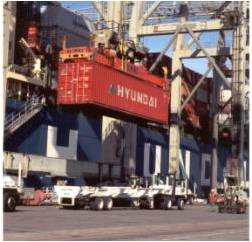
a shipping container being offloaded at Port of Long Beach, California

In 2016, PPQ initiated a collaborative exploration with Canada and the shipping and sea container industries to address pest risks associated with the movement of sea containers. The goal of the initiative is to develop container-cleaning guidelines that can be implemented on a global scale. In 2017, PPQ gave a presentation to the members of the International Plant Protection Convention (IPPC) re: the complexity of this issue. The IPPC formed a Sea Container Task Force, which continues to work.

A specific case (which should not have been a surprise)

In 2017, APHIS was startled to learn from an importer that containers of airplane parts shipped from Italy were infested by snails. APHIS began working with both the importers and the suppliers to minimize the presence of snails. I confess to a sense of irony. Wood packaging from Italy has been a well-recognized pathway for the movement of snails since at least 1985! How could APHIS staff be surprised when snails turn up on containers? I hope APHIS’ effort to persuade Italian machinery manufacturers to clean up their loading docks and storage facilities are more successful than similar efforts in the past targetting marble quarries and tile manufacturers.

3. Pests Detected in Imports of Living Plants and Seeds.

Plant import volumes have averaged about 1.5 billion units (cuttings, whole plants, other propagative materials) per year in 2015 through 2018. (The recent import level is less than half the volume of imported plants before the Great Recession in 2008 – those imports exceeded 3.15 billion plants in 2007 – Liebhold et al. 2012; full citation at end of blog.) Reported imports of seed were sometimes in pounds, sometimes in tons (not clear whether Imperial or metric tons), and once in kilograms. So, if my math is correct, seed imports probably varied from a low of 1.39 million pounds in 2018 to a high of 3.74 million pounds in 2017. The number of shipments in which the plant units were packaged varied from a high of more than 19,000 in 2015 to a low of 17,000 in 2017. Again, I cannot detect a pattern.

The number of quarantine pests detected varied from a low of 690 in 2016 to a high of 1,173 in 2918. That last year also had the highest number of plant units imported – 1.7 billion – 100,000 to 200,000 more than in previous years. Whether these detection numbers accurately reflect the true pest approach rate via this pathway is difficult to know. A study by Liebhold et al. (2012 full citation at end of blog) found that up to 72% of infested shipments were not detected by inspectors.

Progress on Goal 1, Objective 2: Making Better Use of Information

A major thread in past analyses of APHIS programs is the poor use of data to evaluate and improve program efficacy. APHIS is trying to overcome these deficiencies (although note the use of inconsistent numbers in the annual reports).

One important focus is the on-going effort to implement risk-based sampling protocols at the Plant Inspection Stations. APHIS says its goal is to ensure that an inspector operating with 80% efficiency is able to detect any shipment with a 5% infestation level. The level of confidence that such a detection has been accurate should be 95%. Developing the sampling and inspection system has been a challenge; APHIS adjusted one aspect of it in 2018 (according to that year’s annual report). APHIS is also using statistical methods to try to estimate the pest approach rates for specific types of plant material (2017 report).

APHIS is also striving to integrate its data analysis programs with those of DHS Bureau of Customs and Border Protection (CBP). A pilot program testing risk-based sampling at four Texas border ports focuses on imported commodities rather than the accompanying wood packaging. This is unfortunate given the high levels of detection of wood packaging from Mexico that is in violation of applicable international rules in ISPM#15). [See my discussion from February 2017.]

Finally, APHIS is testing use of molecular diagnostics to detect diseases that may not be found through visual inspection – although this is still experimental in 2018 after more than two years of evaluation.

Progress on Goal 2: Optimizing Pest Management and Eradication

Remember that the objectives emphasized coordinating with and “wisely us[ing]” partners’ abilities.

Seizures of illegal imports

Again, the reporting units vary so it is hard to compare between years. In 2015 and 2016, seizures were reported in pounds of prohibited plants, plant products, meat, and meat products that had entered the country illegally. Such seizures fell from more than 290,000 pounds in 2015 to 102,000 pounds in 2016. In 2017 and 2018, seizures were reported as numbers of prohibited items and their retail value. In 2017, APHIS seized 2,347 prohibited agricultural items valued at more than $554,000 from retail stores, internet sales, and express shipment courier inspections. In 2018, seizures rose to 3,222 prohibited items valued at over $2.6 million.

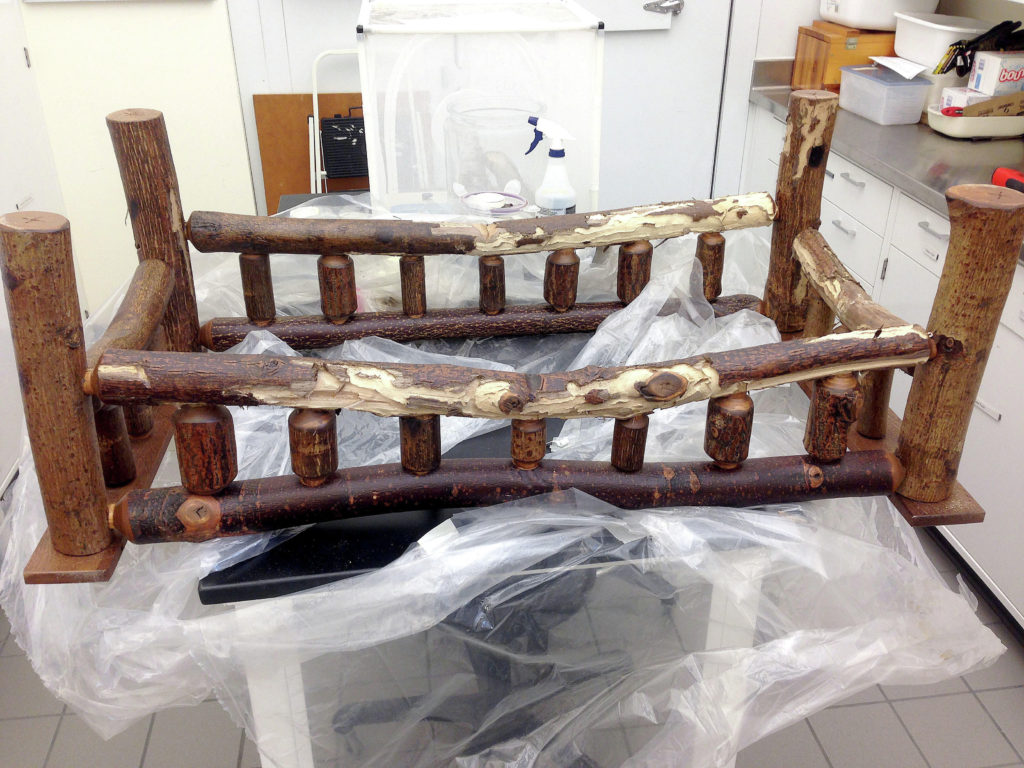
011817.N.DNT.INFESTEDFURNITUREc2 — The burrowing larvae of a velvet longhorned beetle was found in rustic log furniture imported form China. State insect experts are asking people who may have purchased imported log furniture to check for inspect damage and report any findings of insects. Photo courtesy Minnesota Department of Agriculture

APHIS also sometimes recalled items – there were 24 national recalls in 2017, 28 in 2018. In 2016, PPQ’s Furniture Recall Team coordinated a nationwide consumer-level recall of imported pine furniture after customers complained that insects, later identified as brown fir longhorned beetles, were emerging from the furniture. The combined federal-state-retailer effort recovered and destroyed 83% of the purchased furniture pieces and 100 % of the furniture that remained in the warehouse. This effort won APHIS’ internal Safeguarding Award in 2016.

Pest Eradications (I include here only tree pests; the reports note success on European grape vine moth and pink bollworm.)

Annual reports noted gradual progress in eradicating Asian longhorned beetle outbreaks. As of 2016, APHIS reported eradication of 85% of the ALB-infested area in New York, 34% of the area Massachusetts, and 15% of the OH infestation. In 2018, APHIS announced eradication of ALB from two townships in Clermont County, Ohio.

In 2016 APHIS reported that it has begun focusing the emerald ash borer program on biocontrol. The agency reported releasing more than 1.2 million parasitic wasps in 20 states in what the agency called “trial releases” in 2015. By 2017 the agency released wasps in 25 states and the District of Columbia and reported detections of reproducing wasp populations in 14 states. In 2018, APHIS released more than 1 million wasps – again in 25 states; and reported recoveries of offspring in 17 states. In that last year, APHIS issued a formal proposal to end the regulatory program restricting movement of EAB vectors. In earlier blogs I explained my opposition to this proposal. See earlier blogs here and here

This proposal was adopted after APHIS implemented a new “decision framework” (see 2016 report). Presumably APHIS considers this framework to implement Goal 2,” Optimize domestic pest management and eradication programs.”  Given the controversy around the emerald ash borer proposal, however, I am skeptical that it fulfills the two objectives – coordinating with partners and using partners’ “ unique capacities … to strengthen and extend PPQ’s domestic programs.” Instead, to me, this decision reflects the agency’s eagerness to dump difficult programs onto others – in this case, state agencies and conservation organizations. For more on this “dumping” proclivity, see also “FRSMP” below.

In 2018 APHIS also reported expanding its engagement with the spotted lanternfly — which I think should have been much more vigorous earlier [see here]. APHIS said it would focus on the leading edge of the infestation in Pennsylvania, while the Pennsylvania Department of Agriculture took the lead within the core infested area. APHIS also said it would assist State departments of Agriculture in Virginia, New Jersey, and Delaware, where outbreaks have been detected.

Surveys

Pest surveys are one tool for early detection of pests, so they are important to pest eradication and management. Surveys have long been collaborative efforts with the states and others, funded through the CAPS and Farm Bill programs (see below). The number of pests targeted in the surveys have crept up from 346 in 2015 to 386 in 2018. The number of quarantine pests detected varies year-to-year: 16 in 2016; 30 in 2017; 12 in 2018. According to the report, all were detected before they could cause significant damage.

APHIS has been testing use of both dogs and unmanned aircraft (drones) for surveys of tree pests. Dogs have shown promise in detecting AGM egg masses on ships, coconut rhinoceros beetle in mulch piles, and insect frass in wood packaging.

Other Initiatives

APHIS is actively pressing for widespread adoption of electronic phytosanitary certificates, which it expects to both ease processing burdens and reduce opportunities for fraud. Efforts include test exchanges of electronic certificates with a growing number of countries and development of an action plan to be presented to the International Plant Protection Convention decision-making body in 2018.

Another initiative is to develop a holistic, integrated management systems approach to reduce risks associated with international movement of seed (a very complex trade!).

Farm Bill projects

Funding for projects under the Plant Pest and Disease Management and Disaster Program (Section 10007 of the Farm Bill; now Section 7721 of the Plant Protection Act) was not reported in the 2015 or 2016 annual reports. My analysis of the program website found that $62.5 million worth of projects was funded in FY15; 58.25 million was funded in FY17. By 2018, a total of $75 million worth of projects was funded. The number of projects funded has increased as a result – from about 430 in 2015 and 2016 to 483 in 2017 and 519 in 2018.  According to my calculations, the proportion of the funding going to tree pests has averaged a little over 10% in most years. 2016 saw a spike because of spending to suppress the spotted lanternfly in Pennsylvania and to eradicate AGM outbreaks in Washington and Oregon.

Federally Recognized State Managed Phytosanitary (FRSMP) Program

In theory, the FRSMP program supports states’ efforts to prevent pests that are no longer federally regulated from entering the state’s territory. To be covered under the FRSMP Program, a pest must pose an economic or environmental risk to a state, and the state must have a program in place to eradicate, exclude or contain it. In those cases, a State may petition PPQ to list the species under the program. Between 2010 and 2018, APHIS, in collaboration with the National Plant Board, changed the regulatory status of 105 pests. I worry that at least some of these pests should continue to be the target of a federal program. My worry is exacerbated by APHIS’ plan to deregulate the emerald ash borer (described above).

Goal 3: International Coordination to Develop Science-Based Standards

The APHIS annual reports demonstrate APHIS’ active engagement with international standard-setting bodies in pursuit of its goal of pre-empting conflicts with trade partners by getting international agreement to appropriate phytosanitary measures. Since 2016, the International Plant Protection Convention has adopted 36 new international standards. The North American Plant Protection Organization adopted a new standard for using systems approaches to manage pest risks associated with the movement of forest products. APHIS assigns staff to participate on expert panels and committees, comments on draft standards, and help define the organizations’ agendas.

Forest-pest related issues addressed through one or both of these organizations include both an international and regional standard for the movement of wood products, and adoption of two new treatments for wood packaging. APHIS was also a key player in organizing two workshops aimed at improving compliance with the international wood packaging standard (ISPM#15) and another aimed at improving compliance with the ship-sanitation program intended to curtail transport of AGM egg masses. APHIS also coordinates closely with Australia, New Zealand, as well as Canada (called “the Quads”), to advance shared standard-setting priorities at the IPPC and launch key initiatives of mutual interest.

As I said at the beginning of the blog, APHIS issued a new Strategic Plan [available here] in autumn 2018. A table in Appendix A of the report provides support for some of my concerns.

Regarding APHIS’ backing away from regulatory programs and difficult pests, the table shows that 11 deregulatory actions were published in FY2017; the target for FY18 is 10, the target for FY19 is 15. Furthermore, Objective 1.3, states that APHIS will remove obstacles by ending regulations that place burdens on stakeholders but that are not supported by current science or practices. APHIS has also reinstated an internal executive regulatory management group to identify APHIS’ regulatory needs early and track them through approval.

I am even more concerned that the “performance measure” in the table in Appendix A anticipates that the percentage of high-risk pests surveyed for under the CAPS program will fall from 96% in FY17 to just 80% in FY19.

The 2019 Strategic Plan continues an earlier emphasis on science-based decisions, modernizing procedures, improving utilization of data, the need to be flexible and adjust to new situations, to work closely with partners, and to maintain leadership role in international bodies aimed at achieving protection goals while promoting safe trade. The vast majority of examples and specific actions listed in the plan pertain to animal disease issues; some actions could be interpreted as applying to both animal and plant sanitary issues. The table in Appendix A anticipates that ten new regional or international standards will be adopted in both FY2018 and FY2019.

The few plant-specific actions in the plan include the following matters that continue from previous years – but without any recognition of problems revealed in the annual reports:

• Imported plant cuttings that are produced in approved offshore facilities will be processed through a streamlined system. No mention is made that the 2017 pilot program failed to demonstrate the expected reduction of pest risk.

• By FY2019 (the current year), 60% of incoming shipments of plants will be inspected under the Risk Based Sampling (RBS) system. No mention is made of the still “in development” aspect of this system, as revealed in the 2018 and other annual reports.

• Development will continue of a new regulatory approach for seed imports based on Regulatory Framework for Seed Health (ReFreSH) (a systems approach which has been under development for several years).

• Addressing the threat of invasive pests and diseases associated with the international movement of sea containers (an international initiative begun a few years ago).

• Strengthening the North American perimeter against pest threats from outside the region.

• Preventing the sale of prohibited plant material via the internet or e-commerce.

SOURCE

Liebhold, A.M., E.G. Brockerhoff, L.J. Garrett, J.L. Parke, and K.O. Britton.  2012.  Live plant imports:  the major pathway for forest insect and pathogen invasions of the US.  Frontiers in Ecology and the Environment, 10(3): 135-143.  Online at: http://www.ncrs.fs.fed.us/pubs/jrnl/2012/nrs_2012_liebhold_001.pdf.  Accessed December 7, 2012.

Posted by Faith Campbell

We welcome comments that supplement or correct factual information, suggest new approaches, or promote thoughtful consideration. We post comments that disagree with us — but not those we judge to be not civil or inflammatory.

Collapse of Biodiversity – Causes and What We Can Do

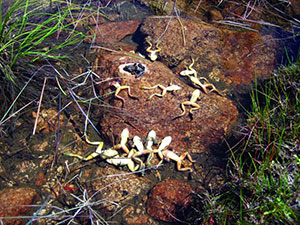
frogs in California killed by chytrid fungus
photo by Rick Kyper, US Fish and Wildlife Service

I expect you have heard about the report issued on May 6 by the Intergovernmental Science-Policy Platform on Biodiversity and Ecosystem Services. The executive summary is available here

Based on thousands of scientific studies, the report concludes that the biosphere, upon which humanity as a whole depends, is being altered to an unparalleled degree across all spatial scales. The trends of decline are accelerating. As many as 1 million species (75% of which are insects) are threatened with extinction, many within decades.

Humans dominate Earth: natural ecosystems have declined by 47% on average. Especially hard-hit are inland waters and freshwater ecosystems: only 13% of the wetland present in 1700 remained by 2000. Losses have continued rapidly since then.

The report lists the most important direct drivers of biodiversity decline – in descending order – as habitat loss due to changes in land and sea use; direct exploitation of organisms; climate change; pollution; and invasive species. The relative importance of each driver varies across regions.

If you have been paying attention, these conclusions are not “news”.

However, the report serves two valuable purposes. First, it provides a global overview, a compilation of all the data and trends. Second, the report ties the direct drivers to underlying causes which are in turn underpinned by societal values and behaviors. Specifically mentioned are production and consumption patterns, human population dynamics and trends, trade, technological innovations, and governance (decision making at all levels, from local to global).

The report goes to great lengths to demonstrate that biological diversity and associated ecosystem services are vital for human existence and good quality of life – especially for supporting humanity’s ability to choose alternative approaches in the face of an uncertain future. The report concludes that while more food, energy and materials than ever before are now being supplied to people, future supplies are undermined by the impact of this production and consumption on Nature’s ability to provide.   

The report also emphasizes that both the benefits and burdens associated with the use of biodiversity and ecosystem services are distributed and experienced inequitably among social groups, countries and regions. Furthermore, benefits provided to some people often come at the expense of other people, particularly the most vulnerable.  However, there are also synergies – e.g., sustainable agricultural practices enhance soil quality, thereby improving productivity and other ecosystem functions and services such as carbon sequestration and water quality regulation.

The report contains vast amounts of data on the recent explosion of human numbers and – especially – consumption – of agricultural production, fish harvests, forest products, bioenergy production … and on the associated declines in “regulating” and “non-material contributions” ecosystem services. In consequence, the report concludes, these recent gains in material contributions are often not sustainable.

While invasive species rank fifth as a causal agent of biodiversity decline globally, alien species have increased by 40% since 1980, associated with increased trade and human population dynamics and trends. The authors report that nearly 20% of Earth’s surface is at risk of bioinvasion. The rate of invasive species introduction seems higher than ever and shows no signs of slowing.

The report notes that the extinction threat is especially severe in areas of high endemism. Invasive species play a more important role as an extinction agent in many such areas, especially islands. However, some bioinvaders also have devastating effects on mainlands; the report cites the threat of the pathogen Batrachochytrium dendrobatidis to nearly 400 amphibian species worldwide.

The report also mentions that the combination of species extinctions and transport of species to new ecosystems is resulting in biological communities – both managed and unmanaged — becoming more similar to each other — biotic homogenization.

The report notes that human-induced changes are creating conditions for fast biological evolution of species in all taxonomic groups. The authors recommend adopting conservation strategies designed to influence evolutionary trajectories so as to protect vulnerable species and reduce the impact of unwanted species (e.g., weeds, pests or pathogens).

The report says conservation efforts have yielded positive outcomes – but they have not been sufficient to stem the direct and indirect drivers of environmental deterioration. Since 1970, nations have adopted six treaties aimed at protection of nature and the environmental, but few of the strategic objectives and goals adopted by the treaties’ parties are being realized. One objective that is on track to partial achievement is the Aichi Biological Diversity Target that calls for identification and prioritization of invasive species. 

That might well be true – but I would not consider global efforts to manage invasive species to be a success story in any way. I have blogged often about studies showing that introductions continue unabated … and management of established bioinvaders only rarely results in measurable improvements.   [For example, see here and here.]

The report gives considerable attention to problems caused by some people’s simultaneous lack of access to material goods and bearing heavier burden from pollution and other negative results of biodiversity collapse. Extraction of living biomass (e.g. crops, fisheries) to meet the global demand is highest in developing countries whereas material consumption per capita is highest in developed countries. The report says that conservation of biodiversity must be closely linked to sustainable approaches to more equal economic development. The authors say both conservation and economic goals can be achieved – but this will require transformative changes across economic, social, political and technological factors.

One key transformation is changing people’s conception of a good life to downplay consumption and waste. Other attitudinal changes include emphasizing social norms promoting sustainability and personal responsibility for the environmental impacts of one’s consumption. Economic measures and goals need to address inequalities and integrate impacts currently considered to be “economic externalities”. The report also calls for inclusive forms of decision-making and promoting education about the importance of biodiversity and ecosystem services.

Economic instruments that promote damaging, unsustainable exploitation of biological resources (or their damage by pollution) include subsidies, financial transfers, subsidized credit, tax abatements, and commodity and industrial goods prices that hide environmental and social costs. These need to be changed.

Finally, limiting global warming to well below 2oC would have multiple co-benefits for protecting biodiversity and ecosystem services. Care must be exercised to ensure that large-scale land-based climate mitigation measures, e.g., allocating conservation lands to bioenergy crops, planting of monocultures, hydroelectric dams) do not themselves cause serious damage to biodiversity or other ecosystem services.

The threats to biodiversity and ecosystem services are most urgent in South America, Africa and parts of Asia. North America and Europe are expected to have low conversion to crops and continued reforestation.

Table SPM.1 lays out a long set of approaches to achieve sustainability and possible actions and pathways for achieving them. The list is not exhaustive, but rather illustrative, using examples from the report.

Posted by Faith Campbell

We welcome comments that supplement or correct factual information, suggest new approaches, or promote thoughtful consideration. We post comments that disagree with us — but not those we judge to be not civil or inflammatory.

Spotted Lanternfly – Government Shut-Down Hampered Vital Effort at Crucial Time

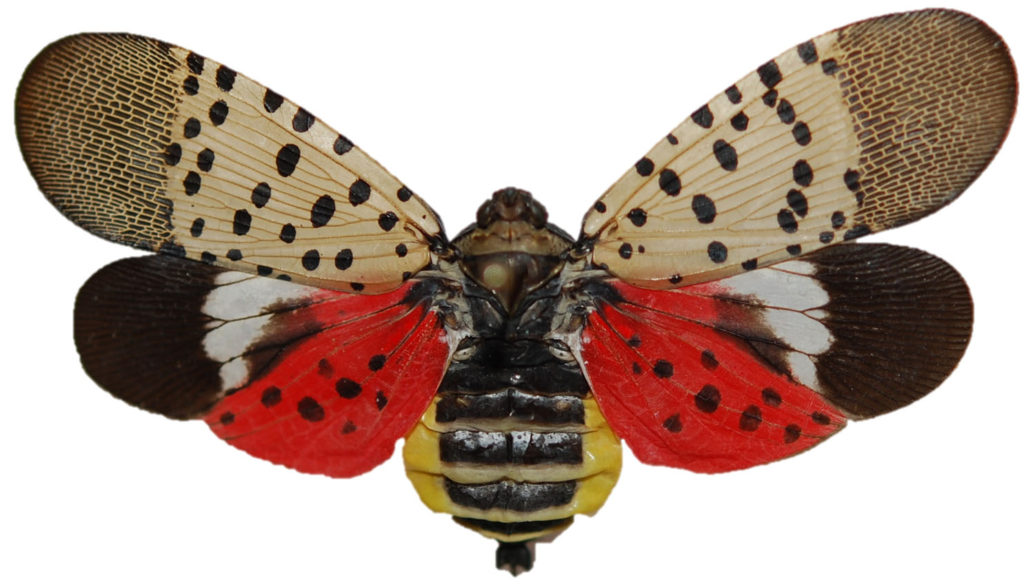
spotted lanternfly; photo by Holly Raguza, Penn. Dept. of Agriculture

I last blogged about the spotted lanternfly (Lycorma delicatula) two years ago. At that time, this insect from Asia (where else?) was established in some portions of six counties in southeastern Pennsylvania. While its principal host is tree of heaven (Ailanthus altissima), it was thought to feed on a wide range of plants, especially during the early stages of its development. Apparent hosts included  many of the U.S.’s major canopy and undertory forest trees, e.g., maples, birches, hickories, dogwoods, beech, ash, walnuts, tulip tree, tupelo, sycamore, poplar, oaks, willows, sassafras, basswood, and elms. The principal focus of concern, however, is the economic damage the lanternflies cause to grapes, apples and stone fruits (e.g., peaches, plums, cherries), hops, and other crops.

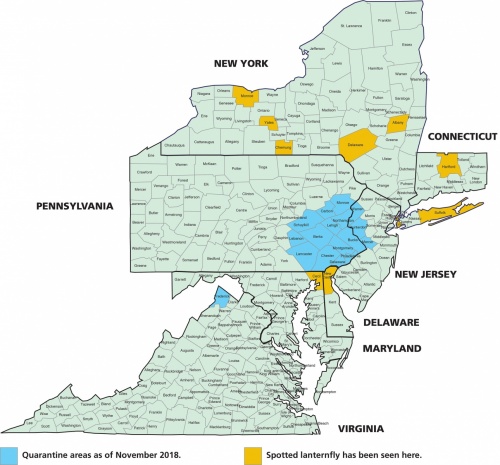
In the two years since my first blog, the spotted lanternfly has spread – both through apparent natural flight (assisted by wind) and through human transport of the egg masses and possibly adults. By autumn 2018, detections of one or a few adults – alive or dead – had been found in six additional states: Connecticut, Delaware, Maryland, New Jersey, New York, and Virginia.

spotted lanternfly quarantines (blue) & detection locations (yellow)
prepared by Cornell University

How many of these detections signal an outbreak?  It is too early to know.

Impacts of the Government Shutdown

Unfortunately the federal government shutdown forced the cancellation of the annual USDA invasive species research meeting that occurs each January. The spotted lanternfly was to be the focus of six presentations. The most important of these was probably APHIS’ explanation of “where we are and where we are going.” The cancellation eliminated one of the most important opportunities for researchers to exchange information and ideas that could spur important insights. Equally important, the cancellation hampered communication of insights to practitioners trying to improve the pest’s management.

One pressing question was not on the meeting’s agenda, however. Would a much more aggressive and widespread response in 2014, when the lanternfly was first detected, have  eradicated this initial outbreak?  I have long thought that this question should be asked for every new pest program, so that we learn whether a too-cautious approach has doomed us to failure. However, authorities never address the issue – at least not in a public forum.

The shutdown also had an even more alarming impact. It interruptedaid by USDA APHIS and the Forest Service to states that should be actively trying to answer this question. Winter is the appropriate season to search for egg masses.  It is also the season to plan for eradication projects. 

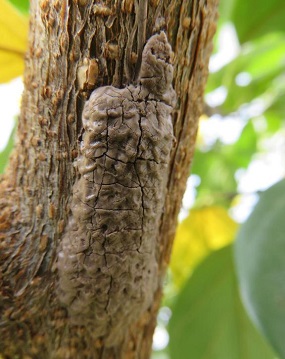
spotted lanternfly egg mass; New York Department of Environmental Conservation

For the first several years, funding of studies of the lanternfly’s lifecycles and host preferences, research on possible biological or chemical treatments, and outreach and education came in the form of competitive grants under the auspices of the Farm Bill Section 10007.  This funding totaled $5.5 million to Pennsylvania.

This commitment pales compared to Asian longhorned beetle or emerald ash borer h— which were also poorly known when they were first detected in the United States.

At the same time, the Pennsylvania infestation spread. It is now known to be established in portions of 13 counties and outbreaks were detected in neighboring Delaware and Virginia. h

This spread – and resulting political pressure – persuaded APHIS to multiply its engagement. A year ago, USDA made available $17.5 million in emergency funds from the Commodity Credit Corporation (that is, the funds are not subject to annual Congressional appropriation). APHIS said it would use the additional funds to expand its efforts to manage the outer perimeter of the infestation while the Pennsylvania Department of Agriculture would focus on the core infested area. APHIS said it would use existing (appropriated) resources to conduct surveys, and control measures if necessary, in Delaware, Maryland, New Jersey, New York and Virginia.

Summary of Latest Status in the Seven States

(see also the write-up here)

Pennsylvania: infestation established (quarantine declared) in portions of thirteen counties (Berks, Bucks, Carbon, Chester, Delaware, Lancaster, Lebanon, Lehigh, Monroe, Montgomery, Northampton, Philadelphia, Schuylkill). The quarantine regulates movement of any living stage of the insect brush, debris, bark, or yard waste; remodeling or construction waste; any tree parts including stumps and firewood; nursery stock; grape vines for decorative or propagative purposes; crated materials; and a range of outdoor household articles including lawn tractors, grills, grill and furniture covers, mobile homes, trucks, and tile or stone. See the regulation here: https://www.agriculture.pa.gov/Plants_Land_Water/PlantIndustry/Entomology/spotted_lanternfly/quarantine/Pages/default.aspx

Delaware: The state had been searching for the insect since the Pennsylvania outbreak was announced. After detection of a single adult female in New Castle County in November 2017, survey efforts and outreach to the public were intensified. Another dead adult spotted lanternfly was found in Dover, Delaware, in October 2018.  

Virginia: infestation established (quarantine declared) in one county. Multiple live adults and egg cases of spotted lanternfly were confirmed in the town of Winchester, Virginia (Frederick County), in January 2018.   As noted in my earlier blog, this region is important for apple and other orchard crops and near Virginia’s increasingly important wine region.

New Jersey: The New Jersey Department of Agriculture began surveying for lanternflies along the New Jersey-Pennsylvania border (the Delaware River) once the infestation was known. It found no lanternflies before 2018. In the summer, however, live nymphs were detected in two counties, Warren and Mercer. In response, the state quarantined both those counties and one located between them, Hunterdon. The state planned to continue surveillance in the immediate areas where the species has been found as well as along the Delaware River border in New Jersey.  

New York: In 2017, a dead adult lanternfly was found in Delaware County. 

State authorities expressed concern about possible transport of lanternflies from the Pennsylvania infested area.

In Autumn 2018, New York authorities confirmed several detections, including a single adult in Albany and a second single adult in Yates County. In response, the departments of Environmental Conservation and Agriculture and Marketing began extensive surveys throughout the area. Initially they found no additional lanternflies.

However, a live adult was later detected in Suffolk County (on Long Island).

Connecticut:  a single dead adult was found lying on a driveway at a private residence in Farmington, CT, in October 2018. The homeowner was a state government employee educated about the insect. Relatives had recently visited from Pennsylvania (Victoria Smith, Connecticut Agricultural Experiment Station, pers. comm.). Searches found no other spotted lanternflies on the property. The state plans additional surveys in the area to confirm that no other spotted lanternflies are present.  

Maryland: A single adult spotted lanternfly (male) was caught in a survey trap in the northeast corner of Cecil County near the border of Pennsylvania and Delaware (an area of known infestation) in October 2018. Because of the lateness of the season and sex of the insect, the Maryland Department of Agriculture does not believe that the lanternfly has established there.

All the affected states are encouraging citizens to report any suspicious finds.

Posted by Faith Campbell

We welcome comments that supplement or correct factual information, suggest new approaches, or promote thoughtful consideration. We post comments that disagree with us — but not those we judge to be not civil or inflammatory.

Alarming Picture of Phytophthora Threats to Forests World-wide

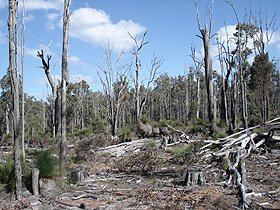
Phytophthora dieback in West Australia


Prompted by the rising number of Phytophthora-caused diseases in forests on several continents, in 1999 the International Union of Forest Research Organizations (IUFRO) formed the IUFRO Working Party 7.02.09 ‘Phytophthora Diseases of Forest Trees’. Last spring This group published a global overview of Phytophthora diseases of trees (Jung et al. 2018; see full citation at the end of this blog).

The study covers 13 different outbreaks of Phytophthora-caused disease in forests and natural ecosystems of Europe, Australia and the Americas.

The picture is alarming!

Jung et al. state definitively that the international movement of infested nursery stock and planting of reforestation stock from infested nurseries have been the main pathway of introduction and establishment of Phytophthora species in these forests.  

The Picture: A Growing List of Diseases, Species, and Places Affected,

Jung et al. note that, during the past six decades, the number of previously unknown Phytophthora declines and diebacks of natural and semi-natural forests and woodlands has increased exponentially. The vast majority of these disease complexes have been driven by introduced invasive Phytophthora species. In 1996, 50 Phytophthora species were known. In the 20 years since then, more than 100 new Phytophthora species have been described or informally designated. One study (Tsao 1990) estimated that more than 66 % of all fine root diseases and more than 90 % of all collar rots of woody plants are caused by Phytophthora spp. Many of these had previously been attributed to abiotic factors or secondary pathogens. One example – surprising to me, at least – is that decline of mature beech trees in Central Europe is linked to Phytophthora rather than beech bark disease!

Several of the disease complexes described in Jung et al. 2018 are causing heartrending destruction of unique floras, e.g., jarrah, tuart, and other communities of western Australia and kauri forests of New Zealand. The authors expect increasing damage to the Mediterranean maquis in the future. They list these among other examples:

  1. Ink disease of chestnuts worldwide
  2. Oak declines and diebacks in Europe and North America
  3. Decline and mortality of alders (Alnus species) in Europe
  4. Decline and mortality of Port-Orford cedar (Chamaecyparis lawsoniana) in Europe and North America
  5. Kauri dieback in New Zealand link to earlier blog
  6. Decline and mortality of Austrocedrus chilensis and Juniperus communis in Argentina and Europe
  7. Diebacks of natural ecosystems in Australia
  8. Decline and dieback of the Mediterranean maquis vegetation
  9. Decline and dieback of European beech in Europe and the US
  10. Dieback and mortality of southern beech (Nothofagus species) in the United Kingdom and Chile
  11. ‘Sudden Oak Death’ and ‘Sudden Larch Death’ in the US and United Kingdom
  12. Leaf and twig blight of holly (Ilex aquifolium) in Europe and North America
  13. Needle cast and defoliation of Pinus radiata in Chile

Several of the Phytophthoras are causing severe damage on several continents:

  • P. cinnamomi in Europe, North America, and Australia
  • P. austrocedri in South America, Europe, and western Asia
  • P. ramorum in Europe and North America
  • P. lateralis in North America and Europe.

Often, the genetic makeup of the Phytophtoras species varies in these different locations. These differences indicate separate introductions and the existence of sexual reproduction and continuing evolution in response to conditions.

Why Phytophthoras are Spreading via the Plant Trade and Nursery Practices

First, Phytophthora species are able to survive unsuitable environmental conditions over several years as dormant resting structures in the soil or in infected plant tissues. When environmental conditions become suitable, the resting spores germinate – often prolifically. Since visible symptoms might not appear for considerable time after infection because the mechanism is progressive destruction of the fine root system, detection of the disease is delayed, further undermining control.

Second, most of the Phytophthora species causing  disease complexes were unnoticed as co-evolved species in their native environment. Often they were unknown to science before their introduction to other continents – where they become invasive on naïve plant species. Consequently, these species are not captured by the international plant health system, which is based on lists of recognized “pest” species.

Third, the common nursery practice of applying fungicides or fungistatic chemicals masks the presence of pathogens – another way plants pass unnoticed through phytosanitary controls. These chemicals do not, however, kill the pathogen. 

Fourth, the importation into receiving nurseries of plants from around the world provides ample opportunity for the introduced Phytophthoras to hybridize. The interspecific hybrids may differ in host range and virulence from the parent species, thus making predictions about the potential effects of an ongoing invasion even more difficult.

Fifth, the nurseries or plantings in gardens or restoration projects also provide suitable environments for prolific germination and spread.

All of these risks were first enumerated by the eminent British pathologist Clive Brasier a decade ago! (See Brasier et al. 2008 citation at the end of the blog.)

As Jung et al. 2018 point out, the scientific community has repeatedly urged regulators to require the use of preventative system approaches for producing Phytophthora-free nursery stock (see references in the article). Scientists have provided research-based guidance to reduce the risk of infestation. Such measures are being implemented by only some nurseries in the US. For example, USDA APHIS has specific requirements for nurseries that ship hosts of P. ramorum in interstate commerce after the nurseries or the plants have tested positive.  More broadly, APHIS, the states, and the nursery industry are in the second round of pilot testing of an integrated measures approach to managing all pests under the Systems Approach to Nursery Certification (SANC) program

At the international level, the International Plant Protection Convention has adopted ISPM#36, which also envisions greater reliance on systems approaches.  However, the preponderance of international efforts to protect plant health continue to rely on visual inspections that look for species on a list of those known to be harmful. Yet we know that most damaging Phytophthoras were unknown before their introduction to naïve ecosystems.

Furthermore, use of fungicides and fungistatic chemicals is still allowed before shipment.

As pointed out by several experts beginning with Dr. Brasier but including  Liebhold et al. 2012, Santini et al. 2013, Jung et al. 2016, Eschen et al. 2017, this approach has failed to halt spread of highly damaging pathogens. (I note that the list of such pathogens is not limited to Phytophthoras; see the description of ohia rust in Hawai`i, Australia, and New Zealand).

Jung et al. 2018 also call for increasing the genetic resistance of susceptible tree species. The authors regard this as the most promising sustainable management approach for stabilizing declining natural ecosystems and for reintroducing susceptible tree species at sites with high disease impact. See my blogs about efforts to enhance U.S. tree-breeding posted earlier this year.


SOURCES

Brasier CM. 2008. The biosecurity threat to the UK and global environment from international trade in plants. Plant Pathology 57: 792–808.

Jung T, Orlikowski  L, Henricot B, et al. 2016. Widespread Phytophthora infestations in European nurseries put forest, semi-natural and horticultural ecosystems at high risk of Phytophthora diseases. Forest Pathology 46: 134–163.

Jung, T., A. Pérez-Sierra, A. Durán, M. Horta Jung, Y. Balci, B. Scanu. 2018. Canker and decline diseases caused by soil- and airborne Phytophthora species in forests and woodlands. Persoonia 40, 2018: 182–220   Open Access!

Liebhold AM, Brockerhoff  EG, Garrett  LJ, et al. 2012. Live plant imports: the major pathway for forest insect and pathogen invasions of the US. Frontiers in Ecology and Environment 10: 135–143.

Santini A, Ghelardini L, De Pace C, et al. 2013. Biogeographic patterns and determinants of invasion by alien forest pathogens in Europe. New Phytologist 197: 238–250.

Tsao PH. 1990. Why many Phytophthora root rots and crown rots of tree and horticultural crops remain undetected. Bulletin OEPP/EPPO Bulletin 20: 11–17

Posted by Faith Campbell

We welcome comments that supplement or correct factual information, suggest new approaches, or promote thoughtful consideration. We post comments that disagree with us — but not those we judge to be not civil or inflammatory.

APHIS’ Strategic Plan – Focus on Deregulation & Trade Facilitation

APHIS’ headquarters building

USDA APHIS released its Strategic Plan for fiscal years 2019-2023 just after Thanksgiving. The report is 21 pages long. There is no evidence that any stakeholders were asked for input or review.

The Plan has a disappointing – but not surprising – emphasis on deregulation and “customer service”. A second – and more surprising weakness is the lack of attention to plant pests – even those of agriculture, much less natural resources. The emphasis is clearly on animal pests and diseases – including zoonotics.

APHIS’ mission is “To safeguard the health, welfare and value of American agricultural and natural resources.” To accomplish this mission, APHIS has set three goals:

  • Deliver efficient, effective, and responsive programs.
  • Safeguard American agriculture.
  • Facilitate safe U.S. agricultural exports.

Most references to protecting natural resources relate to finding more environmentally sensitive approaches for the program under which APHIS reduces human-wildlife conflicts (e.g., birds being struck by airplanes).

In the Plan, APHIS Administer Kevin Shea writes in his opening message that achieving APHIS’ difficult mission of protecting the health and value of America’s agriculture and natural resources cannot be accomplished by APHIS alone. Instead, the agency must work collaboratively with other government agencies and industry, and consult regularly with partners and stakeholders regarding programs’ effectiveness. Administer Shea also highlights the importance of “delivering our programs and services efficiently, effectively, with integrity, …” The agency promises to modernize information technology, data management, methods of communication with collaborators, exporters and importers, etc., in order to give good return on expenditure of taxpayer resources. APHIS also pledges to make decisions based on science. There are seven references to basing decisions on scientific data.

Fair enough. Such emphases were to be expected from Trump Administration and prefigured by USDA Secretary Sonny Perdue during his nomination hearing, e.g., facilitating exports, supporting better information technology.

However, the Plan refers to “customer service” or “customer experience” 34 times. An additional seven references are made to reducing regulatory burdens. The Plan also speaks of the need to “protect the health, welfare, and value of American agriculture and natural resources. … at a reasonable cost. … Easing regulatory burdens makes it easier to create jobs and promote economic growth.” (Emphasis added.)

Perhaps the recent proposal to deregulate the emerald ash borer is driven in part by the emphasis on minimizing costs to regulated industries and seeking alternative approaches? (Although the deregulation has been under discussion for several years, predating the Trump Administration.)

from APHIS PPQ website

The imbalance in attention to animal versus plant pests and disease is striking. Each of the 14 goals is supported by a number of specific tactics. There are a total of 100 “tactics” under the two goals most directly relevant to preventing or managing pest introductions. These goals are: “Protecting America’s agriculture” and “Promoting U.S. agricultural exports.” Of the 100 tactics, only ten are clearly related to plant pests; 19 are pretty clearly activities that apply to both plant and animal pests and diseases; and five are unclear as to whether they include plant pests as well as animal diseases. Thus, only a third of the tactics apply!

[In making this calculation, I did not include 43 tactics listed under the first goal (“Deliver efficient, effective, and responsive programs”) or three objectives under the goal of “Protecting American agriculture” that apply explicitly to wildlife management, regulating genetically engineered organisms, or ensuring humane treatment of animals.]

Specific examples of such lack of balance include the six examples illustrating the declaration (on p. 4) that “Pest and disease events are more frequent, more complex, and less predictable.” Five of the examples are animal diseases, the sixth is the insect-vectored human disease caused by the Zika virus.

In discussing its efforts to balance its safeguarding efforts against increasing requests for market access by international trading partners, APHIS mentions some activities pertinent to plant as well as animal pest management, e.g., examining disease and pest risks and inserting mitigation strategies into international agreements and interstate movement protocols. However, the only specific action it mentions is helping countries to build capacity to implement the Global Health Security Agenda.

The only reference to forest pests is under one of the 24 tactics associated with Goal 2. Safeguard American agriculture, Objective 2.1: Prevent damaging plant and animal pests and diseases from entering and spreading in the United States to promote plant and animal health. This tactic calls for strengthening the North American perimeter against pest threats from outside the region to prevent introduction of agricultural, forest, and other invasive pests.

Why are Plant Pests slighted?

Perhaps plant-related efforts were left out because they are less “sexy”? Or because they are more distantly linked to human health? The Plan does state that “The tactics in this plan represent only a portion of APHIS activities and by no means embody all the important work APHIS does to fulfill its mission.”

Who knows what was left out?

How will adoption of this strategy affect future efforts to address tree-killing insects and pathogens – both those already present in the country and those yet to be introduced?

Might PPQ Fill in the Gaps?

In 2014 APHIS Plant Protection and Quarantine issued its own strategic plan. This supplementary plan made frequent mentions of safeguarding natural resources. Indeed, the third of the plan’s seven goals stated:                              

Goal 3: Protect forests, urban landscapes, rangelands and other natural resources, as well as private working lands from harmful pests and diseases

Several “tactics” under each goal also directly applied to protecting natural resources. I list them below:

1) Prevent the entry and spread of ag pests and diseases.

  • Coordinate with Canada to implement an effective multi-national system that reduces the threat of tree pests arriving from Asia and other parts of the world (e.g. AGM).

3: Protect forests, urban landscapes, rangelands and other natural resources, as well as private working lands from harmful pests and diseases

  • Maintain EAB regulatory framework to focus on the leading edge of infestations while minimizing impacts on regulated businesses in quarantined areas.
  • Evaluate the effectiveness of biocontrol releases in states and combining both regulatory & outreach activities to address the risks of moving logs, firewood, and nursery stock.
  • Examine detection technologies and partnering with states to determine and apply the most effective strategies to survey & eradicate the Asian longhorned beetle
  • Partnering with federal and state agencies to enact measures such as a public outreach campaign to mitigate the movement of forest pests through firewood.
  1. Ensure the safe trade of ag products, creating export opportunities for U.S. producers
  • play a leadership role in revising ISPM#15
  1. Protect the health of U.S. agricultural resources, including addressing zoonotic disease issues and incidences, by implementing surveillance, preparedness and response, and control programs
  • Strengthen partnerships with Tribal Nations to develop a robust surveillance and early detection system for detecting and reporting invasive species.
  • Work with all stakeholders to coordinate all-hazards agriculture and natural resources response support.
  • Develop science-based programs in collaboration with industry and academia to jointly identify practices that will mitigate pest damage. E.G., SANC program http://sanc.nationalplantboard.org/ [a Systems Approach to Nursery Certification] implemented jointly with the National Plant Board and nursery industry

Dare we hope that PPQ adopts an updated strategic plan that fills in some of the gaps in the overall APHIS plan?


Posted by Faith Campbell


We welcome comments that supplement or correct factual information, suggest new approaches, or promote thoughtful consideration. We post comments that disagree with us — but not those we judge to be not civil or inflammatory.


Why Won’t USDA APHIS Act to Close the Wood Packaging Pathway?


CBP inspecting wood packaging; CBP photo
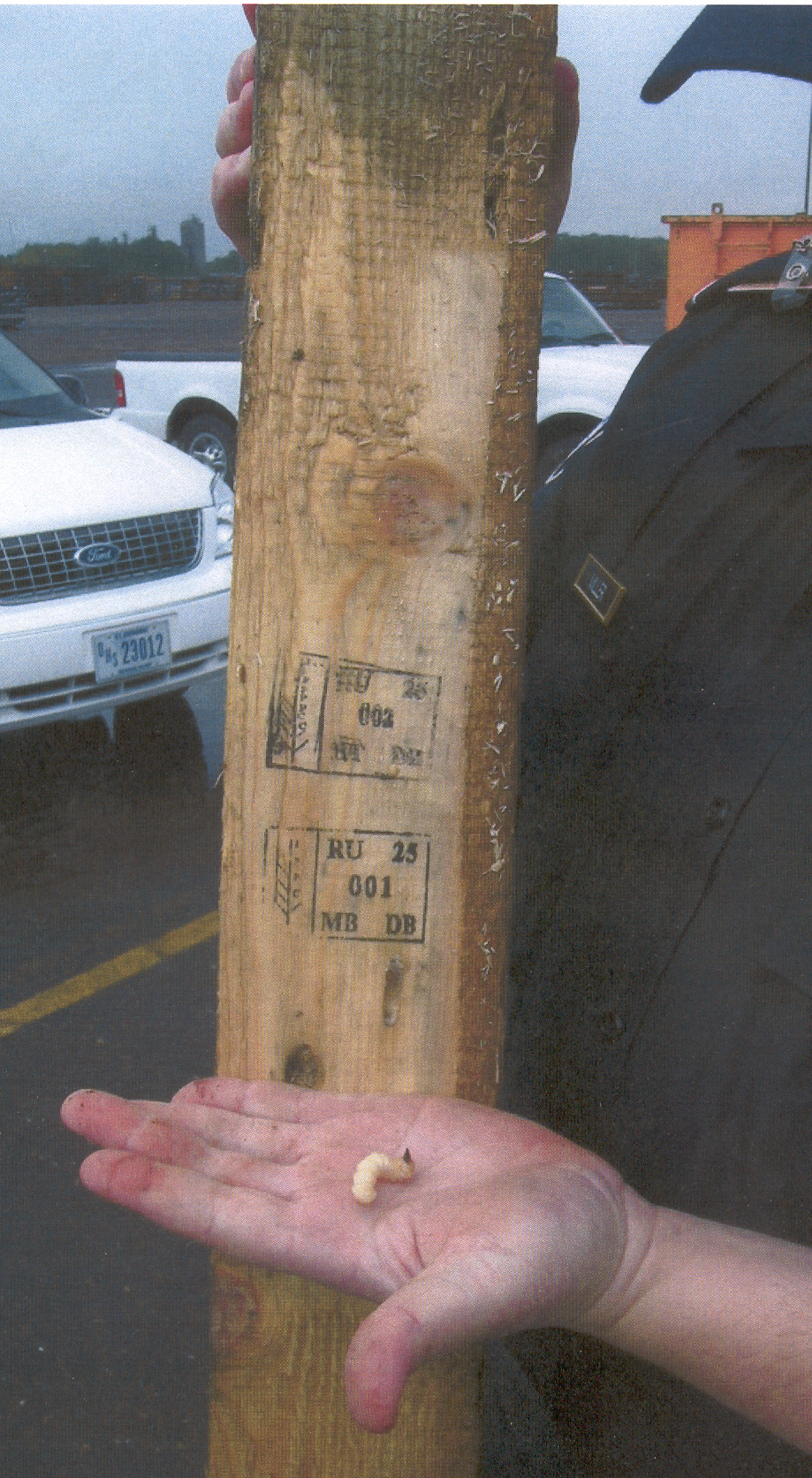
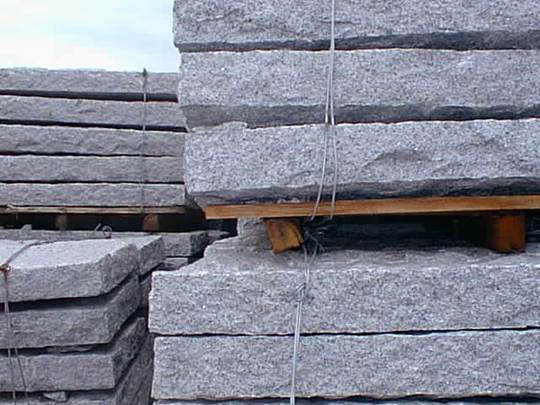
There is widespread agreement that the most important pathways for long-distance transport of non-native forest insects are wood packaging (crates, pallets, dunnage, etc.) and imports of live plants (which APHIS calls “plants for planting”). Sources (at end of blog): Aukema et al. 2010; Liebhold et al. 2012; Meurisse et al. 2018 and many others. See also my earlier blogs by scrolling down to the “categories” section and clicking on “wood packaging”.

According to Meurisse et al., by the middle of this decade, world maritime freight trade had reached about 10 billion metric tonnes, and air transport of cargo had reached 50 million tonnes – much of it packaged in wood.

As the world’s biggest importer, the United States receives about 27 million shipping containers each year (CBP to FT Campbell). A study carried out in 2005 – 2007 (Meissner et al. 2009) indicated that 75% of maritime shipments entering the U.S. contained wood packaging; 33% of air shipments contained wood packaging. These are significant increases over earlier estimates that put the number of containers entering the country at 25 million. An even older analysis estimated that 52% of incoming containers had wood packaging.

APHIS has recognized the pest risk associated with wood packaging for 20 years – since the Asian longhorned beetle was detected in a second city – Chicago – in 1998. APHIS and its Canadian counterpart (Canadian Food Inspection Agency) acted rapidly to adopt, first, domestic regulations governing wood packaging from China (in December 1998), then a regional standard for wood packaging, and finally to help bring about adoption of International Standard for Phytosanitary Measures (ISPM) No. 15 in 2002. A detailed description of these actions can be found in my report Fading Forests II available here.

However, as I have demonstrated often, ISPM#15 has reduced the threat – but insufficiently. Dr. Robert Haack and his coauthors (2014) found that of each thousand shipments containing wood packaging that enters the country, one harbors a quarantine pest. Applying this estimate to the current volume of incoming containers and the higher proportion containing wood packaging results in an estimate that up to 20,000 shipping containers containing infested wood packaging enter the country each year – or approximately 55 per day.

The actual approach rate might be less. There are two variables that I lack sufficient data to quantify.

First, a significant proportion of the incoming containers come from Mexico or Canada – our second and third largest trading partners. The risk of damaging pests arriving from our neighbors is less than the risk accompanying shipments from overseas – although it is not “0”. Several woodborers native to Mexico have been introduced to U.S. ecosystems and are killing trees in these new environments, e.g., goldspotted oak borer, walnut twig beetle, and soapberry borer (all described in write-ups here). It is true that these beetles were probably introduced to vulnerable parts of the U.S. in firewood rather than wood packaging. There are also reasons to be concerned about pest introductions from Canada. Threats arise from both non-native pests established in the country e.g., brown spruce longhorned beetle and European beech leaf weevil, and pests in shipments from off-shore origins that are re-packaged in Canada (Yemshanov et al. 2012 and my earlier blog from April 2017).

The second variable on which I lack data is the proportion of the 27 million containers that are transported by air, and are thus half as likely to contain wood packaging.

To account for these unknowns, I have nearly halved the number of shipping containers likely to transport pests from off-shore – so 14 million instead of 27 million. Again applying Haack’s estimate, the result is 10,500 shipping containers containing infested wood packaging entering the country every year – or approximately 29 every day.

Update with more precise data (August 24) :

Re: the two variables, I have found partial answers from a U.S. Department of Transportation website which provides data on imports of loaded chipping containers (in TEUs) for 68 ports. (For the website, go here  – click on “trade statistics”, then “US Waterborne trade” (1st bullet)]

As of 2017, 22,360,941 loaded shipping containers entered the U.S. via maritime transport. Applying the estimate of 75% of these containers holding wood packaging, we find that slightly less than 17 million containers entered the country with wood packaging. Applying Robert Haack’s estimate that one in a thousand is infested with a quarantine insect, we anticipate that 17,000 of these containers were transporting a pest that threatens our country. That is 46 containers every day.

Ports which received the largest numbers of containers, according to the DoT database:

  • Long Beach/Los Angeles — 8.4 million containers
  • New York — 3.4 million containers
  • Savannah — 1.8
  • Norfolk — 1.2
  • Houston — 1 million containers

We need answers!

The point is, we don’t know how many pests are reaching the United States daily. Or if the current approach rate is significantly higher or lower than in the past. Despite my urging, APHIS has not undertaken a study to update Haack’s estimate – which is based on 2009 data. In the intervening nine years, several changes were made to ISPM#15 to make it more effective. The most important was restricting the size of bark remnants that may remain on the wood.

Also, we might hope that experience with implementing the standard has led to better compliance. Unfortunately, available data do not encourage belief that compliance has improved.

Customs and Border Protection (CBP) reports annually to the Continental Dialogue on Non-Native Forest Insects and Diseases on the number of import shipments with wood packaging that have been detected as not complying with ISPM#15. Over a period of eight years – Fiscal years 2010 through 2017 – CBP detected nearly 24,000 non-compliant shipments. While most (17,413) of the non-compliances were crates or pallets that lacked the required mark showing treatment in accordance with ISPM#15, in 6,388 cases the wood packaging actually harbored a pest in a regulated taxonomic group. This works out to about 800 infested shipments detected each year.

By comparing Dr. Haack’s estimate with the CBP data, I estimate that Customs is detecting and halting the importation of four to eight percent of the shipments that actually contain pest-infested wood. Since CBP inspects only about two percent of incoming shipments, this detection rate demonstrates the value of CBP’s program to target likely violators – and deserves praise. But it is obviously too low a “catch” rate to provide an adequate level of protection for our forests.

Indeed, using the older, lower estimates of both numbers of shipping containers and the proportion that contain wood packaging, Leung et al. 2014 concluded that continuing to implement ISPM#15 at the efficacy level described by Haack et al. would result in a tripling of the number of non-native wood-boring insects introduced into the U.S. by 2050.

CBP inspector views Cerambycid larvae found in wood packaging that bears ISPM#15 stamp

Closer examination of the data raises more troubling questions. On average, 97% of the 6,388 shipments containing infested wood pieces detected by CBP were found in wood that bore the ISPM#15 stamp indicating that it had been treated. The proportion of infested shipments bearing the stamp has not changed over the past eight years. This is alarming and we need to understand the reason. Does this finding indicate widespread fraud? I understand that most inspectors believe this is the cause. Other possible explanations are accidental misapplication of the treatments or the treatments simply not working as expected. APHIS researchers have found that larvae from wood subjected to methyl bromide fumigation were more likely to survive to adulthood than those intercepted in wood that had been heat treated (Nadel et al. 2016). Does this indicate that methyl bromide fumigation is less effective? What effort is APHIS making to determine which of these explanations is correct?

Certain countries have a long-standing record of non-compliance with ISPM#15. APHIS’ database of pest interceptions on wood packaging over the period Fiscal Year 2011 to FY 2016 contains 2,547 records of insect detections from dozens of countries. The countries of origin with the highest numbers of shipments detected to have pests present were Mexico, China, Italy, and Costa Rica. These numbers reflect in part the huge volumes of goods imported from both Mexico and China. But China and Italy stand out for their poor performance. (The U.S. does not regulate – or inspect! – wood packaging from Canada; see blog here.)

Meissner et al. say that as of a decade ago, Chinese shipments were only half as likely to be enclosed in wood packaging as are shipments from other exporters. Yet shipments from China still rank second in the number of non-compliant shipments; they make up 11% of all interceptions. In part, the data reflect inspection priorities: due to the great damage caused by Asian insects to North American trees and the past record of poor compliance, CBP targets shipments from China for more intense scrutiny. Still, the high number of detections reflects continuing non-compliance by Chinese exporters. And remember – the U.S. and Canada began requiring treatment of wood packaging from China at the end of 1998 – nearly 20 years ago! [Feb 17 blog]

shipment of decorative stone with wood packaging
We don’t import a lot of goods from Italy – but Italian shipments of decorative stone and tile have always been plagued by high levels of pests in accompanying wood packaging. Indeed, more pests have been found in wood supporting tiles and stone than any other type of commodity in 24 of the 25 years preceding 2014 (Haack et al. 2014).

What is APHIS doing to pressure these countries to improve their compliance? As I blogged in October, link the Bureau of Customs and Border Protection began imposing a financial penalty on first-time violators in November 2017. Since interception data do not provide an adequate measure of the pest approach rate (see Haack et al 2014 for an explanation), APHIS should commission an analysis of Agriculture Quarantine Inspection Monitoring data to determine the pest approach rate before and after the CBP action in order to determine whether the more aggressive enforcement has led to reductions in non-compliant shipments at the border.


What Can Be Done to Slow or Eliminate this Pathway?

I reiterate my call for holding foreign suppliers responsible for complying with ISPM#15. One approach is to penalize violators. Now that the Bureau of Customs and Border Protection has toughened its enforcement, the U.S. Department of Agriculture should drop its decade-old policy of allowing importers to accumulate five (detected) violations in a calendar year before applying the civil penalties authorized by the Plant Protection Act.

Another step APHIS should take would be to prohibit use of packaging made from solid wood (boards, 4 x 4s, etc.) by foreign suppliers which have a record of repeated violations over the 12 years that ISPM#15 has been in effect – or the 19 + years for exporters from Hong Kong & mainland China. Officials should allow continued imports from those same suppliers as long as they are contained in other types of packaging materials, including plastic, metals, fiberboards …


SOURCES

Aukema, J.E., D.G. McCullough, B. Von Holle, A.M. Liebhold, K. Britton, & S.J. Frankel. 2010. Historical Accumulation of Nonindigenous Forest Pests in the Continental United States. Bioscience. December 2010 / Vol. 60 No. 11

Haack, R. A., K. O. Britton, E. G. Brockerhoff, J. F. Cavey, L. J. Garrett, M. Kimberley, F. Lowenstein, A. Nuding, L. J. Olson, J. Turner, and K. N. Vasilaky. 2014. Effectiveness of the international phytosanitary standard ISPM no. 15 on reducing wood borer infestation rates in wood packaging material entering the United States. Plos One 9:e96611.

Hulme, P.E. 2009. Trade, transport and trouble: Managing invasive species pathways in an era of globalization. Journal of Applied Ecology 46:10-18

Jung, T. et al. 2015 “Widespread Phytophthora infestations in European nurseries put forest, semi-natural and horticultural ecosystems at high risk of Phytophthora disease” Forest Pathology. November 2015; available from Resource Gate

Klapwijk, M.J., A.J. M. Hopkins, L. Eriksson, M. Pettersson, M. Schroeder, A. Lindelo¨w, J. Ro¨nnberg, E.C.H. Keskitalo, M. Kenis. 2016. Reducing the risk of invasive forest pests and pathogens: Combining legislation, targeted management and public awareness. Ambio 2016, 45(Suppl. 2):S223–S234  DOI 10.1007/s13280-015-0748-3

Koch, F.H., D. Yemshanov, M. Colunga-Garcia, R.D. Magarey, W.D. Smith. 2011. Potential establishment of alien-invasive forest insect species in the United States: where and how many? Biol Invasions (2011) 13:969–985

Leung, B., M.R. Springborn, J.A. Turner, E.G. Brockerhoff. 2014. Pathway-level risk analysis: the net present value of an invasive species policy in the US. The Ecological Society of America. Frontiers of Ecology.org

Levinson, M. The Box: How the Shipping Container Made the World Smaller and the World Economy Bigger Princeton University Press 2008

Liebhold, A.M., E.G. Brockerhoff, L.J. Garrett, J.L. Parke, and K.O. Britton. 2012. Live Plant Imports: the Major Pathway for Forest Insect and Pathogen Invasions of the US. www.frontiersinecology.org

Meissner, H., A. Lemay, C. Bertone, K. Schwartzburg, L. Ferguson, L. Newton. 2009. Evaluation of Pathways for Exotic Plant Pest Movement into and within the Greater Caribbean Region. Caribbean Invasive Species Working Group (CISWG) and USDA APHIS Plant Epidemiology and Risk Analysis Laboratory

Meurisse, N. D. Rassaati, B.P. Hurley, E.G. Brockerhoff, R.A. Haack. 2018. Common Pathways by which NIS forest insects move internationally and domestically. Journal of Pest Science. https://doi.org/10.1007/s10340-018-0990-0

Nadel, H., S. Myers, J. Molongoski, Y. Wu, S. Linafelter, A. Ray, S. Krishnankutty, A. 2016. Identificantion of Port Interceptions in Wood Packaging Material Cumulative Progress Report, April 2012 – August 2016

Sikes, B.A., J.L. Bufford, P.E. Hulme, J.A. Cooper, P.R. Johnston, R.P. Duncan. 2018. Import volumes and biosecurity interventions shape the arrival rate of fungal pathogens. http://journals.plos.org/plosbiology/article?id=10.1371/journal.pbio.2006025

Yemshanov, D., F.H. Koch, M. Ducey, K. Koehler. 2012. Trade-associated pathways of alien forest insect entries in Canada. Biol Invasions (2012) 14:797–812


Posted by Faith Campbell

We welcome comments that supplement or correct factual information, suggest new approaches, or promote thoughtful consideration. We post comments that disagree with us — but not those we judge to be not civil or inflammatory.


New science reveals that threats remain from Bd, the infamous frog and toad-killing pathogen

California red-legged frog

courtesy of the U.S. Fish and Wildlife Service


In my last blog, I addressed how the United States Fish and Wildlife Service (FWS) has neglected to undertake the plan that it announced in early 2016 to finalize and improve its weak “interim” regulation aimed at preventing the salamander disease “Bsal” (Batrachochytrium salamandrivorans) from infecting salamanders in the still-unexposed United States. While Canada, the European Union and the United Kingdom have all taken very strong measures this year to block salamander imports that are not “Bsal free,” our country is stuck on a much weaker approach that I described as “Swiss cheese”.

Further compounding my concern about FWS’s inaction is new science about Bsal’s older devastating cousin, “Bd” (Batrachochytrium dendrobatidis), the separate fungus epidemic that has extirpated huge numbers of frogs and toads worldwide, driving several species extinct. Within the last year, the FWS has secretly withdrawn its consideration of a formal petition to regulate Bd filed with the Secretary of the Interior (in charge of the FWS) by Defenders of Wildlife in 2009. The Petition set out a plan to block the ongoing risk to native frogs and toads that the Bd pathogen posed then – and still poses. See description and documents under “Chytrid Fungus – September 16, 2010” here. The petition requested the FWS to create a “Clean Trade” program for shipments of imports, keeping them out of the country unless accompanied by certification that they are “Bd free” – whether by quarantine, testing or other reliable certification approach.

The new key paper, published last month in Science, is a sweeping study that finally answers the two questions that bedevilled amphibian experts since Bd’s first identification back in the mid-1990s:  where did it come from and how was it spread around the world? O’Hanlon et al.’s study, “Recent Asian origin of chytrid fungi causing global amphibian declines,” here, [one must have an account to read the article] was extremely complex (there were 59 co-authors!). They discovered that Bd originated in salamanders in Asia, likely on the Korean Peninsula, and was spread via trade in live frogs and toads (pets, specialty foods and perhaps other uses). Genetic analysis of the numerous Bd strains showed there is still potential for more strains to mix, for new hybrids to emerge and for still more virulent outbreaks of the disease to occur. The article states: “… further sampling across this region is urgently needed because the substantial global trade in Asian amphibians presents a risk of seeding future outbreak lineages.” One lead co-author, Professor Matthew Fisher of Imperial College London, told the BBC:

​“Until the ongoing trade in infected amphibians is halted, we will continue to put our irreplaceable global amphibian biodiversity recklessly at risk.”

Also notable is University of Maryland Professor Karen Lips’ concise commentary on it here [one must have an account to read the article]. Dr. Lips links the lessons of Bd and Bsal, pointing out the obvious:  regulators need to learn the tragic lessons of Bd and take steps to keep out Bsal now – and not wait until after the fact of an outbreak.

Perhaps it was understandable before the O’Hanlon et al. paper that the FWS never responded to the Defenders of Wildlife Bd petition seeking trade restrictions because Bd was already so widespread within the United States then (unlike Bsal) and Bd’s origins and genetics were so confusing. It was not entirely clear that regulating further amphibian imports would have actually improved our level of Bd protection. But, O’Hanlon et al. changes that –– we now know enough to justify much stricter regulation to prevent more imports of Bd-infected frogs and toads and to block the potential for more virulent outbreaks here.

In short, FWS action on that 2009 Defenders of Wildlife petition is called for now. (Disclaimer: I wrote and filed that petition when I was Director of International Conservation at Defenders.) However, in a remarkably unfortunate use of its administrative powers, the FWS internally determined in March of 2017 to just altogether stop considering it. Rather than communicating back to Defenders that it is granting or denying its petition the FWS now states that it has “Withdrawn” consideration of any regulatory action, here.

This move by FWS plainly is part of the Trump Administration’s broad de-regulatory agenda.  But, the FWS made no decision other than to put it on hold and Defenders of Wildlife did not withdraw it, so as a legal matter the nine-year old Petition is still pending. The FWS can and should take it up again and grant it. But, Defenders likely will have to push hard in order for that to happen.

The scientific community working on both Bd and Bsal has produced authoritative, painstaking studies on which the FWS and others can rely in regulating. And the community has made clear calls to stop the ongoing trade in many scores of species of amphibians around the world with no quarantines or health certificates, which is “business as usual” now. If the amphibian trade continues in the future it needs to be Clean Trade or we will suffer further consequences. It is up to us in the conservation community to convert the scientists’ calls into regulatory reality.

Posted by Peter Jenkins

We welcome comments that supplement or correct factual information, suggest new approaches, or promote thoughtful consideration. We post comments that disagree with us — but not those we judge to be not civil or inflammatory.


Study finds “targetted” phytosanitary measures are effective in reducing introductions of plant pests


Figure 2 from the article:

The number of new pathogens discovered each year on 131 focal host plant species in New Zealand (closed circles) and the mean annual rate of pathogen arrival estimated from the model (solid blue line), with shading showing the 95% credible interval.

Benjamin A. Sikes and several coauthors (article available here; open access!) find that targetted biosecurity programs can reduce the establishment of nonnative pathogens even while global trade and travel continue to increase.

The study relies on data from New Zealand because that country has more than 150 years of data on phytosanitary policies and pathogen introductions. Do other countries have data that would support a comparative study in order to test the authors’ conclusions more generally?

The study is unusual in analyzing introductions of a variety of forms of pathogens (fungi, oomycetes, and plasmodiophorids) rather than invertebrates. Pathogens pose significant plant health risks but are notoriously difficult to detect. The study used data on plant-pathogen associations recorded in New Zealand between 1847 and 2012. It focused on hosts in four primary production sectors: crops (46 species, including wheat, tomatoes, and onions); fruit trees (30 species, including grapes, apples, and kiwifruit); commercial forestry (42 species, including pines and eucalypts); and pastures (13 species of forage grasses and legumes). In total, 466 pathogen species for which the first New Zealand record was on one of these 131 host plants were included in the study. The pathogens were assumed to have arrived on imports seeds or fresh fruits of plants in the same family as the 131 hosts in the various production sectors.

After calculating each pathogen’s probable date of introduction, the authors compared those dates to contemporaneous levels of imports and incoming international travellers. Sikes et al. applied statistical techniques to adjust their data to the fact that detection of pathogens is particularly sensitive to variation in survey effort.

Findings:

  • The annual arrival rate of new fungal pathogens increased exponentially from 1880 to ~1980 in parallel with increasing import trade volumes. Subsequently rates stabilized despite continued rapid growth in not only imports but also in arrivals of international passengers.
  • However, there were significant differences among the four primary production sectors.
  1. Arrival rates for pathogens associated with crops declined beginning in the 1970s but slightly earlier for those associated with pasture species. These declines occurred despite increasing import volumes.
  2. Arrival rates of pathogens that attack forestry tree species continued to increase after 1960.
  3. Arrival rates for pathogens that attack fruit tree species remained steady while import volumes rose steadily

Sikes et al. attribute these contrasting trends between production sectors to differences in New Zealand’s biosecurity efforts. They record when phytosanitary restrictions targetting the four sectors were adopted and link those changes to reductions in numbers of pathogens detected a decade or so later. They conclude that targetted biosecurity can slow pathogen arrival and establishment despite increasing trade and international movement of people.

Regarding the contrasting situation of the forestry and fruit tree sectors, Sikes et al. note that while phytosanitary inspections of timber imports was initiated in 1949, it focussed primarily on invertebrate pests. In addition, surveys for pathogens on fruit tree and forestry species were less robust than in the cases of crop and pasture species, and the peak survey effort occurred several decades later – in 1980 for fruit trees, 2000 for forestry species.

Furthermore, pathogens of forestry and fruit tree species can be introduced on types of imports other than seeds and fresh fruits, including soil and live plant material (e.g., rootstock) and untreated wood products.

Sikes et al. say there is no evidence of slowed pathogen arrival rates resulting from imposition of post-entry quarantine to live plant material beginning in the 1990s. I find this very troubling. Post-entry quarantine is a high-cost strategy. Still, several plant pathologists have advocated adoption of this strategy because they believed it would be sufficiently more effective in preventing introductions of – especially! – pathogens as to be worthwhile. Do others have data with which to add to our understanding of this disturbing phenomenon?

The authors suggest that introductions of tree-attacking pathogens on rising imports of wood packaging might have swamped decreases in introductions via other vectors. They consider that implementation of International Standard for Phytosanitary Measures (ISPM) No. 15 in 2002 means it is too early to see its impact in detection data. As I have blogged several times, implementation of ISPM#15 by the United States, at least, has reduced presence of detected pests – primarily insects – by 52%.  Little is known about the presence of pathogens on wood packaging – according to some experts, inspectors rarely even look for pathogens. So I think the authors’ suggestion might not fully explain the continuing introduction of pathogens that attack tree species used in plantation forestry in New Zealand.

Prof. Michael Wingfield of South Africa has written numerous articles on the spread of pathogens that attack Eucalyptus on seeds imported to establish plantations in various countries; one such article is available here. This seems a more likely explanation to me.

The study’s analysis demonstrated that the overall rate of non-native fungal pathogen establishment in New Zealand was more strongly linked to changes in import trade volume than to changes in numbers of international passengers arriving on the islands. Although Sikes et al. don’t explicitly raise the question, they note that New Zealand has put considerable effort into screening incoming people – which appears from these data to have a smaller payoff than imposing phytosanitary controls on imports.

Recent declines in surveys mean the authors must estimate current pathogen arrival rates. The data gaps exacerbate the inevitable uncertainty associated with the time lag between when an introduction occurs and when it is detected. They estimate that an average of 5.9 new species of fungal pathogens per year have established on the focal host plant species since 2000. They estimate further that 55 species of pathogens are present in New Zealand but have not yet been detected there.

I am quite troubled by the reported decline in New Zealand’s postborder pathogen survey efforts since about 2000. This appears very unwise given that the risk of new introductions of pathogens that attack fruit and forestry trees continues – or even rises! Indeed, scientists associated with the forestry industry note the risk to Douglas-fir and Monterrey (Radiata) pine plantations from the pitch canker fungus Fusarium circinatum – which could be introduced on imported seeds, nursery stock, and even wood chips. Radiata pine makes up 92% of softwoods planted – and exotic softwoods constitute 97% of the plantation forestry industry.

Furthermore, non-native pathogens threaten New Zealand’s unique forest ecosystems. Since this study focused on non-native plant hosts, it does not address the risk to native forest species. However, the threat is real: Kauri trees – the dominant canopy species in some native forest types – is suffering from a dieback caused by an introduced Phythopthora.  Also, two other pathogens threaten the many trees and shrubs in the Myrtaceae family found in New Zealand – Puccinia rust (which is established in Australia but not New Zealand) or the Ceratocystis fungi causing rapid ohia death – both threaten native forests in Hawai`i, as discussed in a recent blog.

Posted by Faith Campbell


We welcome comments that supplement or correct factual information, suggest new approaches, or promote thoughtful consideration. We post comments that disagree with us — but not those we judge to be not civil or inflammatory.


APHIS Nursery Stock Regulations (Q-37) – Modernization Finally Completed!

citrus longhorned beetle – entered country several times in imported bonzai plants

After about 20 years, APHIS has finalized important changes to the regulations which govern imports of living plants (what they call “plants for planting”; the regulation is sometimes called “the Quarantine 37” rule).  The new regulation takes effect on April, 18, 2018.

I congratulate APHIS on this important achievement!

[Twenty years is a long time – so changes happen. When APHIS released its Advance Notice of Proposed Rulemaking (ANPR) in December 2004 and its proposed rule in April 2013, I was employed by The Nature Conservancy and submitted comments for that organization. I will refer to those earlier comments in this blog. However, I now represent the Center for Invasive Species Prevention, so my comments here on the final regulations reflect the position of CISP, not the Conservancy.]

APHIS’ 2004 ANPR came after years of preparation. Then, more than eight years passed until the formal proposal was published on April 25, 2013. Comments were accepted from the public until January 30, 2014. During this nine-month period, 17 entities commented, including producers’ organizations, state departments of agriculture, a foreign phytosanitary agency (The Netherlands), private citizens, and The Nature Conservancy. [You can view the ANPR and proposal, comments on these documents, and APHIS’ response here — although you need to click on “Restructuring of Regulations on the Importation of Plants for Planting” and then “Open Docket Folder” to pursue the older documents.]

In the beginning, APHIS had a few goals it hoped to achieve: to allow the agency to respond more quickly to new pest threats, to apply practices that are more effective at detecting pests than visual inspection at points of import, and to shift much of the burden of preventing pest introductions from the importer and APHIS to the exporter.

Progress has been made toward some of these goals outside this rule-making. APHIS instituted a process to temporarily prohibit importation of plants deemed to pose an identifiable risk until a pest risk assessment has been completed (the NAPPRA process). APHIS has further enhanced its ability to act quickly when a pest risk is perceived by relying increasingly on “Federal Orders”.

At the same time, APHIS participated actively in efforts by international phytosanitary professionals to adopt new “standards.” These define a new approach to ensure that plants in international trade are (nearly) pest-free. Both the North American Plant Protection Organization’s regional standard (RSPM#24)  and the International Plant Protection Organization’s global standard (ISPM#36)  envision a system under which countries would no longer rely primarily on inspections at ports-of-entry. Instead, they would negotiate with the supplier or exporting country to develop programs to certify that growers’ pest management programs are effective. Both standards detailed: 1)  how the place of production might manage pest risk and ensure traceability of plants; 2) how the importing and exporting countries might collaborate to administer the program; 3) how audits (including site visits) would ensure the program’s efficacy; and 4) what actions  various parties might take in cases of noncompliance.

It was hoped that these international standards would lead to widespread adoption of “integrated pest management programs” composed of similar requirements – similar to the impact of ISPM#15 for wood packaging.  However, living plants are more complex pest vectors than the wooden boards of crates and pallets, so each country was expected to negotiate its own specific programs – something not  encouraged for wood packaging.

APHIS’ decades-long effort to amend its regulations is warranted because of the high risk of non-native insects and – especially – pathogens being introduced via international trade in living plants. U.S. examples include white pine blister rust, chestnut blight, dogwood anthracnose, and sudden oak death (all described briefly here )

dogwood anthracnose

According to Liebhold et al. 2012 (full reference at end of blog), 12% of incoming plant shipments in 2009 were infested by a quarantine pest. This is an approach rate that is 100 times greater than the 0.1% rate documented for wood packaging (Haack et al. 2014). I have discussed the living plant introductory pathway and efforts up to 2014 to get it under control in my report, Fading Forests III.


Shortcomings of the Final Q 37 Rule

So – how well does this final rule  meet APHIS’ objectives?

First, will it shift much of the burden of preventing new pest introductions from the importer and APHIS to the exporter, while ensuring the system’s efficacy? In my view, on behalf of CISP, it falls short.

The new rule sets up a process under which APHIS might require that some types of imported plants be produced and shipped under specified conditions intended to reduce pest risk. However, non-American entities have little incentive to protect America’s natural and agricultural resources and from invasive species. So any new process needs severe penalties for violators.

We have seen how widespread and persistent compliance failures are for wood packaging under ISPM#15. http://nivemnic.us/wood-packaging-again-11-years-after-ispm15-problems-persist/ For this reason, I (on behalf of the Conservancy) had suggested that APHIS formally adopt a specific goal of “no new introductions”. I recognized that this goal was unachievable per se, but suggested that it should stand as a challenge and be the basis for adopting stringent restrictions on plant imports. I suggested  limiting plant imports to those either a) produced under integrated pest management measures systems (verified by third-party certification) or b) plants brought into facilities operating under post-entry quarantine conditions — and following other best management practices that had been developed and supervised by independent, scientifically-based bodies.

In my current view, APHIS’ regulation falls far short of either this goal of shifting burdens or setting a truly stringent requirement. In fact, APHIS has explicitly backed away from its own original goals and procedures.

The new regulation does authorize APHIS to choose to set up import programs under which the exporting country agrees to produce plants for the U.S. market under a system of integrated pest risk management measures (IPRMM) approved by APHIS. In accordance with the international standards, the programs established under this new power will address how the place of production will manage pest risk and ensure traceability of plants; how APHIS and the exporting country will administer the program; how plant brokers will ensure plants remain pest-free while in their custody; how audits will be performed to ensure program efficacy; and what actions various parties will take in cases of noncompliance.

How efficacious this new approach will be in preventing new introductions will depend on how aggressive APHIS is in both choosing the plant taxa and places of-origin to be managed under such IPRMM programs and in negotiating the specific terms of the program with the exporting country.

It is discouraging that APHIS has ratcheted down how frequently it expects to rely on the IPRMM approach. In the explanatory material accompanying the final regulation, APHIS clarifies that did not intend that IPRMM would be used for all imports of living plants. The IPRMM framework is described as only one of several means to achieve the goal of preventing introduction of quarantine pests. APHIS will choose the “least restrictive measures” needed to prevent introduction of quarantine pests. To clarify its position, APHIS changed the introductory text to indicate that IPRMM will be applied when such measures are necessary to mitigate risk – that is, “when the pest risk associated with the importation of a type of plants for planting can only be addressed through use of integrated measures.” [Emphases added]

The final rule is also discouraging in some of its specifics.

  • Whereas the draft regulation specified steps that places of production must take to ensure traceability of the plants they produce, in the final regulation the traceability elements specified in each IPRMM agreement will depend on the nature of the quarantine pests to be managed. Again, APHIS seeks to ensure that its requirements are not unnecessarily restrictive.
  • Although the international standard had specified severe penalties when a grower or broker violated the terms of the IPRMM agreement, APHIS proposed to base the regulatory responses to program failures on existing bilateral agreements with the exporting country. Despite the Conservancy’s plea that APHIS follow ISPM#36 in adopting more specific and severe penalties, APHIS has not done so. The one bright spot is that APHIS may verify the efficacy of any remedial measures imposed by the phytosanitary agency of the exporting country to correct problems at the non-compliant place of production. [Emphasis added]
  • APHIS is relaxing the detailed requirements for state post-entry quarantine agreements – despite the Conservancy’s concern that such agreements’ provisions could be influenced by political pressure and other nonscientific factors.


Two Improvements

I am pleased that APHIS has retained requirements applied to plant brokers, despite one commenter’s objections. Brokers handling international shipments of plants grown under an IPRMM program must both handle the plants themselves in ways that prevent infestation during shipment and maintain the integrity of documentation certifying the origin of the plants. A weakness, in my current view, is that APHIS will allow brokers to mix consignments of plants from more than one producer operating under the IPRMM program.  APHIS does warn that if non-compliant (infested) plants are detected at import, all the producers whose plants were in the shipment would be subject to destruction, treatment, or re-export.

A major improvement under the new regulation is that APHIS will now operate under streamlined procedures when it wishes to amend the requirements for importing particular plants (whether a taxon, a “type”, or a country of origin). Until now, APHIS has been able to make such changes only through the cumbersome rulemaking process, Instead, APHIS will now issue a public notice, accept public comments, and then specify the new requirements through amendment of the “Plants for Planting Manual” [  https://www.aphis.usda.gov/import_export/plants/Manuals/ports/downloads/plants_for_planting.pdf ] APHIS estimates that such changes can be finalized four months faster under the new procedure.


A Final Caveat

Finally, APHIS needs to be able to measure what effect the new procedures have on preventing pest introductions.  Such measurement depends on a statistically sound monitoring scheme. APHIS has stated in some documents that the current Agriculture Quarantine Inspection Monitoring (AQIM) system doesn’t serve this purpose. APHIS needs to develop a valid monitoring program.


References


Haack RA, Britton KO, Brockerhoff  EG, Cavey JF, Garrett LJ, et al. (2014) Effectiveness of the International Phytosanitary Standard ISPM No. 15 on Reducing Wood Borer Infestation Rates in Wood Packaging Material Entering the United States. PLoS ONE 9(5): e96611. doi:10.1371/journal.pone.0096611

Liebhold, A.M., E.G. Brockerhoff, L.J. Garrett, J.L. Parke, and K.O. Britton. 2012. Live Plant Imports: the Major Pathway for Forest Insect and Pathogen Invasions of the US. www.frontiersinecology.org


Posted by Faith Campbell


We welcome comments that supplement or correct factual information, suggest new approaches, or promote thoughtful consideration. We post comments that disagree with us — but not those we judge to be not civil or inflammatory.