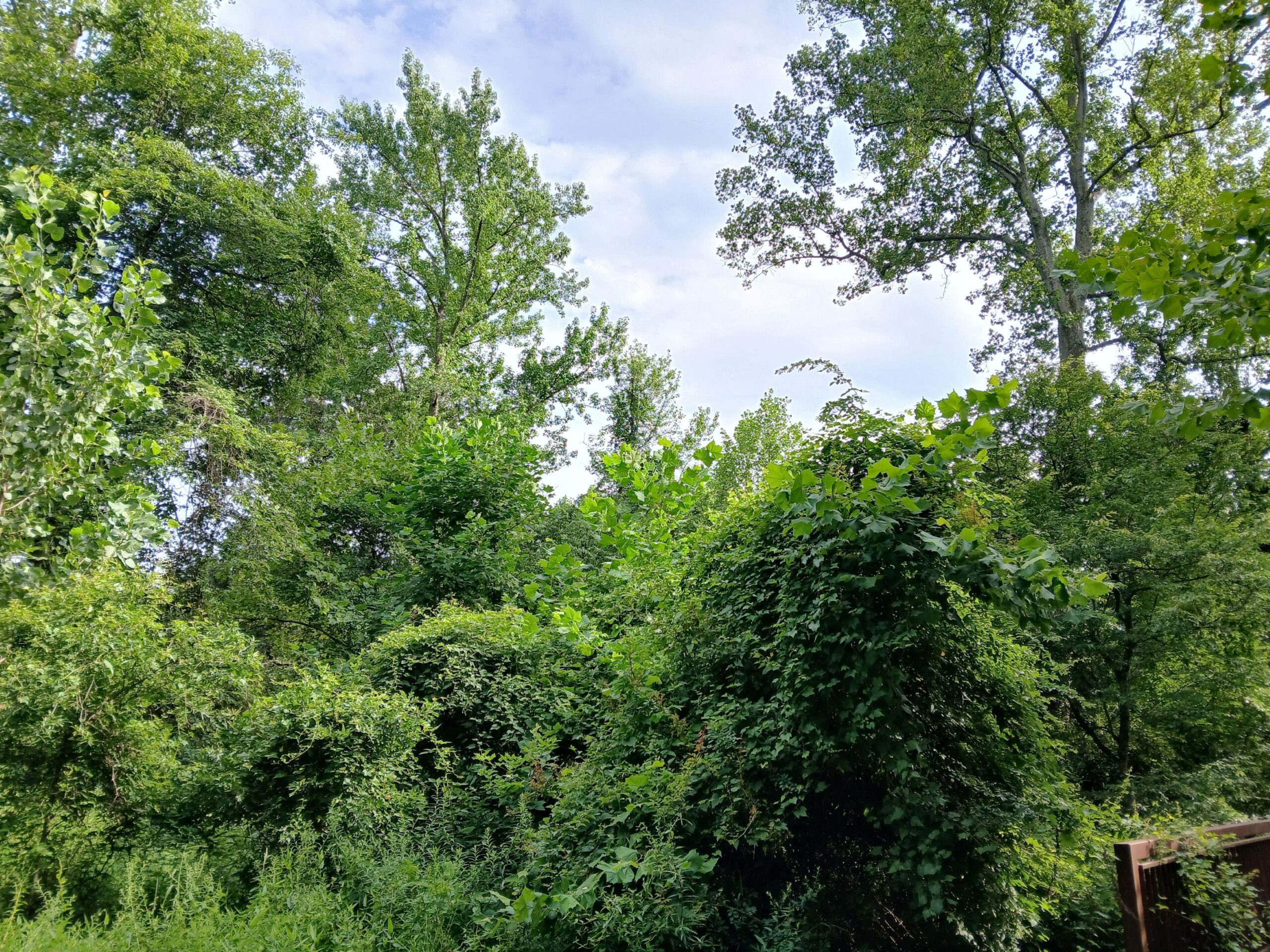
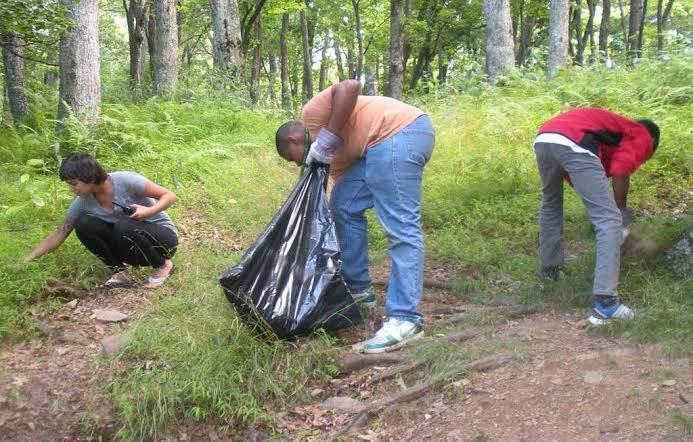
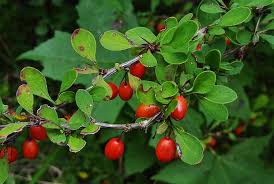
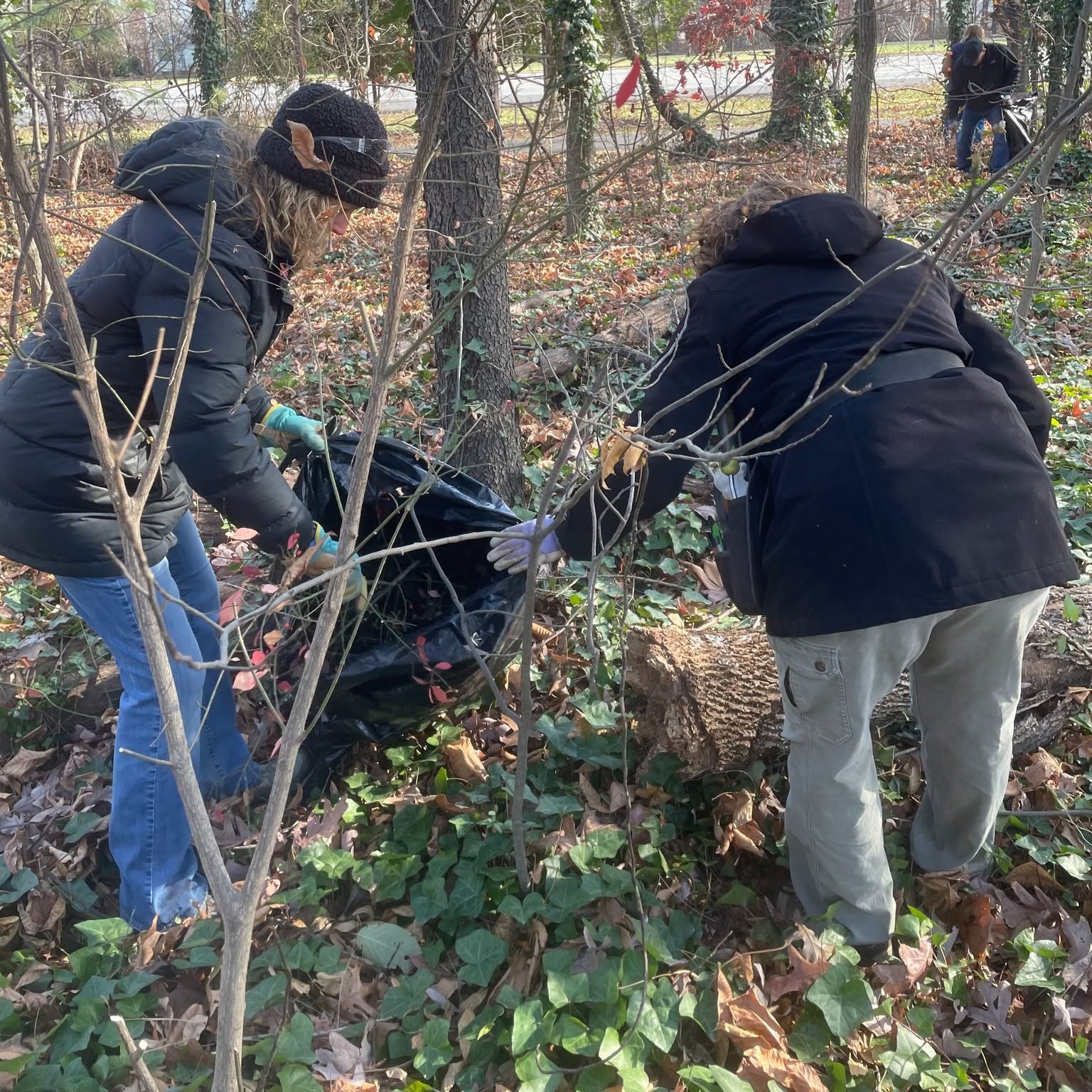
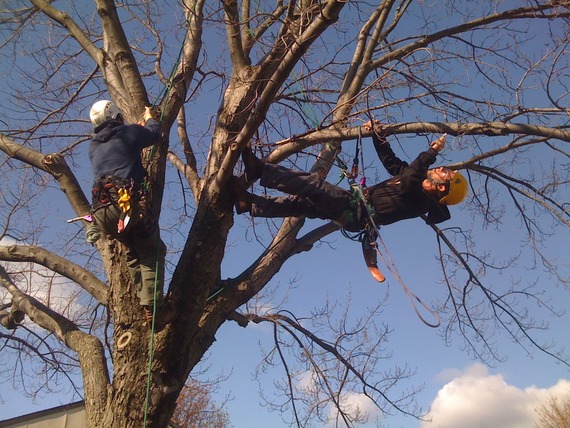
sycamores overcome by invasive vines, primarily porecelain berry; photo by F.T. Campbell
18 months ago I blogged about the impacts of invasive plant species and deer on regeneration of tree species. I provide more information on some National Park units’ efforts to counter these threats – contemporaneous with release of the report.
Emma Brentjens has posted a report with pictures. She focuses on National parks in the National Capital Region (NCR). These are the National parks in Maryland, Virginia, and a small part of West Virginia, including Catoctin Mountain Park; Antietam, Manassas, and Monocacy National battlefields; Harpers Ferry and Chesapeake & Ohio National Historical parks; Rock Creek Park; some parkways; and some urban parks, e.g. Anacostia and East Potomac. Forests constitute three-quarters of the landcover in National parks of this region. Regional NPS staff noted poor regeneration as early as 2006. In the years since, most have ramped up IAS plant management, & begun deer population management. As result, the previously steady regeneration declines have begun to reverse.
They analyze forest vegetation data using the Stocking Index, which calculates seedling density per hectare. “Acceptable” forest regeneration is defined as 67% of plots being adequately stocked. Unfortunately – from my perspective – the program accepts non-native tree species as successful regeneration.
Comparing the parks’ Stocking Index in 2006-2009 to 2020-2024 showed that most of these parks have seen an increase in the Stocking Index, including most sites managing deer populations. Still, no parks have yet achieved adequate stocking for more than 30% of the plot.
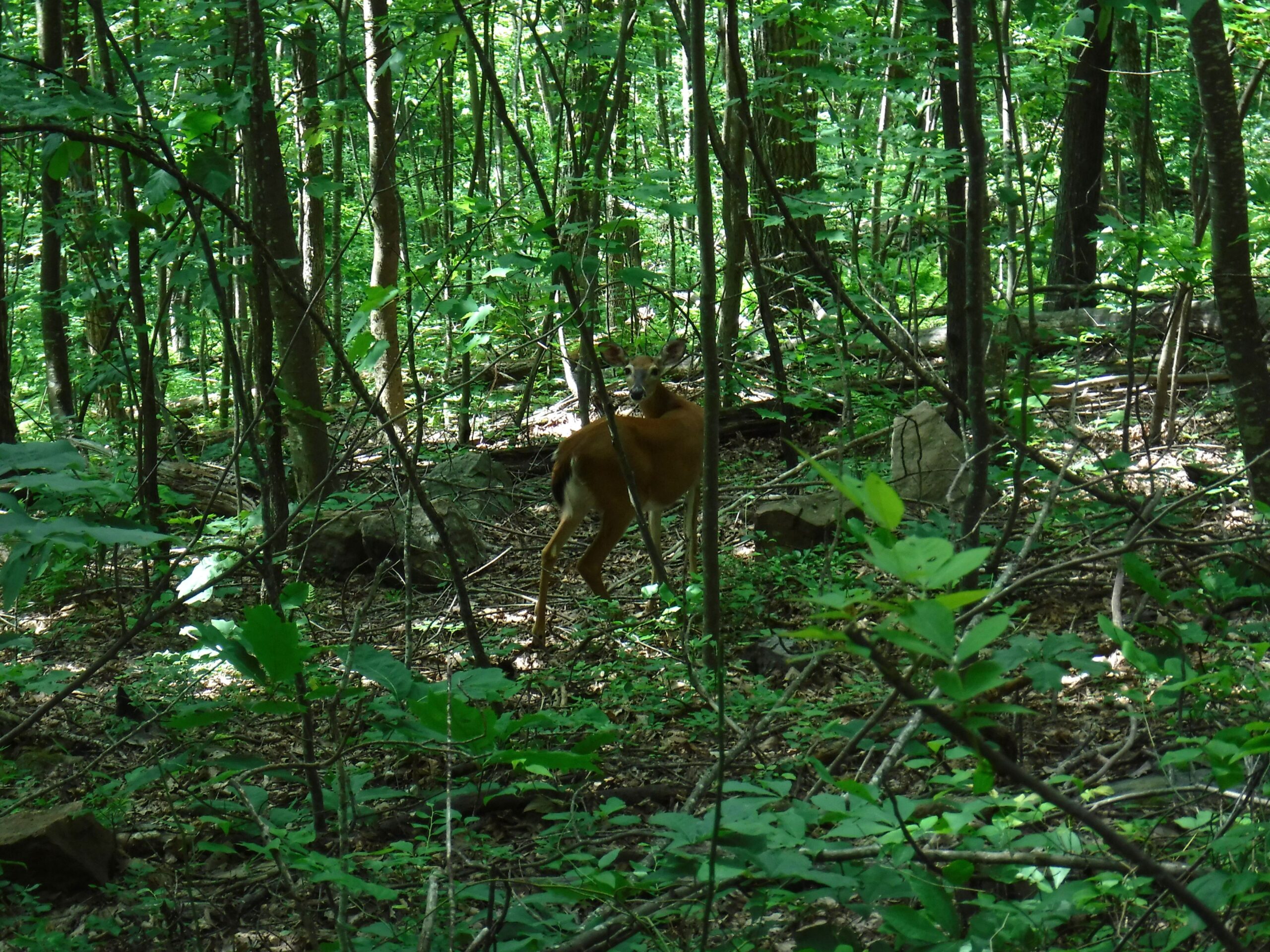
Most parks that are managing their deer populations show growth in seedling density, e.g., Catoctin Mountain Park (illustrated in the report); Harpers Ferry National Historical Park; and Monocacy National Battlefield. In Rock Creek Park, which also manages deer, many seedlings have grown into saplings.
deer in Shenandoah National Park; photo by F.T. Campbell
Most of the sites with declines in seedling density have not implemented deer management. These include several segments of Chesapeake & Ohio Canal National Historical Park and the parkways. Unfortunately, it also includes Prince William Forest Park, which at 15,000 acres is the largest protected area near Washington, D.C.
Brentjens notes that while these early results are promising, seedling levels are highly variable and do not guarantee forest regeneration. Continued management is necessary to sustain improvements.
As part of deer management, the NP units are also monitoring spread of chronic wasting disease (CWD) among white-tailed deer. Current CWD rates are very low (< 1%). The disease has been confirmed at four parks in the region: Antietam, Manassas, and Monocacy National battlefields and Harpers Ferry National Historical Park.
(Chronic wasting disease is not an effect too to reduce deer populations. First, is relying on such suffering an ethical approach? Second, significant declines in deer populations are not observed until infection rates reach about 29% of the population. Parks in the National Capital Region are not expected to reach that level for at least 20 years.
Posted by Faith Campbell
We welcome comments that supplement or correct factual information, suggest new approaches, or promote thoughtful consideration. We post comments that disagree with us — but not those we judge to be not civil or inflammatory.
For a detailed discussion of the policies and practices that have allowed these pests to enter and spread – and that do not promote effective restoration strategies – review the Fading Forests report at http://treeimprovement.utk.edu/FadingForests.htm
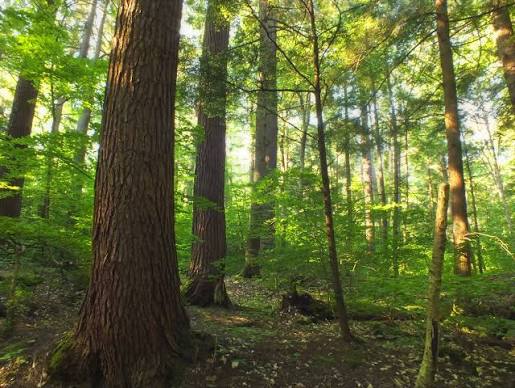
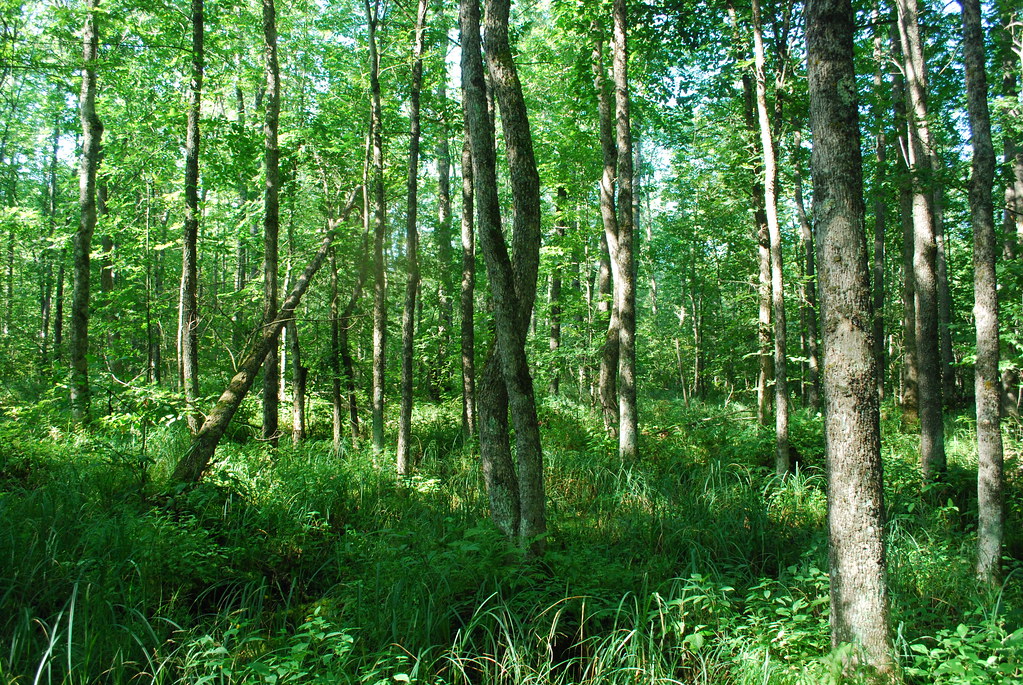
old-growth forest in Tioresta Research Natural Area, Allegheny National Forest (Pennsylvania); photo by Nicholas T via Flickr
The implied or explicit recommendations are not new. But they are supported by new data!
Several measures of forest health drawn from survey plots of the Forest Inventory and Analysis (FIA) show that federally-owned forested lands – in both National forests and National parks – are healthier than neighboring forests under different ownership. Forest inventory plots in federal forests have significantly greater tree species and structural diversity and evenness; basal area and biomass per hectare; and seedling density. They are also less invaded by non-native plants. These findings hold across the continental United States, four regions (North, South, Rocky Mountains, and Pacific Coast) analyzed separately, and 22 common forest types.
The consistent finding of more “mature forest” features in eastern National parks and National forests – regardless of longer-term land-use histories (Potter et al. 2026b) – seems to me to indicate that recent and current management practices might overcome influences of centuries of pre-protection land use histories of exploitation and degradation.
1. Forest Health Inside vs. Outside Federal Forested Lands
Legally designated USFS National forests comprise ~19% of the Nation’s total forest area (~59 million out of 310 million hectares). Since adoption of the Forest and Rangeland Renewable Resources Act of 1974, the National Forest System (NFS) within USDA has been managed to maintain “appropriate forest cover . . . to secure the maximum benefits of multiple use sustained yield management in accordance with land management plans”. The Department of Interior’s National Park Service units are managed to conserve unimpaired the natural and cultural resources and values in the system for the enjoyment, education, and inspiration of this and future generations (National Park Service “Organic Act” of 1916).
Potter et al. 2026b assessed the ability of National forests to provide ecosystem services and forest products in the face of dramatically increasing threats: (1) more intense and frequent wildfires; (2) uncharacteristically long and hot drought conditions; (3) mortality and compositional changes caused by invasive forest pests; (4) competition from invasive plant species; and (5) forest fragmentation and conversion to other land uses. To do this, they asked whether National forests (1) have greater biodiversity – as measured by species and structural diversity; (2) are denser and encompass more biomass; (3) experience more regeneration; and (4) are less invaded by non-native plants. The FIA surveys were carried out from ~2010 to ~2022. As noted, they analyzed each comparison across the conterminous states, the four regions, and the 22 forest types.
Potter et al. (2026b) and an earlier study by Miller et al. (2016) agree that ownership determines forest management, specifically the level of anthropogenic disturbance allowed. Miller et al. demonstrated that, in the eastern United States, forests in National parks have greater live tree basal area, a larger volume of coarse woody debris, and greater proportions of late-successional tree species than nearby forests. They also have lower rates of tree growth and mortality.
Potter et al. (2026b) found that all biodiversity indicators except number of saplings per hectare were higher for plots inside the NFS than neighboring forests under other ownerships. This was true across the continent and in all four regions.
In some of the 22 forest types the indicators were particularly strong. Thus, basal area was notably higher on NFS forests populated by loblolly/shortleaf pine, Western larch, hemlock/Sitka spruce, maple/beech/birch, and oak/hickory forest types. Tree species richness was significantly higher on NFS plots for Western larch, elm/ash/cottonwood, longleaf/slash pine, pinyon/juniper, and loblolly/shortleaf pine. Differences in regeneration were seen most prominently in loblolly/shortleaf pine, oak/hickory, oak/pine, and white/red/jack pine. The authors do not speculate on the reasons.
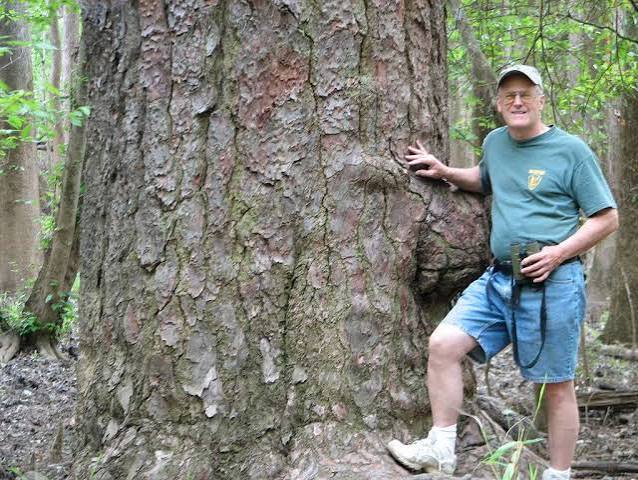
a large loblolly pine in Congaree National Park; via Picaryl
The FIA data showed that invasive plant richness and cover were both greater on plots outside National forests across the Continent and in all four regions. However, invasive plant richness did not differ by ownership for some specific forest types: elm/ash/cottonwood, pinyon/juniper, Western larch, and hardwood woodlands. (National parks are even less invaded by non-native plants than National forests; see below.)
2. Regions Differ – Why?
Geographic regions differed noticeably. Tree species richness and evenness; diversity and evenness of tree height classes; biomass/ha; seedlings and saplings per hectare; and invasive plant diversity and cover were higher in the East – in both USFS Northern and Southern regions. Tree species richness was by far highest in the South – especially in the southern Appalachians and on the Cumberland Plateau. Seedling density was highest in the North, moderately high in the South. In the North, tree species and tree height evenness were both higher on non-federal lands.
Invasive plant richness was highest in some parts of the South. [See a more detailed discussion of invasive plants below.] Tree diameter class diversity and evenness were significantly higher in the West. Basal area was by far the highest in the northern part of the Pacific coast region (Washington, Oregon, and California.). Seedling density was moderately high in some National forests in the Rocky Mountains. Tree diameter evenness was higher outside National forests in the Rocky Mountains.
These differences had been expected given the marked regional dissimilarities in floristic, climatic, and edaphic factors, as well as ownership patterns.
Potter et al. (2026b) report that tree recruitment was stronger in the East than the Rocky Mountain and Pacific coast regions. I wish they had discussed how this finding relates to earlier findings (Potter and Riitters 2022) that numbers of species experiencing poor regeneration were highest in the Southeast, followed by the Northeast and Midwest. Miller et al. (2023) also found that tree regeneration was poor in National parks from Virginia to Maine. The latter study attributed this failure to a combination of browsing by overabundant deer and competition by invasive plants. The latter is presumably even more important in national forests, which are invaded by non-native plants at twice the rate of national parks. Nonfederal forests are invaded at even higher rates – up to 3 times greater. [See here for a study of improve regeneration in National parks which control their deer populations.]
Potter et al. (2026b) note that the higher forest health indicator values for NFS forests prevailed across the Continent despite notable differences in land-use and management histories and landscape contexts. Most NFS land in the West was put under federal management before arrival of European pioneers, so more of their groves are classified as old-growth or mature. In the East, nearly all lands incorporated into the National Forest System were privately owned until they were purchased in the 20th Century. At that time these forests were often highly degraded. Not only did the eastern National forests have to recover from overexploitation; they are still typically embedded in a matrix of other land ownerships, often largely cleared of trees.
In their analysis, Potter et al. (2026b) controlled for differences in site productivity and some environmental conditions e.g., elevation and slope, but not soil or hydrological conditions. So they believe that the suite of environmental factors do not explain the “older” attributes of eastern forests managed by the USDA Forest Service and USDI National Park Service,. These attributes generally include a more complex forest structure; higher tree species richness; and greater basal area and density of live trees (Miller et al. 2016).
What differs is management. Miller et al. (2016) say explicitly that protection from forest harvesting for many decades probably is an important explanation of why forests in the eastern National parks have greater tree species diversity than forests owned by other parties. Potter et al. (2026b) instead emphasize the impacts of different land-use histories outside of National forest boundaries. Much of this land (especially in the East) has experienced continuous, centuries-long agriculture and residential development and more acute disturbance pressures associated with higher human population density. They also note that managers of non-federal forests goals often call for harvests or other active management – which can reduce forest structure, species richness, size of live trees, presence of downed woody debris, etc.
I note that the consistent finding of more “mature forest” features in eastern National parks and National forests – regardless of longer-term land-use histories (Potter et al. 2026b) – indicates that recent and current management practices might overcome older influences. Many of these forests have enjoyed protective management for less than a century; the Forest and Rangeland Renewable Resources Act of 1974 was adopted just 50 years ago. I assert that the decisive factor might be the much lower presence – although not absence! – of deliberately planted non-native plant species on federal properties. [Again, see a more detailed discussion of invasive plant issues below.]
Potter et al. (2026b) also comment that regeneration on NFS land is almost exclusively natural. As discussed above, they consider this regeneration to be successful, in that seedlings generally are being produced in greater numbers than on surrounding forests in other ownerships. Again, I would like to learn how this finding relates to the earlier study by Potter and Riitters (2022).
Potter et al. (2026b) state that National forests benefit from their greater size and stability of management goals. These are necessary for large-scale approach to conserve or imitate the processes that create diversity
As Potter et al. (2026b) note, in the East, reserved areas like National forests (or to a greater extent, National parks) represent a small proportion of the landscape. Their distinctness from neighboring forestlands emphasizes their ecological value. They call for managers to be alert to potential invasions of non-native plants or tree-killing pests from the surrounding agricultural and developed land. In the West, private forests abut federal forested lands less often and thus have less influence on the status of forest health indicators on National forests.
3. Plant Invasions in Forests
Several studies by Kevin Potter, Kurt H. Riitters and colleagues have documented the extent of plant invasions in America’s forests. Data supporting these studies come from the same forest plot surveys conducted under the Forest Inventory and Analysis (FIA) program.
The region most invaded is Hawai`i: 83% of FIA plots have one or more invasive plant species. The region that ranks second is the East, specifically the 37 states comprising the USDA Forest Service’s former Northern and Southern regions. Nearly 53% of FIA plots in this region have one or more invasive plant species (Potter et al. 2024). FIA plots in the Rocky Mountain West had only 11% (Potter et al. 2026a).
student volunteers in Camp S.E.E.D. (Students Encouraging Environmental Recovery) program pulling invasive plants in Shenandoah National Park; via Picaryl
As noted above, invasive plants are particularly problematic in the South. There, invasive plants have been documented on 55.3 million hectares. In the Northern Region, an incomplete survey found invasive plants on 36.9 million ha. In some counties of the 37 states, 80% of inventoried forest plots contain invasive plants. Spread of these invaders is largely unchecked. The invasions’ extent and intensity are so great that their complete removal – or elimination of their impacts – is “practically impossible” (Potter et al., 2024; Potter et al. 2026a).
Plant invasions in eastern forests are undoubtedly worse than these data indicate because the records include only some of the non-native plant species present — those considered to be the worst invaders at the time regional lists were compiled (Potter et al. 2026a). Not included on the survey list are wavy-leaf basketgrass (Oplismenus undulatifolius), fig buttercup (Ficaria verna), shrub and creeping Euonymus, callery pear (Pyrus calleryana). Only one privet (Ligustrum vulgare) is included.
Furthermore, Bradley, Early and Sorte (2015) report that while non-native plant species are already more widely distributed than native species, the average invasive plant species inhabits only about 50% of its expected range.
Sites Most Heavily Invaded
Analyses of the FIA data reveal several overlapping definitions of which locations and situations have been invaded most severely. These factors are separate from the issue of ownership discussed above. Invasive plants are more numerous, widespread, and diverse in more disturbed or fragmented sites. One study found that 65% of plots that experienced greater fragmentation were invaded compared to 46% of plots that experienced low fragmentation. Invasion rates are highest in the “wildland-urban interface” (WUI). Unfortunately, the WUI is growing faster than any other land use type in the country – especially in the East (Potter et al. 2024). Because the East is so heavily developed, a plot’s distance from a road was nearly irrelevant. Furthermore, development in the WUI also promotes planting of non-native species that might then invade the nearby forest. See my more detailed discussion of these issues here.
Highly productive sites [defined as a site’s ability to grow industrial timber; Potter et al. 2026b] are also prone to invasion: 76% of highly productive plots were invaded compared to 40% of low-productivity plots. It is not known whether highly productive sites are inherently more invasible, or, instead, that such plots were converted to agriculture earlier, so exposed to human disturbance longer (Riitters et al. 2017).
A third analysis found that the best predictor of the odds that a site would be invaded was the site’s ecological province as defined by Robert G. Bailey in 1995 (Riitters et al. 2017)
Propagule Pressure: the Role of Deliberate Planting
Over 25 years (Reichard and White 2001) numerous scientists have documented the role of deliberate planting – especially ornamental horticulture – in facilitating introduction and spread of invasive plants. Kinlock et al. (2025) found that more than 1,600 plant species sold by nursery and seed catalogs over 200 years had “naturalized” somewhere in the continental 48 states. Fertakos and Bradley (2024) found that species were likely to establish if they were introduced to as few as eight locations. Beaury et al. (2023) found that half of 89 plant species recognized as invasive are sold in the same locations where they are invasive. Another 25 species are sold in an area that is currently unsuitable for those species, but that will become more suitable for invasion as temperatures warm.
Japanese barberry – invasive that is widely sold; photo by Matthew Beziat via Flickr
Both Potter et al (2024) and Potter et al. (2026a) note that the flora of suburban and rural residential landscapes is dominated by non-native plant species. I add that the people who live there promote plant invasions in various ways, including planting shrubs or flowers in the woods and dumping yard waste there. The older the human settlement, the more years for these plants to spread – assisted by birds, wind, or water. Go here for a more detailed discussion of these issues.
What Should We Do to Curtail Introduction and Spread of Invasive Plants?
a. Regulations The ornamental plant market – whether brick and mortar stores or internet sales — is interstate in scope. Regulations need to match (Beaury et al. 2023). This requires Congress to adopt a new federal law. Under the Constitution, the appropriate entity for regulating interstate commerce is the federal government. But the current statute (the Federal Noxious Weed Act) does not address long-established, widespread species.
States currently have the lead in regulating sales of horticultural plants. Beaury et al. (2023) and Evans et al. (2024) criticize state restrictions as outdated, limited to a few weeds that plague agriculture, and irregularly enforced. The result is a checkerboard of places where a species is offered for legal sale next to places where that sale is prohibited. Finally, the regulations are reactive; they rarely include plants in anticipation of their spread to new areas. Evans et al. (2024) urge state regulators to prioritize those species in the ornamental trade that are projected to remain or become abundant under evolving climate conditions.
b. Voluntary Actions
Potter et al. (2024) call for efforts to encourage homeowners to plant more native and environmentally friendly private landscapes. They concede the complication that some non-native – even invasive – species provide valued ecosystem and cultural services. They also suggest that local governments adopt land-use planning rules that protect forests of high conservation value. They do not discuss the extreme improbability of the latter action given the magnitude of predicted land-use changes in the country, powerful demographic factors driving them, and lobbying clout of affected economic interests, including the nursery industry.
Many citizen associations – native plant societies, regional or state invasive plant councils, etc. – are pursuing the education approach. (See the websites for state native plant societies, Southeast Exotic Pest Plant Council, Mid-Atlantic Invasive Plant Council, Midwest Invasive Plant Network, and Virginia Invasive Plant Coalition.) These voluntary efforts have yielded some success. But they have not resulted in adequate protection for our ecosystems.
c. Land-Managing Agencies
Many land-managing agencies work with local and regional groups to monitor and remove invasive plants, e.g., Blue Ridge PRISM. Databases that verify and post their findings, e.g., iNaturalist and EDDmapS can provide early warning of new invaders. See here for a discussion of these matters.
Blue Ridge PRISM removing English ivy; photo courtesy of Rowena Zimmerman, Director of Virginia Invasive Plant Coalition & Blue Ridge PRISM
Potter et al. (2026a) also suggest that the USDA Forest Service update the lists of invasive plants to be included in future FIA surveys. I agree. See above for examples of highly invasive species not now included.
Of course, the influence of plants on ecosystems is broader than invasive species. Dr. Douglas Tallamy has demonstrated that even non-invasive, non-native plants can disrupt food webs.
SOURCES
Beaury, E.M., J.M. Allen, A.E. Evans, M.E. Fertakos, W.G. Pfadenhauer, B.A. Bradley. 2023. Horticulture could facilitate invasive plant range infilling and range expansion with climate change. BioScience 2023 0 1-8 https://doi.org/10.1093/biosci/biad069
Bradley, B.A., R. Early and C. J. B. Sorte. 2015. Space to invade? Comparative range infilling and potential range of invasive and native plants. Global Ecology and Biogeography
Evans, A.E., C.S. Jarnevich, E.M. Beaury, P.S. Engelstad, N.B. Teich, J.M. LaRoe, B.A. Bradley. 2024. Shifting hotspots: Climate change projected to drive contractions and expansions of invasive plant abundance habitats. Diversity and Distributions 2024;30:4154
Fertakos, M.E. and B.A. Bradley. 2024. Propagule pressure from historic U.S. plant sales explains establishment but not invasion. Ecology Letters 2024;27:e14494 doi: 10.1111/ele.14494
Kinlock, N.L., D.W. Adams, W. Dawson, F. Essl, J. Kartesz, H. Kreft, M. Nishino, Jan Pergl, P. Pyšek, P. Weigelt and M. van Kleunen. 2025. Naturalization of ornamental plants in the United States depends on cultivation and historical land cover context. Ecography 2025: e07748 doi:10.1002/ecog.07748
Miller, K. M., F. W. Dieffenbach, J. P. Campbell, W. B. Cass, J. A. Comiskey, E. R. Matthews, B. J. McGill, B. R. Mitchell, S. J. Perles, S. Sanders, J. P. Schmit, S. Smith, and A. S. Weed. 2016. National parks in the eastern United States harbor important older forest structure compared with matrix forests. Ecosphere 7(7):e01404. 10.1002/ecs2.1404
Miller, K.M., S.J. Perles, J.P. Schmit, E.R. Matthews, M.R. Marshall. 2023. Overabundant deer and invasive plants drive widespread regeneration debt in eastern United States national parks. Ecological Applications. 2023;33:e2837. https://onlinelibrary.wiley.com/r/eap
Potter, K.M and Riitters, K. 2022. A National Multi-Scale Assessment of Regeneration Deficit as an Indicator of Potential Risk of Forest Genetic Variation Loss. Forests 2022, 13, 19. https://doi.org/10.3390/f13010019.
Potter, K.M., K.H. Riitters, B.V. Iannone III, Q. Guo and S. Fei. 2024. Forest plant invasions in the eastern United States: evidence of invasion debt in the wildland‑urban interface. Landsc Ecol (2024) 39:207 https://doi.org/10.1007/s10980-024-01985-y
Potter, K.M., B.V. Iannone III, K.H. Riitters, Q. Guo, K. Pandit, C.M. Oswalt. 2026a. US Forests are Increasingly Invaded by Problematic Non-Native Plants. Forest Ecology and Management 599 (2026) 123281
Potter, K.M., Q. Guo, F.H. Koch, S. Lim-Hing, E.R. Matthews, and K. Pandit. 2026b. U.S. National Forests Are More Diverse, Denser and Less Invaded than Neighboring Forests. Forests 2026 17
Reichard, S.H. and P. White. 2001. Horticulture as a Pathway of Invasive Plant Introductions in the United States. BioScience 103. Vol. 51 No. 2. February 2021.
Riitters, K., K. Potter, B.V. Iannone III, C. Oswalt, S. Fei, Q. Guo. 2017. Landscape correlates of forest plant invasions: A high-resolution analysis across the eastern United States. Diversity and Distributions. DOI: 10.1111/ddi.12680
Tallamy, D.W. and K.J. Shropshire. 2009. Ranking Lepidopteran Use of Native Versus Introduced Plants
Conservation Biology, Volume 23, No. 4, 941–947 2009 Society for Conservation Biology
DOI: 10.1111/j.1523-1739.2009.01202.x
Posted by Faith Campbell
We welcome comments that supplement or correct factual information, suggest new approaches, or promote thoughtful consideration. We post comments that disagree with us — but not those we judge to be not civil or inflammatory.
For a detailed discussion of the policies and practices that have allowed these pests to enter and spread – and that do not promote effective restoration strategies – review the Fading Forests report at http://treeimprovement.utk.edu/FadingForests.htm
Science continues to provide new hope for management of some of the tree-killing insects introduced to North America.
searching for ALB; photo by USDA
Asian longhorned beetle
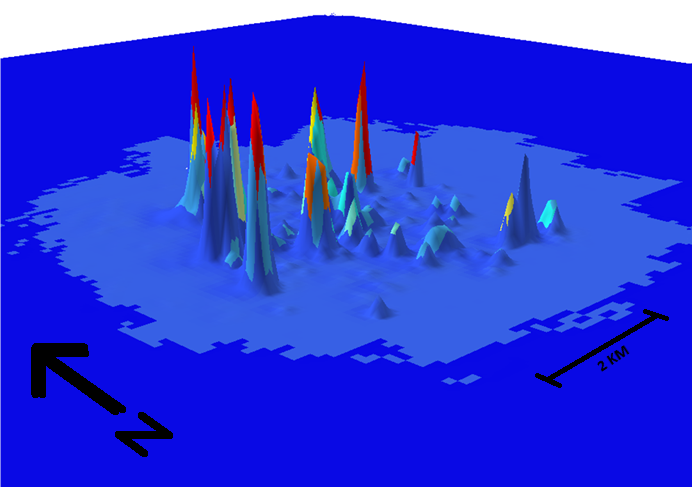
USDA Forest Service and APHIS scientists have developed an Asian Longhorned Beetle (ALB; Anoplophora glabripennis) Eradication and Risk Tracking (ALBERT) 1.0 toolkit. Trotter et al. (2024) believe that the toolkit will improve the efficiency of ALB eradication programs by better estimating changing infestation risk in real time and comparing efficacy of various management strategies in those circumstances. Managers can thus set priorities for surveys and eradication efforts, optimize surveys, and improve eradication outcomes. Improved efficiency will also reduce long-term management costs.
Data on dispersal and infestation risk are analyzed at the hectare level. Inputs are contemporary, so they reflect hectare-scale changes in risk level and ALB detectability simultaneously with program implementation. Managers and stakeholders can track and visualize the distribution of risk on the landscape. In the example, the risk of infestation is shown by the color and height of the surface on the landscape.
I note that the research was completed two years ago. I wish the USFS “Rooted in Research” brief had discussed whether programs managing extant ALB infestations are using the tool – and finding it useful.
Suppressing emerald ash borer populations
black ash swamp via Flickr
Minnesota authorities and scientists wish to protect the expansive black ash (Fraxinus nigra) swamps located mostly in the central & northern portions of the state. There, the emerald ash borer (EAB; Agrilus planipennis) has not yet spread to all vulnerable locations. They consider that use of pesticides is not concerned feasible in these locations. And two of the introduced biocontrol agents have limited efficacy. One of the wasps—Tetrastichus planipennisi— can oviposit in EAB larvae only in trees with thin bark, that is trees smaller than 16 cm dbh. A second wasp, Spathius agrili, doesn’t persist in northern regions – i.e., northern Minnesota! Therefore they are seeking additional management tactics workable in natural mature ash stands across northern North America.
Peters, Rajtar, & Blanchette (2025) are testing whether useful levels of suppression can be provided by release of entomopathogenic fungi (EPF). They are building on earlier studies link? that determined that one entomopathogenic fungus isolate, Beauveria bassiana, showed promise in reducing EAB population growth. This fungus is available as a commercial product.
Peters, Rajtar, & Blanchette (2025) tested isolates from five genera = Beauveria, Purpureocillium, Metarhizium, Clonostachys, & Samsoniella. They found that Beauveria pseudobassiana, Beauveria bassiana GHA, Metarhizium sp. Meta, & Purpureocillium sp. consistently reduced EAB mean survival time (MST) and probability of survival over time.
They also tested use of an inoculation method different from that used in the earlier studies: autodissemination devices (ADDs). The devices expose adult EAB to the fungal spores using baited Lindgren funnels with non-stick surfaces hung in the canopy of an infested ash tree. Infected beetles transmit the fungus to others during mating. In a Canadian study, this method of infecting EAB adults with an isolate of B. bassiana CFL-A caused rates of infection up to 40% and a significant decrease in EAB pop growth rate over a 3-year period.
Scientists have isolated and identified 1,126 fungal isolates associated with EAB larval galleries from trees growing across Minnesota. Eight percent of these isolates are entomopathogens. Some of these isolates have been proved to kill EAB eggs. In this study Peters, Rajtar, & Blanchette (2025) tested the fungi’s efficacy against adults and whether the ADDs system inoculates sufficient numbers of beetles.
They found that five of the fungal isolates significantly decreased the mean survival time of EAB adults post-exposure and the probability of EAB survival over time. These were Beauveria bassiana GHA, B. pseudobassiana EAB 16.8 & B. pseudobassiana EAB 53-5, Metarhizium sp. Meta, and Purpureocillium sp. EAB 59-16-2. They are most promising isolates for future study. Peters, Rajtar, & Blanchette (2025) discourage further consideration of isolates in the genera Samsoniella and Clonostachys because of disappointing reductions in adult beetle survival.
The probability of survival of beetles in the negative control groups differed significantly between the two experiments. The authors say they can only speculate about the reason because many external factors influence EAB adult lifespan. Among such factors are a) the longer storage period for insects used in the first experiment; b) differences in nutrient quality or microbiomes of ash leaves provided during incubation; or c) health of trees from which the beetles had been collected.
Peters, Rajtar, & Blanchette (2025) say the effectiveness of these fungi and this inoculation method must now be tested under field conditions. One concern: the fungal inoculum can degrade due to exposure to the environment while it is in the trap. A second concern is that the fungus might grow across the inoculum pouch unevenly, thereby undermining equal delivery of conidia to each beetle. They call for research to optimize the type and/or formulation of inoculum used in ADDs to prolong fungal viability in the field.
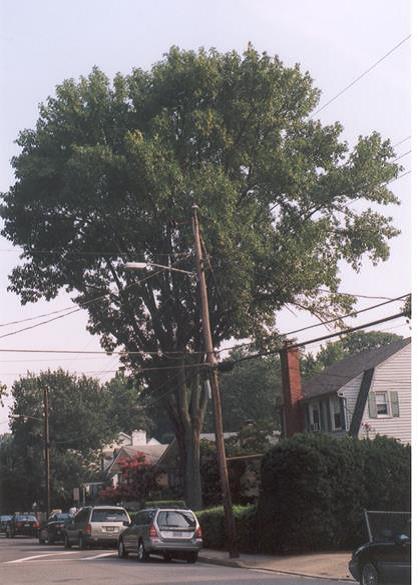
an ash in a suburban setting; photo by F.T. Campbell
While I am cheered by the prospect of conservationists having new tools to counter the EAB infestation, I am concerned by how slowly work pursuing possible use of entomopathogens is proceeding. Peters, Rajtar, & Blanchette (2025) refer to several past studies that reached similar findings. Why has this knowledge not been applied in the field already? Is it due to the intrinsic difficulty of detecting and working with the fungi? Lack of funding for non-commercial approaches? Leaders’ narrow focus on strategies already in use? Some other complication?
SOURCES
Peters, C.J.; Rajtar, N.N.; Blanchette, R.A. Entomopathogenic Fungi from MN Are Virulent Against Emerald Ash Borer, Agrilus planipennis Fairmaire (Coleoptera: Buprestidae), Adults in a Laboratory Autodissemination Device Assay. Forests 2025, 16, 1742. https:// doi.org/10.3390/f16111742
Trotter, R.T., III; Warden, M.L.; Vazquez, R.J.; Ryan, J.K.; Pfister, S. 2024. ALB Hazard Management and Monitoring Version 1.0: an assessment and tracking tool for Asian longhorned beetle eradications in the United States. Gen. Tech. Rep. NRS-222. Madison, WI: U.S. Department of Agriculture, Forest Service, Northern Research Station. 24 p. https://doi.org/10.2737/NRS-GTR-222.
Posted by Faith Campbell
We welcome comments that supplement or correct factual information, suggest new approaches, or promote thoughtful consideration. We post comments that disagree with us — but not those we judge to be not civil or inflammatory.
For a detailed discussion of the policies and practices that have allowed these pests to enter and spread – and that do not promote effective restoration strategies – review the Fading Forests report at http://treeimprovement.utk.edu/FadingForests.htm
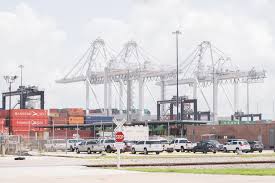
Barbours Cut terminal, Port of Houston; photo by Patrick Feller via Flickr
I blogged recently about ports in the southeast dredging channels and taking other actions to increase the number of container ships they can service. Michael Angell of the Journal of Commerce reports that the Port of Houston is competing vigorously for visits by ships from Asia. Of course, rising ship visits increase the opportunity for Asian pests such as Asian longhorned beetle or several ambrosia beetles in the Euwallaceae complex to invade the Gulf Coast region. (The emerald ash borer is already present in Texas.)
Considering the immediate future, the Port of Houston is expanding capacity of its two existing terminals. The Port is dredging portions of its channel down to a 46-foot depth. It expects to complete dredging of the main channel to 55 feet – the depth of Norfolk currently by ten years from now.
One of the existing terminals, the Bayport container terminal, handles most of the trans-Pacific Asia services coming into the Gulf Coast. Two new berths and storage yard space are being added, so that Bayport will be able to handle five super-post-Panamax ships simultaneously. The other terminal, Barbours Cut terminal, is also being renovated to improve handling of super-post-Panamax ships. At full buildout, the Bayport and Barbours Cut will have capacity for handling 8 million TEUs per year.
Houston has begun design work for a third container terminal. At full capacity – more than a decade from now — this third terminal will handle another 4 million TEUs. The project has been approved by the Federal Permitting Improvement Steering Council for streamlined environmental under the 2015 FAST Act. This program does not alter any applicable statutory or regulatory requirement, or guarantee approval. It seeks to expedite lawfully mandated environmental and other review through standardized interagency consultation and coordination practices. It also created a public online tool to track progress in completing these requirements.
Through May 2026, Houston handled 502,387 TEUs in container imports from Asia, up 10% from the same period in 2025. The number of container ships over 10,000 TEUs in capacity calling at Houston doubled, from four in the second half of 2025 to nine during the first half of 2026.
Port of Long Beach
Houston ranked fifth in container volumes during this period. Los Angeles was the top port, with 1,974,330, followed closely by Long Beach with 1,851,159. Together, the two California ports received more than seven times as many containers as Houston. Houston is competing with other ports in the Southeast. Savannah still handles more than a third higher numbers than Houston, at 823,823 containers. The Port of Virginia (see earlier blog) received 285,046 containers, and Charleston only 256,499 Both were decreases from the 2025 number. All three southeastern ports saw small decreases from their 2025 numbers.
Posted by Faith Campbell
We welcome comments that supplement or correct factual information, suggest new approaches, or promote thoughtful consideration. We post comments that disagree with us — but not those we judge to be not civil or inflammatory.
For a detailed discussion of the policies and practices that have allowed these pests to enter and spread – and that do not promote effective restoration strategies – review the Fading Forests report at http://treeimprovement.utk.edu/FadingForests.htm
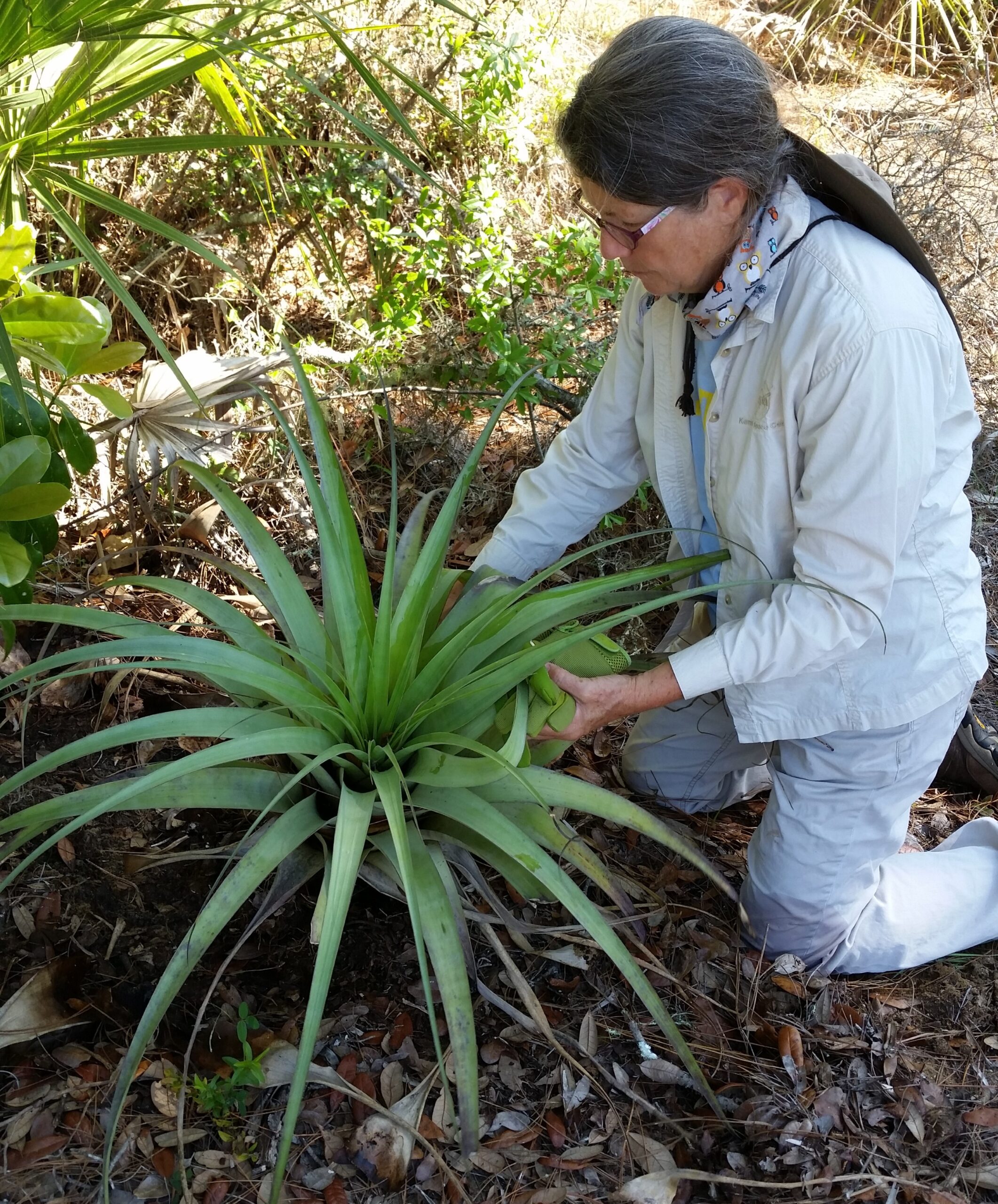
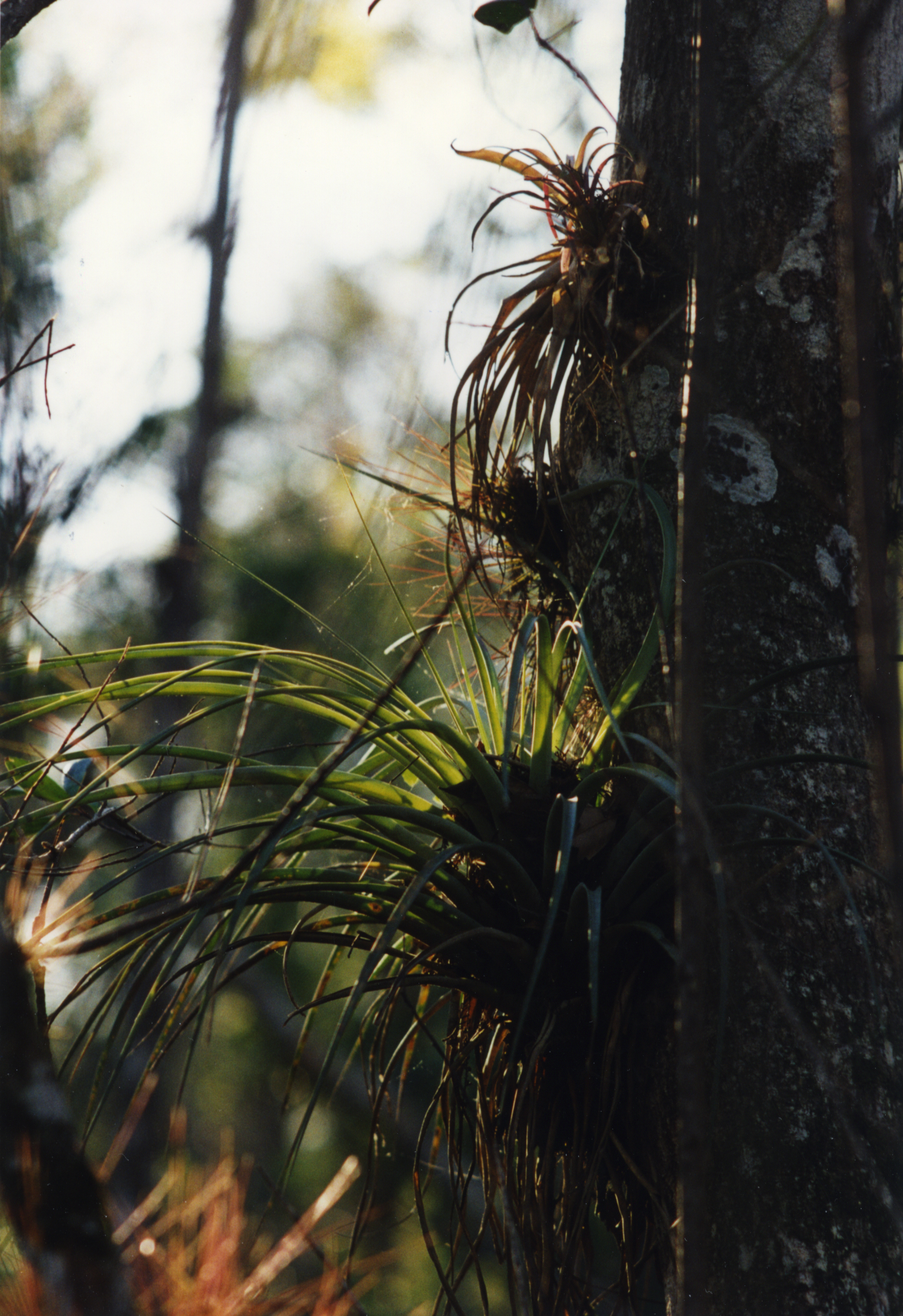
Tillandsia utriculata; photo courtesy of Teresa Cooper
Florida has 16 native species of bromeliads. Up to 15 invertebrates depend on bromeliads, especially the water that collects at the bases of the leaves. See Frank (1983) and Frank and Fish (2008) for more information about bromeliads’ ecological importance.
Eight species had been listed as threatened or endangered in the state (visit here) (Frank and Cave 2005) before arrival of the Mexican bromeliad weevil. The Florida Endangered Plant Advisory Council added two of its hosts – Tillandsia utriculata and Tillandsia fasciculata. The website now lists 12 species as threatened by the weevil.
Twelve species are believed to be vulnerable to the weevil. T. utriculata is at most immediate risk. Before arrival of the Mexican bromeliad weevil, some populations of this species were described by Teresa Cooper as “giant” and dense, containing very large mature plants and producing huge volumes of of seed.
One such population — in the Enchanted Forest Sanctuary in Brevard County – succumbed to the weevil quickly: 87% died in six months. At 27 months after arrival of the weevil, less than 3% of the original population remained. It is now rare to see large T. utriculata plants. Medium-sized plants put out inflorescences. The weevil persists at low levels, so is able to feed on and reproduce on medium and small plants. Several endemic wildlife species that inhabit the water pooled in T. utriculata’s base face global extinction (T.M. Cooper pers. comm. 2026).
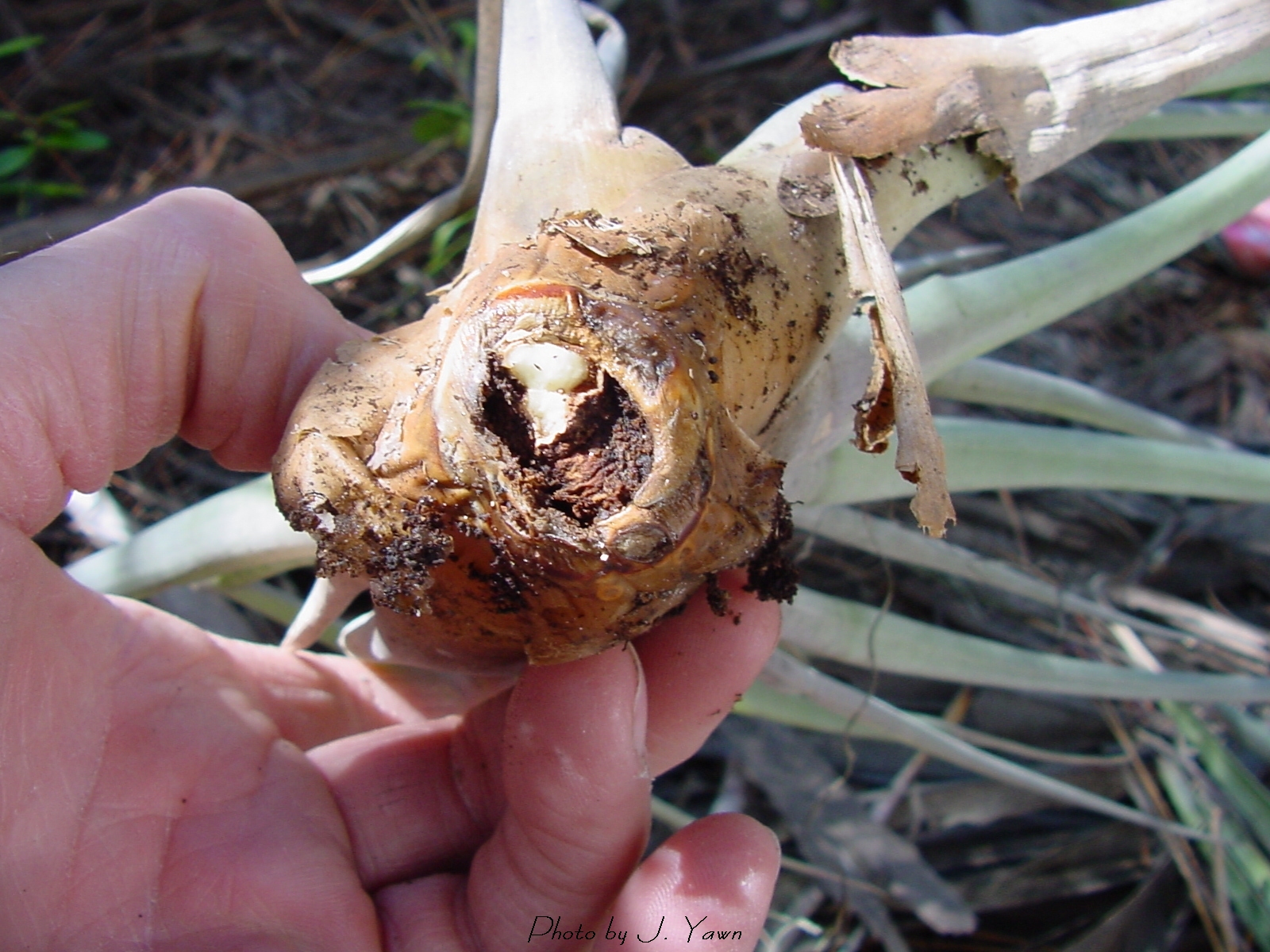
damage to a bromeliad caused by the weevil; photo courtesy of Teresa Cooper
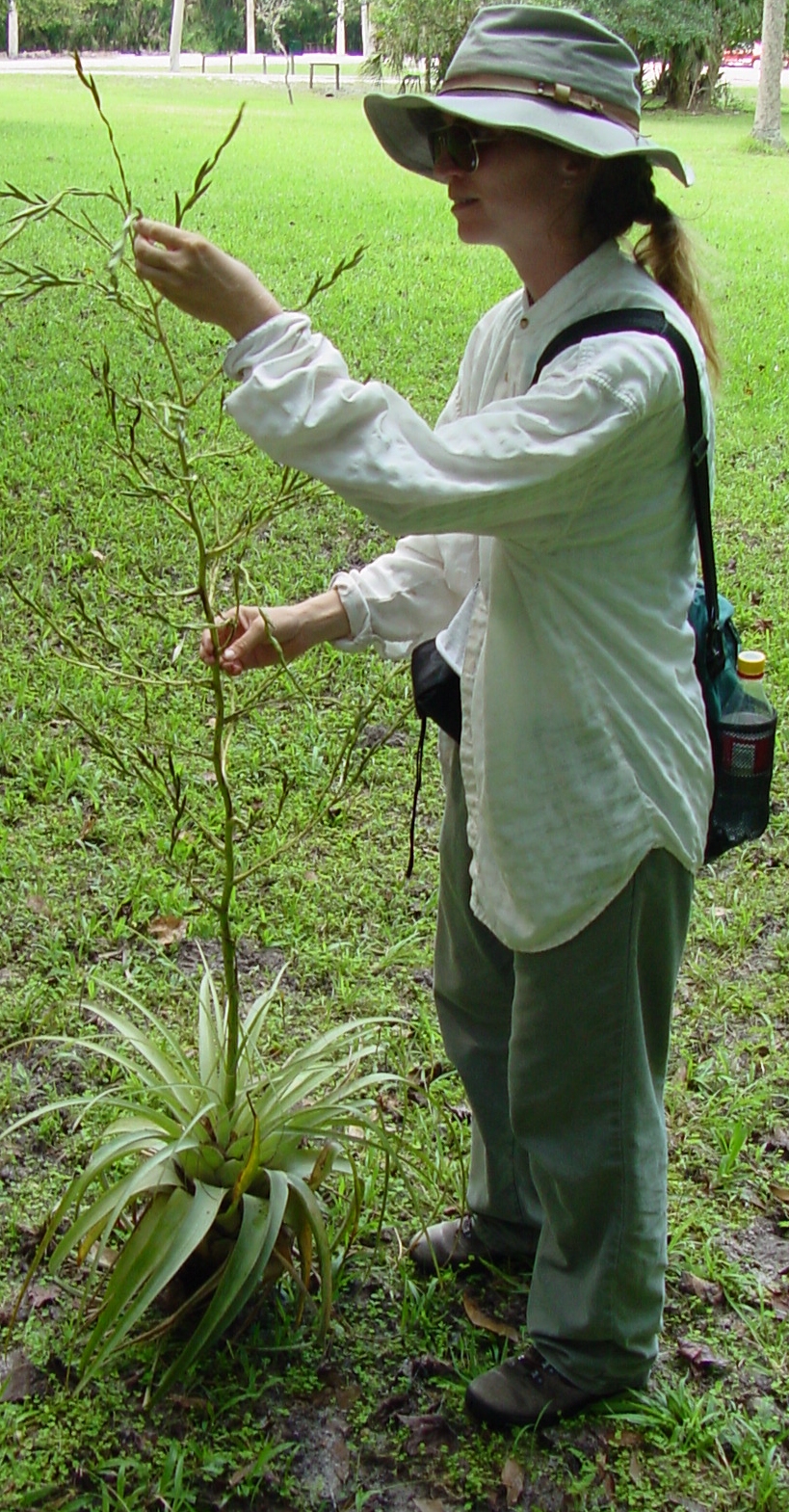
The first reason T. utriculata is at higher risk is that each plant can support many weevil larvae. Its leaves are softer (so more easily consumed) and its large stems contain lots of nutrients — for a bromeliad). More important is the plant’s very slow reproduction in contrast to the weevil’s rapid attack. T. utriculata plants do not produce seed until after they have grown for up to 20 years. Furthermore, an extremely small fraction of the ~ 10,000 seeds released by a mature plant make it to reproductive age. A plant that after 18 years begins growing an inflorescence — which then takes ~ a year to flower and produce seed – can be killed by a weevil within a few months. In addition, T. utriculata is monocarpic – it doesn’t produce offshoots. T.M. Cooper asserts that if the bromeliad weevil extirpates T. utriculata from Florida, it will not be because the weevil ate the very last plant, it will be because T. utriculata seed output has fallen below a sustainable level.
Teresa Cooper demonstrating the size of a T. utricuclata flower spike; photo courtesy of T. Cooper
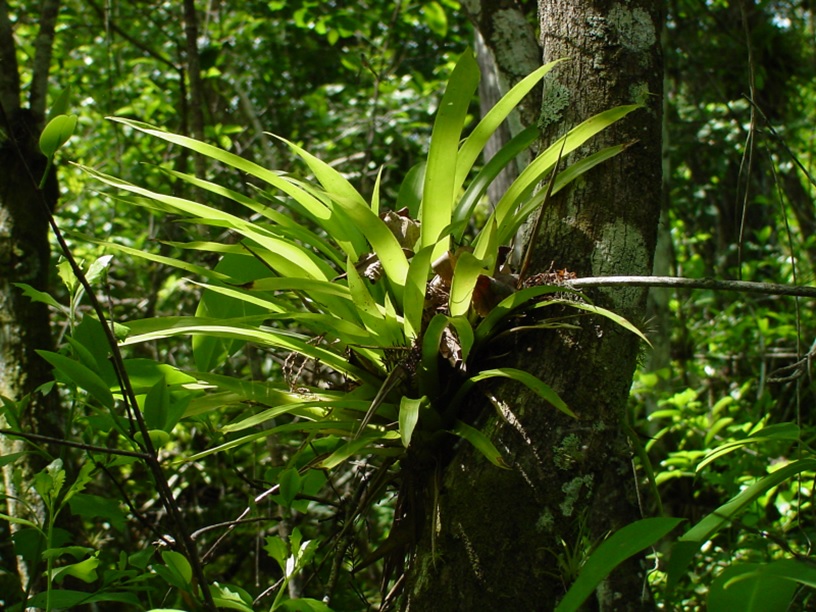
A second host, Tillandsia fasciculata, had large and dense population in Loxahatchee National Wildlife Refuge (Palm Beach County) in 2002 to 2005. Almost every tree had multiple T. fasciculata plants; many were huge with multiple pups. When Teresa Cooper revisited about 10 years later, T. fasciculata plants were very sparse, large plants very rare; none was really large (T.M. Cooper pers. comm. 2026).
T. fasciculata is expected to decline more slowly than T. utriculata. First among several advantages is that its leaves are tougher and stems smaller, so they provide less nutrition to the weevil. Probably more important, T. fasciculata is polycarpic (it produces both seed and offshoots). A large T. fasciculata plant can sprout up to a dozen blooming rametes at a time. If the weevil kills one, other rametes will bloom and seed. At the same time, the plant might produce numerous up to 20 offshoots which come detatched from the “mother” plant and start a new individual. Still, as the weevil kills these rametes year after year the plant shrinks in size and eventually dies (T.M. Cooper pers. comm. 2026).
Teresa Cooper has documented damage on Tillandsia paucifolia, T. simulate, and T. variabilis (T.M. Cooper pers. comm. 2026). She has no funding to continue studying these species. I have been unable to find any more recent information about the status of the Tillandsia species. The Florida Department of Agriculture and Consumer Services does not have an active program addressing the weevil (Patrick Gordon, FDACS, pers. comm. June 2026).
There is considerably more information about another endangered bromeliad, Guzmania monostachia. This species has the broadest distribution of any species in the genus, stretching across northern South America, Central America, the Caribbean, as well as southern Florida. As the northernmost population, the Florida population might harbor unique genetics important for the species’ adaptation to climate change (Krupar et al. 2023).
Formerly more common, G. monostachia is now found in six fragmented and disjunct populations in five areas in Florida. The species has apparently been extirpated from four other sites by habitat loss, not depredations by the weevil. One set of habitats is in wetland sloughs on the peninsula’s west coast on the peninsula’s west coast. These forests comprise pond apple (Annona glabra) and Florida ash (Fraxinus caroliniana); Kupar et al. (2023) don’t mention whether this species is vulnerable to the emerald ash borer, which has not yet been detected in Florida. The largest of the bromeliad populations is in Fakahatchee Strand State Preserve, in Collier County in Southwest Florida. Fakahatchee Strand Preserve is Florida’ oldest and largest state park. The bromeliad’s population was previously estimated to exceed two million individuals. Their number has been halved by weevil attack. Also, since M. callizona prefers larger plants, the proportion of reproductively mature individuals had been reduced from roughly 50% to only 10–20% by 2021. T.M. Cooper reports (pers. comm. 2026) fears this species might also be extirpated eventually.
Guzmania monostachia; photo courtesy of Teresa Cooper
The adjacent Big Cypress National Preserve is home to two populations of G. monostachia; they are separated by ~2,900 km2 so there is no interaction between them. The southern population consists of ~ 1000 individuals, the northern population comprises only~ 200 individuals.
Guzmania monostachia is in an even more precarious situation on the eastern side of the peninsula: tiny populations of two or three plants are found in three locations: Everglades National Park, Fuchs (formerly Sykes) Hammock Preserve, and Meissner Hammock Preserve.
The Mexican bromeliad weevil Metamasius callizona (Chevrolat) is native to southern Mexico, Guatamala, (Frank and Thomas 1994; Frank and Cave 2005) and Belize (Cooper, Cave and Frank 2023). Its presence in Florida was detected in a nursery in Ft. Lauderdale, Broward County, in 1989. Probably introduced on a shipment of ornamental bromeliads from Mexico. The nursery treated the infested plants, but the weevil had already established on native bromeliad species in the natural environment. By 1991, it was detected in four counties in southern Florida; by 1999, it was found in 12 more. It is now in most counties of peninsular Florida from Daytona (Volusa County) south to Miami-Dade (Patrick Gordon, Florida Department of Agriculture and Consumer Services, pers. comm. June 2026).
While chemical control is feasible in nurseries and display plantings, it can’t be used in natural areas, where the epiphytes are not accessible from the ground and stakeholders fear likely non-target effects.
Therefore, scientists initially focused on classical biocontrol. They made 16 expeditions to Mexico and Central and South America from 1992 to 2010 searching for natural enemies of the weevil. The chose parasitoid tachinid fly, Lixadmontia franki. A colony was established in the University of Florida’s quarantine laboratory and research on fly-weevil interactions was conducted for several years. Releases into the environment were begun under Federal and State permits in 2007. Although more than 3,100 flies were released, the species failed to establish. So this approach is no longer being pursued (Cooper, Cave, and Frank (2024); T.M. Cooper pers. comm. June 2026).
Meanwhile, in 2010, Dr. Frank and D. Giardina of the Florida Fish and Wildlife Conservation Commission observed that in one location in Belize the weevils had no apparent detrimental effect on bromeliads identified as Tillandsia utriculata (although there is some disagreement on this classification). Cooper, Cave, and Frank (2024) undertook a study to determine how the bromeliad could coexist with Metamasius callizona in Belize while being so vulnerable in Florida. They compared life cycle parameters (oviposition and pupation rates, egg hatch rate, adult emergence and size, and developmental time) of weevils from Florida and Belize. They also observed how populations of the weevil from Florida fared on three hosts: pineapple (Ananas comosus), T. utriculata collected from Florida, and T. utriculata collected from Belize. Finally, they quantified the hosts’ nutritional content using two measures (percent soluble solids and leaf toughness).
Their most important finding is that weevil larva from Florida could not develop past the third instar on leaves of the T. utriculata from Belize. The weevil larvae starved because the Belize bromeliad’s leaves had fewer nutrients and were tougher than the leaves from T. utriculata collected in Florida.
bromeliads seen in Big Cypress National Preserve in the early 1980s; photo by F.T. Campbell
Based on this finding, Cooper, Cave, and Frank (2024) recommend that authorities introduce T. utriculata plants from Belize into Florida’s forests and allow them to colonize and/or hybridize naturally with Florida’s remaining plants. An alternative would be to breed hybrid Tillandsia in the lab and release them into Florida’s forests. I note that the American Chestnut Foundation pursued a similar strategy for decades to develop American chestnuts (Castanea dentata) able to tolerate the chestnut blight fungus (Cryphonectria parasitica).
Sources
Cave, R.D. 1997. Admontia sp., a potential biological control agent of Metamasius callizona. J Brom Soc. 47:244-249.
Cave, R.D. 2008. Biological control of the MEXICO bromeliad weevil. Biocontrol News and Information 29(1):1N-2N.
Cooper T.M. 2006. Ecological and demographic trends and patterns of Metamasius callizona (Chevrolat), an invasive bromeliad-eating weevil, and FLORIDA’s native bromeliads [Master’s thesis]. [Gainesville (FLORIDA)]: University of FLORIDA. 69 p.
Cooper, T.M., R.D. Cave, and J.H. Frank. 2023. Potential bottom-up control of Metamasius callizona in Florida, USA. Entomologia Experimentales et Applicata. 2024. 172;4090421
Frank, JH. 1983. Bromeliad phytotelmata and their biota, especially mosquitoes. In: Frank J.H., Lounibos, L.P., editors. Phytotelmata: terrestrial plants as hosts for aquatic insect communities. Medford (NJ): Plexus. p. 101-128.
Frank, J.H. and R.D. Cave. 2005. Metamasius callizona is destroying FLORIDA’s native bromeliads. In: Hoddle MS, editor. USDA Forest Service Publication FHTET-2005-08. Vol 1. Second International Symposium on Biological
Control of Arthropods; 2005 Sep 12-16; Davos, Switzerland. Washington D.C.: USDA Forest Service. p. 91-101.
Frank, J.H. and D. Fish. 2008. Potential biodiversity loss in Florida bromeliad phytotelmata due to Metamasius callizona (Coleoptera: Dryophthoridae), an invasive species. Florida Entomol. 91(1):1-8.
Frank, J.H. and M.C. Thomas. 1994. Metamasius callizona (Chevrolat) (Coleoptera:Curculionidae), an immigrant pest, destroys bromeliads in FLORIDA. Can Entomol.126(1):673-682.
Krupar, S., A.A. Naranjo, G. Godden, N. Cellinese. The Fate of Guzmania monostachia in Florida Rests with Humans. Diversity 2023, 15, 525. https://doi.org/10.3390/d15040525
Potter, K.M., Escanferla, M.E., Jetton, R.M., Man, G., Crane, B.S., Prioritizing the conservation needs of US tree species: Evaluating vulnerability to forest insect and disease threats, Global Ecology and Conservation (2019), doi: https://doi.org/10.1016/
Salas, J. and J.H. Frank. 2001. Development of Metamasius callizona (Coleoptera:Curculionidae) on pineapple stems. Florida Entomol. 84(1):123-126.
Wood, D.M. and R.D. Cave. 2006. Description of a new genus and species of weevil parasitoid from Honduras (Diptera: Tachinidae). Florida Entomol. 89(2):239-24.
Posted by Faith Campbell
We welcome comments that supplement or correct factual information, suggest new approaches, or promote thoughtful consideration. We post comments that disagree with us — but not those we judge to be not civil or inflammatory.
For a detailed discussion of the policies and practices that have allowed these pests to enter and spread – and that do not promote effective restoration strategies – review the Fading Forests report at http://treeimprovement.utk.edu/FadingForests.htm
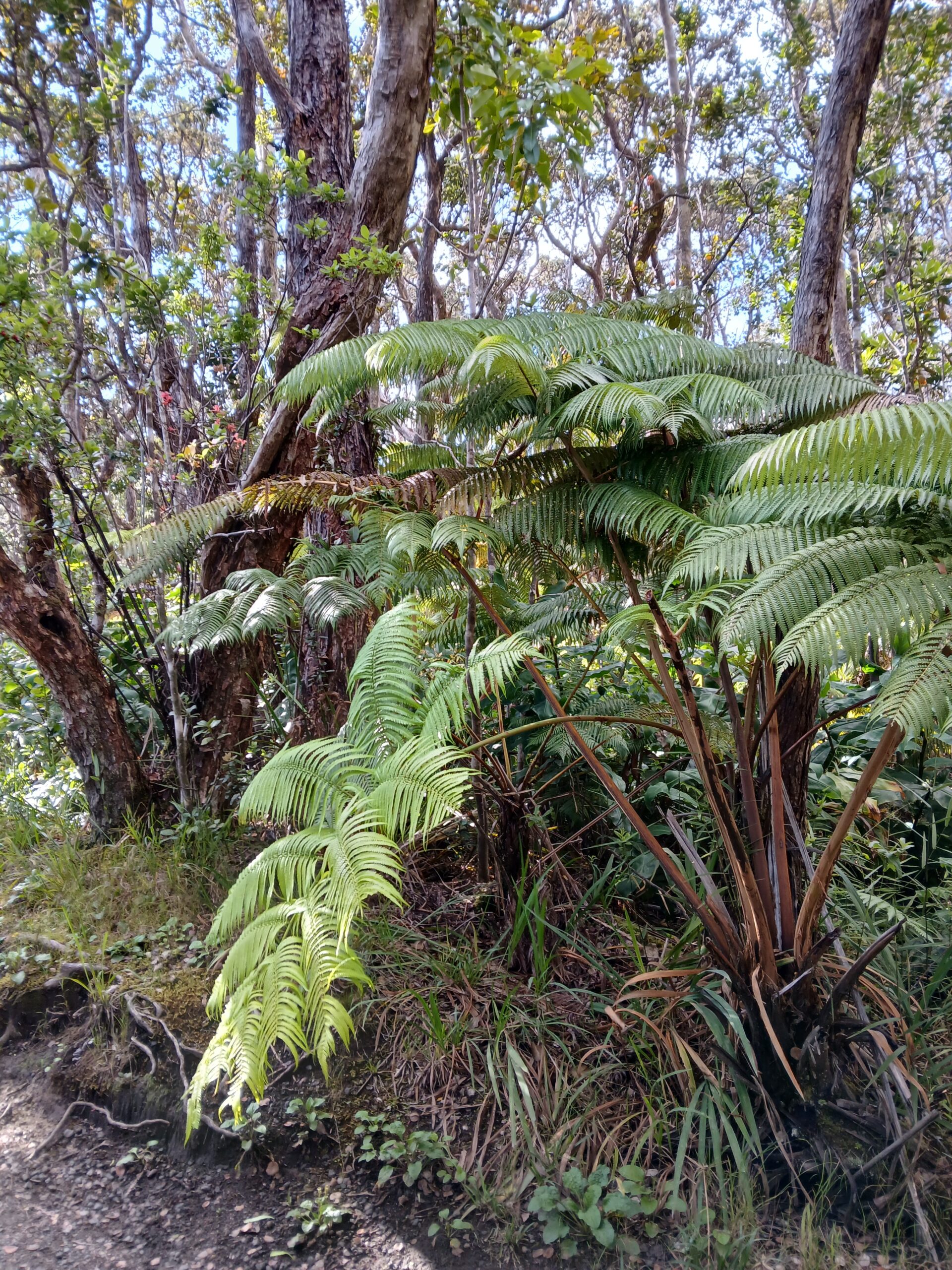
Cibotium glaucum in Hawaii Volcanoes National Park; F.T. Campbell
A year ago I blogged about the status of Hawaiian species in the face of high levels of bioinvasions. I now update that discussion as it pertains to one of the invaders, the Australian tree fern Sphaeropteris cooperi.
S. cooperi has successfully invaded multiple regions, including the southern coast of South Africa, the Azores and Mascarene Archipelagos, and Hawai`i. The invasion’s impacts have been assessed only in Hawai`i. Studies found that the non-native tree ferns have outcompeted the dominant native tree fern Cibotium glaucum (Cibotiaceae), and altered leaf litter composition hence soil nutrient cycling. This in turn affects species assemblages (van den Berg et al. 2025).
Chau, Walker and Mehltreter (2013) documented the litter and soil chemistry in Hawaiian rainforests. They found that S. cooperi produces more leaves that grow faster, contain more nitrogen and phosphsorus, and decompose faster than the leaves of the dominant native tree fern C. glaucum. They compared the effect of leaf litter from the native and tree ferns on the growth and nutrient content of four native angiosperm species when they were grown in N-rich forest soil and P-rich landslide soil. The results suggested that nitrogen availability is the strongest driver of growth. The introduced tree fern, S. cooperi, can thus prompt more rapid growth of some native HI plants. They point out, however, that under natural conditions, native plants must compete for these additional nutrients with various non-native plants, including S. cooperi. The ultimate impact, then, remains unclear.
van den Berg et al. (2025) report that other invaded sites are at great risk Both the Garden Route region of South Africa and La Reunion Island in the Mascarene Archipelago in the eastern Indian Ocean have high bioidiversity. Both contain large, globally-recognized protected areas established to protect the native biodiversity: UNESCO Garden Route Biosphere Reserve and Reunion National Park. Despite their biological importance, both are among the top10 most invaded countries/territories globally (Tuberlin et al. 2017).
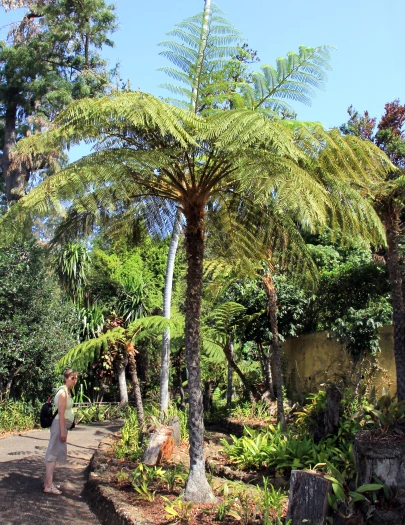
Sphaeropteris cooperi; photo via Easyscape
While climate change is expected to reduce the extent of suitable habitat for the Australian tree fern in both South Africa and La Reunion, the current situation is troubling. At present the tree fern occupies a narrower range of climatic conditions in both the Garden Route and especially on La Reunion than in Australia. (On La Reunion, 13.74 % of the fern’s apparent niche remains unoccupied.) van den Berg et al. (2025) are not sure what factors might be limiting the tree fern’s spread. They do urge educational campaigns to persuade people living near the Biodiversity Reserve to avoid planting the non-native tree fern.
The tree fern’s actual niche is somewhat uncertain because predation by deer (non-native to Australia) might have reduced its reproduction. The authors mention this but do not speculate further on the possible response of the fern to the absence of such stresses on La Reunion.
SOURCES
Chau, M.M., Walker, L.R. and Mehltreter, K. An invasive tree fern alters soil and plant nutrient dynamics in Hawaii. Biol Invasions15, 355–370 (2013). https://doi.org/10.1007/s10530-012-0291-0
Turbelin,A.J., Malamud,B.D., Francis,R.A. 2017. Mapping the global state of invasive alien species: patterns of invasion and policy responses. Glob. Ecol. Biogeogr. 26,78–92. https://doi.org/10.1111/geb.12517.
van den Berg, M.L., G. Singh, E.J. McCulloch-Jones, M. Rouget, D.M. Richardson, T.B. Robinson. 2025. The invaded range of the tree fern Sphaeropteris cooperi is predicted to shrink in two southern hemisphere biodiversity hotspots. African Journal of Botany 178 (2025) 390-399
Posted by Faith Campbell
We welcome comments that supplement or correct factual information, suggest new approaches, or promote thoughtful consideration. We post comments that disagree with us — but not those we judge to be not civil or inflammatory.
For a detailed discussion of the policies and practices that have allowed these pests to enter and spread – and that do not promote effective restoration strategies – review the Fading Forests report at http://treeimprovement.utk.edu/FadingForests.htm
We are beginning to get more information about invasive species on the African continent.
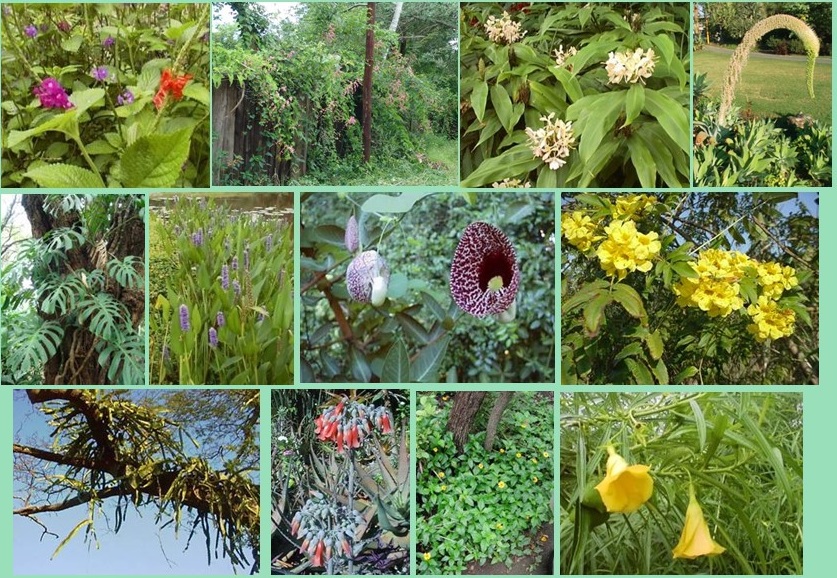
a flyer naming principal invasive ornamental plants in Kruger National Park
In several countries, the focus has been on threats to agriculture. Previous blog about horizon-scanning in Ghana. In Zimbabwe, N. Mudada and colleagues (2026; full citation and the end of this blog) found alarming, if not surprising, levels of risk to food production from introduced invasive plants. They investigated 1,668 human-aided transboundary plant introductions at 14 ports of entry and non-official crossing points over the course of four years.
They estimate that the 20,000 trucks that transported maize into the country over the four years carried over 20,700 metric tons of weed seeds and rubbish! They recorded detections of 11 species in eight orders. The pathways are familiar. As noted, several weeds were contaminants of grain shipments; Convolvulus arvensis in wheat for human consumption, Helianthus annus and Datura stramonium in maize for animal feed. Adenium obesum and Vitex agnus-castus were being smuggled for planting as flowers and ornamentals. (Vitex agnus-castus was also smuggled in passenger baggage for its medicinal properties). Several Lemna species (an aquatic plant) were also smuggled for planting as animal feeds.
In some cases, the focus is the threat to native ecosystems. I posted a blog the about threat of an introduced pathogen to trees in the remnant rain forests of Madagascar.
South Africa still has the lead in addressing invasive species. Regarding invasive plants specifically, the country has the benefit of more than 150 years of botanizing. The richness of the region’s flora is globally recognized. South Africa also has a long history of studying and managing invasive species, especially plants.
South African scientists and colleagues in Botswana, Eswatini, Lesotho, and Namibia have published four editions of the Flora of the Southern Africa region since 1984. In 2006, the PRECIS database of the South African National Biological Diversity Institute (SANBI) was combined with the Tropical African Plant Checklist published by the Conservatory and Botanical Garden of Geneva to create the African Plant Checklist and Database Project. It is continually updated. This is the first continental flora checklist for Africa; it fulfils countries’ obligations under the Convention on Biological Diversity’s Global Strategy for Plant Conservation.
The 2025 Checklist reports that 21,539 plant species are extant outside cultivation in the country; these comprise 20,204 indigenous species and 1,329 naturalized species. Thus, 6% of the total flora is non-indigenous. Of these, 649 (48.8% of the non-indigenous species, 3% of all plants) of them are invasive.
[Naturalized species are defined as species whose documented natural range does not include South Africa, but have overcome a biogeographic barrier and now sustain self-replacing populations for two or more life cycles or over a given period of time in the country. These populations are maintained without direct intervention by people, or despite human intervention. Invasive species meet the above definition plus produce reproductive offspring, often in large #s at considerable distances from the parent and/or site of introduction, and have the potential to spread over long distances.]
Since the previous checklist was published in 2006, botanists have identified 1,048 additional species – a 4.9% increase. Eighty-two percent of the newly identified species (865 species) are “naturalized”. Specifically, 414 new species are categorized as naturalized (a 31.1% increase), and 451 new species are classified as invasive (a whopping 69.5% increase). Le Roux and Klopper attribute these steep increases to active botanizing by SANBI’s Invasive Species Programme (begun in 2008), and the Southern African Plant Invaders Atlas Project (begun in 2010).
Of the 384 plant families present in South Africa, 350 contain at least some indigenous species. Thirty-four families contain only naturalized species. Among the 2,189 plant genera present, 459 (21%) contain only species that are non-indigenous.
Three families stand out because of the particularly high numbers of naturalized species: Fabaceae (143 species; 11% of all naturalized species), Asteraceae (140 species; 10%), Poaceae (123 species; 9%). Two of these families — Asteraceae and Fabaceae — are also the largest families among native South African plants. The third, grasses (Poaceae), ranks seventh in the list of most specious families indigenous to South Africa. The next group of families with high numbers of naturalized species has less than half as many invasive species: Myrtacae (55), Amaranthacea (52), Solanaceae (48). None of these families ranked within the top 20 families of indigenous plant species.
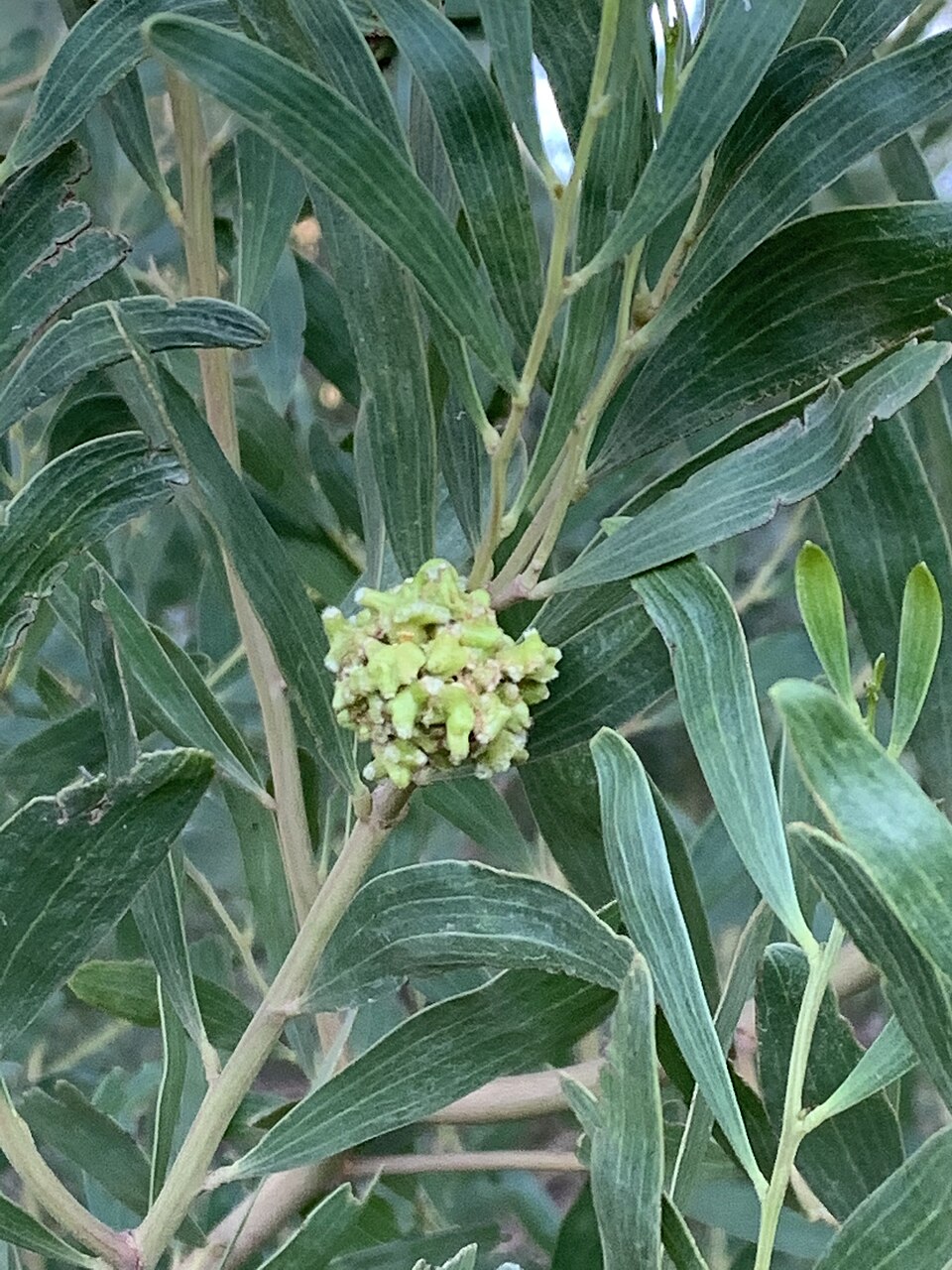
The genera with the most naturalized species were Solanum,Euphorbia and Acacia (all 24 or 23 species).
Acacia cyclops; photo by David M. Richardson
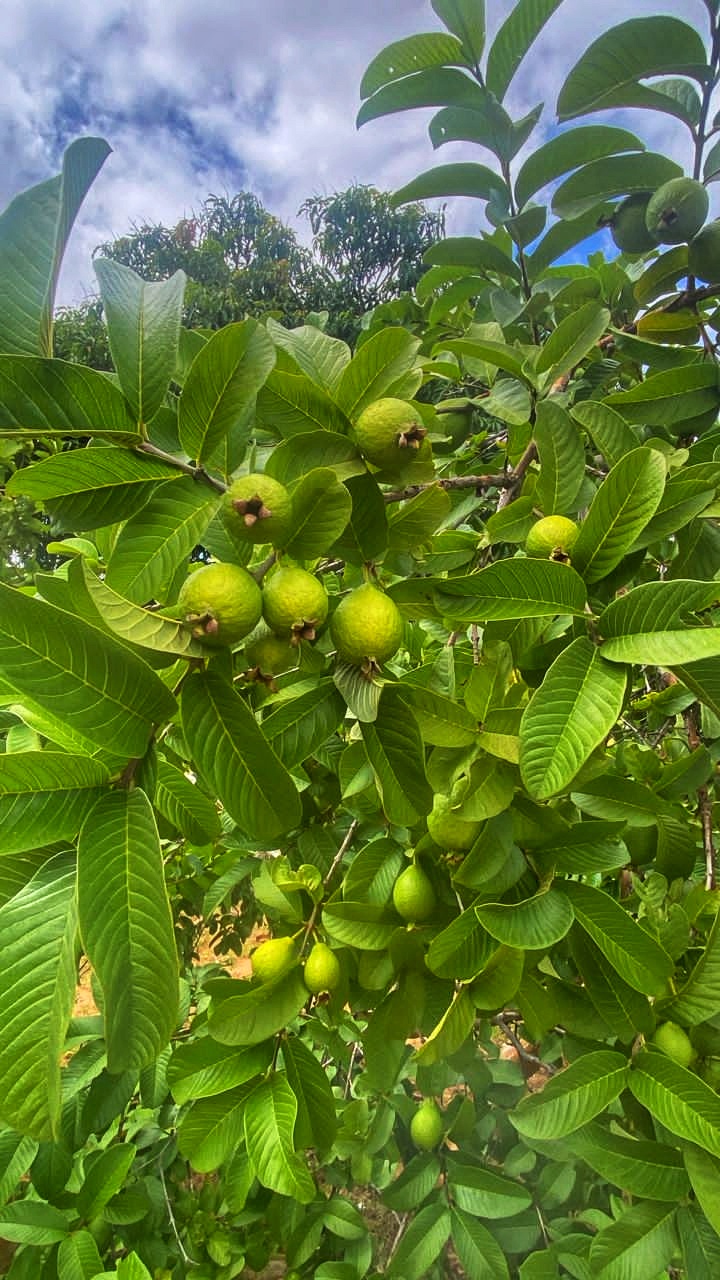
South African scientists are also exploring how to balance conflicting goals and perspectives when an invasive plant species has economic or social value. The example chosen by Mbobo et al. (2025) is guava (Psidium guajava) – a nutritious and popular tropical fruit grown commercially in South Africa, but also invasive along roadsides, watercourses and forest margins. Invasions are especially common in eastern parts of country; large monocultures are found in KwaZulu-Natal. Outbreaks have also been detected at five sites in Western Cape in riparian zones and at a hot spring. Mbobo et al. (2025) note that the microclimatic conditions at this last location differ from the broader conditions in the region – which are what most models would measure.
The scientists used models to predict where guava might invade – especially in large monocultures – and compared those areas to where the tree can be grown in cultivation with human inputs, e.g., irrigation. They then assessed whether six regulatory approaches would avoid restricting guava farming in areas at minimal or low risk while still protecting vulnerable locations. They also considered the amount of information required to implement the approach and costs of acquiring the information; and level of likely public acceptance. Mbobo et al. (2025) laid out the trade-offs between continuing to regulate planting of the species at the provincial level vs. at the municipal level. Prohibiting planting of guava in provinces where it is recorded as invasive allows some plantings near natural forests and riparian areas that are highly susceptible to guava invasions. On the other hand, nearly half of the prohibited area is outside the known or likely at-risk area. The provinces do allow exceptions through a permit process. Adopting more geographically limited rules by regulating at the municipal level would enable a tighter link to geographic areas at highest risk. However, this approach does not address long-distance seed dispersal by animals. Furthermore, the very detailed regulations might confuse stakeholders and complicate enforcement. Also, the models lack sufficiently fine spatial resolutions to predict invasible areas so accurately. Finally, the reduction in regulated area is minimal (~ 14%), so the economic benefits are unlikely to outweigh the significantly higher administrative costs and risk of allowing guava invasions in new sites.
Guava fruit on tree; Roenashy via Wikimedia
Gildenhuys et al. (2026) analyzed the factors that drive which non-native plants establish where. They assessed the roles of temperature, precipitation, urbanization intensity, urban area, travel time, year of city’s establishment, and human population density in determining which plant species are present in 54 urban centers in Western Cape Province. The cities have significant differences in climate: Mediterranean in the far southwest, warm temperate in the southeast, and semi-arid towards the interior. The expectation was that these drivers and assembly processes are influential at more advanced invasion stages when the species have already overcome some barriers to dispersal, so are now found in reasonably suitable habitats.
Gildenhuys et al. (2026) found temperature and precipitation were most important in determining plant species’ presence. This was especially true at the boundary between arid and mesic climates. These strong environmental gradients are the same ones which have driven high differences in native species presence across the province. [See pamphlet describing invasive plants in Cape Town.] This finding supports the “Goldilocks hypothesis”: that non-native plant species assemblages are driven by the same abiotic variables as native species assemblages. While did not directly study the “Biome decides hypothesis” (the composition of non-native flora is mediated by the biotic effects of native flora and fauna), Gildenhuys et al. (2026) doubt its applicability here because native species’ presence has probably been greatly reduced by the effects of urbanization.
Urbanisation intensity itself ranked third as a factor. Its effect was strongest at low to medium urbanization intensities. Because urbanization creates novel habitats, such as, “hardscapes” of paved surfaces that resemble deserts, their non-native plant assemblages are dominated by similar, urban specialist, species. At lower urbanization intensities a greater variety of habitats is available. Gildenhuys et al. (2026) conclude that urbanization acts primarily as a driver of opportunistic habitats for species at later invasion stages rather than as a filter of species introduction.
An earlier study found a similar effect from road density (often associated w/ urbanization) as an explanation for where specific woody non-native species establish. They do concede that larger urban areas might experience greater propagule pressure.
Gildenhuys et al. (2026) note that recent globalization of the plant trade has probably changed the specis planted in urban centers. For example, cities in the Western Cape are increasingly replacing English oak (Quercus robur) with more disease-resistant oaks. The change might reflect greater environmental awareness and regulations issued under the National Environmental Management: Biodiversity Act 10 of 2004. In newly established urban centers, fewer invasive species are being planted — at least among trees.
SOURCES
Gildenhuys, C.P., L.J. Potgieter, C. Hui, D.M. Richardson. 2026. Drivers of compositional turnover of the NIS urban flora in the W Cape, South Africa. Urban Ecosystems (2026) 29:51 https://doi.org/10.1007/s11252-026-01919-3
Le Roux, M.M., R.R. Klopper. 2025. Taking stock of South Africa’s flora. South African Journal of Botany 184 (2025) 571-579
Mbobo, T., D.M. Richardson, A. Datta, K.T. Faulkner, J.R.U. 2025. Wilson. Spatially-Differentiated Reg of NIS Can Be Improved Using Spp Distribution Models: Psidium guajava in South Africa as a Case Study. Diversity and Distributions. 2025 31:e70102 https://doi.org/10.1111/ddi.70102
Mudada, N., J. Chitamba, E. Nyangani, C. Chapano, N. Mapope,and W. Ngezimana. 2026. Weeds associated with cross border traffic, their approach and infestation rates in Zimbabwe. ISABB Journal of Food and Agricultural Sciences. Vol. 12(1) January-June 2026. DOI: 10.5897/ISABB-JFAS2025.0192
Posted by Faith Campbell
We welcome comments that supplement or correct factual information, suggest new approaches, or promote thoughtful consideration. We post comments that disagree with us — but not those we judge to be not civil or inflammatory.
For a detailed discussion of the policies and practices that have allowed these pests to enter and spread – and that do not promote effective restoration strategies – review the Fading Forests report at http://treeimprovement.utk.edu/FadingForests.htm
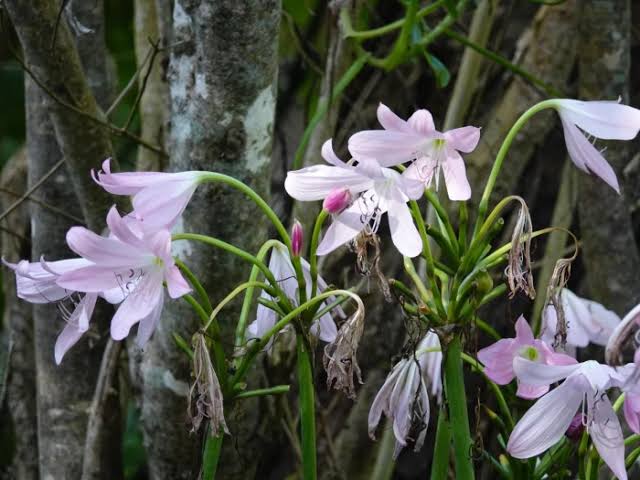
Cape Coast lily (Crinum macowanii); photo by Jaqui Geux
South Africa is rich in plant diversity. That diversity is strongly shaped by the country’s varied topography, soils, & climate. Nine biomes & 465 vegetation types are recognized in a country of just 1.2 million km2(471,445 square miles).
There is a long history of botanizing in southern Africa – with impressive results that include a Flora of the Southern Africa region (it covers Botswana, Eswatini, Lesotho, Namibia, as well as South Africa) and the African Plant Checklist & Database Project, which is the first continental checklist for Africa. This publication – which is being maintained continuously – contributes to goals of the Convention on Biological Diversity’s Global Strategy for Plant Conservation.
South Africans have also produced a national plant checklist that is updated every year. The most recent Checklist dates from 2025.The checklist includes bryophytes (mosses, hornworts, & liverworts), lycophytes & pteridophytes, gymnosperms, & angiosperms. Compilers plan to include marine macro-algae in future.
The 2025 checklist names 21,539 species in South Africa – 20,204 indigenous species, 1,329 naturalised species. Based on the, South Africa’s national flora comprises 5.3 % of the estimated ~ 380,000 plant species on Earth.
Geissoloma marginatum; photo by Tony Rebelo via Wikimedia
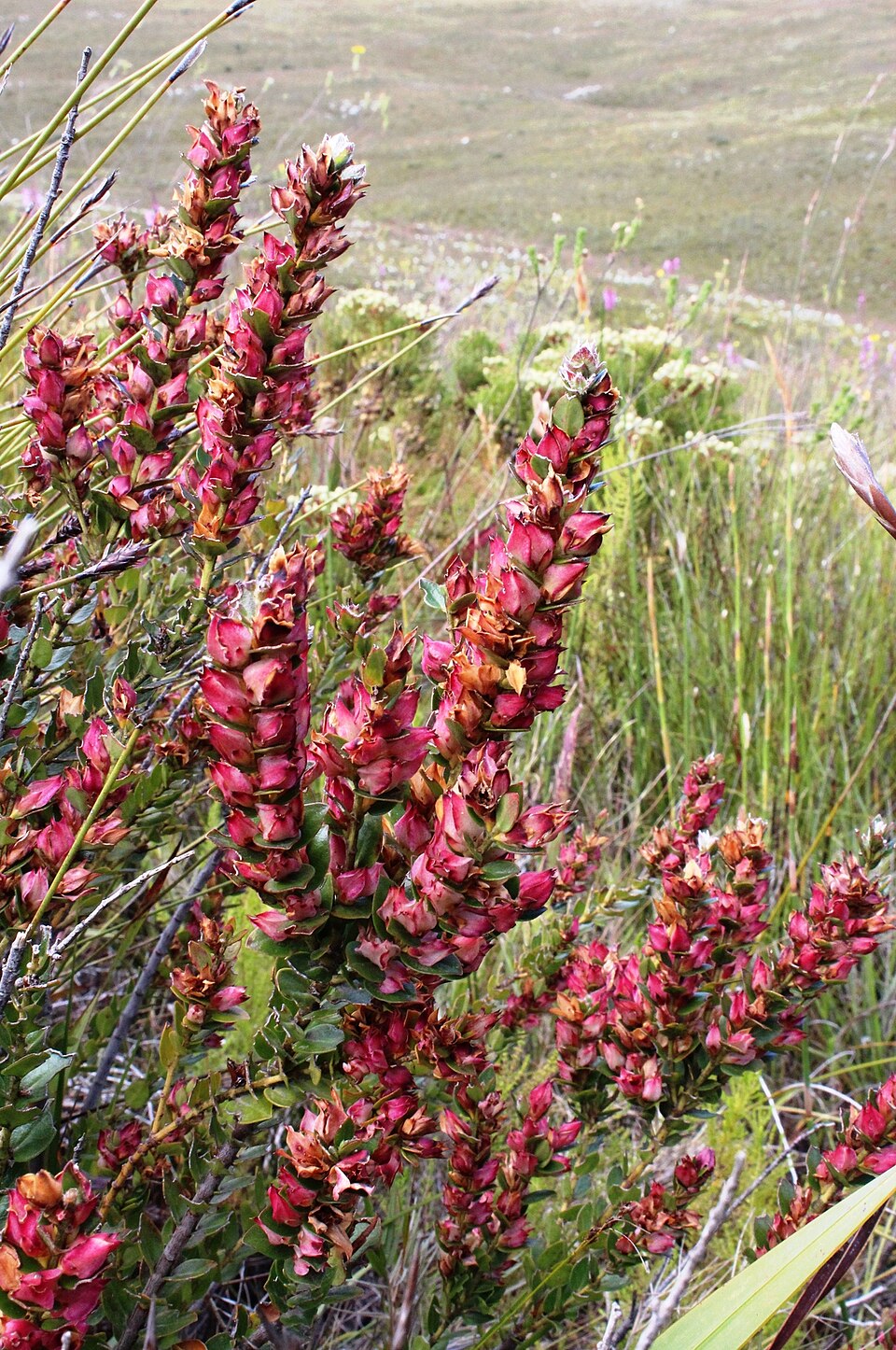
South Africa is home to 384 plant families, of which all but 34 contain only indigenous species. All the species in seven families are endemic to South Africa. These families are Bruniaceae, Geissolomataceae, Grubbiaceae, Lanariaceae, Penaeaceae (excl. Oliniaceae), Rhynchocalycaceae, & Roridulaceae. Of the 2,654 genera, 2,189 are indigenous. Three hundred (12%) of these genera are endemic. Sixty percent of the 20,204 indigenous species are endemic. All the endemic families other than Bruniaceae are composed of a single genus – demonstrating the phylogenetic uniqueness of this flora.
The 2025 Checklist contains 1,048 species that did not appear in the previous checklist (published in 2006). This is an increase of 4.9%. Numbers of indigenous taxa increased by less than 5%: additional 623 indigenous species (3.1%); 520 endemic species (4.3%). Numbers of non-indigenous species increased by considerably higher proportions: naturalized species increased by 414 species (31.1%), & invasive species by 451 (69.5%). These 865 species constitute 82.5% of all 1,048 newly recorded species. (I report the findings on non-indigenous species in a separate blog.)
The detection of previously unidentified species and infraspecific taxa – both native and non-indigenous – is the result of systemic botanizing campaigns focused on particular families. Thus, a study of the family Iridaceae in southern Africa led to description of 169 species in 20 genera. More than two decades of work on the Pelargonium (Geraniaceae) resulted in recognition of 34 new taxa. Thirty-three new species have been described in the genus Indigofera (Fabaceae).
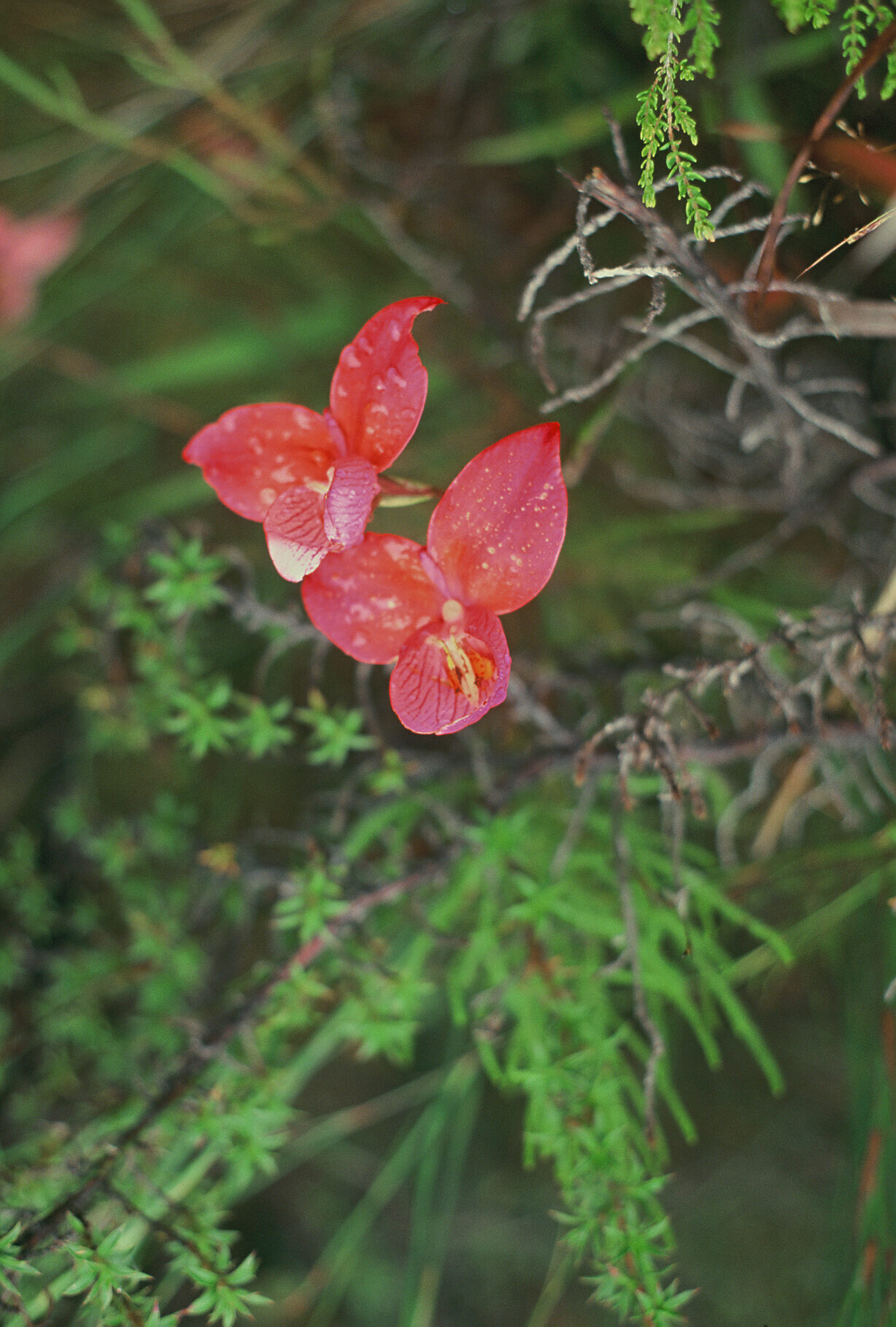
The most specious plant family indigenous to South Africa is Asteraceae, with 2,124 species. Aizoaceae & Fabaceae follow with 1,603 & 1,566 species, respectively. The newly expanded Iridaceae is fourth; it encompasses 1,189 species. The world-famous Proteaceae rank 13th, with only 355 species. Considering genera, the largest by far is Erica (heath) at 734 species; no other genus houses more than 300 species. [The famous orchid genus Disa ranks 18th. There are ~182 species on the continent, primarily in East & Southern Africa.]
Disa uniflora on Table Mountain; F.T. Campbell
When considering phylogenies with high levels of endemism, the leading families are – again — Aizoaceae (1,426) and Asteraceae (1,352). Ranked third is Iridaceae (983). Fabaceae is ranked 4th (961). Nearly half (49%) of species in 1,071 genera are endemic. Again Erica ranks highest: 581 species – 78% of the species in the genus – are endemic. This is double the number in the genus ranked second — Aspalanthus (261species; all but 34 species are endemic). Pelargonium is 3rd : 204 of 261 species are endemic.
Flora of the provinces
Of South Africa’s nine provinces, KwaZulu-Natal (94,361 km2) is home to the greatest diversity in terms of plant families (331 families) and genera (1,718 genera). Neighboring Eastern Cape Province (168,966 km2) ranks second with 305 families and 1,576 genera. Western Cape has somewhat fewer plant families (294) and genera (1,475), but by far the most species (11,379). Western Cape also leads in the proportion of its plant taxa that are endemic to the province: 58%. (This reflects the presence of a globally recognized distinct flora, the Cape Floral Kingdom.) KwaZulu-Natal and Eastern Cape (16% endemic) share most of their plant taxa with neighboring provinces or countries – Mozambique. Therefore, their levels of endemism are only 8% and 16%, respectively.
The clustering plant diversity and endemism in the south & east reflects the topographic variation provided by the Escarpment of South Africa.
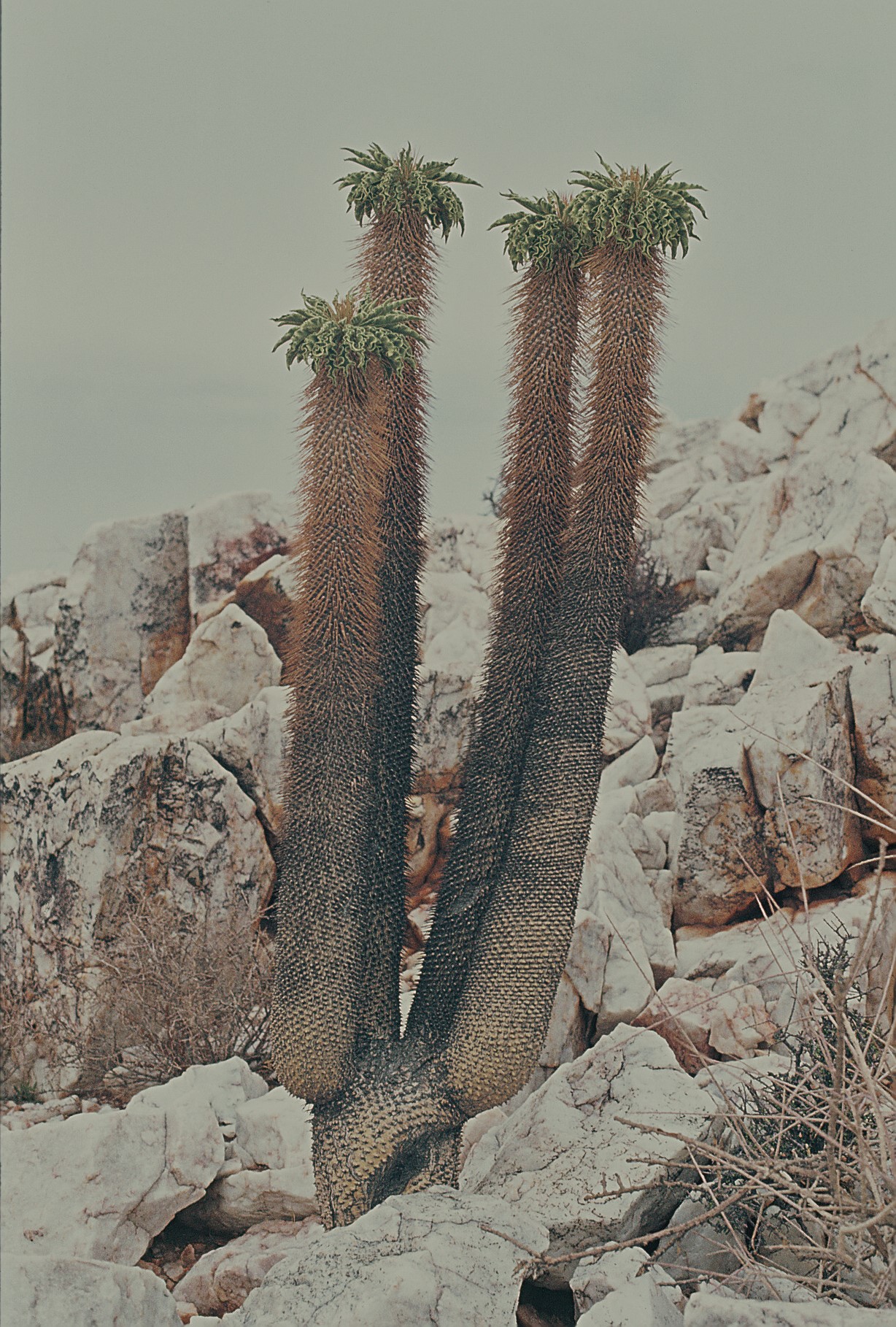
The largest province is Northern Cape Province at 372,889 km2. It is home to 5,058 species but its fairly uniform terrain means there is not very high species diversity (25 % – half the proportion in Western Cape). However, the flora is unique because adapted to the harsh environment (I concede these statements seem contradictory).
Pachypodium namaquanam; F.T. Campbell
SOURCE
Le Roux, M.M., R.R. Klopper. 2025. Taking stock of South Africa’s flora. South African Journal of Botany 184 (2025) 571-579
Posted by Faith Campbell
We welcome comments that supplement or correct factual information, suggest new approaches, or promote thoughtful consideration. We post comments that disagree with us — but not those we judge to be not civil or inflammatory.
For a detailed discussion of the policies and practices that have allowed these pests to enter and spread – and that do not promote effective restoration strategies – review the Fading Forests report at http://treeimprovement.utk.edu/FadingForests.htm