Threats to Spring

Erythronium americanum dominating herb layer in woods owned by the Institute for Advanced Studies, Princeton, in the 1970s; photo by F.T. Campbell

I fell in love with spring ephemerals in the woods of the Institute for Advanced Studies in Princeton. While the degree I was pursuing had no relationship to birding in the swamp, I spent a lot of time enjoying the woods. At that time, more than 50 years ago, the herbaceous layer was dominated by spring beauties (Claytonia virginica), trout lilies (Erythronium americanum), and violets (Viola species).

Beyond the beauty that delights us (or at least, me!), spring ephemerals are important ecologically. They support specialist pollinators and reduce nutrient losses at a time of year when vegetation cover is low and leaching and runoff rates high.

In the decades since I left Princeton, scientists and nature lovers have observed declines in native understory plant communities. These are predicted to continue due to invasion by plants and worms, worm blogs herbivore pressure by deer, E NPS blog, Blossey blog land use changes, and climate change.

Where I live, in the suburbs of the District of Columbia, these forces are clear. The formerly glorious riparian forests where I walk are overrun by invasive plants. The herb layer is dominated by Japanese stiltgrass (Microstegium vimineum) and – increasingly — lesser celandine (Ficaria verna = Ranunculus ficaria). (I found it interesting that Ficaria began taking over floodplain forests only in the last decades of the 20th century, although it was introduced more than 100 years earlier.) Many invasive shrubs (Rosa multiflora, various Lonicera species. …) and vines (Ampelopsis sp, Orbiculatus, Lonicera japonica, Hedera helix …) compound the problem. While I am not sure whether most earthworms here are native or not, high deer populations certainly are a factor.

Ficaria invasion in Fairfax County, Virginia in 2023; photo by F.T. Campbell

So I rejoice that scientists are studying how one taxon of spring ephemerals, trout lilies – Erythronium species – are coping with individual and combined threats. Gutiérrez and Hovick (full citation at the end of this blog) investigated how two species of Erythronium performed in the absence of a leaf litter layer – with and without competition by Ficaria. They chose to manipulate leaf litter as a proxy for impacts from invasive earthworms and non-native shrubs, especially those with rapidly decomposing leaves.  They refer to others’ studies focused on different spring ephemerals.

Gutiérrez and Hovick found that the absence of leaf litter reduced asexual reproduction (corm biomass) in both Erythronium albidum and E. americanum species by 30%. That is, the absence of leaf litter alone reduced the native plants’ performance. This is alarming because persistent leaf litter has been reduced across much of the deciduous forests of eastern North America as a result of action by invasive earthworms and the rapid decomposition of the leaves of most invasive shrubs.

Trout lilies’ performance declined even more when litter absence was coupled with direct competition from Ficaria. Under those conditions, corm biomass declined by 50%. Impacts by lesser celandine occurred despite these plants’ being smaller than counterparts in nearby woodlands. The reduced size of Erythronium corms was sufficient, in their view, to reduce the likelihood that Erythronium would flower to nearly zero. This has clear implications for the long-term population viability of Erythronium andtheir specialist pollinators.

 Gutiérrez and Hovick conclude restoration of these floodplain forests’ herb layer must incorporate management strategies that not only reduce Ficaria’s presence but also restore leaf litter.

Erythronium albidum along Accotink Creek in Fairfax County, Virginia; photo by F.T. Campbell

Underlying Factors

Native spring ephemerals in eastern North America evolved to emerge through litter layers in early spring. The litter layers impose both costs and benefits. In response to shading by leaf litter, Erythronium produces larger petioles compared to same-sized leaves, thus reducing the proportion of resources allocated to building photosynthetic tissue. In these cases, the corms that both perpetuate the individual and carry out asexual reproduction are smaller.

On the other hand, leaf litter increases moisture retention and reduces frost damage by buffering soil temperatures. While these results were seen in their experiment, Gutiérrez and Hovick believe the benefits are greater in nature than demonstrated in the study using potted plants. Leaf litter also increases nutrient availability, directly by increasing supply and indirectly by facilitating fine root growth. In this context, they note that their experiment used litter composed of just two tree species — red oak (Quercus rubra) and red maple (Acer rubrum). This narrow sample probably failed to capture the varied properties of other tree species’ litter and associated microbial activity.

Erythronium americanum along Pohick Creek; photo by F.T. Campbelle

Plants in the Erythronium genus reproduce primarily asexually through producing runners that form corms. The parent corm and runners disintegrate before summer dormancy; the offspring corms persist. Some individuals do not reproduce asexually; they simply replenish their own corm.

The few previous studies give mixed results regarding lesser celandine’s impacts on co-occurring native herbaceous plants (see the summaries in Gutiérrez and Hovick). The authors do not explicitly say whether lesser celandine is usually associated with low litter levels, but that appears to be the implication. They do say that it is not clear whether lesser celandine drives leaf litter loss by altering soil physiochemistry and microbial activity. Or, rather, that it simply performs well when leaf litter is absent.

Where lesser celandine and Erythronium co-occur at high densities, the former’s biomass per square meter can be more than an order of magnitude higher than Erythronium. Gutiérrez and Hovick suggest that competition between the species is primarily belowground. They cite their finding that by the time Erythronium shoots matured, lesser celandine roots occupied most of the belowground pot volume. They expect belowground competition in forests to be even more pronounced because of accumulated lesser celandine root biomass.

Aboveground, the principal factor appears to be the necessity for trout lilies to grow longer petioles to raise their leaves above lesser celandine rosettes, perhaps starving leaf formation. Since leaves are the plant’s photosynthetic organ, this tradeoff could ultimately result in fewer resources returned to the corm for future growth and reproduction. Although Gutiérrez and Hovick also mention that lesser celandine competition might delay Erythronium emergence and flowering, they do not discuss that.

A factor not mentioned by Gutiérrez and Hovick is the probability that Ficaria verna is allelopathic. See the article by Kendra Cipollini listed as a source at the end if this blog.

one of the few floodplains in Fairfax County still dominated by native herbs – Pohick Creek in the Burke area of Fairfax County, Virginia. Note the prevalence of beech in the canopy and subcanopy! photo by F.T. Campbell

Details of Impaired Performance of Erythronium

At the time of senescence, Erythronium plants grown in pots with leaf litter were nearly twice as large as those grown in bare soil conditions. One-third of their offspring corms grew to be larger than the putative biomass threshold for flowering. Only 9% of corms of plants grown in bare soil and 2% (one individual) of those grown with lesser celandine did. As noted above, corms developed by Erythronium grown in the presence of Ficaria actually lost biomass. This is the basis for their conclusion that there would be almost no sexual reproduction the following year where litter was absent and lesser celandine present.

Gutiérrez and Hovick think the principle mechanisms by which leaf litter affects performance of Erythronium plants is by buffering temperature ranges and increasing moisture retention. Indeed, they found that daily temperature ranges and maxima of soil in pots with bare soil or lesser celandine plants were both higher than temperatures under leaf litter. Reducing temperature maxima could be especially important with the increasing frequency and intensity of late-spring heatwaves associated with climate change. Absence of leaf litter advanced trout lily’s shoot emergence, flower emergence, and petal opening by 14 or more days.

This change might expose the plants to increased risk of frost damage. These dynamics will be system-specific, especially with complications added by climate change. However, Therefore, Gutiérrez and Hovick encourage future research to explore species-specific litter effects on spring ephemerals.

Broader Implications

Their findings regarding these two species of spring ephemerals prompt Gutiérrez and Hovick to assert that negative impacts from invasive plant species might be especially underestimated in spring ephemeral communities due to the combination of their short period of annual aboveground activity and tendency towards long lives. Changes might be very subtle over short timeframes.

They add that it is important to learn the role different conditions might play in the futures of related species. The two species’ ranges largely overlap, but E. americanum extends into the extreme southeast and northeast, E. albidum into the prairie states. Although these species’ respond to loss of leaf litter and lesser celandine invasions in similar ways, the fact that E. albidum occurs in areas of higher soil moisture makes it more vulnerable to negative population-level impacts from lesser celandine invasions.

Note about additional threats

Most of the photos of Erythronium americanum in this blog were taken along a particular creek in Fairfax County, Virginia. Ficaria has just begun to invade this area (see photo above); deer are plentiful. These plants face another bioinvasion: beech leaf disease has arrived. Widespread mortality of the predominantly beech understory will presumably open areas to more light, probably spread of the extant invasive plants.

beech in Fairfax County, Virginia with symptoms of beech leaf disease; photo by F.T. Campbell

SOURCES

Cipollini, K. and K.D. Schradin. 2011. Guilty in the Court of Public Opinion: Testing Presumptive Impacts and Allelopathic Potential of Ranunculus ficaria” 

Gutiérrez, R.G. and S.M. Hovick. 2025. Compounding negative effects of leaf litter absence and belowground competition from an invasive spring ephemeral on native spring ephemeral growth and reproduction. Biol Invasions (2025) 27:213 https://doi.org/10.1007/s10530-025-03668-4


Actions USDA Could Take to Better Protect Our Forests

ohia trees killed by ROD near Pahoa, Hawai`i; with JB Friday; photo by F.T Campbell … APHIS has not applied NAPPRA to this pathogen

As I have documented numerous times in these blogs, [see here, here, here, here, here, here, here and here] forests throughout the world are being reshaped by rising numbers of introduced, non-native pathogens. Once established, these diseases are nearly impossible to contain, much less eradicate.

While the worst effect of such bioinvasions is widespread mortality of host species, even “lesser” results produce significant changes in the impacted ecosystems.

I believe that the international phytosanitary “system” adopted by the World Trade Organization (WTO) and amended by the International Plant Protection Convention (IPPC) in the mid-1990s impedes efforts to prevent introductions of pathogens. These rules require unattainable levels of certainty about an organism’s impacts before it can be restricted. Scientists such as Haoran Wu and Kenneth Raffa have called for phytosanitary approaches that will be more effective because they are realistic, reflect the true level of  threat, and the limits of current science. I agree and have repeated their calls.

How Well Is This “System” Keeping Pathogens At Bay?

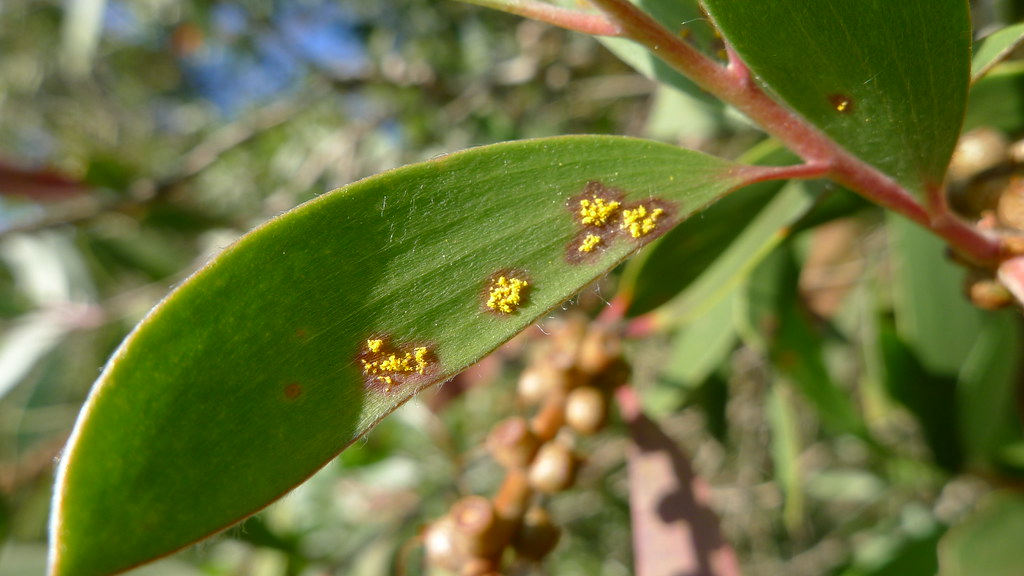
  • If the world’s phytosanitary system worked well, we should be seeing fewer high-risk forest pathogens being introduced to new countries. Instead, examples abound of pests invading new ecosystems in the post-WTO/IPPC era: Austropuccinia psdii — detected in Hawai`i in 2005, Japan in 2009, Australia in 2010, China in 2011, New Caledonia and South Africa in 2013, Indonesia and Singapore in 2016, and New Zealand in 2017.
  • Phytophthora ramorum 8 to 14 additional introductions to California after its initial detection.
  • Fusarium disease vectored by beetles in the Euwallaceae genus:
    • Euwallacea fornicatus s.s.— detected in southern California in 2003, Hawai`i in 2007, Israel in 2009, in South Africa in 2012, in Australia in 2021, and in Argentina and Uruguay in 2023 and 2024 . The haplotype detected in South America and several European greenhouses differs from that established elsewhere.
    • E. kuroshio detected in southern California in 2013; has spread to nearby Mexico  
    • E. interjectus detected in central California in 2024.
  • Boxwood blight fungus Calonectria pseudonaviculata — first detected in the Caucuses in 2010 and the US in 2011. Now established in at least 24 countries in three geographic areas: Europe and western Asia; New Zealand; and North America.  Boxwood blight has caused rapid and intensive defoliation of native stands of Buxus sempervirens. Although disease was detected in United Kingdom in the mid-1990s, the causal agent was not determined until 2002.
  • Beech leaf disease caused by the nematode Litylenchus crenatae subsp. mccannii — detected near Cleveland, Ohio, in 2012. Has since spread east to the Atlantic Ocean, south to Virginia, north into Ottawa.
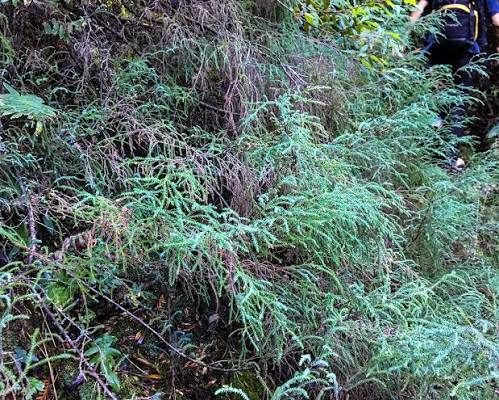
  • Phytophthora austrocedrii — detected in nurseries in Ohio and Oregon in 2024. Previously known from Argentina and in England and Scotland. At the latter location it is causing mortality of native Juniperus and introduced Cupressaceae. See here and here.

Most of these pathogens were unknown at the time they were discovered – because they were causing disease in the invaded ecosystems.

beech leaf disease symptoms in northern Virginia; photo by F.T. Campbell

In the Face of International Failures, How Can USDA’s APHIS Succeed?

When countries choose to prioritize preventing bioinvasions, they can impose more restrictive controls than those implemented by the WTO/IPPC system.  

I urge USDA to more proactively use its authority to protect America’s plant resources. In particular, I urge USDA leaders to use the NAPPRA authority more effectively and quickly. This allows the agency to temporarily prohibit importation of plants that host potentially damaging pathogens. ). https://www.aphis.usda.gov/plant-imports/nappra

We Americans can’t protect our forests from pathogens without APHIS responding more promptly to recent detections of pathogens in North America and on Pacific islands. Recent events are not encouraging.

The agency did undertake an analysis of Phytophthora austrocedrii after it was detected in nurseries in two states. Unfortunately, in my view, APHIS and the states decided the pathogen was too widespread so they dropped any idea of regulating it. This was despite the apparent threat to junipers across the country. See here and here. P. austrocedri also attacks cypress trees, including Port-Orford cedar, Chamaecyparis lawsoniana. USFS scientists recently announced success in breeding POC trees resistant to a different pathogen.    

There are no indications that APHIS will respond to detection of a new pathogen causing wilt disease in elms (Plenodomus tracheiphilus) recently discovered in Alberta, Canada. The pathogen is spread primarily through movement of infected plant material, including on asymptomatic material. Current U.S. regulations do not prohibit importation of plants or cut greenery in the Ulmus genus from Canada. Beyond the risk associated with elm material, I think it is probable that this pathogen also survives on plants in additional taxa, since it was formerly known for causing disease on citrus trees.

Although APHIS has classified Leptosillia pistaciae as a federal quarantine pest, I have learned of no response to detection of the pathogen on the native California shrub, lemonade berry (Rhus integrifolia), in 2019.

Rhus integrifolia – host of Leptosillia pistaciae

Has APHIS Changed its Practices in Response to Recent Detections?

We’ve known about gaps and weaknesses in APHIS’ approach for a long time. Here are specifics.

Has APHIS upgraded its attention to nematodes – as should have been prompted by detection of the beech leaf disease nematode (above)  and as recommended by Kantor et al.?

Has APHIS changed any of its practices or policies in response to detection of plant and human pathogens associated with wooden handicrafts from countries other than China? Or wood pieces used for unanticipated purposes, e.g., to decorate aquaria? All 31 fungal taxa detected by one of these studies were viable despite having been subjected to various phytosanitary requirements.   

USDA has no authority to regulate organisms that pose a risk to non-plant hosts, like us humans! Has APHIS contacted officials at the relevant agency?

Does APHIS respond to detections abroad when pests attack congeners of North American trees? I have blogged about several — see here, here, here and here — detected in Europe or Asia that attack cypress, magnolia, dogwood, Persea, and oaks. PestLens — an alert system created by APHIS — reported these.             

How has APHIS incorporated the findings at various “sentinel garden” projects? And the wider implications of findings by Eliana Torres Bedoya and Enrico Bonello regarding findings on asymptomatic plants?  

How is APHIS applying the impact assessment tools developed (for insects) by Ashley Schulz and Angela Mech? Has APHIS incorporated Kenneth Raffa’s advice about the strengths and weaknesses of various prediction tools?

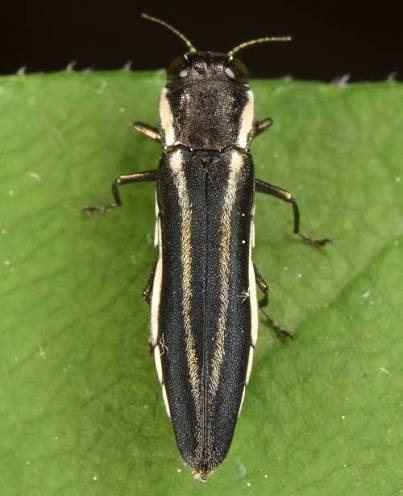
I wonder whether APHIS has responded in any way to the rash of woodborer introductions on the west coast, including three species in the invasive shot hole borer complex and the Mediterranean oak borer. Has the agency explored the threat that the spotted poplar borer (Agrilus fleischeri) – another wood-boring beetle native to northern Asia – might pose to North American Populus species? Canada has twice intercepted the species on solid wood packaging material .  

USDA APHIS is explicitly not a research agency. However, it claims that its decisions are science-based. In my view, this means APHIS has a responsibility to respond to scientific findings (such as those  above) and to bring about research aimed at answering pertinent questions, e.g., those related to risks of pest introduction and establishment, effective detection and management technologies, etc.

APHIS has occasionally done this:

  • It established the NORS-DUC research facility to study what aspects of nursery management facilitate establishment of Phytophthora ramorum.
  • It enabled and participated in several studies of wood-borer introduction via wood packaging, including those by Robert Haack and colleagues (see blogs on this website under the category “wood packaging”).
  • It enabled and participated in a study of introduction pathways that included plants-for-planting – relying on 2009 data. (Liebhold et al. 2012)  
  • Did APHIS support the study by Li et al. to evaluate the vulnerability of two oak and two pine species to 111 fungi associated with Old World bark and ambrosia beetles?

APHIS could do much more to determine whether North American trees are vulnerable to pathogens and arthropods detected on the congeners in trade partner countries. Opportunities include:

  • studying which North American species might be vulnerable to the growing number of the 38 new Phytophthora species detected overseas. This would be a monumental task:  216 species have been recognized in the genus. I have focused specifically on the 38 species detected by Jung, Brasier, and others in Vietnam and now the 18 Phytophthora species detected in the Alps.  (I have already noted that APHIS and the states dropped any idea of regulating one of those species, P. austrocedrii).
  • Regarding P. ramorum specifically, scientists now recognize 12 genetic strains; 8 are in Southeast Asia, a ninth (EU2) in Europe. How likely is it that some of these will be introduced to the U.S.? Three strains are known to be established in western North American forests – NA1, NA2, and EU1.

In addition, new hosts continue to be identified. APHIS has pledged to update the host list annually. In the past I have criticized APHIS for not accepting hosts identified in the United Kingdom.

While APHIS is not well-funded, it has largely escaped budget slashing by “DOGE,” other Trump Administration cuts, and congressional decreases. Scientific expertise at the USDA Forest Service has been shrinking for decades (see Chapter 6). Now, loss of expertise has reached crisis levels. The result will be less capacity to assist APHIS in evaluating pest risks and research needs.

Earlier, I noted the importance of APHIS using its full NAPPRA authority.  Unfortunately, the record is not encouraging here, either.

Since the agency gained this authority in 2011, it has adopted lists of species temporarily prohibited for importation only three times – in 2013, 2017, and 2021. I complained that the last action was tardy and provided insufficient protection to Hawai’i’s unique flora arising from multiple strains of the ‘ōhi‘a rust pathogen Austropuccinia psidii and here. Even worse, four years after promising to close the loophole that allowed continued imports of cut flowers and foliage – the most likely pathway by which the rust was introduced to Hawai`i, APHIS has not proposed the necessary rule.

Pathogens are more difficult to detect and manage than invasive insects. The “disease triangle” is complex! Numerous pathways are involved! But they also get less attention – and this reflects unwise decisions by agency leaders. I suggest that they should respond to this complexity by adding resources. Voglmayr et al. (full reference at the end of this blog) also called for more attention to pathogens. Kantor et al. noted that nematodes are also neglected.

Of course, I have repeatedly urged APHIS leadership to enhance enforcement of regulations governing imports of wood packaging. One suggestion is that it prohibit importation of Chinese wood packaging  because of its 25-year record of not complying with – first – U.S. and Canadian regulations and – later – the international regulation known as ISPM#15.

Information Gaps Impede APHIS’ Domestic Program

I have criticized APHIS’ failure to find answers to several questions important to managing the sudden oak death pathogen, Phytophthora ramorum. Like the many questions listed earlier, these also need priority attention.

APHIS has regulated interstate movement of nursery stock to contain P. ramorum for over 20 years. I appreciate its creation of NORS-DUC. But it is also responsible for protecting natural systems in regions not yet invaded, e.g, in the East. APHIS should have studied these issues years ago, given the frequency with which pests spread nationwide via the nursery trade.

Other pathogen systems also have genetic variation that might be important in determining pest-host relationships. As of 2022, scientists had identified 43 haplotypes (genetic variants) of E. fornicatus s.s. worldwide, with the greatest diversity in several Asian countries (P. Rugman-Jones, pers. comm). Other species of plant pathogens also have several haplotypes. 

Forests At Risk Outside of North America

North American forests are not alone in being besieged by non-native pathogens. Their numbers have been rising also in Europe and Oceania. The record is less clear in Africa, South America, and Asia.

Reports of tree pathogens in Europe began rising suddenly after the 1980s – admittedly 15 years before the WTO took effect. By 2012, more than half of infectious plant diseases in Europe were caused by introduction of previously unknown pathogens  https://www.nivemnic.us/?p=5164

Antonelli et al. (full citation at the end of this blog) report that three previously undetected species of Phytophthora have been detected in European nurseries since 2016. Voglmayr et al. reported that the number of alien fungi in Austria increased 4.6-fold over 20 years. Eighty percent were plant pathogens. The introductory pathway was unclear for the vast majority. They note that differences in research efforts probably explain some discrepancies.

The ash decline pathogen, Hymenoscyphus fraxineus, has apparently been present in eastern Europe since the 1980s, so its spread has probably not been facilitated by the downsides of the WTO/IPPC system.

Other sources report recent introductions of insects to Europe. Musolin et al. reported that 192 species of phytophagous non-native insects had been documented in European Russia as of 2011. They included the emerald ash borer detected in Moscow in 2003. Some of these insects were probably introduced to Europe (outside Russia) before the WTO/IPPC system came into effect. Examples are two insects from North America that were detected in 1999 and 2000, respectively –  the western coniferous seed bug, Leptoglossus occidentalis, which vectors a pathogenic fungus Sphaeropsis sapinea (=Diplodia pinea); and the oak lace bug, Corythucha arcuata.

Australia was slow to respond to detection of myrtle rust, Austropuccina psidii. Few federal resources were made available to study its impacts – although the Australian flora includes at least 1,500 species in the vulnerable plant family. Carnegie and Pegg said this experience demonstrated the need to integrate the work of agencies responsible for conservation of natural ecosystems with those determining and implementing phytosanitary policy. New Zealand initially responded more assertively, but also found little funding to support resistance breeding or even to track the rust’s spread. 

The record is less clear regarding Africa, South America, and Asia.

Africa

Sitzia et al. expressed concern that bark and ambrosia beetles threaten to cause significant damage to tropical forests. Several factors contribute to these threats: the long history of plant movement between tropical regions; conversion of tropical forests that disturbs canopies, understory plant communities, and soils; and, generally, regions with fewer resources to prevent or respond to invasions.

In Africa, Graziosi et al. reported on the cumulative economic impact of invasive species and the continent’s limited capacity to prevent or respond to introductions. They don’t discuss whether pests attacking plantations of non-native trees followed those trees from their point of origin. They found that some introduced insects pose significant threats to native tree species. They mentioned the Cypress aphid, Cinara cupressi, which was attacking both native African cedar, Juniperus procera, and exotic cypress plantations. All the examples appear to have been introduced before the WTO/IPPC system took effect. All the examples appear to have been introduced before the WTO/IPPC system took effect.

Cinara cupressi; photo by Blackman & Eastop via Wikimedia

Graziosi et al. point out that South Africa plays a central role because it imports significant volumes of goods that can transport pests. At most immediate risk is South Africa’s highly diverse and endemic flora. For example Phytophthora cinnamomi is attacking native Proteaceae, which are important components of the unique Cape Floral Kingdom.  Other pathogens are attacking native conifers in the Podocarpus genus, Ekebergia capensis (Meliaceae), and Syzygium trees. However, pests first introduced to South Africa often spread. Graziosi et al. name several insects and pathogens of Eucalyptus and the wood-boring pest of pine Sirex noctilio.

Pests in Asia

Available information about China is not definitive. The FAO reports that half of the most damaging forest pests are non-indigenous. They were estimated to occur over an area of 1.3 million ha and to kill over 10 million trees per year. However, the three tree-killing pests which receive the most attention are the pinewood nematode (Bursaphelenchus xylophilus), red turpentine beetle (Dendroctonus valens), and fall webworm (Hyphantria cunea). These were all introduced before the World Trade Organization was founded.

The FAO notes several non-native insects that attack native trees in India, but all were introduced decades before the World Trade Organization began. There is no discussion of tree pathogens.

Thu et al. report a growing number of pest outbreaks damaging plantations of non-indigenous trees in Vietnam. In most cases the pests are indigenous to the country. They report that almost nothing is known about pests that attack species in the highly diverse native forests.

The September 2025 meeting of the International Forest Quarantine Research Group (IFQRG) had a session devoted to the topic “Risk of international trade in plants for planting”. The specific presentations are titled

  • “Using molecular tools to elucidate the pathways of cryptic pests on plants for planting”
  • “Risk-based approach to the movement of germplasm into Australia: the luxury afforded to an affluent continent” (note my earlier blog criticizing Australian efforts re forest pests)
  • “Challenges in the validation of methods for detection of quarantine pathogen – P. ramorum”
  • “Challenges in surveillance and detection of quarantine fungal tree pathogens in European Union”
  • “Pathogens in trade and the risk of establishment – update”

I hope that some of these discussions begin to tackle the crucial questions I raised in this blog and earlier. Also, I hope IFQRG continues to explore these important questions.

As Wu and Raffa et al. have said, Earth’s forests cannot afford delay in finding solutions to the challenges posed by introductions of novel pathogens to naïve systems.

SOURCES

Antonelli, C.; Biscontri, M.; Tabet, D.; Vettraino, A.M. 2023. The Never-Ending Presence of

Phytoph Spp in Italian Nurseries. Pathogens 2023, 12, 15. https://doi.org/10.3390/pathogens12010015

Voglmayr, H., A. Schertler, F. Essl, I. Krisai-Greilhuber. 2023. Alien and cryptogenic fungi and oomycetes in Austria: an annotated checklist (2nd edition). Biol Invasions (2023) 25:27–38 https://doi.org/10.1007/s10530-022-02896-2 

Posted by Faith Campbell

We welcome comments that supplement or correct factual information, suggest new approaches, or promote thoughtful consideration. We post comments that disagree with us — but not those we judge to be not civil or inflammatory.

For a detailed discussion of the policies and practices that have allowed these pests to enter and spread – and that do not promote effective restoration strategies – review the Fading Forests report at http://treeimprovement.utk.edu/FadingForests.htm

Or
https://fadingforests.org

The Neglected Agrilus

I, and many others, have given much attention to the emerald ash borer (EAB), a species in the Agrilus genus. This attention is deserved. In 30 years EAB has spread from then-localized infestations in Michigan and Ontario to natural and urban ash ecosystems across North America. The EAB is spreading in Europe, too.

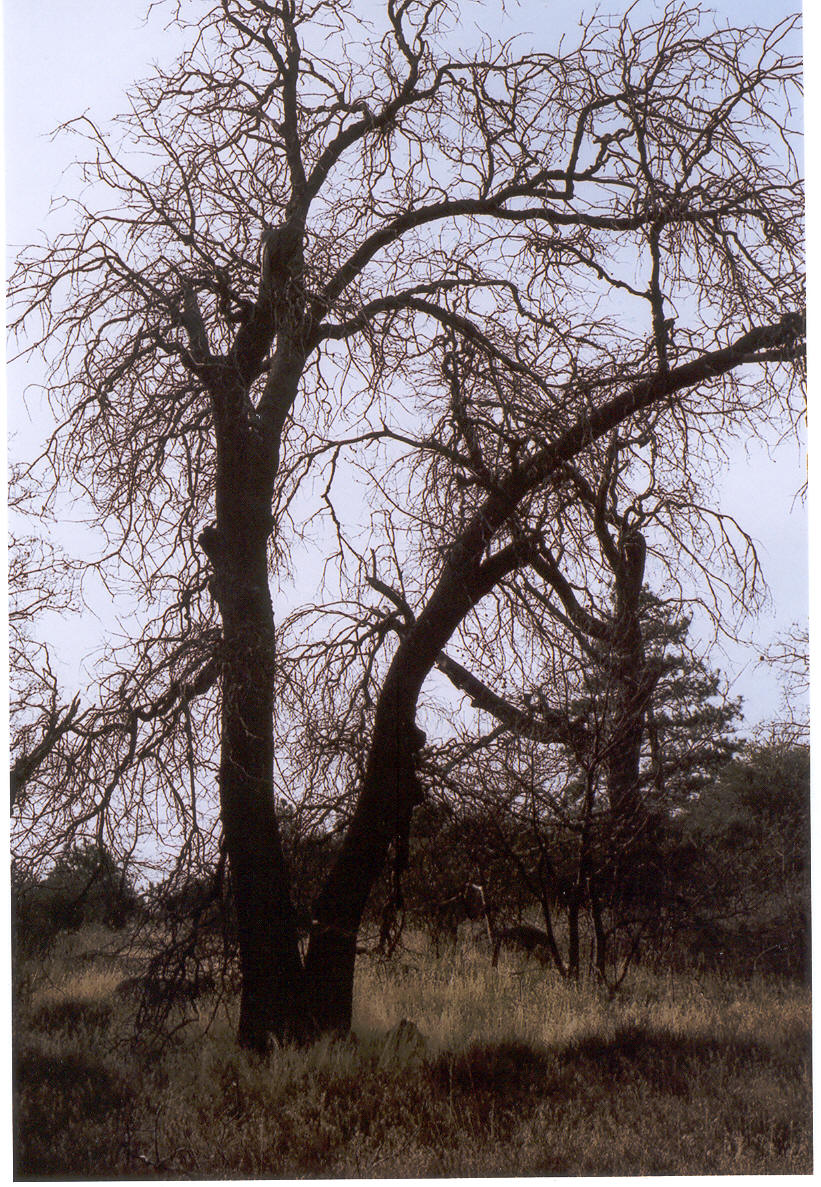
coast live oak killed by GSOB at Heisey State Park, San Diego County, California; photo by F.T. Campbell

We have paid far less attention to a second Agrilus, the goldspotted oak borer (GSOB), Agrilus auroguttatus. In roughly 30 years, the GSOB infestation has become the primary agent of oak mortality across much of southern California, an area of roughly 37 million square miles. This is bigger than the combined land areas of West Virginia, Maryland, and Delaware.

While the number of trees killed has generally expanded slowly, there have been periods of explosive growth. For example, annual mortality was estimated to have reached 40,000 trees in 2017. The officially documented cumulative total is over 142,000. At least one scientist, Joelene Tamm, considers this number to be a significant underestimate; she estimates the true number of trees killed as probably close to 200,000. As she explains (see here), the USFS’ Aerial Detection Surveys is not very effective at capturing mortality within fragmented urban landscapes, narrow riparian corridors, or when the target species have sprawling canopies (as oaks do).

Ravaged oak forests grow on five mountain ranges. People losing valuable resources and paying to manage the invasion include

  • U.S. taxpayers — three National forests have lost oaks; a fourth Forest is on the brink;
  • Residents of California – trees killed in at least four State parks, 10 County parks, and two major private reserves;
  • Native Americans on at least five reservations
  • City dwellers and property owners: up to 300,000 coast live oak trees live in built-up sections of just one heavily infested city, Los Angeles.
areas vulnerable to GSOB

This damage is almost guaranteed to spread in the future. Three oak species host GSOB: coast live oak (Quercus agrifolia), California black oak (Q. kelloggii), and canyon live oak (Q. chrysolepis). The ranges of black and canyon live oak stretch north along the Coastal Mountain Range and the foothills of the Sierra Nevada Mountain Range into southwest Oregon. The range of coast live oak reaches Mendocino County. A risk assessment concluded that GSOB could invade all these regions. Among urban areas, Santa Barbara faces the highest risk because of the large number of oaks in its urban forest. While this county has not yet been invaded by GSOB, the beetle is now in adjacent Ventura County – although at the other end of the county.

GSOB is transported to new locations primarily by the movement of firewood. This means of human-assisted spread almost certainly explains its initial introduction to from southeastern Arizona to California – in eastern San Diego County – in the 1990s. (See here for the explanation why it is unlikely that the beetle would have spread to California through natural dispersal.) It is blamed for the establishment of numerous disjunct populations that propelled its spread. These outbreaks led to recognition of invasions in additional counties in new counties in 2012, 2014, 2015, 2018, and 2024.

Death of these trees causes numerous ecological impacts. Oaks provide food, habitat, and climate control for hundreds of species. Oak mortality also increases the probability and severity of wildfire. The few natural enemies, including woodpeckers and some parasitoids, are not keeping GSOB populations in check. Urban trees provide important ecological services, including shade which reduces energy use and expense associated with air conditioning; they also reduce storm water runoff. Larger trees – those preferred by GSOB – provide more of these services. Dead oaks not only deny people of these services; they also demand prompt removal to prevent them falling on people or structures; this is done at considerable expense.

GSOB invasions are now known to be present in six counties: San Diego, Orange, Los Angeles, Riverside, San Bernardino, and Ventura. Since the state has opted out of leading management of the beetle (see below), coordination of these many players presents significant challenges on top of the usual difficulties that hinder most U.S. efforts to reduce threats from non-native forest insects and pathogens:

  • Detection of outbreaks occurs years after the pest’s actual introduction. Locations of disjunct outbreaks are difficult to predict. They fuel more rapid dispersal.
  • The host species are not important commercial timber sources, so key forest stakeholders do not act – despite the tree species’ great ecological importance.
  • USDA APHIS does not engage because GSOB has become a non-native tree-killing organism in a single state (although it was introduced from a separate state – Arizona).

Problems more specific to GSOB are:

  • Some authorities dismiss this invasion because the beetle is native in one U.S. state.
  • California State agencies and the National Park Service have not taken effective action to control movement of the principal vector – in this case, firewood.

Fortunately, a broadening alliance of locals is trying to fill the gaps. These efforts are truly encouraging. Concerned individuals and organizations in Southern California have put together a broad coalition that works to ensure an outbreak-wide response. Participants include staffers in the USDA’s Forest Service and Natural Resources Conservation Service; the U.S. Bureau of Indian Affairs; CalFire; California Department of Conservation; State parks; agencies of four counties; community Fire Safe councils; regional conservation agencies; several Resource Conservation districts; various Tribes and Tribal Nations; and University of California extension. In some counties, there are also geographically-focused coordinating bodies.

Money is scarce, but somehow they manage to carry out detection and monitoring, vigorous outreach and education projects, and — at some sites — treatment of vulnerable trees and removal of “amplifier” trees. Teams working under the umbrella of this coalition have developed GSOB-killing treatments for logs (firewood); search for tools to increase survey efficacy; investigate the area-wide impact of the beetle, and its interaction with drought. Scientists have also explored possible biocontrol agents in the species’ native habitat in Arizona. However, the two parasitic wasps found there are already present in California, where their parasitism rates are much lower.

Some of the participants have been willing to “go political” in search of resources and official actions.

Might this coalition be a model for addressing other pests?

As if GSOB were not a sufficient threat to California’s oaks, several other non-native pests are already established in the state. These include at least seven pests and pathogens:

  • sudden oak death pathogen;
  • three shot hole borers — polyphagousKuroshio, and Euwallaceae interjectus; they attack at least  Coast live oak (Quercus agrifolia), Engelmann oak (Quercus engelmannii), Valley oak (Quercus lobata), Canyon live oak (Quercus chrysolepis)
  • Mediterranean oak borer; attacks valley oak (Quercus lobata); blue oak (Q. douglasii); and Oregon oak (Q. garryana).
  • acute oak decline (bacterium Rahnellav victoriana);
  • foamy bark canker (caused by Geosmithia pallida); and
  • possibly two Diplodia fungi.

At least GSOB, SOD, and two of the shot hole borers have received official “zone of infestation” (ZOI) designation by the California Board of Forestry. This designation enables

  • the Board to specify required pest mitigation measures for any timber harvest;
  • the Board & the CalFire authority to enter private properties to abate pest problems if necessary.
  • calls attention to the presence of the pest within the Zone and provides the Department with a talking point to motivate landowners & land managers to address problems caused by the pest in question.

The southern California coalition includes these other bioinvaders in its efforts.

Lobbying by members of the coalition – especially John Kabashima – resulted in the state legislature providing funds to address the invasive shot hole borers (see here and here.)  

Summary of information in the brief  

Tardy detections

Although oak decline was observed in eastern San Diego County as early as 2002, and a GSOB was caught in a survey trap in 2004, the beetle’s role in killing these oaks was identified only in 2008. This detection was followed by the discovery of disjunct infestations were detected in towns surrounded by National forests first in Riverside County (2012), then in Orange County (2014) and Los Angeles County (2015). Outbreaks in San Bernardino County were detected in 2018 – although the beetle had probably been present since 2013. The LA County populations continued to spread, despite management efforts. The obvious danger prompted neighboring Ventura County to initiate surveillance trapping in 2023.  Sure enough, this sixth county found its first outbreaks in 2024. Most of the initial outbreaks have been on private land bordering or surrounded by National forests.

black oak in Cleveland National Forest killed by GSOB; photo by F.T. Campbell

Responses: State, County, and Federal

The California Department of Food and Agriculture (CDFA) classifies GSOB as a level “B” pest. Pests in this category are known to cause economic or environmental harm; however, their distribution is considered to be “limited”. Efforts to eradicate, contain, suppress, or control the species are at the discretion of individual county agricultural commissioners.

There is some outside support – usually because of the link to increased fire danger. Grants from the National Forest Foundation have enabled local Fire Safe councils, CalFire, and the Inland Empire Resource Conservation District (IERCD) to conduct surveys and in some cases removal of amplifier trees in Riverside and San Bernardino counties. However, the funds no longer support the earlier practice of spraying at-risk trees.

County-by-County

In Orange County, a coalition of academics from the University of California and scientists with CalFire and USFS are testing various pesticide applications and efficacy of removing heavily infested trees. The county has adopted an Early Detection Rapid Response Plan.

Since the first detection of GSOB in Los Angeles County in 2015, authorities have removed nearly 10,000 “amplifier” trees. Because the Santa Monica Mountains are home to 151,000 oaks, LA County Agricultural Commissioner of Weights and Measures, the Santa Monica Mountain Resource Conservation District (RCD), Los Angeles National Forest and UC Cooperative Extension established a joint “Bad Beetle Watch” program with Ventura County. The program is training agency personnel, tree professionals, and recreationists to detect GSOB. A state agency – Mountains Recreation and Conservation Authority – is managing two outbreaks in the Santa Monica Mountains. The Los Angeles County Fire / Forestry Division is surveying the oak-dense San Fernando Valley and Santa Susana Mountains after GSOB was found nearby. The Los Angeles County Regional Planning agency will target oak-dense communities with advocacy for oak woodland health and warnings not to move firewood.

Most encouraging, the Los Angeles County Board of Supervisors is considering declaring a local or state emergency related to the risk of the spread of GSOB in the County and to the Santa Monica Mountains.

Ventura County began trapping at green waste facilities and campgrounds in 2023. Now that GSOB has been detected, several agencies — CalFire, Ventura County Fire, Ventura County Resource Conservation District, California Coastal Conservancy, Rivers and Mountains Conservancy, Santa Monica Mountains Conservancy, Mountains Recreation and Conservation Authority, Ojai Valley Land Conservancy, Ventura Fire Safe Council, Ojai Valley Fire Safe Council  as well as the state lands commission and Los Padres National Forest – are gearing up educational programs focused on the risk of GSOB spread to additional areas. The non-governmental organization Tree People helped to spark this effort. Efforts are under way to fund and formalize a regional coalition, with collaboration from California Department of Conservation, CAL FIRE, and UC Agriculture and Natural Resources.

Despite the damage to state parks and the clear nexus with firewood, the California State Park agency encourages – but does not require – campers and picnickers to purchase certified clean firewood on site from camp hosts.

Affected Tribal Lands

Among affected Native American reservations, the La Jolla Band of Luiseño Indians has already removed almost one thousand large coast live oak trees in the Tribe’s campground; another thousand trees must be removed in coming years. Since 2019, the Tribe has been applying contact insecticides annually on 200 to 300 trees. In addition, the Tribe is planting seedlings and conducting research in partnership with UC Riverside, San Diego State University, and UC Irvine. Obtaining funds to develop management capacity is a constant challenge.

A second tribe, the Pala Band of Mission Indians, began a systematic survey of its lands in 2022. At that time, they found a light infestation in coast live oaks and some dispersal. Hundreds of dead trees are visible from highways bordering the Mesa Grande, Santa Ysabel, and Los Coyotes reservations. Even reservations that have no oaks on their land are affected because tribal members harvest acorns as a culturally important food.

Private Reserves

Two private reserves in Orange County responded aggressively to arrival of GSOB. The Irvine Ranch Conservancy started active management immediately after detection of GSOB in 2014. Their efforts –  annual surveys, treating lightly infested trees, and removing heavily infested or “amplifier” trees – have paid off: by 2023, only 21 of 187 coast live oaks surveyed had new exit holes – and in most cases only one or two. Weir Canyon is considered a successful control program.

Managers of the California Audubon Starr Ranch Sanctuary began monitoring for GSOB by 2016. No GSOB were detected until 2023. Difficult terrain impedes survey and response. Orange County Fire Authority hired contractors to remove amplifier trees and treat others. Monitoring continues.

Responses by Federal Agencies

The Angeles, Cleveland, and San Bernardino National forests all have extensive and evolving management plans for GSOB. Actions include annual surveys, tree removal and/or treatment, regulating concessionaires’ sources of firewood, and restricting wood harvest permits. Each forest has also partnered with appropriate counties, NGOs, FireSafe councils, and Resource Conservation districts to expand outreach, monitoring, and management. Many of the efforts are centered around communities within and adjacent to National Forest boundaries and recreation sites, since they are the main source of GSOB ingress. Success is not guaranteed. Six years of applying contact insecticides to high-visit recreation sites did not prevent establishment of at least two new infestations on private inholdings in Trabuco Canyon (Cleveland National Forest).

The fourth National Forest in southern California, Los Padres NF – which lies partially in Ventura and Los Angeles counties – has not yet found any GSOB but it is preparing. The Forest conducted a forest health training with heavy emphasis on GSOB in spring 2024 and is in the process of creating its own monitoring and management plan to include preemptive evaluation of environmental concerns under the National Environmental Protection Act (NEPA) and planning.

GSOB management is an important facet of the National Forest Wildfire Crisis Strategy implemented by all four National Forests in southern California. Challenges include steep and inaccessible terrain; wilderness designations; designation of sensitive habitat for wildlife, ecological, or heritage sites; and the sheer amount of land managed. Despite this, the forests have expanded their efforts each year. At the National Plant Board meeting in July, Sky Stevens reported that GSOB is one of the priority pests being addressed by the Forest Health Protection program. However, this program has been severely downsized by the Trump Administration, so its ability to assist is unclear. Budgets for individual National forests are also in limbo.

The Issue of Firewood

Several National parks located in California contain important oak forests and woodlands that are also at risk, especially given the importance of firewood in spreading the pest. Yosemite and Kings Canyon-Sequoia National parks and other campgrounds in the Sierra Nevada receive large numbers of campers from the Los Angeles area.

A 2014 National Park Service resource guide for firewood management summarized federal plant pest regulations at the time. These have since changed because emerald ash borer is no longer federally regulated. The guidance advised Park staff to define their park’s forest resources, keep abreast of present and potential forest pest species, and act to manage risks from potentially infested firewood. Park concessioners are required to purchase and sell only locally grown and harvested firewood in accordance with state quarantines. However, California does not have relevant quarantines for either firewood as a commodity or for oak pests specifically. The websites of Yosemite and Kings Canyon-Sequoia National parks ask people not to bring firewood obtained from a source more than 50 miles from the parks.

California does participate in the Firewood Scout program, Firewoodscout.org  which advises campers on local sources from which to purchase their wood. Statewide, a consortium of several agencies, academia, and non-government agencies operates a “Buy It Where You Burn It” campaign that promotes this message with the public and firewood vendors.

Funding is a perpetual problem. No agency, not even CalFire, is funded to remove amplifier trees. The agency does use its crews to remove GSOB infested trees when they can. Most funding for treating infested trees comes from competitive grants awarded by CalFire or National Forest Foundation.

In 2012 the California Board of Forestry and Fire Protection (which is appointed by the Governor) officially designated a Zone of Infestation (ZOI) for GSOB. The Zone has been expanded as the infestation spread. The Zone of Infestation formally recognizes GSOB as a threat to California’s woodland resources and seeks to raise awareness among the governor, legislature, and public. The action was also intended to foster collaborative efforts to manage the beetle.

Joelene Tamm, Vice Chair of the California Forest Pest Council Southern California Committee (CFPC), is leading an initiative to address wildfire risks from invasive pests, including GSOB, South American Palm Weevil, and the invasive shothole borers. She presented a pest update with potential solutions to the California Board of Forestry (BOF) and followed up with a presentation to the BOF Resource Protection Committee, which is now identifying responsive actions. The Governor’s Wildfire Task Force is considering incorporating the topic into future meetings. The initiative’s core message is that the state must address the root cause of pest proliferation, as treating the symptom of wildfire alone is an unsustainable strategy (Tamm, pers. comm. August 2025).

For more details and sources, visit the GSOB brief here.

[I could find no recent updates about a third Agrilus, the soapberry borer (Agrilus prionurus), which is established in Texas from Mexico and was earlier said to kill the western soapberry (Sapindus saponaria var drummondii). It is established in at least 42 counties, reaching from the Dallas-Ft. Worth area to the Rio Grande valley.

soapberry borer; photo by Texas A&M Forest Service

Posted by Faith Campbell

We welcome comments that supplement or correct factual information, suggest new approaches, or promote thoughtful consideration. We post comments that disagree with us — but not those we judge to be not civil or inflammatory.

For a detailed discussion of the policies and practices that have allowed these pests to enter and spread – and that do not promote effective restoration strategies – review the Fading Forests report at http://treeimprovement.utk.edu/FadingForests.htm

Or
https://fadingforests.org

How do we prevent their introduction?

healthy eastern hemlock in Shenandoah National Park; photo by F.T. Campbell

PestLens reports newly detected insects and pathogens that seem to pose a threat to North American forests.

  1. Insects on hemlock – Tsuga spp

a) Adelges lepsimon (Hemiptera: Adelgidae) – found infesting Tsuga dumosa (Himalayan hemlock) trees in Bhutan.

b) bark beetle Pityokteines spinidens (Coleoptera: Curculionidae) – infesting Tsuga canadensis trees in an arboretum in the Czech Republic. Affected trees showed branch dieback, entry holes, and internal galleries.

Eastern hemlock has already been greatly reduced by hemlock woolly adelgid.

loblolly pine; photo by dcrjsr via Flickr

2. Several fungi infesting loblolly pine – Pinus taeda

needle chlorosis and drying, canopy dieback, and root necrosis on loblolly pines in Brazil is caused by the fungi Ilyonectria leucospermiIprotearumIrobusta, and Ivredehoekensis (Sordariomycetes: Hypocreales).

PestLens is supposed to alert APHIS to threats; I hope the agency is paying attention!

The USFS Southern Research Station reports that it is investigating brown spot needle blight, caused by the fungal pathogen called Lecanosticta acicola. The report says the pathogen has been present in the U.S. for more than 100 years, but does not indicate an origin. Other sources show it as widespread in both North America and Europe. The USFS notes two recent significant outbreaks, one affecting more than a million acres of loblolly pine in the Southeast, the second on eastern white pine in the Northeast. The pathogen also infects other species. .

You can subscribe to PestLens and receive weekly alerts – go to the website.

Posted by Faith Campbell

Y’all Come! National Plant Board Will Meet in Virginia in July 2026

The National Plant Board (NPB) represents the state officials responsible for preventing the introduction, establishment, and spread of invasive species called “plant pests” – including insects and pathogens that attack our native flora and invasive plants. The NPB has just held its 2025 meeting, on which I report here.

Coming to the Mid-Atlantic: NPB 2026 Annual Meeting

The next annual meeting will be in Alexandria, Virginia at the end of July 2026.I have attended these annual meetings since 2006 and always find them worth my time. They provide a wonderful opportunity to interact with the state and federal officials responsible for managing invasive plants and plant pests, and to assess regulatory issues. Contact me for more information.

The agendas focus on practical topics, such as science and technology tools, changes in APHIS policies or practices, and progress in cooperation among relevant federal agencies (i.e., the U.S. Department of Agriculture and the Department of Homeland Security’s Bureau of Border Protection) and with the states. While agricultural pest issues are stressed, tree-killing pests also get attention. Sometimes invasive plants are also discussed. The Board’s state representatives seek ways to coordinate their efforts both at these meetings and throughout the year.

Issues in the host location are part of the focus. Next year, that will be the Mid-Atlantic. The meeting is being co-hosted by the departments of Agriculture of Virginia, Maryland, Washington, D.C., and Delaware.

I expect that there will be opportunities for presenting concerns of non-governmental organizations – at least through staffed display tables and possibly other activities. I hope the many conservation organizations that have a Washington, D.C., presence will consider participating.

In Honolulu: NPB 2025 Annual Meeting

NPB’s 2025 Annual Meeting in Honolulu focused to some extent on the unique aspects of agriculture and introduced pests on remote Pacific islands. (Guam was co-host.) This blog reports on current efforts by federal and state authorities to counter bioinvasions there and around the country.

I took advantage of the meeting to visit the “Big Island” of Hawai`i to see for myself the impact of rapid ‘ōhi‘a death and enjoy the native flora (for example, the hapu tree fern – below). I posted another blog reporting what I learned there.

native Hawaiian tree ferns & ʻōhiʻa; photo by F.T. Campbell

Federal

In an earlier blog, I outlined the Administration’s proposed cuts to staff of the U.S. Department of Agriculture (USDA) and contradictory actions by Congress in the annual appropriations bills.

As that blog makes clear, the work of USDA’s Animal and Plant Health Inspection Service (APHIS) is viewed much more positively by the Trump Administration than is the USDA Forest Service. While APHIS’ funding is much more secure, staff cuts and reorganization of the USDA still have caused setbacks. APHIS is expected to lose 15% of employees – 1,180 people. Four hundred APHIS employees accepted the Administration’s deferred resignation offer. These included the leadership of many programs – including the previous Deputy Administrator, Mark Davidson. Higher up, no one has been appointed to the position of Deputy Secretary for Marketing and Regulatory Affairs.

In his report to the meeting, APHIS Acting Deputy Administrator for Plant Protection and Quarantine Matthew Rhoads noted that the Administration’s Farm Security Plan, which emphasizes efforts to combat bioterrorism, includes APHIS’ safeguarding role. However, abrupt and incomplete leadership changes hamper efforts to replace those who have left and set agency priorities. While I am cheered by the reported priority for preventing pest introductions, I fear that the focus might be quite narrow, leaving out threats to natural resources such as native forest trees.

Rhoads announced that after years of effort, the Asian longhorned beetle has been declared eradicated on 12.3 square miles of the Massachusetts quarantine zone.

Much of the presentation by Matthew Rhoads and later ones by other APHIS staff updated attendees on progress on technologies important in pest detection and control, and specific projects being carried out jointly by APHIS and NPB members (that is, state regulatory officials chosen to represent the state phytosanitary agencies). I consider the collaborative projects — begun in February 2023 – to be very important. Twenty years ago, relations between APHIS and its state counterparts were characterized by an “us vs. them” attitude.

I will summarize progress on the projects of greatest interest to those of us focused on non-native insects and disease pathogens threatening tree species. Rhodes mentioned improvements in the plant pathogen diagnostic certification program and development of improved molecular diagnostics for 45 insects and plant pathogens, including several Phytophthora species.

Joint APHIS-NPB teams have completed many risk analyses: 18 datasheets, 20 assessments, and four pathway analyses. As usual, insects – especially beetles – are the most numerous taxa detected. Many were surprised that the majority of new detections occurred in the south. When he was asked about this, Rhoads speculated that this reflected the region’s more hospitable climate and Florida’s surveillance efforts. I noted that ports in the southeast – e.g., Savannah and Charleston – are receiving higher import volumes; and that there have been problems with dunnage in the port of Houston.  

Large container ship docked at Port of Savannah; photo by F.T. Campbell

Rhoads praised the federal-state strategic alliance’s project targetting illegal importation of plants purchased on-line. His example should concern us: importation of as many as 10,000 black pine seedlings to Georgia. The state stopped sale of these plants and APHIS’ investigatory unit began an investigation. This example illustrates the volume of plants that might be moving in this trade. Several states asked APHIS to offer more help in countering trafficking involving smaller numbers.  All agree that no one has yet figured out an effective way to control this pathway.

A second example of successful coordination between APHIS and the states was said to be the decision to not regulate Phytophthora austrocedri, a pathogen detected in several nurseries in Oregon in 2024. Possible hosts in the Pacific Northwest include the already-depleted Port Orford cedar, and here; Juniperus californica, J. grandis, J. occidentalis, and J. maritima. Federal and state plant health officials, in coordination with the nursery industry trade association (AmericanHort), reached this decision after determining that the pathogen has probably been present in Oregon for many years and been spread to other states on the large volumes of host plants shipped. Now it will be up to states and non-governmental conservation organizations to try to detect whether this pathogen has established and devise management strategies.

New Information (as of December 2025): someone has posted on the web a written explanation of this decision by APHIS to the National Plant Board. [Visit cdn.ymaws.com, search for “Phytopthora austro”]. APHIS estimated that delimitation surveys in just one nursery would cost more than $9 million. Because the pathogen cannot be detected by visual symptoms, even tracking spread requires expensive destructive sampling of large numbers of plants. Meanwhile, thousands of possibly infected plants have been shipped from at least two Oregon nurseries in recent years. APHIS concluded that a Federal survey program for P. austrocedri would not contribute to ultimately controlling the spread or eradication of this pathogen. The agency recommended instead that natural resource agencies adopt a “protective-style approach”, focused on actively managing highest-value natural sites.  

Are federal, state, and non-governmental managers of the many types of ecosystems inhabited by junipers and cypresses equipped to do this?

Ordinarily, the USFS Forest Health Protection program would be in a position to assist states which want to manage this pest (assuming its establishment). But considering the current uncertainty regarding USFS’ future, blog states cannot count on that help.

Sky Stevens (entomologist on the staff of USFS Forest Health Protection program) reported on the situation at the USFS. She noted that the Congressional appropriations bills continue funding for the agency’s research program and collaboration with non-federal entities managing forests. Still, the USFS lost 5,200 people through “voluntary” resignations and firings.

The program of greatest importance to us, Forest Health, was cut from 18 people to 8. Stevens replaced the long-time national entomologist. The comparable pathologist has retired. Stevens is struggling to make decisions regarding the pathology program, especially since diseases are inherently more difficult. While the USFS is doing lateral exchanges to fill high-need vacancies, FHP has not yet been asked what the program needs.

According to Stevens, in 2024 about 9 million acres were impacted by forest pests. The FHP program treated 1 million acres. As usual, the (European) spongy moth was the largest target based on acreage. Other non-native species targetted were emerald ash borer, goldspotted oak borer, sudden oak death, Asian longhorned beetle, hemlock woolly adelgid, and rapid ‘ōhi‘a death. See summaries of these pests’ impacts and status here.  

Continuation of these projects in 2025 often became trapped in the new Administration’s funding freezes; opportune times for effective actions were often missed. On-going projects include several targetting emerald ash borer and its hosts in Oregon and black ash swamps of the Midwest and Northeast; managing sudden oak death in Oregon and California; and delimitation surveys for rapid ‘ōhi‘a death.  The SOD program benefits from approximately $3 million earmarked by Congress (out of the total funding for the forest health program of $48 million).

Stevens noted that it is difficult to discuss the program’s future given the uncertainty. Program staff hope to continue issuing products that help people understand forest health in their region – not limited to federal lands.

I learned from the review of the following programs and technical tools that many were funded by the grant program under APHIS’ Plant Pest and Disease Management and Disaster Prevention program  (Plant Protection Act Section 7721). Clearly, America’s efforts to prevent and respond to invasions by plant pests (including invasive plants) would be far less robust without this grant program.

boxwood (box tree) garden at Gunston Hall – an 18th Century plantation near Alexandria, Virginia (site of the 2026 NPB meeting); Photo by Roger 4336 via Wikipedia

Wendy Jin, APHIS PPQ Associate Deputy Administrator, urged states to use pest forecast models developed under the SAFARIS program. These models incorporate information on weather; pest biology, environmental needs and impact; hosts; land cover; and relevant human activities. Fifty pests have been evaluated so far, apparently including Asian longhorned beetle, spongy moth, spotted lanternfly, and boxtree moth. (All but the last are described briefly under the “invasive species” tab here.) The goal is to provide managers information about the insect’s life stage at specific times in specific localities so that they can time their surveillance and management actions. However, I am somewhat worried because the models use current and historical weather data – which might not be pertinent as the climate warms. Worse, the modelers lack sufficiently detailed data to develop models for Alaska, Hawai`i, Puerto Rico, or Guam.

Dr. Carrie Harmon (Deputy Director, National Plant Diagnostic Network) described the resources available for states use from two diagnostics tools. Both were developed under grants which are now expiring. Therefore updates and further development will depend on renewal of the grants.  The National Plant Diagnostic Network (NPDN) provides accurate data and alerts about appearances of plant diseases. APHIS is said to be collaborating closely to ensure as much data as possible is shared. A separate body, the Diagnostic Assay Validation Network, is validating diagnostic assays.

A few years ago the NPB and APHIS formalized their new level of collaboration as the “Strategic Alliance, Strategic Initiative”. The Plant Board surveyed its members to gauge their feelings about several issues: 1) data-sharing issues that impede decision-making; 2) ways to strengthen coordination when dealing with on-line sales of plants or other vectors of plant pests (see the pine-Georgia example above); and 3) what structures and practices could make resolving these problems easier. 

One of the resulting initiatives is an analysis of implementation of the Federal Noxious Weed program in the absence of a line-item appropriation. However, the President’s “Department of Government Efficiency” (DOGE) prompted resignations and firings, including this project’s APHIS liaison. Without a replacement, it is unclear how the analysis can proceed.

Another speaker, representing Bob Baca, Assistant Director of APHIS Plant Protection and Quarantine, warned state officials about new pressure to phase out use of methyl bromide (MB) as a phytosanitary tool. Use of ozone-depleting chemicals – including MB – has been regulated since 1988 under the Montreal Protocol. Americans use more MB for this purpose than any other country. Already manufacturers are ending its production. After mentioning substitutes under development, the speaker urged state departments of Agriculture to meet with growers and develop a nation-wide plan to weather this impending change. She noted that APHIS has no authority to require companies to produce substitutes. 

The NPB leadership discussed turnover in the organization (several states are represented by officials new to their jobs); advocacy to APHIS for even better coordination and recognition of states’ need to act quickly; and efforts to expand its collaboration with other entities. A series of presentations tallied lessons learned during specific plant pest crises. These included the role of the public in pest detection; mobilizing initial responses to a new pest; and building higher-ups’ and legislators’ support for funding a “rapid response” capability before arrival of a new damaging pest.

In a separate blog I reviewed topics discussed that pertain particularly to Pacific island plant health issues.

Posted by Faith Campbell

We welcome comments that supplement or correct factual information, suggest new approaches, or promote thoughtful consideration. We post comments that disagree with us — but not those we judge to be not civil or inflammatory.

For a detailed discussion of the policies and practices that have allowed these pests to enter and spread – and that do not promote effective restoration strategies – review the Fading Forests report at http://treeimprovement.utk.edu/FadingForests.htm

Or
https://fadingforests.org

Status of Hawaiian species threatened by bioinvasion

stand of Miconia under albizia overstory on Big Island, Hawai`i; photo by F.T. Campbell

As I will describe in another blog, participants in the annual meeting of the National Plant Board link in Honolulu learned the basics about the uniqueness of agriculture and native species on remote Pacific islands. I want to complement this information by reminding you about other Hawaiian and Guamaian species at risk – although did not learn anything new.

As Martin and Andreozzi pointed out, the Pacific islands import nearly all their food and other consumables. Considerable interest in some quarters in Hawai`i to increase agricultural production. However, large swaths of land in the low-elevation area surrounding Pahoa on the Big Island is completely dominated by the albizia (Falcataria Molucca) [see photo above]. J.B. Friday says it is cost-prohibitive to remove these trees in order to restore agriculture in the area. Local people are concerned because in storms the trees fall onto houses and roads, causing considerable damage.

I saw numerous clumps of the notorious invasive plant Miconia calvescens. Dr. Friday told me that conservationists now focus on keeping this plant out of key areas, not trying to eradicate it completely.

area being restored by volunteers; photo by F.T. Campbell

Local people trying to restore disease-damaged forests by planting other native plants and hand-clearing invasive plants. Some of the ohia seedlings infected by Austropuccinia psidii.

ohia seedling with symptoms of ohia rust (Austropuccinia psdii); detected by J.B. Friday; photo by F.T. Campbell

Dr. Friday showed me many areas where ʻōhiʻa trees have been killed by rapid ʻōhiʻa death. Since this mortality occurred a decade or more ago, other plants have grown up. Pic  In many if not most cases, this jungle includes dense growths of guava Latin the most widespread invasive tree on the islands (Potter). ‘Ōhi‘a trees continue to thrive in Hawai`i Volcanoes National Park – also on the Big Island – because the NPS makes considerable efforts to protect them from wounding by feral pigs. Demonstrates importance of fencing and mammal eradication in efforts to protect this tree species.

healthy ʻōhiʻa tree on cinder cone created by eruption of Kilauea Iki in 1959; photo by F.T. Campbell

I also saw healthy koa (Acacia koa) in the park, especially at sites along the road to the trail climbing Mauna Loa.

Regarding the wiliwili tree, I was told that it remains extremely scarce on Oahu.

wiliwili tree in flower; photo by Forrest Starr

I heard nothing about the status of naio – another shrub native to the Big Island – but on the dry western side of the island.

I rejoice that scientists are making progress in protecting and restoring Hawaii’s endemic bird species. Specifically, they are at the early stages of controlling mosquitoes that transmit fatal diseases. All 17 species of endemic honeycreepers that have persisted through the 250 years since Europeans first landed on the Islands are now listed as endangered or threatened under the federal Endangered Spp Act. The “Birds, not Mosquitoes” project has developed lab-reared male mosquitoes that, when they mate with wild female, the resulting eggs are sterile. (Male mosquitoes don’t bite, so increasing their number does not affect either animals or people.) Over time, the invasive mosquito population will be reduced, giving vulnerable native bird populations the chance to recover. Scientists began releasing these modified mosquitoes in remote forests on Maui and Kaua‘i in November 2023. In spring 2025, they began testing releases using drones. Use of drones instead of helicopters reduces the danger associated with flying close to complicated mountain rides in regions with variable weather.   This project should be able to continue; the Senate Appropriations Committee report for FY26 allocates $5,250,000 for this project.

American Bird Conservancy is sponsoring a webinar about this program. It will be Wednesday, August 27, 2025 4:00 PM – 5:00 PM ET. Sign up for the webinar here

thicket of guava on the Big Island, Hawai`i; photo by F.T. Campbell

Finally, scientists are releasing a biocontrol agent targetting strawberry guava, Psidium cattleyanum, the most widespread invasive tree on the Islands (Potter et al. 2023). Distribution involves an interesting process. A stand of guava is cut down to stimulate rapid growth. The leaf-galling insect Tectococcus ovatus reproduces prolifically on the new foliage. Twigs bearing the eggs of these insects are collected and tied into small bundles. The bundles are then dropped from helicopters into the canopies of dense guava stands, where they establish and feed – damaging the unwanted host.  

brown tree snake; photo via Wikimedia

Guam

Guam’s endemic birds have famously been extinguished by the non-native brown tree snake. Dr. Aaron Collins, State Director, Guam and Western Pacific, USDA APHIS Wildlife Services, informed participants at the National Plant Board meeting about the extensive efforts to suppress snake populations in military housing on the island, reduce damage to the electric grid, and prevent snakes from hitchhiking to other environments, especially Hawai`i and the U.S. mainland.

The program began more than 30 years ago, in 1993. The program now employs 80 FTEs and has a budget of $4 million per year. It was initiated because live and dead snakes had been found in shipments and planes that landed in Hawai`i and the U.S. mainland. Avoiding the snake’s establishment on Hawai`i is estimated to save $500 million per year. The program is a coordinated effort by USDA, U.S. Fish and Wildlife Service, and the Department of Defense. Probably this estimate helped advocates reverse a decision by the “Department of Government Efficiency” to defund the program.

The program enjoys some advantages over vertebrate eradication programs on the mainland. For example, since Guam has no native snakes, it can use poison, e.g., in mouse-baited traps that can be dropped from planes. A recent innovation is auto-resetting traps baited with mammals; they can electrocute numerous snakes per night.

SOURCE

Potter, K.M., C. Giardina, R.F. Hughes, S. Cordell, O. Kuegler, A. Koch, E. Yuen. 2023. How invaded are Hawaiian forests? Non‑native understory tree dominance signals potential canopy replacement. Lands. Ecol. https://doi.org/10.1007/s10980-023-01662-6

Posted by Faith Campbell

We welcome comments that supplement or correct factual information, suggest new approaches, or promote thoughtful consideration. We post comments that disagree with us — but not those we judge to be not civil or inflammatory.

For a detailed discussion of the policies and practices that have allowed these pests to enter and spread – and that do not promote effective restoration strategies – review the Fading Forests report at http://treeimprovement.utk.edu/FadingForests.htm

Or
https://fadingforests.org

FY26 Funding: APHIS doing well; will Congress save the USFS?

effects of emerald ash borer — one of the non-native pests threatening forests across the North American continent; photo by Leslie A. Brice, taken in Maryland

Forest Service: What the Administration Proposed

According to the Washington Post, the Administration’s plans for shrinking the federal government would cut employees of the U.S. Department of Agriculture (USDA) by 35% by 2026 – a loss of ~32,000 employees. Of these, the USDA Forest Service (USFS) was targetted for significant losses. The Administration proposed to end the Research and Development program, firing 1,641 employees. The State, Private, and Tribal program would lose 94% of its staff of 580 people. The National Forest System was to be cut by 30%, or 1,603 people. These and cuts to additional USFS programs would have totaled 39% of the agency’s approximately 30,000 staff.

The Administration issued a plan to reorganize USDA. This plan called for phasing out the USFS’ nine Regional Offices. Apparently only two offices would remain: a reduced state office in Juneau and an eastern service center in Athens, Georgia. Seven of the current stand-alone Research Stations would be consolidated into a single location in Fort Collins. The proposal retains two separate entities: the Fire Sciences and Forest Products Laboratories.

How Congress’ Appropriations Committees Responded

As I reported earlier, the Congress has not accepted these proposed cuts to the USFS. Under normal circumstances provisions in Congressionally-enacted appropriations legislation should prevail over the Administration’s plan, but now, who knows?

beech leaf disease — one of many non-native diseases threatening our forests that need further research; photo by F.T. Campbell

USFS Research and Development Program

The House Appropriations bill provides $301,706,000 for the research account, including $34 million for Forest Inventory and Analysis (FIA). The Senate bill provides more for the overall research program — $308.5 million; but a little less — $32 million – for FIA. I remind you that FIA data inform us about changes in the forest, including damage caused by introduced insects and pathogens. But these data do not identify or disseminate information about how such threats might best be countered.

The Senate bill specifically retains the USFS’ five regional offices and experimental forests. The report accompanying the bill specifies funding for several issues, especially needle blights on loblolly pine and western conifers and poor regeneration of white oak (Quercus alba). The only other topic of research mentioned in the bill is fire research. I fear that might led to decreased attention to non-fire aspects of introduced tree-killing insects and pathogens – which collectively threaten a similarly sized area of America’s forests.

USFS State, Private, and Tribal Forestry program

The House bill provides $281 million for the forest health program. The bill specifies that this funding “includes forest health management, invasive plants, and conducting international programs and trade activities.” This would seem to restore funding for the Forest Health Management program – both the “cooperative lands” and “federal lands” subprograms. However, I found no language specifying funding levels for each subprogram.

The Senate bill provides $38 million more — $319.5 million — for the forest health program. The report specifies that the Cooperative lands forest health management program should be funded at $42 million. However, the Appropriations Committee allocated significant proportions of this total to specific projects. Nearly a quarter of the appropriation targets the spruce budworm outbreak in the eastern U.S. Also, $2 million is earmarked for management of the sudden oak death pathogen in the forests of Oregon and California. Another $3 million funds a pilot program for management of the highly invasive plant cogongrass. Other priorities are programs targetting Western bark beetles and invasive woody plant species – although no funding levels are specified.

dead whitebark pine at Crater Lake National Park; photo by F.T. Campbell

The Senate bill also provides $19.6 million to support Congressionally-directed components of Forest Resource Information and Analysis; I don’t understand whether this is  within or separate from the FIA program.

Under the National Forest System, the Senate bill instructs the USFS to spend at least $2 million per year on recovery of species of plants and animals listed under the Endangered Species Act, presumably including whitebark pines.

Animal and Plant Health Inspection Service

The USDA Animal and Plant Health Inspection Service (APHIS) is relatively well-off under the Administration’s plans. This agency is expected to lose 15% of employees – 1,180 people. According to Acting Deputy Administrator for Plant Protection and Quarantine Matthew Rhoads, 400 APHIS employees have accepted the Administration’s deferred resignation offer. Leaving are many program leaders – including the previous Deputy Administrator, Mark Davidson. While APHIS is allowed to hire to refill some positions, the future remains uncertain. I note a positive here: the new Farm Security Plan emphasizes efforts to combat bioterrorism, including APHIS’ safeguarding role. While I welcome that priority, I fear that the focus might be quite narrow, leaving out threats to natural resources such as native forest trees.

The impact of the proposed USDA reorganization on APHIS is unclear. The plan envisions continued reductions of the workforce and moving more than half of the remaining USDA employees away from Washington, D.C. to five regional offices.

APHIS also has done well under the House and Senate appropriations process. The House Appropriations Committee issued a press release touting its work as “Champions of U.S. farmers, agriculture, and rural communities”. The first example of this supportive effort reads: “Continuing critical investments in agricultural research, rural broadband, and animal and plant health programs.” Funding for APHIS is described as supporting the Trump Administration and its mandate from the American people. The Office of Management and Budget is said to have prioritized protecting American agriculture from foreign pests and diseases.

The Senate’s report instead cites traditional justifications for funding APHIS. It said that the appropriated funds will help protect the nation’s animal and plant resources from diseases and pests. (As usual, the examples cited are all animal diseases: chronic wasting disease, new world screwworm, and avian influenza.)

The reports accompanying both bills say agricultural quarantine – preventing pest introduction – is an important responsibility of the federal government. I am cheered by this statement since the Trump Administration puts such emphasis on shedding responsibilities.

Unlike the USFS, funding levels for most APHIS programs are unchanged from this year. (Of course, inflation has reduced the amount of work that can be carried out using the same amount of money.) The following table shows funding for programs of interest during the current year (FY2025) and levels proposed by the House and Senate bills for Fiscal Year 2026 (which begins on October 1).

                                                                        Figures in millions of dollars (rounded up)

FY2025 enacted            FY26 House                 FY26 Senate

APHIS total                                  $1,148                          $1,146                          $1,168

Plant health subtotal                   $387.5                                                              $388.6

Agric. quarantine                      $35.5                            $35.5                            $35.5

Field crop and rangeland           $12                               $11                               $11.5

Pest detection                           $29                               $28.5                            $29

Methods development               $21.5                            $21.5                            $21.5

Specialty crops                          $206.5                          $216.3                          $208.5

Tree and wood pests                  $59                               $59                               $58.6

Emergency preparedness and response* $44.5         $44.5                            $44.3

* this fund is apparently for both animal and plant emergencies

The Senate and House bills contain identical language authorizing the Secretary “in emergencies which threaten any segment of [US] agricultural production …, [to] transfer from other appropriations or funds available to the agencies or corporations of [USDA] such sums as may be deemed necessary, to be available only in such emergencies for the arrest and eradication of contagious or infectious diseases … in accordance with sections … 431 and 442 of the Plant Protection Act … and any unexpended balances of funds transferred for such emergency purposes in the preceding fiscal year shall be merged with such transferred amounts”. The House report reminds the Administration that this language means that the emergency fund is intended to enhance, not replace, use of funds transferred from the Commodity Credit Corporation when confronting pest or disease outbreak emergencies. I have long sought increased funding for APHIS to respond quickly when a new invasive organisms is detected. Such flexibility is necessary because the regular process for adopting an appropriation stretches over about three years.

Also, both bills support continuation of APHIS’ feral swine management program. However, they prioritize funding projects in areas with the highest pig populations. I think this is backwards from the perspective of efficiency – although it might build political support for the program.

The House report mentions management of Arundo canes, said to be depleting groundwater levels in western states; eastern spruce budworm in the Northeast; spread of the southern pine beetle and spotted lanternfly; and invasions by the non-native shrub glossy buckthorn (Frangula alnus).

The Senate report notes that two strains of the sudden oak death pathogen Phytophthora ramorum and here – the EU1 and NA1 strains – pose major threats to Douglas-fir-tanoak forests in Oregon and California and the associated quarantines restrict exports of logs. Therefore, the report says funding for addressing this threat should be no lower than the FY24 level. (Oregon senator Jeff Merkley is the top Democrat on the Agriculture Appropriations subcommittee.)  

I am thrilled to see that the House report requires APHIS to report within a year on recommendations to enhance existing protocols to better protect Hawai`i from bioinvasion. The report is to evaluate the feasibility of APHIS working with the state to improve biosecurity, prevent invasive species establishment, and mitigate damage from those already there. The report is to evaluate the risk of invasive species arriving via movement of people, baggage, cargo, and other items.

endemic honeycreepers of Hawai`i

Finally, the “Big Beautiful Bill” adopted by the Congress in June, increased funding for APHIS’ Plant Pest and Disease Management and Disaster Prevention (Plant Protection Act Section 7721) from $75 million to $90 million – but only for Fiscal Year 2026. This grant program continues to be crucial to funding vital programs. This year the program has funded more than 300 projects. I wonder – might forest pathologists prepare a proposal for next year that would fund a study to improve America’s phytosanitary program regarding pathogens? Two possible study topics might be 1) evaluating the efficacy of APHIS’ current regulations in preventing introduction of fungal pathogens, oomycetes, bacteria, viruses, and nematodes on imported plants and/or 2) identifying currently unknown microbes resident in regions that are important sources of origin for traded plants, vulnerability of hosts in the U.S., and new technologies for detecting pathogens

Posted by Faith Campbell

We welcome comments that supplement or correct factual information, suggest new approaches, or promote thoughtful consideration. We post comments that disagree with us — but not those we judge to be not civil or inflammatory.

For a detailed discussion of the policies and practices that have allowed these pests to enter and spread – and that do not promote effective restoration strategies – review the Fading Forests report at http://treeimprovement.utk.edu/FadingForests.htm

Or
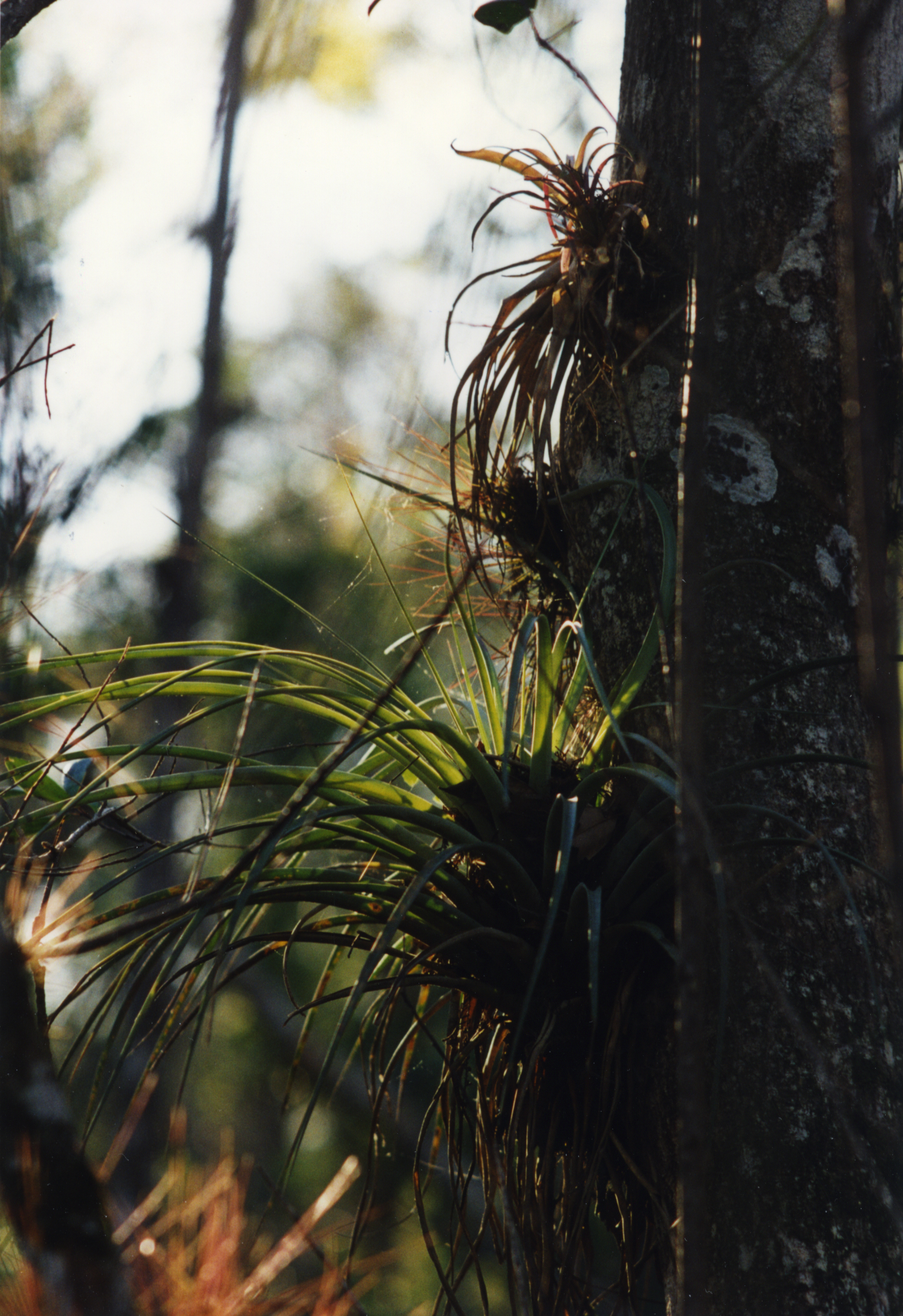
https://fadingforests.org

American elms: progress on breeding resistance

America elms on a street in Southeast District of Columbia; photo by F.T. Campbell

I applaud recent developments regarding one of the most devastating and widespread non-native tree-killing diseases, “Dutch” elm disease (DED). Brief descriptions of ecological importance of elms, the disease’s impact in North American and Europe, and difficulties in managing the rapidly evolving causal pathogens here.  (See also a review of the ecological value of American elm here.)

Restoring America elm would be wonderful, so I rejoice at steps forward.

One task is to improve detection of the disease in forests. Currently detection is tardy because it relies on observation of visual symptoms followed by molecular confirmation. This process demands considerable time and labor; it is also error-prone. Earlier molecular detection methods also are labor intensive, costly, & have operational limitations.

A group of scientists led by Jian Jin and Songlin Fei are testing whether new spectral imaging & artificial intelligence can improve early detection. (See the publication by Wei et al.; full citation at the end of this blog.) Their goal is to detect subtle changes associated w/ disease developments before visual symptoms appear. The new technology — high-precision leaf spectral imagers — is already in use for agr crops. The devices needed are inexpensive and hand-held/portable. Can collect hyper- or multi-spectral images of a whole leaf in the field. This systems is also non-destructive & rapid.

To test applicability of this technology, the scientists inoculated the fungus responsible for DED into trees with known – and varying — disease susceptibilities. Then they collected spectral images of leaves from those trees to test accuracy of analyses conducted via both traditional machine learning & state-of-art deep learning models. These collections were made at three different times: 96 hours after inoculation / before visual symptoms; 4 weeks after inoculation / during visual symptom development; 15 weeks / foliar symptoms noticeable. They recorded the declining status of the using the traditional visual symptoms – wilting, yellowing, browning of leaves.

While detection accuracy varied by time of specimen collection and genetic heritage of the particular tree, machine-learning-based spectral & spatial analysis of high-resolution hyper & multi-spectral leaf images did detect DED symptoms. This advance would help detect pockets of disease in the forest and might be useful in screening elm genotypes for susceptibility to the pathogen. This latter ability would support resistance breeding programs.

However, further study is needed to determine whether light conditions, seasonal variations, or interactions with other pathogens might influence leaves’ spectral signature. Furthermore, scientists should test application of the process to additional elm genotypes. As Enrico Bonello and others have pointed out, however, the ideal would be to detect infection before even the start of symptoms – in other words, to detect even more subtle changes.

A second task is to breed American elms that can survive – even thrive – despite the continuing presence of the disease-causing pathogens. I rejoice here, too. So far, scientists have found varying levels of resistance in large “lingering” elms. This resistance appears to be heritable. Scientists are preparing reports of this progress for publication.

The USFS Northern Research Station is leading efforts of multiple partners to find and screen resistance of large elms across several regions. In New England, the principal partner is The Nature Conservancy; in the upper Midwest partners include the Army Corps of Engineers and Wisconsin Department of Natural Resources, In the lower Midwest the USFS is working with Metroparks Toledo, University of Illinois, Urbana Champaign, Appalachia Ohio Alliance and others. The Great Lakes Basin Forest Health Collaborative is helping to coordinate these efforts.

American elm has a huge range – covering much of the United States east of the Great Plains. Map Restoring the species to that range requires efforts throughout that range – so as to capture the genetic variability within the species and perpetuate its adaptations to the wide range of ecological conditions.

While restoring this magnificent and ecologically important tree species is worthwhile per se, a second motivation has emerged: using elms to restore riparian and wetland ecosystems now being harmed by loss of ash trees to the emerald ash borer.

Knight et al. (full citation at the end of this blog) note that these efforts’ success will depend not only on developing elms that can survive DED. It is also necessary to determine restoration strategies and silvicultural treatments that will promote the young trees’ ability to flourish despite challenges by storms, floods, competition with other plants, and wildlife feeding.

This team of USFS researchers describe ongoing tests of reintroduction strategies & silvicultural requirements in the Service’ Region 9. They note that reintroduction focuses on a single species. The goal of ecosystem restoration requires considering a broader range of factors. Both are important components for the success.

Testing Elm Reintroduction Factors

Research projects they describe include testing results of planting both bare-root seedlings and containerized stock. The latter approach is more labor-intensive but appears to provide better survival. When competing vegetation was removed & then controlled to prevent regrowth, large containerized trees had excellent survival & rapid growth. They also documented the value of caging trees to prevent deer browsing.

Other research projects explore elm seedlings’ ability to tolerate cold, floods, and shade. Scientists in New England and Wisconsin are observing how well progeny from various crosses between DED-tolerant American elms & local survivor trees are enduring the regions’ winters. One test is deploying progeny from paternal lines that are from different plant cold hardiness zones. It will be important to identify and plant trees that are adapted to local environmental conditions on top of being resistant to the DED pathogen.

Another group of tests investigates flood tolerance. Even minor dips or rises on floodplains lead to very different flooding intensities. Some of these experiments also consider shade tolerance. This is because managers hope can establish understory trees poised to grow rapidly by planting elm seedlings before harvest or mortality of canopy trees (e.g., ash). In one experiment in floodplain forests in Ohio, so far many elm seedlings have survived extensive spring & fall flooding. The seedlings are thriving across a range of microsite light environments. Even competition from invasive herbaceous plants does not appear to have impeded the elms’ survival.

DED has two methods of infecting nearby elms: that pathogen is either vectored by beetles that burrow below the tree’s bark, or through direct fungal contact via grafting of roots. Scientist do not yet know whether trees that tolerate DED infections caused by beetle attacks can withstand infection via root grafts. An experiment using paired elms was initiated in 2011. At the time of their writing, the trees had not yet grown sufficiently large to form root grafts – necessary before scientist could begin the experimental inoculations.

Finally, these many plantings have revealed some “unknown unknowns” — factors not previously identified. Knight et al. describe two studies:

1) Under the National Elm Trials, scientists are studying growth, stress and pest resistance, and horticultural performance of DED-tolerant American elm cultivars & other elm species and hybrids in 16 states. (See details here.)

2) A system of sentinel restoration sites has been established. Multiple DED-tolerant American elm selections have been planted in eight locations in four states to be an “early warning” system to identify additional pathogens of concern. Knight cites detection of a wood wasp at one site in Ohio and competition of thick grass and feeding by rodent on their roots in Minnesota.

Testing Restoration Strategies

As Knight et al. remind us, Eastern forests experience many forms of disturbance, including non-native pests and plants, increases in deer populations, land clearing, grazing, & climate change. Foresters want to know whether DED-resistant American elms might be used in restoration plantings in response to these natural and anthropogenic disturbance? They value elm for its ability to thrive in a wide variety of conditions. Furthermore, the species supports a diverse array of insect herbivores, which then support higher trophic levels, e.g., birds (Tallamy 2009). Another factor, not mentioned by Knight et al., is that even vulnerable elms can grow to some size before they are killed by DED. Knight et al. say multiple studies are testing use of American elm as one of several native species to be plant in ash ecosystems devastated by EAB. In northern Minnesota, the experiment is occurring in wet forest ecosystems formerly dominated by black ash. In Ohio researchers are observing elms planted in riparian systems where green ash forests used to be found. They report that early data indicate good initial survival of American elm in both studies.

The Nature Conservancy’s Connecticut River Program planted over 1900 disease-tolerant American elm cultivars at 76 sites in four New England states over the decade 2010 – 2021. Several DED-tolerant selections and their progeny were planted. Survival has varied considerably, they think depending on site factors, e.g., ice flows, height and density of competing vegetation, climate, damage from voles, deer browsing, others.

More recently, the partners have moved away from crossing survivor elms with cultivars because that results in too many related progeny, insufficient genetic diversity. In addition, the trees would not be adapted to the planting site because one parent was not local).

The Nature Conservancy’s participation has been funded by a grant of ~$2.4 million from a private foundation. TNC is helping to identify “lingering” or “survivor” American elm and restore them to floodplains and urban forests across New England. TNC has also funded groundbreaking research at the USFS to accelerate the breeding program and develop best practices for American elm reintroduction.  

The Vermont chapter has been particularly active. Since 2014 it has been managing experimental elm trees plantings at 10 TNC natural areas and 26 partner-owned sites across the state. This effort has yielded ~7,000 trees that represent 142 novel crosses between 23 survivor elms identified by TNC in New England & several varieties identified by USFS from other parts of the country. Scientists plan to inoculate these trees in spring 2026. The trees’ vulnerability to the pathogen will then be evaluated over two years.

Knight et al. expect that in a decade or less these and other research projects will contribute needed understanding of various American elm propagules’ cold tolerance, flood tolerance, shade tolerance, response to competing vegetation, & root grafting. This information will allow managers to maximize survival of planted elm trees. It will also demonstrate how to usefully employ elms in ecosystem restoration. They caution that guidelines will probably vary to fit specific situations & site characteristics e.g., forest type, competing species, local hydrology, etc.

Knight et al. also identify topics that require additional research. The first factor mentioned are social & ecological contexts of restoration strategies. Social context will guide the formulation of a more strategic approach — setting goals, addressing such questions as the public perception & value of American elm in urban & forest areas, forest manager goals for incorporation of American elm, & municipal requirements for urban trees. It is essential to determine the long-term durability of resistance. Also need to explore how best to promote spread of DED-tolerant genes given the high numbers of local, non-resistant elms across the landscape. scale strategies.

Knight et al. note that need experimental plantings in additional parts of the species’ enormous range to identify potential problems, test performance on different soil types and in different climates. Need experiments to identify interactions among elm genetics and abiotic & biotic environ variables to guide silvicultural, site preparation, and planting strategies. I have observed apparently thriving American elms along roadways in the Washington, D.C. metropolitan area.

thriving American elm at the Fairfax County landfill in Lorton; photo by F.T. Campbell

I believe no one is protecting them. Certainly other elms in the area have died. So far I have not found people trying to find “lingering” or “survival” elms here.  I seek people who want to work with these trees!

dead American elm on National Mall in Washington, D.C., close to the Lincoln Memorial; photo by F.T. Campbell; other nearby elms are also dead

The USDA Forest Service is not the only entity engaged in breeding American elms. The University of Minnesota is supporting an American elm breeding program through its Minnesota Invasive Terrestrial Plants and Pest Center (MITPPC) (see Bernardt citation at end of blog). Scientists are identifying DED-resistant elms in the wild, cloning and testing them, and replanting the strongest candidates across urban and natural landscapes. Their goal is to reintroduce the more resilient clones across Minnesota’s urban and natural landscapes, restoring lost canopy and biodiversity while preparing forests for a future stressed by climate change.

Bernardt describes the usual four essential steps: identification of trees that appear to be resistant; propagation of clones from those trees; growing sufficient numbers of these; and testing them for resistance. The Minnesota program – like many similar programs for breeding the many tree species being killed by non-native pests – ask the public to help in searching for “survivor” trees—American elms that appear to be withstanding Dutch elm disease even as others around them succumb.

The article summarizes the next steps and challenges. It notes, for example, that using clones rather than seedlings is essential because resistance is not reliably passed on during sexual reproduction. (However, Cornelia Pinchot Wilson has told me that colleagues should soon publish articles demonstrating that resistance is heritable.)  Furthermore, the clones must be grown for several years—often five or more—until the trees are large enough to be tested for resistance. The article does not indicate whether the earlier step of propagating elm clones is challenging or easy. It has been difficult for other species, e.g., chestnuts, whitebark pine, ash, and koa.

To confirm whether a specific tree is resistant, the team typically tests each tree twice, since environmental factors like location and weather can influence outcomes. Trees that pass these tests move on to the next stage: reintroduction plantings in natural areas and parks. These field-growing trees serve two important roles. First, they contribute to restoring elm populations in natural and urban landscapes. Second, these trees can be observed over the long term to confirm whether they exhibit persistent resistance and are adapted to local environmental conditions.

The project’s success, the researchers say, hinges on collaboration. State agencies, local governments, and community members all play critical roles. Among those helping have been the Minnesota Department of Natural Resources, the Izaak Walton League, and Three Rivers Park District.

The article reminds us that resistance breeding is a long-term process. As noted above, clones must be grown for years before they can be tested.

Also, resistant trees aren’t immune to the pathogen. Instead, they survive despite the disease in sufficient numbers to restore the species to some of its former range and ecological role.

Finally, the trees must also survive the every-day challenges of life as a tree: storms, animal feeding, and other pests and diseases – native and non-native. The article mentions elm yellows disease but not elm zig-zag sawfly which has been moving West (it was detected in Ohio in 2023 and Wisconsin in 2024). Nor does it mention the fungus Plenodomus tracheiphilus, which is killing American elms in Alberta.   Breeding program staff can help – for example, the Minnesota program now uses larger protective tubes to better shield the young trees from wildlife.

The Minnesota program plans to establish seed orchards. They hope that by planting trees confirmed to be resistant near to each other, they will cross-pollinate and produce seeds that are more likely to carry resistance, possibly even combining different resistance genes. Trees in these orchards would capture a broad range of resistance traits, helping future generations of elms stand strong against Dutch elm disease.

Program leaders Ryan Murphy and Ben Held also hope new technologies for studying genes will enable discovery of the genetic basis for resistance to DED. Identifying resistance genes or markers would make producing resistant trees a lot easier. It would also enable breeders to build up genetic diversity more deliberately.

SOURCES

Bernhardt, C. 2025. “Reviving a Giant” July 2025. University of Minnesota. Minnesota Invasive Terrestrial Plants and Pest Center. Website?

Knight, K.S., L.M. Haugen, C.C. Pinchot, P.G. Schaberg, & J.M. Slavicek. Undated. American elm (Ulmus americana) in restoration plantings: a review.

Wei, X.; Zhang, J.; Conrad, A.O.; Flower, C.E.; Pinchot, C.C.; Hayes-Plazolles, N.; Chen, Z.; Song, Z.; Fei, S.; Jin, J. Machine Learning-based Spectral and Spatial Analysis of Hyper-and multi-spectral Leaf Images for Dutch Elm Disease Detection and Resistance Screening. Artif. Intell. Agric. 2023, 10, 26–34. https://doi.org/10.1016/j.aiia.2023.09.003.

Posted by Faith Campbell

We welcome comments that supplement or correct factual information, suggest new approaches, or promote thoughtful consideration. We post comments that disagree with us — but not those we judge to be not civil or inflammatory.

For a detailed discussion of the policies and practices that have allowed these pests to enter and spread – and that do not promote effective restoration strategies – review the Fading Forests report at http://treeimprovement.utk.edu/FadingForests.htm

Or
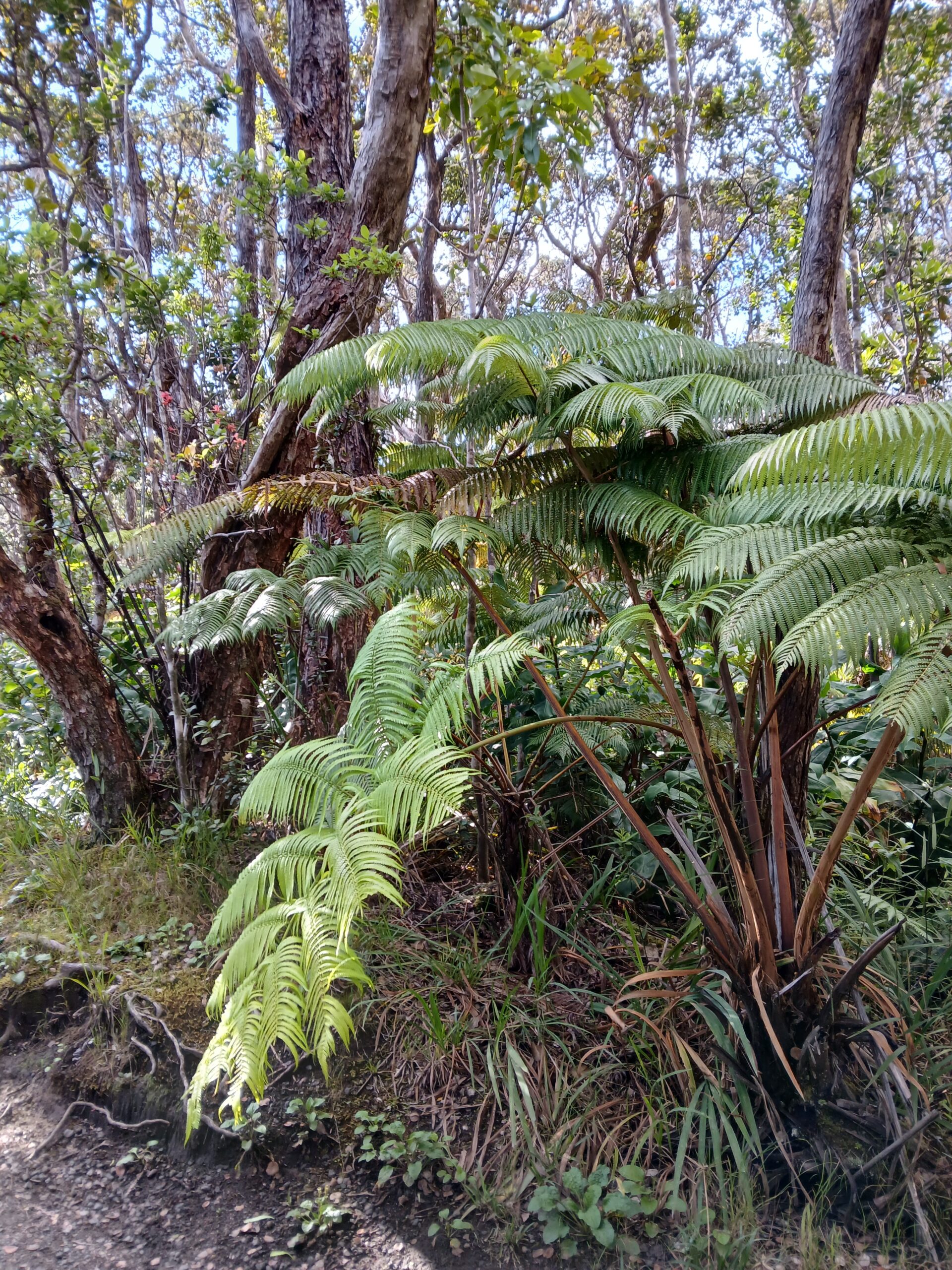
https://fadingforests.org

USFS appropriations – Senate actions

The Senate Appropriations Committee has adopted its bill appropriating funding for the USDA Forest Service for Fiscal Year 2026, which begins on 1 October. Once the bill passes the full Senate, negotiators for the Senate and House committees must agree on a compromise.

The Senate bill provides a total of $8.6 billion for the Forest Service. This includes $308,497,000 for the Research and Development program. This is an increase of $8.5 million above funding for the current year. The Senate bill specifically supports retaining the five regional offices and experimental forests. Remember, the Trump Administration had proposed to eliminate the Research program – other than Forest Inventory and Analysis. The Committee’s report link specifies that the USFS should prioritize projects requested by or benefitting the agency’s mission, not requests by external entities. The benefit to the agency and public should be stated before a project is initiated.  The report specifies funding for several issues, including

  • $3 million to continue collaborative research to determine distribution & movement of the pathogens that cause needle blight on loblolly pine.
  • Funding to maintain Experimental Forests in the Northeast. These are described as important for assessing the long-term response of eastern white pine & northern hardwoods to various forest management prescriptions, controlled burning & natural factors, such as insects, disease, weather events and climate change. While the wording is somewhat confusing, I believe this is funded at $6 million.
  • $1 million to support Outbreak Timber Salvage Research related to drought & needle tip blight & Ips beetle outbreaks in the West.
  • $3 million to support Needle Blight Mitigation collaborative research.
  • Several program areas related to fire, including understanding the risk in the wildland-urban interface.

Finally, the bill would fund Forest Inventory and Analysis at $32 million.

a white oak in Maryland; photo by Bob Gutowski via Flickr

There is particular attention to white oaks (Quercus alba). The report notes that this species occupies 103 million acres in E U.S. The species is critical for wildlife, biodiversity, & forest products. The Committee instructs the USFS to report on its efforts, including monitoring & research, to regenerate white oak on National forests as well as state, tribal, and private lands. The Committee recognizes importance of seed stock & tree nurseries in these efforts.

The bill also restores funding for the State, Private, and Tribal Forestry program. It provides $319.5 million for this, an increase of $16 million above the current level. Again, the Trump Administration had proposed to eliminate funding for the SPT program. The Senate report specifies that the Cooperative lands forest health management program should be funded at $42 million. However, the Committee also allocated significant proportions of this total to specific projects:

  • $10 million (nearly a quarter of the total) to support mitigation efforts targeting the spruce budworm outbreak in the eastern US.
  • $3 million for a Cogongrass Management Pilot Program
  • $2 million for management of the sudden oak death pathogen in the forests of Oregon and California
  • Prioritizing – but without specifying funding levels – of the Western Bark Beetle Initiative and helping urban areas restore and improve their forests and combat exotic invasive woody plant species.  

There is also $19.6 million to support Congressionally-directed components of Forest Resource Information and Analysis – which is apparently separate from the FIA program.

The Senate bill also continues support for the USFS International Programs.

Under the National Forest System, the Committee instructs the USFS to spend at least $2 million per year on recovery of species of plants and animals listed under the Endangered Species Act. This category includes whitebark pines but not other tree species decimated by non-native pests.

whitebark pine with Clarke’s nutcracker; photo by Walter Siegmund

While I am disappointed that the Senate report makes few reference to non-native pests other than the loblolly needle blight, I rejoice that the Committee explicitly endorses the importance of USFS programs to sustain forest health across all landscapes – not just in National forests – and the Research program’s status as the premier such entity around the world.  

Reminder: the House Appropriations bill provides $301,706,000 for the research account – almost $7 million less than the Senate. The House’ allocation for the Forest Inventory and Analysis (FIA) program is $34 million. Thus, there is a $9 million difference in funding levels – a significant challenge to reconcile. How will funding for the already-underfunded invasive species programs fare?

The House bill provides $280,960,000 for the State, Private, and Tribal forestry program. This is $38 million less than the Senate bill. The available report did not specify funding levels for the Forest Health Management program – either the “cooperative lands” or “federal lands” subprograms. As I note above, the Senate bill increases funding for the cooperative lands account, but then earmarks all the increase.

Posted by Faith Campbell

We welcome comments that supplement or correct factual information, suggest new approaches, or promote thoughtful consideration. We post comments that disagree with us — but not those we judge to be not civil or inflammatory.

For a detailed discussion of the policies and practices that have allowed these pests to enter and spread – and that do not promote effective restoration strategies – review the Fading Forests report at http://treeimprovement.utk.edu/FadingForests.htm

Or
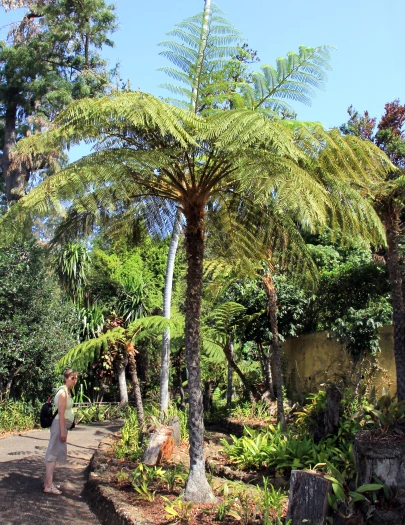
https://fadingforests.org

American Forest Congress calls for “urgent” action to counter forest pests

Eastern deciduous forest – Great Smoky Mountains National Park; photo by F.T. Campbell

Organizers of the American Forest Congress claim the meeting has influenced the direction of forest conservation and management in America since 1882. As examples they cite creation of the U.S. Forest Service, the establishment of the eastern National Forests, new community-based and collaborative approaches to forestry, and efforts to advance the leadership of women within the forest community.  

During its meeting in Washington, D.C. in July 2025, the Ninth Forest Congress adopted a resolution re: threat from forest pests and pathogens:  

Resolved: to recognize and address the urgent risk posed by exotic and native pests and pathogens and invasive species to long-term health, productivity and sustainability of America’s forests.

Provide adequate and sustained resources for a cooperative stewardship program to monitor and address these risks across landscapes and ownerships.

Convene regional partnerships with participation of state, federal and tribal authorities, private landowners, NGOs, universities and other interested stakeholders to identify key forest health risks, develop regional approaches and attract needed resources to implement and sustain them.

Brian Milakovsky, senior forester at the New England Forestry Foundation helped gather an ad hoc group of forest health experts and foresters from across the eastern seaboard to draft the resolution

The Committee now plans to organize a follow-up event sometime in 2025 to discuss what is needed to build a more diverse and robust funding pipeline for pest and pathogen work. Their concern was elevated by the Trump Administration’s proposal to stop funding for the USFS’ State, Private and Tribal Forestry program.

healthy hemlock forest, Cook Forest State Park, Pennsylvania; photo by F.T. Campbell

The New England Forestry Foundation has a direct stake in these programs. The Foundation manages 41,000 acres of land in five New England states and works with diverse landowners in the region to improve forest management. The Foundation hopes to expand both on-the-ground work and advocacy in response to the threats from non-native insects and pathogens. While they are focusing on developing an IPM program on their own lands, they recognize that they must address the pest and pathogen levels of the surrounding landscape – that is, they wish to support the federal and state forest health experts who are trying to address these issues at the largest scale.

In Maine the Foundations is trying to manage destruction by the hemlock woolly adelgid (HWA), beech bark disease, beech leaf disease, winter moth, red pine scale, and browntail moth. The emerald ash borer is arriving – and threatens to decimate green ash forests covering entire hillsides – with repercussions for water supplies, flooding, etc.

This resolution presents a great opportunity to revive discussions about the non-native forest pest issue with federal and state government officials, fellow conservationists, and the foundations that fund conservation work. Let’s work individually and together to put real muscle into these programs.

One of the possible ways is to persuade Congress to adopt the bill under development by Sen. Peter Welch of Vermont. The bill as introduced in the previous session is available here. Please ask your senators to sponsor it in this session – perhaps as a component of the (overdue) 2024 Farm Bill.

USDA photo via Rawpixel

Posted by Faith Campbell

We welcome comments that supplement or correct factual information, suggest new approaches, or promote thoughtful consideration. We post comments that disagree with us — but not those we judge to be not civil or inflammatory.

For a detailed discussion of the policies and practices that have allowed these pests to enter and spread – and that do not promote effective restoration strategies – review the Fading Forests report at http://treeimprovement.utk.edu/FadingForests.htm

Or
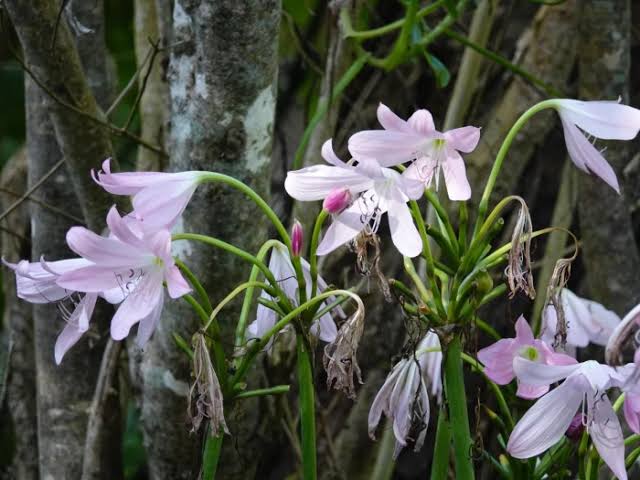
https://fadingforests.org