In 2023 a global meeting of plant conservation experts convened by The Royal Botanic Gardens, Kew (U.K.) released the 5th edition of a report on the State of the World’s Plants and Fungi.
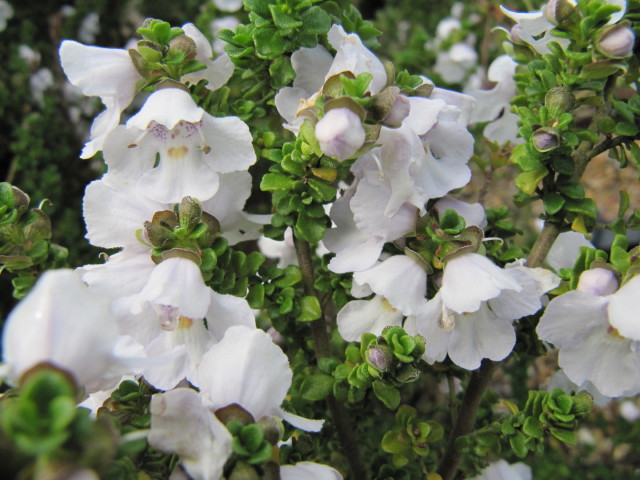
Associate Professor of Plant Ecology and Conservation Science Rachael Gallagher from Western Sydney University had led the global evaluation of conservation assessments for unique flora species. She is also the lead author of an article (2023; full citation at the end of this blog) evaluating how well countries around the world met their treaty obligation to assess the conservation status of endemic plant species native to their territories. The analysis identified 221,399 endemic plant species in a total of 173 countries. The treasure is not distributed evenly. Five countries harbor a third of the endemic plant species: in descending order, Brazil, Australia, China, Mexico, and South Africa. (The United States, including its islands, ranks 8th.)
On average, countries completed assessments of just 34% of their endemic species. New Zealand and here and South Africa shone: they assessed 87% of their unique species. China assessed 71%. One of the world’s poorest countries, Madagascar, evaluated 42% of its ~10,000 endemic plant species. Reminder: tiny Madagascar ranks 6th in the number of endemic plants. Australia – one of the richest countries– carried out the process for 39% — slightly more than the global average. Other countries that are stewards of numerous endemic plants were below the average: Brazil reviewed 29%, Mexico assessed only 24%.
Rachael Gallagher and her colleagues in the Australian Biodiversity Council were quite critical of Australia’s low level of performance. They called on their countrymen to do much more to prevent the decline and extinction of the country’s unique plant species. Australia, as party to the Convention on the Conservation of Biological Diversity, has a treaty obligation to prevent extinction of species which occur nowhere else. Remember, Australia’s flora and fauna rank extremely high on a scale of phylogenetic distinctness as an heir of the isolated continent of Gondwanaland.
Gallagher and colleagues concede that many endemic plant taxa in Australia have huge ranges — averaging 235,829 km2. But these vast expanses do not prevent sudden population crashes caused by calamities. They mention the megafires of 2019–2020 and – over the longer term – climate change. I think of the invasion by the rust fungus Austropuccinia psidii.
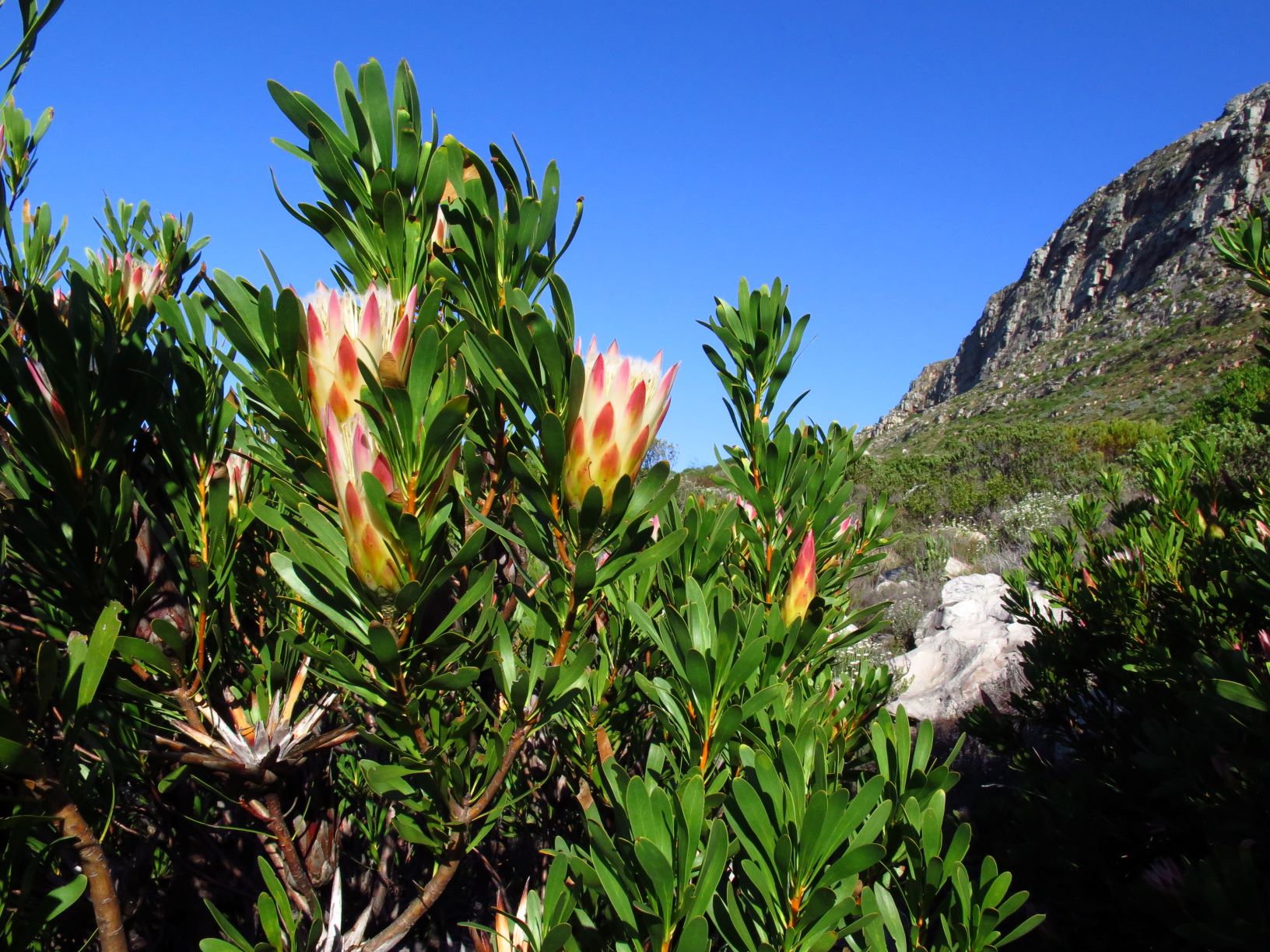
When we think about Australia, we wonder at the kangaroos and koalas. I assume Australians consider their unusual fauna to be iconic symbols of their country. Why are they not equally committed to their flora – 88% of their plant species are endemic. Do they suffer from the same “plant blindness” I have encountered in the United States? South Africa undertook an assessment of her endemic flora that concluded that a quarter of these species are threatened. Sixty percent of the country’s 20,000 plant species are endemic.
[I have found no parallel analysis of America’s endemic plant species. Our nation’s rank of 8th in number of endemic species is explained by the highly unique floras of the islands, especially the Hawaiian archipelago. More than 95% of native species on the Islands are endemic. This includes 67% of the large trees still present in the forests (Potter et al. 2023).]
This study reflects the findings of the International Union for the Conservation of nature (IUCN)’s 2024 Red List of Threatened Species. A decade-long global project had found that at least 16,425 of the 47,282 tree species (38%) assessed are at risk of extinction. Trees accounted for over one quarter of species on the IUCN Red List. Tree species are at risk of extinction in 192 countries around the world.
Sources
Gallagher, R.V., S. P. Allen, R. Govaerts, M.C. Rivers, A.P. Allen, D.A. Keith, C. Merow, B. Maitner, N. Butt, T.D. Auld, B.J. Enquist, W.L. Eiserhardt, I.J. Wright, J.C.O. Mifsud, S. Espinosa-Ruiz, H. Possingham, V.M. Adams. 2023. Global shortfalls in threat assessments for endemic flora by country. Plants, People, Planet. DOI: 10.1002/ppp3.1036
Potter, K.M., C. Giardina, R.F. Hughes, S. Cordell, O. Kuegler, A. Koch, E. Yuen. 2023. How invaded are Hawaiian forests? Non-native understory tree dominance signals potential canopy replacement. Landsc Ecol 2023 https://doi.org/10.1007/s10980-023-01662-6
Posted by Faith Campbell
We welcome comments that supplement or correct factual information, suggest new approaches, or promote thoughtful consideration. We post comments that disagree with us — but not those we judge to be not civil or inflammatory.
For a detailed discussion of the policies and practices that have allowed these pests to enter and spread – and that do not promote effective restoration strategies – review the Fading Forests report at http://treeimprovement.utk.edu/FadingForests.htm
Or