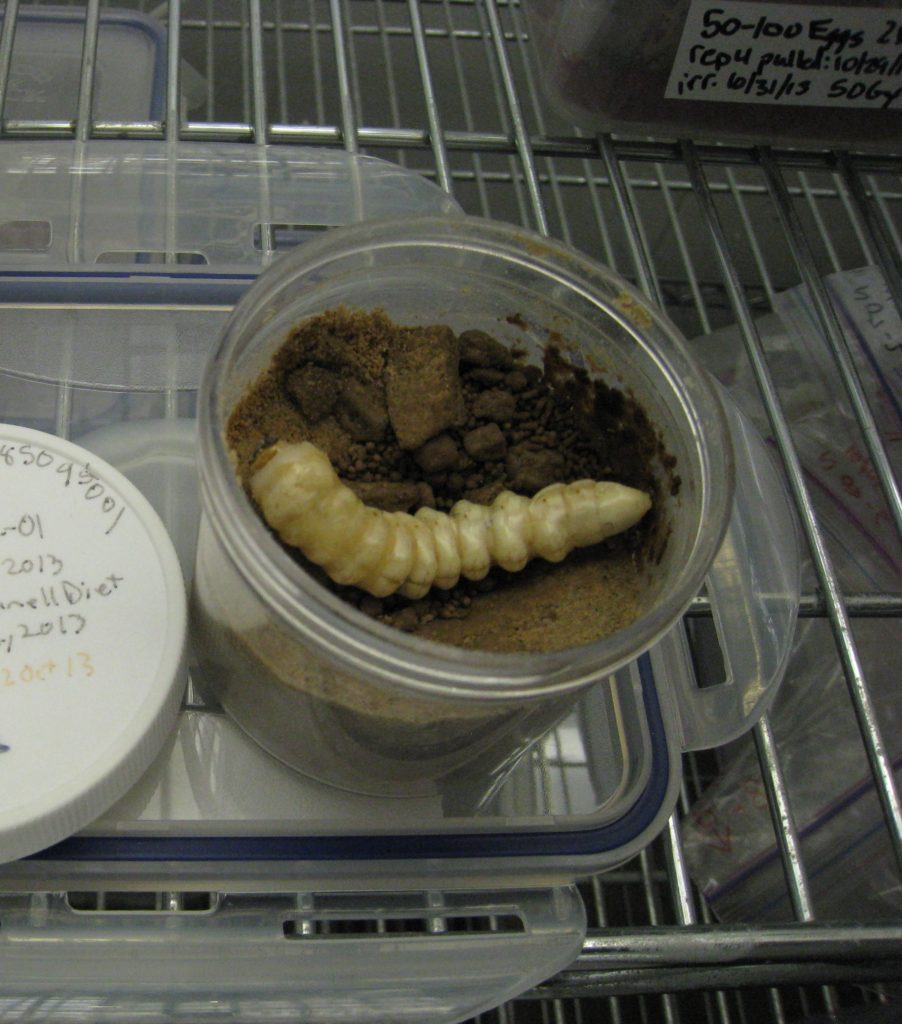
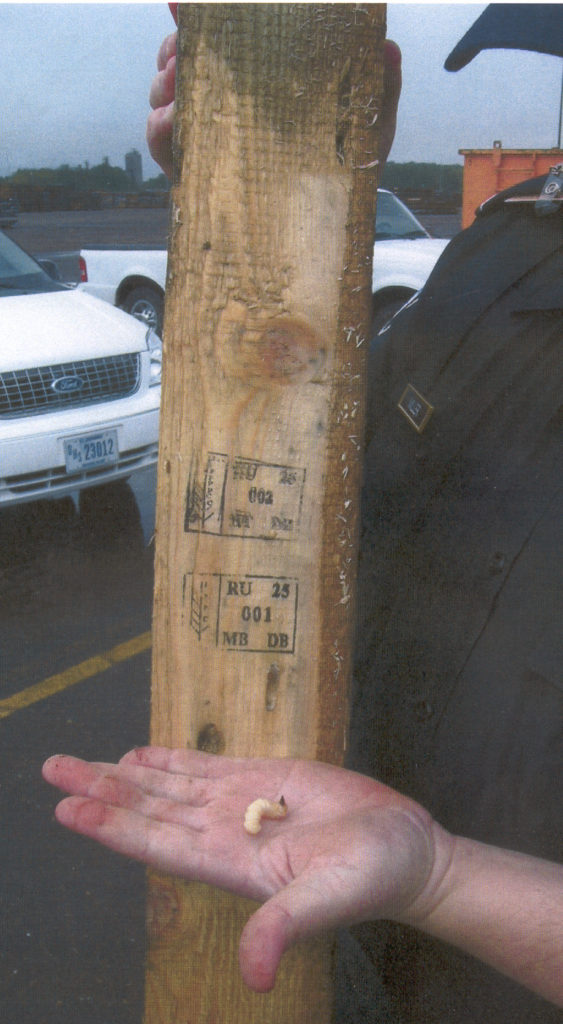
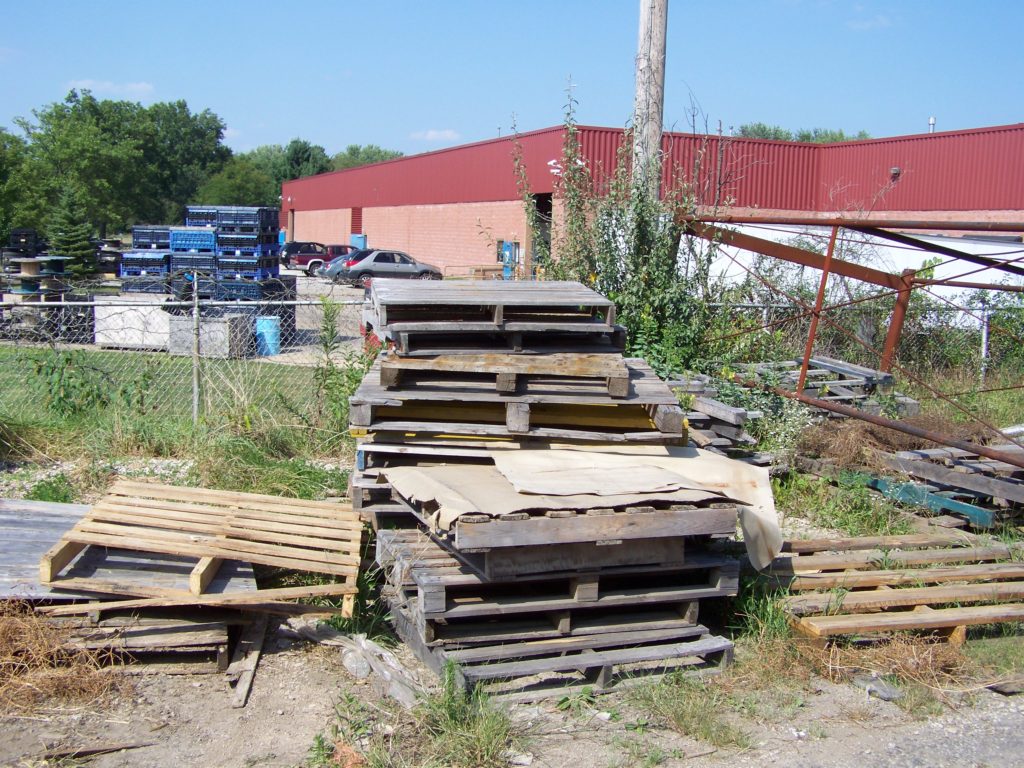
U.S. phytosanitary policy is set by politicians – the Secretary of Agriculture, trade officials, and members of the House and Senate. Elected or appointed state officials determine how aggressively trees are protected in their jurisdictions. To fix the problems, those politicians need to hear from those of us who know about the pest risk associated with wood packaging and other imports.
Politics is how our country makes important decisions. And in politics, the squeaky wheel gets the grease.
Election seasons provide opportunities to raise issues. Politicians pay more attention to constituents’ concerns when they are courting our votes.
Further, if new people take up positions in January (whether elected or appointed), they will be more open to learning about issues new to them than were the people who have occupied an office for some time.
These messages need to be repeated periodically. Proctor and Gamble does not make its profits by asking us to buy their toothpaste once a year. We cannot duplicate a major corporation’s advertising budget – but we can speak up!
Tell your member of Congress and senators that you are worried that our trees are still being put at risk by insects arriving in wood packaging or diseases being spread by shipments of plants. Ask them to urge theUSDA Secretary to take action to curtail introductions of additional tree-killing pests.
Ask your friends and neighbors to join you in communicating these concerns to their Congressional representatives and senators.
If you are a member of an association – a scientific or professional society, an environmental advocacy group, a homeowners’ association – ask your association and fellow members to join you in communicating these concerns to their Congressional representatives and senators.
Write letters to the editors of your local newspaper or TV news station.
What should we say?
Our goal should be to hold foreign suppliers responsible for complying with ISPM#15. Here are five pieces of a comprehensive approach. It is best to advocate for all. However, if you feel more comfortable focusing on one or two specific actions, please do so!
1) One approach is to penalize violators. APHIS should:
Fine an importer for each new shipment found to be out of compliance with ISPM#15 in those cases where the foreign supplier of that shipment has a record of repeated violations.
Prohibit imports in packaging made from solid wood (boards, 4 x 4s, etc.) from foreign suppliers that have a record of repeated violations.
Allow continued imports from those same suppliers as long as they are contained in other types of packaging materials, including plastic, metals, fiberboards.
APHIS has the authority to take these action under the “emergency action” provision (Sec. 5.7) of the World Trade Organization Agreement on Sanitary and Phytosanitary Standards. (See a lengthy discussion of the SPS agreement in Chapter III of Fading Forests II, available here.) http://treeimprovement.utk.edu/FadingForests.htm
USDA and CBP should take other steps to help importers comply with ISPM#15.
USDA should also step up efforts to help U.S. importers to determine – and then use – those foreign suppliers of wood packaging and dunnage have good compliance records.
APHIS should join the DHS CBP in providing incentives to importers to join an expanded Customs-Trade Partnership Against Terrorism program (C-TPAT) that would require participants to assume full responsibility for ensuring that their packaging complies with IPPC standards.
The Government should strengthen underlying regulations.
Once a new president is elected, urge him to instruct the Office of Management and Budget to allow APHIS to finalize regulations – proposed more than five years ago! – that would apply ISPM#15 to wood packaging used in trade between the US and Canada. (Canada has been ready to adopt this measure for several years.)
USDA needs to understand the “approach rate” of pests in wood packaging in order to identify and fix weaknesses in its policies. To reach this understanding, APHIS should authorize Robert Haack to repeat the study documented in Haack et al. (2014). Furthermore, APHIS should collaborate with foreign counterparts to determine the relative importance of possible causes of the persistent pest presence problem – fraud, accidental misapplication of treatments, or other failures of treatment. Once the study has been completed, APHIS and its colleagues should work through the IPPC to fix the problems.
There are also recommendations of the Tree-Smart Trade program at www.tree-smart-trade.org Tree-Smart also has a Twitter account: @treeSMARTtrade
Posted by Faith Campbell
We welcome comments that supplement or correct factual information, suggest new approaches, or promote thoughtful consideration. We post comments that disagree with us — but not those we judge to be not civil or inflammatory.
For a detailed discussion of the policies and practices that have allowed these pests to enter and spread – and that do not promote effective restoration strategies – review the Fading Forests report at http://treeimprovement.utk.edu/FadingForests.htm
I first blogged about wood packaging in July 2015 – it was my first blog! I have written 15 times about wood packaging since. To see the series, visit www.nivemnic.us, scroll down below “archives” to “categories”, click on “wood packaging”.
For five years, I have called upon USDA to act. It’s long past time to replace decade-old policies that have failed to prevent introductions. More recently, I have begun calling for revising the international phytosanitary system, too.
As I’ve demonstrated in my blogs – and documented by Aukema et al. 2011 and others—wood-boring beetles have been among the most damaging tree-killing pests introduced to the U.S. Local governments, homeowners, and businesses spend billions of dollars each year to manage dying and dead trees. Landowners bear added costs in reduced property values. The ecosystem impacts are substantial, but still poorly quantified.
International efforts – i.e., ISPM#15 – have apparently reduced the rate at which wood-borer pests approach our shores. However, the reduction has not been sufficient to prevent a tripling of the number of non-native wood-borers established in U.S. by 2050 (Leung et al. 2014) — as I have demonstrated over and over.
Also, I have documented again and again the continued presence of wood-borers in incoming wood packaging and resulting introductions (visit the “wood packaging” category in the blog archives).
Part of the blame for inadequate protection from pests might arise from the specific requirements of current international standards (see Nadel et al. 2016 and Krishnankutty et al. 2020b). But I think most of the blame falls on APHIS’ choice to be forgiving, rather than strict, in enforcing its own regulations that implement the international standard.
There is widespread evidence of exporters’ failures to implement international standards. The evidence is clear: we cannot rely on exporters to meet either international standards or importing country’s phytosanitary requirements. The same countries – and even individual exporting businesses! – fail to comply with ISPM#15 year after year (Haack et al. 2014; APHIS interception database). APHIS has not taken effective action to end imports from these scofflaws.
U.S. phytosanitary policy is set by politicians. Politicians pay more attention to constituents’ concerns during election seasons – so NOW is the time to press for changes! I will discuss how to do this in an accompanying second blog.
U.S. imports have decreased significantly in recent years, especially from the two countries with the worst records of non-compliance with ISPM#15 (Mexico and China). But economic collapse is not a long-term strategy for reducing pest risk.
Quantifying Pest Risk for Wood Packaging: We Don’t Know
Here’s my best estimate of the pest risk associated with wood packaging. Remember, though, that key data remain missing.
Haack et al. published a landmark analysis of pest approach rates in 2014, using data from 2009. However, they did not include imports from China, Mexico, or Canada. Given the history of interceptions, it is probable that a recalculation of the approach rate that included China and Mexico would raise the estimate. It is more difficult to provide a more accurate estimate re: Canada, because CBP rarely inspects those shipments. (The U.S. and Canada do not require each other to treat wood packaging.)
As of mid-October 2019, CBP said it received 11 million containers at seaports annually (CBP website). If 75% of those incoming sea-borne containers have wood packaging (per Meissner et al. 2009), that equals 8,250,000 containers. If 0.1% of those containers with wood packaging is infested (per Haack et al. 2014), we are receiving 8,250 infested shipping containers via maritime shipping – even now, when imports have decreased substantially. This is more than 22 infested containers every day.
As of a decade ago, Chinese shipments were only half as likely to be enclosed in wood packaging as are shipments from other exporters. Perhaps this reflects a greater reliance on air shipments – air shipments globally are half as likely as maritime shipments to be encased in packaging made of wood (Meissner et al. 2009). Despite the lower proportion of wood packaging use, shipments from China still rank second (to Mexico) in the number of shipments detected as infested. In part, the data reflect inspection priorities: due to the great damage caused by Asian insects to North American trees and their record of poor compliance, CBP targets shipments from China for more intense scrutiny. Still, the high number of detections reflects continuing non-compliance by Chinese exporters. And remember: first, the U.S. and Canada began requiring treatment of wood packaging from China at the end of 1998 – 21 years ago! And second, APHIS almost never penalizes importers for poor compliance.
Understanding the pest risk from Mexico and Canada is important, because they are our second and third largest trading partners. As of October 2019, the numbers of shipping containers arriving overland (by truck or rail) from these countries annually were 13.7 million (CBP website). No one has estimated the proportion of these containers that contain wood packaging. If it is the same proportion as in maritime shipments, the approach rate would be another 10,275 infested containers per year – or 28 per day.
The total of maritime and land-based shipments that are probably infested (excluding air shipments) – would be 18,525 containers annually or 50 per day.
If I am right that shipments from China and Mexico have a higher pest-infestation rate than the 0.1% global estimate developed by Haack et al. (2014), the pest approach rate is probably higher than the 18,525 containers given above.
(I noted in my previous blog that insect species arriving from our neighbors pose a lower risk than the species from Asia or Europe – although the risk is not “0”. I addressed the Mexican woodborers in the previous blog. The risk from Canada could arise from non-native woodborers established in that country but not yet in the U.S. e.g., brown spruce longhorned beetle. Another risk is that shipments from off-shore origins might be transshipped through Canada and escape inspection because they are claimed to have been re-packaged there – as CBP staff have told me.)
The point is, we don’t know how many pests are reaching the U.S. daily. The current approach rate might be significantly higher or lower than Haack and colleagues estimated a decade ago due to
Exclusion of China, Mexico, and Canada from the original study.
Changes in the treatment requirements of ISPM#15.
Another decade of experience – which might have led to better compliance (however, see below).
Despite my urging, APHIS has not agreed to a study to update Haack’s estimate.
It is also true that shipping containers provide shelter for a vast range of hitchhiking organisms in addition to insects in the wood, e.g., other insects’ eggs attached to the sides of the container, snails, weed seeds, even vertebrates.
Enforcement: One Agency Steps Up
When ISPM#15 was adopted, APHIS expected that importers would clean up their supply chains in order to avoid the lost income and costly delays that result from CBP interception of a non-compliant shipment. However, the data clearly show that this disincentive to violate ISPM#15 is insufficient to prompt companies to fix the problem. We need to find a more efficacious approach.
Clearly, enforcement in the form of penalties had been rare before 2017. CBP staff reported that as of January 2017 (before the agency strengthened its own enforcement effort), only about 30 of the nearly 21,000 non-compliant import shipments had received a financial penalty. CBP staff cited two reasons for the low penalty rate: 1) USDA policy requires that an importer be caught five times in a year with non-compliant wood packaging before imposing a fine; and 2) APHIS had not designated wood packaging as a high-risk commodity. After CBP initiated more aggressive enforcement in November 2017, enforcement actions rose by 400% (John Sagle, CBP. pers. comm) – although from a very low starting point!
Data on CBP interceptions in 2019 (Harriger) show decreases in the number of non-compliant shipments from earlier years in all categories: a 19% decrease below the 2010-2018 average of shipments intercepted; a 13% decrease in number of shipments intercepted because the wood packaging lacked the ISPM#15 mark; a decrease of 6% in the number of shipments intercepted that had a quarantine pest. Still, percentages based on absolute numbers don’t tell the whole story. They can be affected by inspection effort and other variables. So while these decreases are encouraging, it is still too early to determine the impact of CBP’s enforcement upgrade.
Unfortunately, there has not yet been the substantive/overall change needed in federal policy. At a minimum, APHIS continues to allow importers five violations per twelve month period.
While the cities that import the most goods – especially from Asia – would seem to be at particular risk, experience shows that pests can be introduced anywhere. This is demonstrated by establishment of the Asian longhorned beetle in semi-rural Clermont County, Ohio and the velvet longhorned beetle in Utah (Krishnankutty, et al. 2020a).
“Treated” Wood Still Transports Pests
According to interception data provided to me by CBP (Harriger), 97% of pest-infested shipments detected over a period of 6 years (FYs 2010 – 2015) bore the stamp indicating they’d been treated in compliance with ISPM#15. These shipments came from all importing countries. Unfortunately, CBP has not provided the necessary breakdown of its data in more recent years to calculate this proportion.
Krishnankutty et al. (2020b) analyzed wood packaging from 42 countries intercepted by CBP over six years (April 2012 – January 2018). They found that 87% of the infested wood packaging included in this study bore the ISPM mark. This is a lower non-compliance rate than that shown by CBP data, but still too high.
European scientists carried out an intensive survey of wood packaging associated with shipments of stone from China to the 28 European Union countries during 2013-2016. They also found that 97.5% of consignments that harbored pests bore the ISPM#15 mark (Eyre et al. 2018). The problem did not decrease over time.
The possible causes of this problem are long-known. What effort is APHIS making to determine their relative importance? Is it fraud? Is it accidental misapplication of the treatments? Is it that the treatments do not work as well as necessary?
By comparing Haack’s estimate with the CBP data, I estimate that CBP is detecting and halting the importation of 4 – 8% of the shipments that actually contain pest-infested wood. Wu et al. (2020) concurred that the majority of infesting larvae would probably not be intercepted – despite CBP’s best efforts – and would be transported to the cargo’s intended destinations.
Since CBP inspects only about 2% of incoming shipments, this detection rate demonstrates the value of CBP’s program to target likely violators. It deserves praise. But it is obviously too low a “catch” rate to provide an adequate level of protection for our forests. I do not believe that increasing the inspection workforce and effort will result in substantial improvement in this rate. Instead, we need action to curtail imports of wood packaging from countries and exporters with records of non-compliance.
What Federal Agencies Are Doing to Better Prevent Introductions
Other than CBP’s welcome newly rigorous enforcement policy, most actions have focused on educating exporters, importers, shippers, customs brokers, and exporting countries’ phytosanitary agencies.
Since upgrading its enforcement actions, CBP has expanded its long-standing educational efforts. APHIS co-sponsored workshops for agricultural agencies and exporters in Asia and the Americas earlier in the decade.
APHIS also planned to host international symposia on wood packaging issues as part of events recognizing 2020 as the International Year of Plant Health. These symposia have been postponed by travel and other restrictions arising from the coronavirus pandemic.
Posted by Faith Campbell
We welcome comments that supplement or correct factual information, suggest new approaches, or promote thoughtful consideration. We post comments that disagree with us — but not those we judge to be not civil or inflammatory.
For a detailed discussion of the policies and practices that have allowed these pests to enter and spread – and that do not promote effective restoration strategies – review the Fading Forests report at http://treeimprovement.utk.edu/FadingForests.htm
SOURCES
Aukema, J.E., B. Leung, K. Kovacs, C. Chivers, K. O. Britton, J. Englin, S.J. Frankel, R. G. Haight, T. P. Holmes, A. Liebhold, D.G. McCullough, B. Von Holle.. 2011. Economic Impacts of Non-Native Forest Insects in the Continental United States PLoS One September 2011 (Volume 6 Issue 9)
Eyre, D., R. Macarthur, R.A. Haack, Y. Lu, and H. Krehan. 2018. Variation in Inspection Efficacy by Member States of SWPM Entering EU. Journal of Economic Entomology, 111(2), 2018, 707–715)
Haack, R. A. 2006. Exotic bark- and wood-boring Coleoptera in the United States: recent establishments and interceptions. Can. J. For. Res. 36: 269–288.
Haack, R.A., F. Herard, J. Sun, J.J. Burgeon. 2009. Managing Invasive Populations of Asian Longhorned Beetle and Citrus Longhorned Beetle: A Worldwide Perspective. Annu. Rev. Entomol. 2010. 55:521-46.
Haack, R. A., K. O. Britton, E. G. Brockerhoff, J. F. Cavey, L. J. Garrett, M. Kimberley, F. Lowenstein, A. Nuding, L. J. Olson, J. Turner, and K. N. Vasilaky. 2014. Effectiveness of the international phytosanitary standard ISPM no. 15 on reducing wood borer infestation rates in wood packaging material entering the United States. Plos One 9:e96611.
Krishnankutty, S.M., K. Bigsby, J. Hastings, Y. Takeuchi, Y. Wu, S.W. Lingafelter, H. Nadel, S.W. Myers, and A.M. Ray. 2020a. Predicting Establishment Potential of an Invasive Wood-Boring Beetle, Trichoferus campestris (Coleoptera) in the United States. Annals of the Entomological Society of America, XX(X), 2020, 1–12
Krishnankutty, S., H. Nadel, A.M. Taylor, M.C. Wiemann, Y. Wu, S.W. Lingafelter, S.W. Myers, and A.M. Ray. 2020b. Identification of Tree Genera Used in the Construction of Solid Wood-Packaging Materials That Arrived at U.S. Ports Infested With Live Wood-Boring Insects. Commodity Treatment and Quarantine Entomology
Leung, B., M.R. Springborn, J.A. Turner, E.G. Brockerhoff. 2014. Pathway-level risk analysis: the net present value of an invasive species policy in the US. The Ecological Society of America. Frontiers of Ecology.org
Meissner, H., A. Lemay, C. Bertone, K. Schwartzburg, L. Ferguson, L. Newton. 2009. Evaluation of Pathways for Exotic Plant Pest Movement into and within the Greater Caribbean Region. Caribbean Invasive Species Working Group (CISWG) and USDA APHIS Plant Epidemiology and Risk Analysis Laboratory
Nadel, H. S. Meyers, J. Molongoski, Y. Wu, S. Lingafelter, A. Ray, S. Krishnankutty, A. Taylor. 2017. Identification of Port Interceptions in Wood Packing Material Cumulative Progress Report, April 2012 – June 2017
Oregon Department of Agriculture, Plant Protection & Conservation Programs. 2019. Annual Report 2019.
USDA APHIS interception database – pers. comm. January 2017.
Wu, Y., S.M. Krishnankutty, K.A. Vieira, B. Wang. 2020. Invasion of Trichoferus campestris (Coleoptera: Cerambycidae) into the United States characterized by high levels of genetic diversity and recurrent intros. Biological Invasions Volume 22, pages1309–1323(2020)
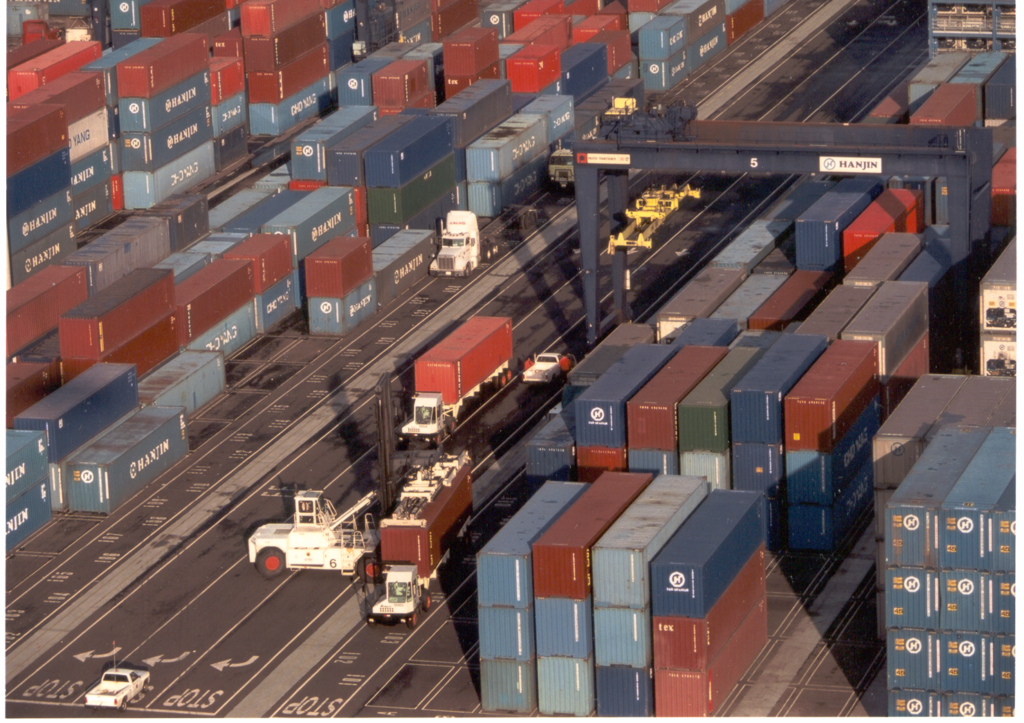
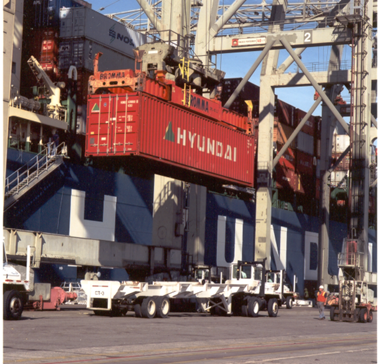
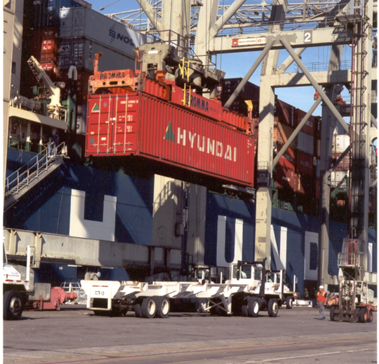
A shipping container being off-loaded in Long Beach
In 2018, China supplied 21.2% of all U.S. imports of goods. Import volumes had been rising rapidly: 427% since China joined WTO in 2001 (17 years!).
However, volumes of U.S. imports from China dropped significantly following imposition of tariffs in the second half of 2019. See a graph published in the Washington Post. U.S. Census Bureau data show U.S. imports from China declined 16% in 2019 compared to 2018 (from $539 billion to $452 billion). The Post graph shows imports from China have begun to rise again in 2020, although they are still far below levels in 2016-2018.
What might this imply for imports of pests?
2019 Imports from China
Heavy goods – are the ones most likely to be packaged in wooden crates or on wooden pallets that can transport pests. These include metal and stone products (including tile); machinery (such as automobile parts and farm equipment); electronics; bulk food shipments; and finished wood articles
Many goods imported from China are heavy so their packaging might facilitate pest invasions. Unfortunately, the various websites combine types of imports in different categories, so it is difficult to compare data from the various years. Worse, while I easily found data for 2019 and 2020, I could not find 2018 data (it must be there somewhere!). Still, six of the top eleven categories in 2019 appear to fall into the “heavy” categories.
Also, China is the third largest supplier of agricultural imports, primarily processed fruits and vegetables, including juices (together, about $1.5 billion), snack foods ($222 million), spices ($167) million, and fresh vegetables ($160 million).
Trade from Hong Kong is reported separately, but it is not a significant amount – $6.3 billion in 2018; and is declining. Electrical machinery is the largest category, at $980 million.
2020 Imports from China
Import volumes declined substantially during the first five months of 2020, compared to the same period in 2019:
Cell phones & related equipment fell 18.53%
Computers fell 4.86%
Miscellaneous textile rose 300%
Motor vehicle parts fell 26%
Seats excluding medical and dental fell 32.5%
The principal sea ports receiving goods from China during the period January – May 2020 were
Los Angeles $35.27 billion – fell 31.9%
Long Beach $10.61 billion – fell 22%
Newark $9.21 billion – fell 28%
Savannah $8.38 billion
Oakland $4.94 billion
Houston $4.29 billion
Pest Implications
These reduced volume of imports would seem to promise a reduced pest risk. Other factors point in the same direction.
Mode of transport is also significant, that is, air freight versus sea or land transport. In the first five months of 2020, https://ustr.gov/countries-regions/china-mongolia-taiwan/peoples-republic-china a quarter of U.S. imports from China, or $36 billion, entered through just four airports: Chicago’s O’Hare, Los Angeles, Anchorage, and JFK in New York. It is also encouraging that the volumes shipped by air apparently rose. The data show that at O’Hare imports rose 8.4%; at Los Angeles they rose 22%. The website does not provide data for Anchorage or New York. This could be a temporary fluke, for example, if importers were trying to acquire supplies quickly, before new tariffs took effect.
A larger proportion of goods shipped by air might result in a lower approach rate for wood-boring insects, since airborne goods are probably less likely to be packaged in wood. More than a decade ago, Meissner et al. (2009) found that only a third of air shipments (from all countries) were packaged in wood, compared to three-quarters of maritime shipments. I wonder if this is the reason that they found that shipments from China were only half as likely to be enclosed in wood packaging as were shipments from other exporting countries.
Even if China is cutting its imports in quantity, significant problems with quality persist. China consistently ranks second (to Mexico) in the number of shipments containing wood packaging that does not comply with international and U.S. regulations. Over the period 2011-2016, shipments from China constituted 11% of shipments detected by the Bureau of Customs and Border Protection as non-compliant (APHIS database / pers. comm).
So the pest risk persists. Remember that in 1986 – about the time the Asian longhorned beetle and the emerald ash borer were introduced from China – the U.S. imported only $3.8 billion worth of goods from that country. Of course, the U.S. did not require treatment of wood packaging from China until January 1999. My previous blogs have frequently documented the continuing presence of pests in wood packaging from China. To see the series, visit www.nivemnic.us, scroll down below archives to “categories”, click on “wood packaging”.
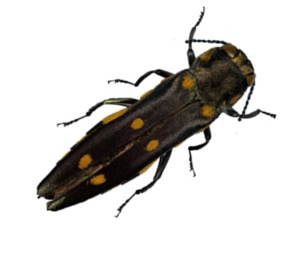
goldspotted oak borer
Because Mexico has an even worse record of compliance with wood packaging regulations than does China, it is good news that U.S. imports from there fell even more precipitously (see graph here). Pests that might be introduced in wood from Mexico generally pose less of a risk, but the risk is not zero! Three woodborers from Mexico – goldspotted oak borer, soapberry borer, and walnut twig beetle – have proved lethal to naïve species growing in the U.S. Each is described here.
Conclusion
Although the presumably temporary collapse of global trade might provide a respite from pest introductions, it is not a long-term strategy. Furthermore, resulting decreases in user fees will reduce the CBP’s inspection staff. I call again for revision of the international phytosanitary system to focus on preventing the movement of plant pests. The designation of 2020 as the International Year of Plant Health means now is the appropriate time to initiate such action.
Posted by Faith Campbell
We welcome comments that supplement or correct factual information, suggest new approaches, or promote thoughtful consideration. We post comments that disagree with us — but not those we judge to be not civil or inflammatory.
For a detailed discussion of the policies and practices that have allowed these pests to enter and spread – and that do not promote effective restoration strategies – review the Fading Forests report at http://treeimprovement.utk.edu/FadingForests.htm
SOURCES
Haack, R.A., F. Herard, and J. Sun, and J.J. Turgeon. 2010. Managing Invasive populations of Asian longhorned beetle and citrus longhorned beetle: a worldwide perspective. Annual Review of Entomology 55: 521-546.
Meissner, H., A. Lemay, C. Bertone, K. Schwartzburg, L. Ferguson, L. Newton. 2009. Evaluation of Pathways for Exotic Plant Pest Movement into and within the Greater Caribbean Region. Caribbean Invasive Species Working Group (CISWG) and USDA APHIS Plant Epidemiology and Risk Analysis Laboratory
The U.N. Food and Agriculture Organization has declared 2020 to be the International Year of Plant Health. APHIS, U.N. FAO, and others planned celebratory events — most now postponed.
The designation prompts consideration of whether the current global phytosanitary system – created in 1995 – is succeeding in preventing movement of invasive plant pests and invasive plants. Join me in this evaluation!
I focus on evaluating the most widespread invasive pests killing trees – and the pathways on which they travel. Some of the most damaging tree pests, of course, were moved around the world decades ago. But too many have been transported after the modern plant health system was developed in the mid-20th Century with the adoption of the original International Plant Protection Convention (IPPC) in 1951.
Of course, this is also the period when trade volume exploded, resulting in new source countries, new products, and new technologies that facilitated newly rapid movement of goods and accompanying pests. See my earlier blog here and the book by Marc Levinson, The Box: How the Shipping Container Made the World Smaller and the World Economy Bigger. It iswell-documented that rising trade volumes, new trade connections, new products have and will continue to exacerbate unintended movement of species (Seebens et al., 2018).
The phytosanitary regime was massively revised in the mid-1990s through adoption of the World Trade Organization and the Agreement on Sanitary and Phytosanitary Standards (SPS Agreement). Two principal changes were to constrain individual countries’ freedom to establish their own phytosanitary regulations and to require evidence of risk rather than allowing action on the basis of “if in doubt, keep it out”. I have written a critique of the new system in Fading Forests II. See Chapter 3, available here.
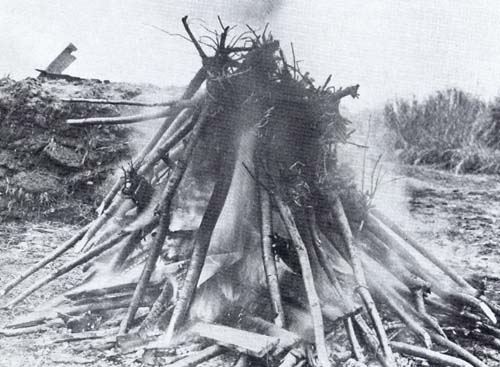
USDA officials burn infested cherry trees – gifts from Japan Washington, D.C. 1912
Has the new regime allowed spread of pests, as I predicted in my critique?
Of course, the explosion of global trade has made prevention of species introductions far more difficult. So the rising numbers of introductions cannot be blamed entirely on the SPS Agreement. Still, it is vital to review pest status in order to see whether the SPS Agreement is succeeding in protecting Earth’s flora. Here, I am looking at only one type of bioinvader. Many more types need to be evaluated, even among plants and plant pests. Nor do I pretend that my list is comprehensive even in the category I focus on – tree-killing insects, nematodes, and pathogens.
My definition of “global invader” is an insect, pathogen, or nematode that has been moved from its known or probable place of origin to at least two novel continents or widespread island groups.
Before the SPS Agreement
Of course, many highly damaging forest insects and pathogens spread widely before the eruption of global trade in the second half of the 20th Century. Examples include several pathogens:
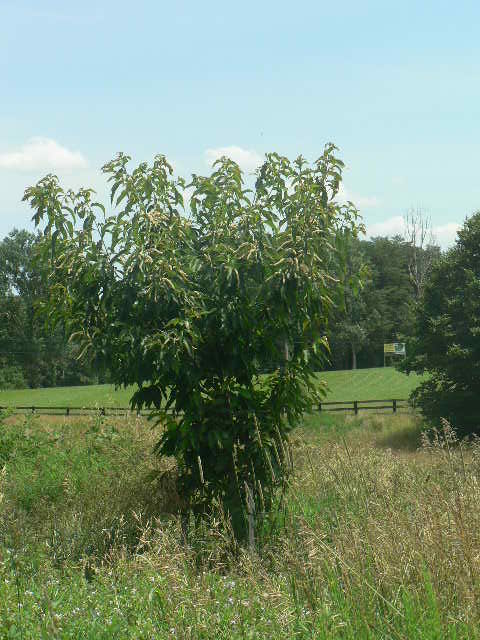
American chestnut bred to be resistant to blight photo by F.T. Campbell
Phytophthora cinnamomi – Europe, North America, Oceania, South America
Cryphonectria parasitica – Europe and North America; Oceania probably much later
Dutch elm disease causal agents Ophiostoma ulmi & novo-ulmi (the vectors are sometimes native insects) – Europe, North America, Oceania;
And some insects:
Hylastes ater – Oceania, South America, Africa
Scolytus multistriatus (Dutch elm disease vector) – North America 1909; later to Oceania; mid-20th Century to Africa
There have also been initial introductions of some organisms that would become “global” later:
Phytophthora lateralis – North America before 1950
During the period 1950 – 1995 –when trade began exploding and countries were adopting their own phytosanitary regulations as allowed under the original IPPC – the following pests were introduced “globally”:
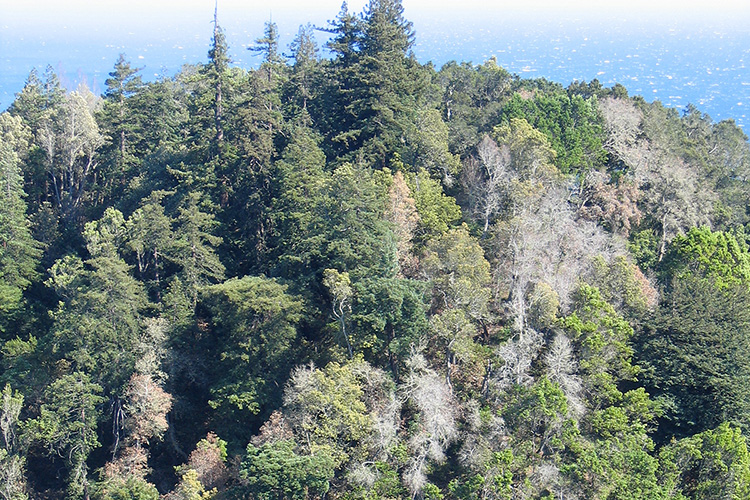
P. ramorum in Big Sur, California photo by Matteo Garbelotto
Phytophthora ramorum was introduced from Southeast Asia to Europe and North America.
Hylurgus ligniperda – Oceania, South America, Africa, Asia after 1950; North America before 1995
Phoracantha recurva – detected in various geographies after 1995, but almost certainly introduced to North America, South America, Europe, Africa, and Oceania before that date
Palm pests – red palm weevil (Rhynchophorus ferrugineus) to most areas of the Old World and Oceania where palms grow; coconut rhinoceros beetle (Oryctes rhinoceros) around Africa, Mauritius, Reunion; Oceania;
Again, there were initial introductions of numerous insects in wood packaging and on “plants for planting” that would expand to “global” ranges after 1995:
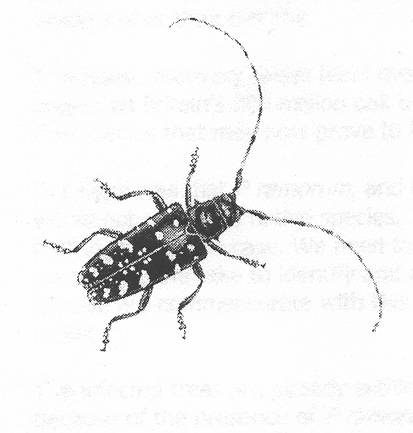
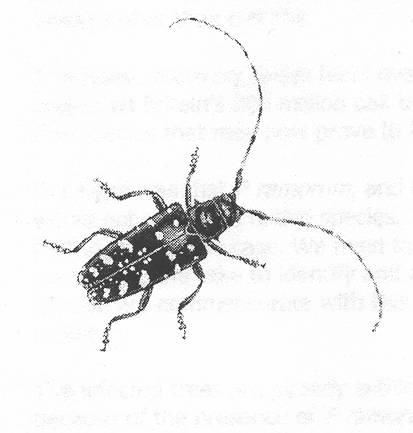
Anoplophora glabripennis
To North America: Anoplophora glabripennis;, Agrilus planipennis; Austropuccinia psidii; Phoracantha recurve; Glycaspis brimblecombei
To Asia: Pine wood nematode Bursaphelenchus xylophilus
To Oceania, South America – Sirex noctillio;
After the SPS Agreement
There has been an apparent explosion of spread since adoption of SPS Agreement in 1995. No doubt these introductions were made possible by the concurrent explosion of trade volumes and more pest-friendly shipping practices (e.g., use of shipping containers and more rapid transportation). The principal vector appears to be plants for planting. About 50% of new plant pathogen invasions are associated with plants for planting (Jimu et al. 2016). Wood packaging is a strong second vector.
Tree-killing pests of which I am aware that have apparently spread globally after 1995 include:
Insects
Aulacaspis ysumatsui – North America, Caribbean, Pacific Ocean islands, Oceania, Africa, Europe, various islands off Southeast Asia that are probably outside original range
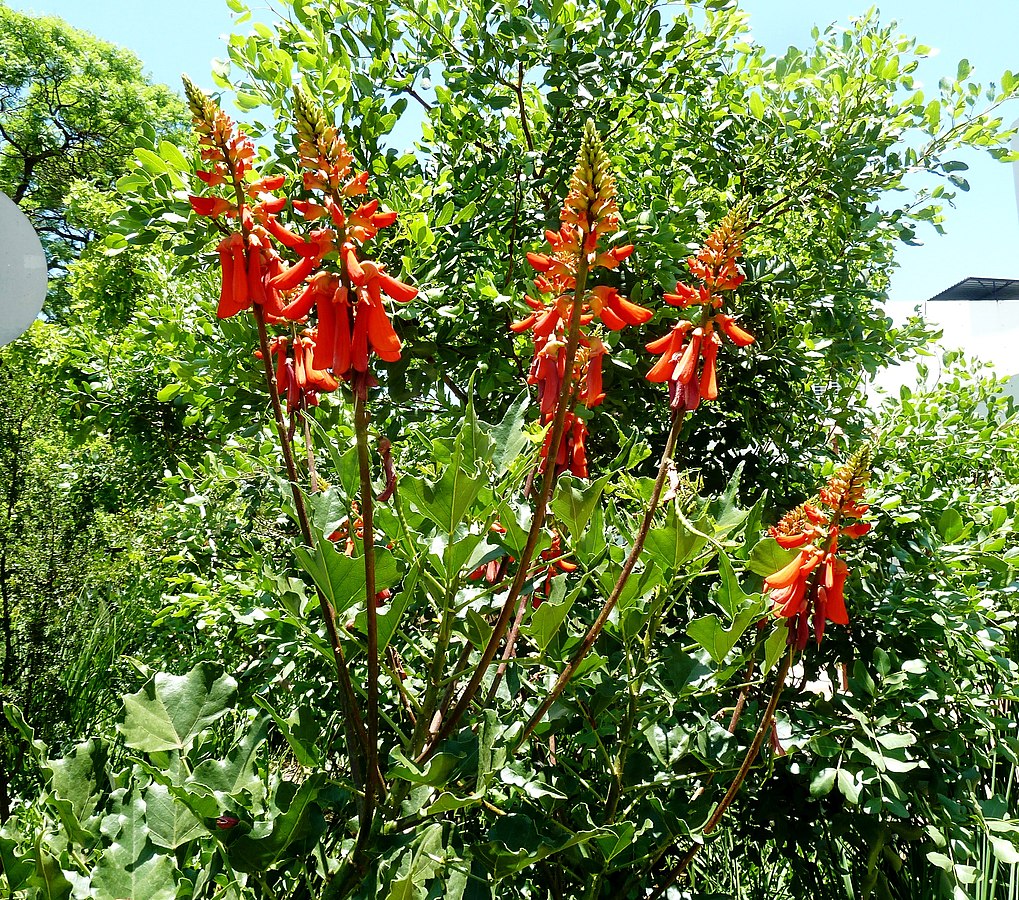
Erythrina humeana in the Manie van der Schijff Botanical Garden, Pretoria vulnerable to Euwallacea / Fusarium complex
Quadrastichus erythrinae – North America, Southeast Asia, islands in the Indian and Pacific oceans
Euwallacea fornicatus complex, esp. Euwallacea whitfordiodendrus and E. kuroshio and their Fusarium symbionts Fusarium euwallaceae, Graphium euwallaceae, & Paracremonium pembeum – North America, Africa
Several insects that attack Eucalyptus have been widely introduced to areas where plantations of these species have been planted, e.g.,
Blue gum chalcid wasp or eucalyptus gall wasp Leptocybe invasa – throughout Africa, the Middle East, Asia, the Pacific Region, Europe, South America, Mexico, and the United States [CABI]
Red gum lerp psyllid (Glycaspis brimblecombei) Europe 2009 [EPPO]
Eucalyptus snout beetles Gonipterus spp complex à two species introduced to five continents (Schroder et al. 2019).
Eucalyptus gall wasp(Ophelimus maskelli) – Mediterranean Region, the Middle East, South Africa, Europe, U.S., New Zealand [CABI]
Continued spread of species that had been introduced to a single new continent before 1995:
Pine wood nematode Bursaphelenchus xylophilus – to Europe
Phytophthora lateralis – to Europe and South America
Myrtle rust Austropuccinia psidii – to Pacific oceanic islands and Oceania
Anoplophora glabripennis and A. chinensis – to Europe
Sirex noctillio – to North America
Agrilus planipennis – to Russia and western Europe
Red palm weevil (Rhynchophorus ferrugineus) – to North America (California- eradicated)
Coconut rhinoceros beetle (Oryctes rhinoceros) – to Pacific islands, e.g., Guam and Hawai`i
I note that several studies have identified large numbers of introduced species in certain categories, although the dates of introduction are uncertain. Some were probably introduced before 1995. Here I cite the following:
Jung et al. (2015) found 59 putative Phytophthora taxa in forest and landscape planting sites in Europe; none had been detected by inspectors at the European Union borders.
Jimu et al. (2019) report global spread of Eucalyptus pathogens carried by the trade in seed and cuttings to support establishment of new plantations and breeding programs.
Numerous species of Phytophthora across North America – about 60 species in California native plant nurseries; eleven species in Minnesota (both from Swiecki et al. 2018); Parke et al. (2014) identified 28 Phytophthora taxa in four Oregon nurseries.
Nine species of Phytophthora associated in urban streetscapes, parks, gardens, and remnant native vegetation in urban settings in Western Australia (Barber et al. 2013).
So What’s the Bigger Picture?
I have blogged frequently about the weaknesses of the international standard governing wood packaging; go here.
Clearly the weaknesses of the international phytosanitary system are not limited to the wood packaging pathway. And I repeat that the phytosanitary system is under severe challenge by trade volumes and practices – at least before the Covid-19 pandemic. Still, it is clear that the international phytosanitary system has failed in achieving its purpose: to provide adequate protection in response to this challenge.
I have two suggestions:
1) I hope that the most affected countries will take actionper their authority under Section 5.7 of the SPS Agreement. This allows emergency action to prevent further introductions via the principal pathways and from the geographic origins posing the greatest threats (e.g., China for wood packaging, Southeast Asia for Phytophthorapathogens).
2) I hope further that all the nearly 200 countries that are parties to the SPS Agreement and the IPPC will rapidly institute an analysis of the current phytosanitary system to quickly identify amendments to the agreements that would better enable countries to protect their plants from non-native pests.
SOURCES
Barber, P.A., T. Paap, T.I. Burgess, W. Dunstan, G.E.St.J. Hardy. 2013. A diverse range of Phytophthora species are associated with dying urban trees. Urban Forestry & Urban Greening 12 (2013) 569-575
Jimu, L., M. Kemler, M.J. Wingfield, E. Mwenje, and J. Roux. 2016. The Eucalyptus stem canker pathogen Teratosphaeria zuluensis detected in seed samples. Forestry 2016 89 316-324 https://academic.oup.com/forestry/article/89/3/316/1749105
Levinson, M. The Box: How the Shipping Container Made the World Smaller and the World Economy Bigger Princeton University Press 2008
Schroder, M. Slippers, B., Wingfield, M.J., Hurley, B.P, Invasion history and management of Eucalyptus snout beetles in the Gopterus scutellatus species complex. 2019. Journal of Pest Science
Parke, J.L., B.J. Knaus, V.J. Fieland, C.Lewis, and N.J. Grünwald. 2014. Phytophthora Community Structure Analyses in Oregon Nurseries Inform Systems Approaches to Disease Management. Phytopathology Vol. 104, No 10.
Schroder, M. Slippers, B., Wingfield, M.J.,Hurley, B.P, Invasion history and managementof Eucalyptus snout beetles in the Gopterus scutellatus species complex. 2019. Journal of Pest Science
Seebens, H., T.M. Blackburn, E.E. Dyer, P. Genovesi, P.E. Hulme, J.M. Jeschke, S. Pagad, P. Pyse, M. van Kleunen, M. Winter, M. Ansong, M. Arianoutsou, S. Bacher, B. Blasius, E.G. Brockerhoff, G. Brundu, C. Capinha, C.E. Causton, L. Celesti-Grapow, W. Dawson, S. Dullinger, E.P. Economo, N. Fuentes, B. Guénard, H. Jäger, J. Kartesz, M. Kenis, I. Kühn, B. Lenzner, A.M. Liebhold, A. Mosen, D. Moser, W. Nentwig, M. Nishino, D. Pearman, J. Pergl, W. Rabitsch, J. Rojas-Sandoval, A. Roques, S. Rorke, S. Rossinelli, H.E. Roy, R. Scalera, S. Schindler, K. Stajerová, B. Tokarska-Guzik, K. Walker, D.F. Ward, T. Yamanaka, and F. Essl. 2018. Global rise in emerging alien species results from increased accessibility of new source pools. PNAS Plus. Available at http://www.nature.com/articles/ncomms14435
Swiecki, T.J., E.A. Bernhardt, and S.J. Frankel. 2018. Phytophthoraroot disease and the need for clean nursery stock in urban forests: Part 1 Phytophthora invasions in the urban forest and beyond. Western Arborist Fall 2018.
We welcome comments that supplement or correct factual information, suggest new approaches, or promote thoughtful consideration. We post comments that disagree with us — but not those we judge to be not civil or inflammatory.
For a detailed discussion of the policies and practices that have allowed these pests to enter and spread – and that do not promote effective restoration strategies – review the Fading Forests report at http://treeimprovement.utk.edu/FadingForests.htm
Here we go again … another Asian longhorned beetle population established in the U.S.
For the ninth time in 24 years, the Asian longhorned beetle (ALB) has been found in North America – this time in South Carolina.
This means thousands – perhaps tens of thousands – of trees will be removed. Thousands more will be injected with imadacloprid. Millions of dollars will be spent. There will be uncounted aesthetic and spiritual losses. There will be unmeasured damage to at least the local environment – which probably includes bottomland hardwood forests – protection of which South Carolina has declared to be a conservation priority. All this destruction is necessitated by the need to prevent catastrophic damage to North America’s hardwood forests by the ALB.
By early August I have learned that the South Carolina outbreak has been present for seven years or longer, and that it might be related to the Ohio outbreak (which was detected in 2011 but was probably introduced at least four years earlier). APHIS reports that, as of the end of July, nearly 1,300 infested trees had been detected. The area around the neighborhood where the detection was made is swampy – complicating search and removal operations and probably home to many box elder and willows – preferred hosts for the ALB.
Why did we let this happen? Why do we persist with a policy that has allowed repeated introductions of this pest via the well-documented wood packaging pathway? After all, we learned about this risk 22 years ago – after the ALB introductions to New York and Chicago. We have had plenty of evidence that the policy is failing. We know how to stop this. Why do we – through our elected and appointed government officials – not act to prevent it?
What We Need: a New, Protective Policy
With live pests continuing to be present in wood packaging 14 years after the U.S. and Canada imposed the treatment requirements in ISPM#15 – and 21 years after we required China to treat its wood packaging – we urgently need better federal policy. I have long advocated:
USDA APHIS join Bureau of Customs and Border Protection in penalizing violators for each violation; stop allowing five violations over a 12-month period before applying a penalty.
APHIS and the Canadian Food Inspection Agency (CFIA) should apply their rights under Section 5.7 of the World Trade Organization Sanitary and Phytosanitary Agreement to immediately prohibit China from packaging its exports in wood. China can use crates and pallets made from such alternative materials as plastic, metal, or oriented strand board.
APHIS and CFIA should being the process of supporting permanent application of this policy to China and other trade partners with poor compliance records. This step would require that they cite the need for setting a higher “level of protection” and then prepare a risk assessment to justify adopting more restrictive regulations.
USDA Foreign Agriculture Service (FAS) should assist U.S. importers to determine which suppliers reliably provide wood packaging that complies with ISPM#15 requirements.
USDA FAS and APHIS should help importers convey their complaints about specific shipments to the exporting countries’ National Plant Protection Organizations (NPPOs; departments of agriculture).
APHIS should increase pressure on foreign NPPOs and the International Plant Protection Convention more generally to ascertain the reasons ISPM#15 is failing and to fix the problems.
APHIS should fund more studies and audits of wood packaging to document the current efficacy of the standard, especially
Update the Haack study of pest approach rate.
Determine whether high rates of pest infestation of wood bearing the ISPM#15 mark results from fraud or failures of treatment – and whether any failures are due to mistakes/misapplication or shortcomings in the treatment themselves.
Allocate the risk among the three major types of wood packaging: pallets, crates, and dunnage.
These folks work for us – tell them to protect our forests!
Tree-Smart also has a Twitter account: @treeSMARTtrade
Justification
The ALB poses a threat to 10% of US forests and nearly all of Canada’s hardwoods, so eradication of the South Carolina outbreak is essential. For a longer discussion of ALB introduction history, the threat, and eradication efforts to date, visit here. https://www.dontmovefirewood.org/pest_pathogen/asian-long-horned-beetle-html/).
Another ALB Outbreak in the US: No Surprise
This Chinese insect is a world traveler. It has been detected 36 times outside its natural range: in North America, Europe, and Japan. Seventeen of these outbreaks have been detected since 2012 (Eyre & Haack 2017). These 17 introduction have occurred six years or later after the 2006 implementation of the International Standard for Phytosanitary Measures (ISPM) #15 – which was intended to reduce the likelihood of such introductions. .Ten of the outbreaks have been eradicated (Eyre & Haack 2017; APHIS press release October 2019). This includes four in the United States and Canada; see here.
Despite U.S. and international efforts, ALB and related pests have been detected continuously in imported goods. U.S. and European data (Eyre and Haack 2017) document rising numbers of Cerambycids detected in wood packaging in recent years. (For a description of pest prevention efforts, see Fading Forests II and III here and this blog).
It is also not surprising that the newly introduced pest is from China. It has long been among countries with the worst records on implementing ISPM#15.
The APHIS-CBP joint study of pest interceptions over the period 2012 – 2017 (Krishnankutty et al. 2020b) found the highest numbers of interceptions came from Mexico, China, and Turkey. During the period 2011 – 2016, China accounted for 11% of interceptions (APHIS interception database – pers. comm. January 2017).
These numbers reflect in part the huge volumes of goods imported from China. But China’s poor performance has continued, perhaps even increased in recent years. For example, consider the choice of wood used to manufacture packaging. Authorities recognized by the late 1990s that wood from plantations of Populus from northern China was highly likely to be infested by the Asian longhorned beetle. Yet, more than a dozen years later, this high-risk wood was still being used: between 2012 and 2017, the ALB was intercepted six times in wood packaging made of Populus wood – each time originating from a single wood-treatment facility in China (Krishnankutty et al. 2020b).
The location just outside Charleston also is not a surprise. Charleston ranked seventh in receipt of incoming shipping containers in 2018. Charleston received 1,022,000 containers, or TEUs measured as 20-foot equivalents, in 2018 (DOT report). This was a 14% increase over the 894,000 TEUs in 2017 http://www.marad.dot.gov/MARAD_statistics/index.html – click on “trade statistics”, then “US Waterborne trade” (1st bullet). I expect decreased import volumes in 2019 and 2020 due to the tariffs/trade war and the 2020 economic crash linked to the Covid-19 virus.
Why US and International Policy Still Fails
Leung et al. (2014) estimated that implementation of the International Standard of Phytosanitary Measures (ISPM)#15 resulted in only a 52% reduction in pest interceptions. They concluded that continued implementation at the 2009 level of efficacy could triple the number of wood borers established (not just intercepted) in the U.S. by 2050.
Since 2010 the Department of Homeland Security’s Bureau of Customs and Border Protection (CBP) has found an average of 794 shipments infested by pests each year (Harriger). In 2019 specifically, live pests were found in 747 shipments (Stephen Brady, CBP, April 2020). These violations were occurring four to 13 years after the U.S. began implementing ISPM#15 in 2006. According to my calculations, based on estimates of pest approach rates by Haack et al. (2014), these detections probably represented about eight percent of the total number of infested shipments entering the country each year.
And there are good reasons to think this estimate is low. First, Haack et al. (2014) did not include imports from China, Canada, or Mexico in their calculations. Both China and Mexico rank high among countries with poor compliance records. Second, Haack and Meissner based their calculations on 2009 data – 11 years out of date. Since 2009, ISPM#15 has been amended to make it more effective. The most important change was restricting the size of bark remnants that may remain on wood. Also, countries and trading companies have 11 more years of implementation – so they might have improved their performance. I have asked several times that APHIS commission a new analysis of Agriculture Quarantine Inspection Monitoring data. We all need an up-to-date determination of the pest approach rate, not only before but also after the CBP action. Without it, there’s no evidence whether the more aggressive enforcement stance CBP adopted in 2017 (see below) has led to reductions in non-compliant shipments at the border.
Another demonstration of the failure of ISPM#15 is the repeated presence of the velvet longhorned beetle (Trichoferus (=Hesperophanes) campestris) in wood packaging and its establishment in at least three states (Krishnankutty, et al. 2020a; also see the discussion in my recent blog here).
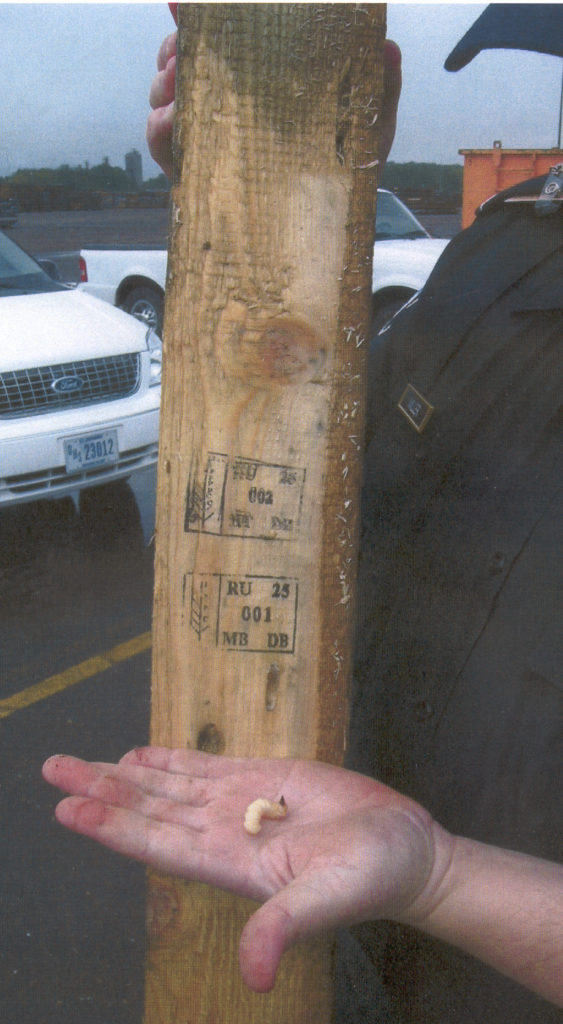
Astoundingly, data indicate that 97% of wood packaging infested with pests bears the stamp certifying that the wood has been treated according to the requirements of ISPM#15 – and hence should be pest-free (Eyre et al. 2018; CBP interception data). In other words, the presence of the stamp is not a reliable indicator of whether the wood has indeed been treated nor that it is pest-free. Scientists have speculated for years why this is the case. ALB’s new arrival provides an impetus to finally answer this question and to ensure policy reflects the answer.
What Federal Agencies Are Doing to Better Prevent Introductions
In contrast to such a comprehensive approach, this is what changes are under way.
CBP strengthened its enforcement in November 2017. The agency’s total “enforcement actions” increased by 400% from 2017 to 2018 (Sagle, pers. comm). The 2019 data show decreases, in absolute numbers, from earlier years in all categories: a 19% decrease below 2010-2018 in average number of shipments intercepted; a 13% decrease in number of shipments intercepted because the wood packaging lacked the ISPM#15 mark; and a decrease of 6% in the number of shipments intercepted that had a quarantine pest (Stephen Brady, CBP, April 2020). However, one year of interception data do not provide a basis for saying whether CBP’s stronger enforcement has resulted in a lower number of shipments in violation of ISPM#15 approaching our shores. Again, I call for APHIS to repeat Haack et al. (2014) study.
Harriger reported that CBP is also trying harder to educate importers, trade brokers, affiliated associations, CBP employees, and international partners about ISPM#15 requirements. CBP wants to encourage them to take actions to reduce all types of non-compliance: lack of documentation, pest presence in both wood packaging and shipping containers, etc.
APHIS has not altered its long-standing policy of allowing an importer to rack up five violations over a 12-month period before imposing a penalty. Instead, APHIS has focused on “educating” trade partners to encourage better compliance. For example, APHIS worked with Canada and Mexico – through the North American Plant Protection Organization — to sponsor workshops for agricultural agencies and exporters in Asia and the Americas
APHIS also planned to host international symposia on wood packaging issues as part of events recognizing 2020 as the International Year of Plant Health. These symposia have been postponed by travel and other restrictions arising from the coronavirus pandemic.
The Broader Significance of Continuing Wood Packaging Problems
The premise of the international phytosanitary system – the Agreement on the Application of Sanitary and Phytosanitary Standards (SPS Agreement) and the International Plant Protection Convention (IPPC) – is that importing countries should rely on exporting countries to take the actions necessary to meet the importing countries’ plant health goals. The ISPM#15 experience undermines the very premise of these international agreements.
If we cannot clean up the wood packaging pathway – which involves boards or logs that are, after all, already dead – it bodes poorly for limiting pests imported with other commodities that are pathways for tree-killing pests – especially living plants (plants for planting). Living plants are much more easily damaged or killed by phytosanitary measures, so ensuring pest-free status of a shipment is even more difficult. (A longer discussion of the SPS Agreement and IPPC is found in Chapter III of Fading Forests II, available here.
SOURCES
Eyre, D., R. Macarthur, R.A. Haack, Y. Lu, and H. Krehan. 2018. Variation in Inspection Efficacy by Member States of SWPM Entering EU. Journal of Economic Entomology, 111(2), 2018, 707–715)
Haack RA, Britton KO, Brockerhoff EG, Cavey JF, Garrett LJ, et al. (2014) Effectiveness of the International Phytosanitary Standard ISPM No. 15 on Reducing Wood Borer Infestation Rates in Wood Packaging Material Entering the US. PLoS ONE 9(5): e96611.
Krishnankutty, S.M., K. Bigsby, J. Hastings, Y. Takeuchi, Y. Wu, S.W. Lingafelter, H. Nadel, S.W. Myers, and A.M. Ray. 2020a. Predicting Establishment Potential of an Invasive Wood-Boring Beetle, Trichoferus campestris (Coleoptera:) in the United States. Annals of the Entomological Society of America, XX(X), 2020, 1–12
Krishnankutty, S., H. Nadel, A.M. Taylor, M.C. Wiemann, Y. Wu, S.W. Lingafelter, S.W. Myers, and A.M. Ray. 2020b. Identification of Tree Genera Used in the Construction of Solid Wood-Packaging Materials That Arrived at U.S. Ports Infested With Live Wood-Boring Insects. Commodity Treatment and Quarantine Entomology
Leung, B., M.R. Springborn, J.A. Turner, E.G. Brockerhoff. 2014. Pathway-level risk analysis: the net present value of an invasive species policy in the US. The Ecological Society of America. Frontiers of Ecology.org
Meissner, H., A. Lemay, C. Bertone, K. Schwartzburg, L. Ferguson, L. Newton. 2009. Evaluation of Pathways for Exotic Plant Pest Movement into and within the Greater Caribbean Region. Caribbean Invasive Species Working Group (CISWG) and USDA APHIS Plant Epidemiology and Risk Analysis Laboratory
USDA APHIS interception database – pers. comm. January 2017.
USDA APHIS press release dated September 12, 2018
U.S. Department of Agriculture, Press Release No. 0133.20, January 27, 2020
We welcome comments that supplement or correct factual information, suggest new approaches, or promote thoughtful consideration. We post comments that disagree with us — but not those we judge to be not civil or inflammatory.
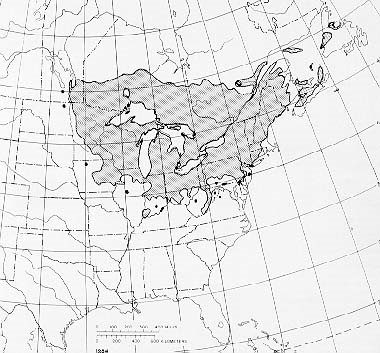
Another unique ecosystem being severely damaged by non-native tree-killing pests are the wetlands dominated by black ash (Fraxinus nigra). Black ash typically grows in fens, along streams, or in poorly drained areas that often are seasonally flooded. Such swamps stretch from Minnesota to Newfoundland; in the three states of Michigan, Wisconsin, and Minnesota, they cover a total of over 2 million hectares (Kolka et al. 2018).
Recent research allows us to understand the impending loss to these unique ecosystems that will be caused by the emerald ash borer (EAB).
Hydrology is the dominant factor that influences a host of ecosystem functions in black ash wetlands. Water levels are largely determined by a combination of precipitation and evapotranspiration rates. Black ash can thrive in wetter areas than most other tree species (Slesak et al. 2014). Water tables in these swamps are typically above the surface throughout early spring, followed by drawdown below the surface during the growing season with periodic rises following rain events. Water table drawdown coincides with peak evapotranspiration following black ash leaf out, demonstrating the fundamental control that this species has on animal and other plant communities (Kolka et al. 2018; Slesak et al. 2014).
Ecological Importance
Black ash generally dominate the canopy of these wetlands. Ash density can range from about 40% to almost 100%. Several other tree species are present, including northern white cedar (Thuja occidentalis), red maple (Acer rubrum), American elm (Ulmus americana) (Kolka et al. 2018), quaking aspen (Populus tremuloides), American basswood (Tilia americana), and bur oak (Quercus macrocarpa) (Slesak et al. 2014), balsam fir (Abies balsamea), balsam poplar (Populus balsamifera), and speckled alder (Alnus incana) (Youngquist et al. 2020). Black ash, by maintaining low water levels during the growing season, creates conditions under which these other trees can live but not thrive (summary of study by B.J. Palik, USDA Forest Service, here. Most other species lack the physiological adaptations of black ash or face pathogenic constraints (e.g., Dutch elm disease on American elm Ulmus americana) (Kolka et al. 2018).
Ash trees in these swamps are uneven-aged with canopy tree ages ranging from 130–232 years (Slesak et al. 2014). This complexity provides important habitat for many wildlife species, including ground beetle community assemblages (Kolka et al. 2018) and an abundance of aquatic macroinvertebrates. These are characterized and dominated by mollusks (Sphaeriidae, Lymnaeidae, Physidae), annelids (Lumbriculidae, Hirudinea), caddisflies (Limnephilidae, Leptoceridae), and dipterans (Chironomidae, Culicidae) (Youngquist et al. 2020).
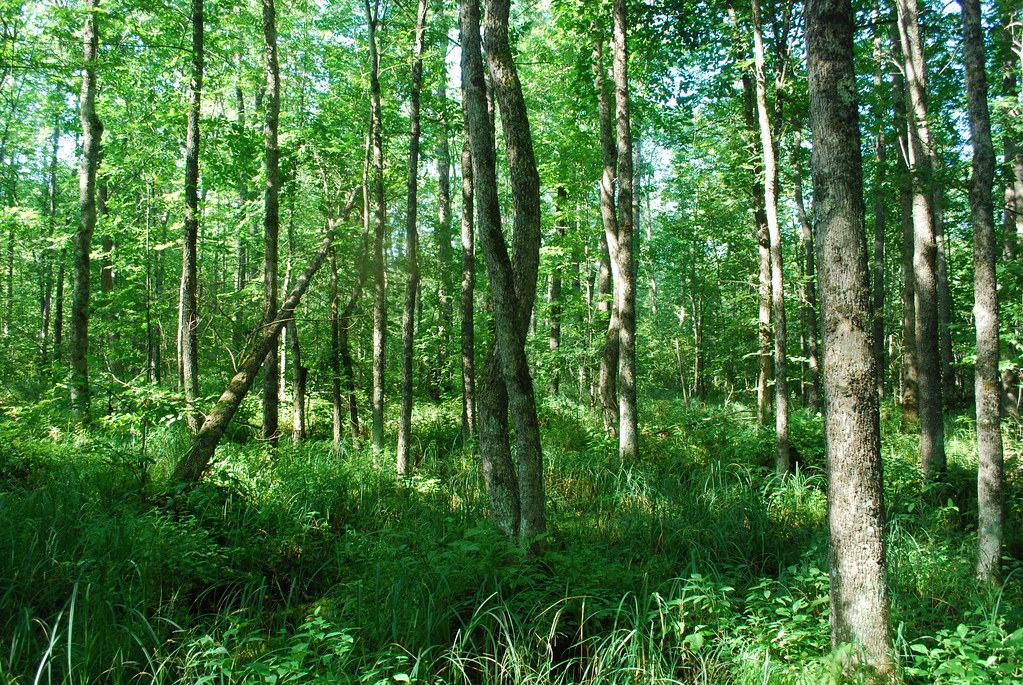
a black ash swamp; source: Flickr
A major concern is that loss of trees – especially ash – might result in open marshes dominated by grasses, especially lake sedge (Carex lacustris). Conversion to sedge-dominated marshes has been observed in areas where trees have been removed as part of experiments to test various ecosystem responses to loss of the ash component (Slesak et al. 2014). Even if other trees took the place of ash, the substitutes might not support the same animal communities (see below).
Impact of Emerald ash borer and loss of black ash
Black ash is highly susceptibility to the EAB (Engelken and McCullough, 2020), so scientists expect severe impacts of the invasion in ash-dominated wetlands and – to a somewhat lesser extent — in forested stream systems’ riparian areas (Engelken and McCullough, 2020). They expect cascading impacts on 1) hydrology; 2) plant communities; 3) wildlife; 4) Native American cultures; and possibly even storage of carbon in vegetation and soils (Kolka et al. 2018).
1) Hydrology
Experiments suggest that loss of ash will cause higher water tables, especially during late summer and fall (Kolka et al 2018). This will result from reductions in evapotranspiration as large trees are replaced by shrubs and grasses (see below) (Kolka et al. 2018; Slesak et al. 2014). The higher water table might be exacerbated if higher annual precipitation levels predicted by climate change models occur. On the other hand, these models also predict a simultaneous increase in longer droughts, which might partially counteract higher precipitation and reduced evapotranspiration (Kolka et al. 2018). If they occur, these possible increases in drought length and frequency might enhance the establishment of less water-tolerant non-ash tree species in former black ash wetlands.
2) Plant Communities
Higher water tables are expected to reduce tree densities and promote conversion to open or shrub-dominated marshes. Several of the possible alternative tree species do not thrive as well as black ash under current conditions (Kolka et al. 2018). However, new hydrologic conditions might make forest restoration even more difficult because herbaceous plants transpire less water than trees, thus exacerbating the rising water tables (Slesak et al. 2014).
In upper Michigan, experiments which killed ash by cutting or girdling did not lead to an increase in growth rates of the remaining canopy species despite the increase in available resources (e.g., sunlight and nutrients) – presumably because of the raised water table (Kolka et al. 2081).
While some studies have found that black ash seedlings and saplings dominated the woody component of the swamp understory up to three years after ash were experimentally removed (Kolka et al. 2018), Engelken and McCullough (2020) found only eight saplings and a single seedling.
Scientists have planted several tree species in experiments to see which might be used to maintain the forested wetlands in the absence of black ash. The results are a confusing mix. Some species grew well once established – but had low levels of seedling establishment. Some trees planted on elevated microsites (hummocks) had the greatest survival and growth rates. (For specific data, see Kolka et al. 2018). A further consideration is tree species’ ability to adapt to warming temperatures already evident and expected to increase in coming decades (Slesak et al. 2014).
Consequently, Slesak et al. (2014) think it is likely that the EAB invasion will alter vegetation dynamics and cause a shift to an altered ecosystem state (e.g., open marsh condition) with higher water tables. They caution that the degree of ecosystem alteration will vary depending on site hydrology, annual precipitation, and period of time necessary for establishment of deeper rooted vegetation.
3) Wildlife
Moreover, any changes in vegetation will also affect the biota in more subtle ways through altered nutrient cycles. Black ash leaf litter is highly nutritious, having some of the highest nitrogen, phosphorus, and cation contents of any hardwood forest species (Kolka et al. 2018). Black ash leaves also decompose faster than most alternative tree species’ leaves (summary of Palik USDA Forest Service, here; Youngquist et al. 2018).
Youngquist et al. (2018) studied litter breakdown, litter nutritional quality, and growth of a representative invertebrate litter feeder – larvae of a shredding caddisfly (Limnephilus indivisus). They found that the larvae’s risk of death increased by a factor of three times or more when caddisflies were fed American elm, balsam poplar, or lake sedge leaves compared to black ash leaf litter. Even when the larvae lived – but matured more slowly because of the lower nutrition value of the leaves – they would still be vulnerable because they must reach metamorphosis before pond dry-down. In any planting done to maintain forested quality of wetlands, need to consider the nutritional quality of the leaf litter provided by replacements. Speckled alder was only apparently acceptable substitute; it was second to black ash in acceptability to caddisflies (Youngquist et al. 2020)
In fact, Youngquist et al. (2020) concluded that plant and detritivore biodiversity loss due to EAB invasion could alter productivity and decomposition at rates comparable to other anthropogenic stressors (e.g., climate change, nutrient pollution, acidification). The result will be altered biogeochemical cycles, resource availability, and plant and animal communities.
Scientists are also concerned about the impact of ash tree mortality on forest connectivity. Conversion of wooded swamps to shrub-and sedge-dominated wetlands will result in the loss of important micro-habitats that are already limited across the forested landscape and may also reduce availability of critical habitat for migrating birds. These changes will exacerbate on-going changes in land use in the Great Lakes region that are causing loss of forest habitat and forest homogenization. As yet, the magnitude of the impact on wildlife is unclear (Kolka et al. 2018).
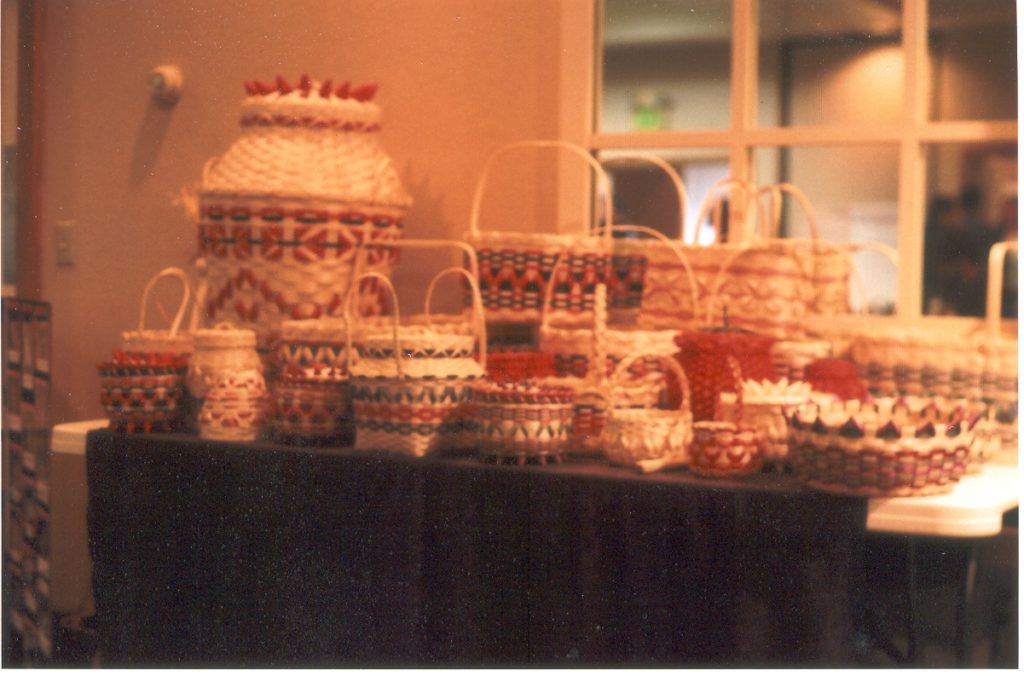
black ash baskets – displayed at 2006 conference photo by Faith Campbell
4) Cultural importance – baskets
Native Americans living in the range of black ash have utilized the wood to make baskets and other tools for thousands of years. Baskets had numerous uses, such as packs for carrying items, fish traps, and for preparing food and storing household items. Ash items also had ceremonial uses and they are highly sought as gifts and in trade. The skill needed to select a good tree and work the wood is handed down through the generations and is an important part of tribes’ culture (Benedict 2010).
Discussion of these cultural traditions can be found as Powerpoints here and here.
Concerned by the spread of EAB and probable impact on black ash swamps, the USDA Forest Service has initiated major research studies with the goal of filling in the numerous knowledge gaps and developing management recommendations. A large-scale study using various manipulations to simulate the EAB invasion was initiated in the Chippewa National Forest in northern Minnesota in 2009. A companion study began in the Ottawa National Forest in Michigan in 2010 (Kolka et al. 2018). The Slesak, Youngquist, and Kolka publications cited in this blog report results of some of the studies in this project. Other studies of black ash conditions, including regeneration, at various stages of the EAB invasion wave are being carried out by Deb McCullough, Nate Siegert, and others. They are working at sites from Michigan to New England (D.G. McCullough, pers. comm.).
Posted by Faith Campbell
We welcome comments that supplement or correct factual information, suggest new approaches, or promote thoughtful consideration. We post comments that disagree with us — but not those we judge to be not civil or inflammatory.
For a detailed discussion of the policies and practices that have allowed these pests to enter and spread – and that do not promote effective restoration strategies – review the Fading Forests report here.
For a great discussion of black ash basketweavers, see Anne Bolen, A Silent Killer: Black Ash Basket Makers are Battling a Voracious Beetle to Keep their Heritage Alive, American Indian Magazine, Spring 2020, available here.
Engelken, P.J. and D.G McCullough. 2020. Riparian Forest Conditions Along Three Northern Michigan Rivers Following Emerald Ash Borer Invasion. Canadian Journal of Forest Research. Submitted
Kolka, R.K., A.W. D’Amato, J.W. Wagenbrenner, R.A. Slesak, T.G. Pypker, M.B. Youngquist, A.R. Grinde and B.J. Palik. 2018. Review of Ecosystem Level Impacts of Emerald Ash Borer on Black Ash Wetlands: What Does the Future Hold? Forests 2018, 9, 179; doi:10.3390/f9040179 www.mdpi.com/journal/forests
Slesak, R.A., C.F. Lenhart, K.N. Brooks, A.W. D’Amato, and B.J. Palik. 2014. Water table response to harvesting and simulated emerald ash borer mortality in black ash wetlands in MN, USA. Can. J. Forestry. Res. 44:961-968.
Youngquist, M.B., C. Wiley, S.L. Eggert, A.W. D’Amato, B.J. Palik, & R.A. Slesak. 2020. Foundation Species Loss Affects Leaf Breakdown and Aquatic Invertebrate Resource Use in Black Ash Wetlands. Wetlands. Society of Wetland Scientists
Posted by Faith Campbell
We welcome comments that supplement or correct factual information, suggest new approaches, or promote thoughtful consideration. We post comments that disagree with us — but not those we judge to be not civil or inflammatory.
For a detailed discussion of the policies and practices that have allowed these pests to enter and spread – and that do not promote effective restoration strategies – review the Fading Forests report at http://treeimprovement.utk.edu/FadingForests.htm
As I noted last November, the premise of the international phytosanitary system – the Agreement on the Application of Sanitary and Phytosanitary Standards (SPS Agreement) and the International Plant Protection Convention (IPPC) – is that importing countries should, and can, rely on exporting countries to take the actions necessary to meet the importing countries’ plant health goals. However, the experience with the International Standard on Phytosanitary Measures (ISPM) #15 and wood packaging casts doubt on this premise.
Exporters are not reliably ensuring the cleanliness of their wood packaging, putting American forests at risk. Indeed, some experts have concluded that continuing to implement ISPM#15 at current levels could triple the number of non-native wood-boring insects introduced into the U.S. by 2050 (Leung et al. 2014).
Too many shipments carry wood packaging that bears no ISPM#15 stamp. And too many pieces of wood packaging arrive with the ISPM#15 stamp, yet are not reliably pest-free. If we cannot clean up this pathway – which involves boards or even logs that are, after all, already dead — it bodes poorly for limiting pests imported with other commodities that are pathways for tree-killing pests – especially living plants (plants for planting). Living plants are much more easily damaged or killed by treatments than the dead wood used in packaging – so ensuring pest-free status of a shipment is even more difficult. (A longer discussion of the SPS Agreement and IPPC is found in Chapter III of Fading Forests II, available here.
Here are the problems – and the latest evidence.
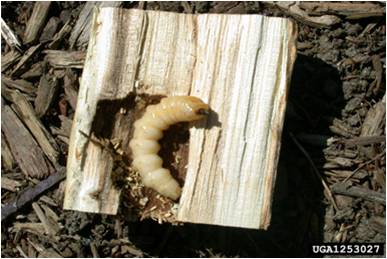
ALB larva in piece of wood packaging material
Too Many Shipments with Pest-Infested Wood Packaging Are Reaching the Country
My information on Customs and Border Protection (CBP) interceptions comes primarily from Kevin Harriger (see full reference at end of the blog). I will note when it comes from other sources.
In November 2019, Kevin Harriger reported that over the past three years, CBP detected a regulated pest, on average, in 30% of the wood packaging the agency intercepted because it was not compliant with ISPM#15. Non-compliance is defined as wood packaging that either lacks an official mark or is infested by a quarantine pest, or both.
From this and previous reports, I have 10 years of CBP interception data – from 2020 – 2019. These data thus begin four years after the U.S. began implementing ISPM#15 (in 2006) and 11 years after the U.S. began requiring China to treat wood packaging accompanying its exports (in 1999).
Over the period 2010 – 2018, CBP intercepted an average of 3,183 shipments with non-compliant wood packaging each year. On average, 2,100 (66%) of these shipments lacked the required ISPM#15 mark. A live quarantine pest was found in an average of 794 (25%) shipments. (There was some overlap in the categories).
In 2019, CBP intercepted a total of 2,572 non-compliant shipments (Stephen Brady, CBP, April 2020). Those lacking the ISPM#15 mark number 1,825 (71%). Shipments in which a live pest was found numbered 747 (29%).
The 2019 data show decreases, in absolute numbers, from earlier years in all categories: a 19% decrease below 1010-2018 average of shipments intercepted; a 13% decrease in number of shipments intercepted because the wood packaging lacked the ISPM#15 mark; a decrease of 6% in the number of shipments intercepted that had a quarantine pest. It is too early to say whether CBP’s stronger enforcement approach launched in November 2017 has resulted in a lower number of shipments in violation of ISPM#15 approaching our shores.
There has been a dispute about which categories of packaging are most likely to be infested. The categories are pallets, crates, spools for cable, and dunnage (wood used to brace cargo and prevent it from shifting). The CBP data available to me and the study by Krishnankutty et al. (2020b – see full reference at the end of this blog) shed no light on that issue.
What is the actual number of infested containers approaching our shores? We know that CBP inspects, on average, 2% of incoming containers – so the above interception data reflect a small percentage of probable true approach rate.
The first issue is, how many containers arrive here?
I have been unable to find data for 2019 – much less 2020, when the media report that import volumes have crashed. Until recently, import volumes had been rising. According to a U.S. DOT report to Congress (see reference at the end of this blog), 25 U.S. maritime ports received 24,789,000 loaded shipping containers (measured as TEU – 20-foot equivalent) in 2018. The number of incoming containers had increased at the top three ports – Long Beach, Los Angeles, and New York / New Jersey – between 3% and 7% since 2016.
However, APHIS told me in November 2019 that CBP reports that only about 13 million loaded containers enter the country every year by rail, truck, air, or sea. While I can’t yet explain the discrepancy, one possible explanation is that DoT counts 40-foot containers as two 20-foot containers.
(Of course, pests introduced to Canada also threaten North America’s forests. Canada received fewer than 5 million containers via maritime trade in 2016 (Asbil pers. comm. 2018).
Two decade-old estimates of the proportion of incoming containers that hold wood packaging (Haack et al. 2017, Meissner et al. 2009) allow me to estimate the risk associated with these incoming containers. Meissner et al. found that 75% of maritime containers have wood packaging. Haack et al. estimated that the wood in 0.1% of those containers was infested. Applying these two factors, I conclude that as many as 18,590 of incoming containers in maritime trade could have been transporting a woodborer in the regulated families (Cerambycids, Buprestids, Siricids). I am hesitant to apply the calculation to CBP’s estimate because I don’t know how many of the 13 million containers entered by sea. However, if I assume that the same percentage of wood packaging applied to all the CBP-counted containers, I conclude that 9,750 of those containers held infested wood packaging – still a significant number.
The actual approach rate might be less – or more! Haack et al. (2014) did not include imports from China in their calculations. Given the history of interceptions, it appears probable to me that a recalculation of the approach rate that included China would probably raise the overall proportion.
Furthermore, 11 years have passed since Haack and Meissner made their calculations. During that time, ISPM#15 has been amended to make it more effective. The most important change was restricting the size of bark remnants that may remain on the wood. I have asked several times that APHIS commission a new analysis of Agriculture Quarantine Inspection Monitoring data to determine the pest approach rate before and after the CBP action in order to determine whether the more aggressive enforcement has led to reductions in non-compliant shipments at the border.
By comparing Dr. Haack’s estimate (see above) with the CBP data, I estimate that Customs is detecting and halting the importation of 4 – 8% of the shipments that actually contain pest-infested wood. Since CBP inspects only about two percent of incoming shipments, the higher detection rate demonstrates the value of CBP’s program to target likely violators – and deserves praise. But it is obviously too low a “catch” rate to provide an adequate level of protection for our forests.
ISPS#15 Is Not Helping to Target Inspections
So – ISPM#15 still allows too many pests to arrive at our shores. Is ISPM#15 at least helping phytosanitary agencies target inspections? No, because both U.S. and European data demonstrate that a high proportion of shipments containing infested wood pieces bore the ISPM#15 stamp. Phytosanitary agencies cannot rely on the presence or absence of the stamp to indicate the pest risk level.
U.S. data:
During the period 2010-2015, CBP found that an average of 95% of pest-infested shipments bore the ISPM#15 mark (Harriger). Unfortunately, CBP data from more recent years don’t provide this breakdown.
In the past two years, CBP inspectors have repeatedly found pests in dunnage bearing the ISPM#15 mark.
Krishnankutty et al. (2020b) analyzed wood packaging from 42 countries of origin intercepted by CBP over six years (April 2012 – January 2018). They found that 87% of the interceptions bore the ISPM mark.
I blogged earlier about the velvet longhorned beetle (Trichoferus (=Hesperophanes) campestris) This pest, like others, has reached our shores and entered the country both before and after implementation of ISPM#15. The predictable result is that VLB is established in three states and has been detected in 14 others plus Puerto Rico (Krishnankutty, et al. 2020a). Apparently we have been lucky that this one isn’t as damaging as so many are!
European data:
For Europe, see Eyre et al. (2018). They concluded that the ISPM-15 mark was of little value in predicting whether harmful organisms were present.
This is alarming and we need to understand the reason – How much is caused by fraud? How much is caused by failure of treatment – either intrinsic weakness or incorrect application? APHIS researchers have found that larvae from wood subjected to methyl bromide fumigationwere more likely to survive to adulthood than those intercepted in wood that had been heat treated (Nadel et al. 2016).
Krishnankutty et al. (2020b) query whether the 2009 requirement that wood be debarked might be less effective in countering insect species that require bark only in the early stages of larval development. Half of the species intercepted in hardwood shipments (e.g., Anoplophora glabripennis, Phoracantha recurva) might fit this profile. They also appear to pose a higher threat since they are polyphagous and known to infest healthy hosts. While some of the softwood-inhabiting species also require bark, they not known to infest living trees and only a quarter were classified in the high-risk group. The Mech et al. 2020 finding that no wood-borers that specialize in conifers posed a high risk appears to support these different impacts.
Krishnankutty, et al. (2020b) also note the risk from pallet recycling. The wood might occasionally be infested by dry-wood borers. One puzzling example was wood packaging shipped from Brazil and bearing a Brazilian ISPM#15 stamp that was infested with a larva of T. campestris (VLB). This is an Asian species not recorded as being present in South or Central America. The authors speculate that the pallets were recycled in Brazil after inadequate treatment in their original places of manufacture.
Of the 17 wood borer species intercepted in hardwoods, three have reproducing populations in the U.S.: A. glabripennis, Phoracantha recurva and T. campestris. Krishnankutty et al. (2020b) say that they are unaware of any of the non-native buprestids and siricids intercepted in softwood SWPM being established in the US. (One Siricid that is established, Sirex noctillio, was not detected in the wood packaging analyzed in this study.)
What Can Be Done to Slow or Eliminate this Pathway?
CBP inspectors
CBP strengthened enforcement of ISPM#15 in November 2017. CBP’s enforcement actions increased by 400% from 2017 to 2018 (John Sagle, CBP, pers. comm). CBP has also expanded its outreach to shippers and others involved in international trade with the goal of reducing all types of non-compliance – lack of documentation, pest presence, etc. in both wood packaging and shipping containers. The outreach includes awareness campaigns targetting trade, industry, affiliated associations, CBP employees, and international partners (Harriger).
Certain countries have a long-standing record of non-compliance with ISPM#15 – as seen in interception records.
Haack et al. 2014 – Italy was the country of origin for most wood borers intercepted 1985 – 2000.
Haack et al. 2014 – the top 5 countries in the 2003 – 2009 period were Mexico (33.7%), Italy (14.2%), Canada (13.4%), Netherlands (4.4%), China (4.1%).
APHIS’ interception database for FY2011-2016 (provided to me) showed Mexico, China, Italy, and Costa Rica had the highest numbers of interceptions.
Krishnankutty et al. (2020b) found the highest numbers of interceptions came from Mexico, China, and Turkey.
These numbers reflect in part the huge volumes of goods imported from both Mexico and China. But China and Italy stand out for their poor performance. (The U.S. does not regulate – or inspect! – wood packaging from our third-largest trade partner Canada.)
Officials know which individual companies within these countries have a history of non-compliance. For example, 21 of the interceptions on wood packaging made from Populus trees in China (53%) were associated with stone, ceramic, and terracotta commodities. Anoplophora glabripennis was intercepted six times in Populus originating from a single wood-treatment facility in China (Krishnankutty et al. 2020b).
How reduce risk to U.S. forests?
Over the past year or two, I have suggested the following actions:
USDA APHIS join Bureau of Customs and Border Protection in penalizing violators.
Citing the need for setting a higher “level of protection”, APHIS & the Canadian Food Inspection Agency (CFIA) should prepare a risk assessment to justify adopting more restrictive regulations. The new regulations should prohibit use of packaging made from solid wood – at least from the countries with records of high levels of non-compliance (listed above).
USDA Foreign Agriculture Service (FAS) should assist U.S. importers to determine which suppliers reliably provide compliant wood packaging.
USDA FAS and APHIS should help importers convey their complaints about specific shipments to the exporting countries’ National Plant Protection Organizations (NPPOs; departments of agriculture).
APHIS should increase pressure on foreign NPPOs and the International Plant Protection Convention more generally to ascertain the reasons ISPM#15 is failing and to fix the problems.
APHIS should fund more studies and audits of wood packaging to document the current efficacy of the standard, including an urgent update of the Haack study of pest approach rate.
The international standard has demonstrably failed to provide a secure method to evaluate the pest risk associated with wood packaging accompanying any particular shipment. The presence of the stamp on pieces of wood packaging does not reliably show that the wood is pest-free.
The situation is even worse re: movement of plants for planting.
SOURCES
Asbil, W. Canadian Food Inspection Agency, pers. comm. August 2018.
Eyre, D., R. Macarthur, R.A. Haack, Y. Lu, and H. Krehan. 2018. Variation in Inspection Efficacy by Member States of SWPM Entering EU. Journal of Economic Entomology, 111(2), 2018, 707–715)
Haack, R. A., K. O. Britton, E. G. Brockerhoff, J. F. Cavey, L. J. Garrett, M. Kimberley, F. Lowenstein, A. Nuding, L. J. Olson, J. Turner, and K. N. Vasilaky. 2014. Effectiveness of the international phytosanitary standard ISPM no. 15 on reducing wood borer infestation rates in wood packaging material entering the United States. Plos One 9:e96611.
Harriger, K. Executive Director for the Agriculture Programs and Trade Liaison office, Department of Homeland Security Bureau of Customs and Border Protection (CBP), presentations to the Continental Dialogue on Non-Native Forest Insects and Diseases, over appropriate years. https://continentalforestdialogue.org/events/
Krishnankutty, S.M., K. Bigsby, J. Hastings, Y. Takeuchi, Y. Wu, S.W. Lingafelter, H. Nadel, S.W. Myers, and A.M. Ray. 2020a. Predicting Establishment Potential of an Invasive Wood-Boring Beetle, Trichoferus campestris (Coleoptera:) in the United States. Annals of the Entomological Society of America, XX(X), 2020, 1–12
Krishnankutty, S., H. Nadel, A.M. Taylor, M.C. Wiemann, Y. Wu, S.W. Lingafelter, S.W. Myers, and A.M. Ray. 2020b. Identification of Tree Genera Used in the Construction of Solid Wood-Packaging Materials That Arrived at U.S. Ports Infested With Live Wood-Boring Insects. Commodity Treatment and Quarantine Entomology
Leung, B., M.R. Springborn, J.A. Turner, E.G. Brockerhoff. 2014. Pathway-level risk analysis: the net present value of an invasive species policy in the US. The Ecological Society of America. Frontiers of Ecology.org
Mech, A.M., K.A. Thomas, T.D. Marsico, D.A. Herms, C.R. Allen, M.P. Ayres, K.J. K. Gandhi, J. Gurevitch, N.P. Havill, R.A. Hufbauer, A.M. Liebhold, K.F. Raffa, A.N. Schulz, D.R. Uden, & P.C. Tobin. 2019. Evolutionary history predicts high-impact invasions by herbivorous insects. Ecol Evol. 2019 Nov; 9(21): 12216–12230.
Meissner, H., A. Lemay, C. Bertone, K. Schwartzburg, L. Ferguson, L. Newton. 2009. Evaluation of Pathways for Exotic Plant Pest Movement into and within the Greater Caribbean Region. Caribbean Invasive Species Working Group (CISWG) and USDA APHIS Plant Epidemiology and Risk Analysis Laboratory
Nadel, H. S. Meyers, J. Molongoski, Y. Wu, S. Lingafelter, A. Ray, S. Krishnankutty, A. Taylor. 2017. Identification of Port Interceptions in Wood Packing Material Cumulative Progress Report, April 2012 – June 2017
USDA APHIS interception database – pers. comm. January 2017.
USDA APHIS press release dated September 12, 2018
U.S. Department of Agriculture, Press Release No. 0133.20, January 27, 2020
Wu, Y., S.M. Krishnankutty, K.A. Vieira, B. Wang. 2020. Invasion of Trichoferus campestris (Coleoptera: Cerambycidae) into the United States characterized by high levels of genetic diversity and recurrent intros. Biological Invasions Volume 22, pages1309–1323(2020)
Yemshanov, D., F.H. Koch, M. Ducey, K. Koehler. 2012. Trade-associated pathways of alien forest insect entries in Canada. Biol Invasions (2012) 14:797–812
Posted by Faith Campbell
We welcome comments that supplement or correct factual information, suggest new approaches, or promote thoughtful consideration. We post comments that disagree with us — but not those we judge to be not civil or inflammatory.
Fraser fir killed by balsam woolly adeligid Clingman’s Dome, Tennessee
A recent study provides an overview of the threat non-native insects pose to conifers in North America. Unfortunately, pathogens are not included in the study. I provide a citation to the study (Mech et al., 2019) at the end of this blog.
The study’s authors based their analysis on 58 insects that specialize on conifers (trees in the families Cupressaceae, Pinaceae, and/or Taxaceae). These were derived from a list of over 500 herbivorous insects identified by Aukema et al. (2010) and Yamanaka et al. (2015). Mech and colleagues determined that of the approximately 100 conifer species native to North America, 49 have been colonized by one or more of these 58 non-native insects. Three-quarters of the affected trees have been attacked by more than one non-native insect. One tree species was attacked by 21 non-native insects.
Looked at from the opposite perspective, one of the insects attacked 16 novel North American hosts.
Of these 58 insects, only six are causing high impacts, all in the orders Hymenoptera (i.e., sawflies) and Hemiptera (i.e., adelgids, aphids, and scales). (“High impact” is defined as causing mortality in the localized host population, recognizing potential spread.)
These six are (1) Adelges piceae—balsam woolly adelgid; (2) Adelges tsugae—hemlock woolly adelgid; (3) Elatobium abietinum—green spruce aphid; (4) Gilpinia hercyniae—European spruce sawfly; (5) Matsucoccus matsumurae—red pine scale; and (6) Pristiphora erichsonii—larch sawfly. The high-impact pests included no wood borers, root feeders, or gall makers.
Mech and colleagues analyzed these relationships in an effort to determine factors driving bioinvaders’ impacts. They evaluated the probability of a non-native conifer specialist insect causing high impact on a novel North American host as a function of the following: (a) evolutionary divergence time between native and novel hosts; (b) life history traits of the novel host; (c) evolutionary relationship of the non-native insect to native insects that have coevolved with the shared North American host; and/or (d) the life history traits of the non-native insect.
They found that the major drivers of impact severity for those that feed on foliage and sap (remember, they did not evaluate other feeding guilds) were:
1) Host’s evolutionary history – Divergence time in millions of years (mya) since North American species diverged from a coevolved host of the insect in its native range. The greatest probability of high impact for a leaf-feeding specialist was on a novel conifer that diverged from the native conifer host recently (~1.5–5 mya). The divergence time for peak impact was longer for sap‐feeders (~12–17 mya). The predictive power of the divergence-time factor was stronger for sap-feeders than for leaf feeders.
2) Shade tolerance and drought intolerance – A tree species with greater shade tolerance and lower drought tolerance is more vulnerable to severe impacts. This profile fits most species of Abies, Picea, and Tsuga. On the other hand, novel hosts with low shade tolerance and higher drought tolerance had a very low likelihood of suffering severe impacts.
a bad infestation of hemlock woolly adelgid
3) Insect evolutionary history – When a non-native insect shares a host with a closely related herbivore native to North America, the invader is less likely to cause severe impacts. However, this factor in isolation had relatively poor predictive performance.
None of the insect life history traits examined, singly or in combination, had predictive value. The traits evaluated were feeding guild, native region, pest status in native range, number of native host genera, voltinism (frequency of egg-laying periods), reproductive strategy, fecundity, and/or mechanism of dispersal.
See Mech et al. (2019) for a discussion of hypotheses that might explain these findings.
My Questions Answered!
The authors inform me that their project will eventually include introduced insects attacking all kinds of trees. The more than 500 insect species that utilize woody hosts have been placed into one of three categories: 1) conifer specialist (only utilizes conifer hosts), 2) hardwood/woody angiosperm specialist (only utilizes hosts in a single angiosperm family), or 3) generalists (utilizes hosts in more than one angiosperm family or both angiosperms and conifers) (Mech pers. comm.) They began with the smallest group – the conifer specialists – so that they could more easily work out kinks in their procedures.
I had asked why the brown spruce longhorned beetle (Tetropium fuscum) – which is established in Nova Scotia – was not included in this study. According to the authors, this cerambycid beetle has been reported to feed occasionally on hardwood species, so it has been placed in the third group.noted above.
SOURCES
Aukema, J.E., D.G. McCullough, B. Von Holle, A.M. Liebhold, K. Britton, & S.J. Frankel. 2010. Historical Accumulation of Nonindigenous Forest Pests in the Continental United States. Bioscience. December 2010 / Vol. 60 No. 11
Mech, A.M., K.A. Thomas, T.D. Marsico, D.A. Herms, C.R. Allen, M.P. Ayres, K.J. K. Gandhi, J. Gurevitch, N.P. Havill, R.A. Hufbauer, A.M. Liebhold, K.F. Raffa, A.N. Schulz, D.R. Uden, & P.C. Tobin. 2019. Evolutionary history predicts high-impact invasions by herbivorous insects. Ecol Evol. 2019 Nov; 9(21): 12216–12230.
Yamanaka, T., Morimoto, N. , Nishida, G. M. , Kiritani, K. , Moriya, S. , & Liebhold, A. M. (2015). Comparison of insect invasions in North America, Japan and their Islands. Biological Invasions, 17, 3049–3061. 10.1007/s10530-015-0935-y [CrossRef] [Google Scholar]
Posted by Faith Campbell
We welcome comments that supplement or correct factual information, suggest new approaches, or promote thoughtful consideration. We post comments that disagree with us — but not those we judge to be not civil or inflammatory.
CBP inspects a pallet suspected for harboring an insect pest
Despite Customs and Border Protection’s heroic efforts to target inspection of wood packaging shipments, based on histories of non-compliance of specific importers’ wood packaging (which I have often praised), the majority of larvae occurring in wood packaging would probably not be intercepted by inspectors. Instead, they would be transported to the cargo’s intended destinations (Wu et al. 2020). I described these problems in the preceding blog about the velvet longhorned beetle (VLB).
As I have noted in the past, CBD detects an average of 800 shipments per year with non-compliant wood packaging. That figure is less than five percent of the 16,500 infested shipping containers that might enter the country each year, based on the estimate by Haack et al., (2014) that one tenth of one percent of incoming wood packaging might be infected.
So there is always a need to improve surveillance for pests that inspection fails to catch. We can do that in at least the following ways:
1) better target detection efforts on the most likely areas where a pest might establish
2) improve collection and use of pest-related information to determine probable hosts, pathways of movement, and potential impacts.
Discovering How the Pest Moves
Sometimes improvements must be linked to individual species – although assisted by knowledge about species with similar life histories, e.g., similar hosts or flight periods or about its close relatives (see Ray’s development of a VLB lure; full citation at end of this blog).
Other times, improvements might result from more generalizable adjustments.
For example, the pathway analysis undertaken by Krishnankutty and colleagues is one approach to improving geographic targetting. They analyzed aspects of the velvet longhorned beetle’s pathways of introduction: 1) the types of imports associated with VLB-infested wood packaging; 2) ports where the beetle has been detected in recent years; plus 3) the presence and calculated probable volume of imports for the types of commercial operations considered likely to transport the beetle.
This analysis required access to detailed data from many sources. They included 1) interception data revealing the types of products most often associated with infested wood and the intended destinations of intercepted cargoes; 2) the North American Industry Classification System data listing locations of businesses likely to utilize these products; 3) the beetle’s climatic requirements; and 4) the locations of actual detections of VLB as revealed by Cooperative Agricultural Pest Survey (CAPS) and other trapping programs.
Approaches to Learning More
a Lindgren funnel trap
Relying on traps to detect new pests has several advantages. These include the relative ease of scaling up to larger areas, and – sometimes — the ability to use general lures that attract a variety of insects. Some insects are attracted only, or primarily, to specific lures. Labor intensiveness (and expense) varies with how many traps must be deployed, whether the sites are easily accessible, difficulty extracting trapped insects, and the difficulty sorting the dead insects to find the species of interest.
A second approach is more labor-intensive and expensive, but it gives more information on the target species. This approach is to rear intercepted insect larvae in logs inside containers (to prevent escape) until they reach maturity and emerge. This approach facilitates determination of the species (it is difficult to identify larvae) … and allows an evaluation of feeding behavior – which translates into assessment of the damage caused to the tree.
The Canadian Food Inspection Agency (CFIA) began applying this survey method in 2006. CFIA collects logs from trees in declining health at high risk sites, such as industrial zones, current and historic landfills, and disposal facilities where large volumes of international wood packaging and dunnage are stored for extended periods of time. The logs are obtained from trees removed as part of municipal hazard tree removal programs. CFIA takes the logs to one of four research laboratories (in Toronto, Nova Scotia, Montreal, and North Vancouver), where they are placed in rearing chambers and allowed time to see what insects emerge. The logs are also dissected to reveal the type of damage caused by the insects – that is, determine whether insect was cause of tree mortality [Bullas-Appleton et al. 2014) .
The United States is applying the same approach, but less systematically.
APHIS developed a short-term project aimed at addressing two challenges: identifying larvae found in wood packaging to the species level (larvae intercepted at the border are often identified only to family); and gaining valuable information about the failure of currently required phytosanitary treatments as regards particular genera and species.
In a cooperative project begun in 2012, the DHS Bureau of Customs and Border Protection (CBP) collected live larvae of Cerambycidae and Buprestidae (and, since September of 2015, Siricidae), intercepted during inspection at initially six, later 11 U.S. ports.
mesh bags in which APHIS is rearing larvae obtained from wood packaging inspected by CBD at ports of entry photo by USDA APHIS
These larvae were sent to an APHIS containment facility where many were reared to adults. Upon emergence, adult specimens were killed and identified by experts working for the National Identification Service. DNA barcodes of dead larvae and the reared adults were defined and compared and any new information was added to public genetic databases. These DNA barcodes have enhanced the capacity of anyone involved in pest interception and detection to rapidly identify larval stages. In 2017, APHIS determined that it had detected almost the full range of species that might be transported in wood packaging, and stopped funding the project.
As of June 2017, the APHIS project had received 1,289 intercepted wood borers (1,052 cerambycids, 192 buprestids and 45 siricids) from 45 countries (See Nadel et. al 2017). The extensive analysis of velvet longhorned beetle described in my previous blog link was greatly assisted by the resulting data.
Cerambycid larva which was part of the study photo USDA APHIS
Years before the APHIS project, USDA Forest Service wanted to try applying rearing techniques to aid early detection of insects in the country. At first, the scientists asked residents of Washington, D.C. to identify street trees that appeared to be infested with pests. Those trees were then cut and sections placed in rearing containers to allow scientists to determine what was causing the problem (Harvard Science).
The project was transferred in 2015 to Boston and New York. The Boston location is an arboretum; the advantage of this site is that it has 1) a diversity of tree species; 2) trained staff; and 3) detailed records of most trees on-site (Harvard Science). Project scientists now accept material from stressed, diseased, or dying trees. This material is loaded into sealed barrels and allowed two years for insects to emerge. Since 2015, project scientists have examined 8,605 beetles comprising 223 species. These studies have resulted in 16 new state records, records of some Scolytinae that are rarely collected from traditional trapping methods; documentation of new host associations; and discovery of one previously undescribed species — Agrilus sp. 9895 (See DiGirolomo, Bohne and Dodds, 2019).
SOURCES
Bullas-Appleton, E., T. Kimoto, J.J. Turgeon. 2014. Discovery of Trichoferus campestris (Coleoptera: Cerambycidae) in Ontario, Canada and first host record in North America. Can. Entomol. 146: 111–116 (2014).
Haack, R. A. 2006. Exotic bark- and wood-boring Coleoptera in the United States: recent establishments and interceptions. Can. J. For. Res. 36: 269–288.
Haack RA, Britton KO, Brockerhoff EG, Cavey JF, Garrett LJ, et al. (2014) Effectiveness of the International Phytosanitary Standard ISPM No. 15 on Reducing Wood Borer Infestation Rates in Wood Packaging Material Entering the United States. PLoS ONE 9(5): e96611. doi:10.1371/journal.pone.0096611
Krishnankutty, S.M., K. Bigsby, J. Hastings, Y. Takeuchi, Y. Wu, S.W. Lingafelter, H. Nadel, S.W. Myers, and A.M. Ray. 2020. Predicting Establishment Potential of an Invasive Wood-Boring Beetle, Trichoferus campestris (Coleoptera: Cerambycidae) in the United States. Annals of the Entomological Society of America, 113(2), 2020, 88-99. https://doi.org/10.1093/aesa/saz051
Nadel, H. S. Meyers, J. Molongoski, Y. Wu, S. Lingafelter, A. Ray, S. Krishnankutty, A. Taylor. 2017. Identification of Port Interceptions in Wood Packing Material Cumulative Progress Report, April 2012 – June 2017
Ray, A.M., J. Francese, Y. Zou, K. Watson, D.J Crook, and J.G. Millar. 2019. Isolation and identification of a male-produced aggregation sex pheromone for the velvet longhorned beetle, Trichoferus campestris. Scientific Reports 2019. 9:4459. https://doi.org/10.1038/s41598-019-41047-x
Posted by Faith Campbell
We welcome comments that supplement or correct factual information, suggest new approaches, or promote thoughtful consideration. We post comments that disagree with us — but not those we judge to be not civil or inflammatory.
Cerambycid larva detected in wood packaging photo by Oregon Department of Agriculture
Many highly damaging wood-borers have been introduced to North America in wood packaging.
One woodborer, a beetle in the Cerambycidae, has been introduced multiple times to the United States — both before and after implementation of ISPM#15, the international regulations designed to stop such introductions. This is the velvet longhorned beetle (VLB) (Trichoferus (=Hesperophanes) campestris). Independent scientists have recently documented how VLB is introduced and where it is established.
I first blogged about the VLB three years ago. At that time, I asked why APHIS had not undertaken a quarantine and other actions to contain or eradicate the beetle, which was clearly established in an orchard in Utah (Wu et al. 2020; full source citations appear at the end of the blog). Now, the VLB is established in three states and has been detected in many more (details below).
It appears that the VLB will not cause significant damage. I hope this proves true, because it is certainly travelling here on a regular basis. While the most detailed study of the VLB’s potential impact in North America is not yet complete, early indications are that the beetle attacks mostly dying or dead trees.
A Widespread and Adaptable Pest
The VLB is native to China, Central Asia, Japan, Korea, Mongolia, and Russia. It has also been recorded in several European countries. The risk of introduction is broader, however. VLB has established throughout the Middle East and Europe, as well as parts of South and Central America. U.S. officials have intercepted live VLB individuals in shipments originating from these introduced populations, i.e., Brazil, Italy, Mexico, and Spain (Ray et al. 2019).
Wu et al. (2020) studied the genetic diversity of VLB specimens collected by in the United States by 1) trapping at several locations and 2) by testing those intercepted in wood packaging at U.S. ports. The scientists found high levels of diversity between and even within each limited geographic population. These results indicate that VLB has been introduced numerous times via the wood packaging pathway. They also found some evidence that introduced VLB populations might be expanding so it is important to understand pathways of spread within the country (Wu et al. 2020).
Where VLB is in the United States
The VLB is now officially considered to be established in Cook and DuPage counties, IL; Salt Lake County, UT; and Milwaukee, WI. [Krishnankutty et al. 2020).
However, adults have been detected in 26 counties in 13 additional states, plus Puerto Rico, since 1992. Since a trapping survey for woodborers began in 1999, this joint federal and state Cooperative Agricultural Pest Survey (CAPS) has trapped VLB in Colorado (2013), Illinois (2009), New Jersey (2007, 2013), New York (2014, 2016–2018), Ohio (2009, 2017–2019), Pennsylvania (2016), Rhode Island (2006), and Utah (2010, 2012–2019). (Krishnankutty et al. 2020). Also, Oregon detected VLB in 2019 (Oregon Department of Agriculture 2019).
Interceptions in Wood Packaging
The velvet longhorned beetle has been detected frequently in wood packaging since at least the middle 1980s (when APHIS began recording interceptions) (Haack 2006). (Haack’s study covered 1985-2000, before implementation of the International Standard on Phytosanitary Measures (ISPM) #15.)
APHIS’ official interception database listed 60 separate interceptions of VLB in the more recent ten plus-year period June 1997 – November 2017 – which overlaps pre- and post-implementation of ISPM#15. Eighty-eight percent of these interceptions were in wood packaging. Seven percent were in wood products. The remaining seven percent were in passenger baggage or unidentified products.
As has been the case generally since ISPM#15 was adopted, a high percentage — 65.4% — of the intercepted wood packaging during this period bore the mark certifying compliance with the ISPM#15 treatment requirements. Unsurprisingly, China was the origin of 81.6% of the intercepted shipments infested by pests (Krishnankutty et al. 2020).
In the most recent data studied, all from the period after implementation of ISPM#15 — 2012 – 2017, 28 VLB were found in analyses of a sample of wood packaging (Nadel et al. 2017). (I will discuss this study and other detection tools in a separate blog.)
In agreement with earlier findings, the most high-risk imports were determined to be wood packaging for stone, cement, ceramic tile, metal, machinery, manufactured wood products (furniture, decorative items, new pallets, etc.), and wood-processing facilities (Krishnankutty et al. 2020).
These findings largely confirm what we already know about the wood packaging pathway and high levels of non-compliance with ISPM#15 by Chinese shippers. What is APHIS going to do about this well-documented problem? APHIS certainly shouldn’t ignore these findings on the grounds that this particular wood-borer is less damaging than many others. Any chink in our phytosanitary programs that allows transport and entry of VLB can – does! – allow introduction of other woodborers.
The VLB also has been found in rustic furniture – often after the furniture has been sold to consumers. I discussed a 2016 example of this pathways in my February 2017 blog. Krishnankutty et al. (2020) suggest other possible pathways are wooden decorative items and nursery stock, particularly penjing (artificially dwarfed trees and shrubs).
Krishnankutty et al. (2020) note the importance of proper disposal of wood packaging once the cargo reaches its destination. Have any state phytosanitary officials enacted regulations targetting this source of invaders?
pallet “graveyard” – Photo by Anand Prasad, Davey Tree
The Risk to North America’s Forests Is Unknown
A climate-based model described in Krishnankutty et al. (2020) suggests that climate appears to be suitable for VLB across much of the continental United States, northern Mexico, and southern Canada. Only Florida, southern Texas, and high elevation and coastal regions of the western United States and Mexico states are unlikely to support the velvet longhorned beetle, based on climate. (The study did not consider whether host trees would be present.)
Asian and European sources list a broad host range consisting of at least 40 genera of conifers, hardwoods, and fruit trees (Krishnankutty et al. 2020). Still, as noted above, new studies seem to indicate a minimal impact on healthy trees in North America. Indeed, the principal Utah outbreak is in an orchard littered with pruned material.
With so many suitable hosts across so much of the country, the potential for damage is frightening.
Setting Priorities for Surveillance
The availability of data on both port interceptions and multiple detected outbreaks provides an opportunity to test procedures for carrying out early detection surveys. Improving the efficacy of early detection is critical since – as Wu et al. (2020) note – — the majority of infesting larvae would probably not be intercepted and would subsequently be transported to the cargo’s intended destinations. This is despite CBP’s best efforts to target inspection of wood packaging shipments based on shippers’ histories of non-compliance, targeting that I strongly support.
In response to this concern, Krishnankutty et al. (2020) analyzed pathways of introduction – 1) the types of imports associated with VLB-infested wood packaging, 2) ports where the beetle has been detected in recent years, plus 3) the presence and calculated probable volume of imports of types of commercial operations considered likely to transport the beetle. These included wholesale and retail sellers of products known to be risky and businesses involved with wood fuel processing, log hauling, logging, and milling of saw lumber (Krishnankutty et al. 2020).
They could test the value of this approach by comparing the calculated “intended destination counties” declared at import to actual detections of T. campestris. VLB was detected (by CAPS or other surveys) in either the same or a neighboring county for 40% of the intended destination counties.
This seems to be a high introduction rate; detections will probably rise now that a species-specific lure is available. What could this mean for the establishment rate? Is anyone going to repeat the comparisons to track such changes? Unfortunately, we lack sufficient data to compare the VLB establishment rate (whatever it turns out to be) to the rate for other wood-borers.
Focusing on their original intentions, Krishnankutty and colleagues considered the 40% correlation between intended destinations and VLB detections to be sufficiently rewarding to be one basis for setting priorities for surveys (Krishnankutty et al. 2020).
Krishnankutty et al. (2020) say that recognition of three established populations and widespread destinations of potentially infested wood packaging to climatically suitable areas points to the need to determine whether additional populations are already established – or might soon become so. I add this need is further supported by the frequent detections of low numbers of the VLB in at least seven other states (see above). They call for enhanced surveillance to determine where the VLB is.
Improved surveillance is now facilitated by Dr. Ann Ray’s identification of a specific pheromone that can be synthesized in a lab and used to lure VLB to traps. The pheromone is much more effective in attracting VLB than previous food-like lures used by CAPS as general-purpose attractants for wood-boring insects.APHIS had provided about $50,000 over four years from the Plant Pest and Disease Management and Disaster Prevention program (which receives funding through the Farm Bill) to Dr. Ray’s search for the species-specific pheromone.
what happens when detection fails – dead champion green ash in Michigan
I will discuss detection efforts in a separate blog.
SOURCES
Bullas-Appleton, E., T. Kimoto, J.J. Turgeon. 2014. Discovery of Trichoferus campestris (Coleoptera: Cerambycidae) in Ontario, Canada and first host record in North America. Can. Entomol. 146: 111–116 (2014).
Haack, R. A. 2006. Exotic bark- and wood-boring Coleoptera in the United States: recent establishments and interceptions. Can. J. For. Res. 36: 269–288.
Krishnankutty, S.M., K. Bigsby, J. Hastings, Y. Takeuchi, Y. Wu, S.W. Lingafelter, H. Nadel, S.W. Myers, and A.M. Ray. 2020. Predicting Establishment Potential of an Invasive Wood-Boring Beetle, Trichoferus campestris (Coleoptera:) in the United States. Annals of the Entomological Society of America, XX(X), 2020, 1–12
Nadel, H. S. Meyers, J. Molongoski, Y. Wu, S. Lingafelter, A. Ray, S. Krishnankutty, A. Taylor. 2017. Identification of Port Interceptions in Wood Packing Material Cumulative Progress Report, April 2012 – June 2017
Oregon Department of Agriculture, Plant Protection & Conservation Programs. 2019. Annual Report 2019.
Ray, A.M., J. Francese, Y. Zou, K. Watson, D.J Crook, and J.G. Millar. 2019. Isolation and identification of a male-produced aggregation sex pheromone for the velvet longhorned beetle, Trichoferus campestris. Scientific Reports 2019. 9:4459. https://doi.org/10.1038/s41598-019-41047-x
Wu, Y., S.M. Krishnankutty, K.A. Vieira, B. Wang. 2020. Invasion of Trichoferus campestris (Coleoptera: Cerambycidae) into the United States characterized by high levels of genetic diversity and recurrent intros. Biological Invasions Volume 22, pages1309–1323(2020)
Posted by Faith Campbell
We welcome comments that supplement or correct factual information, suggest new approaches, or promote thoughtful consideration. We post comments that disagree with us — but not those we judge to be not civil or inflammatory.