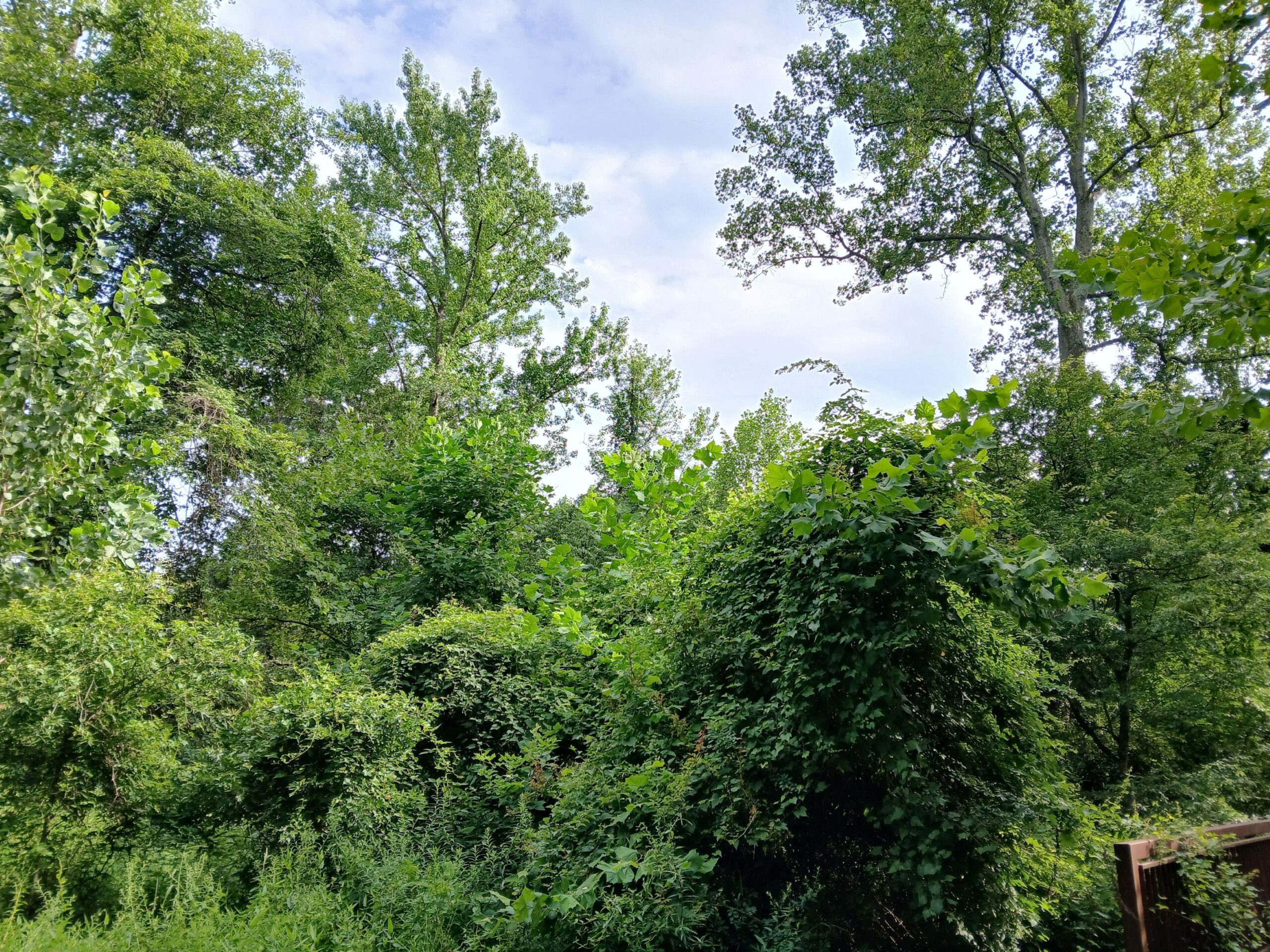
18 months ago I blogged about the impacts of invasive plant species and deer on regeneration of tree species. I provide more information on some National Park units’ efforts to counter these threats – contemporaneous with release of the report.
Emma Brentjens has posted a report with pictures. She focuses on National parks in the National Capital Region (NCR). These are the National parks in Maryland, Virginia, and a small part of West Virginia, including Catoctin Mountain Park; Antietam, Manassas, and Monocacy National battlefields; Harpers Ferry and Chesapeake & Ohio National Historical parks; Rock Creek Park; some parkways; and some urban parks, e.g. Anacostia and East Potomac. Forests constitute three-quarters of the landcover in National parks of this region. Regional NPS staff noted poor regeneration as early as 2006. In the years since, most have ramped up IAS plant management, & begun deer population management. As result, the previously steady regeneration declines have begun to reverse.
They analyze forest vegetation data using the Stocking Index, which calculates seedling density per hectare. “Acceptable” forest regeneration is defined as 67% of plots being adequately stocked. Unfortunately – from my perspective – the program accepts non-native tree species as successful regeneration.
Comparing the parks’ Stocking Index in 2006-2009 to 2020-2024 showed that most of these parks have seen an increase in the Stocking Index, including most sites managing deer populations. Still, no parks have yet achieved adequate stocking for more than 30% of the plot.
Most parks that are managing their deer populations show growth in seedling density, e.g., Catoctin Mountain Park (illustrated in the report); Harpers Ferry National Historical Park; and Monocacy National Battlefield. In Rock Creek Park, which also manages deer, many seedlings have grown into saplings.
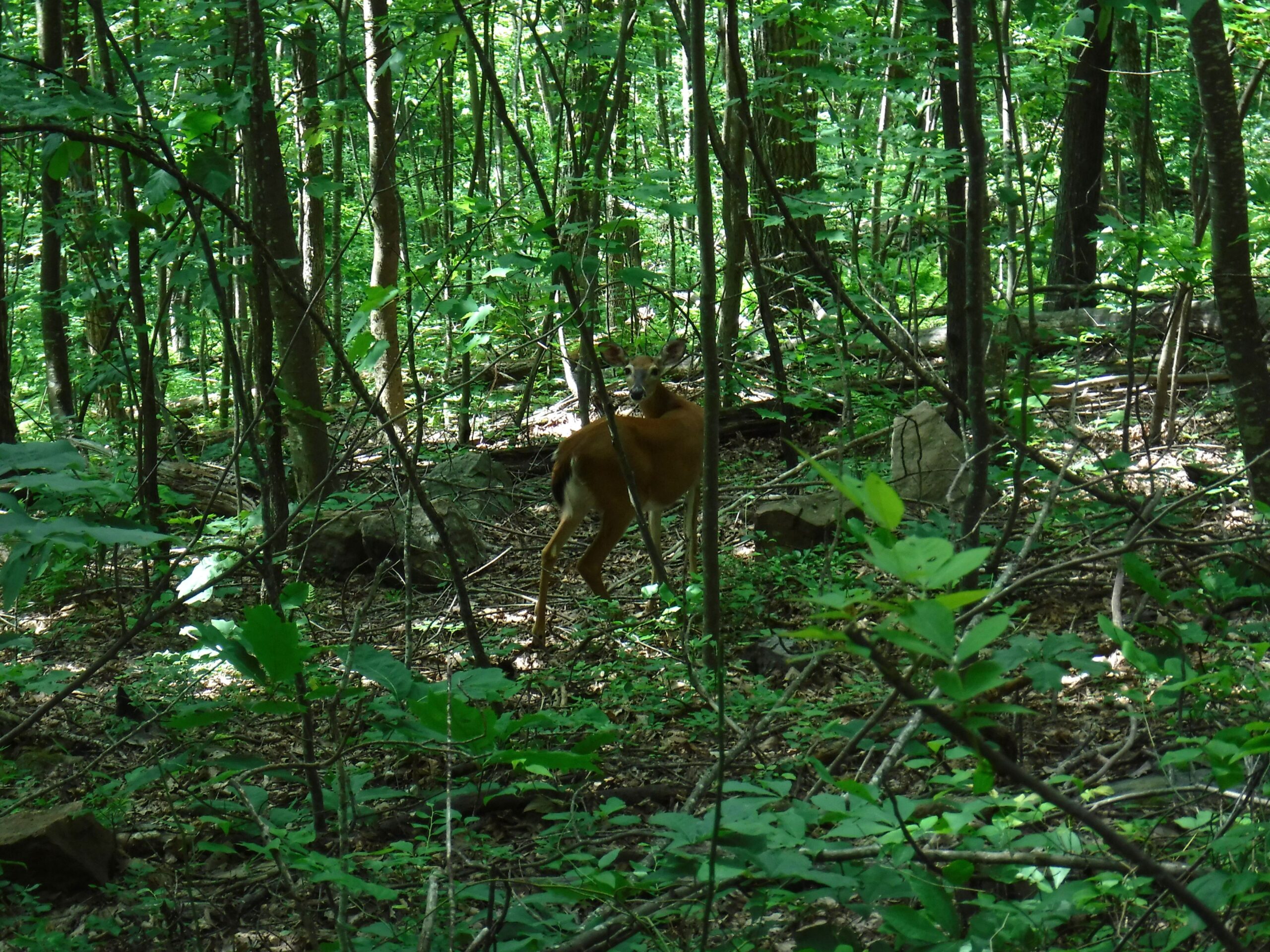
Most of the sites with declines in seedling density have not implemented deer management. These include several segments of Chesapeake & Ohio Canal National Historical Park and the parkways. Unfortunately, it also includes Prince William Forest Park, which at 15,000 acres is the largest protected area near Washington, D.C.
Brentjens notes that while these early results are promising, seedling levels are highly variable and do not guarantee forest regeneration. Continued management is necessary to sustain improvements.
As part of deer management, the NP units are also monitoring spread of chronic wasting disease (CWD) among white-tailed deer. Current CWD rates are very low (< 1%). The disease has been confirmed at four parks in the region: Antietam, Manassas, and Monocacy National battlefields and Harpers Ferry National Historical Park.
(Chronic wasting disease is not an effect too to reduce deer populations. First, is relying on such suffering an ethical approach? Second, significant declines in deer populations are not observed until infection rates reach about 29% of the population. Parks in the National Capital Region are not expected to reach that level for at least 20 years.
Posted by Faith Campbell
We welcome comments that supplement or correct factual information, suggest new approaches, or promote thoughtful consideration. We post comments that disagree with us — but not those we judge to be not civil or inflammatory.
For a detailed discussion of the policies and practices that have allowed these pests to enter and spread – and that do not promote effective restoration strategies – review the Fading Forests report at http://treeimprovement.utk.edu/FadingForests.htm
Or