Two years ago I posted a blog summarizing the probable impact of the emerald ash borer (EAB; Agrilus planipennis) in Oregon. Reminder: the EAB was detected in Forest Grove, Oregon (west of Portland) in 2022. Scientists determined that it had been present for four to six years at that time.
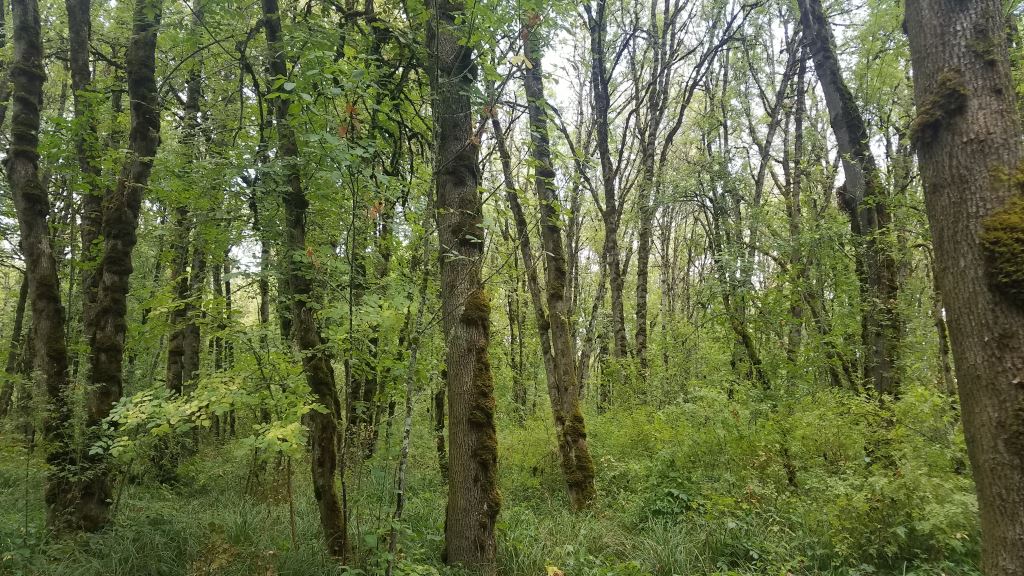
In her Master’s thesis, Chloe Hull (2024) confirms that nearly all forested wetlands in the state’s Willamette Valley are comprised overwhelmingly of Oregon ash (Fraxinus latifolia). Therefore, these wetlands are likely to undergo rapid, significant shifts in vegetation, hydrology, and soils — unraveling their ecosystem functions. Hull warns that no management approach can restore those wetlands to perform the full breadth of their pre-settlement function and diversity. She suggests instead strategies to maintain these areas as wetlands – even if different types.
Hull’s conclusions are based on the expectation that Oregon ash will be killed by EAB infestation at levels similar to black (Fraxinus nigra), white (F. americana), and green (F. pennsylvanica) ash in the Midwest, i.e., up to 99%.
What is Threatened?
Wetlands provide numerous benefits to both human and natural systems, including purification of surface waters, habitats for plant and animal species, and food sources. Hull cites studies estimating that natural wetlands deliver 43.5% of the total global monetary value of ecosystem services provided by all natural biomes despite making up only ~3% of the world’s surface area.
In the Lower 48 United States more than half of wetlands have been converted to other land use types since 1780. In Oregon statewide, the extent of loss is lower: 38%. However, in the Willamette Valley specifically, the estimated loss is 57%.
Hull describes the pre-settlement wetlands of the Willamette Valley and the forces that have transformed them.
The most widespread of these wetlands were wet prairies, covering about 137,277 ha. Wetland, or bottomland, forests occupied about 97,477 ha. These forests typically formed bands along river or stream channels; they were also found occasionally in beaver swamps. These forests were composed of fire-intolerant deciduous trees in various densities. Stands along active channels typically willows (Salix species.), red alder (Alnus rubra), white alder (Alnus rhombifolia), and black cottonwood (Populus trichocarpa). On slightly higher terraces, where the inundations were less frequent, grew Oregon ash, bigleaf maple (Acer macrophyllum), and Oregon white oak (Quercus garryana). Ash and oak were particularly important along many smaller stream channels surrounded by open prairies.
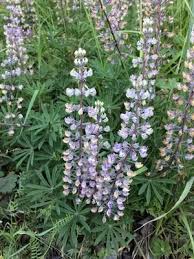
The wet prairies provide habitat for two federally-listed endangered plant species [Willamette daisy (Erigeron decumbens var. decumbens) and Kincaid’s lupine (T. Lupinus sulphureus species. kincaidii)]; and four state-listed species [white rock larkspur (Delphinium leucophaeum), peacock larkspur (Delphinium pavonaceum), Willamette navarretia (Navarretia willamettensis) and white fairy poppy (Meconella oregana)]. Two plant species and a butterfly formerly listed by the U.S. Fish and Wildlife Service [golden paintbrush (Castilleja levisecta) and Bradshaw’s lomatium (Lomatium bradshawii), and the Nelson’s checkermallow (Sidalcea nelsoniana)] are also present.
Both types of wetlands were maintained in part by periodic burning by the resident Indigenous peoples. These actions promoted a habitat mosaic of tufted hairgrass (Deschampsia cespitosa) prairies, camas lily (Camassia quamash) wet prairies, Oregon white oak savannas, and ash-dominated bottomland riparian forests. The Willamette River meandered and formed braided channels, with resulting flooding and wetland habitats.
In 1855 the federal government forced the Indigenous peoples to leave the valley. Since then, the wetlands have been drained and converted into agricultural fields; or drowned by various flood-control dams, diversions, and levees. As a result, Hull says, the Willamette Valley has been largely disconnected from the river. In addition, Euro-Americans have introduced non-native plants and intensive livestock grazing. Overall, the valley has lost the wetlands’ ecosystem functions.
Current (pre-EAB-induced mortality) Context
In the absence of disturbance, ash tends to be most important early-seral and final climax tree species. It plays a crucial role in regulating and supporting other species, hydrology, carbon storage, nutrient cycling, and overall resource availability.
Oregon ash are medium-sized trees, growing up to 24 m (80 ft) high and a dbh of 75 cm (30 in). Ash are long-lived, probably up to 250 years. They are thought to reach sexual maturity at ~ 30 years.
Oregon ash are adapted to the clayey, soggy conditions of the valley. (The average clay component of Willamette soils is 60-70%. When they become saturated there is prolonged surface ponding.) They also occupy drier, well-drained sites. Ashes’ tolerance of other environmental conditions, e.g., flooding, drought, salinity, soil pH, etc., is unknown.
Hull based her conclusions on analysis of four ash-dominated wetlands in the central Willamette Valley. Although only ~ 24 km apart, the sites differ in vegetation community composition, hydrology, and past and current other management goals.
Site number 1 (Jackson Frazier) comprises primarily wetlands; current management is attempting to restore the wet prairie system, with little attention to forested wetlands. The second site (Mulkey Creek) is managed primarily to maintain oak woodland and prairie habitat. The third site (Poultry Center) is a university research facility. The fourth site (Shedd) has both natural drainage (two sloughs and a creek) and a relatively intact bottomland forest. This property often hosts public off-roading events so owners maintain trails and camping areas.
Hull determined vegetation types and management activities on these sites since 1948 by examining aerial photographs.
At all sites ash trees grew larger and stands increased in density between 1948 and 1978. Averaged across all sites, Oregon ash comprise more than 92% of forest canopy composition. The species reached 100% in some plots at some of the four sites. The second most common species in the canopy is the native black hawthorn (Crataegus douglasii). Among the other species are several non-native fruit or flowering trees [crabapple (Malus species.), pear (Pyrus species.), plum (Prunus species.)], Oregon white oak, and other species. Overall ash density was highest in the Shedd site, decreasing through Poultry Center and Mulkey Creek to Jackson Frasier. Rankings were different when she considered the balance between adult and sapling ashes: Jackson Frasier has the highest proportion of ash seedlings (93% of total saplings at one plot; 75% at a second); Poultry Center ranked second (70% of all saplings across all study quadrants). There are very few ash saplings at Mulkey Creek and Shedd (the last has only 4 ash saplings on the entire study site). Hull attributes these very low numbers to competition between adult and sapling ash.
Anticipated Impacts of Ash Mortality
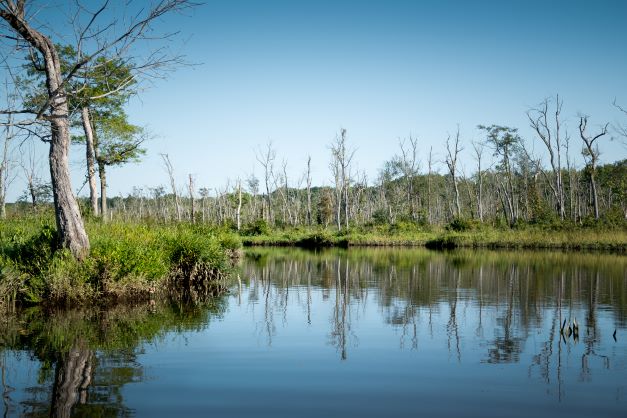
Hull expects 99% mortality of ash trees across the Willamette Valley in eight to 15 years. This will cause complete restructuring of the forest canopy and subsequent changes in disturbance regimes, flora and fauna communities, and land use. Currently there is no feasible way to restore ash-dominated wetlands. She explored three alternative future states, one of which describes several possibilities for maintaining different wetland ecosystem types.
Noting experience in the East, Hull concludes that there is extremely limited potential for ash regeneration following EAB-induced mortality. In the East an “orphaned cohort” of ash trees too small to have been infested in the initial invasion, or which sprouted after that event, has persisted so far. But its long-term survival and maturity is uncertain because EAB remain. See non-PMW article Especially since Oregon ash does not reach reproductive age for 30 years), tree mortality is likely to exceed seedling recruitment in these stands.
Still, since ash seeds banks decline rapidly after adult trees die, the orphaned cohort remains the most realistic opportunity for ash regeneration. It is hoped native woodpecker species and introduced biocontrol agents can sufficiently suppress EAB populations to create an opportunity for the saplings to achieve maturity and reproduce. See non-PMW article
Restoration
A majority of the literature and information about EAB effects on ash wetlands is from the Midwest. Willamette wetlands differ in soil characteristics and biotic and abiotic ecosystem components. Unlike the moderate to deep organic histosols underlain by clay in the Midwest, Willamette soils are hydric, defined as “a soil that formed under conditions of saturation, flooding, or ponding long enough during the growing season to develop anaerobic conditions in the upper part”. As noted above, saturation of these soils often results in prolonged surface ponding. Another factor is that most of the precipitation in Oregon is rain, not the snow of the upper Midwest.
Hull evaluates the probability of maintaining each of her four sites as a wetland. She also considers how to prevent domination of the site by either currently established or newly introduced invasive weed species.
Research in the Midwest indicates that wetland vegetation – in that case especially black ash trees — has a large influence on water table levels throughout the growing season. Simulated ash mortality led to a significant reduction in evapotranspiration and drawdown rates and a long-term rise in the water table. This was expected to promote conversion to open (herb-dominated) or shrub-dominated marshes.
In the Willamette Valley there are two types of wetlands not dependent on tall-stature trees – which are likely to disappear.
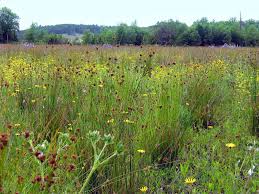
Pre-settlement, Willamette Valley wetlands were primarily wet prairies. Even now similar wetlands exist; they support a wide diversity of perennial and annual forbs and graminoids. Their floral diversity is due partly to traditional burning, partly to fine-scale vertical structures (“pedestals”) three to 20 cm high that support grasses and forbs on higher portions, rushes, sedges, and annual forbs on the lower, more often inundated surfaces.
The second type of non-forested wetland is Scrub-Shrub Wetland. These occupy an ecological niche between a wet prairie and a forested wetland. They are dominated by fire intolerant woody vegetation kept short in stature by environmental conditions. Hull reports that these are relatively stable systems. They were once commonly maintained by beavers; Hull does not speculate about possibly restoring those ecosystem engineers. She does consider them to be potentially a successional stage in transition toward a forested wetland system. Oregon white oaks are among full-stature trees that can grow in these wetlands – in shrubby form.
Is it possible to restore forested wetlands by planting tree species other than ash? The success of this approach is challenged by the high clay component of soils and high water tables. None of tree species commonly associated with Oregon ash (red alder, black cottonwood, and bigleaf maple) can tolerate the same high clay soils. The species that do grow in clay soils (black hawthorn, some willows) are small (typically less than 6 meters tall) so they cannot fill the same ecological functions and niches as ash. A few large-form trees might tolerate saturated clay soils and serve a more similar ecological role. Hull names Oregon white oak and Willamette Valley ponderosa pine (Pinus ponderosa var. willamettensis). But these species are less tolerant of inundation.
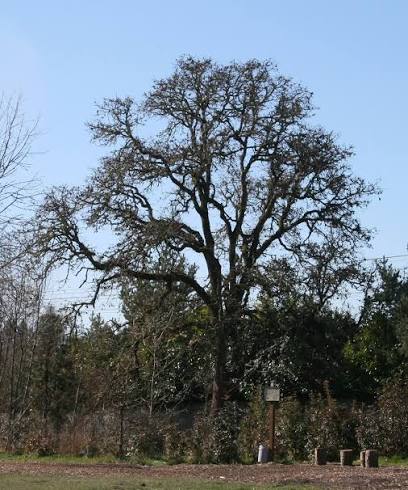
I notice the importance of Oregon oak (Quercus garryana) – both in existing forest and scrub habitats and as a possible replacement for ash. I am concerned that Hull does not mention that Oregon oak is also threatened by a non-native insect, the Mediterranean oak borer (Xyleborus monographus). Given this species’ presence I doubt that Oregon oak is a viable species for restoration of wetlands. I hope other scientists are exploring strategies for minimizing MOB’s damage to this important species.
Hull also discusses some tree species from elsewhere that are reported to be under consideration for planting in Willamette Valley wetlands. Several of these also are vulnerable to established non-native insects or pathogens. These include:
- California black oak (Quercus kelloggii) – vulnerable to both the sudden oak death pathogen (Phytophthora ramorum) and the goldspotted oak borer (Agrilus auroguttatus). The latter is not yet found in Oregon.
- Oregon myrtle (Umbellularia californica) – a host that supports sporulation by the sudden oak death pathogen (Phytophthora ramorum). SOD is established and spreading in southwest Oregon, on the other side of the coastal mountain range from the Willamette Valley.
- Fremont cottonwood (Populus fremontii) and boxelder (Acer negundo) — both are vulnerable to yet other non-native beetles, the Euwallacea-fungus complex known in California as “invasive shot hole borers”. The closest known population of the complex is in the San Francisco Bay area.
Hull notes that in the Midwest, scientists are considering several species as potential replacements for black ash, including American elm (Ulmus americana), swamp white oak (Quercus bicolor), red maple (Acer rubrum), eastern white-cedar (Thuja occidentalis), and common hackberry (Celtis occidentalis). In this case she mentions concern around the viability of American elm in the presence of “Dutch” elm disease. The disease is present on elms planted in Portland and possibly other cities in Oregon.
Hull notes that little research has been conducted on questions now considered important, such as the ecological functioning of forested wetlands – including those in the Willamette Valley – and vegetation responses to changing water tables. As she points out, during the time it will take to assess replacement trees ash will probably be extirpated.
The Threat from Invasive Plants
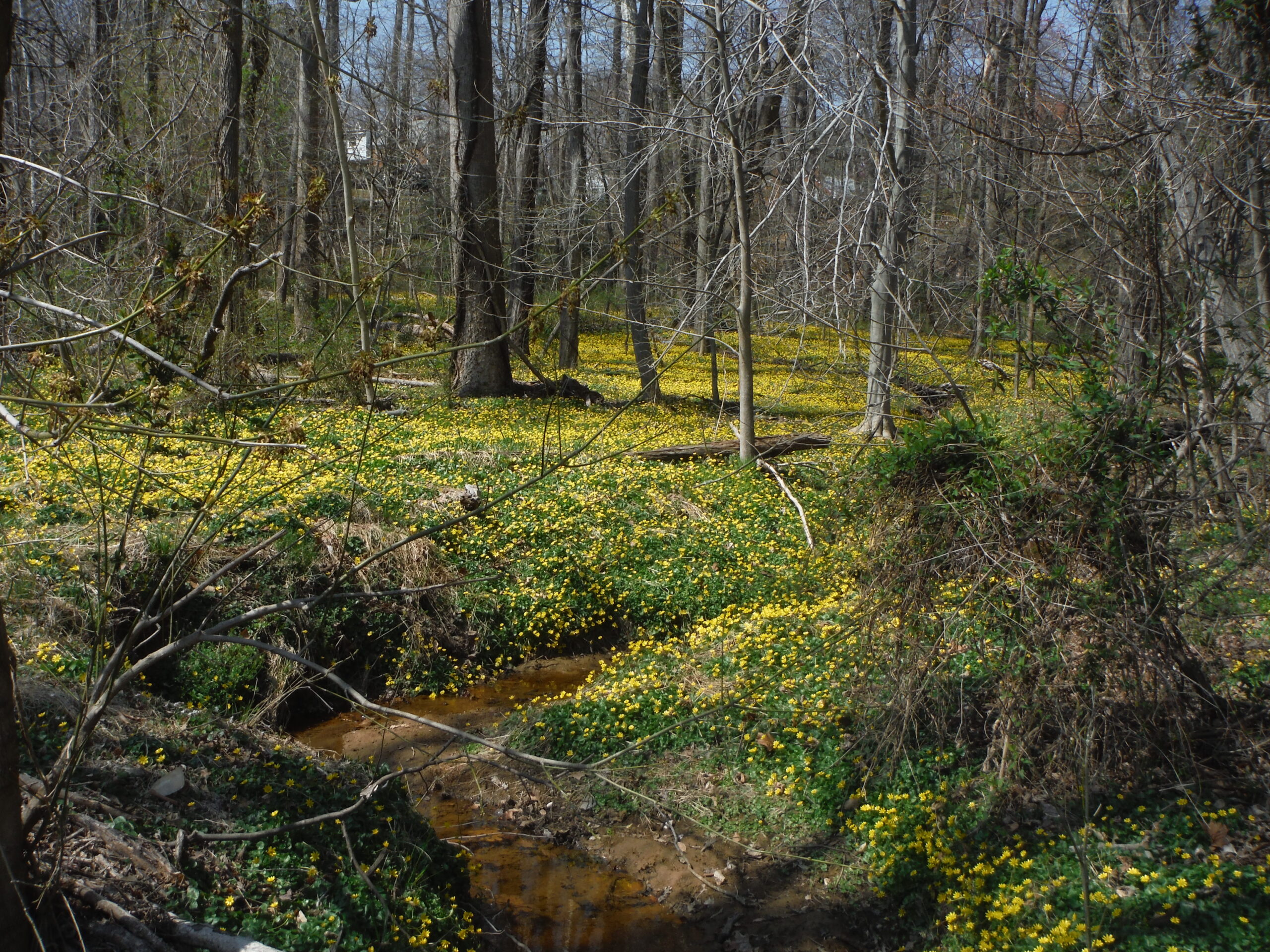
Hull reports the presence of several state-designated noxious weeds in the Willamette Valley that pose a threat to maintaining natural wetlands. The two most common and persistent weeds in the valley’s wetlands are Himalayan blackberry (Rubus armeniacus) and reed canary grass (Phalaris arundinacea). She names several other species, including lesser celandine (Ficaria verna/Ranunculus ficaria) and Japanese knotweed (Polygonum cuspidatum) (both are highly invasive Mid-Atlantic bottomlands); several trees and shrubs; and various grasses.
Management Options
Considering management options, Hull thinks it unlikely that officials will decide to do nothing because forests of standing dead ash are dangerous. She believes the best option is to harvest 20% of ash stands in 0.04 ha gaps and promote woody shrub establishment. Shrubs can provide some shade to streams and continued evapotranspiration and offset large rises in water table levels. The large amounts of down woody debris in streams could increase stream complexity and habitat as well as mitigate channelization. Hull notes that the resulting scrub-shrub habitats were common pre-settlement.
Regarding her four study sites, Hull considers two (Mulkey Creek and Shedd) are likely to become scrub-shrub wetland communities. Opportunity to plant tree seedlings at Shedd will depend on the density of understory vegetation. A third site, Poultry Center could transition to either an emergent (herb-dominated wetland or a scrub-shrub community. The direction of changedepends on whether increased surface evaporation leads to less ponding; or reductions in evapotranspiration rates leads to more ponding. Poultry Center is a reasonable candidate for tree species substitution if the hydrologic shifts are favorable. The wettest site, Jackson Frazier, will probably become an emergent wetland community, with a higher water table. It offers limited opportunities to establish alternative tree species.
Management of wetlands is further constrained by multiple restrictions, including state and federal laws; funding limitations; and visitor perceptions.
SOURCE
Hull, C. 2024. A Valley Without Ash: Exploring Strategies for Forested Wetland Restoration Post Emerald Ash Borer Invasion in the Willamette Valley, Oregon. MS thesis submitted to Oregon State University for the degree of Master of Forestry in Forest Ecosystems and Society
Posted by Faith Campbell
We welcome comments that supplement or correct factual information, suggest new approaches, or promote thoughtful consideration. We post comments that disagree with us — but not those we judge to be not civil or inflammatory.
For a detailed discussion of the policies and practices that have allowed these pests to enter and spread – and that do not promote effective restoration strategies – review the Fading Forests report at http://treeimprovement.utk.edu/FadingForests.htm
Or