New APHIS risk assessment concludes eastern forests safe from SOD. I note too many uncertainties

northern red oak – host of P. ramorum in eastern U.S. forests Photo by F.T. Campbell

The 2023 USDA APHIS risk assessment (PRA) seeks to analyze the possibility that the pathogen will invade and damage forests outside of California and Oregon – especially the deciduous forests of the East.

Is this study preparation for ending federal regulation of this pathogen through the nursery trade? If so, I think this study warrants particularly careful scrutiny. I raise questions about the study’s assumptions and the admitted uncertainties affecting several critical issues.

Managing Phytophthora ramorum – the causal agent of sudden oak death and ramorum blight – has proved to be difficult. It has demanded considerable resources over more than 20 years. I certainly agree that APHIS should focus on real risks. However, I am not satisfied that this risk assessment sufficiently evaluates the risk posed by P. ramorum.

APHIS considers the risk assessment to be final now, after receiving comments from state phytosanitary agencies – via the National Plant Board – and the U.S. Forest Service. APHIS is not seeking additional input. This is unfortunate given the unanswered questions and notable gaps in the study. (Details below.)  Also, the agency has drafted an implementation plan, which staff hope to issue in the coming months. (Congress’ failure to complete Fiscal Year 2024 appropriations, and continuing disagreements about how to proceed, will probably delay this.)

The Risk Assessment’s Major Conclusions

The APHIS assessment concludes that Phytophthora ramorum probably will not cause significant disease in forests outside of California and Oregon. This is because the infective stage of P. ramorum and the susceptible stage of the host complex do not occur at the same time in eastern forests (as they do in the currently infected range). That is, the infectious agent is not present during the period when environmental conditions are favorable for infection, disease development, and spread.

1) Environmental stress, such as heat, decreases survival of P. ramorum inoculum.

2) As a result, inoculum does not build up sufficiently to produce significant disease.

3) The infectious stage of the P. ramorum (zoospore production) does not overlap long enough with the susceptible stage of the host or host complex for disease to develop.

The PRA concludes that while P. ramorum might survive in these environments, disease will not develop. Hosts will not become symptomatic “at a noticeable scale.” (page i of the PRA)

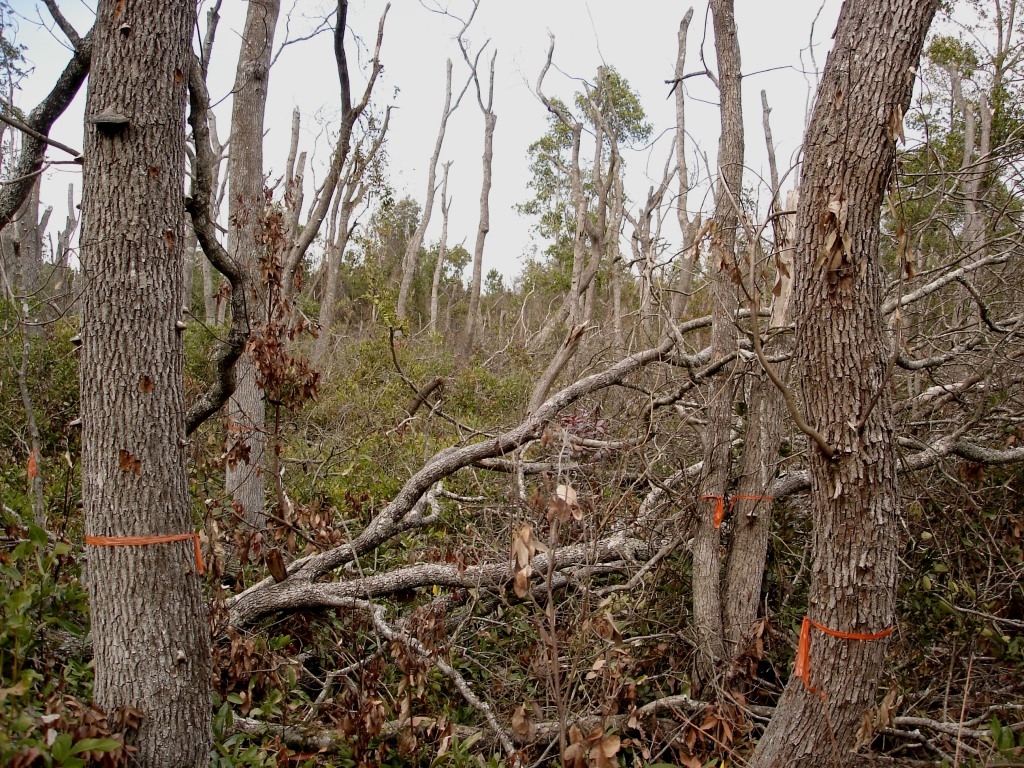
oak forest in West Virginia; photo by ForestWander via Flickr

The authors also conclude that it is unlikely that repeated incursions of the pathogen or changes in climate conditions could increase inoculum pressure sufficiently to cause infection plus disease. The former is especially relevant because infected nursery plants have been shipped to eastern states repeatedly. The assessment lists at least 20 episodes since 2004 (Table 1). In total, P. ramorum has probably been moved more than a thousand times on nursery stock from California, Oregon, or possibly other states (or British Columbia).

The Risk Assessment notes three important sources of uncertainty that affect one or more of its major conclusions:

1) Little is known about the susceptibility and competency of host plant species in the eastern U.S. “Host competency” is the ability of a host species to transmit the infection to another susceptible host or to a vector. This is assessed by measuring pathogen sporulation, production of sporangia or zoospores on the various host species. (Discussed in greater detail below.)

2) Some climatic factors important for disease development cannot be reliably modeled for forest conditions. Until this changes, it seems to me that findings regarding infections and climate change are questionable.

3) A host range expansion due to the introduction or evolution of new clonal lineages might increase the adaptability of P. ramorum in the U.S. and potentially alter the consequences of introduction. Such shifts are definitely possible. In Europe, the EU1 clonal lineage has infected Japanese larch (Larix kaempferi). Both the EU1 and an additional strain of P. ramorum (NA2) have been established in the forests of Oregon for seven years, in California for a few years less. Establishment of the EU1 lineage also increases the chances for sexual reproduction, genetic recombination, and altered biology and epidemiology of this pathogen.

[Some scientists reached the opposite conclusion, although they did not delve as deeply into the climatic factors; instead they focused on host presence in wide climate ranges. See Haller and Wimberley 2020; full citation at end of this blog.]

Description of SOD’s Impact in the West

The PRA provides a decent summary of the history of Phytophthora ramorum in the U.S. It includes dates of detections; how the link was made between the disease and the newly discovered pathogen; its disease cycle; and the principal hosts in California and Oregon. It also documents the tens of millions of trees killed in California and Oregon, along with the resulting changes in forest composition and structure, threats to dependent wildlife species, and increasing fire risks. The study notes the threat to manzanita (Archtostaphylos). California is the center of diversity for the genus, and 59 out of the 105 species that inhabit the state are rare or endangered species.

APHIS: No disease in Eastern Forests Despite Frequent Exposure

As noted above, over the 25+ years since P. ramorum was first discovered in California (and later Oregon) forests and nurseries, infected plants have been shipped to nurseries throughout the country perhaps 1,000 times. Every one of these shipments was in violation of federal regulations conceived, adopted, and implemented by APHIS.

Despite the frequent arrival of P. ramorum-infected plants in nurseries, the less frequent planting of these plants in private and public gardens (many infected plants are destroyed once the infection is detected), and the persistence of detectable P. ramorum spores in streams in the southeastern states, the pathogen has not been detected causing disease in the environments of states other than California and Oregon. The PRA says these 20 years of experience indicate that development of significant disease is unlikely even if propagule pressure increases.

What Worries Me

The PRA states that APHIS scientists’ concept and evaluation of risk have “evolved.” The PRA does not explain this change explicitly; I would have appreciated a discussion of this change.

There is no evidence at present of sustained infectious outbreaks in the forests of the eastern states or Washington State.  However …

  1. The PRA does not even summarize the dozens of known hosts native to eastern deciduous forests. Nor does it report findings of previous laboratory studies regarding the hosts’ capacity to sustain a disease epidemic. Instead, the PRA dismisses these studies with the statement “except for some eastern forest understory species [citing various studies by Paul Tooley and others], we do not have a good understanding of host transmission and susceptibility for tree and shrub species outside of California and Oregon. For this reason we do not include hosts in these maps.”

Since the purpose of the study is to evaluate the risk to those eastern forest species, shouldn’t the authors describe what is already known? Also, the risk assessment lacks an analysis of  the gaps in our knowledge (beyond saying  that research studies cannot be compared due to different methods).

  • Furthermore, the risk assessment is never clear about which species in eastern forests the authors consider important. Are they concerned about the possible mortality only of canopy-sized oaks (Quercus spp.)? Do they consider the threat to shrubs and sub-canopy trees such as dogwood (Cornus spp.), sassafras (Sassafras albidum), andmountain laurel (Kalmia latifolia)? Or do they rate these species important only as possible drivers, not victims, of disease? (See below.)
Kalmia latifolia (cultivar); photo by F.T. Campbell
  • The PRA stresses the importance of climate in disease transmission – specifically relative humidity and the timing of rain events. In the Mediterranean climate of coastal California, this means ample rainfall and mild temperatures in late spring. The PRA provides no data documenting that timing is as critical in the cool and humid climate of Oregon and far northern coastal California, or the United Kingdom. These are the areas where P. ramorum has caused the most serious disease. Portions of the eastern deciduous forest – e.g., mid-elevations of the southern Appalachians – might more closely resemble humidity and temperature conditions of Oregon and Britain than central California. If so, timing might be less decisive a factor there, too.

Temperature is also important: P. ramorum thrives in regions with a 20°C difference between the minimum and maximum daily temperatures. The infectious stages are produced in a relatively narrow temperature range: sporangia between 16 and 22°C, zoospores between 20 and 30°C. The PRA says that after mild temperatures, the second most predictive factor varies by the genetic strain of the pathogen: for the NA1 and NA2 strains, it is minimum temperature of the driest month; for the EU1 strain, it is precipitation during the driest month.

The PRA concludes that areas in the East where temperatures are suitable for infection are rare – see Figure 5B in the document. However …

P. ramorum usually reproduces asexually. When temperature and humidity conditions are conducive, the P. ramorum mycelium produces zoospores which then spread the infection by swimming to new infection sites. Persistence of the crucial film of water on leaves depends on the microclimate of specific sites. Sites that are cooler and damper are present in many parts of the eastern forest, e.g., stream canyons, upper elevations, north-facing slopes. Several of the known or suspected hosts in the east, e.g., Kalmia and Rhododendron species and hemlocks, grow in such sites. Those who purchase plants of these genera often maintain outdoor plantings in or near such sites. Therefore, I continue to worry that conducive conditions might be present in nurseries and gardens of private homes in mountainous areas.

  1. The PRA concedes assessors had insufficient data at scales useful to model the risk associated with these microclimates, or to separate individual effects of temperature, rain, and leaf wetness on P. ramorum infection. I object to glossing over this ignorance. Absence of evidence is not equal to evidence of absence – especially when such iconic and valuable plants are involved.

The Risk Assessment concludes that eastern forests will frequently have inhospitable conditions. This will prevent development of enough spores to initiate widespread disease. However, P. ramorum survives as abundant chlamydospores during conditions such as hot summers, cold winters, and drought. These cells germinate when conditions become suitable. As I noted just above, important portions of eastern deciduous forests provide such conducive conditions – and APHIS says it is unable to model these microclimates.

P. ramorum can also survive in decomposing leaf litter in water. The pathogen has regularly been detected in nearly a dozen streams in southeastern states. In APHIS’ assessors’ opinion, the oomycete cells in these conditions are unlikely to produce sporangia and zoospores that can infect living host tissue. P. ramorum can’t complete its lifecycle without infecting a living plant and the chain of infection will break.

2. The PRA concedes considerable uncertainty associated with the possibility of sexual reproduction. While sexual reproduction has rarely occurred to date, this is probably because the two mating types have been located on two continents: isolates of the A1 mating type have been in only Europe until recently. The A2 isolates are in North America.

This barrier has now been breached. Since 2016 or earlier, a European strain of the A1 mating type (the EU1 lineage) has been established in Oregon and – more recently – in California, near populations of the North American A2 mating type (NA1). The NA2 lineage is also established in Oregon’s forest. The EU1 genotype produces prolific spores in Europe and has the potential to be more aggressive than either North American strain (NA1 and NA2). The presence of EU1 introduces the possibility for sexual reproduction through crossing with the NA1 or NA2 lineages. Indeed, an EU1 – NA2 hybrid has been discovered in a Canadian nursery (that outbreak has reportedly been eradicated). The EU1 strain is currently restricted to western forests. However, it might spread to nurseries, which seem likely to ship EU1-infected plants to eastern states.

Additional genetic variation is probable through introduction of yet more strains, given the failure of current phytosanitary measure to prevent continuing introductions of the pathogen. Scientists recently discovered eight additional strains of P. ramorum in Southeast Asia [the PRA cites Jung et al., 2021]. Each strain represents different adaptations and presents the opportunity for sexual reproduction that might facilitate adaptation to new conditions. The Vietnamese P. ramorum strains are found at high elevations. In the central highlands, at least, rainfall occurs primarily in the summer (the opposite pattern from California). The average annual temperature is 21 to 23°C (70 to 73°F). Winter mean temperatures can fall below 20°C (68oF). I believe the PRA should have discussed how these climatic attributes compare to parts of the eastern U.S. that could be at risk.

Finally, the PRA notes that asexual populations of P. ramorum can “jump” hosts, e.g., EU1 and EU2 in Europe now attack Japanese larch. The EU1 strain in Oregon is infecting grand fir (Abies grandis) and Douglas-fir (Pseudotsuga menziesii) and can occur in the right environmental conditions. The assessment does not discuss the level of disease on these conifers. Perhaps it is too early in the disease progression to know, but the prospects are worrying.

3. As this Risk Assessment notes, in California and Oregon only some hosts contribute to disease spread by P. ramorum. In those states, transmissive hosts are California bay laurel (Umbellularia californica) and tanoak (Notholitocarpus densiflorus). These sporulating hosts drive the epidemic. The true oaks (Quercus spp.) are dead-end hosts – they develop lethal infections but do not contribute to disease spread. Tanoak is unique in being both a sporulating and a mortally vulnerable one. The study seems to assume that the disease will behave similarly in the East. That is, canopy-forming oaks and other trees will be killed but will not transmit infection. The assessment provides no basis for this assumption. I agree that transmissive hosts must be sufficiently tall to allow spores to spread to other hosts through downward rainfall or wind. Do we know that larger eastern oaks, are “dead-end” hosts?What happens if eastern conifers become infested? For example, eastern hemlocks? What about hosts that climb into the canopy, e.g., Japanese honeysuckle (Lonicera japonica)? The risk assessment does say that Rhododendron and Kalmia can reach heights comparable to California bay laurel and that in the United Kingdom disease is sustained by infected Rhododendron. I note that Rhododendron and Kalmia grow in high-elevation “balds” in the Appalachians – where spores could be picked up by wind-driven rain.

Several of the eastern hosts are already – or soon will be – threatened by other non-native pests. A little to the east of the Great Smokey Mountains dogwood’s density is now a fifth of the peak registered 30 years earlier. There is now almost no regeneration in most upland sites. Dogwood anthracnose is more virulent in cool, damp environments – microclimates most suitable for  SOD. Hemlocks have been decimated by hemlock woolly adelgid, opening formerly cool, dark environments to more sunlight. Sassafras faces great losses to laurel wilt disease. These other non-native pests and pathogens might reduce the likelihood of P. ramorum encountering sporulating hosts. On the other hand, these existing threats raise the importance of protecting these hosts from impacts from yet another invasive species.

eastern (flowering) dogwood; photo by F.T. Campbell

Most alarming is the fact that the PRA assessors admit they don’t understand how climatic conditions affect host susceptibility or which eastern forest species might be transmissive hosts. The absence of such call their assumptions and findings into question. An APHIS staffer reports that scientists are now working on these issues. I believe APHIS should have begun studying these issues years ago, given the frequency of the spread many pests via the nursery trade. At a minimum, they should not have published a risk assessment until these questions have been resolved.

Included among the topics the PRA says need additional research are issues underlying vulnerability of eastern forest species and ecosystems:

• Susceptibility and competency of the various host combinations in both eastern and western forests.

• Timing of inoculum production of the various host combinations in the potential host complexes, and whether timing of inoculum production overlaps with when hosts would be susceptible.

• Timing and duration of various climatic factors favorable for infection.

The document does not indicate whether APHIS has funded these research studies. We have only the brief personal statement by the APHIS program leader, above.

The PRA complains about the lack of quantifiable data on the consequences of ramorum blight in nurseries. After noting unmitigated presence of P. ramorum will damage leaves and cause shoot dieback and damping off (death) of young plants, the assessment concludes that scientists and managers understand nursery practices that are effective in mitigating P. ramorum and ramorum blight. However, the assessors are uncertain re: the extent to which nurseries already routinely apply these practices. I add: or will continue to do so if regulatory requirements are ended.

The authors say estimating environmental consequences in other parts of the country is difficult because susceptibility of eastern species remains unclear. This is especially the case with the possibility of P. ramorum infecting conifers and the increased likelihood of sexual reproduction – at least in the West. The study then concludes that unless conditions change, P. ramorum does not pose a high risk to the forests of the rest of the US. Given all these unknown, I consider this conclusion to be unwarranted.

Might the States Substitute for APHIS?

If APHIS ends its regulatory program for P. ramorum, states will be free to adopt their own regulations (see Porter and Robertson, 2011; and Fading Forests III, link at end of this blog). Under the best circumstances, states will coordinate such a response – as they did earlier for thousand cankers disease of walnut. However, the absence of a federal regulation will still raise the (already too high!) likelihood that infected plants will be shipped to eastern states.

SOURCES

Haller, D.J. and M.C. Wimberly. 2020. Estimating the Potential for Forest Degradation in the Eastern United States Woodlands from an Introduction of Sudden Oak Death. Forests 2020, 11, 1334; doi:10.3390/f11121334 www.mdpi.com/journal/forests

Porter, R.D. and N.C. Robertson. 2011. Tracking Implementation of the Special Need Request Process Under the Plant Protection Act. Environmental Law Reporter. 41.

Posted by Faith Campbell

We welcome comments that supplement or correct factual information, suggest new approaches, or promote thoughtful consideration. We post comments that disagree with us — but not those we judge to be not civil or inflammatory.

For a detailed discussion of the policies and practices that have allowed these pests to enter and spread – and that do not promote effective restoration strategies – review the Fading Forests report at http://treeimprovement.utk.edu/FadingForests.htm

or
www.fadingforests.org

International Phytosanitary System: More Evidence of Failure

Rome: home of the International Plant Protection Convention

I often assert that the international phytosanitary system has proven to be a failure in preventing introductions.

Some of the recent publications support my conclusion – although most don’t say so explicitly. For example, the Fenn-Moltu et al. (2023) study of insect transport and establishment around the world found that the number of invasive species-related treaties, regulations and legislation a country has adopted had no significant effect on either the number of insect species detected at that country’s border or the number of insect species that established in that country’s ecosystems..

Weber et al. also found considerable evidence that international and U.S. phytosanitary systems are not curtailing introduction of insects and entomophagic pathogens. In my earlier blog I review their study of unintentional “self-introductions” of natural enemies of arthropod pests and invasive plants. They conclude that these “self-introductions” might exceed the number of species introduced intentionally. These introductions have been facilitated by the usual factors: the general surge in international trade; lack of surveillance for species that are not associated with live plants or animals; inability to detect or intercept microorganisms; huge invasive host populations that allow rapid establishment of their accidentally introduced natural enemies; and lack of aggressive screening for pests already established. Examples cited include species introduced to the United States’ mainland and Hawai`i specifically.

The U.S. Capitol – one of the entities that can reflect our priorities in setting phytosanitary policy

As I point out often, altering human activities that facilitate invasion is a political process. So is amending international agreements that are not effective. We need to determine the cause of the failures of the existing institutions and act to rectify them. See my critiques of both the American and international phytosanitary system Fading Forests II and Fading Forests III (see links at the end of this blog) and my earlier blogs, especially this and this.

SOURCES

Fenn-Moltu, G., S. Ollier, O.K. Bates, A.M. Liebhold, H.F. Nahrung, D.S. Pureswaran, T. Yamanaka, C. Bertelsmeier. 2023. Global flows of insect transport and establishment: The role of biogeography, trade and regulations. Diversity and Distributions DOI: 10.1111/ddi.13772

Weber, D.C., A.E. Hajek, K.A. Hoelmer, U. Schaffner, P.G. Mason, R. Stouthamer, E.J. Talamas, M. Buffington, M.S. Hoddle and T. Haye. 2020. Unintentional Biological Control. Chapter for USDA Agriculture ResearchService. Invasive Insect biocontrol and Behavior Laboratory. https://www.ars.usda.gov/research/publications/?seqNo115=362852

Posted by Faith Campbell

We welcome comments that supplement or correct factual information, suggest new approaches, or promote thoughtful consideration. We post comments that disagree with us — but not those we judge to be not civil or inflammatory.

For a detailed discussion of the policies and practices that have allowed these pests to enter and spread – and that do not promote effective restoration strategies – review the Fading Forests report at http://treeimprovement.utk.edu/FadingForests.htm

or
www.fadingforests.org

Predicting Impacts – Can We Do It?

Clive Braser and others study Phytophthora species in their native habitats of Vietnam; which will become aggressive invaders in North America?

For years, one focus of this blog has been on scientists’ efforts to improve prevention of new introductions of forest pests. In earlier blogs, I summarized and commented on efforts by Mech et al. (2019) and Schultz et al. (2021), who extrapolate from insect-host relationships of pests already established in North America. [Full citations are presented at the end of this blog.] Both limited their analysis to insects; Mech et al. focused on those that attack conifers, Schultz et al. on those that attack single genera of angiosperms (hardwoods).

However, many of the most damaging agents are pathogens; for an indication, review the list under “invasive species” here. Indeed, Beckman et al. (2021) reported that only three non-native organisms pose serious threats to one or more of the 37 species of Pinus native to the U.S. All are pathogens: white pine blister rust (WPBR), pitch canker, and Phytophthora root rot (Phytophthora cinnamomi).

For this reason I welcome a study by Li et al. (2023), who used laboratory tests to evaluate the threat posed by more than 100 fungi associated with bark beetles. Since there are more than 6,000 species of bark and ambrosia beetles and they are commonly intercepted at the U.S. border, determining which should be priorities is important. Li et al. point out that the vast majority of such introductions have had minimal impacts. Two, however, have caused disastrous levels of damage: Dutch elm disease and laurel wilt disease.

Li et al. tested 111 fungi associated with 55 scolytine beetles from areas of Eurasia with latitudes and ecosystems analagous to those in the southeastern U.S. The beetles assessed included beetle species responsible for recent major tree mortality events in Eurasia: Dendroctonus species, Platypus koryoensis (Korean oak wilt), Platypus quercivorus (Japanese oak wilt) and Tomicus species.

The authors tested the fungi’s virulence on four species of trees native to the Southeast – two pines (Pinus taeda and P. elliottii var. elliottii), and two oaks(Quercus shumardii and Q. virginiana).

Li et al. found that none of 111 fungal associates caused a level of damage on these four hosts equal to Dutch elm disease on elms or laurel wilt disease on trees in the Lauraceae. Twenty-two of the fungi were minor pathogens – meaning they might cause damage under certain conditions or when loads of inoculum are large enough.

redbay trees killed in coastal Georgia by laurel wilt; photo by Scott Cameron

I think Li et al. set an extremely high bar for “serious” damage. Surely we wish to prevent introduction of pathogens that cause damage at a lower level than the catastrophes to which these two diseases have exposed a genus (elms) and a family (Lauraceae)! Still, the scientific approach used here is a step toward addressing pathogens. These agents of tree mortality are addressed much less frequently than insects. I hope that scientists will continue to test the virulence of these fungi on some of the thousands of other species that make up the forests of the United States, or at least the dominant species in each ecosystem.

It is discouraging that Raffa et al. (2023) found none of four approaches to predicting a new pest’s impact to be adequate by itself. Instead, they outlined the relative strengths and weaknesses of each approach and the circumstances in which they might offer useful information. I am particularly glad that they have included pathogens, not just insects. The four approaches they review are:

(1) pest status of the organism in its native or previously invaded regions;

(2) statistical patterns of traits and gene sequences associated with high-impact pests;

(3) sentinel plantings to expose trees to novel pests; and

(4) laboratory tests of detached plant parts or seedlings under controlled conditions.

They emphasize that too little information exists regarding pathogens to predict which microbes will become damaging pathogens when introduced to naïve hosts in new ecosystems. See the article, especially Figure 4, for their assessment of the strengths each of the several approaches.

Raffa et al. raise important questions about both the science and equity issues surrounding invasive species. As regards scientific issues, they ask, first, whether it will ever be possible to predict how each unique biotic system will respond to introduction of a new species. Second, they ask how assessors should interpret negative data? In the context of equity and political power, they ask who should make decisions about whether to act?

In my blog I expressed concern about finding that most introduced forest insects are first detected in urban areas whereas introduced pathogens are more commonly detected in forests. I hope scientists will redouble efforts to improve methods for earlier detection of pathogens. Enrico Bonello at Ohio State and others report that spectral-based tools can detect pathogen-infected plants, including trees.

Japanese cherry trees burned on the Washington D.C. mall because infested by scale; on order of Charles Marlatt

Identifying Key Pathways  

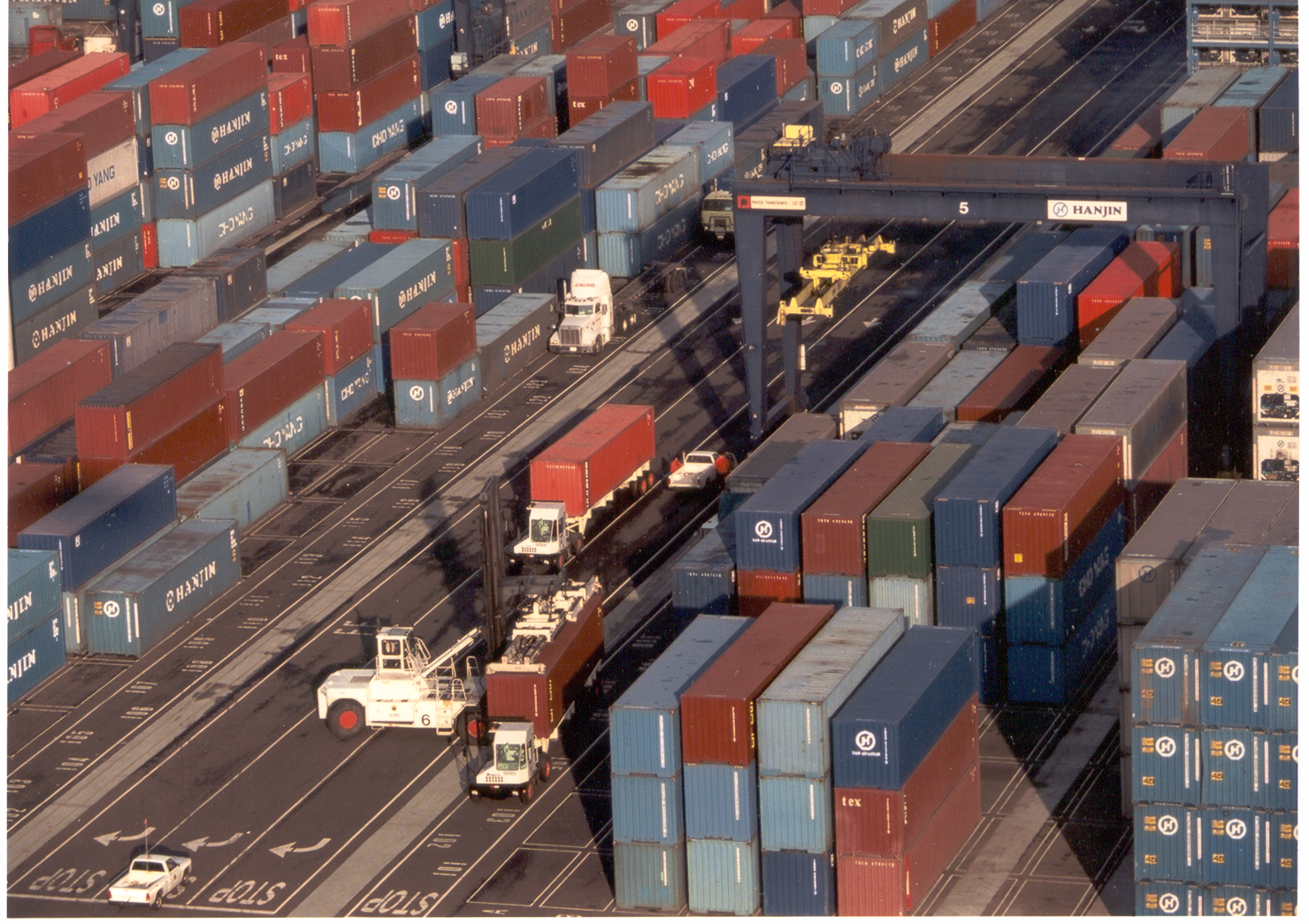
International trade is considered the single most important pathway for unintentional introductions of insects. Updated figures remind us about the stupendous amounts of goods being moved internationally. According to Weber et al., international shipping moves ~133 million TEU containers per year between countries, the majority between continents. Four times this number move within regions via coastal shipping. On top of that, four billion passenger trips take place by air every year. Air freight carries another ~220 million tons of goods; while this is a tiny fraction of the weight shipped by boat, the  packages are delivered in less than a day – greatly increasing the likelihood that any unwanted living organisms will survive the trip. The U.S. also imports large numbers of live plants – although getting accurate numbers is a challenge. MacLachlan et al. (2022) report 5 billion plants imported in 2021, but the USDA APHIS annual report for FY22 puts the number at less than half that figure:  2.2 billion plant units.

Given the high volume of incoming goods, Weber et al. advocate improved surveillance (including analysis of corresponding interceptions) of those pathways that are particularly likely to result in non-native species’ invasions, e.g. live plants, raw lumber(including wood packaging), and bulk commodities e.g. quarried rock. Isitt et al. and Fenn-Moltu et al. concur that investigators should focus on the trade volumes of goods that are likely to transport plant pests – in their cases, plant imports.

The importance of the plant trade as a pathway of introduction for has been understood for at least a century – as witnessed by the introductions of chestnut blight DMF and white pine blister rust, DMF and articles by Charles Marlatt. A decade ago, Liebhold et al. (2012) calculated that the approach rate of pests on imported plants was 12% — more than 100 times higher than the 0.1% approach rate found by Haack et al. (2014) for wood packaging.

Since plant-insect interactions are the foundation of food webs, changes to a region’s flora will have repercussions throughout ecosystems, including insect fauna. See findings by teams led by Doug Tallamy and Sara Lalk; and a chapter in the new forest entomology text written by Bohlmann, and Krokene (citation at end of blog under Allison, Paine, Slippers, and Wingfield). Sandy Liebhold and Aymeric Bonnamour also addressed explicitly links between introductions of non-native plant and insect species. Weber et al. call this phenomenon the “receptive bridgehead effect”: a non-native plant growing prolifically in a new ecosystem provides a suitable host for an organism that feeds on that host, raising the chance for its establishment.

Recent studies confirm the importance of the “receptive bridgehead effect”. Isitt and colleagues found that the large numbers of introduced European insect species – all taxa, not just phytophagous insects – established in North America and Australia/New Zealand were best explained by the numbers of European plants introduced to these regions – in other words, the most important driver appears to be the diversity of non-native plants.  

The presence of European plants in North America and Australia/New Zealand promoted establishment of European insects in two ways. First, these high-volume imports increased the propagule pressure of insects associated with this trade. Live plant imports might have facilitated the establishment of ~70% of damaging non-native forest insects in North America. Second, naturalization of introduced European plants provided a landscape replete with suitable hosts. This is especially obvious in Australia/New Zealand, which have unique floras. In Australia, nearly 90% of non-native pest insects are associated with non-native plants. Those non-native insects that do feed on native plants are more likely to be polyphagous.

Amur honeysuckle – one of the hundreds of Asian plants invading North American ecosystems; via Flickr

I hope U.S. phytosanitary officials apply these lessons. Temperate Asia is the source of more non-native plants established in both North America and Australia/New Zealand than is Europe. Already, many insects from Asia have invaded the U.S. The logicof the “receptive bridgehead effect” points to prioritizing efforts to prevent even more Asian insects from reaching our shores!

Fenn-Moltu et al. sought to elucidate which mechanisms facilitate species’ success during the transport and introduction/establishment stages of bioinvasion. They studied the transport stage by analyzing border interceptions of insects from 227 countries by Canada, mainland U.S., Hawai`i, Japan, New Zealand, Great Britain, and South Africa over the 60 year period 1960 – 2019. They studied establishment by analyzing attributes of 2,076 insect species recorded as established after 1960 in the above areas plus Australia (North America was treated as a single unit comprised of the continental U.S. and Canada).

The number of species transported increased with higher Gross National Income in the source country. The number of species transported decreased with geographic distance. They suggest that fewer insects survive longer journeys, but say additional information is needed to verify this as the cause. The number of species transported was not affected by species richness in the native region.

More species established when introduced to a country in the same biogeographic region. They were not surprised that environmental similarity between source and destination apparently strongly affected establishment success. The number of species established was not affected by species richness in the native region. For example, the greatest number of established species originated from the Western and Eastern Palearctic regions, which together comprise only the fifth-largest pool of native insect species.

Gaps Despite Above Studies

As I noted at the beginning, most of the studies examining current levels of pests transported on imported plants have been limited to insects. This is unfortunate given the impact of introduced pathogens (again, review the list damaging organisms under “invasive species” here).

In addition, most studies analyzing the pest risk associated with plant imports use port inspection data – which are not reliable indicators of the pest approach rate. The unsuitability of port inspection data was explained by Liebhold et al. in 2012 and Fenn-Moltu et al. a decade later – as well as Haack et al. 2014 (as the data pertain to wood packaging). Fenn-Moltu et al. note that inspection agencies often (and rightly!) target high-risk sources/commodities, so the records are biased. Other problems might arise from differences in import volume, production practices, and differences in records that identify organism only to genus level rather than species. Fenn-Moltu et al. call for relying on randomized, statistically sound inspection systems; one such example is USDA’s Agriculture Quarantine Inspection System (AQIM). Under AQIM, incoming shipments are randomly selected and put through more thorough inspections to produce statistically based estimates of approach rates, defined as the percent of inspected shipments found to be infested with potential pests (Liebhold et al. 2012). I ask why scientists who are aware of this issue have not obtained AQIM data for pests associated with plant imports. Plant imports have been included in the AQIM system since 2008. Have they not been able to persuade APHIS to provide these data? Or are these data available for only limited types of imported plants? Too narrow a focus would create a different source of potential bias.

Both Isitt et al. and Fenn-Moltu et al. list factors not addressed and other caveats of which we should be aware when extrapolating from their findings.

SOURCES

Allison, J. T.D. Paine, B. Slippers, and M.J. Wingfield, Editors. 2023. Forest Entomology and Pathology Volume 1: Entomology. Springer          available gratis at https://link.springer.com/book/10.1007/978-3-031-11553-0

Beckman, E., Meyer, A., Pivorunas, D., Hoban, S., & Westwood, M. (2021). Conservation Gap Analysis of Native U.S. Pines. Lisle, IL: The Morton Arboretum.

Fenn-Moltu, G., S. Ollier, O.K. Bates, A.M. Liebhold, H.F. Nahrung, D.S. Pureswaran, T. Yamanaka, C. Bertelsmeier. 2023. Global flows of insect transport and establishment: The role of biogeography, trade and regulations. Diversity and Distributions DOI: 10.1111/ddi.13772

Hoddle. M.S. 2023. A new paradigm: proactive biological control of invasive insect pests. BioControl https://doi.org/10.1007/s10526-023-10206-5

Isitt, R., A.M. Liebhold, R.M. Turner, A. Battisti, C. Bertelsmeier, R. Blake, E.G. Brockerhoff, S.B. Heard, P. Krokene, B. Økland, H. Nahrung, D. Rassati, A. Roques, T. Yamanaka, D.S. Pureswaran.  2023. Drivers of asymmetrical insect invasions between three world regions. bioRxiv preprint doi: https://doi.org/q0.1101/2023.01.13.523858

Li, Y., C. Bateman, J. Skelton, B. Wang, A. Black, Y-T Huang, A. Gonzalez, M.A. Jusino, Z.J. Nolen, S. Freemen, Z. Mendel, C-Y Chen, H-F Li, M. Kolarik, M. Knizek, J-H. Park, W. Sittichaya, T-H Pham, S. Ito, M. Torii, L. Gao, A.J. Johnson, M. Lu, J. Sun, Z. Zhang, D.C. Adams, J. Hulcr.  2022. Pre-invasion assessment of exotic bark beetle-vectored fungi to detect tree-killing pathogens. Phytopathology Vol 112 No. 2 February 2022

Liebhold, A.M., E.G. Brockerhoff, L.J. Garrett, J.L. Parke, and K.O. Britton. 2012. Live Plant Imports: the Major Pathway for Forest Insect and Pathogen Invasions of the US. www.frontiersinecology.org

Liebhold, A.M., T. Yamanaka, A. Roques, S. August, S.L. Chown, E.G. Brockerhoff and P. Pyšek. 2018. Plant diversity drives global patterns of insect invasions. Sci Rep 8, 12095 (2018). https://doi.org/10.1038/s41598-018-30605-4

MacLachlan, M.J., A. M. Liebhold, T. Yamanaka, M. R. Springborn. 2022. Hidden patterns of insect establishment risk revealed from two centuries of alien species discoveries. Sci. Adv. 7, eabj1012 (2021).

Mech,  A.M., K.A. Thomas, T.D. Marsico, D.A. Herms, C.R. Allen, M.P. Ayres, K.J. K. Gandhi, J. Gurevitch, N.P. Havill, R.A. Hufbauer, A.M. Liebhold, K.F. Raffa, A.N. Schulz, D.R. Uden, and P.C. Tobin. 2019. Evolutionary history predicts high-impact invasions by herbivorous insects. Ecol Evol. 2019 Nov; 9(21): 12216–12230.

Raffa, K.F., E.G. Brockerhoff, J-C. Gregoirem R.C. Hamelin, A.M. Liebhold, A. Santini, R.C. Venette, and M.J. Wingfield. 2023. Approaches to Forecasting Damage by Invasive Forest Insects and Pathogens: A Cross-Assessment. Bioscience Vol. 73, No. 2. February 2023.

Schulz, A.N.,  A.M. Mech, M.P. Ayres, K. J. K. Gandhi, N.P. Havill, D.A. Herms, A.M. Hoover, R.A. Hufbauer, A.M. Liebhold, T.D. Marsico, K.F. Raffa, P.C. Tobin, D.R. Uden, K.A. Thomas. 2021. Predicting non-native insect impact: focusing on the trees to see the forest. Biological Invasions.

Weber, D.C., A.E. Hajek, K.A. Hoelmer, U. Schaffner, P.G. Mason, R. Stouthamer, E.J. Talamas, M. Buffington, M.S. Hoddle and T. Haye. 2020. Unintentional Biological Control. Chapter for USDA Agriculture ResearchService. Invasive Insect biocontrol and Behavior Laboratory. https://www.ars.usda.gov/research/publications/?seqNo115=362852

Posted by Faith Campbell

We welcome comments that supplement or correct factual information, suggest new approaches, or promote thoughtful consideration. We post comments that disagree with us — but not those we judge to be not civil or inflammatory.

For a detailed discussion of the policies and practices that have allowed these pests to enter and spread – and that do not promote effective restoration strategies – review the Fading Forests report at http://treeimprovement.utk.edu/FadingForests.htm

or
www.fadingforests.org

Ash – Science Support Protection Efforts

As we know, survival of North American species of ash (Fraxinus spp.) is threatened by the emerald ash borer (EAB). DMF Sadof, McCullough, and Ginzel (full citation at end of the blog) hope to prevent demise of another ~ 135 million urban ash trees by 2050 bycountering persistent myths that have hindered adoption of effective protective measures. As they note, USDA APHIS has dropped regulations that had been intended to slow the EAB’s spread – which I concede were not very effective.

Protecting urban ash trees now falls to municipalities, states, their leaders and citizens, non-governmental organizations, and tree care professionals. If they apply knowledge gained since the detection of EAB 20 years ago – and are not paralyzed by myths – they can successfully manage EAB populations and protect their town’s ash trees. [I have also blogged about efforts to breed ash trees resistant to EAB.]

Since some studies have found that “myth-busting” is not effective, perhaps people advocating for EAB control should avoid mentioning the myths per se and instead emphasize the science supporting the proposed actions.

Sadof, McCullough, and Ginzel first review aspects of the biology of ash and EAB that are relevant to arborists and pest management specialists:

  • Adult EAB beetles feed on tree leaves for a couple of weeks from mid-May through June. This maturation period provides a 2–3 week opportunity to kill the leaf-feeding beetles with systemic insecticides before any eggs are laid.
  • Once eggs hatch, the first stage larvae immediately move into the phloem (inner bark) and cambium tissue, where they begin feeding. Systemic insecticides rarely enter the phloem, so they kill few larvae during this stage.
  • Detection of early stages of invasion is hampered by several factors, including beetles’ initial colonization of branches in the upper canopy; initially minimal effect on healthy ash trees; and the frequency of two-year life cycles when beetle densities are low. However, it is important to detect and treat these early infestations because EAB populations increase, tree health declines to eventual death.
  • Detection efforts should target the ash trees most likely to be infested early in the invasion: stressed trees, preferred species (especially green ash), trees growing in the open in parks, along roadsides or surrounded by impervious surfaces. Authorities can take advantage of the attractiveness of stressed trees by establishing “trap trees” to attract EAB adults. Beetles that feed on the “trap trees” can be killed by systemic insecticides. Or the trees can be removed and chipped to kill eggs and larvae before they can emerge. Sadof, McCullough, and Ginzel say trap trees are effective in slowing spread of new infestations when most ash trees remain healthy. Once EAB densities build and many trees are stressed by larval feeding, volatile (airborne) compounds released by girdled trees no longer attract the beetles.
  • Woodpecker holes in branches of the upper canopy are often the first evidence of EAB invasion in an area.
  • Even in late stages of the invasion, when most ash trees that were not protected with systemic insecticides are dead, EAB populations persist and continue to colonize and kill available ash trees, including some as small as >2.5 cm in diameter.

Myth: There Is No Point in Trying to Protect Ash Trees—

EAB Will Eventually Kill Them Anyway

Answer:

When the EAB was first detected in 2002, control measures were limited in number and efficacy. In the 20 intervening years, scientist have learned much about EAB biology and ash physiology. Insecticide chemistry and application methods have improved. Currently recommended strategies are based on long-term field studies. More effective insecticides have been developed. Emamectin benzoate is particularly efficient, including the fact that it needs to be applied only every third year. Managers must pay attention to the application protocols, including appropriate dose (i.e., the amount of insecticide product applied); spacing injection ports around the trunk to ensure that the xylem will transport the chemical to leaves throughout the canopy; and conduct injections in spring after bud break.

Myth: Wounds From Drilling Trees to Inject Systemic Insecticides Injure Trees

Answer:

In the early years, trunk injections sometimes caused substantial injury to trees. Refinement of delivery devices and reductions in the pressure at which insecticides are injected have virtually eliminated these issues. Staff must be properly trained in use of the equipment.

demonstration of injecting pesticide into ash tree; photo by F.T. Campbell

Myth: Using Systemic Insecticides to Protect Ash Trees Harms

Non-target Species and the Environment

Answer:

Sadof, McCullough, and Ginzel point out that continent-wide loss of a tree genus is likely to adversely affect the more than 200 species of native arthropods that are specialists on ash. On the other hand, systemic insecticides are unlikely to harm beneficial natural enemies of EAB, including parasitoid wasps, predatory insects, or woodpeckers. First, the insecticides are contained within the tree’s tissues; they do not kill insects on contact. Second, parasitoids and predators avoid dead beetles. Honeydew excreted by sucking insects might contain sufficient insecticide residue to harm parasitoids — if the tree is heavily infested. However, these insects are rapidly killed by these insecticides if they are applied at the optimal time (early to mid-spring). Proper timing of application greatly reduces the potential for tainted honeydew to accumulate on infested trees. Furthermore, in cities there are few populations of natural enemies of sucking insects.

Most concern is focused on pollinators. Ash trees flower early, before leaves expand. It is reassuring that protocols instruct that the systemic insecticides be applied after bud break — typically after pollen has been shed. I do find it disturbing that apparently there have been no published studies of insecticide concentration in ash pollen.

Myth: It Costs Too Much to Protect Ash Trees

Answer:

Sadof, McCullough, and Ginzel review the several studies and methods developed to estimate the value of urban ash trees – both individually and over a wider area. The value is based on the individual tree’s location, health, and structural condition. These economic studies have consistently shown that it costs less to protect ash trees from EAB with insecticide treatments than to remove ash trees — either proactively or when they decline and die.

Even delaying tree mortality – short of preventing it completely – is worthwhile because it allows municipalities to incorporate tree removal into the budget, rather than be suddenly confronted by large expense that they had not planned for.

Sadof, McCullough, and Ginzel recommend treating ash within a significant area as being most efficient. This approach reduces overall costs and slows rates of ash mortality locally – even for trees that are not treated. In some cases, treating as few as 11% of ash trees slowed the overall rate of ash decline.

An important in comparing costs of treatment to costs of replacement is the high mortality rate of newly planted urban trees: up to two-thirds die shortly after planting. This means that it takes decades to replace a mature tree canopy and the environmental benefits the canopy provides. Sadof, McCullough, and Ginzel conclude that protecting ash trees from EAB has clear positive effects for both the urban forest canopy – and its environmental services – and municipal forestry budgets.

Sadof, McCullough, and Ginzel then outline a viable Integrated Pest Management (IPM) framework that incorporates use of systemic insecticides to protect ash trees from EAB.

1. Define the problem and identify management objectives

Inventory urban trees before EAB is detected. The inventories should identify priority trees based on size (diameter at breast height), tree condition, and suitability of the site where the tree is growing. Focus detection surveillance on green ash trees, especially those in parks, parking lots, and along roads — sites that are sunlit (open) and likely to cause stress to the trees.

2. Monitor and assess the local EAB population to determine when a treatment program should be initiated. Treatment must wait until there is evidence that EAB is present but should not then be delayed, since it should begin while the trees’ vascular systems are still sufficiently healthy to carry the insecticide to branches and leaves. This requires regular inspections of ash trees for visible signs of EAB infestation. Efficiency is improved by focusing on high-risk trees (see above) and noticing woodpecker holes on upper portions of the trunk. Consider debarking symptomatic trees or establishing “trap tree” networks.

3. Identify and gather resources needed to implement an insecticide treatment program. Web-based calculators guide budget decisions based on the municipality’s tree inventory and local costs of treatments. Treating one-third of trees annually with emamectin benzoate can save money while maximizing the number of trees protected. Training city forestry staff in trunk injection methods is cheaper than hiring contractors and ensures better treatment quality and efficiency.

downy woodpecker; photo by Steven Bellovin, Columbia University

4. Incorporate multiple tactics to protect tree health and control EAB.

Ensure trees are actively transpiring when injecting the systemic insecticides; this might require irrigation. Encourage parasitoids and woodpecker foraging on untreated trees. In areas where ash trees are closely spaced, consider an area-wide urban SLAM program. In this strategy, treating a proportion of ash trees at two-year intervals reduces EAB eggs and overall EAB populations. Non-treated trees with EAB larvae might support parasitoid biocontrol populations whose offspring can attack EAB larvae on previously treated ash trees as the emamectin benzoate concentration wanes.

Sadof, McCullough, and Ginzel also suggest establishing a citizen monitoring program to both reduce costs and build community support for ash management. Community participation has been particularly effective when professionals take appropriate and timely action in response to volunteers’ findings.

SOURCE

Sadof, C.S., D.G. McCullough, and M.D. Ginzel. 2023. Urban ash management and emerald ash borer (Coleoptera: Buprestidae): facts, myths, and an operational synthesis. Journal of Integrated Pest Management, 2023, Vol. 14, No. 1 https://doi.org/10.1093/jipm/pmad012  

Posted by Faith Campbell

We welcome comments that supplement or correct factual information, suggest new approaches, or promote thoughtful consideration. We post comments that disagree with us — but not those we judge to be not civil or inflammatory.

For a detailed discussion of the policies and practices that have allowed these pests to enter and spread – and that do not promote effective restoration strategies – review the Fading Forests report at http://treeimprovement.utk.edu/FadingForests.htm

or
www.fadingforests.org

What do “Self-Introduced” & “Door-Knocker” Species Tell Us?

Woldstedtius flavolineatus – one of at least 13 taxa of non-native ichneumonid wasps established in restoration forests in Hawaiian Forest National wildlife rfefuge; photo by Torgrim Breiehagen for the Norwegian Biodiversity Information Centre; via Wikipedia

As we know, non-native insects and pathogens pose a significant and accelerating threat to biodiversity in forests and other ecosystems. They undermine some conservation programs and reduce ecosystem services and quality of life in urban areas. Nevertheless, damaging introductions continue.  

Two recent articles have advocated accelerating biocontrol programs. These articles have reminded us  of ongoing failures of international and national biosecurity programs, including that of the US. The articles also make interesting suggestions regarding ways to be more pro-active in preventing introductions.

1. “Self-introductions” of invaders’ enemies

Weber et al. (full citation at end of blog) provide many examples of unintentional “self-introductions” of natural enemies of arthropod pests and invasive plants. In fact, “self-introductions” of natural enemies of arthropod pests might exceed the number of species introduced intentionally. These introductions have been facilitated by the usual factors: the general surge in international trade; lack of surveillance for species that are not associated with live plants or animals; inability to detect or intercept microorganisms; huge invasive host populations that allow rapid establishment of their accidentally introduced natural enemies; and lack of aggressive screening for pests already established.

Among the examples illustrating failures of biosecurity programs:

  • Across six global regions, nearly two-thirds of parasitoid Hymenoptera species were introduced unintentionally. The proportion varies significantly by region. For example, four-fifths of these insects in New Zealand arrived accidentally.
  • The  unintentional spread of the glassy-winged sharpshooter (Homalodisca vitripennis) and a biocontrol agent Cosmocomoidea ashmeadi has been so rapid among islands in the Pacific Ocean (including Hawai`i) they are considered ‘biomarkers’ of biosecurity failures.
  • Regarding the United States specifically, an estimated 67% of beneficial insects introduced to Hawai`i and 64% of parasitoid Hymenoptera introduced to the mainland U.S. were accidental “self-introductions.”

Weber et al. consider their figures to be underestimates. The situation is particularly uncertain regarding pathogens that kill arthropods. Many microbial species are not yet described.

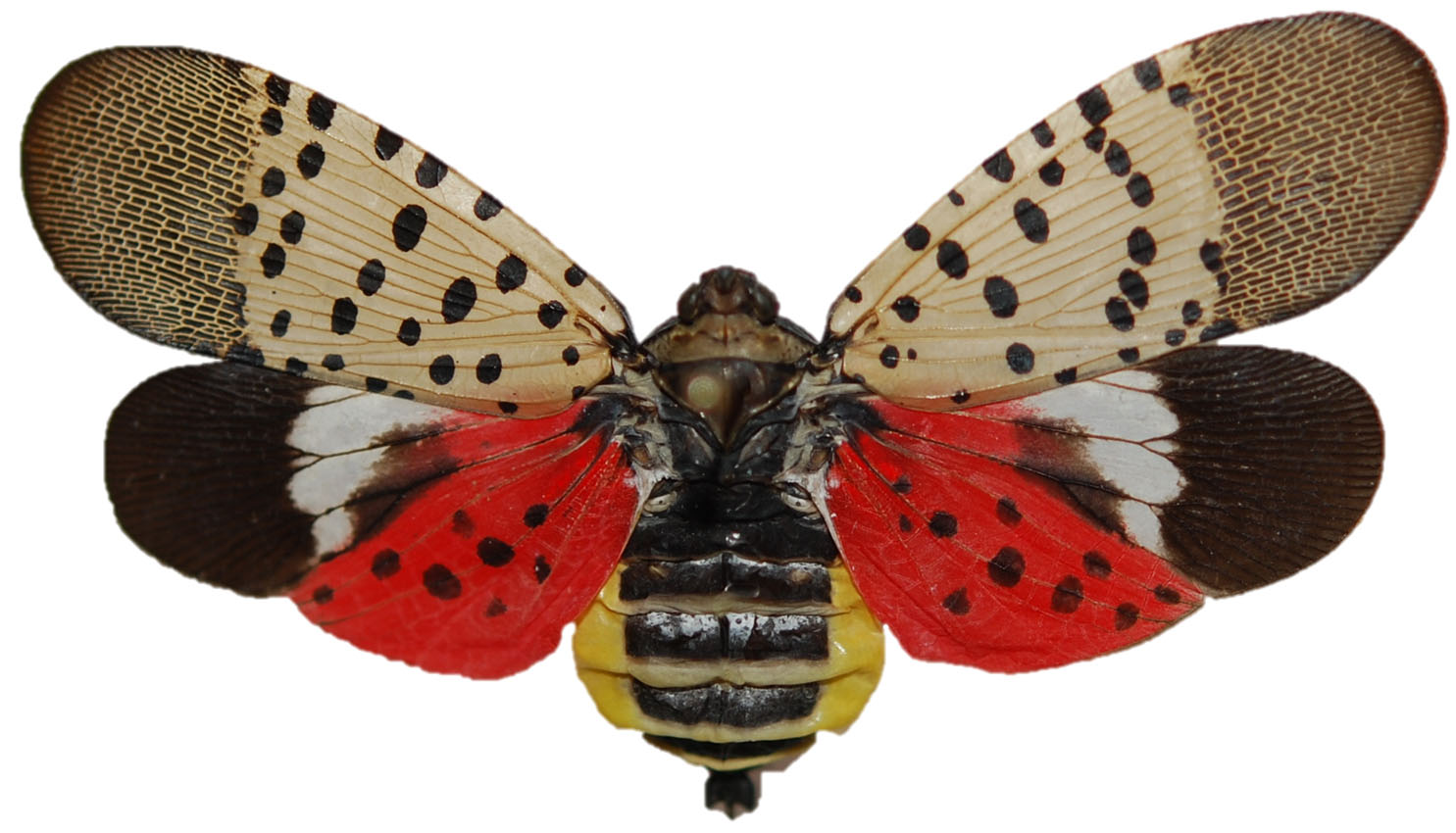
spotted lanternfly; photo by Stephen Ausmus, USDA

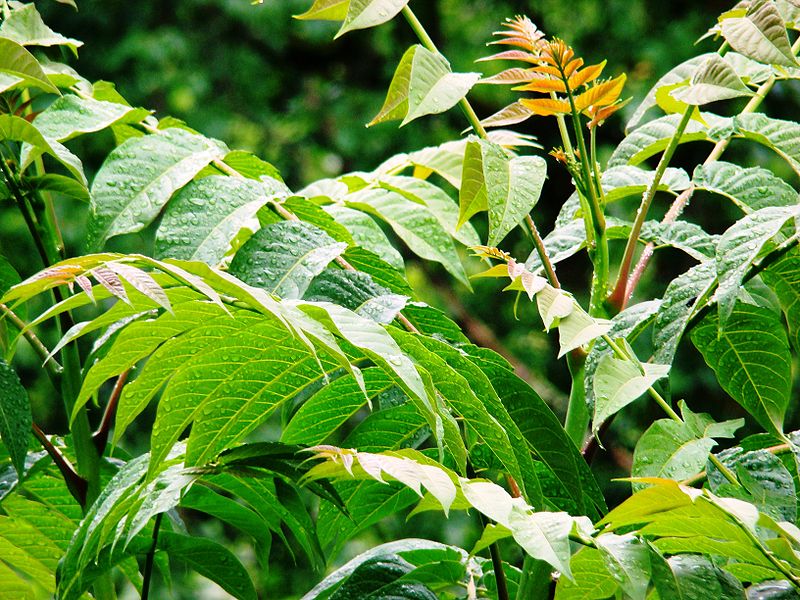
In some cases, these “self-introduced” arthropods have proved beneficial. Two examples are Entomophaga maimaiga and Lymantria dispar nucleopolyhedrovirus (LdNPV), which help control the spongy moth (Lymantria dispar). In other cases the “self-introduced” creatures are pests themselves. A prominent example is the invasion by the spotted lanternfly (Lycorma delicatula). This was facilitated by the widespread presence of the highly invasive plant Ailanthus altissima. It illustrates what Weber et al. call “receptive bridgehead effects.” That is, once an invasive pest is well-established, the chance that its natural enemies will find a suitable host and also establish in the pest’s invaded range is much higher.

Weber et al. reaffirm that there are many good reasons not to allow such random invasions of diverse non-native species – including their natural enemies. Deliberately introduced biocontrol agents are chosen after determining their efficacy, host-specificity, and climatic suitability. Random introductions, on the other hand, might favor generalist species, which could threaten non-target species. Accidental introductions might also be accompanied by pathogens and hyperparasitoids that could compromise the efficacy of biocontrol agents.

In short, unintentionally introduced natural enemies might have about the same level of success in controlling the target pest’s populations as do intentionally introduced agents. However, unintentional introductions of both pests and pathogens carry additional risks of non-target impacts and contamination with their own natural enemies that would hamper the efficacy of the biocontrol agent. Weber et al. conclude that delays in releasing a deliberately chosen and evaluated biocontrol agent reduce the probability that it will successfully establish instead of an unintentionally introduced organism.

cactus moth larva on Opuntia; photo by Doug Beckers via Flickr

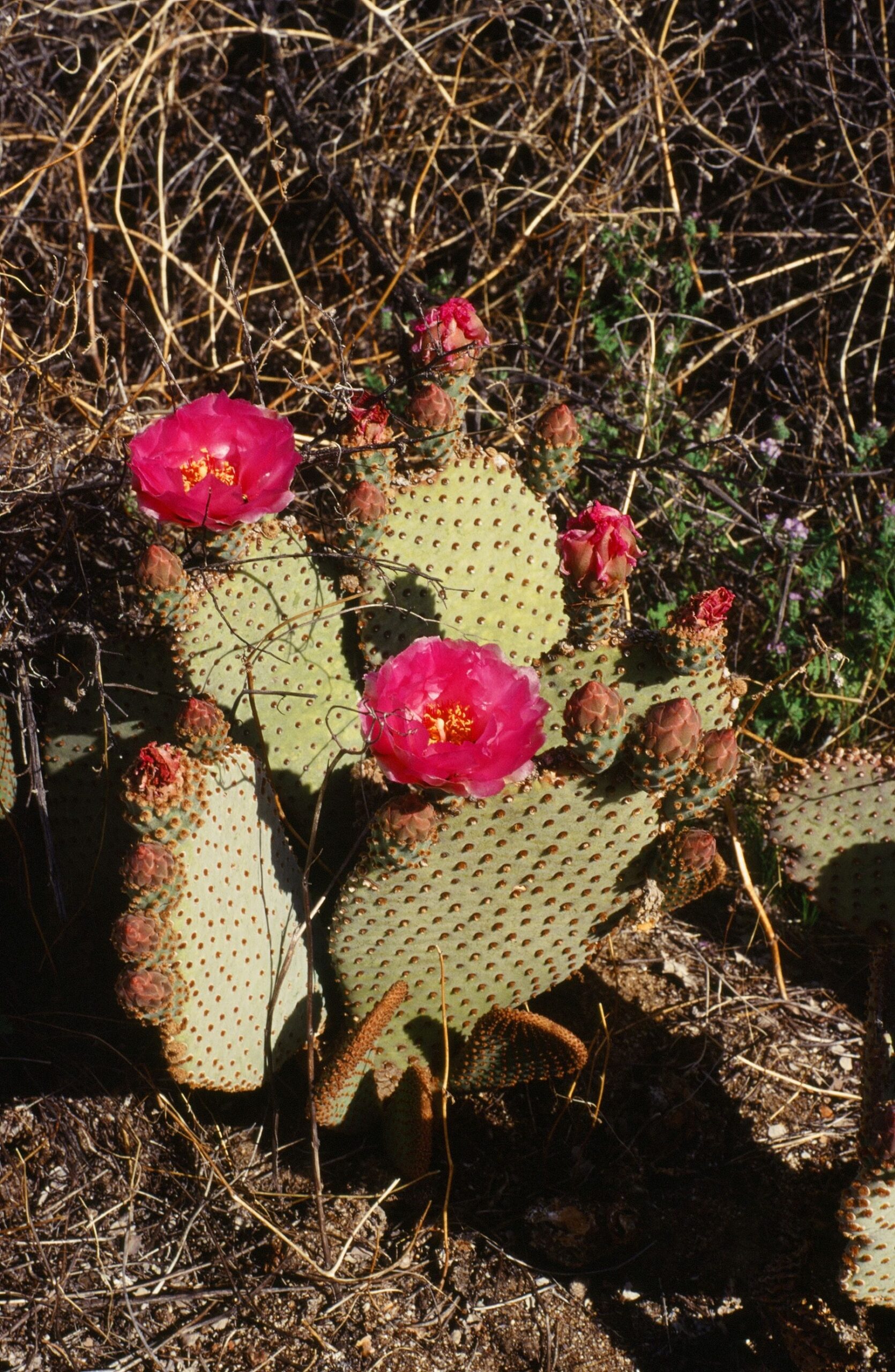
It is especially likely that an arthropod – whether or not a biocontrol agent – will spread within a geographic region. Weber et al. say both the U.S. and Canada have received more than a dozen species intentionally introduced into the other country. They also cite spread of the cactus moth, Cactoblastis cactorum, into Florida from several Caribbean countries. The cactus moth has spread and now threatens the center of diversity of flat-padded Opuntia cacti in the American southwest and Mexico.

Another example is California: 44% of invading terrestrial macroinvertebrates that have established in the state came from populations established elsewhere in the US and Canada (Hoddle 2023). This number exceeds the total number of invasive macroinvertebrates in the state that originated anywhere in Eurasia (Weber et al.).

True, it is very difficult to prevent natural spread. But a lot of this spread is facilitated by human activities, e.g., transporting vectors such as living plants, firewood, outdoor furniture or storage “pods.” I have complained often — here and here and here — that interstate movement of invasive plant pests is particularly poorly controlled.

Some scientists and regulators have responded to these situations by improving phytosanitary programs. California officials, in 2019, set up a program to fund projects aimed at developing integrated pest management strategies for species thought to have a high invasion potential before they arrive. I urge other states to do the same. This would probably be most effective in controlling the target species – and in relation to cost — if developed by regional consortia.

Weber et al. suggest that given continuing unintentional introductions of non-native species, phytosanitary agencies need to focus on those invasion pathways that are particularly likely to result in invasions, e.g. live plants, raw lumber (including wood packaging), and bulk commodities e.g. quarried rock. 

The authors also suggest research opportunities that arise from biocontrol agents’ “self-introductions”. These include:

  • Comparing actual host ranges to those predicted by laboratory and other studies;
  • Quantifying the role of Allee effects, for example by studying the spread of the glassy-winged sharpshooter and its biocontrol agent across the Pacific region;
  •  Using molecular analyses to disentangle multiple routes of entry (e.g., the “invasive bridgehead effect”) and hybridization.

2. Door-knocker species

Hoddle (2023) suggests further that early detection programs should focus on “door-knocker” species — those likely to enter and cause significant negative impacts. In an earlier article (Hoddle, Mace and Steggall 2018) argued that the benefits of a pro-active biocontrol program outweigh the costs. The authors say the information gained would cut the time needed to deploy effective biocontrol. Ultimately, this could reduce the prolonged and even irreversible ecological and economic disruption from invasive pests, associated pesticide applications, and lost ecological services.

Asian citrus psyllid  (Diaphorina citri); USDA photo by Justin Wendell; Hoddle cites this species as one that a pro-active biocontrol program should have targetted

Hoddle calls funding pro-active biocontrol research programs before they’re needed as analogous to buying insurance. The owners of insurance policies hope not to need them but benefit when catastrophe strikes. Furthermore, the information gained from early research might identify natural enemy species that could “self-introduce” along with the invading host. Finally, proactive research might clarify whether the increasing number of natural enemy species that are “self-introducing” pose a threat to non-target organisms.

Recognizing the difficulty of identifying an “emerging invasive species” before its introduction, Hoddle endorses other components of prevention programs:

  • Collaborating with non-U.S. scientists to identify and mitigate invasion bridgeheads. Such efforts would both lessen bioinvasion threats and possibly aid in determining native ranges and facilitating location of natural enemies.
  • Sentinel plantings, such as those established under the International Plant Sentinel Network. These plantings can also support research on natural enemies of key pests.
  • Integrating online platforms, networks, professional meetings, and incursion monitoring programs into “horizon scans” for potential invasive species. He mentions specifically PestLens; online community science platforms, e.g., iNaturalist; international symposia; and official pest surveillance, e.g., U.S. Forest Service’s bark beetles survey and surveys done by the California Department of Food and Agriculture and border protection stations.
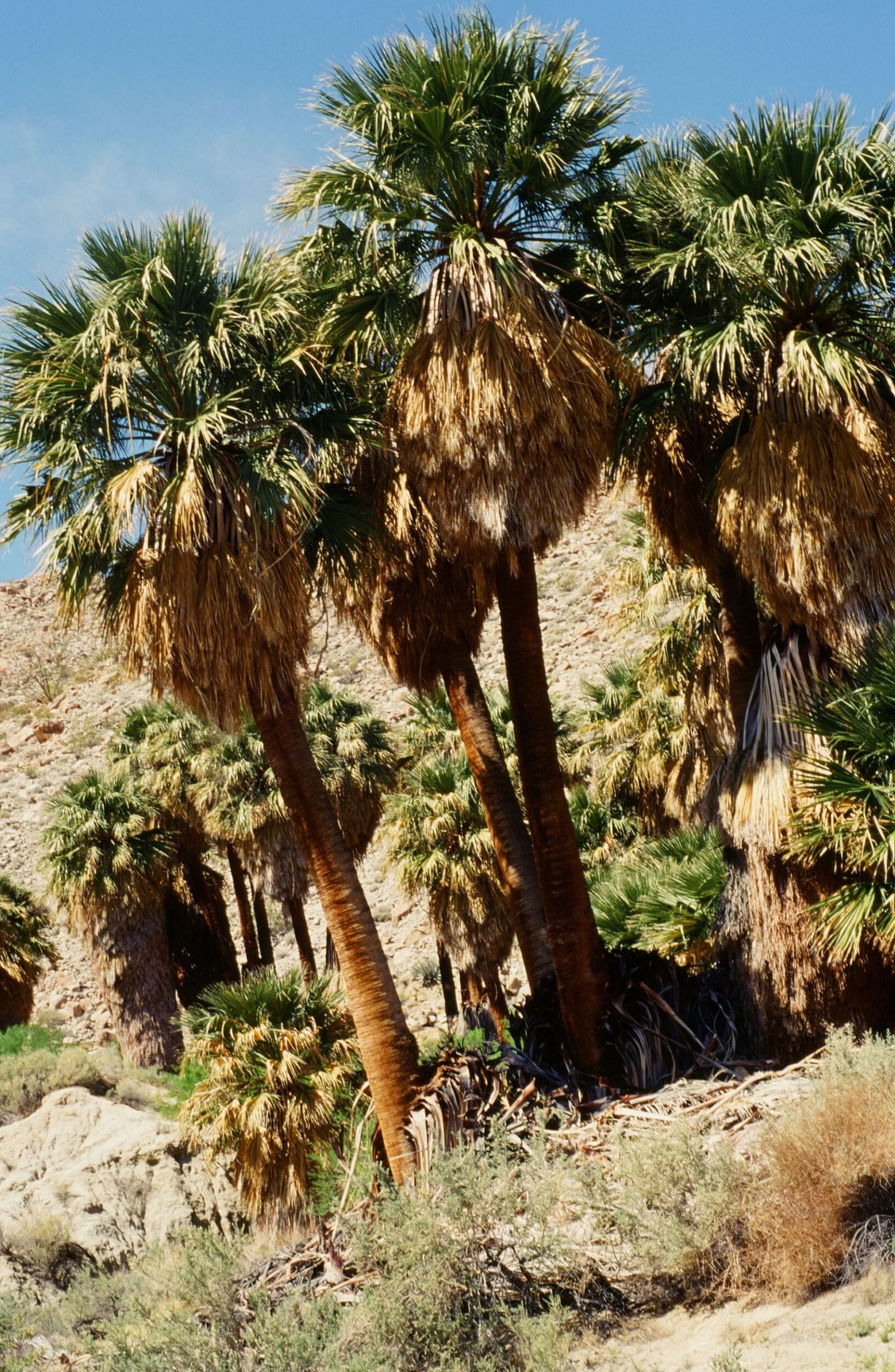
date palm mealybug (Pseudaspidoproctus hyphaeniacus); threat to native Washingtonia palms of California; one of pests tracked by PestLens

Weber et al. also support the concept of sentinel plant nurseries – especially because accidental plant and herbivore invasions often occur at the same points of entry.

Both Weber et al. and Hoddle urge authorities not to strengthen regulations governing biocontrol introductions. Weber et al. say that would be to make perfect the enemy of the good. The need is to balance solving problems with avoiding creation of new problems.

SOURCES

Hoddle, M.S., K. Mace, J. Steggall. 2018.   Proactive biological control: A cost-effective management option for invasive pests. California Agriculture. Volume 72, No. 3

Hoddle. M.S. 2023. A new paradigm: proactive biological control of invasive insect pests. BioControl https://doi.org/10.1007/s10526-023-10206-5

Weber, D.C. A.E. Hajek, K.A. Hoelmer, U. Schaffner, P.G. Mason, R. Stouthamer, E.J. Talamas, M. Buffington, M.S. Hoddle, and T. Haye. 2020. Unintentional Biological Control Chapter for USDA Agriculture Research Service. Invasive Insect Biocontrol and Behavior Laboratory. https://www.ars.usda.gov/research/publications/publication/?seqNo115=362852

Posted by Faith Campbell

We welcome comments that supplement or correct factual information, suggest new approaches, or promote thoughtful consideration. We post comments that disagree with us — but not those we judge to be not civil or inflammatory.

For a detailed discussion of the policies and practices that have allowed these pests to enter and spread – and that do not promote effective restoration strategies – review the Fading Forests report at http://treeimprovement.utk.edu/FadingForests.htm

or
www.fadingforests.org

Hot off the presses: How beech leaf disease kills trees

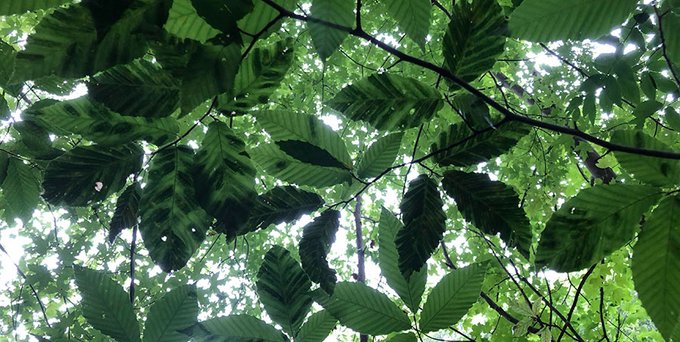
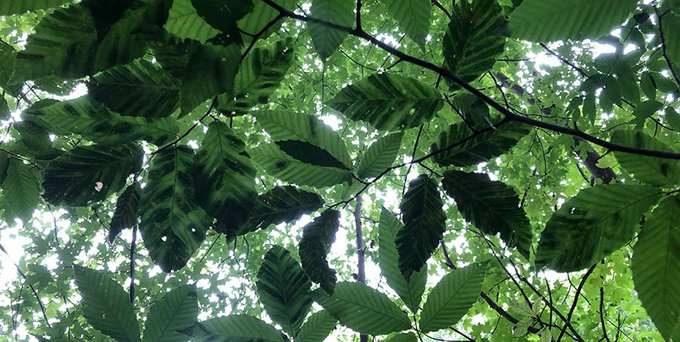
beech leaf disease symptoms; photo courtesy of Jennifer Koch, USFS

As we know, beech leaf disease (BLD) has spread rapidly in the decade since its discovery in northeast Ohio. It has been detected as far east as the Maine coast, as far south as northern Virginia, as far north as southern Ontario, and as far west as eastern Michigan and northern Indiana. It has been found in 12 states.

BLD is associated with a nematode, Litylenchus crenatae subsp. mccannii (Lcm), although whether this is the sole causal agent is not yet clear.

BLD’s North American host, American beech (Fagus grandifolia),is an important native deciduous hardwood species. It plays important roles in nutrient cycling, erosion control, and carbon storage and sequestration in forests. Wildlife species depend on the trees’ canopies and especially cavities blog for nesting sites, shelter, and nutritious nuts. American beech – with sugar maple (Acer saccharum) and yellow birch (Betula alleghaniensis) – dominate the northern hardwood ecosystem of northeastern United States and southeastern Canada. These forests occupy a huge area; in just New England and New York they occupy 20 million acres (Leak, Yamasaki and Holleran. 2014; full citation at end of blog).

Beech leaf disease also affects European beech, (F. sylvatica), Chinese beech (F. engleriana), and Oriental beech (F. orientalis) planted in North America. The disease has not yet been detected in Asia or Europe. Japanese beech (F. crenata) sporadically display symptomatic leaves, but the disease has not been reported there.

Scientists working to understand the disease, how it spreads, and its ecological impact confer every other month. The next time is in early December.

Paulo Vieira, of the USDA Agriculture Research Service, leads one group seeking to better understand how the disease infects its host. They published a new study (see full citation at end of blog) examining how the nematode provokes changes in the cells of the trees’ leaves. As they point out, leaves are plants’ primary organs for photosynthesis – hence providing energy for growth. The leaf is composed of a several cell types organized into different tissues with specific function related to photosynthesis, gas exchange, and/or the transportation of water and nutrients. Thus, changes in leaf morphology affect the normal functioning of the leaf and therefore the tree’s growth and survival.

Vieira et al. found that:

  • The BLD nematode enters the leaf bud as it forms in late summer. In early autumn, all nematode developmental stages were found in the buds, including eggs at various stages of embryonic development, juveniles, and adults. Adult males were found in fewer than 20% of the buds, suggesting that the nematode can reproduce asexually.
  • Feeding by the BLD nematode induces abnormal and extensive cell proliferation, resulting in a significant increase of the number of cell layers inside the leaf. These changes improve the nutrition that the leaves provide to the nematode. However, the BLD-induced distortions of the bud persist as the leaf grows. Symptomatic leaf “banding” results. These areas have a proliferation of abnormally large and irregularly shaped cells with more chloroplasts. Intercellular spaces are also larger; this is where the nematodes are found. in. (The publication has dramatic photographs.)
  • Sites damaged by nematodes are a major resource for metabolites needed for plant performance. So their damage imposes a considerable drain.
  • Colonization of roots by ectomycorrhizal fungal is also reduced in severely diseased trees.
  • Immature female nematodes are the principal winter survivors. However, many die, making it difficult to culture nematodes in the spring. The nematodes reproduce during the growing season. Buildup of nematode numbers makes culturing easier, so facilitating confirmation of the disease’s presence.
  • Nematodes can migrate along the stem to other leaves, thus spreading the infection.

Vieira et al. tell us fascinating facts about the nematode. The BLD nematode, Litylenchus crenatae subsp. mccannii (Lcm) is now considered one of the top ten most important plant-parasitic nematodes in the United States. To date, species of this genus have been found only in Japan and New Zealand. The species L. crenatae was first described from Japan. A second species — L. coprosma – was detected in 2012 in New Zealand in association with small chlorotic patches on leaves of two native plants in the Coprosma genus.

Litylenchus belongs to the family Anguinidae. Several species in the family are designated quarantine pests because they cause economically significant damage to food and ornamental corps, including grains (wheat, barley, rice) and potatoes. Anguinidae nematodes often parasitize aerial parts of the hosts (e.g., leaves, stems, inflorescences, seeds); less frequently they infest roots. They can migrate along the host tissue surfaces in water films. Their host ranges vary from broad to narrow. Other Anguinidae nematodes apparently share the ability to manipulate the host’s cellular machinery, which often results in the induction of cell hyperplasia [the enlargement of an organ or tissue caused by an increase in the reproduction rate of its cells], and hypertrophy [increase and growth of cells] of the tissues on which they feed.

healthy beech leaves; F.T. Campbell

Vieira et al. assert that the rapid spread of Litylenchus crenatae subsp. mccannii – combined with the apparent lack of resistance in native beech trees – suggests that this nematode was recently introduced to North America. Furthermore, the ability of this subspecies to change the host’s cell cycle machinery supports the link between the presence of the nematode and the disease.

The mechanisms by which nematodes change host-plant cells are unknown.  I hope that scientists will pursue these questions. Perhaps the nematode family’s threat to grains and other food crops will prompt funding for such work. Unfortunately, I don’t think the threat to an ecologically-important native tree species will have the same power.

SOURCES

Leak, W.B, M. Yamasaki and R. Holleran. 2014 Silvicultural Guide for Northern Hardwoods in the Northeast. United States Department of Ariculture Forest Service Northern Research Station. General Technical Report NRS-132. April 2014.

Vieira P, M.R. Kantor MR, A. Jansen, Z.A. Handoo, J.D. Eisenback. (2023) Cellular insights of beech leaf disease reveal abnormal ectopic cell division of symptomatic interveinal leaf areas. PLoS ONE October 5, 2023. 18(10)  https://doi.org/10.1371/pone.0292588   

Posted by Faith Campbell

We welcome comments that supplement or correct factual information, suggest new approaches, or promote thoughtful consideration. We post comments that disagree with us — but not those we judge to be not civil or inflammatory.

For a detailed discussion of the policies and practices that have allowed these pests to enter and spread – and that do not promote effective restoration strategies – review the Fading Forests report at http://treeimprovement.utk.edu/FadingForests.htm

or
www.fadingforests.org

The White Mountain forest in New Hampshire: 80 years of change, with more ahead

hemlock woolly adelgid

I have been disappointed  that a research symposium focused on the northern hardwood forest workshop gave little attention to non-native pests (see citation at end of this blog). A new study based in the Bartlett Experimental Forest in the White Mountains of New Hampshire is more balanced. Ducey et al. (full citation at the end of this blog) analyzed changes in the forest’s species composition and tree size over the past 80 years.

They found that trees of nearly all species are growing into larger sizes as the forest continues to age since the last widespread clearing at the end of the 19th Century. The same aging is causing a rapid decline in two shade-intolerant species – paper birch (Betula papyrifera) and aspen (Populus tremuloides and P. grandidentata) – which had grown quickly once the cleared areas were abandoned. The mid-shade -tolerant species yellow birch (Betula alleghaniensis) also is declining. Together, the birch and aspen species have declined from a quarter to a third of basal area in 1931 to 10 – 12% in 2015.

Some developments are unexpected. Red maple (Acer rubrum) increased in abundance until the early 1990s, but that growth then levelled off. Sugar maple (Acer saccharum) has declined in abundance except where the forest is managed to retain it.

There is little evidence of tree species migrating upward on slopes in response to changes in the local climate.  Major weather events – a hurricane in 1938 and an ice storm in 1998 — caused significant tree mortality across Bartlett Experimental Forest, but not a dramatic change in forest composition.

Eastern hemlock (Tsuga canadensis) is replacing the disappearing birch and aspen on low elevation sites. Hemlock has increased its proportion of basal area from 8 – 10% to a quarter or more. Despite aggressive management aimed at reducing the tree’s presence, American beech (Fagus grandifolia) is on track to dominate large areas of the Bartlett Experimental Forest. Given the tree-killing pests already present in the region, large increases in eastern hemlock, American beech, and red spruce (Picea rubens) are worrying.

Eastern hemlock creates important wildlife habitat for deer and more than 100 other vertebrate species in New England. However, hemlock woolly adelgid (HWA) has been present in New Hampshire since 2000. It is now within 15-20 km of Bartlett Experimental Forest. There is some hope that the region’s cold temperatures might limit HWA’s spread and impacts, but Ducey et al. expect major change when the adelgid arrives.  

beech saplings; photo by FT Campbell

Ducey et al. cite a separate study demonstrating that mortality caused by beech bark disease (BBD) can be sufficient to upset carbon storage in old-growth forests. On the Bartlett Forest, nearly 90% of beech trees had become diseased by 1950.

Ducey et al. express concern about the possible impact of beech leaf disease (BLD), as well.

BLD has not yet been detected in the White Mountains or New Hampshire, but is in so New England and coastal Maine. Much remains unknown about the disease, including how it spreads and its long-term impacts.

Ducey et al. do not raise pest concerns about red spruce or balsam fir (Abies balsamea), which co-dominate the Bartlett Forest at higher elevations (above 500 m). This silence is disturbing since red spruce can be killed by the brown spruce longhorned beetle, a European woodborer established in Nova Scotia and threatening to spread south. Balsam firs suffer some mortality from feeding by the balsam woolly adelgid, a Eurasian sap-sucker which has been in New England for more than a century.

brown spruce longhorned beetle

White ash (Fraxinus americana) is present as a minor component of the Bartlett Forest. Because it is considered to be a valuable timber species, management has resulted in a modest increase in abundance of ash. Ducey et al. expect dramatic reduction — or even elimination of the species — when the emerald ash borer (EAB) arrives. EAB has been detected within ~ 15 km from Bartlett Experimental Forest.

Ducey et al. conclude that silvicultural management applied at the scope and intensity of that in the Bartlett Experimental Forest has moderated some changes. That is, it is maintaining sugar maple and suppressing the increase of beech. Its effect is secondary, however to overall forest development as the forest ages.

SOURCES

Ducey, M.J, O.L., Yamasaki, M. Belair, E.P., Leak, W.B. 2023.  Eight decades of compositional change in a managed northern hardwood landscape. Forest Ecosystems 10 (2023) 100121

Proceedings of the First Biennial Northern Hardwood Conference 2021: Bridging Science and Management for the Future. USDA Forest Service Northern Research Station General Technical Report NRS-P-211, May 2023

Posted by Faith Campbell

We welcome comments that supplement or correct factual information, suggest new approaches, or promote thoughtful consideration. We post comments that disagree with us — but not those we judge to be not civil or inflammatory.

For a detailed discussion of the policies and practices that have allowed these pests to enter and spread – and that do not promote effective restoration strategies – review the Fading Forests report at http://treeimprovement.utk.edu/FadingForests.htm

or
www.fadingforests.org

Invasive Plant Species: Good News, Bad News — including on the News

garlic mustard – a widespread invasive plant in forests of the Northeast and Midwest; photo by Chris Evans, University of Illinois; via Bugwood

This blog summarizes important new research on invasive plant species. You’ll find a USFS update on the spread of invasive plants in regional forests. The second paper used a new funding source to assess the impacts of removing invasive shrub honeysuckles on forest canopies – and to begin restoration. The third paper uses Google searches to study news coverage of plant invaders (spoiler alert: it’s poor). I welcome the attention!

A. Update on Invasive Plants in the Northeast: 44 Species, in 24 States, on Forested Land

The USDA Forest Service Northern Research Station (NRS) continues to publish lots of studies of invasive plants in the forests of the Northeast and Midwest. Kurtz (see USDA citation at end of blog) summarizes data on the extent and intensity of plant invasions collected by the USFS Forest Inventory and Analysis (FIA) program. Since 2012, scientists have compiled data on 44 invasive species on forested land.  Crews recorded these plants’ presence on 6,361 plots in 2014 and 4,244 in 2019. [The species surveyed are listed in Table 2 of the publication.]

1. Presence —

Overall, the number of forested plots on which one or more of the 44 monitored invasive species occurs rose from 52% in 2014 to 55% in 2019. Eighteen of the 24 states in the region experienced an increase in the percentage of plots with invasive plants. The number of invasive plants per plot also increased.

The plots with the greatest number of these invasive plants are Ohio (98%), Indiana (97%), North Dakota (93%), and Illinois and Iowa (92% each). The North Dakota data bear a high uncertainty because only 15 plots were surveyed in 2019. The states with the lowest number of invaded plots are New Hampshire (16%) and Vermont (22%). South Dakota also ranks near the bottom with 38% of plots invaded.

A different picture emerges when considering the number of invasive plants per plot. States ranking highest on this criterion were Pennsylvania (13 species on at least one plot) and Illinois (11 species on at least one plot).  (See map in USDA publication from References) Plots with five to eight species appear in a band from the Ohio/West Virginia border, across western Maryland and western and eastern Pennsylvania, and into western New York and western Massachusetts. Note the apparent abse nce of invasive plants in the Adirondacks!

2. Species

Of the 44 species monitored, 41 species were observed on plots during these surveys. Two of the three species not found — punktree/Melaleuca and Chinese tallow tree (Triadica sebifera) – grow in the deep South so I am not surprised by their absence. The third – Bohemian knotweed (Polygonum xbohemicum) is invasive in colder climates, e.g., Washington State. Multiflora rose (Rosa multiflora) is the most common species – again, not surprising since it was long planted deliberately to provide food for wildlife. Three species were observed in one but not both inventories: Chinaberry (Melia azedarach) was only found in 2014; saltcedar (Tamarix spp.) and European swallow-wort (Cynanchum rossicum) were found only in 2019.

Amur honeysuckle; photo by pverdunk via Flickr

Most of the 44 plant species increased their presence as measured by the proportion of plots on which they were observed (see Table 2). Among these, Amur honeysuckle (Lonicera maackii) increased by 5.38%; garlic mustard (Alliaria petiolata) by 3.21%; Japanese stiltgrass (Microstegium vimineum) by 2.95%; and bush honeysuckles (Lonicera species.) by 2.77%. Twelve species decreased – all by less than one percent.

3. One of the Worst: Amur Honeysuckle

Amur honeysuckle is one of most actively spreading invasive plant in the entire region – especially in urban forests. The proportion of plots invaded by this species rose from half a percent to six percent between 2014 and 2019. Amur honeysuckle dominates due to competitive growth, allelopathy (producing a biochemical that impedes the germination, growth, and survival of other plants), and its ability to resprout after cutting. The presence of honeysuckle negatively affects native plant communities. It suppresses plant recruitment, homogenizes forest communities, and alters ecosystem processes. It also shapes the canopy structure by affecting the growth and composition of overstory trees, as well as the amount of leaf material (Fotis et al.).

The riparian areas which Amur honeysuckle often invades provide numerous ecosystem services. These include filtering nutrients, preventing soil erosion, filtering sediment from runoff, offering shade and wildlife habitat, and reducing the likelihood of floods to croplands and downstream communities (Fotis et al.).

B. Managing Honeysuckle, Restoring Riparian Forests

Forest managers in central Ohio, near Columbus, have begun a significant restoration experiment to improve the resilience and function of disturbed riparian forests. Fotis and colleagues took advantage of this to track and characterize the immediate, short-term, and long-term impacts of removing Amur honeysuckle on forest canopies. They used new technology: portable canopy imaging, detection, and ranging (LiDAR).

Fotis et al. found that

  • Honeysuckle presence had a stronger influence on tree species diversity than on the size or number of trees.
  • Removing honeysuckle from areas where its abundance is high and native tree density is low promoted native tree growth (e.g., the height of tallest trees) and increases in the tree canopy’s structural complexity for up to 10 years.
  • Honeysuckle removal, followed by treating honeysuckle stumps with herbicides to prevent resprouting, is key for establishing a healthy restored riparian forest.
  • Planting a diverse suite of native species to fill different ecological niches helps create more resilient forest systems.
  • Forest recovery began within two years of honeysuckle removal.

At some sites, the researchers planted a variety of woody plants, including understory shrubs and mid- and full-canopy trees, after removing the honeysuckle. The article did not discuss the results.

giant hogweed; photo by NY State DEC fia Flickr

C. Poor Media Coverage of Invasive Plants Undermines Management Efforts

Woodworth et al. (full citation at end of blog) studied how media coverage of invasive plants interacts with low public interest, which the authors claim hampers management efforts and efficacy.

Woodworth et al. note that strong public awareness of urgent environmental issues is linked to the development of new public policy. However, public awareness of invasive species is low despite their causing high monetary costs and significant damage to the environment and human health.

The authors recognize the public generally has a low level of “plant awareness”. They argue that some plants are “charismatic” in one way or another, e.g., some form widespread and conspicuous monocultures; some are attractive and sold in the ornamental trade; and some are harmful to people by producing allergens or bearing thorns/spines/prickles. Such plants often attract more attention.

They asked four questions: Is public interest in these invasive plant species driven by (1) their abundance? (2) their traits? (3) the quantity and sentiment of news articles written about them? Finally, (4) How do these factors combine to drive interest – or lack thereof! – in invasive plant species?

1. Searching for Answers

Woodworth et al. analyzed data on Google searches (in Google Trends) for 209 plant species, 2010 – 2020. The searches revealed whether members of the public sought information about invasive plants, whether news media covered invasive plant issues, whether such coverage had a positive or negative slant, and whether it affected public awareness and attitudes toward invasive plants.

They found that public search interest was highest for the species that are most abundant at both national and state levels. Plant abundance was the second strongest predictor of Google search interest. Also, the more widespread the invader, the more articles were published and the more negative the terms used to describe it. For some species, high search interest was limited to the locations where the plant occurs. An example is garlic mustard (Alliaria petiolata). For other species, there was high search interest across the US although the plant occurs only in some localities. This was true, for example, for giant hog-weed (Heracleum mantegazzianum).

In a related finding, plant species posing a risk to human health ranked high in Google searches. These include giant hogweed (which causes serious skin rashes), allergen-producing grasses, plants that harbor ticks, and those that contribute to fires in the West like cheatgrass (Bromus tectorum). Regarding ticks, they cite multiflora rose but not barberry (Berberis spp). These results suggest to the authors that public interest in invasive plants is motivated primarily by the likelihood of encountering these species, with direct consequences for health and well-being. These concerns can be amplified by the media. The authors suggest that articles spelling out health risks of invasive plants might increase public support for wider management efforts.

cheatgrass invasion of BLM lands in SW Idaho; photo by Thane Tuoson via Flickr

The greater the number of articles published about a species, the more frequently readers utilized Google to search for information. Woodworth et al. suggest that more attention by the media translates to more public interest. They caution, however, that there are two other possible explanations. First, more searches might drive science journalists [I add: or newspaper editors!] to write more articles on species already known to be of interest to the public. Or, search and media interest might be unrelated to each other, but driven by the same external factors, such as a recent fire. In other words, journalists and the general public might be interested in the same aspects of invasive plants.

2. Which Invaders Got Attention

The media and public focus on only some invasive plants. Media articles discussed only 175 (84%) of the 209 species included in the study. More than 50% of news articles were written about only 10 species (5% of all the species); 80% on just the top 25 species. Public interest was even narrower. No one searched for information on 60 of the species (29%) over the 10-year period.

The authors – and I – are distressed that invasive plants that are sold as ornamentals were both written about and searched for less than invasive plants that are not so marketed. Worse, articles about the ornamental species had a more positive tone than articles about non-marketed invasives.

English ivy (Hedera helix) – an invasive plant widely used in horticulture; Washington State Weed Control Board

Finally, they found that species that form monocultures did not garner more media attention, more negative coverage, or search interest. Their example is Japanese stiltgrass (Microstegium vimineum), which they describe as being a problematic and prolific invader of eastern forest understories. There are exceptions to this finding: common reed Phragmites and kudzu. I note that these species are very noticeable, and thus “charismatic.” The former is a large plant and masses along roadsides and in open habitats. Kudzu has been notorious for decades as the “vine that ate the South”.

Woodworth et al. concluded that the media’s narrow focus  on “notorious” invasive plant species, when combined with the lower and more positive coverage of ornamental introductions, could send mixed messages and weaken public awareness of their threats. The authors believe, however, that there is ample opportunity to improve messaging and increase public awareness. This requires more media coverage and a greater focus on invasive plants’ negative impacts.  One potentially “sticky” message is about “loss of control.”  

SOURCES

Fotis, A., Flower, C.E.; Atkins, J.W. Pinchot, C.C., Rodewald, A.D., Matthews, S. 2022. The short-term and long-term effects of honeysuckle removal on canopy structure and implications for urban forest management. Forest Ecology and Management. 517(6): 120251. 10 p. https://doi.org/10.1016/j.foreco.2022.120251 .

USDA Forest Service Northern Research Station Rooted in Research ISSUE 18 | SEPTEMBER 2023

Kurtz, C.M. 2023. An assessment of invasive plant species in northern U.S. forests. Res. Note NRS-311. http://doi.org/10.2737/NRS-RN-311

Woodworth, E. A. Tian, K. Blair, J. Pullen, J.S. Lefcheck and J.D. Parker. 2023.  Media myopia distorts public interest in US invasive plants. Biol Invasions (2023) 25:3193–3205 https://doi.org/10.1007/s10530-023-03101-8

Posted by Faith Campbell

We welcome comments that supplement or correct factual information, suggest new approaches, or promote thoughtful consideration. We post comments that disagree with us — but not those we judge to be not civil or inflammatory.

For a detailed discussion of the policies and practices that have allowed these pests to enter and spread – and that do not promote effective restoration strategies – review the Fading Forests report at http://treeimprovement.utk.edu/FadingForests.htm

or
www.fadingforests.org

Bug Apocalypse Update

Aedes aegypti photo by James Gathany via Flickr

In October 2018 I posted a blog on the decline of global insect numbers and biodiversity.

This month a Washington Post columnist, Michael J. Corin, published a piece decrying people’s use of “bug zappers” [full citation at end of this blog] in an effort to prevent biting insects from ruining their evenings.

After quoting some of the manufacturers’ advertising claims, Corin point to the scientific consensus that these zappers don’t kill mosquitoes. In some studies, the zappers killed tens of thousands of insects, but far fewer than 1% were mosquitoes. A study by Iowa State University (citation at end of blog) that estimated even a fraction of the bug zappers sold in the United States kill more than 70 billion insects annually.

Corin even says, “bug zappers make it more likely you’ll be bitten by mosquitoes while sitting in your backyard.” Any mosquitoes drawn to the vicinity of a bug zapper will redirect their attention to the proximal warmblooded mammals — usually humans.

This information is important to us because bug zappers are exceptional killers of (other) insects. Corin cites a study by the University of Delaware (Frick and Tallamy, full citation below) in which the zappers caught nearly 14,000 insects over a summer. Roughly half the catch — 6,670 insects — were harmless aquatic species from nearby rivers and streams, fish food in the aquatic food chain. Many of the others were parasitic wasps and beetles that naturally prey on mosquitoes.

caddisfly (one of groups often killed by bug zappers, according to Doug Tallamy) photo by Anita Gould via Flickr

So, these traps are exacerbating the “insect apocalypse” and undermining biocontrol programs!

These studies were published in the middle-1990s – nearly 30 years ago. Dr. Douglas Tallamy of the University of Delaware told me that there are now traps that use baits (octanol and CO2). Carbon dioxide and octenol (a derivative of mammalian body odor) are known to attract biting insects, including mosquitoes. However, these traps cost up to $500 and do not sell well. The standard zapper still only catches non-targets.

A study by Kim et al. found that neither the Stinger Electric Zapper nor the Mosquito Deleto works effectively.  

Apparently most bug zappers are not working as advertised. Why, then, are they still marketed using false claims? The Federal Trade Commission is supposed to investigate misleading advertising claims and take legal action against manufacturers who don’t correct them. Corin says the agency suggested to him that the public should submit any complaints through the agency’s website.

Should we not provide information to the FTC and urge them to take action? Do you have information – or access to research capabilities – to support such an effort?

Corin provides the usual advice to minimize mosquitoes around your house:

1) eliminate standing water – in which mosquitoes breed. Or install a “Bucket of Doom” (a design developed by the Centers for Disease Control). Fill a 5-gallon bucket with water and add leaf litter or straw.Mosquitoes love to lay eggs here. Add granules of Bacillus thuringiensis to kill the mosquito larvae. Some commercial versions are Ovi-Catch AGO trap sold by Catchmaster or the “GAT” trap sold by Biogents.  

2) wear long sleeves and pants. Add repellent – especially those containing DEET.

3) Turn on a fan to create a steady breeze.

SOURCES

Coren, M.J. 2023. Trying to kill mosquitoes? Don’t buy a bug zapper. The Washington Post. September 14, 2023. https://www.washingtonpost.com/climate-environment/2023/09/12/bug-zappers-mosquito-repellent/

Frick, T.B. and D.W. Tallamy. 1996. Density and Diversity of Nontarget Insects Killed by Suburban Electric Insect Traps.  Ent. News Vol 107, No. 2, March & April 1996

Kim, J. et al. 2002. A study comparing efficiency of insect capture between Stinger electric zapper and Mosquito-deleto at varying locations and heights in northern Michigan. https://deepblue.lib.umich.edu/handle/2027.42/54969

Lewis, D. 1996. Bug Zappers are Harmful, Not Helpful. Iowa State University Extension. Bug Zappers are Harmful, Not Helpful | Horticulture and Home Pest News (iastate.edu)

Posted by Faith Campbell

We welcome comments that supplement or correct factual information, suggest new approaches, or promote thoughtful consideration. We post comments that disagree with us — but not those we judge to be not civil or inflammatory.

For a detailed discussion of the policies and practices that have allowed these pests to enter and spread – and that do not promote effective restoration strategies – review the Fading Forests report at http://treeimprovement.utk.edu/FadingForests.htm

or
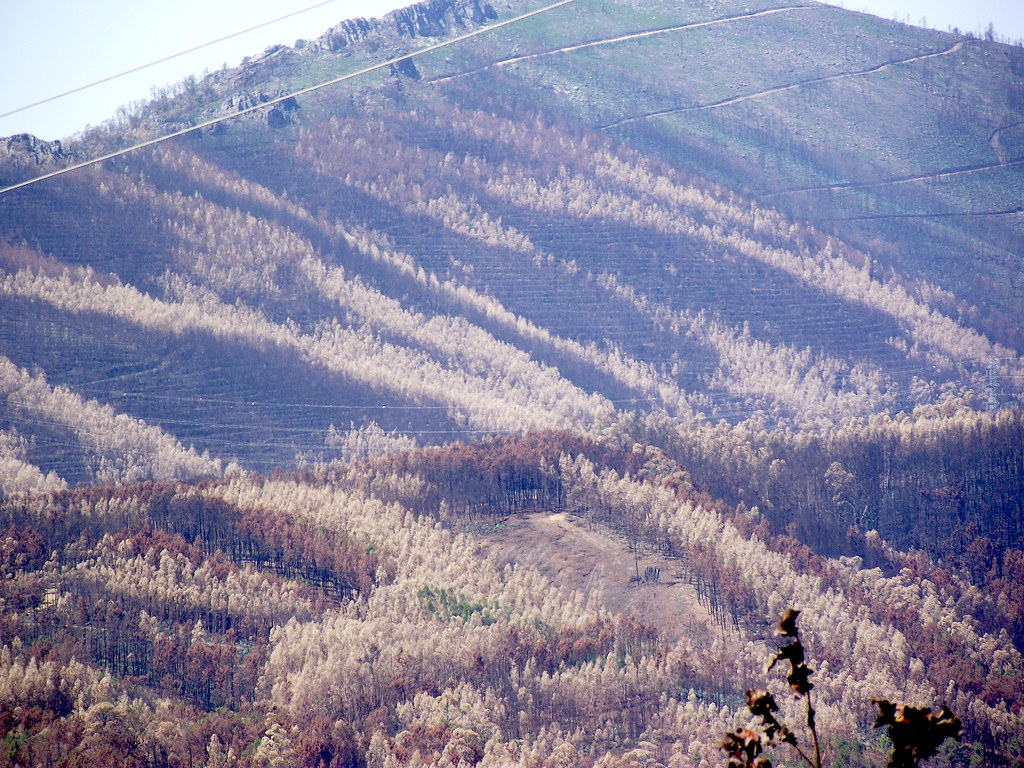
www.fadingforests.org

USFS Lays Out Incomplete Picture of the Future

tanoak trees in southern Oregon killed by sudden oak death; photo by Oregon Department of Forestry; this pathogen is not mentioned by USFS RPA report

In August the USDA Forest Service published the agency’s 2020 assessment of the future of America’s forests under the auspices of the Resources Planning Act. [See United States Department of Agriculture Forest Service Future of America’s Forests and Rangelands, full citation at the end of the blog.] To my amazement, this report is the first in the series (which are published every ten years) to address disturbance agents, specifically invasive species. In 2023! Worse, I think its coverage of the threat does not reflect the true state of affairs – as documented by Forest Service scientists among others.

This is most unfortunate because policy-makers presumably rely on this report when considering which threats to focus on.

Here I discuss some of the USFS RPA report and what other authors say about the same topics.

The RPA Report’s Principle Foci: Extent of the Forest and Carbon Sequestration

The USFS RPA report informs us that America’s forested area will probably decrease 1- 2% over the next 50 years (from 635.3 million acres to between 619 and 627 million acres), due largely to conversion to other uses. This decline in extent, plus trees’ aging and increases in disturbance will result in a slow-down in carbon sequestration by forests. In fact, if demand for wood products is high, or land conversion to other uses proceeds apace, U.S. forest ecosystems are projected to become a net source of atmospheric CO2 by 2070.

Eastern forests sequester the majority of U.S. forest carbon stocks. These forests are expected to continue aging – thereby increasing their carbon storage. Yet we know that these forests have suffered the greatest impact from non-native pests.

I don’t understand why the USFS RPA report does not explicitly address the implications of non-native pests. In 2019, Songlin Fei and three USFS research scientists did address this topic. Fei et al. estimated that tree mortality due to the 15 most damaging introduced pest species have resulted in releases of an additional 5.53 terragrams of carbon per year. Fei and colleagues conceded this is probably an underestimate. They say that annual levels of biomass loss are virtually certain to increase because current pests are still spreading to new host ranges (as demonstrated by detection of the emerald ash borer in Oregon). Also, infestations in already-invaded ranges will intensify, and additional pests will be introduced (for example, beech leaf disease).

I see this importance of eastern forests in sequestering carbon as one more reason to expand efforts to protect them from new pest introductions, and the spread of those already in the country, etc.

A second issue is the role of non-native tree species in supporting the structure and ecological functions of forests. Ariel Lugo and colleagues report that 18.8 million acres (7.6 million ha, or 2.8% of the forest area in the continental U.S.) is occupied by non-native tree species. (I know of no overall estimate for all invasive plants.) They found that non-native tree species constitute 12–23% (!) of the basal area of those forest stands in which they occur.

Norway maple (Acer platanoides); one of the most widespread invasive species in the East. Photo by Hermann Falkner via Flickr

Lugo and colleagues confine their analysis of ecosystem impacts to carbon sequestration. They found that the contribution of non-native trees to carbon storage is not significant at the national level. In the forests of the continental states (lower 48 states), these trees provide 10% of the total carbon storage in the forest plots where they occur. (While Lugo and colleagues state that the proportion of live tree biomass made up of non-native tree species varies greatly among ecological subregions, they do not provide examples of areas on the continent where their biomass – and contribution to carbon storage — is greater than this average.) In contrast, on Hawai`i, non-native tree species provide an estimated 29% of live tree carbon storage. On Puerto Rico, they provide an even higher proportion: 36%.

Brazilian pepper (Schinus terebinthifolius) – widespread invasive in Hawai`i and Florida; early stage invasive in Puerto Rico. Photo by Javier Alexandro via Flickr

In the future, non-native trees will play an even bigger role. Since tree invasions on the continent are expanding at ~500,000 acres (202,343 ha) per year, it is not surprising that non-native species’ saplings provide 19% of the total carbon storage for that size of trees in the lower 48 states (Lugo et al.).

Forming a More Complete Picture: Biodiversity, Disturbance, and Combining Data.

The USFS RPA report has a chapter on biodiversity. However, the chapter does not discuss historic or future diversity of tree species within biomes, nor the genetic diversity within tree species.

Treatment of Invasive Species

The USFS 2020 RPA report is the first to include a chapter on disturbance, including invasive species. I applaud its inclusion while wondering why they have included it only now? Why is the coverage so minimal? I think these lapses undercut the report’s purpose. The RPA is supposed to inform decision-makers and stakeholders about the status, trends, and projected future of renewable natural resources and related economic sectors for which USFS has management responsibilities. These include: forests, forest products, rangelands, water, biological diversity, and outdoor recreation. The report also has not met its claim to “capitalize on” areas where the USFS has research capacity. One excuse might be that several important publications have appeared after the cut-off date for the assessment (2020). Still, the report’s authors cite some of the evaluations that were in preparation as of 2020, e.g., Poland et al.

I suggest also that it would be helpful to integrate data from other agencies, especially the invasive species database compiled by the U.S. Geological Survey, into the RPA. For example, the USGS lists just over 4,000 non-native plant species in the continental U.S. (defined as the lower 48 plus Alaska). On Hawai`i, the USGS lists 530 non-native plant species as widespread. Caveat: many of the species included in these lists probably coexist with the native plants and make up minor components of the plant community.

Specifically: Invading Plants

The USFS RPA report gives much more attention to invasive plants than non-native insects and pathogens. The report relies on the findings of Oswalt et al., who based their data on forested plots sampled by the Forest Inventory and Analysis (FIA) program. (The RPA also reports on invasive plants detected on rangelands, primarily grasslands.) Oswalt et al. found that 39% of FIA plots nationwide contained at least one plant species that the FIA protocol considers to be invasive and monitors. The highest intensity of plant invasions is in Hawai`i – 70% of the plots are invaded. The second-greatest intensity is in the eastern forests: 46%. However, the map showing which plots were inventoried for invasive plants makes clear how incomplete these data are – a situation I had not realized previously.

I appreciate that the USFS RPA report mentions that propagule pressure is an important factor in plant invasions. This aspect has often been left out in past analyses. I also appreciate the statement that international trade in plants for ornamental horticulture will probably lead to additional introductions in the future. Third, I concur with the report’s conclusions that once forest land is invaded, it is unlikely to become un-invaded. Invasive plant management in forests often results in one non-native species being replaced by another. In sum, the report envisions a future in which plant invasion rates are likely to increase on forest land.

If you wish to learn more about invasive plant presence and impacts, see the discussion of invasive plants in Poland et al., my blogs based on the work by Doug Tallamy, and several other of my blogs compiled under the category “invasive plants” on this website.

I believe all sources expect that the area invaded by non-native plant species, and the intensity of existing invasions, will increase in the future.

The USFS RPA links these invasions to expansion of the “wildland-urban interface” (“WUI”). These areas increased rapidly before 2010. At that time, they occupied 14% of forest land. The report published in 2023 did not assess their future expansion over the period 2020 to 2070. However, it did project increased fragmentation in many regions, especially in the RPA Western and Southeastern regions. Since “fragmentation” is very similar to wildland-urban interfaces, the report seems implicitly to project more widespread plant invasions in the future.

plant invasions facilitated by fragmentation; northern Virginia; photo by F.T. Campbell

Specifically: Insects and Pathogens

The USFS RPA report on insects and pathogens is brief and contains puzzling errors and gaps. It says that the tree canopy area affected by both native and non-native mortality-causing agents has been consistently large over the three most recent five-year FIA assessment periods. It notes that individual insects or diseases have extirpated entire tree species or genera and fundamentally altered forests across broad regions. Examples cited are chestnut blight and emerald ash borer.

The USFS RPA report warns that pest-related mortality might be underreported in the South, masked by more intense management cycles and higher rates of tree growth and decay. On the other hand, the report asserts that pest-related mortality is probably overrepresented in the Northern Region in the 2002 – 2006 period because surveyors drew polygons to encompass large areas affected by EAB and balsam woolly adelgid (Adelges piceae) infestations. The latter puzzles me; I think it is probably an error, and should have referred to hemlock woolly adegid, A. tsugae. Documented mortality has generally been much more widespread from insects than diseases, e.g., bark beetles, including several native ones, across all regions and over time, especially in the West – where the most significant morality agents are several native beetles. The USFS RPA report mentions that the Northern Region has been particularly affected by non-native pests, including EAB, HWA, BWA, beech bark disease, and oak wilt. It mentions that Hawai`i has also suffered substantial impacts from rapid ʻōhiʻa death.  

Defoliating insects have affected relatively consistent area over time. This area usually equaled or exceeded the area affected by the mortality agents. Principal non-native defoliators in the Northern Region have been the spongy moth (Lymantria dispar); larch casebearer (Coleophora laricella); and winter moth (Operophtera brumata). In the South they list the spongy moth.

More disturbing to me is the USFS RPA report’s conclusion that the future impact of forest insects is highly uncertain. The authorsblame the complexity of interactions among changing climate, those changes’ effects on insect and tree species’ distributions, and overall forest health. Also, they name uncertainty about which new non-native species will be introduced to the United States. I appreciate the report’s avoidance of blanket statements regarding the effects of climate change. However, other studies – e.g., Poland et al. – have incorporated these complexities while still offering conclusions about a number of currently established non-native pests. Finally, I am particularly dismayed that the USFS RPA does not provide analysis of any forest pathogens beyond the single mention of a few.

I am confused as to why the USFS RPA report makes no mention of Project CAPTURE (Conservation Assessment and Prioritization of Forest Trees Under Risk of Extirpation). This is a multi-partner effort to prioritize U.S. tree species for conservation actions based on invasive pests’ threats and the trees’ ability to adapt to them. Several USFS units participated, including the Southern Research Station, the Eastern Forest Environmental Threat Assessment Center, and the Forest Health Protection program. The findings were published in 2019. See here. Lead scientist Kevin Potter was one of the authors of the RPA’s chapter on disturbance.

redbay (Persea borbonia) trees in Georgia killed by laurel wilt; photo by Scott Cameron. Redbay is ranked by Project CAPTURE as 5th most severely at risk due to a non-native pest

“Project CAPTURE” provided useful summaries of non-native pests’ impacts, including the facts that

  •  54% of the tree species on the continent are infested by one or more non-native insect or pathogen;
  • nearly 70% of the host/agent combinations involve angiosperm (broadleaf) species, 30% gymnosperms (e.g., conifers). When considering only non-native pests, pests attacking angiosperms had greater average severity.
  • Disease impacts are more severe, on average, than insect pests. Wood-borers are more damaging than other types of insect pests.
  • Non-native agents have, on average, considerably more severe impacts than native pests.

Project CAPTURE also ranked priority tree species based on the threat from non-native pests  (Potter et al., 2019). Tree families at the highest risk to non-native pests are: a) Fagaceae (oaks, tanoaks, chestnuts, beech), b) Sapindaceae (soapberry family; includes maples, Aesculus (buckeye, horsechestnut); c) in some cases, Pinaceae (pines); d) Salicaceae (willows, poplars, aspens); e) Ulmaceae (elms) and f) Oleaceae (includes Fraxinus). I believe this information should have been included in the Resources Planning Act report in order to insure that decision-makers consider these threats in guiding USFS programs.

I also wish the USFS RPA had at least prominently referred readers to Poland et al. Among that study’s key points are:

  • Invasive (non-native) insects and diseases can reduce productivity of desired species, interactions at other trophic levels, and watershed hydrology. They also impose enormously high management costs.
  • Some non-native pests potentially threaten the survival of entire tree genera, not just individual species, e.g., emerald ash borer and Dutch elm disease.  I add white pine blister rust and laurel wilt.
  • Emerald ash borer and hemlock woolly adelgid are listed as among the most significant threats to forests in the Eastern US.
  • White pine blister rust and hemlock woolly adelgid are described as so profoundly affecting ecosystem structure and function as to cause an irreversible change of ecological state.
  • Restoration of severely impacted forests requires first, controlling the non-native pest, then identifying and enriching – through selection and breeding – levels of genetic resistance in native populations of the impacted host tree. Programs of varying length and success target five-needle pines killed by Cronartium ribicola; Port-Orford cedar killed by the oomycete Phytophthora lateralis; chestnut blight; Dutch elm disease; butternut canker (causal agent Ophiognomonia clavigignenti juglandacearum), emerald ash borer; and hemlock woolly adelgid.
  • Climate change will almost certainly lead to changes in the distribution of invasive species, as their populations respond to increased variability and longer-term changes in temperature, moisture, and biotic interactions. Predicting how particular species will respond is difficult but essential to developing effective prevention, control, and restoration strategies.

Poland et al. summarizes major bioinvaders in several regions. Each region except Hawai`i (!!) includes tree-killing insects or pathogens.

It is easier to understand the RPA report’s not mentioning priority-setting efforts by two other entities, the Morton Arboretum and International Union for the Conservation of Nature (IUCN). These studies were published in 2021 and their lead entities were not the Forest Service – although the USFS helped to fund the U.S. portion of the studies.

The Morton Arboretum led in the analysis of U.S. tree species. It published studies evaluating the status of tree species belonging to nine genera, considering all threats. The Morton study ranked as of conservation concern one third of native pine species; 31% of native oak species; significant proportion of species in the Lauraceae. The report on American beech — the only North American species in the genus Fagus – made no mention of beech leaf disease – despite it being a major concern in Ohio – only two states away from the location of the Morton Arboretum near Chicago.

valley oak (Quercus lobata) in Alameda Co, California; photo by Belinda Lo via Flickr

Most of the species listed by the Morton Arboretum are of conservation concern because of their small populations and restricted ranges. The report’s coverage of native pests is inconsistent, spotty, and sometimes focuses on odd examples.

Tree Species’ Regeneration

Too late for consideration by the authors of the USFS RPA report come new studies by Potter and Riitters that evaluate species at risk due to poor regeneration. This effort evaluated 280 forest tree species native to the continental United States – two-thirds of the species evaluated in the Kevin Potter’s earlier analysis of pest impacts.

The results of Potter and Riitters 2023 only partially matched those of the IUCN/Morton studies. The Morton study did not mention three genera with the highest proportions of poorly reproducing species according to Potter and Riitters: Platanus, Nyssa, and Juniperus. Potter, Morton, and the IUCN largely agree on the proportion of Pinus species at risk. Potter et al. 2023 found about 11% of oak species to be reproducing poorly, while Morton designated a third of 91 oak species to be of conservation concern.

I believe Potter and Riitters and the Morton study agree that the Southeast and California are geographic hot spots of tree species at risk.

Potter and Riiters found that several species with wide distributions might be at risk because they are reproducing at inadequate rates. Three of these exhibit poor reproduction across their full range: Populus deltoids (eastern cottonwood), Platanus occidentalis (American sycamore), and ponderosa pine(Pinus ponderosa). Four more species are reported to exhibit poor reproduction rates in all seed zones in which they grow (the difference from the former group is not explained). These are two Juniperus, Pinus pungens, and Quercus lobata. As I point out in my earlier blog, valley oak is also under attack by the Mediterranean oak borer.

SOURCES

Fei, S., R.S. Morin, C.M. Oswalt, and A.M. 2019. Biomass losses resulting from insect and disease invasions in United States forests. Proceedings of the National Academy of Sciences. Vol. 116, No. 35. August 27, 2019.

Lugo, A.E., J.E. Smith, K.M. Potter, H. Marcano Vega, and C.M. Kurtz. 2022. The Contribution of Nonnative Tree Species to the Structure and Composition of Forests in the Conterminous United States in Comparison with Tropical Islands in the Pacific and Caribbean. USDA USFS General Technical Report IITF-54

Poland, T.M., T. Patel-Weynand, D.M. Finch, C.F. Miniat, D.C. Hayes, V.M. Lopez, eds. 2021. Invasive Species in Forests and Rangelands of the United States: A Comprehensive Science Synthesis for the United States Forest Sector. Springer Verlag. Available gratis at https://link.springer.com/book/10.1007/978-3-030-45367-1

Potter, K.M., M.E. Escanferla, R.M. Jetton, G. Man, and B.S. Crane. 2019. Prioritizing the conservation needs of United States tree species: Evaluating vulnerability to forest insect and disease threats. Global Ecology and Conservation.

Potter, K.M. and Riitters, K. 2023. A National Multi-Scale Assessment of Regeneration Deficit as an Indicator of Potential Risk of Forest Genetic Variation Loss. Forests 2022, 13, 19. https://doi.org/10.3390/f13010019

United States Department of Agriculture Forest Service. 2023. Future of America’s Forests and Rangelands: The Forest Service 2020 Resource Planning Act Assessment. GTR-WO-102 July 2023

Posted by Faith Campbell

We welcome comments that supplement or correct factual information, suggest new approaches, or promote thoughtful consideration. We post comments that disagree with us — but not those we judge to be not civil or inflammatory.

For a detailed discussion of the policies and practices that have allowed these pests to enter and spread – and that do not promote effective restoration strategies – review the Fading Forests report at http://treeimprovement.utk.edu/FadingForests.htm

or
www.fadingforests.org