I report here on action so far on funding vital agencies in Fiscal Year 2047 (which begins on October 1, 2026). I describe the various programs roles in addressing the invasive species threat briefly in my earlier blog.
USDA Forest Service
The House Appropriations Committee approved the FY27 Interior Appropriations bill (which includes the USFS) in early June. I greatly appreciate Congress’ continued support for two USFS programs that are vitally important in protecting resilience of the Nation’s forests in the face of invasions by non-native pests and plants: Research and Development and Forest Health Management (in the State, Private, and Tribal lands division). The Trump Administration had – for the second year in a row – called for ending these programs’ specific appropriations.
Research and Development
In my testimony I had asked the Subcommittee to maintain funding for R&D at the Fiscal Year 2026 Continuing Resolution level of $308 million. Instead the Subcommittee ignored the Administration’s request and provided $295 million – a fairly small reduction under the circumstances. Funding for the Forest Inventory and Analysis (FIA) program continues to see small increases — to $34 million.
While there is no specific line item for invasive species in the R&D budget, the report does encourage the USFS to address high priority invasive species, pests, and diseases, including the emerald ash borer, an unspecified “bark beetle”, spotted lanternfly, and Spruce Budworm. The list also includes three invasive plant species: buckthorn, Amur honeysuckle, and Callery pear. This language is not tied to a specific program, so it is unclear what will actually result.
In the R&D section of the report, the Committee “recognizes the significant damage invasive species can cause throughout forests, including urban forests, and encourages the USFS to continue reforestation efforts, including through the management of woody invasive species & tree planting in urban areas.” Again, the wording seems somewhat misplaced since the R&D program does not carry out tree planting.
State, Private, and Tribal forests
I had asked the Interior Appropriations Subcommittee to maintain funding for State, Private, and Tribal forests program at the FY26 Continuing Resolution level of $310.6 million. Again, appropriators ignored the Administration’s request and provided $283,500,000 – a fairly small reduction. The Forest Health Management program was funded at $58 – of which $16 million is specified for efforts on federal lands, $42 million for helping state and tribal agencies and private landowners to manage pests on their lands.
The Subcommittee report emphasized the importance of working with Colorado to curtail spread of mountain pine beetle d associated wildfire risk. Music to my ears is the Committee’s statement encouraging the USFS to work with state & local agencies to counter the high rate of tree mortality due to the goldspotted oak borer infestation in Southern California. It advised prioritizing insect research, prevention, suppression, & mitigation projects that support community wildfire protection & State forest action plans. Since none of the members of the House Interior Appropriations Subcommittee is from California, I am pleasantly puzzled.
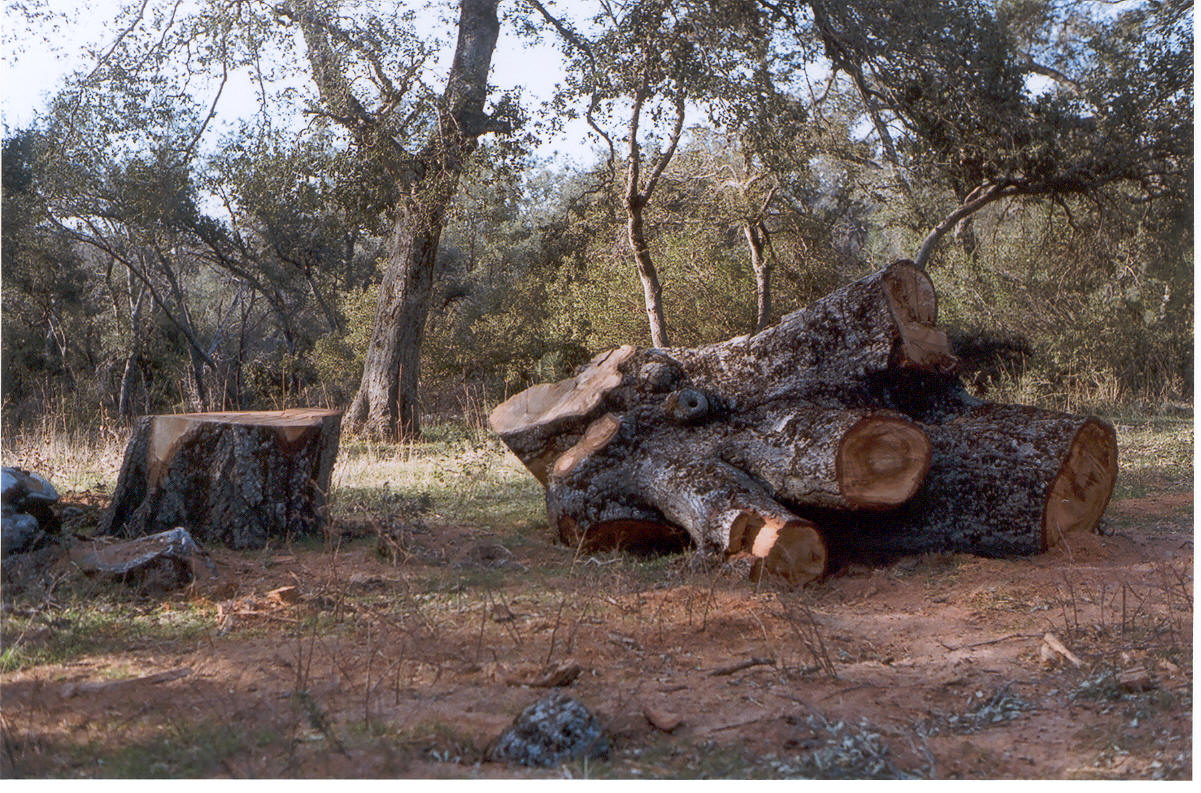
The Interior Appropriations Subcommittee expressed continued concern about poor regeneration of eastern white oak (Quercus alba). (Of course, several other tree species are also regenerating poorly but a strong lobby is tied to oaks due to their economic importance.
Hawaii’s endangered birds
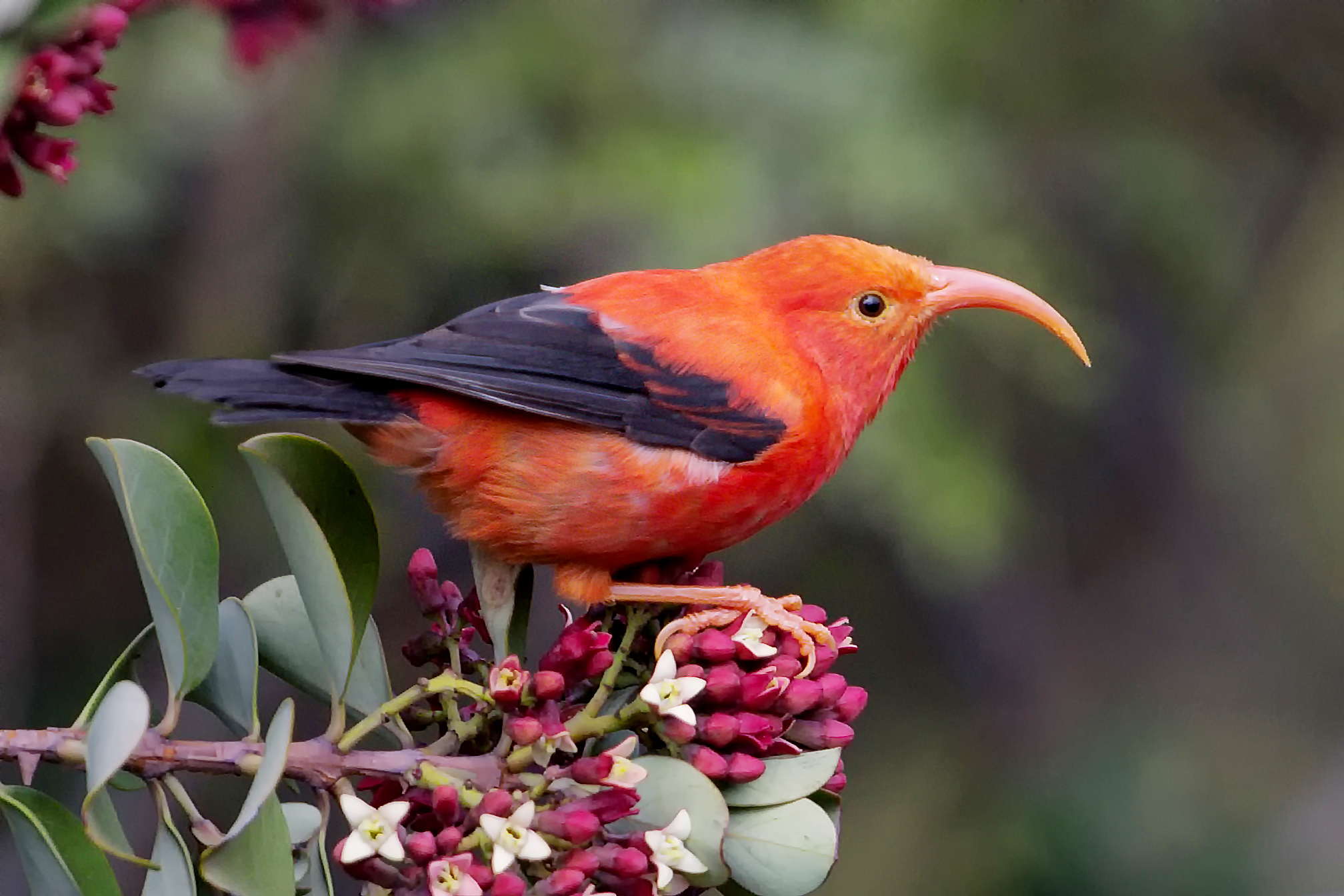
I am very pleased that the House Interior Appropriations Committee has provided $1,250,000 is for continuing research to protect Hawaiian forest birds from the dire extinction threat arising from non-native mosquitoes carrying avian malaria & other pathogens.
USDA Animal and Plant Health Inspection Service
APHIS is responsible for preventing the introduction and spread of pests and invasive plants that harm agriculture, including forests. APHIS policy guides port inspections carried out by the DHS CBP. APHIS inspects imported live plants. Unlike the USFS, APHIS has the support of the Trump Administration, so funding levels have remained steady. Of course, continuing introductions of new pests and spread of established ones – and inflation – have increased the cost of countering invasions, so the agency continues to fall behind despite its relatively privileged position.
The House of Representatives adopted the FY27 Agriculture Appropriations Bill in early June. I apologize for the obscurity of the FY26 funding levels. Figures are in millions of dollars.
FY2025 enacted FY27
APHIS total $1,148 $1,157
Plant health subtotal $387.5 $387.6
Agric. quarantine $35.5 $35.5
Field crop and rangeland $12 $10
Pest detection $29 $29
Methods development $21.5 $21
Specialty crops $206.5 $209
Tree and wood pests $59 $58.6
In its report, the Subcommittee on Agriculture Appropriations did not express concern about the issues that I had raised in my testimony. Instead, it mentioned several agricultural pests, e.g., citrus greening, fruit flies, a non-native beetle threatening nut orchards, and spotted lanternfly (Lycorma delicatula). The Subcommittee also urged APHIS to work with the USDA Forest Service to counter the spread of two native wood-borers, mountain pine beetle (Dendroctonus ponderosae) in Colorado and southern pine beetle (Dendroctonus frontalis). Since both are native, APHIS’ role is unclear. The Subcommittee mentioned two invasive plants: glossy buckthorn (Frangula alnus) – saying it threatens biodiversity, especially in the Allegheny National Forest in Pennsylvania; and Carizzo cane (Arundo donax), saying it contributes to tick invasions in addition to hampering detection of human immigrants along the Rio Grande.

The bill increases funding for the national feral swine management program by $500,000. (I cannot determine total the appropriation). The Agriculture Appropriations Subcommittee had urged APHIS Wildlife Services to prioritize states with the largest invasive populations – although this choice contradicts standard advice for managing invasive species, including feral swine.
In one action linked to our concerns about wood-borer introductions via wood packaging, the Subcommittee encouraged APHIS to recognize sulfuryl fluoride as a treatment for logs, wood products, & wood packaging. This fumigant has been accepted under the international (ISPM#15) since 2013.
Posted by Faith Campbell
We welcome comments that supplement or correct factual information, suggest new approaches, or promote thoughtful consideration. We post comments that disagree with us — but not those we judge to be not civil or inflammatory.
For a detailed discussion of the policies and practices that have allowed these pests to enter and spread – and that do not promote effective restoration strategies – review the Fading Forests report at http://treeimprovement.utk.edu/FadingForests.htm
Or