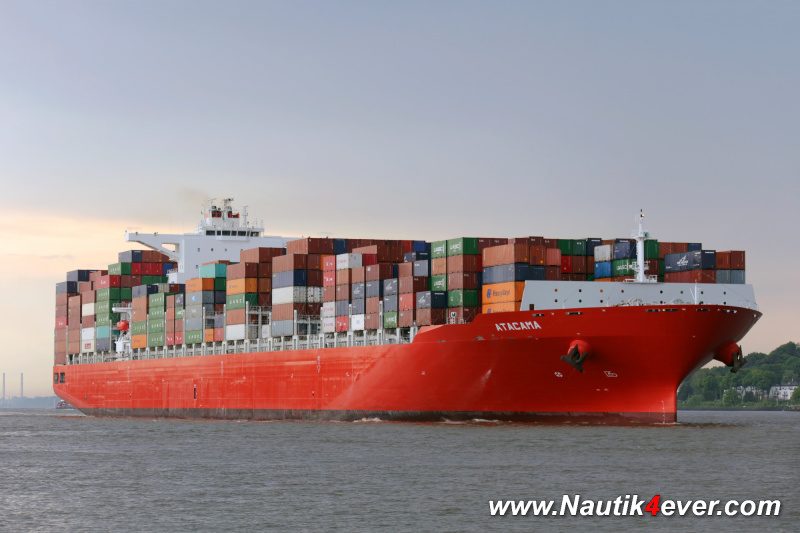
Imports from Asia, specifically China, had surged in the first half of 2025 as importers tried to get ahead of new tariffs. Blog They then fell sharply, although there was also a shift in Asian suppliers from China to Vietnam and India. At the end of 2025, experts expected the slump to persist into 2026. However, now we learn that U.S. imports from Asia jumped 13% from April to May, to 1.68 million TEUs (Michael Angell, Journal of Commerce, June 16, 2026). According to Politico, the shift to importing goods from Vietnam, and to a lesser extent to Thailand and Indonesia, has continued.
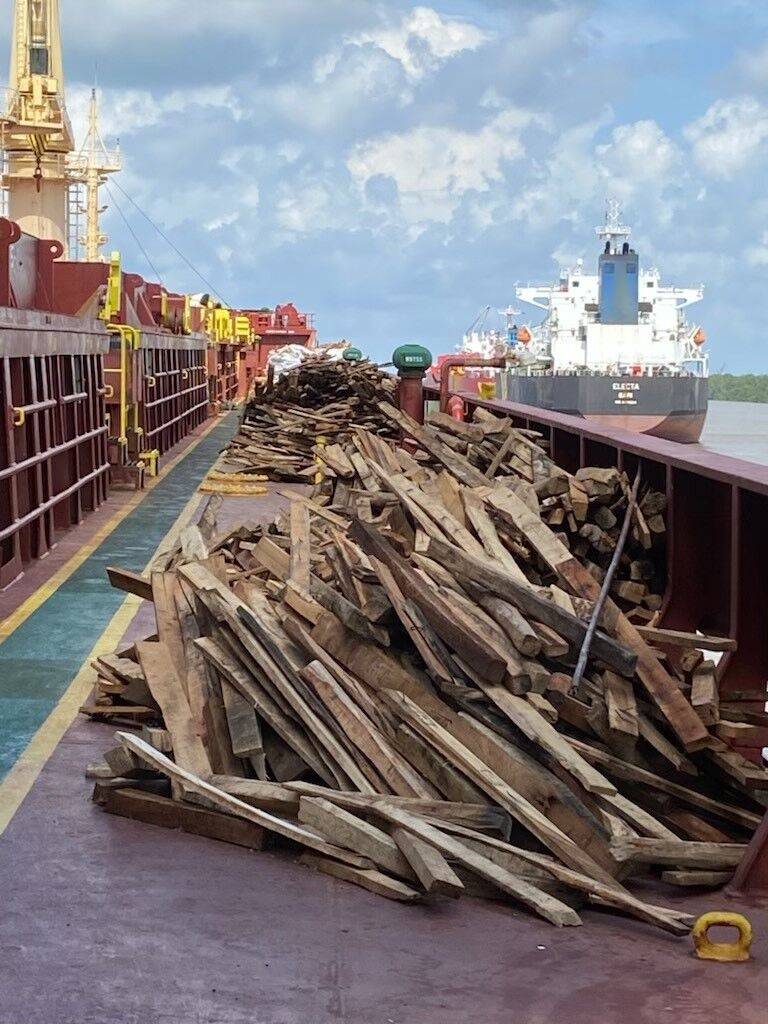
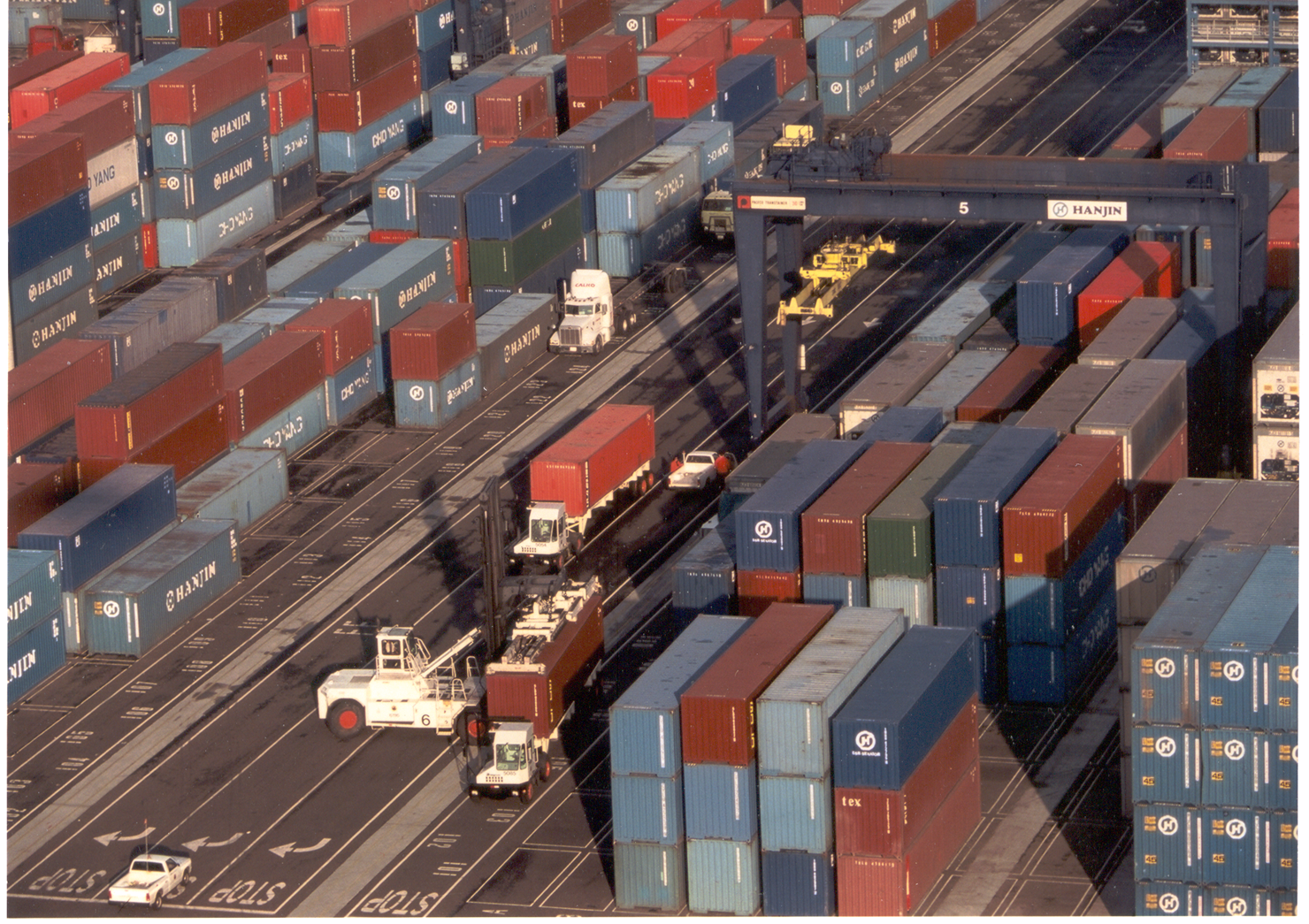
American cities continue to compete for to build larger ports so they can receive more cargo. Of course, more cargo means more incoming containers. As my blogs document (click “wood packaging” in the “Categories” section below the “Archives”), containers and especially the crates and pallets inside them too often transport wood-boring insects and other invasive species.
My source of information on these developments is from the Journal of Commerce website. Unfortunately, access is blocked by a paywall.
Recent reports concern port cities dredging and widening their ports in hope of attracting increased import volumes.
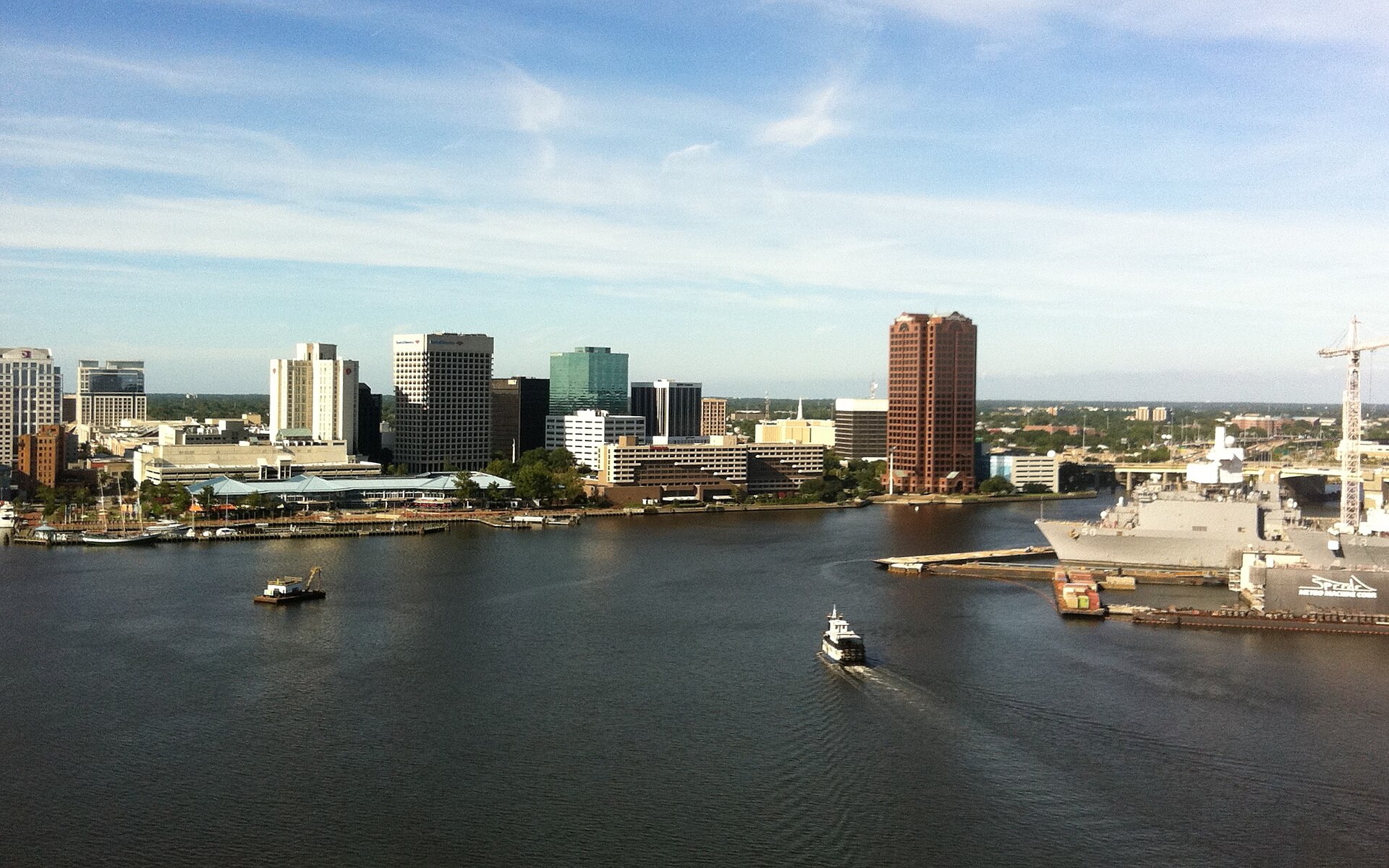
Norfolk, Virginia
This month the Virginia Port Authority (VPA), Governor Abigail Spanberger and other federal, state, and local officials inaugurated the Port of Norfolk’s expanded capacity. At 55 feet, Norfolk is now the deepest and widest port along the East Coast. The project, begun in 2019, will allow Norfolk to handle vessels carrying up to 18,000 TEUs [twenty-foot equivalent containers]. Authorities are encouraging ocean carriers to call there.
The port was visited by 1,497 container ships over the past 12 months; nearly a quarter had a capacity greater than 11,000 TEUs.
Virginia’s container volumes grew on average 3% annually between 2017 and 2024. In 2025, total container volume fell 8% from 2024 because shippers hoped to avoid tariff deadlines by unloading cargo at a first or second port of call. Virginia was the six-busiest US port for imports this year through May, handling 635,205 TEUs. That was up 2.6% from the same five-month period a year ago. To attract shippers to Norfolk as a first or even second port of call for more container services, Virginia Port Authority CEO Sarah McCoy said, Virginia needs to emphasize rail links. This involves expanding the region’s distribution center network.
The project to dredge and widen the port began in 2019. The total project has a budget of $1.4 billion. The project included adding two ultra-large container vessel (ULCV) berths at each of its two container terminals. The final component is to renovate the North Berth, including developing a fifth ULCV berth, plus four new ship-to-shore cranes and semi-automated stacking cranes in its container yard. Completion is scheduled for mid-2027. At that time, the port’s total handling will reach 5.8 million TEUs. The International Longshoremen’s Association (ILA) is contesting installation of semi-automated stacking cranes in a series of lawsuits.
Other East Coast ports are also adding terminal capacity. This includes the Port of Baltimore, where a shipping company is developing a container terminal that includes handling two ULCVs simultaneously. Apparently they are not deterred by the months-long closure of the Port of Baltimore caused by a ship colliding with a bridge downstream from the port.
[Information from Michael Angell, Senior Editor, East Coast Ports. “Norfolk aims to be preferred USEC gateway with deeper port” June 18, 2026]
The Port of Savannah remains dominant. In 2025 Savannah and the roll on-roll of facility in Brunswick together handled nearly 5.7 million TEUs, an increase of 2.6% or 146,000 TEUs compared to 2024. Even so, Georgia Ports is financing a $4.5 billion port and inland infrastructure plan which will add five new container berths in Savannah, the most new berths of any U.S. port and one new RoRo berth in Brunswick. Port officials brag about their rapid turnover of cargo from ship to rail. Forty-two double-stack trains per week take this cargo to Atlanta, Memphis, Nashville, Charlotte and Orlando. The Port Authority also operates two inland terminals – in in Chatsworth and Gainesville, Ga.
Corpus Christi
As I have reported in previous blogs, Gulf Coast ports are also upgrading to receive more shipments. DP World, a Dubai-based terminal operator, is negotiating to develop a container terminal at the Port of Corpus Christi. This would open this port to container logistics.
Corpus Christi is already the third-busiest port in the US by gross tonnage, behind Houston and South Louisiana. The bulk of cargo is petroleum and bulk commodities. (In past years, dunnage associated with bulk commodities proved to cause pest-infestation problems in nearby Houston.)
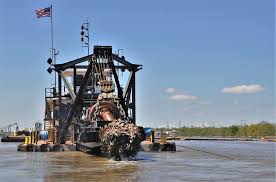
Last year Corpus Christi completed an eight-year, $625 million project to widen and deepen its main shipping channel (from 47 feet to 54 feet). The expansion allows visits by super-post-Panamax container vessels.
[Information from Michael Angell, Senior Editor, East Coast Ports. “DP World begins talks with Corpus Christi for container terminal project” June 16, 2026]
Warehouse Capacity
Leaders of logistics managers note that importers and domestic manufacturers are diversifying their supply chains – both warehouse facilities and shipping routes – because of ongoing supply chain disruptions even years after COVID 19. While many industrial warehouses across the U.S. still have vacancies (averaging above 7%), some markets are filling up. They mention Chicago, Indianapolis, Memphis, Dallas, and Kansas City. These cities’ warehouse vacancies average ~5%. Indianapolis leads; asking rents for industrial space there have climbed more than 50% over the past five years. Phoenix also anticipates increased demand for space, although its current vacancy rate is 10.6% – the highest vacancy rate of the 25 largest markets.
The move away from Los Angeles-Long Beach began years ago. To move freight inland, shippers need options, particularly access to intermodal rail.
The experts attribute this growth to the need for more flexibile supply chains and demand for materials used in constructing data centers. Demand for the second category is reportedly strongest in the Southeast, followed by interior central markets.
[Information from William B. Cassidy, Senior Editor, Trucking. “US warehousing expanding faster at key inland hubs” June 18, 2026]
Posted by Faith Campbell
We welcome comments that supplement or correct factual information, suggest new approaches, or promote thoughtful consideration. We post comments that disagree with us — but not those we judge to be not civil or inflammatory.
For a detailed discussion of the policies and practices that have allowed these pests to enter and spread – and that do not promote effective restoration strategies – review the Fading Forests report at http://treeimprovement.utk.edu/FadingForests.htm
Or