New Sirex established in South America … threat to pine plantations + threat to native conifer from North American aphid

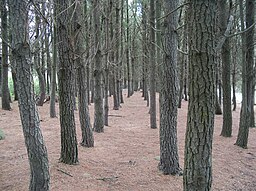
pine plantation near Buenos Aires; photo by Biologicadero via Wikimedia

I have learned about the introduction of a North American woodwasp, Sirex obesus, in Brazil. Forestry interests in South America are worried that this woodwasp will cause significant damage to the pine plantations occupying 4.6 million hectares on the continent.

In July 2023, experts at the Estação Experimental de Ciências Florestais at ESALQ/USP in Itatinga, São Paulo, Brazil, investigated dead and symptomatic trees of several Pinus species and subspecies. They expected the causal agent to be Sirex noctilio – a woodwasp native to Europe and North Africa that has caused considerable damage to South American pine plantations since the 1980s (Wilcken et al.).

However, the pine species attacked were not typical hosts for S. noctilio (in Brazil, loblolly pine Pinus taeda). Instead, the infected trees were Caribbean pines, i.e., Pinus caribaea hondurensis, P. caribaea bahamensis, P. caribaea caribaea, P. maximinoi, P. tecunumani. The responsible woodwasp was identified as Sirex obesus. This species is native to the southwestern United States and northern and central Mexico (Wilcken et al.). This species is closely related to S. californicus (Wilcken et al.).

A second outbreak was found in November ~ 130 km away (still in São Paulo state). Scientists have not determined whether the two São Paulo outbreaks are related. Dr. Villacide reports (pers. comm.) that the two populations genetics have been compared, but he does not have the results.

A third population has been detected in a second, neighboring, state, Minas Gerais (Wilcken to Lantschner and Villacide).

Dr. Villacide (pers. comm.) reports that Brazilian scientists are trying to delimit the extent of the outbreaks. Public and private scientists in other countries with pine plantations have begun developing responses.

This is the first record of S. obesus outside of North America (Wilckens et al.).

Little is known yet about this woodwasp’s probable impact. It is clear that it can oviposit in a wide range of pines. In its native range, S. obesus has been reported on three host species: Pinus ponderosa, P. teocote (twisted-leaf pine), and P. leiophylla (no common name; native to Chihuahua – mostly in Mexico, and border areas of New Mexico and Arizona]. In Brazil, as noted, it has been recorded on other species as well as the hybrids P. caribaea x P. elliottii and P. caribaea x P. tecunumanii (Wilcken et al.).

So for purposes of their risk assessment, Lantschner and Villacide assumed that S. obesus can affect any of the species commonly planted in the region: P. taeda, P. elliottii, P. ponderosa, P. contorta, P. caribaea, P. oocarpa, P. patula, P. radiata, and P. tecunumanii (Lantschner and Villacide).

The risk assessment predicts suitable climatic conditions for invasion by S. obesus in 48% of the areas where South American pine plantation occur, particularly in montane and high-altitude regions along the Andean corridor and central-eastern Brazil. Incorporating other factors – host distribution, proximity to invaded areas, and volume of wood imports from Brazil – identified the most vulnerable areas as in southern Brazil, northeast Argentina, the Argentine Patagonia, and central Chile (Lantschner and Villacide).
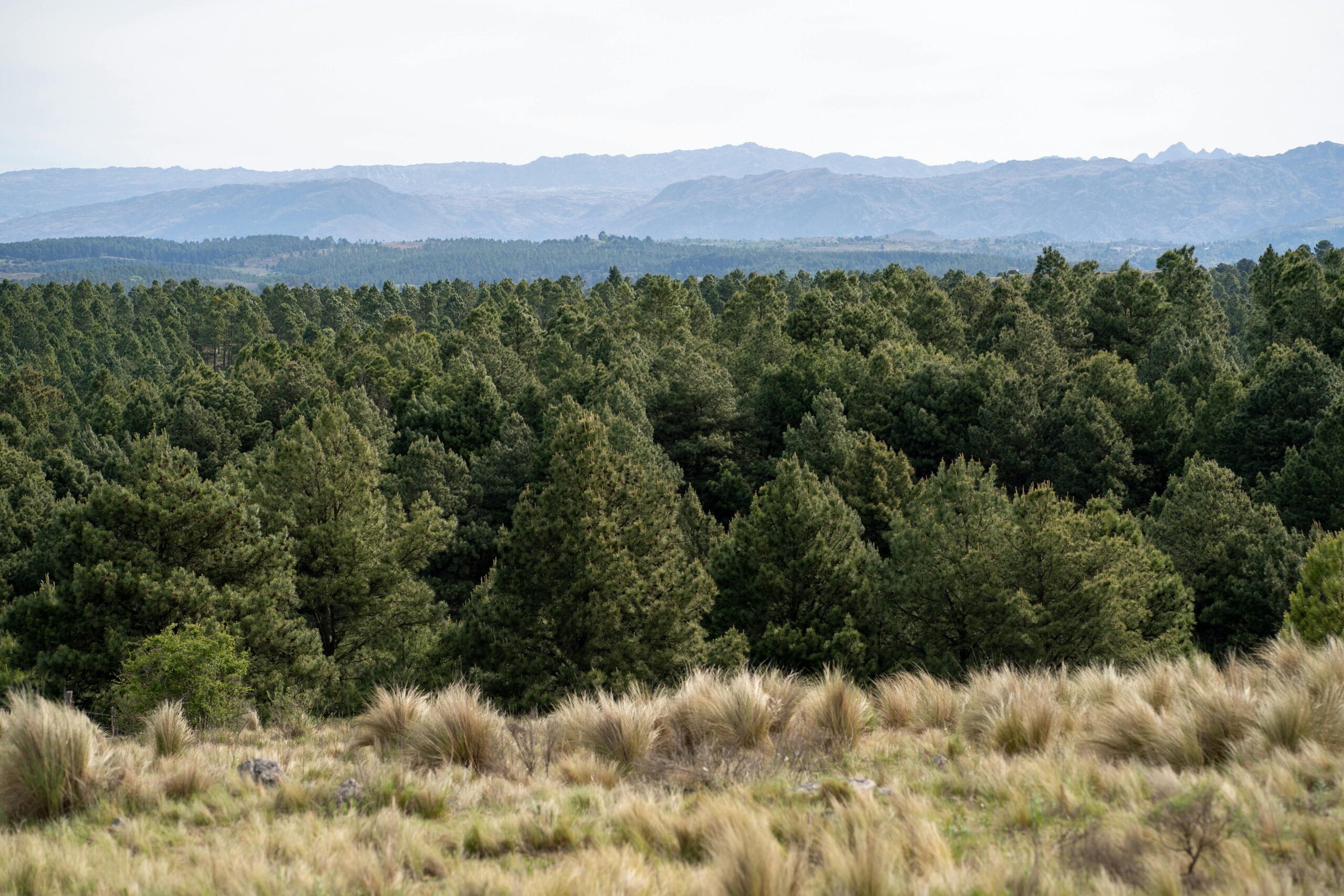
pine plantation in Argentina; photo by Tomas Asurmendi via pexels

Preliminary sampling (Wilcken et al.) indicates the impacts could be severe. Mortality varies by species: in the worst cases average mortality approached 43% on P. caribaea hondurensis but only 11% on loblolly pine (P. taeda). They expect mortality rates to increase. Another 30% of P.c. hondurensis trees are dripping resin, a sign of woodwasp oviposition. If these eggs hatch, those larvae will probably kill the affected trees. Such a result would increase total mortality of P.c. hondurensis from 43% to ~ 73%. For P. taeda, the current mortality rate of 11% could rise to 49% as an additional 38% of trees succumb. Following this logic, these areas could experience complete tree mortality within a few years. Given the extent of pine plantations, and possible mortality rates, even a partial spread of S. obesus could lead to significant econ losses.

As second factor is the number of generations per year; the higher the number, the faster woodwasp populations can increase. Wilckens et al. report that adult emergence in Pinus logs maintained in cages indicates that S. obesus could have two or three generations per year.

S. obesus seems to prefer a different climate than S. noctilio. As noted, S. obesus seems to prefer montane and high-altitude climates. S. noctilio is concentrated in lowland temperate and humid regions (Lantschner and Villacide). The newly introduced species might substantially broaden the geographic area where pine plantations might be at risk – although further research is needed to clarify this point.

S. obesus also appears to be spreading at a rapid rate — ~46 km / year. At this rate, Lantschner and Villacide say it could spread throughout all major pine plantation areas in Brazil in less than years.

Sirex woodwasps kill trees by injecting a symbiotic wood decay fungus and a phytotoxic mucus into the tree when ovipositing. The toxin weakens the tree, allowing the fungus to spread, typically killing the tree in as little as three–four months. In North America S. obesus is associated with Amylostereum chailletti. While this species has not yet been confirmed in Brazil, (Wilckens et al.). Brazilian scientists are exploring whether S. obesus might adopt the fungus already present, Amylostereum areolatum, which is associated with S. noctilio.

Two insect species known to feed on woodwasps have emerged from logs infested with S. obesus: Ibalia leucospoides (Hymenoptera: Ibaliidae) and a species of Schlettererius (Hymenoptera: Stephanidae). While these two predators have not proved to be effective controls of woodwasps by themselves, they might become part of a control program. The parasitic nematode, Deladenus siricidicola (Nematoda: Neotylenchidae) used successfully in several South Hemisphere countries to control S. noctilio has not been found in Brazil (Wilckens et al.).

Scientists don’t know the pathway by which S. obesus entered Brazil. Wilckens believes it was via wood packaging; technicians from the Ministry of Agriculture have found some pallets associated with imports that lacked the ISPM#15 mark (Wilckens et al.).

Both Lantschner and Villacide and Wilcken et al. stress the vulnerability of South American pine plantations to introduction of damaging pests. The plantations are reportedly intensively managed, even-aged, regularly spaced monocultures. These conditions can facilitate invasive species establishment and spread by providing abundant host resources and reduced natural enemy pressure. Lantschner and Villacide cite Michael Wingfield that in plantation forestry, introduction of a single pest species can damage large areas of valuable timber.
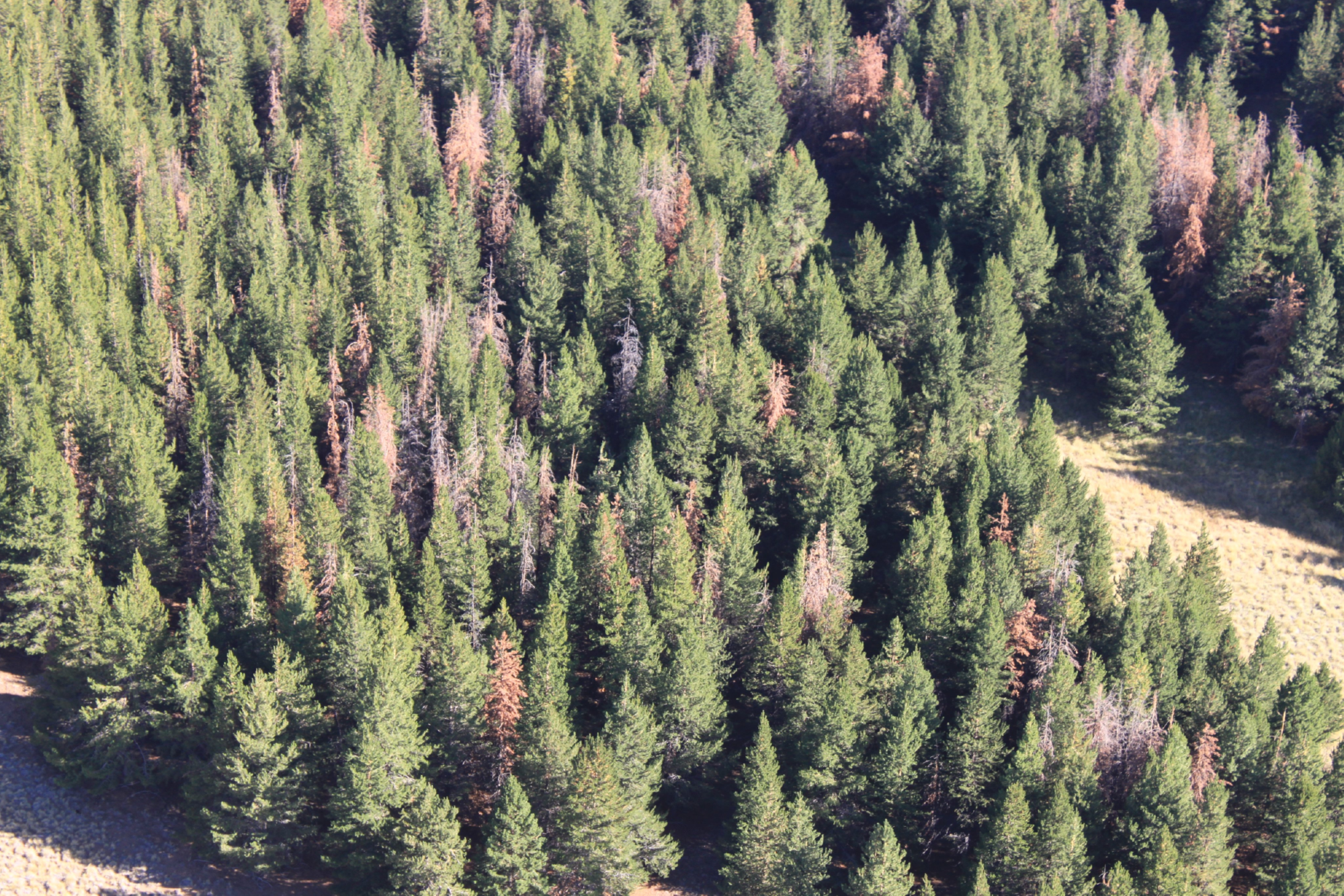
mortality caused by Sirex noctilio in a pine plantation in Argentina; photo courtesy of Jose Villacide

The family Siricidae contains more than 120 species distributed across the forests of the Northern Hemisphere. In their native ranges they are typically minor or secondary pests (Wilckens et al.). Woodwasps have demonstrated that they can be transported in international commerce – S. noctilio alone has invaded pine stands (native or exotic) in nine countries in Oceania, Africa, and South and North America. Three other species in the family — Urocerus gigas, Urocerus flavicornis and Tremex fuscicornis – have been detected in South America (Wilckens et al.). If each represents a unique threat, countries with widespread pine plantations should enhance their phytosanitary programs. Exporting parties, e.g., the United States and European Union, should assist in efforts to prevent spread of these wood borers. One major step would be to strengthen regulations governing wood packaging material. [To see my criticisms of shortfalls of the ISPM#15 system, scroll down the list of blogs to “Categories” and click on “wood packaging”.]

Lantschner and Villacide cautionthat their assessment is based on a limited record of S. obesus occurrences in its native range. This range might be restricted by factors other than climate, including geographic barriers or biotic interactions (natural enemy pressure or interspecific competition). If so, the species’ potential invasive range might be larger than the climate-based models predict.

Recommendations for management strategies

I applaud Lantschner and Villacide for proposing immediate steps to improve management of the threat posed by introduction of S. obesus. These recommendations should prioritize enhanced phytosanitary inspections of wood products moving between high-risk regions and other South American countries. They suggest that Brazil adopt bilateral agreements with its major trading partners which would specify protocols for woodwaspdetection and quarantines. [Since many of these countries already have established populations of S. noctilio they probably do not have strong phytosanitary measures targeting wood borers at present.] Lantschner and Villacide advise creation of targeted surveillance programs in southern Brazil, northeastern Argentina, Argentine Patagonia, and central Chile. They should focus on sites near major transportation hubs and border crossings. Less intense surveillance should be instituted in regions they classified as medium risk. Again, the focus should be on major points of entry for imported goods and on plantations located near the Brazilian border. They note that preventing spread of S. obesus into new areas will require not only national efforts but also regionally coordinated monitoring, research, and forest health policies.

Lantschner and Villacide also identify priority areas for future research. These include clarifying S. obesus’shost range, the environmental conditions that enable the woodwasp to establish and persist beyond its native range, dispersal rates, and whether S. obesus exhibits pulse-like pop dynamics[long periods of low density interrupted by sudden outbreaks] seen in S. noctilio.

Dr. Villacide (pers. comm.) reports that Brazilian scientists are trying to delimit the extent of the outbreaks. Public and private scientists in other countries with pine plantations have begun developing responses. Dr. Villacide has posted a video from a recent online seminar sponsored by the Southern Cone Forest Health Group. Go to https://youtu.be/uVU6CpFNhlQ?si=lqXtwJTtz5rKXfL3 or
https://sanidadforestalconosur.org/

A wider prespective

Dr. Villacide’s attention to Sirex obesus is part of his broader work on pest issues in South America’s commercial plantations. In another publication (Villacide and Fuetealba 2025; full citation at the end of this blog), he explores how to make these plantations sustainable in the face of rising threats from pests – both introduced and native to the region. Dr. Villacide and Alvaro Fuetealba report that every year 1.2 million hectares of plantations in the Southern Cone are affected by pests. Their vulnerability of will be worsened by the extreme weather events expected under climate change.  

These plantations present vast areas of homogeneous stands: ~97% of the Southern Cone planted area consists of exotic tree species – mainly Pinus and Eucalyptus. Typical plantations are high density and managed intensively – including thinning, pruning, and fertilizing – to prompt rapid growth. As Villacide and Fuetealba point out, while these practices maximize wood production efficiency, they also lead to biological homogenization and reduced resilience to pests.

They report that pine plantations are under attack by wood and bark borers that have followed pines to the region, including Sirex noctilio, Orthotomicus erosus, and Cyrtogenius luteus; and now the newly detected Sirex obesus (above). At least two fungal pathogens — Fusarium circinatum and Dothistroma septosporum – have also been introduced. The principal threat to pine plantations from native pests comes from leaf-cutting ants (Atta and Acromyrmex).Eucalyptus plantations are plagued by several insects that have arrived from Australia, including Phoracantha semipunctata, Thaumastocoris peregrinus, and Leptocybe invasa. Pests native to the region that attack Eucalyptus are the Chilean carpenter worm (Chilecomadia valdiviana) and the leaf-cutting ants.
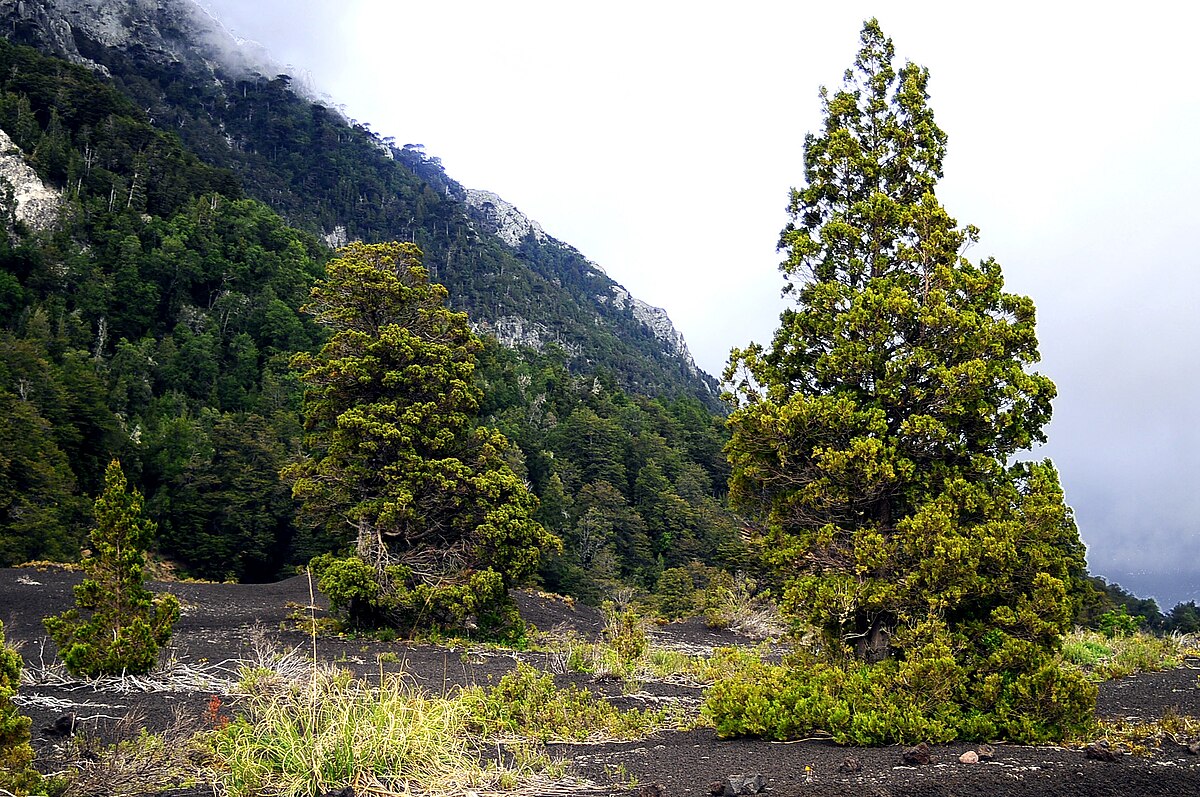
Cordilleran cypress; photo by LBM 1948 via Wikimedia

Threat to native conifer

More worrying to me is that introduced pests have entered native forests. Villacide and Fuetealba report that the aphid Cinara cupressi is attacking the native conifer Austrocedrus chilensis. Cordilleran cypress, also called Chilean or Patagonian cedar, is an endemic, monospecific tree in the Cupressaceae family. In southern Argentina and Chile the species forms pure and mixed stands with southern hemisphere beech (Nothofagus spp.) across ~ 160,000 ha. The profile Cinara cupressi on the Global Invasive Species Database is unclear about how many species are in the species complex and their places of origin.

Cordilleran cypress is also under attack by the oomycete Phytophthora austrocedri, an oomycete of unknown origin. This pathogen is of unknown origin. It is now thought to have been present in Argentina since at least the 1960s. P. austrocedri has also been ntroduced to Europe, western Asia, and North America.

Villacide and Fuetealba advocate several actions to might diversify tree species in the plantations to reduce their vulnerability to pests. They note that this recommendation builds on foundational ecological theory, including the resource concentration and natural enemy hypotheses. Diversity-promoting actions should reach beyond any plantation to the landscape level. Managers should consider connectivity of susceptible stands, the number of nutritionally optimal host trees in the landscape, and the availability and quality of hosts in adjacent stands.

Villacide and Fuetealba say mixed plantations can provide additional ecological and economic benefits, such as enhanced stand-level productivity; production of a wider range of commercial and subsistence products; and greater resistance and resilience to natural disturbances, e.g., extreme weather events.

They warn that designing and implementing mixed plantations must reflect ecological interactions and pest dynamics as well as management. There is need for regionally coordinated experimental plantations where scientist could test how variables such as tree species composition, density and spatial arrangement, and silvicultural practices influence pest dynamics, forest productivity, and ecosystem resilience under local conditions. They suggest incorporating sentinel plantings both early-warning systems and decision-support tools at plot and regional scales. Researchers should evaluate pest-specific responses, productivity trade-offs, long-term forest health outcomes under different scenarios.

Since the plantations extend across a multinational region with few natural barriers and uniform silvicultural practices, as well as high levels of trade, so do the pest problems. Therefore, the response must also be regional – e.g., regional experimental plantations and living laboratories. A collaborative approach linking researchers, forest managers, and policymakers is essential to translate experimental findings into practice and develop adaptive, ecol grounded silvicultural strategies. Long-term ecological trials must be embedded in operational contexts and aligned across countries.

SOURCES

Lantschner, V. and J. Villacide. 2025. Invasion Potential of the Recently Established Woodwasp Sirex obesus. Neotropical Entomology. (2025) 54:117  https://doi.org/10.1007/s13744-025-01347-6

Villacide, J. and A. Fuetealba. 2025. Pests in plantations: Challenging traditional productive paradigms in the Southern Cone of America. Forest Ecology and Management 597 (2025) 123127

Wilcken, C.F., T.A. da Mota, C.H. de Oliveir, V.R. de Carvalho, L.A. Benso, J.A. Gabia, S.R.S. Wilcken, E.L. Furtado, N.M. Schiff, M.B. de Camargo, M.F. Ribeiro. 2025. Sirex obesus (Hymenoptera: Siricidae) as invasive pest in pine plantations in Brazil. Scientific Reports. 2025. 15:22522  https://doi.org/10.1038/541598-025-06418-7

Posted by Faith Campbell

We welcome comments that supplement or correct factual information, suggest new approaches, or promote thoughtful consideration. We post comments that disagree with us — but not those we judge to be not civil or inflammatory.

For a detailed discussion of the policies and practices that have allowed these pests to enter and spread – and that do not promote effective restoration strategies – review the Fading Forests report at http://treeimprovement.utk.edu/FadingForests.htm

Or
https://fadingforests.org

Wood Packaging Pest Risk: changing trade patterns might reduce it

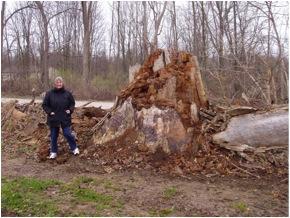
Michigan’s champion green ash – killed by emerald ash borer

As readers of this blog know, I worry when volumes of imports rise (scroll down the webpage to “categories”, then scroll down to the “wood packaging” category), especially when the rise is rapid and supply chains are in chaos – as they are now. As I reported a month ago,  U.S. imports from China landing at U.S. west coast ports grew by significant amounts during January through April 2025 as importers sought to get their goods before a threatened strike by longshoremen and high tariffs mandated by President Trump. The blog provides specific proportional increases for the ports of Los Angeles, Long Beach, Oakland, Seattle, and Tacoma. After a dip in May and June [as reported in both the Washington Post article and that by M. Angell] – in response to President Trump announcing a 145% tariff on goods from China – imports surged again in July when this tax was postponed (see below).

These spurts in imports worried me because wood packaging from China has a nearly 30-year history of higher-than-average failure to comply with phytosanitary regulations (see Haack et al. 2022; full citation at the end of this blog; and earlier blogs). I fret that when importers are in a rush neither exporters nor importers pays much attention to whether the crates and pallets have been treated in accordance with ISPM#15 to prevent insect infestation.

The surge in imports was across the board. Indeed, other countries saw even higher growth in exports to the United States than did China. According to the Journal of Commerce (JOC), www.joc.com  containerized imports from all exporters reached an all-time high in July 2025 — 2.6 million TEUs  Over the six-month period January through June, 12.53 million TEUs [Robb] (otherwise measured as approximately 6.3 million 40-ft containers). JOC also recorded single-digit declines in import volumes from all regions in May and June. 

In a blog in March 2025 I noted that the Department of Homeland Security’s Bureau of Customs and Border Protection (CBP) had processed 36.6 million shipping containers holding imports in Fiscal Year 2023 – which ended in September 2023. Together, Mexico and Canada provided 30% of U.S. imports in 2022. So probably ~25 million shipping containers arrived via ship from Asia, Europe, and other overseas trading partners.

Note that the CBP reports containers, while the JOC reports TEUs [TEU = twenty-foot equivalent unit; standardized measure of container]. Most sea-borne containers are actually 40 feet long; CBP numbers probably refer predominantly to 40-feet containers. The numbers reported by the two sources are not equivalent. The trends do match, however.

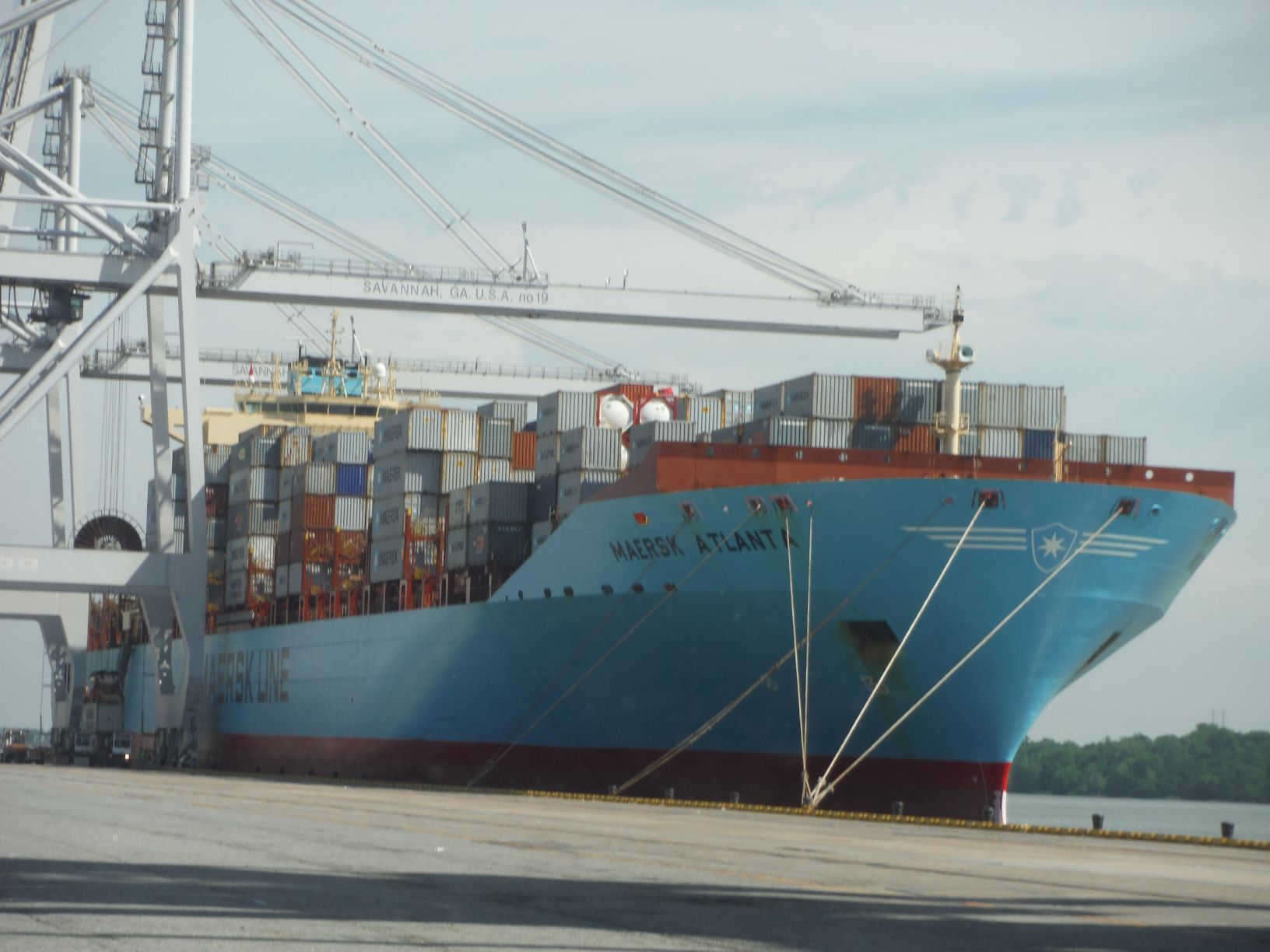
container ship at Hai Phong container port; photo by Nathan.cima via Wikimedia

Origins

Despite the spurts in volumes of incoming containers, total imports from China have declined from previous years. According to Angell, the 1.228 million TEU imported from China in July was 8% lower than the number of TEUs from China in July 2024. Importers have shifted to suppliers in Southeast Asia. Containerized imports from that region rose 24% over the previous July, reaching records of 542,414 TEUs in June and 581,803 in July. In fact, the U.S. imported more goods from Southeast Asia in the months March – June than from China (Wallis 2025).

The second greatest increase was in imports from countries on the Indian subcontinent. They also reached a record in July of 152,630 TEUs – 21% above July 2024.

Vietnam and India have much better records of compliance with ISPM#15 than does China: only one of 257 consignments from Vietnam and three of 1,549 consignments from India inspected over the period 2010 – 2020 harbored pests. Thus, from the perspective of introduction of non-native tree-killing insects, the shift to Southeast Asia and India is a plus. However, this improvement might not last. I expect that the 50% tariff on most goods from India that came into effect in late August 2025 will result in a steep fall-off in imports from that country.  

Imports from Southern Europe also rose 7% from a year earlier to 155,587 TEUs. Imports from Northern Europe were essentially flat over the July 2024 – July 2025 period.

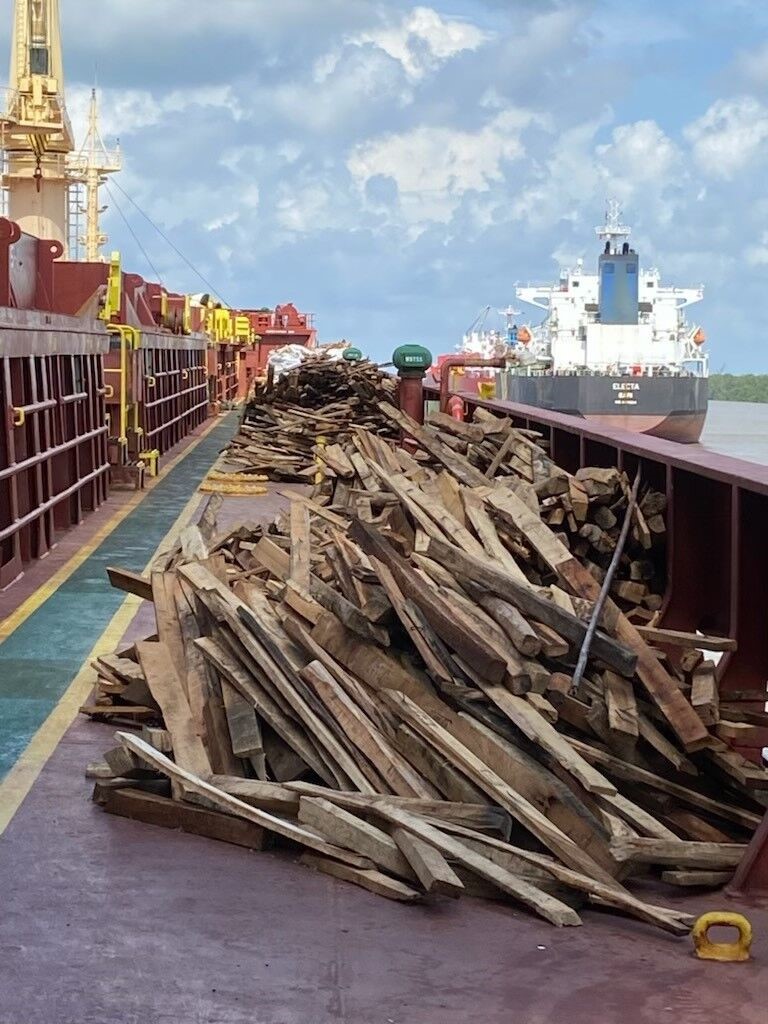
discarded dunnage in Houston

Ports

Shifts in trade patterns also appear in port data. The Port of Los Angeles received 542,940 TEUs in July, a 10% increase from a year earlier and the highest monthly total for the port since August 2024. However, it was Houston that saw the strongest year-over-year import growth; the 184,418 TEUs entering in July 2025 volume were 18.5% higher than the number imported in July 2024. Imports from Southeast Asia saw a 63% increase; those from China rose by 9.8% [Angell].

As you might remember, pest detections by CBP have risen at ports in America’s southeast: at the National Plant Board meeting in July, representatives of APHIS and state phytosanitary agencies expressed surprise about this finding. I reminded the group that ports in that region had been receiving higher import volumes in recent years, including from Asia through the widened Panama Canal. I added that there had been problems with dunnage in the port of Houston.   

De Minimis packages

As of 29 August 2025, the United States is imposing tariffs on small-value imports that previously could enter the country tax-free. In 2016, the U.S. raised the threshold from $200 to $800. Importers of these packages not only avoided paying taxes on this newly expanded list of items. They also were subjected to minimal processing, including inspections (Chapell). This change coincided with on-line shopping becoming the norm. De minimis shipments started to dominate cargo entering the U.S. According to a press release from the Bureau of Customs and Border Protection, cited by NPR, the number of de minimis shipments grew from 140 million in 2014 to 1.36 billion in 2024.

Not coincidentally, phytosanitary officials have expressed growing concern about on-line sales of plant species considered invasive in one or more states, and exacerbated appearance of items infested by plant pests. These concerns have been voiced at National Plant Board meetings since at least 2021. At that meeting, then APHIS Deputy Administrator Osama el-Lissy said that managing

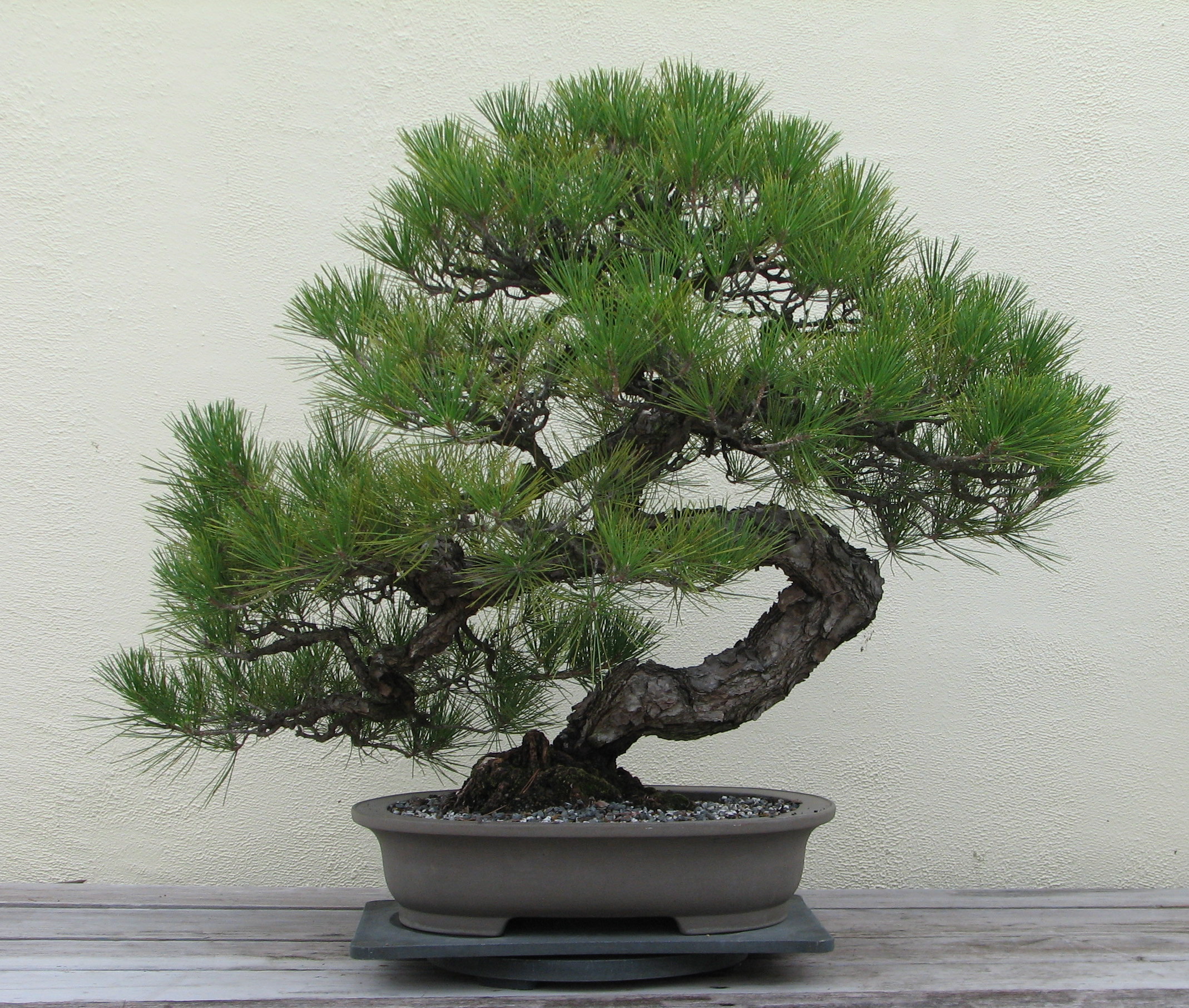
e-commerce was a priority of the new Biden Administration. The topic has been on the NPB agenda since then. Two kinds of shipments raise concern: those by North American suppliers that send plants or other items that violate regulations of the destination state, and those from abroad. All recognize that persuading foreign suppliers to comply with U.S. regulations is nearly impossible. At this year’s meeting, Acting Deputy Administrator Matt Rhoads conceded that APHIS has not yet figured out how to curtail this risk. The volume of illegal imports can be huge: an illegal shipment of tens of thousands of black pine (Pinus thunbergii) seedlings was sent to Georgia. State officials found out about the importation and stopped sale of the plants. Although the Trump Administration’s decision to end the de minimis exemption was not prompted by the plant health risks, it will probably help reduce it.

Japanese black pine bonsai at National Arboretum; photo by Ragesoss via Wikimedia

Imports during the Pandemic: will we soon see a jump in new detections?

We already know that import volumes first fell dramatically during the COVID-19 pandemic, then rebounded to record levels. According to David Lynch (citation below), in 2021 the Port of Los Angeles handled more than 535,000 incoming shipping containers in May 2021. During that month and three others in 2021, the number of arriving containers exceeded the single busiest month in 2019 (476,000) [p. 257]. Other ports also saw increased volume. Lynch discusses how this import surge stressed capacity of ports, warehouses, and transportation systems (truckers and railroads). He does not examine how this surge might have affected traders’ compliance with wood packaging treatment requirements or phytosanitary agencies’ ability to enforce those rules. Those agencies’ funding had decreased during the pandemic drought.

Five years have passed since this disruptive swing from low numbers to record-breaking quantities. Will we begin to see evidence — trees stressed by newly introduced insects or pathogens?

SOURCES

Angell, M. Journal of Commerce. Whipsaw from Trump’s tariffs drove US container import record in July. August 13, 2025. https://www.joc.com/article/whipsaw-from-trumps-tariffs-drove-us-container-import-record-in-july-6062634

Chappell, B. 2025. This rule made many online purchases dirt cheap for U.S. consumers. Now it’s ending. National Public Radio All Things Considered August 28, 2025. https://www.npr.org/2025/08/28/nx-s1-5519361/de-minimis-rule-tariffs-consumers-imports-trump

Lynch, D.J. 2025. The World’s Worst Bet: How the Globalization Gamble Went Wrong (and what would make it right) Public Affairs, New York

Robb, L. Journal of Commerce. US retailers project big year-over-year import declines to close out 2025. August 8, 2025. https://www.joc.com/article/us-retailers-project-big-year-over-year-import-declines-to-close-out-2025-6060323

Wallis, K. Surging Southeast Asia volumes strain Intra-Asia Capacity. https://www.joc.com/article/surging-southeast-volues-strain-intra-asia-capacity-6078465


Posted by Faith Campbell

We welcome comments that supplement or correct factual information, suggest new approaches, or promote thoughtful consideration. We post comments that disagree with us — but not those we judge to be not civil or inflammatory.

For a detailed discussion of the policies and practices that have allowed these pests to enter and spread – and that do not promote effective restoration strategies – review the Fading Forests report at http://treeimprovement.utk.edu/FadingForests.htm

Or

https://fadingforests.org

How do we prevent their introduction?

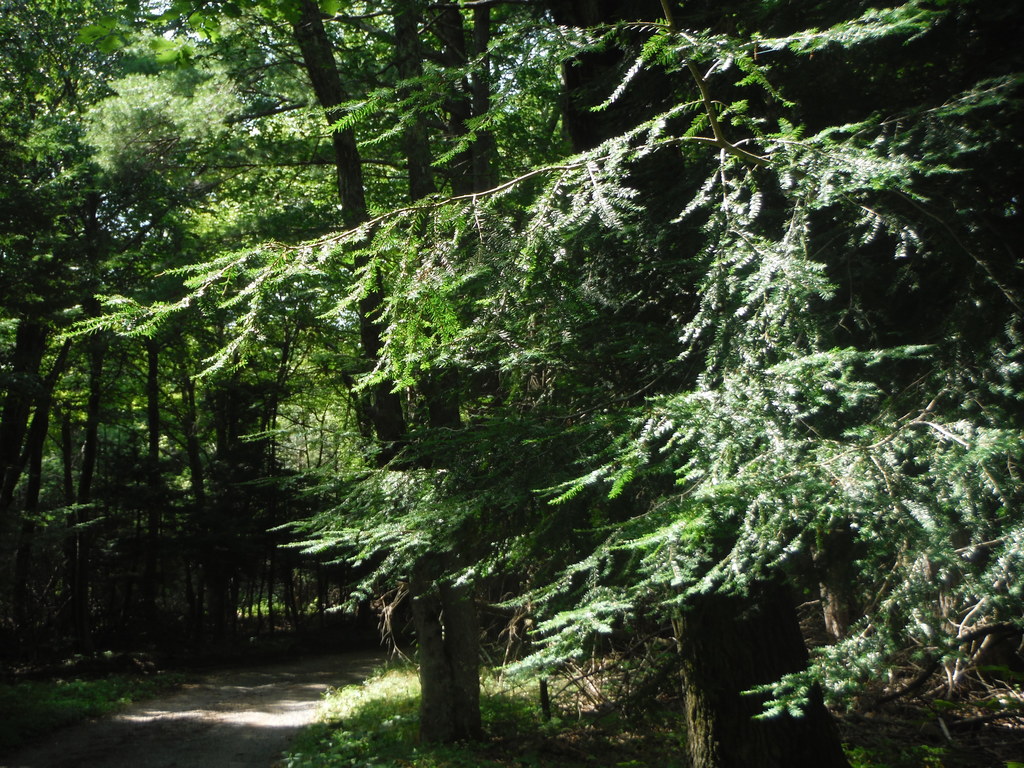
healthy eastern hemlock in Shenandoah National Park; photo by F.T. Campbell

PestLens reports newly detected insects and pathogens that seem to pose a threat to North American forests.

  1. Insects on hemlock – Tsuga spp

a) Adelges lepsimon (Hemiptera: Adelgidae) – found infesting Tsuga dumosa (Himalayan hemlock) trees in Bhutan.

b) bark beetle Pityokteines spinidens (Coleoptera: Curculionidae) – infesting Tsuga canadensis trees in an arboretum in the Czech Republic. Affected trees showed branch dieback, entry holes, and internal galleries.

Eastern hemlock has already been greatly reduced by hemlock woolly adelgid.

loblolly pine; photo by dcrjsr via Flickr

2. Several fungi infesting loblolly pine – Pinus taeda

needle chlorosis and drying, canopy dieback, and root necrosis on loblolly pines in Brazil is caused by the fungi Ilyonectria leucospermiIprotearumIrobusta, and Ivredehoekensis (Sordariomycetes: Hypocreales).

PestLens is supposed to alert APHIS to threats; I hope the agency is paying attention!

The USFS Southern Research Station reports that it is investigating brown spot needle blight, caused by the fungal pathogen called Lecanosticta acicola. The report says the pathogen has been present in the U.S. for more than 100 years, but does not indicate an origin. Other sources show it as widespread in both North America and Europe. The USFS notes two recent significant outbreaks, one affecting more than a million acres of loblolly pine in the Southeast, the second on eastern white pine in the Northeast. The pathogen also infects other species. .

You can subscribe to PestLens and receive weekly alerts – go to the website.

Posted by Faith Campbell

Wood packaging pest risk — will we pay for the crazy import rush in early 2025?

The Washington Post has summarized data on the number of container ships travelling from China to U.S. west coast ports for the first half of 2025. It compares those numbers to the same period in 2024.

For the first four months, the trips exceeded 2024 levels, often by considerable amounts, as importers sought to get their goods before President Trump imposed high tariffs. Thus, the number of container ships arriving at Los Angeles, Long Beach, Oakland, Seattle, and Tacoma during each month:

  • January: 17% increase
  • February: 32% increase 
  • March: 14% increase
  • April: 5% increase

In May, landings from China decreased by 33%! Those ships arriving also carried fewer containers.

When measured by the value of imported goods, imports from China fell 20% nationwide when we compare April 2024 to April 2025. This decrease was seen at four of the five west coast ports; the exception was Tacoma.

When President Trump “paused” the 145% increase in tariffs on Chinese goods, the prices shippers charge for transporting containers doubled – from less than $3,000 per container to $6,000. This change probably portends a rebound in import volumes.

I always worry about containers from China (see Haack et al. 2022; full citation at the end of this blog; and this blog). For more than 30 years they have too often been the means by which wood-boring insects are introduced to North American forests. I fret even more when import volumes are rising – especially when importers are in a rush. I suspect that neither exporters nor importers pay much attention to whether the crates and pallets have been treated properly.

ash tree killed by EAB — the risk of woodborers introduced in wood packaging; photo courtesy of John Hieftje, former mayor of Ann Arbor, Michigan

I have asked the Bureau of Customs and Border Protection for comment, but have not yet received a reply.

Please note that these data do not include information about imports from other Asian countries … or shipments destined for U.S. ports in the Gulf or Atlantic (via the expanded Panama Canal) or to Canadian ports.

SOURCE

Haack RA, Hardin JA, Caton BP and Petrice TR (2022) Wood borer detection rates on wood packaging materials entering the United States during different phases of ISPM#15 implementation and regulatory changes. Frontiers in Forests and Global Change 5:1069117. doi: 10.3389/ffgc.2022.1069117

Posted by Faith Campbell

We welcome comments that supplement or correct factual information, suggest new approaches, or promote thoughtful consideration. We post comments that disagree with us — but not those we judge to be not civil or inflammatory.

For a detailed discussion of the policies and practices that have allowed these pests to enter and spread – and that do not promote effective restoration strategies – review the Fading Forests report at http://treeimprovement.utk.edu/FadingForests.htm

Or
https://fadingforests.org

Call for new approach to biological conservation – integrating bioinvasion

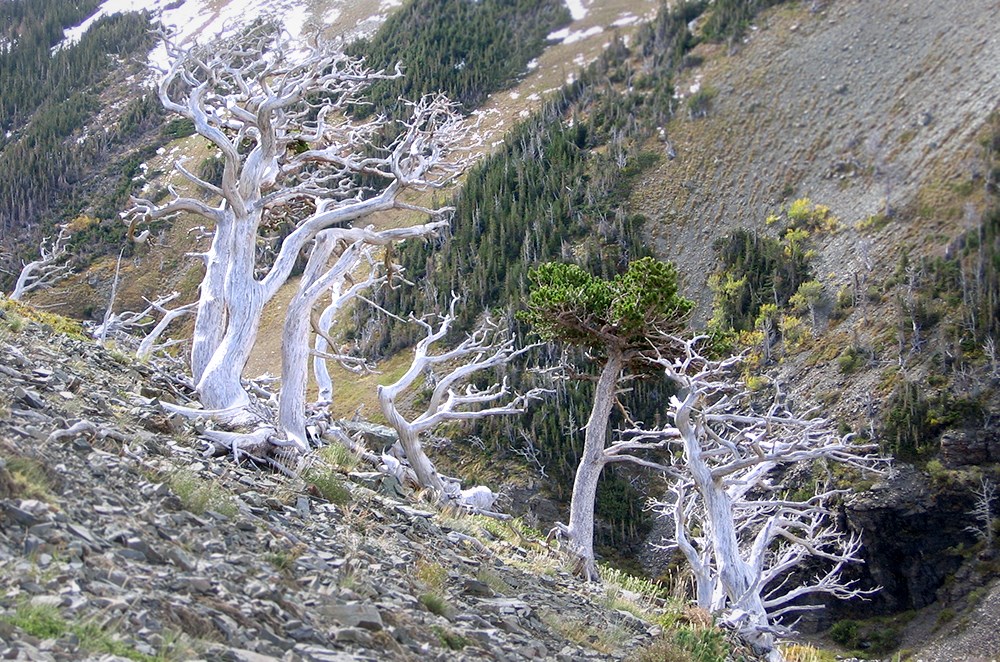
whitebark pine in Glacier National Park killed by white pine blister rust

The Kunming-Montreal Global Biodiversity Framework (KMGBF) is a major global policy driver around the world for more effective action to preserve biodiversity from current and future threats. (However, the United States has not joined the underlying treaty, the Convention on Biological Diversity (CBD). So its importance is probably less in the United States than in countries that take part.) This relatively new Framework was adopted at the 15th Conference of the Parties (COP) of the CBD in December 2022 after four years of negotiations. However, cynics note that the 196 countries that are parties to the CBD have rarely met previous ambitious goals set at earlier COP.

Hulme et al. have just published a paper [full reference at the end of this blog] addressing how invasive species and this Framework’s target may interact. They note that conserving biodiversity costs money. Many of the countries hosting diverse and relatively intact ecosystems lack sufficient resources, capability, or robust governance structures for this conservation.

The Kunming-Montreal Global Biodiversity Framework sets out ambitious global targets to reduce biodiversity loss by 2030 so as to maintain the integrity of ecosystems and their constituent species. Of the 23 targets, one – Target 6 – addresses bioinvasion. Countries endorsing the CBD have committed to eliminating, minimizing, reducing and/or mitigating invasive species’ impacts on biodiversity and ecosystem services. This is to be accomplished by identifying and managing introduction pathways; preventing introduction and establishment of priority invasive species; reducing rates of introduction and establishment of known or potential invasive species by at least 50% by 2030; and eradicating or controlling invasive species, especially in priority sites.

I rejoice that the CBD parties have recognized invasive species as a major driver of biodiversity loss in terrestrial and marine ecosystems. I wish conservation organizations’ and funders’ activities clearly reflect this finding.

This is the challenge raised by Hulme et al.: countries must integrate efforts to counter bioinvasions into overall conservation programs. Success in curbing bioinvasion depends upon achieving almost all other KMGBF targets. And this is a two-way street: the more holistic approach offers greater likelihood of successful biodiversity conservation.

The same authors point out that some of the 22 other targets address rapidly evolving introductory pathways e.g.,

  • Target 15 – increasing international and domestic tourism;
  • Target 12 – encroachment of urban areas near protected areas;
  • Target 10 – development of intensive agriculture or aquaculture systems near protected areas;
  •  Target 7 – species rafting on plastic marine pollutants; and
  • Target 8 – growing risk from species shifting ranges in response to climate change.  
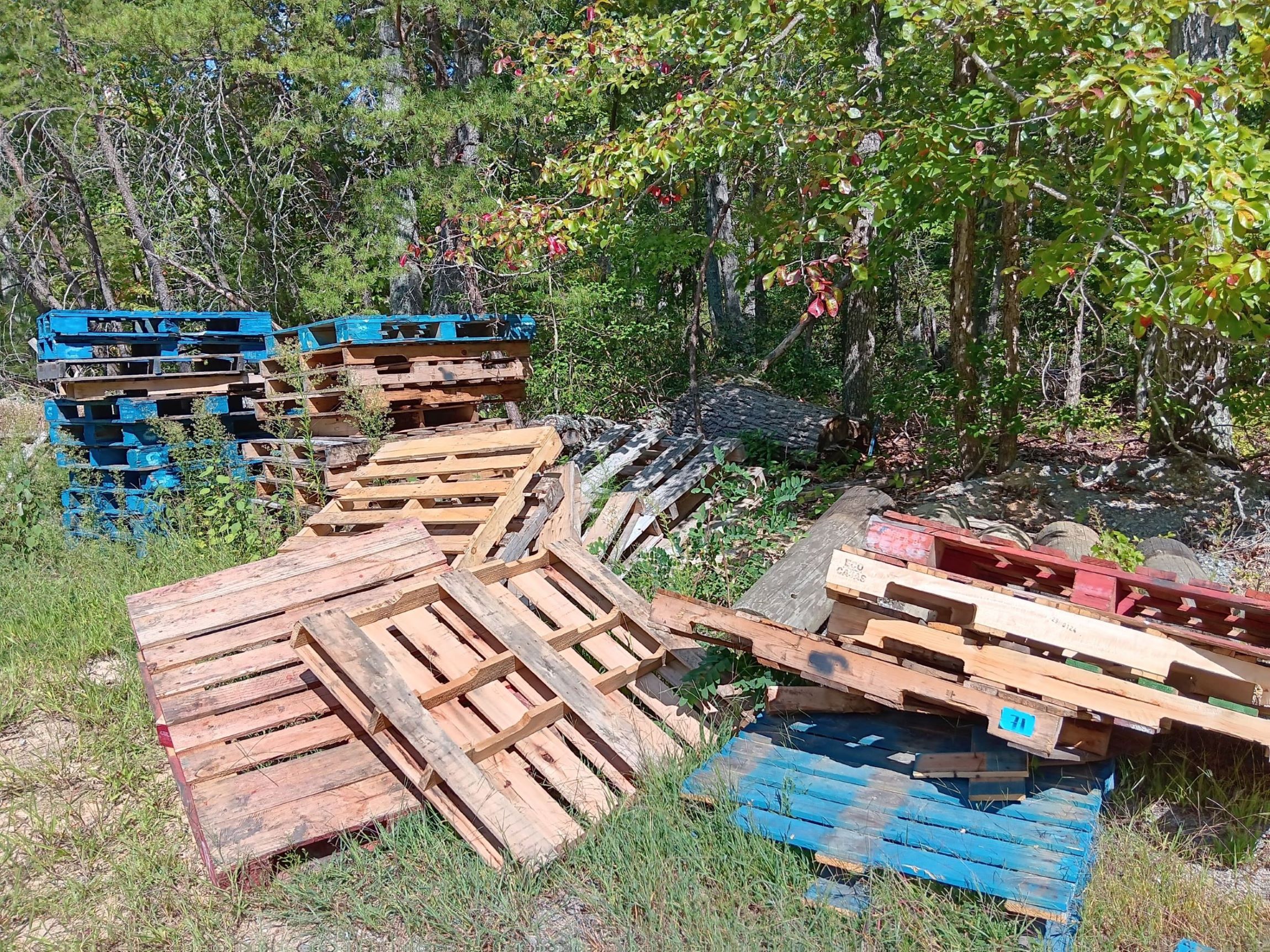
pallet graveyard behind camp store & snack bar art Lake MacDonald, Glacier National Park; photo by F.T. Campbell

Other targets relate to management of established invasive species, e.g.,

  • Target 1 – planning and priority-setting for allocation of limited resources among the various threats to biodiversity;
  • Identifying factors that pose risks to highly-valued species, e.g., threatened species (Target 4) and species that provide important ecosystem services (Target 11);
  • Target 19—obtaining necessary financial resources.  

A final group of targets are intended to guide all conservation efforts. These goals include integrating biodiversity concerns in decision-making at every level (Target 14); reducing harmful economic incentives and promoting positive incentives (Target 18); and several targets addressing issues of equity, benefit sharing, and access to information.  Hulme et al. assert that the threat posed by bioinvasions must be incorporated into policies, regulations, planning and development processes and environmental impact assessments across all levels of government.

Hulme et al. decry an imbalance as to which KMGBF targets have been the focus of attention from governments, conservation organizations, and media. These stakeholders have concentrated on

  • Target 3, which calls for extending legal protection to 30% of lands and waters by 2030;
  • Target 4, which promotes maintaining genetic diversity within and among populations of all species;
  • Target 7,  which encourages reducing harmful pollution;
  • Target 15, which urges businesses to decrease biodiversity risks arising from their operations; and
  • Target 21, which advocates ensuring equitable and effective biodiversity decision-making.

Even when stakeholders have looked at Target 6, they have focused primarily on how to quantify the numbers of species being introduced to novel ecosystems. Hulme et al. argue that conservationists should instead concentrate on the challenge of achieving the target. They note that bioinvasion is worsening despite implementation of many long-term management programs. As they note, numbers of introduced species globally have increased, these species are occupying larger geographic areas, and the species’ measured impacts have risen to astounding levels (see my previous blog about new cost estimates). This same point was made two years ago by Fenn-Moltu et al. (2023) [full citation at the end of this blog]; they found that the number of invasive species-related legislation and treaties to which a country adheres did not relate to either the number of insect species detected at that country’s border or the number of insect species that had established in that country’s ecosystems.

As conservationists, Hulme et al. remind us that not all damages are monetary: invasive species threaten more than half of all UNESCO World Heritage Sites.

Hulme et al. say achieving Target 6 presents several scientific challenges – most of which have been discussed by numerous other authors. Introduction pathways are changing rapidly. There is great uncertainty regarding current and especially future propagule pressures associated with various pathways. Information about particular species’ impacts and where they are most likely to be introduced is insufficient. Management costs are routinely underestimated. Perhaps most challenging is the need to judge programs’ effectiveness based not simply on outputs (e.g., number of acres cleared of weeds) but on outcomes in relation to reducing the subsequent impact on biodiversity and ecosystem services.

I note that several environmental organizations endorsed a “platform” that discussed this last point a decade ago. [I have rescued the NECIS document from a non-secure website; if you wish to obtain a copy, contact me directly through the “comment” option or my email.] Unfortunately, the coalition that prepared this document no longer exists. Even when conservation organizations have invasive species efforts, they are no longer attempting to coordinate their work.

APHIS inspecting imported plants

I greatly regret that Hulme et al. continue a long-standing misrepresentation of international border biosecurity controls as consisting primarily of inspections — of imported commodities, travellers, and associated transport conveyances. I have argued for decades that inspections are not effective in preventing introductions. See Fading Forests II Chapter 3 (published in 2003); Fading Forests III Chapter 5 (published in 2014); “briefs” describing pathways of introduction prepared for the Continental Dialogue on Non-Native Forest Insects and Diseases – in 2014 and in 2018.    

 The weaknesses of visual inspection are especially glaring when trying to prevent introductions via wood packaging material and living plants — also here.

Hulme et al. propose a politically astute approach to finding the resources to strengthen countries’ efforts to curtail invasive species’ spread within their borders.  Recognizing that no country has unlimited resources to allocate to managing invasive species, they suggest concentrating slow-the-spread efforts on preventing damage to legally protected areas. Furthermore, authorities should avoid designating as new “protected areas” places that are already heavily invaded – or at risk of soon becoming so. As they note, programs aimed at protecting these areas often engage conservation stakeholders, decision-makers, even potential non-governmental donors. In other words, there is a foundation on which to build.

To buttress their argument, Hulme et al. cite evidence that bioinvasions threaten these areas’ integrity. For example, Cadotte et al. (2024) found that bioinvasion is one of most frequently identified threats identified in a survey of 230 World Heritage sites; and that they pose a greater degree of concern than other threats to biodiversity. They reiterate that managing invasive species is one of the most effective interventions aimed at protecting biodiversity.

The task remains complex. Hulme et al. note that accurate information about pressure caused by invasive species is not easily quantified using remote sensing. It requires expensive on-the-ground data collection. Even current methods for ranking invasive species have crucial gaps regarding species’ potential impact and the feasibility of their control. Choosing management strategies also requires assessing potential unintended effects on biodiversity and other GBF Targets, e.g., pollution from pesticides (Target 7).

Still, the context remains: successful management of bioinvasions to support the integrity of protected areas depends on the integrative approach described above.

Hulme et al. note a contradiction within the Kunming-Montreal Global Biodiversity Framework: Target 10 calls for the agriculture, aquaculture, and forestry industries to adopt sustainable practices, but doesn’t raise the issue of these sectors’ role in the introduction and spread of invasive species. They say guidelines have been developed for sustainable forestry production. These guidelines recommend that commercial plantation forests not plant non-native tree species within 10 km of a protected area. Hulme et al. also suggest applying a “polluter pays” fine or bond to forestry businesses that use invasive species without sufficient safeguards to prevent escape. These funds could be accessed to support invasive species management in protected areas, particularly surveillance. (Target 19 mandates obtaining more funds for this purpose).  They add that these aquaculture, agriculture, horticulture and forestry sectors should take action to prevent the local feralization of alien crops and livestock.

Target 8 calls for minimizing the impacts of climate change on biodiversity. Hulme et al. note numerous scientific challenges here, including understanding how specific ecosystems’ and native species’ are vulnerable to altered climates, along with how specific invasive species’ are responding to an altered climate regime.

These same authors provide specific recommendations to the global conservation community to put in place a more holistic perspective. Some recommendations deal with data integration. Others call for major undertakings: i.e., developing a protected area management toolkit at a global scale. This action will require significant investment in capacity-building of protected area managers plus international cooperation and technology transfer (Target 20). Hulme et al. suggest funding this effort should be a priority for any resources leveraged from international finance (Target 19).

Hulme et al. also propose changes in the conservation approaches advocated by the CBD and IUCN. Specifically, they call for more explicit consideration of current and future impacts of bioinvasions and their management — on protected areas. The needed activities fall into six areas:

(1) reduce risks associated with various pathways;                                 

(2) plan for range-shifting invasive species;

(3) mitigate invasive species’ impacts on biodiversity and (4) on ecosystem services;

(5) ensure new protected areas (including urban green spaces and infrastructure corridors) are largely free of established (“legacy”) invasive species; and

(6) provide managers sufficient resources to take effective action.

SOURCES

Fenn-Moltu, G., S. Ollier, O.K. Bates, A.M. Liebhold, H.F. Nahrung, D.S. Pureswaran, T. Yamanaka, C. Bertelsmeier. 2023. Global flows of insect transport & establishment: The role of biogeography, trade & regulations. Diversity & Distributions DOI: 10.1111/ddi.13772

Hulme, P.E., Lieurance, D., Richardson, D.M., Robinson, T.B. 2025 Multiple targets of Global Biodiversity Framework must be addressed to manage invasive species in protected areas. NeoBiota 99: 149–170. https://doi.org/10.3897/neobiota.99.152680

Posted by Faith Campbell

We welcome comments that supplement or correct factual information, suggest new approaches, or promote thoughtful consideration. We post comments that disagree with us — but not those we judge to be not civil or inflammatory.

For a detailed discussion of the policies and practices that have allowed these pests to enter and spread – and that do not promote effective restoration strategies – review the Fading Forests report at http://treeimprovement.utk.edu/FadingForests.htm

Or
https://fadingforests.org

Sentinel Gardens – useful tool if microbes scrutinized sufficiently

During the USDA Interagency Forum on Invasive Species, Dr. Eliana Torres Bedoya, from the Bonello lab at Ohio State, provided insights gained from a sentinel garden project operating for the last five years.

The gardens were established in six locations: two in China in the Nanjing area, one each in Italy, Sweden, Ohio, and New Hampshire. The network required collaboration among scientists in several countries, a difficult task in itself. (Jiri Hulcr of the University of Florida has also stressed the importance of mutually beneficial collaborations.)

The focus was on detecting and identifying novel fungal pathogens abroad before they ever enter a country, in an approach called ex patria sentinel plantings. Altogether, 32 tree species were planted in at least one location. For example, Chinese and European tree species were planted in the U.S. to identify potential threats to China and Europe. Conversely, North American species were planted in Europe and China to detect potential threats to the U.S. As noted, the reciprocity is crucial to establishing and maintaining a long-term relationship.

Key information gained to date:

  • While the scientists isolated several potential pathogens from symptomatic plants, analysis of all plants’ leaf microbiomes showed that asymptomatic plants harbored many more potential pathogens that had not been isolated.

Healthy plants tend to harbor larger and often more diverse microbial communities. This study found that asymptomatic plants supported a significantly more abundant, richer, and taxonomically diverse leaf-associated fungal community than symptomatic plants. Importantly, this pattern pertains also to the subset of taxa classified as potential plant pathogens.

  • Detection of the full range of fungal pathogens requires that samples must be collected both early and mid-to-late in the growing season because microbes present differ.
  • Core leaf microbiomes were associated with specific tree species, no matter where they were planted. However, the constituents of the core microbiome were outnumbered by other organisms driven primarily by the location of the planting. This had been expected.

Other contributing factors – in declining order – were geographic location, tree species, season, and host health status. In other words, the phylogenetic relationship.

The drivers of fungal community composition interact in complex ways. For instance, the effect of the plant’s health on pathogenic fungal communities might depend on the host species. This relationship can be further modulated by seasonal variation and geographic context.

European & Asian trees planted in Ohio as part of the sentinel garden program; photo by P (E) Bonello

Implications:

  • Sentinel gardens can facilitate identification of novel host-pathogen interactions in symptomatic and asymptomatic plants, so they should be adopted / supported by governmental and regional phytosanitary agencies.
  • The findings demonstrate the need to expand surveillance beyond symptomatic plants – at both sentinel gardens and plant health border inspection stations. Phytosanitary agencies should employ both full microbial community molecular characterization to detect threats in asymptomatic plants and traditional symptom-based approaches. These modern approaches are described in Munck and Bonello 2018 (full reference at end of the blog).
  • Enrico Bonello (pers. comm.) thinks it is likely that similar context-dependent interactions among host and fungus species, season, and geography also drive disease infection and virulence.

Eliana Torres Bedoya (pers. comm.) clarifies that the leaf microbiome is the community of microorganisms living on and within tree leaves. These microbes can contribute to protecting trees against pathogens, enhance tolerance to environmental stressors such as drought or pollution, and influence how trees interact with their surroundings. Because the composition of the leaf microbiome responds to changes in climate, location, and tree species, it also serves as a valuable indicator of forest health and environmental change.

There are several approaches to studying microbial communities in leaves. One is the traditional, culture-based method, which relies on isolating and cultivating microorganisms on nutrient media. While this approach is effective for recovering fast-growing and easily culturable taxa, it has a major limitation: the vast majority of environmental microbes are not readily culturable under standard laboratory conditions. As a result, full understanding requires use of culture-independent methods. One technique widely used is metabarcoding. This technique involves extracting total DNA from leaf tissue and amplifying a phylogenetically informative genetic marker specific to the microbial group of interest (for example, the internal transcribed spacer (ITS) region for fungi or the 16S rRNA gene for bacteria). The amplified regions are then sequenced using high-throughput sequencing platforms. After a series of processing steps, the sequences are clustered into Amplicon Sequence Variants (ASVs), which represent unique DNA sequences that can be used as proxies for microbial taxa present in the sample. Torres Bedoya and Bonello used the ASVs for comparative analysis.

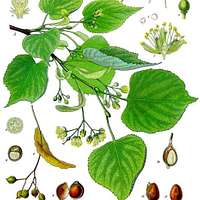
Tilia cordata (linden) via Picaryl (seed wings make a great tea!)

In her presentation, Torres Bedoya provided examples of the complexities arising when trying to detect fungi associated with trees. Eleven potentially pathogenic fungal genera were found to be more abundant in asymptomatic Northern red oak (Quercus rubra) trees (a North American species) planted in both Europe and China. Five ASVs were more abundant in asymptomatic Fraxinus mandshurica trees (an Asian species) planted in Sweden. In this case, the season when the leaves were sampled explained a higher proportion of the variance in the community composition than did the health status of the host. Molecular methods detected 10 genera not revealed through isolation from little-leaf linden species (Tilia cordata) trees (a European species) planted in China and the US.

This “proof of concept” study considered only fungi associated with leaves. As shown above, learning the true plant health risk associated with any tree taxon’s leaves is already complicated and resource-demanding. To fully exploit the power of the ex patria sentinel plantings approach, phytosanitary officials must provide additional resources (land, people, equipment, money) to enable screening of all plant parts, above and below-ground, and all potentially pathogenic taxa, including nematodes, phytoplasmas, and viruses. These systems must be maintained over years.

Reference

Munck, I.A., Bonello, P. 2018. Modern approaches for early detection of forest pathogens are sorely needed in the United States. Forest Pathology 48 (5). doi:10.1111/efp.1445

Posted by Faith Campbell

We welcome comments that supplement or correct factual information, suggest new approaches, or promote thoughtful consideration. We post comments that disagree with us — but not those we judge to be not civil or inflammatory.

For a detailed discussion of the policies and practices that have allowed these pests to enter and spread – and that do not promote effective restoration strategies – review the Fading Forests report at  https://treeimprovement.tennessee.edu/

or

www.fadingforests.org

Does a long-established non-native insect threaten America’s cedars?

Guest blog by Kristy M. McAndrew, Department of Forestry, Mississippi State University

Virginia juniper (Juniperus virginiana) preforming its ecological role: succession in a field (in Ohio); photo by Greg Hume via Wikimedia

Spread of non-native species is a facet of global change that is an unintended consequence of the modern global trade network. Despite efforts put in place to limit such transport, such as International Standards for Phytosanitary Measures (ISPMs), unintentional spread of species continues, and thus, an important part of forest health research and management includes non-native monitoring and control efforts. As other aspects of global change, such as climate and weather patterns, shift, the dynamics between native landscapes and introduced pests may unexpectedly shift as well. For example, increased climate stress of tree hosts may weaken tree defenses, allowing species that historically have not been pests of concern to reach pest status.

Japanese cedar longhorned beetle (Callidiellum rufipenne; JCLB) is a wood boring beetle in the longhorned beetle family, Cerambycidae. The adults are reddish brown in color, and relatively small for longhorned beetles, at only around 1 cm in length. Japanese cedar longhorned beetle has a long history of establishing outside of its native range but has largely been considered a non-issue. It has long been disregarded as a pest because it feeds primarily on dead or dying trees in both the native and invaded ranges. However, there are more examples of these beetles feeding on stressed, but alive, trees in North America. Therefore, I think it is an important insect to take a closer look at.

Life cycle

These beetles have a one-year life cycle, most of which is spent inside a host tree. Adults emerge from host trees in the early spring and seek out other adults to mate with and trees to lay eggs on. Eggs are laid on thin parts of bark or in bark crevices, and when the eggs hatch larvae chew beneath the bark where they feed on the phloem until they have completed larval development. Once larvae are fully developed, they burrow further into the tree, into the xylem tissue, where they pupate, overwinter as fully formed adults, and continue the cycle the following spring.

Native range

The native range of JCLB is eastern Asia. It is common throughout the Korean peninsula and across the islands of Japan. It is also considered native to Eastern China and Russia. Within the native range JCLB is found primarily on dead and/or dying trees and is thus considered a secondary pest. On dead trees they can be found on any diameter of dead woody material, but on declining trees they will likely be in the small diameter branches and stems.

Arborvitae (Thuja occidentalis); photo by James St. John via Flickr

Invasion history

Japanese cedar longhorned beetle was first documented as an invasive pest in the early 1900s in France, and since then has established in at least fifteen countries (Clément 2023). Most of these countries are in Europe, but the United States and Argentina also have established populations. As with most woodboring insects, the invasion pathway is believed to have been wood packaging material being transported via global trade routes. Between 1914 and 2022 it was intercepted over 700 times (reviewed by KM). Since the implementation of ISPM No. 15, only six interceptions have been reported up to 2022 (USDA APHIS data reviewed by K.M.). [For Faith’s view on the regulation of wood packaging, see Fading Forests II and III (links provided at the end of this blog) and earlier blogs posted here under the category “wood packaging”. esp. 1 from 2015].

A USDA risk assessment completed in 2000 suggested other possible pathways of introduction, including balled nursery stock, green logs, and pruned branches (USDA APHIS and Forest Service, 2000). 

In terms of establishments in North America, JCLB was first detected in natural forests in North Carolina in 1997. It was soon discovered in Connecticut in 1998; in neighboring New York in 1999; and in Massachusetts, New Jersey, and Rhode Island in 2000. It was quickly discovered feeding on live arborvitae (also called northern white cedar; Thuja occidentalis) in these invaded regions. JCLB has since been found in Pennsylvania (in 2010) and Maryland (in 2011). It is important to note that it is not clear when this species truly established, because of its previously discussed long history of being intercepted in ports of entry.

Most introduced populations of JCLB are found in either dead hosts or in the damaged/dead limbs of live hosts. In Buenos Aires, for example, storm-damaged trees with broken limbs are often where beetles are collected (Turienzo 2007). In the United States, eastern red cedar (Juniperus virginiana) and common juniper (Juniperus communis ) are the two native species most commonly affected, but so far there is no evidence of live trees of these species being infested (Maier 2007). However, a growing concern in the United States is that JCLB has been documented on live trees – particularly in urban environments. These trees are typically arborvitae, and they are typically stressed urban trees that have been overwatered and often show signs and symptoms of other health issues.

Host breadth

The host breadth of JCLB encompasses much of the family Cupressaceae. Maier (2007) identified 19 potential hosts from the literature and research, with the vast majority (14) of the hosts being Cupressaceae species, which is indicative of JCLB being a relative generalist, especially when considering species in the cypress family. This is important, because there are over 130 species within Cupressaceae worldwide that could be suitable hosts for JCLB, meaning host will not be a limiting factor in many invasion scenarios for this insect. Most often trees infested by JCLB need to be either stressed or dead, which limits suitability to an extent. However, many landscape trees are inherently stressed, whether it be from a history of roots being balled and wrapped in burlap, being planted in less than ideal scenarios, or being overwatered.

A few reports from research in Japan record JCLB feeding on plants in Pinaceae, primarily Pinus and Abies species. One article reports use of Larix kaempferi; another documented JCLB on the Taxaceae species, Taxus cuspidata. North American pine (Pinus spp.) and fir (Abies spp.) species have not been tested, but if they are revealed as suitable that would increase the availability of hosts in North America significantly.

In southern New England at least nine species have been confirmed as suitable, all of which are in the family Cupressaceae. Native and abundant junipers, such as Juniperus virginiana, appear to be highly suitable hosts. Additional host testing would be beneficial – especially Cupressaceae species that are either threatened or have a limited range. Within the United States there are a total of 28 native Cupressaceae species. Thus the suitable range (in terms of hosts) covers the entire Eastern half of North America through central Texas, most of the Pacific Coast, and widespread but spotty/disjunct areas throughout the Intermountain West and High Plains regions.

Atlantic white cedar swamp (Chamaecyparis thyoides) in Brendan Byrne State Forest, New Jersey; photo by Famartin via Wikimedia

Suitability

Tools such as environmental niche models can give helpful estimates of suitability. For species that are typically secondary pests, such as JCLB, it can be difficult to obtain non-biased data with good coverage to make reliable predictions. Preliminary research (unpublished) has been completed to estimate suitable habitat with limited occurrence records from the native range. Despite limited occurrences, models performed well and estimated moderate to high suitability in most temperate regions globally. These preliminary models are still being optimized by working with collaborators within the native range of JCLB to increase the number of occurrences. It is also important to note that these models are only accounting for climate data. Host data was not included, but Cupressaceae species are abundant globally, and therefore host availability is not likely a limiting factor for JCLB in establishing in regions.

Importance of monitoring species

While JCLB is still mostly limited to dead, dying trees, many of the species it may affect in the Eastern United States are already of heightened conservation concern. Wetland Cupressaceae, such as bald cypress (Taxodium distichum) and Atlantic White Cedar (Chamaecyparis thyoides), are valuable in terms of ecosystem services they provide in coastal, and inland, wetlands. These wetlands are encountering heightened stress in the form of increasing saltwater intrusion, increased storm strength, and changing landscapes, all of which may predispose trees to insect attack. Japanese cedar longhorned beetle has been successfully reared out of logs of Atlantic White Cedar, but thankfully has not been documented on live trees of this species (Maier 2009)[Ma1] . Bald cypress has not yet been tested for suitability. It is unknown if the stressors these trees are facing and will continue to face will impact JCLB’s ability to infest these landscapes, or if they will remain restricted to dead trees in these coastal forests. Regardless, given JCLB already has an established foothold in the Eastern United States, it is important to better understand the potential impacts of this insect.

First steps to understanding those impacts include 1) better documenting the host range in the regions and 2) determining the climate that may support the species. Hopefully we can continue research in these areas to best manage this non-native pest.

Much of the research conducted on JCLB in North America took place almost 20 years ago (Maier 2007, 2009), so updated sampling has potential to provide a wealth of information regarding spread rate, suitable climate, and establishment patterns.

bald cypress(Taxodium distichum); photo by Kej605 via Wikimedia; it is unknown whether this species is vulnerable to the Japanese cedar longhorned beetle

Sources

Clément F. 2023. Le point sur la distribution en France et en Europe de Callidiellum rufipenne (Motschulsky, 1861)(Coleoptera, Cerambycidae, Cerambycinae, Callidiini). Le Coléoptériste. 26(3):188–203.

Maier CT. 2007. Distribution and Hosts of Callidiellum rufipenne (Coleoptera: Cerambycidae), an Asian Cedar Borer Established in the Eastern United States. JOURNAL OF ECONOMIC ENTOMOLOGY. 100(4).

Maier CT. 2009. Distributional and host records of Cerambycidae (Coleoptera) associated with Cupressaceae in New England, New York, and New Jersey. Proceedings of the Entomological Society of Washington. 111(2):438–453. https://doi.org/10.4289/0013-8797-111.2.438

Turienzo P. 2007. New records and emergence period of Callidiellum rufipenne (Motschulsky, 1860) [Coleoptera:Cerambycidae: Cerambycinae: Callidiini] in Argentina. Boletín de Sanidad Vegetal, Plagas. 33:341–349.

United States Department of Agriculture Animal and Plant Health Inspection Service and Forest Service 2000. (Pasek, J.E., H.H. Burdsall, J.F. Cavey, A. Eglitis, R.A. Haack, D.A. Haugen, M.I. Haverty, C.S. Hodges, D.R. Kucera, J.D. Lattin, W.J. Mattson, D.J. Nowak, J.G. O’Brien, R.L. Orr, R.A. Sequeira, E.B. Smalley, B.M. Tkacz, W.W. Wallner) Pest Risk Assessment for Importation of Solid Wood Packing Materials into the United States. USDA APHIS and Forest Service. August 2000.

Posted by Faith Campbell

We welcome comments that supplement or correct factual information, suggest new approaches, or promote thoughtful consideration. We post comments that disagree with us — but not those we judge to be not civil or inflammatory.

For a detailed discussion of the policies and practices that have allowed these pests to enter and spread – and that do not promote effective restoration strategies – review the Fading Forests report at  https://treeimprovement.tennessee.edu/

or

www.fadingforests.org


 [Ma1]another old source

Wood packaging: serious data gaps … but clear opportunities to act

discarded pallets next to developed area in Glacier National Park (!); photo by F.T. Campbell

Since July 2015 I have posted nearly 50 blogs about non-native insects introduced via movement of solid wood packaging material (SWPM). Why? Because SWPM is one of two most important pathways by numbers introduced & by impact of the species introduced. (The other pathway is P4P.) To read those earlier blogs, scroll below “archives” to “categories”, choose “wood packaging”.

Examples of insects introduced via the wood packaging pathway include Asian longhorned beetle, emerald ash borer, redbay ambrosia beetle, Mediterranean oak borer, and possibly, three species of invasive shot hole borers.

dead redbay trees in Everglades National Park; killed by laurel wilt vectored by redbay ambrosia beetle

As I have reported in the earlier blogs and in my “Fading Forests” reports (links at the end of this blog), in 2002, the parties to the International Plant Protection Convention (IPPC) adopted an international “standard” to guide countries’ programs intended to reduce the presence of damaging insects in the wood packaging: International Standard for Phytosanitary Measures (ISPM) #15). The U.S. and Canada adopted the standard through a phase-in process culminating in 2006. [For a discussion of the phase-in periods and process, read either of the studies by Haack et al. cited at the end of this blog.] In other words, the U.S. and Canada have implemented ISPM#15 for almost 20 years. China specifically has been subject to requirements that it treat its SWPM even longer – since December, 1998, i.e., more than 25 years.

Unfortunately, ISPM#15 is not intended to prevent pest introductions.  As stated in Greenwood et al 2023, “Prior to 2009, the goal of compliance with ISPM 15 was to render the risk of wood-borne pests “practically eliminated,” in 2009 the standard was amended to “significantly reduced”.  

Despite almost universal adoption of the standard by countries engaged in international trade, insects have continued to be present in wood packaging. A very high proportion of these infested shipments — 87% – 95% — of the SWPM found by U.S. officials bears the ISPM#15 stamp – that is, is apparently compliant. (See my blogs by clicking on the “Category” “wood packaging” listed below the “Archives”.) The same proportion was found in a narrower study in Europe (Eyre et al. 2018). All the post-2006 examples of infested wood analyzed by Haack et al. (2022) (see below) carry the stamp. I conclude that the ISPM#15 mark has failed in its purpose: to reliably indicate that SWPM accompanying imports has been treated so as to minimize the likelihood that an insect pest will be present.  

Dr. Robert Haack, retired USFS entomologist, has twice tried to estimate the “approach rate” of insects in SWPM entering the United States (both studies are cited at the end of this blog). A study published in 2014 that relied on data from 2009 found that U.S. implementation of ISPM#15 was associated with a reduction in the SWPM infestation rate reported of 36–52%. The authors estimated the infestation rate to be 0.1% (1/10th of 1%, or 1 consignment out of a thousand). (See Haack et al. 2014; citation at the end of this blog.)

In their second study, published in 2022, Haack and colleagues found a 61% decrease in rates of borer detection in wood packaging when comparing numbers of wood borer detections in 2003 – before the U.S. implemented ISPM#15 – to those in 2020. Specifically, detections dropped from 0.34% in 2003 to 0.21% in 2020. This decrease occurred despite the volume of U.S. imports rising 68% between 2003 and 2020. (My blogs document a further increase in import volumes over the years since 2020.) In addition, the number of countries from which the SWPM originated more than doubled from 2003–2004 to 2010–2020. This expansion exposes North America to a wider range of insect species that might be introduced, as well as a wider range of individual countries’ effectiveness in enforcing the standard’s requirements (Haack et al. 2022).

These decreases are encouraging. However, Haack et al. (2022) note some caveats:

  • The reduction in pest presence was greatest during the initial implementation of the program the first phase, 2005-2006 (61%); in subsequent periods pest approach rate inched back up. In the 2010-2020 period, the pest detection rate was only 36% below the pre-ISPM#15 level. Detection rates have been relatively constant since 2005. Does this stasis mean that exporters learned that they could ignore or circumvent the requirements without suffering significant penalties? Or is some of this rise related to increased trade volumes, increasing variety of country of origin for trade, or other global trade patterns unrecognized in the data? (However, see the next bullet point.)
  • Certain types of commercial goods and exporting countries have consistently fallen short. Specifically, the rate of wood packaging from China that is infested remained relatively steady over the 17 years since 2003. The proportion of consignments with infested wood packaging coming from China was more than five times the proportion of all inspected shipments for this period. In other words, China has had a consistent record of poor compliance with phytosanitary regulations since they were imposed in December 1998. Why is USDA not taking action to correct this problem? (As I note below, DHS CBP has ramped up enforcement efforts.) Some other countries, e.g., Italy and Mexico, have reduced the rate at which wood packaging accompanying their consignments is infested. In fact, Mexico’s improved performance largely explains the overall infestation rate estimate of 0.22% during the period 2010-2010. Mexico’s successes affect the overall statistics in a way that makes other countries’ failure to reduce the presence of pests in wood packaging they ship to the United States far less obvious.

Haack et al. (2022) discuss ten possible explanations for their finding that pest approach rates – as determined by their study — have not decreased more. See the article or my blog about the study.

Although USDA APHIS has not taken steps to strengthen its enforcement, U.S. Customs and Border Protection [an agency in the Department of Homeland Security] has done so twice — see here and here.  CBP staff have expressed disappointment that these actions reduced the numbers of shipments in violation of ISPM#15 by only 33% between Fiscal Year 2017 and FY2022. True, more than 60% of these violations consisted of a missing or fraudulent ISPM#15 stamp. However, 194 consignments still harbored live pests prohibited under the standard.

APHIS did agree in 2021 to enable the study by Robert Haack and colleagues, via an interoffice data sharing agreement between USDA APHIS and the Forest Service- this resulted in Haack et al. 2022.

APHIS and CBP also collaborated with an industry initiative to train inspectors that insure other aspects of foreign purchases. The ideas was that CBP or APHIS and their Canadian counterparts would inform importers about which foreign treatment facilities have a record of poor compliance or suspected fraud. The importers could then avoid purchasing SWPM from them. I have heard nothing about this initiative for three years, so I fear it has collapsed.

We lack data on which to base a rigorous analysis

While the two studies by Robert Haack and colleagues are the best available, and they relied on the best data available, the fact is that those available data do not provide a full picture of the risk of pest introduction associated with wood packaging. As pointed out by Leigh Greenwood of The Nature Conservancy in her presentation to 2025 USDA Invasive Species Research Forum, available data have been collected for different purposes than to answer this question. Leigh’s powerpoint is posted here.

Leigh has identified the following data gaps:

  1. In their studies, Haack and colleagues rely on data from the Agriculture Quarantine Inspection Monitoring (AQIM) system. This dataset is based on random sampling of very distinct segments of incoming trade. It is therefore a better measure of insect approach rates than reports of interceptions by either APHIS or CBP.

However, AQIM includes data from only those very distinct segments of trade: perishable goods, SWPM associated with maritime containerized imports, Italian tiles, and “other” goods, AQIM does not contain a segment of trade that includes wood packaging associated with maritime breakbulk or roll-on, roll-off (RORO) cargo. These exclusions have prevented scientists and enforcement officials from determining, inter alia, how great a risk of pest introduction is associated with various types of wood packaging, especially dunnage, as the randomized sample does not include entire pathways for the entrance of dunnage.

Greenwood states that she has not found another country that operates a similar analysis of randomly collected data at ports of entry.

2) USDA does not collect data on consignment size, piece-specific infestation density, nor consignment-wide infestation density. As Haack et al. (2022) point out, reporting detections by consignment doesn’t reveal the number of insects present. If implementation of ISPM#15 resulted in fewer live insects being present in an “infested” consignment, this would reduce the establishment risk because there is lower propagule pressure. However, we cannot know whether this is true.

3) Neither USDA nor CBP reports the inspection effort. Nor do they conduct a “leakage survey” to see how often target pests are missed. This means, inter alia, that we cannot estimate inspectors’ efficiency in detecting infested wood packaging. If their proficiency has improved as a result of improvements in training, inspection techniques, or technology, the apparent impact of ISPM#15 would be under-reported in recent years.

4) USDA does not require port inspectors to report the type of SWPM in which the pest was detected. Leigh participated in an effort that included industry representatives, DHS CBP and USDA APHIS to define the types of wood packaging in legal terminology so that they could be incorporated in the drop-down menu on inspectors’ reporting system. This was first successfully included in the legal glossary within USDA APHIS system of record, ACIR Glossary. Last fall the team was working to integrate the requirement for using these definitions into the inspection data collection system used by DHS CBP, which would then make this data available in Agricultural Risk Management, ARM (see Abstract here for adequate primer on ARM). However, it is unclear now whether the new administration will do so. One potential barrier is that asking the port of entry inspection staff to record these data will add to the time and training required for reporting inspection results.

In summary, Leigh reports that current data systems do not support

  • estimating probabilities of pest infestation of via volume or type of SWPM (e.g. pallet vs dunnage)
  • measuring the risk of arrival associated with a specific hazard (in this case, a hazard being a live pest or pathogen associated with SWPM)
  • extrapolating or supporting findings for some types of wood packaging to other types of wood packaging

Scientists from Canada, Mexico, and the United States have formed a working group under the auspices of the North American Plant Protection Organization (NAPPO). The group is trying to determine whether various types of wood packaging are more likely to harbor pests. This study is currently hampered by the many data gaps, including those Leigh outlined above. The best data available, cited by Haack et al. (2022), found that in maritime containerized shipping, crates were more likely to harbor pests than pallets- however, other forms of SWPM (dunnage, bracing, etc.) had such low sample size that no analysis of those is possible. One of the main objectives of the NAPPO study is to evaluate if dunnage poses the same or higher risk, so this is a major impediment.

Two issues need to be resolved.

One is scientific: why are insects continuing to be detected in wood packaging marked as having been treated? What is the relative importance of insects surviving the treatment versus treatment facilities applying the treatments incorrectly or inadequately?

The second issue is legal and political: what proportion of the detections is due to treatment facilities committing outright fraud – claiming to treat the wood, stamping it with an IPPC stamp, while not actually performing any treatments at all?

Knowing which measures will most effectively solve these quandaries / reduce pest presence in wood packaging depends on knowing what the relative importance of these factors are in causing the problem.  The lack of basic data on which to base any analysis certainly hampers efforts to improve protection.

Leigh calls for researchers to recognize these data needs and work to fill them.

•Understand, account for, and communicate data realities

•Work collectively to increase useable data quality

•Use additional research to validate, or to demonstrate disparities

Why Wait for the Science?

In the meantime, however, I assert that more vigorous enforcement efforts by responsible agencies should help reduce the occurrence of fraud. I have suggested the following actions:

  • U.S. and Canada refuse to accept wood packaging from foreign suppliers that have a record of repeated violations – whatever the apparent cause of the non-compliance. Institute severe penalties to deter foreign suppliers from taking devious steps to escape being associated with their violation record.
  • APHIS and CBP and their Canadian counterparts follow through on the industry-initiated program described above and here aimed at helping importers avoid using wood packaging from unreliable suppliers in the exporting country.
  • Encourage a rapid switch to materials that won’t transport wood-borers. Plastic is one such material. While no one wants to encourage production of more plastic, the Earth is drowning under discarded plastic. Some firms are recycling plastic waste into pallets.

Posted by Faith Campbell

We welcome comments that supplement or correct factual information, suggest new approaches, or promote thoughtful consideration. We post comments that disagree with us — but not those we judge to be not civil or inflammatory.

For a detailed discussion of the policies and practices that have allowed these pests to enter and spread – and that do not promote effective restoration strategies – review the Fading Forests report at  https://treeimprovement.tennessee.edu/

or

www.fadingforests.org

Protect salamanders from fatal disease

The U.S. Fish and Wildlife Service (USFWS) has taken new action to protect North America’s salamanders from the pathogenic Salamander Chytrid Fungus Batrachochytrium salamandrivorans; Bsal). The Center for Invasive Species Prevention (CISP) welcomes this action and urges you to help the Service to finalize it.

To read and comment on the interim rule, go here. The comment period closes on March 11.

oriental fire-bellied newt (Cynops orientalis); one of the non-native species imported in largest numbers before the 2016 Lacey Act interim rule; photo by Sebastian Voitel

USFWS acted under its authority to contained in the “injurious wildlife” provisions of the Lacey Act [18 U.S.C. 42(a)]. This statute, first adopted in 1900, empowers the Secretary of Interior to regulate human-mediated transport of any species of wild mammal, wild bird, fish, mollusk, crustacean, amphibian, or reptile found to be injurious to human beings; to the interests of agriculture, horticulture, or forestry; or to America’s wildlife or wildlife resources. Regulated articles include offspring or eggs of the listed species, dead specimens, and animal parts.

Any importation of a listed taxon into the U.S. is regulated. However, regulation of transport within the United States is complicated because of clumsy wording of the statute. In 2017, the D.C. Circuit Court of Appeals [U.S. Association of Reptile Keepers, Inc. v. Zinke [852 F.3d 1131 (D.C. Cir. 2017)] ruled that the law regulates transport of listed species (and their progeny, parts, etc.) between the contiguous 48 States and several other jurisdictions: Hawai`i, Puerto Rico, other U.S. territories, and the District of Columbia. However, transport among the “lower 48” states (e.g., from Virginia to Kentucky) or from the “lower 48” states to Alaska, is not regulated (unless the route to or from Alaska passes through Canada). In past years conservationists asked Congress to amend the law to close this obvious gap in protection, but without success.

It is still illegal to transport listed species across any state borders if the wildlife specimen was either imported to the U.S. or transported between the above-enumerated jurisdictions in violation of any U.S. law. [Lacey Act Amendments of 1981, 16 U.S.C. 3372(a)(1)] 

Those wishing to transport a listed species for zoological, educational, medical, or scientific purposes may apply for a permit from USFWS to do so.

The threat to salamanders

The United States is a center of diversity for salamanders. Our nation is home to 221 species of salamanders, more than any other country. These species are in 23 genera in nine families. In fact, nine of the 10 families of salamanders worldwide are found in the U.S. Highest diversity is found along the Pacific Coast and in the southern Appalachian Mountains. As the most abundant vertebrates in their forest habitats, salamanders make significant contributions to nutrient cycling and even carbon sequestration.

Because they depend on both aquatic and terrestrial habitats, salamanders face many threats to their existence. Twenty species of American salamanders from 6 genera (Ambystoma, Batrachoseps, Eurycea, Necturus, Phaeognathus, Plethodon) are listed under the Endangered Species Act link as endangered or threatened. A subspecies of hellbender salamander (Cryptobranchus alleganiensis alleghaniensis) has been proposed for listing.

Amylosterium xxx – marbled salamander; photo by John B. Clare via Flickr

Over the last 12 years, they have faced an alarming new threat.

In 2013, European scientists detected rapid, widespread death of salamander populations in the Netherlands. They determined that the cause was a fungal disease caused by Batrachochytrium salamandrivoran (Bsal). Their alarm was heightened because this fungus is closely related to another, Batrachochytrium dendrobatidis (Bd), which had recently caused serious decline of more than 100 frog and toad species, including driving several to extinction, and had been transported to all continents except Antartica.

Responding to this new threat, amphibian conservation specialists and wildlife groups generally banded together to put pressure on the USFWS to take regulatory action. In response, in 2016, the USFWS adopted an interim rule link prohibiting importation of 20 genera of salamanders. These genera had been shown by scientists to contain at least one species which either suffered mortality when it was exposed to  Bsal or could transmit the disease to other salamanders. At the time, Bsal had been shown by scientific studies to be lethal to two American species; USFWS had evidence that U.S. species in other genera could “carry” the pathogen and infect other animals. Three of the species included in the 2016 action had already been listed as endangered or threatened. USFWS’ action cut down the number of salamanders being imported annually by ~95% (based on official import data compiled by the USFWS’ Office of Law Enforcement).

The prohibitions do not apply to articles that cannot transmit the fungus. These include eggs or gametes; parts or tissues that have been chemically preserved, chemically treated, or heat treated so that the pathogen, if present, is rendered non-viable; and molecular specimens consisting of only the nucleic acids from organisms.

Now, 8 years later, the USFWS is acting to finalize the 2016 “interim” rule and to regulate importation and transportation of an additional 16 genera of salamanders. This step had been urged by the National Environmental Coalition on Invasive Species (NECIS), and many others, in their public comments on that Interim Rule. Extending protection to these 16 genera is based on research conducted since the 2016 Rule. Species in 13 of the newly protected genera are considered likely carriers of the disease. Nine species have been demonstrated to be killed by Bsal. No studies have yet determined the vulnerability of more than 50 species in 10 genera of North American salamanders, including four species listed under the Endangered Species Act.

The 36 genera covered by the combined actions of 2016 and 2025 actions are currently considered to comprise ~ 426 species. However, changes in taxonomy are frequent. So USFWS is no longer enumerating the species protected, but is instead relying on listing genera. The regulations apply to all species in a listed genus (whether so classified now or in the future) as well as hybrids of species in any listed genus, including offspring from a pair in which only one of the parents is in a genus listed as injurious.

Appalachian hellbender Cryptobranchus alleganiensis alleghaniensis; historic book illustration via Flickr

USFWS chose to issue “interim” rules in both 2016 and 2025 because that action takes effect almost immediately. (The 2025 interim rule take effect on January 25th.) The usual rulemaking process governed by the Administrative Procedure Act (5 U.S.C. 551 et seq.) often takes years to complete. During that time, the species proposed for listing may still be imported and transported – that is, they could place additional salamander populations at risk of infection by Bsal. The USFWS states that it is unlikely to be able to protect or restore species and ecosystems if the pathogen does become established in the U.S.

In the interval between 2016 and now, Canada banned importation of all living or dead salamanders, eggs, sperm, tissue cultures, and embryos in response to the Bsal threat.

During these years scientists also completed several studies aimed at clarifying which salamander species are either at risk of infection by Bsal or are able to harbor and transmit the pathogen to other salamanders. The USFWS cites studies by, inter alia, Yuan et al. 2018, Carter et al. 2020, Barnhart et al. 2020, Grear et al. 2021, and Gray et al. 2023. USFWS says it cannot act in the absence of such studies, since it must justify its protective actions on scientifically defensible information.

Another relevant question is whether Bsal is already established in North America? Waddle et al. 2020 carried out an intensive search in 35 states that found no evidence that it is. The USFWS concludes that prohibiting importation of additional salamander taxa is still an effective measure to protect North American biodiversity. This is because the international commercial trade in salamanders is the most likely pathway by which Bsal would be introduced to the United States. We note in support of this assertion that former USFWS employee Su Jewell found years ago that none of the 288 non-indigenous species listed as injurious while they are not established in the U.S. has become established since the listing. 

The Federal Register document includes a lengthy discussions of why the USFWS has chosen to act under the Lacey Act rather than try some other approach, e.g., setting up quarantine areas or a disease-free certification program for traded salamanders. Among the factors they considered were the current absence of certainty in testing procedures and the possibility of falsified documentation.

WEAKNESSES THE LACEY ACT

The Lacey Act is the principal statute under which the U.S. Government tries to manage invasive species of wildlife – at least those that are not considered “plant pests”. It is not surprising that a law written 125 years ago is no longer the best fit for current conservation needs. See our earlier blog and discussions by, inter alia, Fowler, Lodge, and Hsia and Anderson.

Here, the USFWS lacks authority to regulate pathogens [viruses, bacteria, and fungi that cause disease] or fomites (materials, such as water, that can act as passive carriers and transfer pathogens). Instead, USFWS regulates the hosts. The USFWS previously listed dead salmonids as “injurious” because their carcasses can transmit several viruses.   

Another issue is that USFWS cannot designate a taxon “injurious” and regulate trade in it until the Service has conclusive scientific evidence that the species or genus meets the definition. The USFWS has chosen to rely on genus-level data rather than require that each species be tested. Still, as we noted above, American salamanders in 10 genera remain outside the Lacey Act’s protections because studies have not yet been conducted. The USFWS concedes that many of these genera might contain species that are vulnerable to this potentially deadly fungus.

As to relying on laboratory tests of a taxon’s response to the pathogen, the USFWS believes that environmental stresses inherent living in the wild might exacerbate a salamander species’ vulnerability to the disease.

The USFWS is requesting public comment specifically on:

(1) the extent to which species in the 16 genera listed by this interim rule are currently in domestic production for sale – and in which States this occurs? How many businesses sell salamanders from the listed genera between enumerated jurisdictions (e.g., between “lower 48” states and Hawai`i or the District of Columbia)?

(2) What state-listed endangered or threatened species would be affected by introduction of Bsal?

(3) How could this interim rule be modified to reduce costs or burdens for some or all entities, including small entities, while still meeting USFWS’s goals? What are the costs and benefits of the modifications?

(4) Is there any evidence suggesting that Bsal has been established in the U.S.? Or that any of these genera are not carriers of Bsal? Or that additional genera are carriers of Bsal? Is there evidence that eggs or other reproductive material pose a greater risk than USFWS determined, so should be regulated?

(5) Could a reliable health certificate system be developed that would allow imports of Bsal-free salamanders? Are there treatments that would ensure imported salamanders are reliably free of Bsal? How could compliance be monitored? As to salamander specimens, parts, or products, are there other treatments proven adequate to render Bsal non-viable?

(6) Do any Federal, State, or local rules duplicate, overlap, or conflict w/ this interim rule?

CISP encourages those with knowledge of amphibian conservation and disease to comment. Slow progress has been made toward blocking Bsal from the U.S., but the story is not yet closed.

See also the articles by Su Jewell,

Jewell, S.D. 2020 A century of injurious wildlife listing under the Lacey Act: a history. Management of Biological Invasions 11(3): 356–371, https://doi.org/10. 3391/mbi.2020.11.3.01

Jewell, S.D. and P.L. Fuller 2021 The unsung success of injurious wildlife listing under the Lacey Act. Management of Biological Invasions 2021 Volume 12 Issue 3

Posted by Faith Campbell and Peter Jenkins (former member of CISP’s board and consultant to NECIS and other groups on amphibian disease regulation)

We welcome comments that supplement or correct factual information, suggest new approaches, or promote thoughtful consideration. We post comments that disagree with us — but not those we judge to be not civil or inflammatory.

Import volumes continue to rise (although exact numbers elusive)

obvious risk of pest introduction! photo by F.T. Campbell

Because of the many damaging insects introduced in wood packaging, I often blog about numbers of shipping containers entering the country. [On the “nivemnic.us” website, scroll down below “archives” to “categories”, then click on “wood packaging” to see my previous blogs discussing this issue.]

The Department of Homeland Security’s Bureau of Customs and Border Protection (CBP) reports processing 36.6 million shipping containers holding imports in Fiscal Year 2023 – which ended in September 2023. These presumably included about 13 – 16 million containers arriving via ship from Asia, Europe, and other overseas trading partners. The remaining millions probably entering from Mexico and Canada via land transport. Together, Mexico and Canada provided 30% of U.S. imports in 2022.

It is difficult to pin down the actual number of containers entering the country. In contrast to the figure provided by CBP, Laura Robb of the Journal of Commerce reports that 25.6 million TEUs carrying imports entered the country in 2024. This figure apparently includes containers carried by all forms of transport. CBP counts containers by actual numbers, and about 90% of waterborne containers are actually 40 feet long, not the 20 feet measured by “TEU” (U.S. DoT). Halving the JOC number results in a total of about 13 million – well below that reported by CBP.

Overall volumes of imports carried by ship continue to rise. The monetary value of goods imported by the U.S. in maritime trade grew 15% from 2021 to 2022 (U.S. DoT). Robb reported that trade experts believe imports rose another 15% between 2023 and 2024. This rise is driven by retailers trying to protect themselves from a possible longshoremen’s strike (which might occur beginning 15 January), Trump’s threatened tariffs (he might act as early as 20 January); and the annual slowdown of production in Asia during Tet (which begins on 29 January). If import volumes meet expectations and continue through April, the series will outdo the previous (pandemic-era) record of 19 straight months when imports exceeded 2 million TEUs. What happens later in 2025 depends in part on whether the anticipated strike happens and/or actual levels of any new tariffs.

One concern about imports from Mexico and Canada is that some proportion of these goods actually originated in Asia or Europe, but were shipped through Mexican or Canadian ports. I have not found a source to clarify how many shipments fit this pattern. USDA APHIS used to blame forest pests introduced to the Great Lakes region on goods transported from the principal Canadian Atlantic port, St. John, Nova Scotia.

A useful publication for identifying where the pest-introduction risk is highest are the annual reports issued by U.S. Department of Transportation’s Bureau of Transportation Statistics. In calendar year 2022, U.S. maritime ports handled just under 43% of U.S. international trade (measured by value). There are two caveats: the data include both imports and exports; and the most recent data are from 2021.

Two-thirds of America’s maritime cargo (imports and exports) is shipped in traditional containers. This includes most consumer goods. The top 25 container ports handled a total of 45.6 million TEU (U.S. DoT). Map 4-3 in the report shows these ports and the proportions that are imports and exports.

The highest-ranking Container Ports in 2021 are those we expect. The ports of Los Angeles and Long Beach were numbers one and two. Together they received 10.7 million TEU. The third highest number of containers entered through the Port of New York & New Jersey. Nearly 5 million TEU entered there. The Port of Savannah ranked fourth. Savannah and nearby Charleston (ranked seventh) handled 4.2 million incoming TEUs in 2021.

Ranked above Charleston were the Port of Virginia and Houston. Each processed approximately 1.8 million containers filled with imports. Three West coast ports follow: Oakland, California and Tacoma and Seattle. Just over 1 million TEUs entered Oakland. The two Washington ports received a little over 1.5 million. Florida has four ports ranked in the “top 25”. In total, they processed 1.2 million TEU; most entered through PortMiami and Port Everglades. Baltimore, Philadelphia, Mobile, New Orleans, Wilmington, North Carolina and Wilmington, Delaware, South Jersey Port Corporation, and Boston all handled less than 500 imported containers in 2021. Domestic shipments from other U.S. states  dominated containers processed through the ports of San Juan, Honolulu, and Alaska.

gantry crane in operation at the Port of Savannah; photo by F.T. Campbell

The top ports must have appropriate facilities needed to load / unload container vessels efficiently– that is, adequate numbers of gantry cranes, especially super post-Panamax cranes, which have the greatest capacity. The top 25 container ports of 2021 operated a total of 539 ship-to-shore gantry cranes in 2023, of which 322 (60%) are post-Panamax cranes. Ports are adding cranes – there were 29 more in 2023 than in 2021. The Port of Virginia appears to be striving for significant increases in tonnage; it has 28 Panamax cranes, more than Charleston and almost as many as Savannah (U.S. DoT).

Another important port component is efficient facilities to load containers onto rail cars or trucks for transfer to land-based warehouses and retailers. Ports have more than one terminal; for example, the Port of Long Beach has six, New York/New Jersey has five. Nationwide, 70% of container terminals have on-dock facilities to transfer containers directly onto rail cars. All but three of the 33 terminals located at Long Beach. Los Angeles, New York, Savannah, Charleston, Houston 2/2, Seattle, and Tacoma have on-dock transfer equipment.

The U.S. DoT reports also inform us about the top 25 ports that handle other categories of cargo: overall tonnage, dry and liquid bulk cargo, break bulk cargo, and roll-on-roll-off cargo. Visit the report to view these data.

SOURCES

Robb, L. 2024. U.S. import “surge” to persist into spring amid continued frontloading: retailers. Journal of Commerce Daily Newswire December 10, 2024

U.S. Customs and Border Protection FY 2023 CBP TRADE SHEET https://www.cbp.gov/document/annual-report/fy-2023-cbp-trade-fact-sheet  

U.S. Department of Transportation, Bureau of Transportation Statistics, Annual Report 2024 Port Performance Freight Statistics January 2024 https://www.bts.gov/explore-topics-and-geography/modes/maritime-and-inland-waterways/2024-port-performance-freight

Posted by Faith Campbell

We welcome comments that supplement or correct factual information, suggest new approaches, or promote thoughtful consideration. We post comments that disagree with us — but not those we judge to be not civil or inflammatory.

For a detailed discussion of the policies and practices that have allowed these pests to enter and spread – and that do not promote effective restoration strategies – review the Fading Forests report at  https://treeimprovement.tennessee.edu/

or

www.fadingforests.org