Call for new approach to biological conservation – integrating bioinvasion

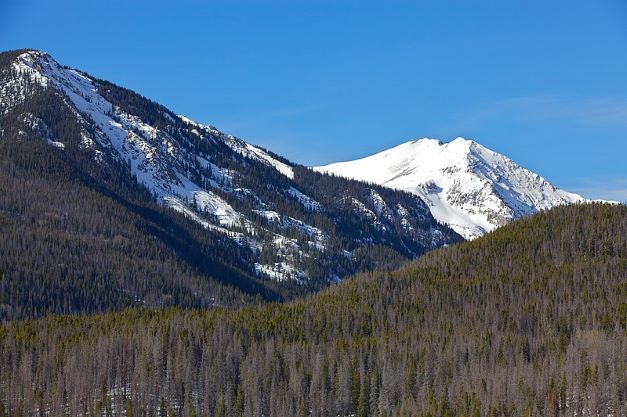
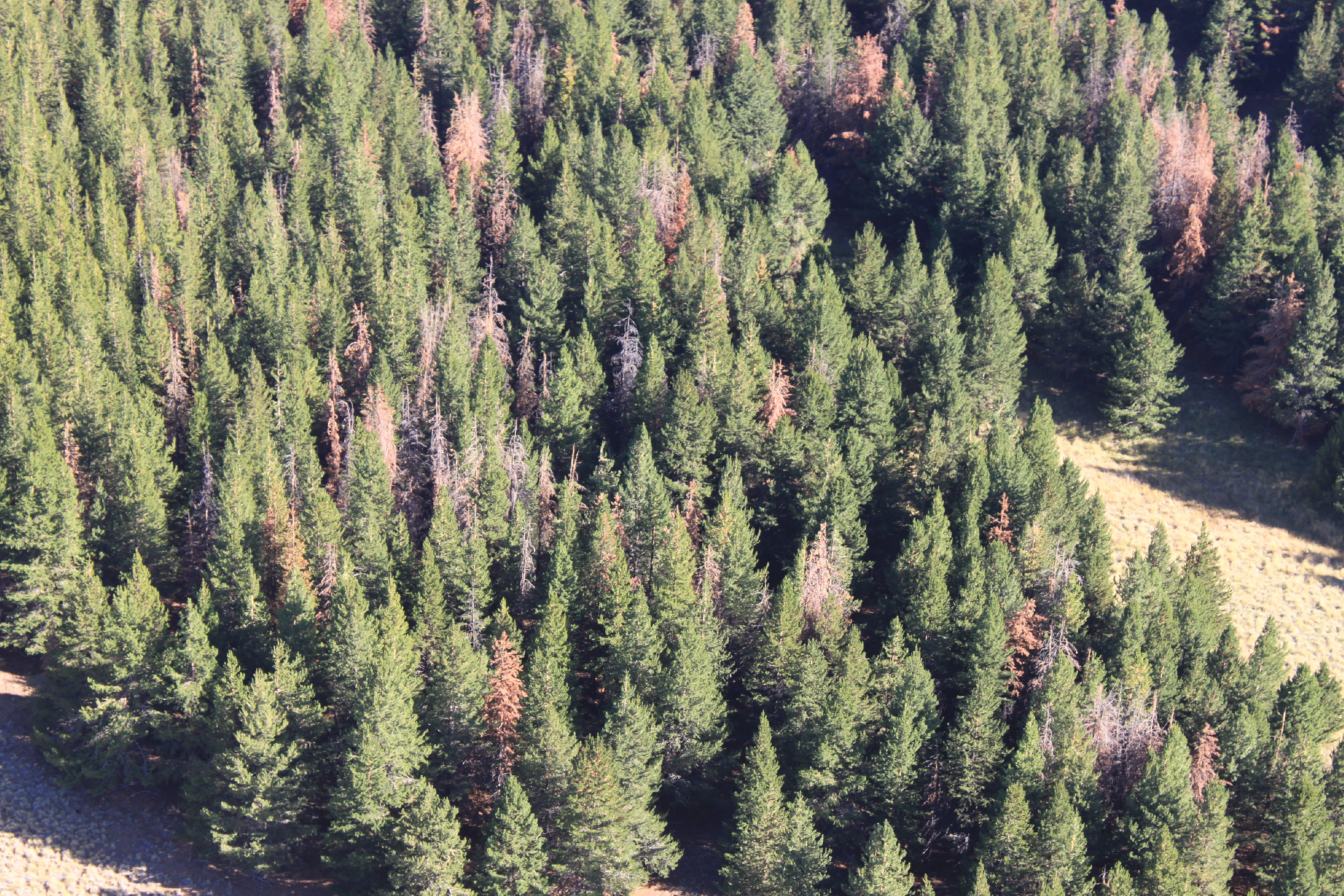
whitebark pine in Glacier National Park killed by white pine blister rust

The Kunming-Montreal Global Biodiversity Framework (KMGBF) is a major global policy driver around the world for more effective action to preserve biodiversity from current and future threats. (However, the United States has not joined the underlying treaty, the Convention on Biological Diversity (CBD). So its importance is probably less in the United States than in countries that take part.) This relatively new Framework was adopted at the 15th Conference of the Parties (COP) of the CBD in December 2022 after four years of negotiations. However, cynics note that the 196 countries that are parties to the CBD have rarely met previous ambitious goals set at earlier COP.

Hulme et al. have just published a paper [full reference at the end of this blog] addressing how invasive species and this Framework’s target may interact. They note that conserving biodiversity costs money. Many of the countries hosting diverse and relatively intact ecosystems lack sufficient resources, capability, or robust governance structures for this conservation.

The Kunming-Montreal Global Biodiversity Framework sets out ambitious global targets to reduce biodiversity loss by 2030 so as to maintain the integrity of ecosystems and their constituent species. Of the 23 targets, one – Target 6 – addresses bioinvasion. Countries endorsing the CBD have committed to eliminating, minimizing, reducing and/or mitigating invasive species’ impacts on biodiversity and ecosystem services. This is to be accomplished by identifying and managing introduction pathways; preventing introduction and establishment of priority invasive species; reducing rates of introduction and establishment of known or potential invasive species by at least 50% by 2030; and eradicating or controlling invasive species, especially in priority sites.

I rejoice that the CBD parties have recognized invasive species as a major driver of biodiversity loss in terrestrial and marine ecosystems. I wish conservation organizations’ and funders’ activities clearly reflect this finding.

This is the challenge raised by Hulme et al.: countries must integrate efforts to counter bioinvasions into overall conservation programs. Success in curbing bioinvasion depends upon achieving almost all other KMGBF targets. And this is a two-way street: the more holistic approach offers greater likelihood of successful biodiversity conservation.

The same authors point out that some of the 22 other targets address rapidly evolving introductory pathways e.g.,

  • Target 15 – increasing international and domestic tourism;
  • Target 12 – encroachment of urban areas near protected areas;
  • Target 10 – development of intensive agriculture or aquaculture systems near protected areas;
  •  Target 7 – species rafting on plastic marine pollutants; and
  • Target 8 – growing risk from species shifting ranges in response to climate change.  
pallet graveyard behind camp store & snack bar art Lake MacDonald, Glacier National Park; photo by F.T. Campbell

Other targets relate to management of established invasive species, e.g.,

  • Target 1 – planning and priority-setting for allocation of limited resources among the various threats to biodiversity;
  • Identifying factors that pose risks to highly-valued species, e.g., threatened species (Target 4) and species that provide important ecosystem services (Target 11);
  • Target 19—obtaining necessary financial resources.  

A final group of targets are intended to guide all conservation efforts. These goals include integrating biodiversity concerns in decision-making at every level (Target 14); reducing harmful economic incentives and promoting positive incentives (Target 18); and several targets addressing issues of equity, benefit sharing, and access to information.  Hulme et al. assert that the threat posed by bioinvasions must be incorporated into policies, regulations, planning and development processes and environmental impact assessments across all levels of government.

Hulme et al. decry an imbalance as to which KMGBF targets have been the focus of attention from governments, conservation organizations, and media. These stakeholders have concentrated on

  • Target 3, which calls for extending legal protection to 30% of lands and waters by 2030;
  • Target 4, which promotes maintaining genetic diversity within and among populations of all species;
  • Target 7,  which encourages reducing harmful pollution;
  • Target 15, which urges businesses to decrease biodiversity risks arising from their operations; and
  • Target 21, which advocates ensuring equitable and effective biodiversity decision-making.

Even when stakeholders have looked at Target 6, they have focused primarily on how to quantify the numbers of species being introduced to novel ecosystems. Hulme et al. argue that conservationists should instead concentrate on the challenge of achieving the target. They note that bioinvasion is worsening despite implementation of many long-term management programs. As they note, numbers of introduced species globally have increased, these species are occupying larger geographic areas, and the species’ measured impacts have risen to astounding levels (see my previous blog about new cost estimates). This same point was made two years ago by Fenn-Moltu et al. (2023) [full citation at the end of this blog]; they found that the number of invasive species-related legislation and treaties to which a country adheres did not relate to either the number of insect species detected at that country’s border or the number of insect species that had established in that country’s ecosystems.

As conservationists, Hulme et al. remind us that not all damages are monetary: invasive species threaten more than half of all UNESCO World Heritage Sites.

Hulme et al. say achieving Target 6 presents several scientific challenges – most of which have been discussed by numerous other authors. Introduction pathways are changing rapidly. There is great uncertainty regarding current and especially future propagule pressures associated with various pathways. Information about particular species’ impacts and where they are most likely to be introduced is insufficient. Management costs are routinely underestimated. Perhaps most challenging is the need to judge programs’ effectiveness based not simply on outputs (e.g., number of acres cleared of weeds) but on outcomes in relation to reducing the subsequent impact on biodiversity and ecosystem services.

I note that several environmental organizations endorsed a “platform” that discussed this last point a decade ago. [I have rescued the NECIS document from a non-secure website; if you wish to obtain a copy, contact me directly through the “comment” option or my email.] Unfortunately, the coalition that prepared this document no longer exists. Even when conservation organizations have invasive species efforts, they are no longer attempting to coordinate their work.

APHIS inspecting imported plants

I greatly regret that Hulme et al. continue a long-standing misrepresentation of international border biosecurity controls as consisting primarily of inspections — of imported commodities, travellers, and associated transport conveyances. I have argued for decades that inspections are not effective in preventing introductions. See Fading Forests II Chapter 3 (published in 2003); Fading Forests III Chapter 5 (published in 2014); “briefs” describing pathways of introduction prepared for the Continental Dialogue on Non-Native Forest Insects and Diseases – in 2014 and in 2018.    

 The weaknesses of visual inspection are especially glaring when trying to prevent introductions via wood packaging material and living plants — also here.

Hulme et al. propose a politically astute approach to finding the resources to strengthen countries’ efforts to curtail invasive species’ spread within their borders.  Recognizing that no country has unlimited resources to allocate to managing invasive species, they suggest concentrating slow-the-spread efforts on preventing damage to legally protected areas. Furthermore, authorities should avoid designating as new “protected areas” places that are already heavily invaded – or at risk of soon becoming so. As they note, programs aimed at protecting these areas often engage conservation stakeholders, decision-makers, even potential non-governmental donors. In other words, there is a foundation on which to build.

To buttress their argument, Hulme et al. cite evidence that bioinvasions threaten these areas’ integrity. For example, Cadotte et al. (2024) found that bioinvasion is one of most frequently identified threats identified in a survey of 230 World Heritage sites; and that they pose a greater degree of concern than other threats to biodiversity. They reiterate that managing invasive species is one of the most effective interventions aimed at protecting biodiversity.

The task remains complex. Hulme et al. note that accurate information about pressure caused by invasive species is not easily quantified using remote sensing. It requires expensive on-the-ground data collection. Even current methods for ranking invasive species have crucial gaps regarding species’ potential impact and the feasibility of their control. Choosing management strategies also requires assessing potential unintended effects on biodiversity and other GBF Targets, e.g., pollution from pesticides (Target 7).

Still, the context remains: successful management of bioinvasions to support the integrity of protected areas depends on the integrative approach described above.

Hulme et al. note a contradiction within the Kunming-Montreal Global Biodiversity Framework: Target 10 calls for the agriculture, aquaculture, and forestry industries to adopt sustainable practices, but doesn’t raise the issue of these sectors’ role in the introduction and spread of invasive species. They say guidelines have been developed for sustainable forestry production. These guidelines recommend that commercial plantation forests not plant non-native tree species within 10 km of a protected area. Hulme et al. also suggest applying a “polluter pays” fine or bond to forestry businesses that use invasive species without sufficient safeguards to prevent escape. These funds could be accessed to support invasive species management in protected areas, particularly surveillance. (Target 19 mandates obtaining more funds for this purpose).  They add that these aquaculture, agriculture, horticulture and forestry sectors should take action to prevent the local feralization of alien crops and livestock.

Target 8 calls for minimizing the impacts of climate change on biodiversity. Hulme et al. note numerous scientific challenges here, including understanding how specific ecosystems’ and native species’ are vulnerable to altered climates, along with how specific invasive species’ are responding to an altered climate regime.

These same authors provide specific recommendations to the global conservation community to put in place a more holistic perspective. Some recommendations deal with data integration. Others call for major undertakings: i.e., developing a protected area management toolkit at a global scale. This action will require significant investment in capacity-building of protected area managers plus international cooperation and technology transfer (Target 20). Hulme et al. suggest funding this effort should be a priority for any resources leveraged from international finance (Target 19).

Hulme et al. also propose changes in the conservation approaches advocated by the CBD and IUCN. Specifically, they call for more explicit consideration of current and future impacts of bioinvasions and their management — on protected areas. The needed activities fall into six areas:

(1) reduce risks associated with various pathways;                                 

(2) plan for range-shifting invasive species;

(3) mitigate invasive species’ impacts on biodiversity and (4) on ecosystem services;

(5) ensure new protected areas (including urban green spaces and infrastructure corridors) are largely free of established (“legacy”) invasive species; and

(6) provide managers sufficient resources to take effective action.

SOURCES

Fenn-Moltu, G., S. Ollier, O.K. Bates, A.M. Liebhold, H.F. Nahrung, D.S. Pureswaran, T. Yamanaka, C. Bertelsmeier. 2023. Global flows of insect transport & establishment: The role of biogeography, trade & regulations. Diversity & Distributions DOI: 10.1111/ddi.13772

Hulme, P.E., Lieurance, D., Richardson, D.M., Robinson, T.B. 2025 Multiple targets of Global Biodiversity Framework must be addressed to manage invasive species in protected areas. NeoBiota 99: 149–170. https://doi.org/10.3897/neobiota.99.152680

Posted by Faith Campbell

We welcome comments that supplement or correct factual information, suggest new approaches, or promote thoughtful consideration. We post comments that disagree with us — but not those we judge to be not civil or inflammatory.

For a detailed discussion of the policies and practices that have allowed these pests to enter and spread – and that do not promote effective restoration strategies – review the Fading Forests report at http://treeimprovement.utk.edu/FadingForests.htm
Or

https://fadingforests.org

Update: pests spreading … funding stalled …

Oregon ash in swamp in Ankey National Wildlife Refuge, Willamette Valley, Oregon; photo by Wyatt Williams, Oregon Department of Forestry

1) Funds still not released

As of the end of June, the Office of Management and Budget has not released funds to programs under the USDA Forest Service’ State, Private, and Tribal section. This includes many programs – grants, etc. – that support state and other entities’ efforts and operation of the Forest Health Protection program. Meanwhile, tree-killing insects, pathogens, and nematodes pursue their lives … killing trees in the process.

Congress has not yet acted on legislation that will determine the funding level for USFS FHP and Research programs in Fiscal Year 2026, which begins on October 1. I remind you that the Administration has proposed 0 funds for these programs. Take advantage of the Congressional delay – contact your Member of the House and Senators.

2) the Mediterranean oak beetle (MOB) Xyleborus monographus has now been detected in nine California counties, including Napa, Sonoma, Lake, Sacramento, El Dorado, Yolo, Mendocino, and as of last month, Marin. MOB is also present in Oregon – in Multnomah, Clakamass, Marion and Washington counties.

There is no treatment for infected trees. California authorities urge landowners to search for the insect and remove infected trees – and to avoid moving infested wood.

3) Oregon Department of Forestry has announced that thousand canker disease (TCD) of walnut is killing trees of the Juglans genus in the Willamette Valley. Where the insect has been found in traps, the majority of black walnut trees have since died. Black walnut (Juglans nigra) is not native in Oregon; its range east of the Great Plains. Apparently the range of northern California black walnut (Juglans hindsii) also does not extend into Oregon.

Cities in Oregon are preparing for the inevitable arrival of the emerald ash borer (EAB) (Agrilus planipennis) which was detected in Forest Grove in June 2022. The City of Salem inventoried all of its street & park trees in the last 5 years. It plans to inject a systemic pesticide into at least 550 trees this year and a similar number next year. These trees have been judged to be in good condition. Ash trees in poor condition along streets or in parks are gradually being removed and replaced.

Salem also plans to inventory Oregon ash growing in the city’s natural areas so as to understand where they will need to plant other native species. I blogged earlier about the threat EAB and MOB pose to western Oregon’s wetlands and oak savannahs.

4) Ann Hajek of Cornell and colleagues haves published a review of 20 years of research on entomopathogens that might contribute to control efforts targetting the Asian longhorned beetle (ALB) (Anoplophora glabripennis). The authors call for renewed efforts to find appropriate control agents and techniques. They conclude that various pathogens – especially fungi – can support ALB eradication efforts. They would be particularly helpful if ALB populations spread – or a new outbreak is detected. (Remember, ALB has been detected in seven locations in North America – some the result of more than one introduction; and nine locations in Europe.)

The article is open access!! See

Ann E. Hajek, A.E., E.H. Clifton, and L.F. Solter. 2025. Entomopathogens for control of Asian longhorned beetles (Coleoptera: Cerambycidae). Environmental Entomology, XX(XX), 2025, 1–10 https://doi.org/10.1093/ee/nvaf016

Posted by Faith Campbell

We welcome comments that supplement or correct factual information, suggest new approaches, or promote thoughtful consideration. We post comments that disagree with us — but not those we judge to be not civil or inflammatory.

For a detailed discussion of the policies and practices that have allowed these pests to enter and spread – and that do not promote effective restoration strategies – review the Fading Forests report at http://treeimprovement.utk.edu/FadingForests.htm
New way to learn what others are doing … & tell them about your work!

field surveys; photo by F.T. Campbell

Several bioinvasion scientists have announced launch of a bi-annual Invasions Newsletter.  It will be an open-access digital magazine intended to meet the growing need for effective communication across the diverse community of researchers, practitioners, & policymakers. It will offer accessible insights into current research; communication & management strategies; novel technologies; research centers, groups, journals, networks, projects & resources; emerging policy trends; & past & upcoming meetings & events.

The initial issue is available here Among the topics addressed:  

  • invasive plant biocontrol efforts in Zimbabwe,
  • setting national-level invasive species priorities in Chile,
  • conservation actions to recover invaded endemic forests in Galápagos Islands,
  • protecting ground-nesting birds from introduced predators,
  • IUCN ISSG’s assistance in tackling invasive species in Europe.

The organizers — Ana Novoa, Susan Canavan, Katelyn T. Faulkner, Piero Genovesi,  Deah Lieurance, Dan Simberloff, Hsiao-Hsuan Wang, Tsungai Zengeya, & Laura A. Meyerson – invite us to contribute to future editions. Inform your global colleagues about your efforts and findings: fieldwork, model development, designing or implementing management interventions at a local, national or continental scale, or crafting policy frameworks.

outreach

To submit a contribution, contact any of the organizers.

Let’s ensure that tree-killing critters (with or without legs) get the attention they deserve!

Faith Campbell

Sentinel Gardens – useful tool if microbes scrutinized sufficiently

During the USDA Interagency Forum on Invasive Species, Dr. Eliana Torres Bedoya, from the Bonello lab at Ohio State, provided insights gained from a sentinel garden project operating for the last five years.

The gardens were established in six locations: two in China in the Nanjing area, one each in Italy, Sweden, Ohio, and New Hampshire. The network required collaboration among scientists in several countries, a difficult task in itself. (Jiri Hulcr of the University of Florida has also stressed the importance of mutually beneficial collaborations.)

The focus was on detecting and identifying novel fungal pathogens abroad before they ever enter a country, in an approach called ex patria sentinel plantings. Altogether, 32 tree species were planted in at least one location. For example, Chinese and European tree species were planted in the U.S. to identify potential threats to China and Europe. Conversely, North American species were planted in Europe and China to detect potential threats to the U.S. As noted, the reciprocity is crucial to establishing and maintaining a long-term relationship.

Key information gained to date:

  • While the scientists isolated several potential pathogens from symptomatic plants, analysis of all plants’ leaf microbiomes showed that asymptomatic plants harbored many more potential pathogens that had not been isolated.

Healthy plants tend to harbor larger and often more diverse microbial communities. This study found that asymptomatic plants supported a significantly more abundant, richer, and taxonomically diverse leaf-associated fungal community than symptomatic plants. Importantly, this pattern pertains also to the subset of taxa classified as potential plant pathogens.

  • Detection of the full range of fungal pathogens requires that samples must be collected both early and mid-to-late in the growing season because microbes present differ.
  • Core leaf microbiomes were associated with specific tree species, no matter where they were planted. However, the constituents of the core microbiome were outnumbered by other organisms driven primarily by the location of the planting. This had been expected.

Other contributing factors – in declining order – were geographic location, tree species, season, and host health status. In other words, the phylogenetic relationship.

The drivers of fungal community composition interact in complex ways. For instance, the effect of the plant’s health on pathogenic fungal communities might depend on the host species. This relationship can be further modulated by seasonal variation and geographic context.

European & Asian trees planted in Ohio as part of the sentinel garden program; photo by P (E) Bonello

Implications:

  • Sentinel gardens can facilitate identification of novel host-pathogen interactions in symptomatic and asymptomatic plants, so they should be adopted / supported by governmental and regional phytosanitary agencies.
  • The findings demonstrate the need to expand surveillance beyond symptomatic plants – at both sentinel gardens and plant health border inspection stations. Phytosanitary agencies should employ both full microbial community molecular characterization to detect threats in asymptomatic plants and traditional symptom-based approaches. These modern approaches are described in Munck and Bonello 2018 (full reference at end of the blog).
  • Enrico Bonello (pers. comm.) thinks it is likely that similar context-dependent interactions among host and fungus species, season, and geography also drive disease infection and virulence.

Eliana Torres Bedoya (pers. comm.) clarifies that the leaf microbiome is the community of microorganisms living on and within tree leaves. These microbes can contribute to protecting trees against pathogens, enhance tolerance to environmental stressors such as drought or pollution, and influence how trees interact with their surroundings. Because the composition of the leaf microbiome responds to changes in climate, location, and tree species, it also serves as a valuable indicator of forest health and environmental change.

There are several approaches to studying microbial communities in leaves. One is the traditional, culture-based method, which relies on isolating and cultivating microorganisms on nutrient media. While this approach is effective for recovering fast-growing and easily culturable taxa, it has a major limitation: the vast majority of environmental microbes are not readily culturable under standard laboratory conditions. As a result, full understanding requires use of culture-independent methods. One technique widely used is metabarcoding. This technique involves extracting total DNA from leaf tissue and amplifying a phylogenetically informative genetic marker specific to the microbial group of interest (for example, the internal transcribed spacer (ITS) region for fungi or the 16S rRNA gene for bacteria). The amplified regions are then sequenced using high-throughput sequencing platforms. After a series of processing steps, the sequences are clustered into Amplicon Sequence Variants (ASVs), which represent unique DNA sequences that can be used as proxies for microbial taxa present in the sample. Torres Bedoya and Bonello used the ASVs for comparative analysis.

Tilia cordata (linden) via Picaryl (seed wings make a great tea!)

In her presentation, Torres Bedoya provided examples of the complexities arising when trying to detect fungi associated with trees. Eleven potentially pathogenic fungal genera were found to be more abundant in asymptomatic Northern red oak (Quercus rubra) trees (a North American species) planted in both Europe and China. Five ASVs were more abundant in asymptomatic Fraxinus mandshurica trees (an Asian species) planted in Sweden. In this case, the season when the leaves were sampled explained a higher proportion of the variance in the community composition than did the health status of the host. Molecular methods detected 10 genera not revealed through isolation from little-leaf linden species (Tilia cordata) trees (a European species) planted in China and the US.

This “proof of concept” study considered only fungi associated with leaves. As shown above, learning the true plant health risk associated with any tree taxon’s leaves is already complicated and resource-demanding. To fully exploit the power of the ex patria sentinel plantings approach, phytosanitary officials must provide additional resources (land, people, equipment, money) to enable screening of all plant parts, above and below-ground, and all potentially pathogenic taxa, including nematodes, phytoplasmas, and viruses. These systems must be maintained over years.

Reference

Munck, I.A., Bonello, P. 2018. Modern approaches for early detection of forest pathogens are sorely needed in the United States. Forest Pathology 48 (5). doi:10.1111/efp.1445

Posted by Faith Campbell

We welcome comments that supplement or correct factual information, suggest new approaches, or promote thoughtful consideration. We post comments that disagree with us — but not those we judge to be not civil or inflammatory.

For a detailed discussion of the policies and practices that have allowed these pests to enter and spread – and that do not promote effective restoration strategies – review the Fading Forests report at  https://treeimprovement.tennessee.edu/

or

www.fadingforests.org

Invasive species cost more than extreme weather attributable to climate change; 17 times more than previously estimated!

ash tree killed by emerald ash borer; photo courtesy of (then) Mayor of Ann Arbor John Hieftje

Since the 1990s, scientists have been trying to the determine costs imposed by invasive species. They hope that measuring monetary costs will motivate political decision-makers to take more assertive actions to counter this ecological treat. As Daigne et al. (2021) point out, too few countries are implementing effective control and mitigation strategies. They say this inaction stems, largely, from undervaluing bioinvasions’ impacts by the general public, stakeholders and decision-makers.

A major step in this effort was creation of the InvaCost database. The goal was to provide a reliable, comprehensive, standardized and easily updatable synthesis of bioinvasions’ monetary costs worldwide.

Several publications based on this database appeared. I have blogged about studies published in 2021 or 2022: a) the costs of bioinvasions generally (Cuthbert et al. 2022);  b) the costs imposed by invasive species in protected areas (Moodley et al. 2022; c) a focus on the “worst” 100 invasives (as determined by the IUCN) (Ahmed et al. 2022); and d) assessing costs associated with various pathways of introduction (Turbelin et al. 2022).

The InvaCost database, as applied in these studies, demonstrated that bioinvasions impose tremendous costs –a minimum of US $1.288 trillion for the period 1970 – 2017. These costs increased on average three times per decade (Daigne et al. 2022).

Still, everyone has recognized that InvaCost data have significant limitations. First, three-quarters of the records in the original database came from North America, Oceania and Europe; and referred to animal taxa, even though plants are a major group of invaders. Also, a large proportion of total invasion costs – for all taxa – probably is undetected. Finally, the many non-market values of species and ecosystems are extremely difficult to calculate (Daigne et al. 2022).

As a result of these deficiencies, the earlier studies discussed in the blogs referenced above substantially underestimated the true costs associated with bioinvasion (Cuthbert et al. 2022).

Now a new study, led by Ismael Soto, finds that the underestimate is huge. Global costs associated with a subset of 162 species (17% of all the species in the InvaCost database) is nearly 17 times higher than reported in the InvaCost database.

Soto et al. (2025) applied species distribution models and macroeconomic data to interpolate these 162 species’ probable impacts in 172 countries  

Japanese knotweed – one of the invasive plants proving very costly in Europe, according to I. Soto

The newly identified costs were greatest in Europe; second place fell to North America. This is because both higher damage costs and management expenditures are linked to higher gross domestic product and extent of agricultural area, in addition to environmental suitability. Analysis of monetary costs per unit area revealed that ‘cost hot spots’ are predominantly located in densely populated urban areas and locations hosting key industries. These tend to be in coastal zones, i.e., Europe, the east coast of China, and the east and west coasts of the US.

cypress aphid Cinara cupressi – a threat to both native & plantation trees in Africa; photo by Blackman & Eastop via Wikimedia

The authors found that the greatest increase in estimated costs for countries in Africa and Asia. These countries had not previously recorded any economic costs arising from invasions by these 162 species. I have blogged about forest pest threats in Africa.

The authors also significantly increased estimated costs linked to invasive plants. Daigne et al. found that invasive insects caused ~90% of reported costs in the InvaCost database as of 2022. Vertebrates ranked second, plants third. In contrast, Soto et al. determined that invasive plants had the highest average estimated damage costs (US $42.10 billion) and management expenditures ($0.81 billion).

Substantial total costs were also reported for arthropods, mammals and birds. Reported damage and management costs were much lower for molluscs, fish, reptiles and amphibians. Daigne et al. suggest this might be due to their lower (observable) damage to human infrastructure, research biases leading to fewer studies, or disparities resulting from the filtering process used in their own study.

Williams et al. (2023) focus on insects, which cause damage primarily to agriculture, human health, and forestry. Insects constitute the highest number of species introduced as ‘Contaminants’ (n = 74) and ‘Stowaways’ (n = 43). They also impose the highest costs among species using these two pathways.

Forest insects and pathogens account for less than 1% of the records in the InvaCost database. I believe that this figure reflects significant under-reporting of these invasion events. Even at this paltry level of reported invasions, forest insects and pathogens were responsible for causing 25% of total annual costs ($43.4 billion) (Williams et al. 2023). This discrepancy illustrates the huge economic cost associated with widespread mortality of trees. Yet authorities in most countries continue to provide completely inadequate resources to counter this threat.

The authors of these publications examining economic losses associated with bioinvasion all note that ecological damage is additional. Soto et al. note that bioinvasions contribute to 60% of already recorded global extinctions. Interestingly, the species ranked third using the criterion of monetary damage is the cactus moth Cactoblastis cactorum. This insect threatens flat-padded Opuntia cacti across the United States and in the center of endemism, Mexico.

a flat-padded Opuntia — vulnerable to the cactus moth; photo by F.T. Campbell

Soto et al. found a lag of ~46 years between first (reported) detection of an introduced species and the peak of damage costs. They suggest that the rising monetary cost reflects the species becoming more abundant or occupying a larger area. The authors also say this finding demonstrates the value of implementing mitigation measures as soon as possible. Their finding thus validates others’ advocacy for investing in prevention and rapid response measures (see Cuthbert et al. and Daigne et al.). Soto et al. were cheered by the fact that spending on management measures – when it was reported – often followed soon after a species’ detection – or even before (e.g., prevention).

But Decision-Makers Usually Delay – Why?

Prevention is a hard sell. Decision-makers find it difficult to justify management expenditures before impacts become obvious. By that time, of course, management of the invasion is extremely difficult and expensive – if it is possible at all. Ahmed et al. found particularly effective wording to describe this problem: bioinvasion costs can be deceitfully slow to accrue, so policy makers don’t appreciate the urgency of taking action. Another contributing factor is that when efficient proactive management succeeds in preventing any impact, it paradoxically undermines evidence of the value of this action!

Programs to minimize the economic and ecological consequences of bioinvasion are severely obstructed – if not doomed! – by the following difficulties:

  • Resources are in short supply. Experts find that demands to address other threats to agriculture or natural systems outcompete appeals to ramp up invasive species efforts.
  • Prediction is uncertain. Cuthbert et al. found that none of the species with the highest pre-invasion investment was among the top 10 costliest invaders in terms of damages. Cuthbert et al. do not discuss whether this is evidence that the prevention efforts were effective? Or, alternatively, that prevention efforts target the wrong species.
  • Harm is in the eye of the beholder. Stakeholders’ perceptions of whether an introduced species causes a detrimental impact vary. For example, Moodley et al. point out that species imposing the highest economic costs might not be the ones causing the greatest ecological harm.
  • Externalities. Those harmed by a bioinvasion often are different from those that decide whether to act. Ahmed et al. argue that this creates a moral dilemma.

These decisions are political — influenced by citizens’ expressed wishes. Changing decision-makers’ perceptions of what is important is up to us!!! Start a parade!!!

SOURCES

Ahmed, D.A., E.J. Hudgins, R.N. Cuthbert, .M. Kourantidou, C. Diagne, P.J. Haubrock, B. Leung, C. Liu, B. Leroy, S. Petrovskii, A. Beidas, F. Courchamp. 2022. Managing biological invasions: the cost of inaction. Biol Invasions (2022) 24:1927–1946 https://doi.org/10.1007/s10530-022-02755-0

Cuthbert, R.N., C. Diagne, E.J. Hudgins, A. Turbelin, D.A. Ahmed, C. Albert, T.W. Bodey, E. Briski, F. Essl, P. J. Haubrock, R.E. Gozlan, N. Kirichenko, M. Kourantidou, A.M. Kramer, F. Courchamp. 2022. Bioinvasion costs reveal insufficient proactive management worldwide. Science of The Total Environment Volume 819, 1 May 2022, 153404

Diagne, C., B Leroy, A-C. Vaissière, R.E. Gozlan,  D. Roiz, I. Jaric,  J-M. Salles, C.A. Bradshaw, and F. Courchamp. 2021. High and rising econ costs of bioinvasions worldwide Published online: 31 March 2021

Moodley, D., E. Angulo, R.N. Cuthbert, B. Leung, A. Turbelin, A. Novoa, M. Kourantidou, G. Heringer, P.J. Haubrock, D. Renault, M. Robuchon, J. Fantle-Lepczyk, F. Courchamp, C. Diagne. 2022. Surprisingly high economic costs of bioinvasions in protected areas. Biol Invasions. https://doi.org/10.1007/s10530-022-02732-7

Soto, I., P. Courtois, A. Pili, E. Tordoni, E. Manfrini, E. Angulo, C. Bellard, E. Briski, M. Buric, R.N. Cuthbert, A. Kouba, M. Kourantidou, R.L. Macêdo, B. Leroy, P.J. Haubrock, F. Courchamp and B. Leung. 2025.  Using species ranges and macroeconomic data to fill gap in costs of biological invasions. Nat Ecol Evol doi: 10.1038/s41559-025-02697-5

Turbelin, A.J., C. Diagne, E.J. Hudgins, D. Moodley, M. Kourantidou, A. Novoa, P.J. Haubrock, C. Bernery, R.E. Gozlan, R.A. Francis, F. Courchamp. 2022. Introduction pathways of economically costly invasive alien spp. Biol Invasions (2022) 24:2061–2079 https://doi.org/10.1007/s10530-022-02796-5

Williams, G.M., M.D. Ginzel, Z. Ma, D.C. Adams, F.T. Campbell, G.M. Lovett, M. Belén Pildain, K.F. Raffa, K.J.K. Gandhi, A. Santini, R.A. Sniezko, M.J. Wingfield, and P. Bonello. 2023. The Global Forest Health Crisis: A Public Good Social Dilemma in Need of International Collective Action. Annual Review of Phytopathology Vol. 61, 2023

Posted by Faith Campbell

We welcome comments that supplement or correct factual information, suggest new approaches, or promote thoughtful consideration. We post comments that disagree with us — but not those we judge to be not civil or inflammatory.

For a detailed discussion of the policies and practices that have allowed these pests to enter and spread – and that do not promote effective restoration strategies – review the Fading Forests report at  https://treeimprovement.tennessee.edu/

or

www.fadingforests.org

USFS programs “0’d out” in Administration’s budget – please help!

please – this should be you!!!!

In early May I posted a blog about the Trump Administration’s proposed budget – saying that it would eliminate funding for nearly all  USFS research & Forest Health Protection.

I can now provide some additional information.

The Administration has released a supplemental document providing a few details about the severe cuts it is proposing for USFS programs vital to countering bioinvasion in the coming fiscal year (FY2026), which starts October 1st. You can download this document at https://www.whitehouse.gov/wp-content/uploads/2025/05/appendix_fy2026.pdf

Congress has the final say on appropriations – so please!!! inform your representative & senators about why these cuts are disastrous.

USFS [See pages 162-168 of the Appendix]

Research & Development

The Administration requests $0 for R&D. It says it will strategically use existing carryover balances to responsibly terminate research programs & close research stations. Thus, funding for R&D will decrease from the $301 million in FY24 to $44 million in FY26. The Forest Inventory & Analysis will be shifted to the National Forest System and funded at $21.5 million – less than program supporters are seeking.

The proposal does contain an “additional amount” of $26 million for dealing with the consequences of wildfires, hurricanes & other natural disasters that occurred in calendar years 2022, 2023, and 2024. I am confused about this funding.

 State, Private, and Tribal Forests

The Administration requests $0 for S,P&T.  Again, the proposal says the agency will use existing carryover balances to effectively & responsibly terminate these programs. The number of employees would be cut from 520 employees in FY24 to 37.

Again, the proposal contains an “additional amount” of $208 million for Forest Health Management to deal with the consequences of wildfires, hurricanes & other natural disasters that occurred in calendar years 2022, 2023, and 2024.  $14 million of this sum is earmarked for assistance to states in the Northeast that are anticipating an outbreak of eastern spruce budworm (which has been spreading from Canada).  In a highly unusual move, the proposal says this funding is not subject to a requirement that grant recipients provide matching funds from non-federal sources. [Is it a coincidence that Maine Senator Susan Collins chairs the Senate Appropriations Committee?]

National Forest System

Total funding for NFS would be $1.5 billion. This includes an “additional amount” of nearly $2.5 billion for expenses related to the consequences of wildfires, hurricanes & other natural disasters that occurred in calendar years 2022, 2023, and 2024. $75 million of this amount is earmarked for construction or maintenance of shaded fuel breaks in the Pacific Northwest.

As I noted above, the Forest Inventory and Analysis program would be placed under the NFS.

I am particularly concerned that the budget proposal provides explicitly for $20 million to improve or maintain landscape & watershed conditions by preventing invasive plant infestations and installing aquatic organism passages, etc. There is no mention of programs intended to address damage caused by non-native insects and pathogens.  It appears that the Administration proposes to drop all programs re: these organisms.

The overall objective of NFS programs is defined as managing the forests for productive use & resilience to catastrophic wildfire & provide broad range of ecosystem services. The budget allegedly prioritizes funding of programs designed to increase health & resilience of National Forests & Grasslands – including meeting multiple use requirements for resources on these lands.

The prose no longer says that timber production is the sole purpose of Nation forests – as the original budget stated.

APHIS appears to have survived – although the supplement provides minimal information (on pp. 85 – 87 of the Appendix).

The supplement contains a lengthy description of APHIS’ purpose — to protect America’s agricultural and natural resources from introduced pests.  It requests $1.1 billion for FY2026. The only plant pest listed as a priority is exotic fruit flies. Personnel would be cut from 6,142 in FY24 to 5,092. I could find no specifics regarding funding for programs of interest – tree & wood pests, specialty crops, pest detection, and methods development.

Implications for Non-native Insects and Pathogens

Remember that USFS’s research and development program is intended to improve forest managers’ understanding of ecosystems, including human interactions and influences, thereby enabling improvements to the health and use of our Nation’s forests and grasslands. Most importantly to me, this program provides foundational knowledge needed to develop effective programs to prevent, suppress, mitigate, and eradicate the approximately 500 non-native insects and pathogens that are killing America’s trees.

The Forest Health Program provides technical and financial assistance to the states and other forest-management partners to carry out projects (designed based on the above research) intended to prevent, suppress, mitigate, and eradicate those non-native insects and pathogens. The program’s work on non-federal lands is crucial because introduced pests usually start their incursions near cities that receive imports (often transported in crates, pallets, or imported plants).

[FIA might inform all about where such pests are found — but it doesn’t address how to contain their spread, suppress their impacts, or restore the affected tree species.]

Eliminating either or both programs will allow these pests to cause even more damage to forest resources – including timber.

Both supporting research and on-the-ground management must address pest threats across all U.S. forests, including the more than 69% that are located on lands managed by others than the USFS. Already, the 15 most damaging of these pests threaten destruction of 41% of forest biomass in the “lower 48” states. This is a rate similar in magnitude to that attributed to fire (Fei et al. 2019). [This estimate does not include loss of beech beech leaf disease.] It is ironic that the Administration considers the fire threat to be so severe that it has proposed restructuring the government’s fire management structure.

I remind you that the existing USFS R&D budget allocates less than 1% of the total appropriation to studying a few of the dozens of highly damaging non-native pests. I have argued that this program should be expanded, not eliminated. Adequate funding might allow the USFS to design successful pest-management programs for additional pests (as suggested by Coleman et al.).

As a new international report (FAO 2025) notes, genetic resources underpin forests’ resilience, adaptability, and productivity. Funding shortfalls already undercut efforts to breed trees able to thrive despite introduced pests and climate change (the latter threat is still real, although the Administration disregards it). I have frequently urged the Congress to increase funding for USFS programs – which are sponsored primarily by the National Forest System and State, Private, and Tribal, although some are under the R&D program.

I repeat: Please ask your Member of Congress and Senators to oppose these proposed cuts. Ask them to support continued funding for both USFS R&D and its State, Private, and Tribal Programs targetting non-native insects and pathogens. America’s forests provide resources to all Americans – well beyond only timber production and they deserve protection.

Contacting your Representative and Senators is particularly important if they serve on the Appropriations committees.

House Appropriations Committee members:

Republicans: AL: Robert Aderholt, Dale Strong; AR: Steve Womack; AZ: Juan Ciscomani; CA: Ken Calvert, David Valadao, Norma Torres; FL: Mario Diaz-Balart, John Rutherford, Scott Franklin; GA: Andrew Clyde; ID: Michael Simpson; IA: Ashley Hinson; KY: Harold Rogers; LA: Julia Letlow; MD: Andy Harris; MI: John Moolenaar; MO: Mark Alford; MS: Michael Guest;  MT: Ryan Zinke; NC: Chuck Edwards; NV: Mark Amodei; NY: Nick LaLota; OH: David Joyce; OK: Tom Cole, Stephanie Bice; PA: Guy Reschenthaler TX: John Carter, Chuck Fleishmann, Tony Gonzales, Michael Cloud, Jake Ellzey; UT: Celeste Maloy; VA: Ben Cline; WA: Dan Newhouse; WV: Riley Moore

Democrats: CA: Pete Aguilar, Josh Harder, Mike Levin; CT: Rosa DeLauro; FL: Debbie Wasserman Schultz, Lois Frankel; GA: Sanford Bishop; HI: Ed Case IL: Mike Quigley, Lauren Underwood; IN: Frank Mrvan; MD: Steny Hoyer, Glenn Ivey; ME: Chellie Pingree; MN: Betty McCollum; NJ: Bonnie Watson Coleman NY: Grace Meng, Adriano Espaillat, Joseph Morelle; NV: Susie Lee;  OH: Marcy Kaptur;  PA: Madeleine Dean; SC: James Clyburn;  TX: Henry Cuellar, Veronica Escobar; WA: Marie Gluesenkamp Perez; WI: Mark Pocan

Senate Appropriations Committee members:

Republicans: AK: Lisa Murkowski; AL: Katie Britt; AR: John Boozman (AR); KS: Jerry Moran; KY: Mitch McConnell; LA: John Kennedy; ME: Susan Collins; MS: Cindy Hyde-Smith; ND: John Hoeven; NE: Deb Fischer; OK: Markwayne Mullin; SC: Lindsey Graham; SD: Mike Rounds TN: Bill Hagerty; WV: Shelley Moore Capito;

Democrats: CT: Chris Murphy; DE: Chris Coons; GA: Jon Ossof; HI: Brian Schatz; IL: Richard Durbin; MD: Chris van Hollen; MI: Gary Peters; NH: Jeanne Shaheen; NM: Martin Heinrich; NY: Kirsten Gillibrand; OR: Jeff Merkley; RI: Jack Reed; WA: Patty Murray; WI: Tammy Baldwin

Addendum

Maintaining the USFS State, Private, and Tribal (SPT) programs is essential to

  • complying with laws adopted by the Congress (see second page).
  • meeting the USFS mission of sustaining the health, diversity, and productivity of the nation’s forests and grasslands to meet the needs of present and future generations.”
  • ensuring future economic and ecological benefits to Americans.

More than two-thirds of U.S. forests are privately owned or managed by state, local, or tribal governments. These forests provide many benefits, including 89% of America’s timber harvest.[i] SPT is the only federal program providing technical, financial, & educational assistance to these non-federal landowners.

Among the many threats to American forests, the Center for Invasive Species Prevention (CISP) focuses on the threat from insects and pathogens introduced from abroad. More than 41% of forest biomass in the “lower 48” states is at risk to non-native pests already established in the country.[ii] From 2011 to 2020, sap feeders, e.g., hemlock woolly adelgid, killed trees on 635,000 acres; foliage feeders, e.g., spongy moth, killed trees on 948,884 acres.[iii] Additional pests will be introduced and kill more trees.

Non-native pests are introduced primarily in crates, pallets or other packaging made of wood; and in imported plants. These imports – and the pests – usually land in cities or suburbs and establish there. Initially they cause widespread death of urban trees and impose high costs on local governments and property owners who must remove dying trees. The pests also spread. Hemlock woolly adelgid, emerald ash borer, polyphagous and Kuroshio shot hole borers, goldspotted oak borer, sudden oak death, and beech leaf disease have all spread to National forests from cities or suburbs.

The most effective way to protect America’s forests is to find and kill the pests where they first appear – usually in city trees. Waiting to act until a pest reaches National Forest boundaries means failure. Instead, we should expand the Forest Health Management (FHM) Cooperative Lands program to quickly detect, contain, and – if possible – eradicate the pests. With higher appropriations, the STP FHM program could tackle more of the 53 tree species under threat. At present, only four of these species benefit from 95% of FHM projects – eastern oaks, loblolly and ponderosa pines, and hemlocks.[iv]

USFS Research and Development (R&D) program

FHM adopts strategies based on knowledge of pests’ life histories and traits gained through research conducted or sponsored by the USFS R&D program. CISP urges you to support continued funding for the USFS Research and Development (R&D) program. However, we advocate a realignment: raise the proportion of research funding allocated to invasive species from the current paltry level of 1% to 5%. Funding for studying non-native pests has decreased 70% since FY2010 despite new pests attacking our forests. As a result, the Forest Service is hampered from developing effective programs to prevent, suppress, and eradicate most non-native pests.

Another crucial strategy for reducing loss of tree species to non-native pests is breeding trees able to thrive despite introduced pests. Currently these projects are supported – inadequately – by all three USFS divisions: R&D, SPT, and National Forest System (NFS).

The model program is the Dorena Genetic Resource Center. The Center has bred Western white pine and Port-Orford-cedar trees resistant to introduced pathogens; these trees are now being planted. Promising projects target the pathogens killing whitebark pine, American chestnut, American elm, and Hawaiian koa. Projects at earlier stages address ash, beech, and ʻōhiʻa.

Lesson: federal dollars, wisely invested, can mitigate the damage caused by invasive species. CISP asks you to support continuing these programs so that America can restore threatened trees to our forests.

Complying with the Law

The Cooperative Forestry Assistance Act of 1974

Section 2 (a) Findings …—

(1) most of the productive forest land of the United States is in private, State, and local governmental ownership, and the capacity of the United States to produce renewable forest resources is significantly dependent on such non-Federal forest lands;

(b) Purpose.—… authorize[s] the Secretary …, with respect to non-Federal forest lands … to assist in—

(3) the prevention and control of insects and diseases affecting trees and forests;

(c) Priorities.—In allocating funds … , the Secretary shall focus on the following national private forest conservation priorities, …:

(2) Protecting forests from threats, including … invasive species, insect or disease outbreak, … and restoring appropriate forest types in response to such threats.

(e) Policy. …  it is in the national interest for the Secretary to work through and in cooperation with State foresters, or equivalent State officials, nongovernmental organizations, and the private sector …

Healthy Forests Restoration Act of 2003

Sec. 401(a) FINDINGS.—(1) high levels of tree mortality resulting from insect infestation (including the interaction between insects and diseases) may result in — (A) increased fire risk; … (E) degraded watershed conditions; (F) increased potential for damage from other agents of disturbance, including exotic, invasive species; and (G) decreased timber values;

(3) the hemlock woolly adelgid is— (A) destroying streamside forests throughout the midAtlantic and Appalachian regions; (B) threatening water quality and sensitive aquatic species; and (C) posing a potential threat to valuable commercial timber land in northern New England;

(4)(A) the emerald ash borer …  has quickly become a major threat to hardwood forests …; and (B) … threatens to destroy more than 692,000,000 ash trees in forests in Michigan and Ohio alone, and between 5 and 10 percent of urban street trees in the Upper Midwest;

(11)(A) often, there are significant interactions between insects and diseases; (B) many diseases (such as white pine blister rust, beech bark disease, and many other diseases) can weaken trees and forest stands and predispose trees and forest stands to insect attack; and (C) certain diseases are spread using insects as vectors (including Dutch elm disease and pine pitch canker); …

(b) … The purposes of this title are— (1) to require the Secretary to develop an accelerated basic and applied assessment program to combat infestations by forest-damaging insects and associated diseases; (2) to enlist the assistance of colleges and universities …, State agencies, and private landowners to carry out the program; and (3) to carry out applied silvicultural assessments.

Sec. 402 Definitions

 (3) FOREST-DAMAGING INSECT. … means … (D) a gypsy moth; (E) a hemlock woolly adelgid; (F) an emerald ash borer; … and (I) such other insects … identified by the Secretary.


[i] Oswalt, S.N., .W.B. Smith, P.D. Miles, & S.A. Pugh. Forest Resources of the United States, 2017  Uport WO-97SDA Forest Service Gen. Tech. Report WO-97. March 2019

[ii] Fei, S., R.S. Morin, C.M. Oswalt, and A.M. 2019. Biomass losses resulting from insect and disease invasions in United States forests. PNAS August 27, 2019. Vol. 116 No. 35  17371–17376

[iii] Coleman, T.W, A.D. Graves, B.W. Oblinger, R.W. Flowers, J.J. Jacobs, B.D. Moltzan, S.S. Stephens, R.J. Rabaglia. 2023. Evaluating a decade (2011–2020) of integrated forest pest management in the United States. Journal of Integrated Pest Management, (2023) 14(1): 23; 1–17

[iv] Ibid.

Posted by Faith Campbell

We welcome comments that supplement or correct factual information, suggest new approaches, or promote thoughtful consideration. We post comments that disagree with us — but not those we judge to be not civil or inflammatory.

For a detailed discussion of the policies and practices that have allowed these pests to enter and spread – and that do not promote effective restoration strategies – review the Fading Forests report at  https://treeimprovement.tennessee.edu/

or

www.fadingforests.org

Remote sensing – a promising ED method?

ash killed by EAB; photo by Nate Siegert, USFS

Scientists at the University of Minnesota have begun a project to assess the usefulness of remote sensing to detect the presence of emerald ash borer (EAB) earlier in the invasion. Previous studies had suggested that EAB infestation reduces leaf photosynthesis and transpiration before the yellowing of leaves. Scientists can monitor these changes from space. The project is now testing whether such monitoring can reliably detect EAB infestations at an early stage … The project began in April 2025 and is scheduled to end in December 2028.

Specific research questions to be addressed are:

  • How effective is remote sensing in detecting EAB years ahead of crown dieback?
  • Do changes in photosynthesis and transpiration caused by climate stresses (e.g. droughts and floods) differ from those caused by EAB infestation?
  • How quickly does an EAB infestation progress and spread spatially?

If remote sensing proves to be useful, land managers will have a new tool allowing them to intervene early enough to treat ash trees, before it is too late. The project team will build on existing detection protocols in collaboration with the USDA Forest Service, Minnesota Department of Agriculture (MDA), and Minnesota Department of Natural Resources (DNR).

I note that the Pacific coast states would benefit greatly from being able to identify satellite EAB outbreaks.

ash-dominated swamp in the Ankeny National Wildlife Refuge along the Willamette River in Oregon; photo by Wyatt Williams, Oregon Department of Forestry

I hope that this tool might also be tested for efficacy re: the non-native wood-borers attacking oaks and other trees in the Pacific coast states, e.g. goldspotted oak borer, Mediterranean oak borer, and three species of invasive shot hole borers.

Posted by Faith Campbell

We welcome comments that supplement or correct factual information, suggest new approaches, or promote thoughtful consideration. We post comments that disagree with us — but not those we judge to be not civil or inflammatory.

For a detailed discussion of the policies and practices that have allowed these pests to enter and spread – and that do not promote effective restoration strategies – review the Fading Forests report at  https://treeimprovement.tennessee.edu/

or

www.fadingforests.org

Help Detect Tree-killing insect in Southern California

Coast live oak killed by GSOB at William Heise State Park, San Diego County; photo by F.T. Campbell

Forest entomologists in southern California have organized the first of what they intend to be annual an annual “GSOB blitz”. The goldspotted oak borer has established widely in the region and has killed tens of thousands of California black and coast live oaks. 

The goal of the “blitz” is to train community members & organizations in detecting and reporting presence of this beetle. Survey events are scheduled in six Southern California Counties between June 1-June 15, 2025. Participants are welcome from the general public, private business, public or community organizations, etc.

Please join! & inform your friends!

To register for these training sessions, go to GSOB Blitz | UC Agriculture and Natural Resources

Act Now!!! Administration Proposes to “0 out” key USFS Programs

The Trump Administration’s budget for Fiscal Year 2026 [which begins at the end of September 2025] proposes to eliminate funding for nearly all  USFS research & Forest Health Protection.

Proposed Cuts to USFS Research: Timber the Sole Aim

 In a letter from Office of Management and Budget (OMB) to Senate Appropriations Committee Chair Susan Collins (R-Maine, Director Russell Vought says the Administration wants to manage National forests “for their intended purpose of producing timber” and that the research and development program “is out of step with the practical needs of forest management for timber production.” The Administration proposes to eliminate funding for USFS research projects other than the small portion covering Forest Inventory and Analysis.

I understand that the USFS Chief told various NGOs that his job is to run the National Forest System, increase timber production by 40%, and do nothing else.

This single aim conflicts with the 1897 legislation founding and authorizing the USFS. It also violates provisions of subsequent legislation such as the Multiple-Use Sustained-Yield Act of 1960 and the National Forest Management Act of 1976. It also departs from long-standing US Forest Service policy – which is the intention. 

The “intended purpose” of establishing “forest reserves” [which were later renamed National forests] has never been solely for timber production. The “Organic Act” of 1897 provided that any new forest reserves would have to meet the criteria of forest protection, watershed protection, and timber production.

Specifically, the ORGANIC ACT OF 1897 [PUBLIC–No.2.] says:

“[All public lands heretofore designated and reserved by the President of the US under the provisions of the Act [of] March 3rd 1891, the orders for which shall be and remains in full force and effect, unsuspended and unrevoked, and all public lands that may hereafter be set aside as public forest reserves under said act, [these were the “forest reserves,”predecessors of “National Forests]” shall be as far as practicable controlled and administered in accordance with the following provisions:

“No public forest reservation shall be established, except to improve and protect the forest within the reservation, or for the purpose of securing favorable conditions of water flows, and to furnish a continuous supply of timber for the use and necessities of [US] citizens; but it is not the purpose or intent of these provisions, or of the Act providing for such reservations, to authorize the inclusion therein of lands more valuable for the mineral therein, or for agricultural purposes, than for forest purposes.”

The Department of the Interior, which then managed these forest reserves, promptly issued implementing regulations. The regulations stated that the “object” of forest reservations was:

“2. Public forest reservations are established to protect and improve the forests for the purpose of securing a permanent supply of timber for the people and insuring conditions favorable to continuous water flow.”

Therefore, I think the Administration has exaggerated the emphasis on timber production by calling it “the” intended purpose of the original establishment of National forests. The Administration has also chosen to ignore subsequent legislation, such as the Multiple-Use Sustained-Yield Act of 1960 and the National Forest Management Act of 1976.

Sec. 13 of the NFMA limits the sale of timber from each national forest to a quantity equal to or less than a quantity which can be removed from such forest annually in perpetuity on a sustained-yield basis. This limit might be exceeded under certain circumstances, but such excess must still be consistent with the multiple-use management objectives of the land management plan. Further, Sec. 14 requires public input into any decision to raise timber allowances.

During his period as Chief (1905 – 1910), Gifford Pinchot invented and applied the concept of “conservation” of natural resources. As a result “wise use” became accepted as the national goal.

Culminating more than a century of legislation and informed policy, the mission of the USDA Forest Service is to “sustain the health, diversity, and productivity of the nation’s forests and grasslands to meet the needs of present and future generations.”

Proposed Cuts to State, Private, and Tribal Forests

The budget also cuts $303 million from the State, Private, and Tribal Forests program. (I understand this zeroes out the entire program). The OMB Director alleges that the program has been “plagued by oversight issues, including allegation of impropriety by both the Agency and State governments.” I understand that this would eliminate the cooperative projects managed by the Forest Health Protection program, too.

Implications for Non-native Insects and Pathogens

Remember that USFS’s research and development program is intended to improve forest managers’ understanding of ecosystems, including human interactions and influences, thereby enabling improvements to the health and use of our Nation’s forests and grasslands. Most importantly to me, this program provides foundational knowledge needed to develop effective programs to prevent, suppress, mitigate, and eradicate the approximately 500 non-native insects and pathogens that are killing America’s trees.

The Forest Health Program provides technical and financial assistance to the states and other forest-management partners to carry out projects (designed based on the above research) intended to prevent, suppress, mitigate, and eradicate those non-native insects and pathogens. The program’s work on non-federal lands is crucial because introduced pests usually start their incursions near cities that receive imports (often transported in crates, pallets, or imported plants).

Eliminating either or both programs will allow these pests to cause even more damage to forest resources – including timber.

Both supporting research and on-the-ground management must address pest threats across all U.S. forests, including the more than 69% that are located on lands managed by others than the USFS. Already, the 15 most damaging of these pests threaten destruction of 41% of forest biomass in the “lower 48” states. This is a rate similar in magnitude to that attributed to fire (Fei et al. 2019). It is ironic that the Administration considers the fire threat to be so severe that it has proposed restructuring the government’s fire management structure.

I remind you that the existing USFS R&D budget allocates less than 1% of the total appropriation to studying a few of the dozens of highly damaging non-native pests. I have argued that this program should be expanded, not eliminated. Adequate funding might allow the USFS to design successful pest-management programs for additional pests (as suggested by Coleman et al.).

As a new international report (FAO 2025) notes, genetic resources underpin forests’ resilience, adaptability, and productivity. Funding shortfalls already undercut efforts to breed trees able to thrive despite introduced pests and climate change (the latter threat is still real, although the Administration disregards it). I have frequently urged the Congress to increase funding for USFS programs – which are sponsored primarily by the National Forest System and State, Private, and Tribal, although some are under the R&D program.

Please ask your Member of Congress and Senators to oppose these proposed cuts. Ask them to support continued funding for both USFS R&D and its State, Private, and Tribal Programs targetting non-native insects and pathogens. America’s forests provide resources to all Americans – well beyond only timber production and they deserve protection.

Contacting your Representative and Senators is particularly important if they serve on the Appropriations committees.

House Appropriations Committee members:

Republicans: AL: Robert Aderholt, Dale Strong; AR: Steve Womack; AZ: Juan Ciscomani; CA: Ken Calvert, David Valadao, Norma Torres; FL: Mario Diaz-Balart, John Rutherford, Scott Franklin; GA: Andrew Clyde; ID: Michael Simpson; IA: Ashley Hinson; KY: Harold Rogers; LA: Julia Letlow; MD: Andy Harris; MI: John Moolenaar; MO: Mark Alford; MS: Michael Guest;  MT: Ryan Zinke; NC: Chuck Edwards; NV: Mark Amodei; NY: Nick LaLota; OH: David Joyce; OK: Tom Cole, Stephanie Bice; PA: Guy Reschenthaler TX: John Carter, Chuck Fleishmann, Tony Gonzales, Michael Cloud, Jake Ellzey; UT: Celeste Maloy; VA: Ben Cline; WA: Dan Newhouse; WV: Riley Moore

Democrats: CA: Pete Aguilar, Josh Harder, Mike Levin; CT: Rosa DeLauro; FL: Debbie Wasserman Schultz, Lois Frankel; GA: Sanford Bishop; HI: Ed Case IL: Mike Quigley, Lauren Underwood; IN: Frank Mrvan; MD: Steny Hoyer, Glenn Ivey; ME: Chellie Pingree; MN: Betty McCollum; NJ: Bonnie Watson Coleman NY: Grace Meng, Adriano Espaillat, Joseph Morelle; NV: Susie Lee;  OH: Marcy Kaptur;  PA: Madeleine Dean; SC: James Clyburn;  TX: Henry Cuellar, Veronica Escobar; WA: Marie Gluesenkamp Perez; WI: Mark Pocan

Senate Appropriations Committee members:

Republicans: AK: Lisa Murkowski; AL: Katie Britt; AR: John Boozman (AR); KS: Jerry Moran; KY: Mitch McConnell; LA: John Kennedy; ME: Susan Collins; MS: Cindy Hyde-Smith; ND: John Hoeven; NE: Deb Fischer; OK: Markwayne Mullin; SC: Lindsey Graham; SD: Mike Rounds TN: Bill Hagerty; WV: Shelley Moore Capito;

Democrats: CT: Chris Murphy; DE: Chris Coons; GA: Jon Ossof; HI: Brian Schatz; IL: Richard Durbin; MD: Chris van Hollen; MI: Gary Peters; NH: Jeanne Shaheen; NM: Martin Heinrich; NY: Kirsten Gillibrand; OR: Jeff Merkley; RI: Jack Reed; WA: Patty Murray; WI: Tammy Baldwin

SOURCES

Coleman, T.W, A.D. Graves, B.W. Oblinger, R.W. Flowers, J.J. Jacobs, B.D. Moltzan, S.S. Stephens, R.J. Rabaglia. 2023. Evaluating a decade (2011–2020) of integrated forest pest management in the United States. Journal of Integrated Pest Management, (2023) 14(1): 23; 1–17

FAO. 2025. The Second Report on the State of the World’s Forest Genetic Resources. FAO Commission on Genetic Resources for Food and Agriculture Assessments, 2025. Rome.

Fei, S., R.S. Morin, C.M. Oswalt, and A.M. 2019. Biomass losses resulting from insect and disease invasions in United States forests. PNAS August 27, 2019. Vol. 116 No. 35  17371–17376

Posted by Faith Campbell

We welcome comments that supplement or correct factual information, suggest new approaches, or promote thoughtful consideration. We post comments that disagree with us — but not those we judge to be not civil or inflammatory.

For a detailed discussion of the policies and practices that have allowed these pests to enter and spread – and that do not promote effective restoration strategies – review the Fading Forests report at  https://treeimprovement.tennessee.edu/

or

www.fadingforests.org

Does a long-established non-native insect threaten America’s cedars?

Guest blog by Kristy M. McAndrew, Department of Forestry, Mississippi State University

Virginia juniper (Juniperus virginiana) preforming its ecological role: succession in a field (in Ohio); photo by Greg Hume via Wikimedia

Spread of non-native species is a facet of global change that is an unintended consequence of the modern global trade network. Despite efforts put in place to limit such transport, such as International Standards for Phytosanitary Measures (ISPMs), unintentional spread of species continues, and thus, an important part of forest health research and management includes non-native monitoring and control efforts. As other aspects of global change, such as climate and weather patterns, shift, the dynamics between native landscapes and introduced pests may unexpectedly shift as well. For example, increased climate stress of tree hosts may weaken tree defenses, allowing species that historically have not been pests of concern to reach pest status.

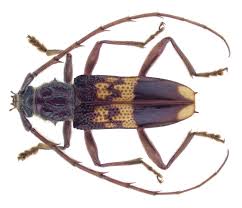
Japanese cedar longhorned beetle (Callidiellum rufipenne; JCLB) is a wood boring beetle in the longhorned beetle family, Cerambycidae. The adults are reddish brown in color, and relatively small for longhorned beetles, at only around 1 cm in length. Japanese cedar longhorned beetle has a long history of establishing outside of its native range but has largely been considered a non-issue. It has long been disregarded as a pest because it feeds primarily on dead or dying trees in both the native and invaded ranges. However, there are more examples of these beetles feeding on stressed, but alive, trees in North America. Therefore, I think it is an important insect to take a closer look at.

Life cycle

These beetles have a one-year life cycle, most of which is spent inside a host tree. Adults emerge from host trees in the early spring and seek out other adults to mate with and trees to lay eggs on. Eggs are laid on thin parts of bark or in bark crevices, and when the eggs hatch larvae chew beneath the bark where they feed on the phloem until they have completed larval development. Once larvae are fully developed, they burrow further into the tree, into the xylem tissue, where they pupate, overwinter as fully formed adults, and continue the cycle the following spring.

Native range

The native range of JCLB is eastern Asia. It is common throughout the Korean peninsula and across the islands of Japan. It is also considered native to Eastern China and Russia. Within the native range JCLB is found primarily on dead and/or dying trees and is thus considered a secondary pest. On dead trees they can be found on any diameter of dead woody material, but on declining trees they will likely be in the small diameter branches and stems.

Arborvitae (Thuja occidentalis); photo by James St. John via Flickr

Invasion history

Japanese cedar longhorned beetle was first documented as an invasive pest in the early 1900s in France, and since then has established in at least fifteen countries (Clément 2023). Most of these countries are in Europe, but the United States and Argentina also have established populations. As with most woodboring insects, the invasion pathway is believed to have been wood packaging material being transported via global trade routes. Between 1914 and 2022 it was intercepted over 700 times (reviewed by KM). Since the implementation of ISPM No. 15, only six interceptions have been reported up to 2022 (USDA APHIS data reviewed by K.M.). [For Faith’s view on the regulation of wood packaging, see Fading Forests II and III (links provided at the end of this blog) and earlier blogs posted here under the category “wood packaging”. esp. 1 from 2015].

A USDA risk assessment completed in 2000 suggested other possible pathways of introduction, including balled nursery stock, green logs, and pruned branches (USDA APHIS and Forest Service, 2000). 

In terms of establishments in North America, JCLB was first detected in natural forests in North Carolina in 1997. It was soon discovered in Connecticut in 1998; in neighboring New York in 1999; and in Massachusetts, New Jersey, and Rhode Island in 2000. It was quickly discovered feeding on live arborvitae (also called northern white cedar; Thuja occidentalis) in these invaded regions. JCLB has since been found in Pennsylvania (in 2010) and Maryland (in 2011). It is important to note that it is not clear when this species truly established, because of its previously discussed long history of being intercepted in ports of entry.

Most introduced populations of JCLB are found in either dead hosts or in the damaged/dead limbs of live hosts. In Buenos Aires, for example, storm-damaged trees with broken limbs are often where beetles are collected (Turienzo 2007). In the United States, eastern red cedar (Juniperus virginiana) and common juniper (Juniperus communis ) are the two native species most commonly affected, but so far there is no evidence of live trees of these species being infested (Maier 2007). However, a growing concern in the United States is that JCLB has been documented on live trees – particularly in urban environments. These trees are typically arborvitae, and they are typically stressed urban trees that have been overwatered and often show signs and symptoms of other health issues.

Host breadth

The host breadth of JCLB encompasses much of the family Cupressaceae. Maier (2007) identified 19 potential hosts from the literature and research, with the vast majority (14) of the hosts being Cupressaceae species, which is indicative of JCLB being a relative generalist, especially when considering species in the cypress family. This is important, because there are over 130 species within Cupressaceae worldwide that could be suitable hosts for JCLB, meaning host will not be a limiting factor in many invasion scenarios for this insect. Most often trees infested by JCLB need to be either stressed or dead, which limits suitability to an extent. However, many landscape trees are inherently stressed, whether it be from a history of roots being balled and wrapped in burlap, being planted in less than ideal scenarios, or being overwatered.

A few reports from research in Japan record JCLB feeding on plants in Pinaceae, primarily Pinus and Abies species. One article reports use of Larix kaempferi; another documented JCLB on the Taxaceae species, Taxus cuspidata. North American pine (Pinus spp.) and fir (Abies spp.) species have not been tested, but if they are revealed as suitable that would increase the availability of hosts in North America significantly.

In southern New England at least nine species have been confirmed as suitable, all of which are in the family Cupressaceae. Native and abundant junipers, such as Juniperus virginiana, appear to be highly suitable hosts. Additional host testing would be beneficial – especially Cupressaceae species that are either threatened or have a limited range. Within the United States there are a total of 28 native Cupressaceae species. Thus the suitable range (in terms of hosts) covers the entire Eastern half of North America through central Texas, most of the Pacific Coast, and widespread but spotty/disjunct areas throughout the Intermountain West and High Plains regions.

Atlantic white cedar swamp (Chamaecyparis thyoides) in Brendan Byrne State Forest, New Jersey; photo by Famartin via Wikimedia

Suitability

Tools such as environmental niche models can give helpful estimates of suitability. For species that are typically secondary pests, such as JCLB, it can be difficult to obtain non-biased data with good coverage to make reliable predictions. Preliminary research (unpublished) has been completed to estimate suitable habitat with limited occurrence records from the native range. Despite limited occurrences, models performed well and estimated moderate to high suitability in most temperate regions globally. These preliminary models are still being optimized by working with collaborators within the native range of JCLB to increase the number of occurrences. It is also important to note that these models are only accounting for climate data. Host data was not included, but Cupressaceae species are abundant globally, and therefore host availability is not likely a limiting factor for JCLB in establishing in regions.

Importance of monitoring species

While JCLB is still mostly limited to dead, dying trees, many of the species it may affect in the Eastern United States are already of heightened conservation concern. Wetland Cupressaceae, such as bald cypress (Taxodium distichum) and Atlantic White Cedar (Chamaecyparis thyoides), are valuable in terms of ecosystem services they provide in coastal, and inland, wetlands. These wetlands are encountering heightened stress in the form of increasing saltwater intrusion, increased storm strength, and changing landscapes, all of which may predispose trees to insect attack. Japanese cedar longhorned beetle has been successfully reared out of logs of Atlantic White Cedar, but thankfully has not been documented on live trees of this species (Maier 2009)[Ma1] . Bald cypress has not yet been tested for suitability. It is unknown if the stressors these trees are facing and will continue to face will impact JCLB’s ability to infest these landscapes, or if they will remain restricted to dead trees in these coastal forests. Regardless, given JCLB already has an established foothold in the Eastern United States, it is important to better understand the potential impacts of this insect.

First steps to understanding those impacts include 1) better documenting the host range in the regions and 2) determining the climate that may support the species. Hopefully we can continue research in these areas to best manage this non-native pest.

Much of the research conducted on JCLB in North America took place almost 20 years ago (Maier 2007, 2009), so updated sampling has potential to provide a wealth of information regarding spread rate, suitable climate, and establishment patterns.

bald cypress(Taxodium distichum); photo by Kej605 via Wikimedia; it is unknown whether this species is vulnerable to the Japanese cedar longhorned beetle

Sources

Clément F. 2023. Le point sur la distribution en France et en Europe de Callidiellum rufipenne (Motschulsky, 1861)(Coleoptera, Cerambycidae, Cerambycinae, Callidiini). Le Coléoptériste. 26(3):188–203.

Maier CT. 2007. Distribution and Hosts of Callidiellum rufipenne (Coleoptera: Cerambycidae), an Asian Cedar Borer Established in the Eastern United States. JOURNAL OF ECONOMIC ENTOMOLOGY. 100(4).

Maier CT. 2009. Distributional and host records of Cerambycidae (Coleoptera) associated with Cupressaceae in New England, New York, and New Jersey. Proceedings of the Entomological Society of Washington. 111(2):438–453. https://doi.org/10.4289/0013-8797-111.2.438

Turienzo P. 2007. New records and emergence period of Callidiellum rufipenne (Motschulsky, 1860) [Coleoptera:Cerambycidae: Cerambycinae: Callidiini] in Argentina. Boletín de Sanidad Vegetal, Plagas. 33:341–349.

United States Department of Agriculture Animal and Plant Health Inspection Service and Forest Service 2000. (Pasek, J.E., H.H. Burdsall, J.F. Cavey, A. Eglitis, R.A. Haack, D.A. Haugen, M.I. Haverty, C.S. Hodges, D.R. Kucera, J.D. Lattin, W.J. Mattson, D.J. Nowak, J.G. O’Brien, R.L. Orr, R.A. Sequeira, E.B. Smalley, B.M. Tkacz, W.W. Wallner) Pest Risk Assessment for Importation of Solid Wood Packing Materials into the United States. USDA APHIS and Forest Service. August 2000.

Posted by Faith Campbell

We welcome comments that supplement or correct factual information, suggest new approaches, or promote thoughtful consideration. We post comments that disagree with us — but not those we judge to be not civil or inflammatory.

For a detailed discussion of the policies and practices that have allowed these pests to enter and spread – and that do not promote effective restoration strategies – review the Fading Forests report at  https://treeimprovement.tennessee.edu/

or

www.fadingforests.org


 [Ma1]another old source