As I have documented in the past, wood packaging (crates, pallets, spools for cable, etc.) remains a pathway for introduction of tree-killing insects, including those that vector pathogens. Visit previous blogs describing continuing failures of the international standard by scrolling below “Comments” and “Archive” to “Categories” and click on “wood packaging”.
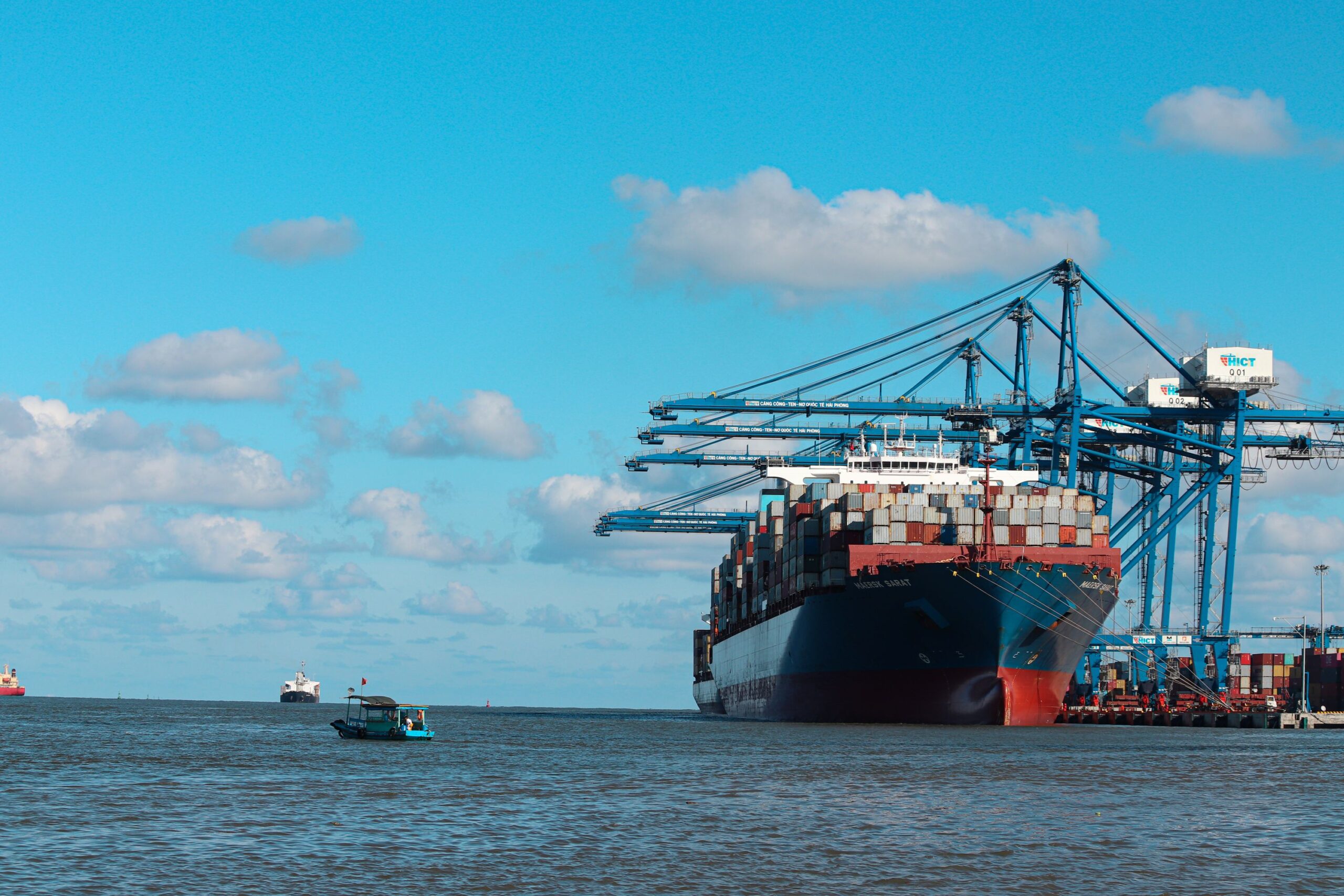
Because of the associated risk, I report on volumes of incoming trade containers, called “TEUs”. This acronym stands for “twenty-foot equivalent”. I focus on expanding import volumes from Asia into East and Gulf Coast ports because 1) ecological similarities between East Asia and eastern North America facilitate establishment of species from Asia into this region; 2) China has a particularly poor record of non-compliance with the international standard; 3) U.S. phytosanitary officials at eastern ports might be less prepared to handle the volume.
So what is the situation in Autumn 2026?
U.S. imports have been rising – despite tariffs, trade wars, shooting wars, and weather challenges. The following information comes from articles posted by the Journal of Commerce. Unfortunately, JOC articles are behind a paywall.
In 2025, the top nine U.S. ports handled 49.5 M total TEUs, loaded and empty, the third highest number after 2022 and 2021. People in trade expect the overall U.S. container trade to grow between 2 and 3% annually. A 3% growth rate would put total U.S. container handling (imports and exports) at just over 66 million TEUs by 2035 (Michael Angell, Oct 20, 2026).
Higher import volumes are linked to the data center construction boom (Mark Szakonyi, October 2, 2026). For example, the Port of Houston saw a 41% increase in imports of wiring, electrical transformers and switches, refrigeration equipment, and lithium-ion batteries – to 80,953 TEUs (Michael Angell, October 5, 2026).
U.S. east coast ports saw a 28% increase in volumes from Southeast Asia over the past two years (Michael Angell, Oct 20, 2026). In recent months, however, U.S. importers have shifted sourcing back to China because of easing U.S. tariffs and lower energy costs than in Southeast Asia (Mark Szakonyi, October 2, 2026.
The ports of Los Angeles and Long Beach have been handling record or near-record container volumes over the past four months as retailers responded to changing tariff deadlines and supply chain challenges caused by congestion at Chinese ports and drought-caused draft limitations at the Panama Canal (Bill Mongelluzzo, October 30, 2026).
Supply chain challenges in addition to the shallow water in the Panama Canal (which has restricted ship passages) include 13 typhoons in East Asia, some of which have forced closure of export harbors in China, Taiwan, and possibly Japan (Keith Wallis, October 23, 2026). This month devastating floods in the Four Corners area have completely disrupts rail transport from the California ports to the Midwest and East (Bill Mongelluzzo, October 27, 2026).
A looming complication is the possible strike by security personnel at Los Angeles and Long Beach (Bill Mongelluzzo, October 30, 2026; Ari Ashe, October 27, 2026).
Imports from Asia to East and Gulf Coast Ports Continue to Rise
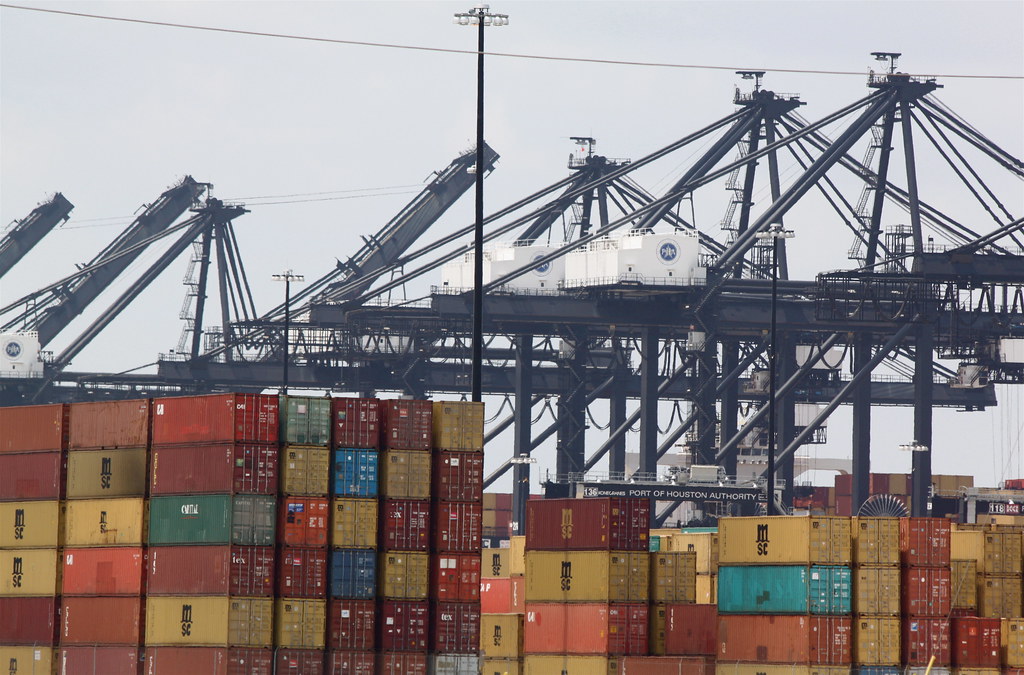
Houston saw the largest increase percentage-wise of major U.S. ports from Asia — up 11.7% from the same eight-month period (through August) in 2025. This year, 792,419 TEUs from Asia have entered Houston. (As noted above, 10% of these containers held equipment for data centers). Overall, through this period, Houston received 5% more loaded import TEUs (1.4 million) than over the same period a year ago. Other ports also received higher numbers of containers from Asia, although significantly lower percentages: Savannah imports rose by 4.5%; Los Angeles by 4%; and New York-New Jersey by 3.2%. Not all ports saw gains: Seattle/Tacoma received 14% fewer containers from Asia, Charleston 6.4% fewer, Oakland 3% fewer (Michael Angell, October 5, 2026).
Expansions Continue at East and Gulf Coast Ports
See earlier reports on these expansions by scrolling below “Comments” and “Archive” to “Categories” and click on “wood packaging”.
Container ports along the U.S. East and Gulf are in the process of or planning major expansions through the 2030s in anticipation of increasing volumes from places other than China. Projects include expanding the ports’ rail networks to reach inland markets now served mostly by the West Coast. Three projects will ramp up capacity to gradually to 6.8 million TEUs by completion a decade from now. Baltimore and Wilmington, Delaware broke ground earlier this year on their expansions. Savannah has obtained needed permits for constructing a third terminal. It also will build a new container yard. A fourth project at Norfolk will eventually add another 3.4 M TEUs to East Coast capacity. Farther in the future, Philadelphia has obtained funding to double its capacity, which would add another one million TEUs (Michael Angell, October 20, 2026). Savannah was the port of introduction of the redbay ambrosia beetle and its associated fungus as well as two conspicuous arthropods that are not forest pests, the East Asian Joro spider and yellow-legged hornet. Charleston might have been one of many ports of introduction of the Asian longhorned beetle.
Some ports have found a different, probably cheaper, way to increase capacity. The Port of New York-New Jersey is upgrading equipment so it can stack containers up to six high, thus storing a third more containers in the same space as currently. This adjustment could add another 1.5 M TEUs to the port’s current capacity of ~10 M TEUs (Michael Angell, October 20, 2026). The New York metropolitan area has been the site of numerous pest introductions, most notably the original establishment of the Asian longhorned beetle.
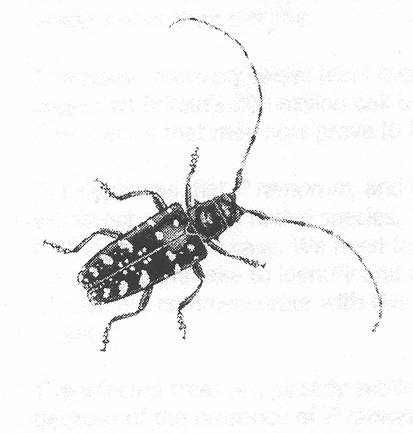
Gulf Coast ports are also expanding. New Orleans has awarded preliminary contracts for building the Louisiana International Terminal. Houston is fast-tracking a permit for a third container terminal. These projects could add ~6.3 M TEUs in new container handling capacity on the Gulf Coast through the 2030s. More is planned. Corpus Christi has signed a lease to build its first container terminal and Mobile is dredging its harbor. These projects would raise the Gulf Coast container handling capacity to 7 million TEUs (Michael Angell, October 20, 2026).
Port expansion is not limited to the United States. The port of St. John, New Brunswick, announced it will receive C$463 million (US$330 million) from federal and provincial governments and the private sector to increase container handling capacity from 850,000 TEU to one million TEUs. The project includes dredging to allow deeper-draft ships to call more frequently, expanding port warehouses, building a new customs inspection facility, and improvements to the port’s rail infrastructure. Import volumes are growing: the 239,364 TEUs handled in 2025 was a 29% increase over 2024. Port St. John already can handle super-post Panamax ships with a 56-foot draft. (Michael Angell, October 22, 2026). Halifax was the port of introduction of three tree-killing pests: beech bark disease in the 1890s; brown spruce longhorned beetle in 1999; and beech leaf-mining weevil in 2012.
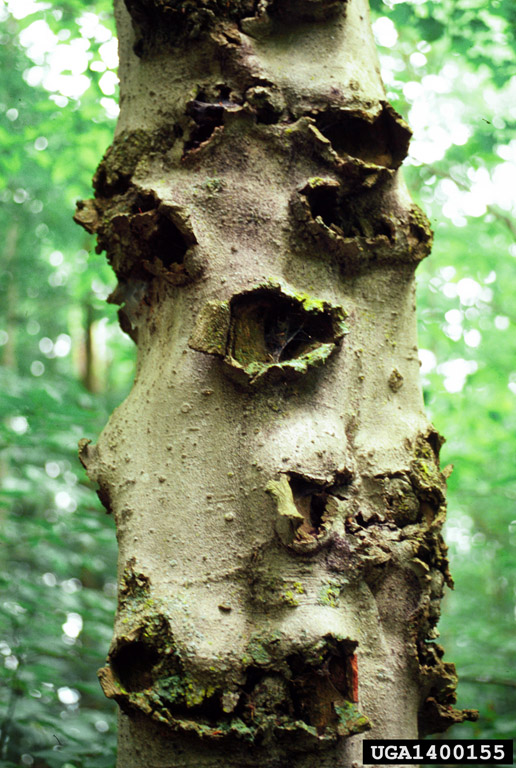
Labor unions at Halifax and Montreal have recently signed agreements that make strikes unlikely (Journal of Commerce staff | October 23, 2026).
Posted by Faith Campbell
We welcome comments that supplement or correct factual information, suggest new approaches, or promote thoughtful consideration. We post comments that disagree with us — but not those we judge to be not civil or inflammatory.
For a detailed discussion of the policies and practices that have allowed these pests to enter and spread – and that do not promote effective restoration strategies – review the Fading Forests report at http://treeimprovement.utk.edu/FadingForests.htm
Or