I rejoice that New Zealanders are exploring the risk to Aotearoa New Zealand and South Pacific islands posed by the rapid ‘ōhi‘a death (ROD) pathogens, Ceratocystis lukuohia and C. huliohia. See Marroni et al., – full citation at the end of this blog.
Marroni et al. (2026) note that several species in the genus Ceratocystis cause severe disease in native and cultivated plants following their introduction to new regions. Several of the more than 40 species in the genus have demonstrated a capacity to infect a wide range of hosts and, in some cases, to attack new hosts in novel regions.
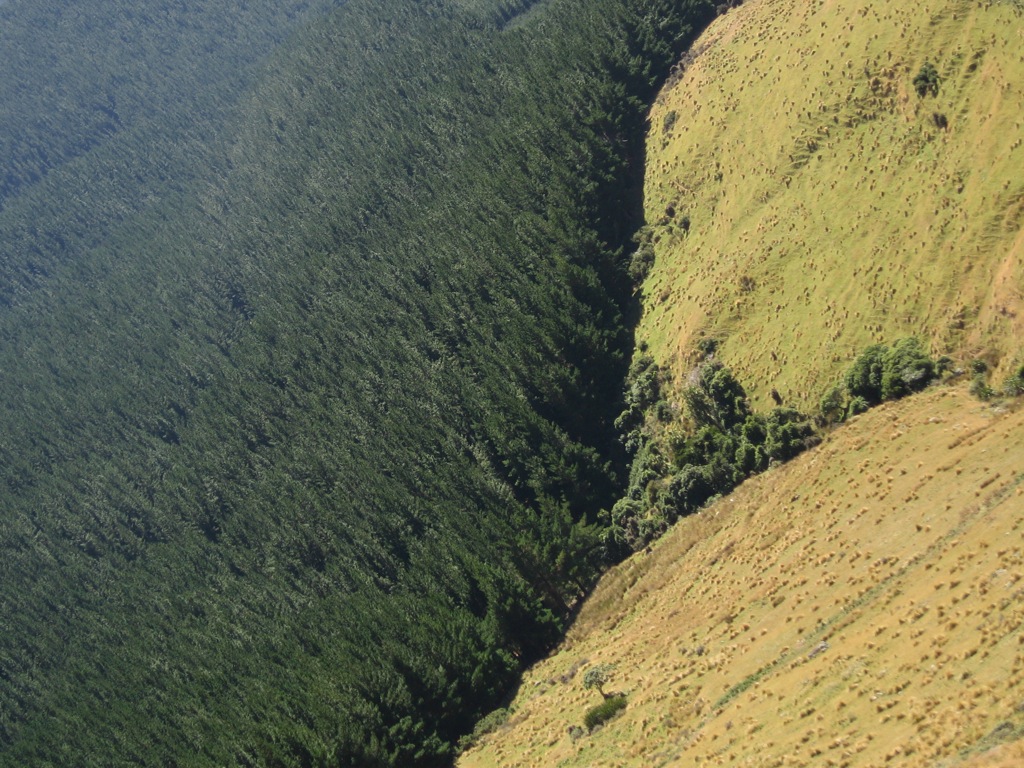
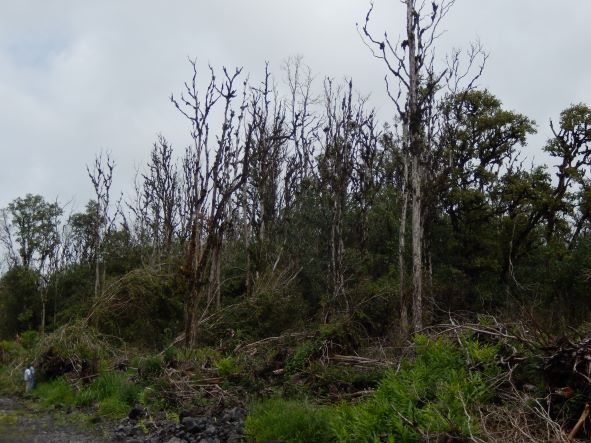
The stakes are high. These islands are home to 54 of the 58 species in the Metrosideros genus – the genus of Hawaii’s ‘ōhi‘a lehua trees (Metrosideros polymorpha) – an endemic species of immense ecological and cultural importance. Aotearoa New Zealand alone has 12 native Metrosideros species. Four of these species are already under conservation threat. Only 31 Bartlett’s rātā (M. bartlettii) trees remain in the wild. Another species, pōhutukawa(M. excelsa), has declined 90% in abundance since Polynesian and European settlements — although it is not formally listed as threatened. (Why not?) Trees on other South Pacific islands are also apparently at risk. Metrosideros collina is widespread on these islands and is known to be susceptible to C. lukuohia. Its close relationship to both Hawaiian species and several species on the other islands suggests that related taxa across the region might also be vulnerable.
Marroni et al. (2026) worry that non-Metrosideros species (native or introduced) could also be at risk. They cite the recent finding on Kaua‘i of C. lukuohia in dead camphor trees(Cinnamomum camphora) and death of 60–100% of kiwifruit (Actinidia chinensis) in laboratory tests. So far, coffee, avocado, macadamia, mānuka (Leptospermum scoparium), and two species invasive in Hawai`i, rose apple (Syzygium jambos) and strawberry guava (Psidium cattleianum) have proved not susceptible to C. lukuohia in laboratory tests.
I applaud the New Zealanders for initiating tests of these species’ vulnerability. Preliminary results indicate that M. excelsa might be less susceptible to C. lukuohia than the Hawaiian species. M. perforata (white rātā) and M. fulgens (climbing rātā) have been found susceptible to C. lukuohia. Pathogenicity tests are under way on additional New Zealand Metrosideros species. Marroni et al. (2026) call for screening of all Metrosideros species. They also suggest that New Zealand plant species – not just Metrosideros spp. – growing in botanical gardens or amenity plantings in Hawai’i should be monitored – application of the “sentinel tree” concept.
The scientists are also evaluating climatic factors. Although most Ceratocystis spp., including the two ROD species, are found primarily in tropical regions, some species cause disease across a broader climatic range. Models indicate that some parts of North Island are suitable now for ROD establishment. Several of the vulnerable species [M. excelsa, M. robusta (northern rātā), M. bartlettii and M. umbellata (southern rātā)] grow on that island. Low winter temperatures appear to preclude establishment on South Island at present. However, rising temperatures associated with global warming is expected to greatly expand ROD’s potential distribution to include nearly all of North Island and most of the South Island (see Figures 1a and 1b in the article). Marroni et al. (2026) say that changes in precipitation – extremely important in disease establishment – are more difficult to model. Many South Pacific Islands probably provide highly suitable climatic conditions year-round.
Worrying Conclusions About Risk
While I admire the New Zealanders’ efforts to prepare, I worry that Marroni et al. (2026)’s conclusions about the level of introduction risk are too optimistic. I fear they put too much faith in the country’s strong phytosanitary policies.
The most likely pathways of introduction are movement of infected plants, their wood, or associated soil or insects. These vectors might be moved during trade or carried by tourists.
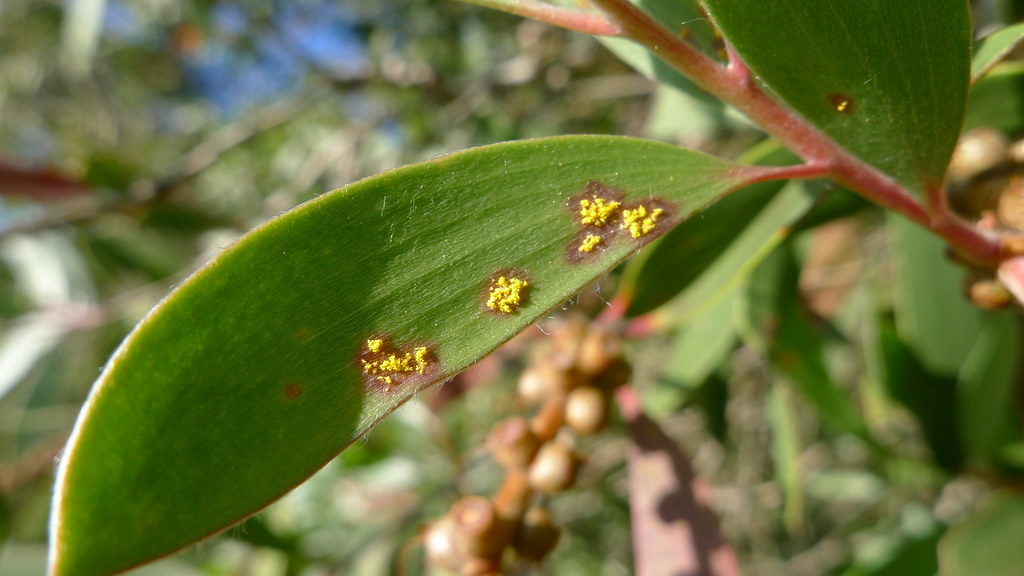
The New Zealand Ministry for Primary Industries (MPI) applies tight requirements on imports of all nursery stock of known Ceratocystis host plants (prompted by a desire to mitigate the risk of introducing the C. fimbriata sensu lato complex). These plants must be inspected both before export and at the port of entry – including testing for the presence of a pathogen and – when indicated — treatment and/or quarantine. Any intercepted putative Ceratocystis species is subject to further diagnostic testing, and infected material is either destroyed or managed according to MPI protocols. Since 2010 New Zealand has prohibited importation of whole plants and cuttings of myrtaceous species (including the Metrosideros genus) from Australia because of the presence of Austropuccinia psidii, causal agent of myrtle rust disease. New Zealand does allow import of tissue culture plantlets from Australia, India, and the United States. Given these stringent phytosanitary requirements and the absence of plant material imported from Hawai`i, Marroni et al. (2026) concluded that the risk of introducing the two ROD pathogens is “low”.
Movement of wood could transport aleurioconidia of C. lukuohia and C. huliohia – thick-walled asexual spores that can survive in infected ‘ōhi‘a wood for at least 12 months. So all wood products derived from infected trees, including logs, timber, firewood, chips, shavings, sawdust, and other wood particles can potentially carry the pathogens. Importation of wood products is managed under seven different standards. New Zealand imports wood products primarily from North America, Southeast Asia, Pacific Islands, and Australia. Marroni et al. (2026) report that various Ceratocystis spp. have been detected on timber originating from South Pacific and Asia multiple times.
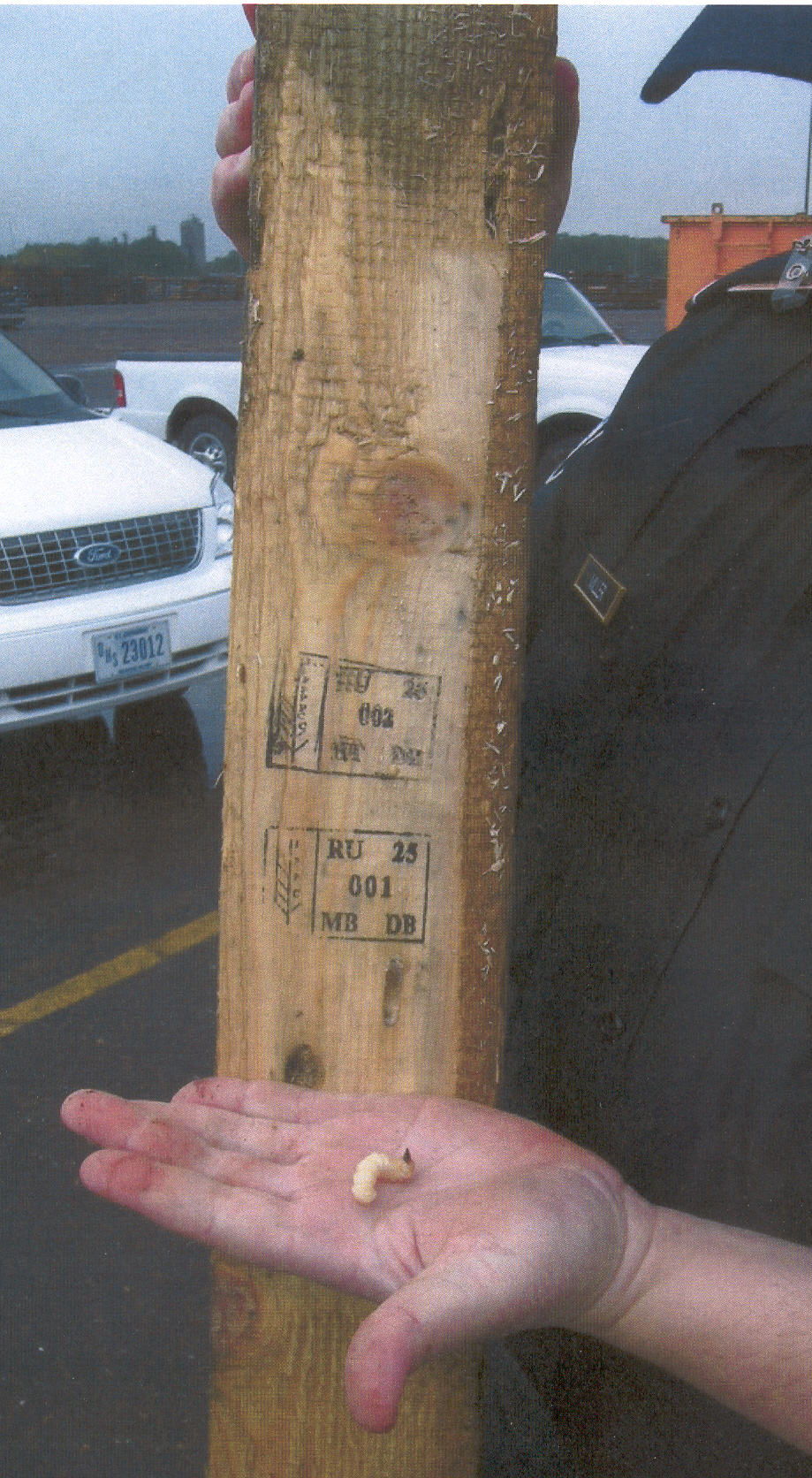
Another type of wood imports is wood packaging material – crates, pallets, spools for cable, etc. Marroni et al. (2026) call the treatments prescribed by ISPM#15 – debarking, heat treatment or fumigation – highly effective in eliminating woodborne pathogens. There have been no detections of Ceratocystis spp. on ISPM#15-compliant SWPM entering New Zealand. Consequently, Marroni et al. (2026) consider the risk of introduction via this pathway to be “low”.
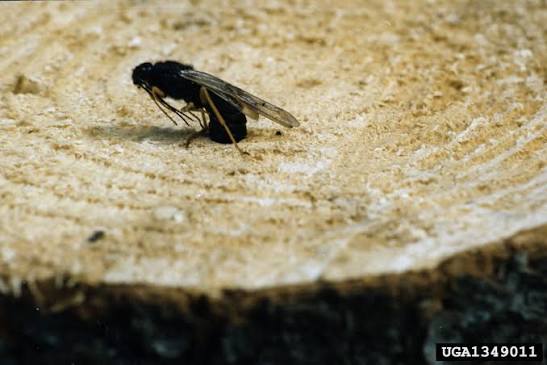
Marroni et al. (2026) do express concern that ambrosia beetles could be introduced via trade in nearly any form. In Hawai`i, the beetles’ frass (wood particles, faeces and beetle fragments) is considered to be a major pathway for spread of the ROD pathogens. Frass can be carried considerable distances on the wind during storms. The frass can also be moved on tools, machinery or footwear.
The New Zealand Ministry for Primary Industries (MPI) prohibits importation of soil; this is enforced by inspection of incoming goods, machinery, containers, and visitors’ footware. They note that despite these measures, accidental intro of soil is still possible, especially via used agricultural machinery and vehicles. One study found soil contamination on 93% of sea containers and flat-rack containers arriving from several Pacific nations. This soil contained viable plant material, plant pathogens, and invertebrates.
Large numbers of New Zealanders and other Pacific Islanders visit Hawai`i. They could carry ROD propagules back to their home islands in soil on contaminated footwear, clothing, camping equipment, etc. NZ inspectors have found high incidences, counts and diversities of viable bacteria, fungi, nematodes, seeds, and several arthropods on footwear of arriving aircraft passengers. Although Marroni et al. (2026) to not explore this topic in detail, National Park Service and botanical garden websites reveal that ROD is present at several of the sites very popular with tourists. These include Kīlauea, Kīpukapuaulu, the ʻŌlaʻa rainforest, Thurston lava tube, and lower-elevation sections of the Kahuku unit of Hawaii Volcanoes National Park; the Hawaii Tropical Botanical Garden on the Big Island; and Limahuli Garden on Kauai. Overall, the authors consider the risk of introduction by this pathway to be “moderate”.
If Ceratocystis lukuohia and C. huliohia were introduced to Aotearoa New Zealand or South Pacific islands, the risk of spread throughout the region seems high. There is the high volume of people and goods – including vehicles – moving among the islands. Wind storms might carry infected frass or insects from one island to another (Austropuccidia psidii is thought to have been introduced to New Zealand from Australia on prevailing winds). All these islands have feral and domestic mammals whose rooting and trampling can wound the trees, exposing them to infection by the pathogen. In New Zealand this risk is greatly exacerbated by the damage caused by the invasive Australian common brushtail possum (Trichosurus vulpecula), which feeds on tree buds and foliage and incidentally strips the bark and breaks branches.
My Concerns
- Marroni et al. (2026) pay very little attention to the risk of introduction from the native habitats of Ceratocystis lukuohia and C. huliohia. They focus on imports and visitors from Hawai`i. These imports are dominated by aircraft and aircraft parts, scrap metals, gas turbines, seafood and beverages. The imports of primary agricultural or forestry products are in lower volumes. No nursery stock comes from the Islands.
But the Hawaiian outbreaks are caused by introduced pathogens.The native range of the species more virulent in Hawai`i, C. lukuohia, is in Latin America. The native range of C. huliohia is in Australasia! I wish Marroni et al. (2026) had explored the volume and type of imports from these regions.
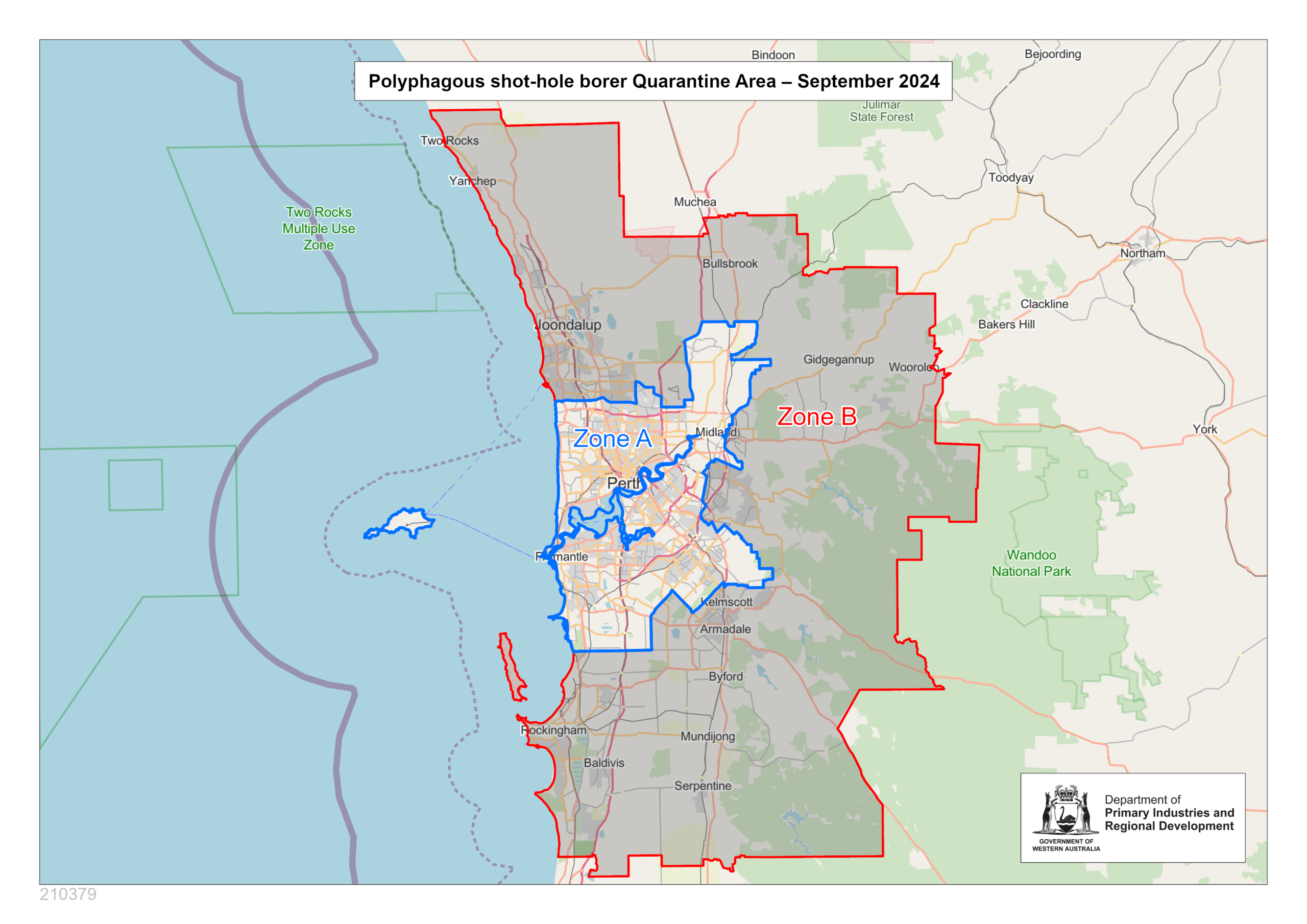
- As readers of this blog know, I do not share Marroni et al.’s (2026) sanguine evaluation of the efficacy of ISPM#15 in preventing introduction of wood-boring insects or – especially – fungal pathogens. See this blog describing the impact of polyphagous shot hole borer in one of many places where it has been introduced – perhaps via wood packaging. Or visit other blogs describing continuing failures of the standard by scrolling below “Comments” and “Archive” to “Categories” and click on “wood packaging”.
- Most host vulnerability testing has focused on vulnerability to C. lukuohia. While C. huliohia is less virulent on Hawaii’s ‘ōhi‘a trees (Metrosideros polymorpha), I think it is unwise to assume that it will behave similarly on naïve tree species on New Zealand or other Pacific islands.
- Marroni et al.’s (2026) do not acknowledge the difficulties in detecting pathogens on imported plants. See previous blogs describing continuing introductions of pathogens on plan imports by scrolling below “Comments” and “Archive” to “Categories” and click on “forest health” or “plants as vectors”. Perhaps the New Zealand procedures are sufficiently robust to overcome weaknesses detected in the U.S. and elsewhere … but that is not clear.
- New Zealand scientist do not know how the oomycete Phytophthora agathidicida which kills the endemic kauri tree, Agathis australis was introduced. Does this situation conceal some other pathway?
Uncertainties acknowledged by Marroni et al. (2026)
- Hawai`i adopting regulations in 2016 to prohibit movement of M. polymorpha plant material from infected regions; this was six years after the disease was first detected. The disease was detected on Kaua‘i in 2018 and 2019, later on Maui and O‘ahu. Do these outbreaks demonstrate the limits of regulation? Or were these outbreaks initiated before the regulation was implemented—given the frequent lag in detection?
- Asymptomatic infections have been detected on M. excels. Might other species also harbor undetected disease?
- Scientists don’t know which species of Metrosideros trees, ambrosia beetles, or Ceratocystis fungi are established on which Pacific islands? Their presence or absence is relevant to the possibility of step-by-step spread of the pathogens.
- Scientists don’t know how the pathogen might respond to seasonal temperature variations on New Zealand.
- There is very little information on whether tissue culture plantlets can transmit Ceratocystis spp.
- New Zealand has 12 native and 12 introduced species of Scolytinae, including Xyl. saxesenii [which has transmitted C. lukuohia and C. huliohia under lab conditions]; and Amasa truncata, an Australian ambrosia beetle species implicated in mortality of trees. There is little data regarding which insects associate with Metrosideros.
- Proposed solutions
Marroni et al. (2026) say New Zealand’s recent sobering experience with myrtle rust https://www.dontmovefirewood.org/pest_pathogen/ohia-rust-html/ demonstrates the importance of quick action if a pathogen is introduced. Suggested priorities are to strengthen pathway management, improve surveillance in climatically suitable regions and at high-risk entry points, and research to address major knowledge gaps relating to host range, climate suitability, potential vectors, and dispersal. Scientists should test a broader range of possible hosts, including representative native forest species and economically important fruit and commercial forestry crops. Other studies are needed to determine which ambrosia beetle species utilize Metrosideros trees.
Pathologists should clarify which Ceratocystis species are already present in New Zealand and the South Pacific. Currently, only Ceratocystis fimbriata sensu stricto is recognized as occurring in New Zealand. However, New Zealand shares many fungi from other taxonomic groups with native forests in Asia and Australia, so Marroni et al. (2026) expect that some Ceratocystis species in the Austroasian clade might also occur naturally in New Zealand without causing obvious disease symptoms. Research is also needed to illuminate the influence of seasonality and local microclimates on disease outbreaks. A better understanding of these variables will inform long-term biosecurity and forest health planning.
Marroni et al. (2026) note that protecting Aotearoa New Zealand forests and primary industries requires collaboration of researchers, biosecurity agencies, Māori and Pacific local communities, and policymakers. They advocate a multidisciplinary approach that considers biological, cultural, and social factors.
Tree Mortality on Palau
Fear of spread of tree-killing Ceratocystis species across Pacific Island groups is not theoretical. In late 2021 people noticed extensive mortality of mature udeuid (Manilkara udoido) trees in Palau, an independent country in the Micronesian Islands east of the Philippines – so in the North Pacific. Udeuid is a culturally and ecologically important forest tree endemic to just one of the Palauan islands, the largest, Babeldaob Island (Johnson et al. 2025).
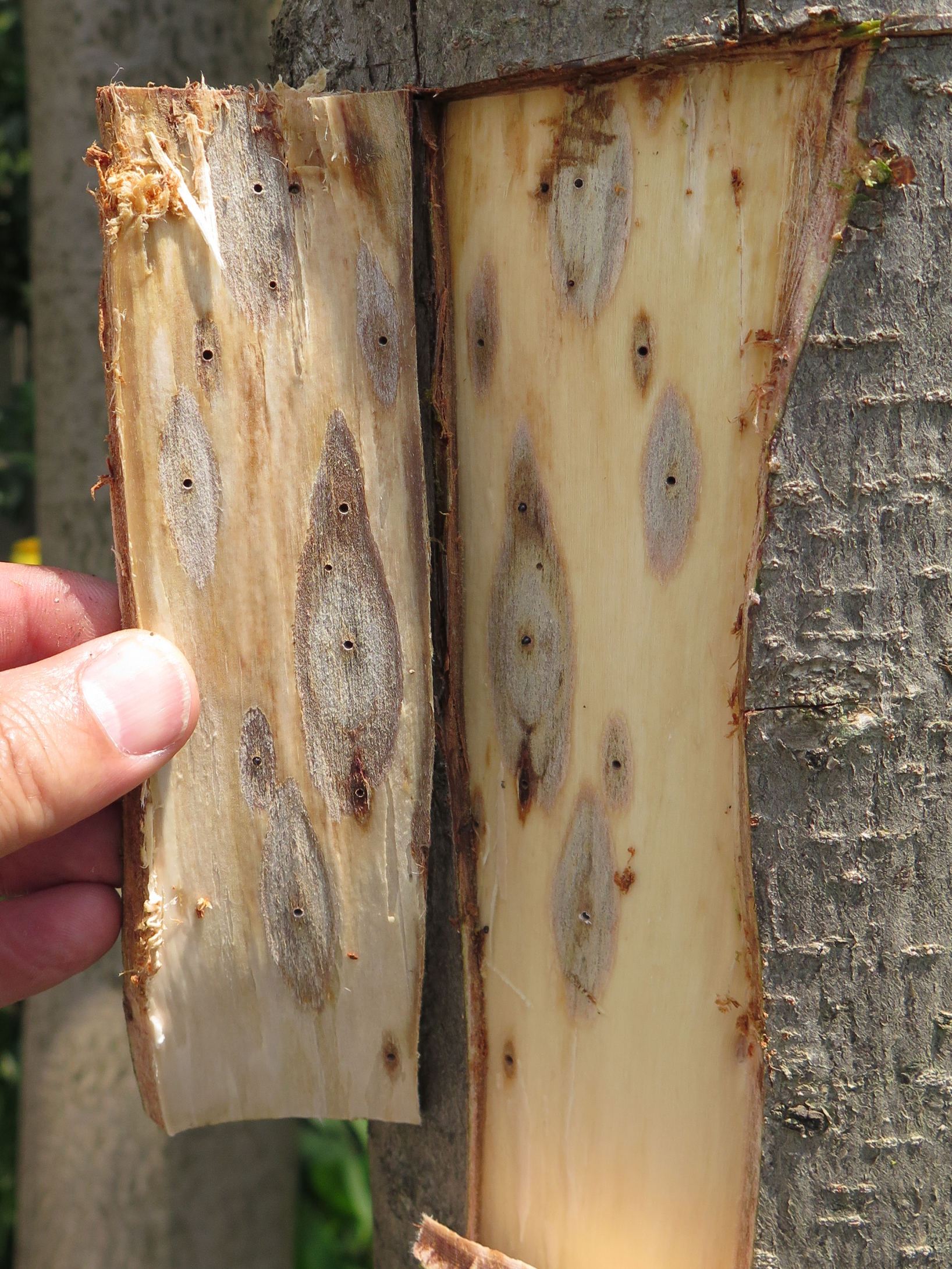
Losses exceeded 50% in several areas within the species’ core range. Koch’s Postulates determined the causal agent to be Ceratocystis manginecans, a Brazilian species associated with major disease outbreaks in Asia and elsewhere. Extensive damage to large udeuid trees caused by Typhoon Surigae in April 2021 might have contributed to the outbreak by creating wounds for infection. Four years after the initial detection trees continue to die. This is the first report of C. manginecans on the genus Manilkara andits first detection in the Pacific Islands. Johnson et al. (2025) conclude that C. manginecans poses a serious threat to native forests and cultivated crops in Oceania.
SOURCES
Johnson,J.A., M.A. Hughes,P.I. Bennett,O. Sadang, K. Roy, D.R. Kroese, P.G. Cannon, N.B. Klopfenstein,T. C. Harrington, and Mee-Sook Kim. 2025. First Report of Ceratocystis manginecans Causing Udeuid (Manilkara udoido) Wilt in Palau Plant Disease December 2025 https://doi.org/10.1094/PDIS-07-25- 1554-PDN 2025
Marroni, M.V., M.R. McNeill, R.E. Campbell, P.R. Johnston, T. Waiariki, A. Puketapu, W. Awarau‑Morris, J. L. Hasna, B. S. Beresford, J. Tyson, B. Weir, G.R. Smith, M. Padamsee, J.K. McCarthy, T.R. Etherington, B. Ganley, B.C. Luiz, L.M. Keith. 2026. The risk of rapid ‘ōhi‘a death to Aotearoa New Zealand and South Pacific. Biol Invasions (2026) 28:207 https://doi.org/10.1007/s10530-026-03896-2
Posted by Faith Campbell
We welcome comments that supplement or correct factual information, suggest new approaches, or promote thoughtful consideration. We post comments that disagree with us — but not those we judge to be not civil or inflammatory.
For a detailed discussion of the policies and practices that have allowed these pests to enter and spread – and that do not promote effective restoration strategies – review the Fading Forests report at http://treeimprovement.utk.edu/FadingForests.htm
Or